
Armytek Handy C1 Pro Charger Review
Armytek has the Armytek Handy C1 Pro Charger available now. It is a single-bay charger but supports multiple chemistries. Read on for testing!
Official Specs
Here’s a link to the Armytek Handy C1 Pro Charger product page.
Price
This charger sells for $12 on Armytek’s official site.
Short Review
This is, in fact, a handy little charger (did you see what I did there with the name of the item and calling it “handy” and all? 2019, year of #dadjokes).
Long Review
Key Features
- Intelligent automatic detection of battery type, charge level, and optimal current.
- Special ‘wings’ design for the reliable carrying of batteries without additional silicone strips.
- Supports IMR, Li-Ion, and Ni-MH with a diameter of 10.19mm and a length of 30.7mm, for example: AA, AAA, AAAA, 10440, 14500, 16340, 18350, 18650.
- Precise charge algorithm to extend battery lifespan.
- Quick charge with 1A current and autodetection of 0.5A current for small batteries.
- Built-in effective powerbank supports devices with a charge current up to 2.5A.
- Auto-detection of bad batteries and reverse polarity.
- Automatically stops charging when complete, depending on the battery.
- Always visible multicolor LED indication.
- Micro-USB cable included.
- Possibility to use car/wall adapters with USB output.
- Powerbank is compatible with iPhone & iPad.
Manual and Packaging
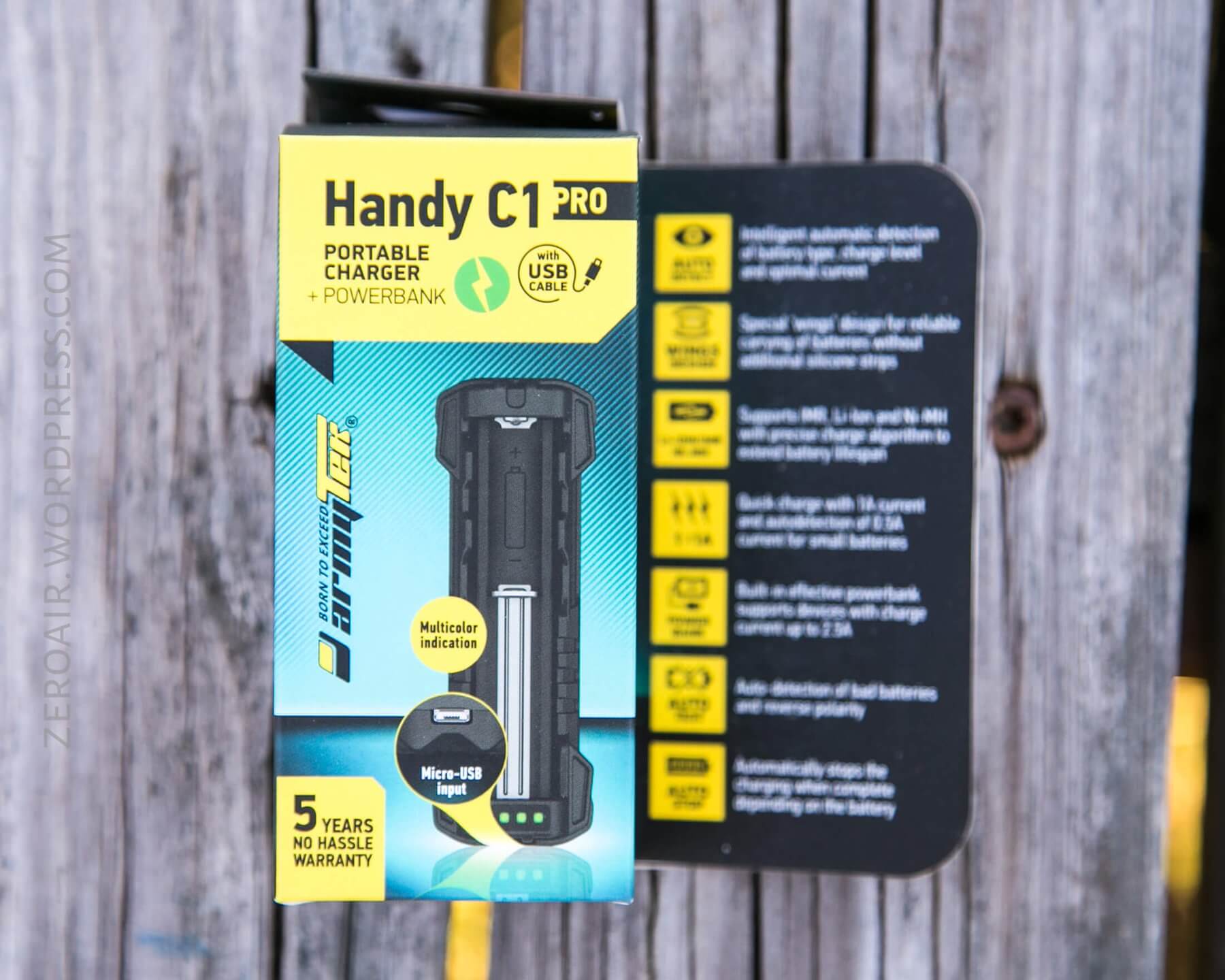
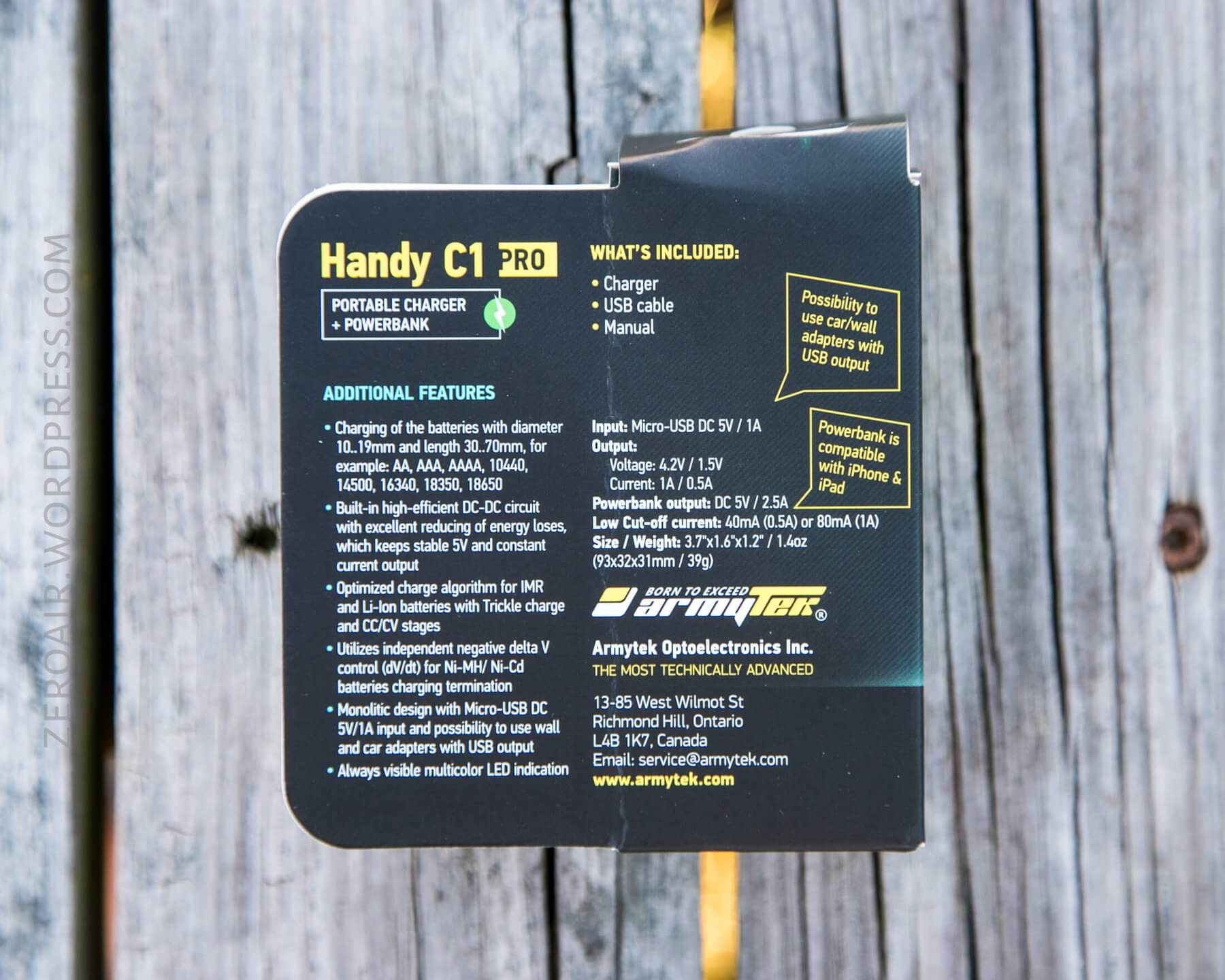
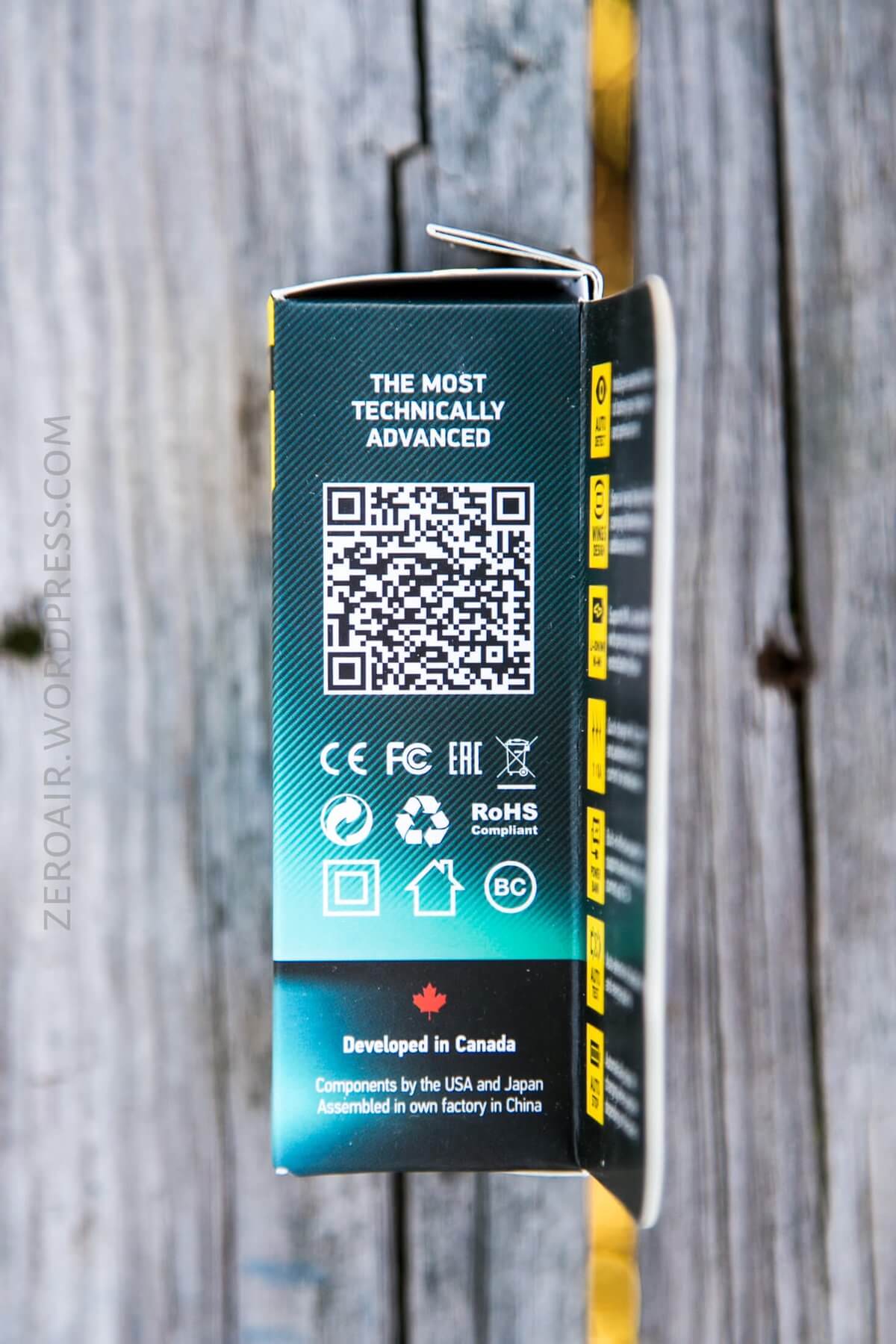
The package has a lot of info included (in fact, practically all the info), and a nice picture.
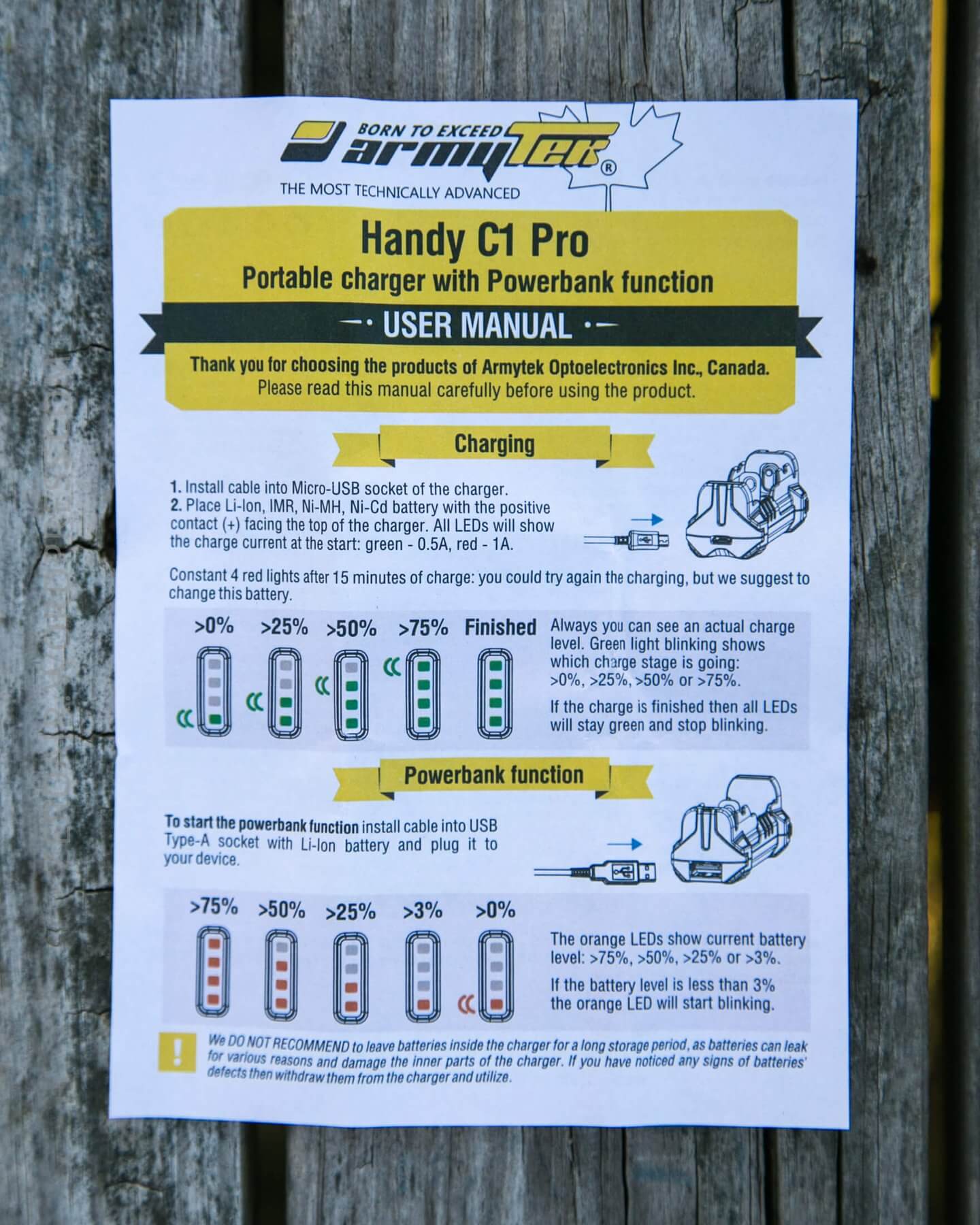
The manual is equally adorned with nice graphics – this is one of the nicer-looking manuals! Also, it’s not massive, which I appreciate.

What’s Included
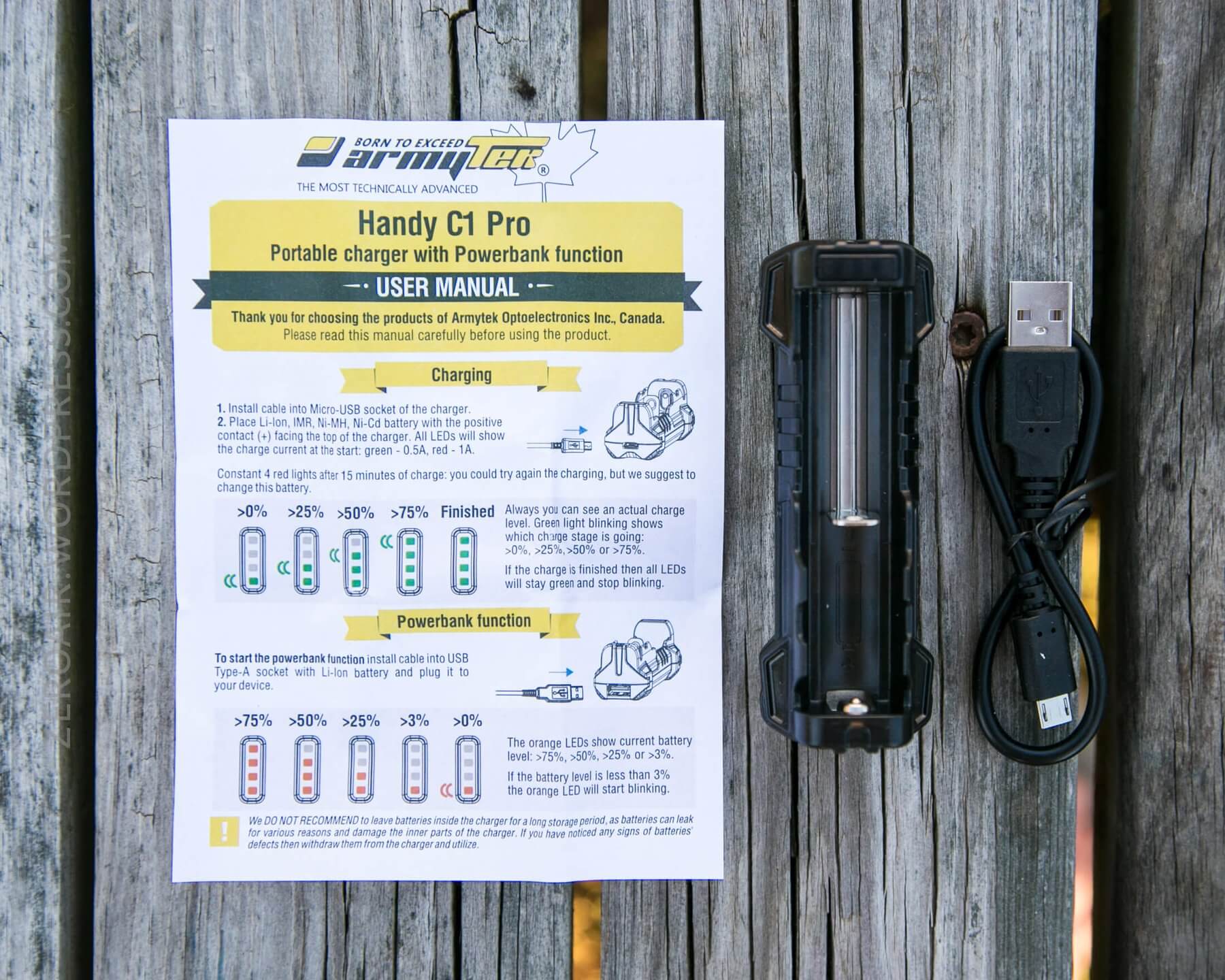
- Armytek Handy C1 Pro Charger
- Charge cable (USB to micro-USB)
- Manual
Build Quality and Durability
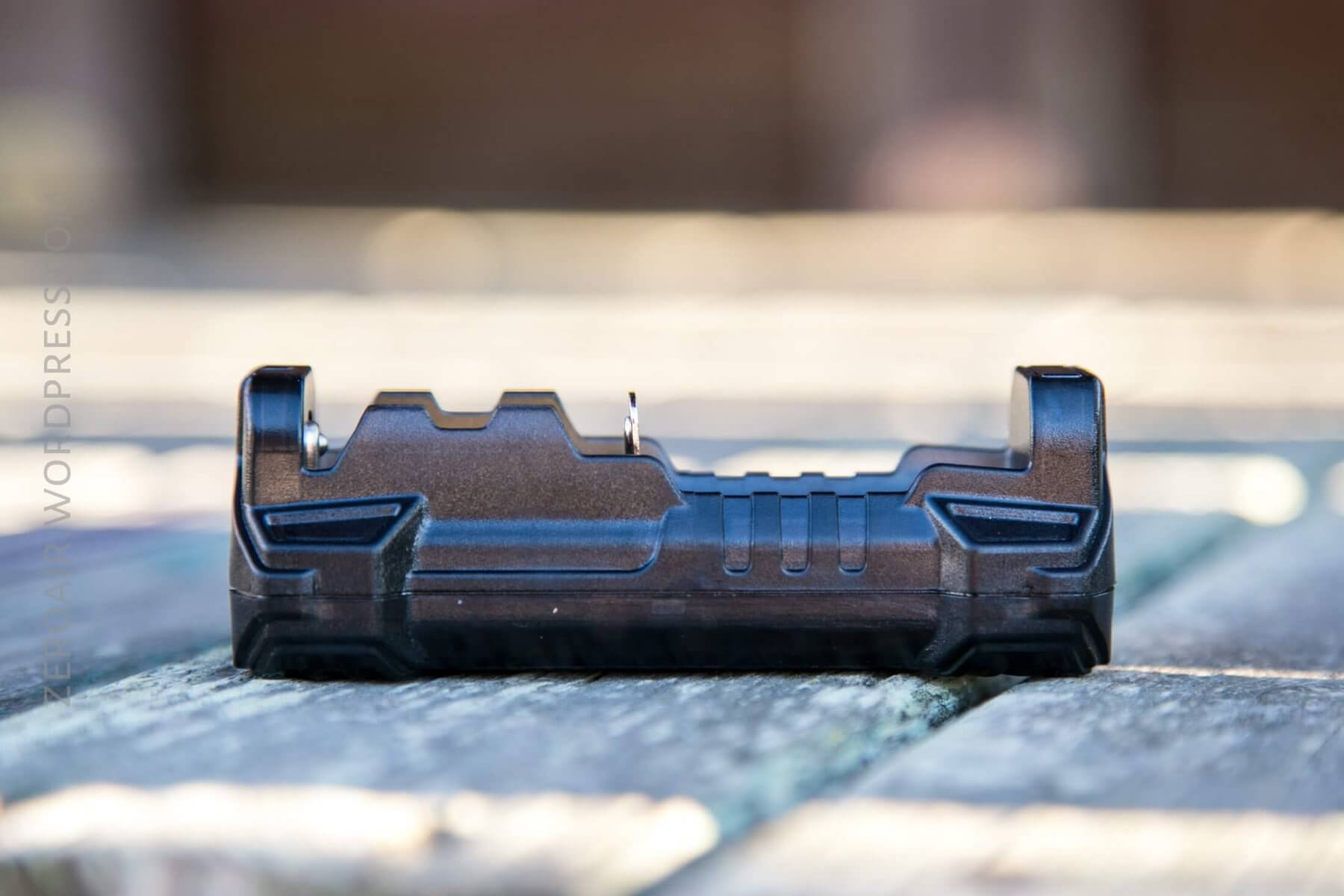
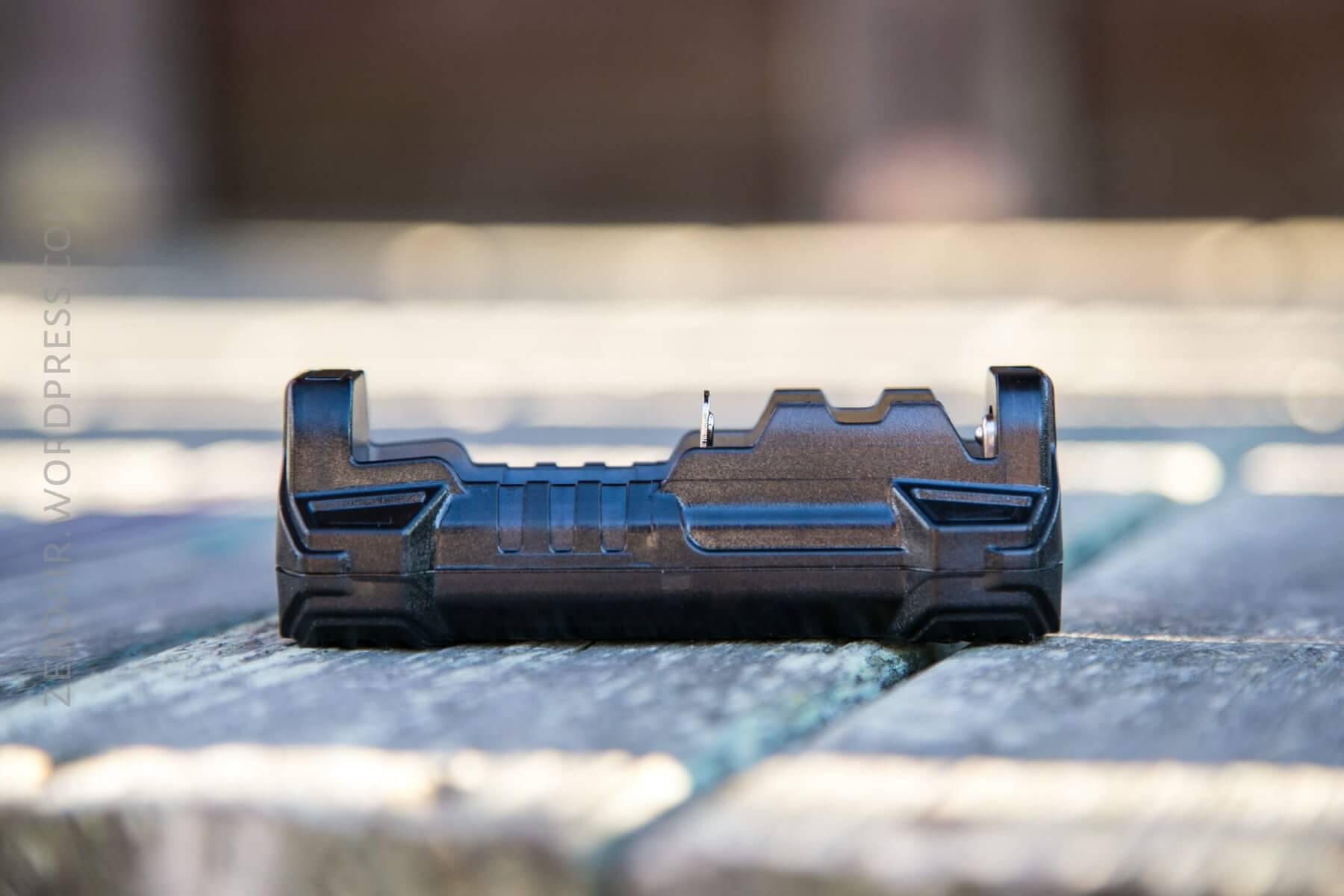
I like this little charger. It’s built on par with other single-bay chargers like the Nitecore F1. There’s a massive difference, though, since this charger has the “wings’ (as Armytek calls them) that hold the 18650-sized cells in place.
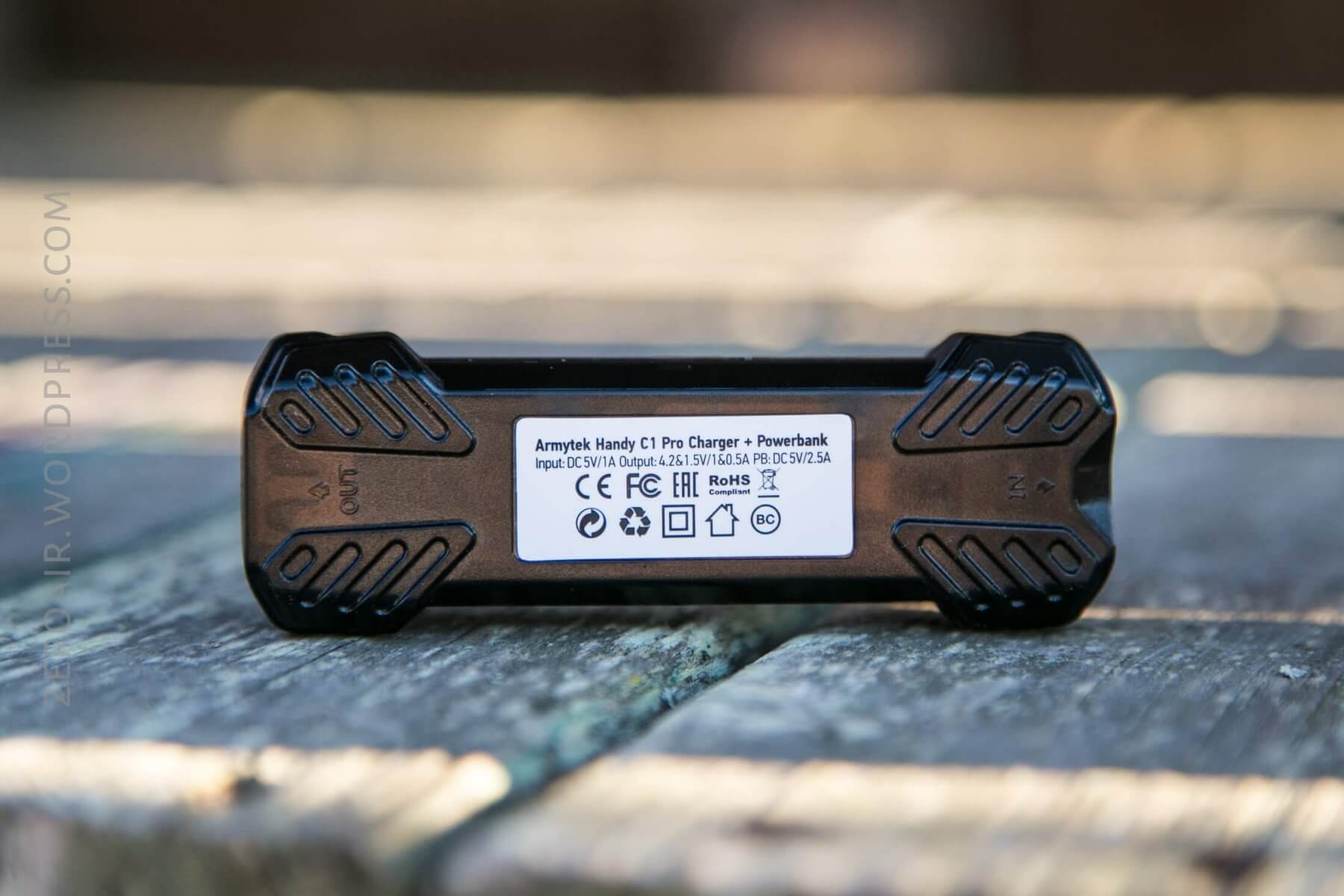
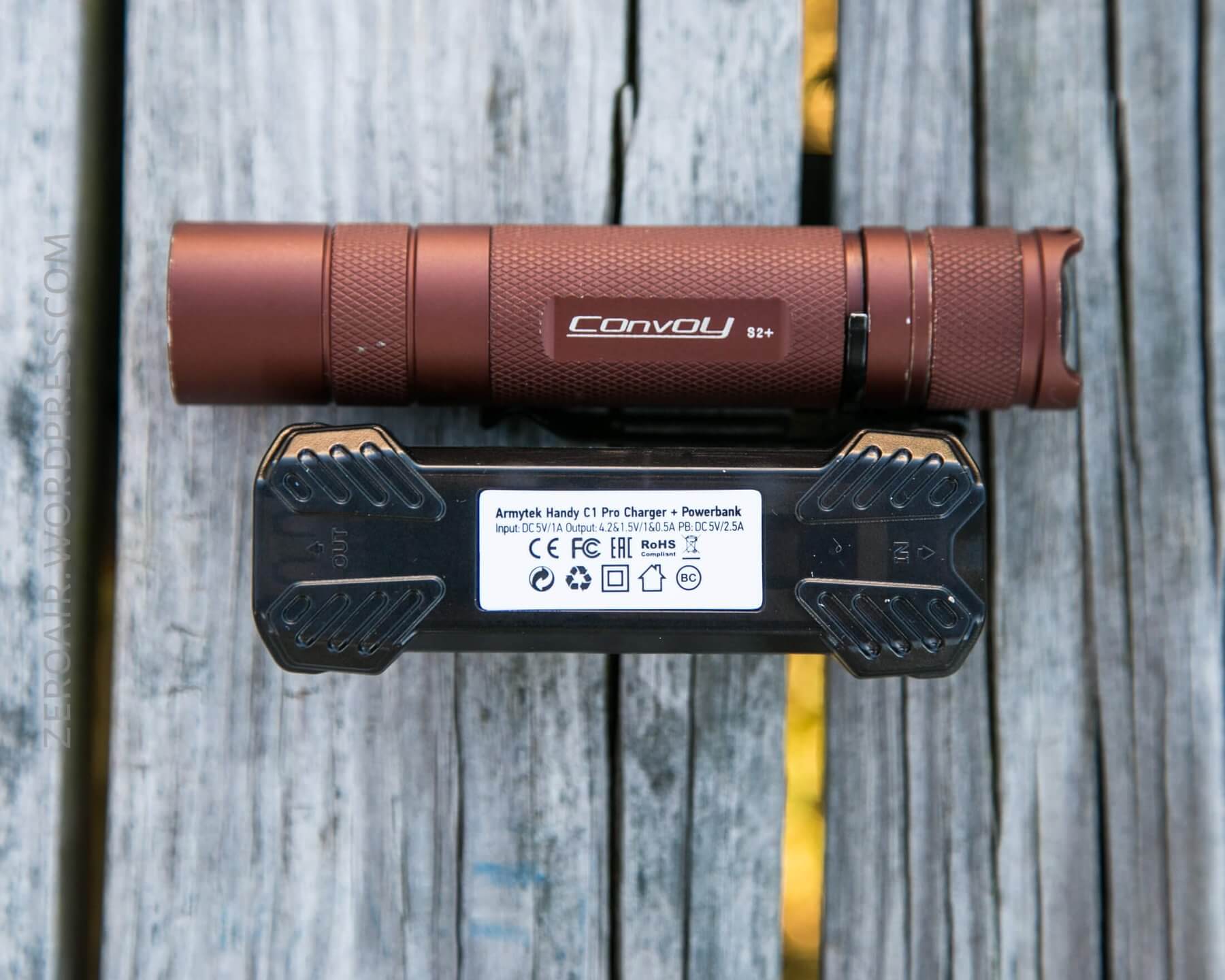
The charger capabilities are listed on a sticker on the back. Most often, this info is imprinted in the plastic, but this works too. The bottom is also labeled with “In” and “Out,” but this should be pretty clear during use.
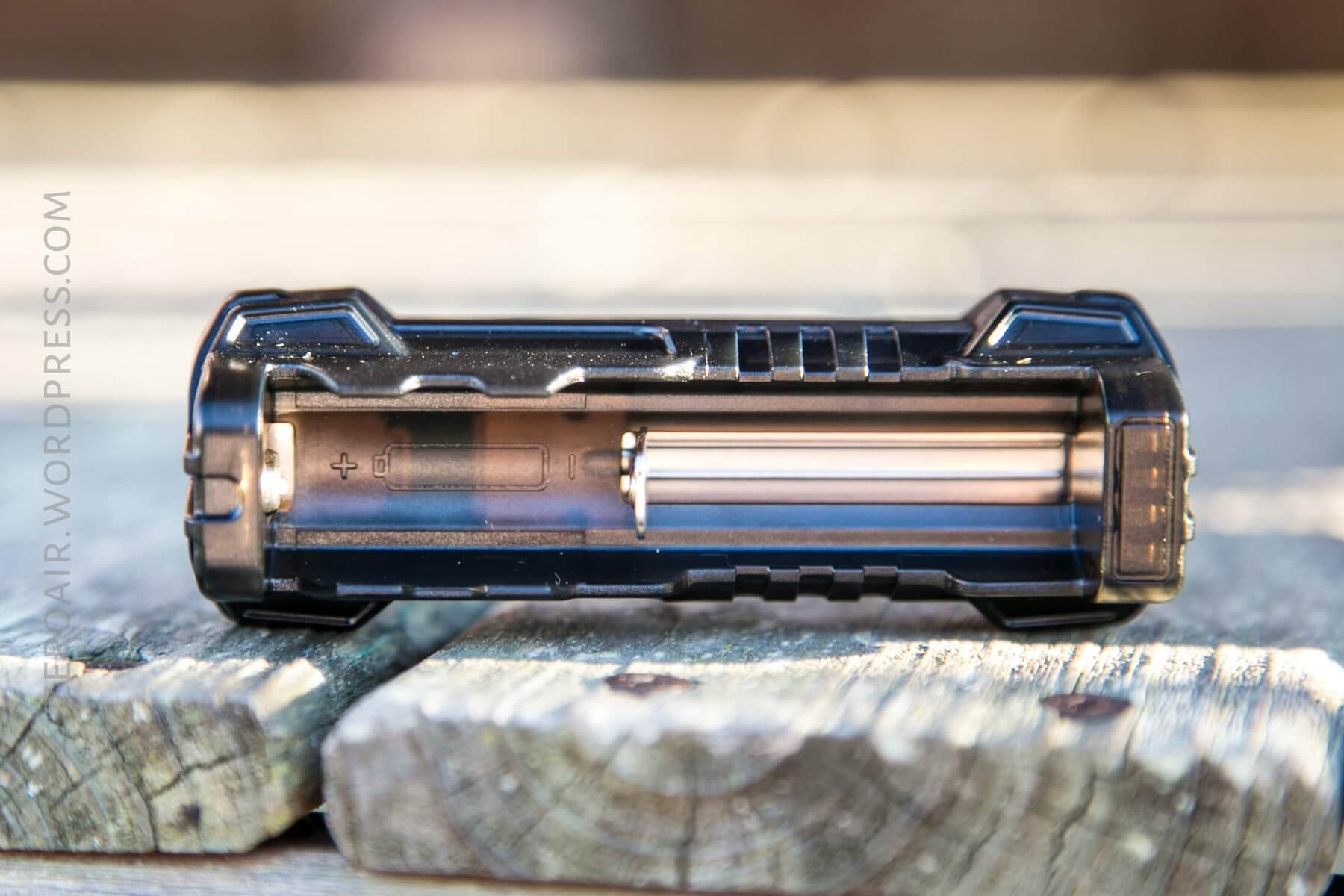
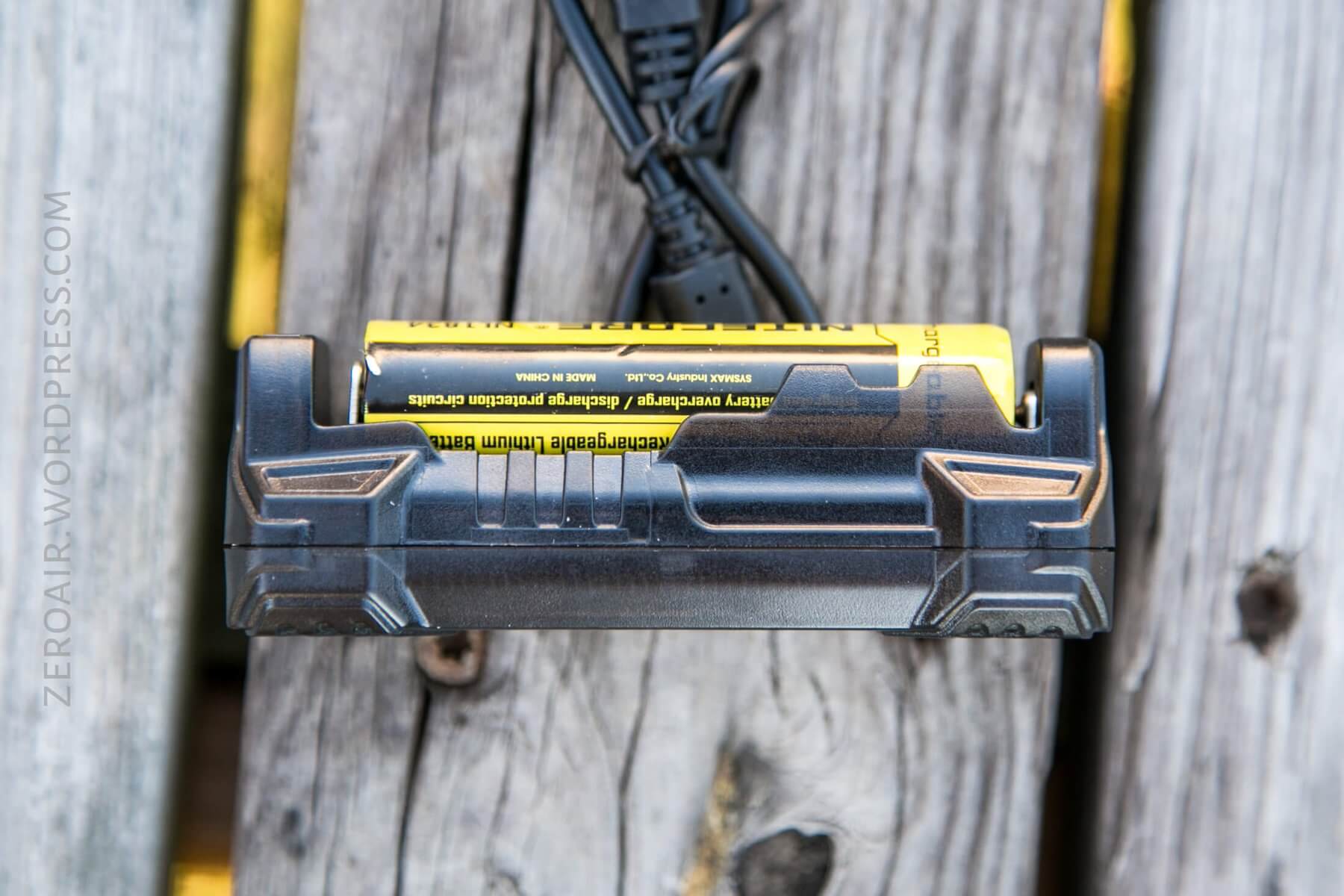
The bay is positively identified for cell orientation. The slidy bits connect with the negative end of the cell. This is my only complaint about this charger: The wings are on the positive end. So an 18650 is gripped nicely. But it’s not really possible (or easy, anyway) to pull the cell out from these wings. So to remove a cell, you grab it on the negative end, which means you have to do something I absolutely never do – pull the wrapper across the springy terminal. I have never damaged a wrapper doing this, but I don’t even like to run the risk. Normally, how I remove cells is to grasp the cell, push open the spring, and lift out the positive end (or the end with the stationary pole). Then gently allow the spring to compress while maintaining contact with the cell. Once the spring is relaxed, the cell can be removed with no chance of damage to the wrapper.
So I’d really like the wings to be on the mobile end. It would look to make less sense, but I think it’d be smarter for wrapper life.
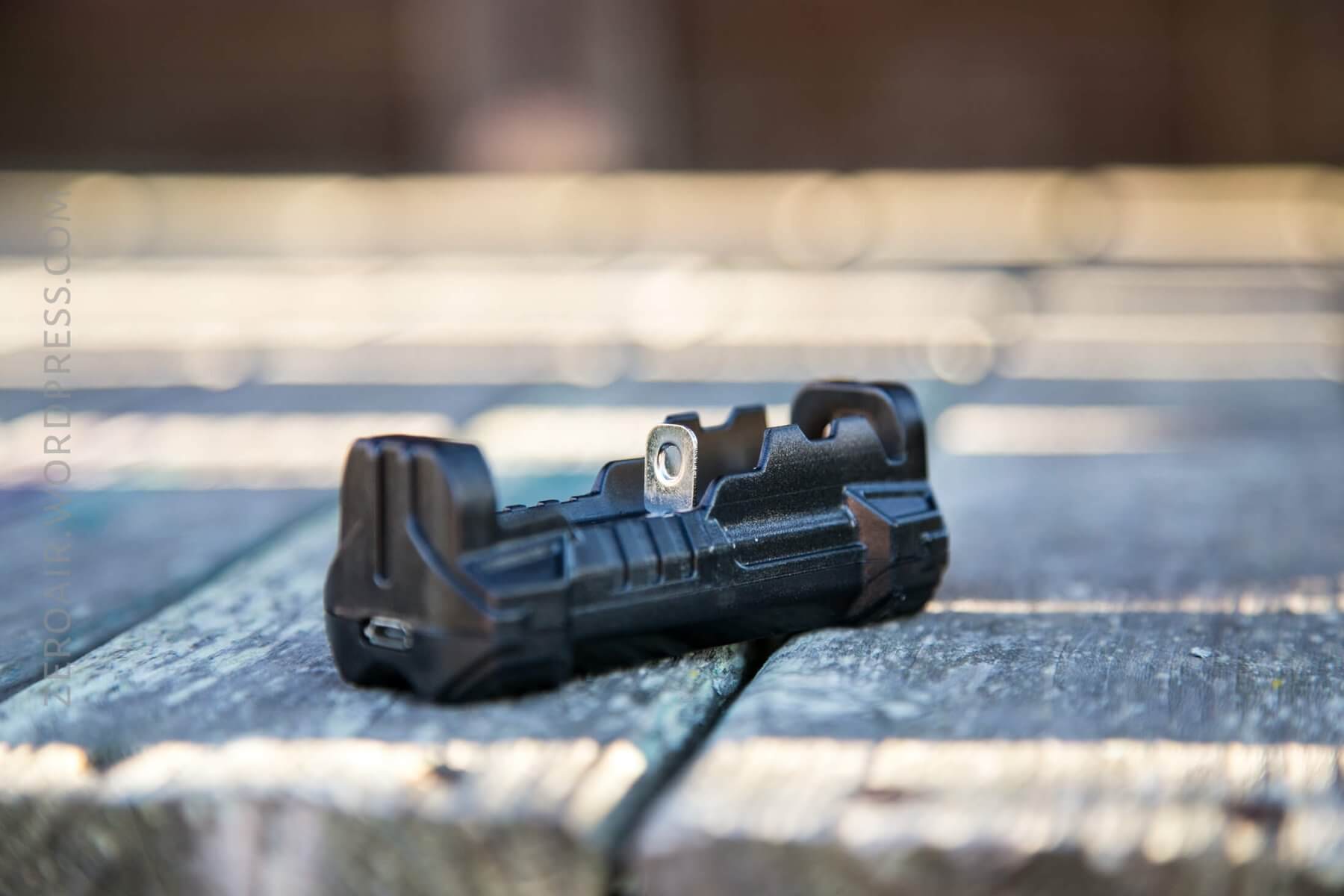

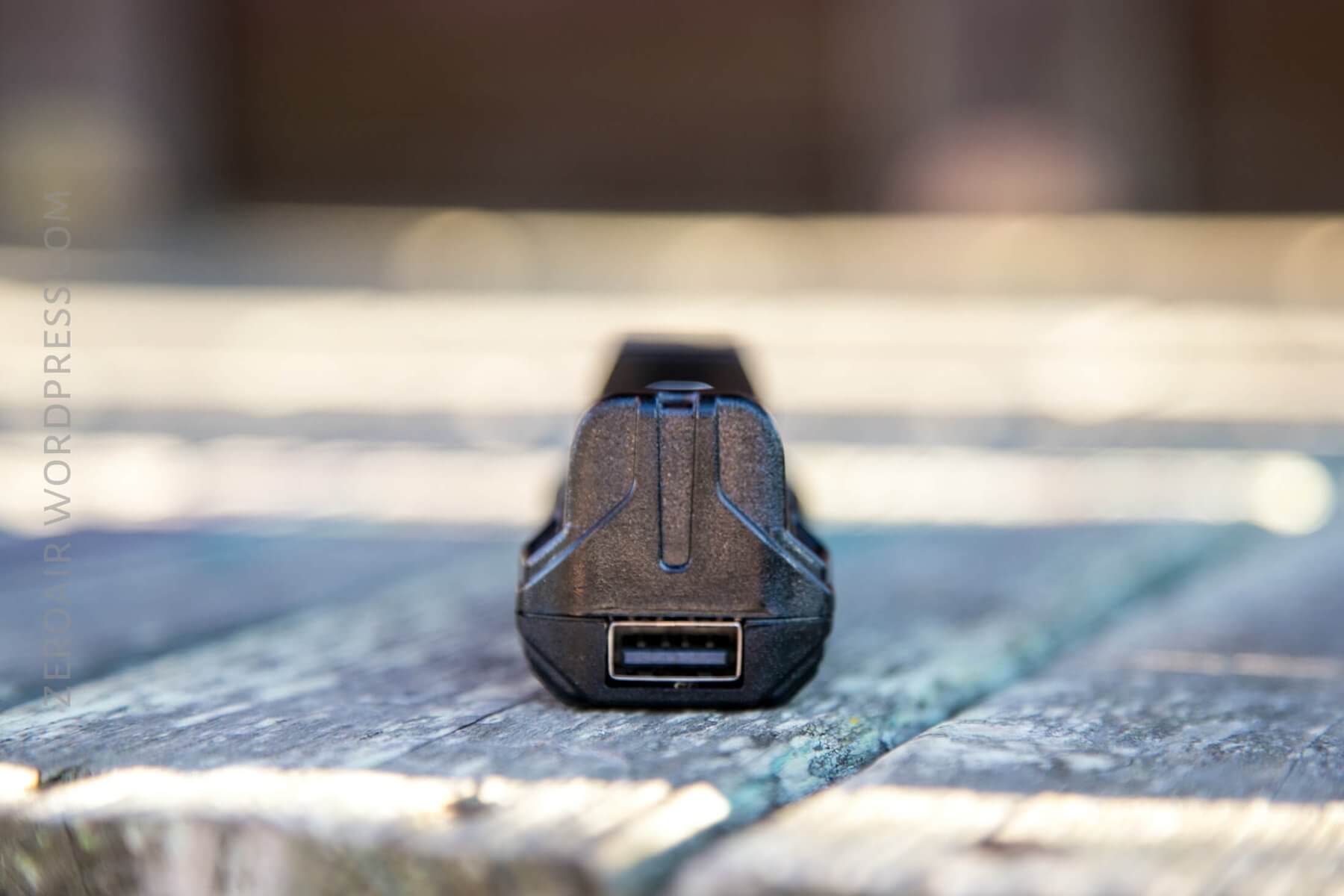
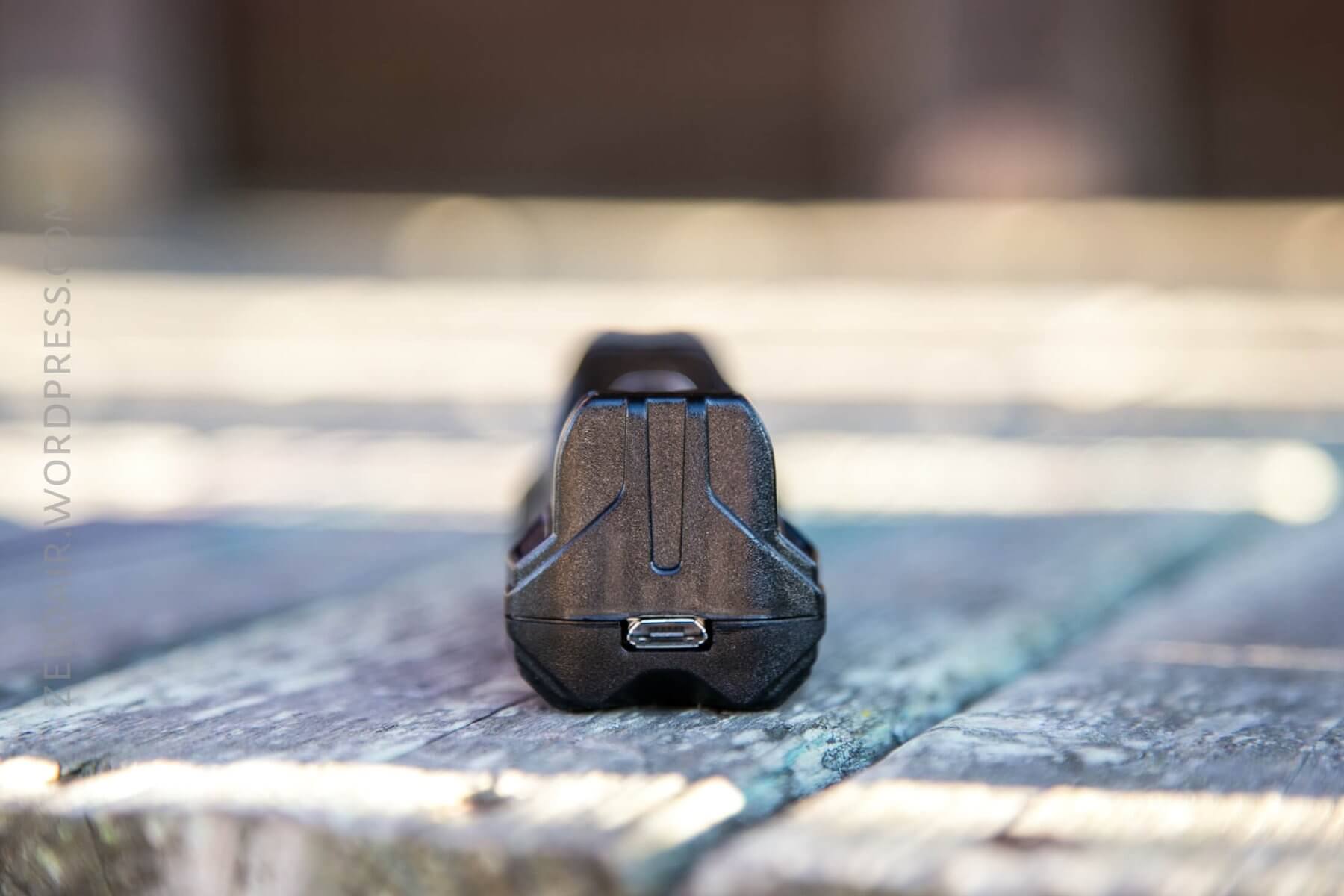
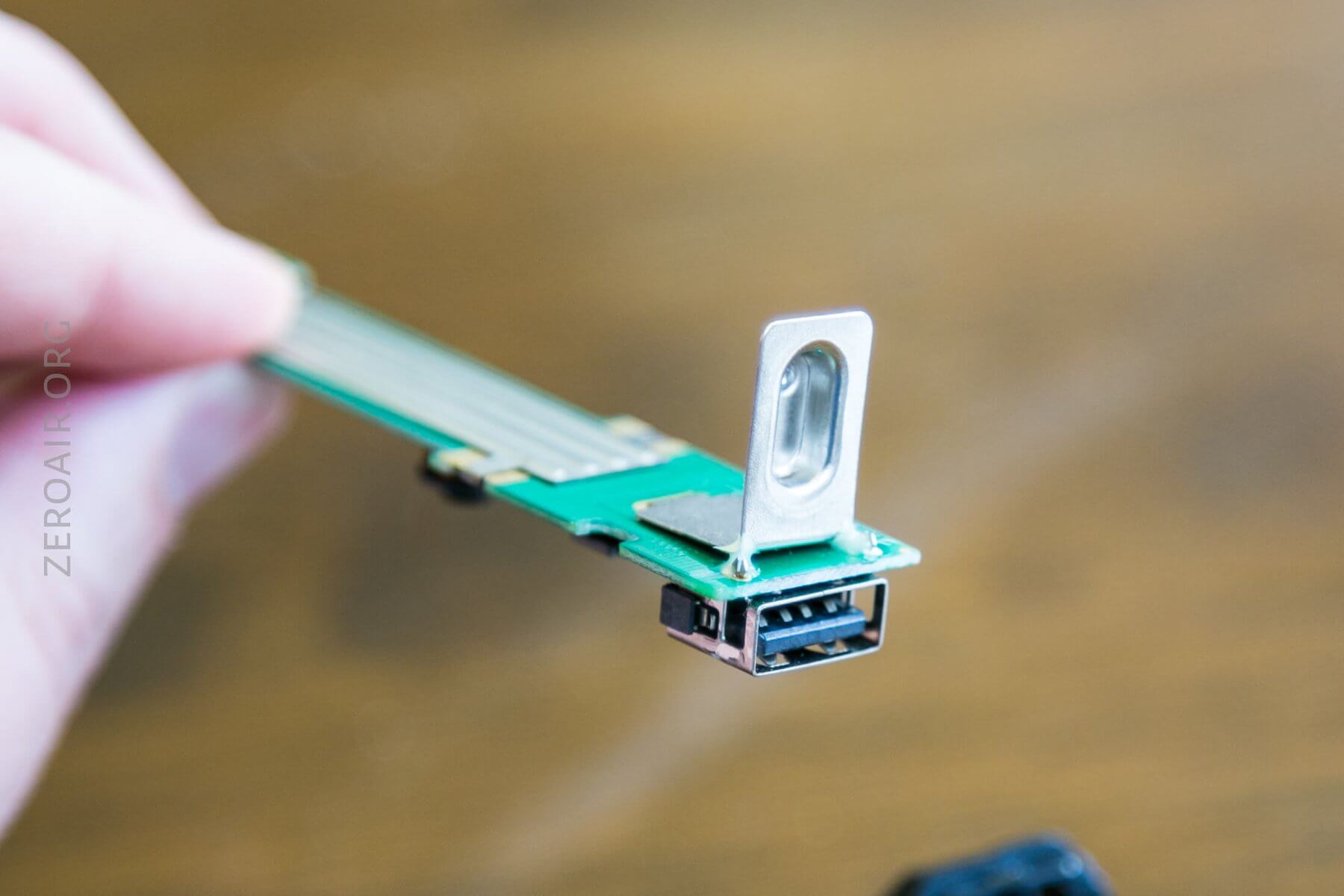
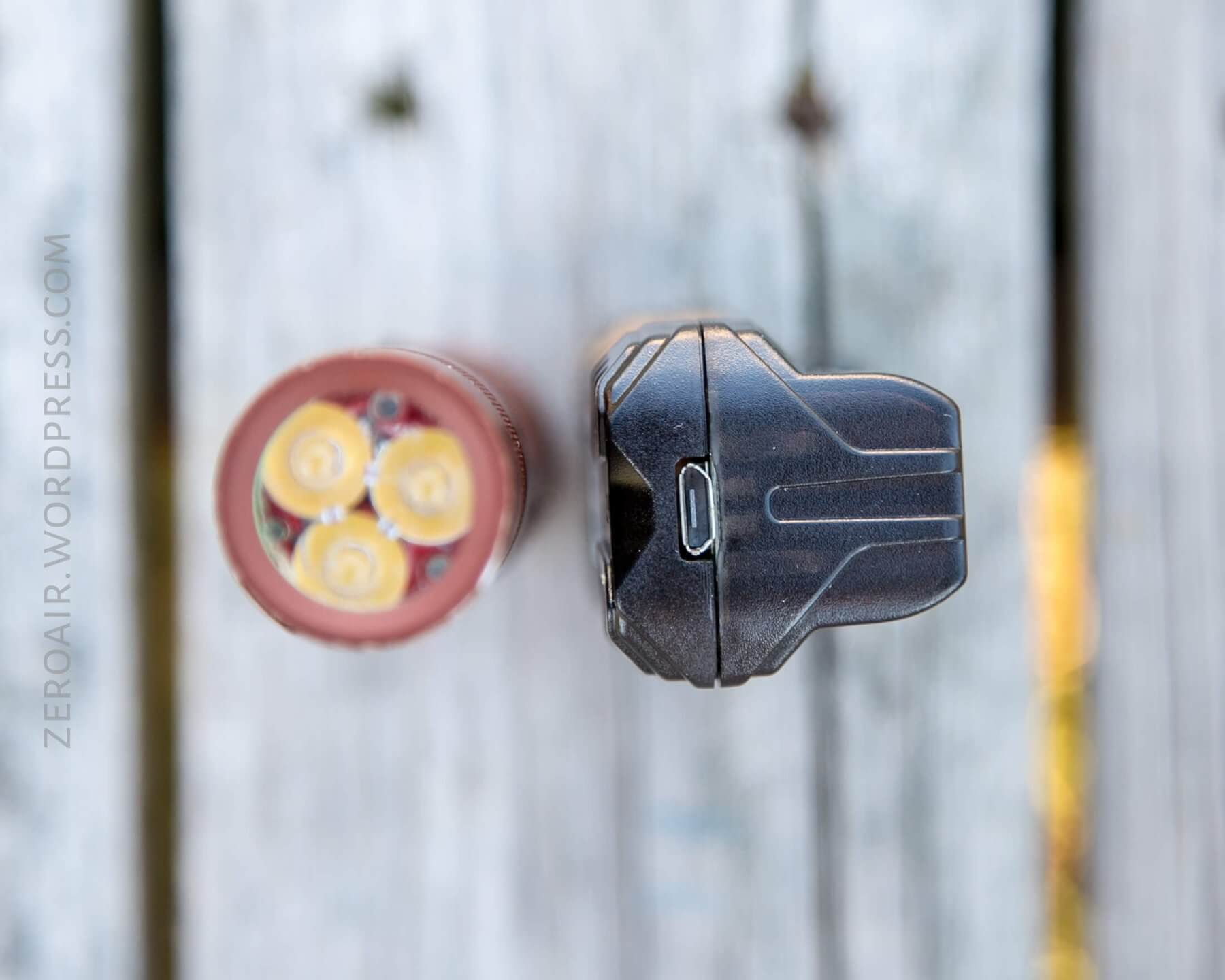
Each end has a USB connection. The USB end is for OUT – the Handy C1 Pro may be used as a power bank. The micro-USB end is for power IN – this connection charges the cells.
Disassembly
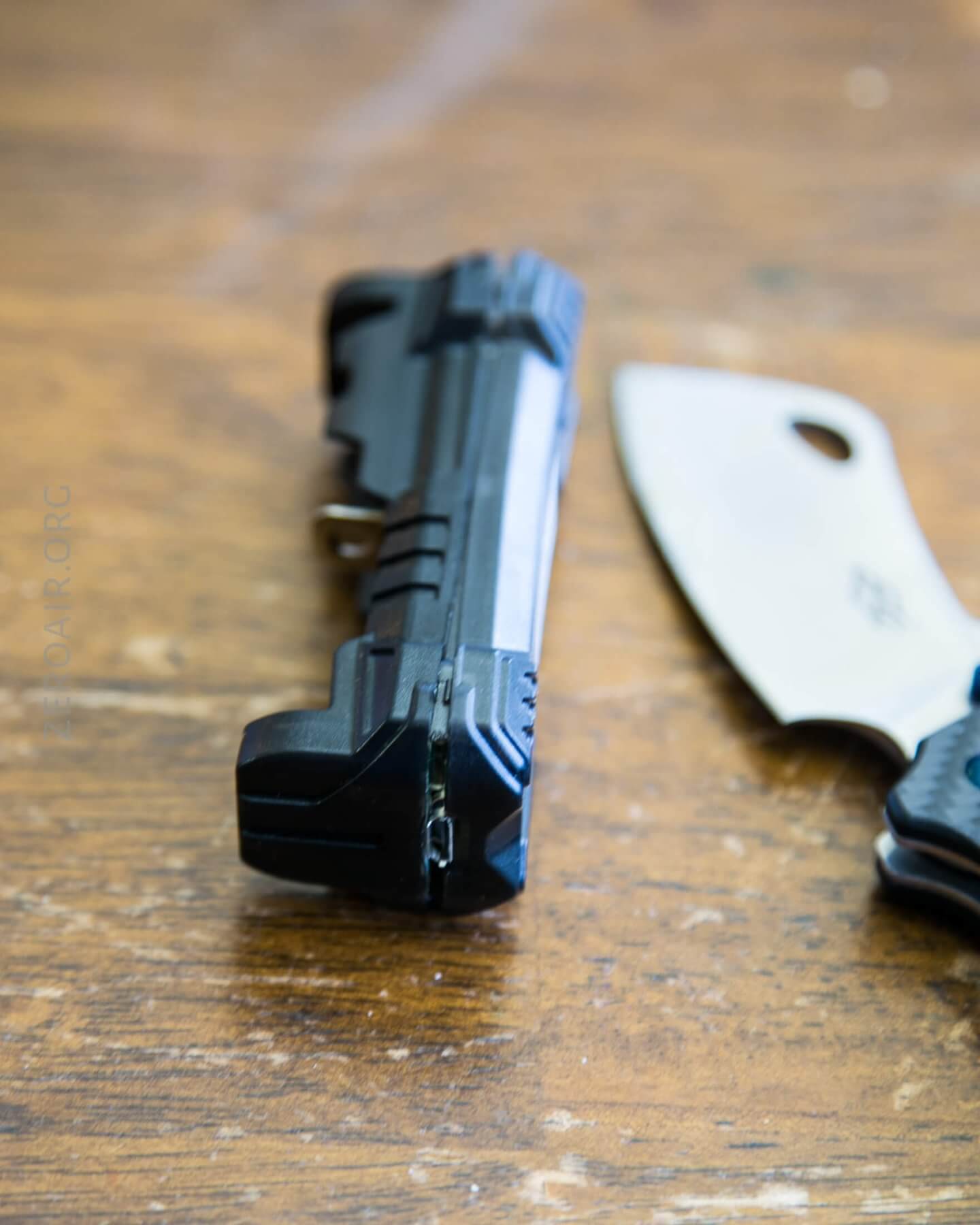
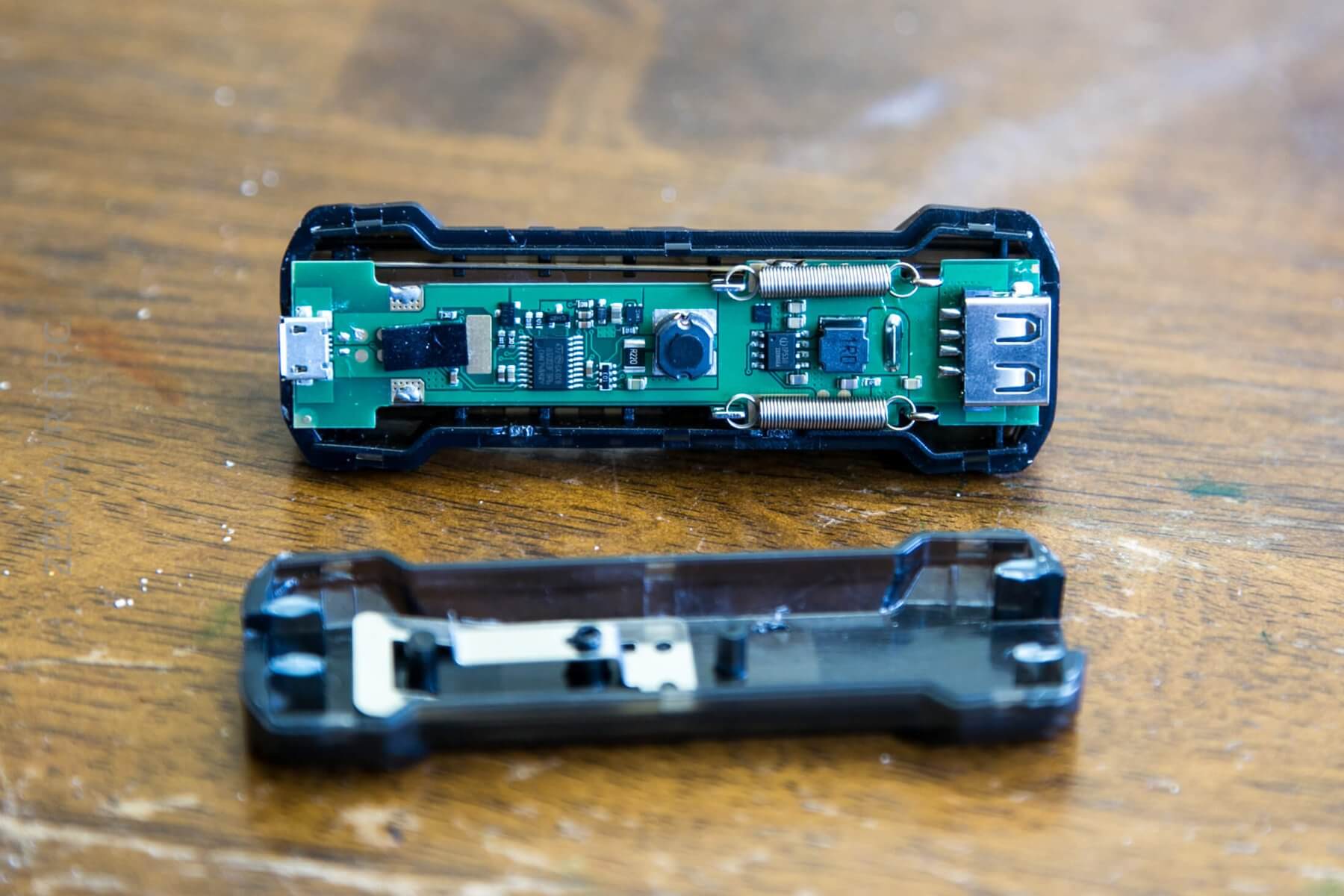
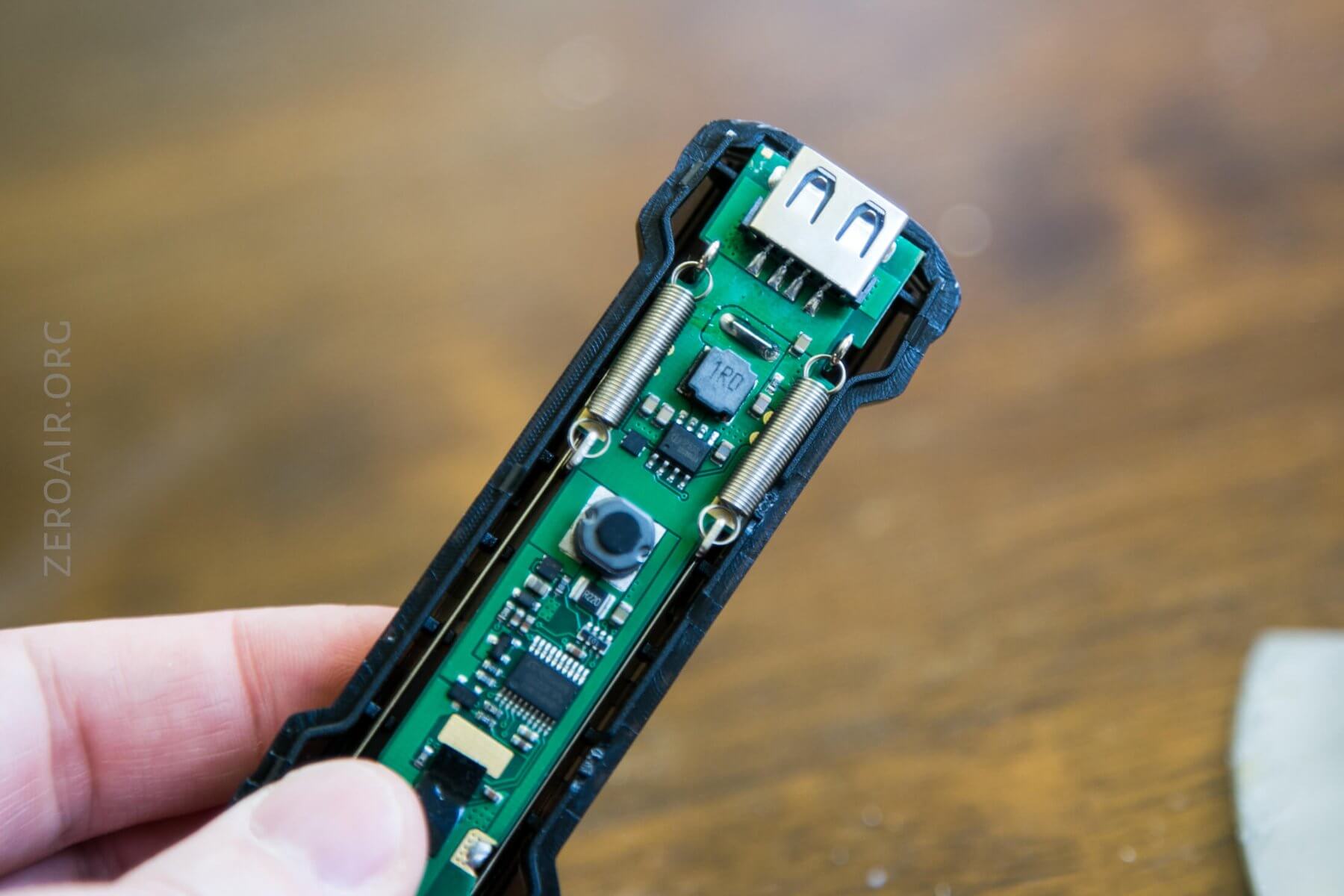
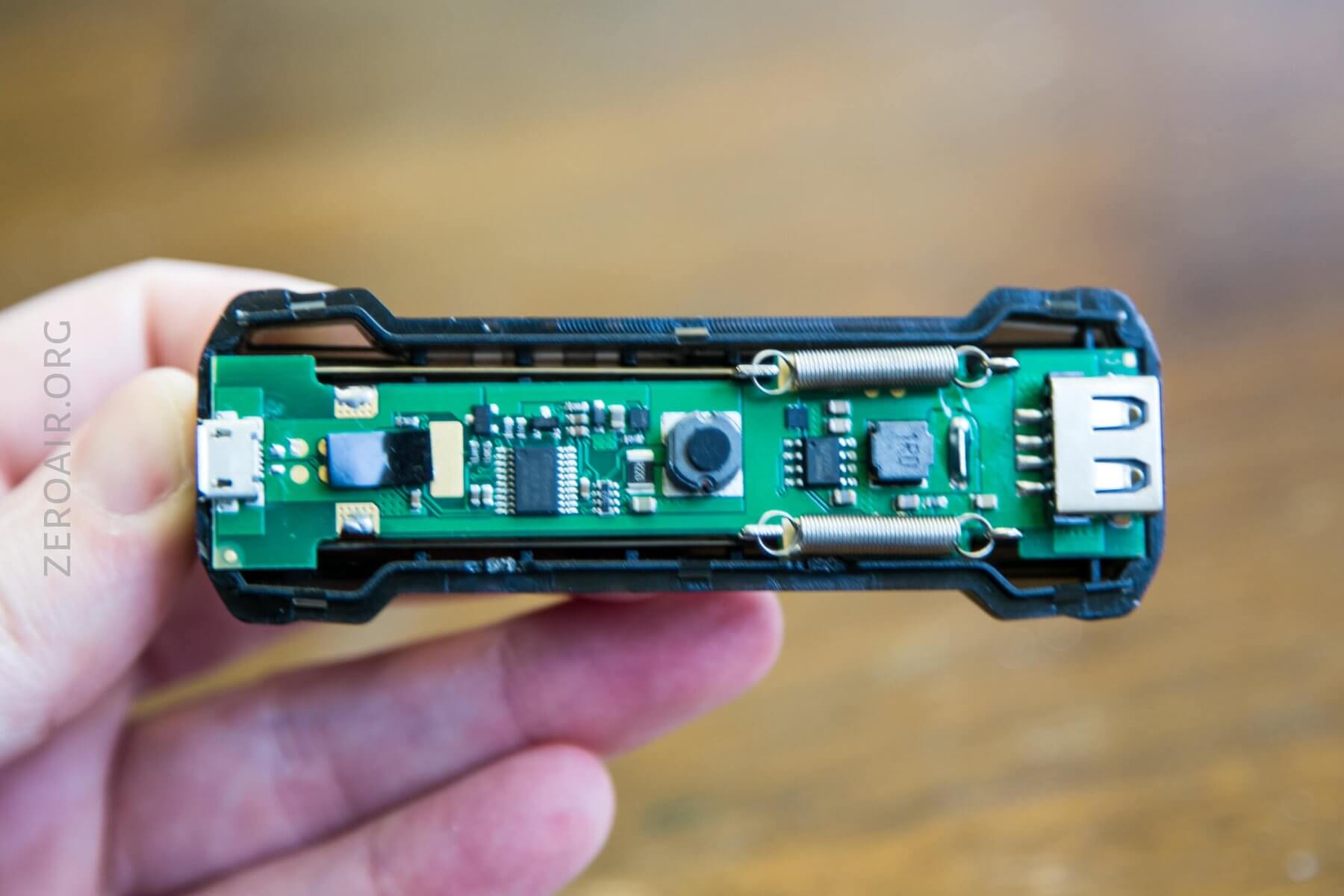
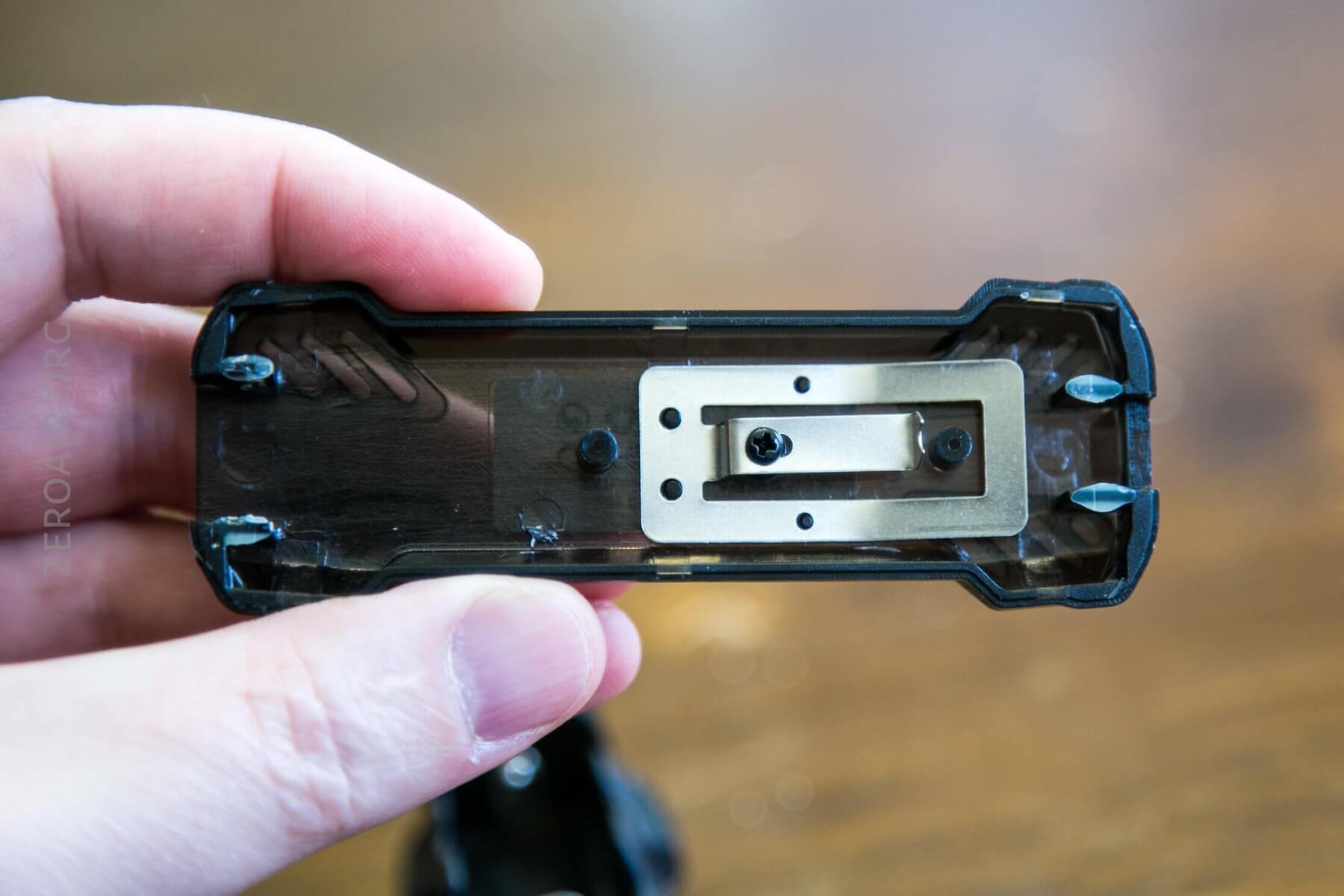
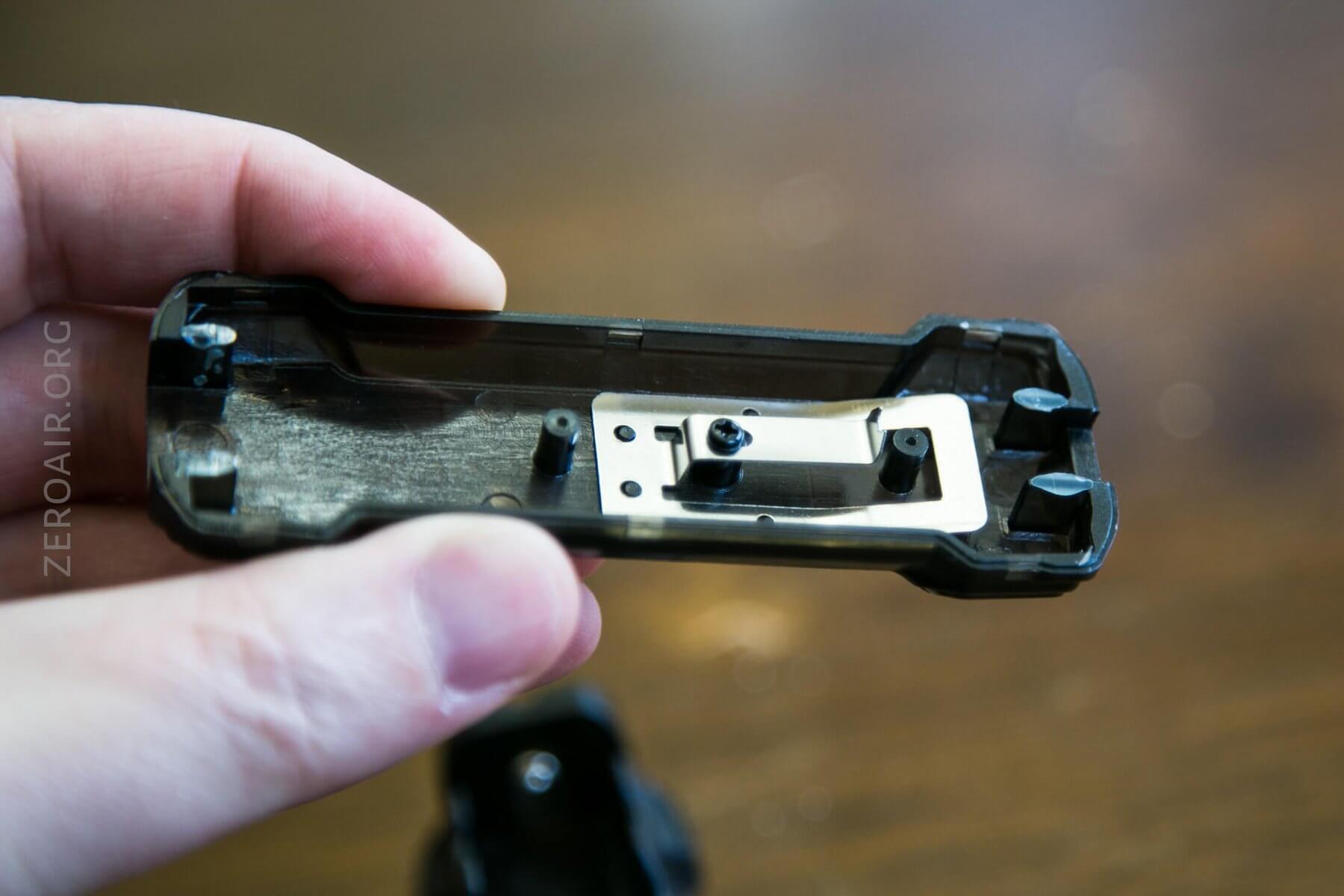
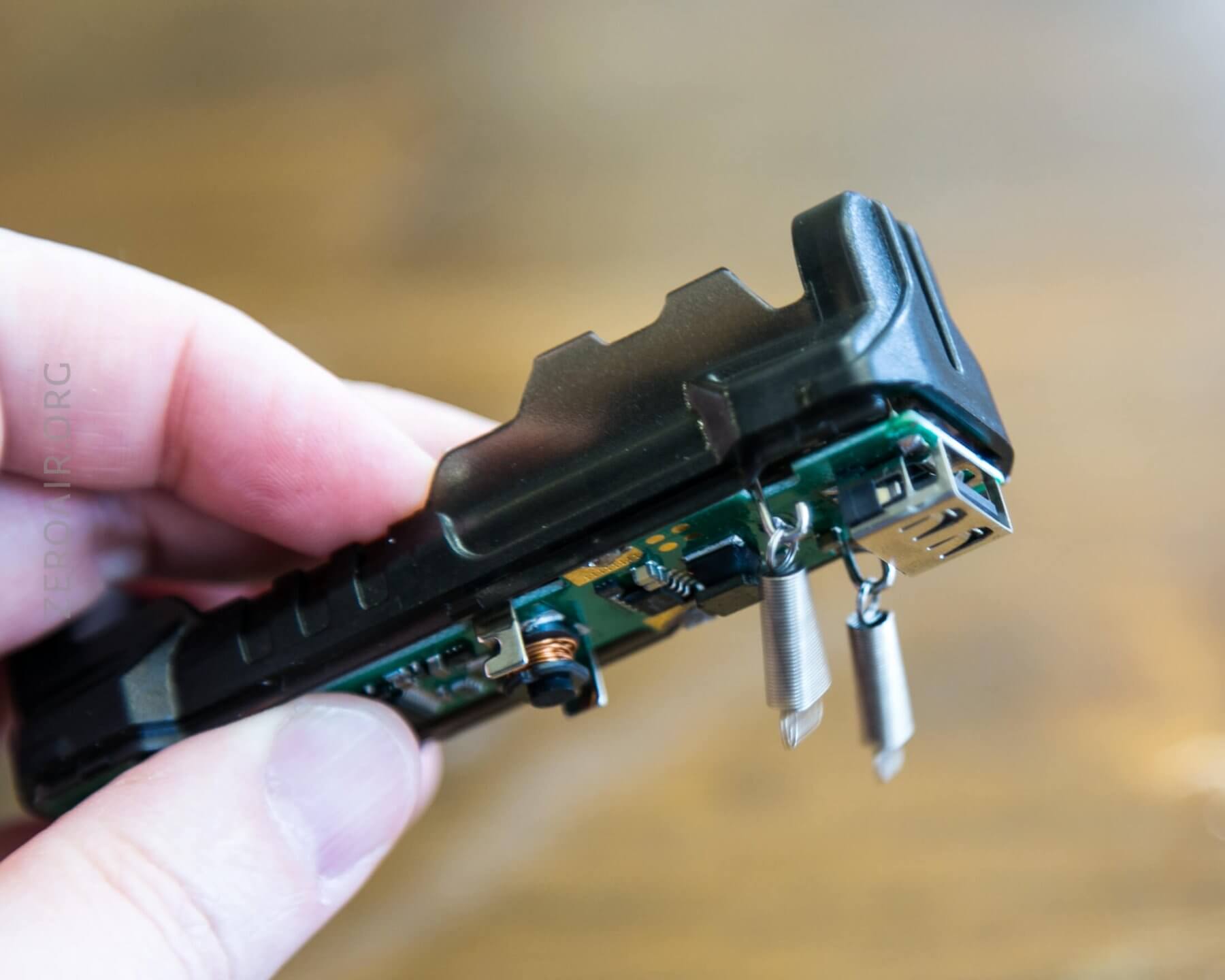
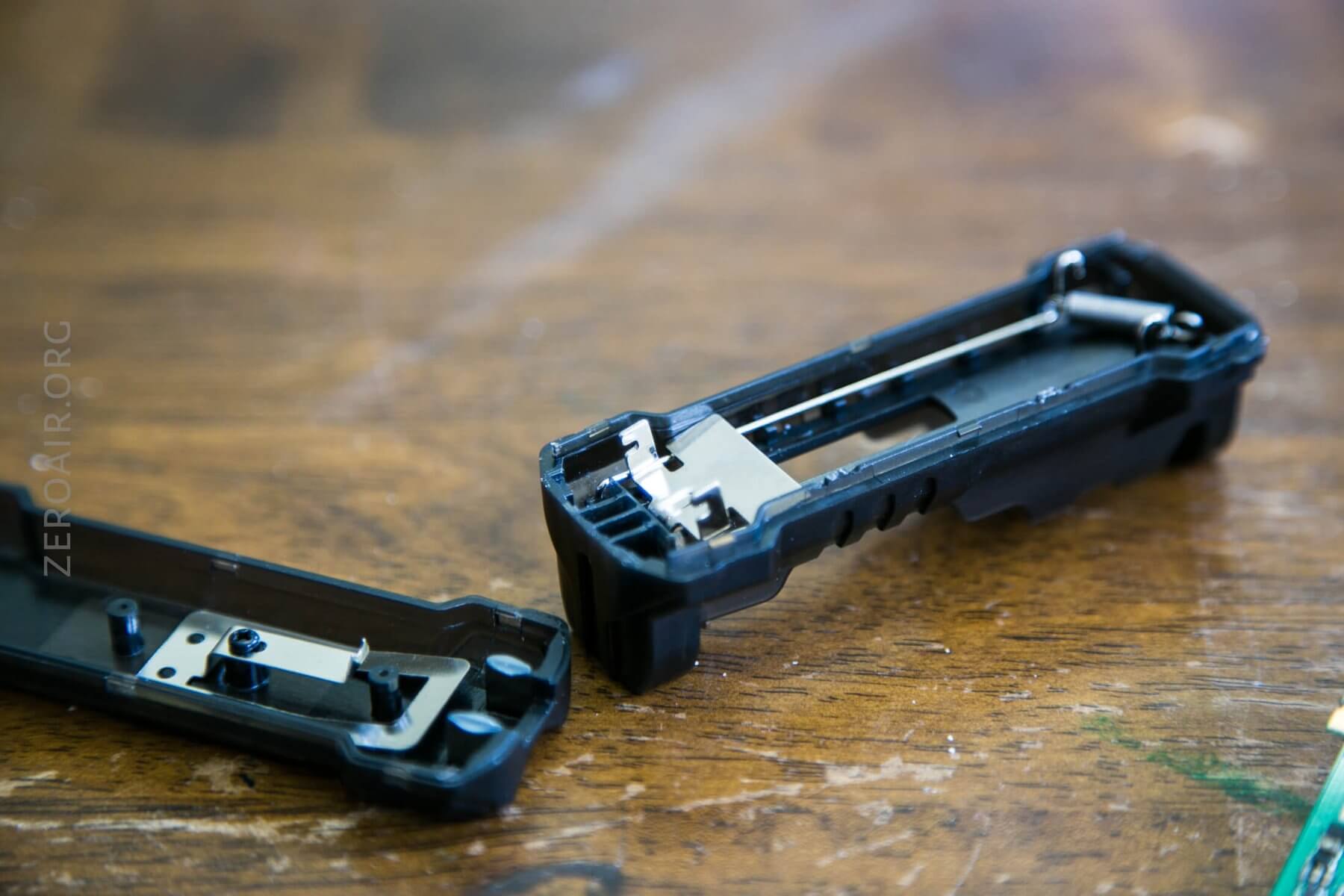
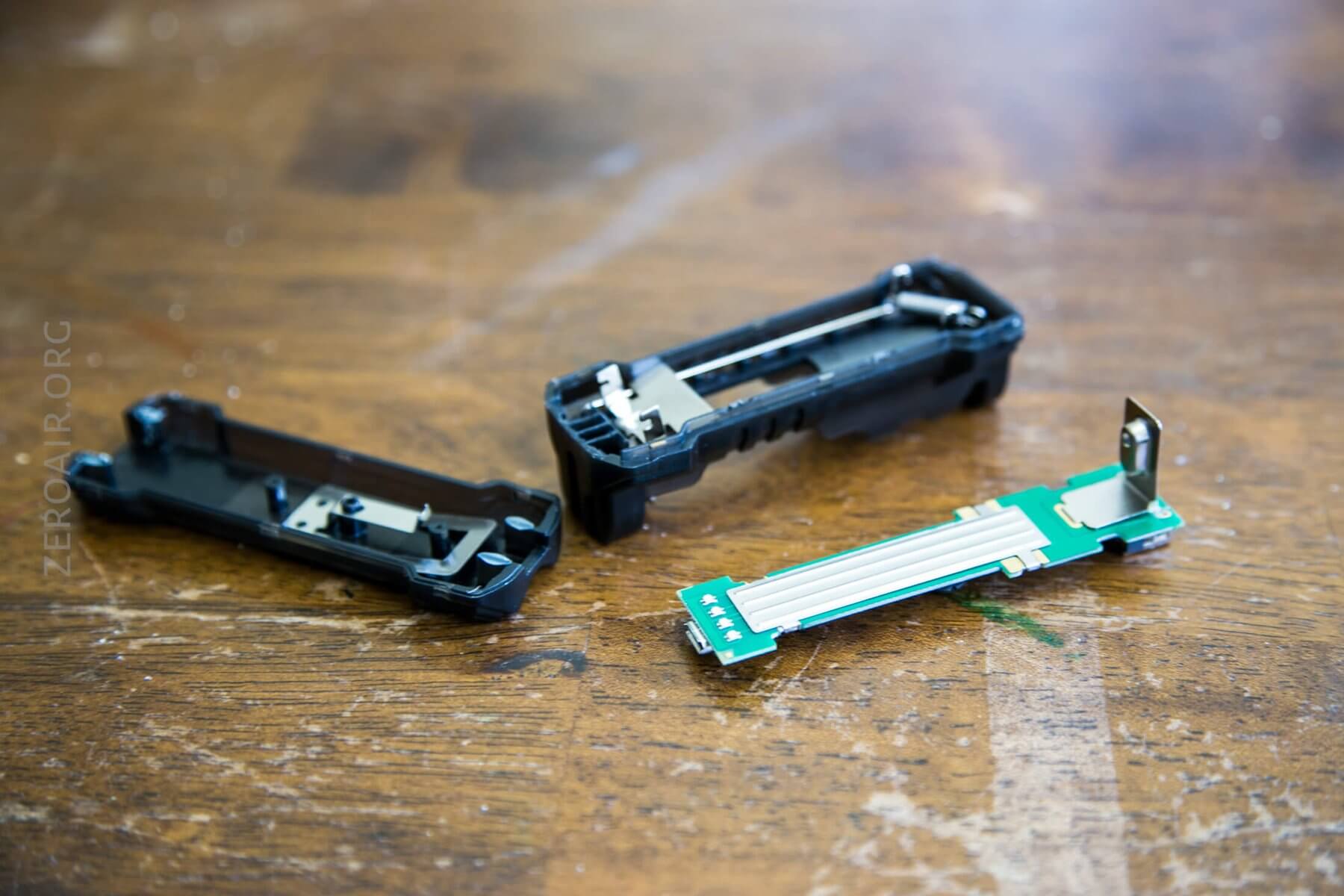
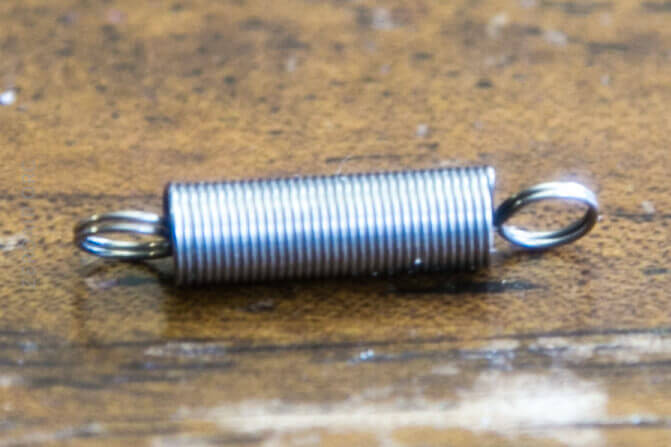
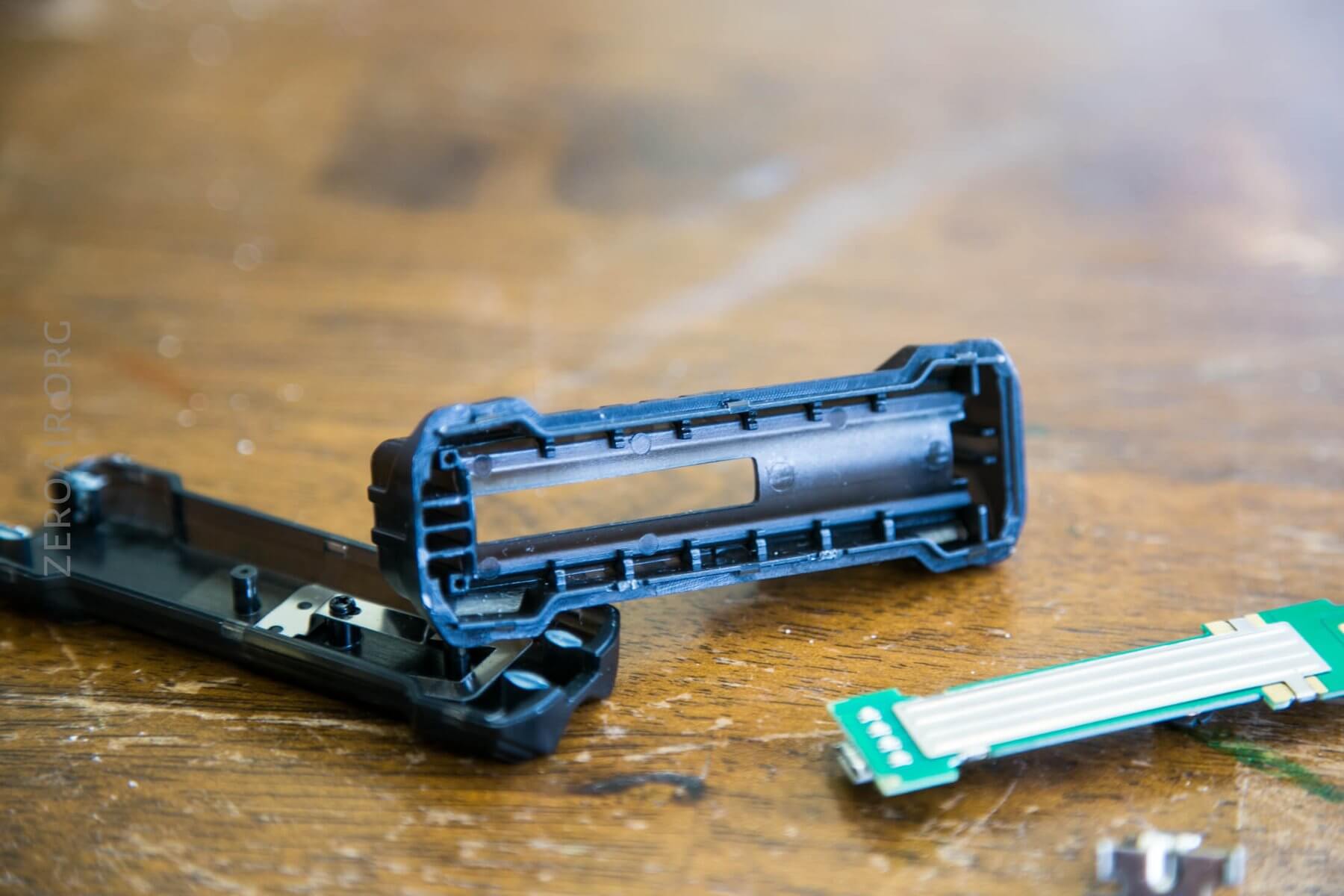
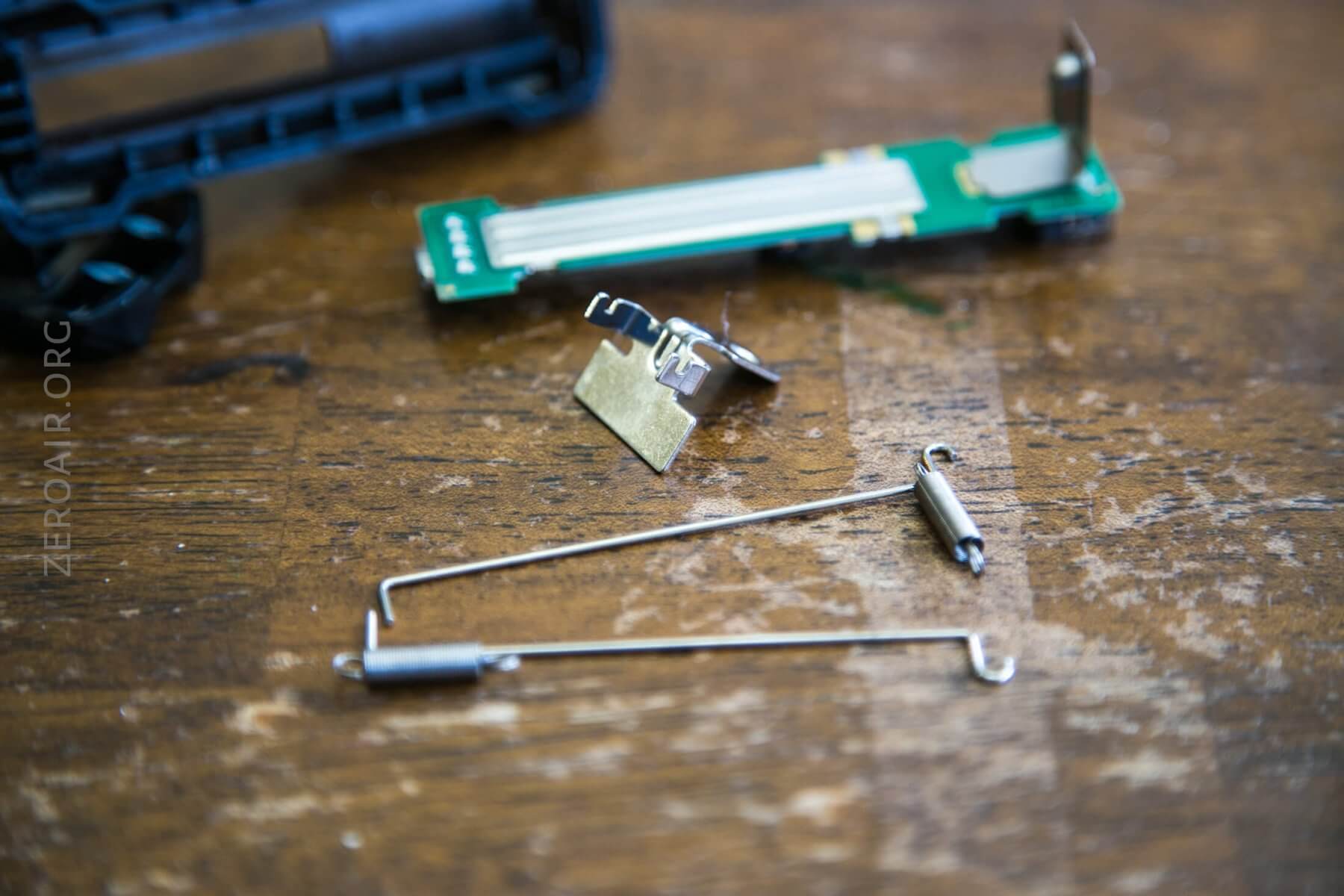
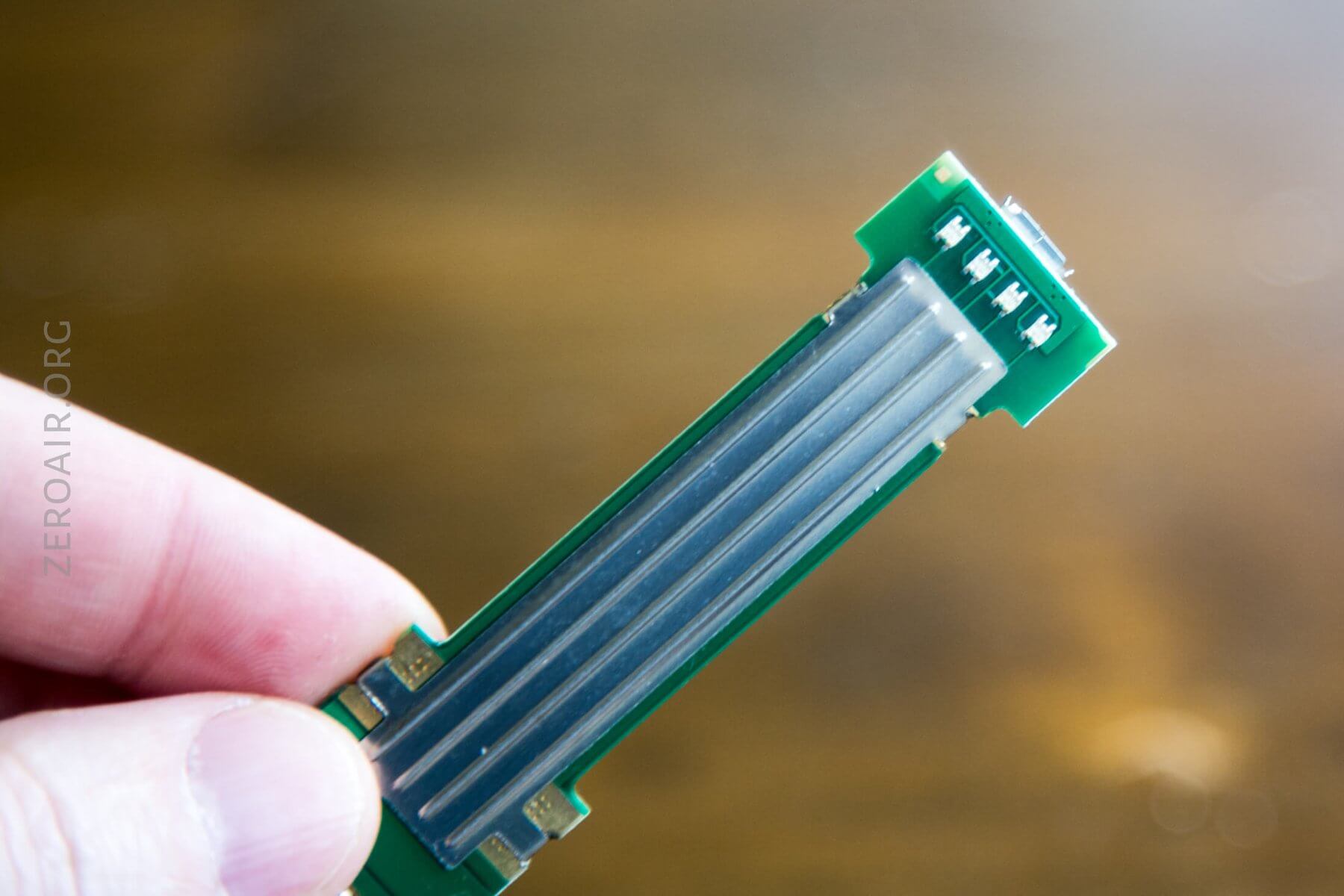
Here’s a disassembly gallery. The charger comes apart easily with a bit of persuasion between the body pieces, and snaps back together easily too. This does break some glue, but doesn’t actually break the charger, as it does stay together when snapped back.
Size
Officially:
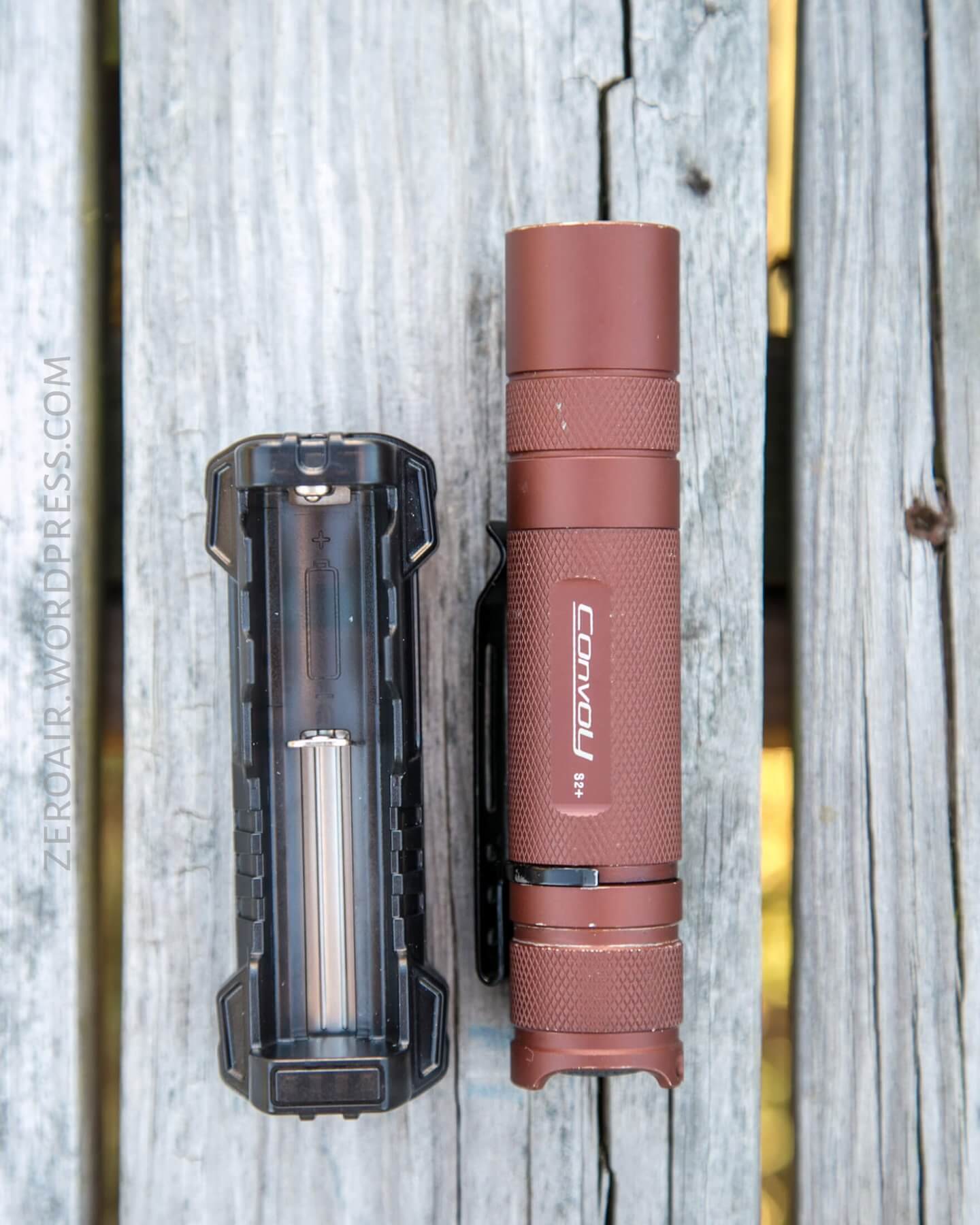
SIZE: 91x32x31 mm
WEIGHT: 39g

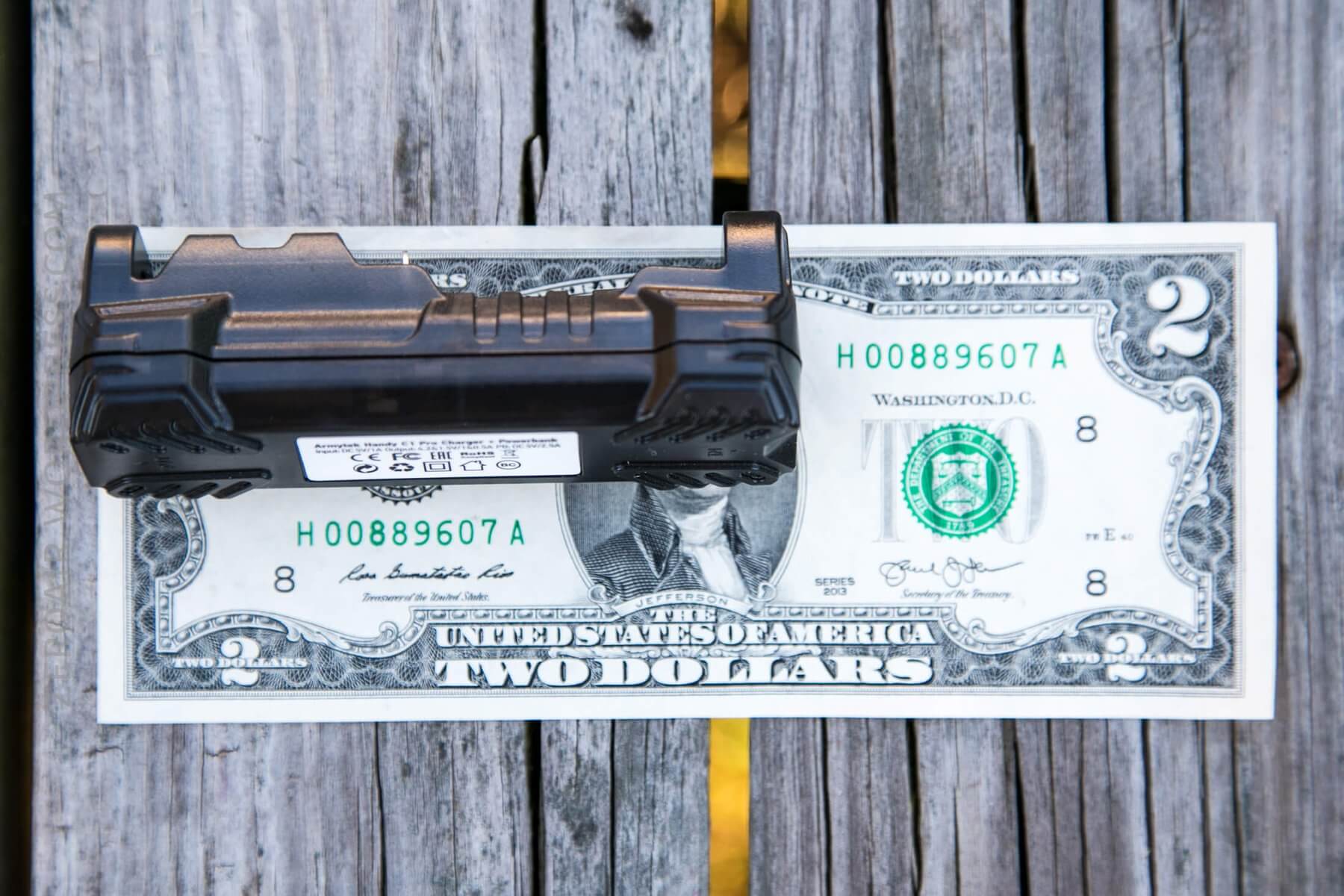
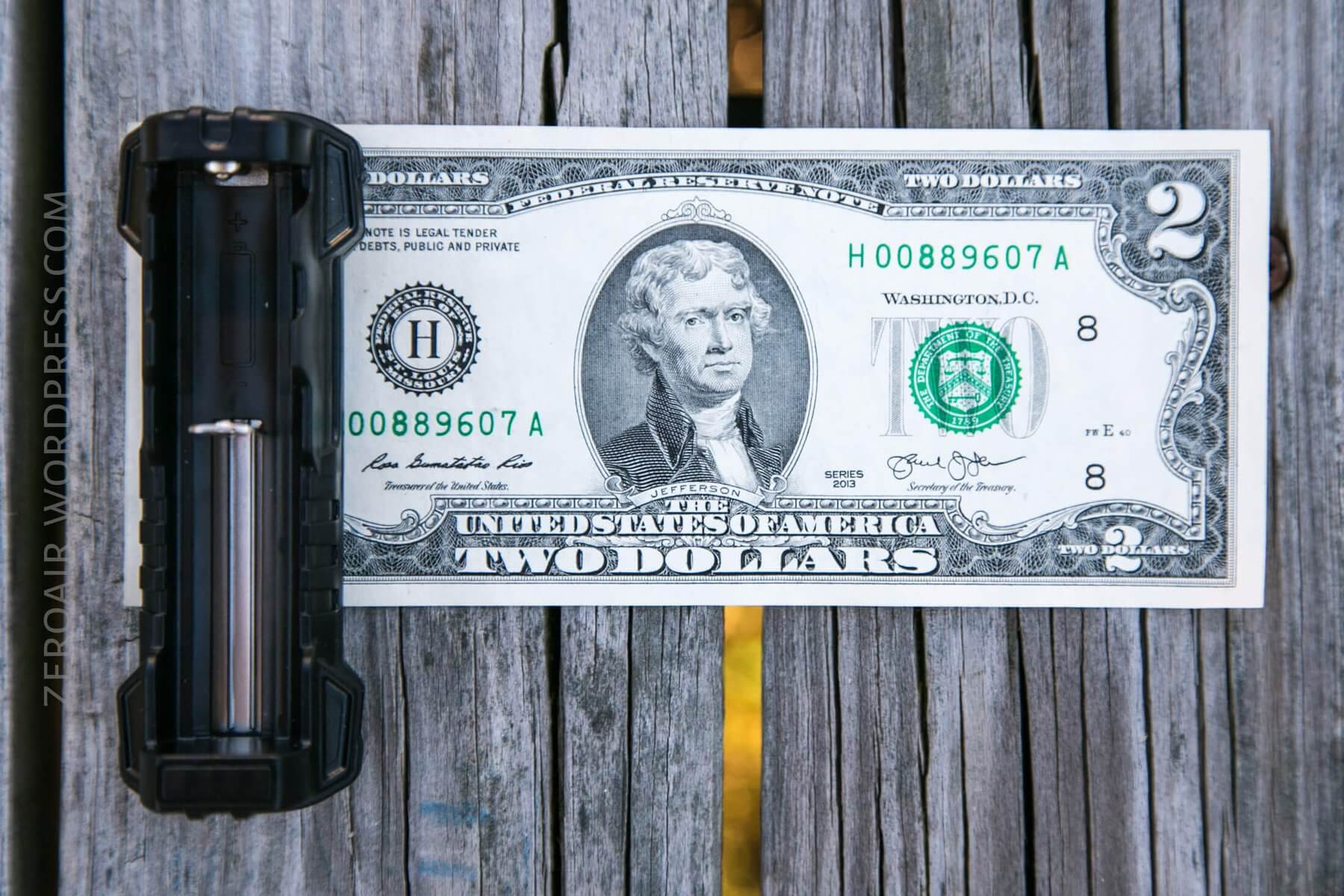
This is a great-sized charger for on-the-go. If used as a powerbank, it’s nice that an 18650 will be held securely (without the need for a rubber band like other single powerbanks).
Power
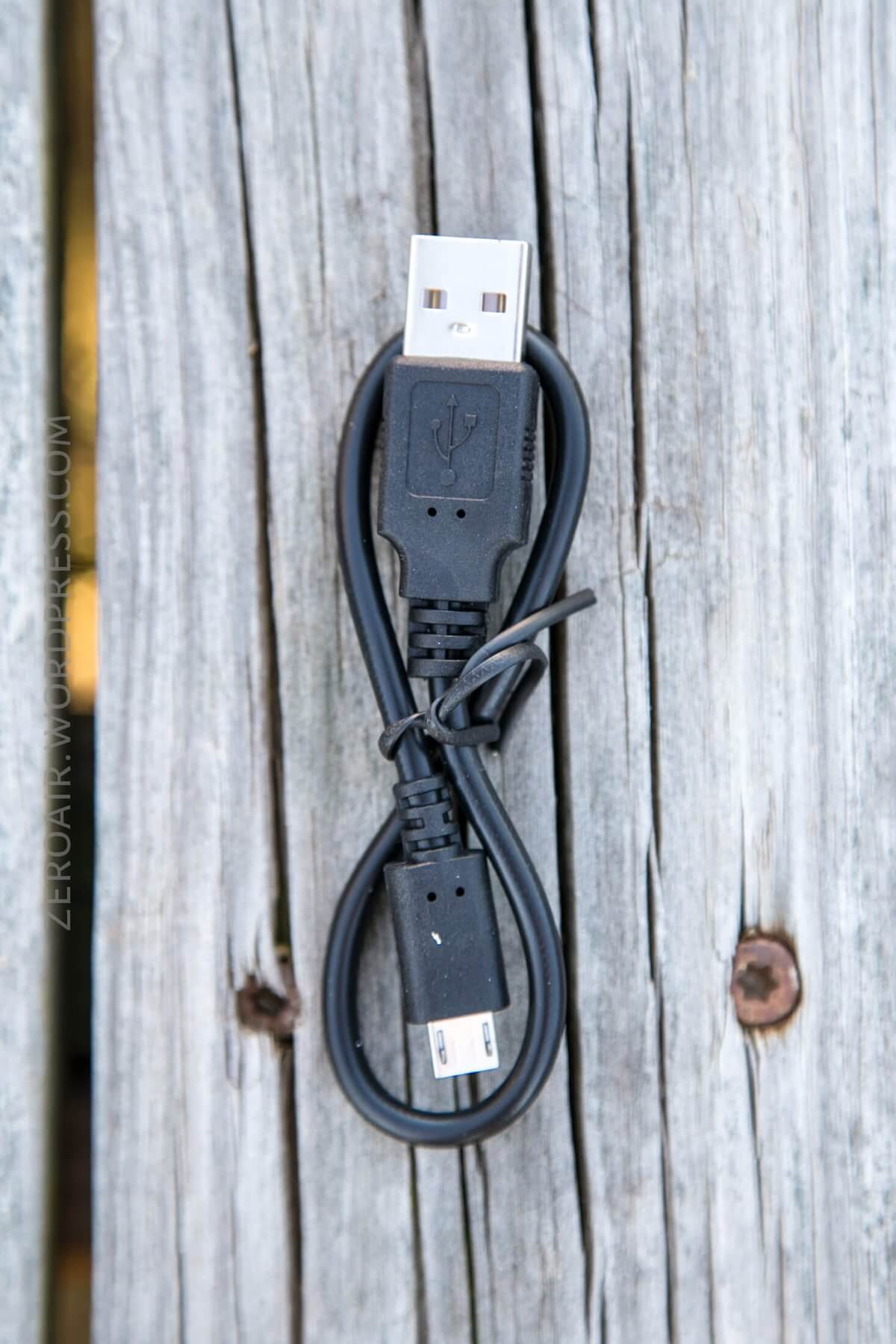
This charger requires micro-USB power. Armytek includes a cable: USB to micro-USB. It doesn’t require QC3 (nor would it really benefit from it). It also has a max charge rate of 1A, so you’ll need a good quality power source.
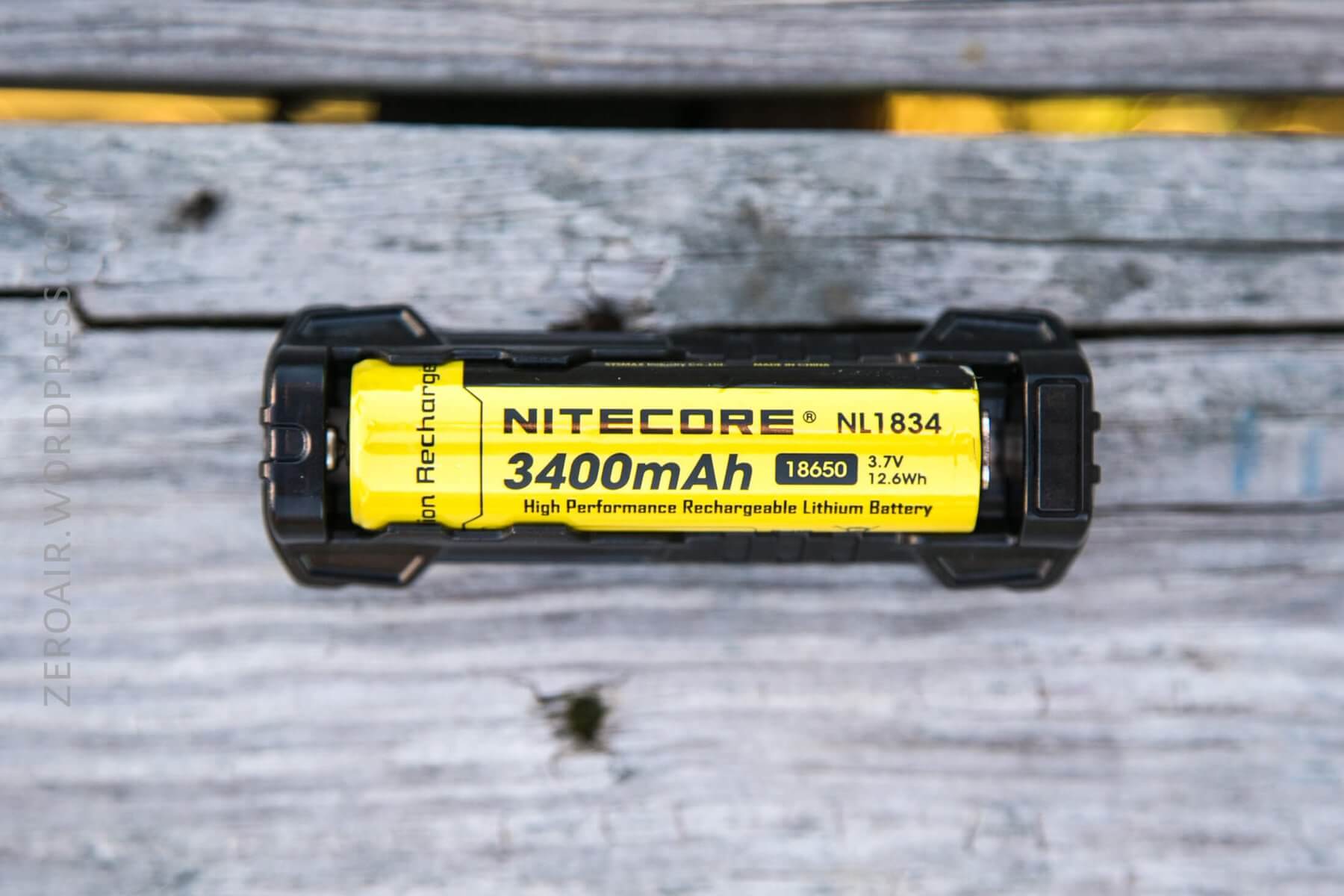
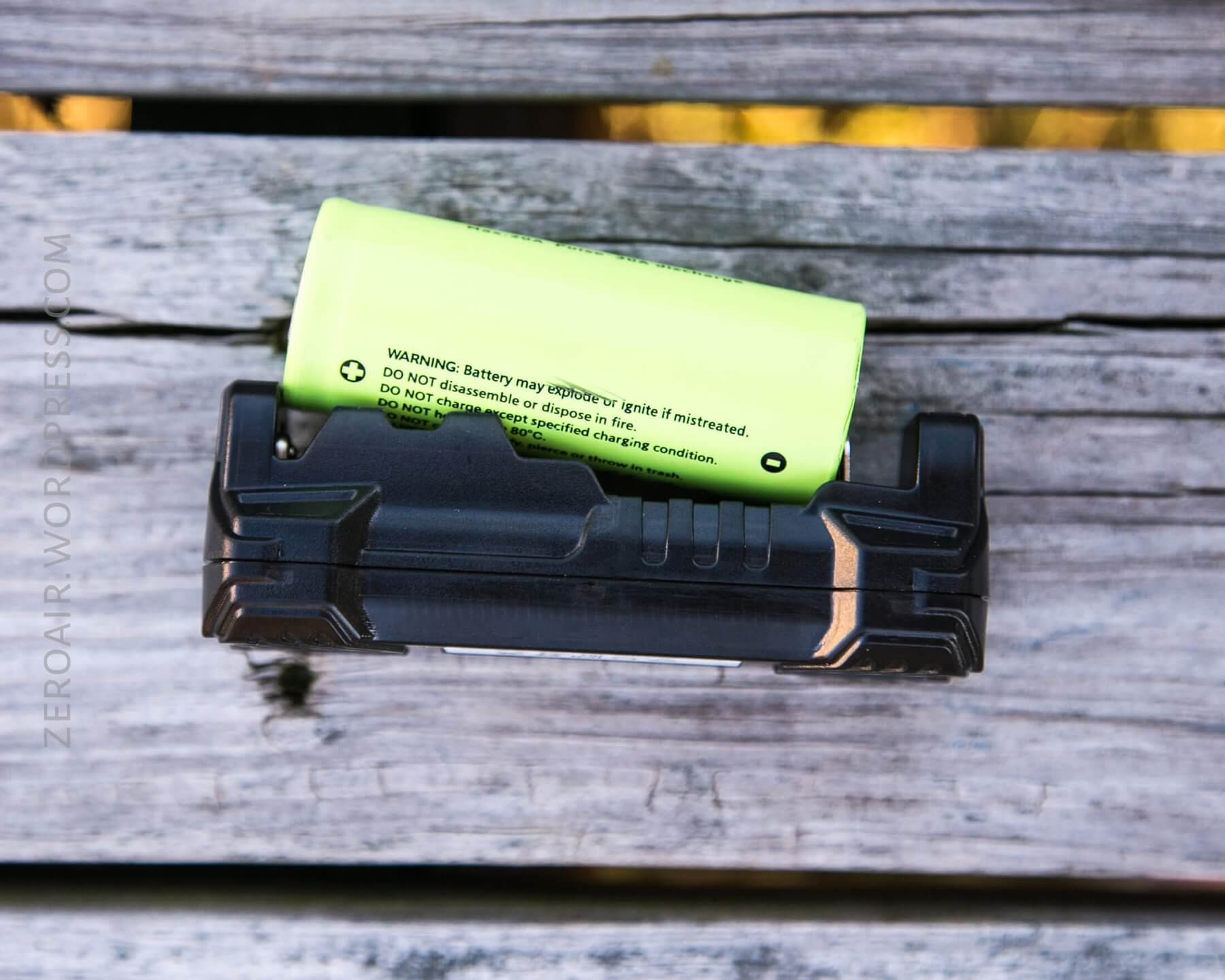
Due to the wings and length of the bay, nothing longer than a protected 18650 will fit. I’d love for this to fit 21700 cells – maybe the next revision will have that?
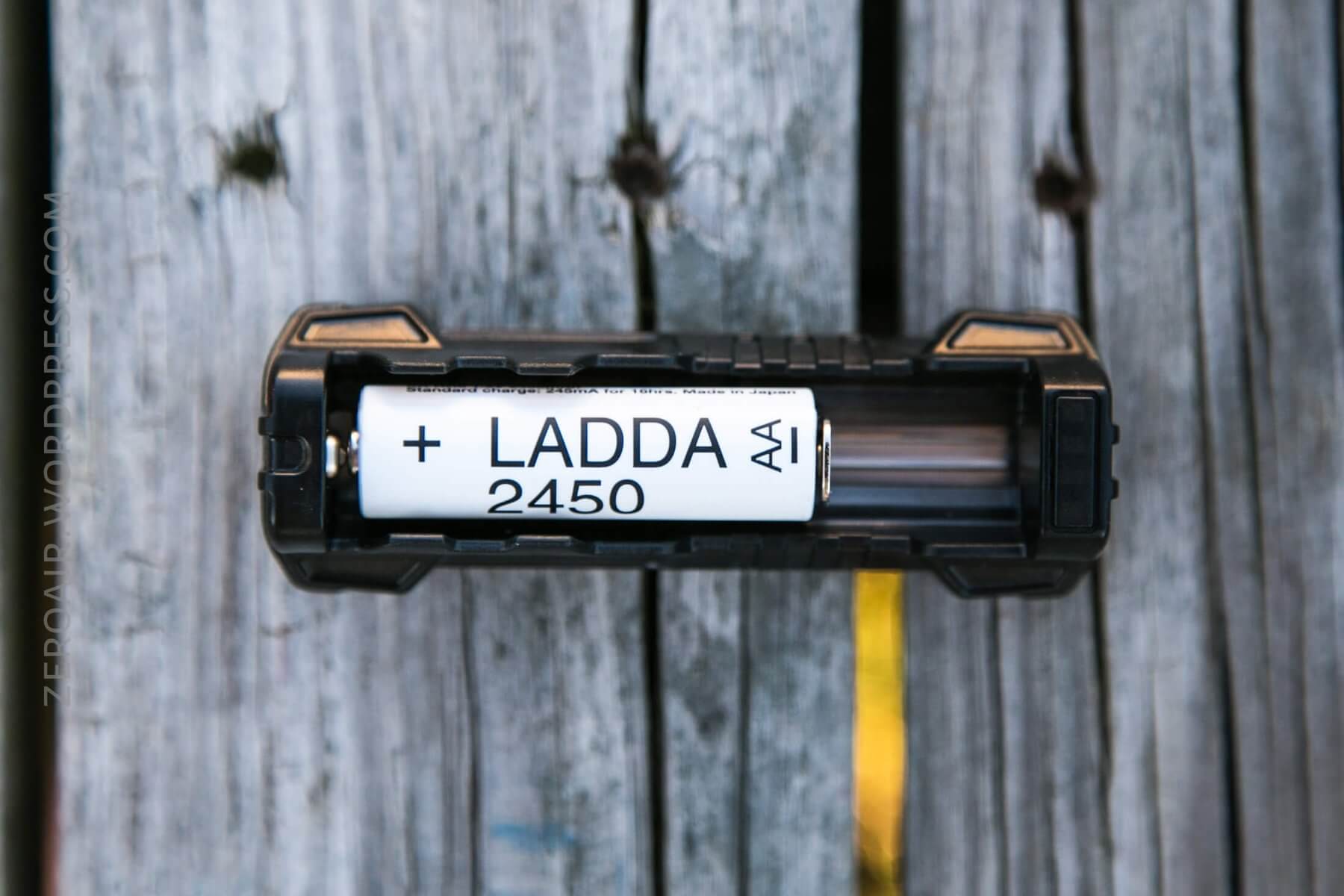
Also, surprisingly (very surprisingly), this charger will charge NiMH cells. The wings are stationary, so the AA-size cells aren’t grasped, but the spring holds them fairly securely anyway. NiMH cells do not allow the charger to function as a powerbank.
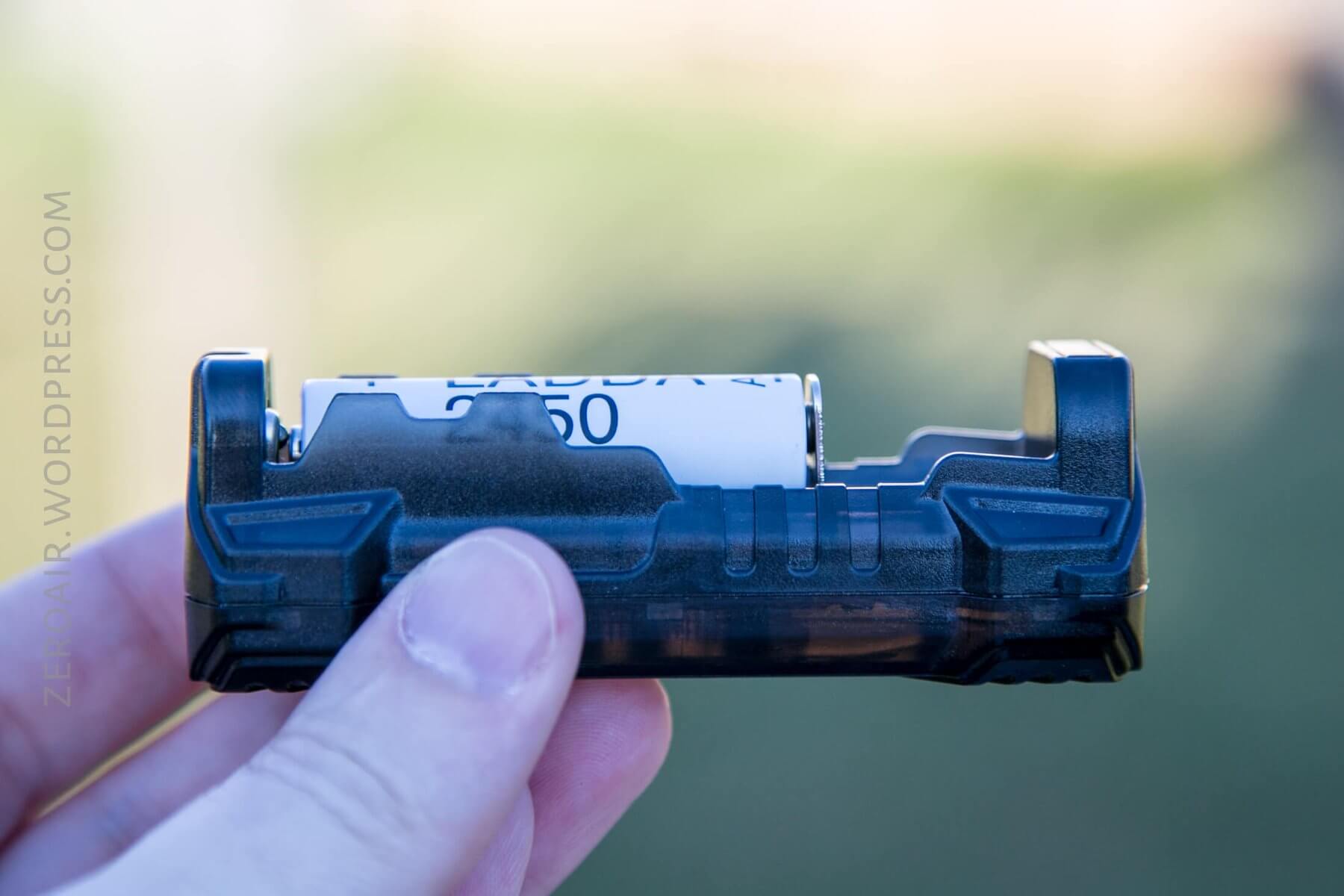
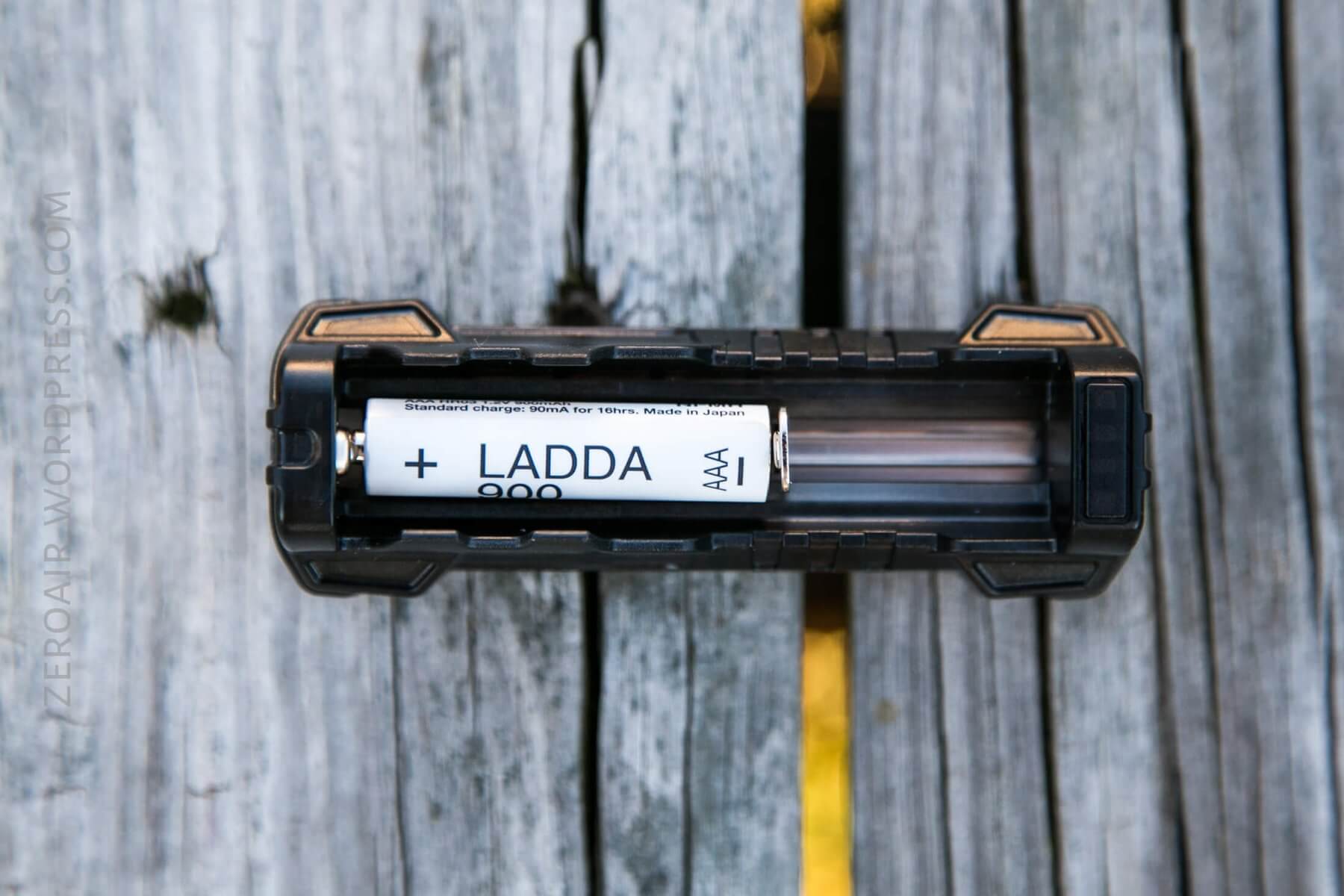
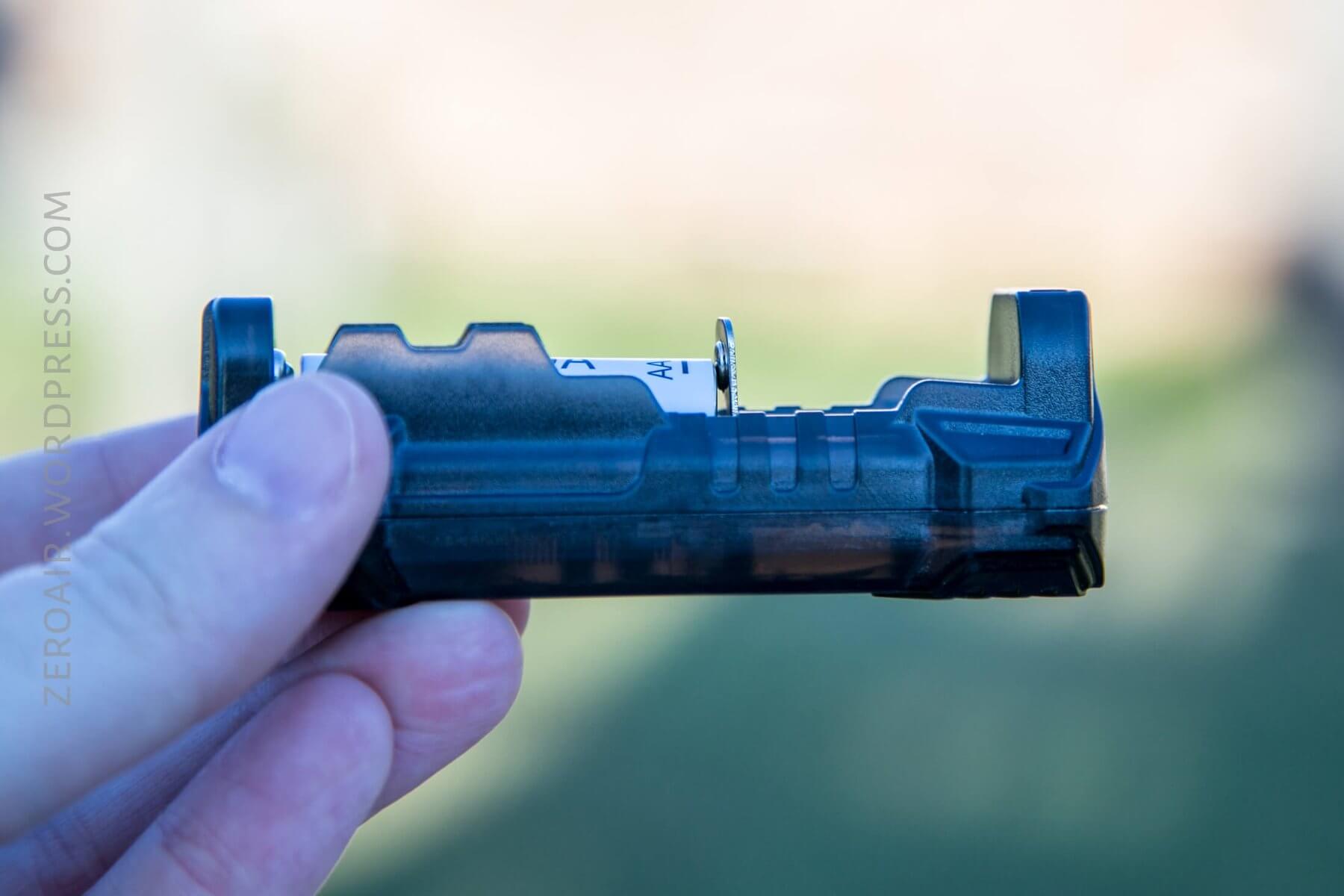
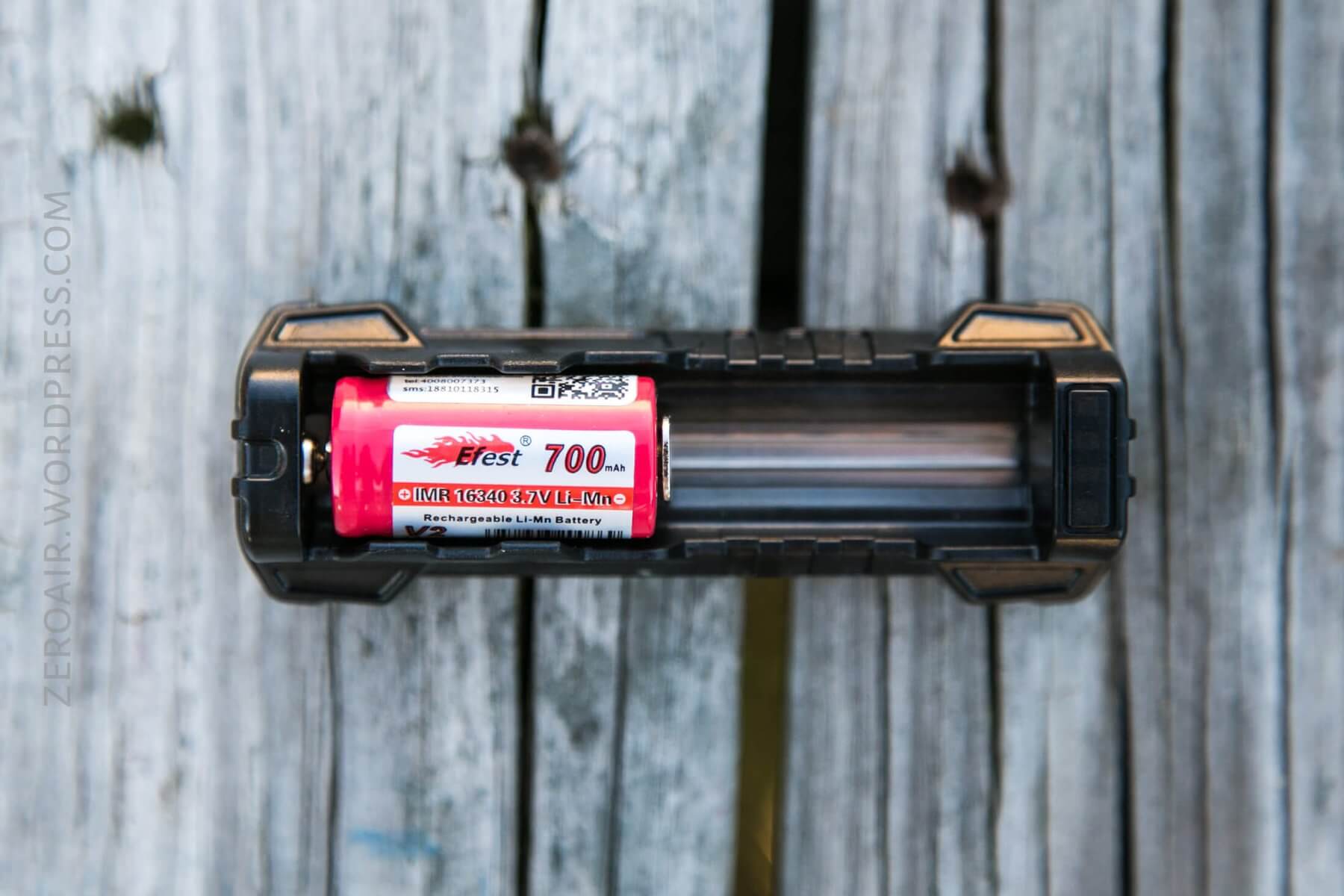
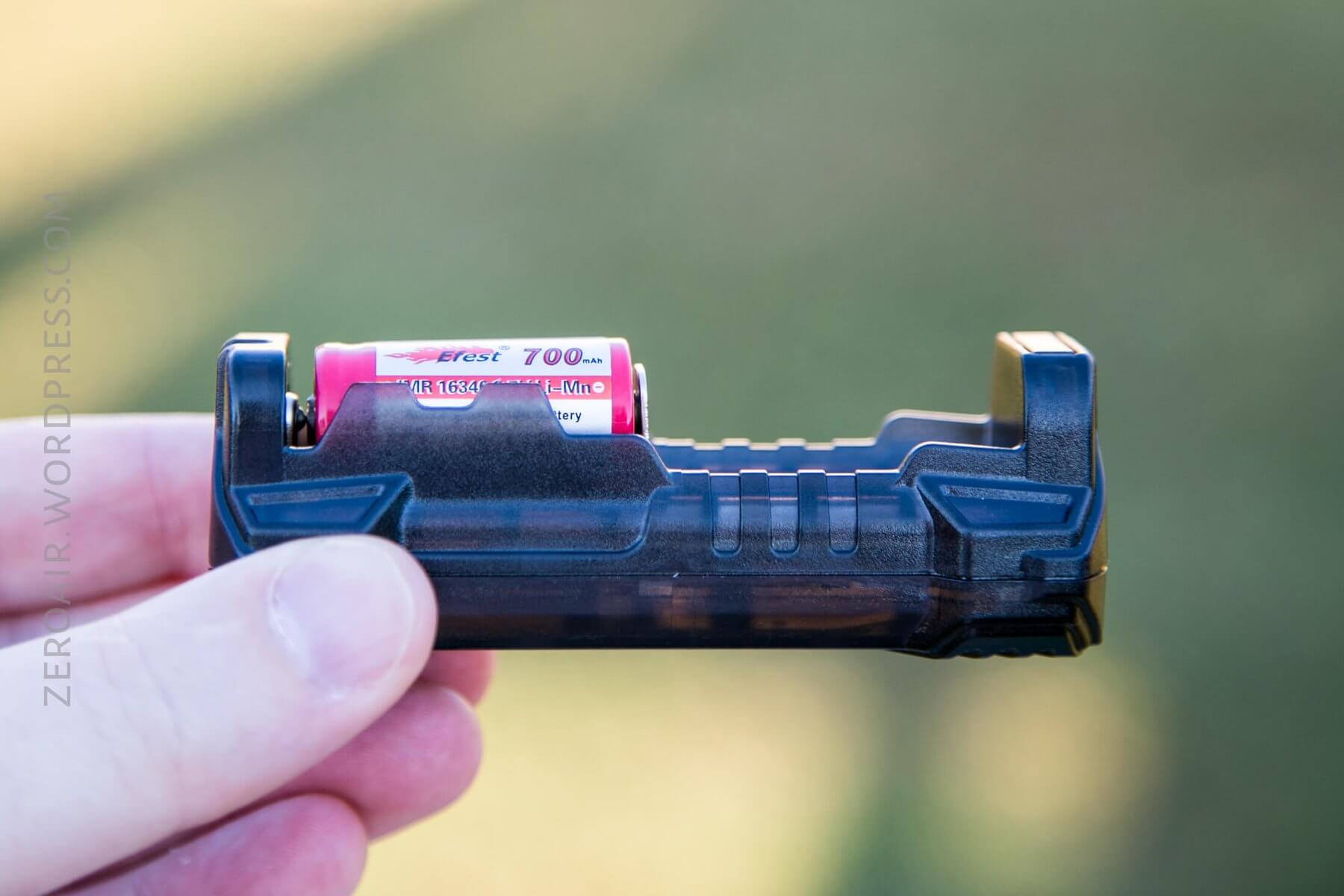
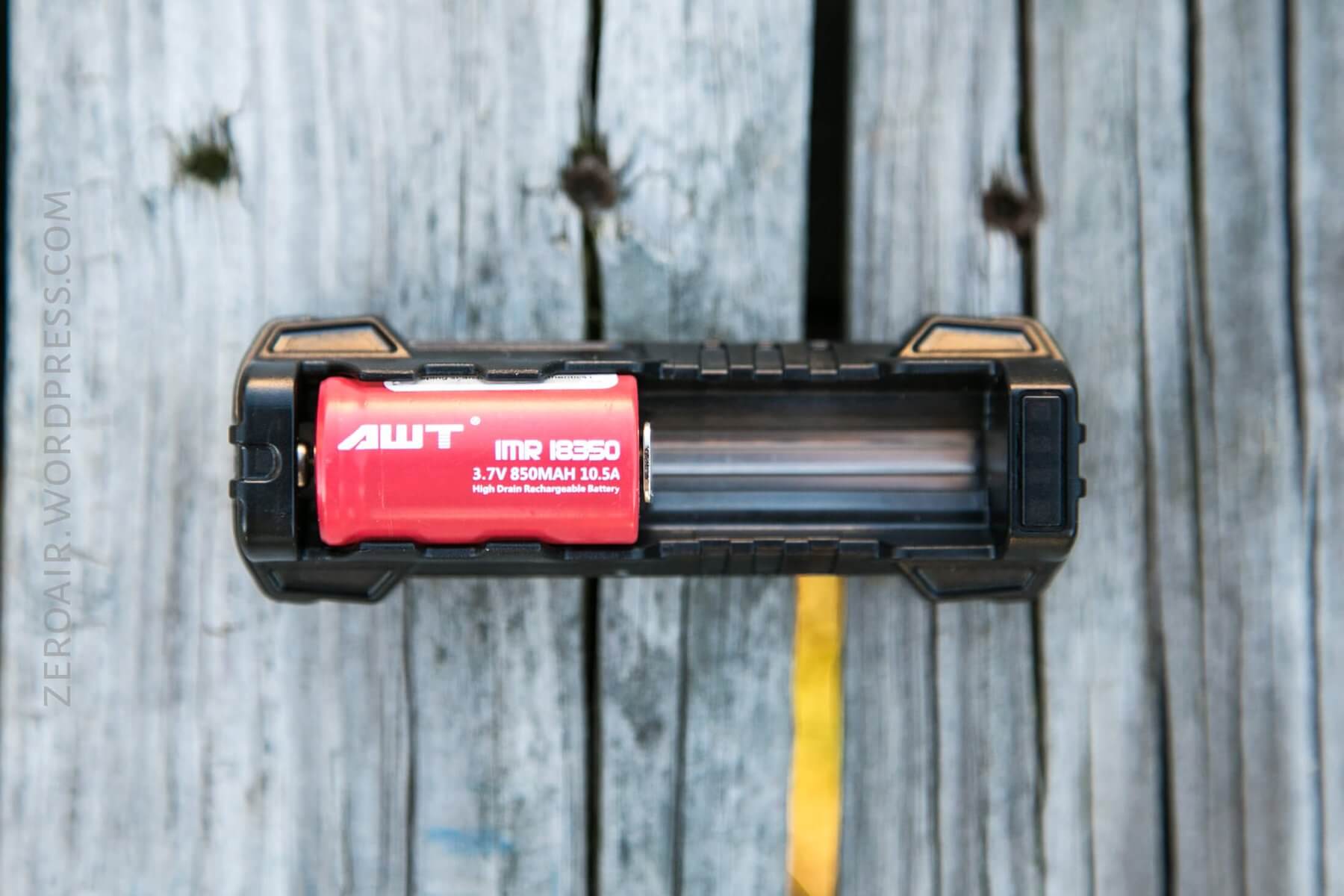
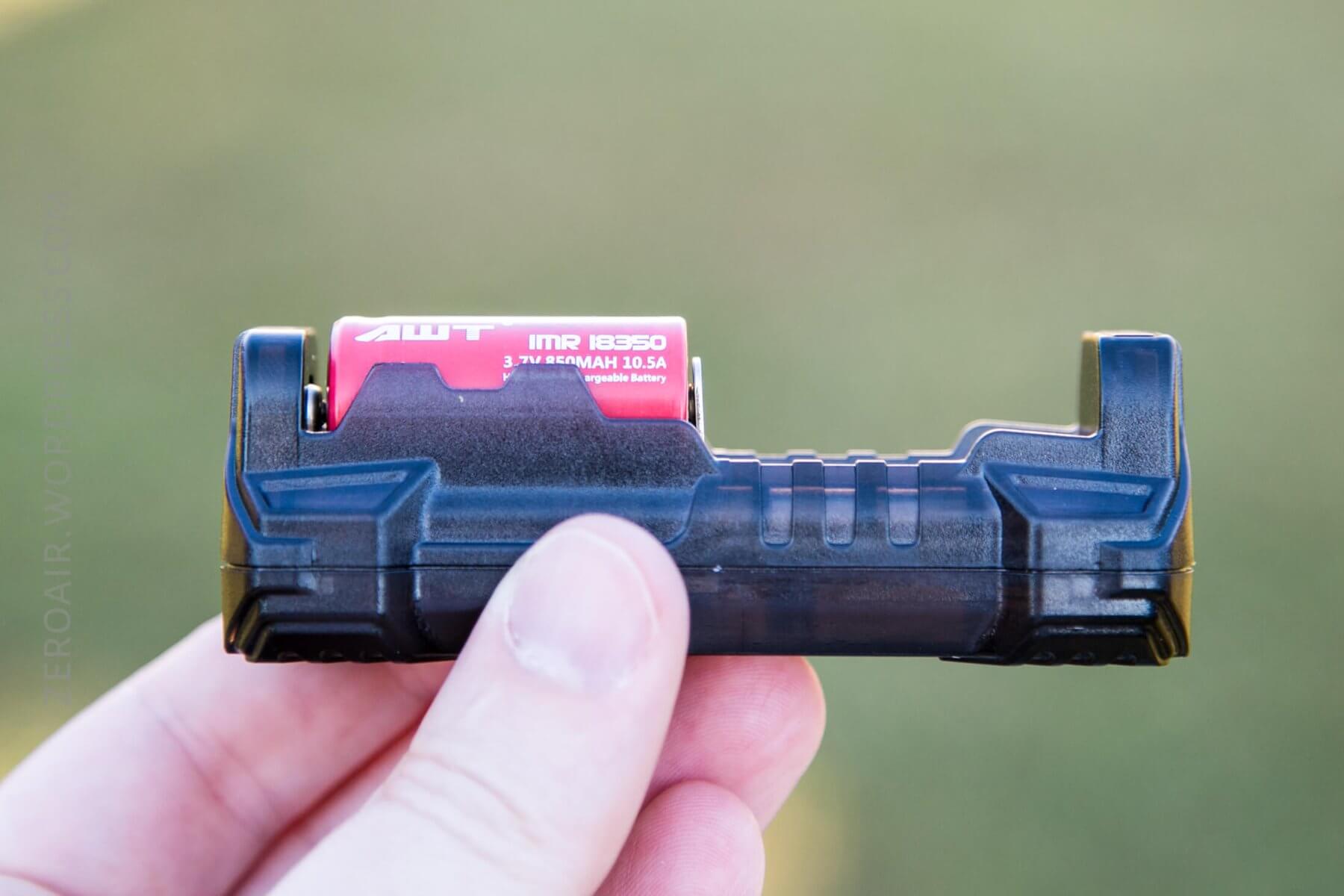
Nothing bigger than 18650 will fit, as stated. 🙁
User Interface and Operation
There’s nothing to say about the UI. The charger does it all. Drop a cell in, and the charger detects what it is and starts doing what it needs to do.
Four green LED indicators tell the user what state the charging cell is. Basically a power bar – one to four, with four steady meaning a full cell.
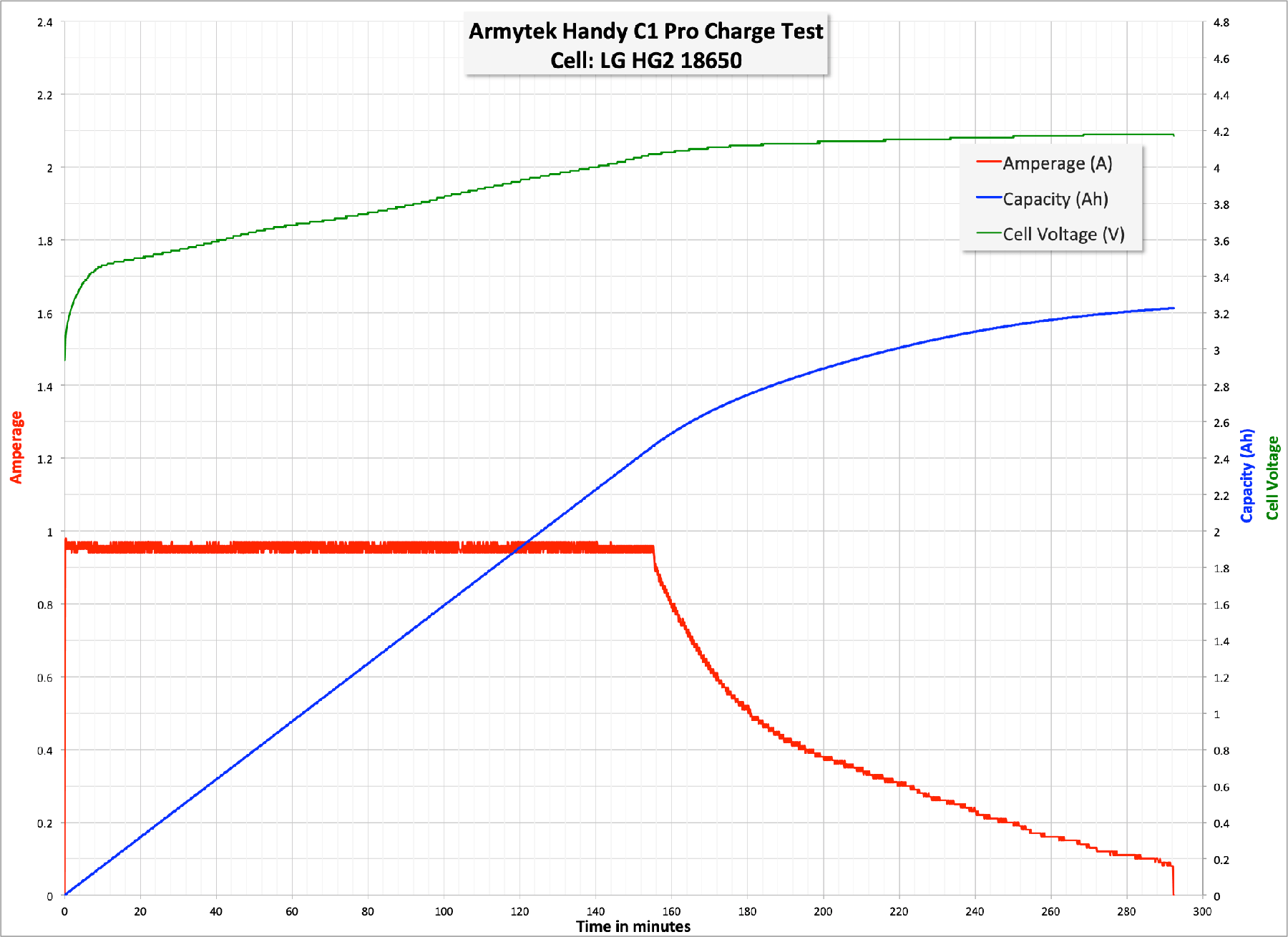
Here’s a charge cycle for an LG HG2. Charging proceeds at around 1A, as measured at the cell. Not much to say here – this is a nice charge graph.
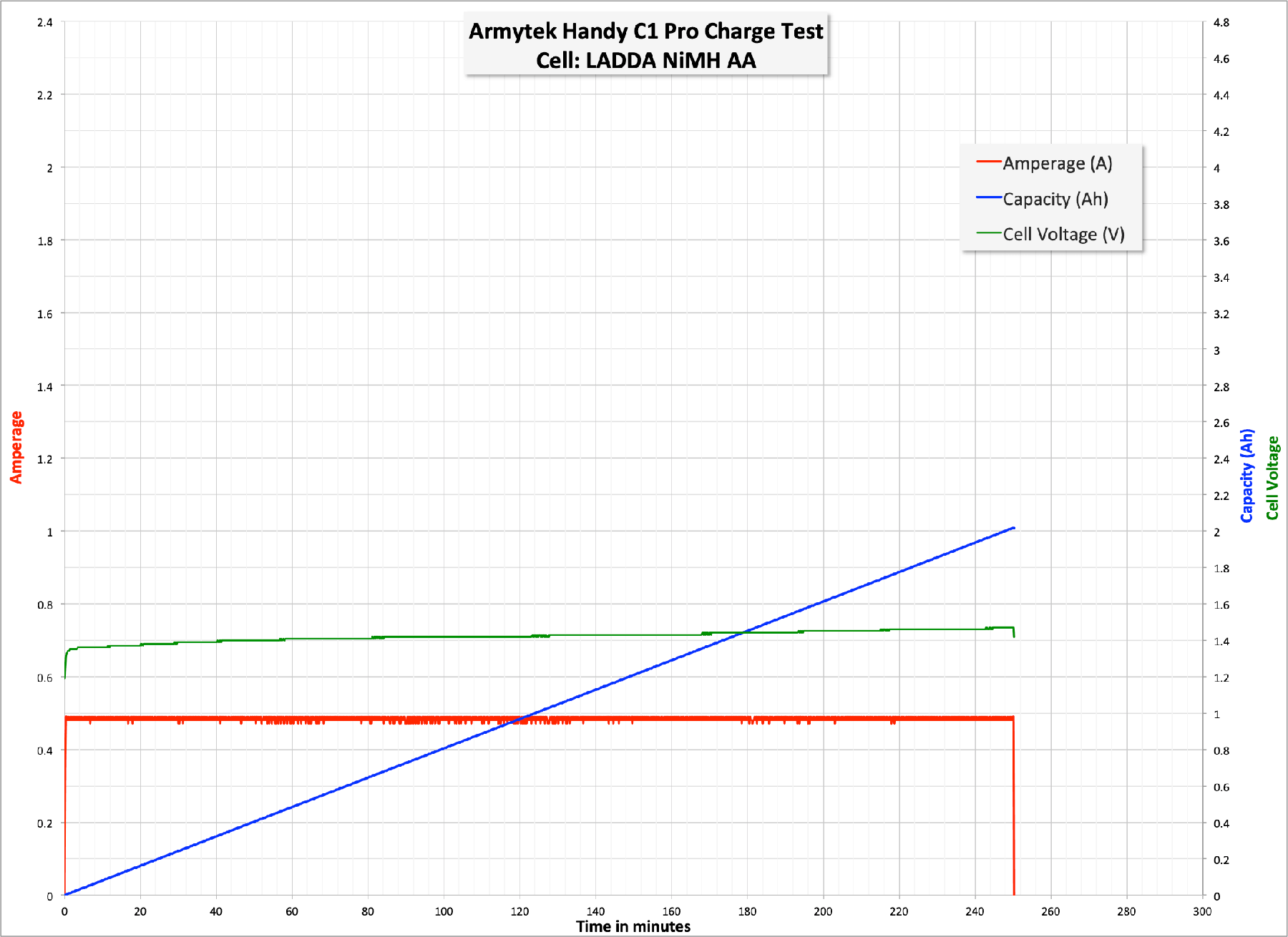
Here’s a charge cycle for a LADDA AA NiMH cell. I’m not totally sure what NiMH charging should look like, but termination has to do with temperature – as these cells reach their capacity, their temperature increases. A charger should be able to sense that and stop charging. Nothing in the product page or manual states that the charger has the capability to detect temperature, so I don’t know how this charger terminates.
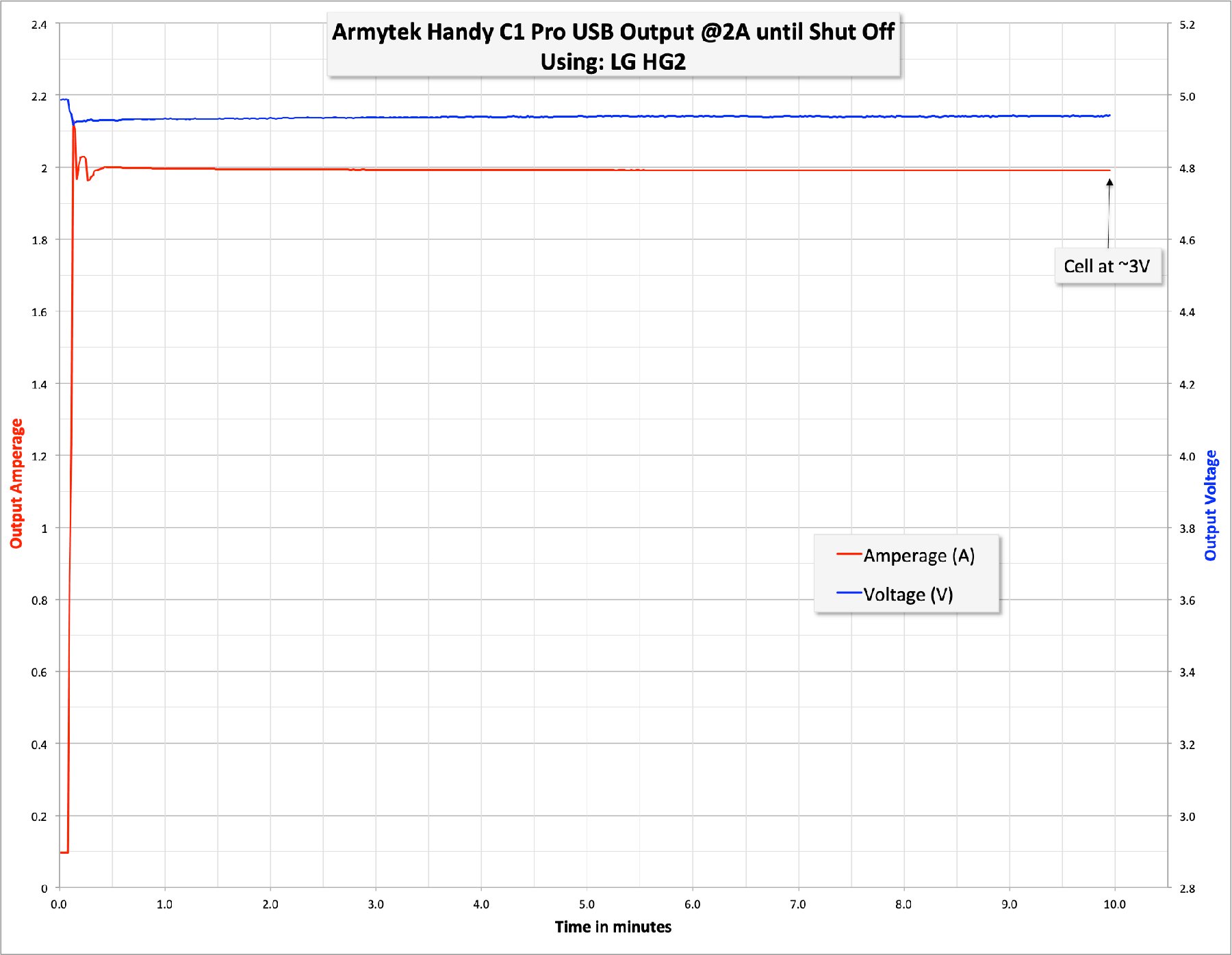
Here’s a test discharging an at-capacity HG2 at 2A. USB out seems to shut off when the cell is around 3V (though when I checked after this one shut off, the cell had bounced back to around 3.3V). There’s no fade, and also I didn’t see any warning that the cell was almost depleted (but I wasn’t sitting over the test watching).
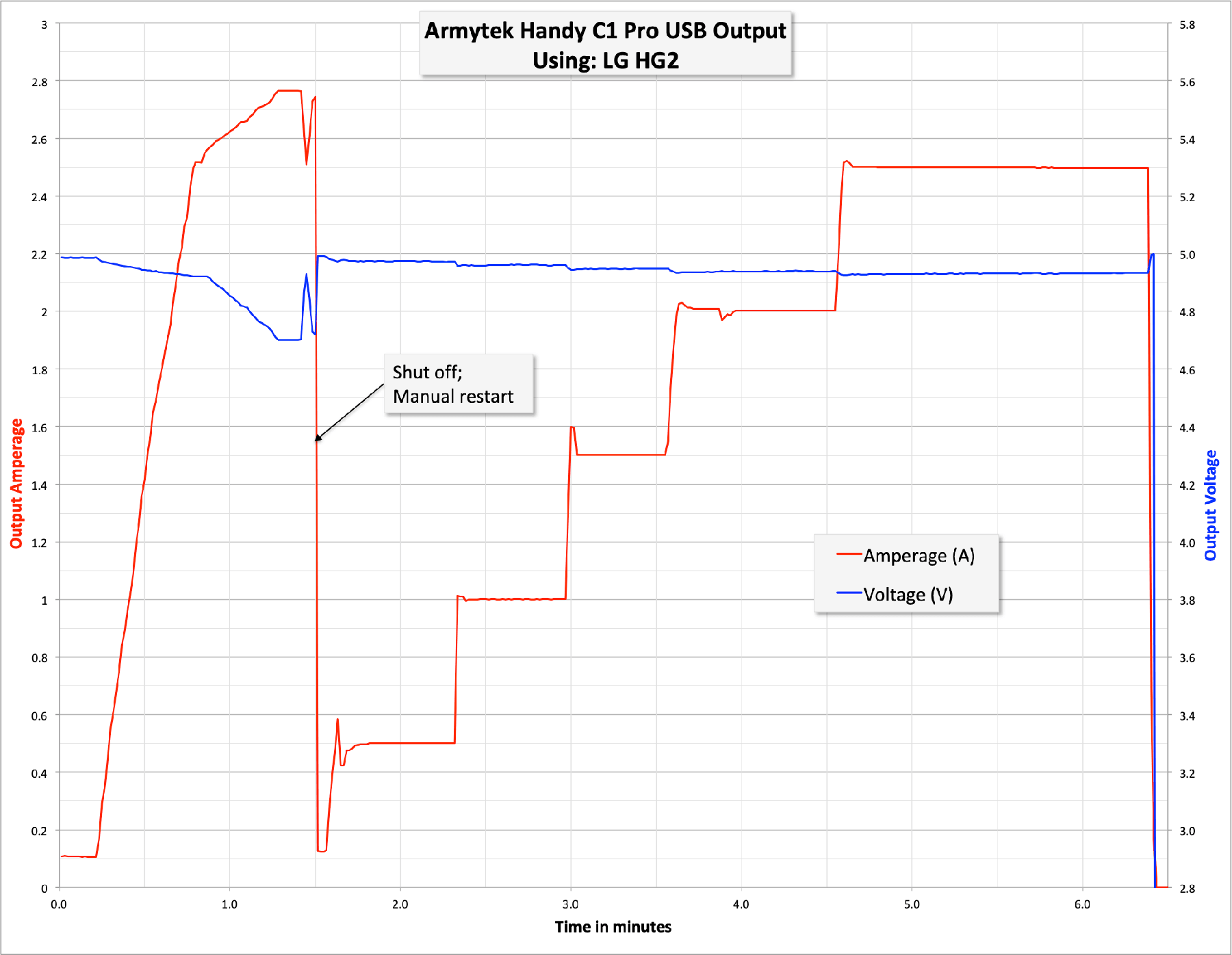
And here’s a test displaying various discharge currents, up to around 2.5A. Armytek claims 2.5A output, and my testing confirms it. The charger shuts off USB out when ~2.8A is drawn, but will discharge at 2.5A with barely a hiccup (to wit, the voltage barely drops under 5V when this much current is pulled.) That’s fairly fantastic.
Conclusion
This is a great charger, and I recommend it!
What I like
- Both Li-Ion and NiMH charging
- Full 2.5A USB output
- Charges at 1A very consistently
What I don’t like
- Wings prevent use of 26650 cells
- Width prevents use of 21700 cells
Notes
- This item was provided by Armytek for review. I was not paid to write this review.
- This content originally appeared at zeroair.org. Please visit there for the best experience!
- Use my amazon.com referral link if you’re willing to help support making more reviews like this one!
- Please support me on Patreon! I deeply appreciate your support!
Discover more from ZeroAir Reviews
Subscribe to get the latest posts sent to your email.
A good review, thank you!
The charger looks nice, although the USB output seems to shut down oddly early – after about 10 minutes at 5V / 2A output, if I’m reading the graph correctly. I would have expected over 30 minutes from an HG2 with 3000mAh to work with.
Do you happen to know how well the charger does at charging cells from an intermittent source like a solar panel?
Some chargers in this style lock up when the solar power drops off, then fail to restart when the sun comes out again and the power comes back, so you have to restart them manually every time that happens. Not too clever for outdoor activities where you might want to leave a cell charging while you’re doing something else.
I don’t think that’s early, since the cell voltage was 3V when 2A output stopped.
My math could be wrong but some back-of-the-napkin calculations: 2A (discharge rate) x 1/6h (discharge time) = 0.333Ah, or 333mAh. So you’re right, that does seem quite low. On the other hand, more math is involved since the charger needs to boost that 4.2V to 5V output – math I’m not going to attempt. But yeah, it does look like the output should last longer.
This is something I want to work into my charger reviews, but I haven’t been able to yet. I do have the equipment, I’m just not sure the best way. As yet, I have not tested this charger with a solar panel or something to mimic one.
Thanks for your comment!
Cool, thanks for the info!
My take on the maths, starting with your calculation:
2A (discharge rate) × 1/6h (discharge time) = 0.333Ah, or 333mAh at the USB output
333mAh ÷ 4.2V × 5V = 396mAh from the cell prior to perfect voltage conversion
396mAh ÷ 85% = 466mAh from the cell at typical voltage conversion efficiency of 85%
So yes, something strange is going on there.
Even if you lean backwards for Armytek and use a nominal cell voltage of 3.6V, not 4.2V:
2A (discharge rate) × 1/6h (discharge time) = 0.333Ah, or 333mAh at the USB output
333mAh ÷ 3.6V × 5V = 462mAh from the cell prior to perfect voltage conversion
462mAh ÷ 85% = 544mAh from the cell at typical voltage conversion efficiency of 85%
Not even a fifth of the 3000mAh cell capacity. Weird.