
Imalent LD70 Flashlight Review
In for testing today is the Imalent LD70 Flashlight. The LD70 is a Cree XHP70.2 emitter light with an OLED display and built-in charging!
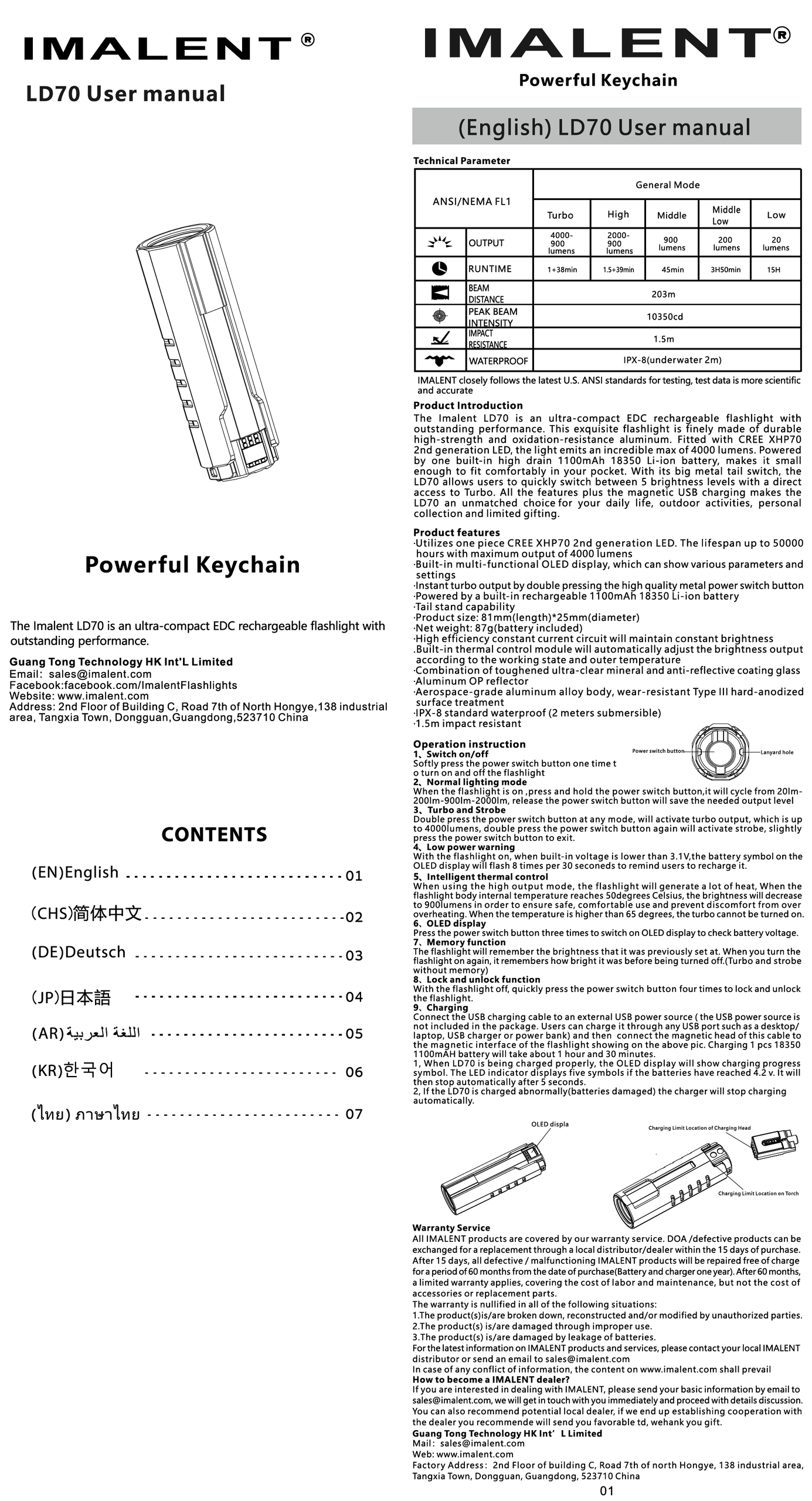
Official Specs and Features
Here’s a link to the Imalent LD70 Flashlight product page.
Versions
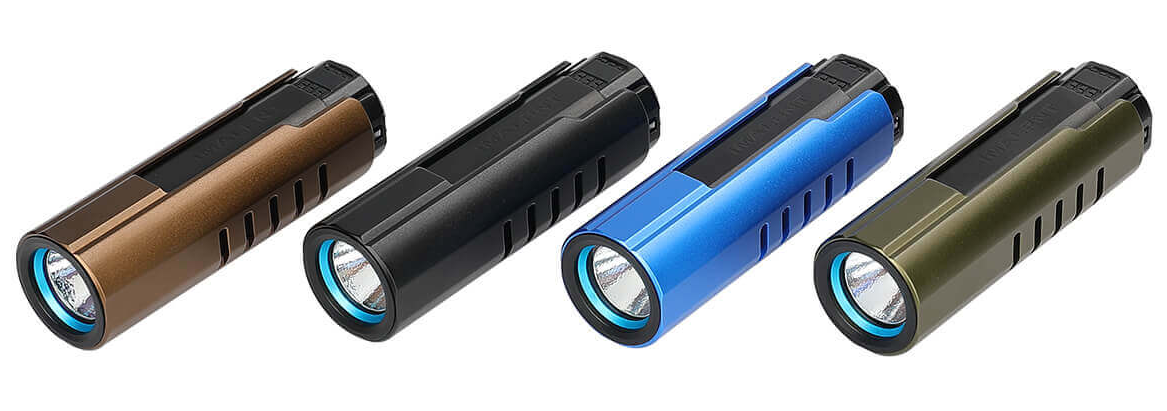
Just one internal option, but there are four body colors. Gold, Black (seen here), Blue, and Green.
Price
These are going for $59.95 on ImalentStore.com.
Short Review
Another fun pocket light from Imalent. I’m still not a big fan of the magnetic charging this uses, and I’m much more a fan of removable cells. The output on this guy is great, and I like the metal switch cover. The OLED display is a novelty, but it does provide useful information.
Long Review
The Big Table
| Imalent LD70 Flashlight | |
|---|---|
| Emitter: | Cree XHP70.2 |
| Price in USD at publication time: | $59.95 |
| Cell: | Internal |
| Turbo Runtime | High Runtime |
| LVP? | |
| Switch Type: | E-Switch |
| Quiescent Current (A): | ? |
| On-Board Charging? | Yes |
| Charge Port Type: | Proprietary Magnetic |
| Chargetime | |
| Power off Charge Port with no Cell? | ? |
| Claimed Lumens (lm) | 4000 |
| Measured Lumens (at 30s) | 2086 (52.2% of claim)^ |
| Candela per Lumen | 2.4 |
| Claimed Throw (m) | 203 |
| Candela (Calculated) in cd (at 30s) | 330lux @ 4.022m = 5338cd |
| Throw (Calculated) (m) | 146.1 (72% of claim)^ |
| All my Imalent reviews! | |
^ Measurement disclaimer: Testing flashlights is my hobby. I use hobbyist-level equipment for testing, including some I made myself. Try not to get buried in the details of manufacturer specifications versus measurements recorded here; A certain amount of difference (say, 10 or 15%) is perfectly reasonable.
What’s Included
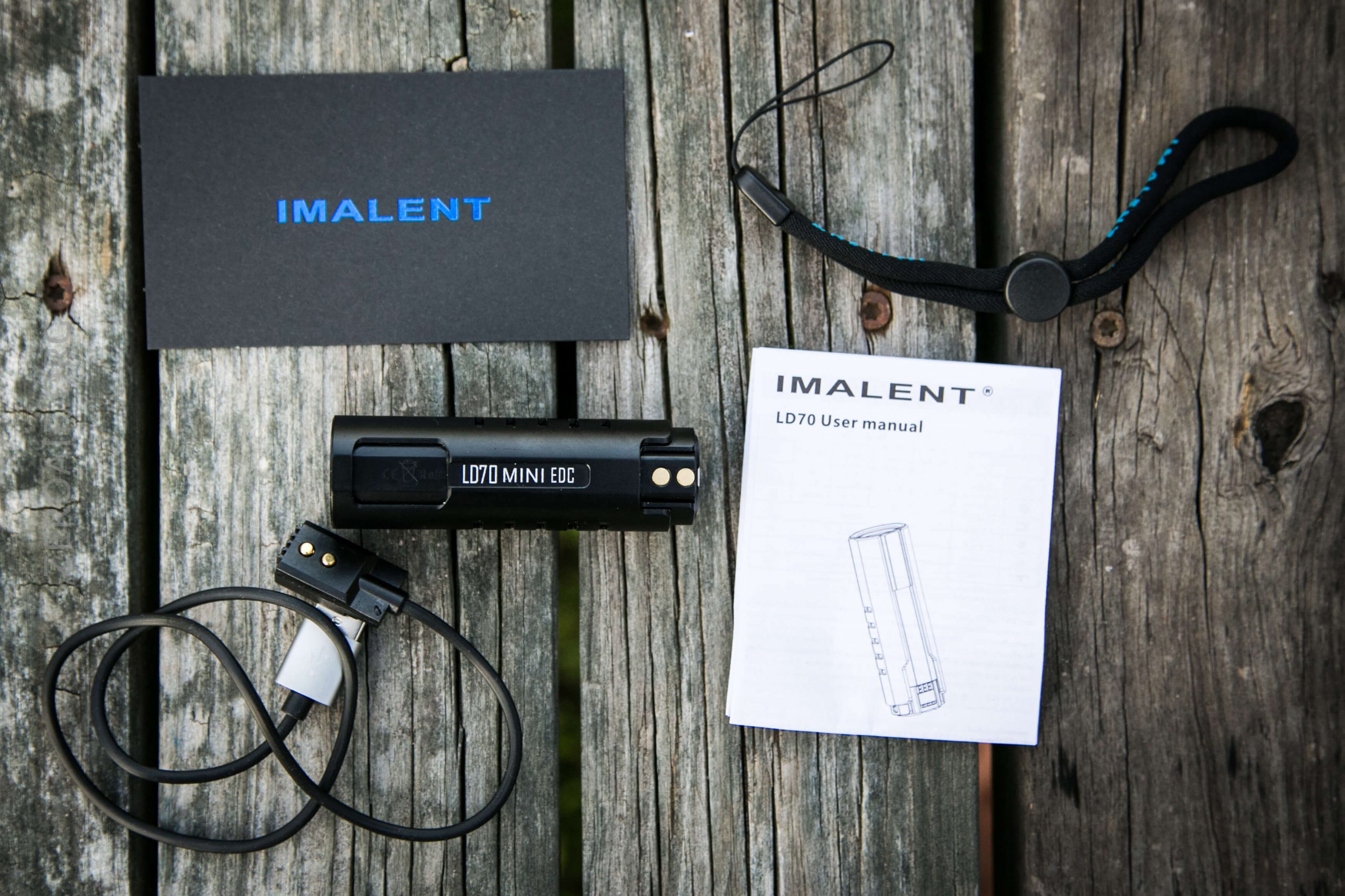
- Imalent LD70 Flashlight
- Charge cable (USB to proprietary magnetic)
- Lanyard
- Manual and papers
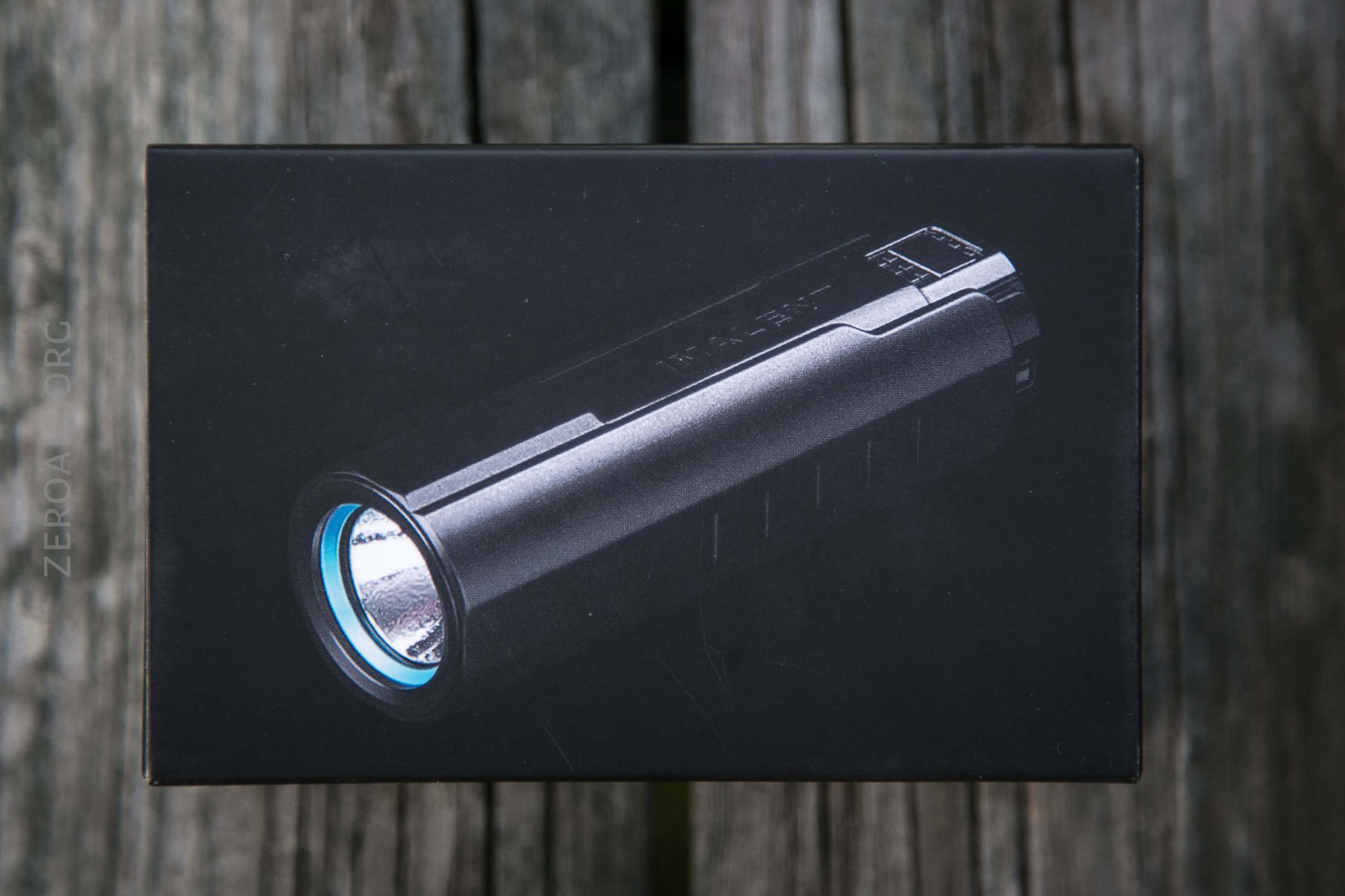
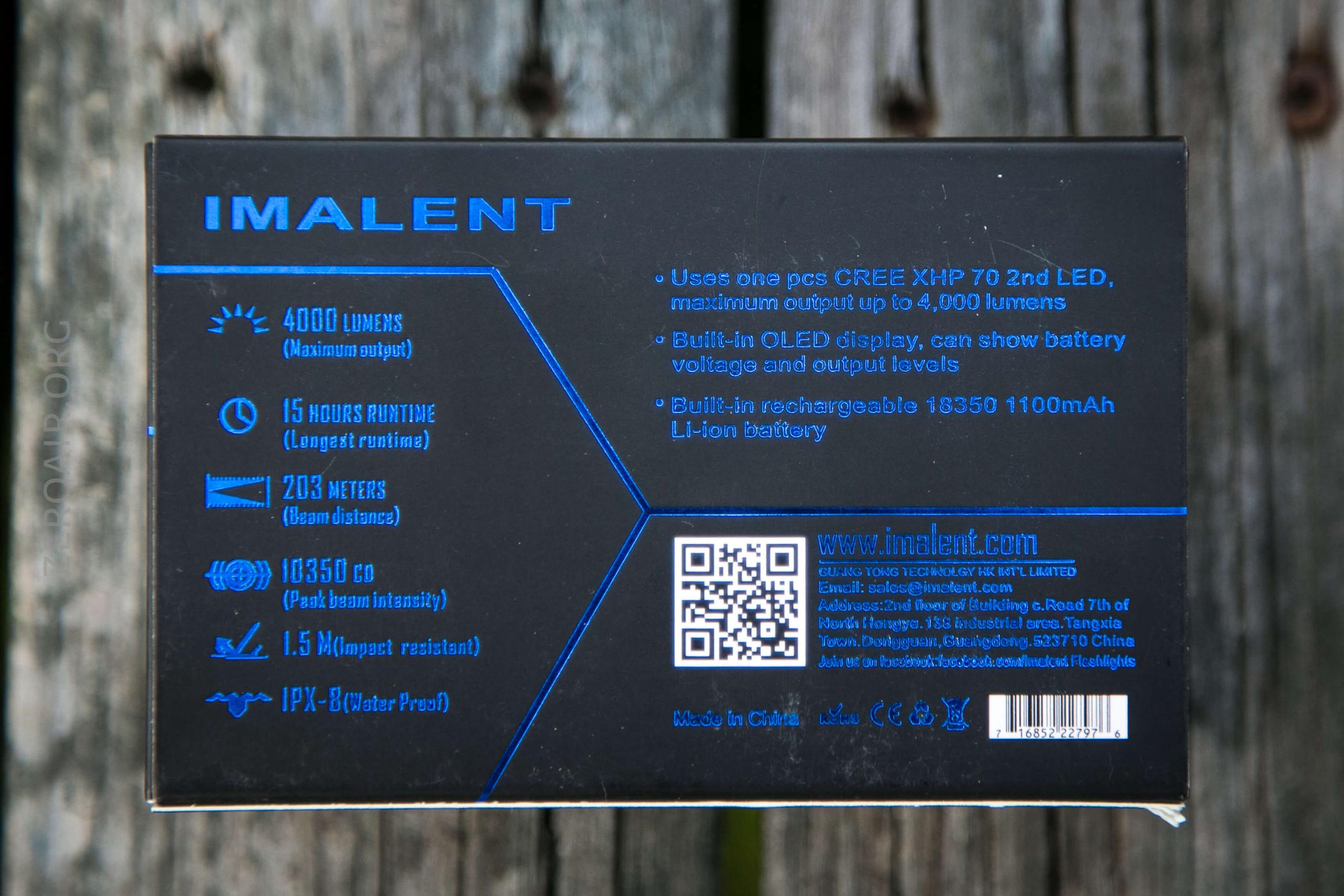
Package and Manual
Build Quality and Disassembly
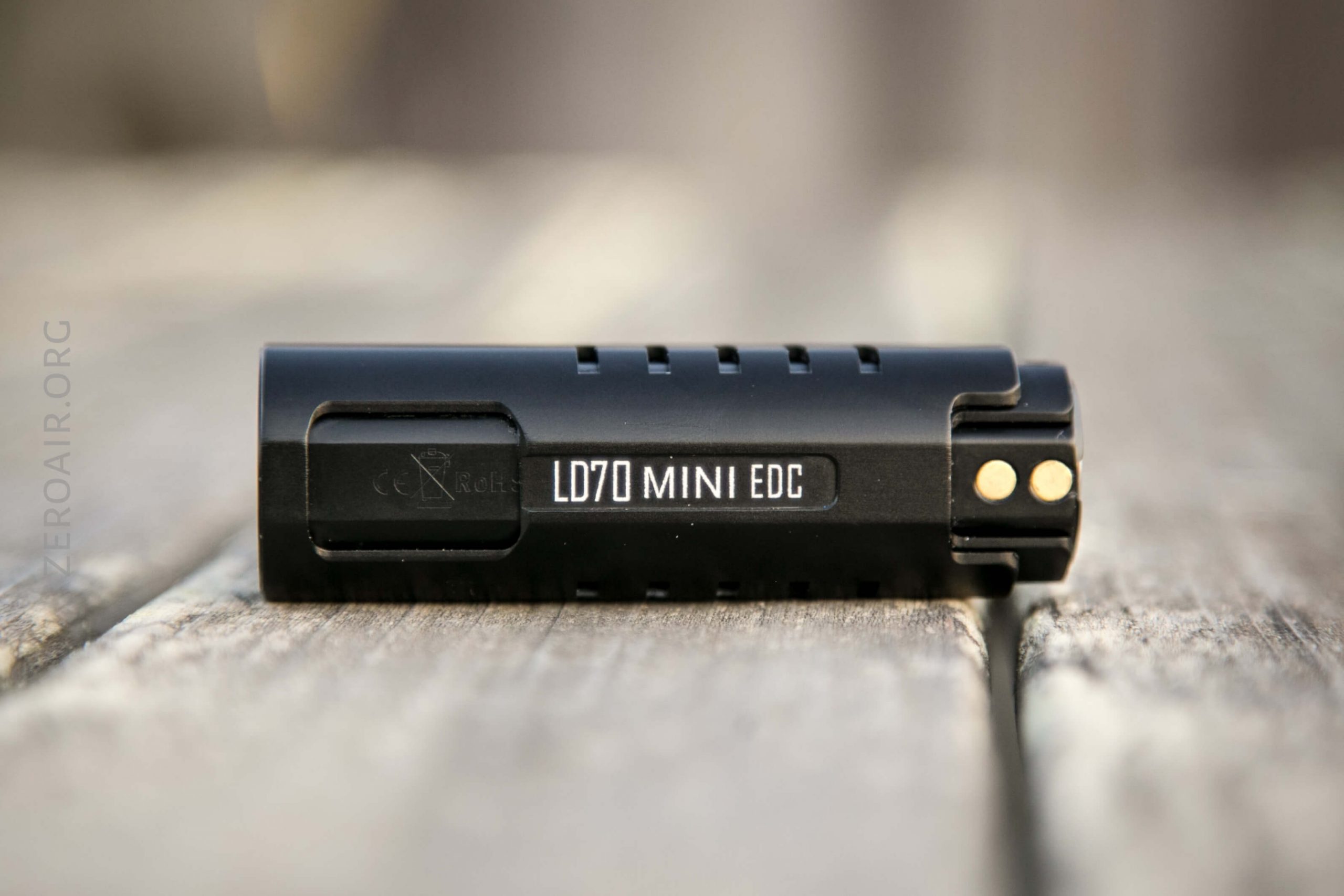
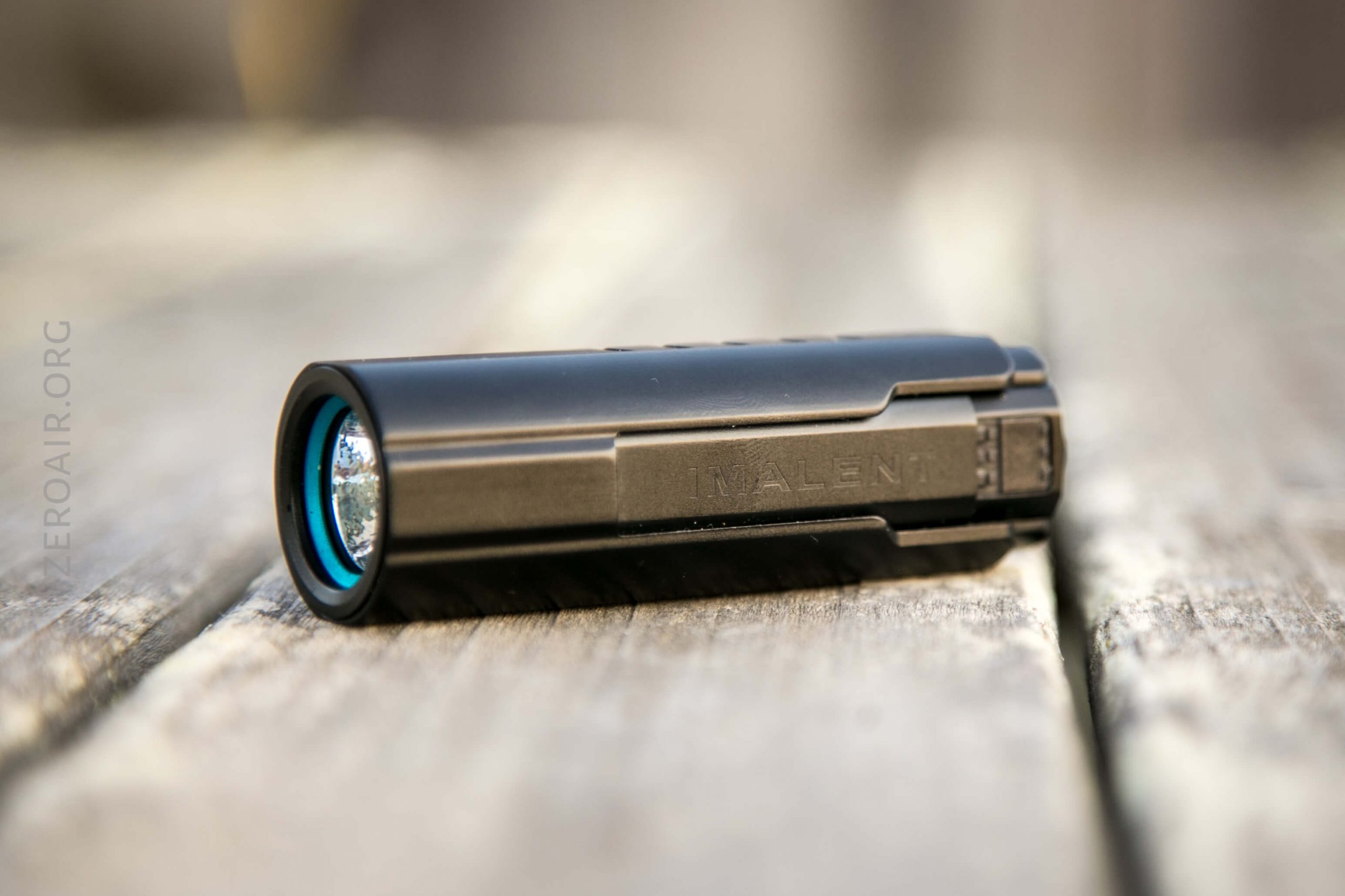
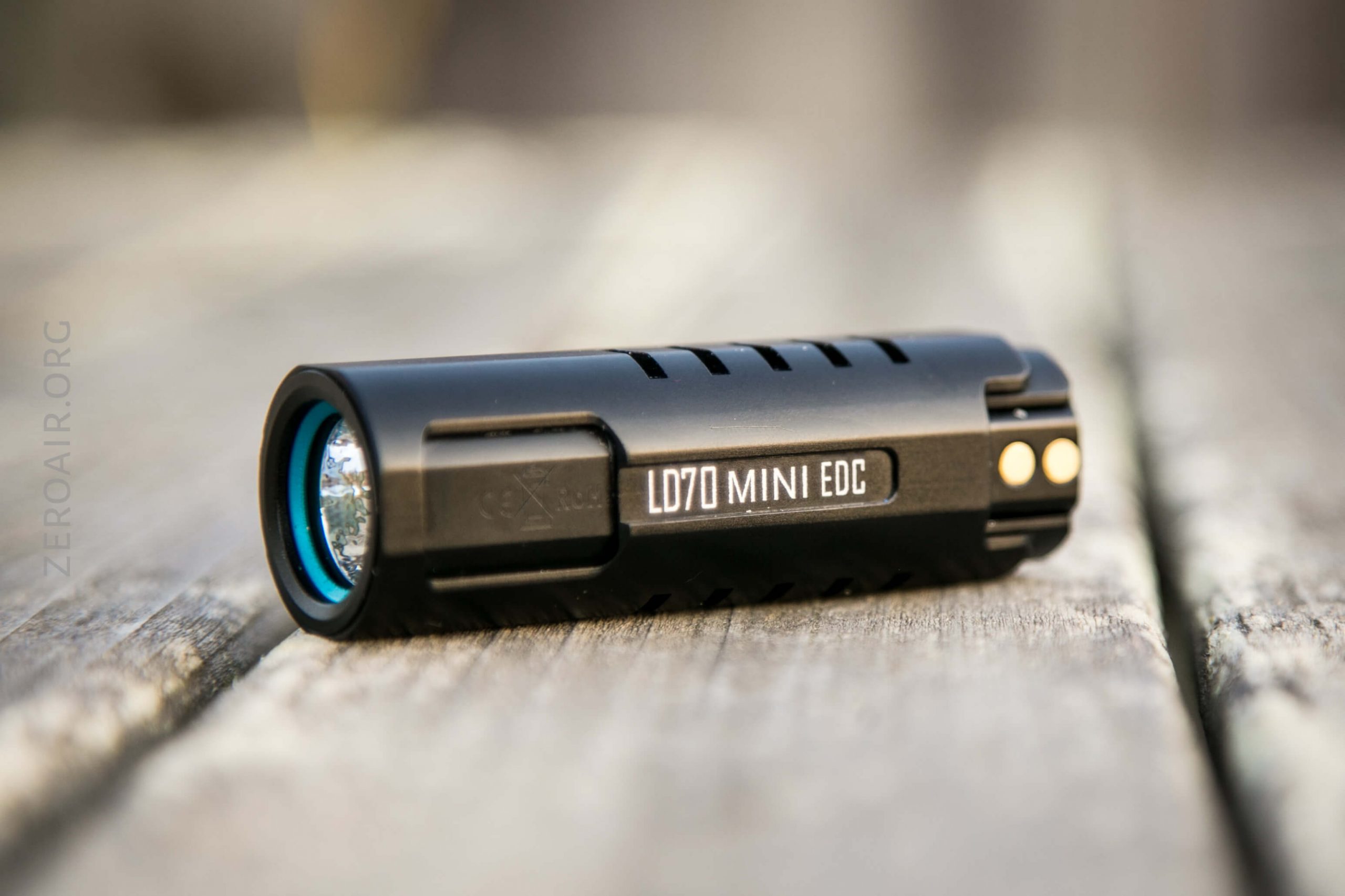
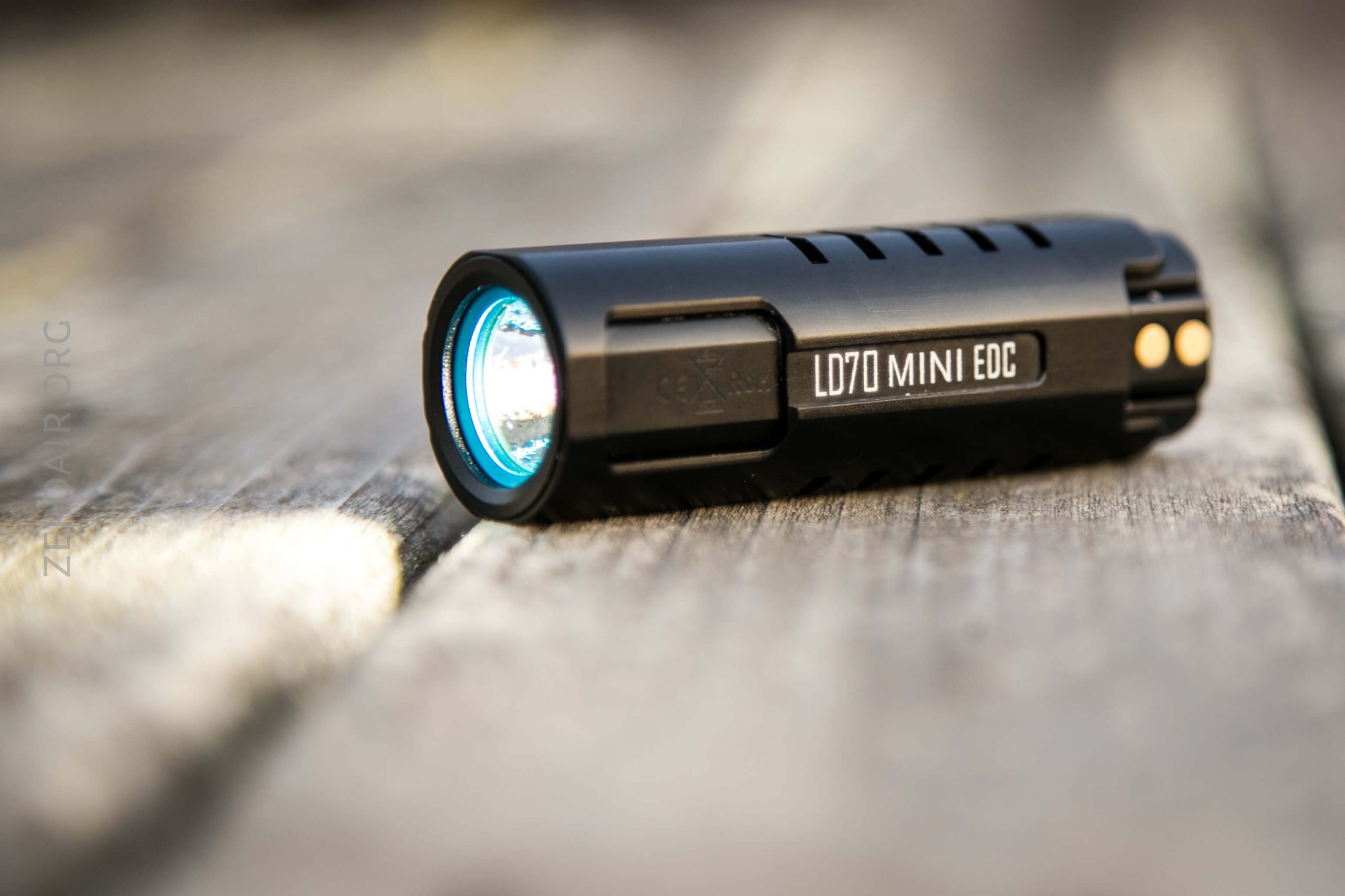
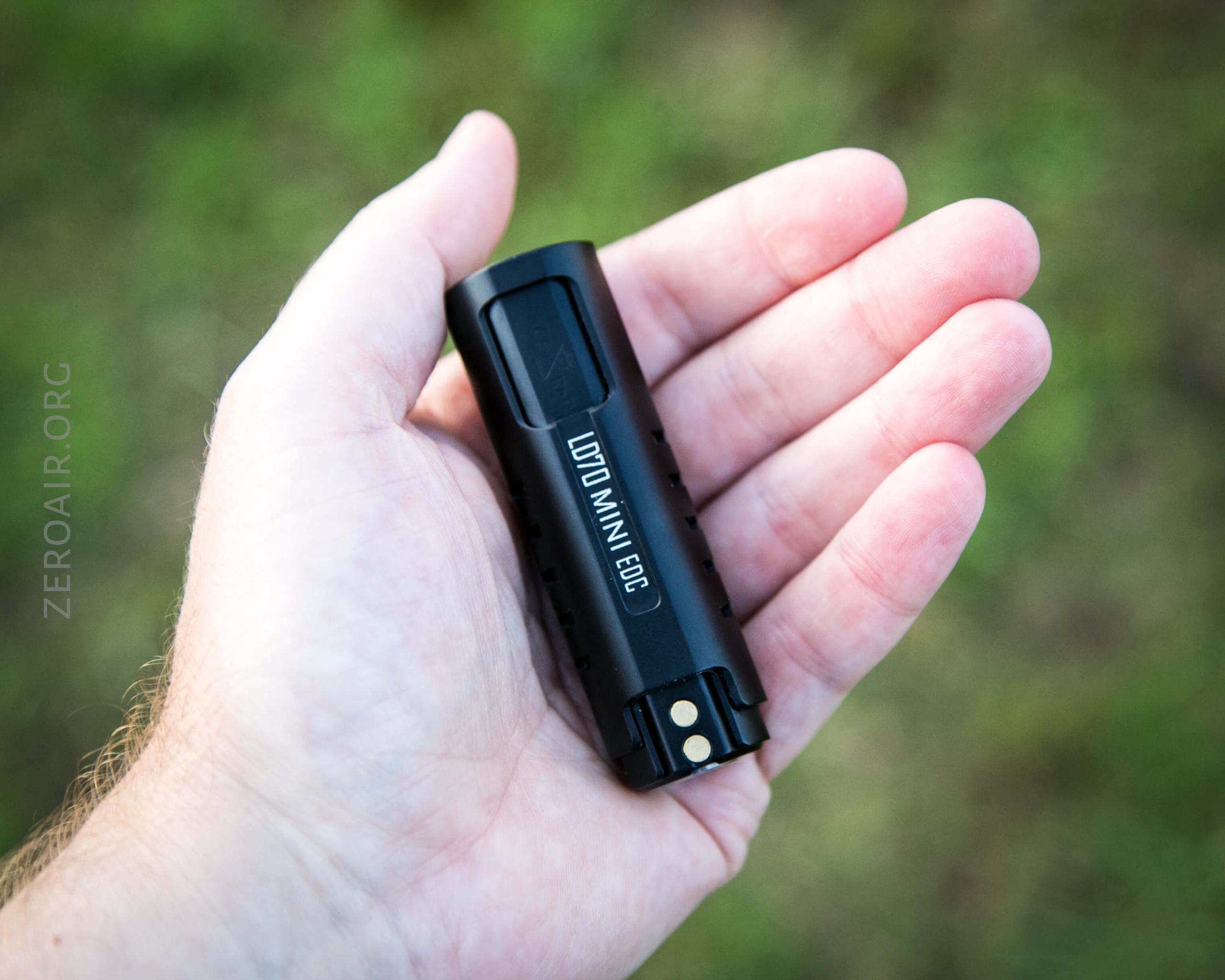
This is a solid little chunk of a light. Well built and interesting in-hand.
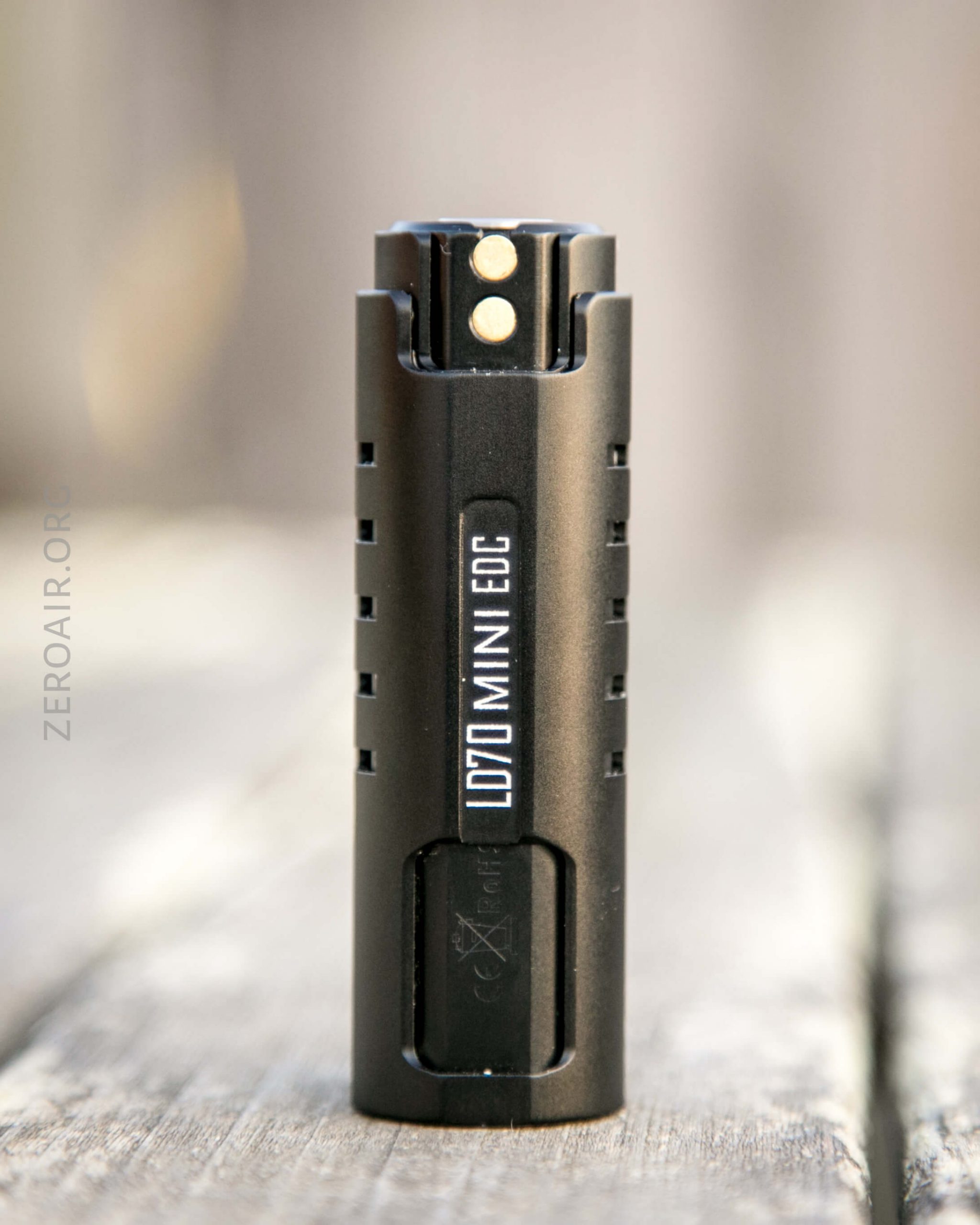
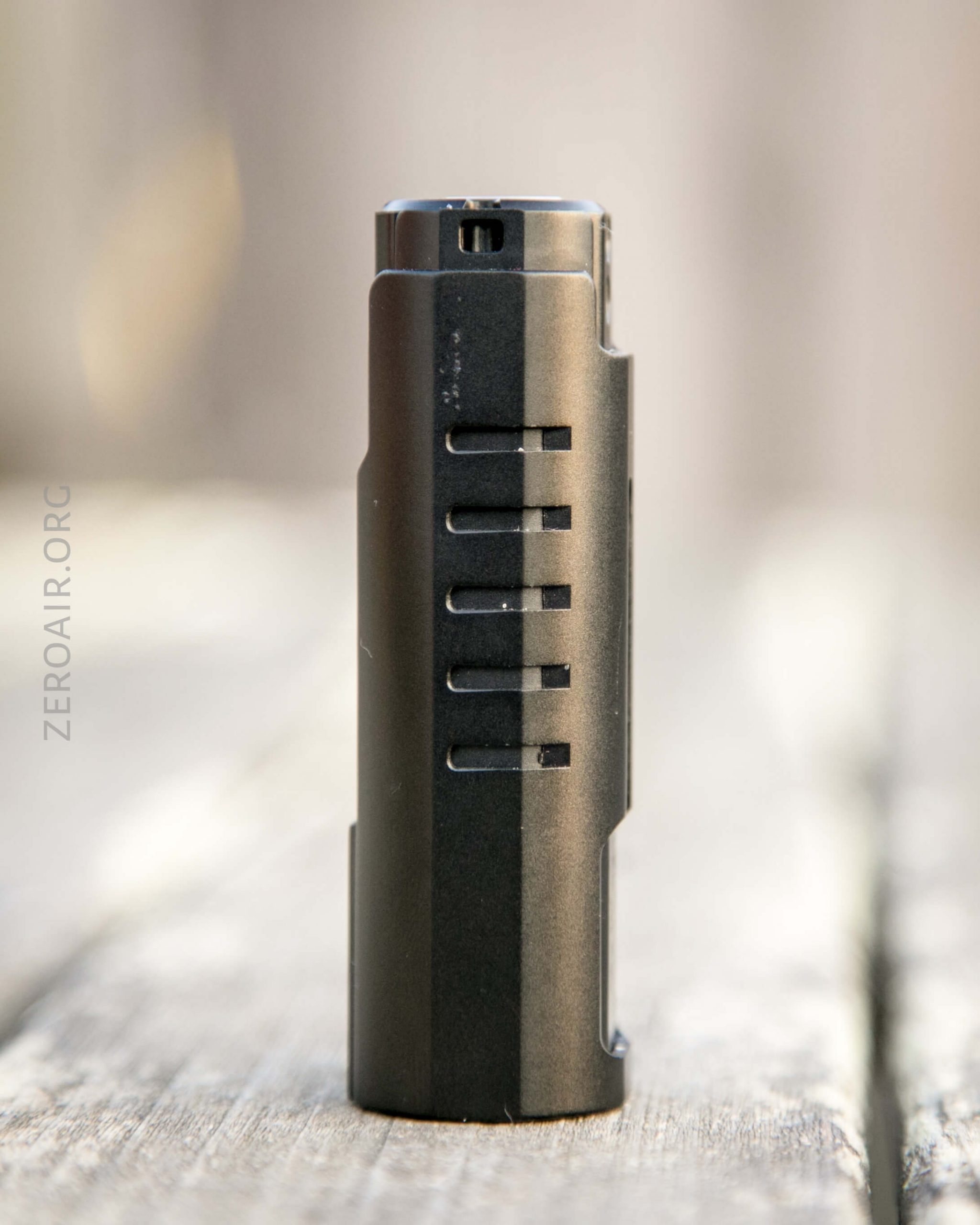
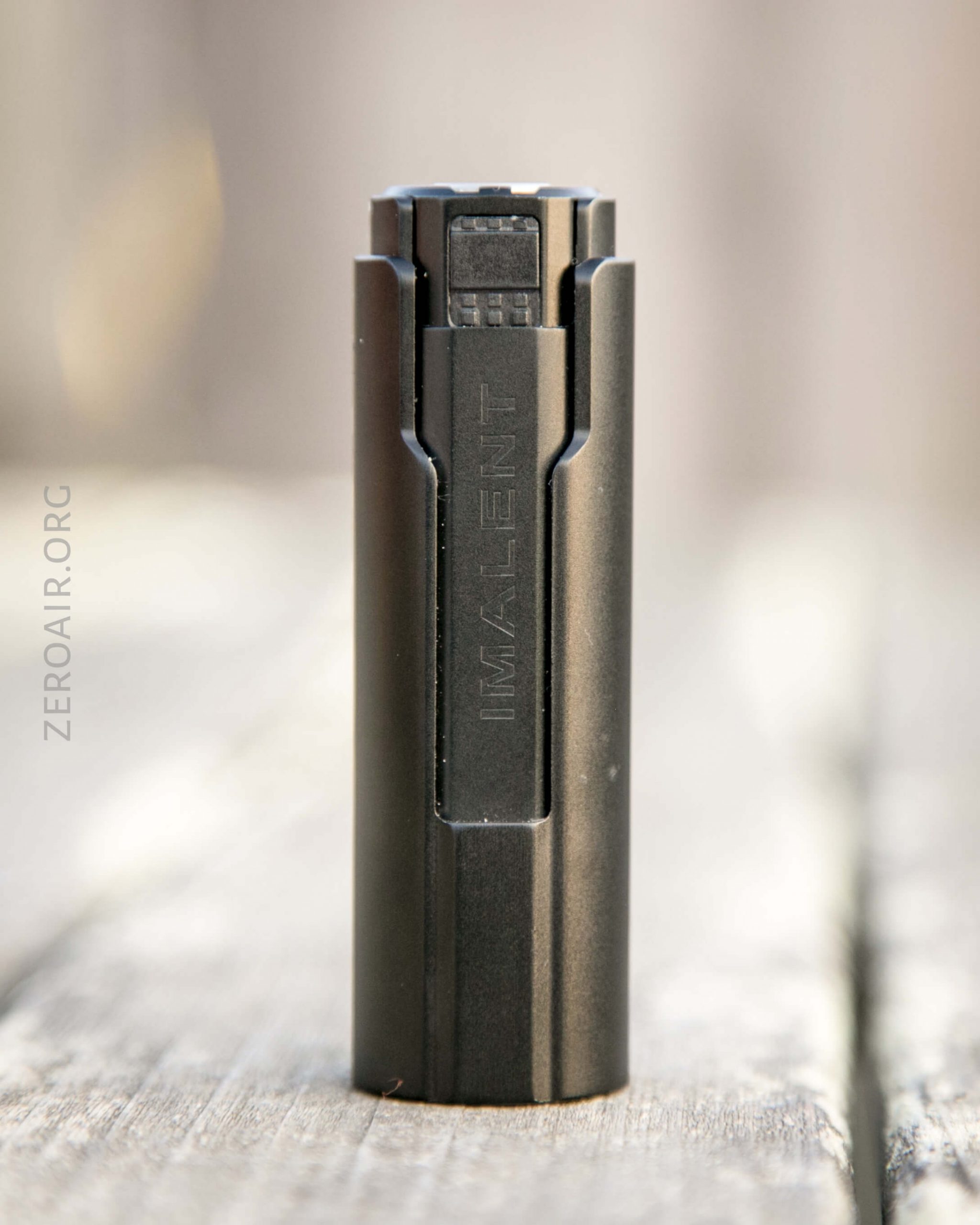
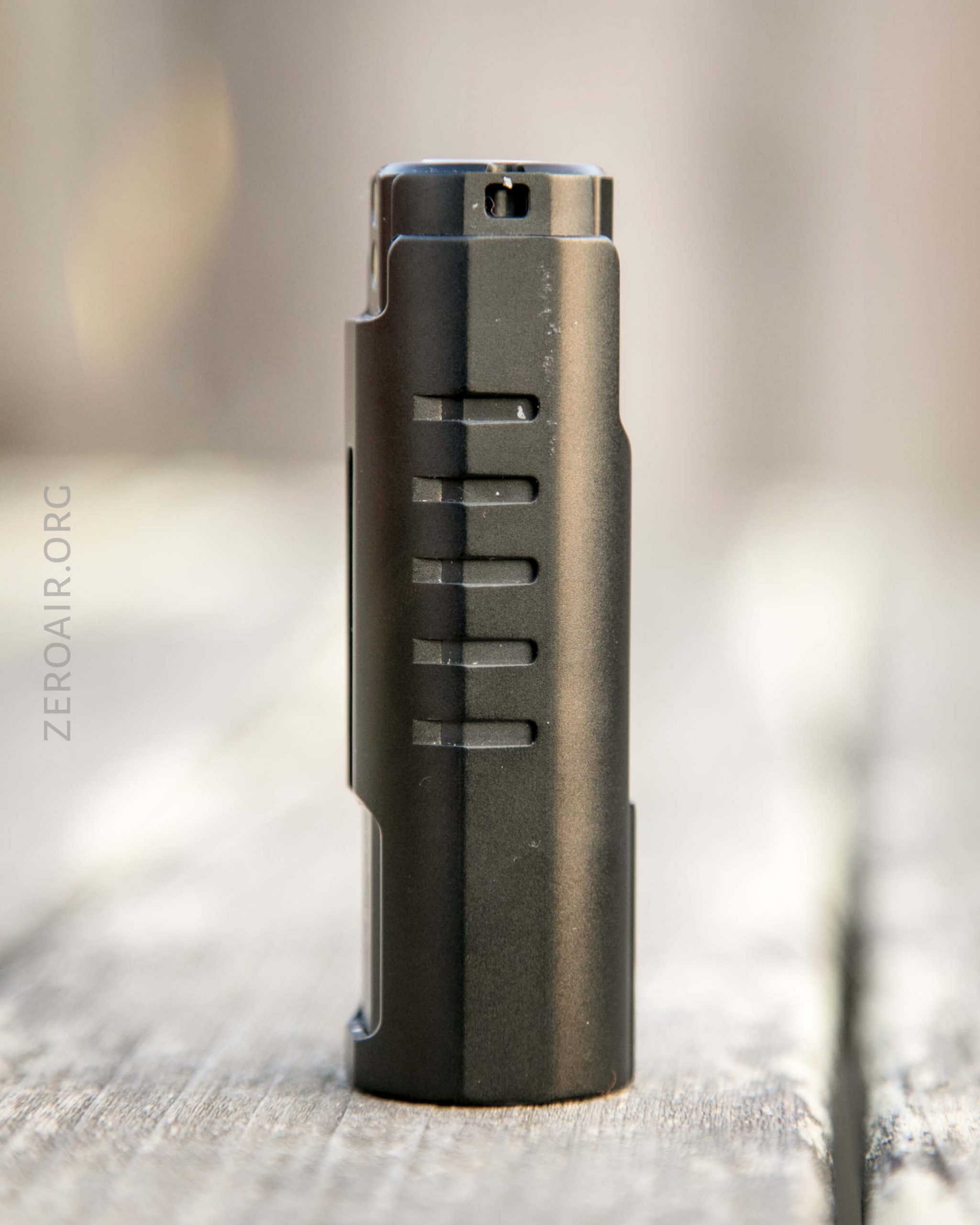
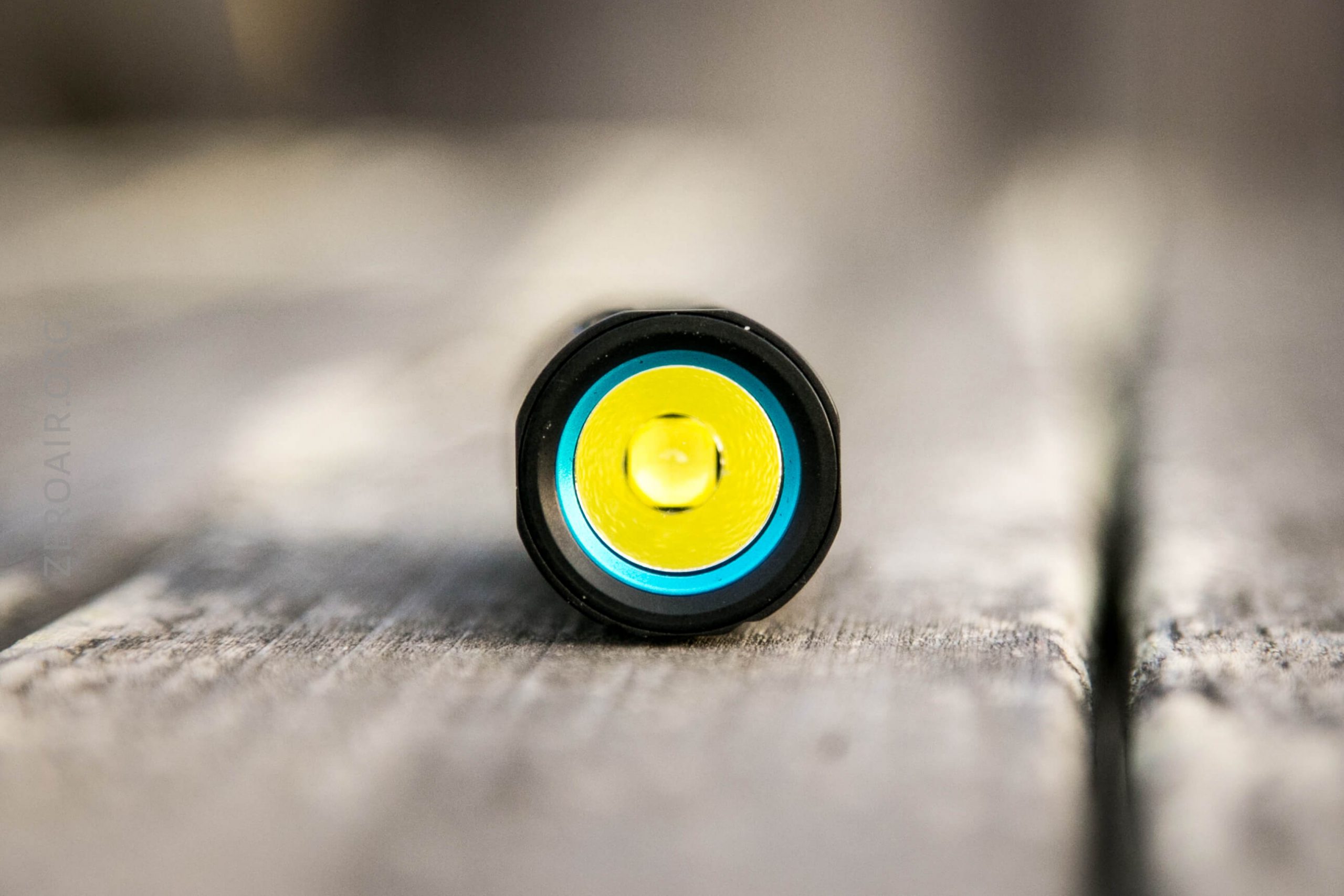
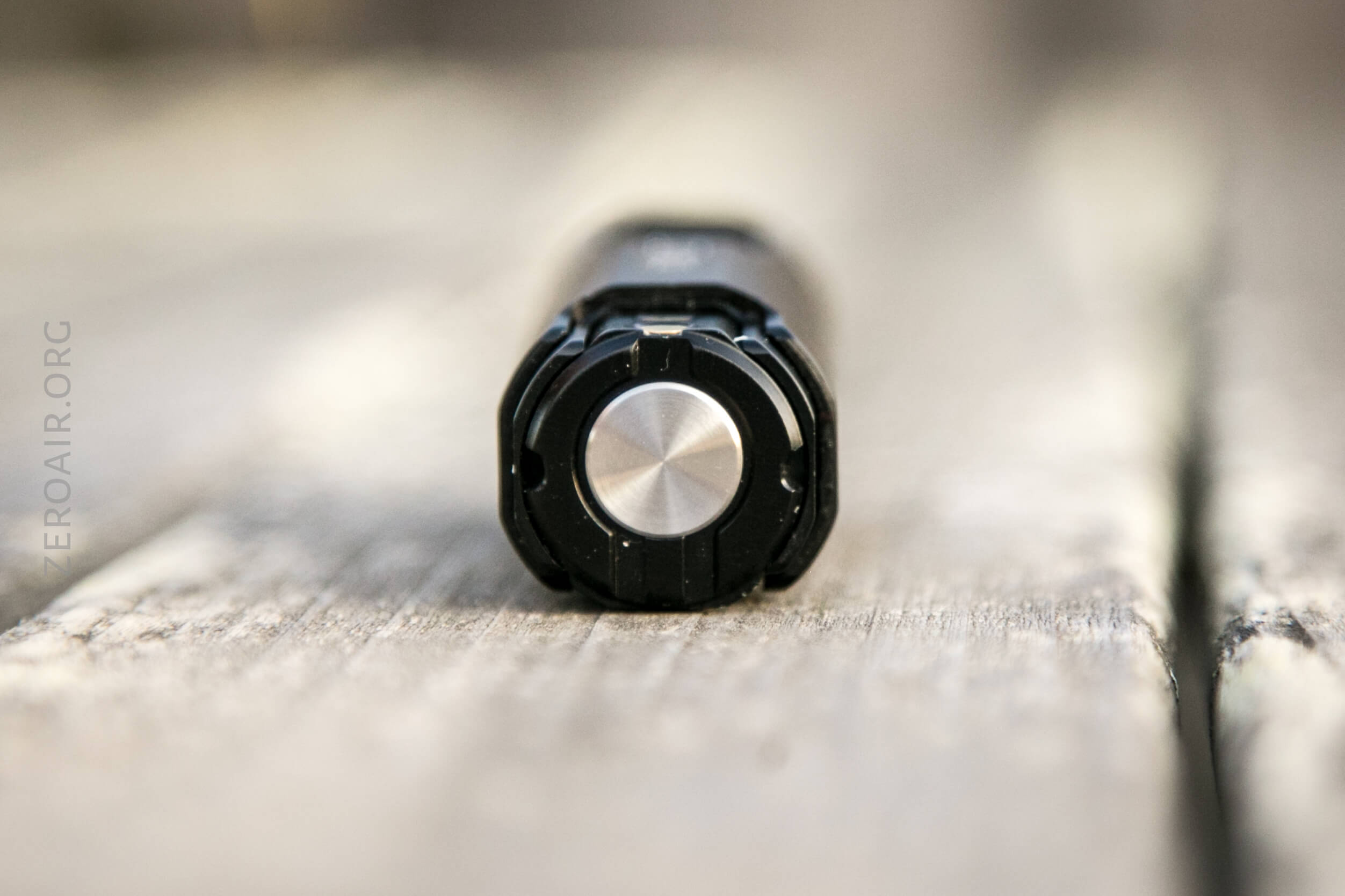
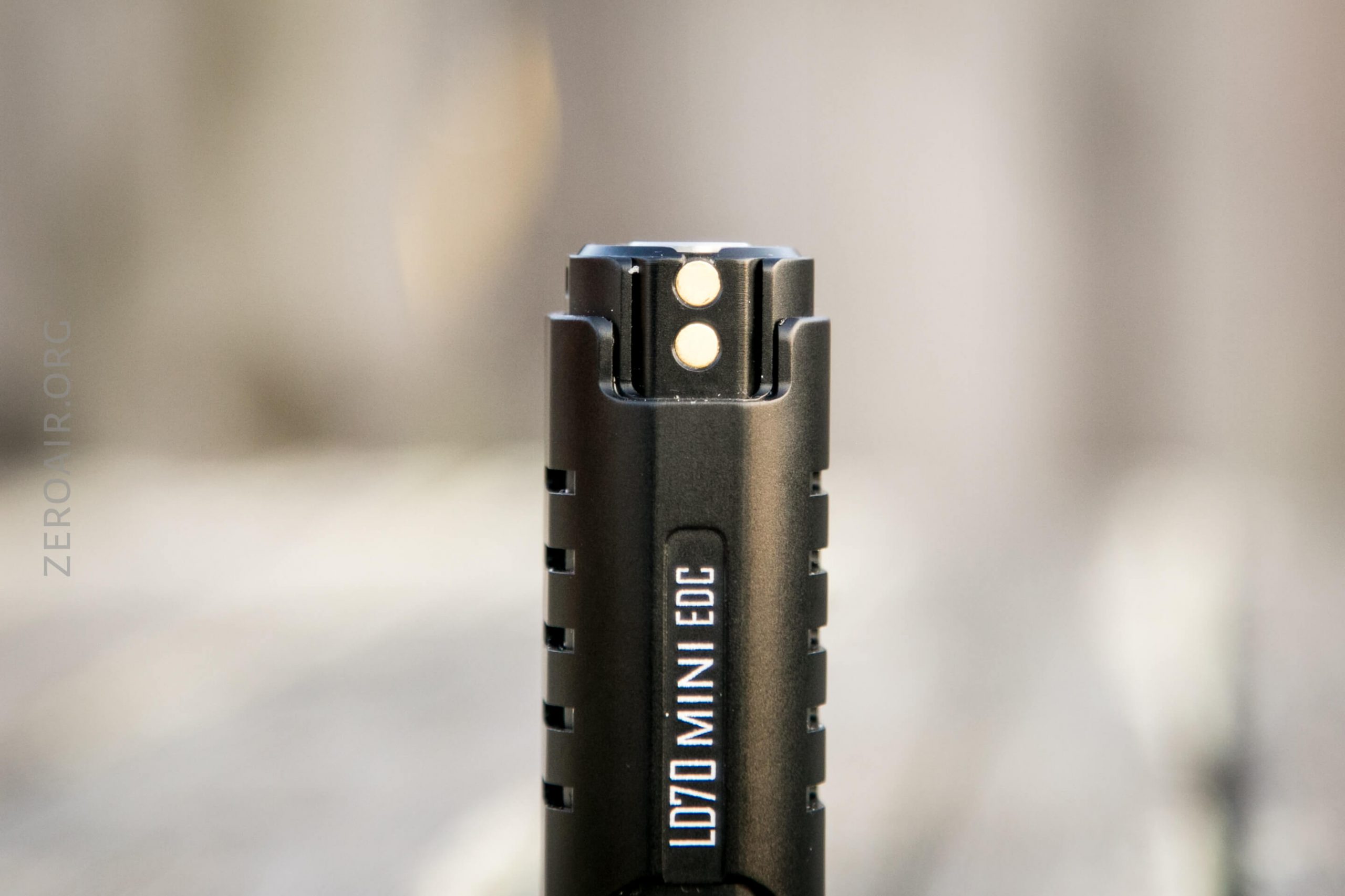
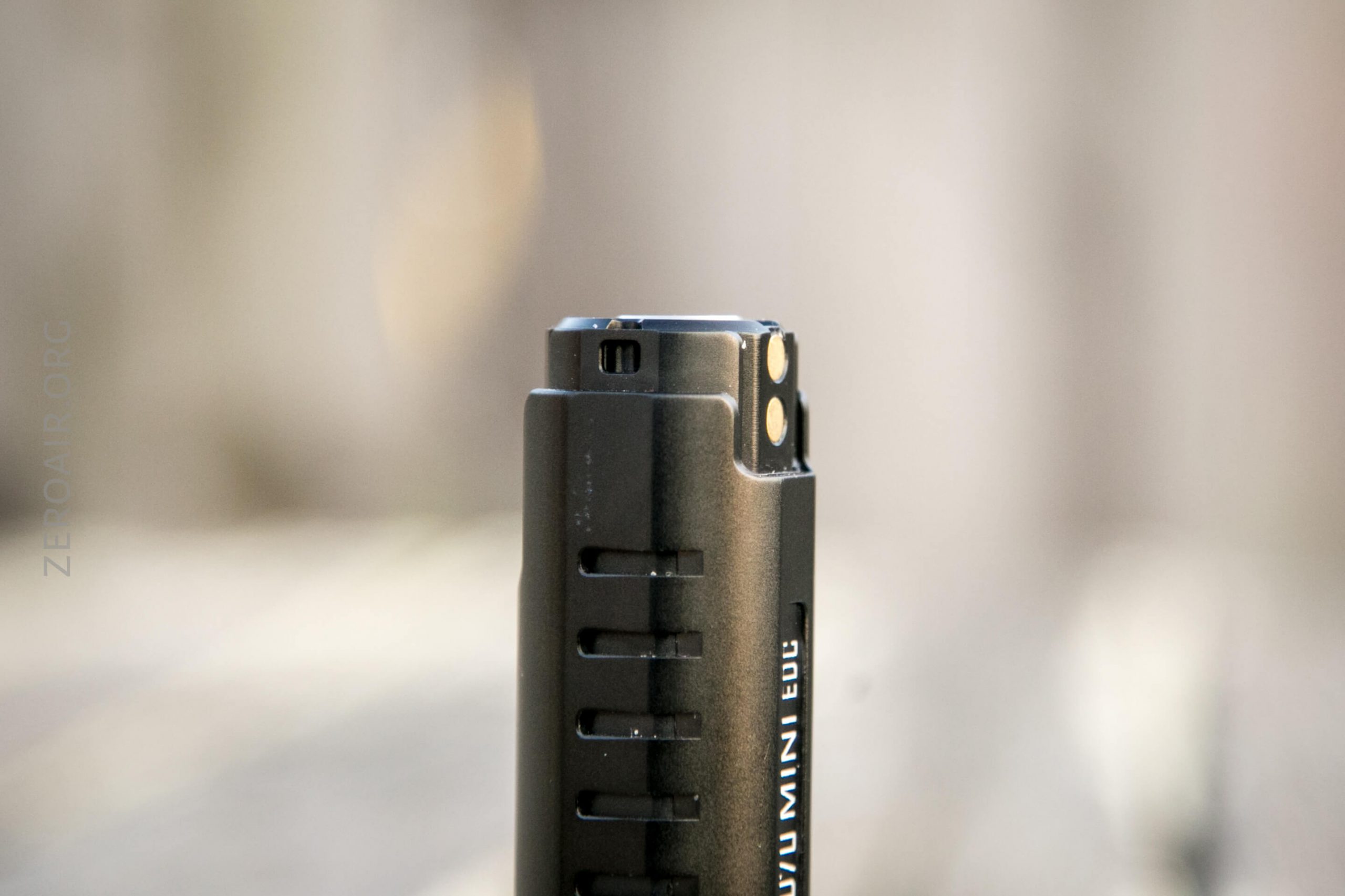
It’s not especially able to be disassembled, though. I’m not even sure where someone would start…. The parts feel more or less press-fit together.
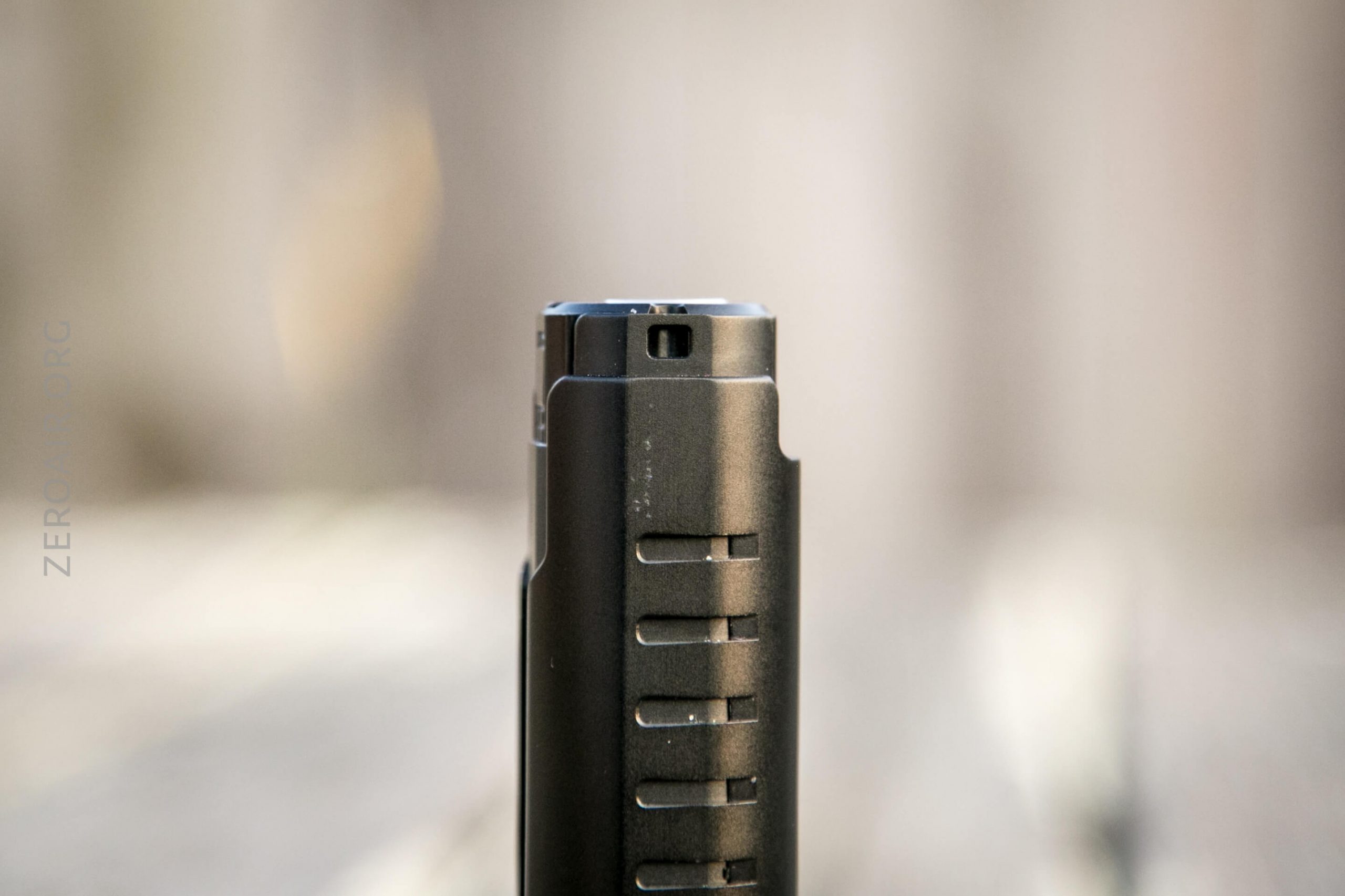
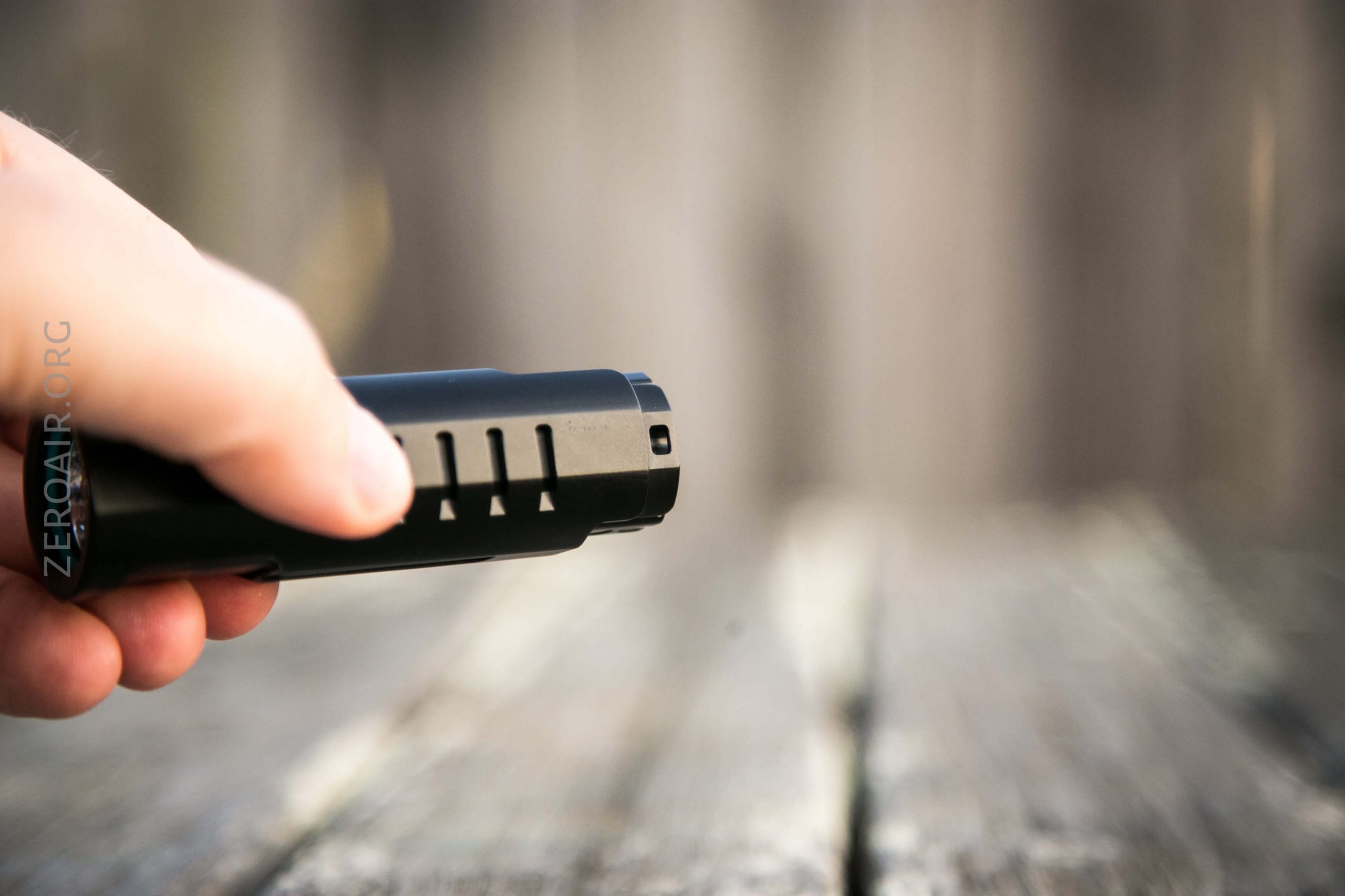
Press-fit parts are not good for longevity, though.
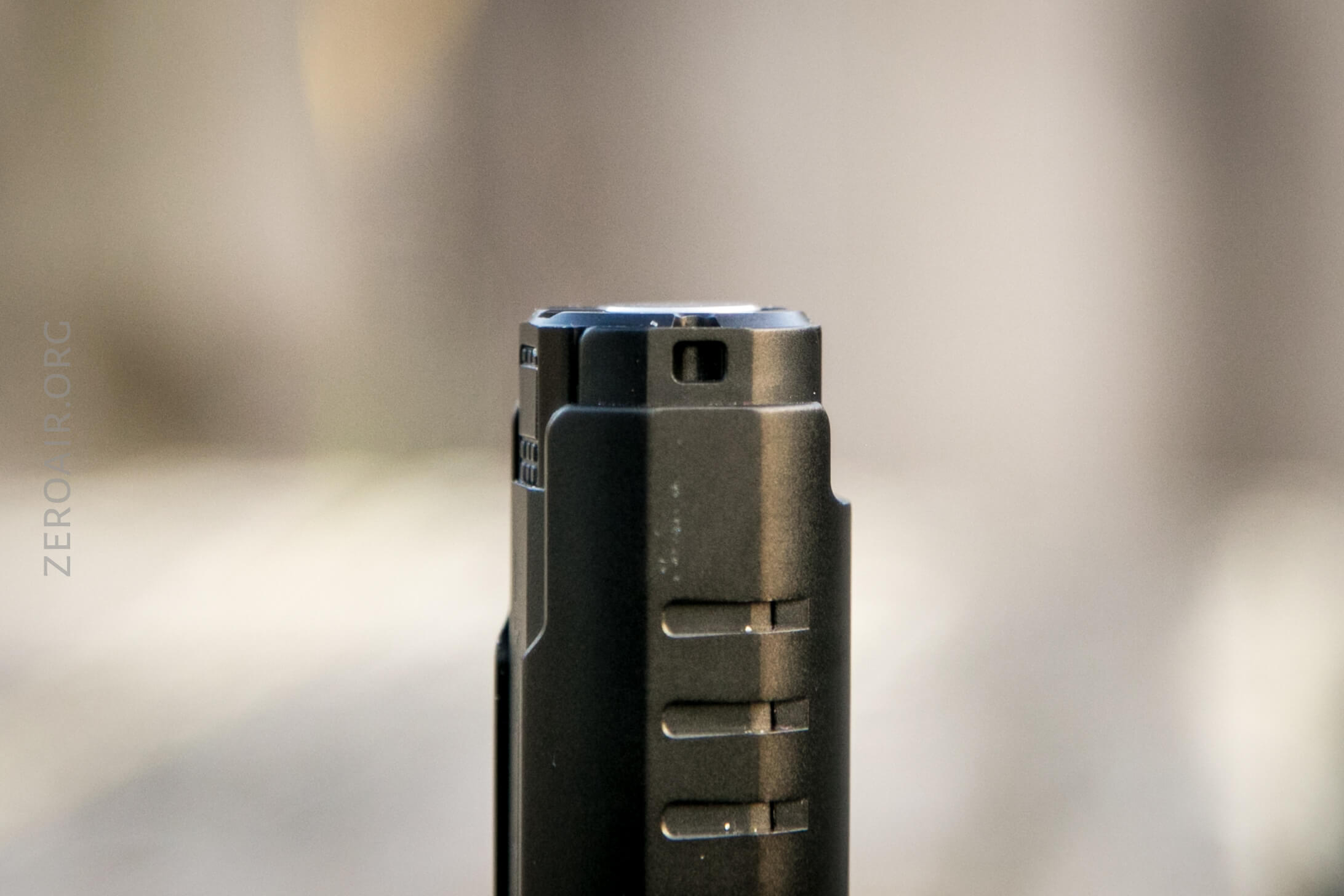
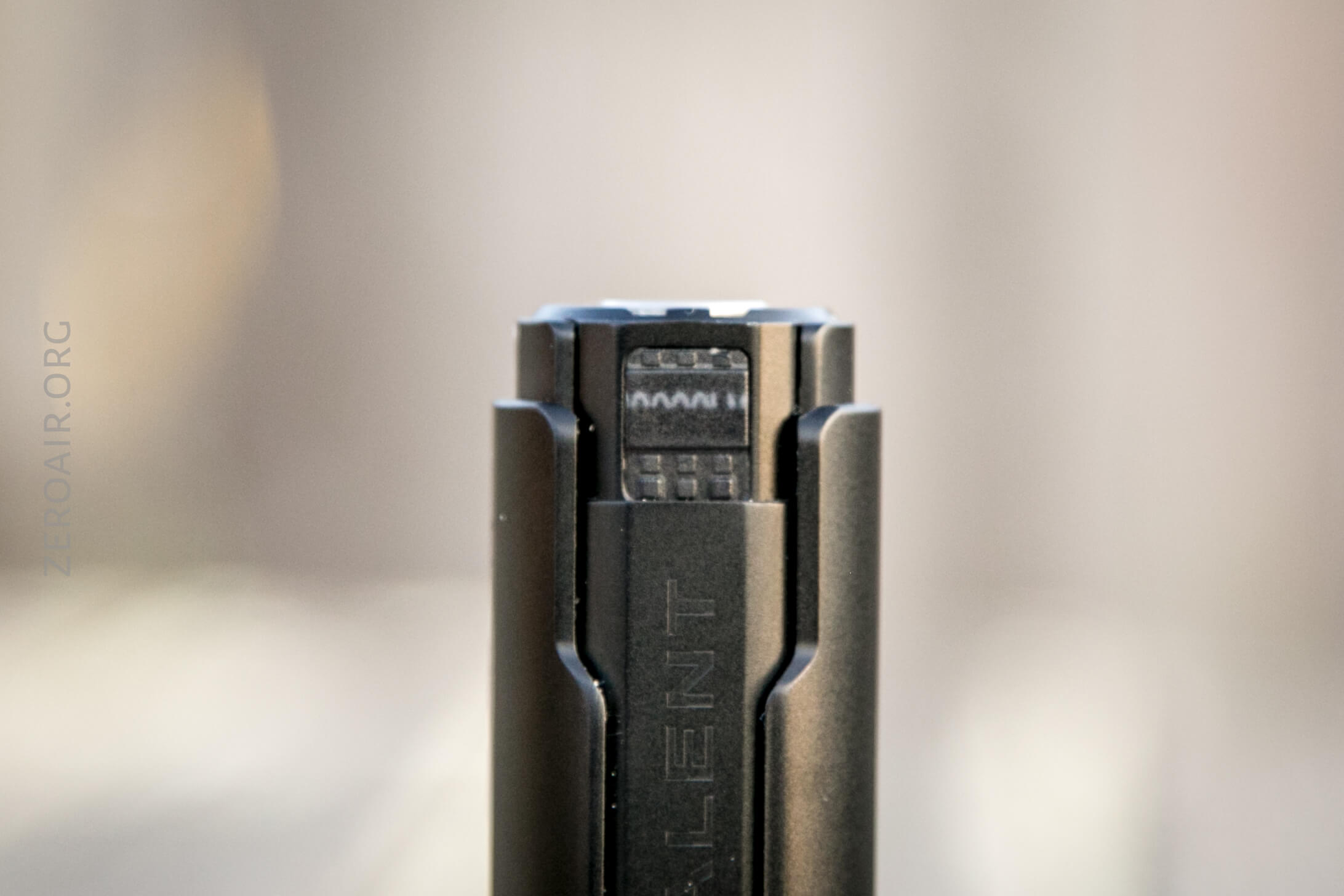
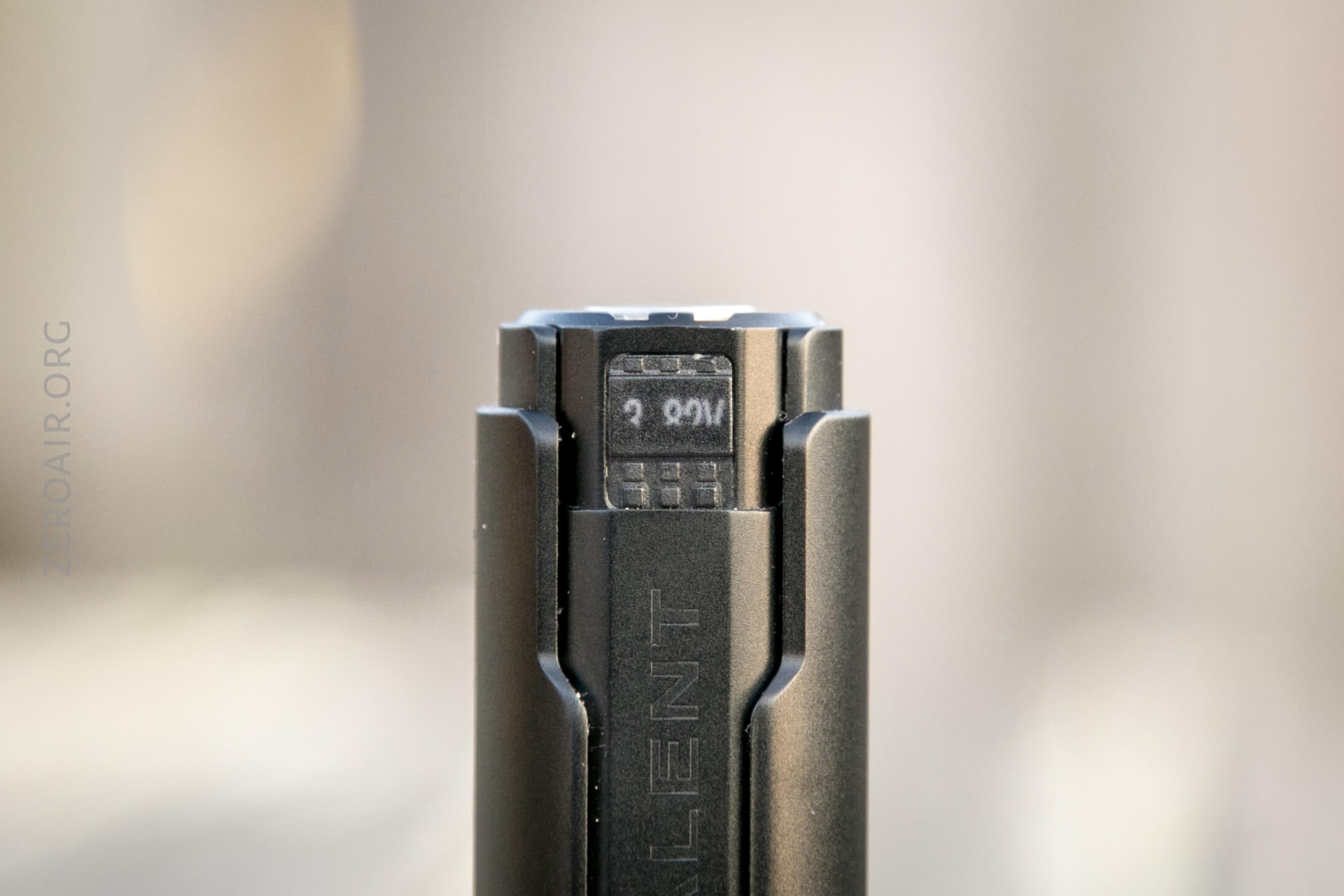
The OLED display is a nice addition, and it’s neat to see the output lumen number and cell voltage, etc. The screen has a fairly low refresh rate, so you might be able to pick up on that with the naked eye. For the screen, it’s not really a problem, though.
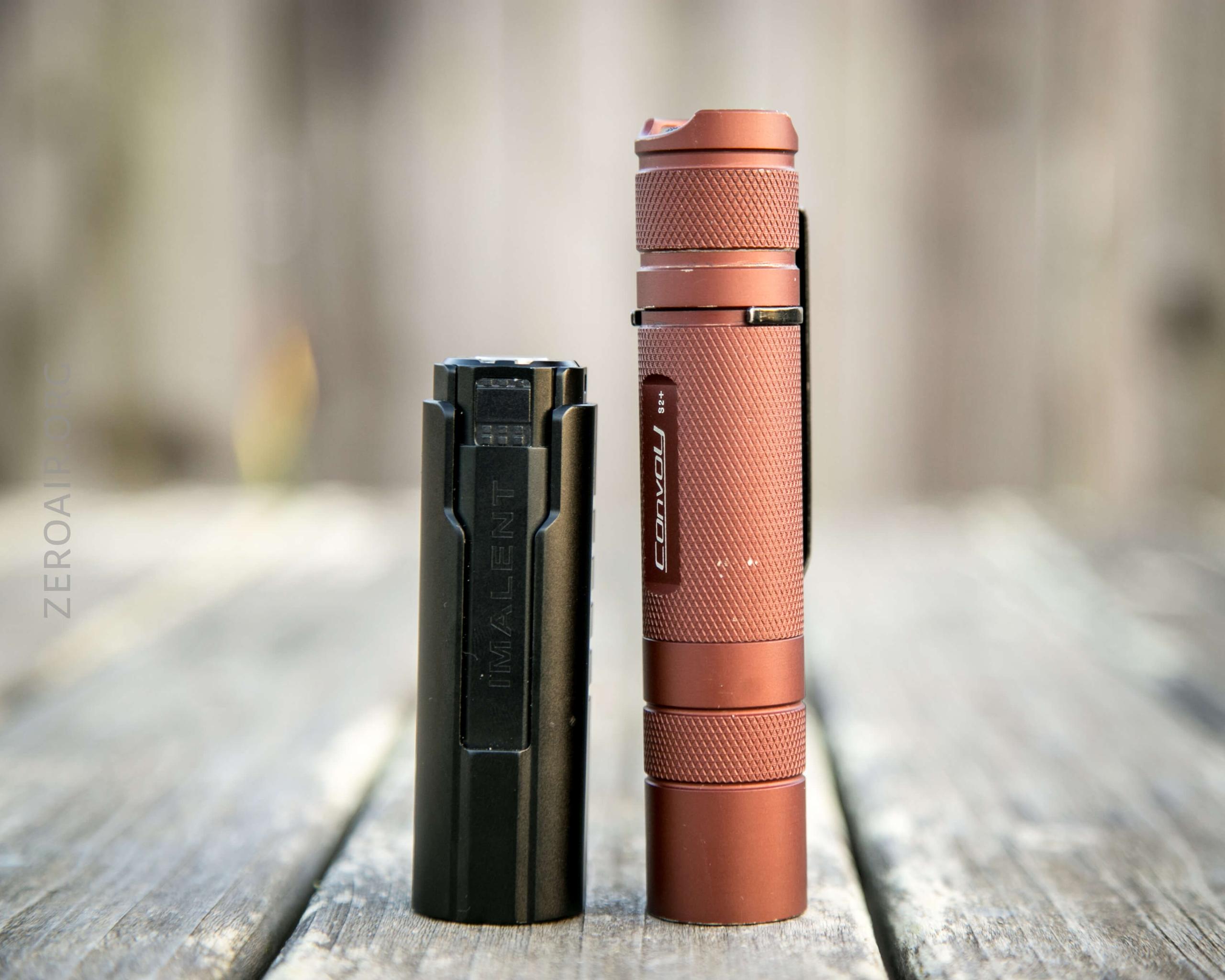
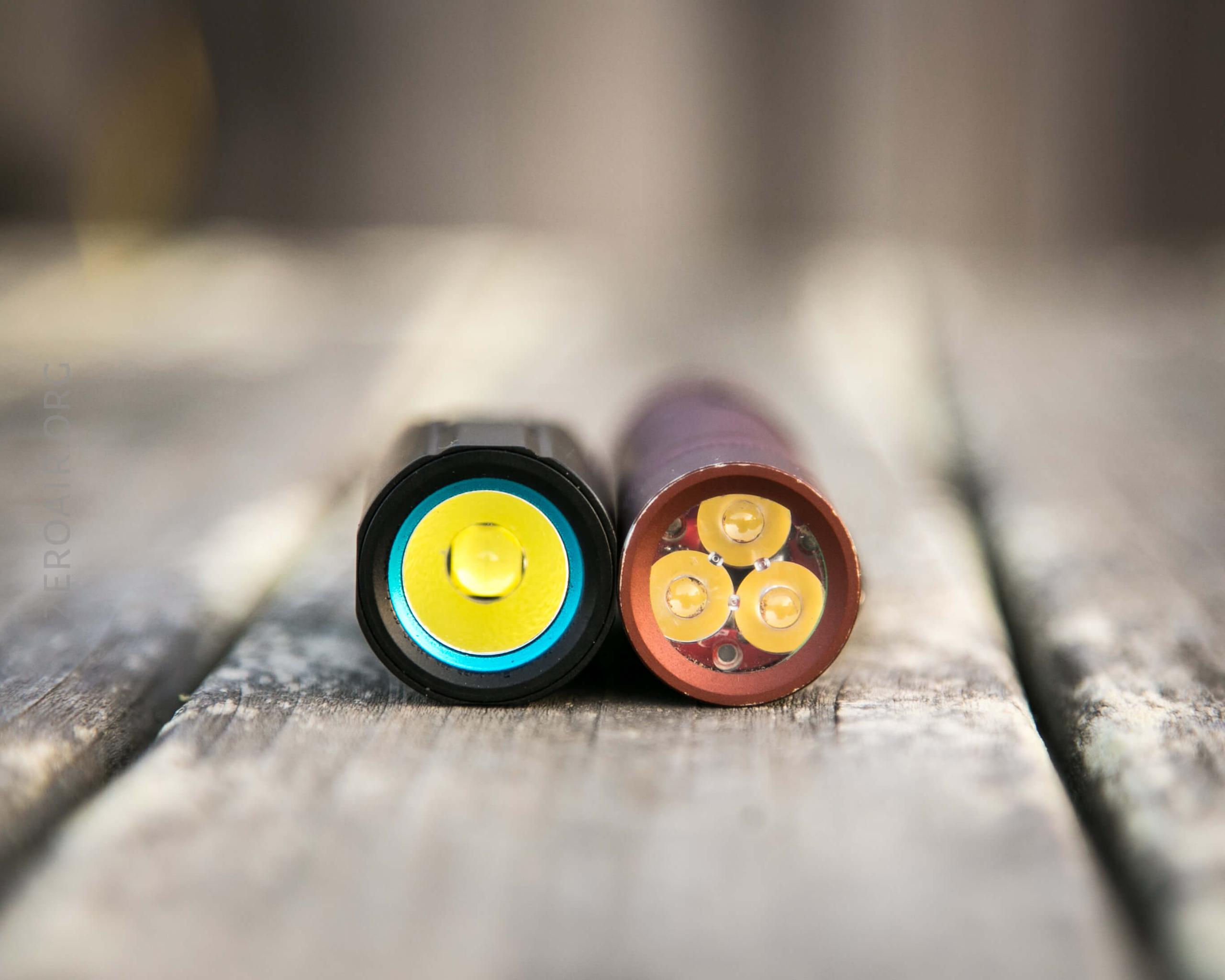
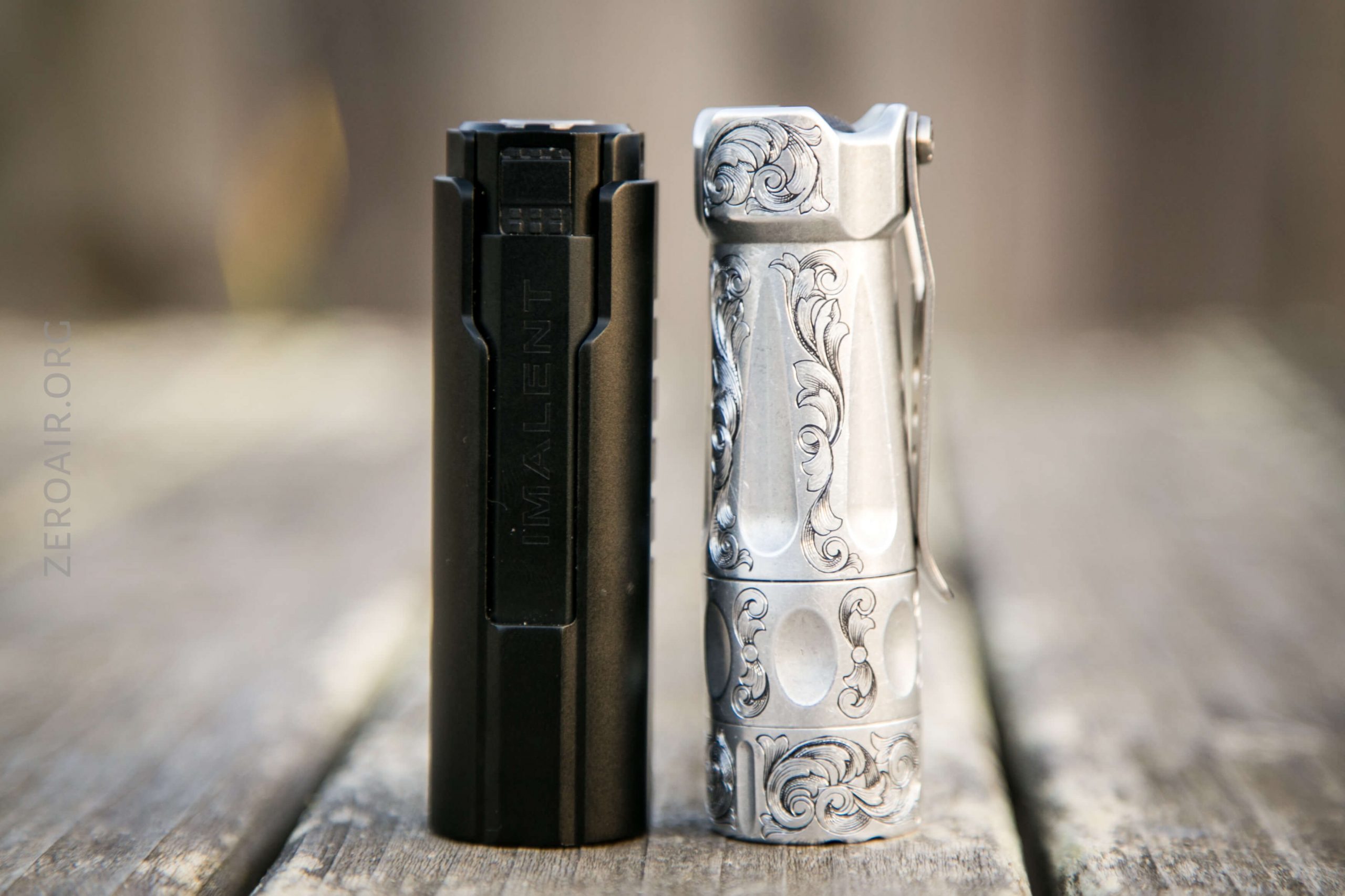
Size and Comps
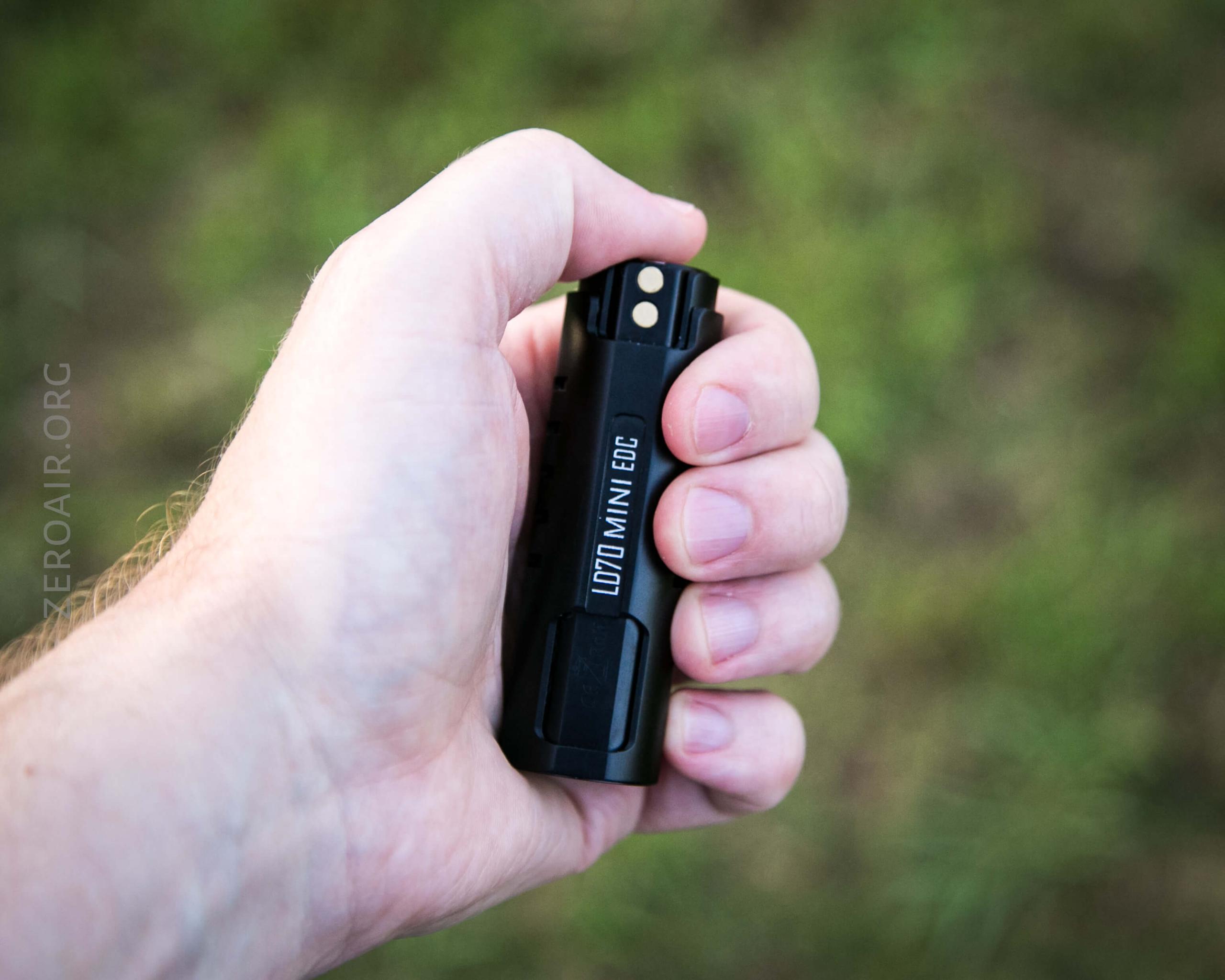
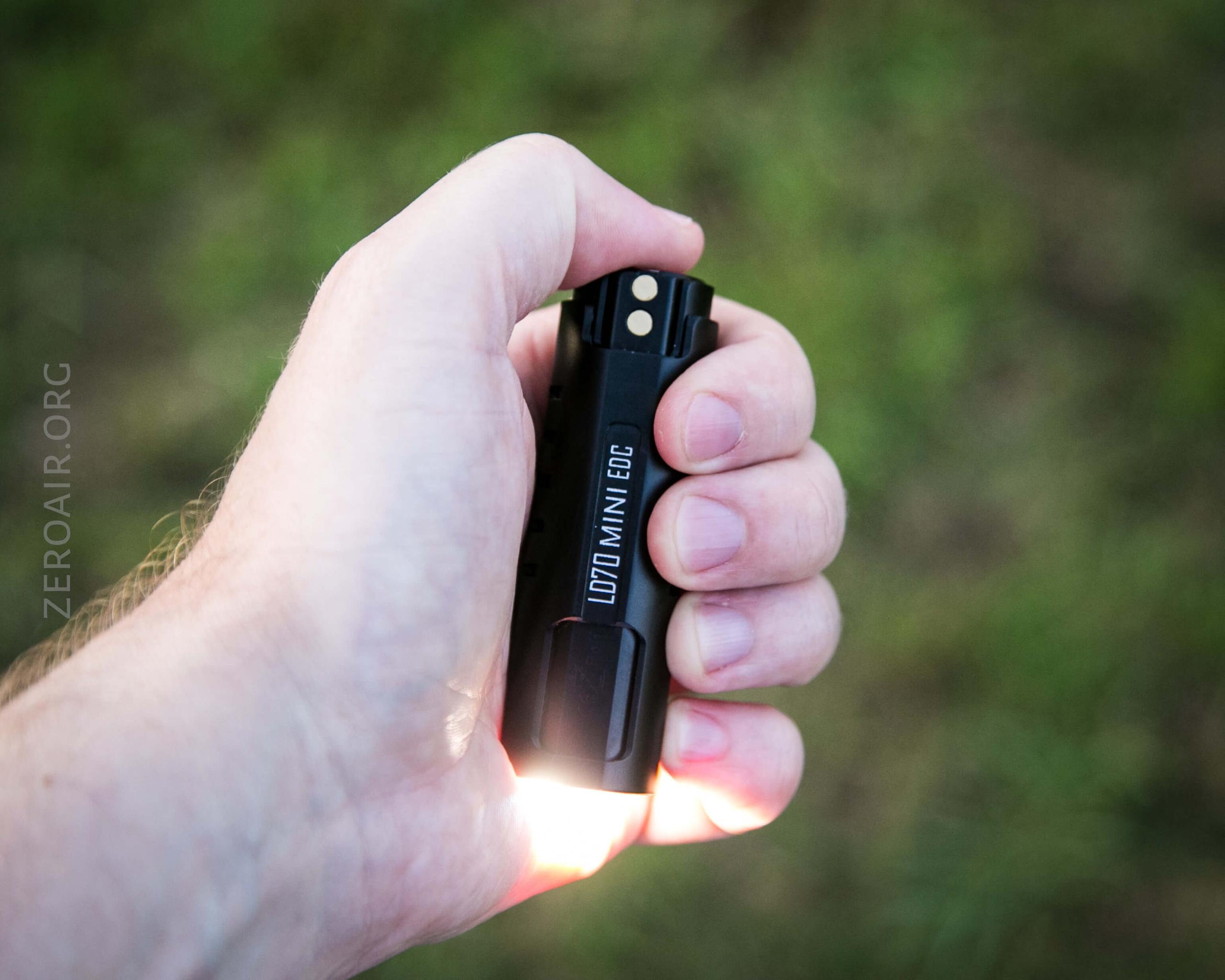
· Product size: 81 (length) * 25 (diameter) mm
· Net weight: 87g (including battery)
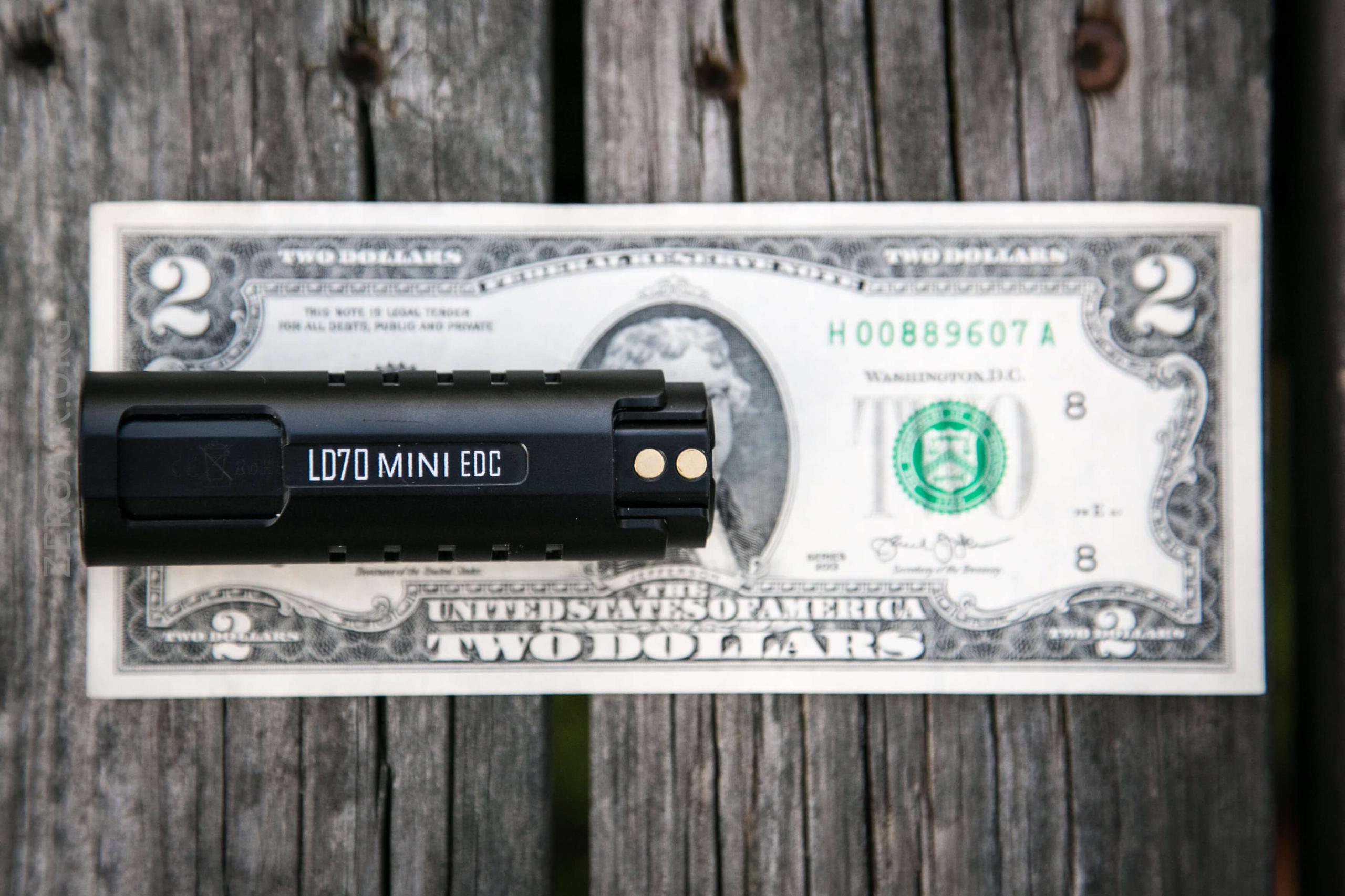
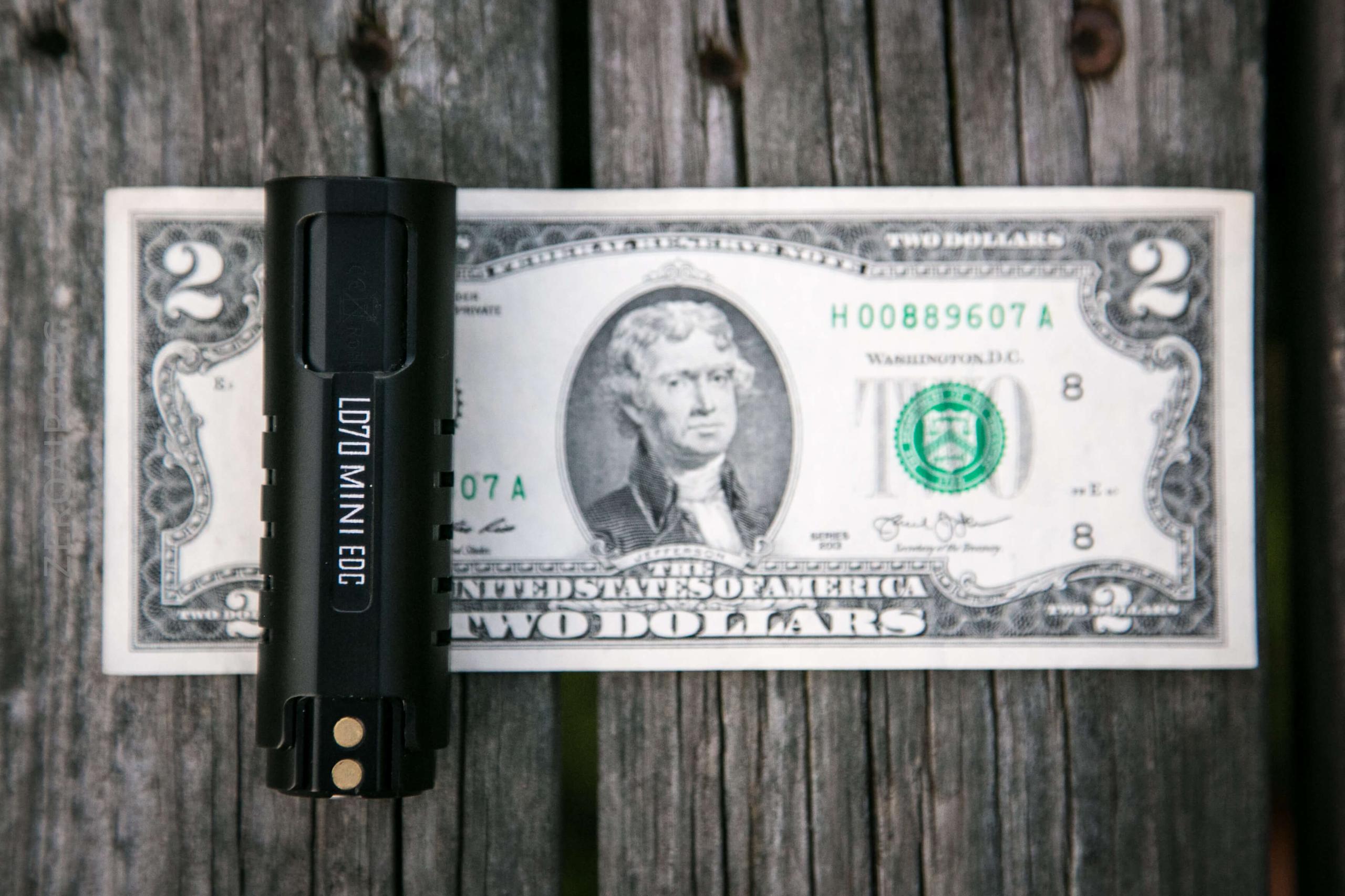
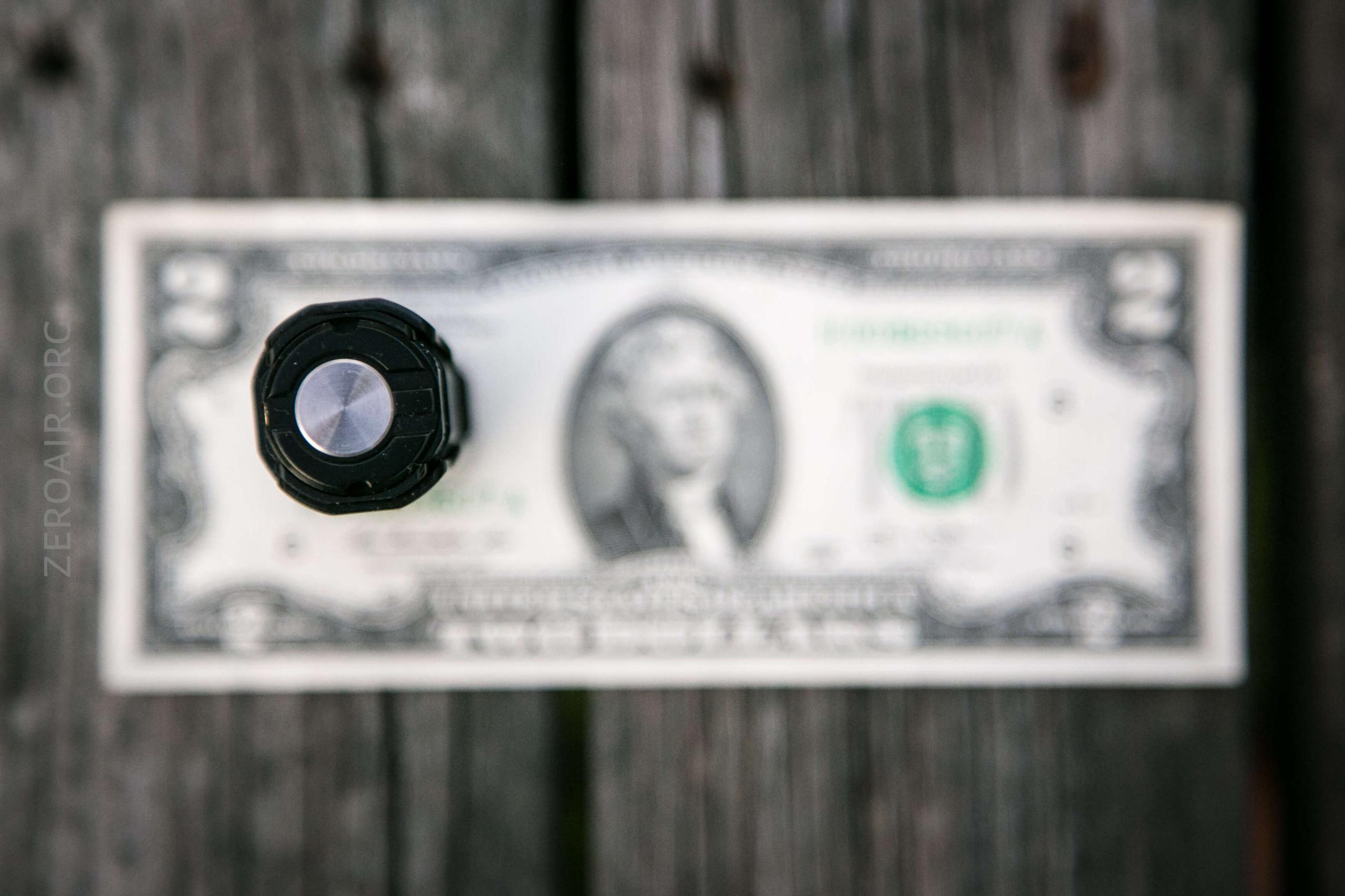
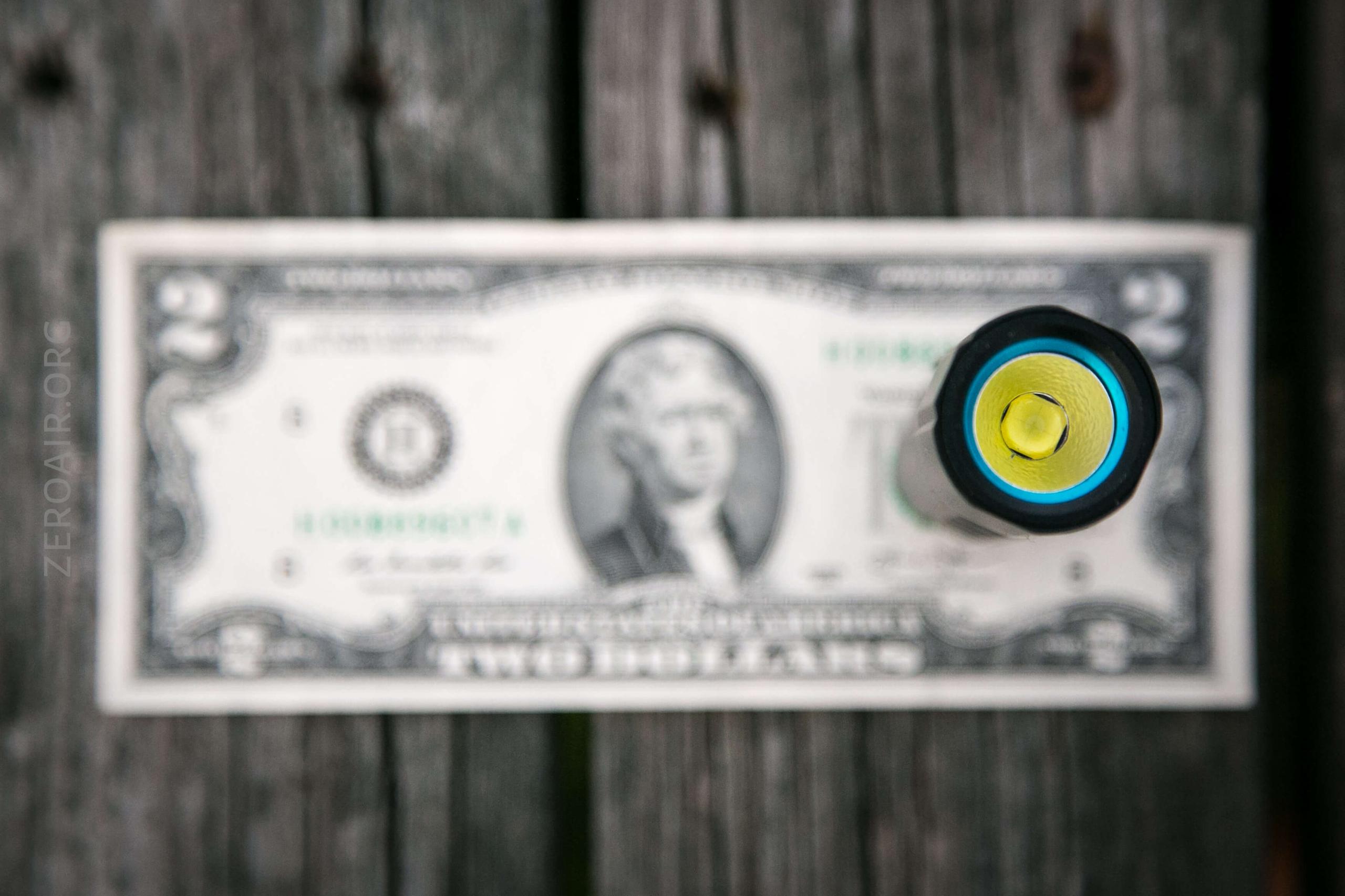
Retention and Carry
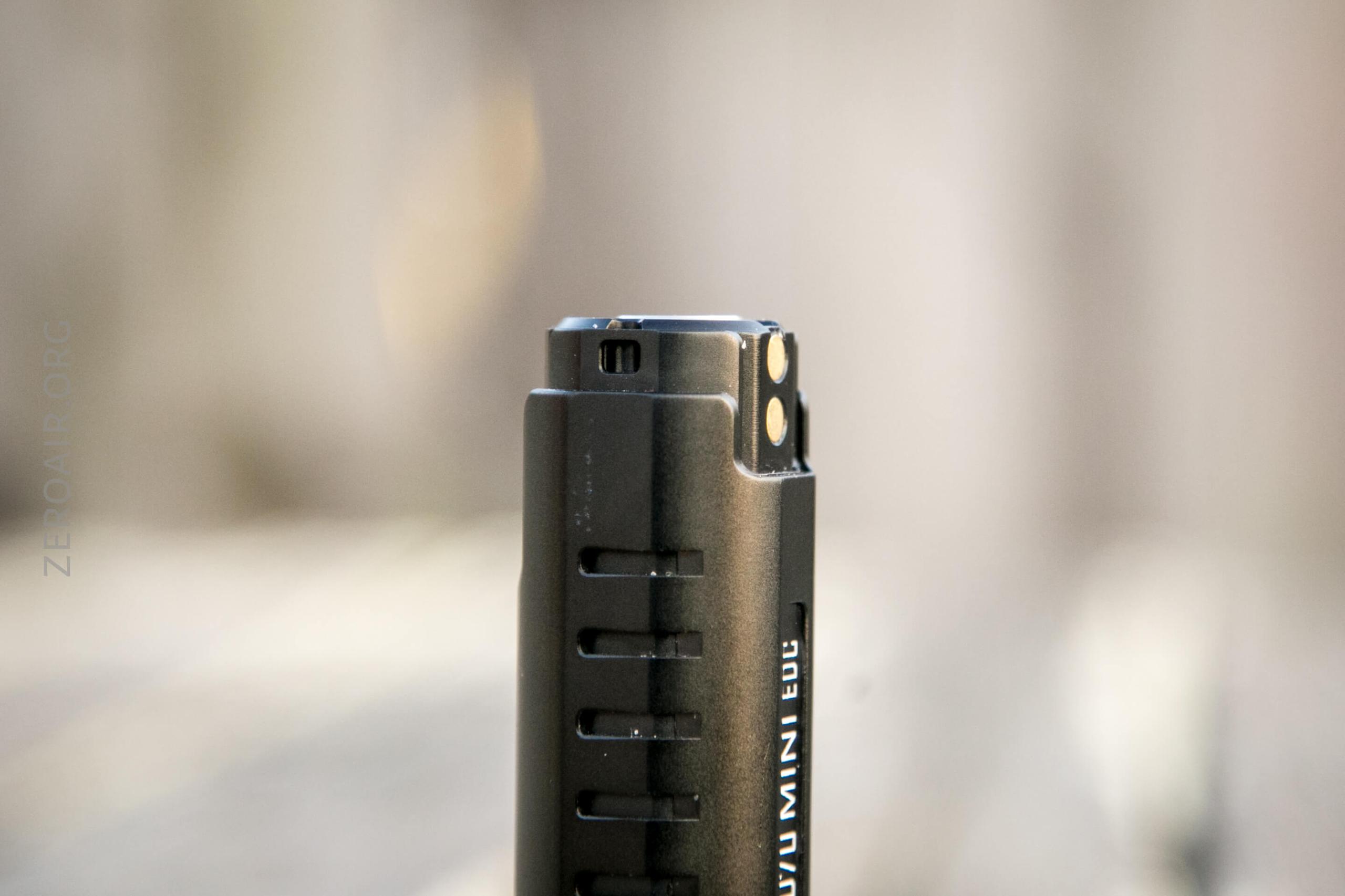
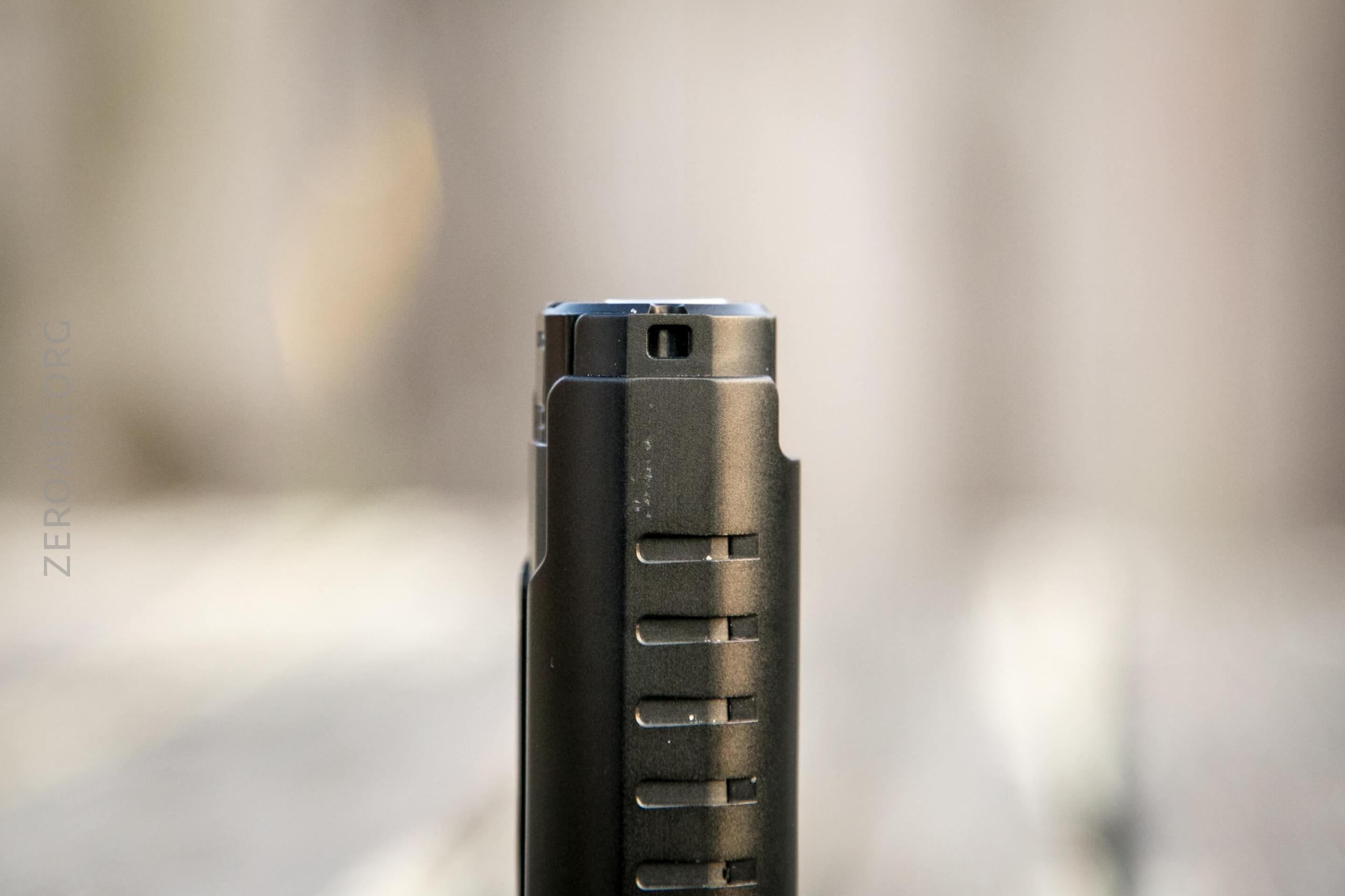
There is no pocket clip on the LD70. That’s a pretty massive failing in a pocket/EDC light. All that’s included is the lanyard pictured above, which attaches only through the hole pictured below.
Power and Runtime
The LD70 is powered by an internal lithium-ion cell. Almost certainly an 18350 cell, but I don’t know that it’s stated anywhere – and it’s not really replaceable anyway. The little OLED you see below can display the cell voltage, which is a nice feature.
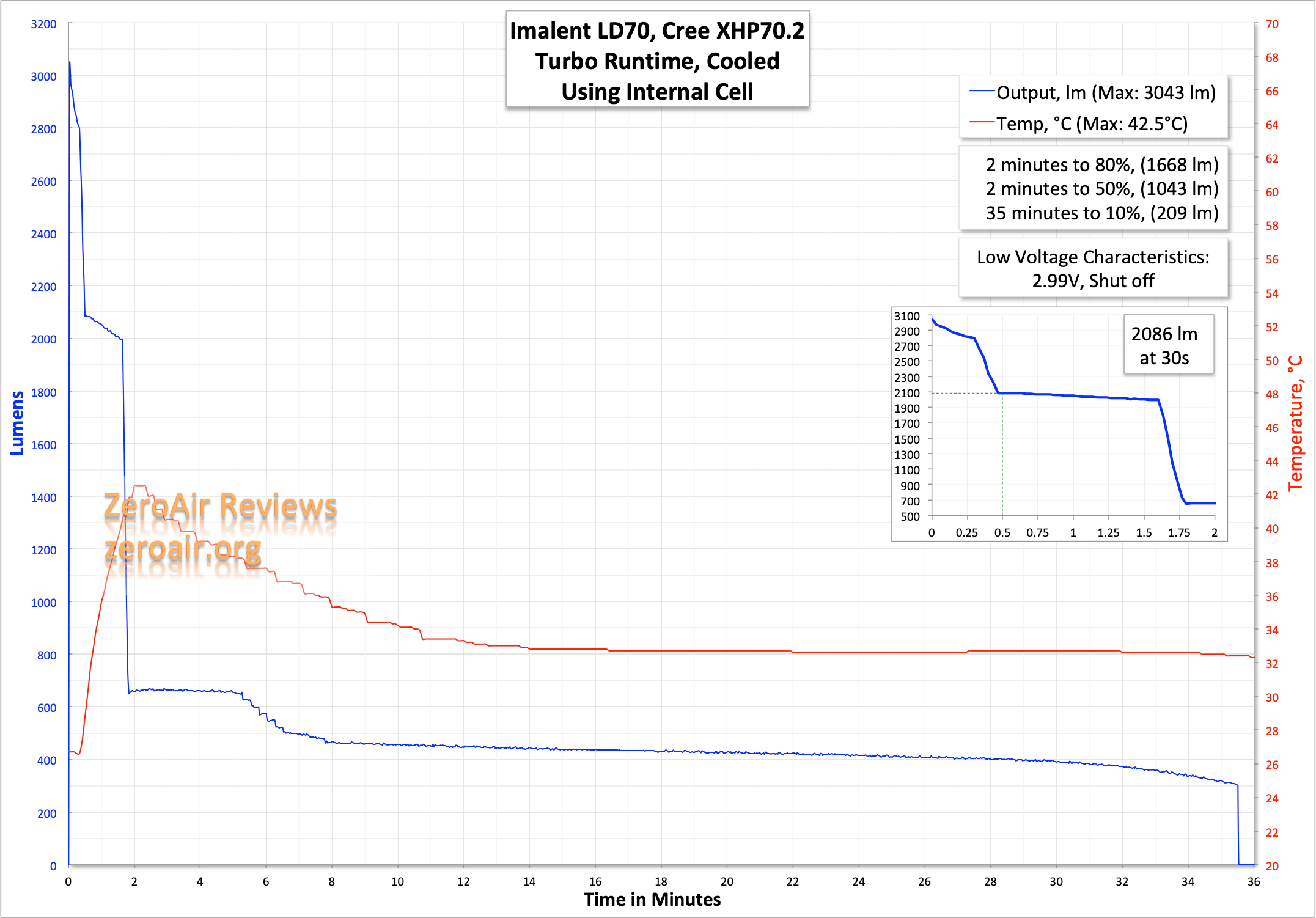
Here’s a runtime on Turbo. The light doesn’t hit 4000 lumens for me, but again – I’m an amateur flashlight tester. And certainly at 30s, the light isn’t at 4000 lumens. The stepdown to >2000 lumens is fairly quick, but 2000 lumens holds for almost 2 minutes, which is pretty respectable. The light does shut off with LVP, at a voltage displayed on the OLED of 2.99V.
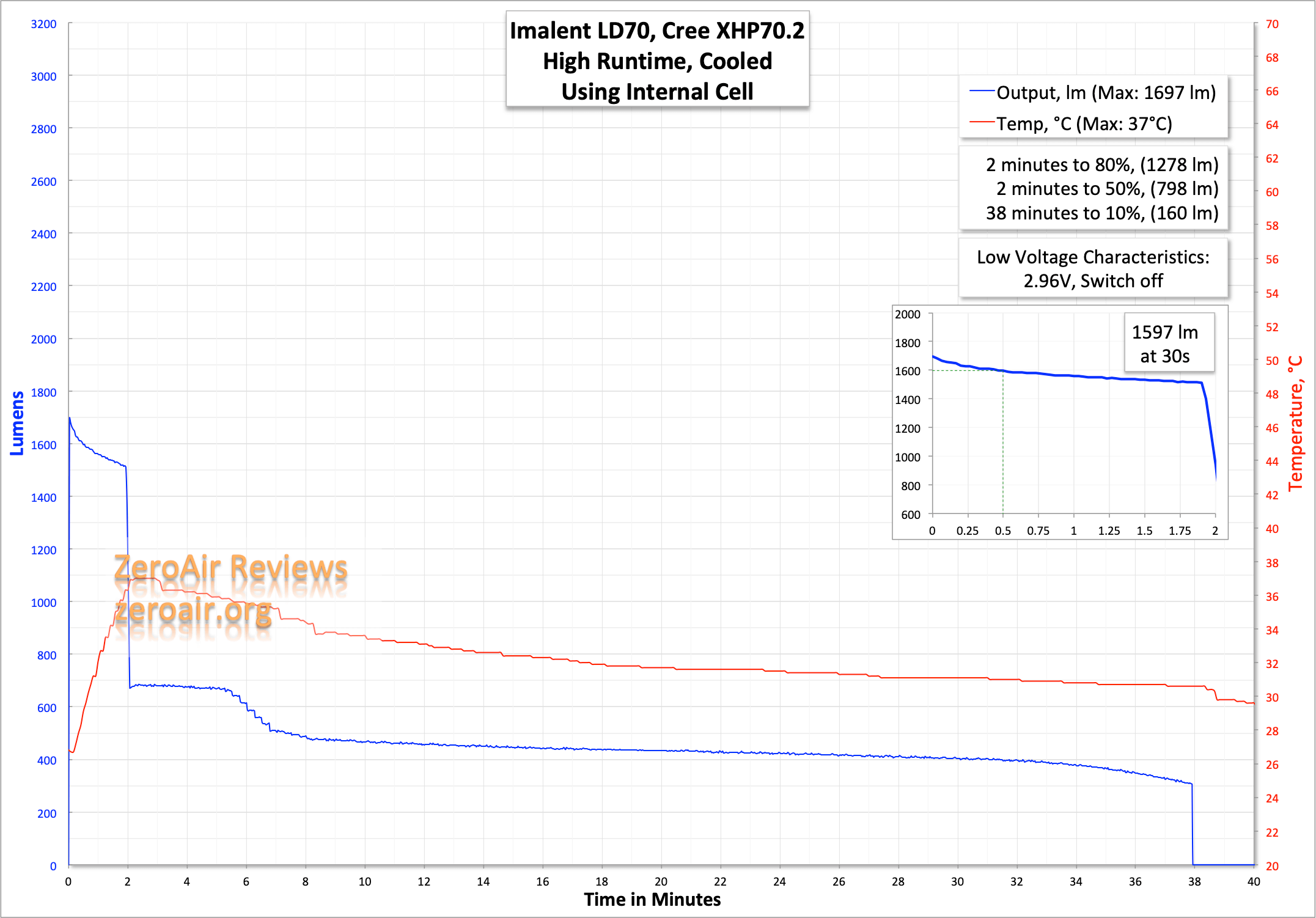
The High output roughly holds for around 2 minutes – again, respectable.
Charging
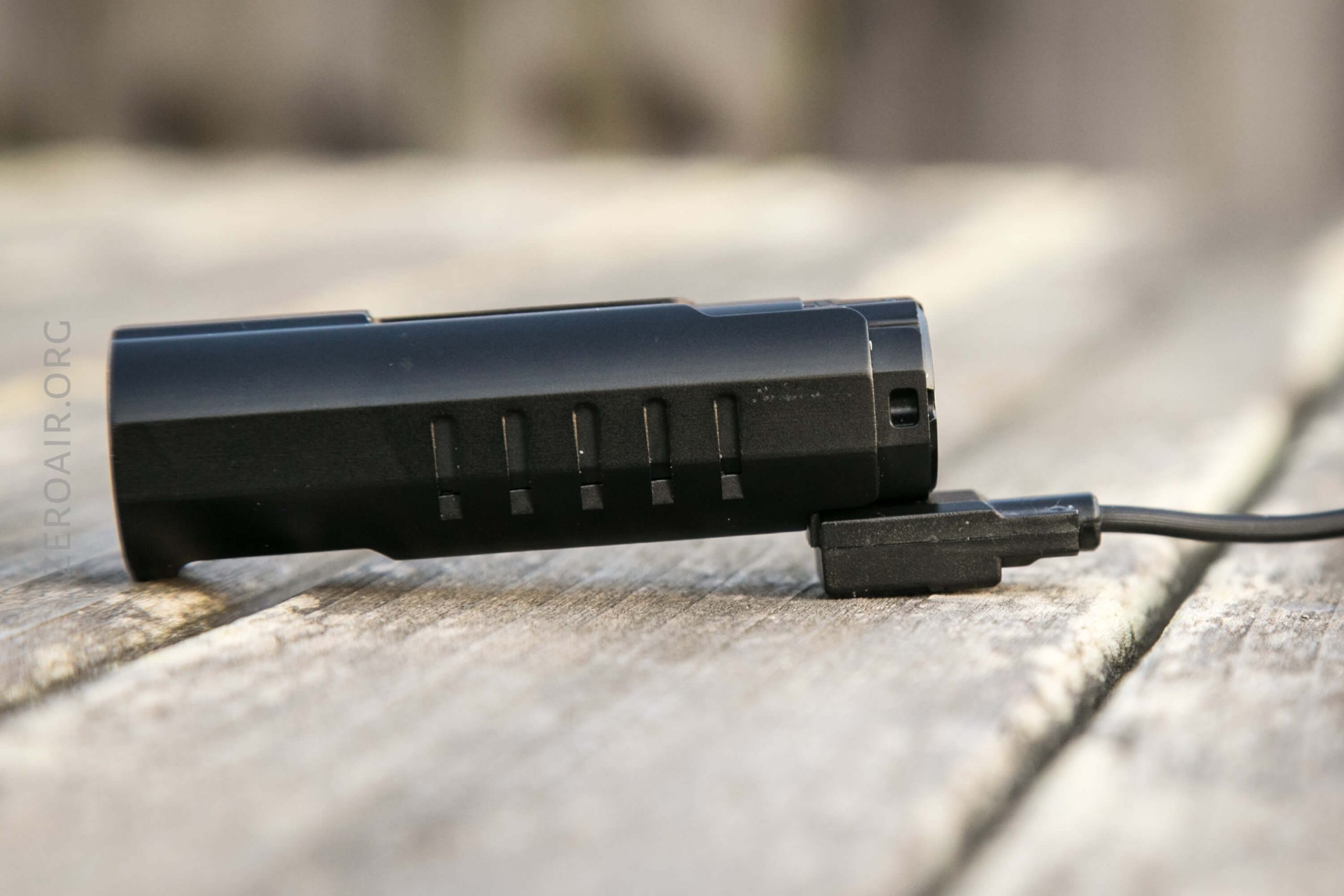
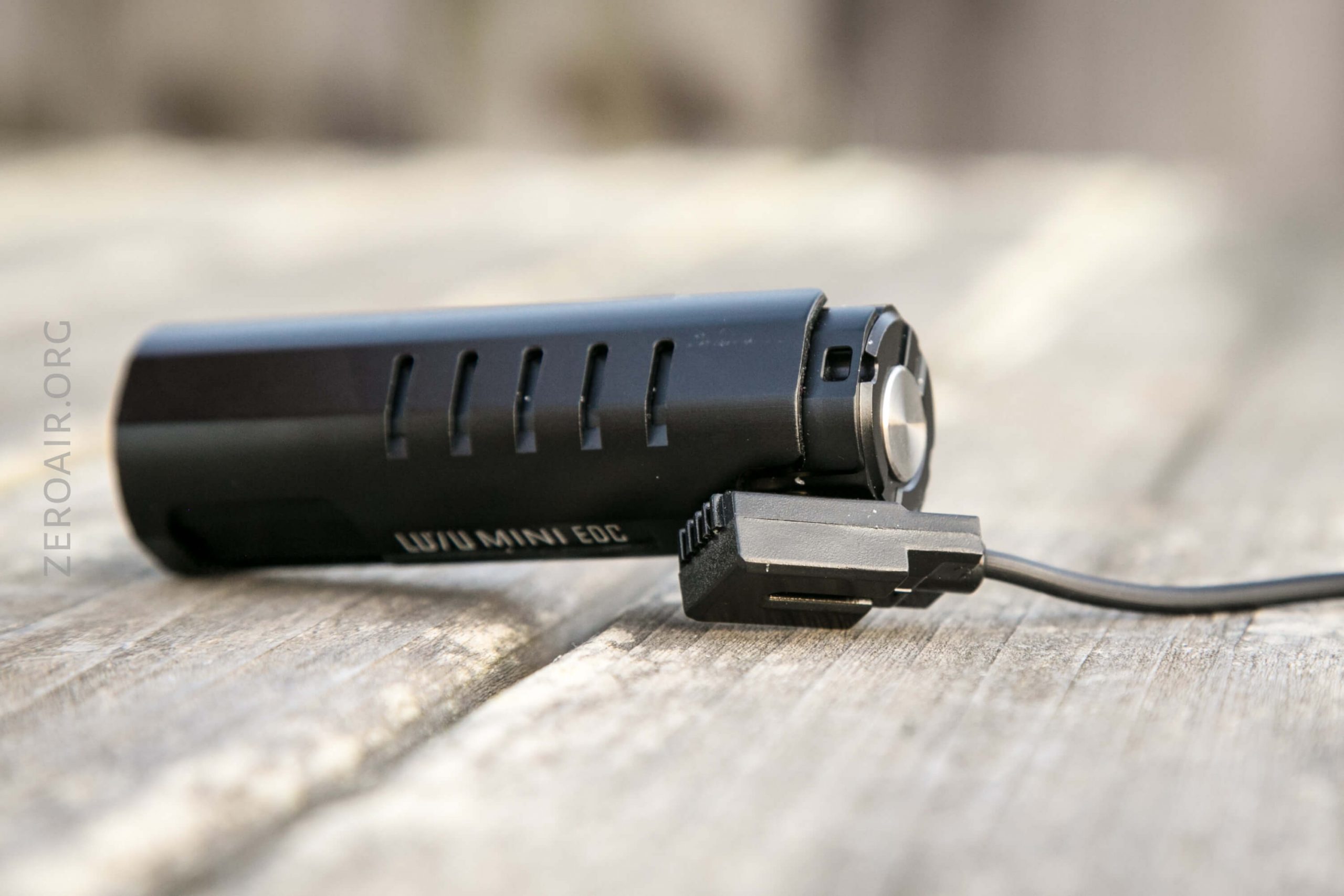
The light has built-in charging, by way of a USB to proprietary magnetic cable.
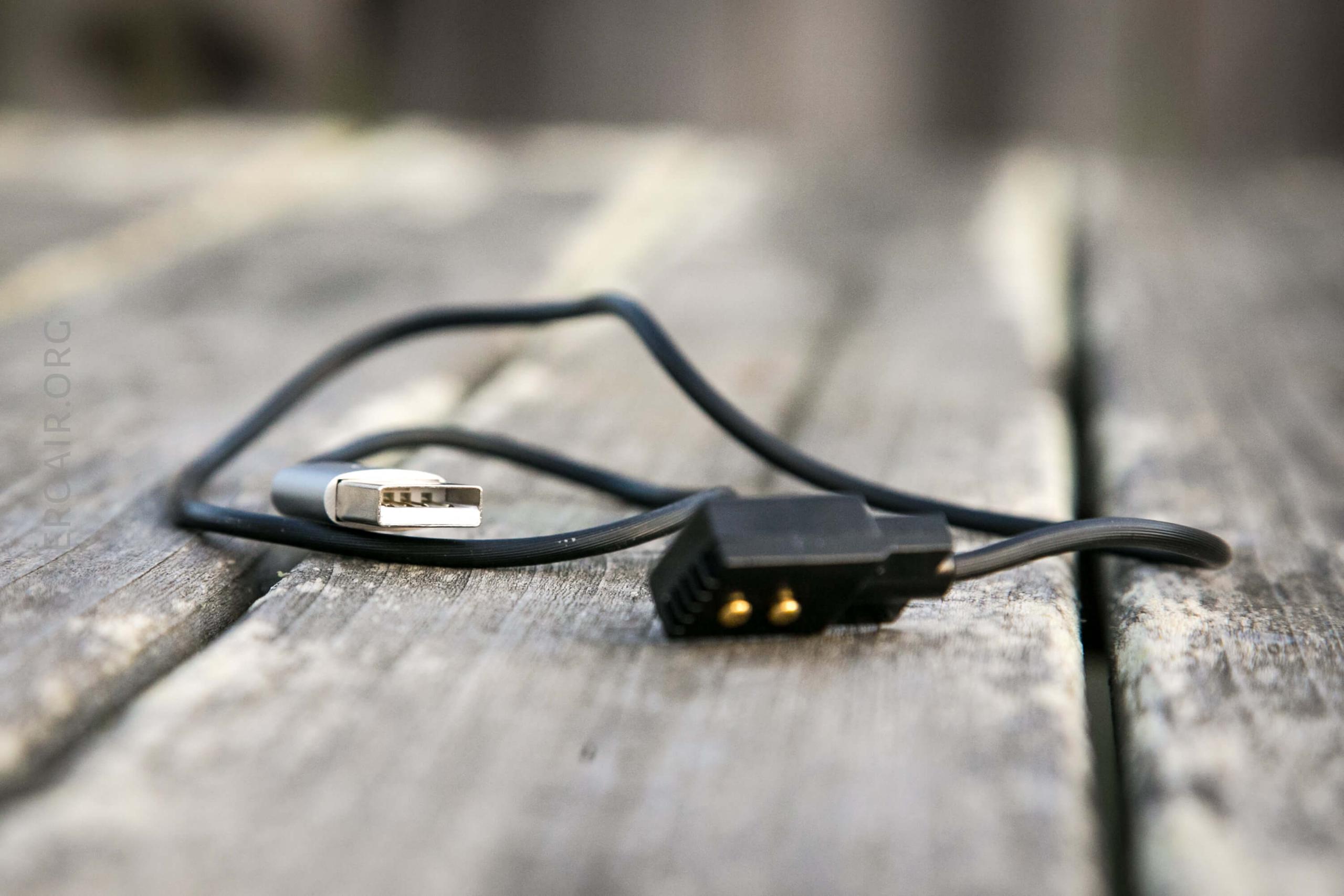
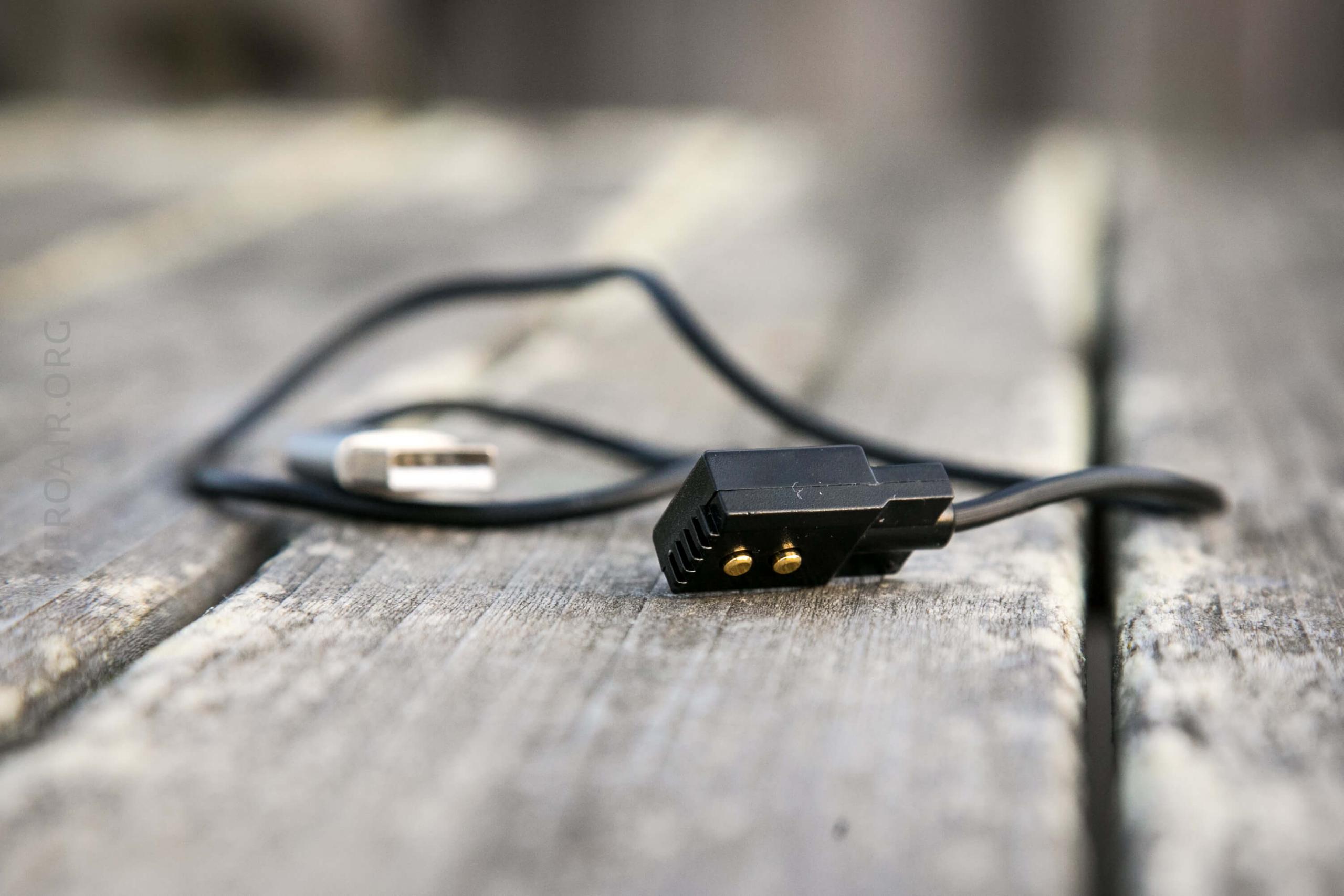
The LD70 suffers the same “exactly accurate attachment” issue that the LD10 had – you have to get the connection perfect, or it’s not going to charge.
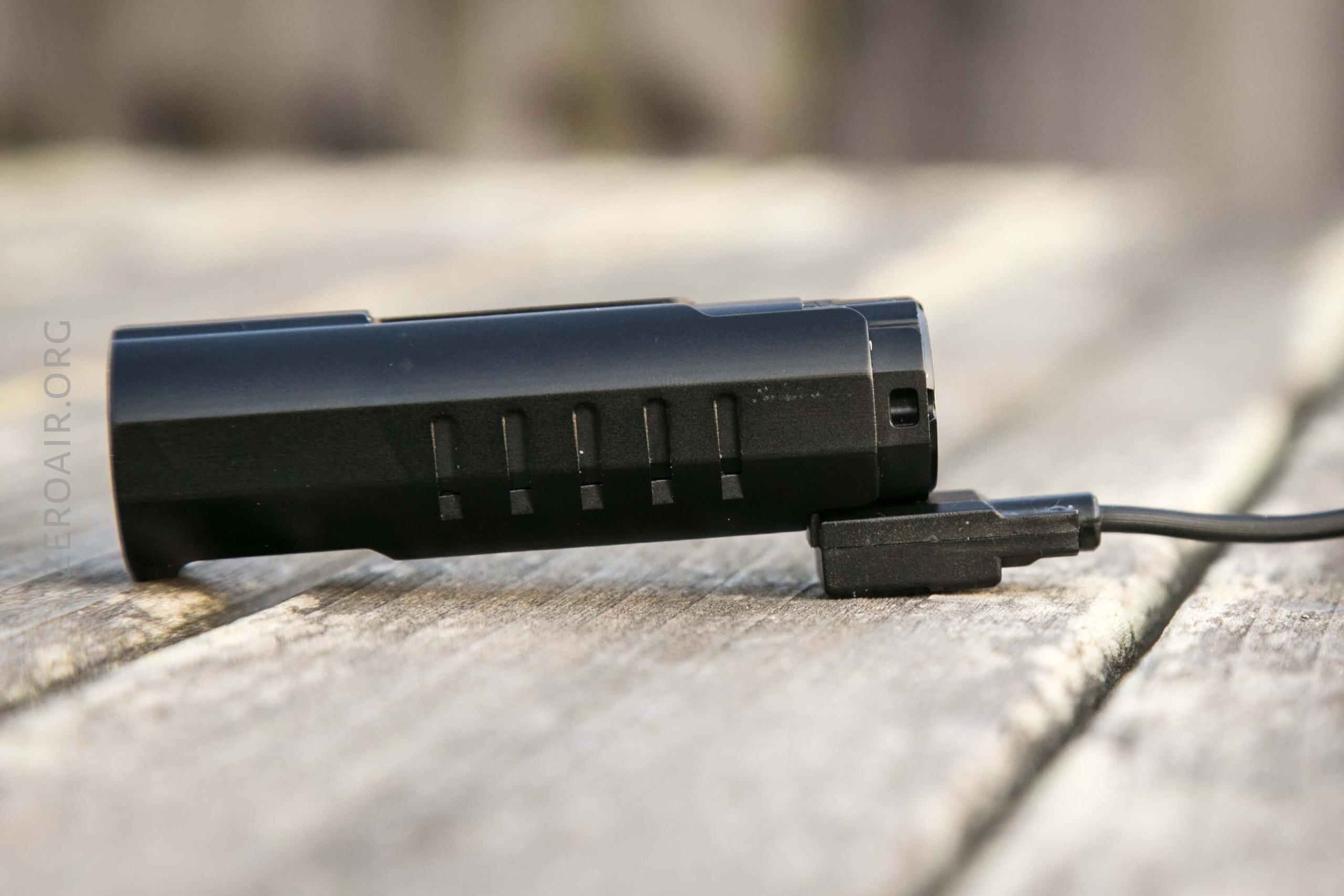
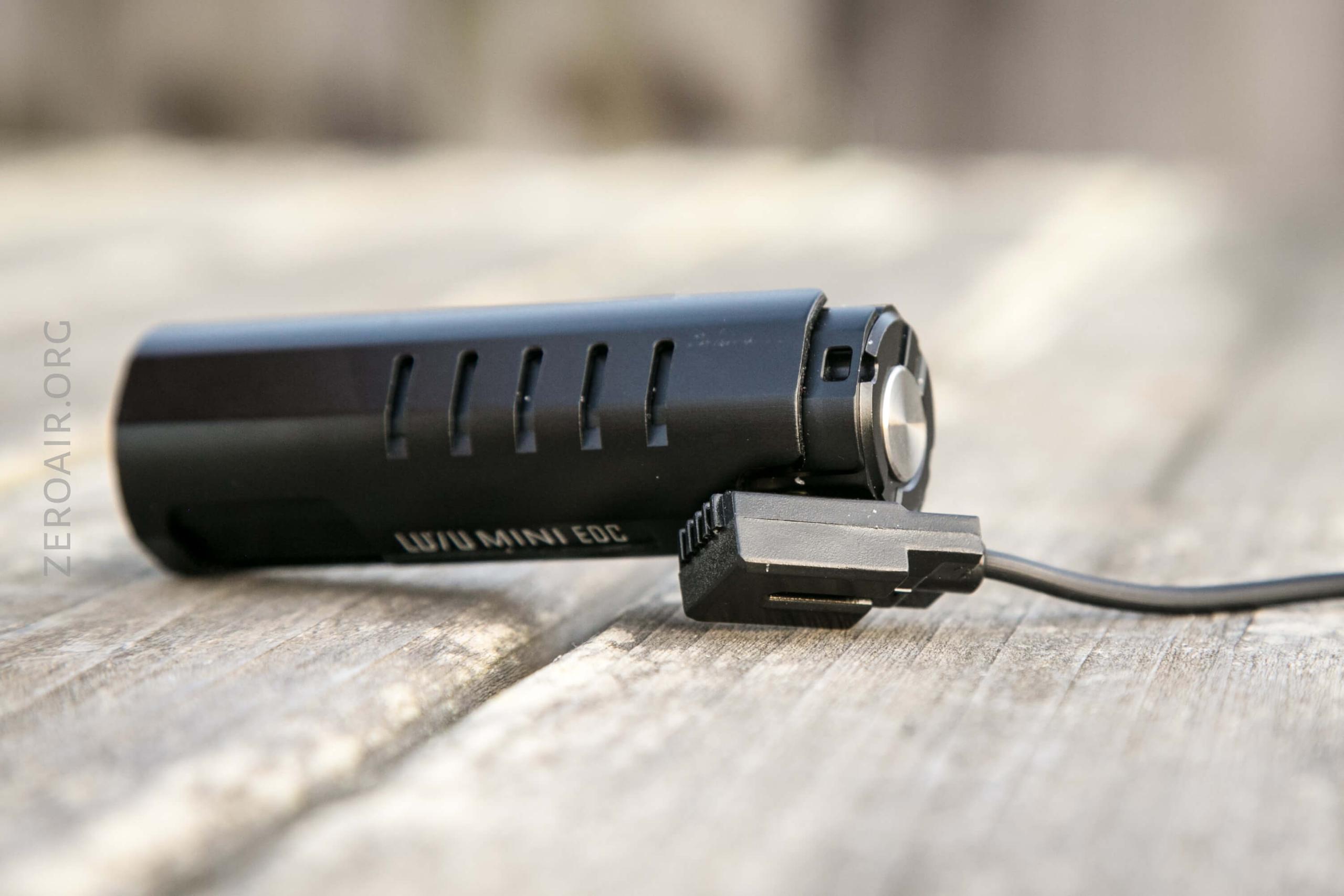
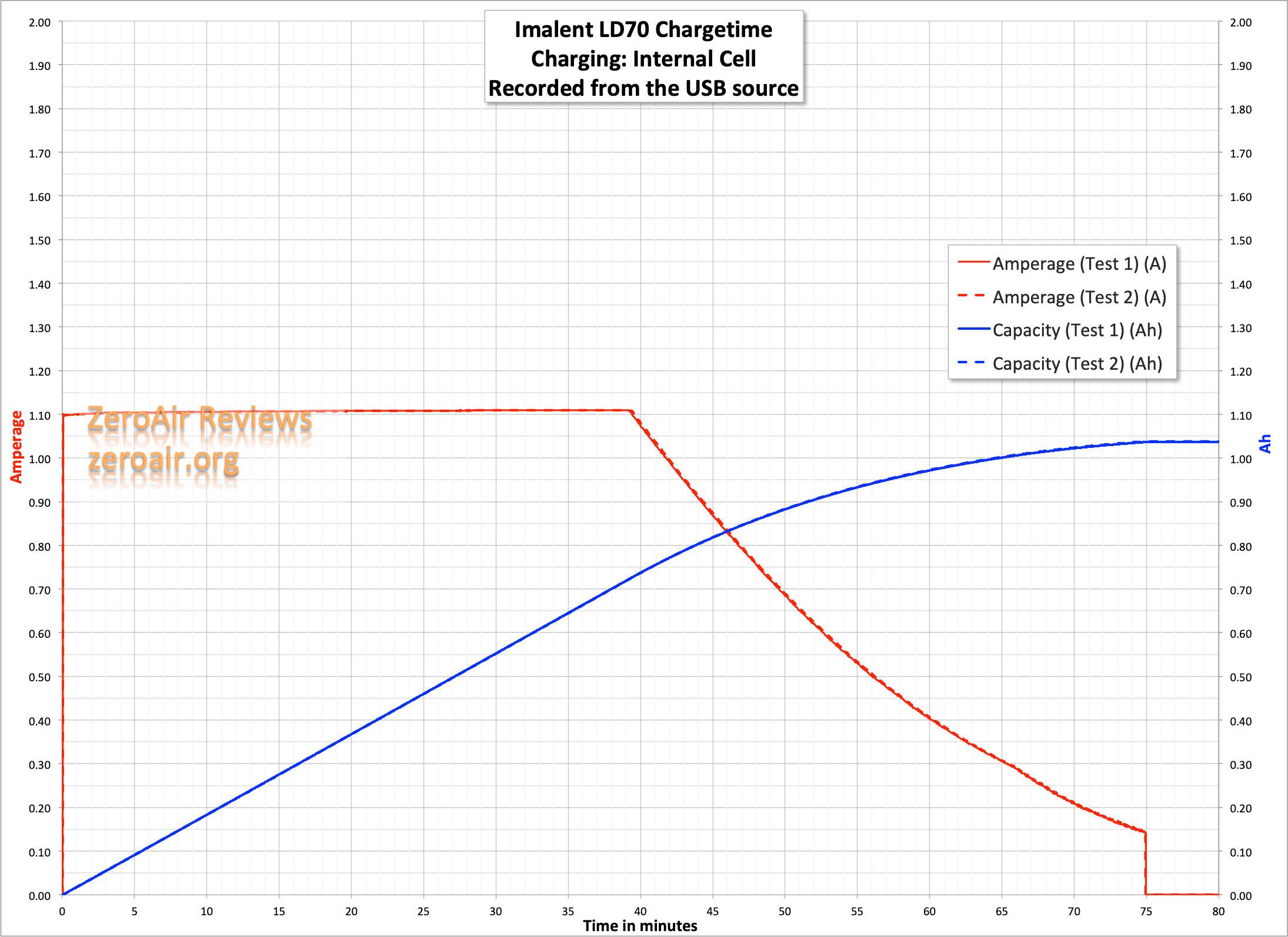
Still, once the connection is made, charging is very good. The rate of 1.1A is probably around (or just over) 1C, which is perfect for this 18350.
Modes and Currents
| Mode | Mode Claimed Output (lm) | Claimed Runtime | Measured Lumens | Tailcap Amps |
|---|---|---|---|---|
| Turbo | 4000/900 | 1m/38m | 2086 | – |
| High | 2000/900 | 1.5m/39m | 1597 | – |
| Middle | 900 | 45m | 736 | – |
| Middle Low | 200 | 3h50m | 140 | – |
| Low | 20 | 15h | 43 | – |
Pulse Width Modulation
All but Turbo have PWM. On the lowest mode, I consider it very visible. Middle, Low, and above, not so much.

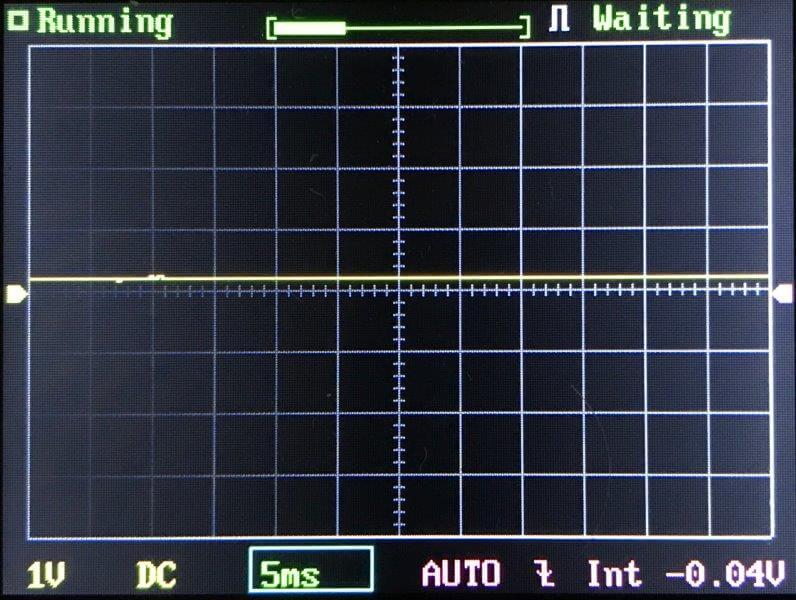
Here you can see a “baseline” – a chart with almost no light hitting the sensor.
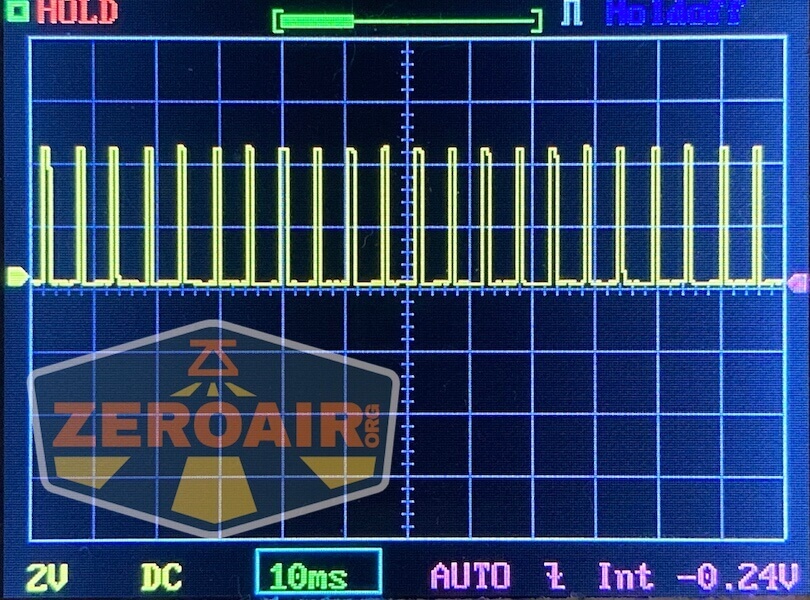
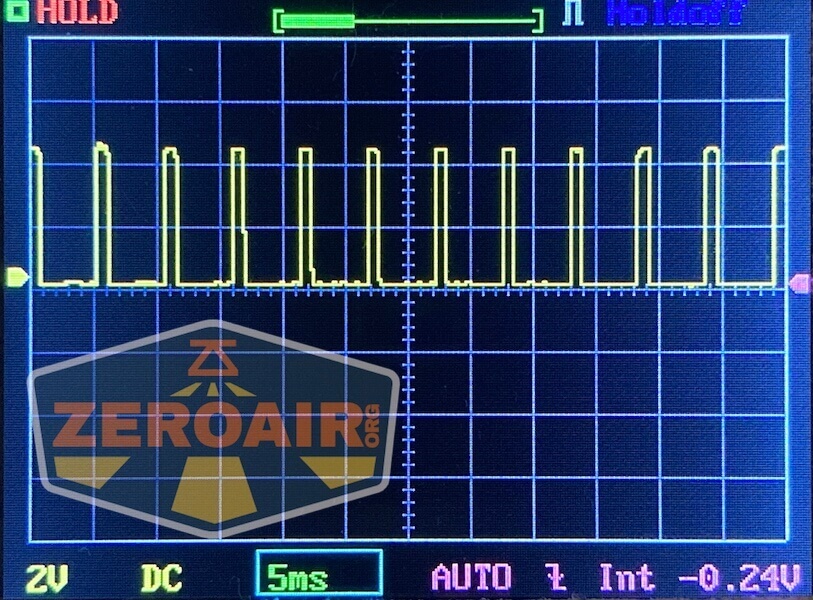
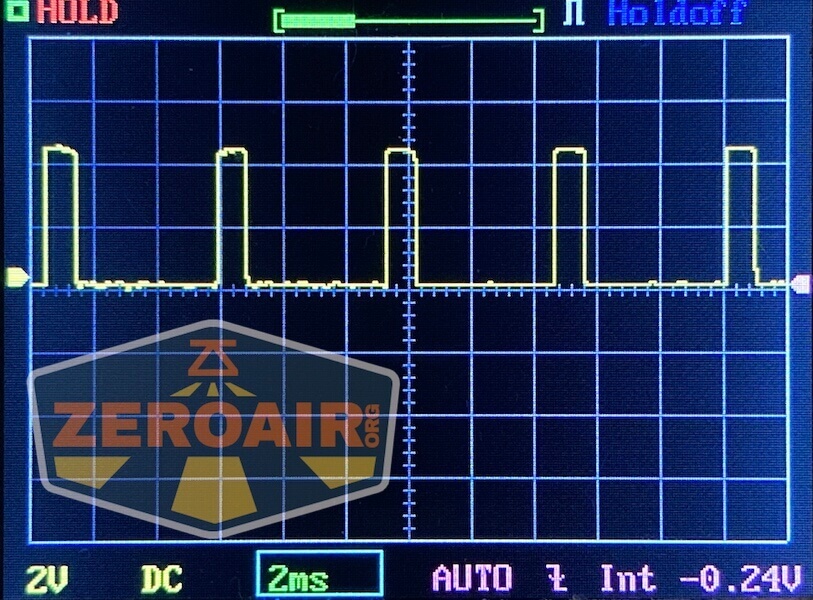
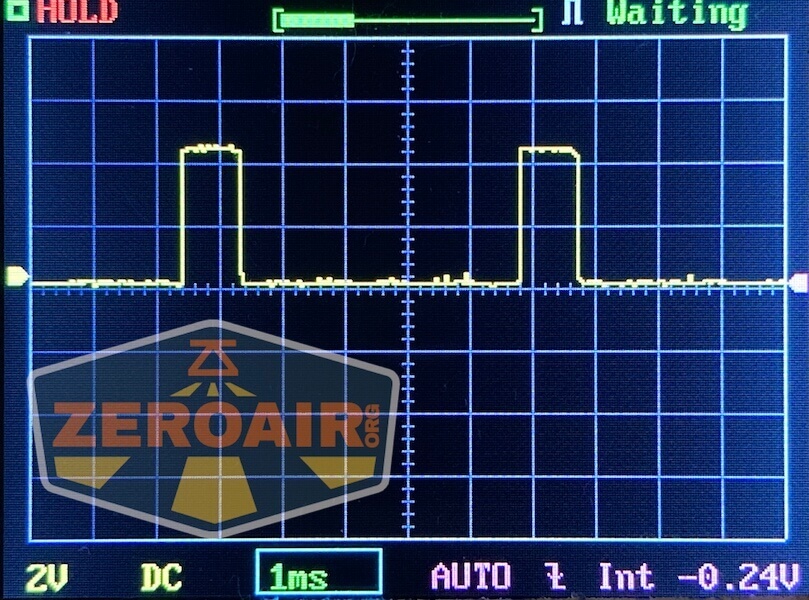
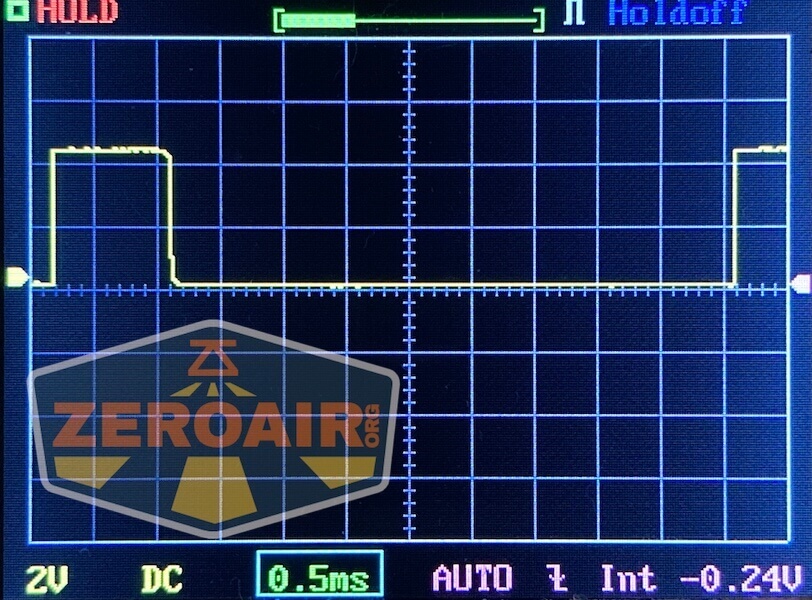
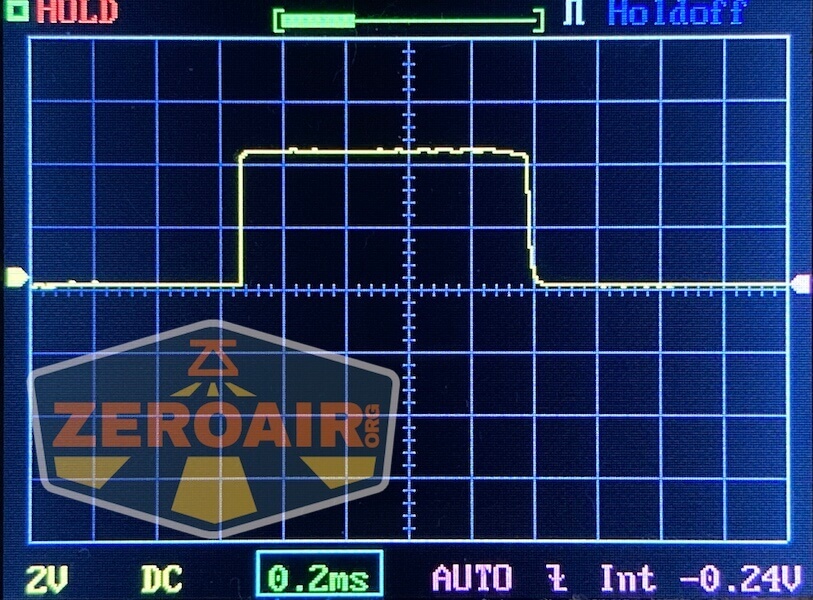
Then there’s the Ultrafire WF-602C flashlight, which has some of the worst PWM I’ve seen. It’s so bad that I used a post about it to explain PWM! Here are multiple timescales (10ms, 5ms, 2ms, 1ms, 0.5ms, 0.2ms) to make comparing this “worst” PWM light to the test light easier. That post also explains why I didn’t test the WF-602C at the usual 50us scale.
User Interface and Operation
The switch on the LD70 is much improved over the LD10. It’s a metal switch cover e-switch, with the button covering most of the tailcap. So it’s easy to find and easy to actuate.
As stated above, the OLED display shows the claimed output for any level you’re in.
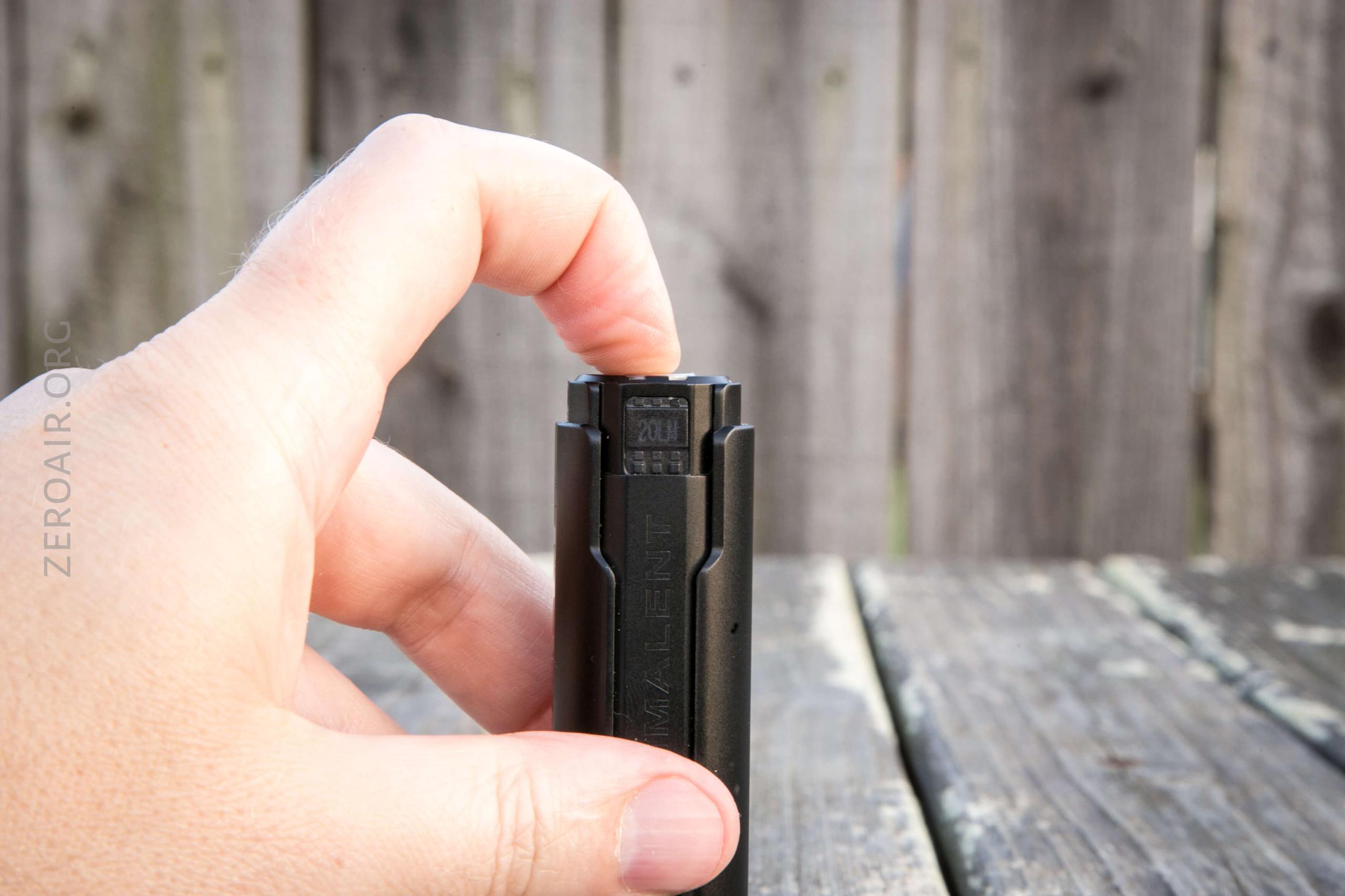
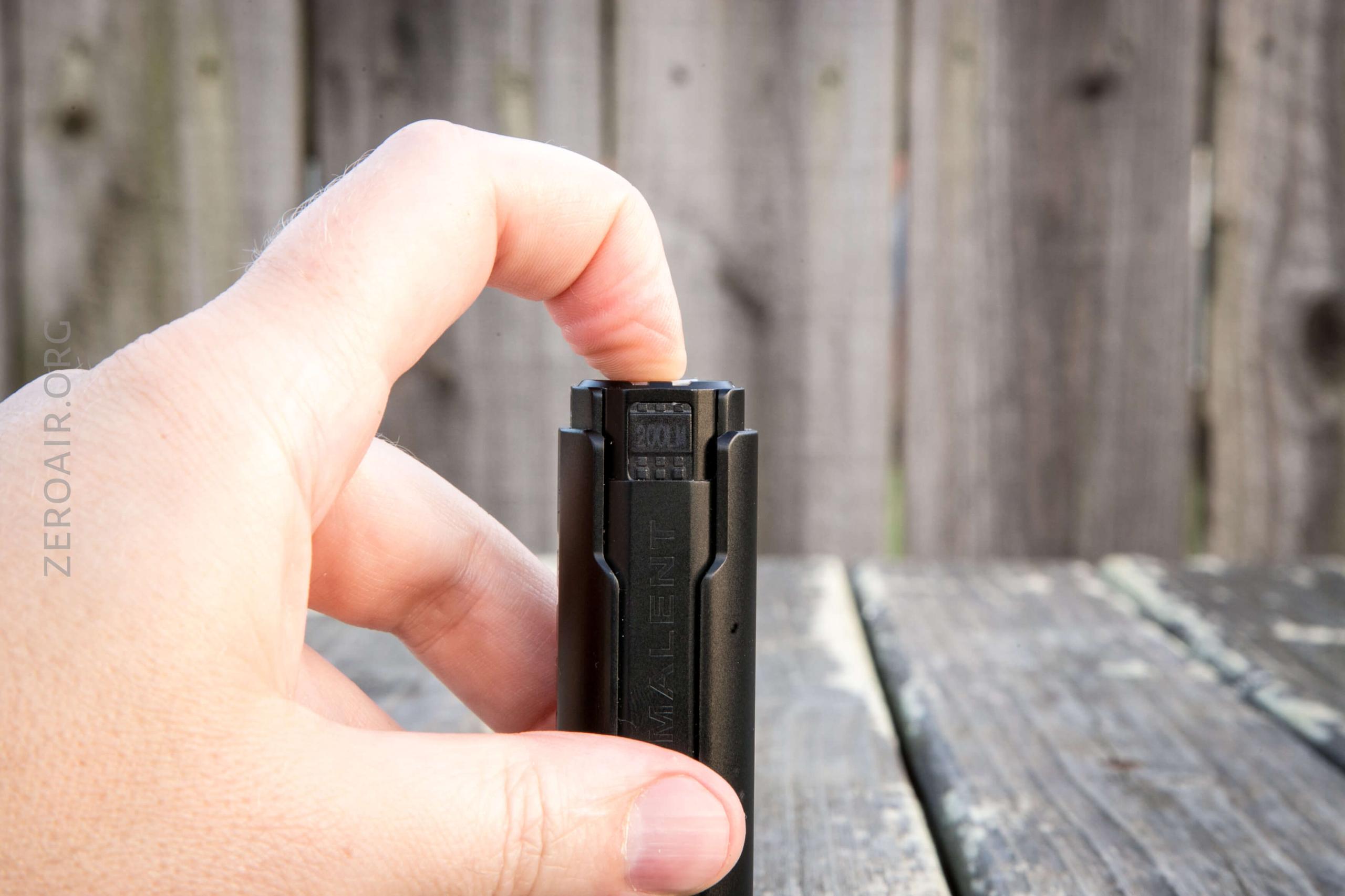
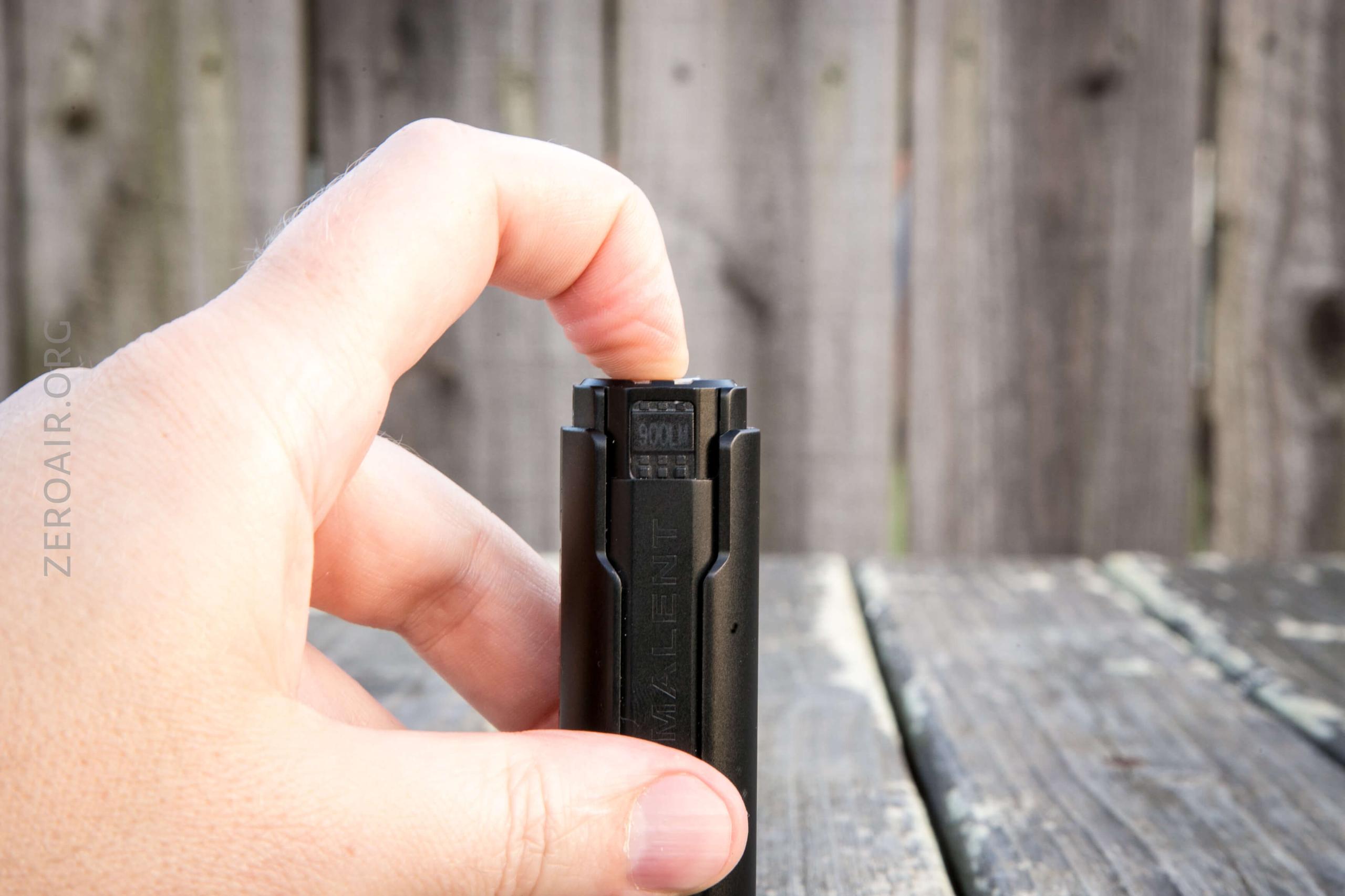
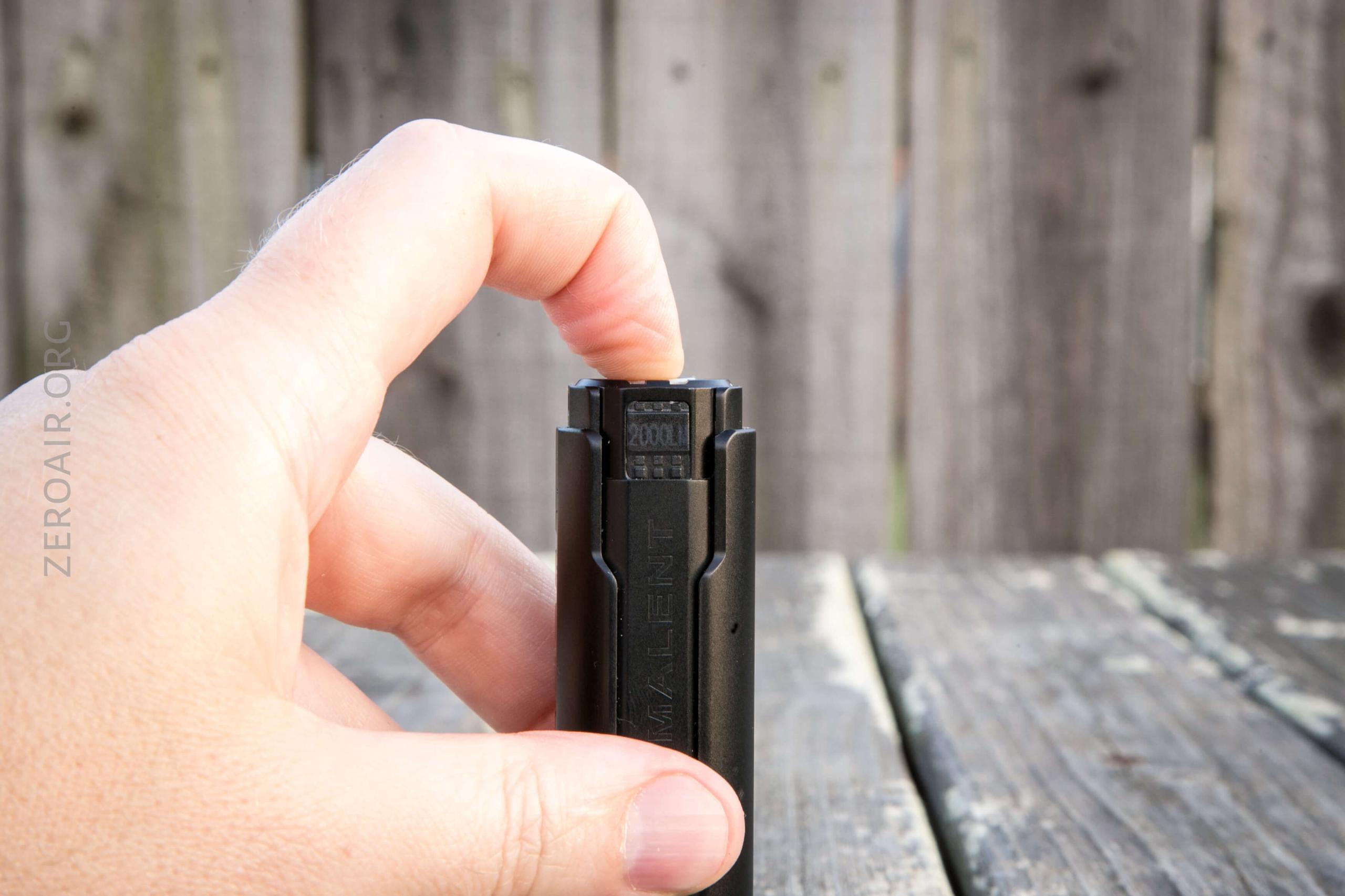
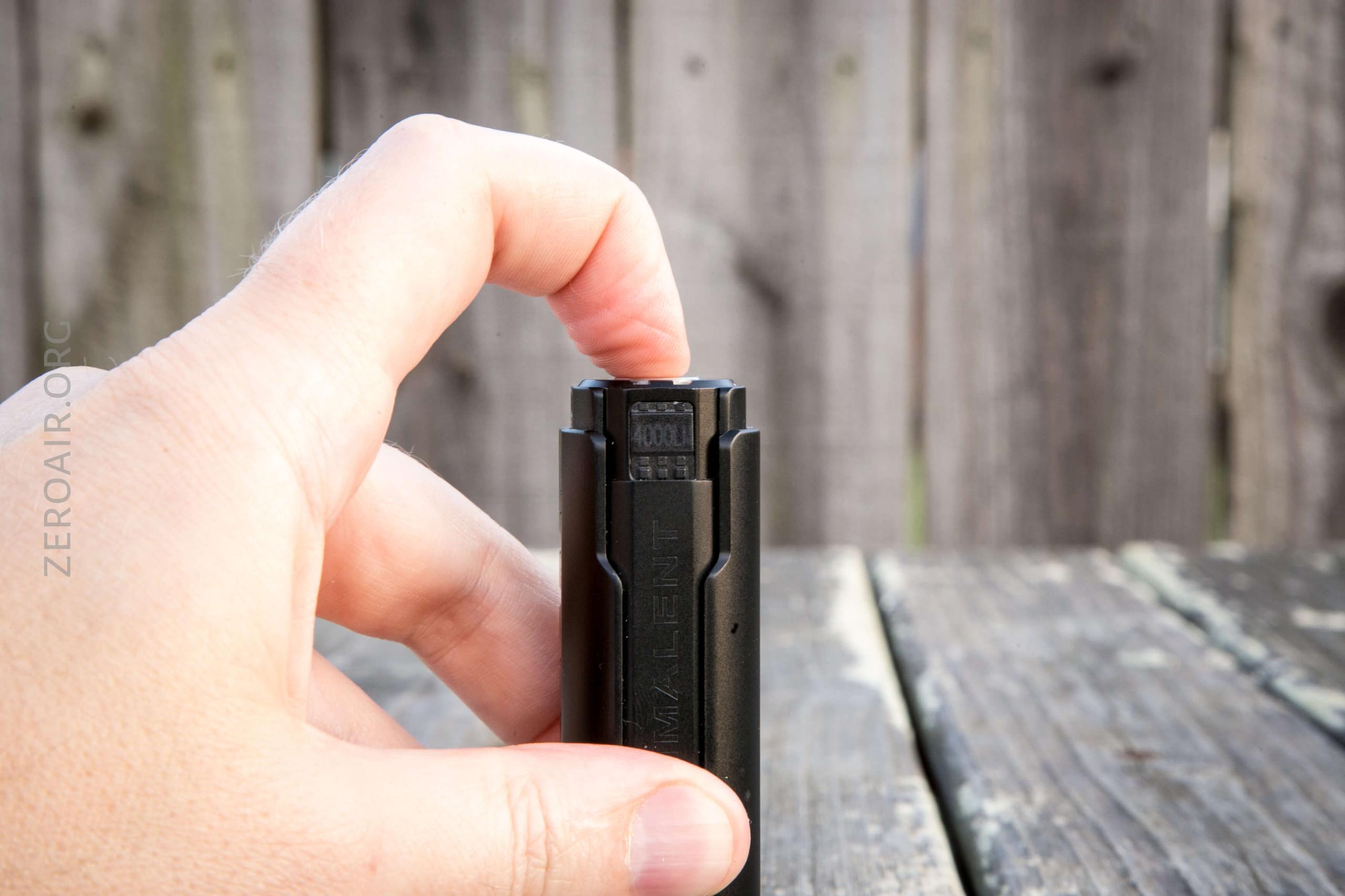
You can also manipulate the switch to cause the OLED to show cell voltage, too. Three clicks from off show cell voltage, but it doesn’t turn the light on.
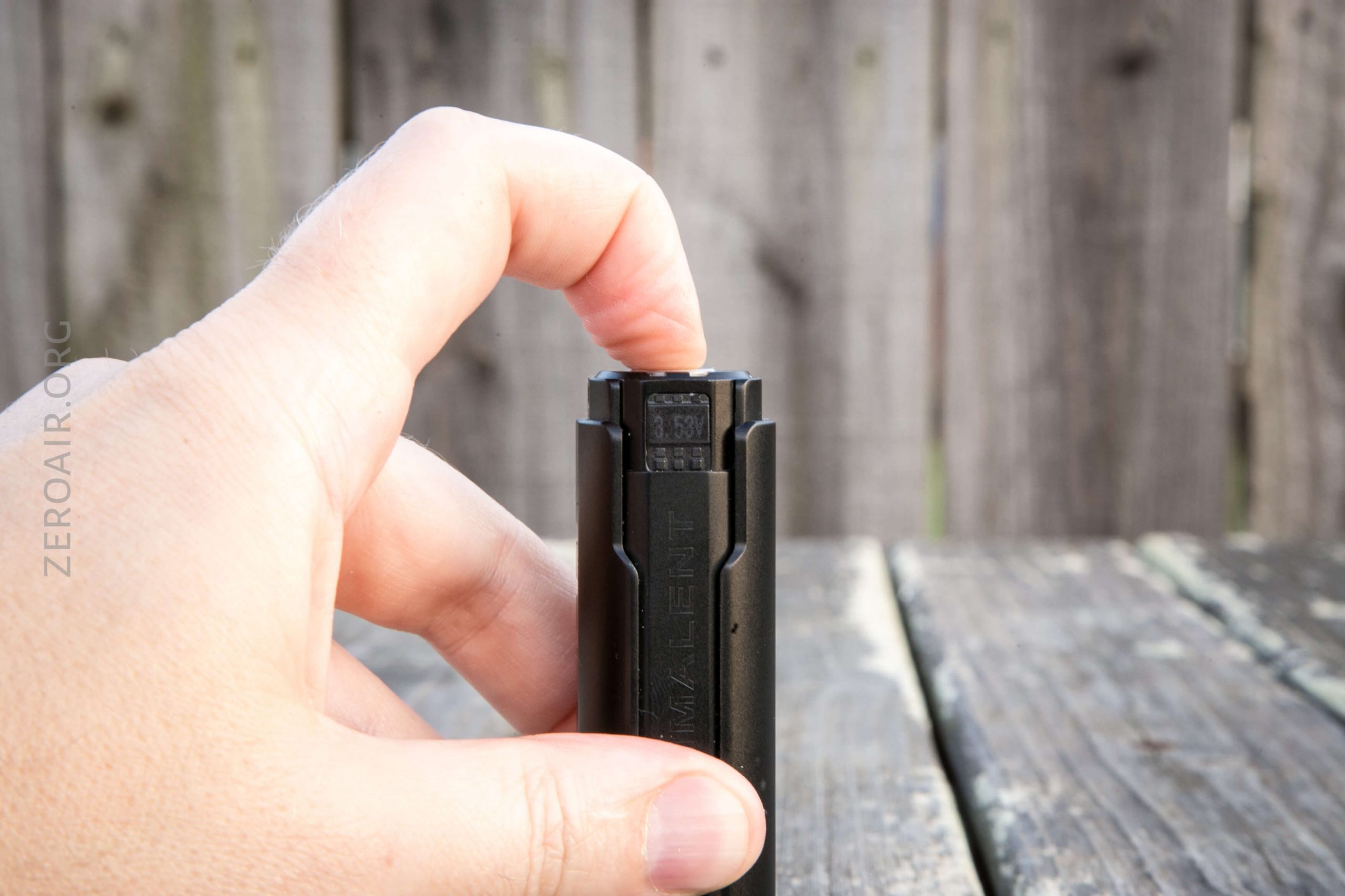
Here’s a user interface table!
| State | Action | Result |
|---|---|---|
| Off | Click | On (Mode Memory) |
| Any | Double Click | Turbo |
| Off | Triple Click | Cell Voltage display |
| Off | Hold | No Action |
| On | Click | Off |
| On | Hold | Mode Advance (Low to High direction, skipping Turbo) |
| Turbo | Double Click | Strobe |
| Off | Click 4x | Lock |
| Lock | Click 4x | Unlock |
LED and Beam
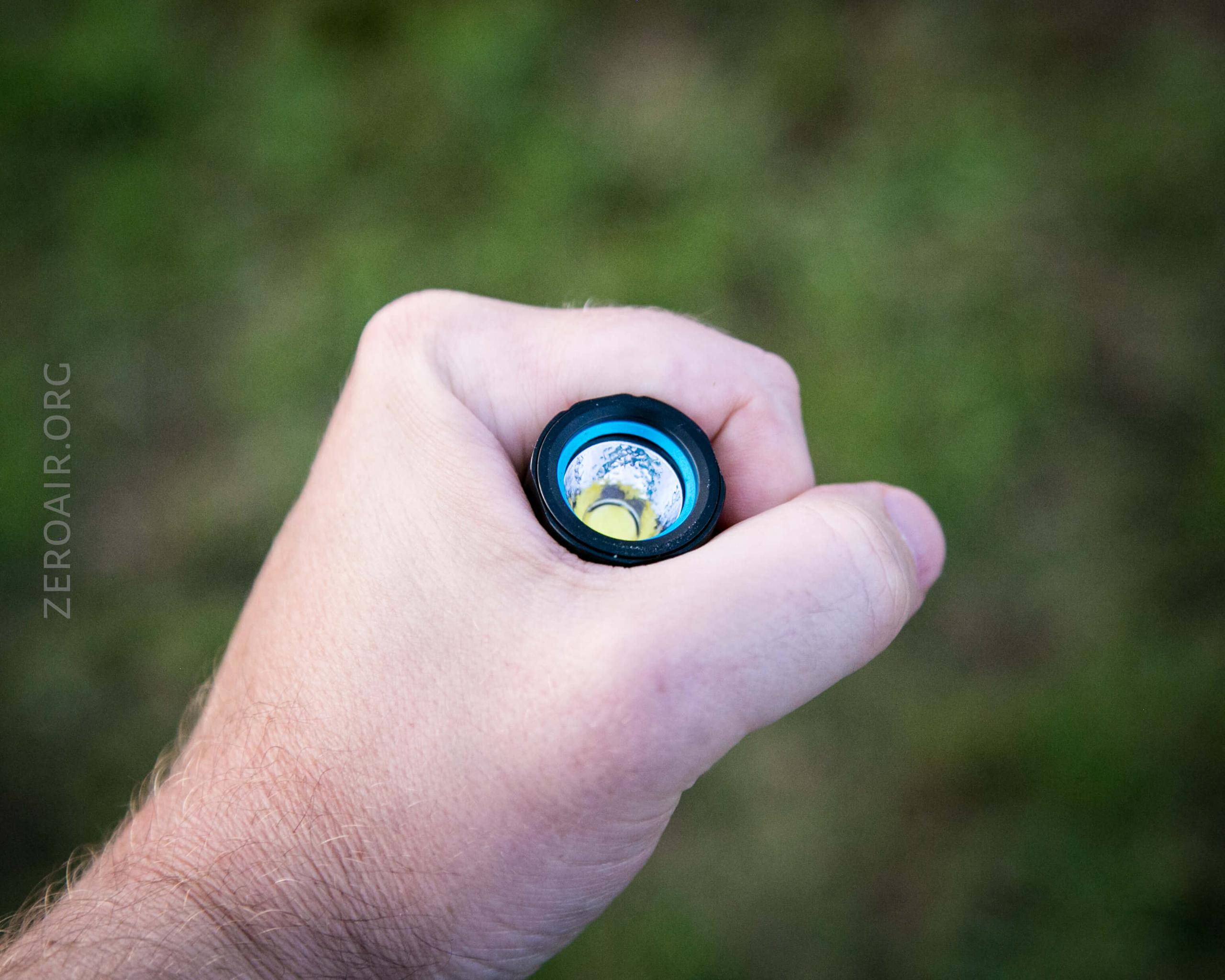
The emitter of choice in the LD70 is a Cree XHP70.2, behind a light orange peel shallow reflector.
Beamshots
These beamshots always have the following settings: f8, ISO100, 0.3s shutter, and manual 5000K exposure. These photos are taken at floor level, and the beam hits the ceiling around 9 feet away.


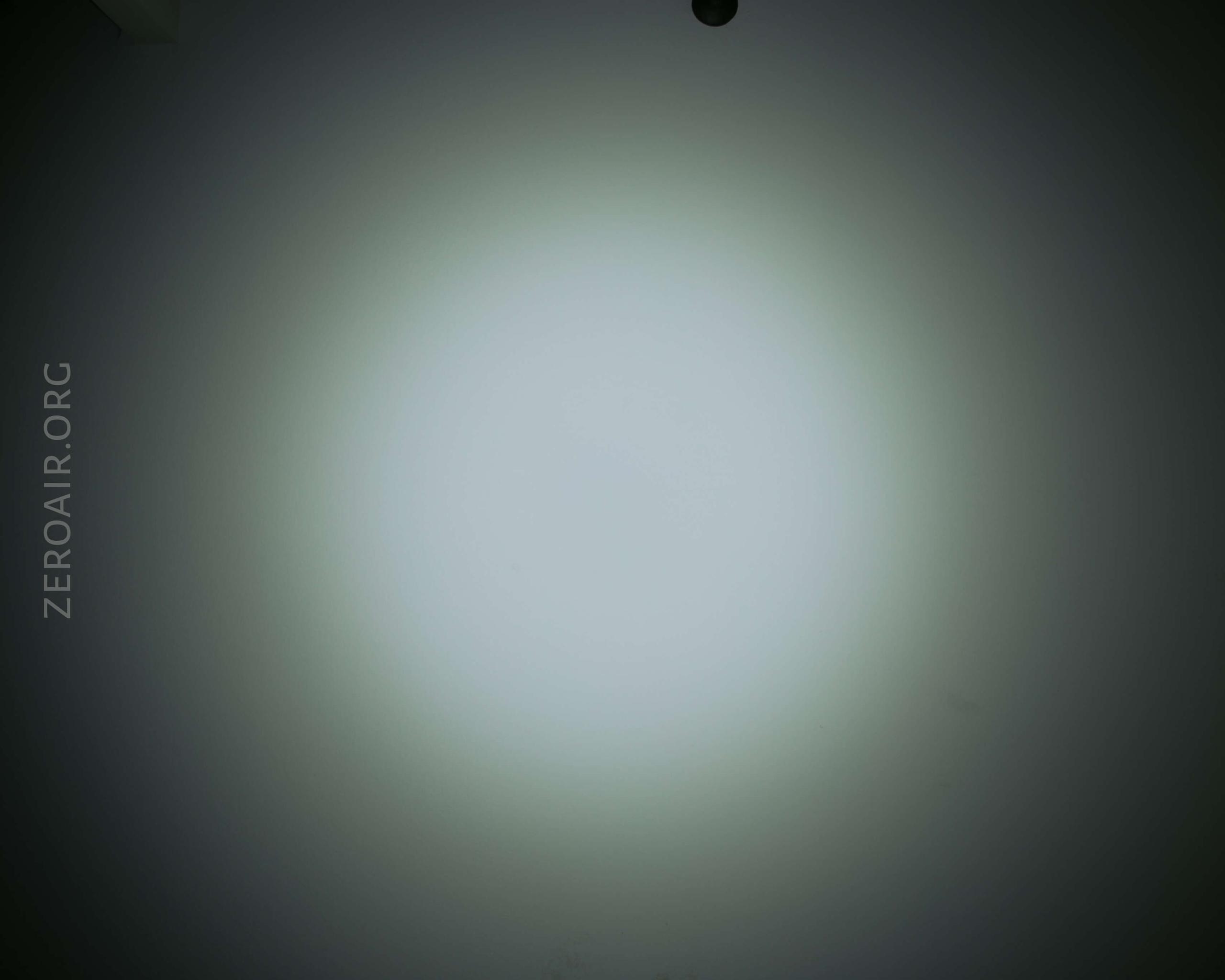


Tint vs BLF-348 (Killzone 219b version)
I keep the test flashlight on the left and the BLF-348 reference flashlight on the right.
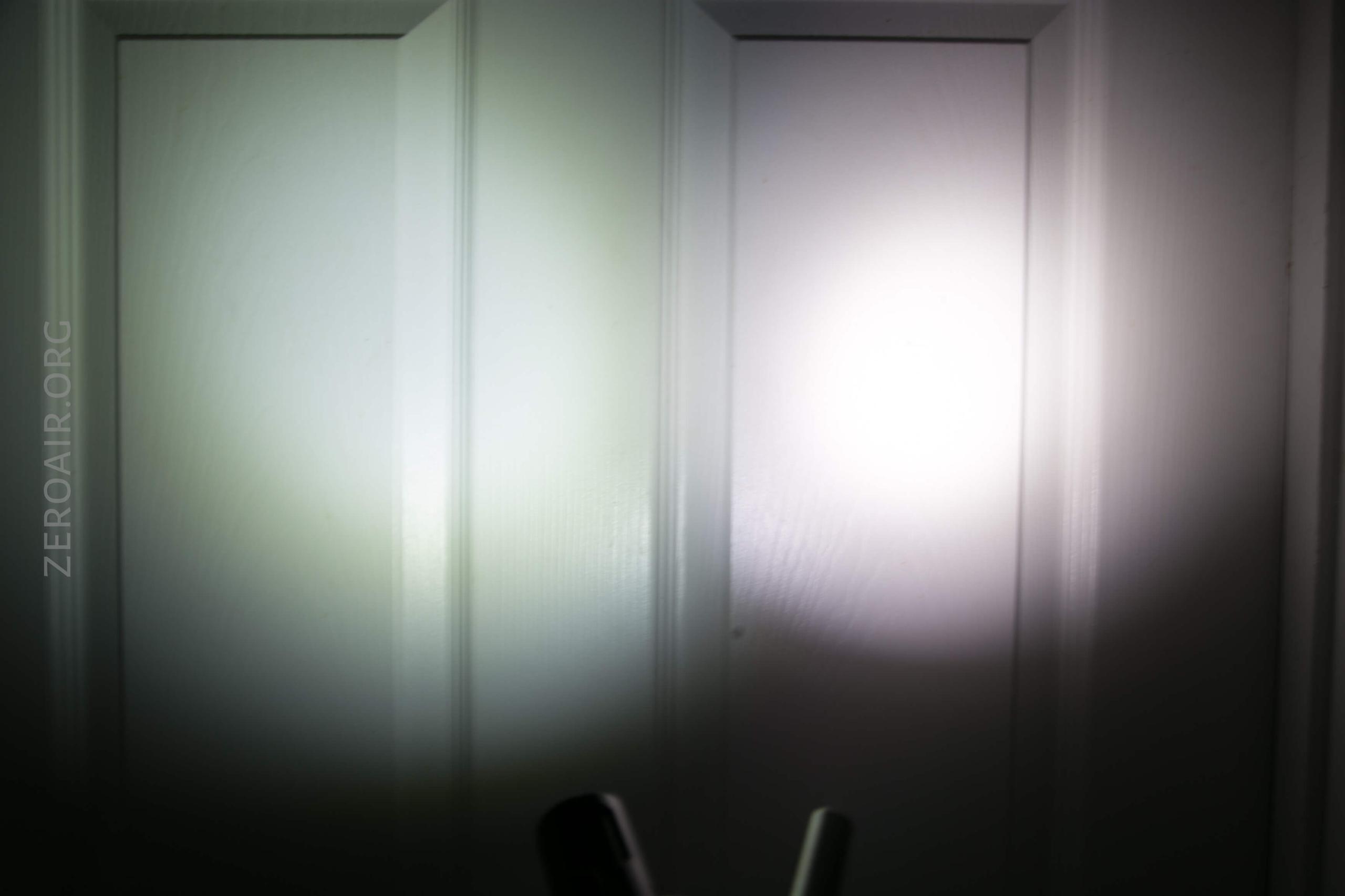
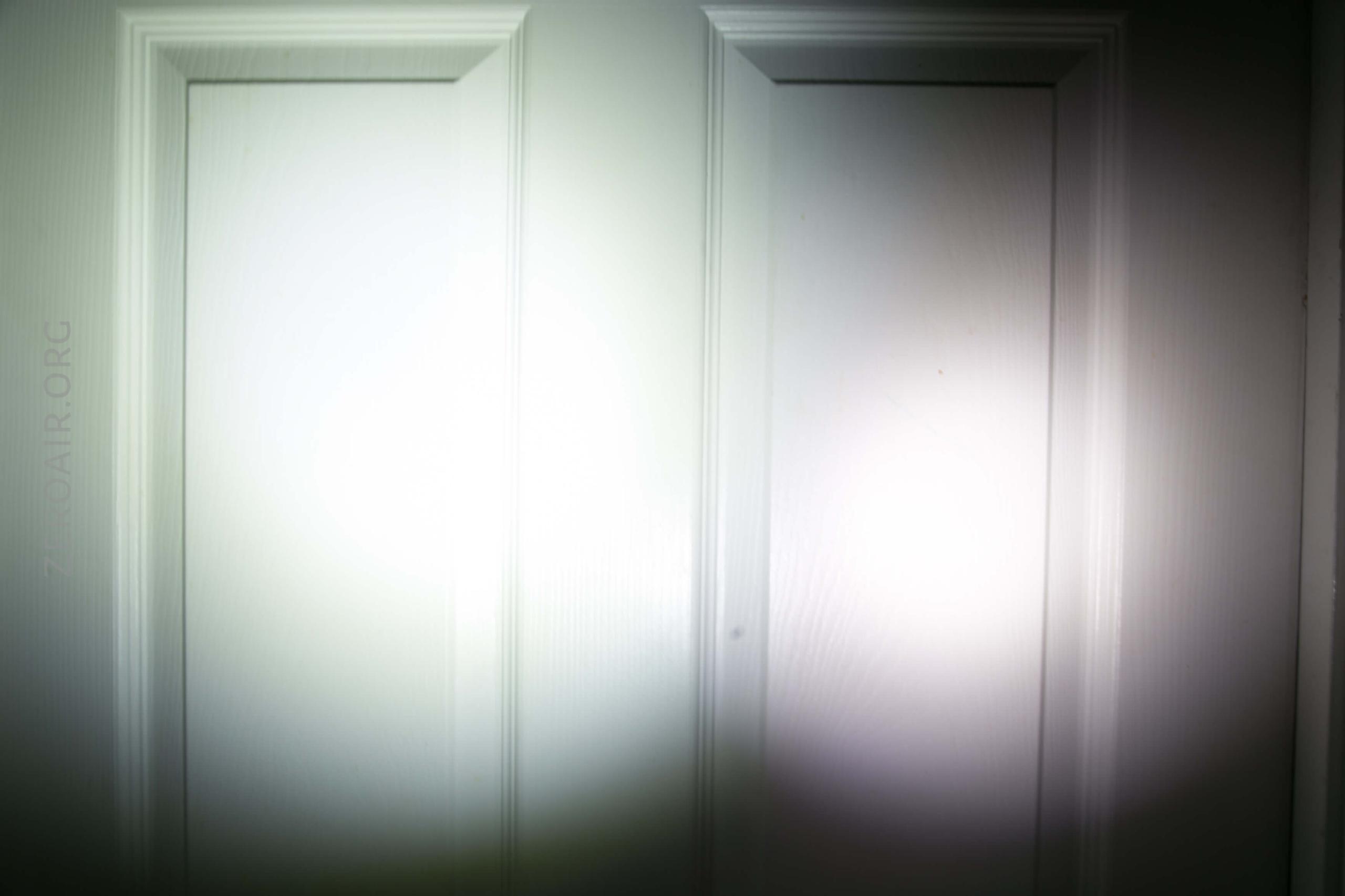
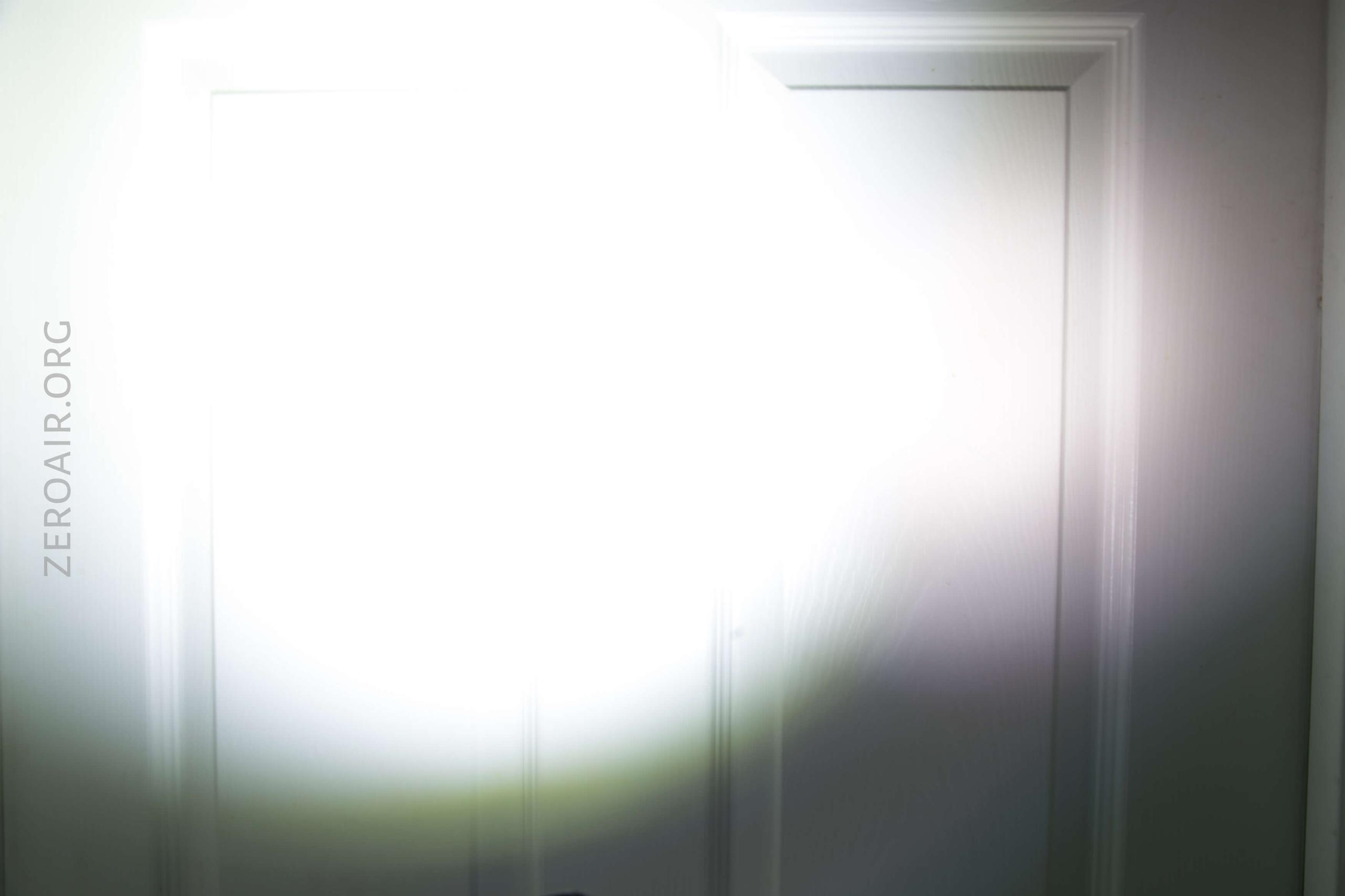


I compare everything to the Killzone 219b BLF-348 because it’s inexpensive and has the best tint!
Conclusion
What I like
- Good build quality
- Nice OLED display
- Good metal switch
- Nice output – sustained 2000 lumens in a light this small is not nothing.
What I don’t like
- No pocket clip
- Doesn’t have ramping, and ramping would suit this light well
- Low isn’t low enough
- Proprietary charging
- Non-replaceable cell
- Visible PWM on Low
Notes
- This light was provided by Imalent for review. I was not paid to write this review.
- This content originally appeared at zeroair.org. Please visit there for the best experience!
- Use my amazon.com referral link if you’re willing to help support making more reviews like this one!
- Please support me on Patreon! I deeply appreciate your support!
Discover more from ZeroAir Reviews
Subscribe to get the latest posts sent to your email.
How’s the tint of the light, on the greenish side?
This light is way too pricey. I can get a wowtac with no PWM and higher output that last longer for less.