
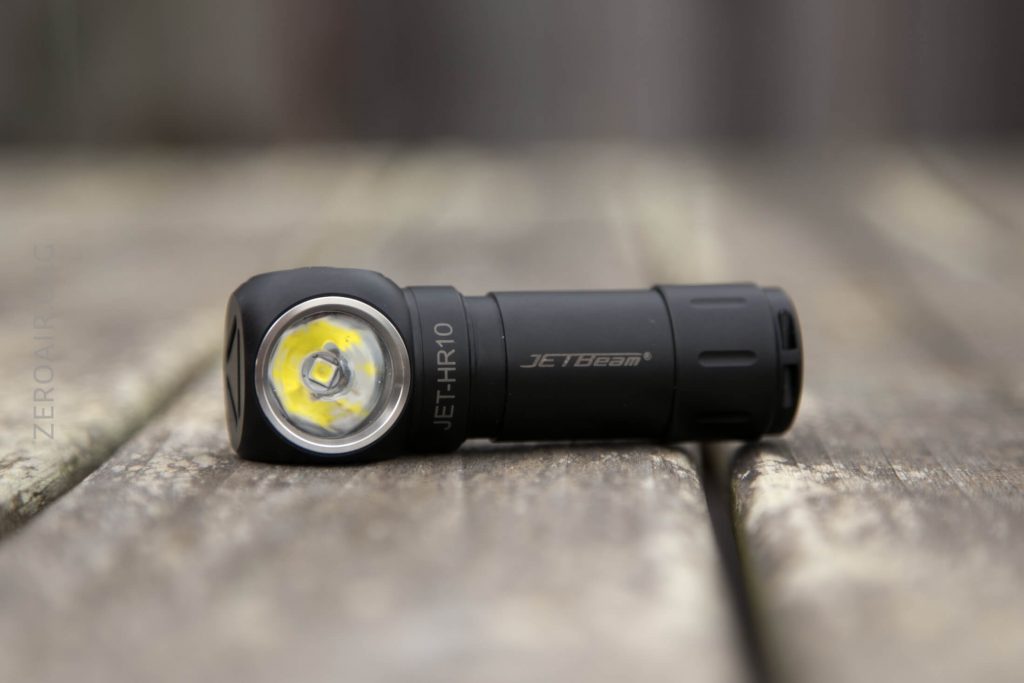
JETBeam HR10 Headlamp Review
JETBeam has a new HR10 headlamp available. The 16340 cell is included and there’s built-in USB-C charging! Read on!
Official Specs and Features
Here’s a link to the JETBeam HR10 Headlamp product page. Here’s my affiliate link to BangGood for the light.
Versions
As far as I can tell, there’s only one version. The manual states the emitter is XP-L HD though, and every other source seems to reference it being XP-L HI. I’m not sure if that’s a version option or just an error.
Price
This one is going for $50.48 on BangGood, where I got mine. Buy yours there, through this affiliate link!
Short Review
Solid little headlamp! I wish the documentation stated specifically that the USB-C port is waterproof, though the light as a whole is IPX7 rated (30 minute, 1m immersion).
Long Review
The Big Table
| JETBeam HR10 | |
|---|---|
| Emitter: | Cree XP-L HD |
| Price in USD at publication time: | $50.48 Buy yours at BangGood! |
| Cell: | 1×18350 |
| High Runtime | Middle Runtime |
| LVP? | Yes |
| Switch Type: | E-Switch |
| Quiescent Current (A): | ? |
| On-Board Charging? | Yes |
| Chargetime | |
| Power off Charge Port with no Cell? | No. With cell: all modes. |
| Claimed Lumens (lm) | 700 |
| Measured Lumens (at 30s) | 685 (97.9% of claim)^ |
| Candela per Lumen | 8.9 |
| Claimed Throw (m) | 150 |
| Candela (Calculated) in cd (at 30s) | 369lux @ 4.092m = 6179cd |
| Throw (Calculated) (m) | 157.2 (104.8% of claim)^ |
| All my JETBeam reviews! | |
^ Measurement disclaimer: Testing flashlights is my hobby. I use hobbyist-level equipment for testing, including some I made myself. Try not to get buried in the details of manufacturer specifications versus measurements recorded here; A certain amount of difference (say, 10 or 15%) is perfectly reasonable.
What’s Included

- JETBeam HR10 Headlamp
- JETBeam 850mAh 18350
- Pocket Clip
- Spare o-ring
- Charge cable (USB to USB-C)
- Headband
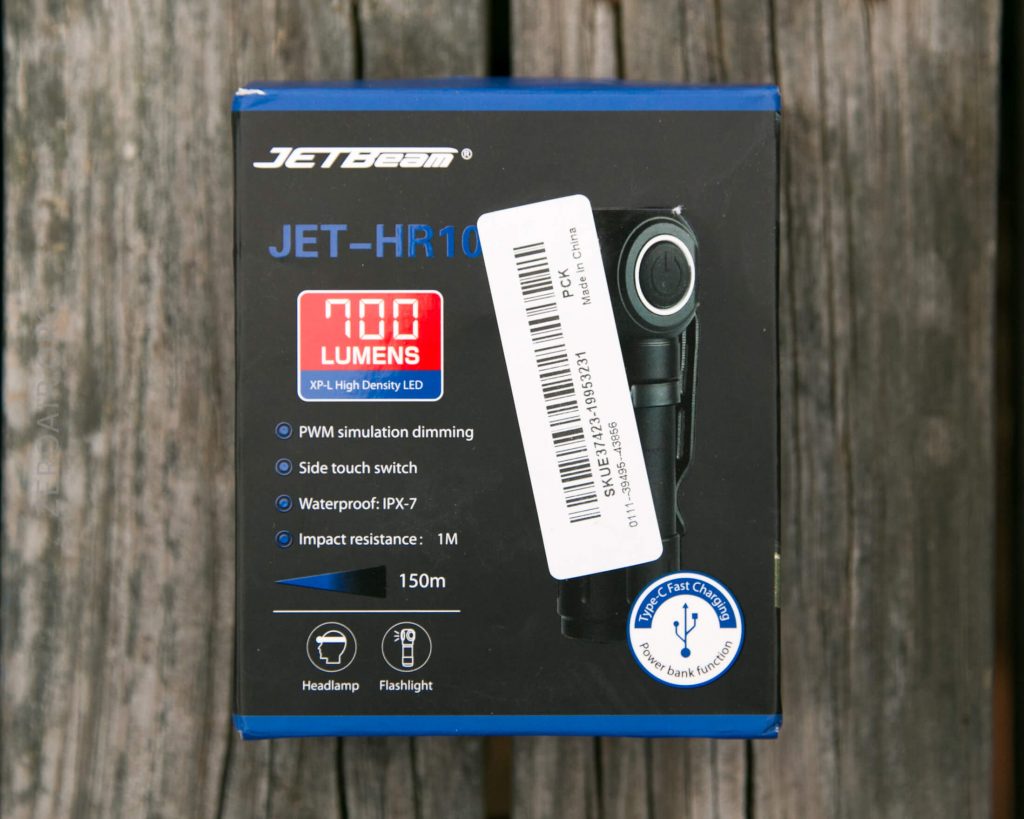
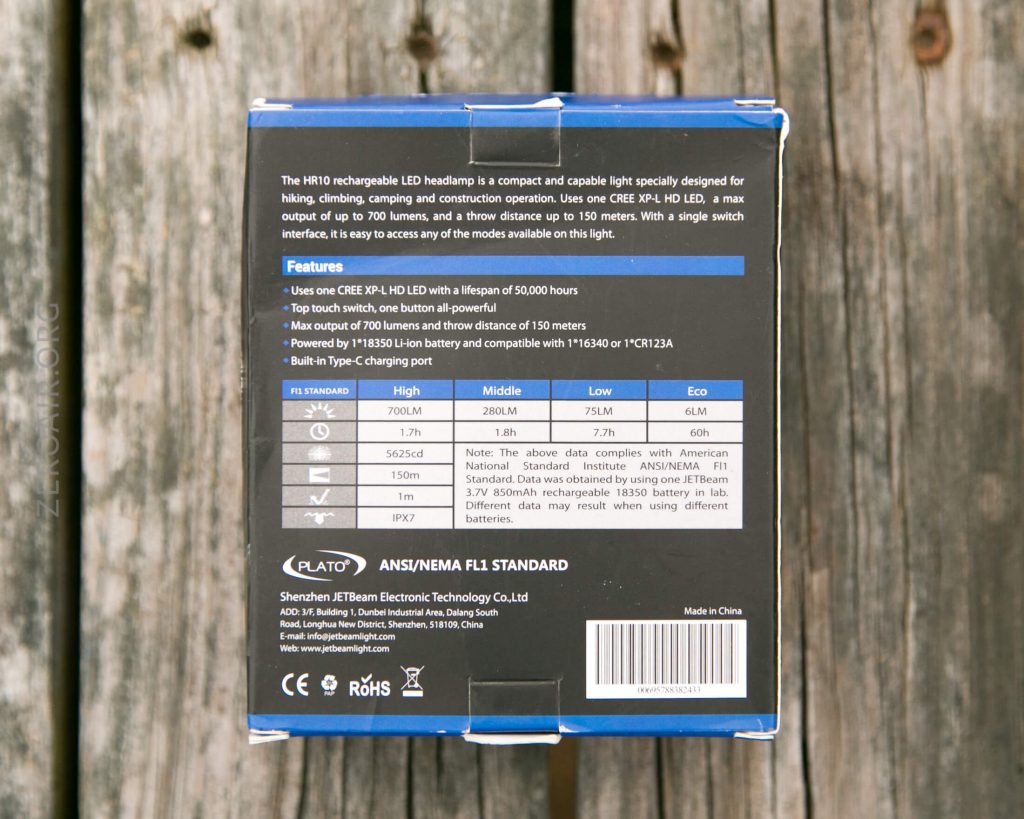
Package and Manual

Build Quality and Disassembly

The anodizing here feels great in hand. Very smooth. This also translates well to getting the light in and out of the headband.
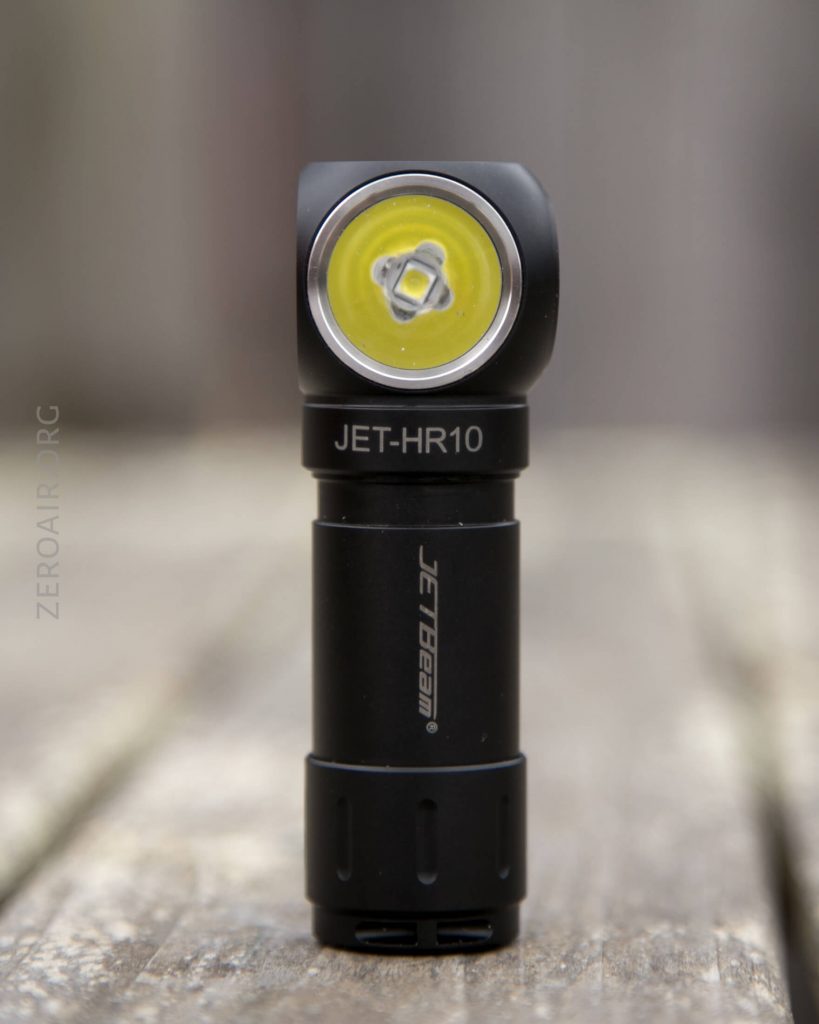

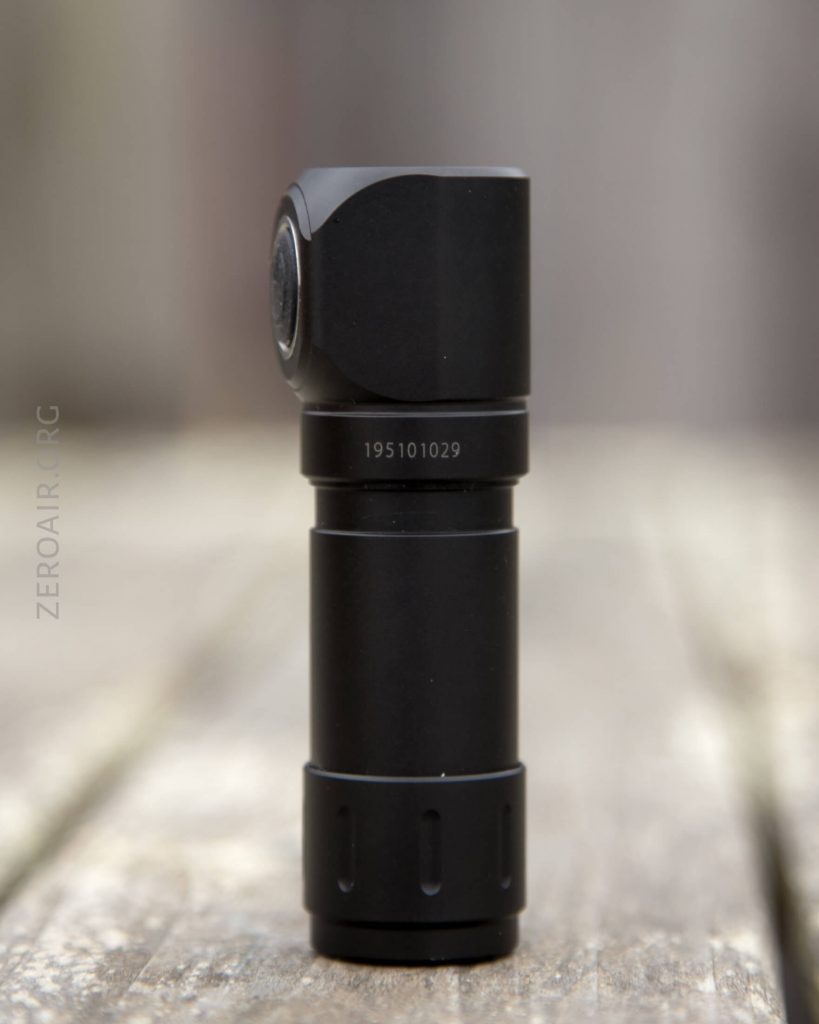
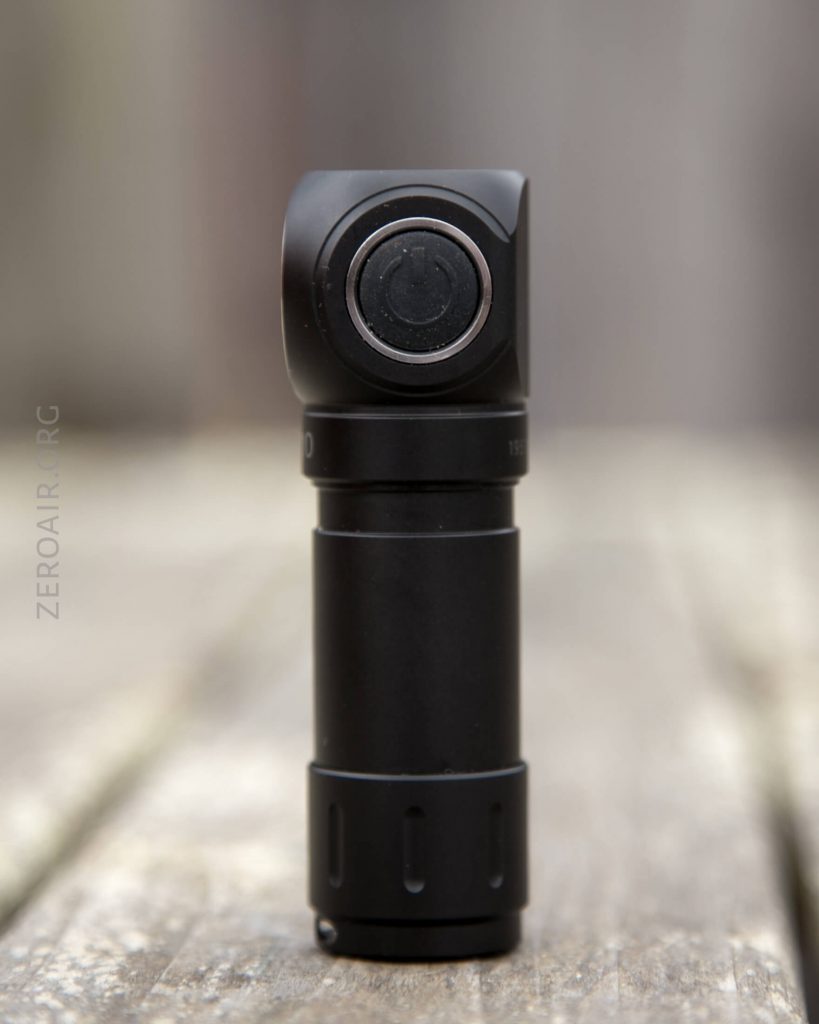
The threads on the tailcap end are unanodized. Notice in the tailcap there… there are some parts you’re going to want to be careful not to lose. In fact, this isn’t even the recommended way of swapping the cell – remove the head for that.

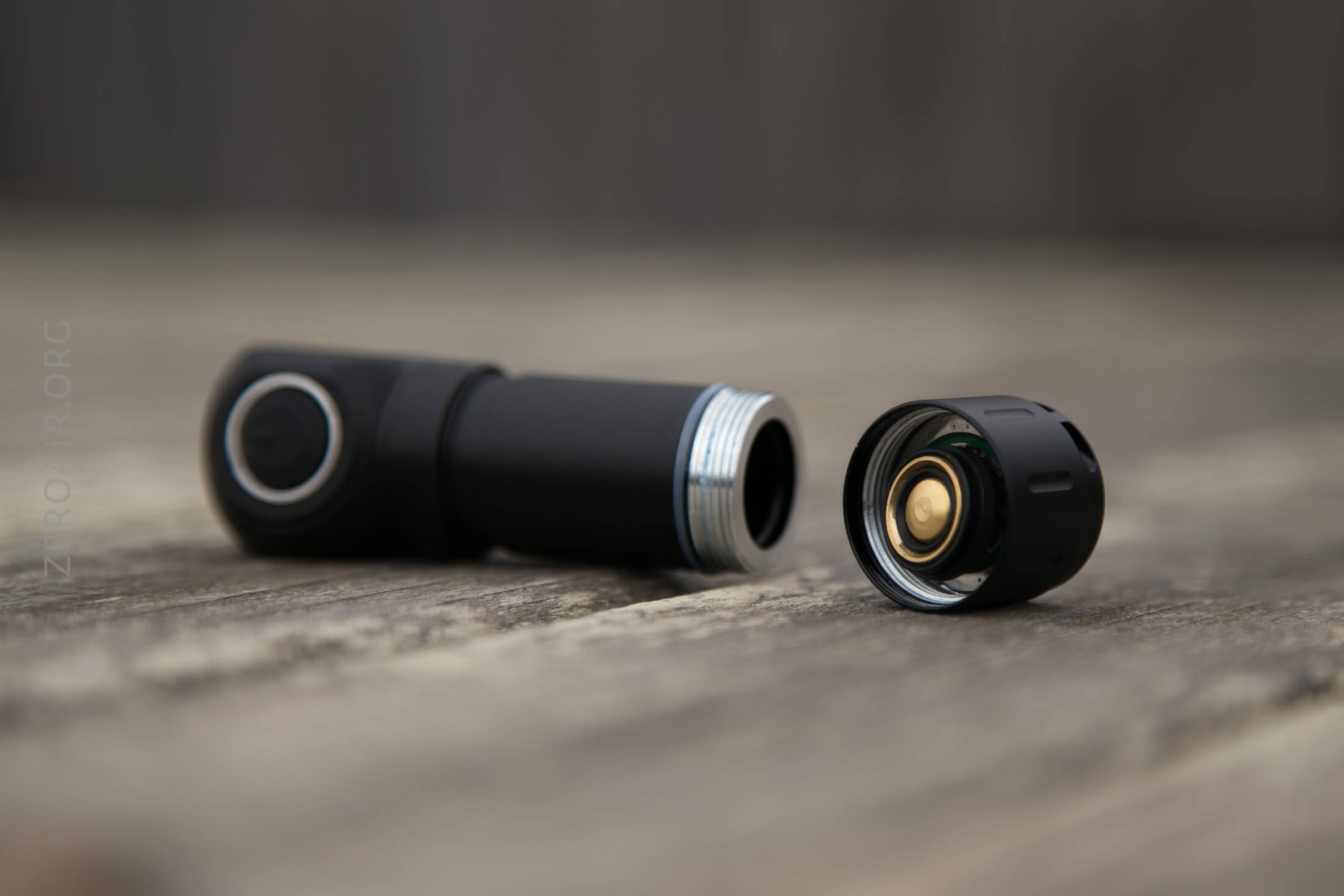
The head end has anodized threads. They’re square-cut, and kind of long, with good lube coverage. It’s possible to mechanically lock the light with just a very small loosen.

The head has a nice spring, and the tail end has a button, which seems to have a spring underneath.


Size and Comps
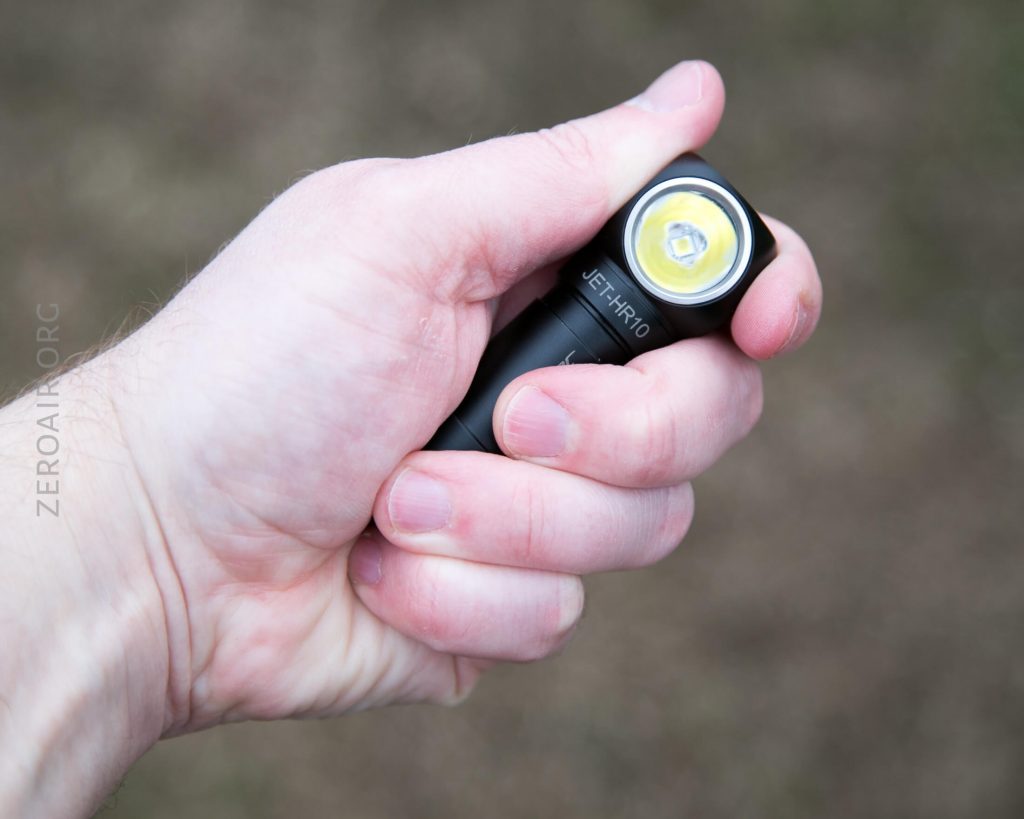
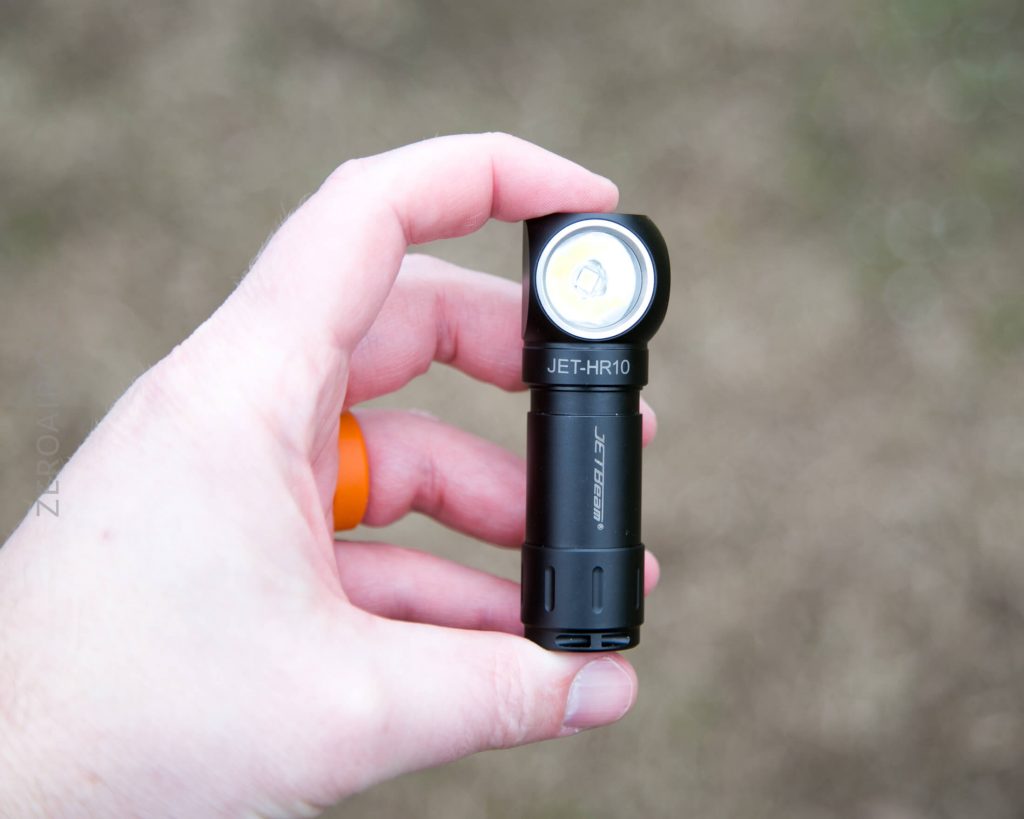
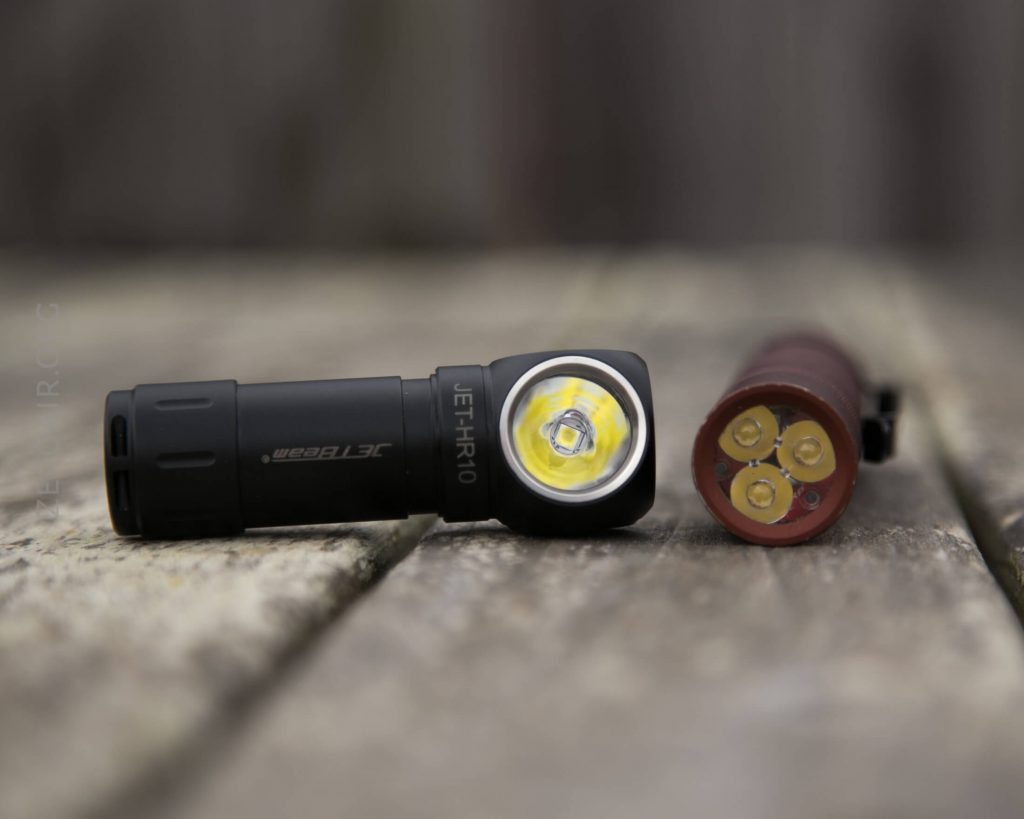
Officially: 79.5mm long, 32.7mm in body diameter, and 21.5mm in head diameter. (My measurements indicate they have “head” and “body” diameters backward).

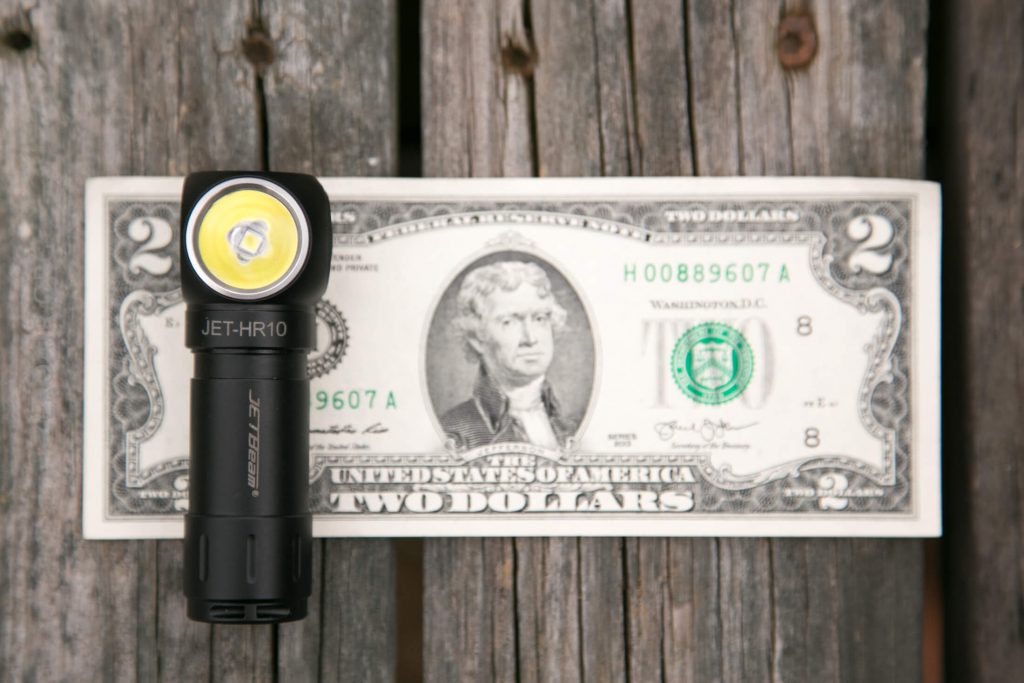
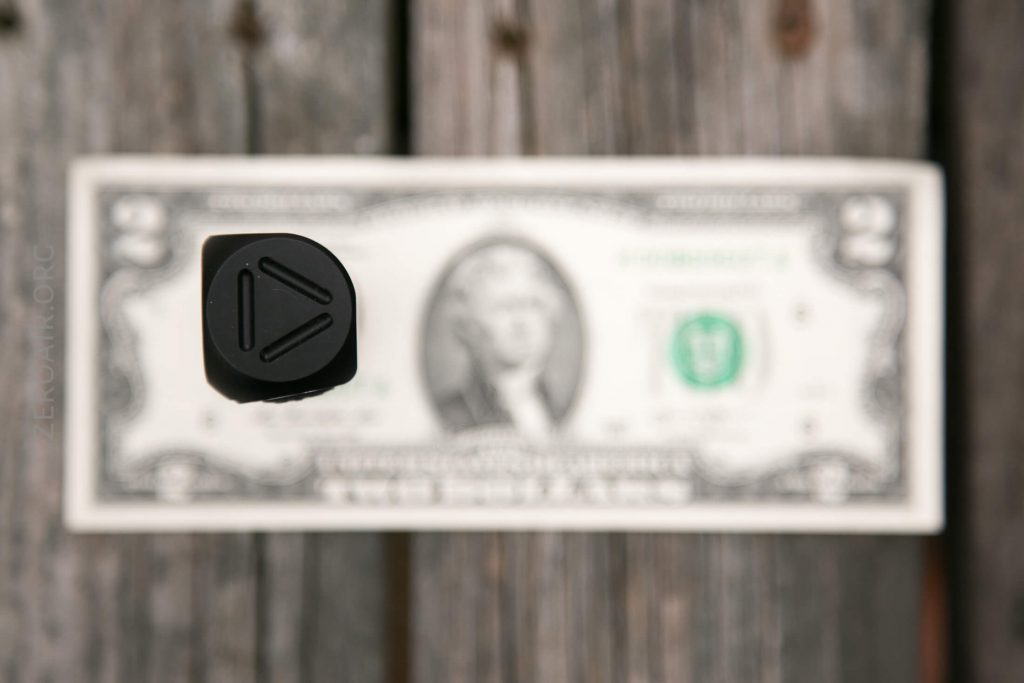

Also I think this is the only spot you’ll see them in this review, but see the shot of the top of the head, above. That is three tritium slots!



Retention and Carry
It’s a headlamp, so that’ll be the main way to carry it. The included strap is good, with only an around-the-head and not an over-the-head strap.
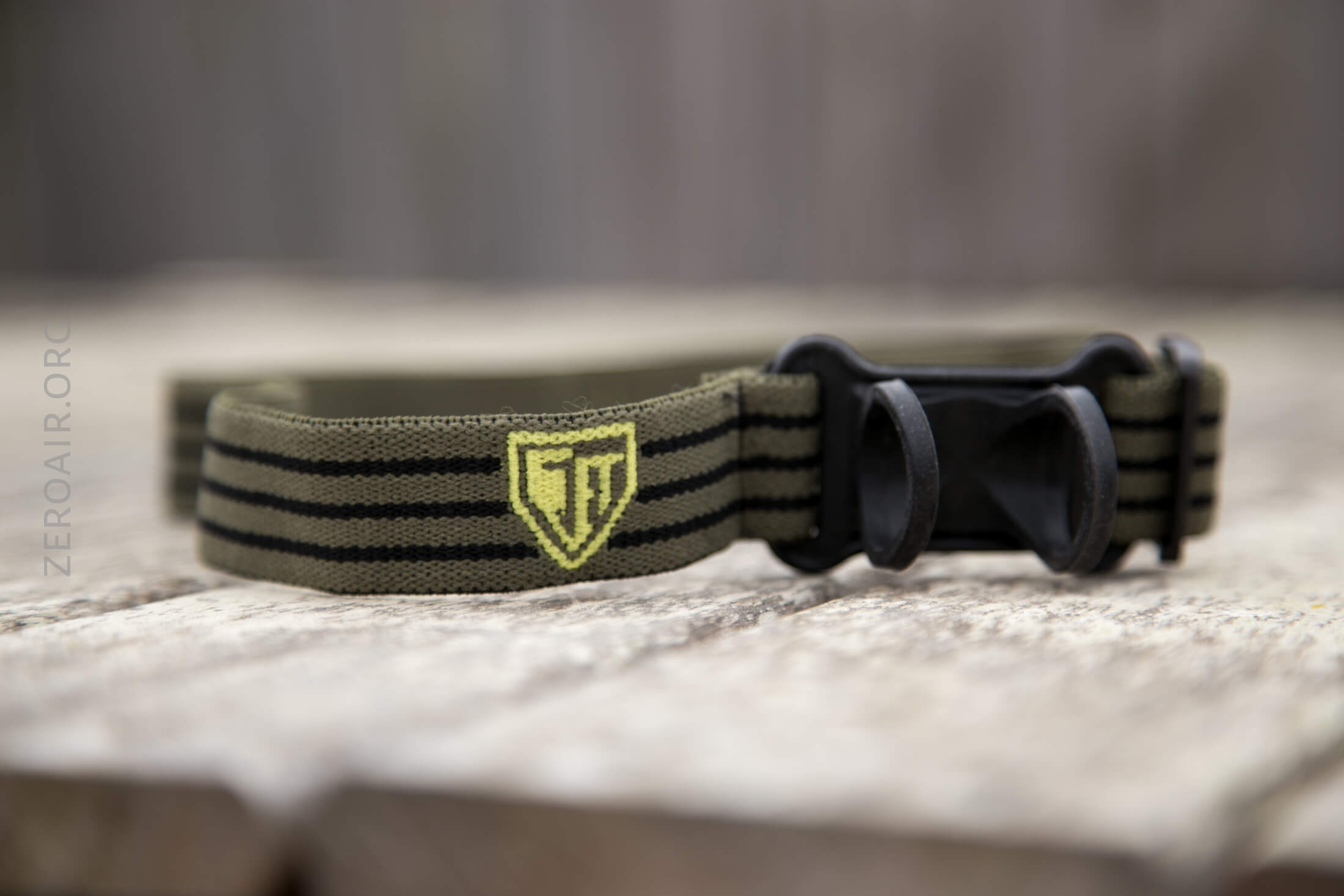
The holder is silicone and the light slips in easily.
There’s no special or extra padding on the back of the light holder, but it’s comfortable enough, being silicone.

The band does not have any grippy for the forehead but is adjustable.

Technically the light fits into the holder with the pocket clip. It may even be removed with the clip on.

The pocket clip is a friction fit clip, fitting only on the head end allowing “head up” (but “bezel out”) carry. The clip is fine, and probably thicker metal than usually seen in this type of clip. It has the style of clips typical of Lumintop.
The pocket clip gets in the way of unscrewing the head just a little (enough to scratch the head, though!)

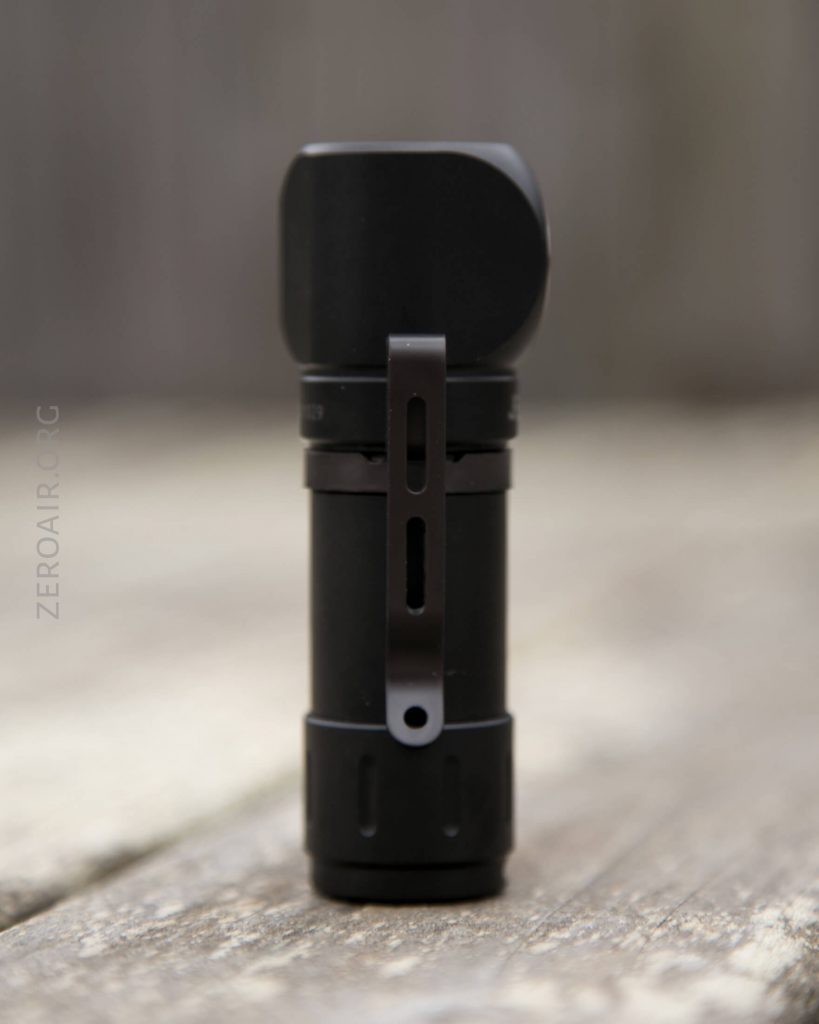

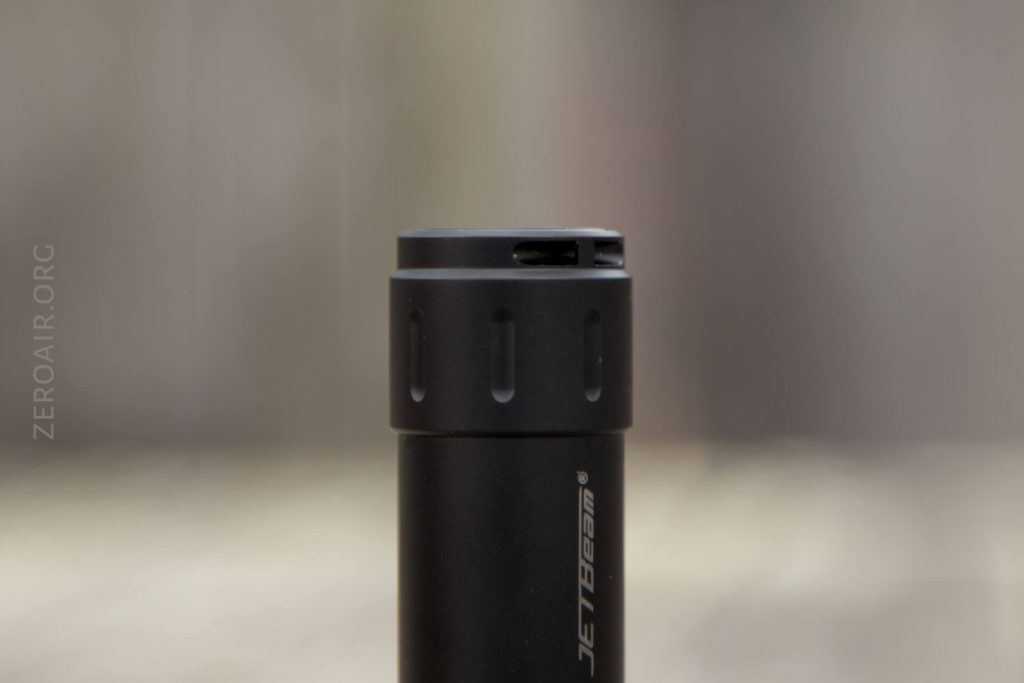
There’s also a lanyard hole in the tailcap.

Power and Runtime
Power is provided to the HR10 by a single 18350 lithium-ion cell. This is a regular button top cell, despite the light also offering onboard charging.

Note that the cell has both positive and negative terminals on one end. That’s what allows charging inside the HR10.


The light requires the cell be in reverse orientation from normal. The negative terminal of the cell is toward the head of the light.
Here are a couple of runtimes.


The light shuts off cleanly at a high-ish 3.2ish volts. There’s also a voltage indicator just beside the charge port (seen below). When the cell is below 10%, the indicator will flash red.
Charging
The charge port is a USB-C port, and does not have a cover. The light still states IPX7, which is 1m immersion for 30 minutes, so I have to suppose that this is a waterproof USB-C port (something that does exist).

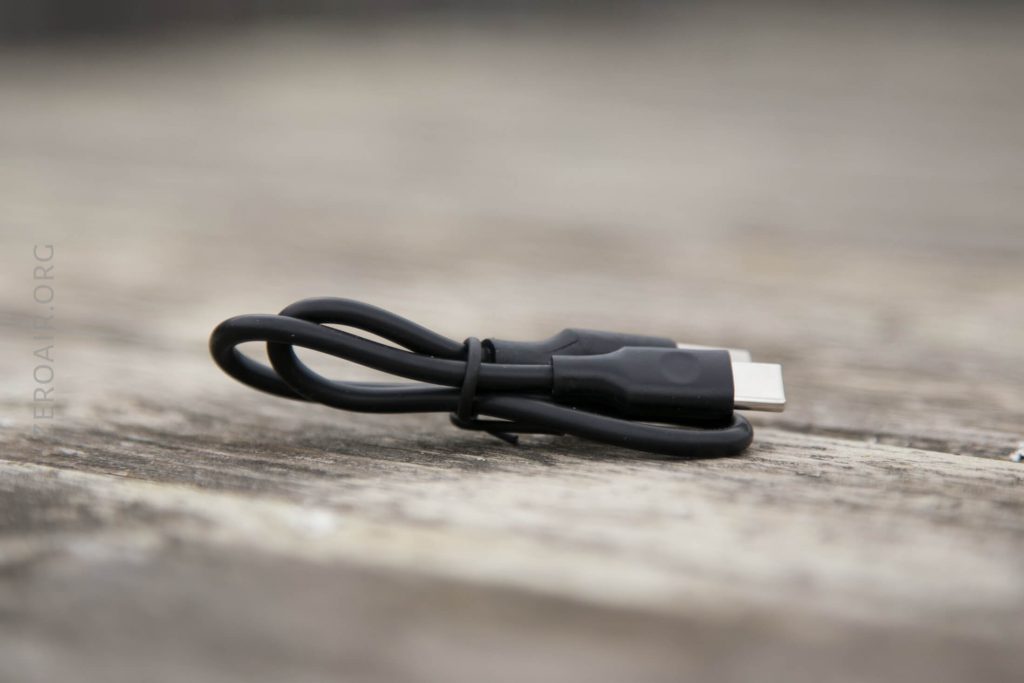
An appropriate cable is included: USB to USB-C.
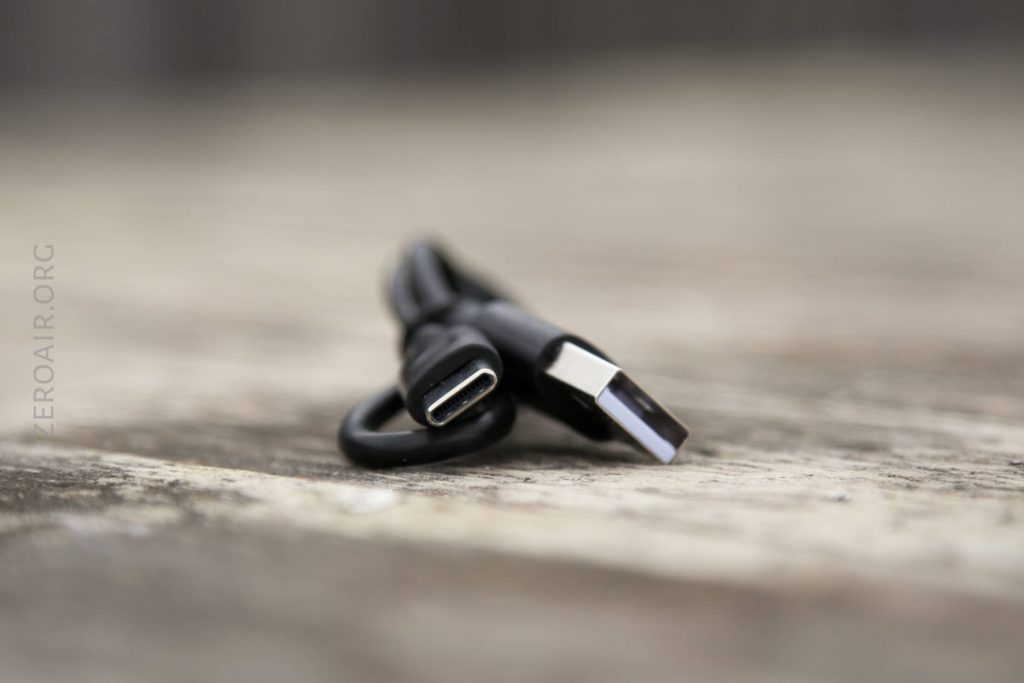
Charging looks good and more importantly is consistent. Charging is at near-1C.

Modes and Currents
| Mode | Mode Claimed Output (lm) | Claimed Runtime | Measured Lumens | Tailcap Amps |
|---|---|---|---|---|
| High | 700+280 | 3m+1.7h | 685 | 1.47 |
| Middle | 280 | 1.8h | 280 | 0.45 |
| Low | 75 | 7.7h | 78 | 0.11 |
| Eco | 6 | 60h | 3 | 0.02 |
Pulse Width Modulation
No PWM is seen.
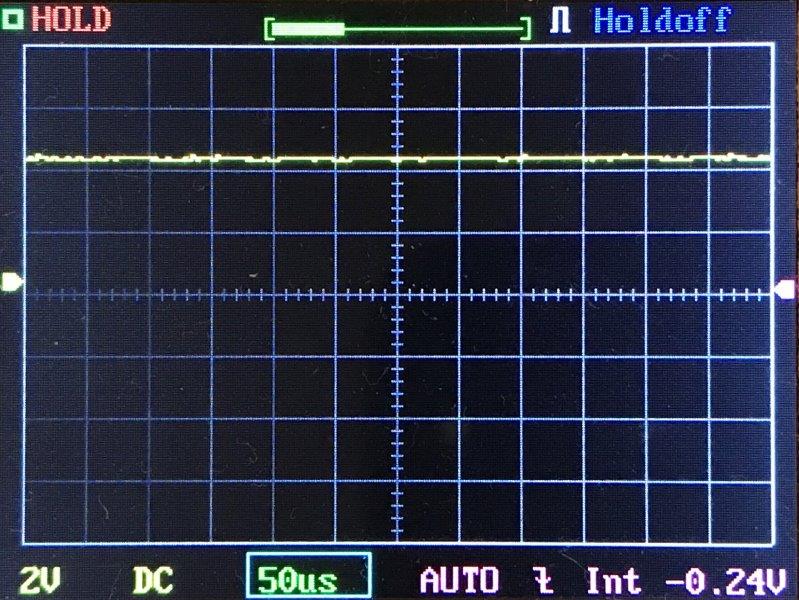

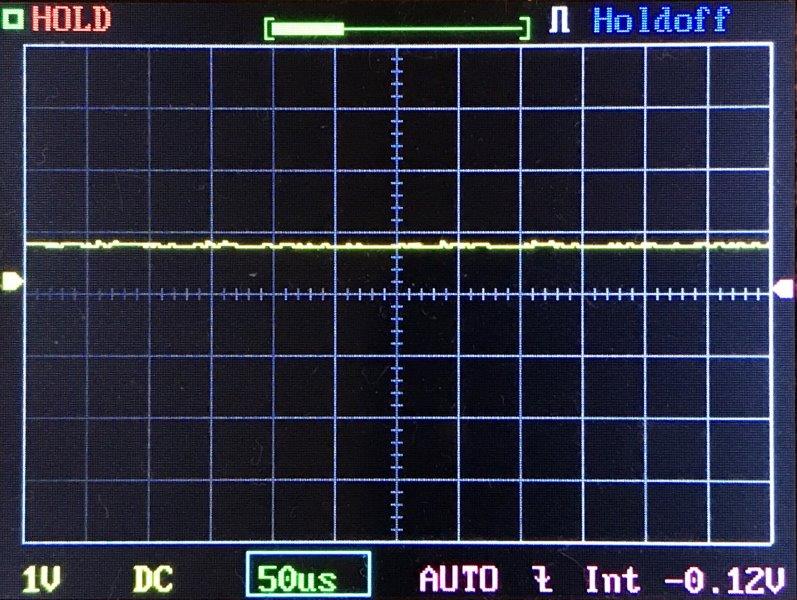
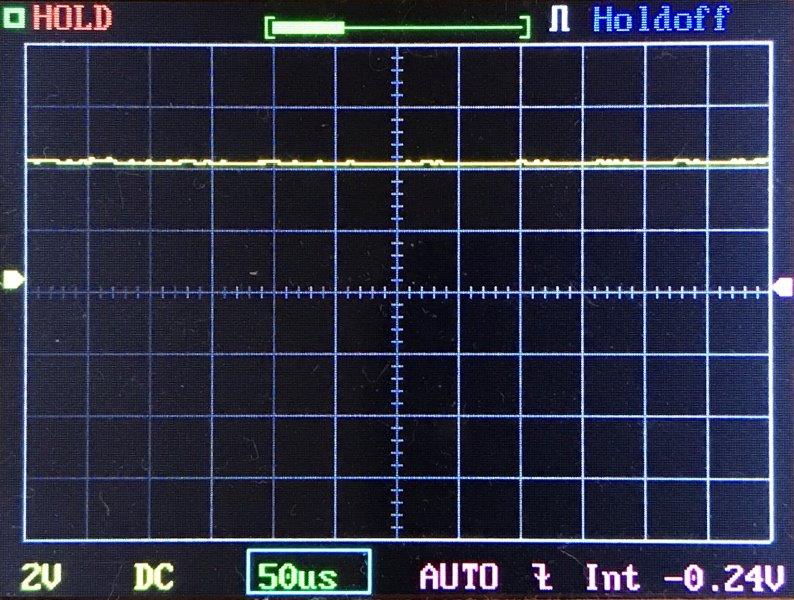
Here you can see a “baseline” – a chart with almost no light hitting the sensor.

Then there’s the Ultrafire WF-602C flashlight, which has some of the worst PWM I’ve seen. It’s so bad that I used a post about it to explain PWM! Here are multiple timescales (10ms, 5ms, 2ms, 1ms, 0.5ms, 0.2ms) to make comparing this “worst” PWM light to the test light easier. That post also explains why I didn’t test the WF-602C at the usual 50us scale.


User Interface and Operation
There’s one switch on the HR10 – an indicating e-switch on the head. This switch isn’t opposite the bezel, it’s 90 degrees to it.

Here’s a user interface table!
| State | Action | Result |
|---|---|---|
| Off | Click | On (Mode Memory) |
| On | Click | Off |
| Off | Hold | Eco |
| On | Hold | Mode advance (LMH only) |
| Any (unlocked) | Double Click | High |
| Off | Long Hold | Eco then off then Lock (signified by two flashes of “Low”) – |
| Locked | Click | Switch blinks red to signify Lock |
| Locked | Long Hold | Unlock to Low |
There are no strobes or special modes!
LED and Beam
The emitter is a Cree XP-L HD. The manual I have states this accurately. Every sales item I’ve seen states XP-L HI. BangGood does too, and their product photos show XP-L HD as well.

This emitter is behind a TIR optic. The beam profile is quite a bit of spot.

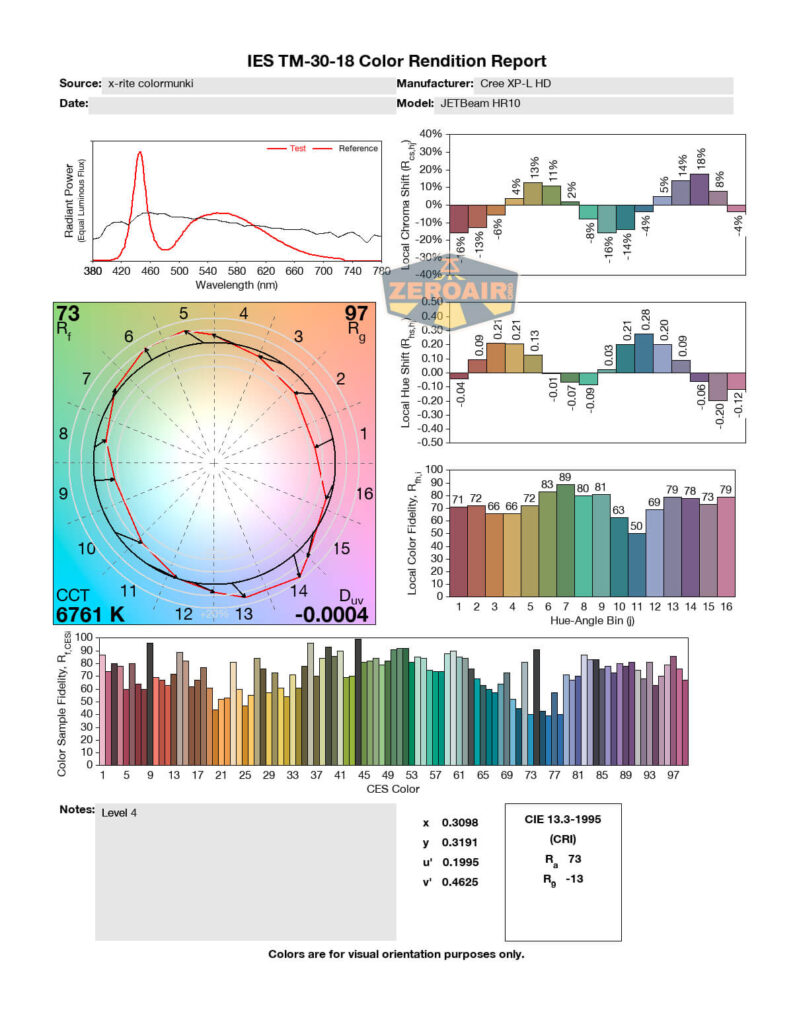
LED Color Report (CRI and CCT)


Beamshots
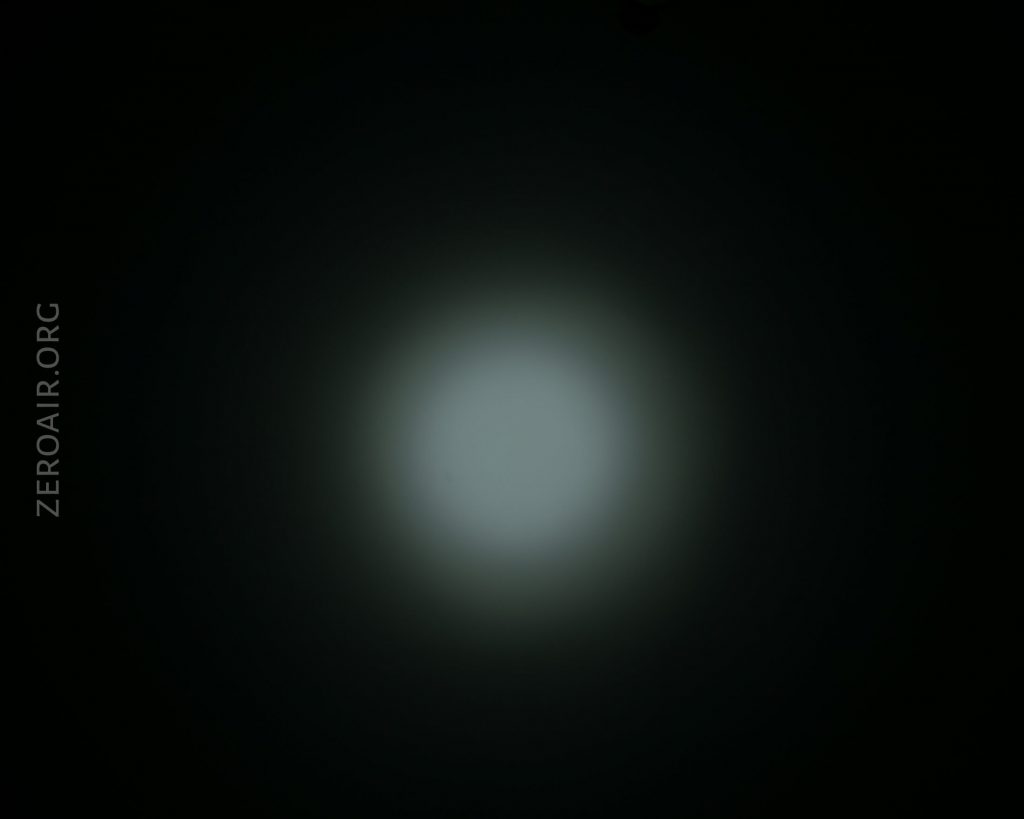
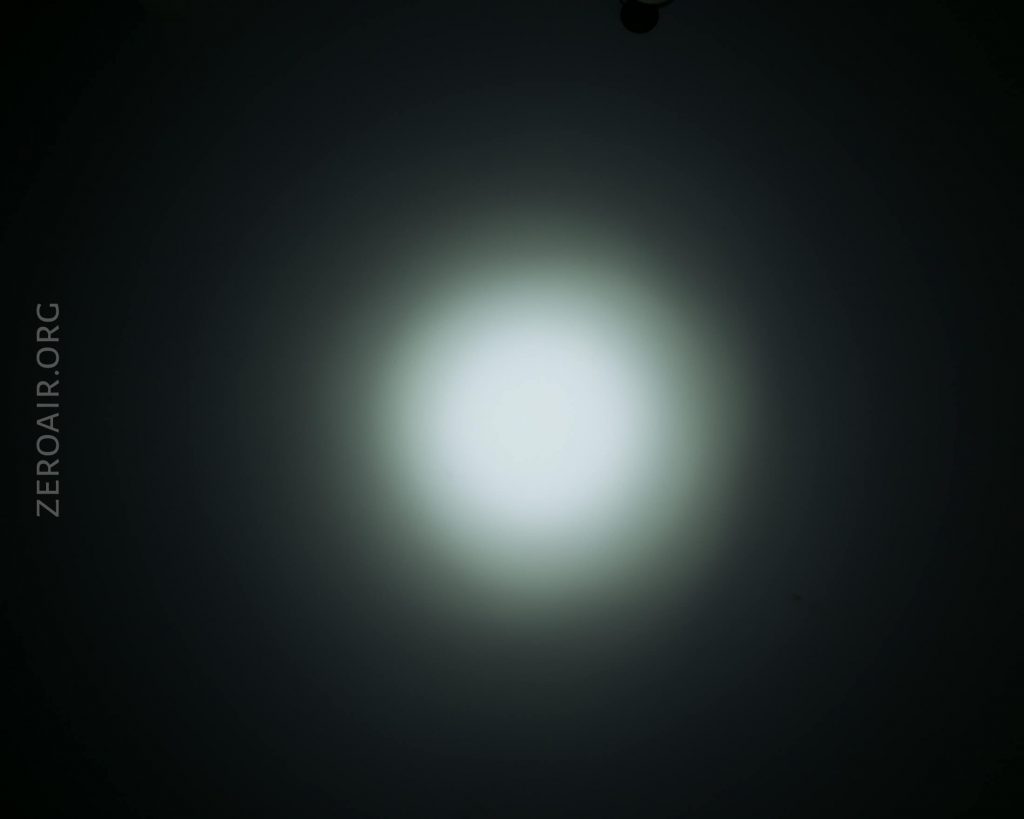
These beamshots always have the following settings: f8, ISO100, 0.3s shutter, and manual 5000K exposure. These photos are taken at floor level, and the beam hits the ceiling around 9 feet away.


Tint vs BLF-348 (KillzoneFlashlights.com 219b version) (affiliate link)
I keep the test flashlight on the left and the BLF-348 reference flashlight on the right.

I compare everything to the Killzone 219b BLF-348 because it’s inexpensive and has the best tint!
Conclusion
What I like
- Complete Package
- Hits specs for throw and output
- USB-C Charging
- Indicator
- Cool white emitter
- HD emitter instead of the promoted Cree XP-L HI
- Tritium slots are fun
What I don’t like
- The pocket clip gets in the way of unscrewing the head just a little (enough to scratch the head)
- Cell is proprietary
Notes
- This light was provided by BangGood for review. I was not paid to write this review.
- This content originally appeared at zeroair.org. Please visit there for the best experience!
- Use my amazon.com referral link if you’re willing to help support making more reviews like this one!
- Please support me on Patreon! I deeply appreciate your support!
Hi… Can’t use normalb18350 cell in it?
I guess you mean “flat top” 18350…. what’s included is a “normal” 18350 as well, just a button top variety. Yes, a flat top 18350 should work no problem.