
Wuben H4 Multi-Function Headlight Review
The Wuben H4 multi-function headlight has two e-switches and can run an included battery pack or three AAA cells. It has a flood, throw, and red channel!
Official Specs and Features
Here’s a link to the Wuben H4 Multi-function headlight product page.
Versions
There’s just one “version,” but it is available in three body colors. White (seen here), black, and sand.
Price
The Wuben H4 multi-function headlight sells for under $30! It’s available now at Wuben.com, and it’s also available for the same price at Amazon.com (referral link)!
What’s Included

- Wuben H4 multi-function headlight
- Headband
- Charging cable
- Manual
Package and Manual
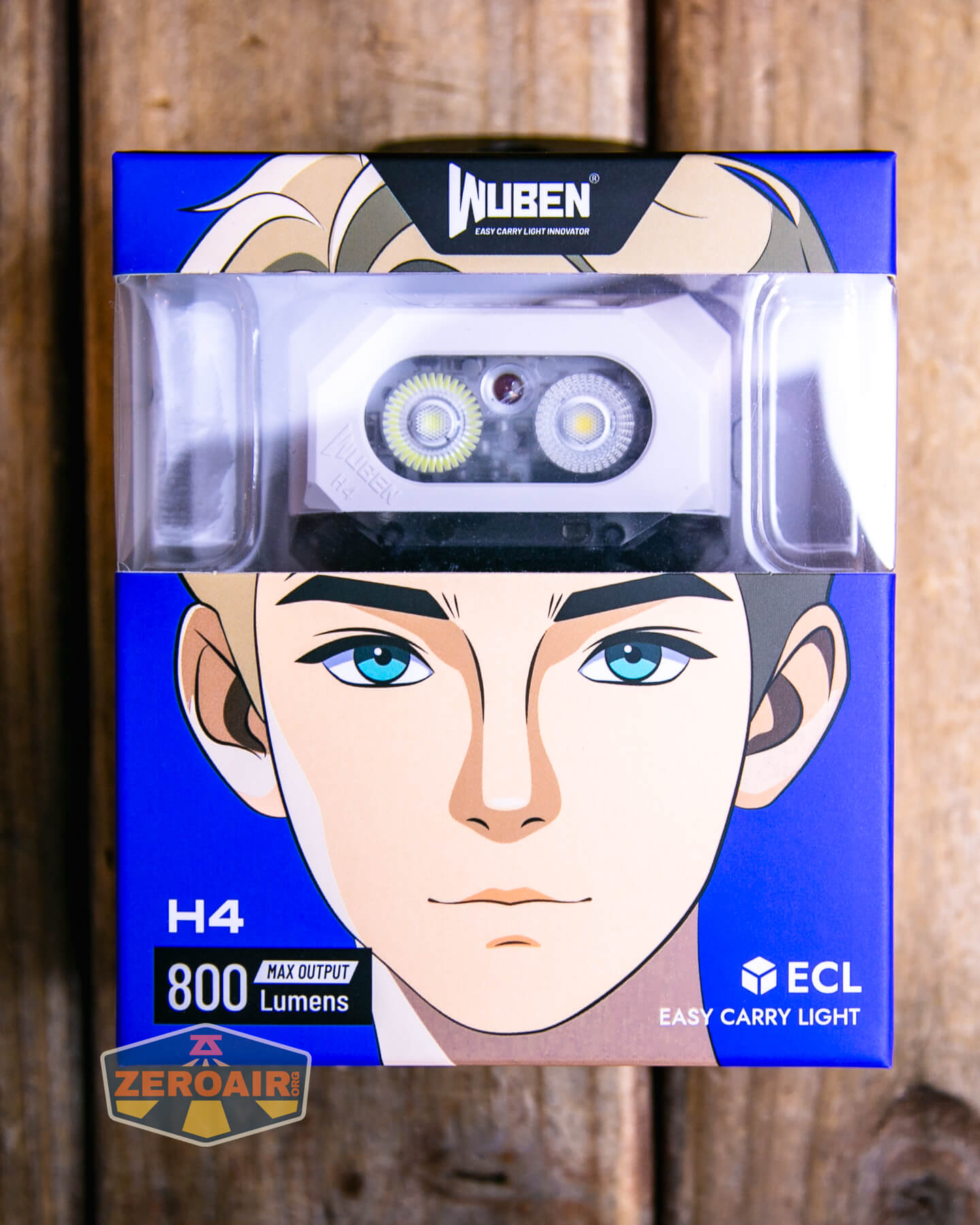

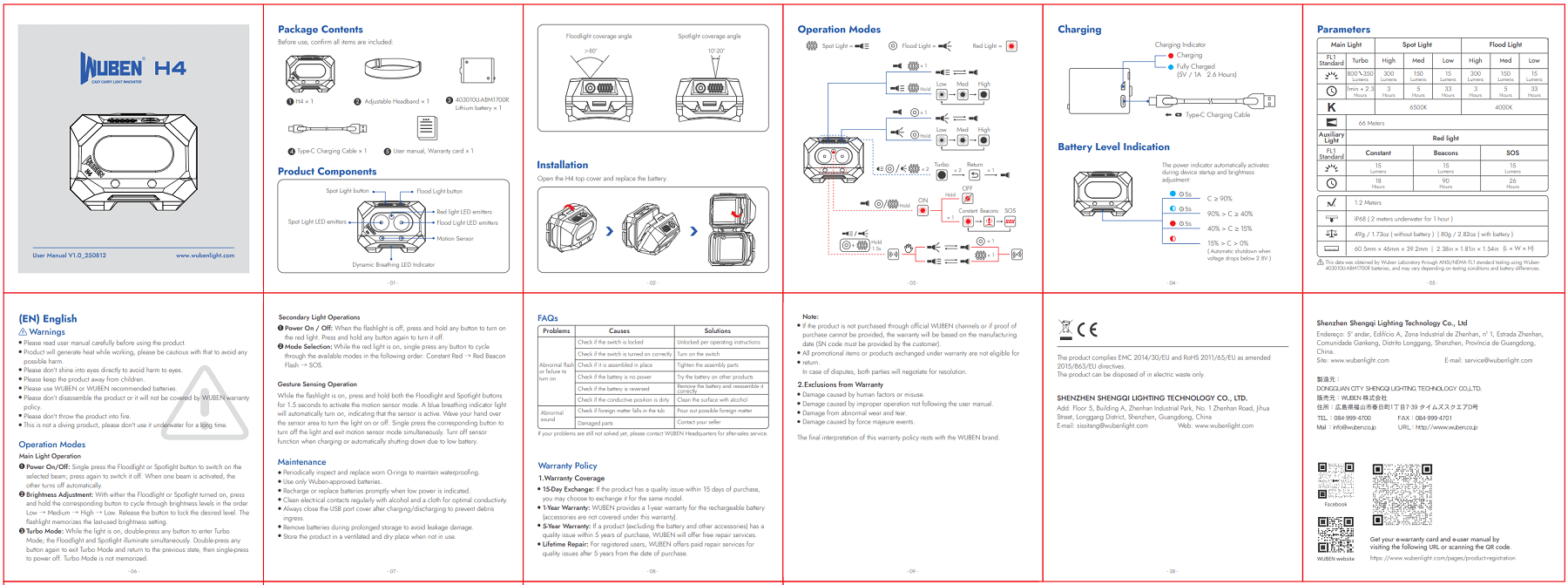
Build Quality and Disassembly

The Wuben H4 multi-function headlight is a plastic headlamp. That’s an important point when it comes to the build quality.
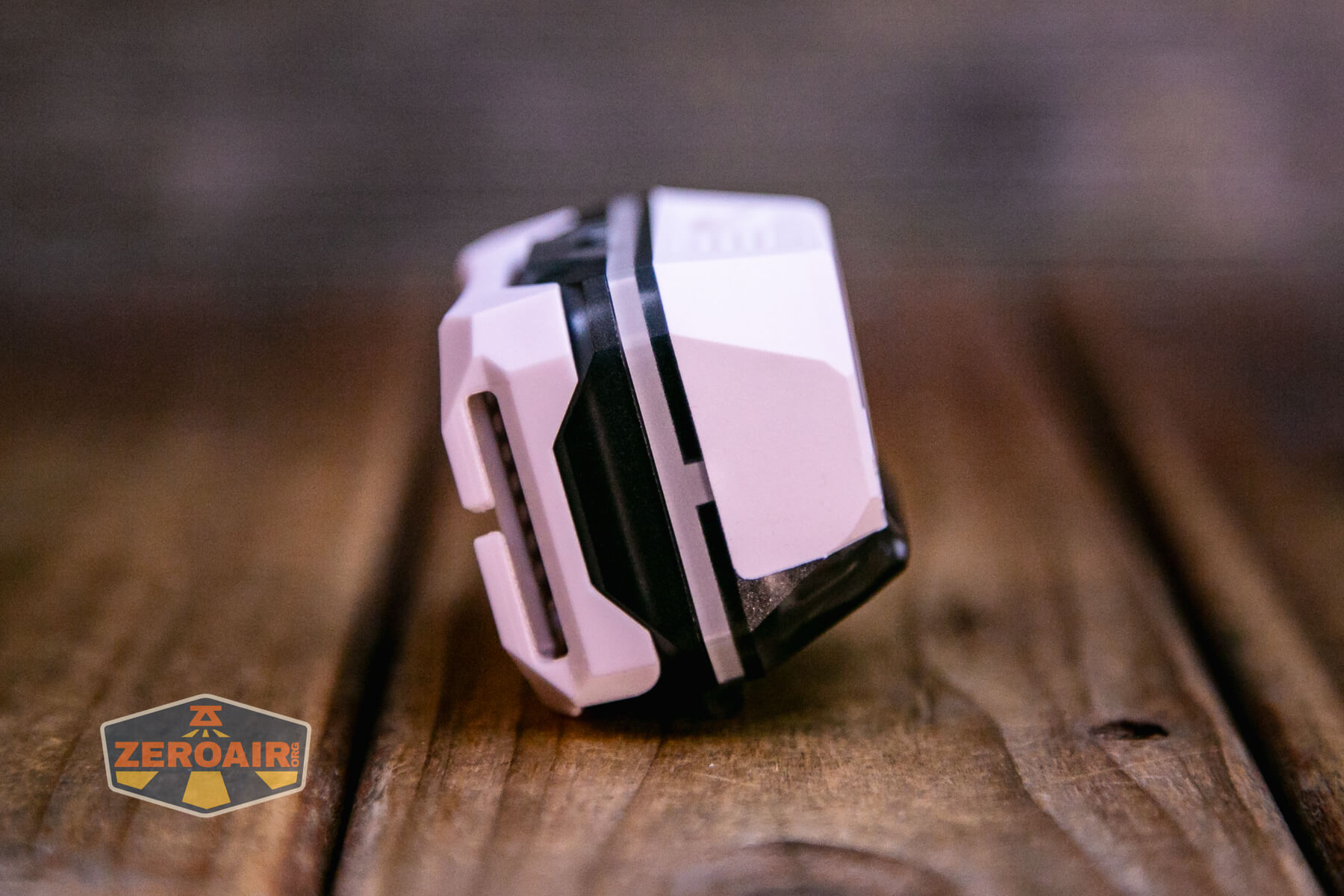
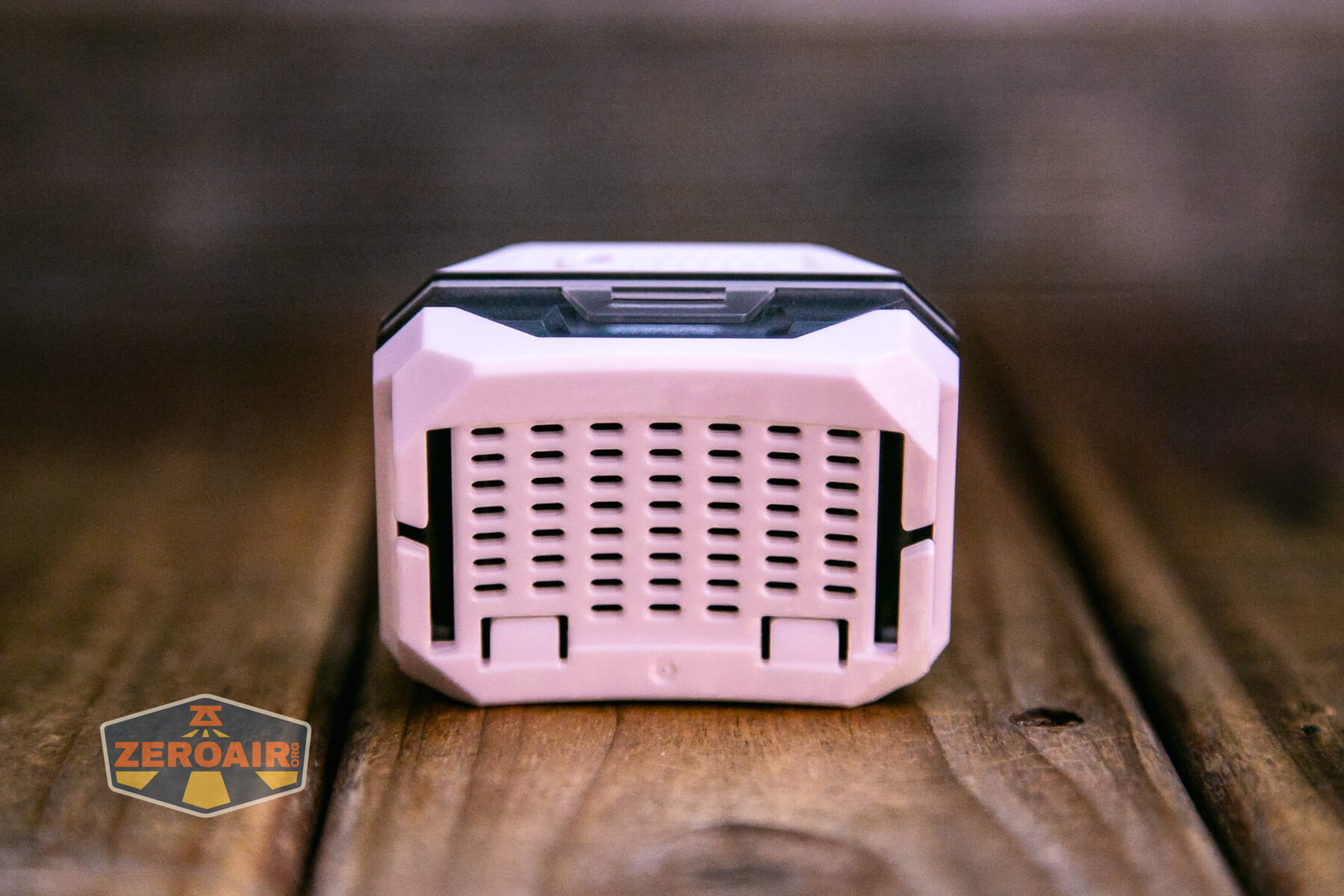
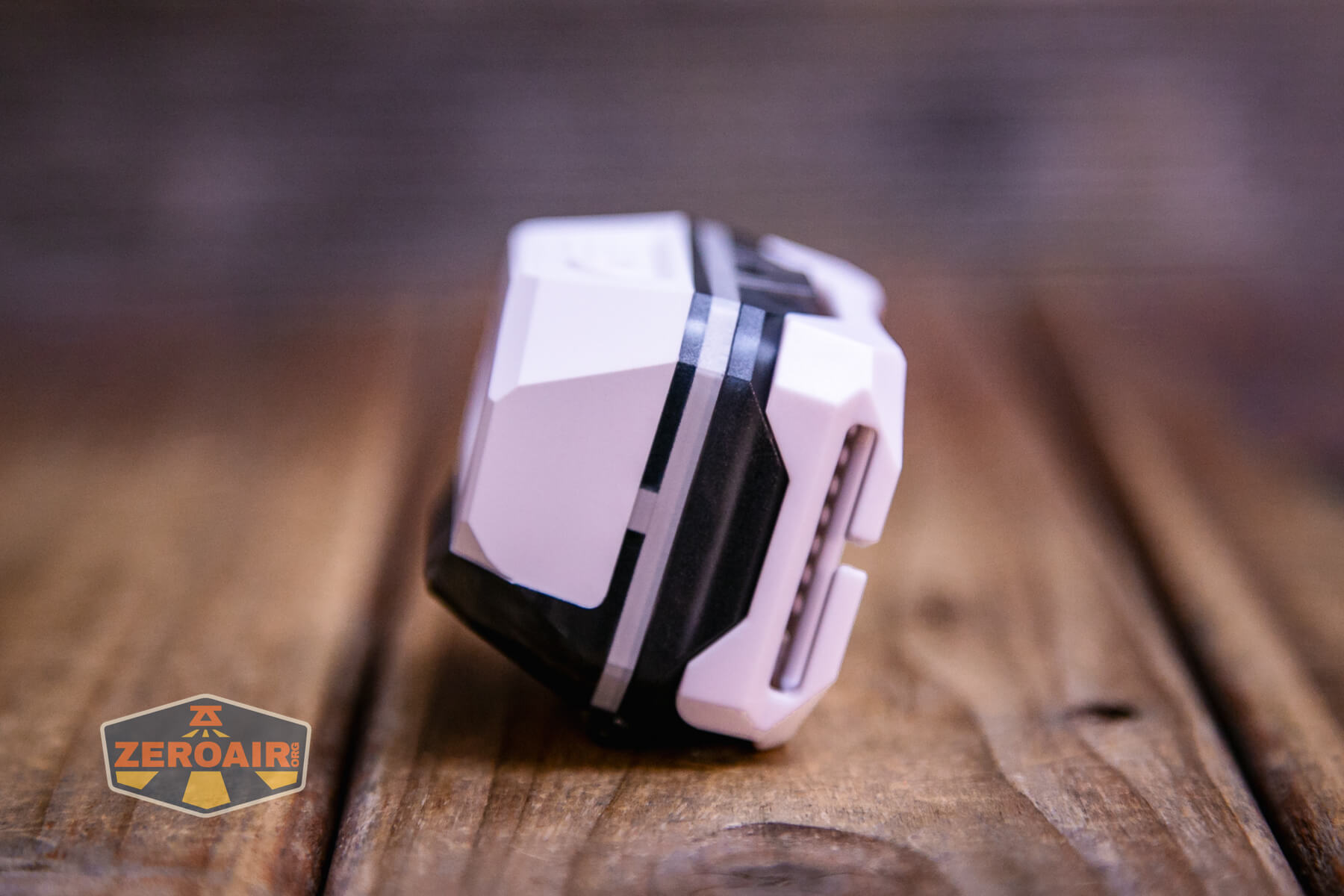
The hinges are plastic.
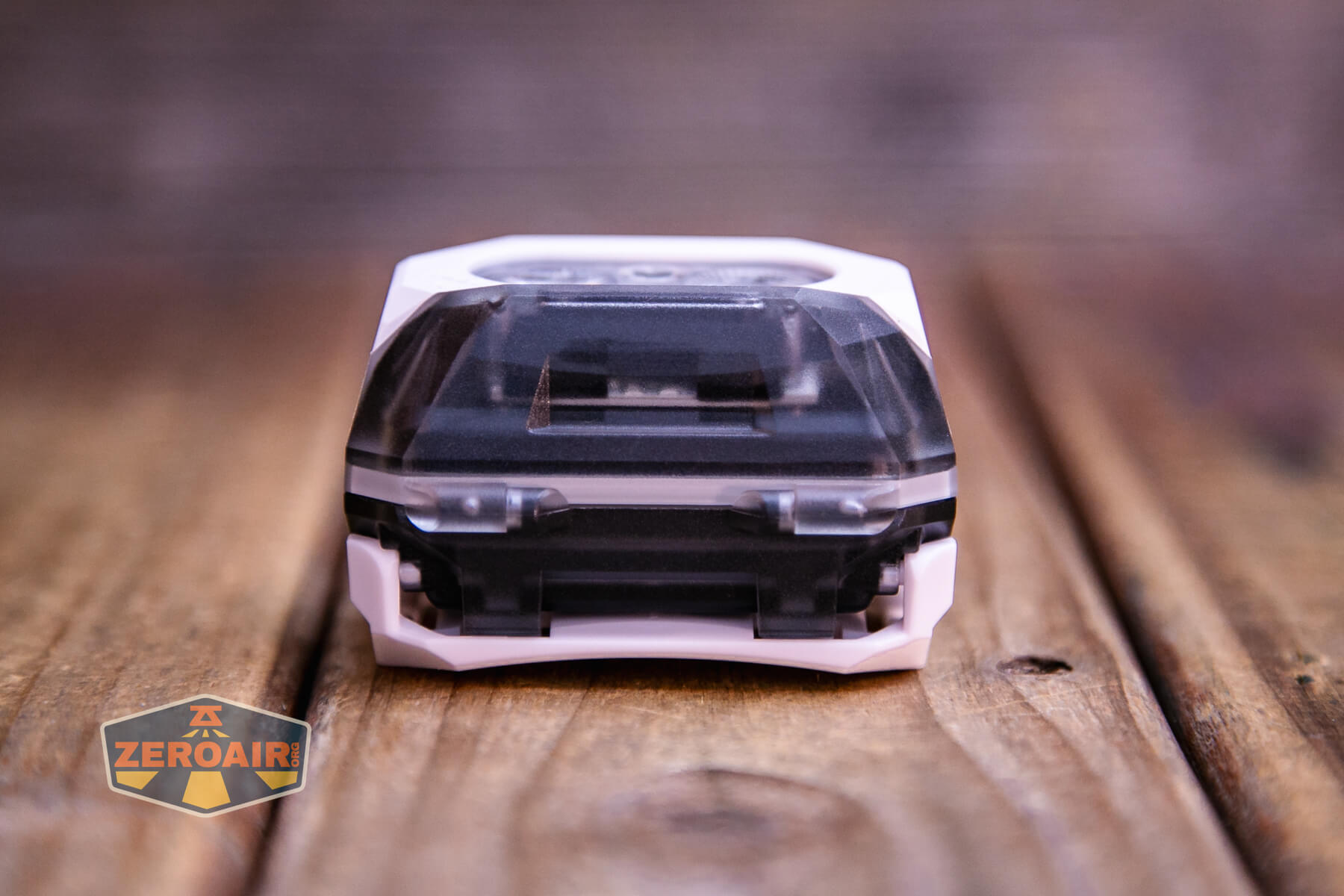
And most importantly, the latch is plastic. The latch is that little piece on the lower half below. You have to lift that up and disconnect it for the light to open. It’s just a matter of time until this breaks off. In fact, it feels very “breaky” even when it’s used properly just for opening the light. (And you must open the light to charge or swap the power source.)

Size and Comps
60.5mm x 46mm x 39.2mm and 49g (80g with battery).
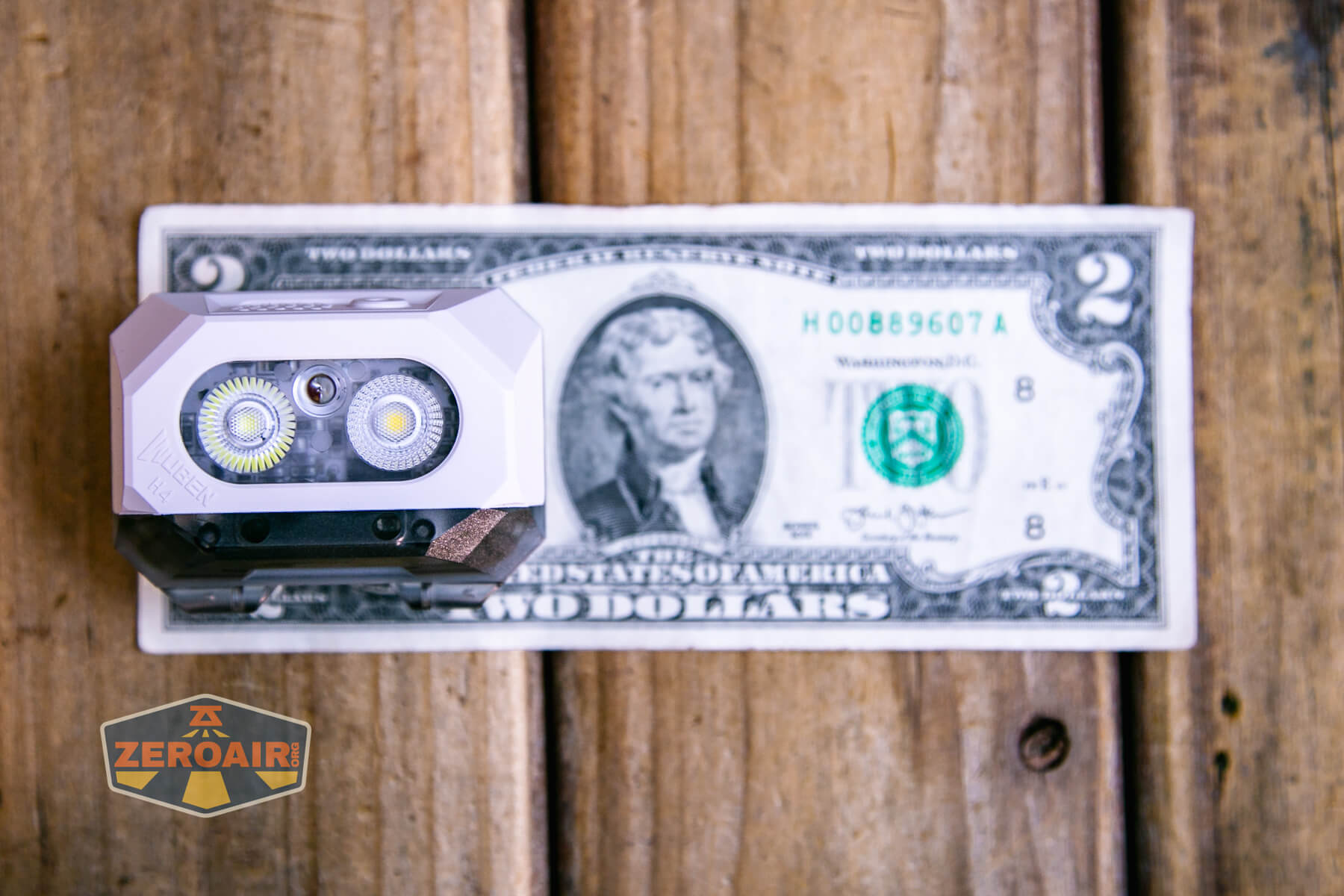
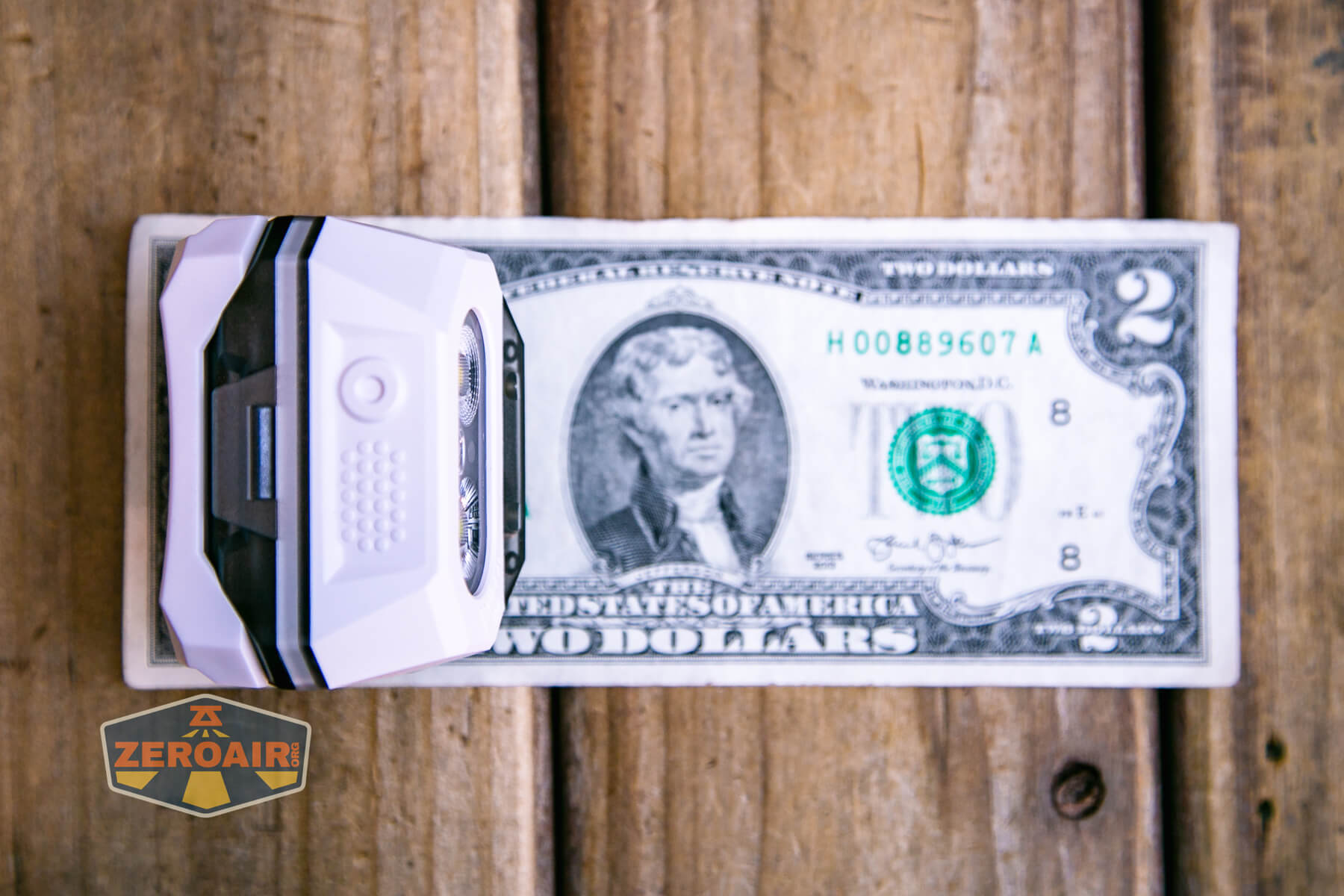
Here’s the light in hand:
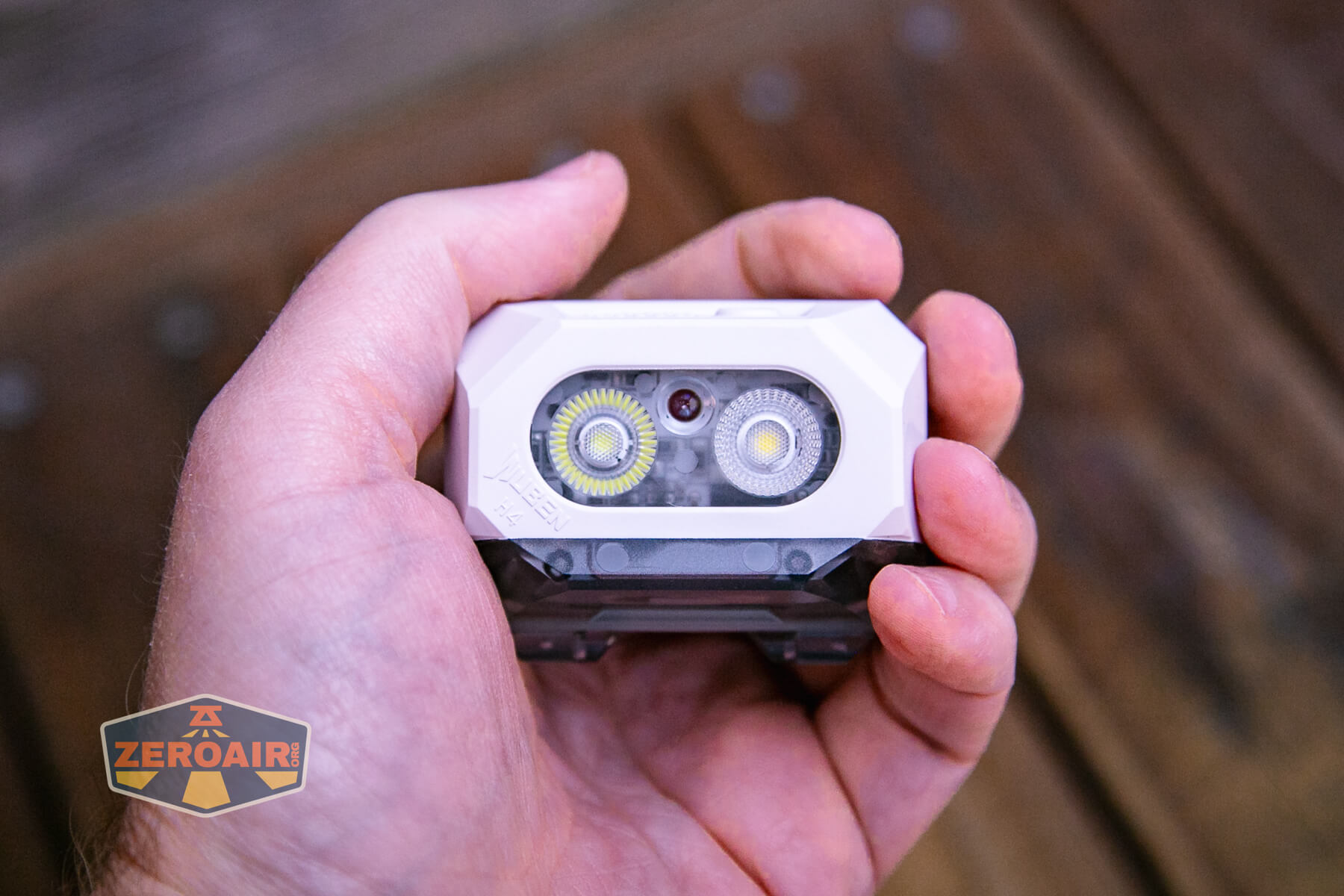

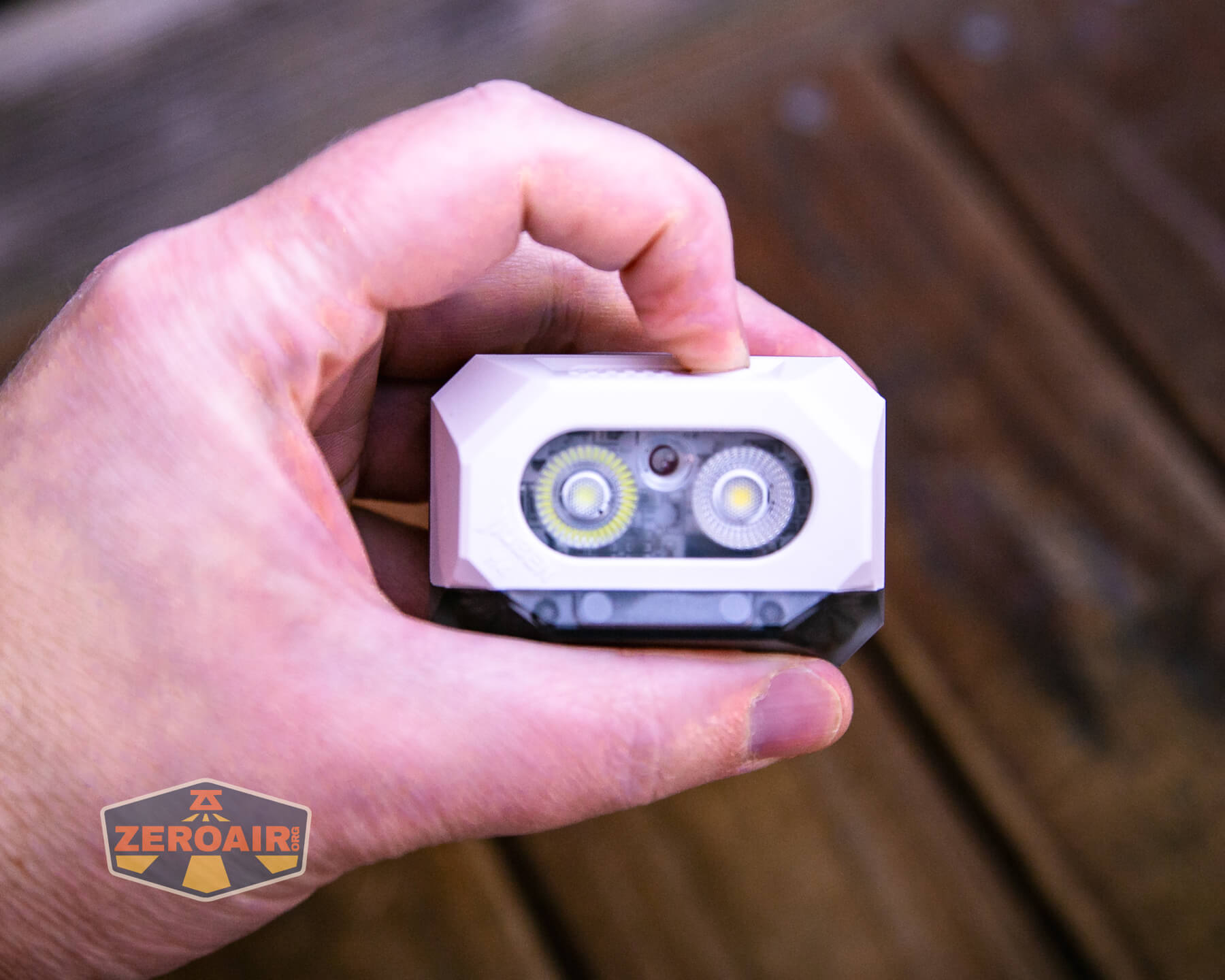
Retention and Carry
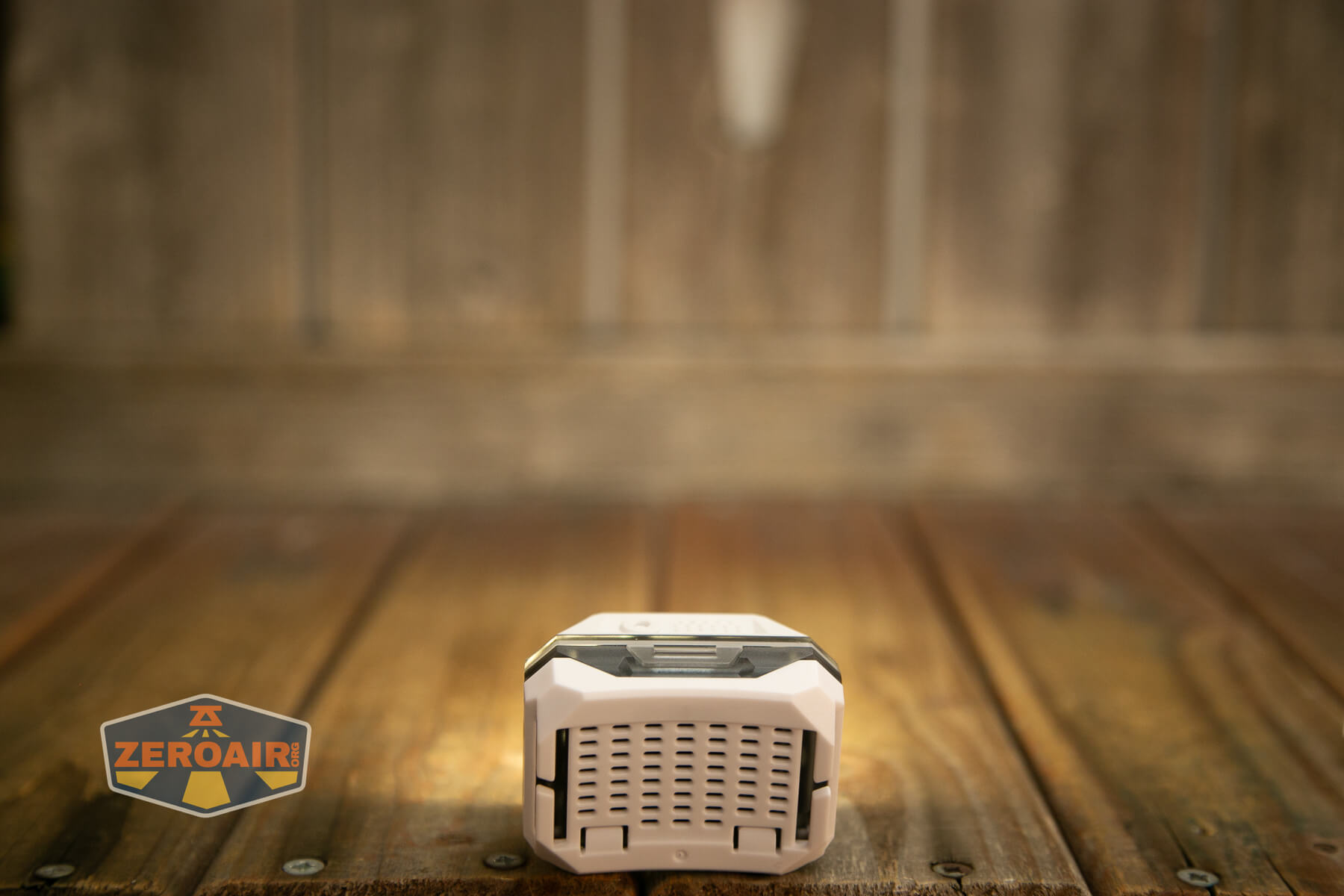
This is only a headlamp. A stretchy strap is included, and it just slips through the slits on the light.
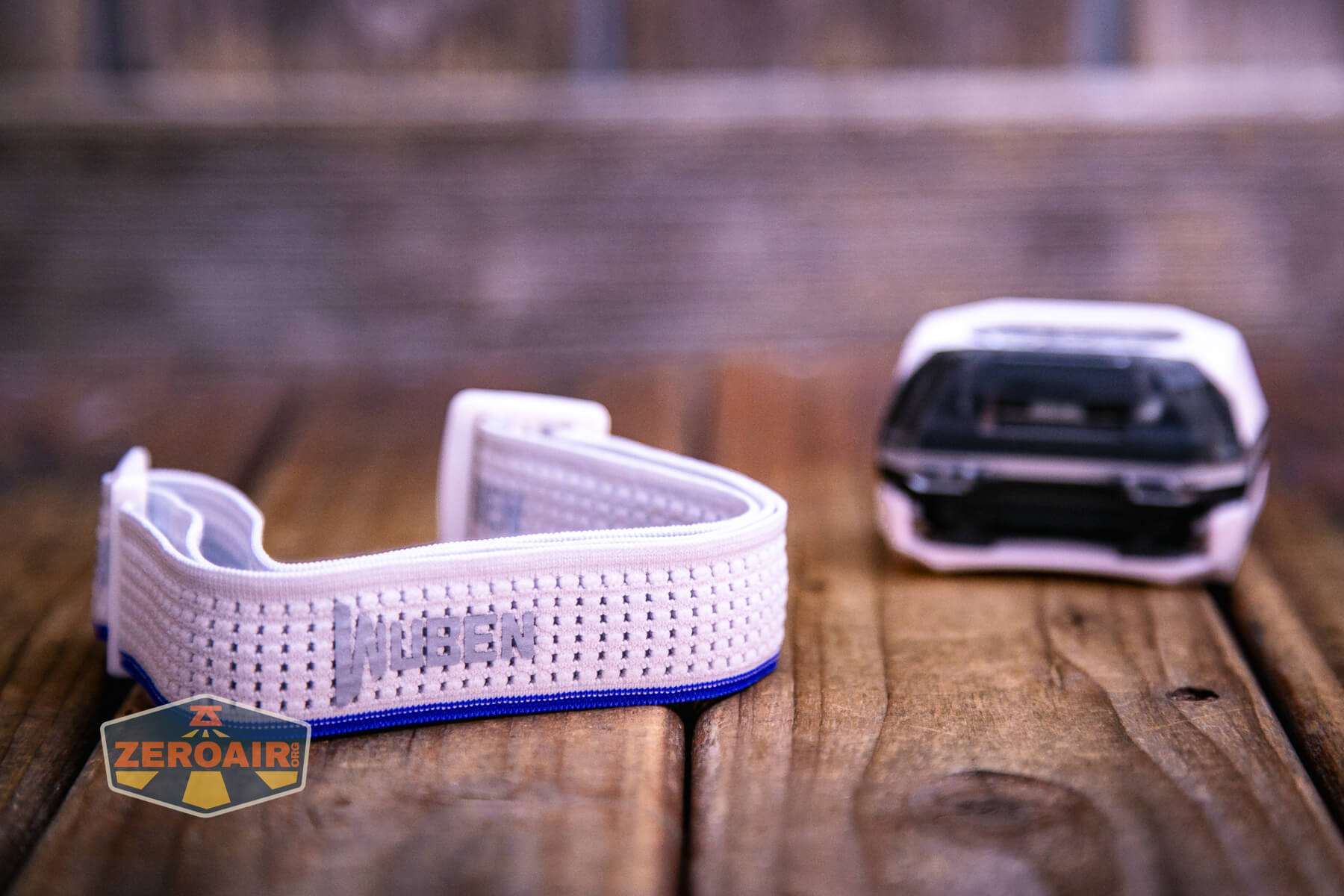
The photo below isn’t the light “open” – that’s just the adjustable back for tilting the light. You can also see the ridges in the hinges, which help hold the light in place.
There’s no over-the-top headband on the Wuben H4 multi-function headlight. That’s pretty ok since it’s mostly plastic and 80g.
Power and Runtime
The Wuben H4 multi-function headlight can run an included Li-ion battery pack, which is 1700mAh.
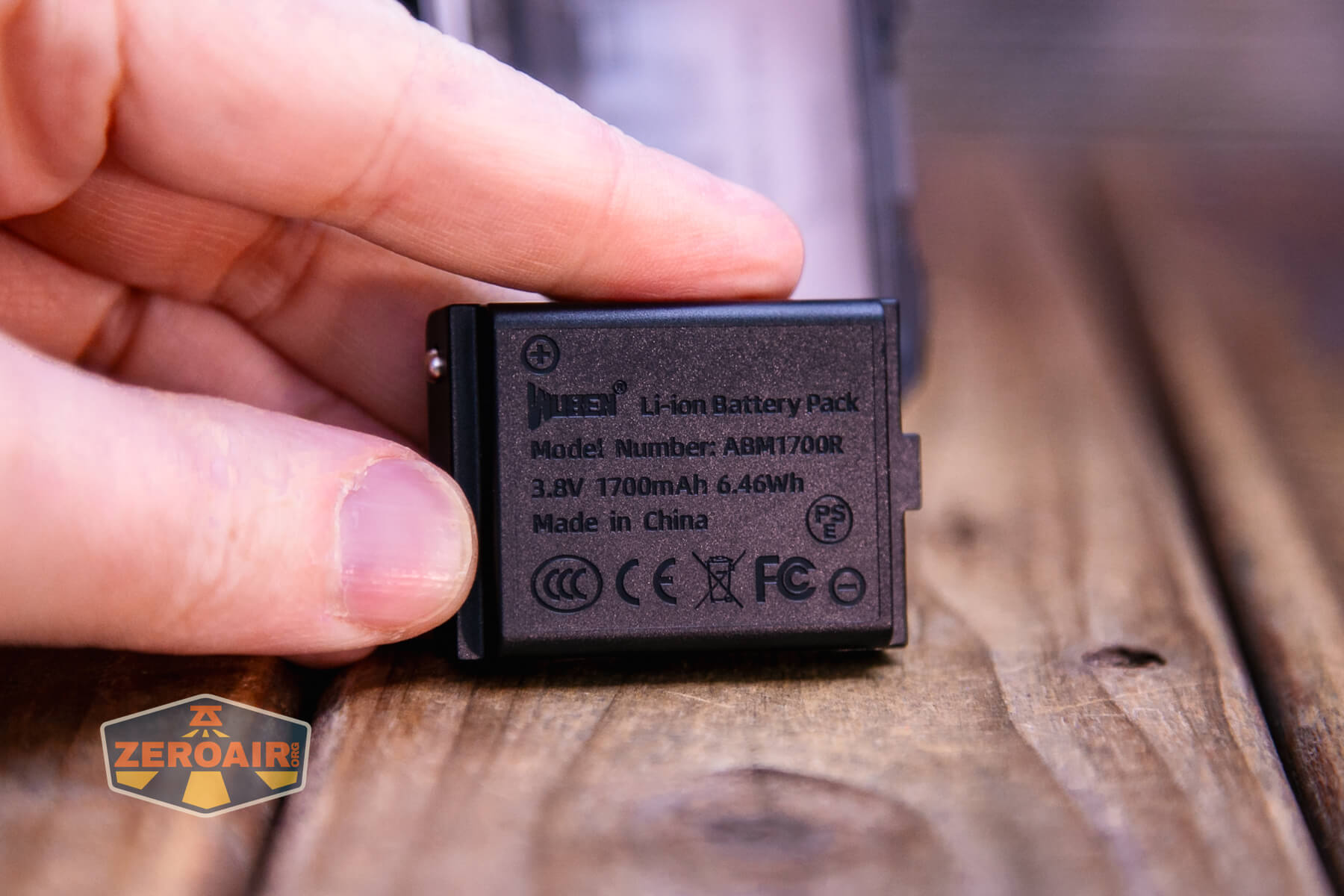
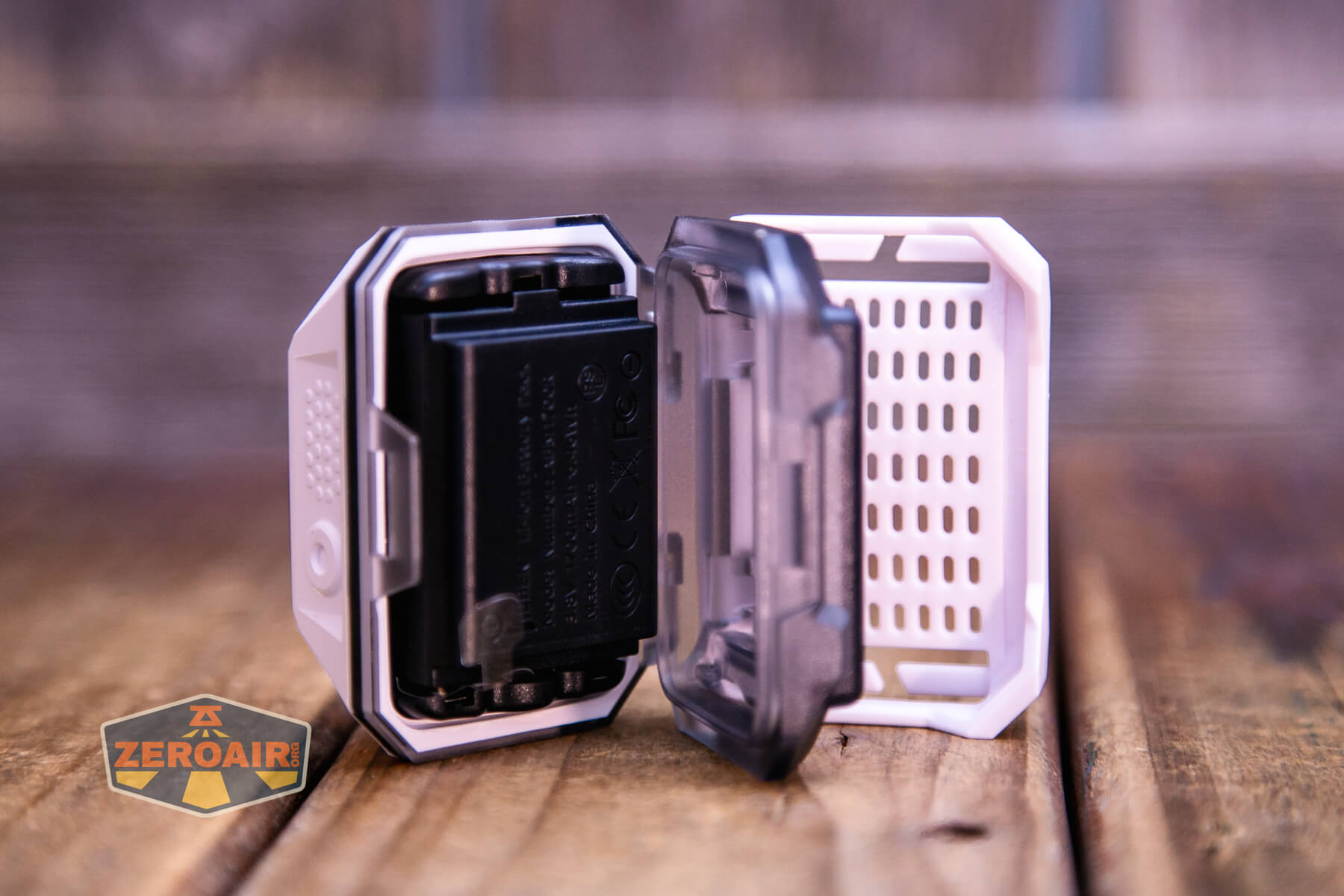
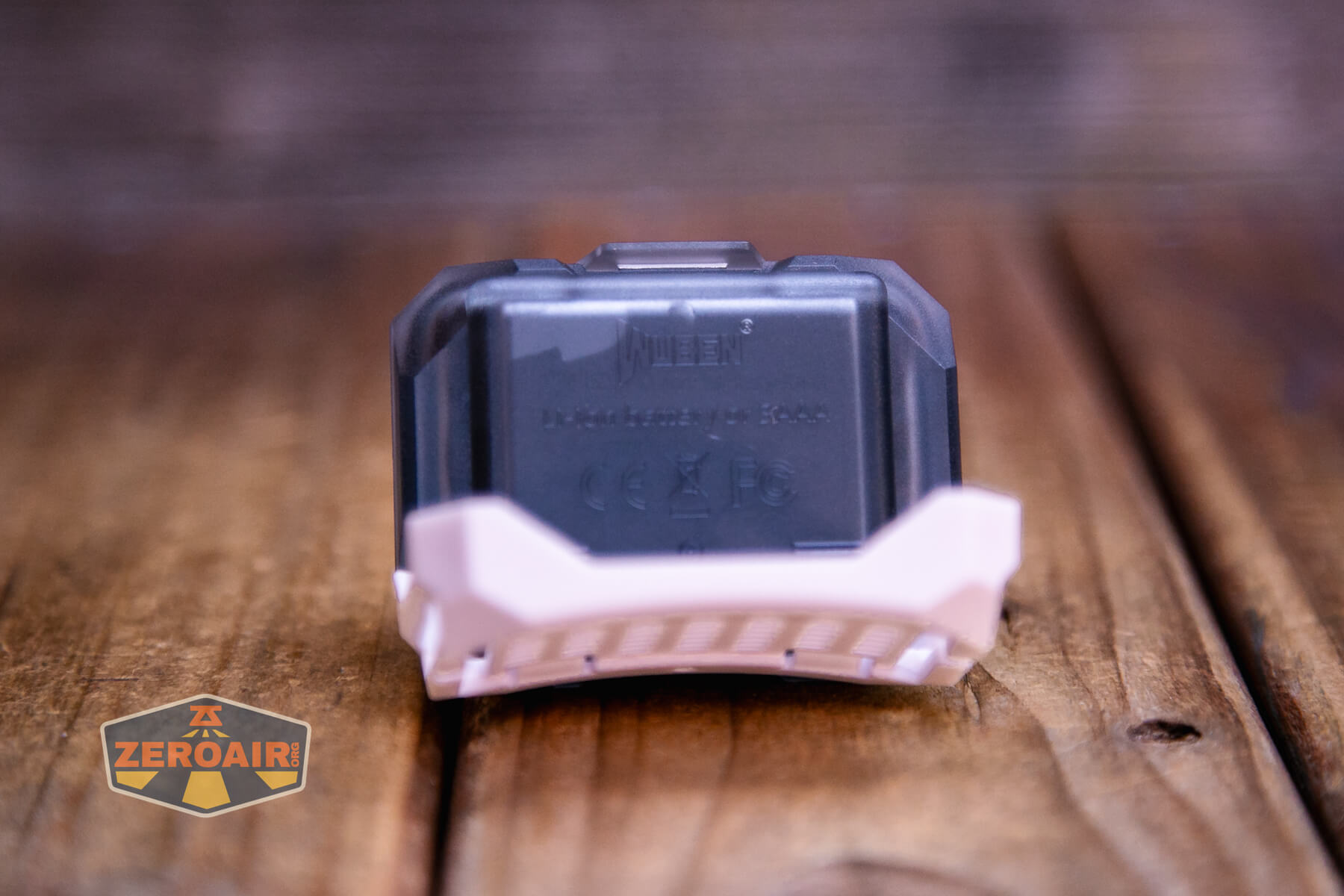
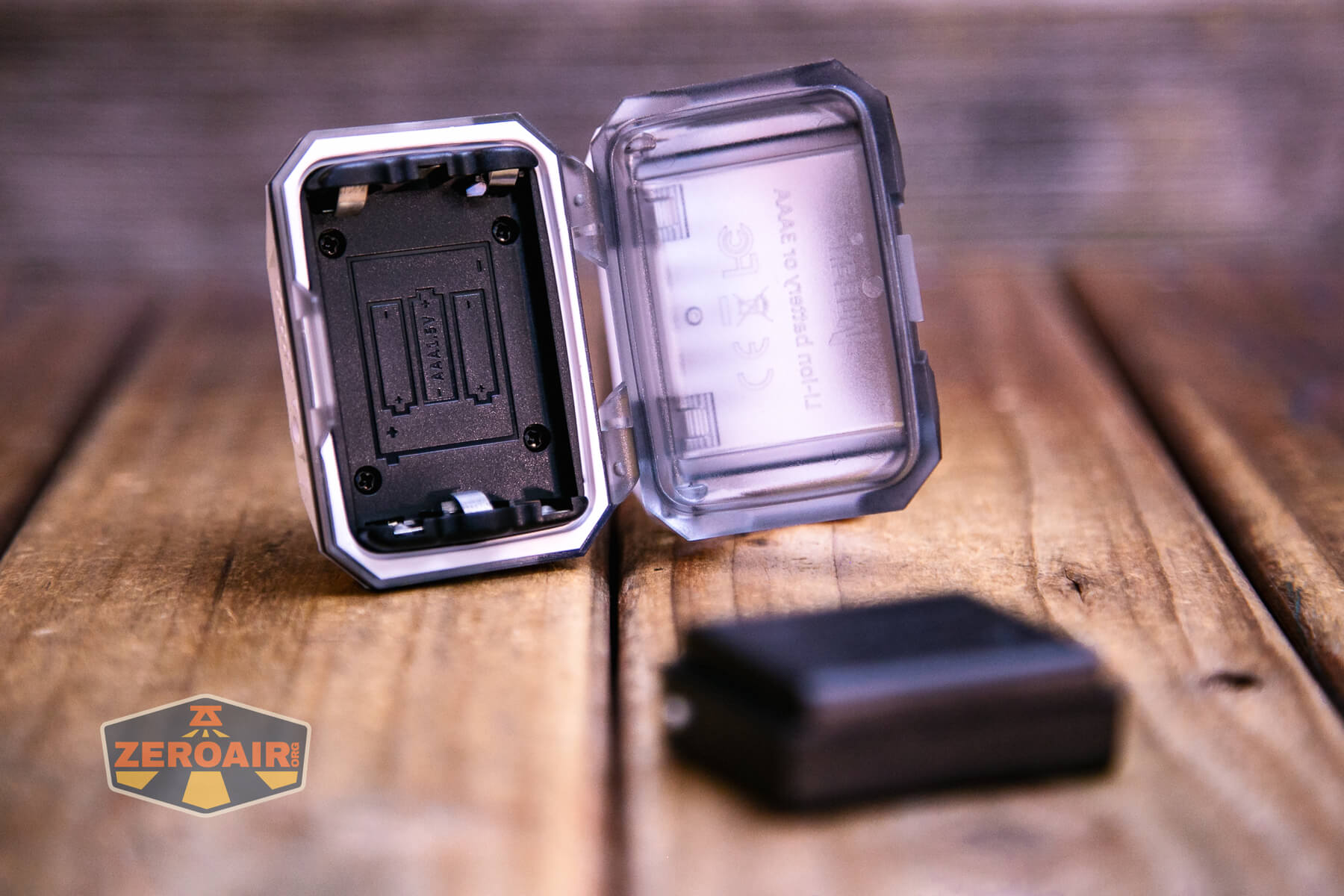
Unsurprisingly, the battery is directional, and I had the worst time getting it right every time. I have to look for the little icon inside the back of the light then line that up with the battery pack parts… It is just sort of a pain. (You can’t do it wrong though, so it’s not dangerous.)

The Wuben H4 multi-function headlight can also use three AAA cells! That’s a great feature!


Below you can see runtime tests for a number of modes. Output isn’t all that high, but is approximately around the claimed levels, which is great.
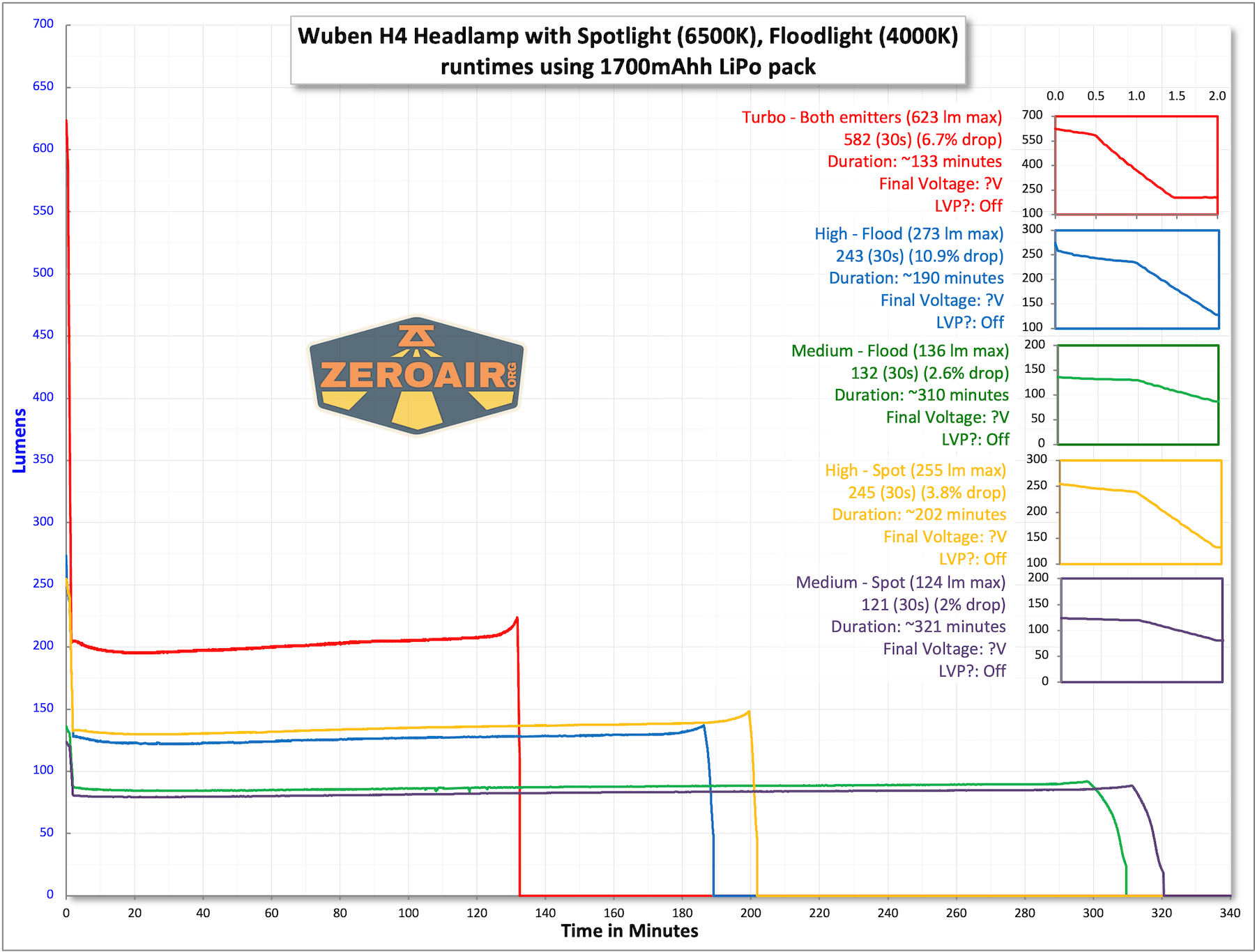
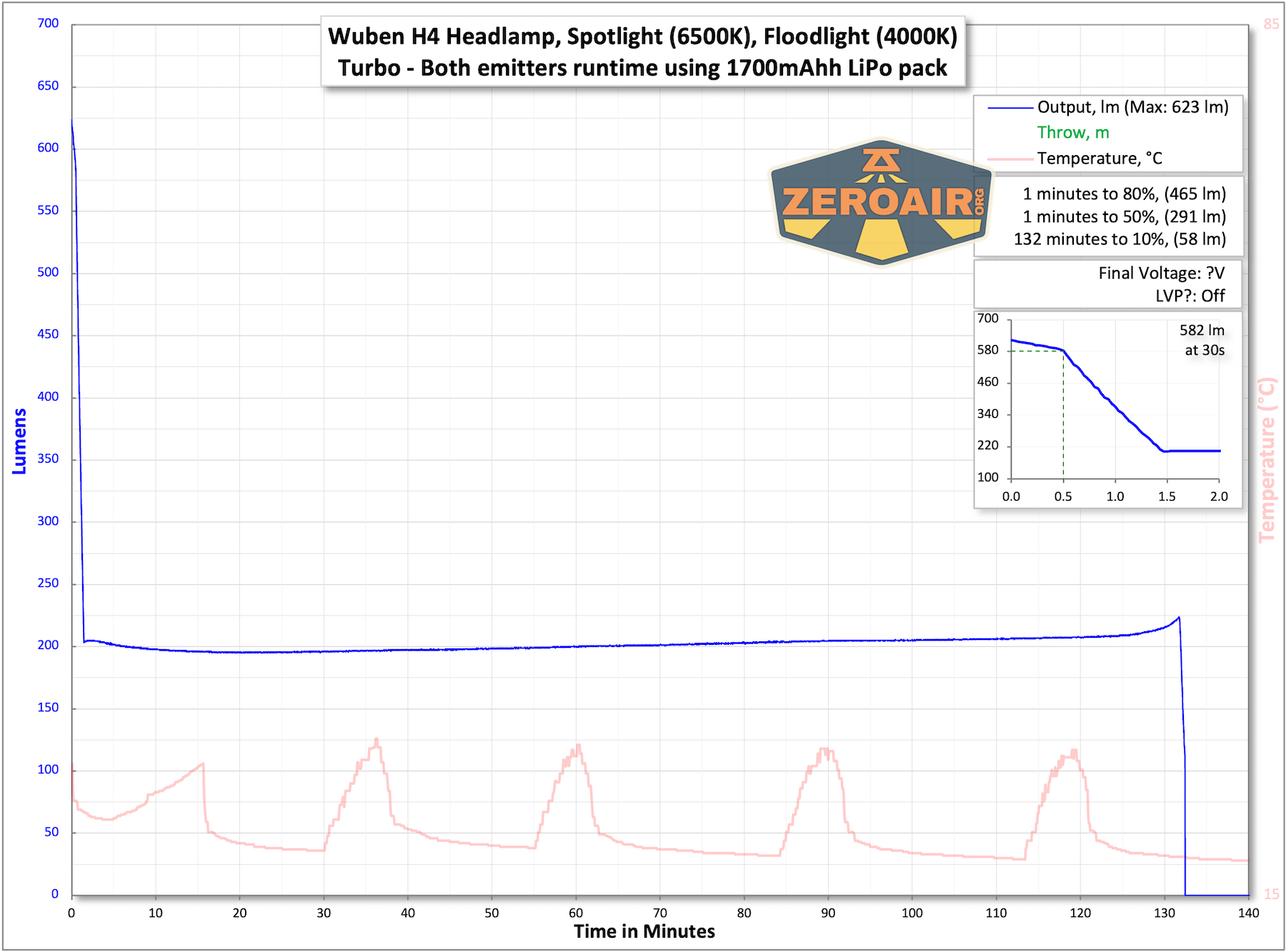
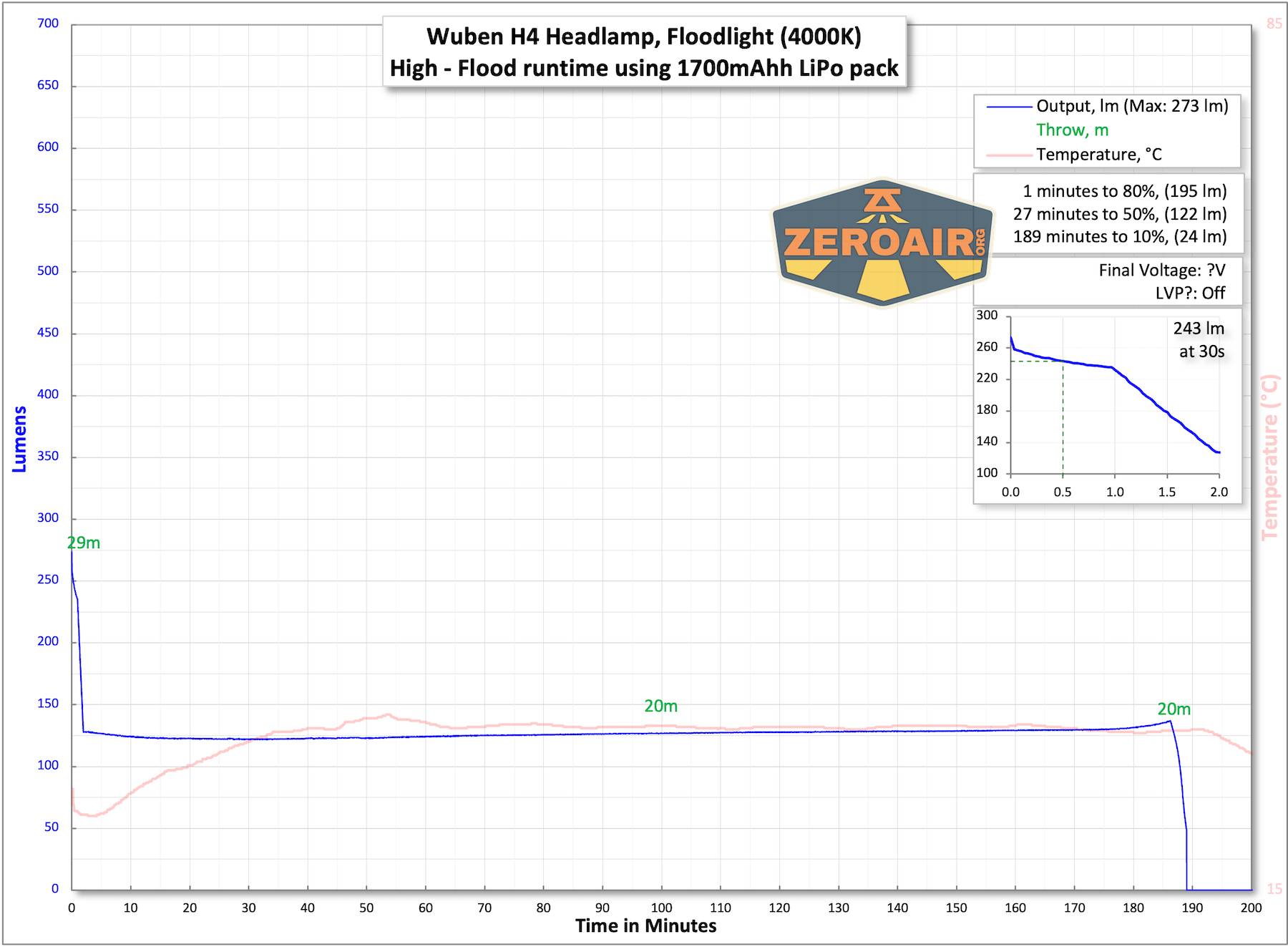
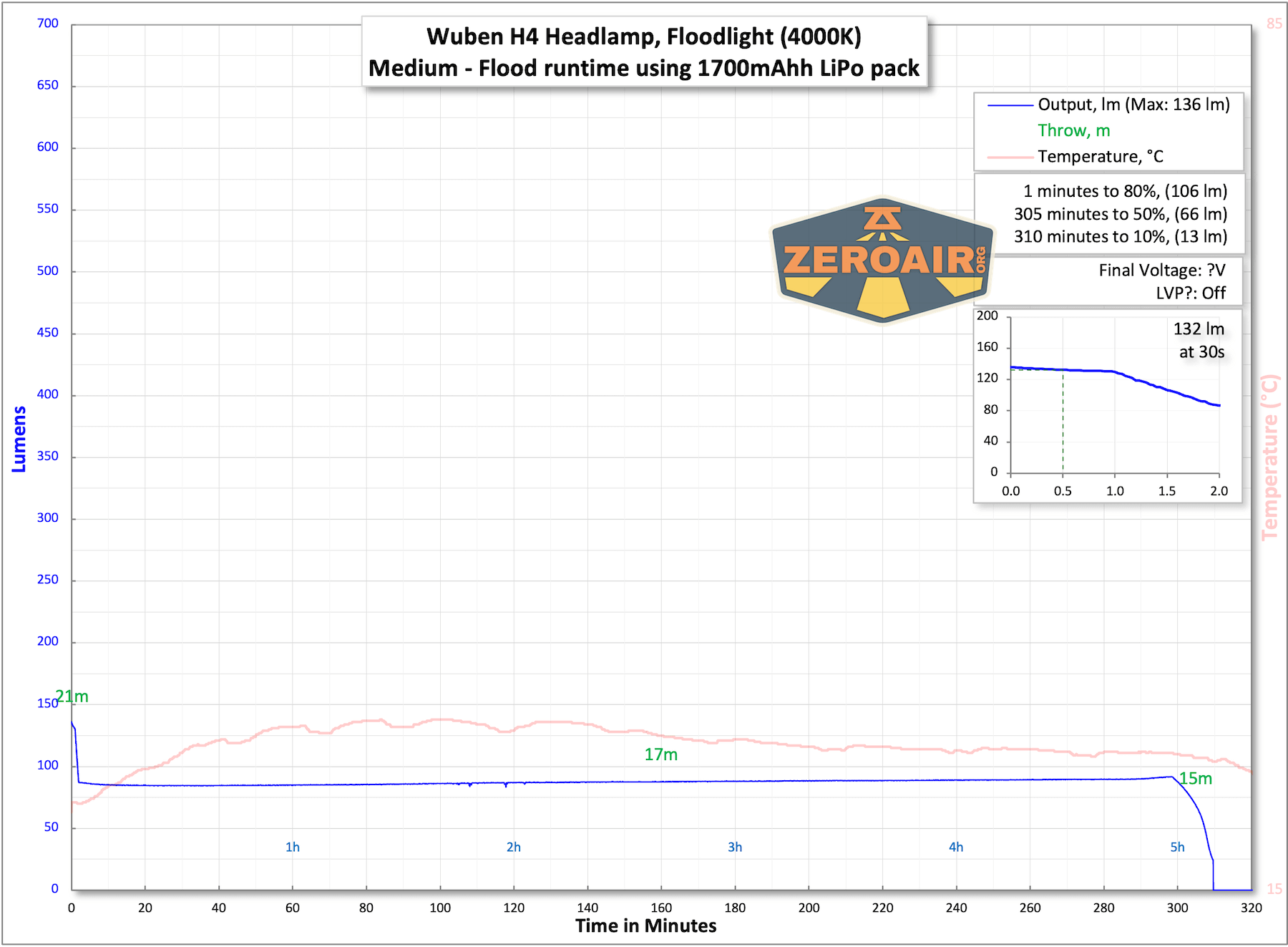

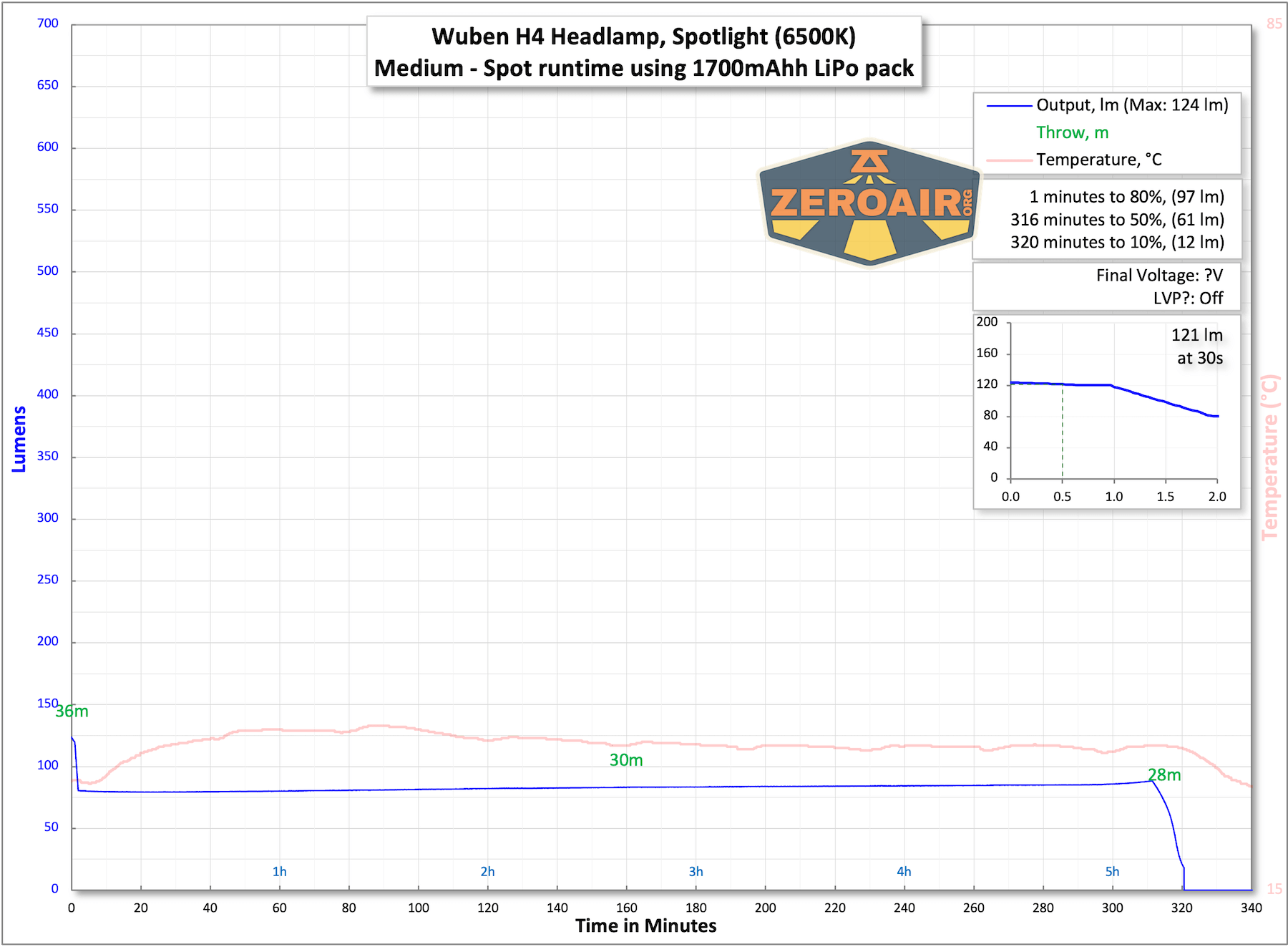
The temperature lines in these charts are included as general context, not precise measurements. The values represent the range (min to max) during testing, but should not be taken as exact readings. A temperature sensor is not always attached to the bezel (or even the hottest spot, assuming that could be defined). Even with ideal placement, too many variables affect temperature to definitively state a specific max value.
Charging
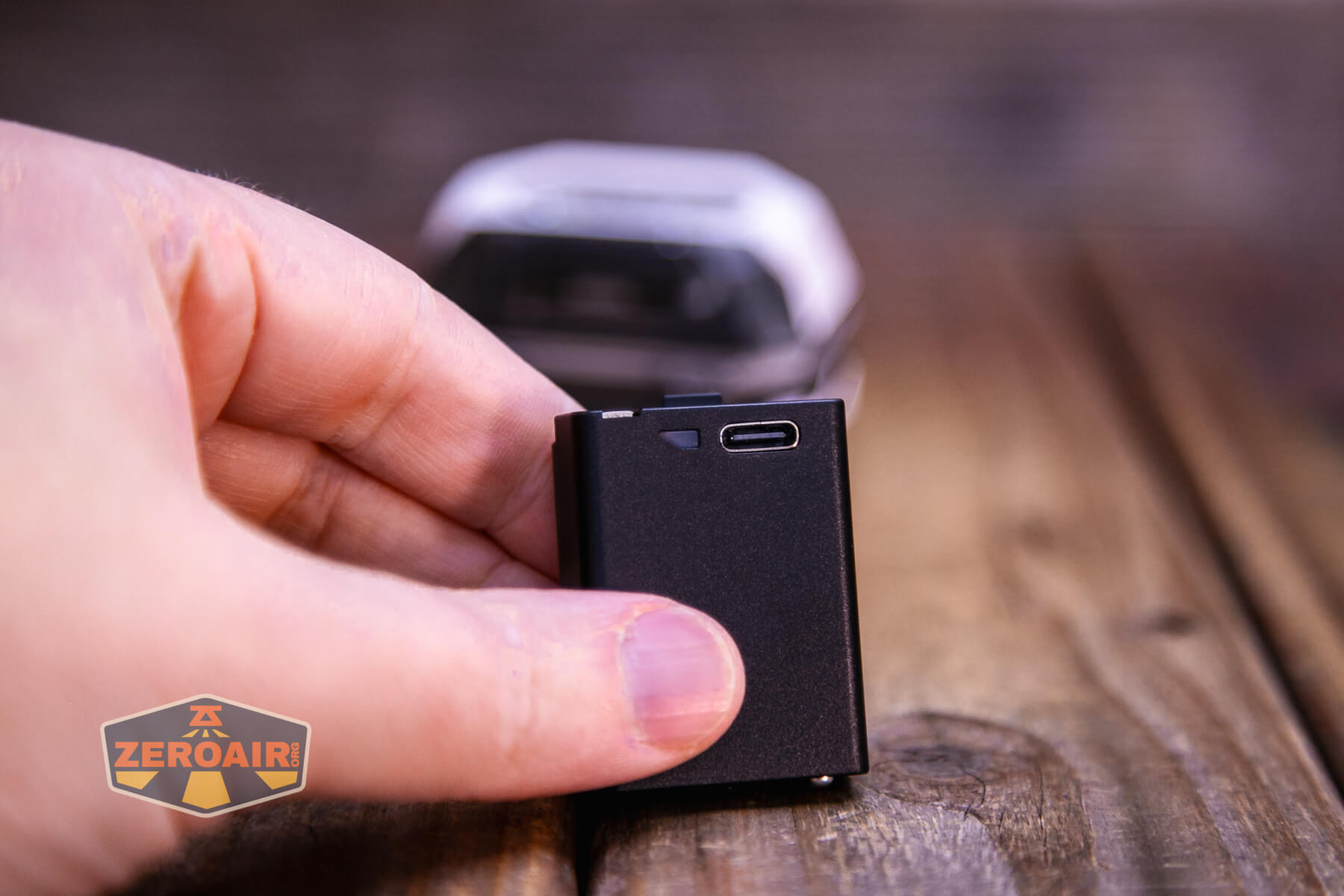
The battery pack has USB-C charging, but you do have to take the battery fully out of the light to use this charging port.
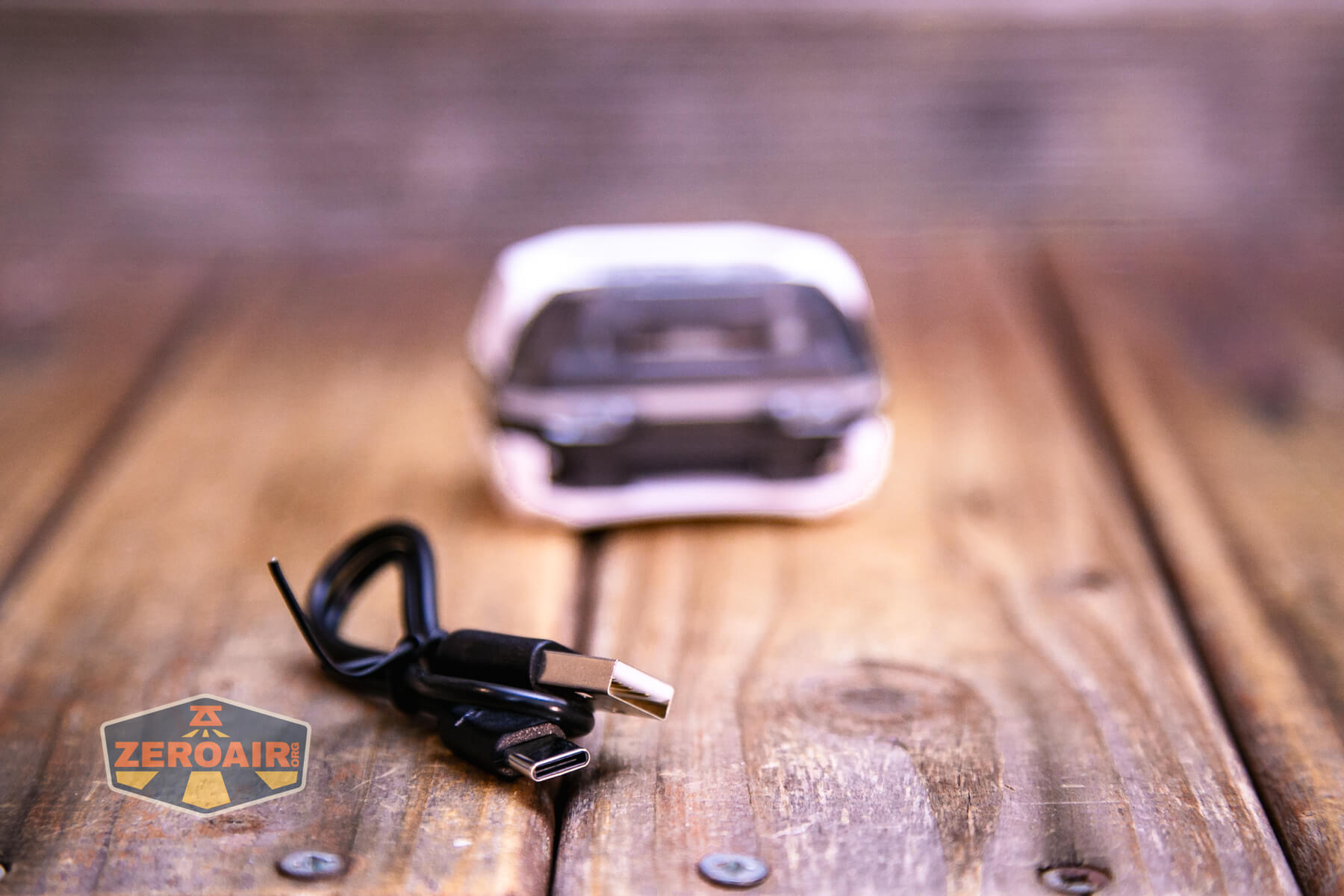
Wuben includes a USB to USB-C charging cable.
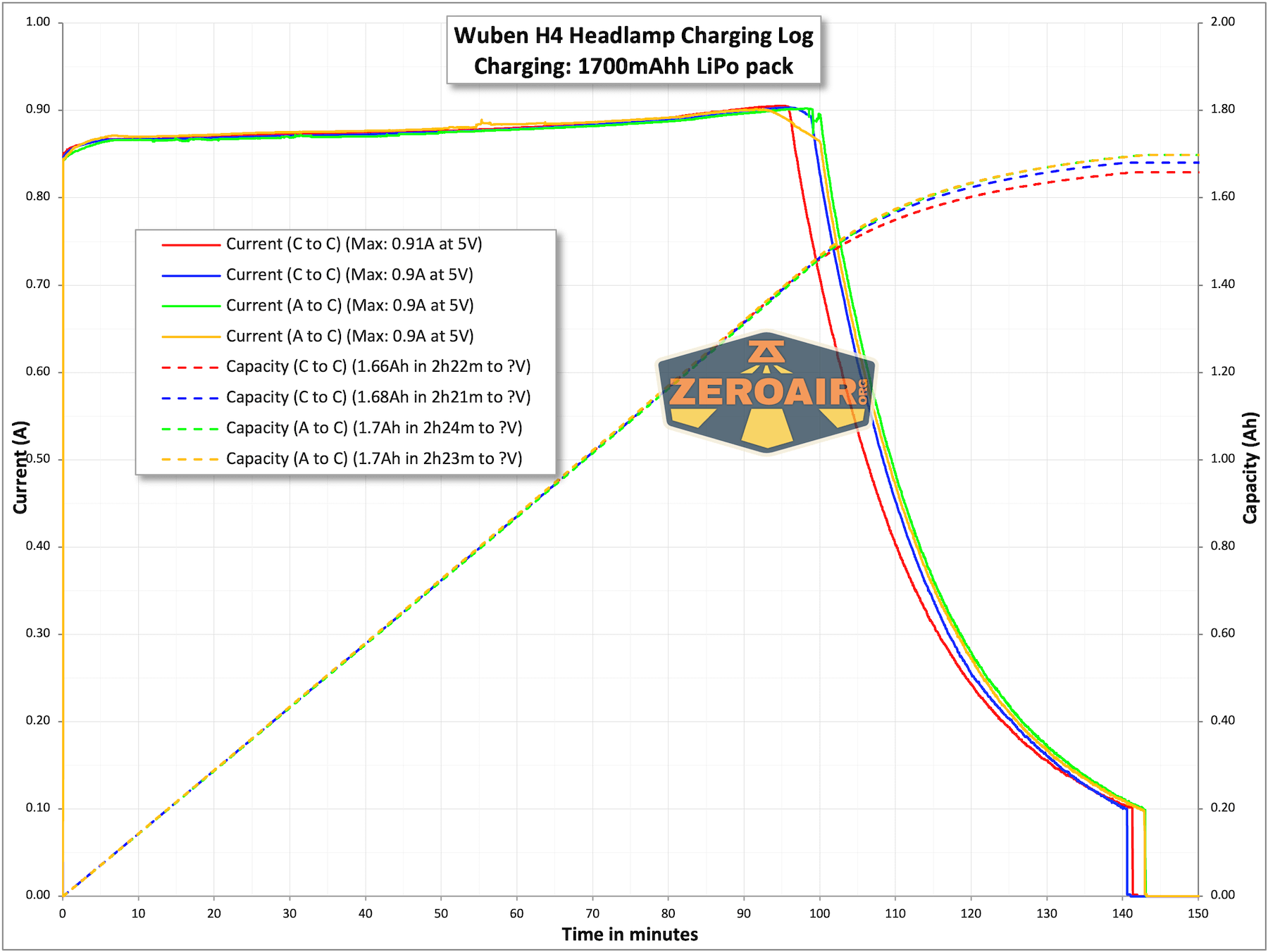
Charging from A to C or C to C works just fine and takes about 2.5 hours.
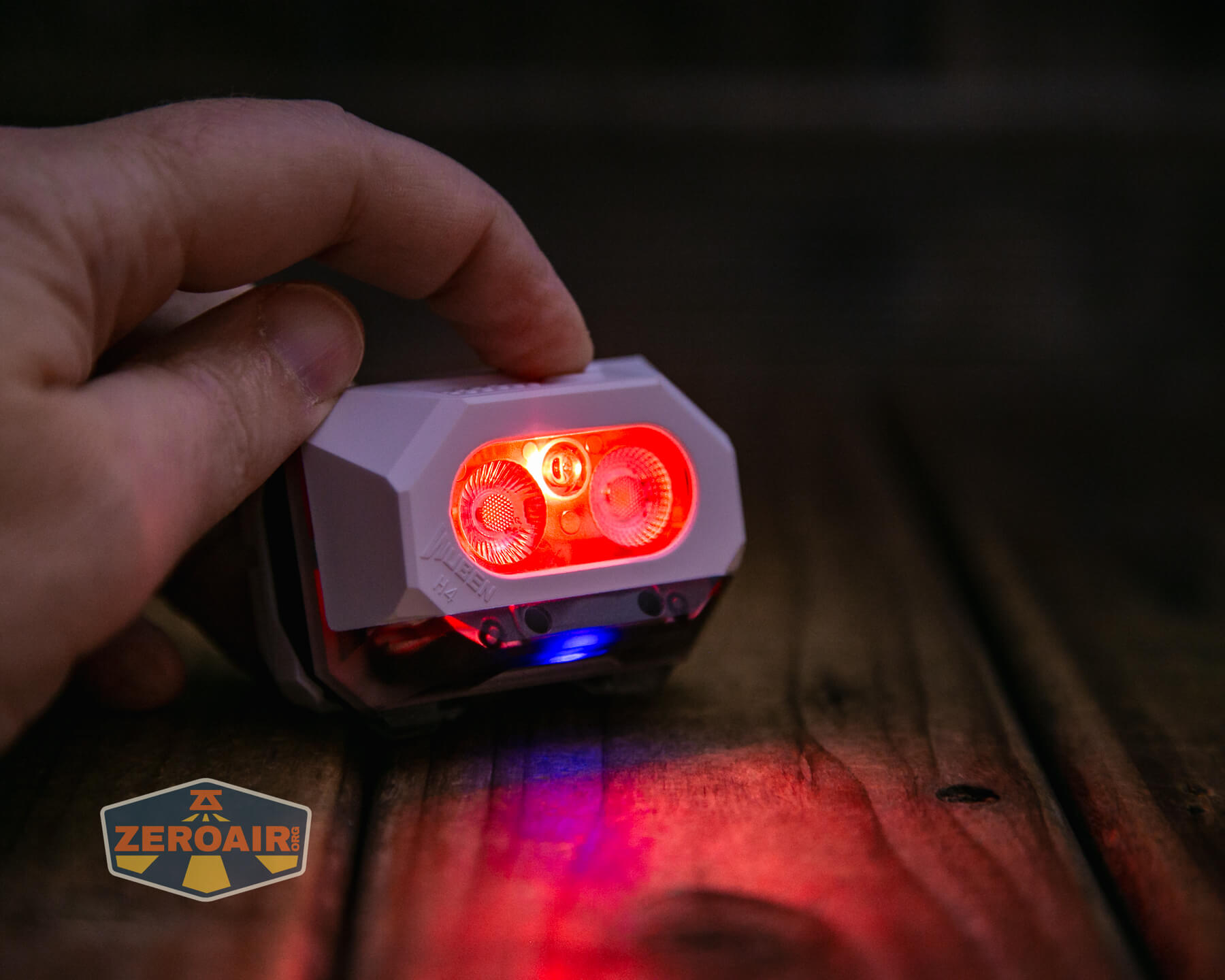
When charging, a little indicator on the battery pack is red. When finished charging, this indicator turns green.
Modes and Currents
| Mode | Mode Claimed Output (lm) | Claimed Runtime | Measured Lumens |
|---|---|---|---|
| Turbo | 800-350 | 1m+2.3h | 623 (0s) 582 (30s) |
| High – Flood | 300 | 3h | 273 (0s) 243 (30s) |
| Medium – Flood | 150 | 5h | 136 |
| Low – Flood | 15 | 33h | 12 |
| High – Spot | 300 | 3h | 255 (0s) 245 (30s) |
| Medium – Spot | 150 | 5h | 124 |
| Low – Spot | 15 | 33h | 12 |
Pulse Width Modulation
All of the modes use PWM. The last image to the right is red output, and the one before it is “both” – Turbo.
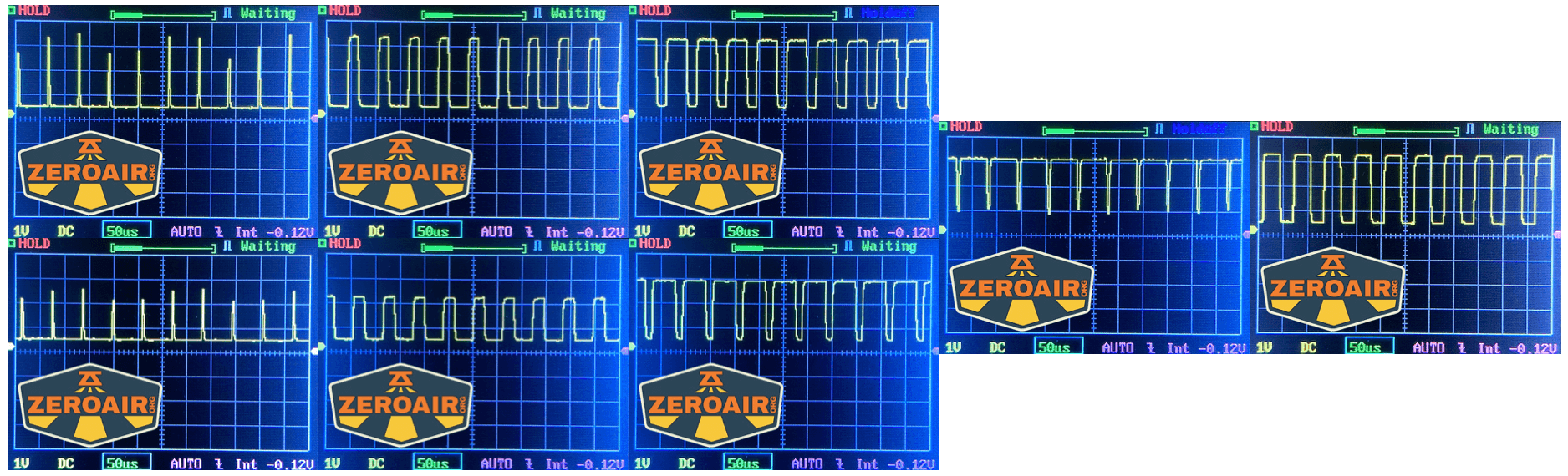
Click here to see a “baseline” – a chart with almost no light hitting the sensor.

Then there’s the Ultrafire WF-602C flashlight, which has some of the worst PWM I’ve seen. It’s so bad that I used a post about it to explain PWM! Here are multiple timescales (10ms, 5ms, 2ms, 1ms, 0.5ms, 0.2ms) to make comparing this “worst” PWM light to the test light easier. That post also explains why I didn’t test the WF-602C at the usual 50us scale.


User Interface and Operation
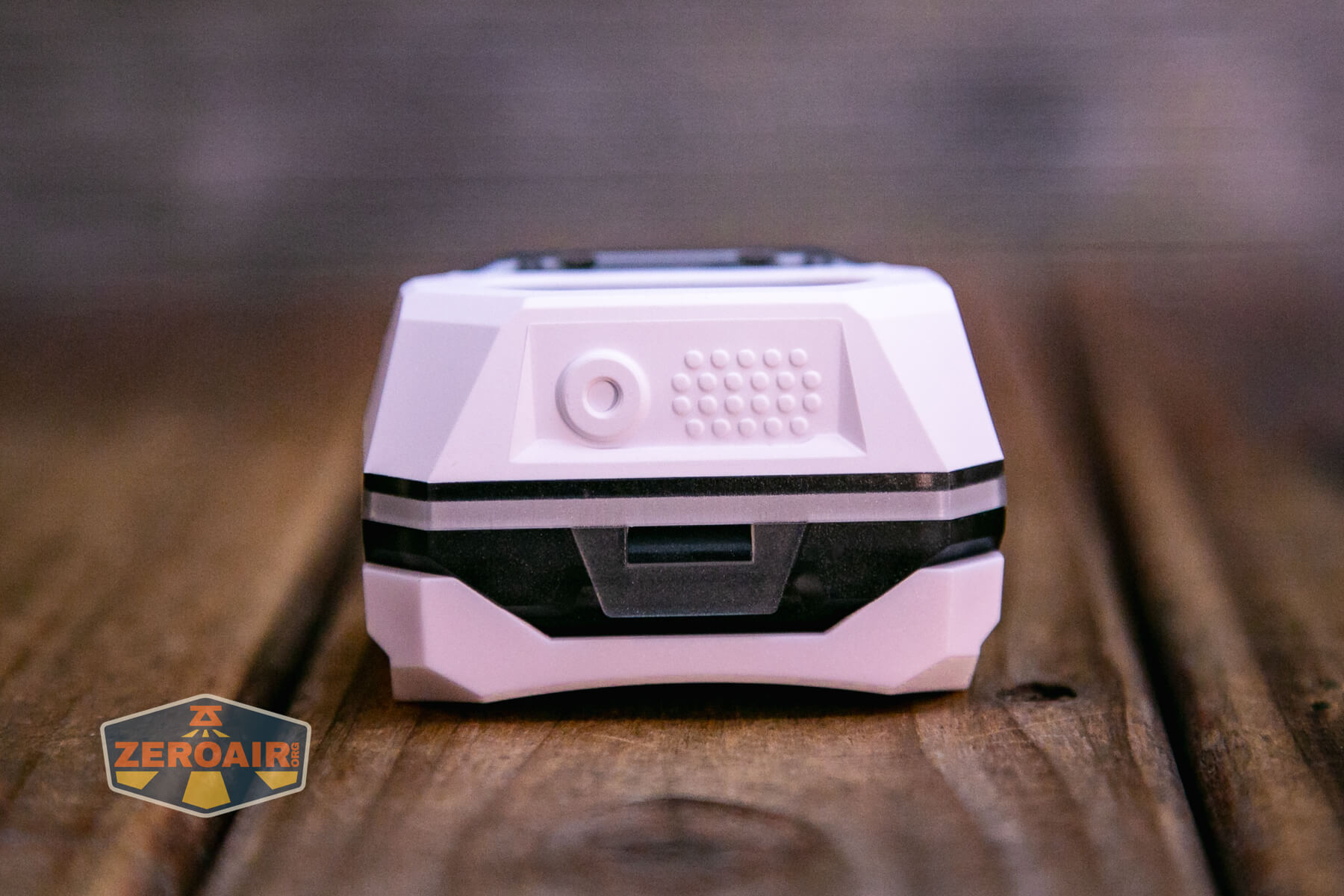
The Wuben H4 multi-function headlight has two e-switches for controlling all the emitter options and levels. One is a circle and one has a textured, dimpled feel.
Here’s a user interface table! The round switch is for the flood channel, and the dimpled switch is for the spot channel. Either can be used for red.
| State | Action | Result |
|---|---|---|
| Off | Click either | On (for selected emitter), Memory |
| Off | Hold either | Red (Steady) |
| Red on | Click either | Red mode advance (Steady, Blinking, SOS) |
| Red on | Hold either | Red off |
| White on | Click switch for “on” output | Off |
| White on | Click switch for “other” output | Switch to other white LED output |
| White on | Double click either | Turbo |
| Turbo | Double click either | Return to previous state |
| White on | Hold switch for “on” output | Mode advance (LMH) |
| White on | Hold switch for “other” output | No change in state |
| White on | Hold both for 1.5s | Motion sensor activated |
| Motion sensor activated | Wave in front of light | On (Memory only) |
I think that covers the user interface. It’s a little bit how-ya-doin’.
LED and Beam
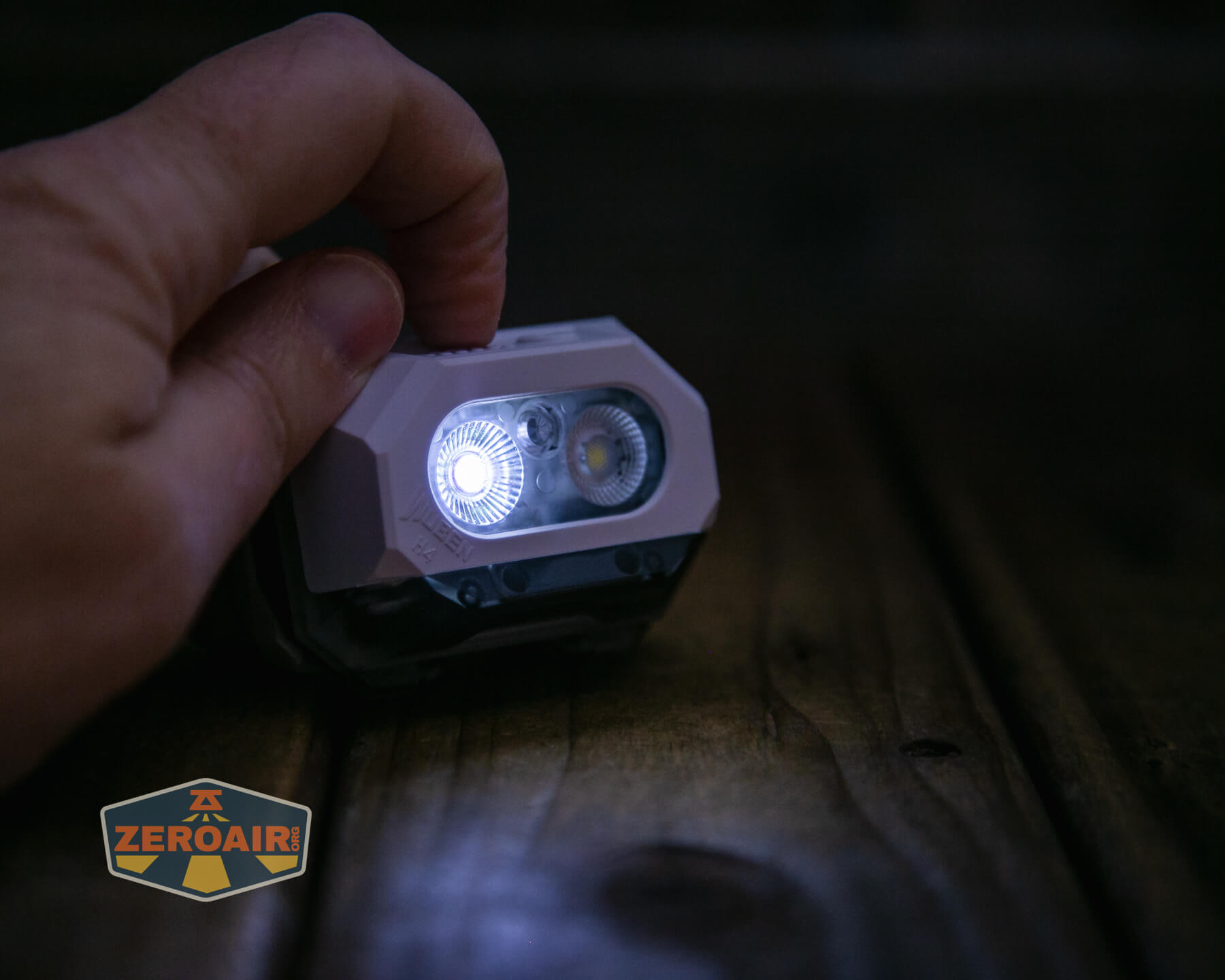
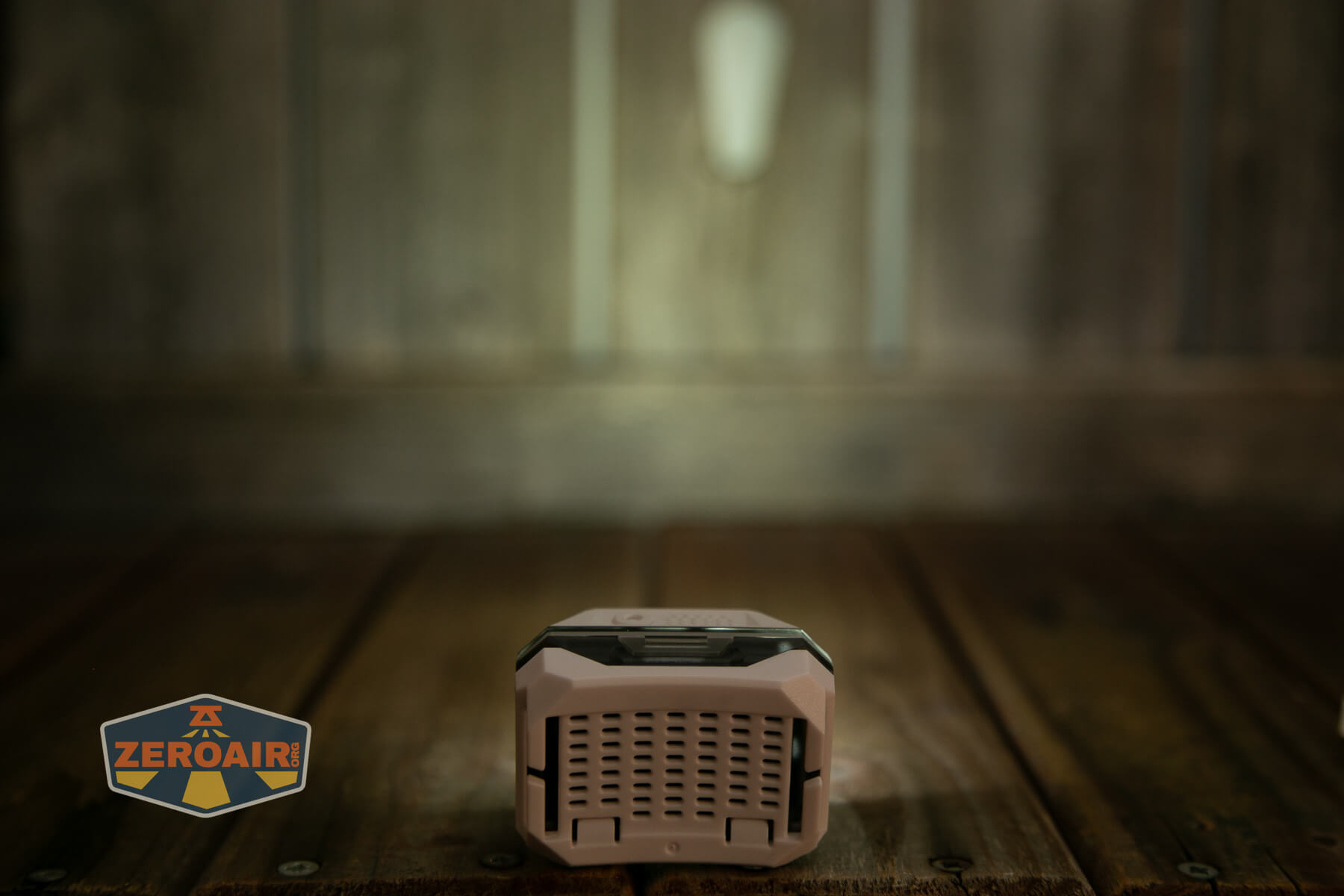
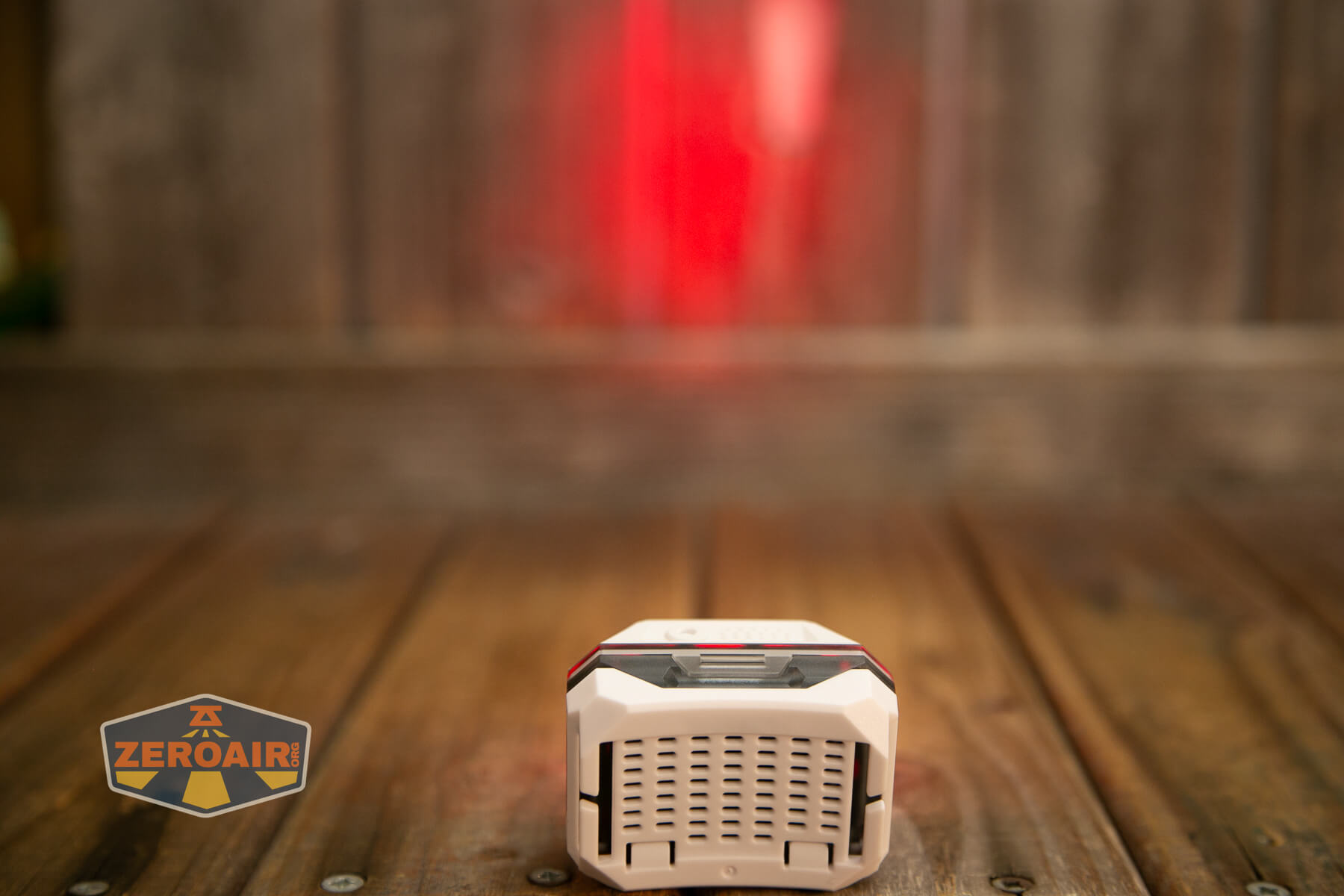
Wuben doesn’t state what emitters are used here, except to say that the flood channel is 4000K and the spotlight channel is 6500K.
Each has a little optic.

LED Color Report (CRI and CCT)
The claims made by Wuben are approximately accurate, with the flood channel coming in just north of 4000K and the spot channel is a good bit warmer than the 6500K claim. CRI is low across the board.
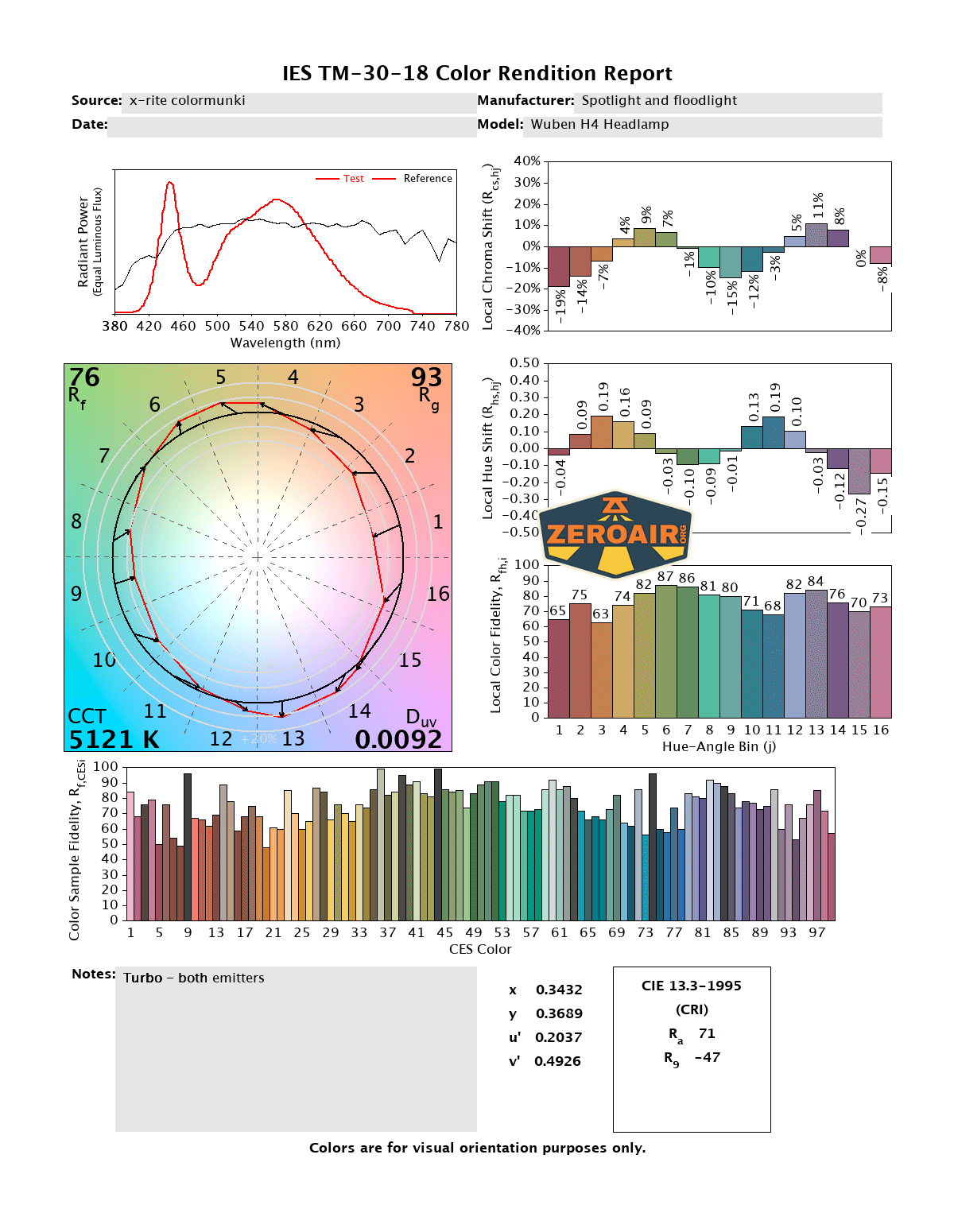
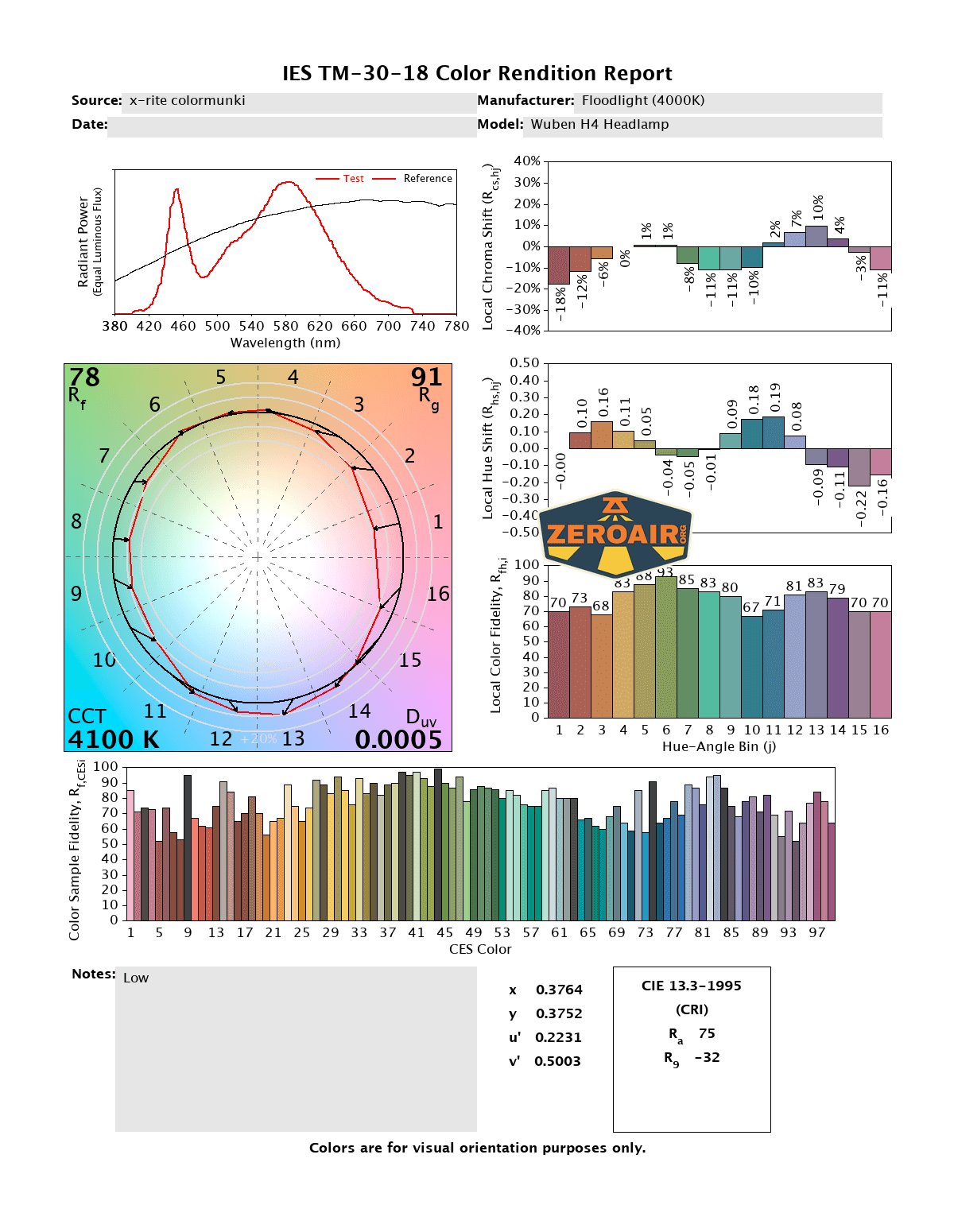
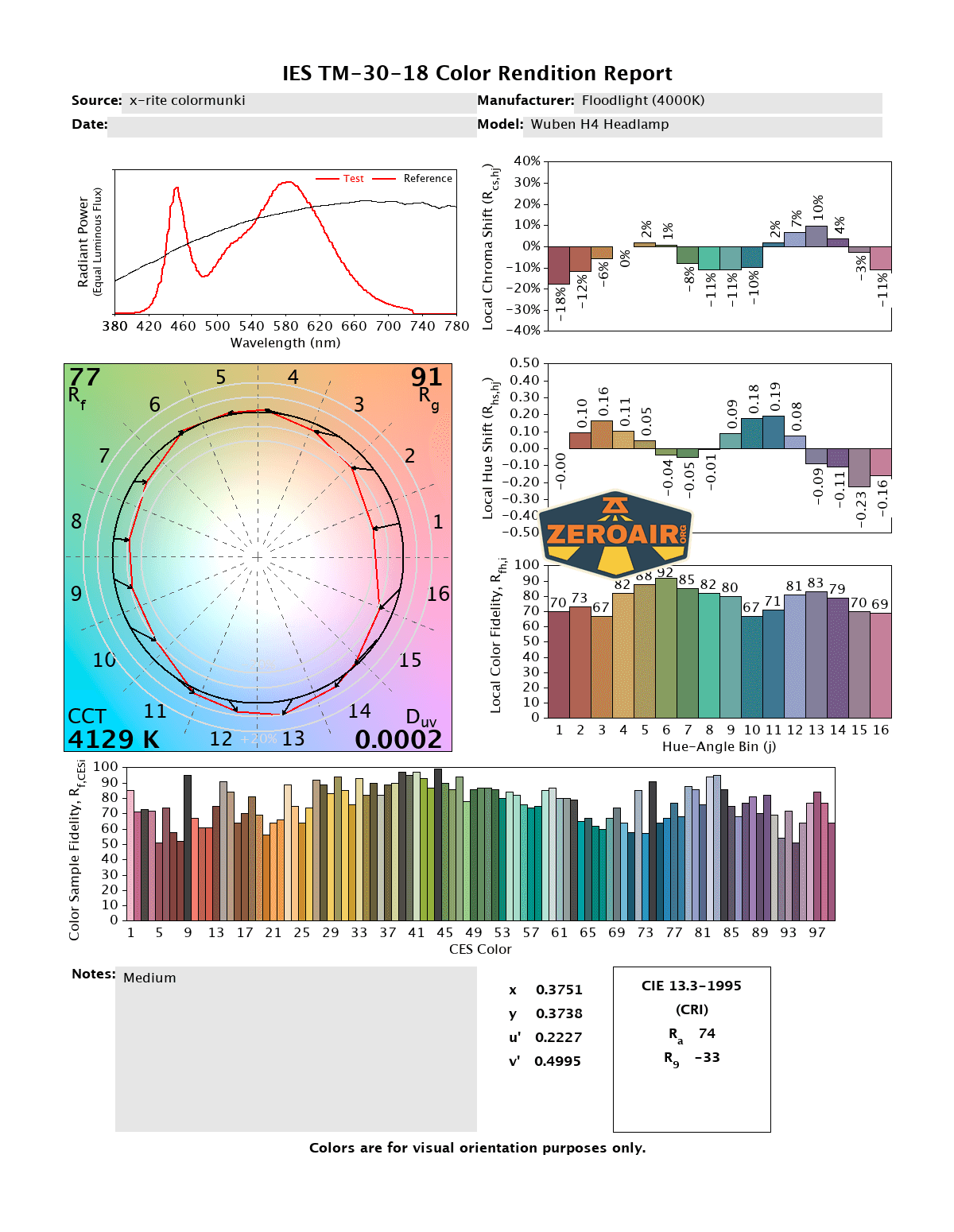
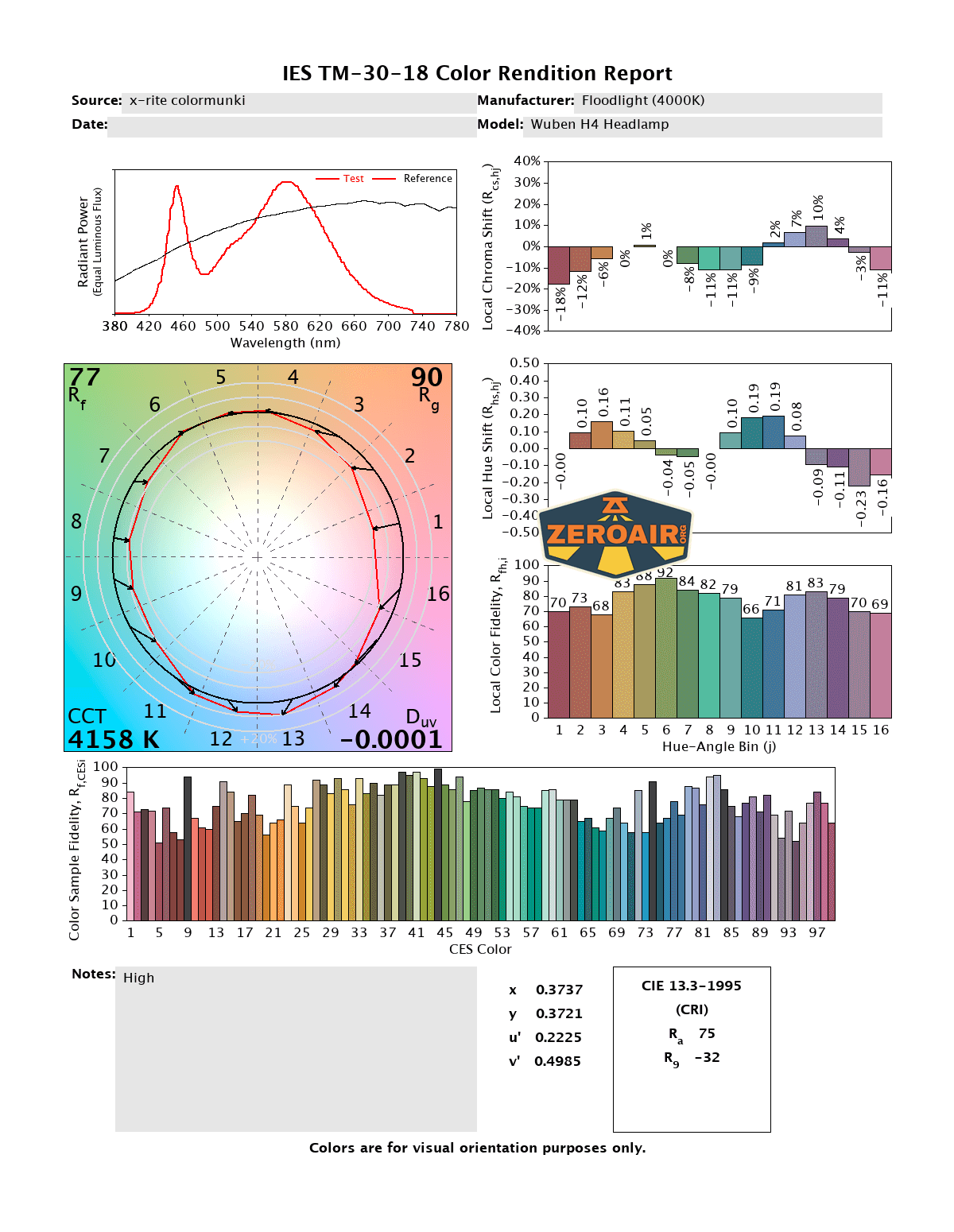
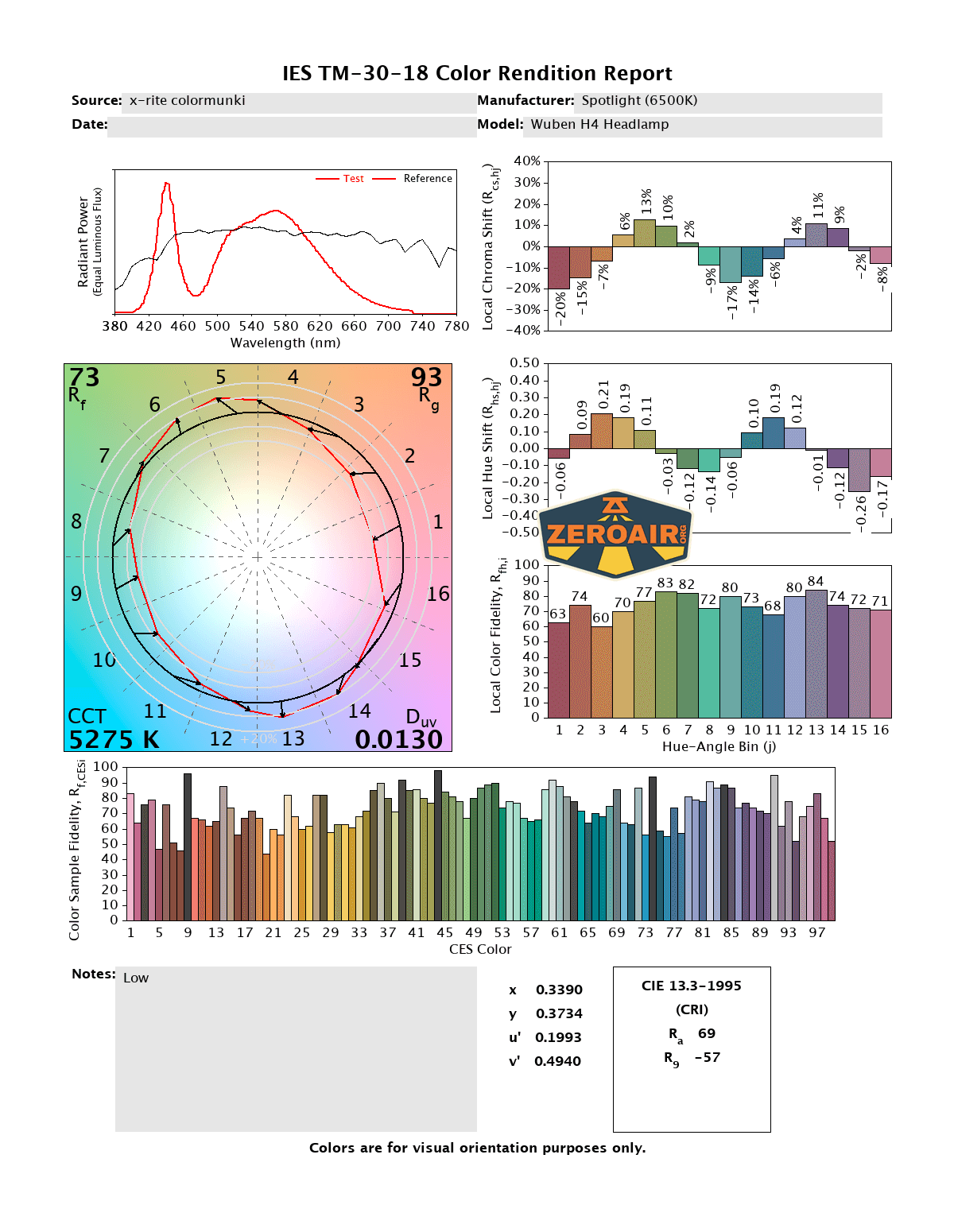
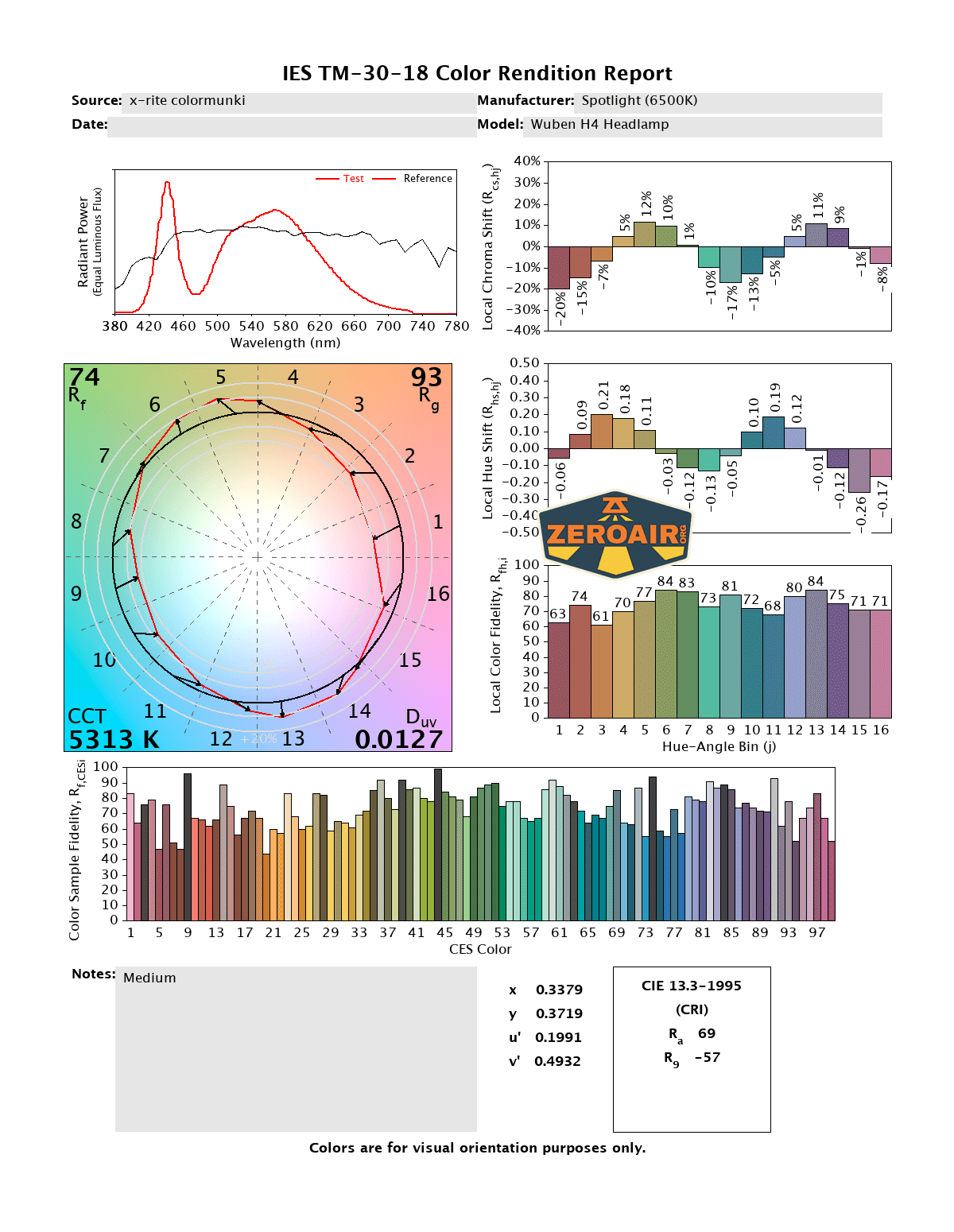
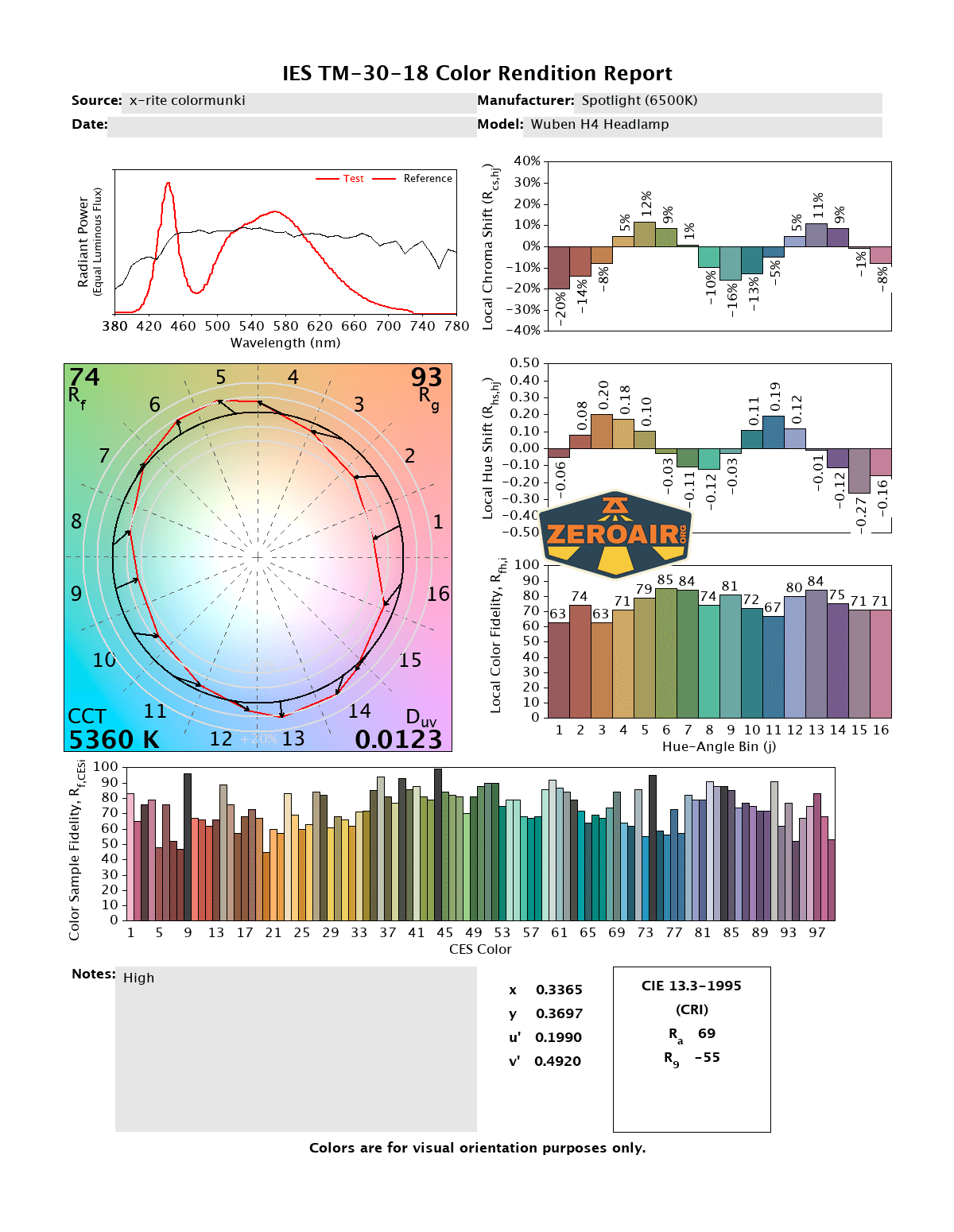
CCT (Correlated Color Temperature) refers to the measurement of the color appearance of light, expressed in Kelvins (K), which indicates whether the light is warm (yellowish) or cool (bluish). A lower CCT (below 3000K) is considered warm light, while a higher CCT (above 5000K) gives cooler, bluish light.
CRI (Color Rendering Index) is a measure of how accurately a light source renders colors in comparison to natural sunlight. Scored on a scale from 0 to 100, higher CRI values indicate that colors appear more true to life and vibrant, similar to how they would look under the sun.
Beamshots
These beamshots always have the following settings: f8, ISO100, 0.3s shutter, and manual 5000K exposure. These photos are taken at floor level, and the beam hits the ceiling around 9 feet away.


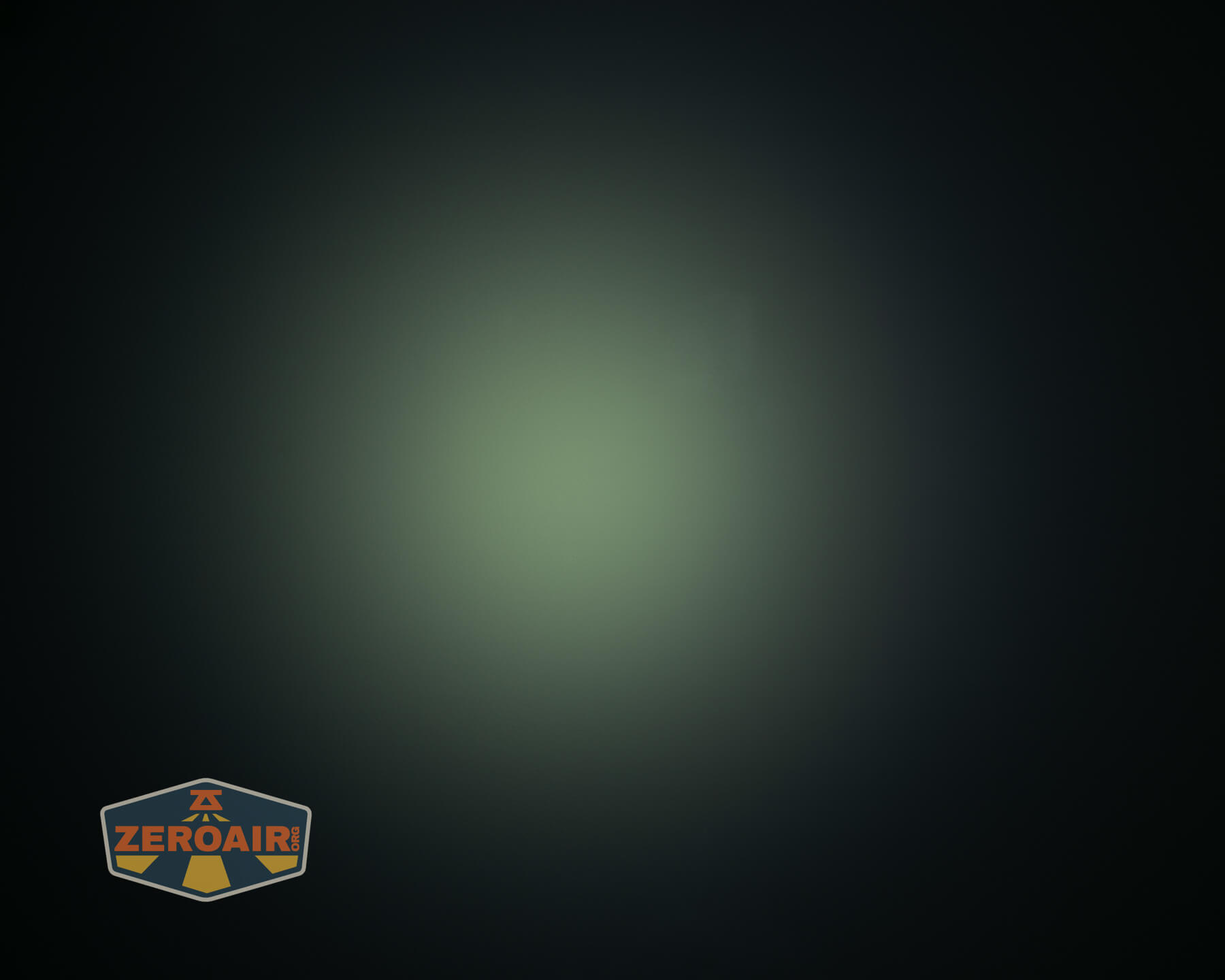
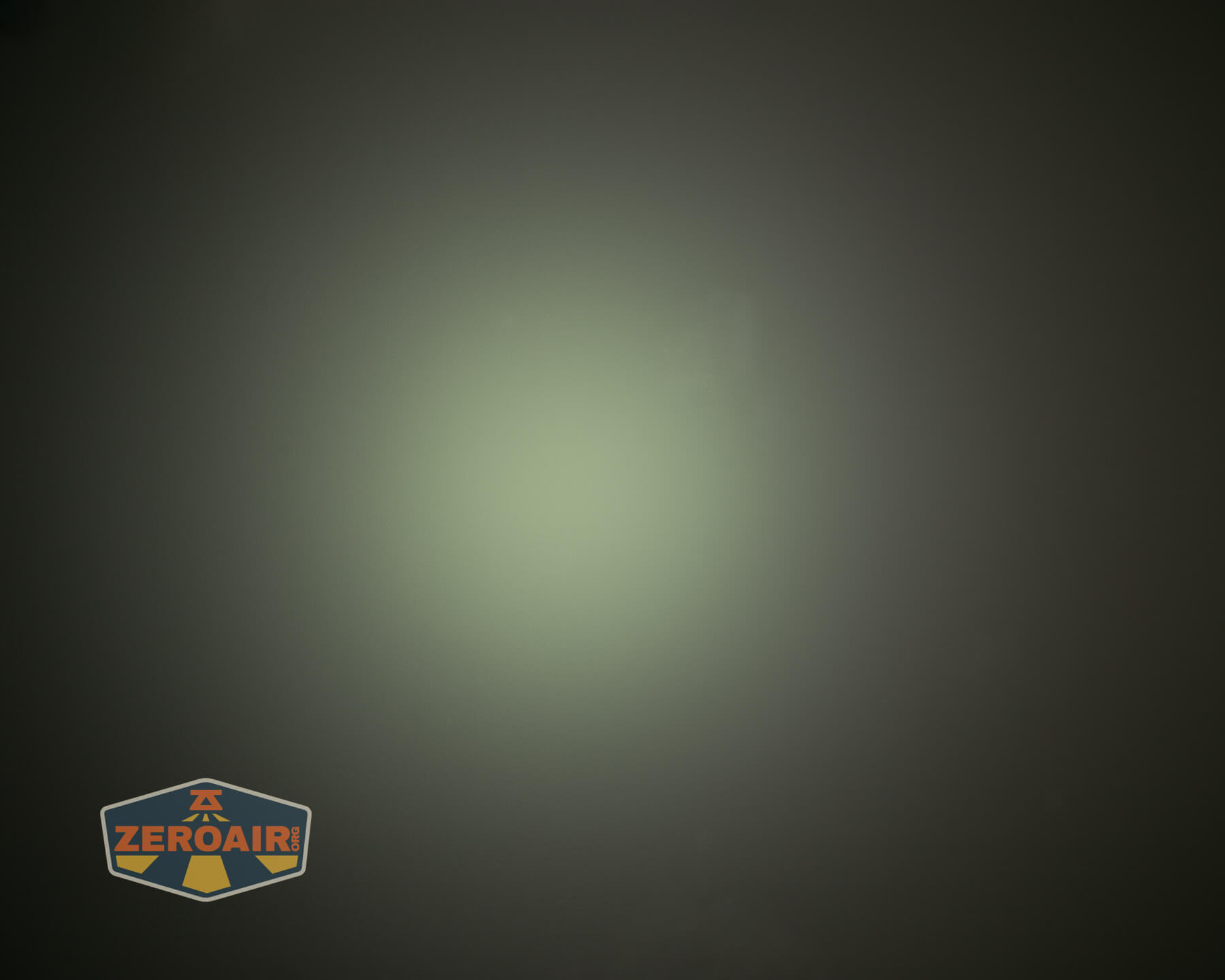
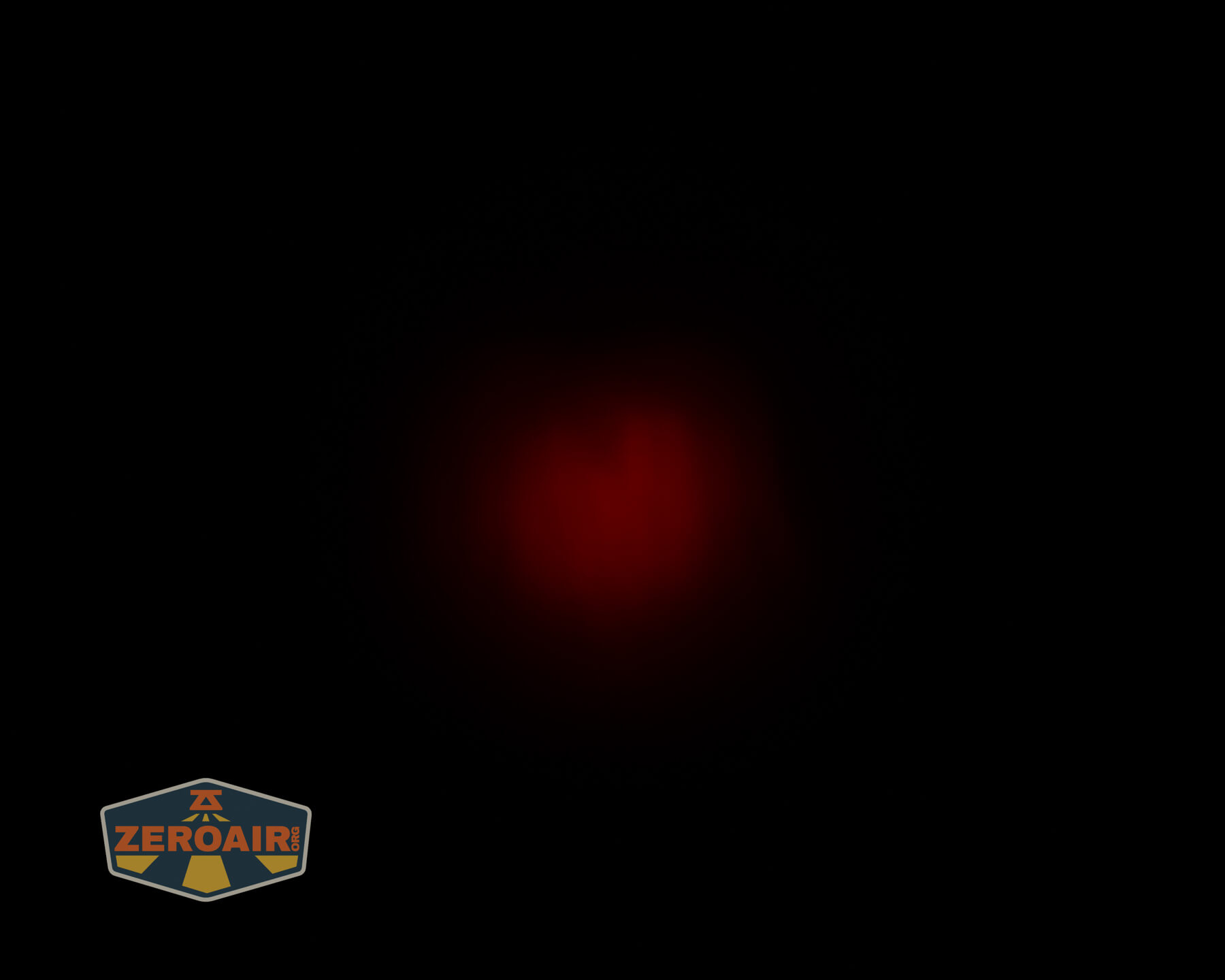
Tint vs BLF-348 (KillzoneFlashlights.com 219b version) (affiliate link)
I keep the test flashlight on the left and the BLF-348 reference flashlight on the right. These photos are taken around 18 inches from the door.
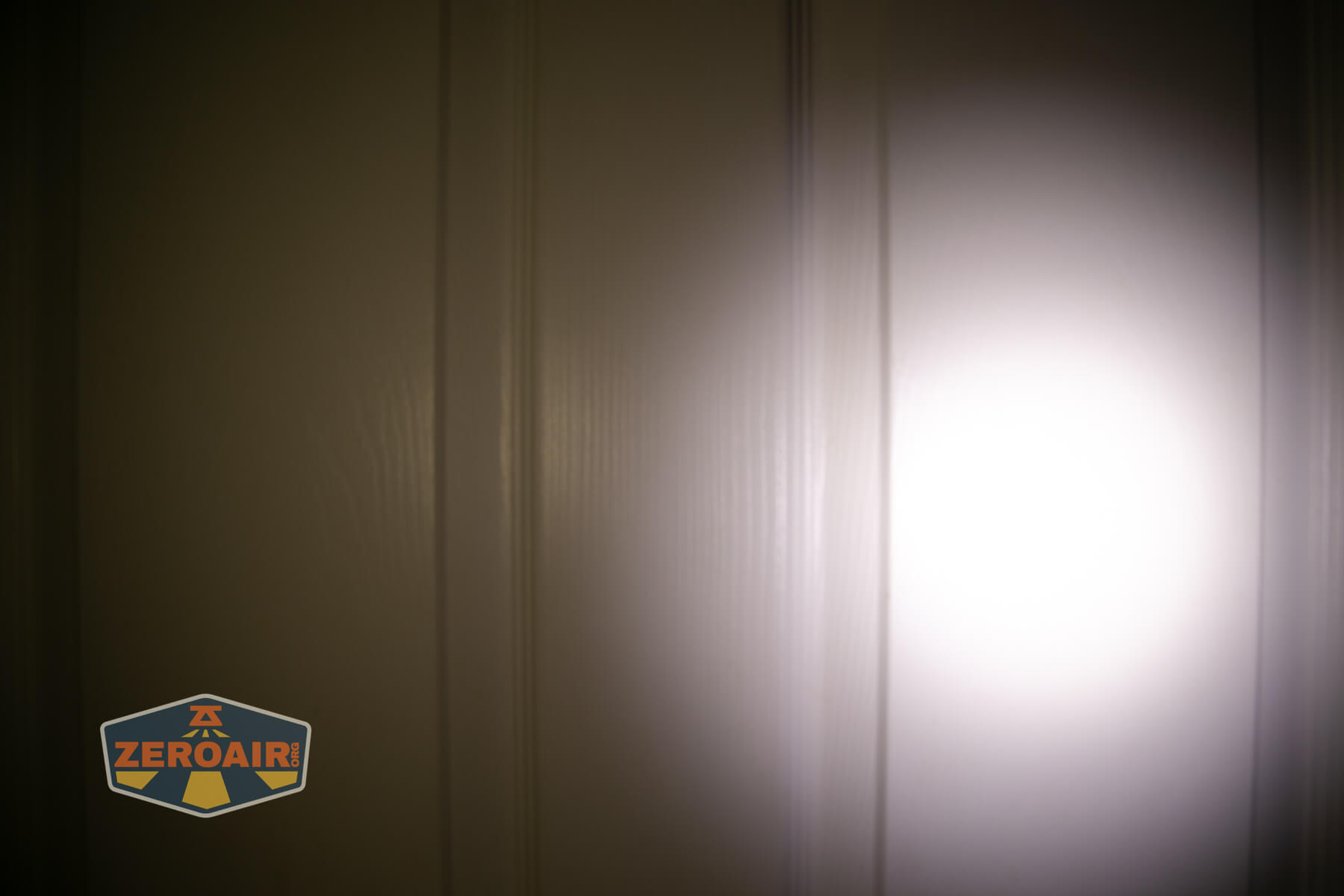
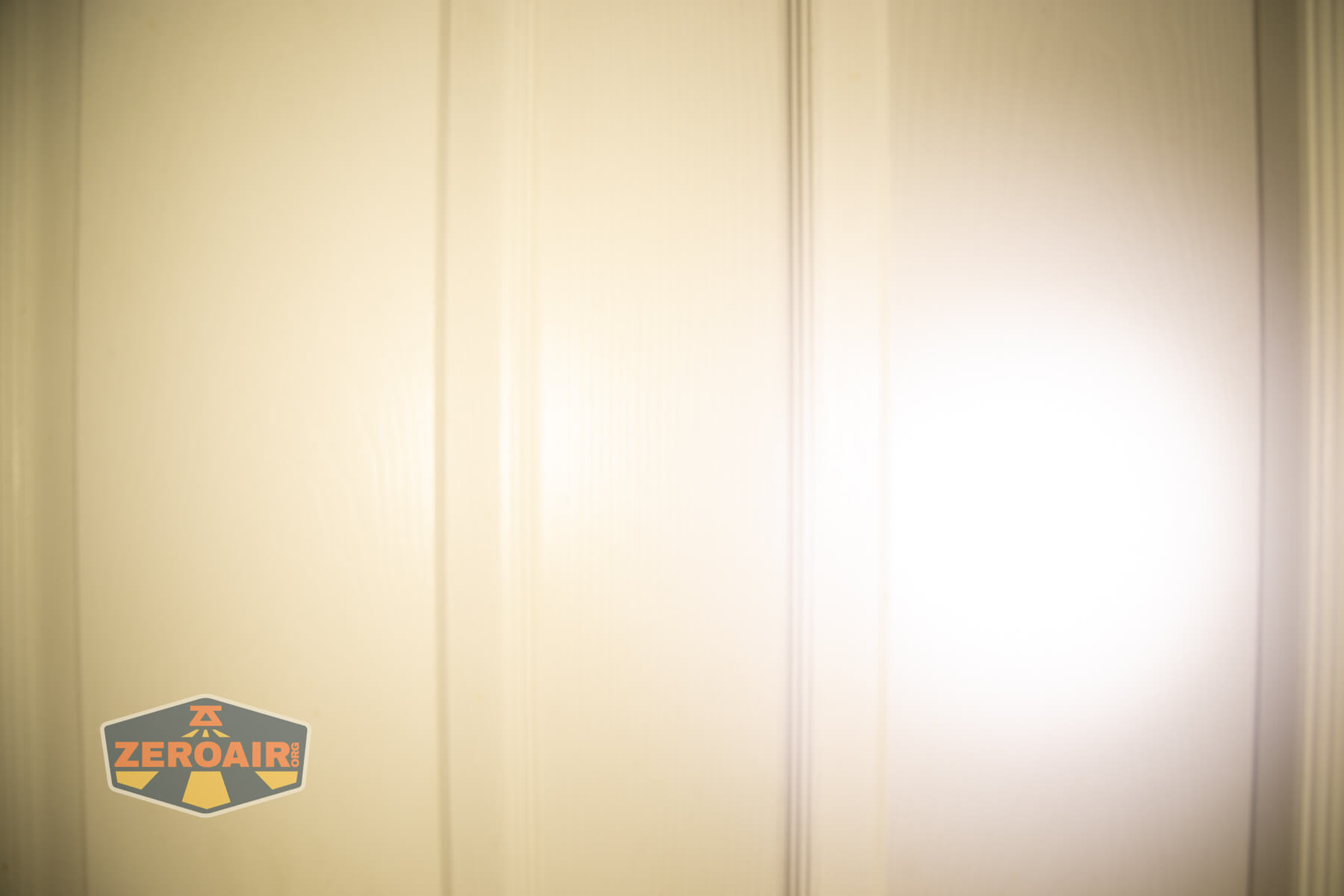
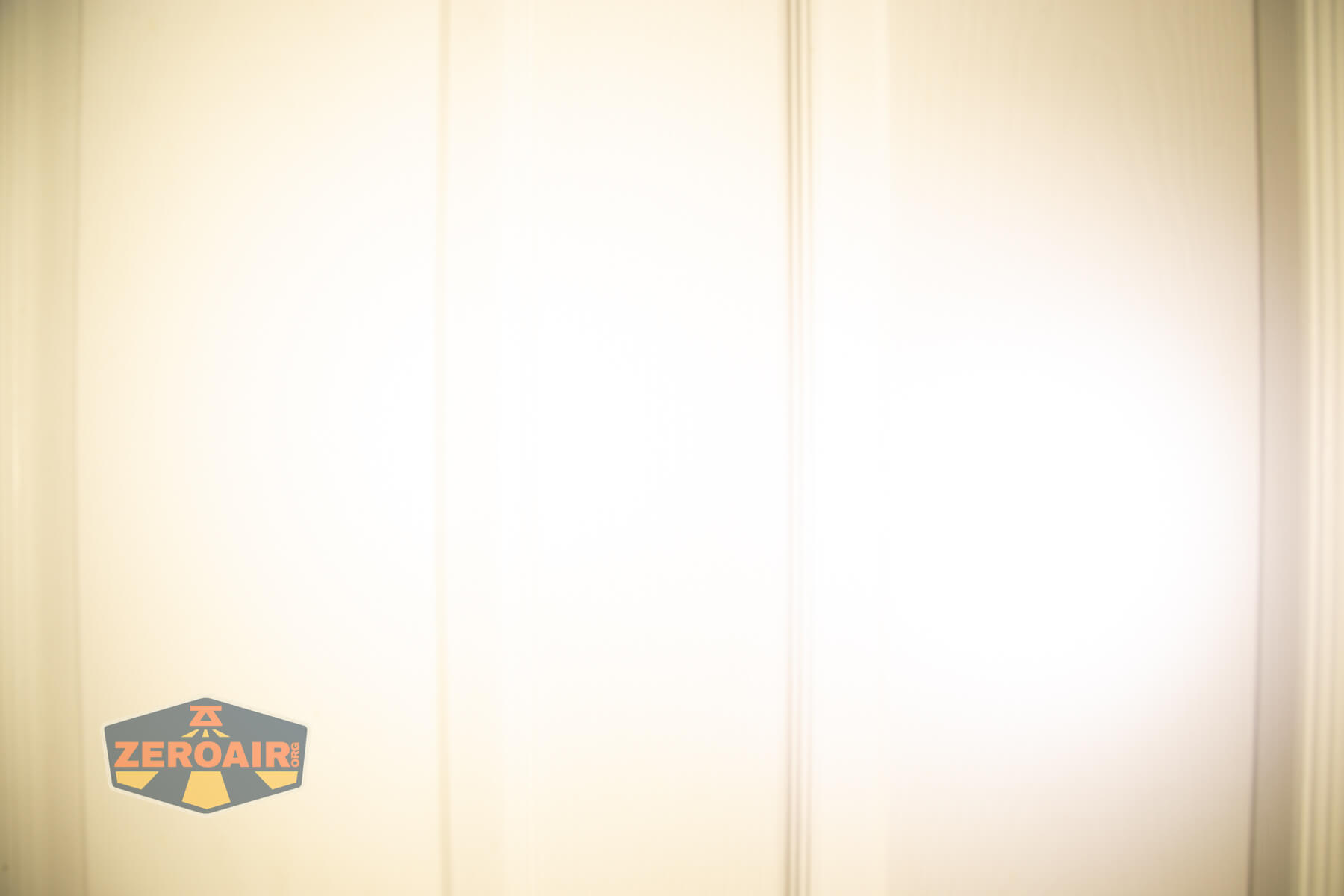
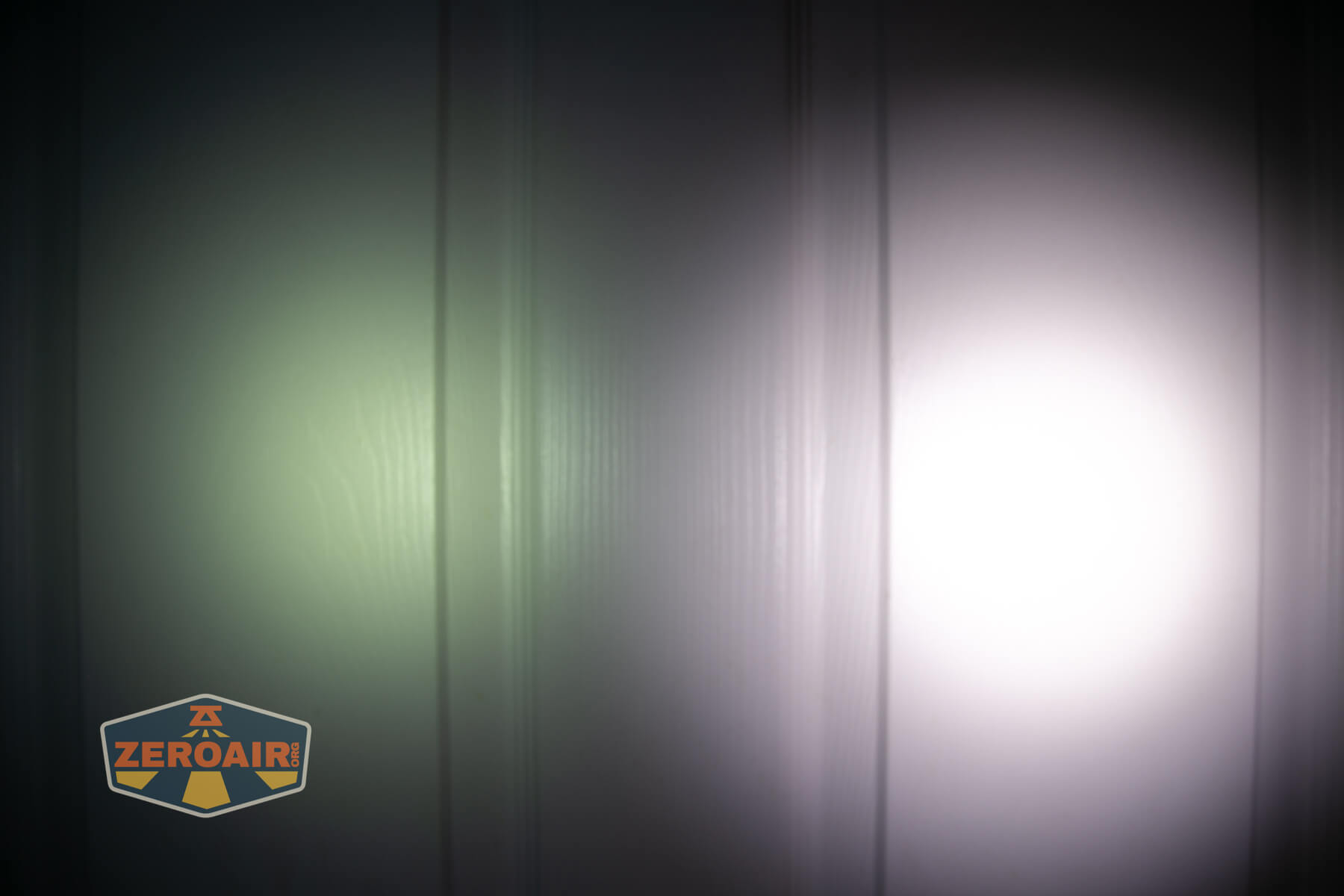
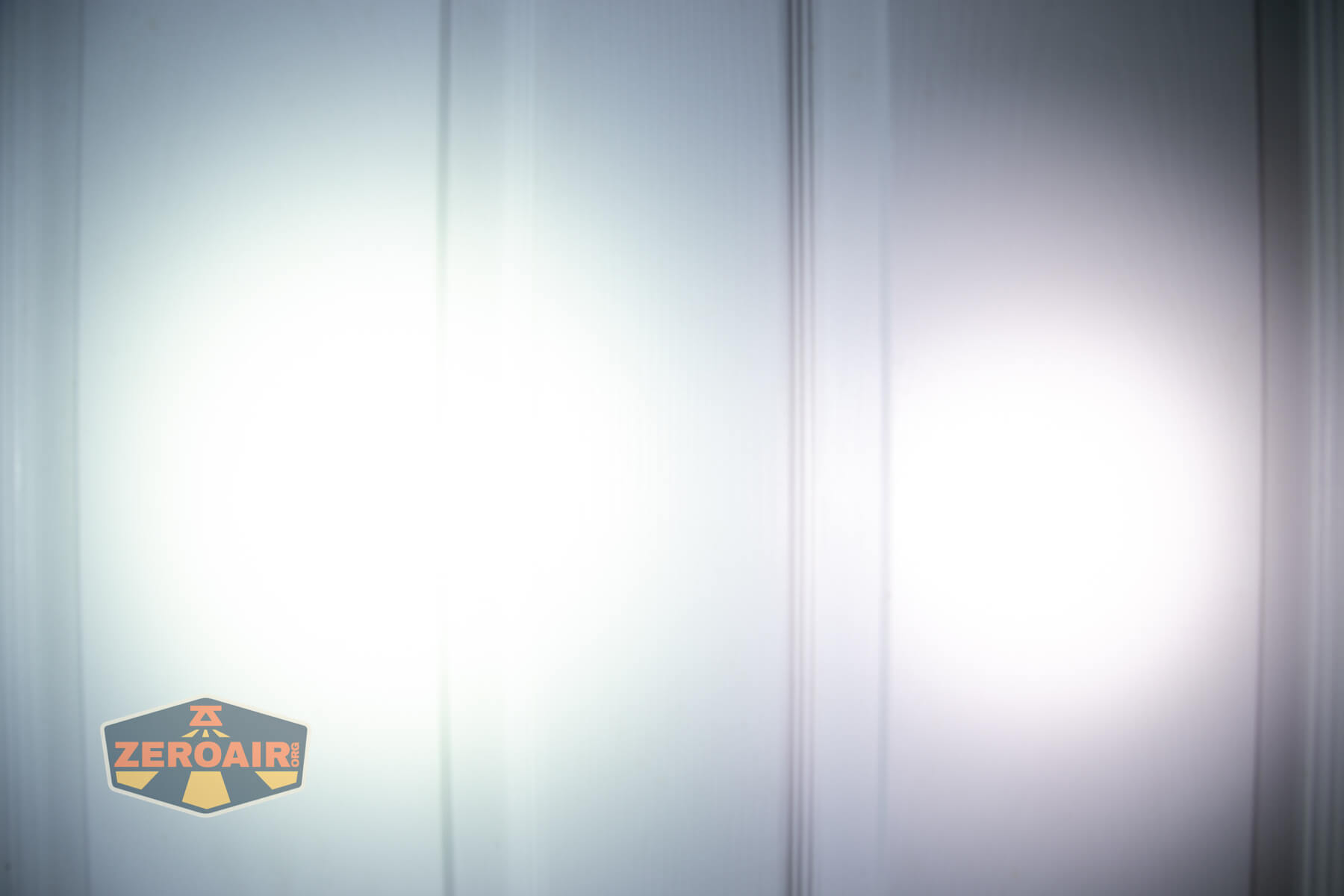


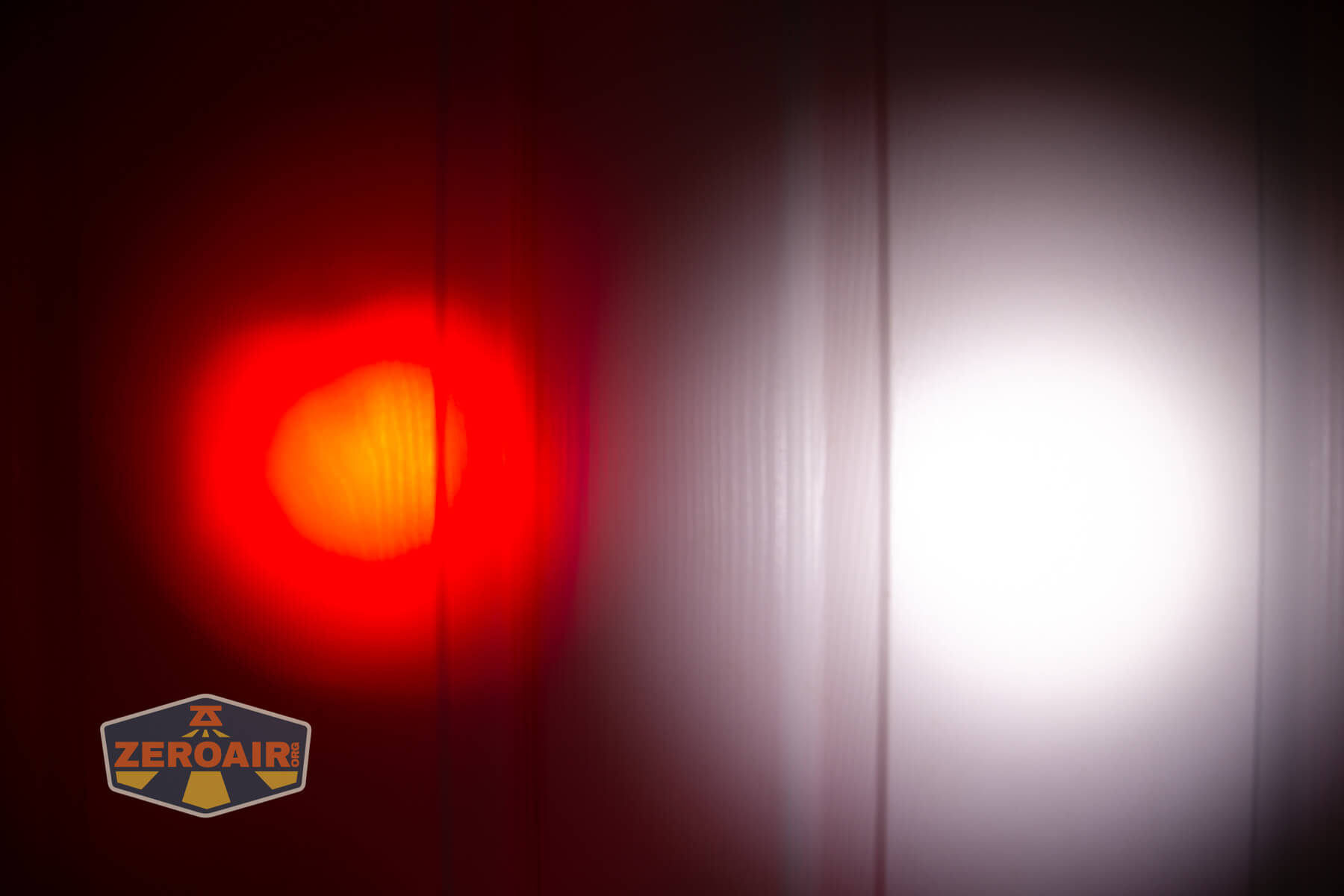
I compare everything to the KillzoneFlashlights.com 219b BLF-348 because it’s inexpensive and has the best tint!
Summary and Conclusion
The Wuben H4 Multi-function headlight is an alright light, especially for a fairly reasonable $30. I don’t know that Wuben is pushing the motion sensor feature of this light because I didn’t notice it until well into testing. I have had bad luck with motion sensor lights (very high parasitic drain), but only time will tell about the Wuben H4 Multi-function headlight. I can say it is not a feature I care about having at all. I really don’t think the user interface is very well considered (case in point: hold for off for red, but click for off on both white). And ultimately, question the plastic latch, which is by itself enough for me to pass on purchasing the Wuben H4 Multi-function headlight.
The Big Table
| Wuben H4 Multi-function headlight | |
|---|---|
| Emitter: | (Both) |
| Price in USD at publication time: | $29.99 |
| Cell: | x |
| Runtime Graphs | |
| LVP? | ? |
| Switch Type: | E-switch |
| Quiescent Current (mA): | ? |
| On-Board Charging? | Yes |
| Charge Port Type: | USB-C (on cell) |
| Charge Graph | |
| Power off Charge Port | – |
| Claimed Lumens (lm) | Both: 800 Flood: 300 Throw: 300 |
| Measured Lumens (at 30s) | Both: 582 (72.8% of claim)^ Flood: 243 (81% of claim)^ Throw: 245 (81.7% of claim)^ |
| Candela per Lumen | Both: – Flood: 0.8 Throw: 2.7 |
| Claimed Throw (m) | Both: 66 |
| Candela (Calculated) in cd (at 30s) | Both: 51lux @ 4.539m = 1051cd |
| Throw (Calculated) (m) | Both: 64.8 (98.2% of claim)^ |
| Claimed CCT | Both: – Flood: 4000 Throw: 6500 |
| Measured CCT Range (K) | Both: 5100 Kelvin Flood: 4100-4200 Kelvin Throw: 5300-5400 Kelvin |
| Item provided for review by: | Wuben |
| All my Wuben reviews! | |
^ Measurement disclaimer: Testing flashlights is my hobby. I use hobbyist-level equipment for testing, including some I made myself. Try not to get buried in the details of manufacturer specifications versus measurements recorded here; A certain amount of difference (say, 10 or 15%) is perfectly reasonable.
What I like
- Low cost
- Can run AAA (x3) or the included LiPO
- USB-C charging
- Wave feature is neat (if you need it, I don’t need it)
- Wave feature status is evident by a blue light on the H4 front
What I don’t like
- Battery must be removed for charging
- High CCT
- Low CRI
- Plastic hinge to remove battery
- Confusing user interface
- Just one steady mode for red
Notes
- This content originally appeared at zeroair.org. Please visit there for the best experience!
- Please use my Amazon.com referral link to help support zeroair.org!
- Please support me on Patreon! I deeply appreciate your support!