
Rofis TC1 Keychain Flashlight Review
The Rofis TC1 Keychain Flashlight is an interesting-looking keychain flashlight with an even more interesting user interface. Read on for some testing!
Official Specs and Features
Here’s a link to the Rofis TC1 Keychain Flashlight product page.
Versions
There’s just one version of this light, but it’s available in many colors: Black (seen here), gray, red, blue, and green.
Price
This one is currently $21.17 at BangGood, and I request that you click this link! That is an affiliate link, but even if you don’t buy, click through; the traffic means a bunch!
Short Review
To be honest, I didn’t expect all that much from this light, but it’s actually pretty neat! The switch is a little too far recessed, but once the user interface is grasped, it works fine.
Long Review
The Big Table
| Rofis TC1 | |
|---|---|
| Emitter: | Cree XP-G3 |
| Price in USD at publication time: | $21.17 |
| Cell: | Internal |
| High Runtime | Medium Runtime |
| LVP? | Yes (With Switch warning) |
| Switch Type: | |
| On-Board Charging? | Yes |
| Chargetime | |
| Power off Charge Port with no Cell? | – |
| Claimed Lumens (lm) | 120 |
| Measured Lumens (at 30s) | 103 (85.8% of claim)^ |
| Claimed Throw (m) | – |
| Candela (Calculated) in cd (at 30s) | 24lux @ 3.358m = 271cd |
| Throw (Calculated) (m) | 32.9^ |
| All my Rofis reviews! | |
^ Measurement disclaimer: Testing flashlights is my hobby. I use hobbyist-level equipment for testing, including some I made myself. Try not to get buried in the details of manufacturer specifications versus measurements recorded here; A certain amount of difference (say, 10 or 15%) is perfectly reasonable.
What’s Included
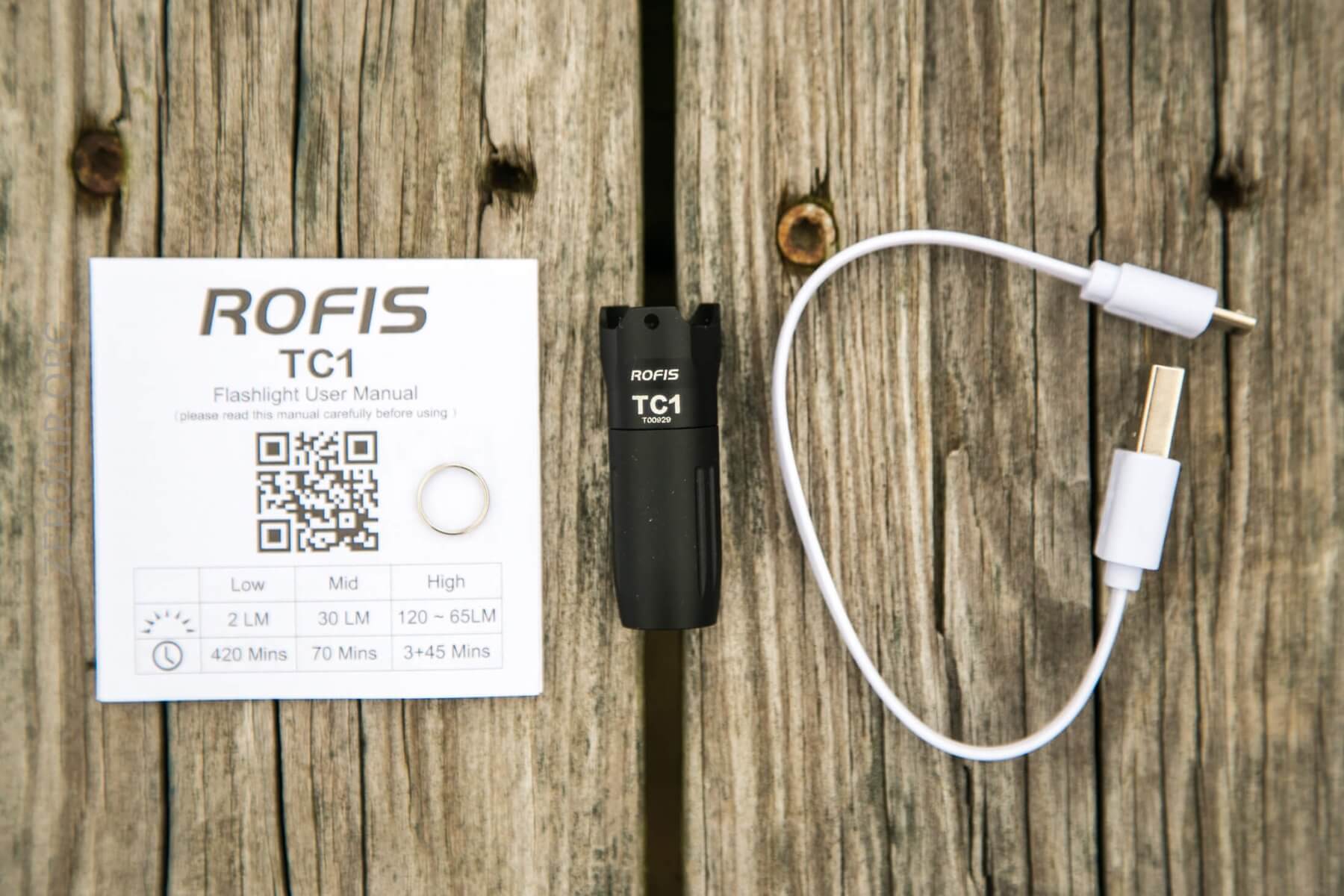
- Rofis TC1 Keychain flashlight
- Charge cable (USB to micro-USB)
- Manual
Package and Manual
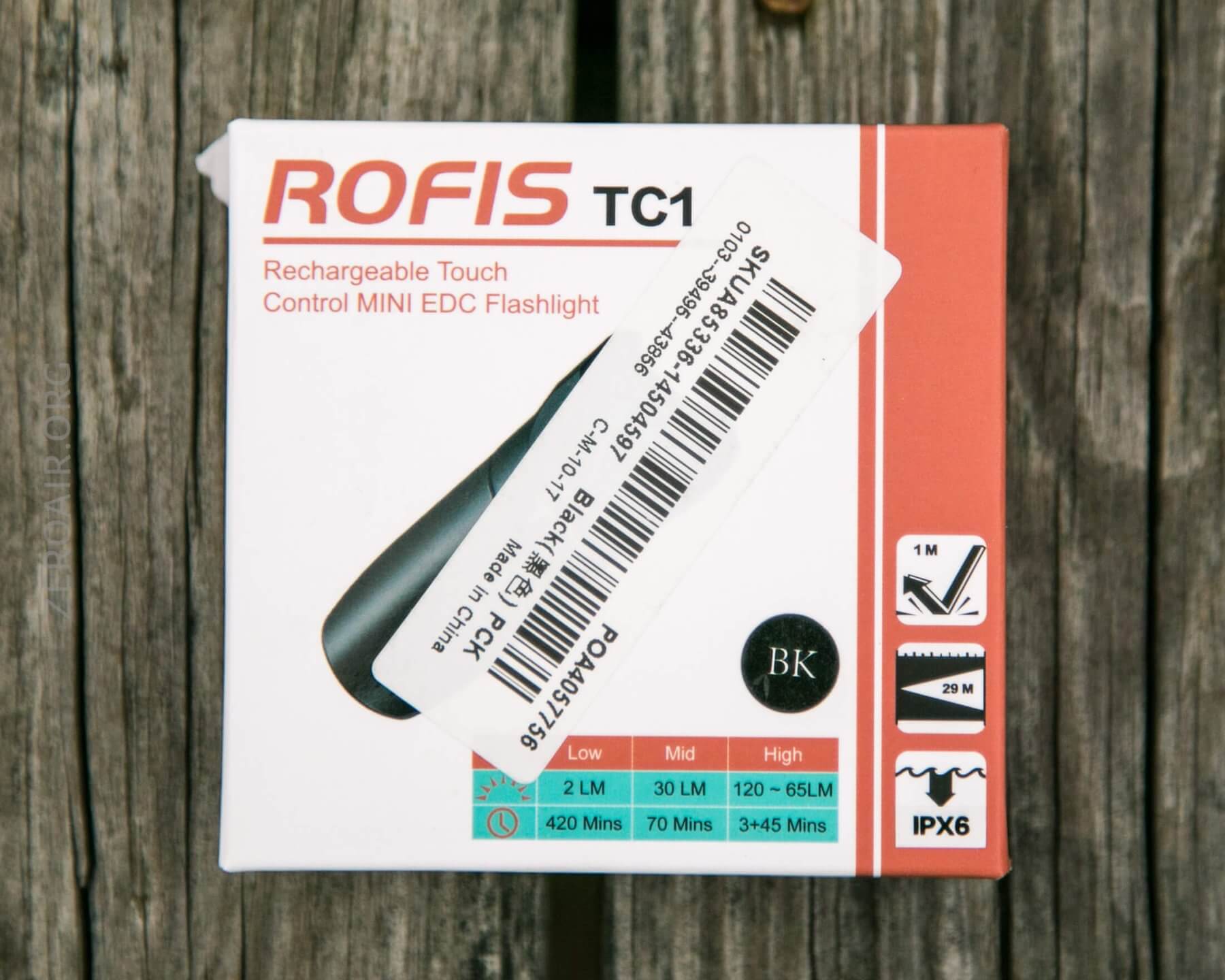
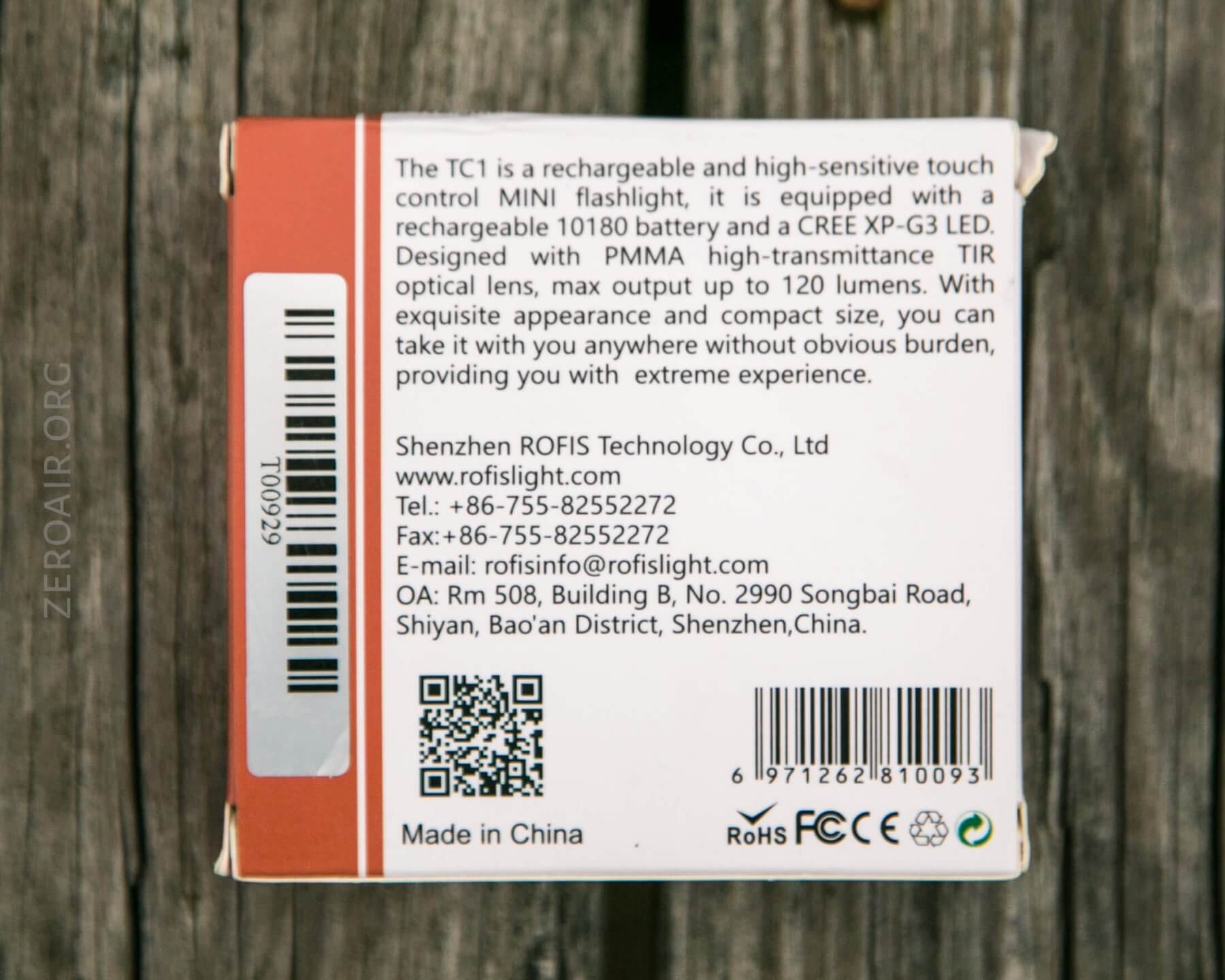
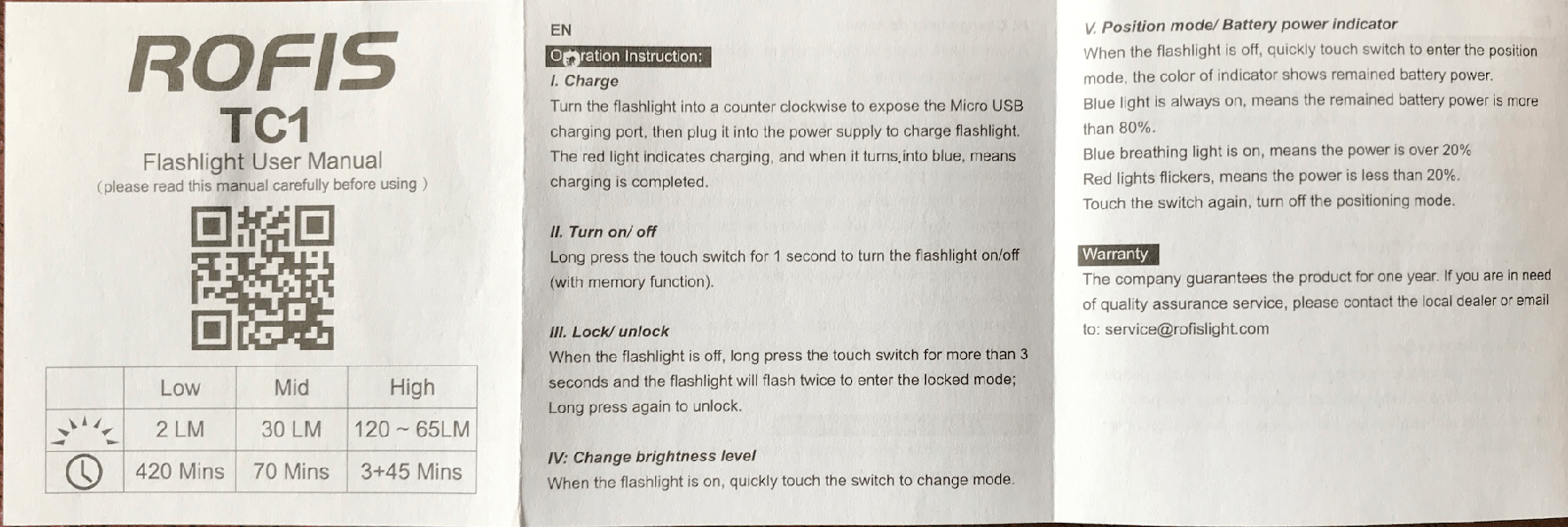
Here’s the manual:
Build Quality and Disassembly
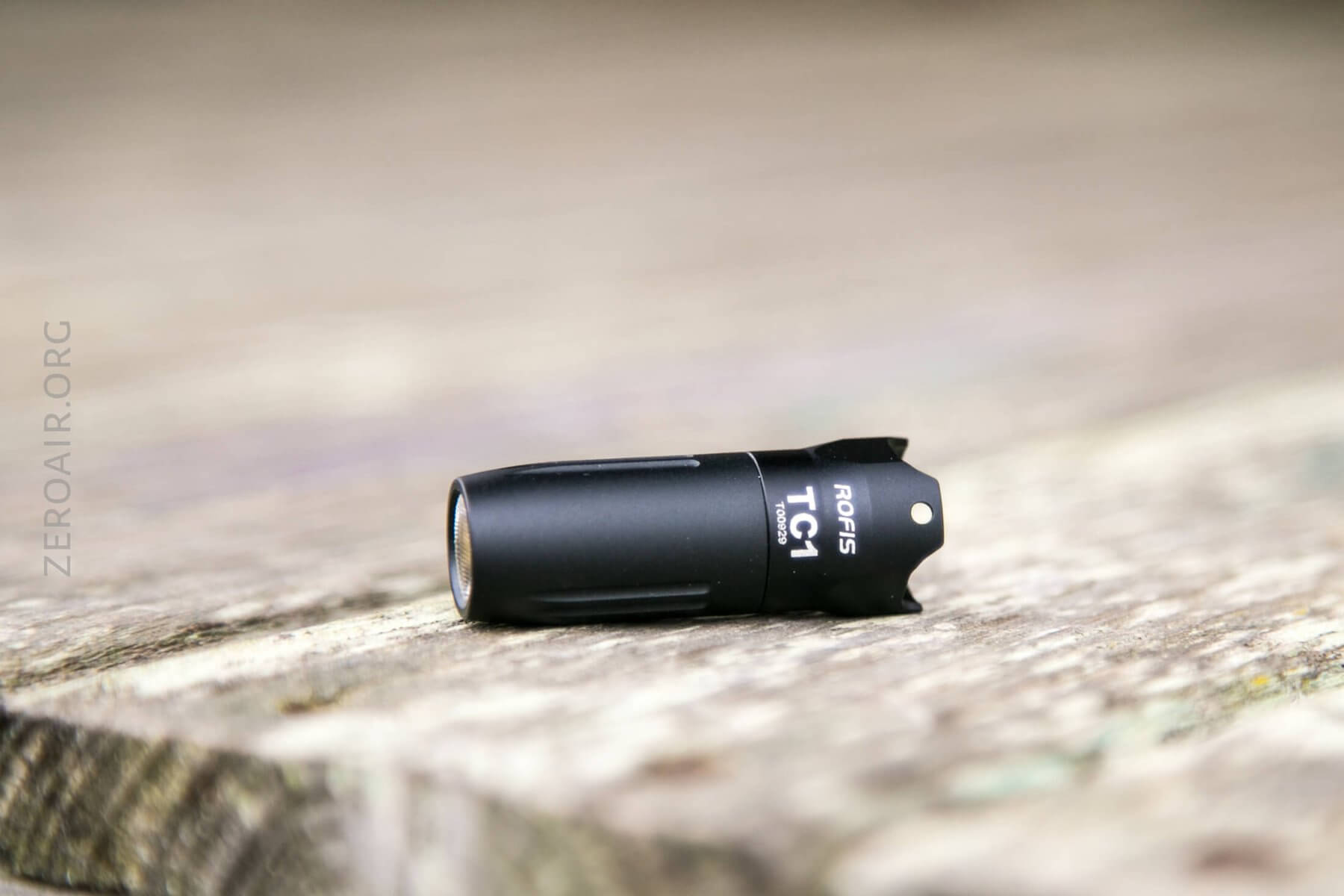
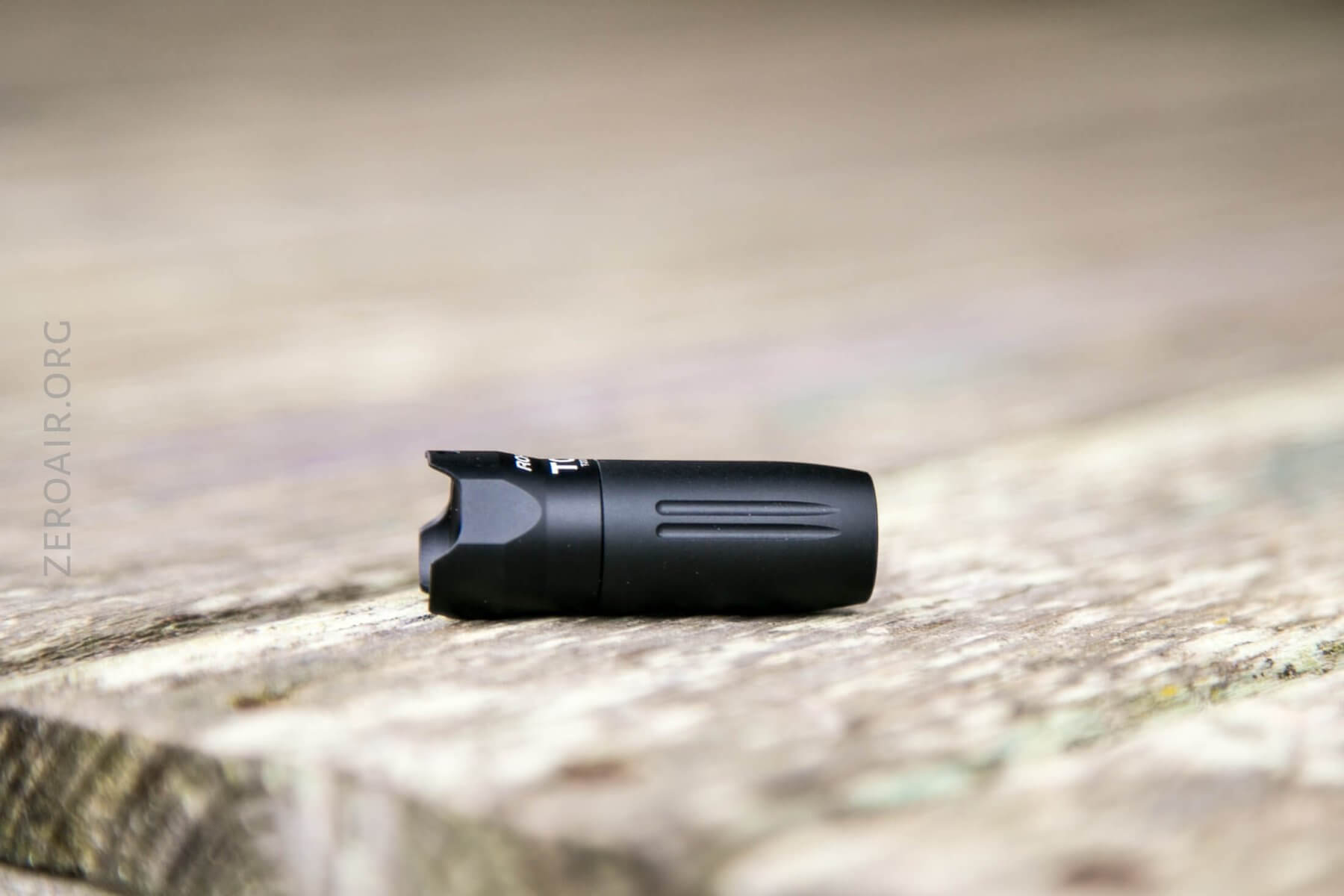
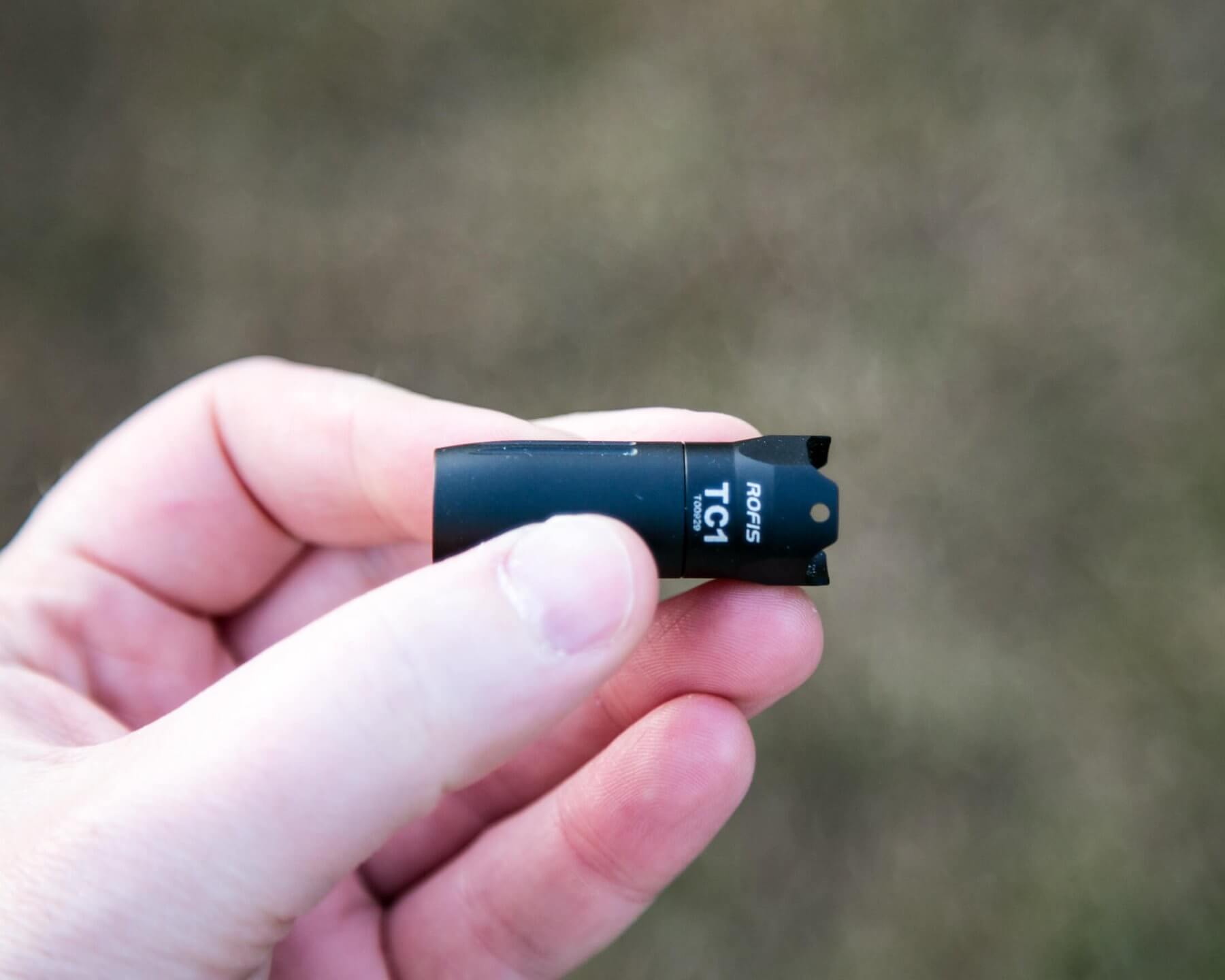
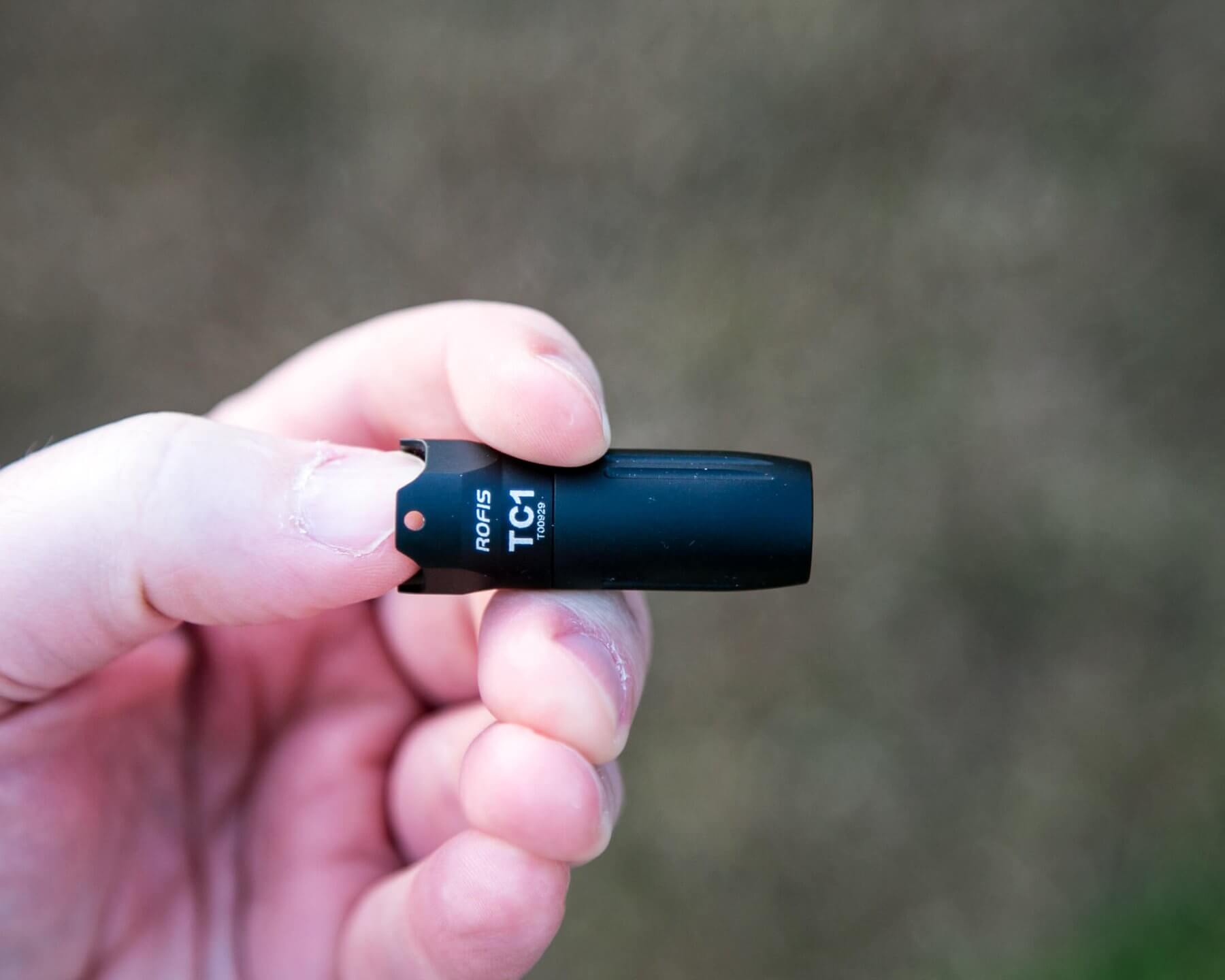
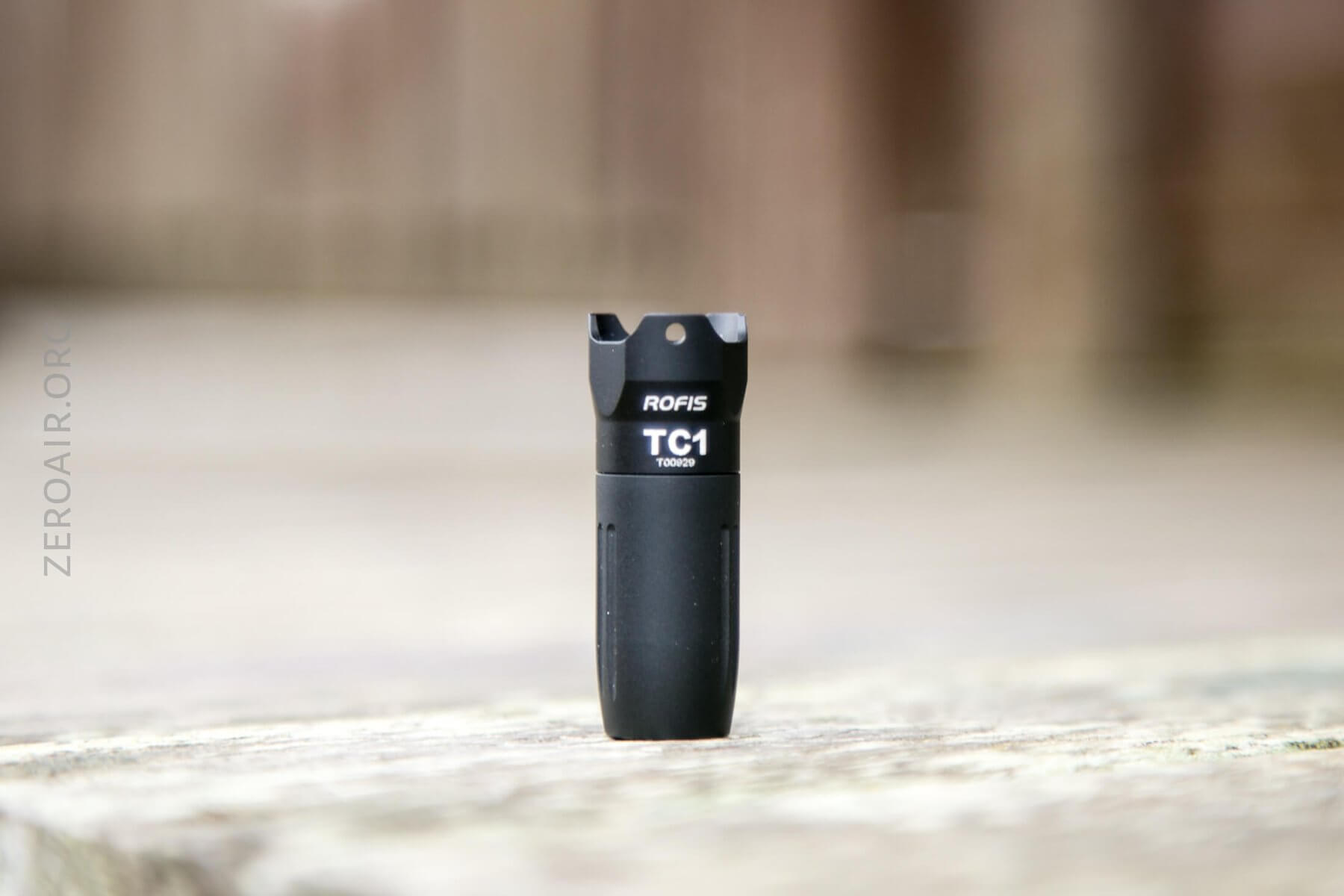
The TC1 is aluminum and anodized. It’ll be hard not to immediately notice the fins on the tail – reminiscent of one of my favorite lights (the TorchLAB BOSS). But these fins are much sharper and more like crenelations than the triad tailcap. In fact, these are long enough that they can be used for prying, and are not much thicker than a fingernail.
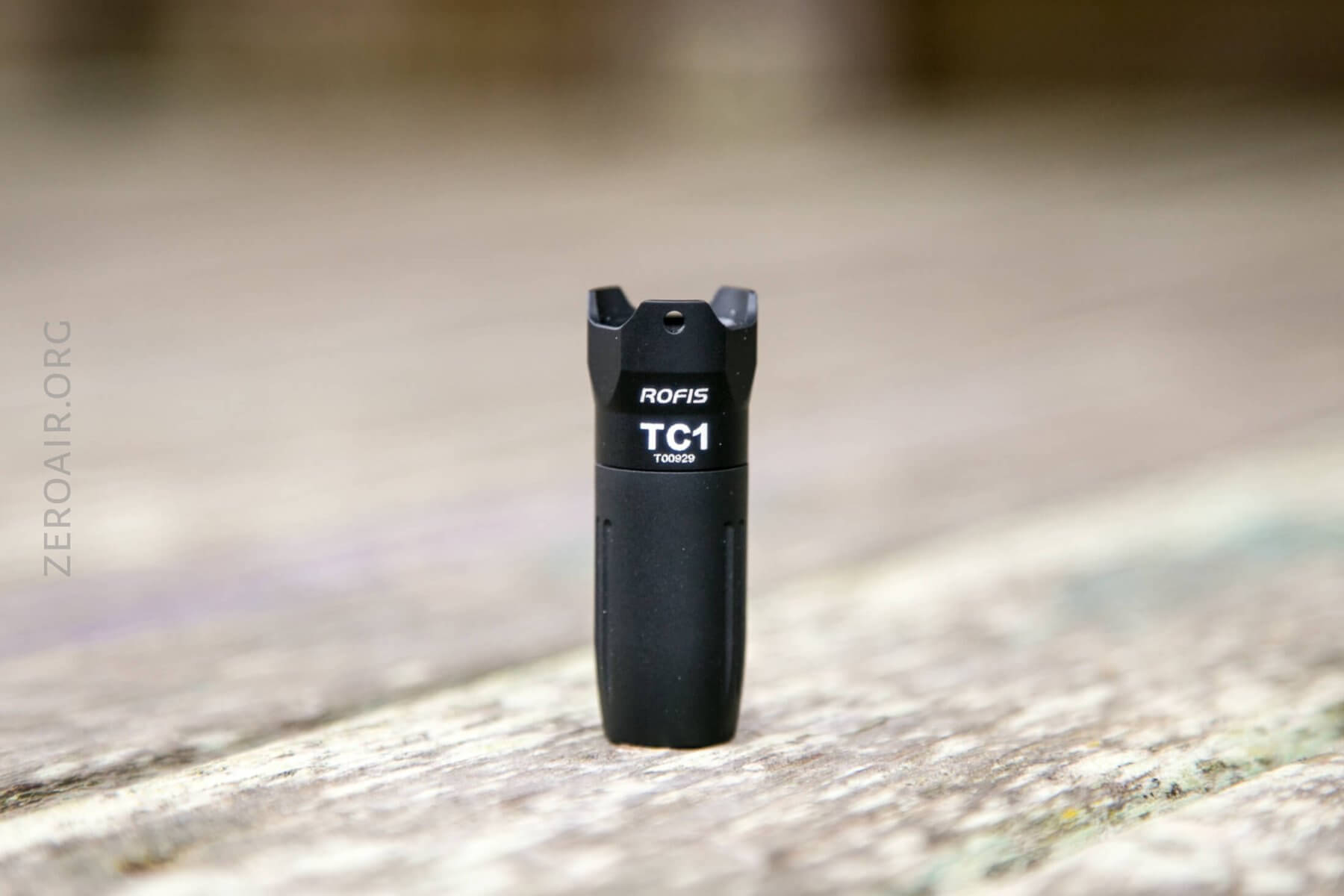
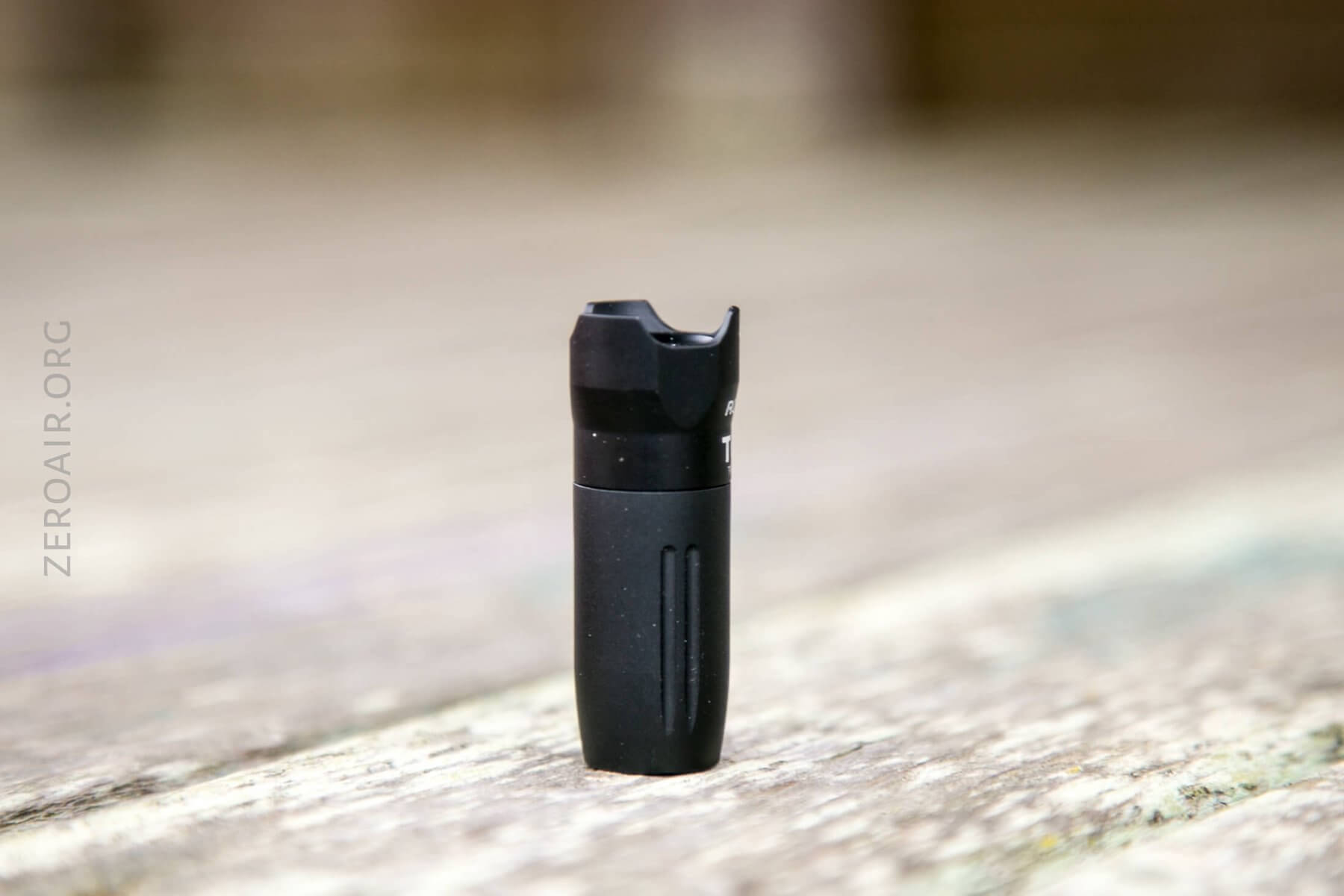
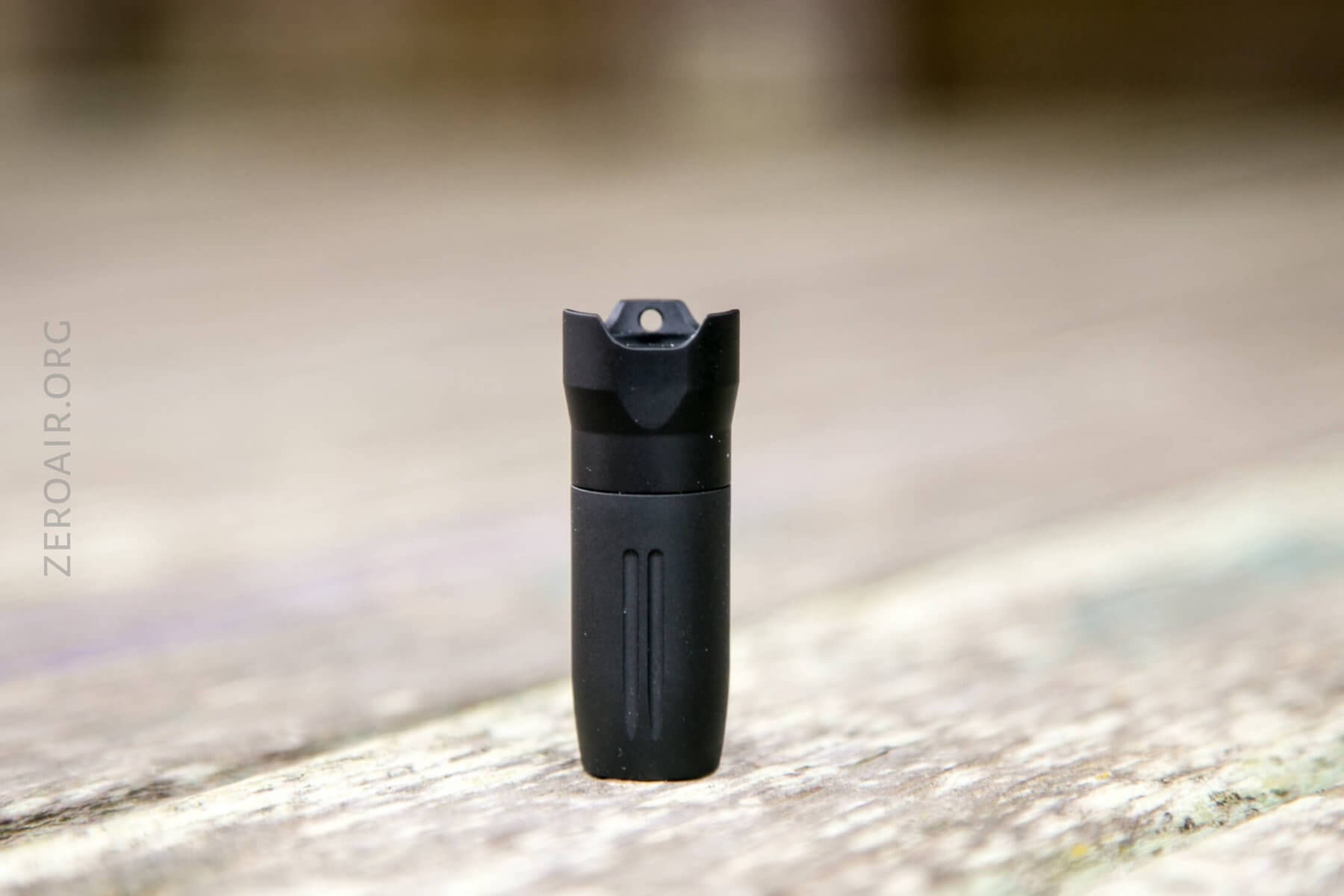
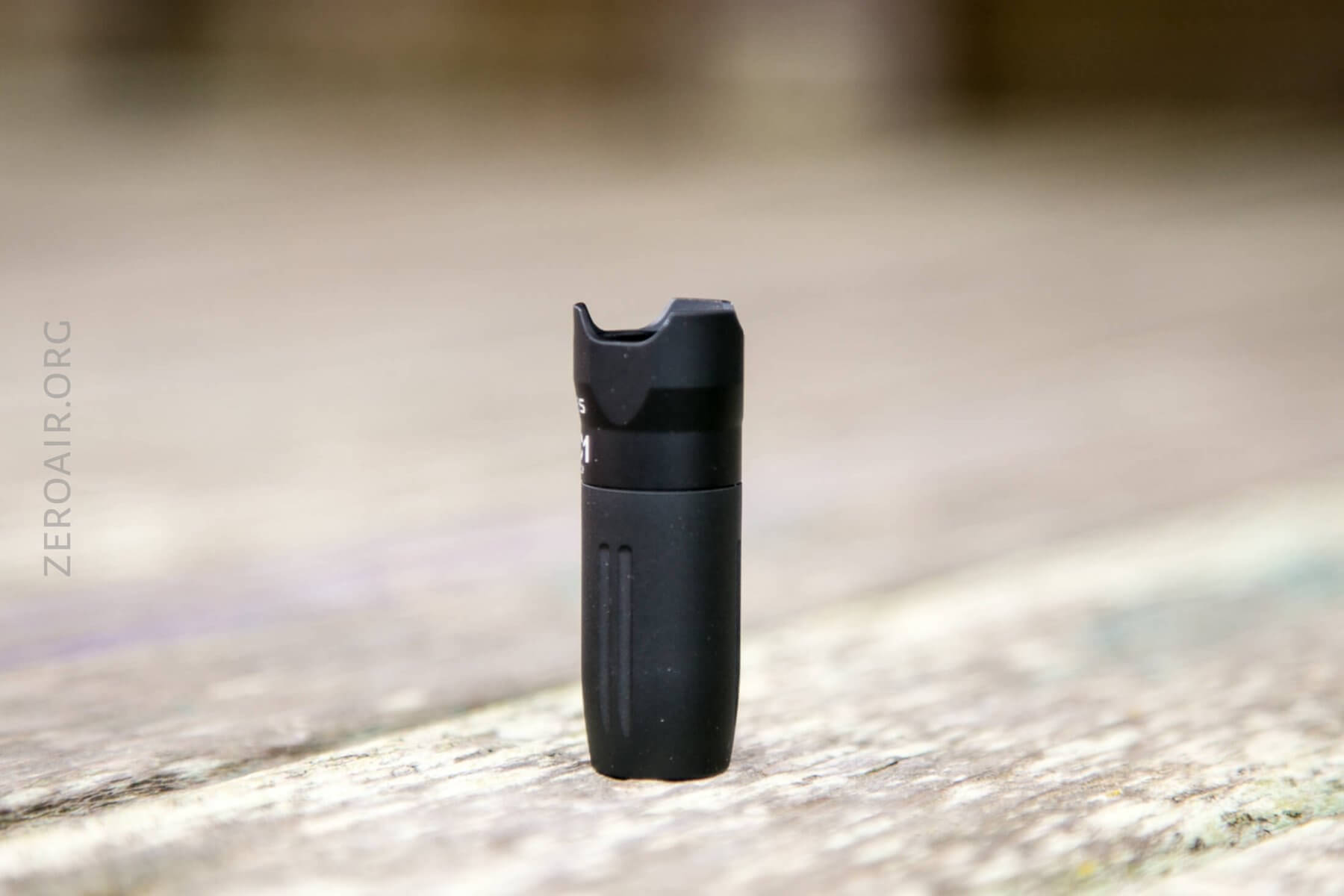
The sides have grooves, but they’re more aesthetic than functional; since this isn’t a twisty light, they aren’t needed for grip. (They do help when unscrewing for a charge, though.)
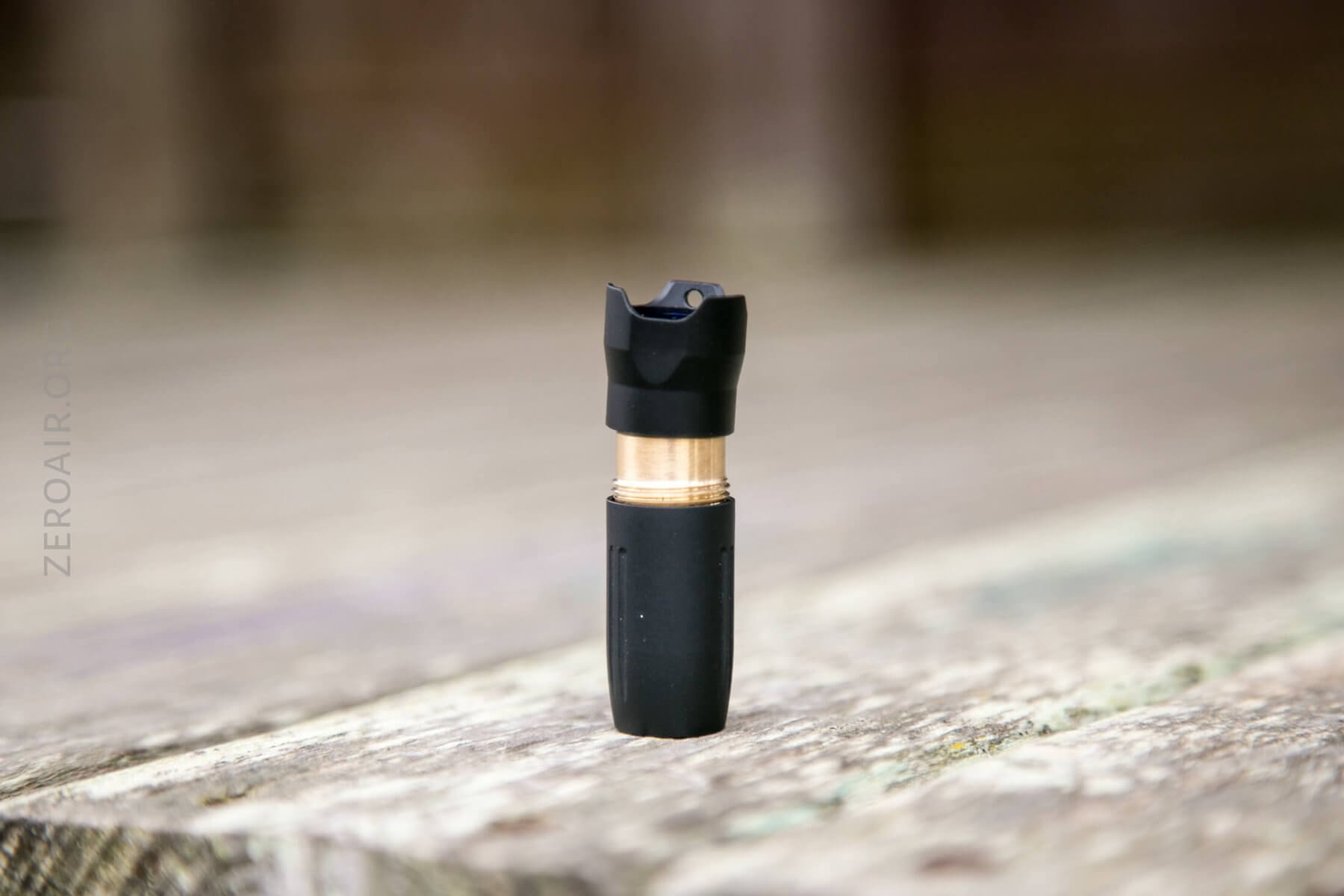
Speaking of unscrewing the tail for charging the light – here’s how far the tailcap comes off. It can be persuaded further, but I don’t recommend it. I took my tailcap off, hoping to get a glimpse of the built-in 10180, but then almost never got the tailcap back on. And when I did, the switch didn’t work right for a while. Fortunately, it’s 100% now, but still, I don’t recommend you doing it.
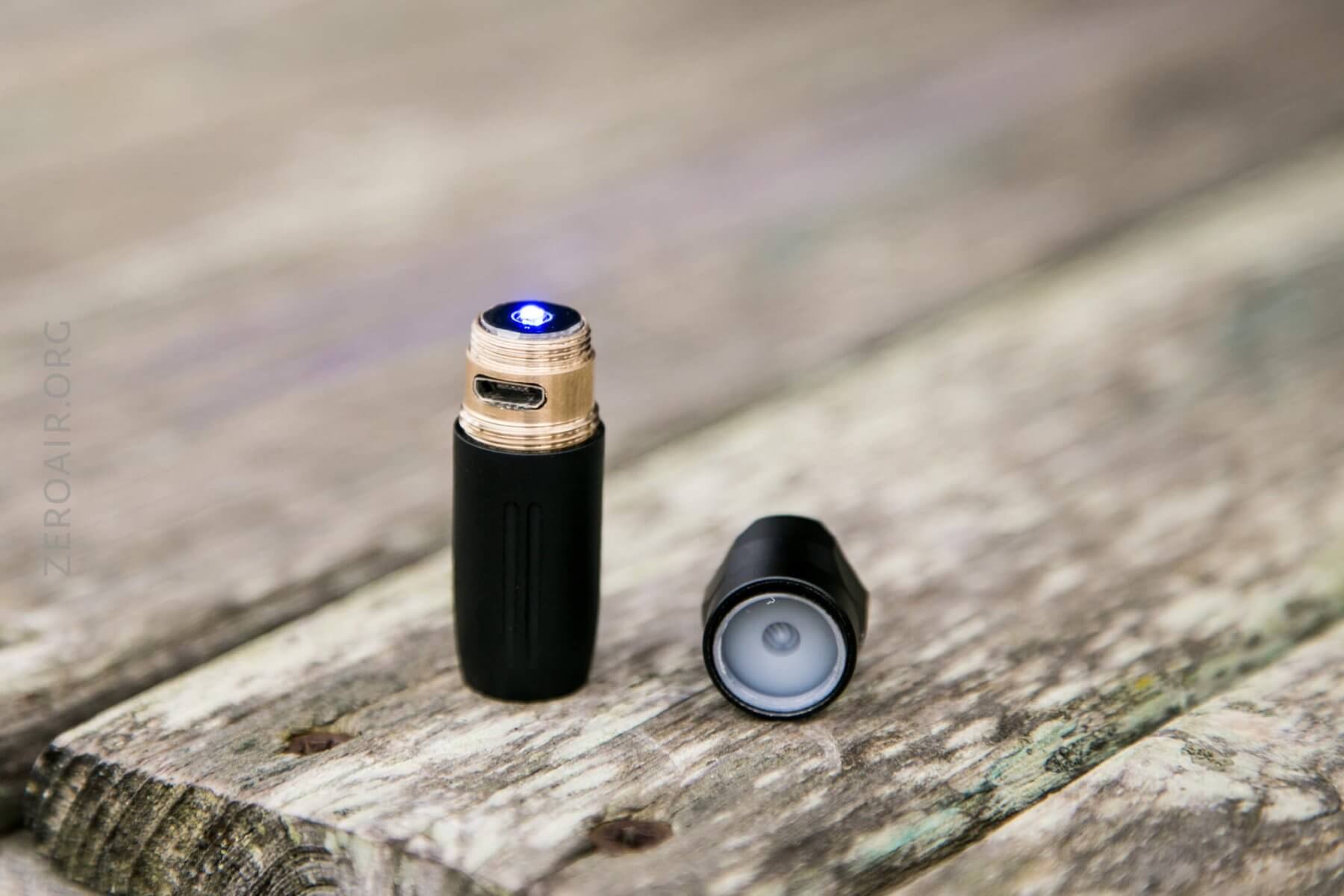
Here’s a view of the blue emitter in the tailcap. There’s also red, but it’s not active in this photo.
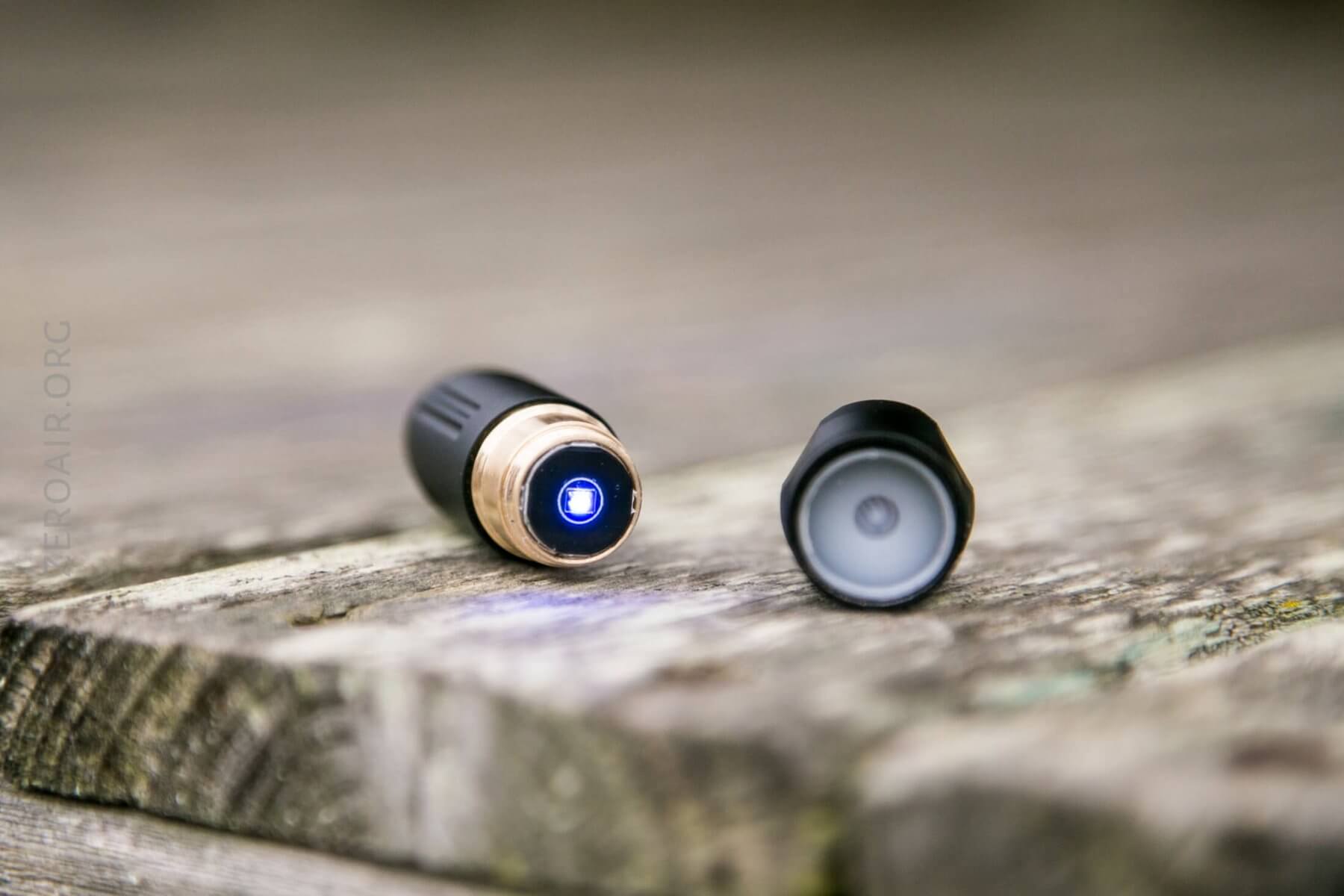
Overall, I’m satisfied with the build quality of this light. One thing that I’m not too keen on is that the tailcap that screws onto the brass body is plastic. So, in my finagling with getting the tailcap back on, there was visible wear. Through normal use, though, I don’t think you’d ever have this issue.
Size and Comps
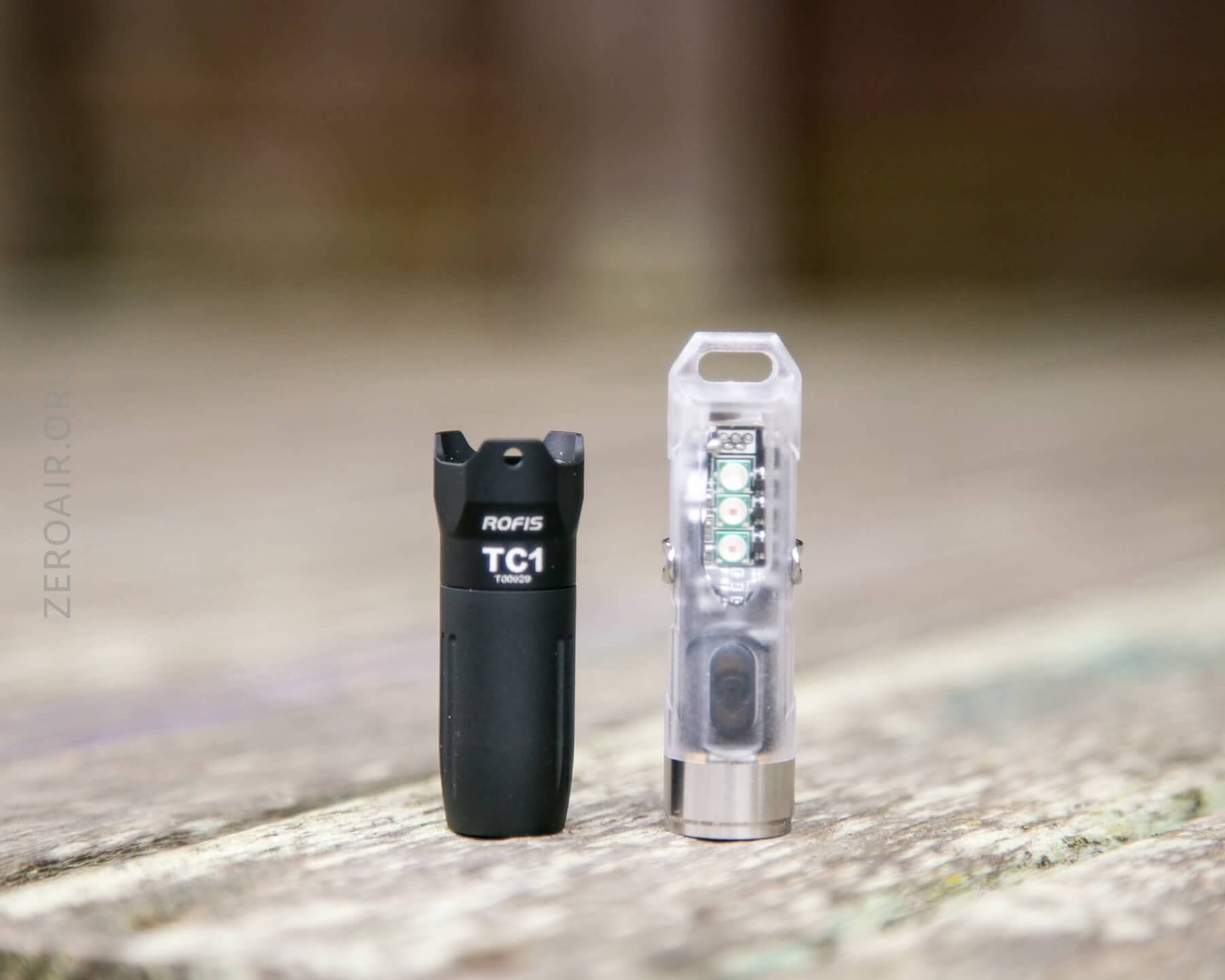
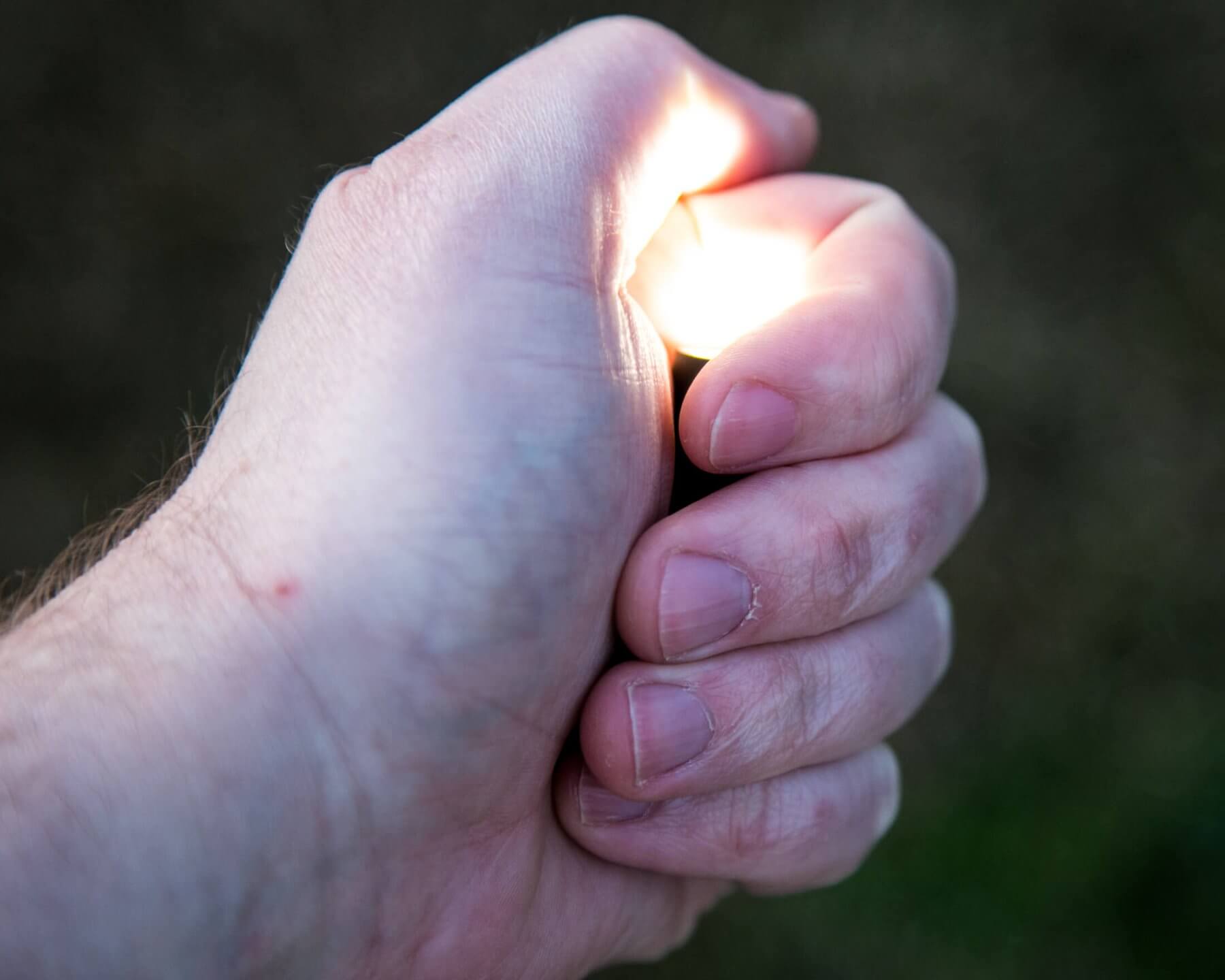
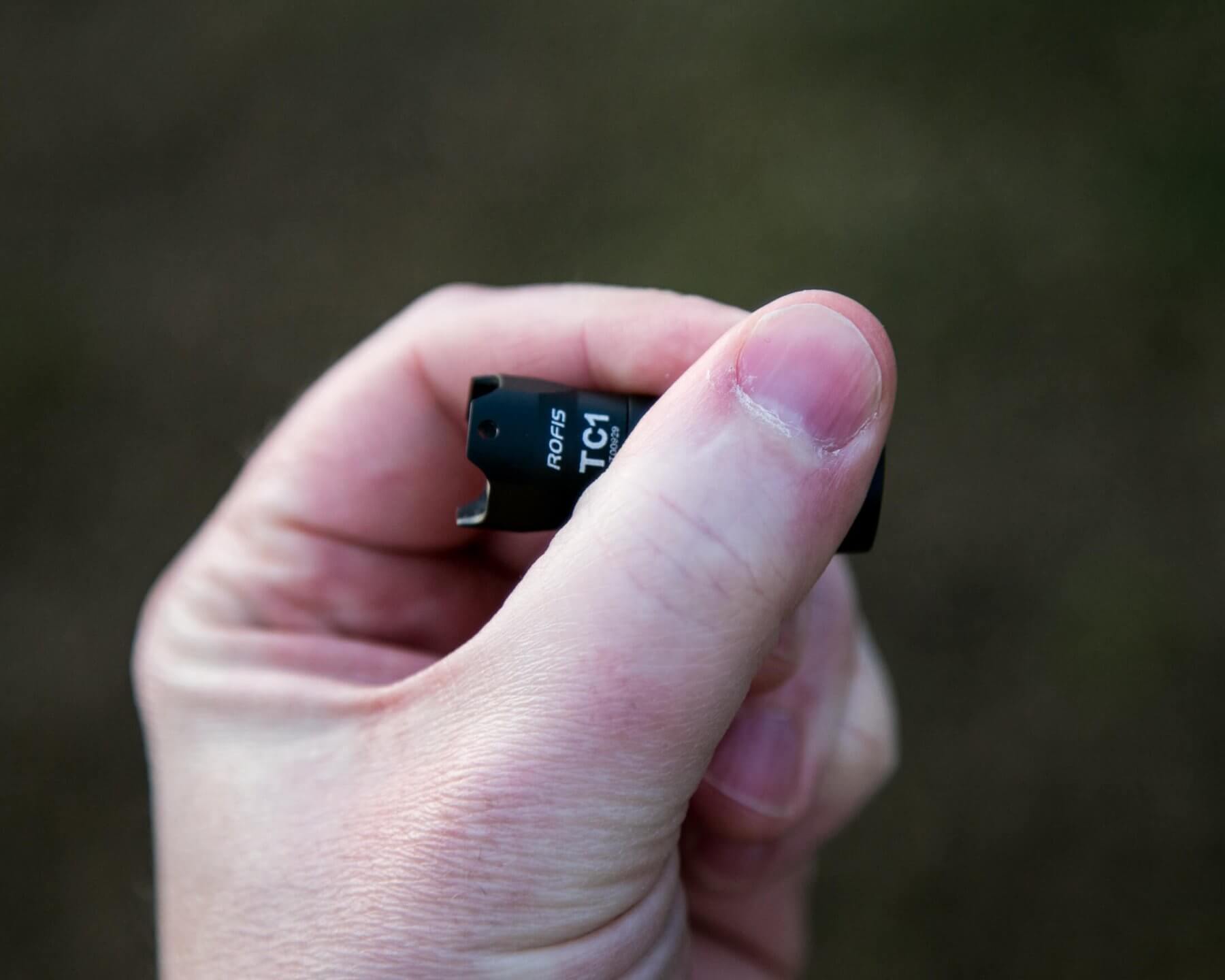
The TC1 is 15.5g, and I measure it at about 43mm long and 17mm at the base.
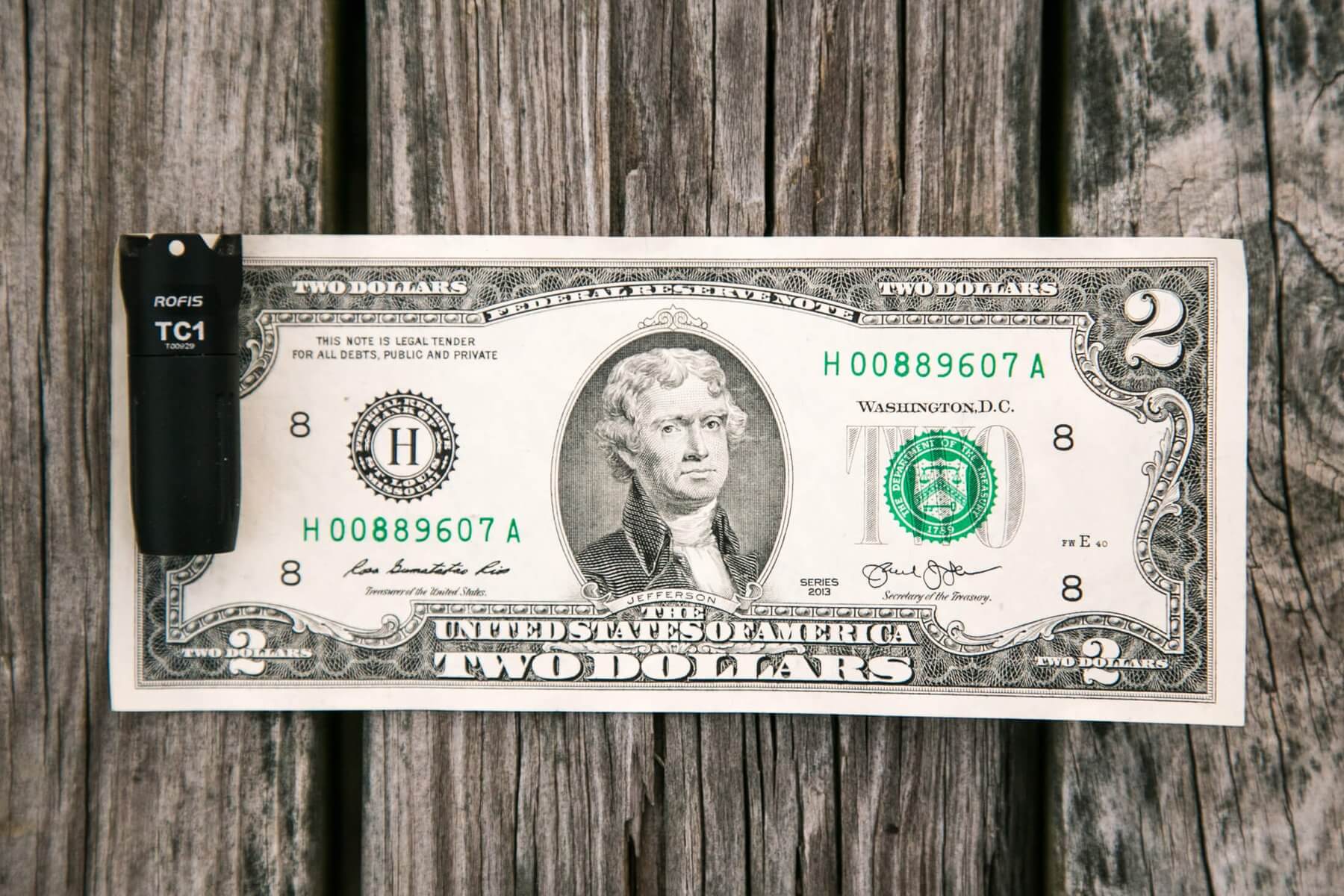
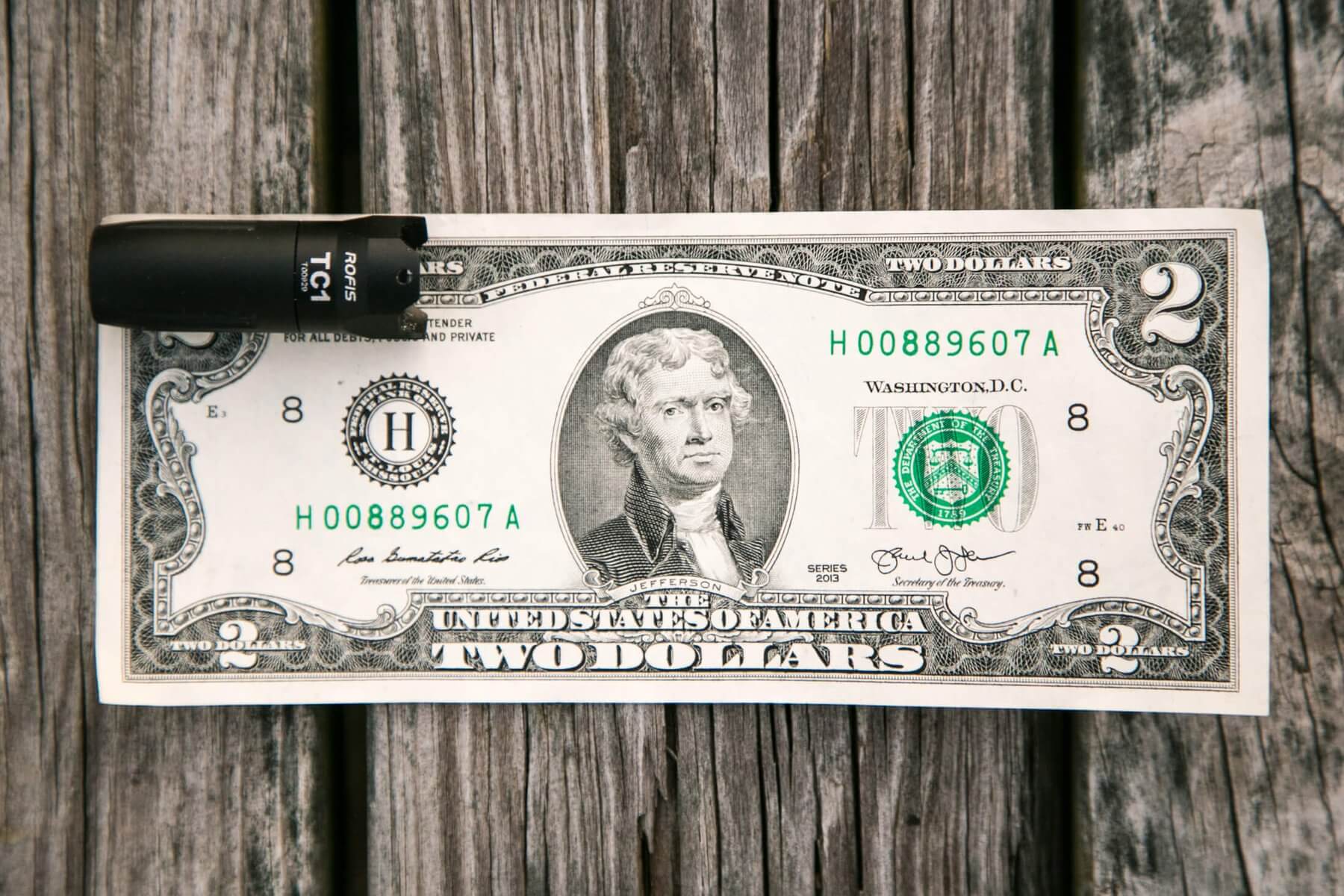
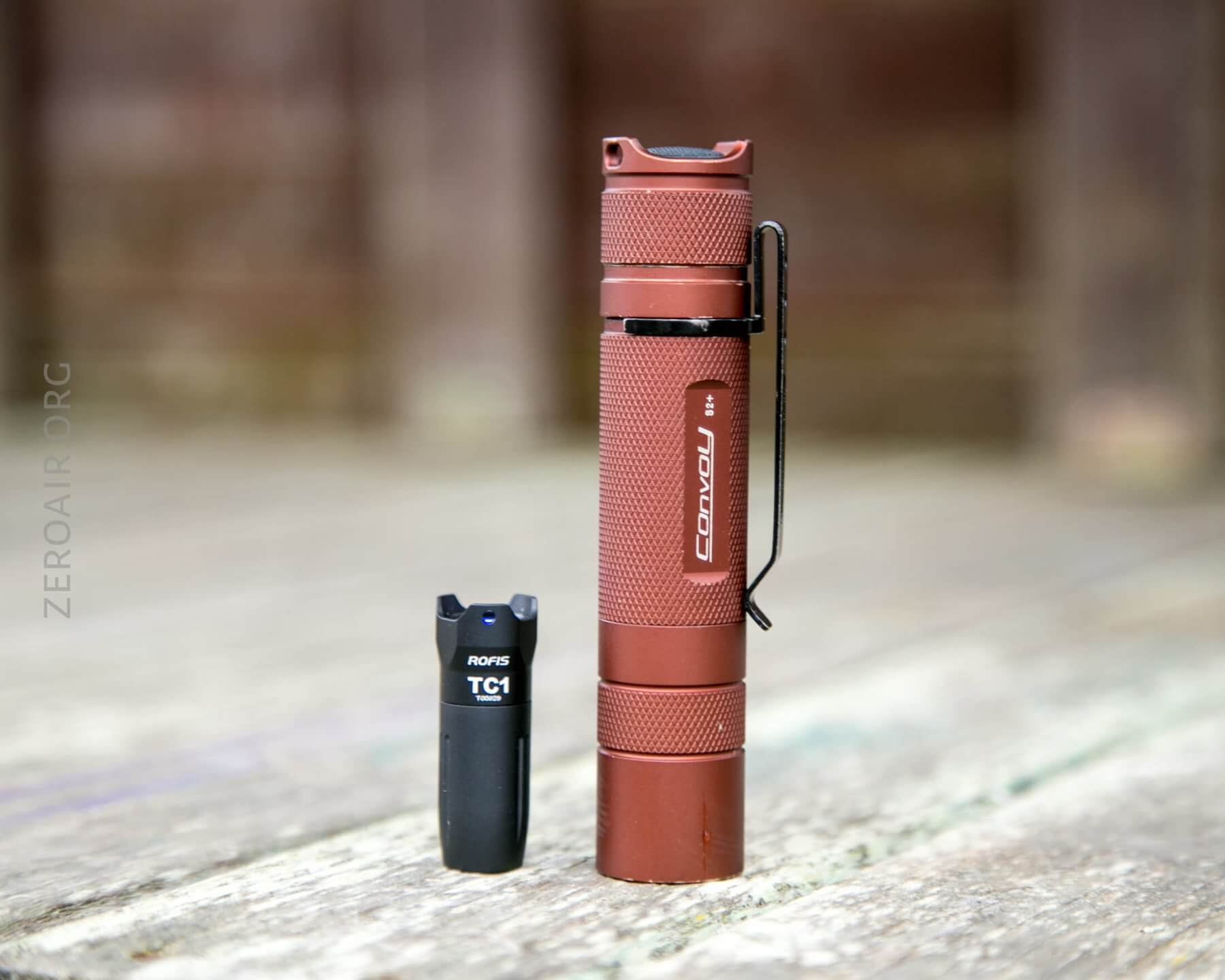
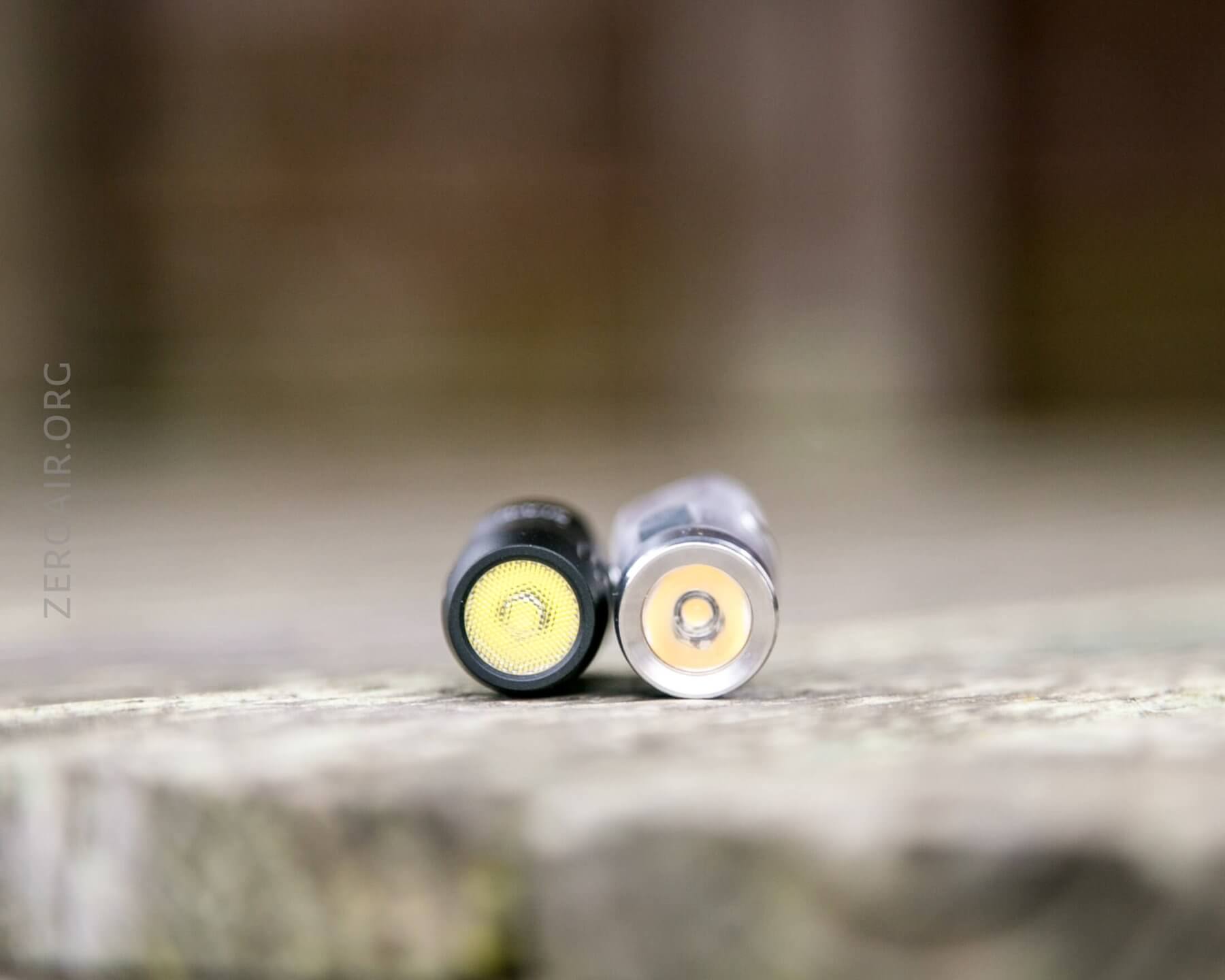
Here’s the test light with the venerable Convoy S2+. Mine’s a custom “baked” edition Nichia 219b triple. A very nice 18650 light.
Retention and Carry
Surprisingly, there’s nothing included for carrying this little light. There is the option, since there’s a hole in one of the tail fins, but a lanyard or chain isn’t included.
There’s no pocket clip or magnet, either. Really, it seems that this is intended as a pocket carry light.
Power and Runtime
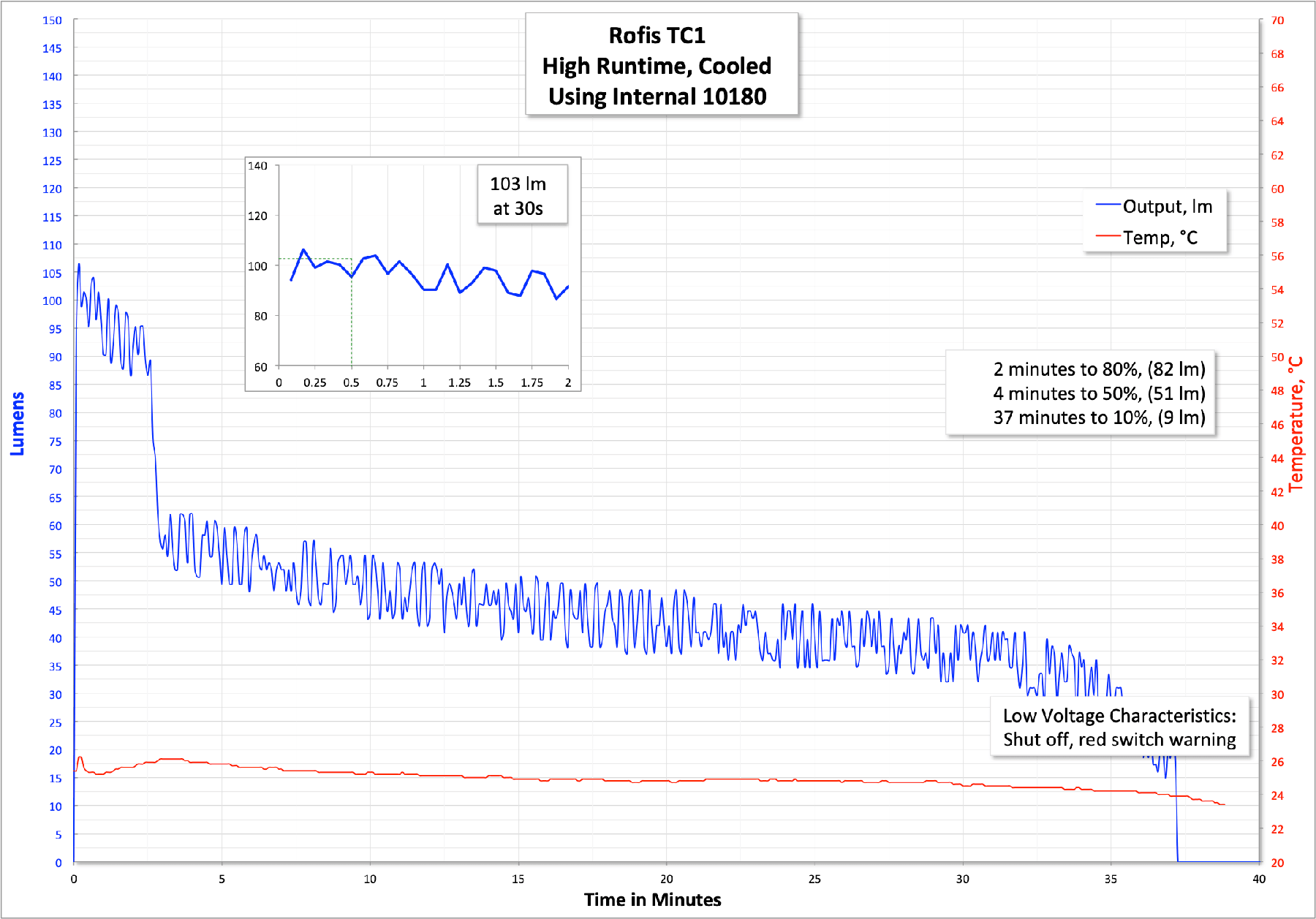
The internal cell is said to be a 10180. I never saw it (though I tried), but the size, shape, and runtime of this light support that. There are only three modes, and no runtimes are claimed. The output on high is claimed at 120 lumens, and my tests more or less support that. Here’s a runtime on High.
And a runtime on Medium.
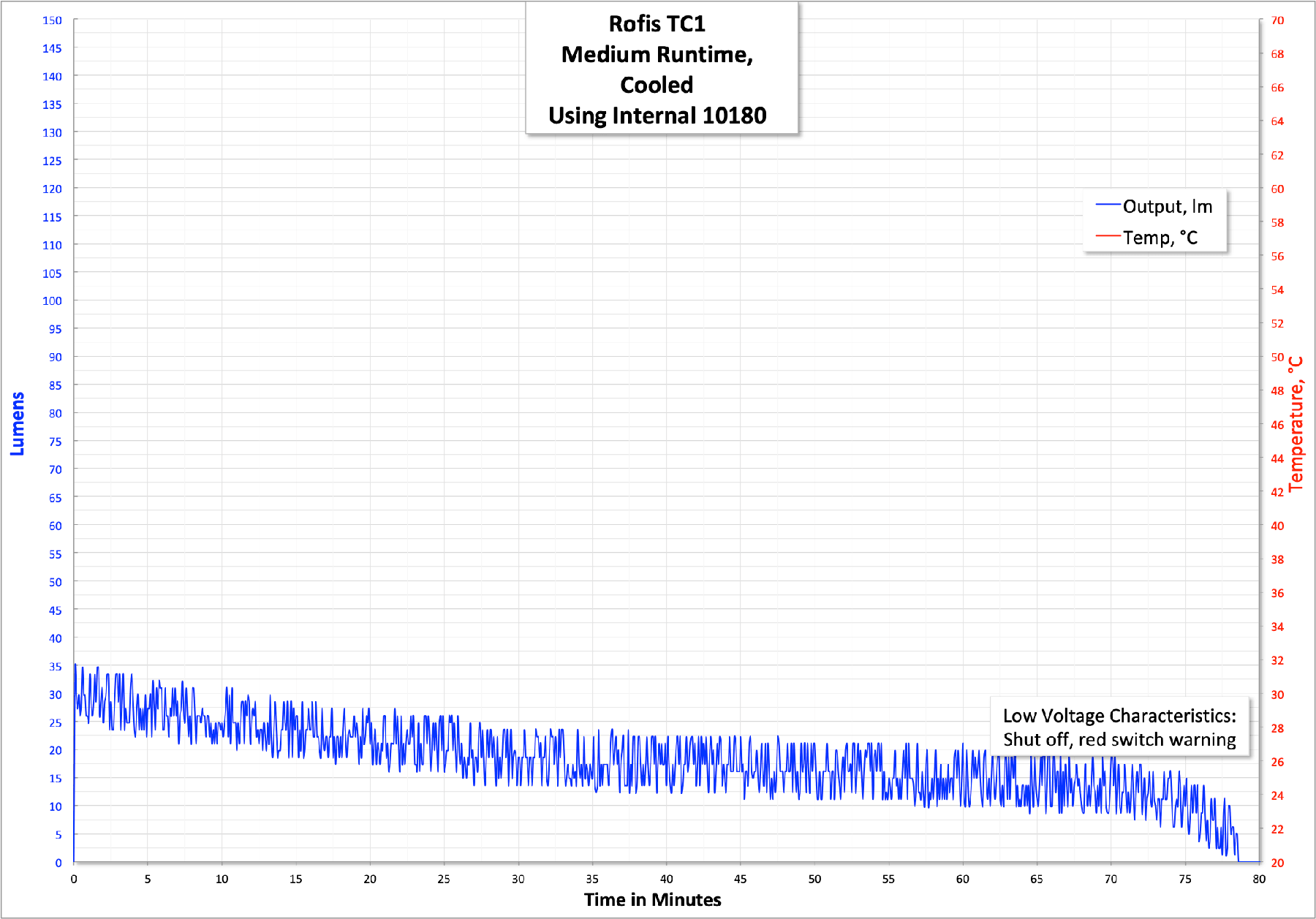
In both cases, the light fully shut off after the switch blinked red for a while (or at least a few times).
The variations in the runtime are just my lux meter bouncing around – the light doesn’t bounce in this way. (My lux meter always does this, but it’s more noticeable on the low-lumen lights like this.)
Charging
With the built-in cell, you’d expect onboard charging. And you’d be right. That happens via a micro-USB port on the brass body of the TC1. A cable is included – USB to micro-USB.
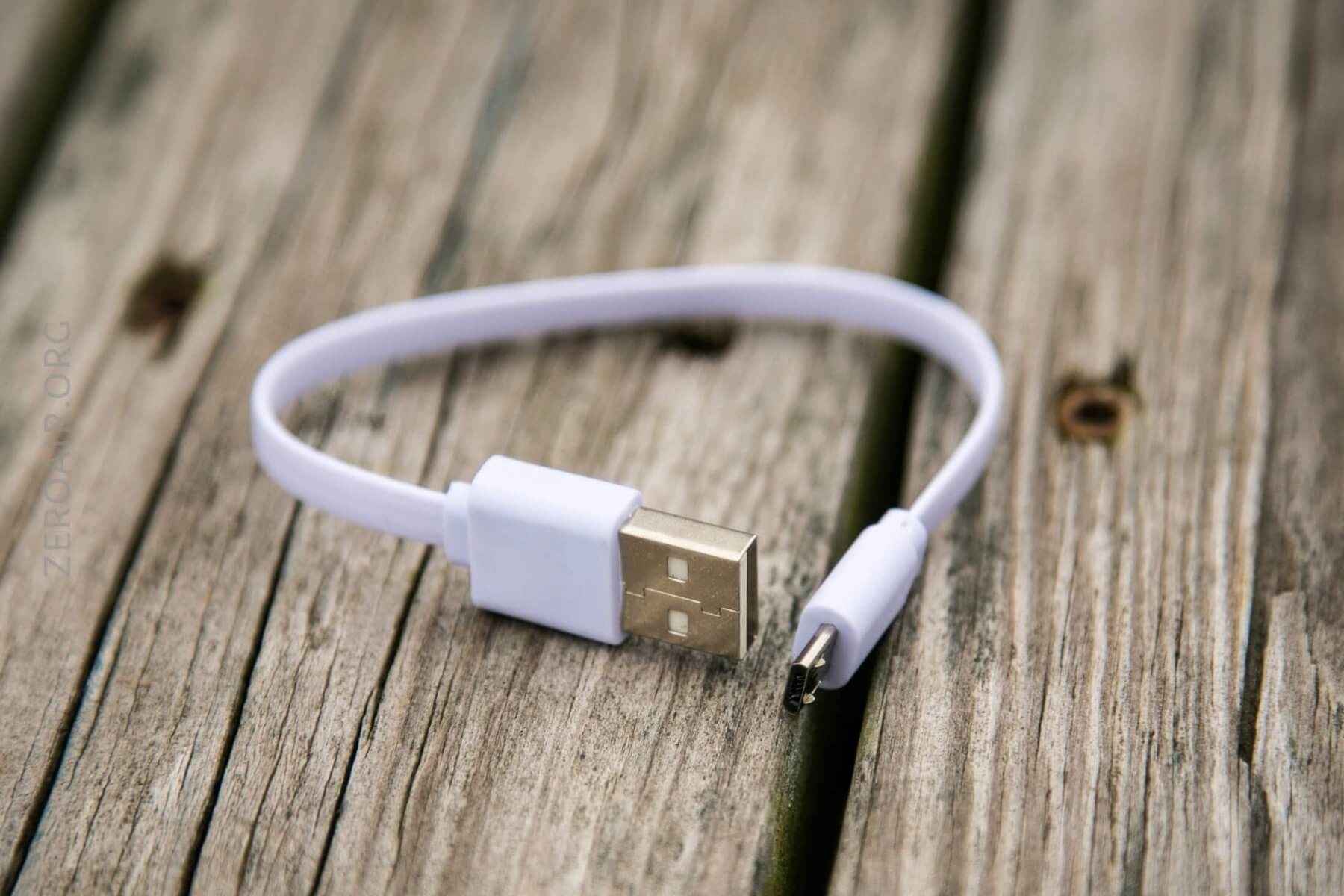
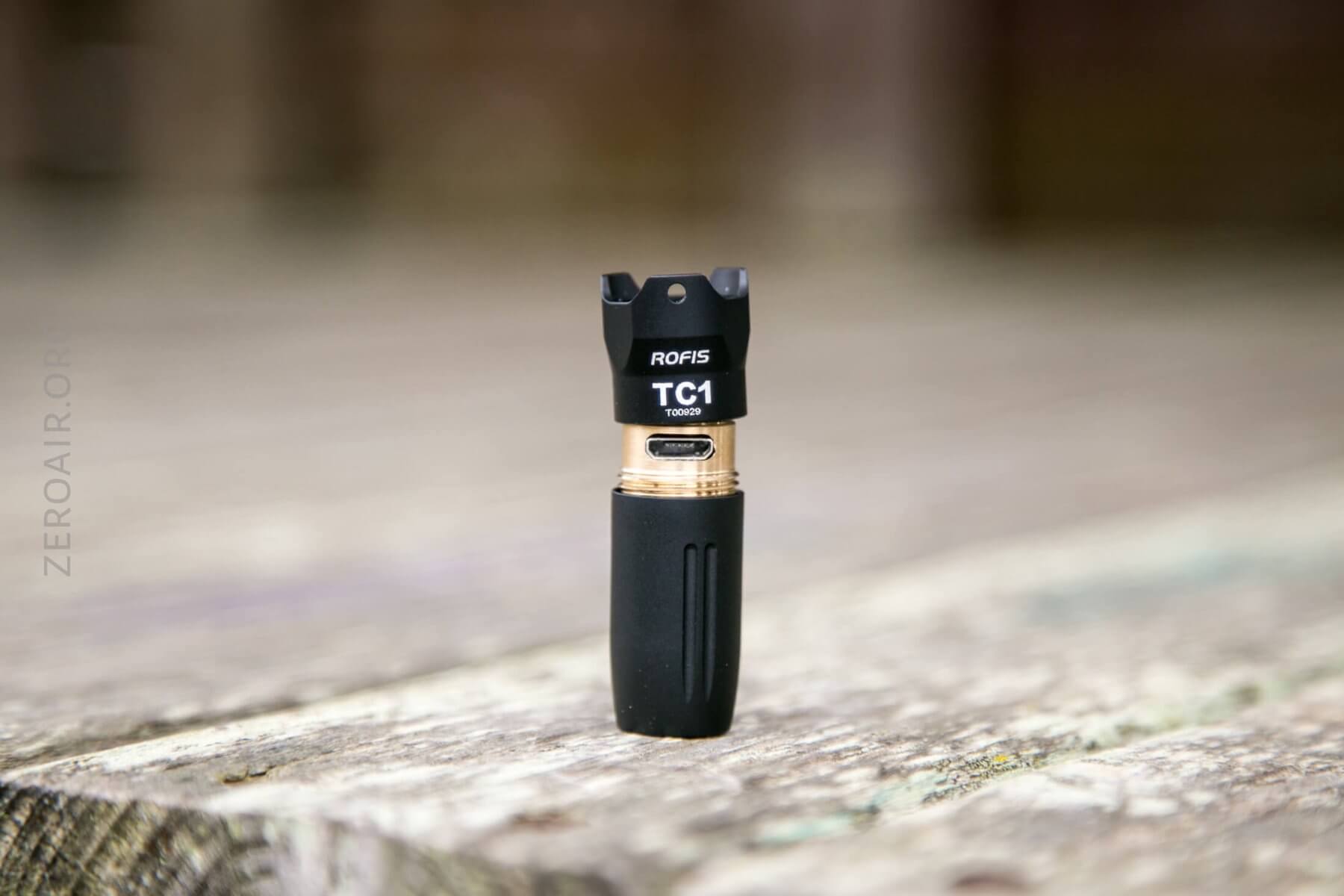
The charge port is revealed by unscrewing the tailcap. Below is the resting position with the tailcap unscrewed. There’s plenty of room to get the cable in there.
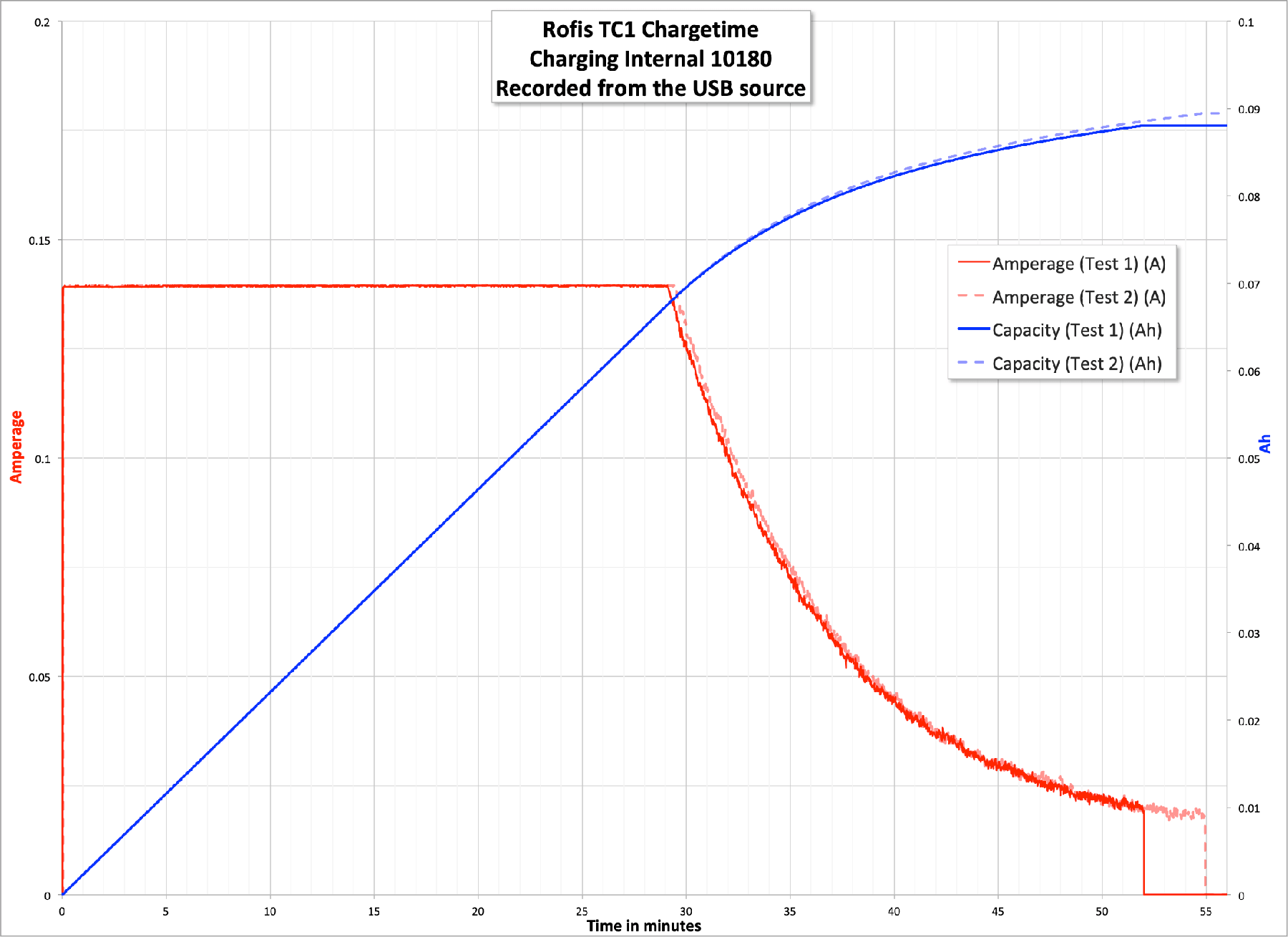
Charging looks pretty solid, and shows a cell of over 90mAh.
Pulse Width Modulation
Here you can see a “baseline” – a chart with almost no light hitting the sensor.
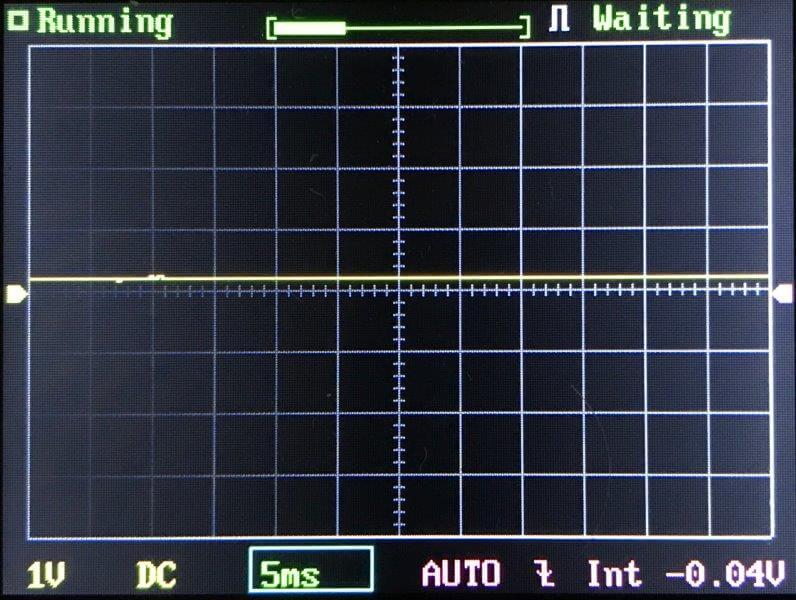
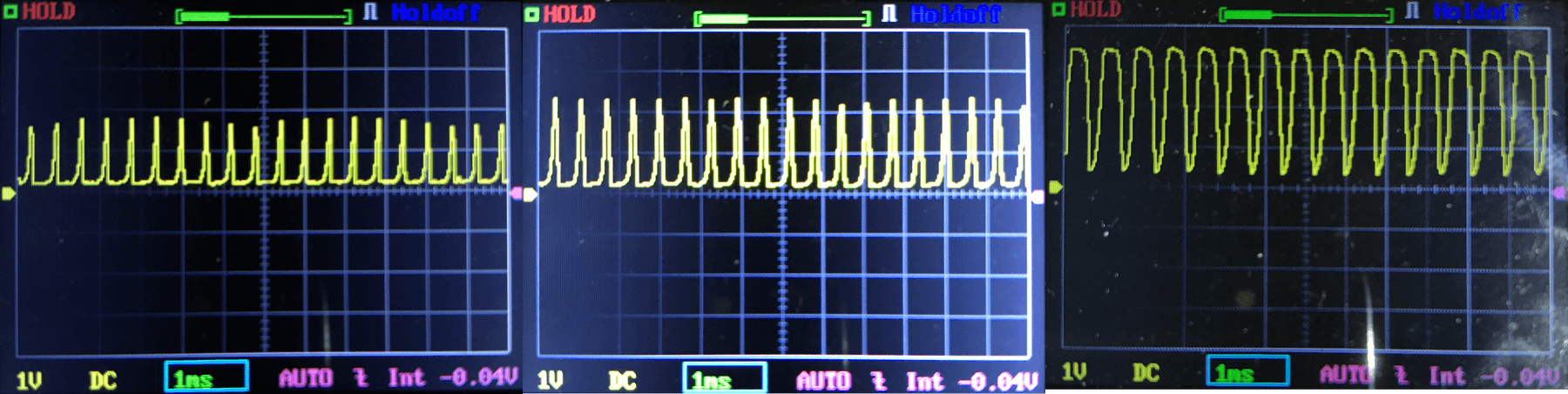
Then there’s the Ultrafire WF-602C flashlight, which has some of the worst PWM I’ve seen. It’s so bad that I used a post about it to explain PWM! Here are multiple timescales (10ms, 5ms, 2ms, 1ms, 0.5ms, 0.2ms) to make comparing this “worst” PWM light to the test light easier. That post also explains why I didn’t test the WF-602C at the usual 50us scale.
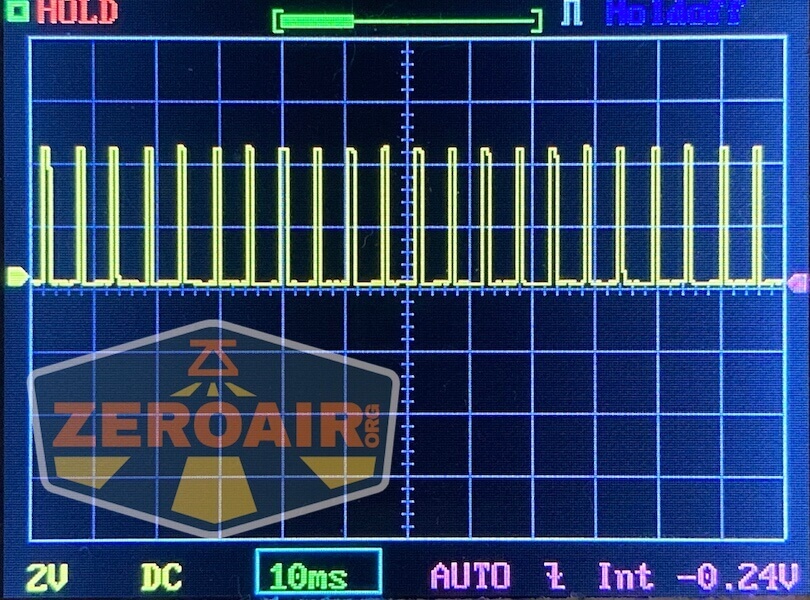
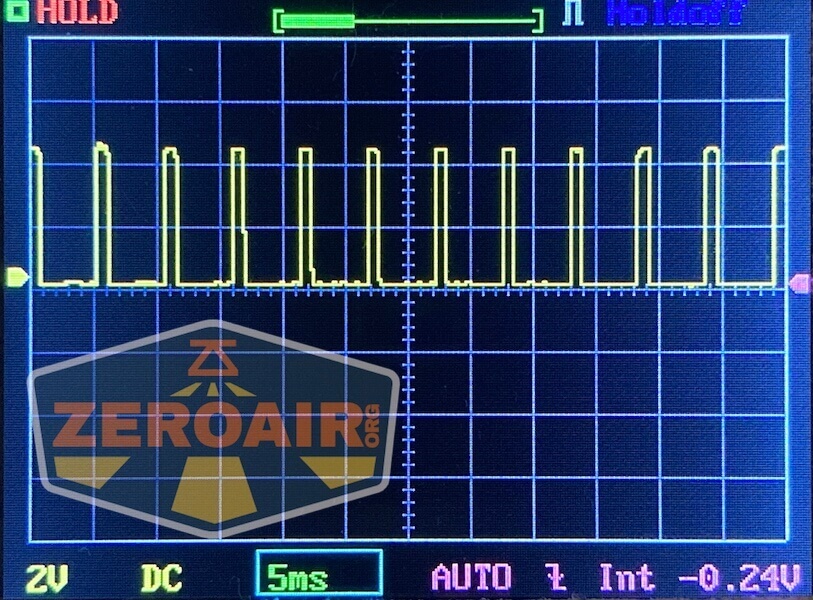
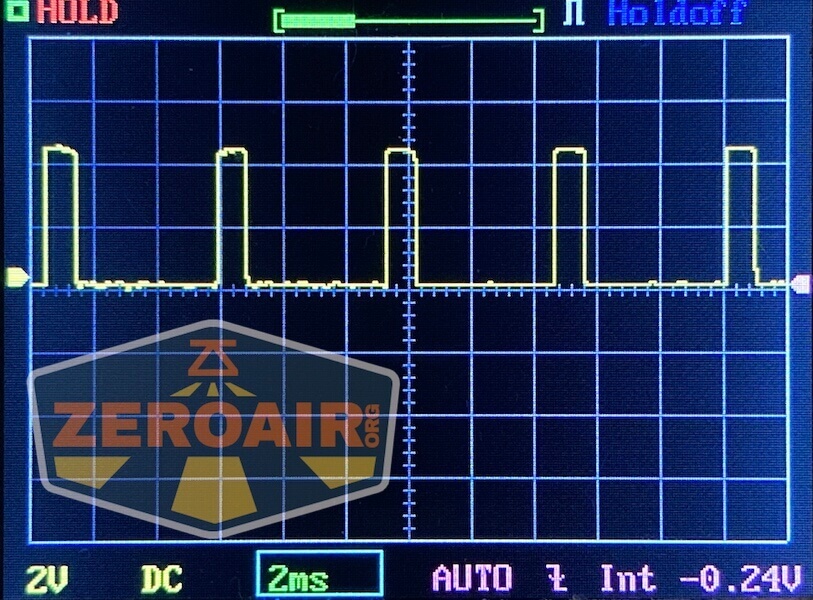
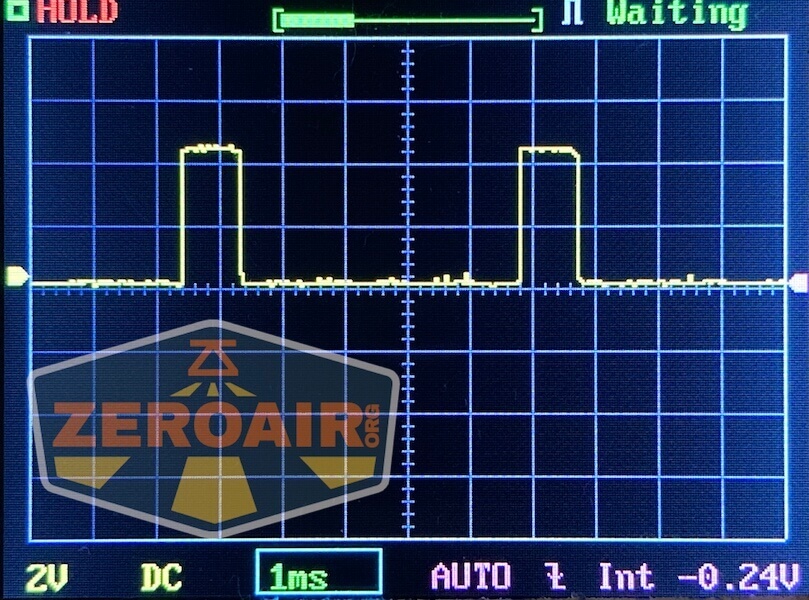
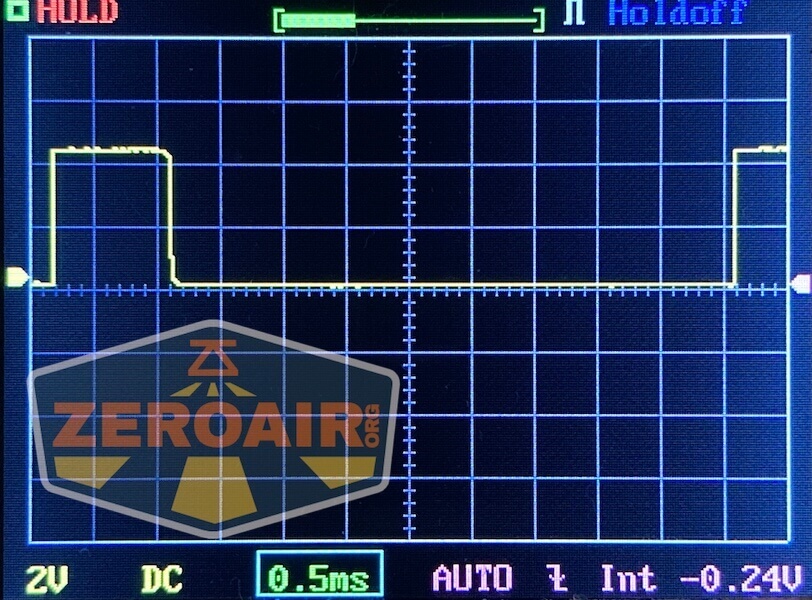
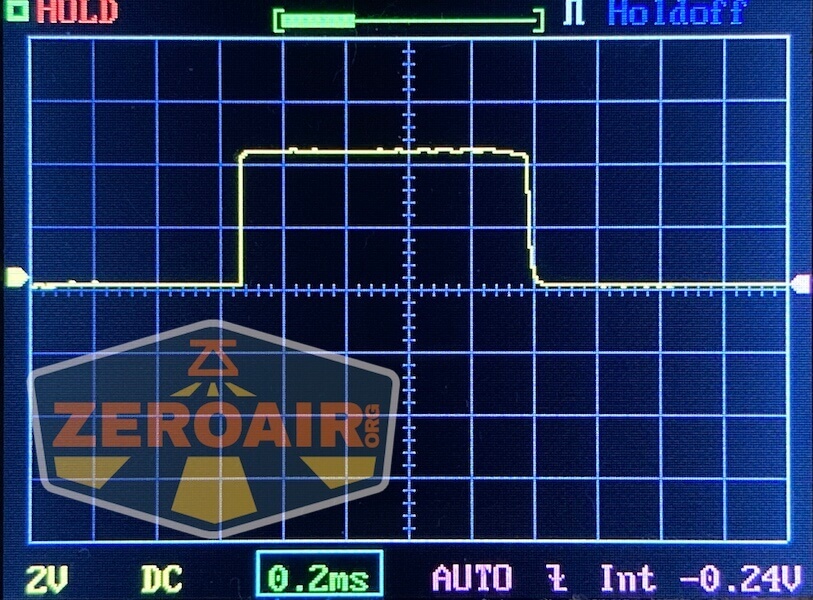
PWM is moderately noticeable on low, but really on the higher modes, basically disappears.
User Interface and Operation
The switch on the TC1 is capacitive. It’s hidden in the tail fins and also has a neat fingerprint design. The switch, even though it’s capacitive, is an indicating switch. It can even be a beacon, too.
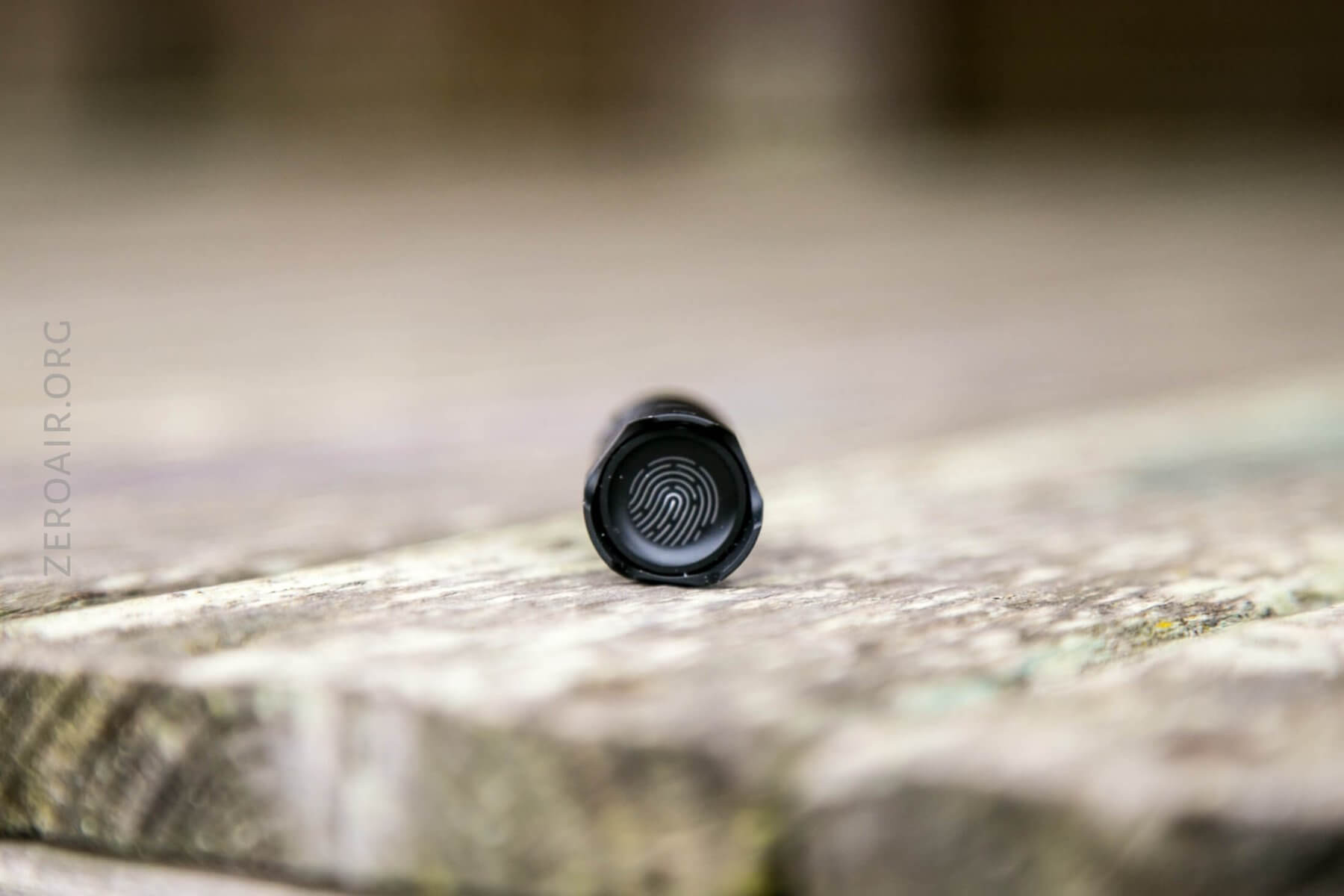
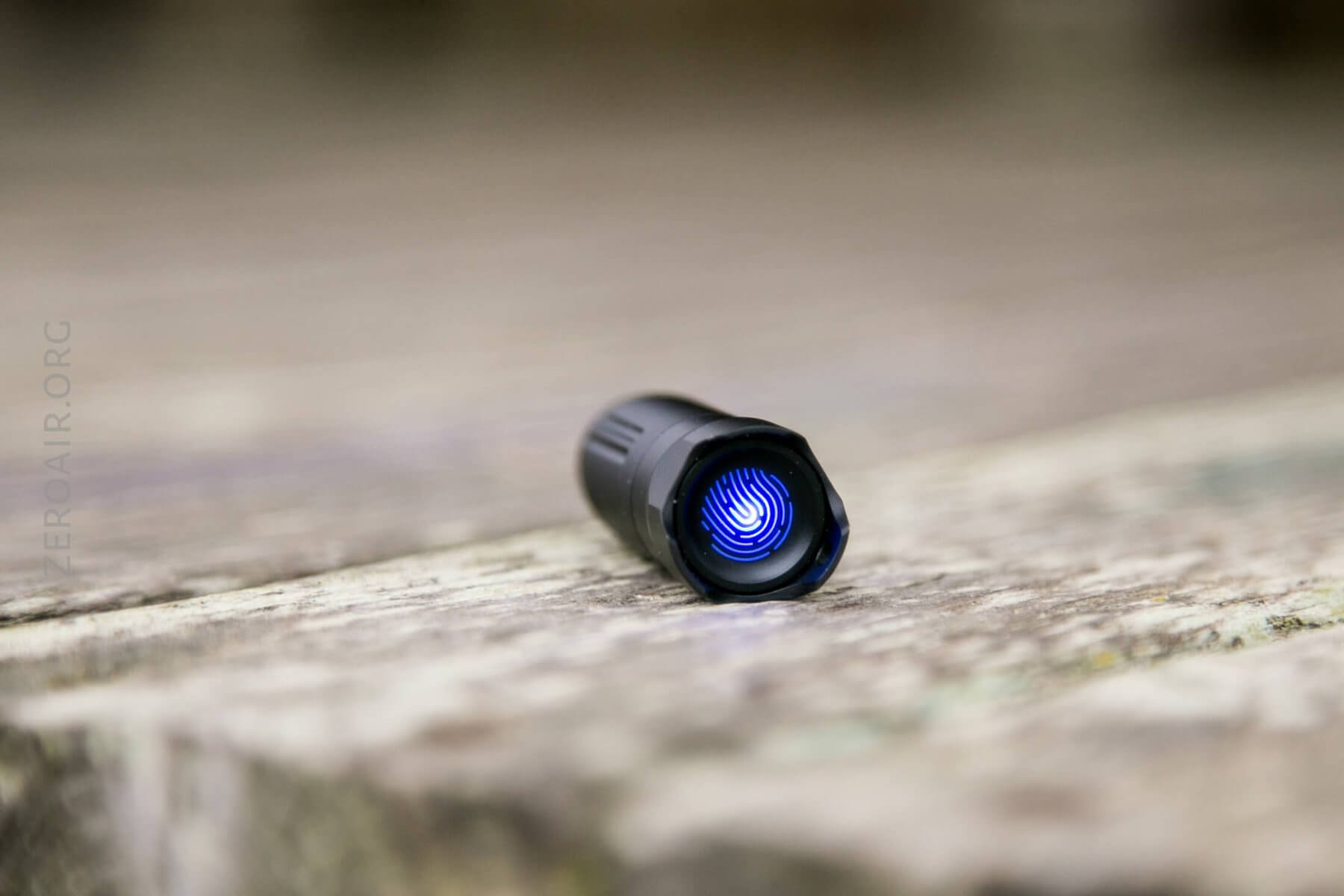
Here’s a user interface table!
| State | Action | Result |
|---|---|---|
| Off | Tap | Beacon On (this is also a battery indicator)^ |
| Beacon On | Tap | Beacon Off |
| Off | Hold | On (Mode Memory) |
| On | Hold | Off |
| Beacon On | Hold | On (Mode Memory) |
| On | Tap | Mode cycle (LMHML) (ie the “Wave” UI) |
| Off | Hold >3s | Iterate lockout (indicated by 3 flashes for “lockout on” or On for “lockout off”) |
^ Battery indicator indicates as follows:
Blue light is always on, means the remained battery power is more than 80%.
Blue breathing light is on, means the power is over 20%
Red lights flickers, means the power is less than 20%.
LED and Beam
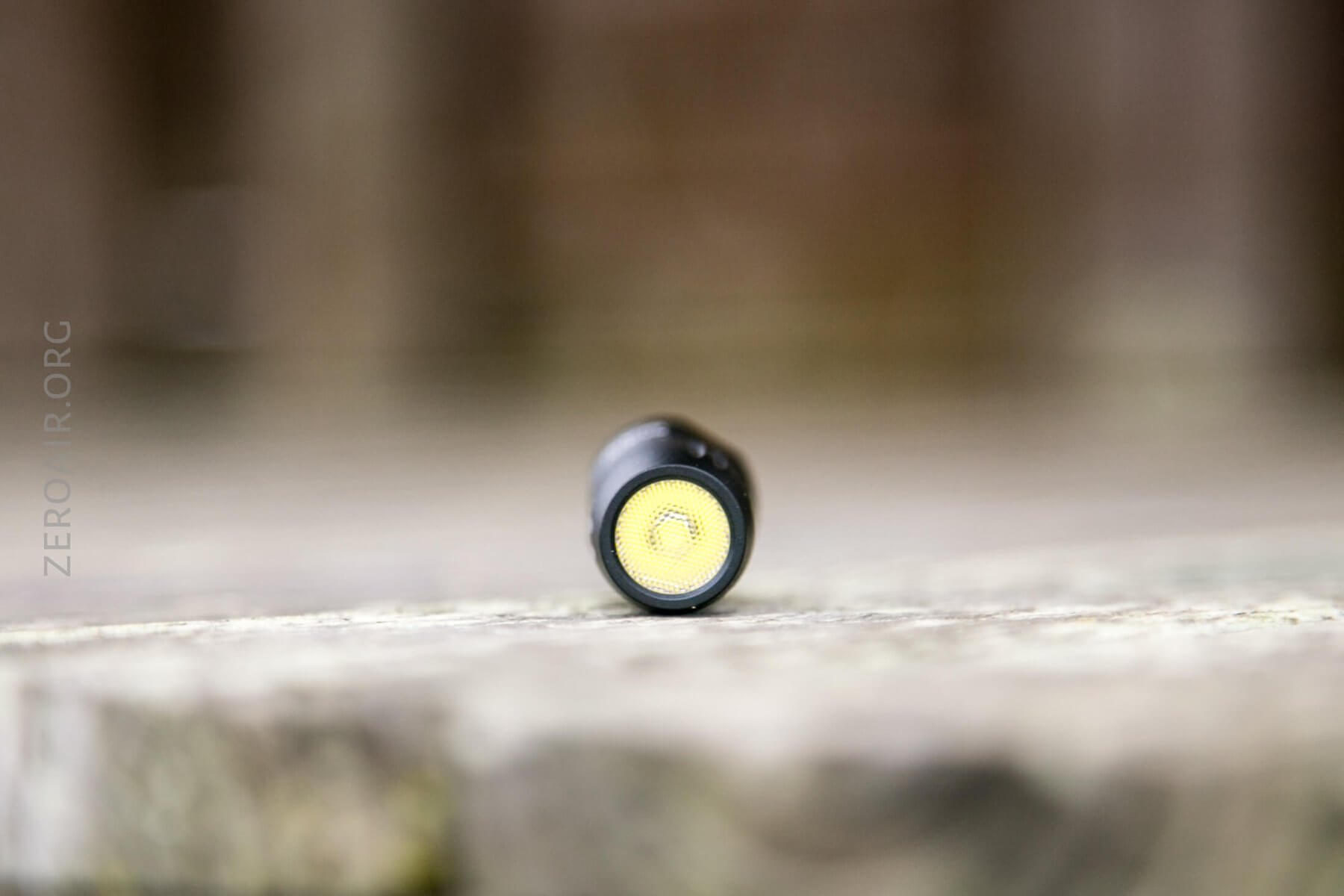
The emitter in this light is a Cree XP-G3, behind a dimpled TIR. The beam is fairly diffused and has about what you should expect from Cree XP-G3.
Beamshots
These beamshots always have the following settings: f8, ISO100, 0.3s shutter, and manual 5000K exposure. These photos are taken at floor level, and the beam hits the ceiling around 9 feet away.



Tint vs BLF-348 (KillzoneFlashlights.com 219b version) (affiliate link)
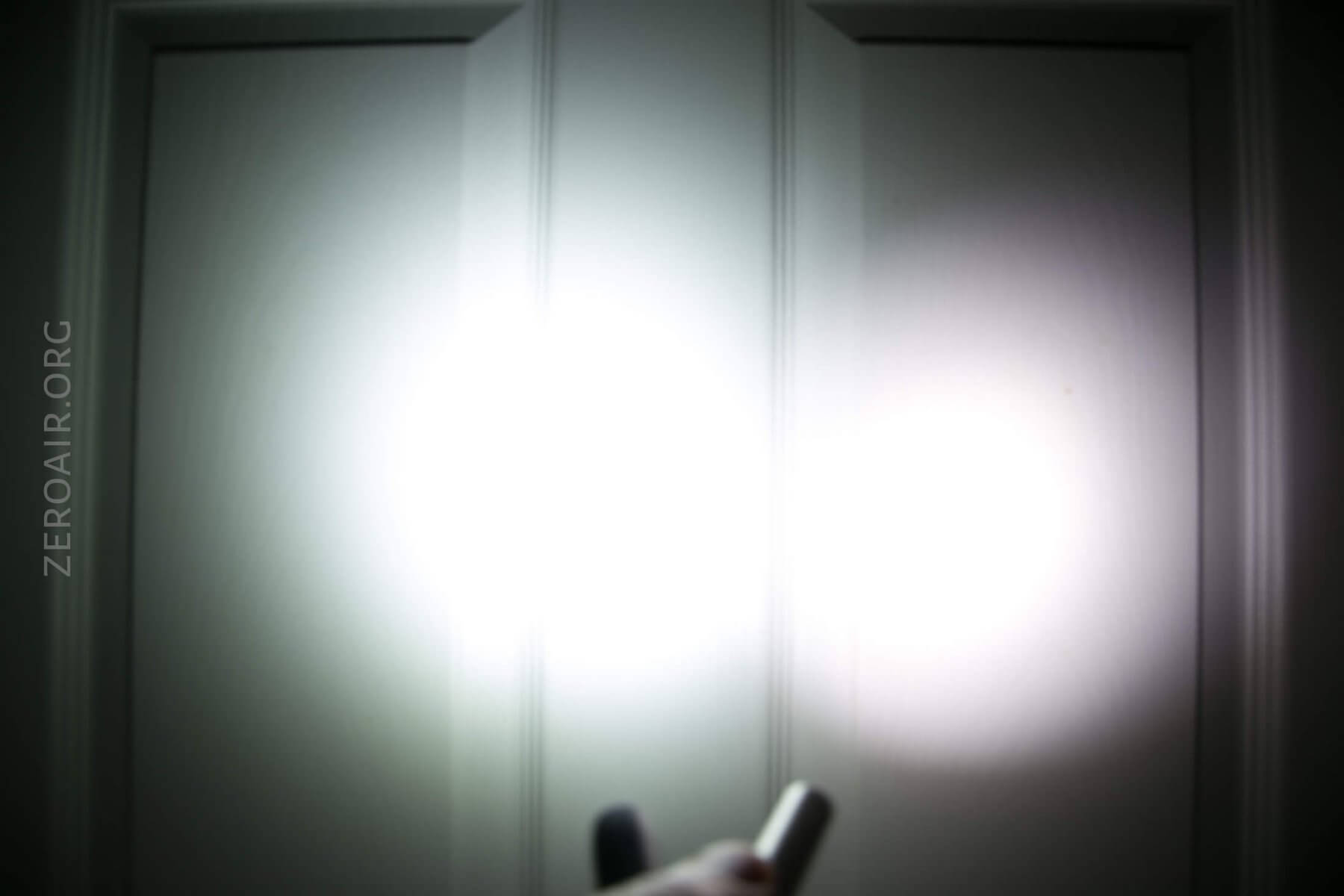
I compare everything to the Killzone 219b BLF-348 because it’s inexpensive and has the best tint!
Conclusion
What I like
- Interesting build
- Switch is neat
- Built-in charging works well
What I don’t like
- The switch is hard to get to
- No lanyard or chain included, so no great way to carry
- Cree XP-G3
Notes
- This light was provided by BangGood for review. I was not paid to write this review. I request that you click this link! That is an affiliate link, but even if you don’t buy click on through; the traffic means a bunch!
- This content originally appeared at zeroair.org. Please visit there for the best experience!
- Use my amazon.com referral link if you’re willing to help support making more reviews like this one!
- Please support me on Patreon! I deeply appreciate your support!
Discover more from ZeroAir Reviews
Subscribe to get the latest posts sent to your email.
Nice light if it wouldn’t fully discharge its battery in 4 weeks of standby, i.e. non-use.