

Vapcell M34 Lithium-ion Cell Review
The Vapcell M34 Lithium-ion Cell is a high-capacity Vapcell. It’s rated at only 10A but has a capacity of 3400mAh. Read on!
Official Specs
Here’s a link to the Vapcell M34 Lithium-ion CellVapcell M34 Lithium-ion Cell product page.
Price
On aliexpress these cells are going for $11.99 each.
Short Review
Capacity seems to check out, and I wouldn’t push this one past 10A, but it’s good that it meets its claim.
Long Review
Package
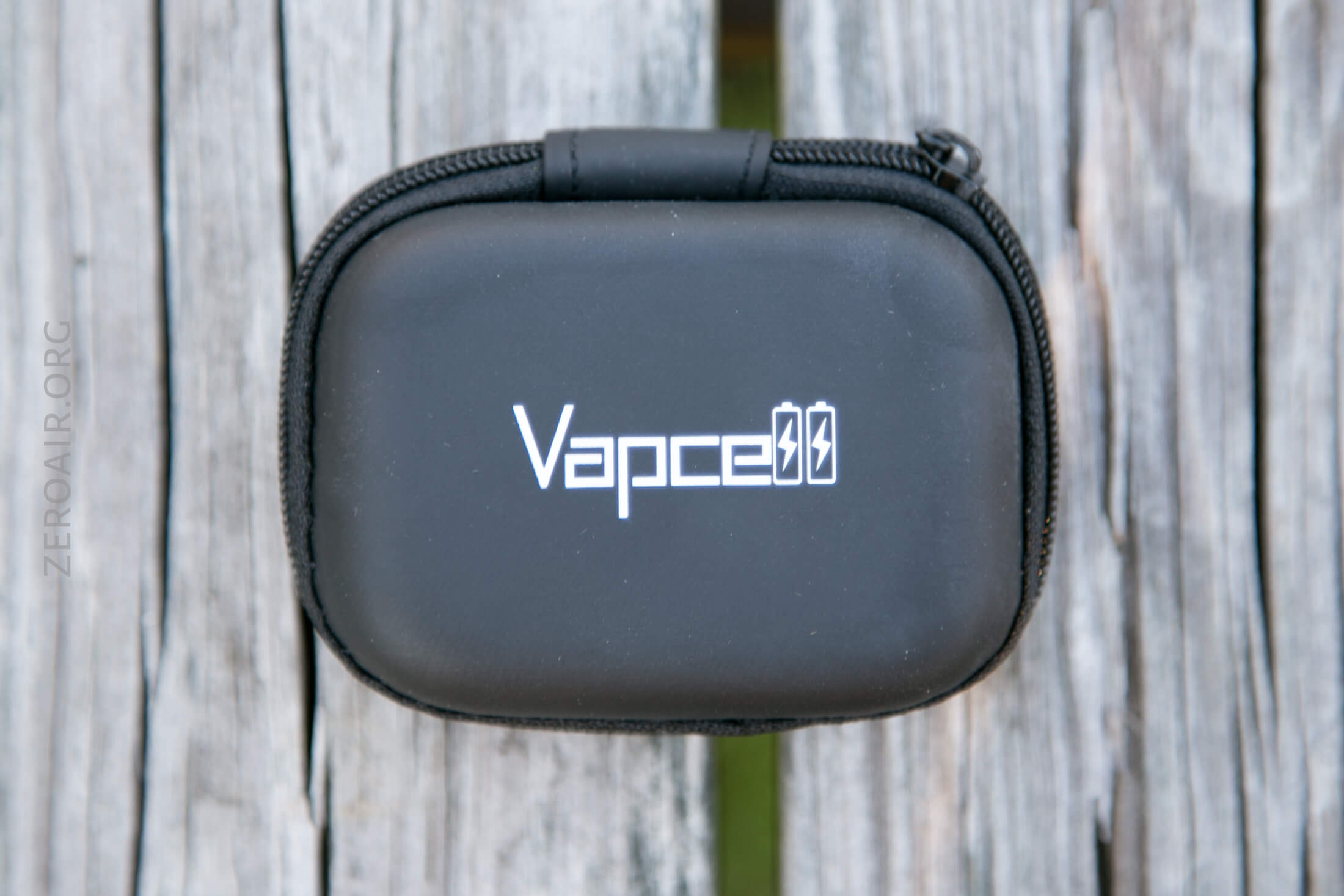
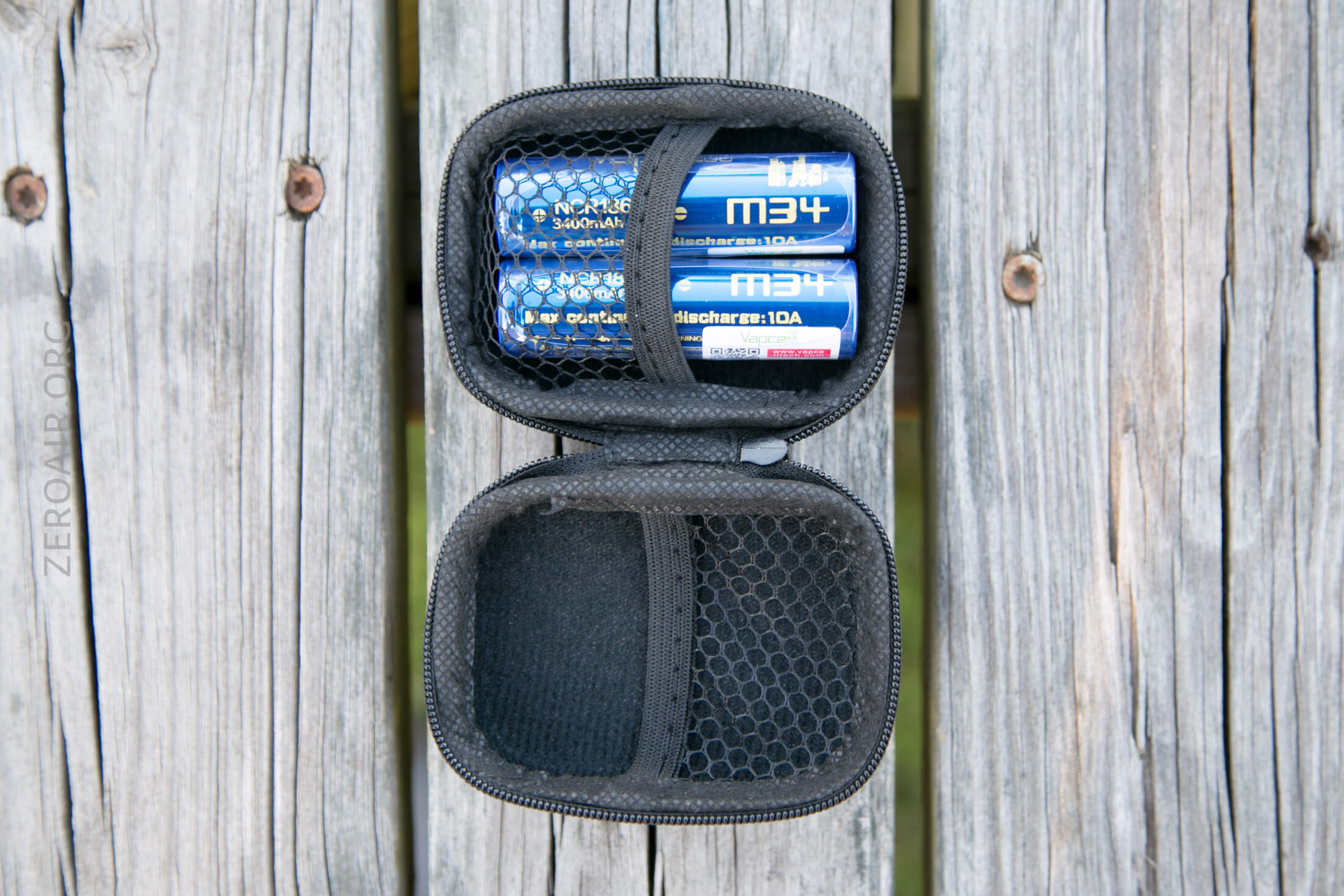
Build Quality
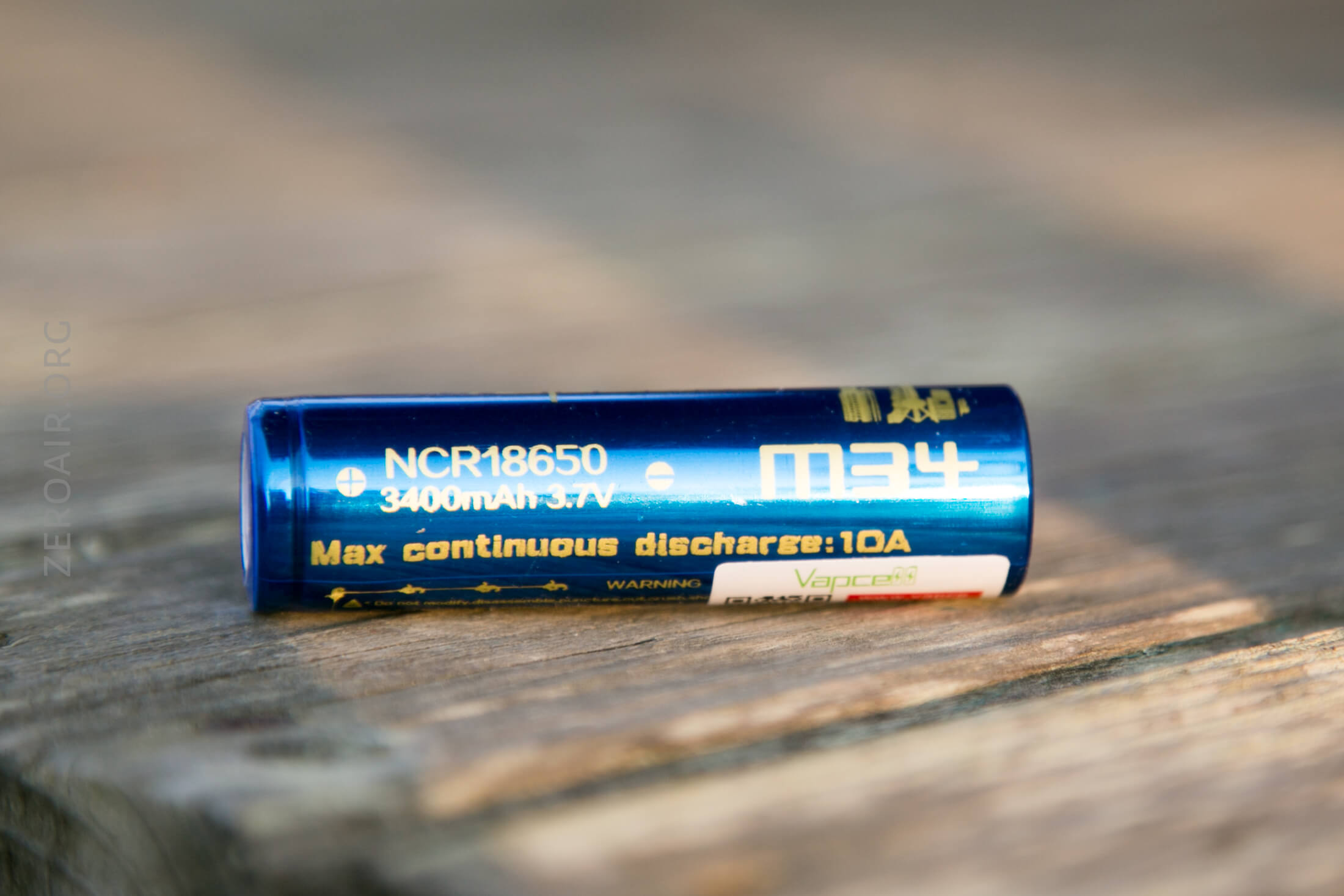


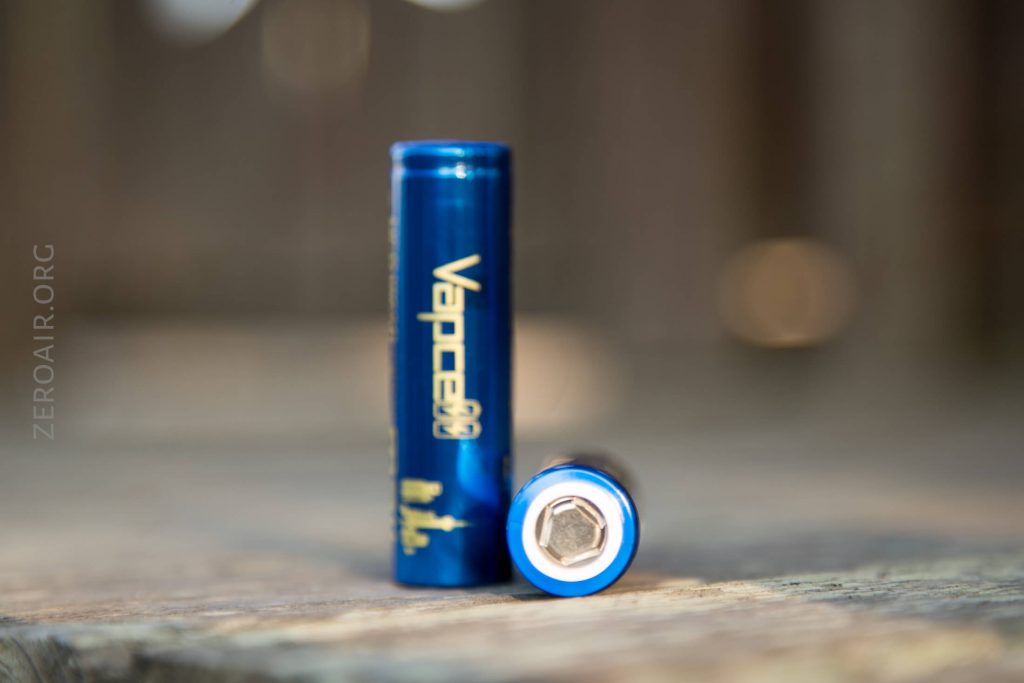
Size
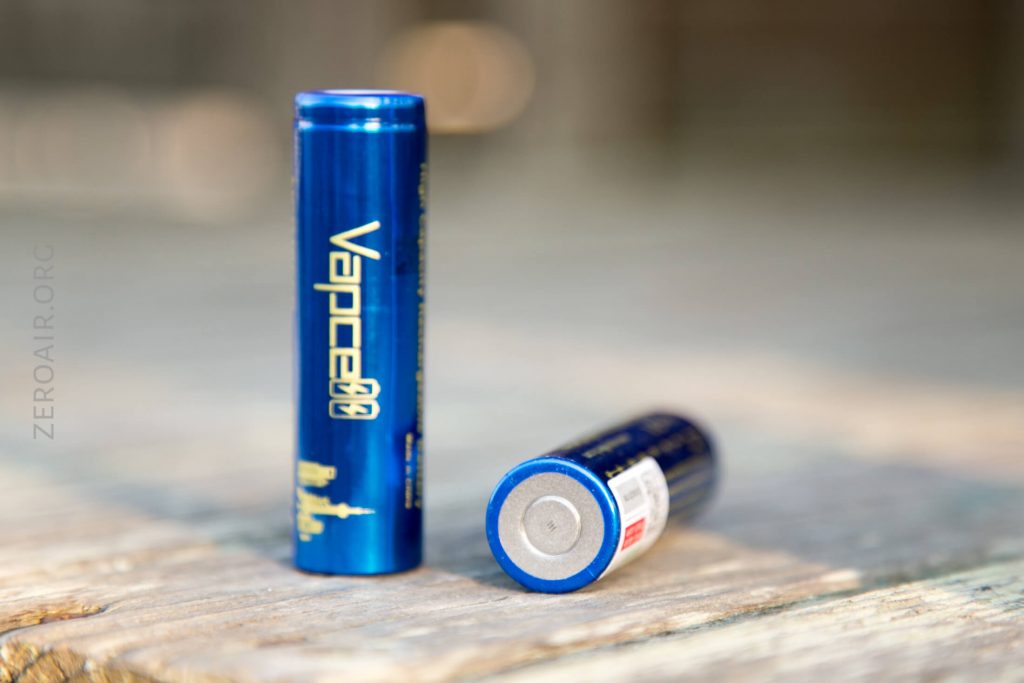
The M34 is an unprotected 18650, so the dimensions are 18mm in diameter by 65mm in length.


Testing
I’ve tried to keep the scales similar, so over time the charts will be generally comparable.
Discharge tests


Capacity

Energy

Bounce

“Bounce back” is what the cell voltage does when the cell rests after a discharge. After heavy discharge rates, the cell voltage bounces back higher when discharge is stopped. This corresponds to a discharge amount of less energy and does mean that there’s energy left in the cell. So if I selected the cell with the highest bounce back voltage (ie the cell that was discharged at the highest current), then discharged it to 2.8V at 0.2A, I’d still find that there was a lot of energy still in the cell.
Here is why I think it is so interesting about “Bounce.” A poorly performing cell will bounce back higher after high discharges. That’s because the IR is higher, and because the cell performs much worse under high loads. So a good-performing cell will bounce back much less because it’s much more capable of high discharge. At high discharge on a capable cell, more of the energy makes its way out of the cell! Hence less bounce.
I more or less figured this out on my own, so I welcome discourse about this topic. Until I hear it’s wrong, I propose this as a new metric for cell quality!
Charge Test

Temperature

These two tests aren’t my normal 15/20A test, since the M34 is rated to only 10A. I did run these at 11A and 12A though, which is outside the specs of the cell. The result here shows that 10A is a good hard max for this cell.
Power, Constant

Internal Resistance

Most often (read: always), internal resistance is mentioned as a spot value. In truth, the IR changes over time. Due to cell age and cell heat among other things. A graph of IR is interesting because it can show, for example, when a cell begins to “die” – at which point the remaining energy will be “harder” to extract. This is when the IR spikes. In the graph below, that’s around 750-800mAh. These graphs are also useful for determining if a cell would be good for a hot-rod flashlight, for example.
Conclusion
The cell meets specs and has a good capacity. If the street price is really $12 like I see on aliexpress, then this cell is overpriced.
Notes
- These cells were provided by Vapcell for review. I was not paid to write this review.
- This content originally appeared at zeroair.org. Please visit there for the best experience!
- For flashlight-related patches, stickers, and gear, head over to PhotonPhreaks.com!
- Use my amazon.com referral link if you’re willing to help support making more reviews like this one!
- Please support me on Patreon! I deeply appreciate your support!