
Wuben H3 Headlamp Review
Wuben promotes the Wuben H3 headlamp as an ultralight running headlamp. With three emitters and a common cell type, read on to see if that’s true!
Official Specs and Features
Here’s a link to the Wuben H3 Headlamp product page.
Versions
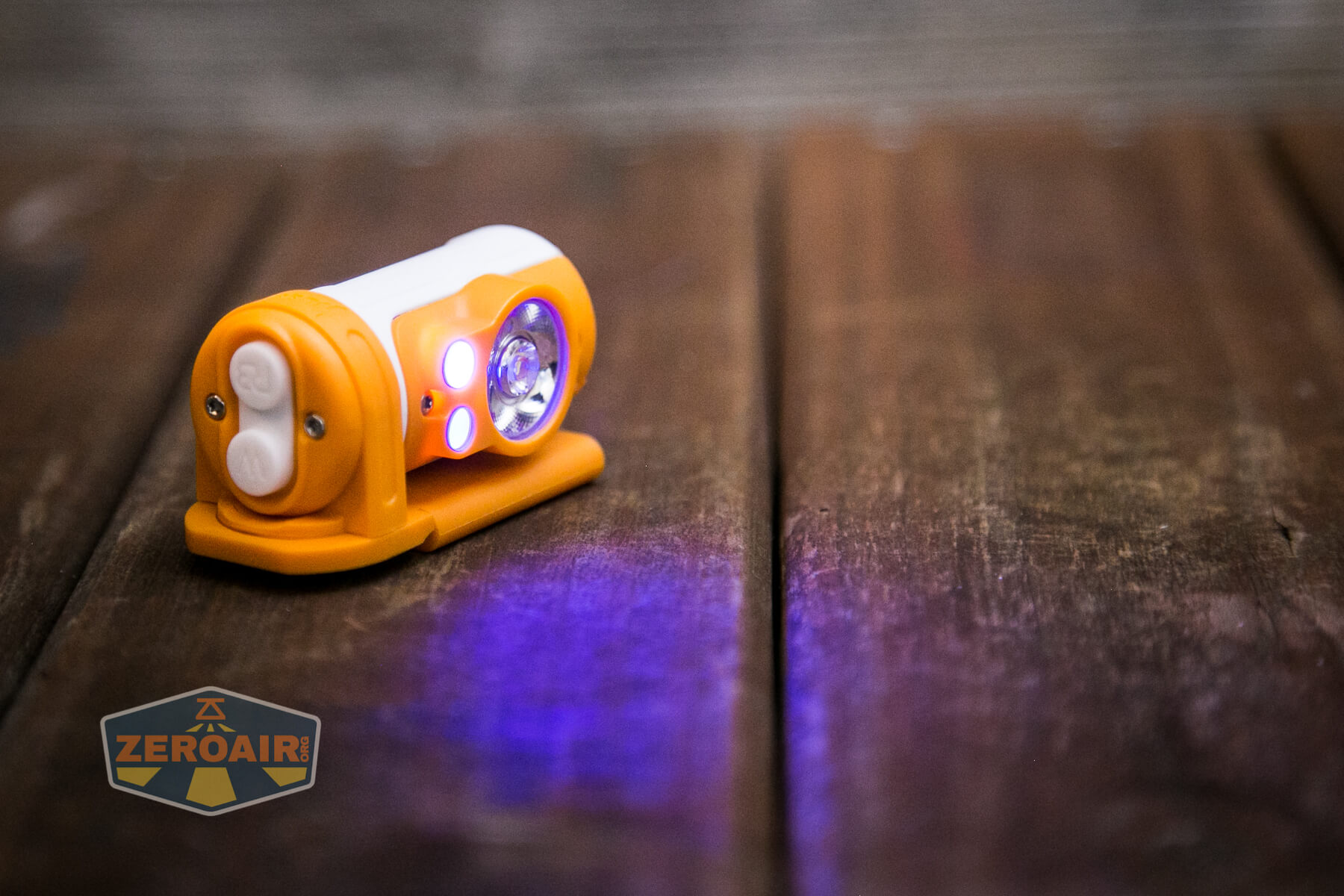
There’s really just one version, but two body colors. Wuben calls one blue, but it’s “black with blue accents.” And there’s this one, which is orange, but that’s really “white with orange accents.”
Price
MSRP on the Wuben H3 headlamp is $16.99, but these appear to be on sale now for $8.49.
Here’s a 20% off coupon, too: zeroair20
Short Review
I have to say $8.49 is a great price, and I recommend these lights at that price! The headlamp is very light, and I can see it being great for night running. The added feature of being able to twist in so many orientations could prove quite useful. That it uses two AAA cells does mean it won’t have super long runtimes, but at least those are common cell types.
Long Review
The Big Table
| Wuben H3 Headlamp | |
|---|---|
| Emitter: | Osram P8 |
| Price in USD at publication time: | $16.99, $8.49 on sale now!
Here’s a 20% off coupon, too: zeroair20 |
| Cell: | 2xAAA |
| High Runtime Graph | Medium Runtime Graph |
| LVP? | No |
| Switch Type: | E-Switch |
| Quiescent Current (mA): | ? |
| On-Board Charging? | No |
| Claimed Lumens (lm) | 120 |
| Measured Lumens (at 30s) | 153 (127.5% of claim)^ |
| Candela per Lumen | 5.8 |
| Claimed Throw (m) | 53 |
| Candela (Calculated) in cd (at 30s) | 130lux @ 2.561m = 853cd |
| Throw (Calculated) (m) | 58.4 (110.2% of claim)^ |
| Claimed CCT | – |
| Measured CCT Range (K) | 5900-6200 Kelvin |
| Item provided for review by: | Wuben |
| All my Wuben reviews! | |
^ Measurement disclaimer: Testing flashlights is my hobby. I use hobbyist-level equipment for testing, including some I made myself. Try not to get buried in the details of manufacturer specifications versus measurements recorded here; A certain amount of difference (say, 10 or 15%) is perfectly reasonable.
What’s Included
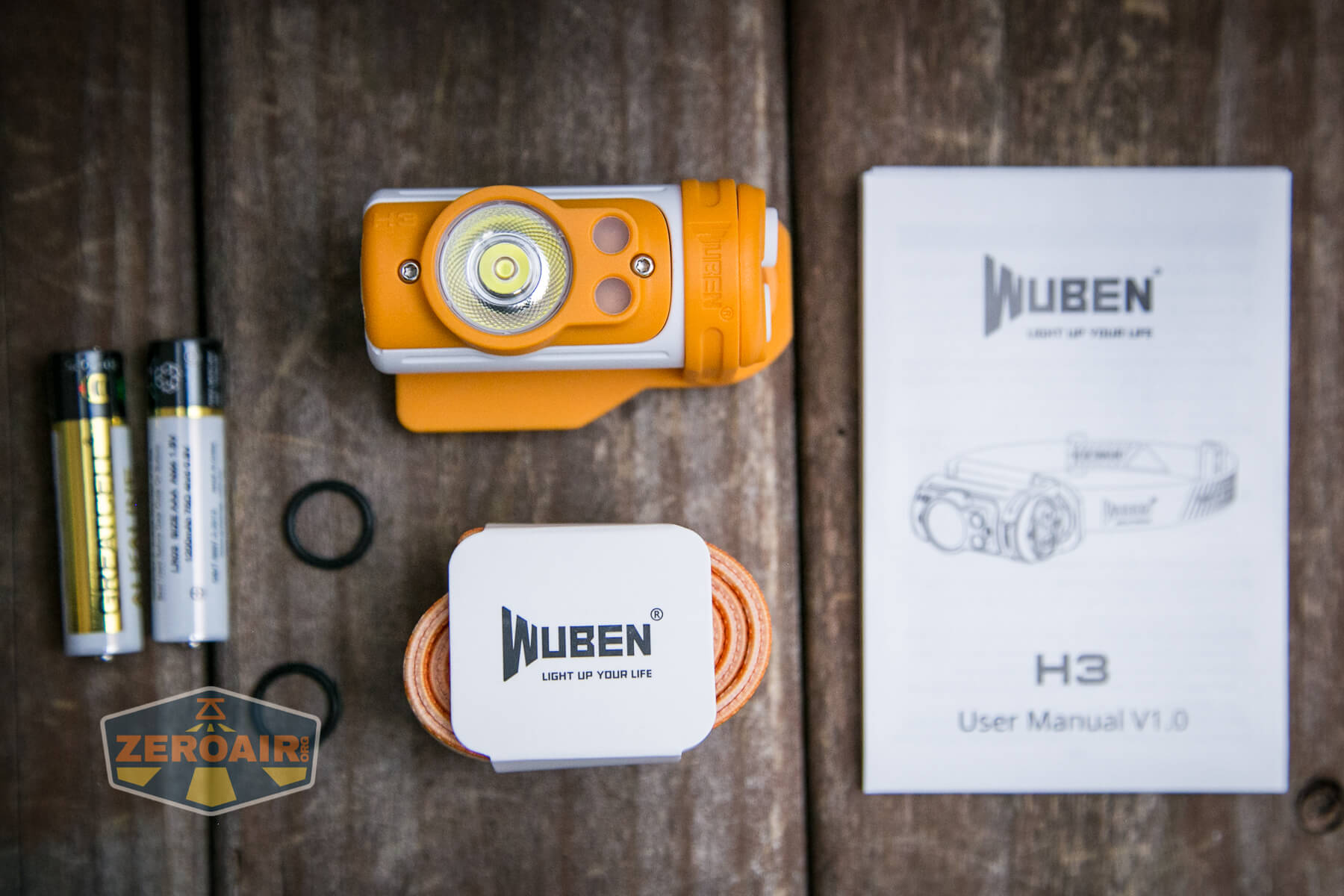
Package and Manual
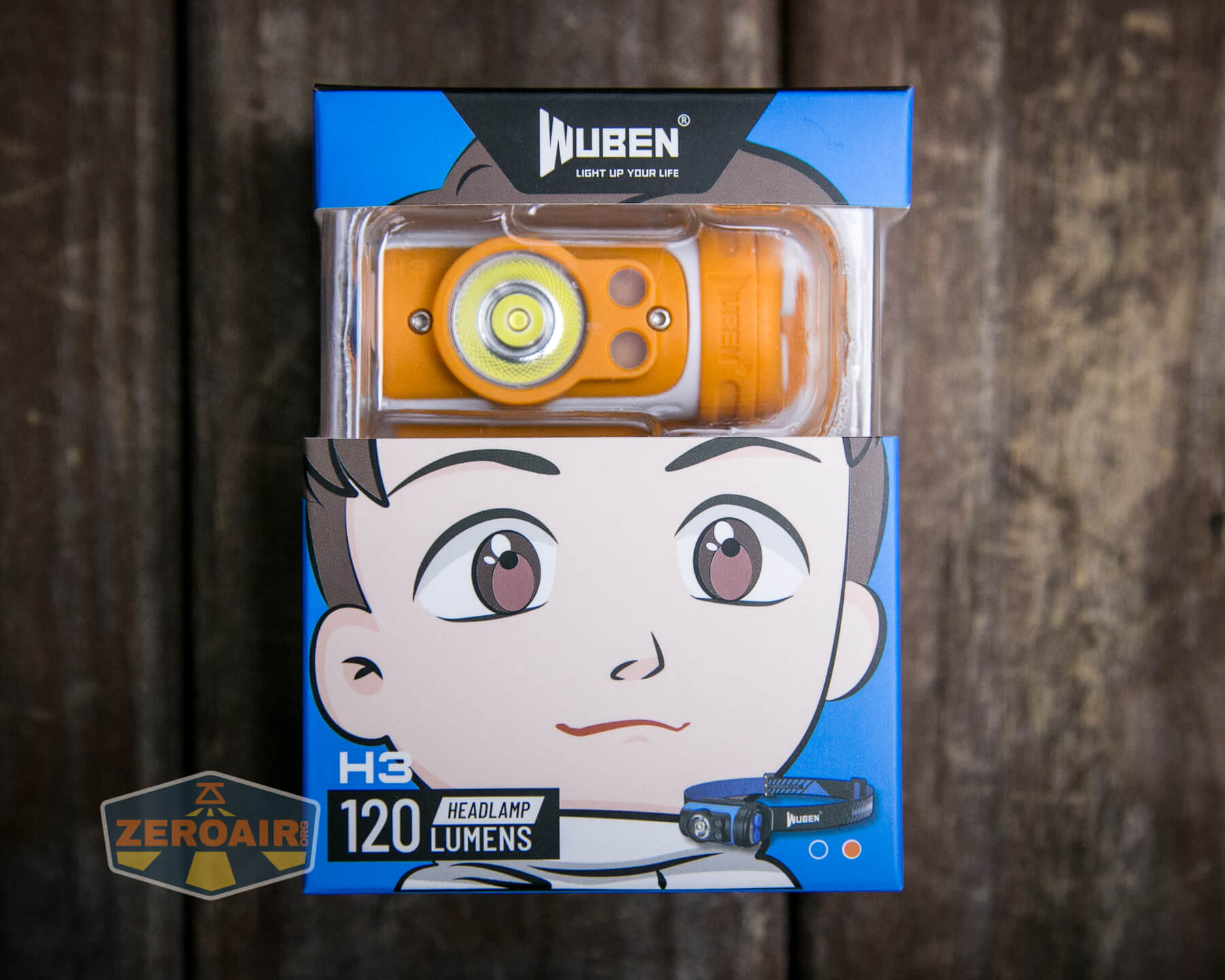
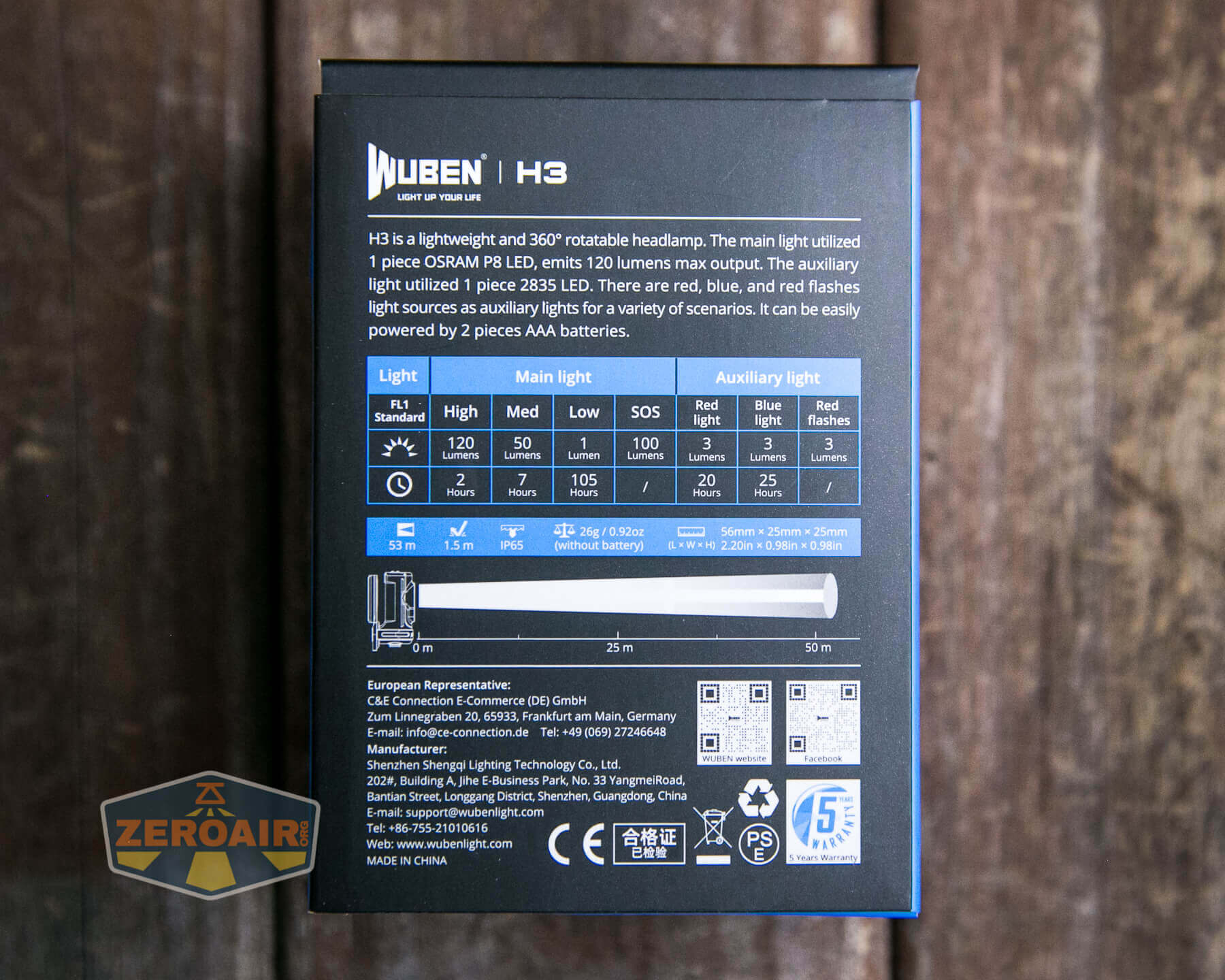
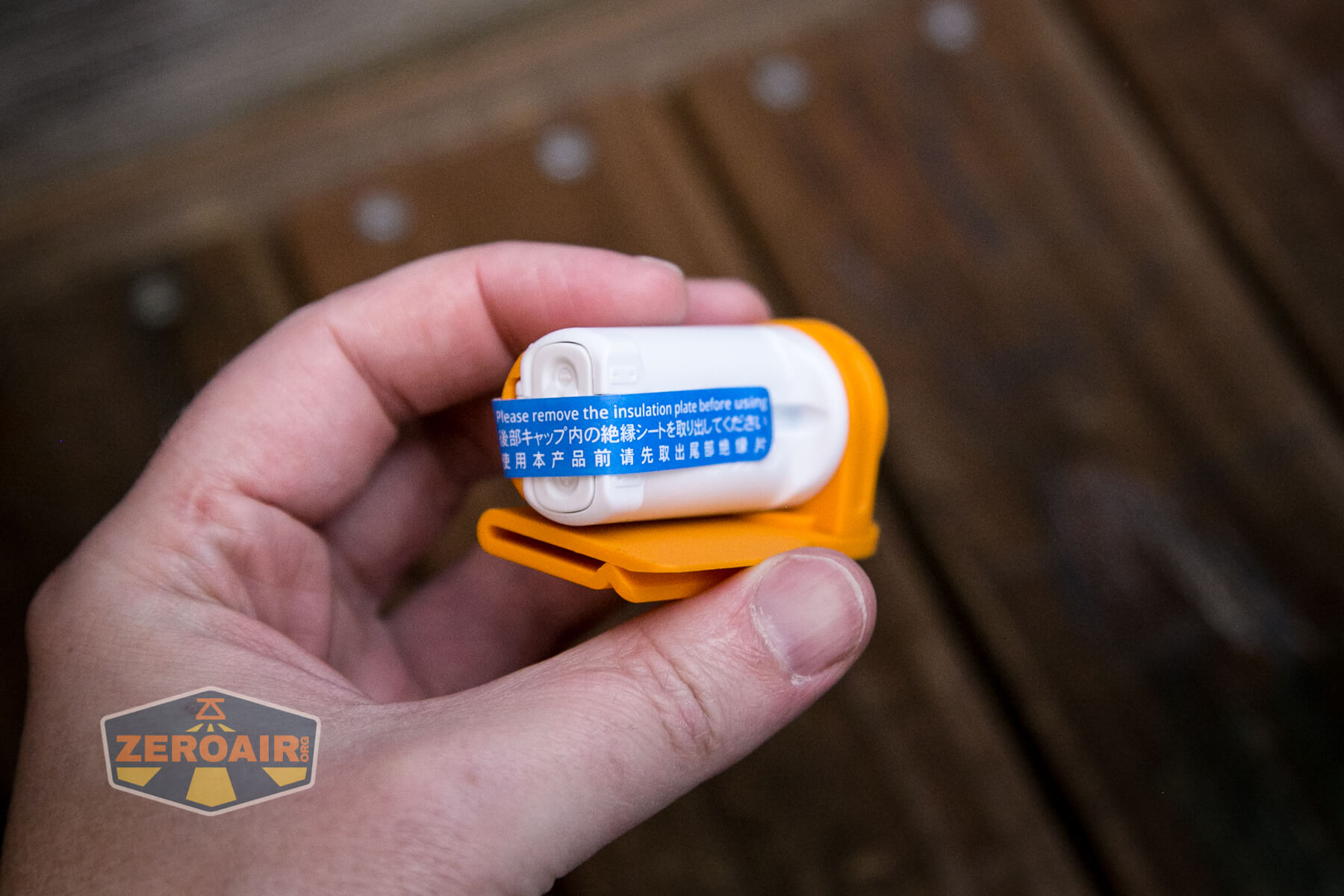
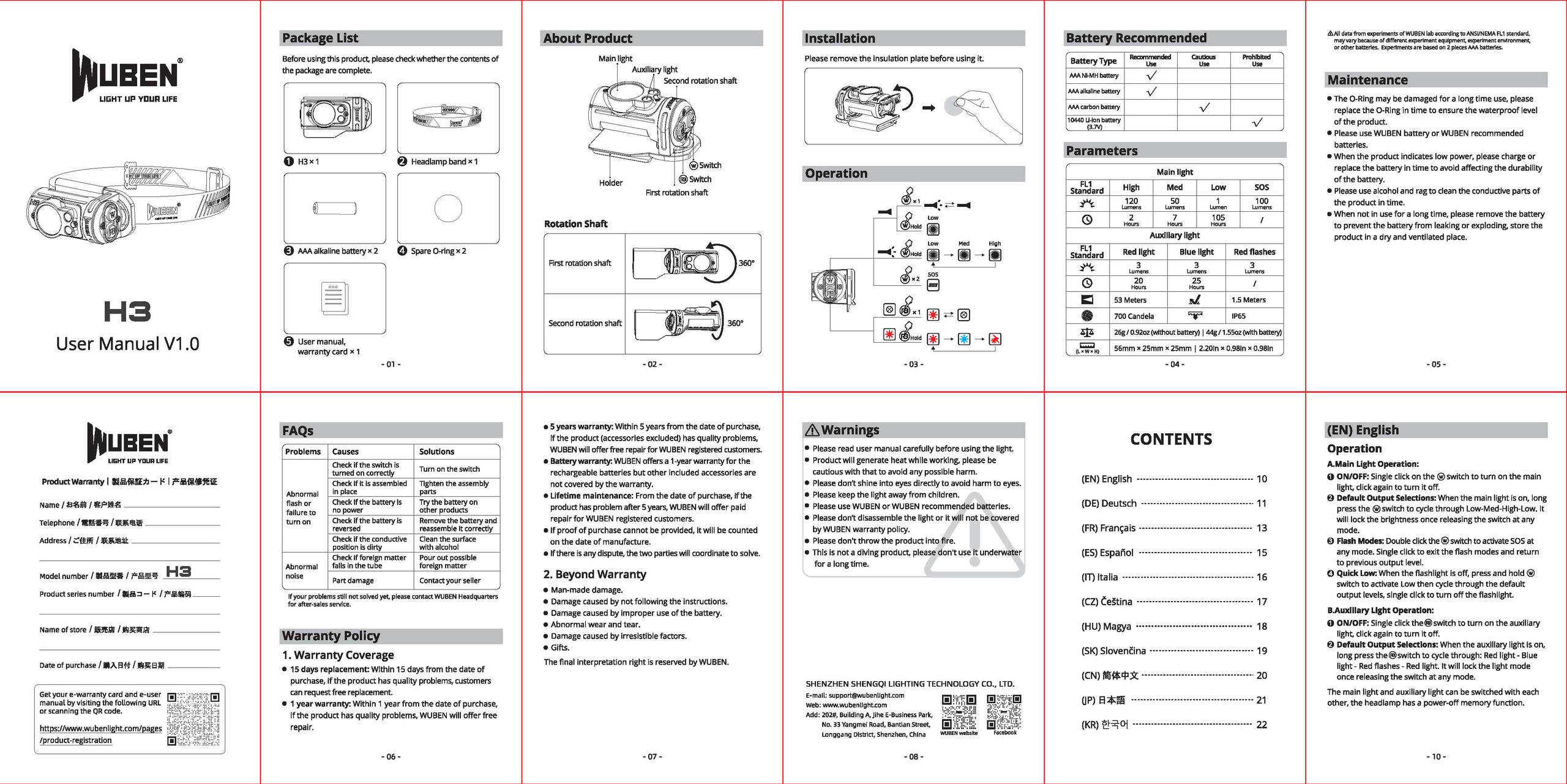
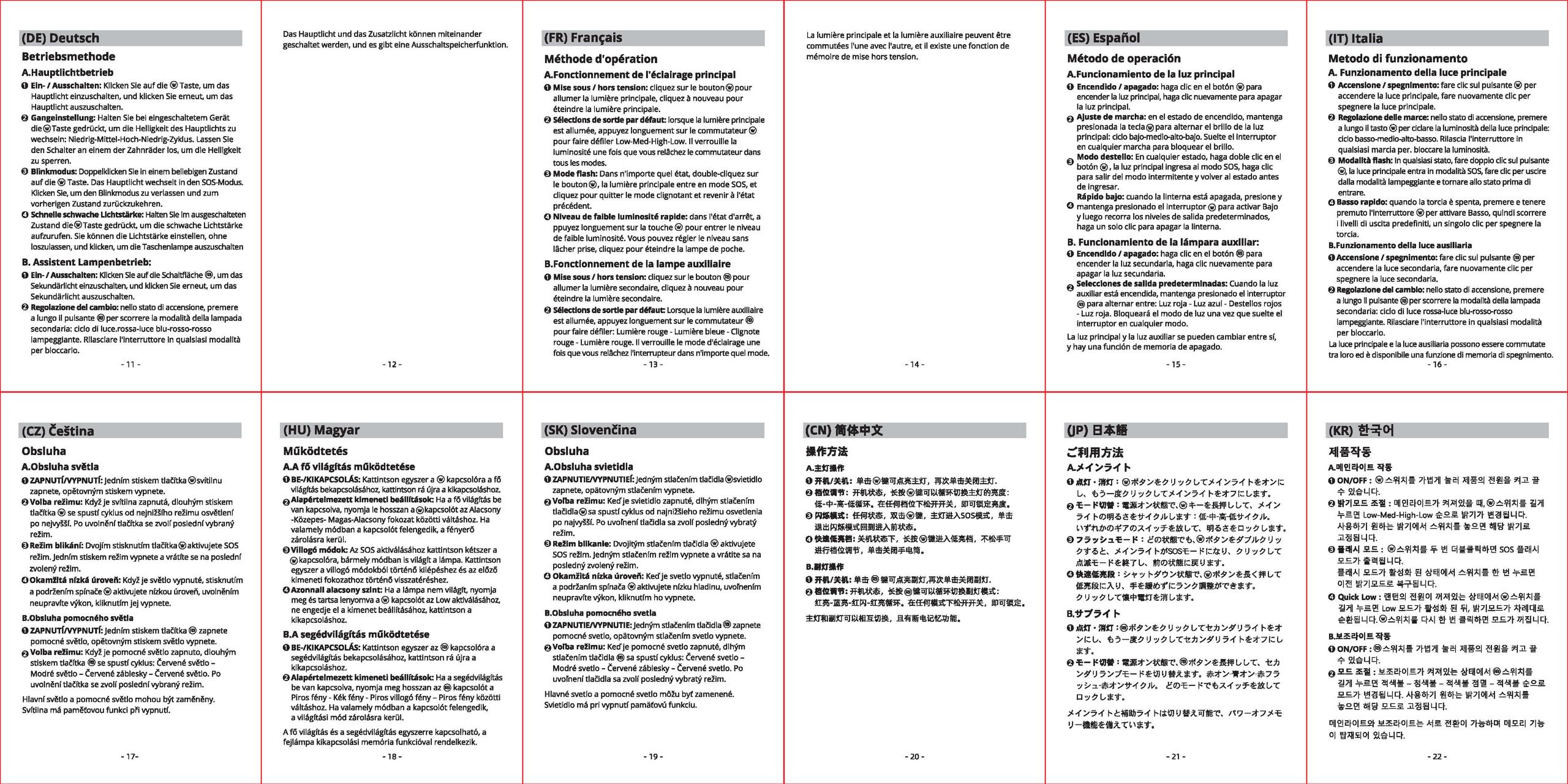
Build Quality and Disassembly
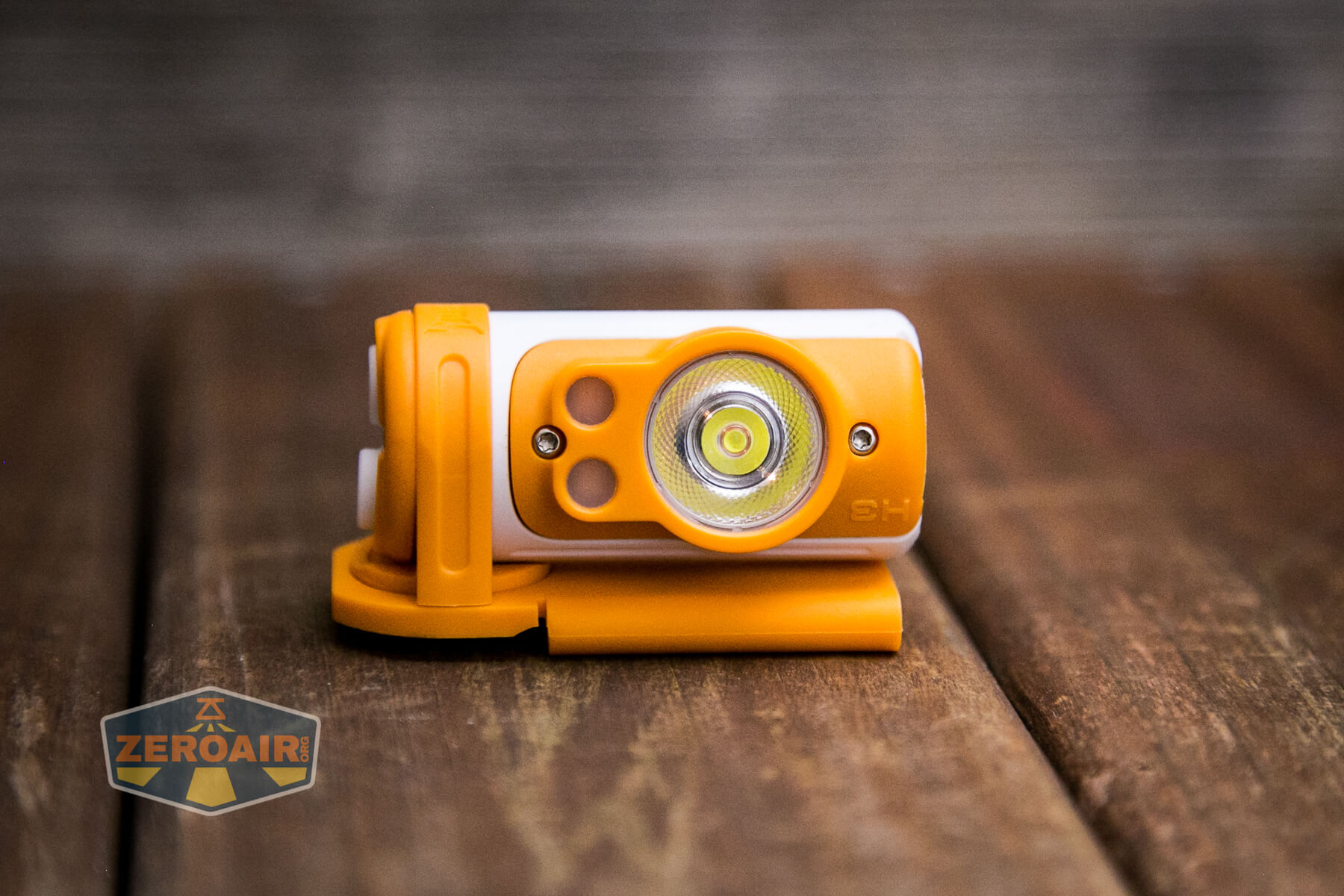
The Wuben H3 is billed as an ultralight running headlamp. I think everything about the build of this light supports that.
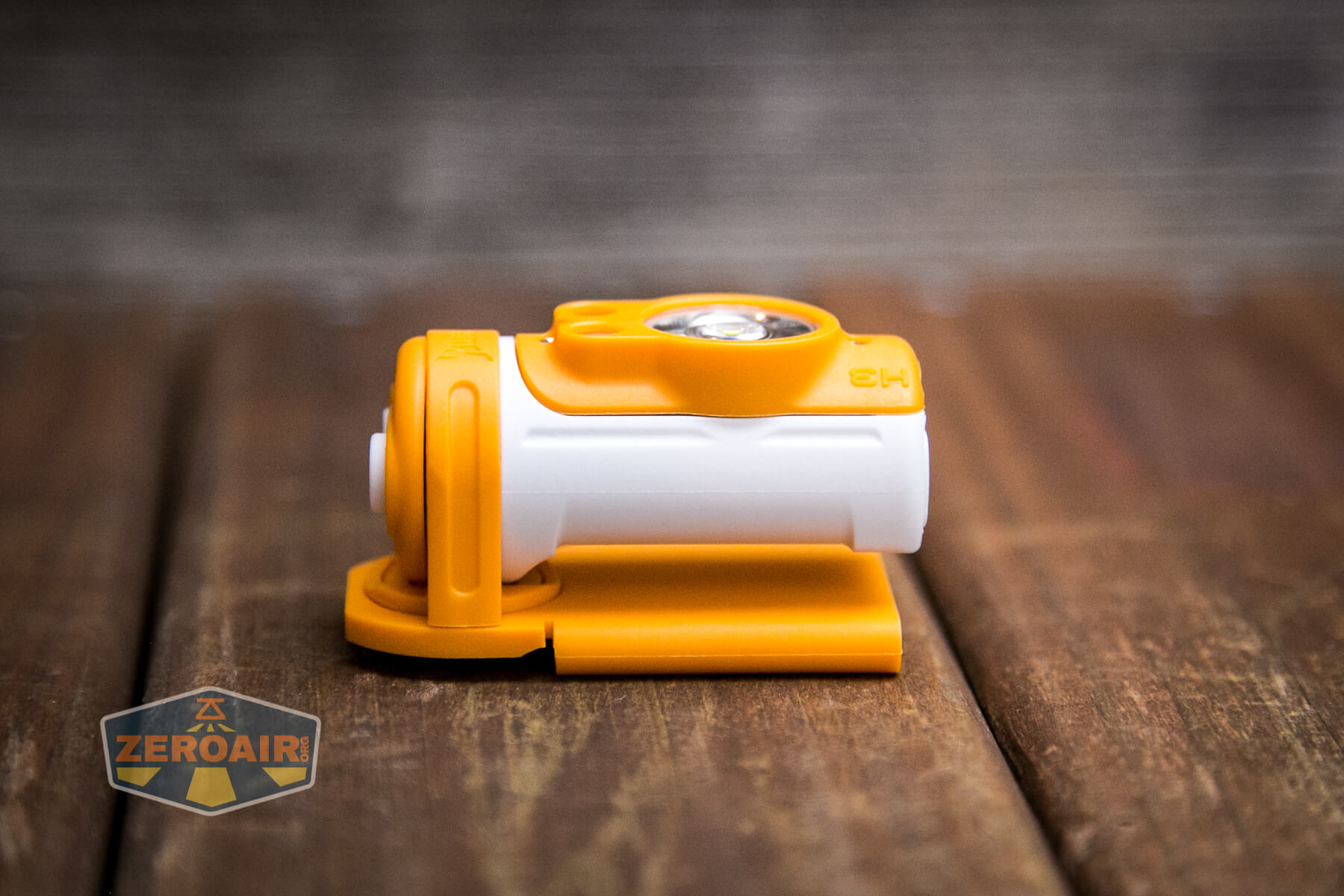
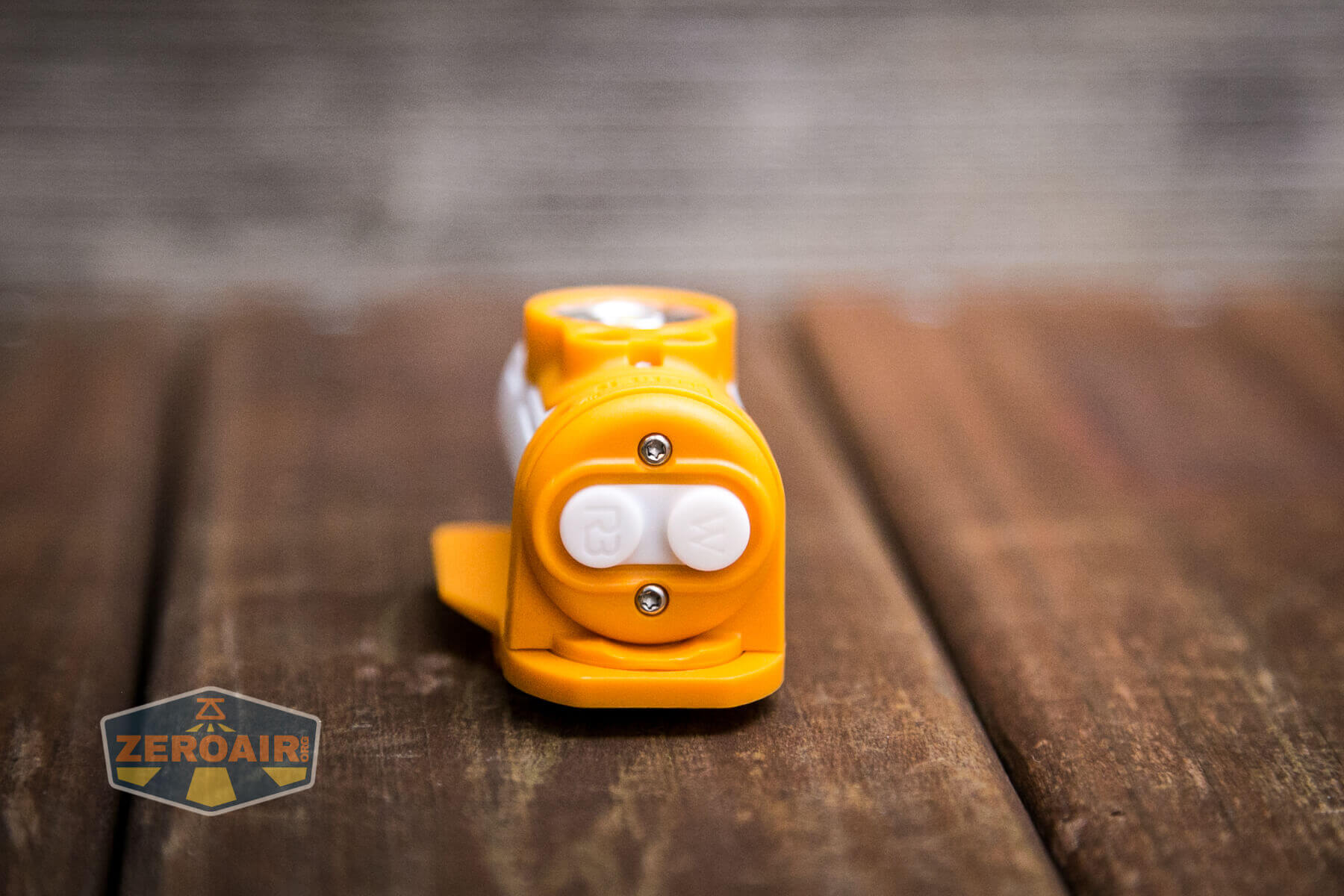
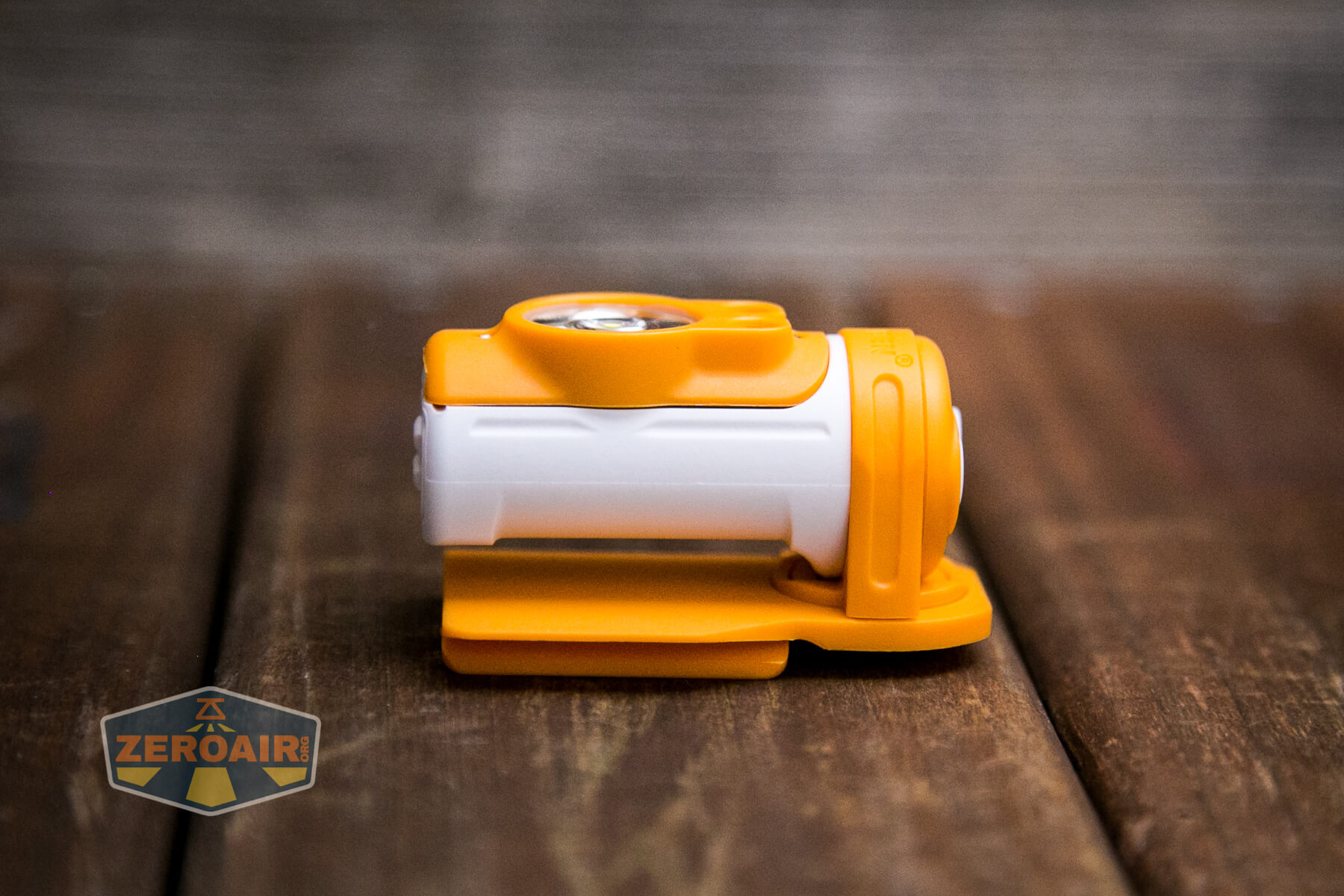
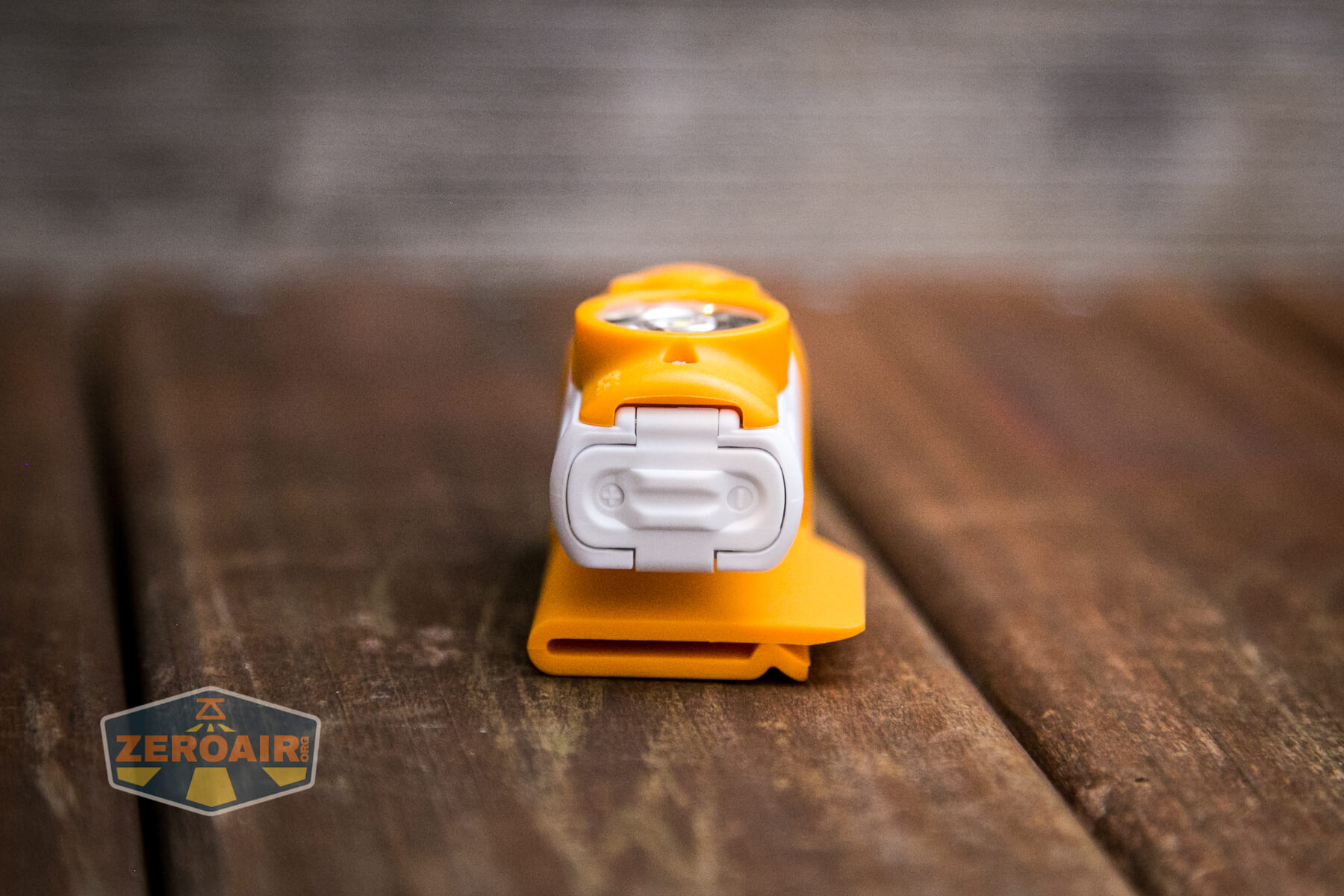
It uses two AAA cells – small! It’s made of plastic – light! And generally, it’s a small device.
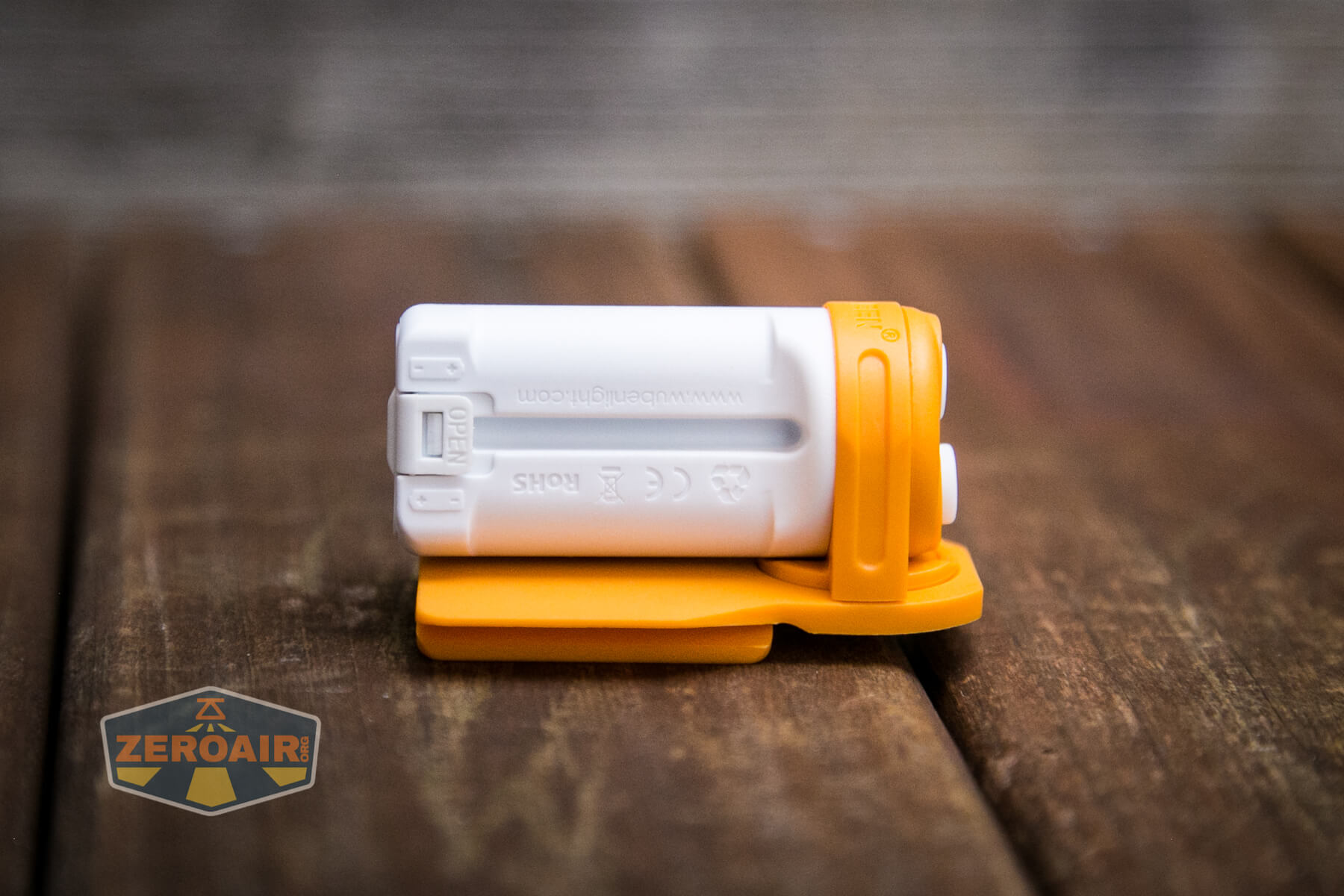
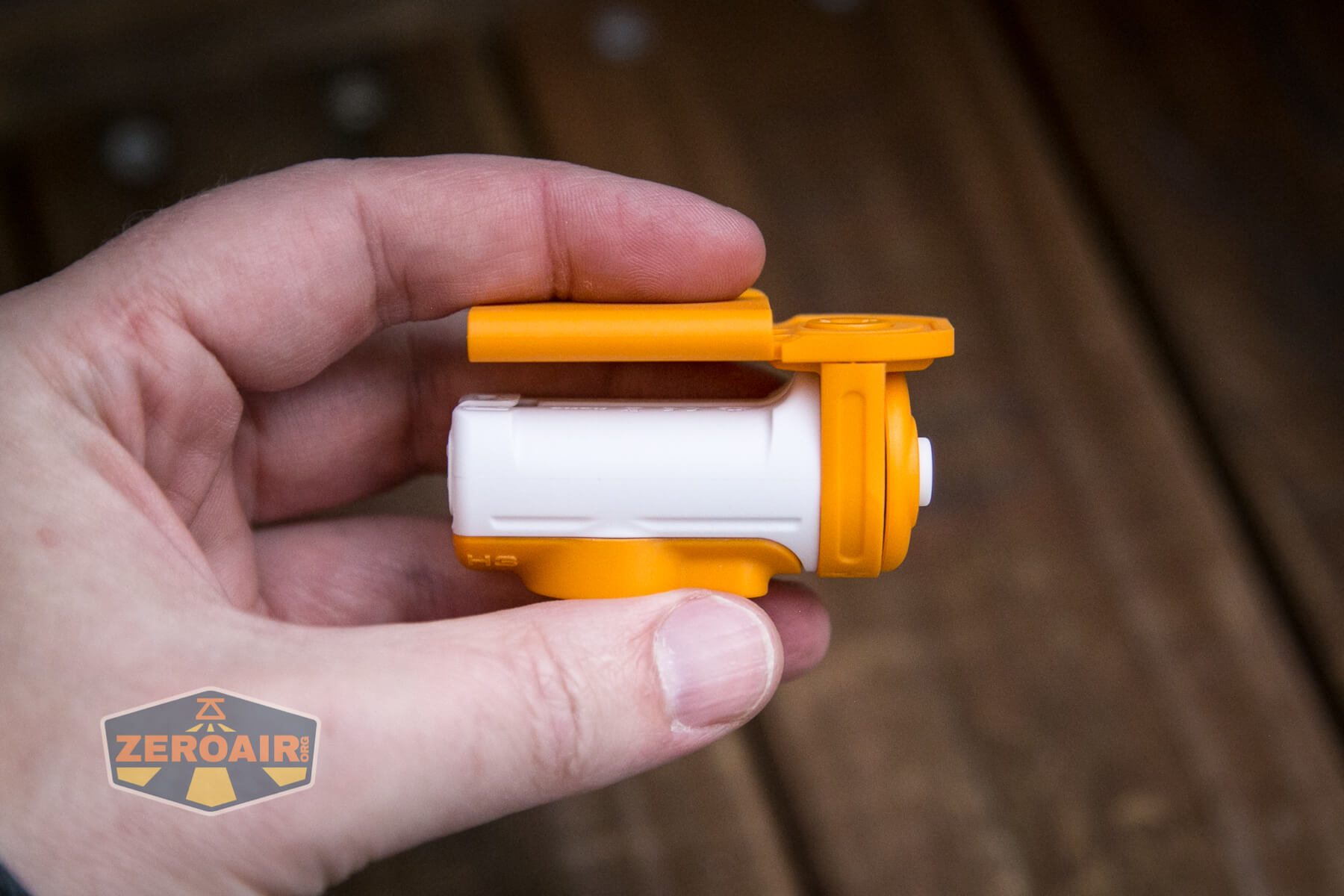
The H3 has a bunch of features, though. That includes the ability to swivel in a number of ways. There are two swivel points, actually.
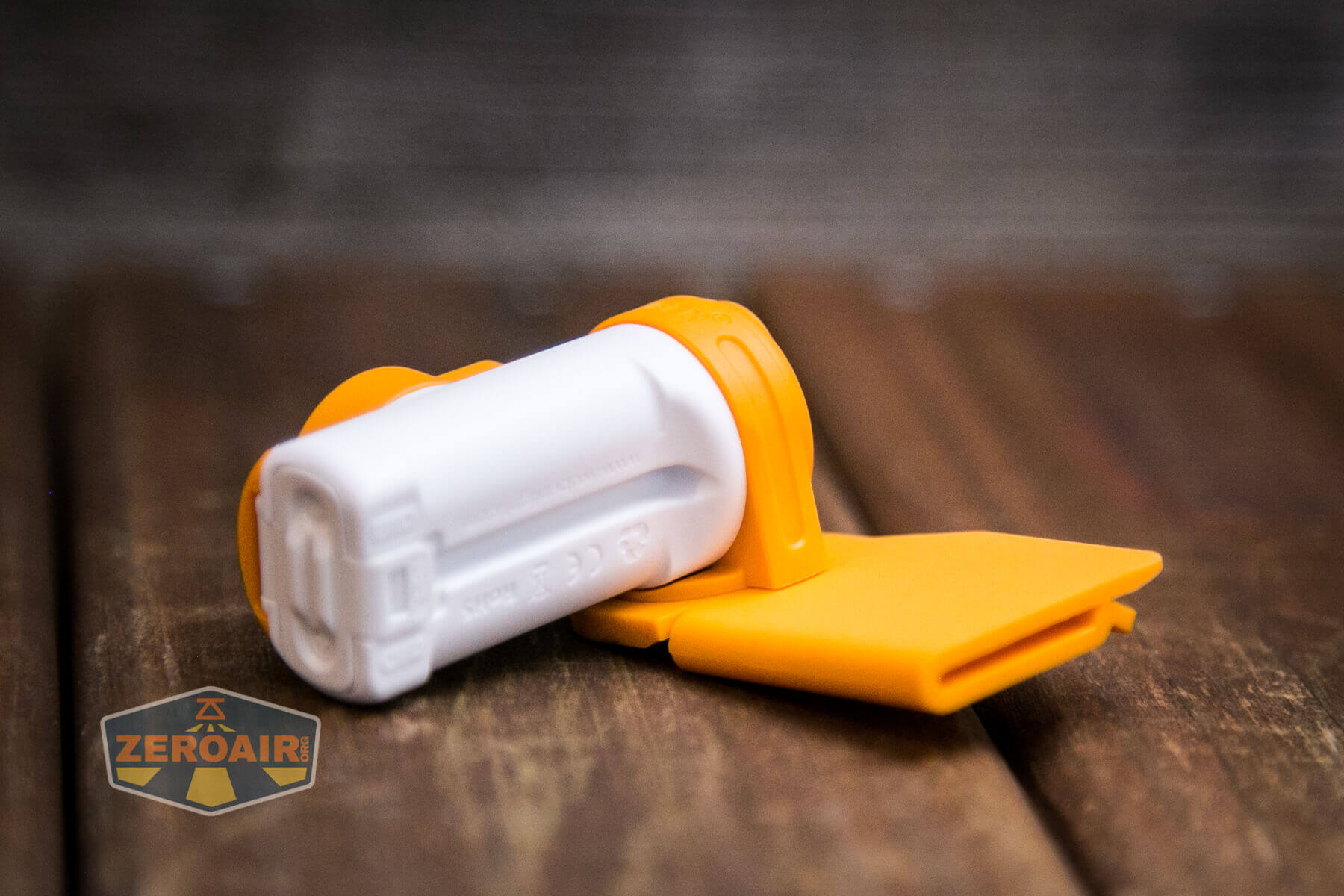
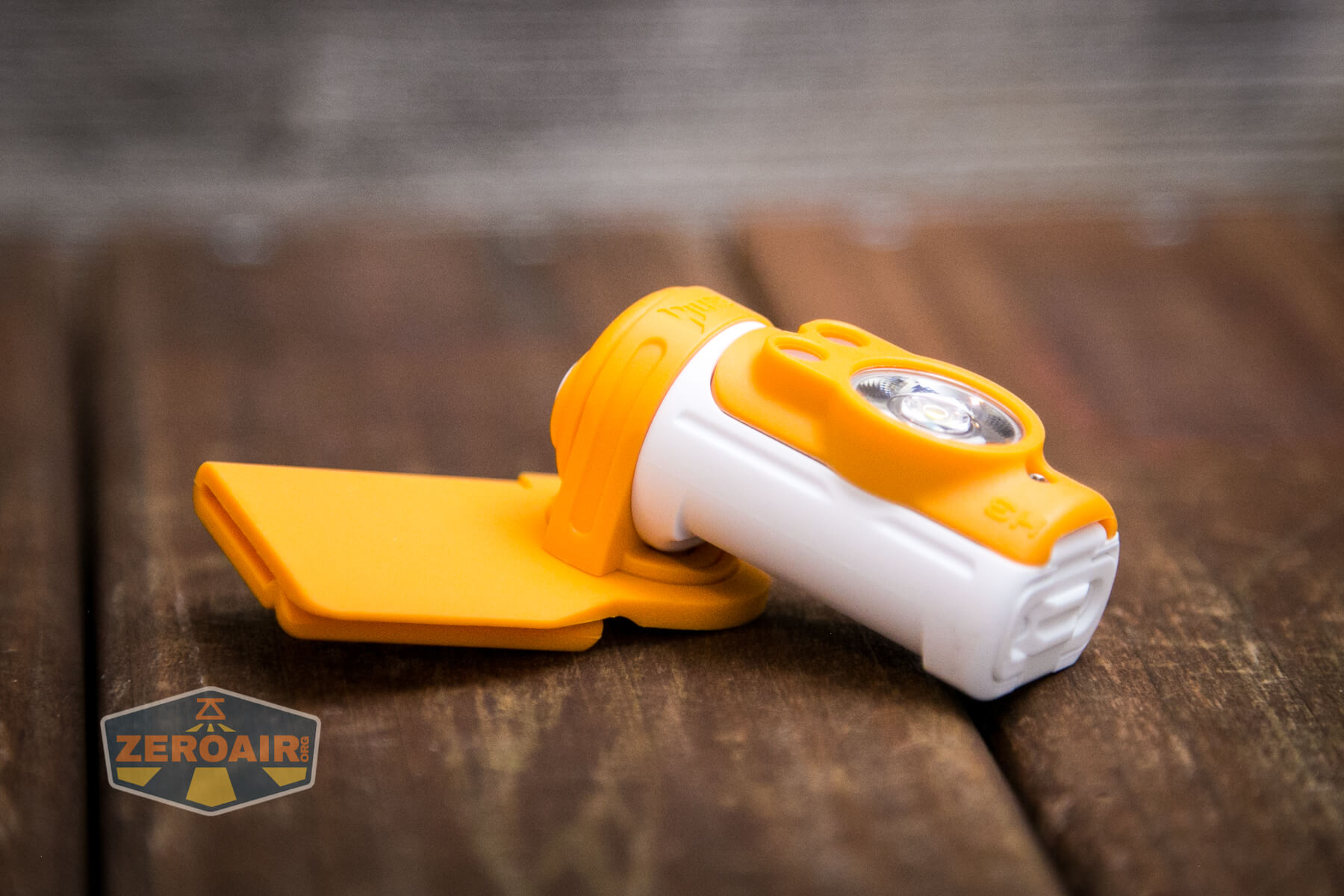
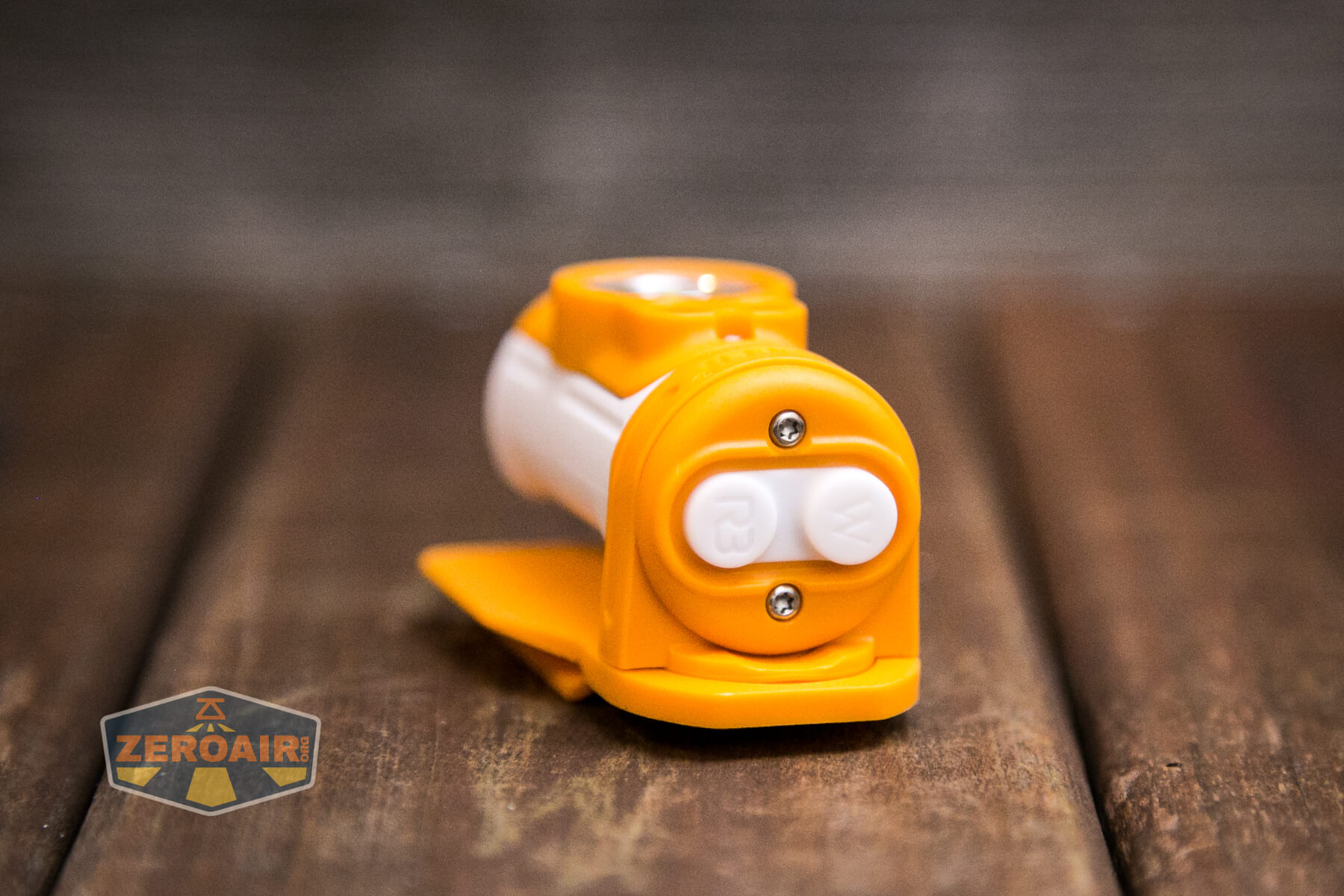
This headlamp does feel plastic. Specifically, the body, however, feels very “snug” – there aren’t any loose bits, and it feels robust.
It’s possible to expose the emitters – very simple. Those two screws on the front are Torx T6, and when removed, reveal this.
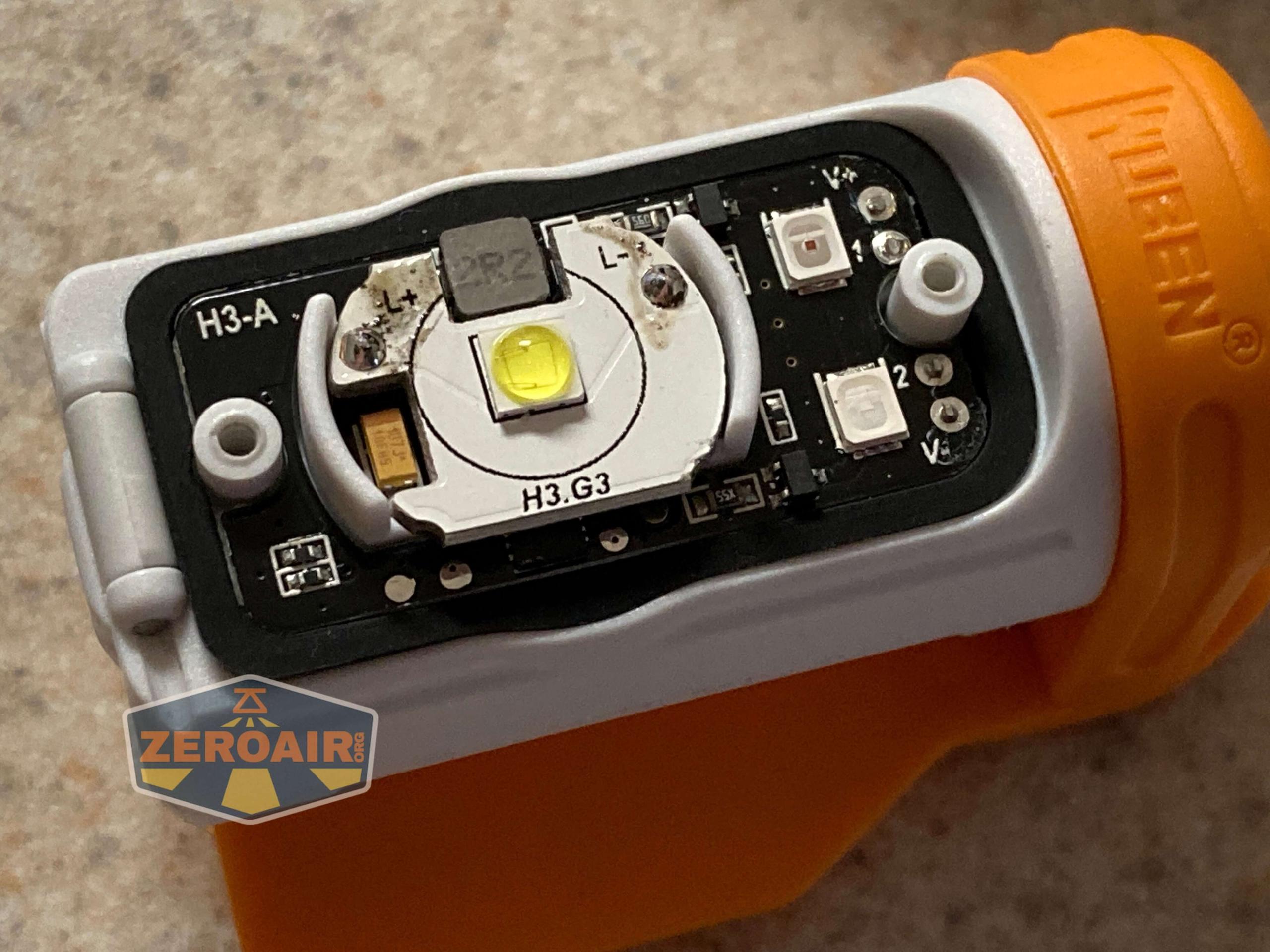
Now, I’m still uncertain how easy it’d be to swap the emitter. This MCPCB is… unusual to say the least. But it looks like it could be unsoldered by those two dots, and maybe something better flowed on.
Size and Comps
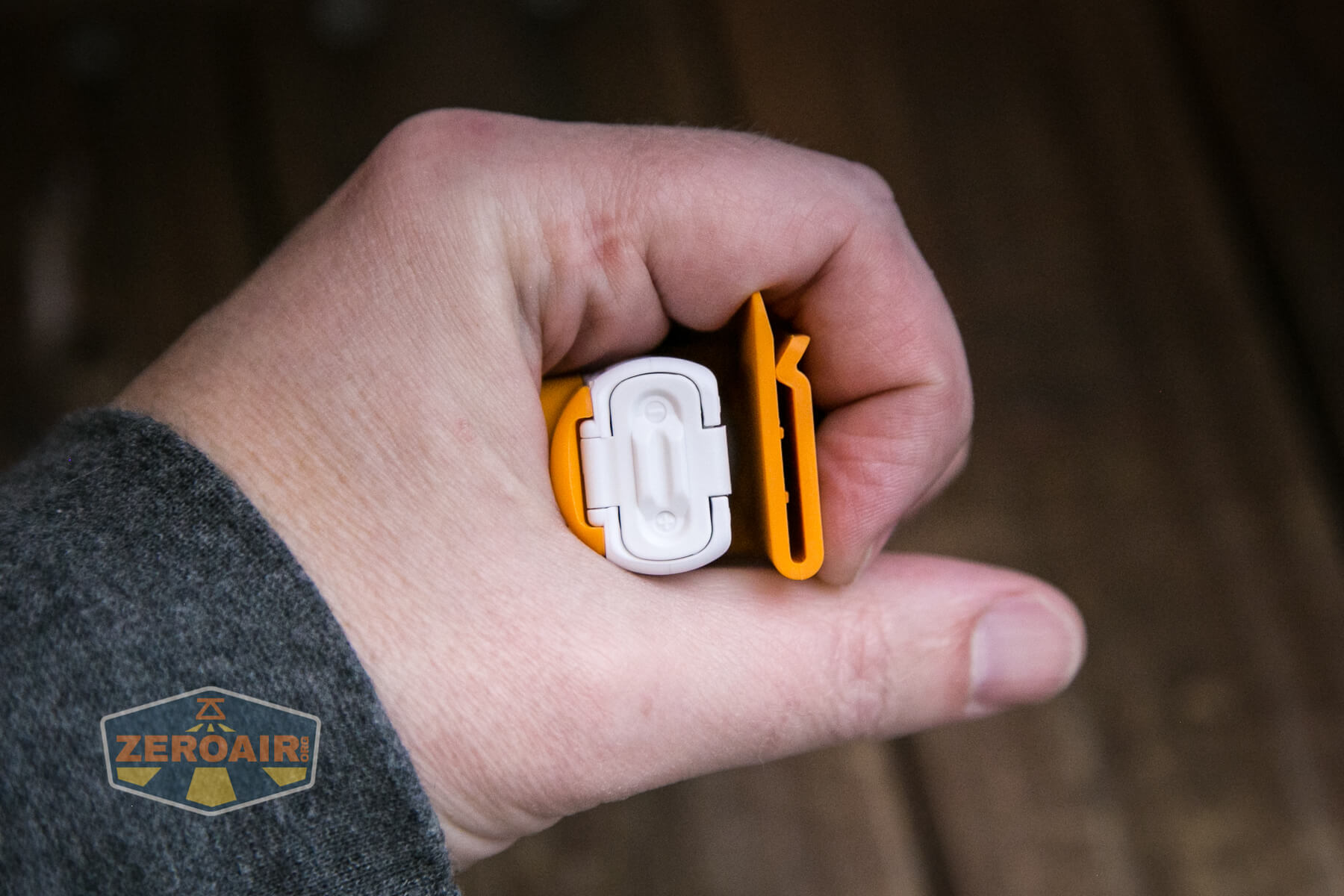
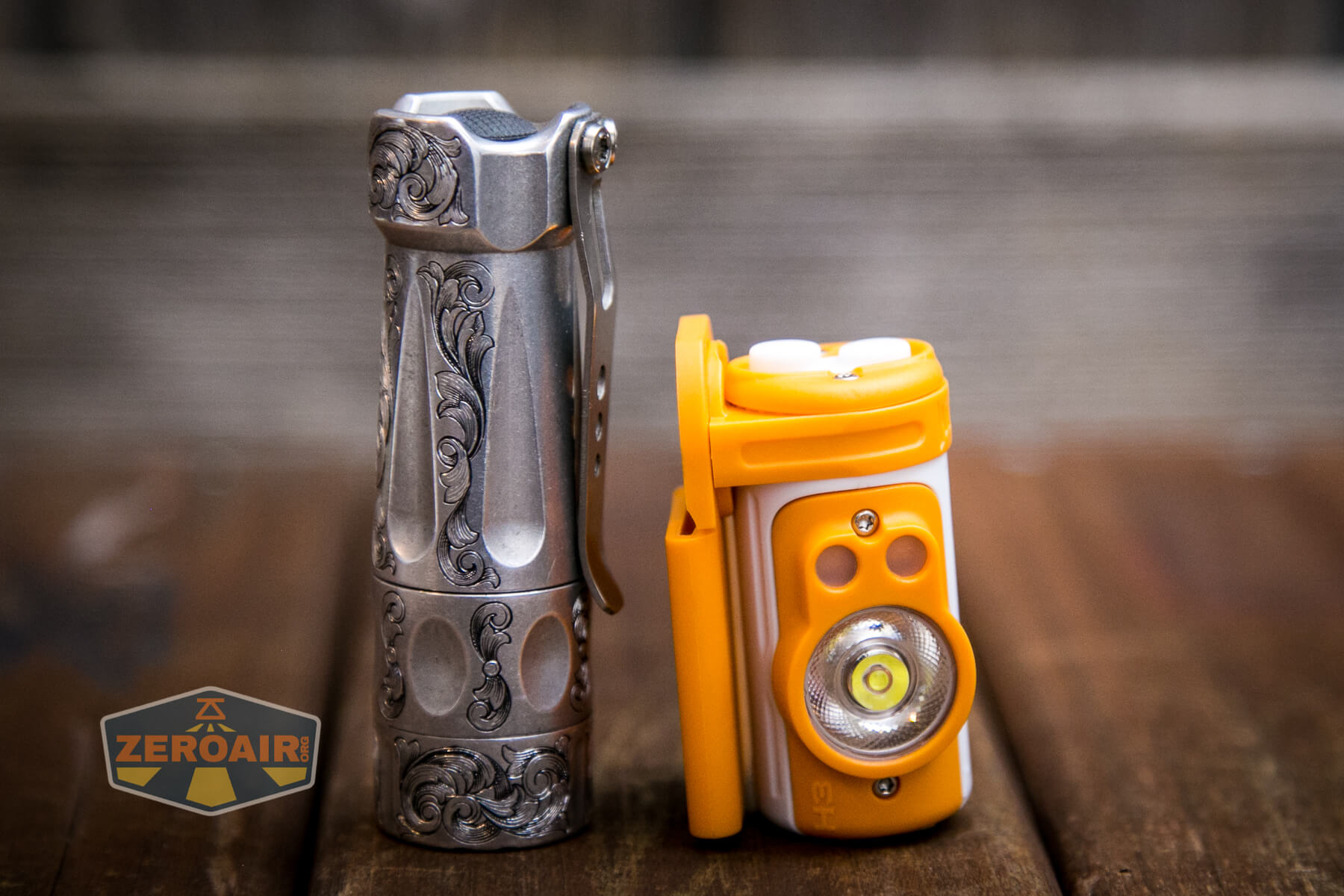
Officially, the size is 26mm x 25mm x 25mm, and 44g with battery.
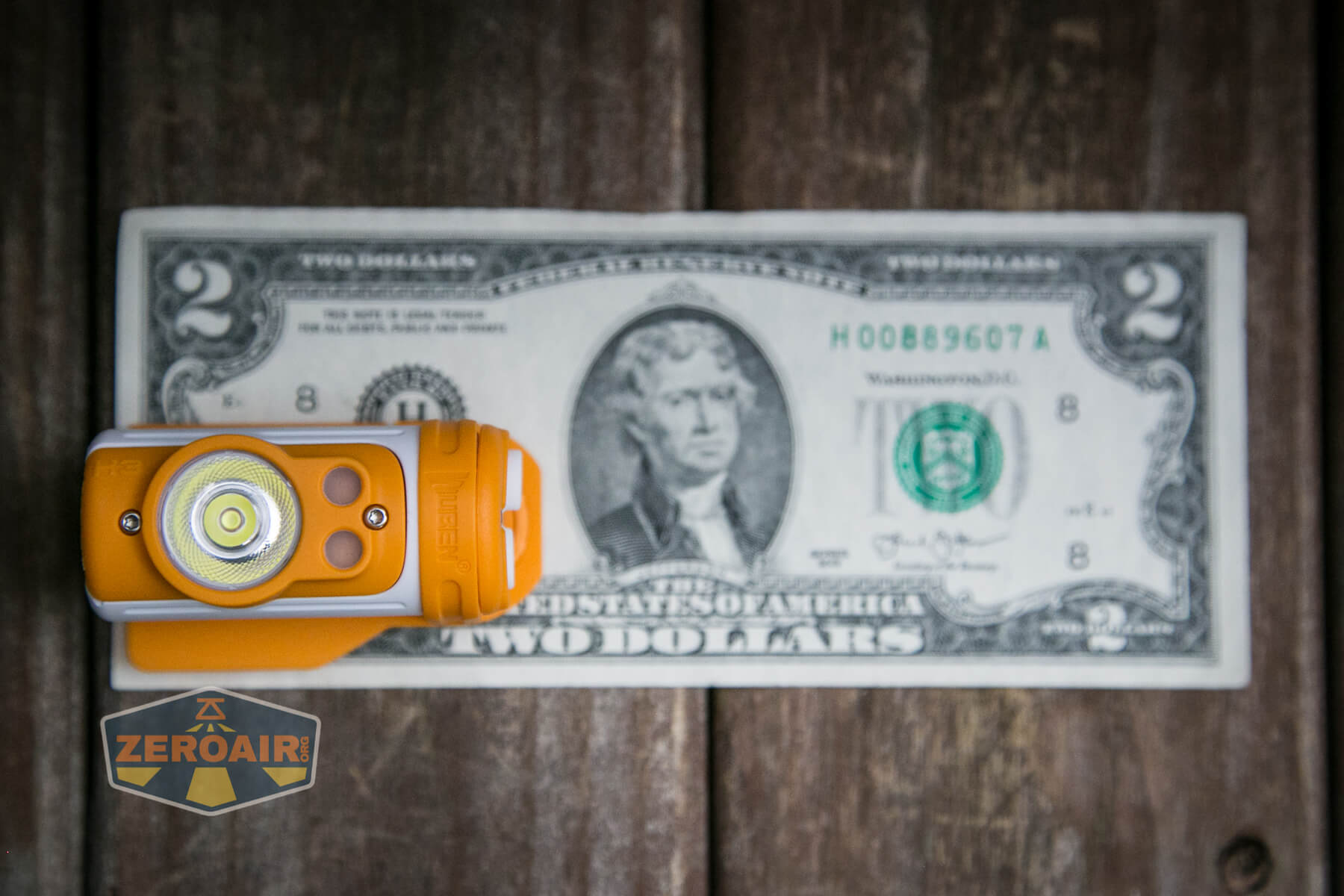
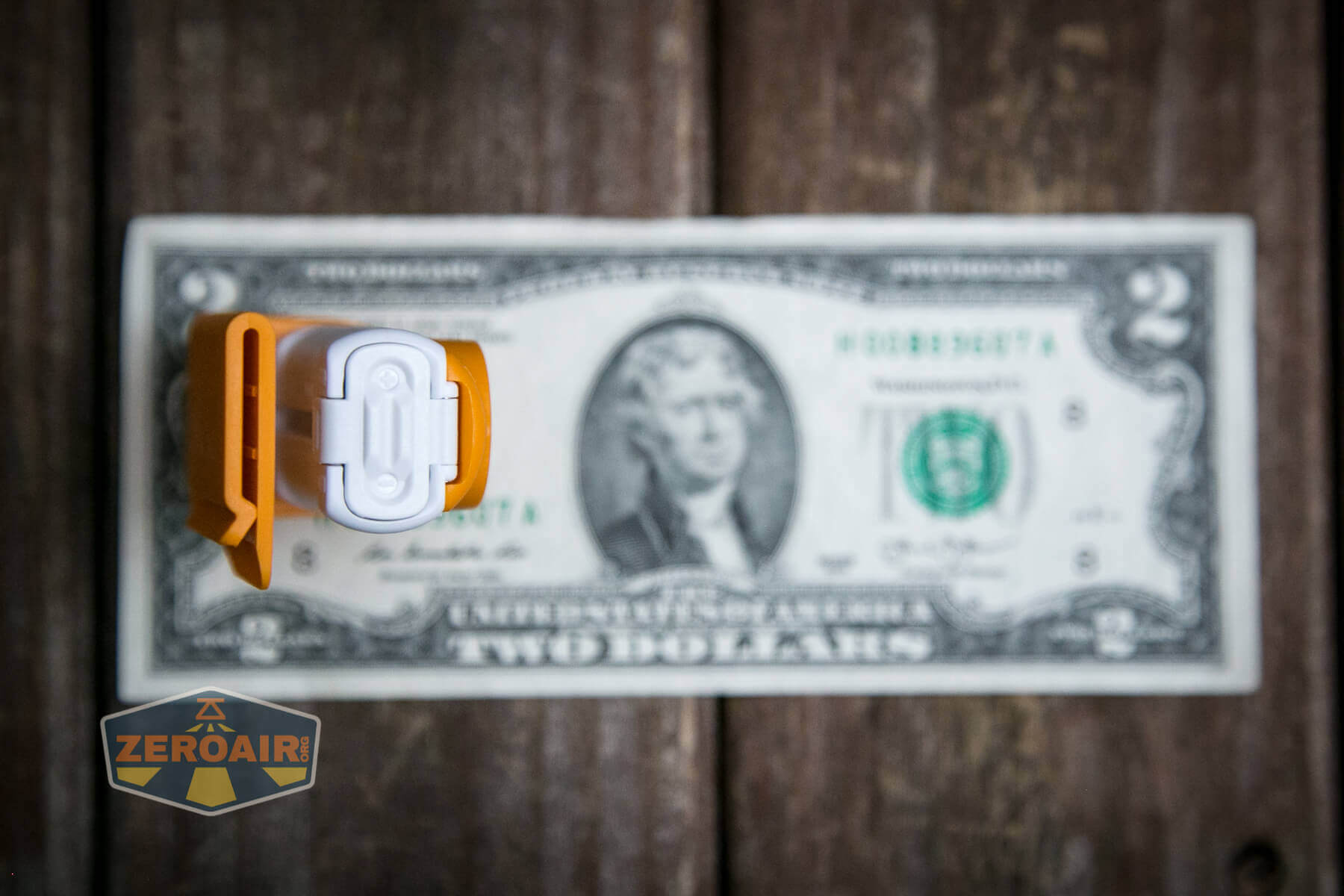
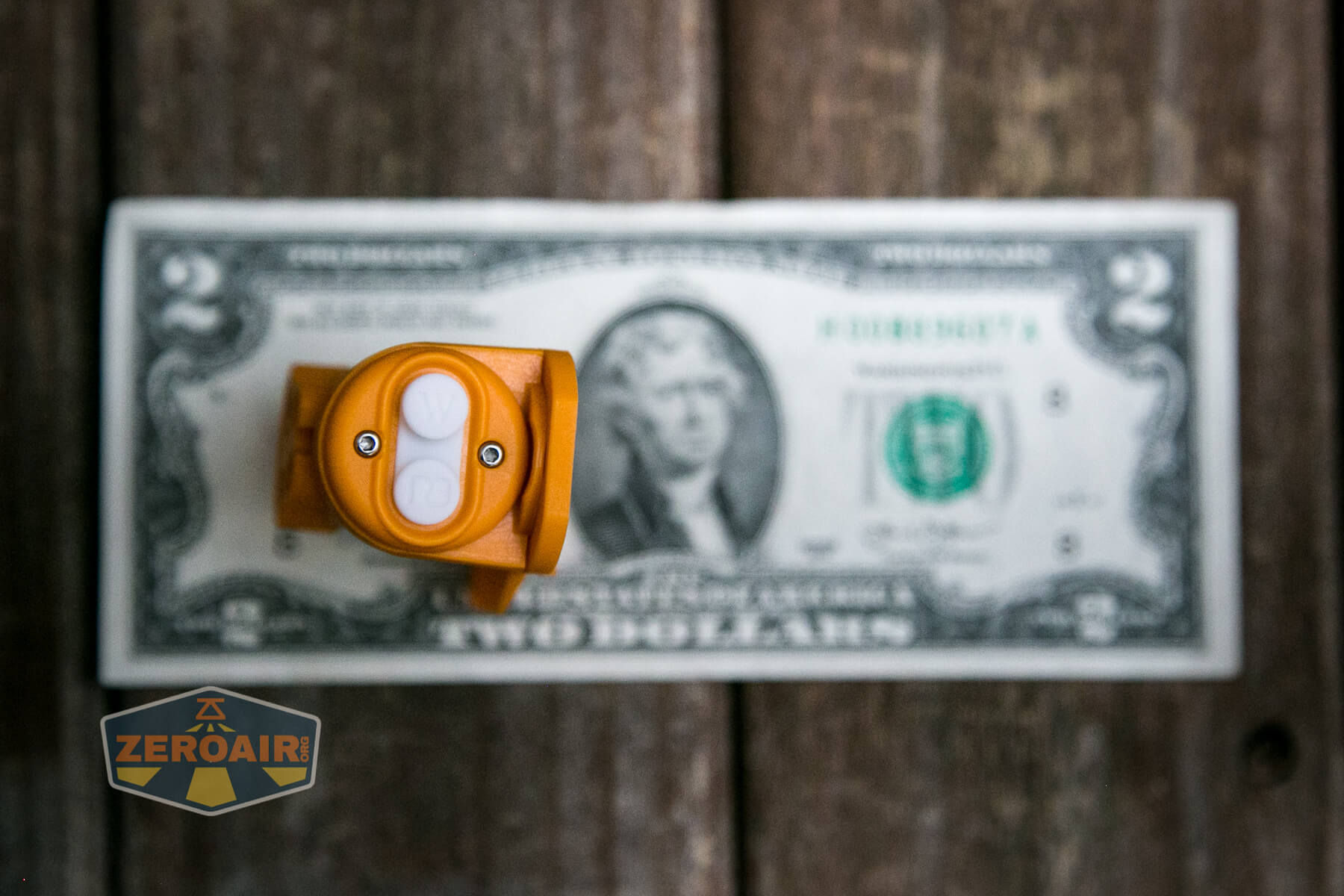
If the flashlight will headstand, I’ll show it here (usually the third photo). If the flashlight will tailstand, I’ll show that here, too (usually the fourth photo).
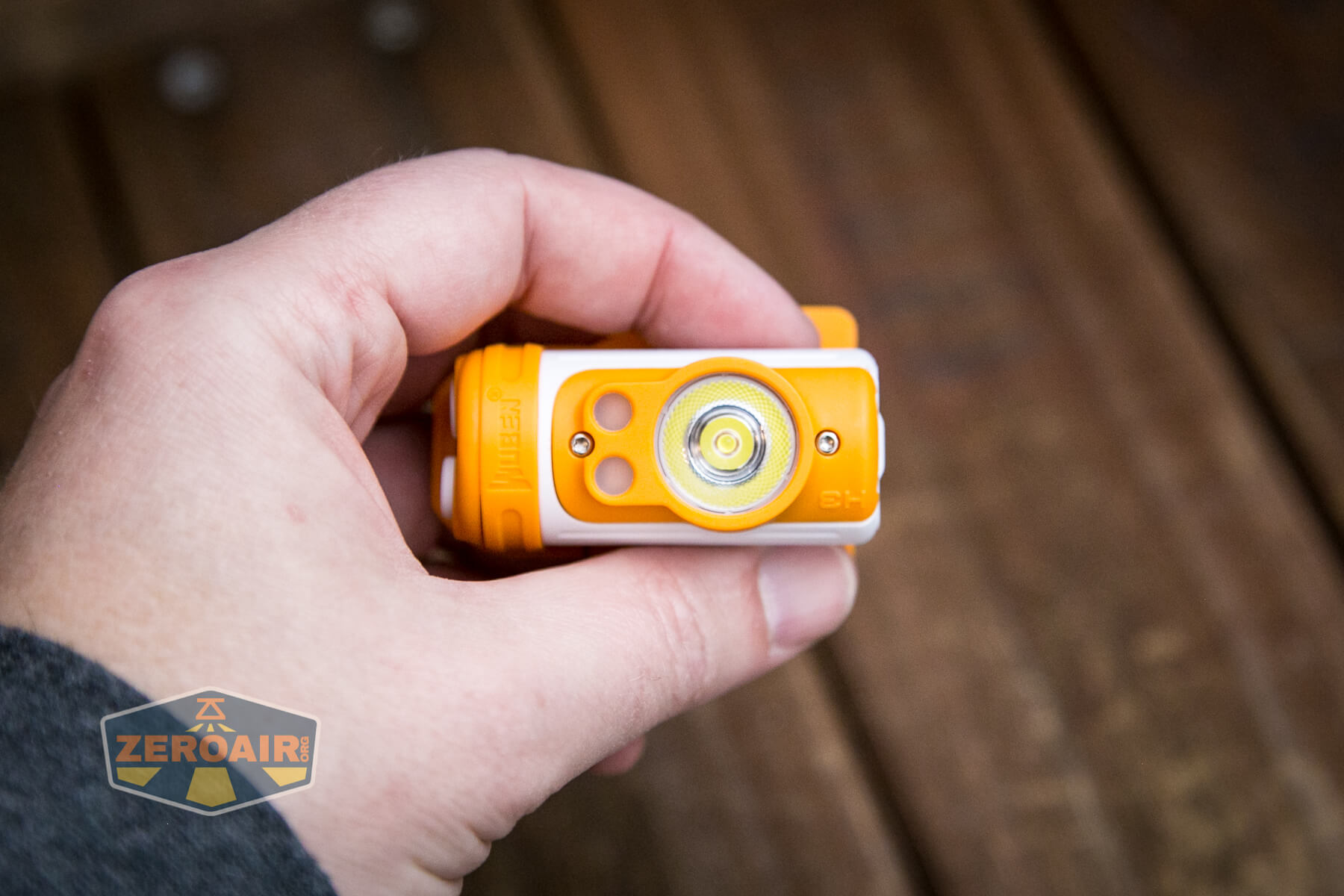
Here’s the test light with the venerable Convoy S2+. Mine is a custom “baked” edition Nichia 219b triple. A very nice 18650 light!
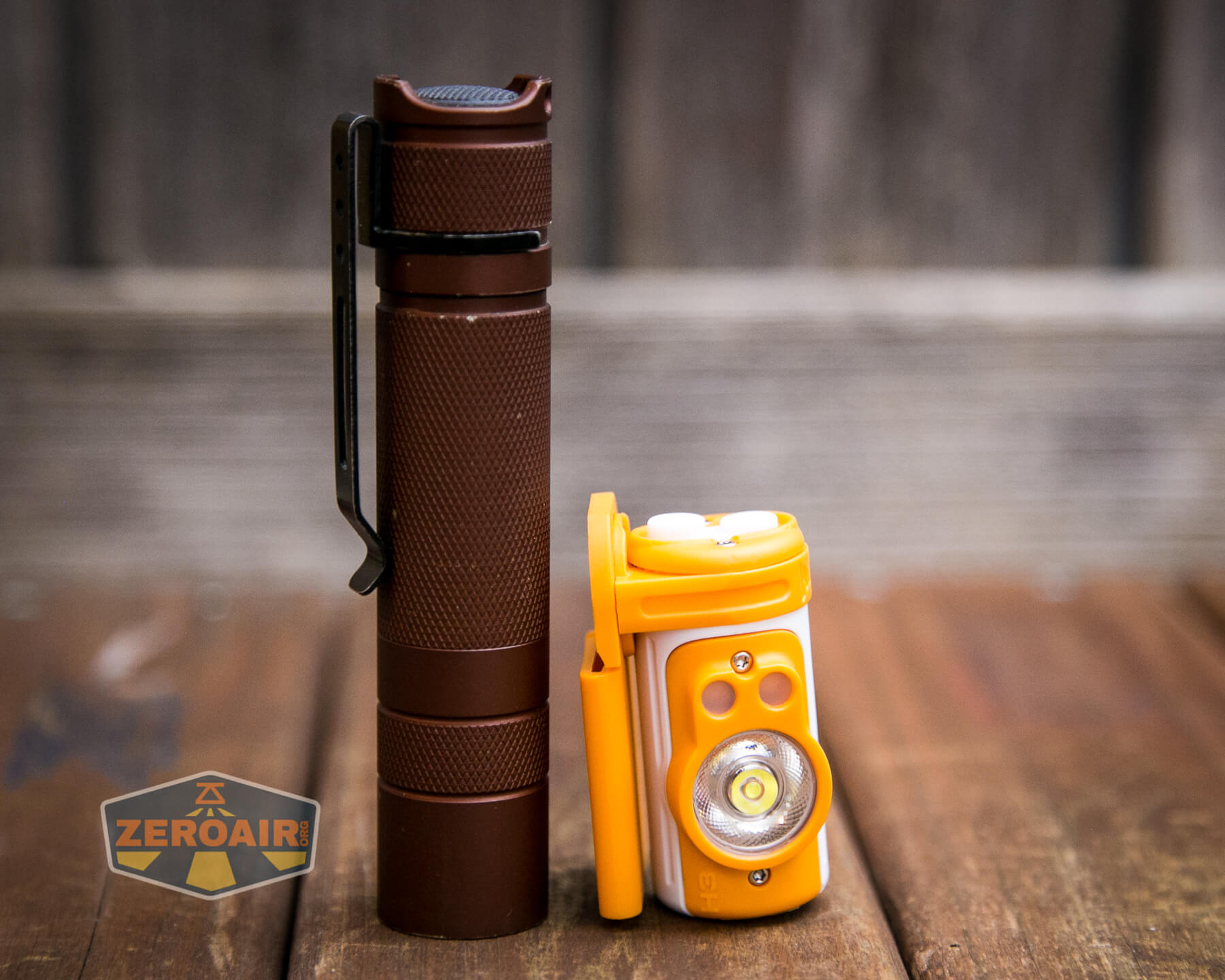
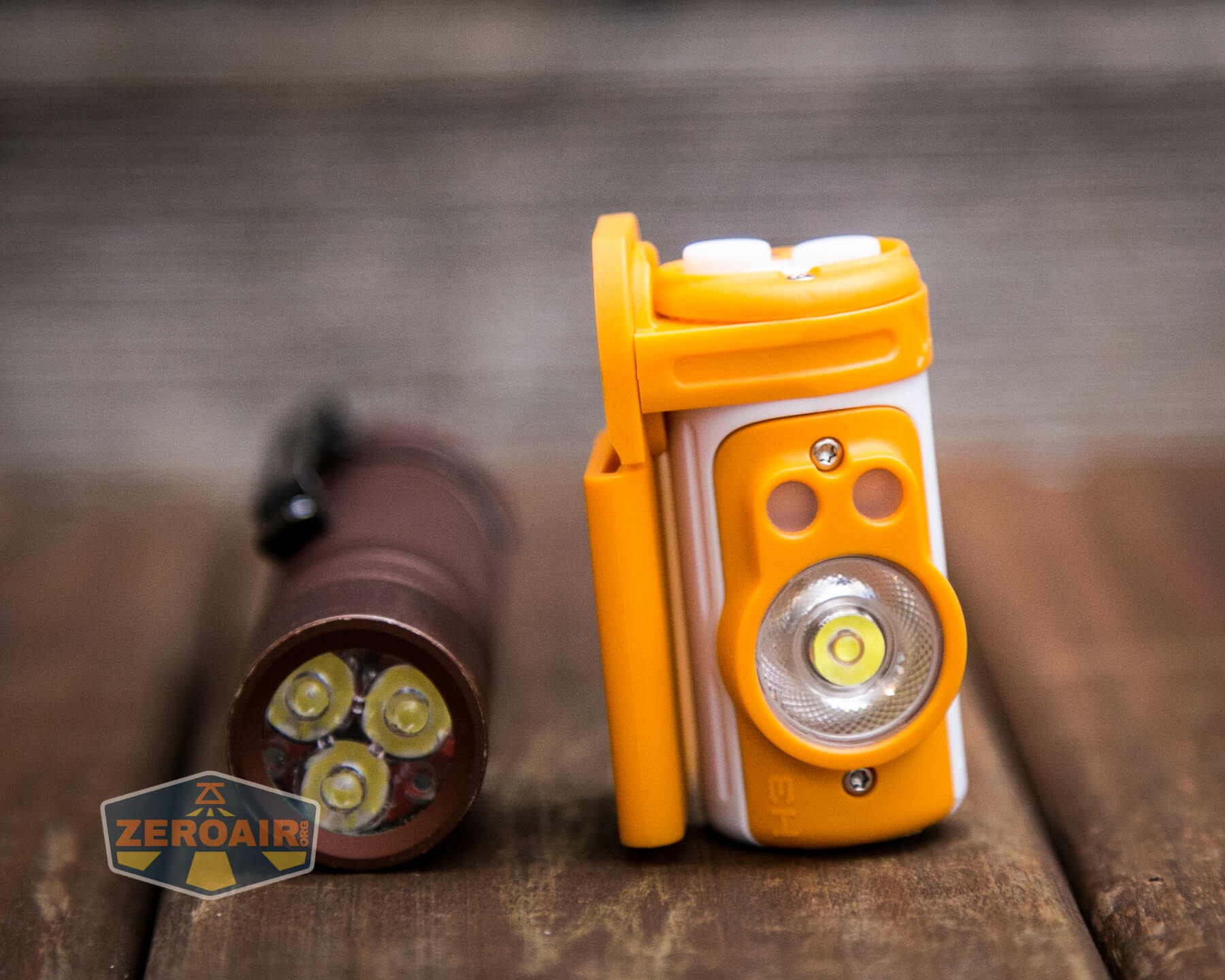
And here’s the light beside my custom-engraved TorchLAB BOSS 35, an 18350 light. I reviewed the aluminum version of that light in both 35 and 70 formats.
Retention and Carry
Below you can see the included headband.
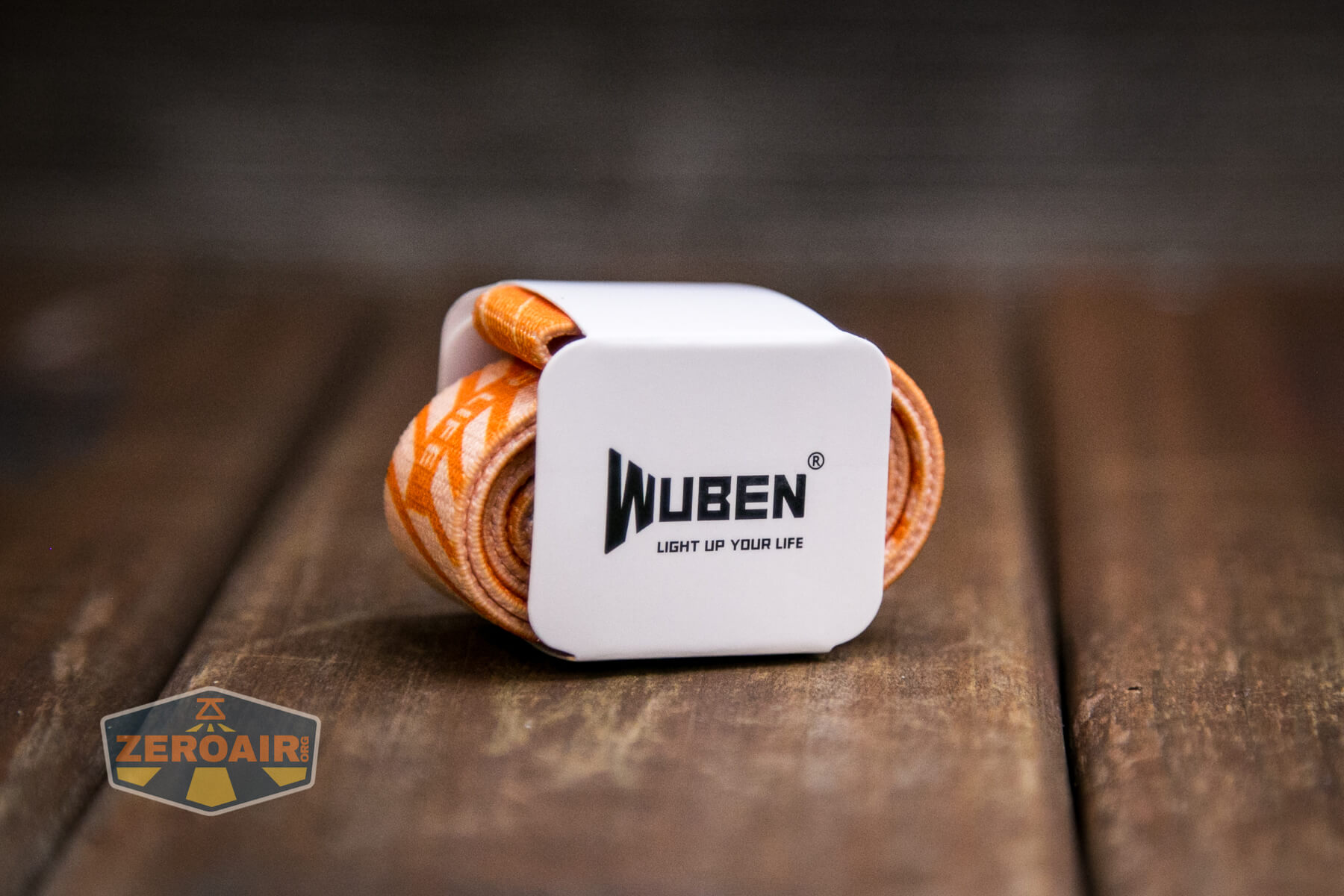
This is a simple band with a good bit of adjustability.
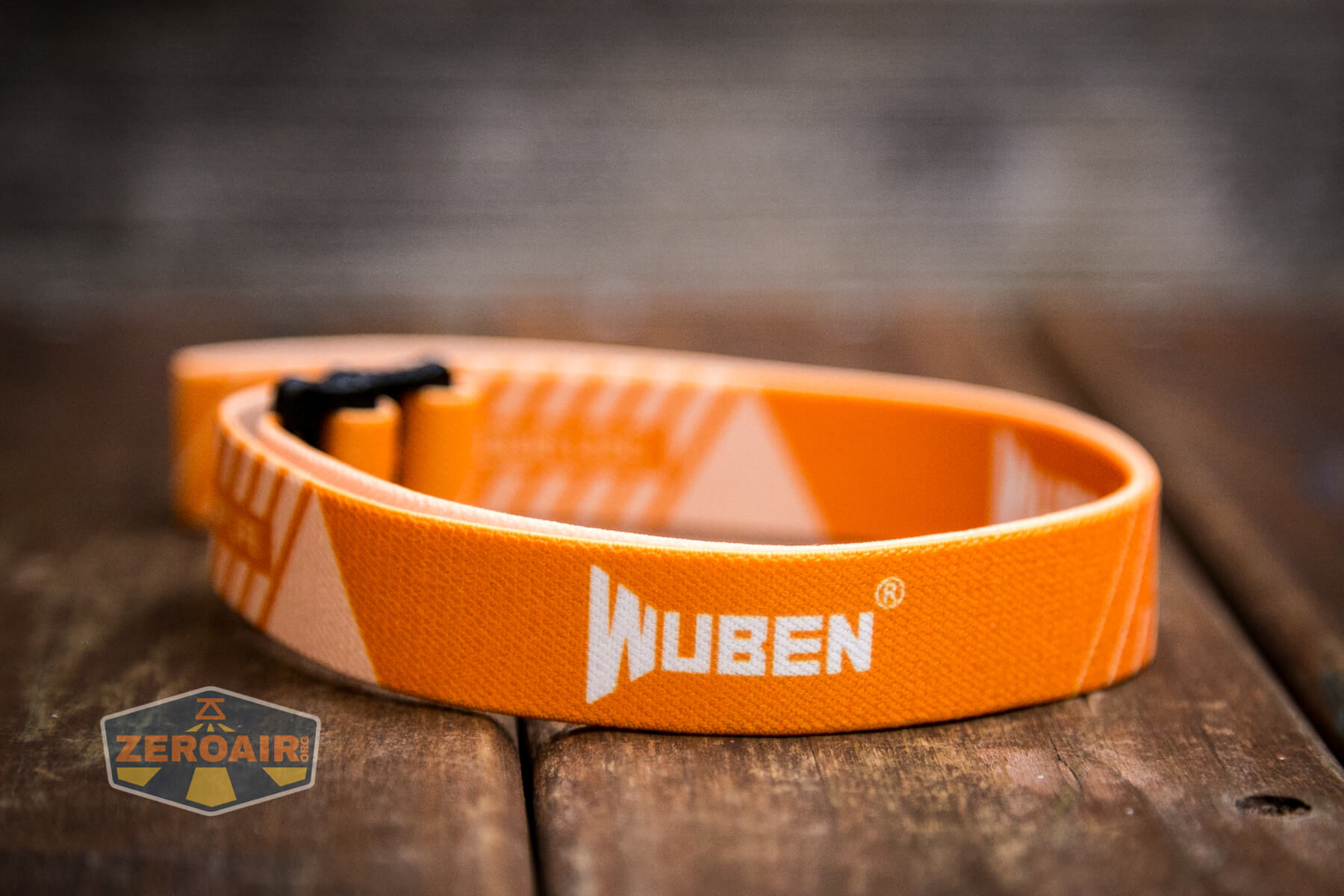
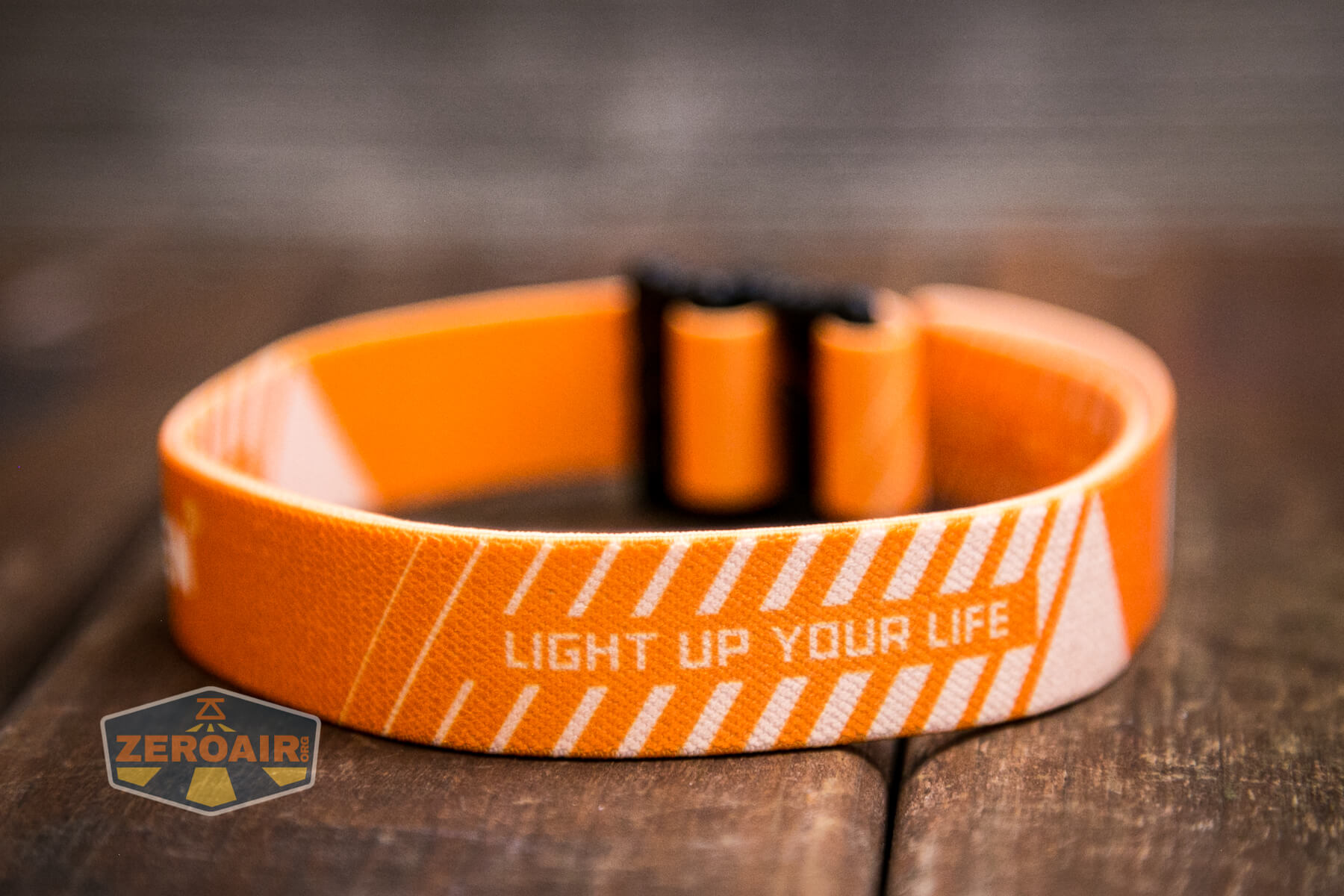
Getting the H3 onto this headband isn’t hard. In fact, it’s fairly easy to take the headlamp on and off. (But just “fairly” easy – no worry that it’ll fall off.)
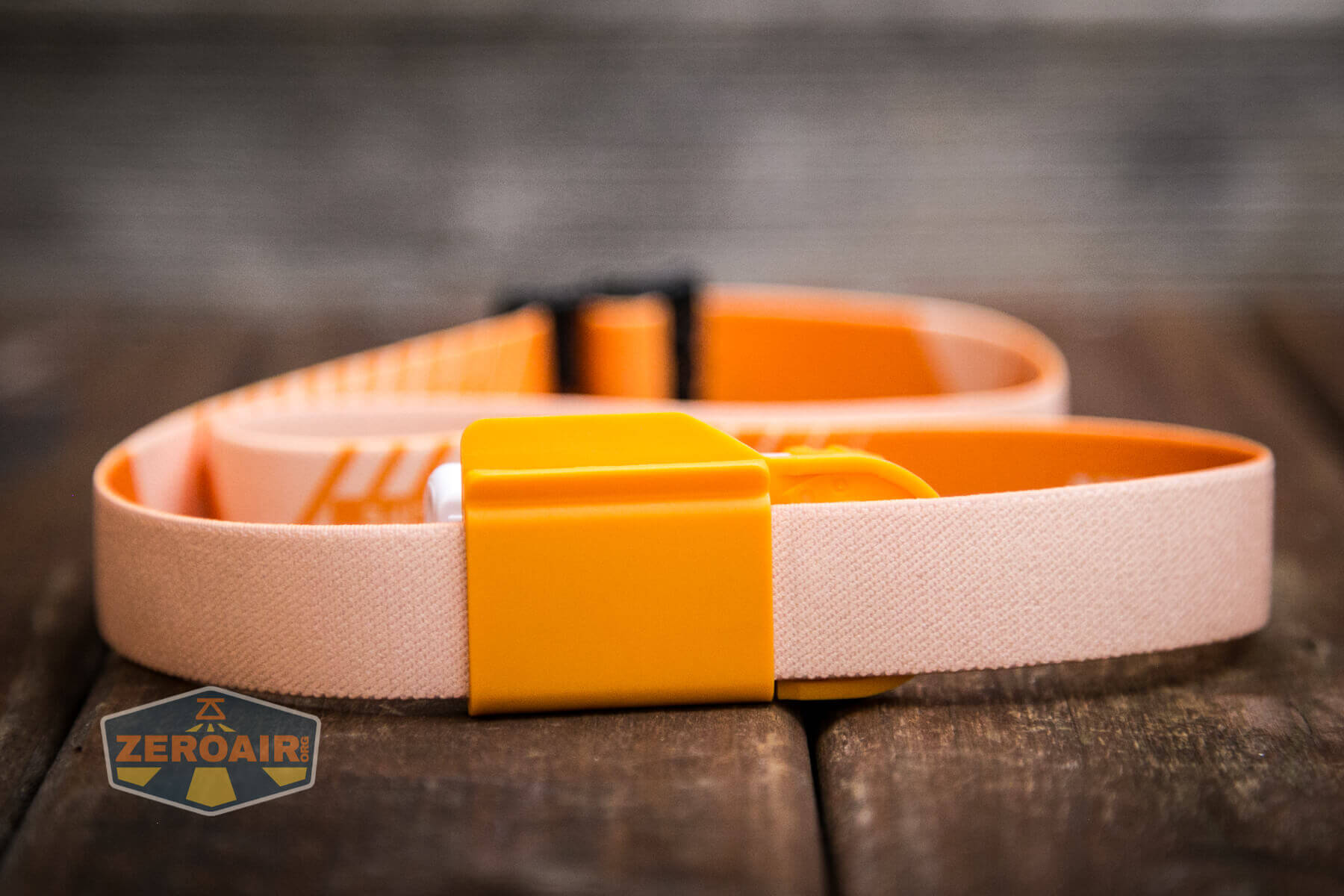
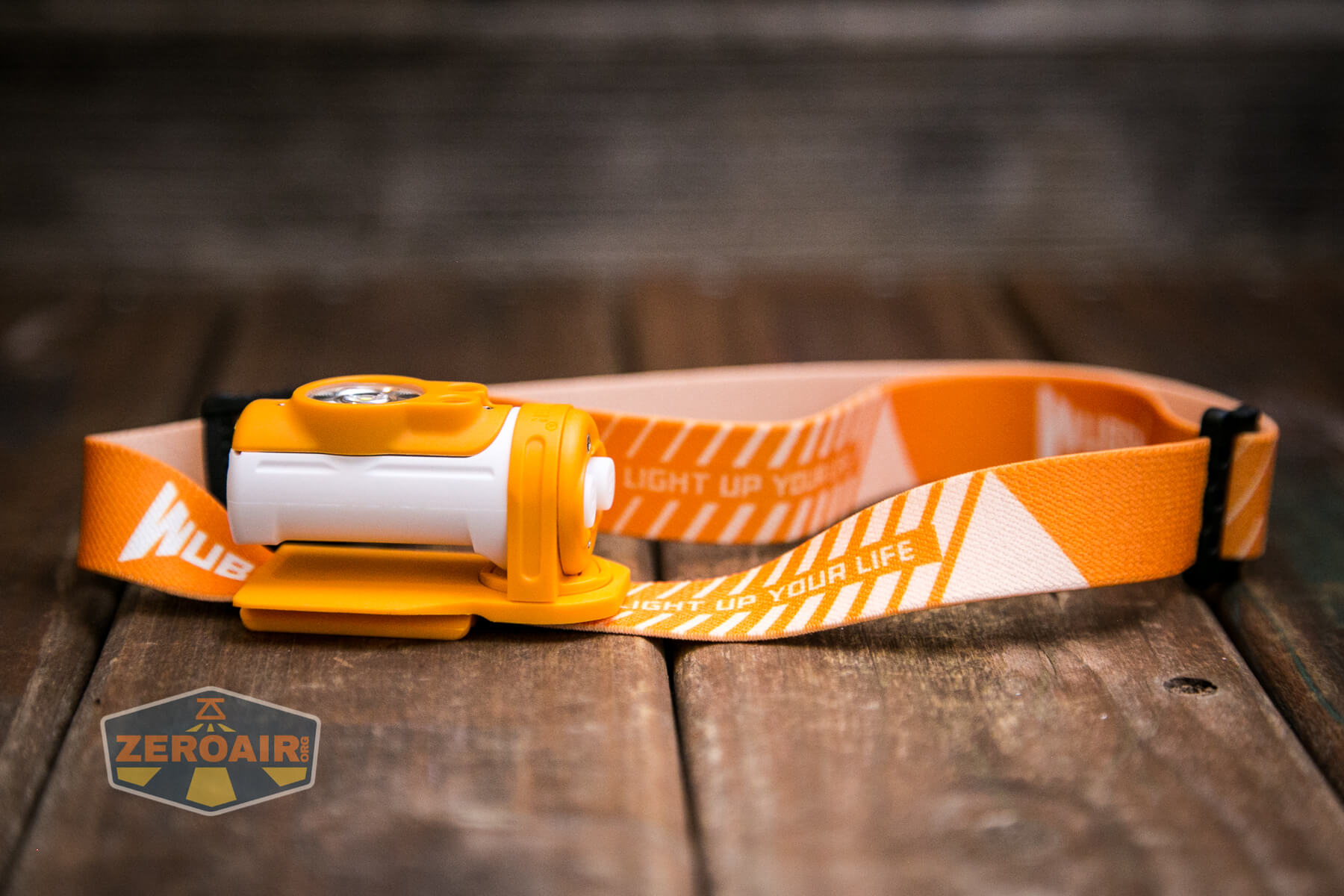
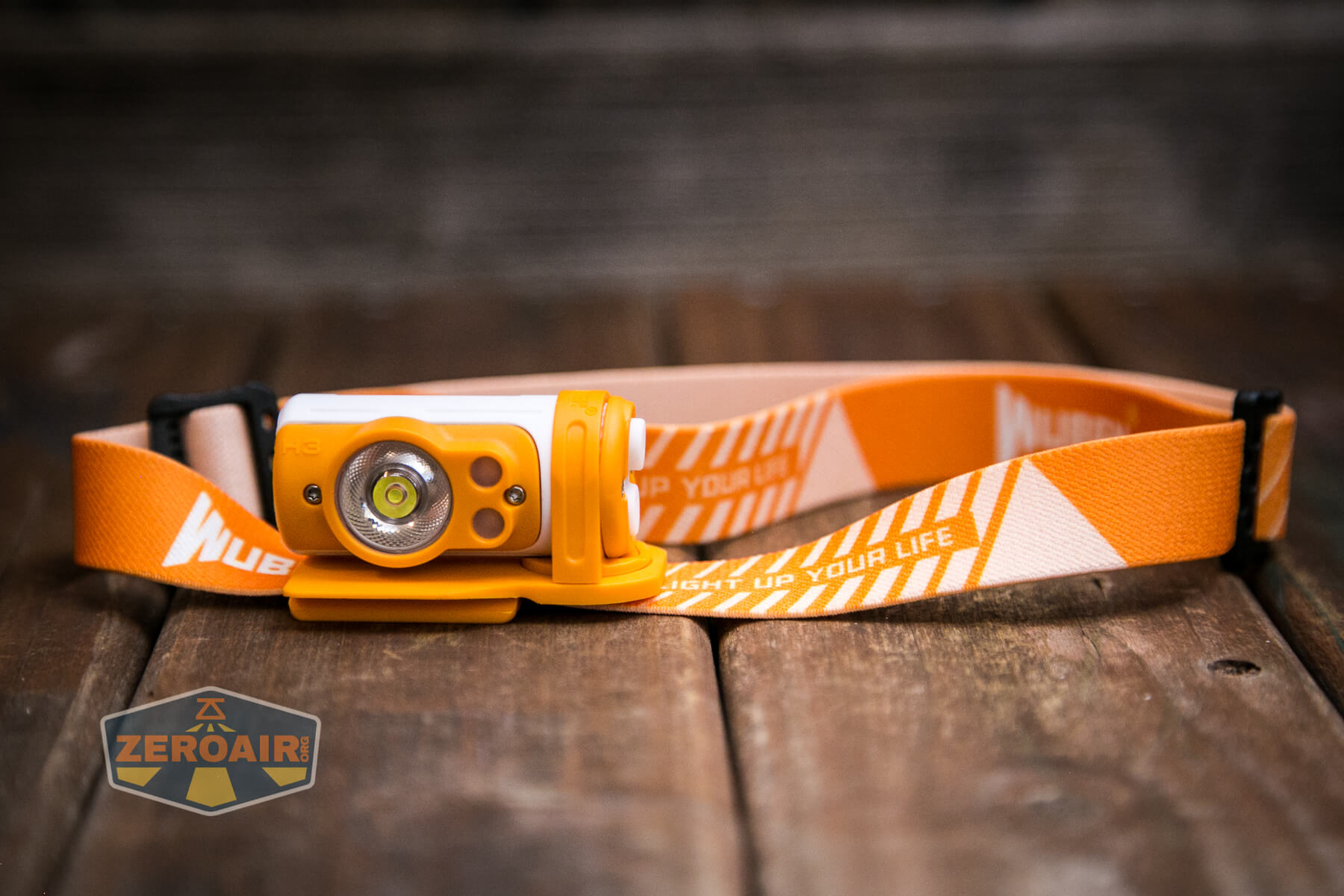
The H3 will swivel all over the base. If you want to wear the light on the side of your head, you’ll be able to.
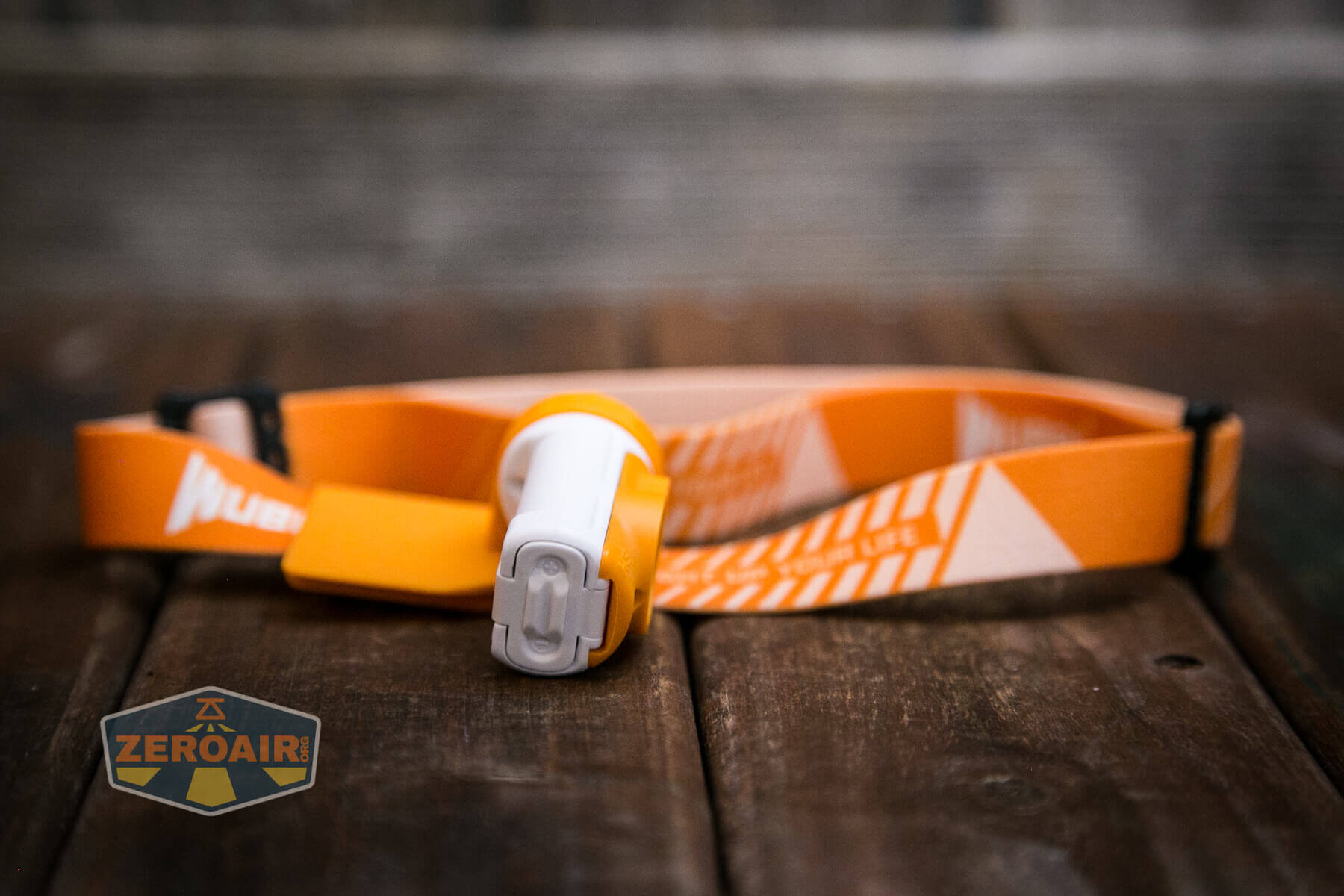
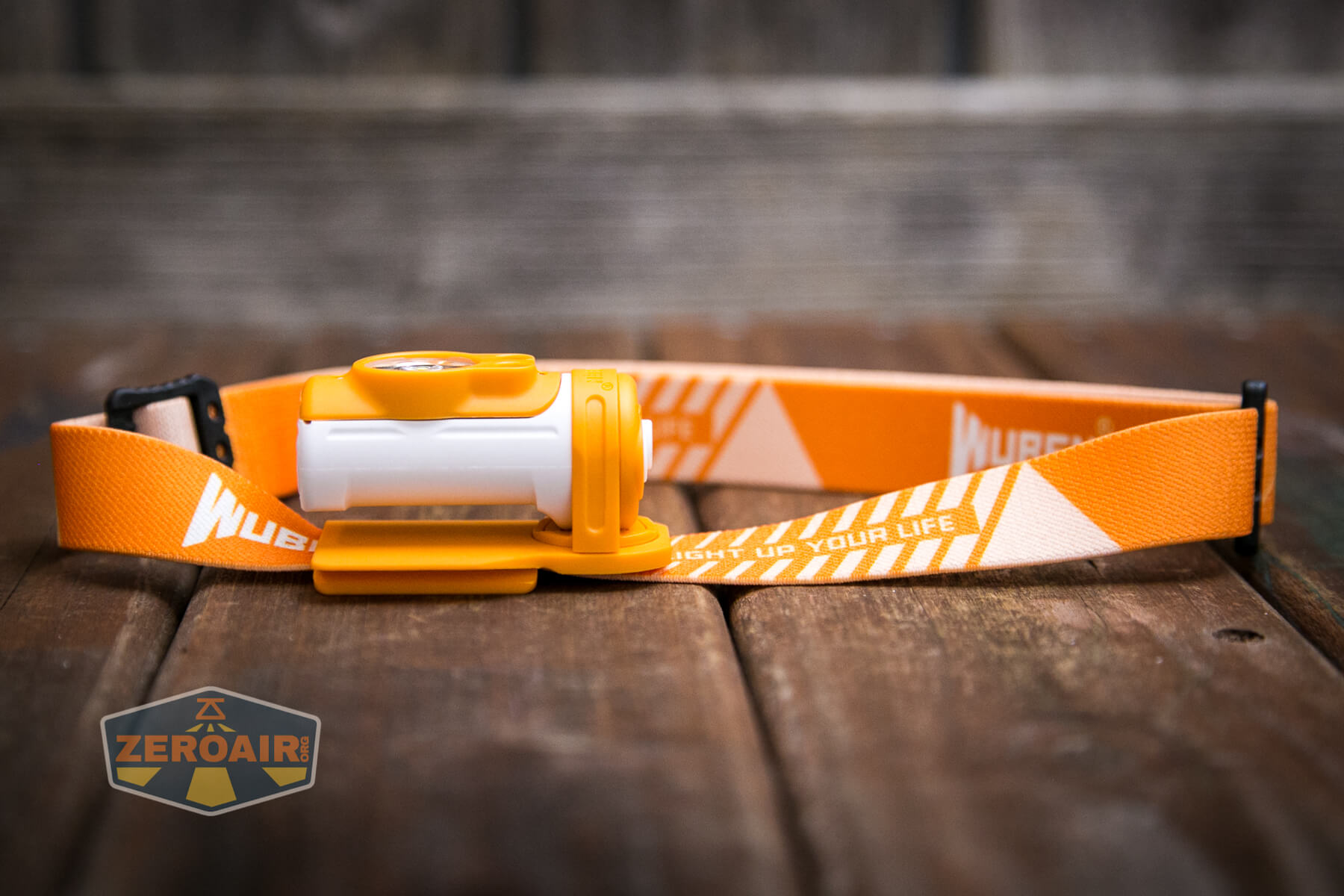
Other possibilities exist, too. With the H3 off the headband, your imagination is the limit on attachment points. For example, the H3 works well on the brim of a cap. It also works well on a belt. It also works fine in the pocket of blue jeans. That’s pretty much all I can come up with, but as I said, it’s only limited by your imagination (I’m saying my imagination is very bad.)
Power and Runtime
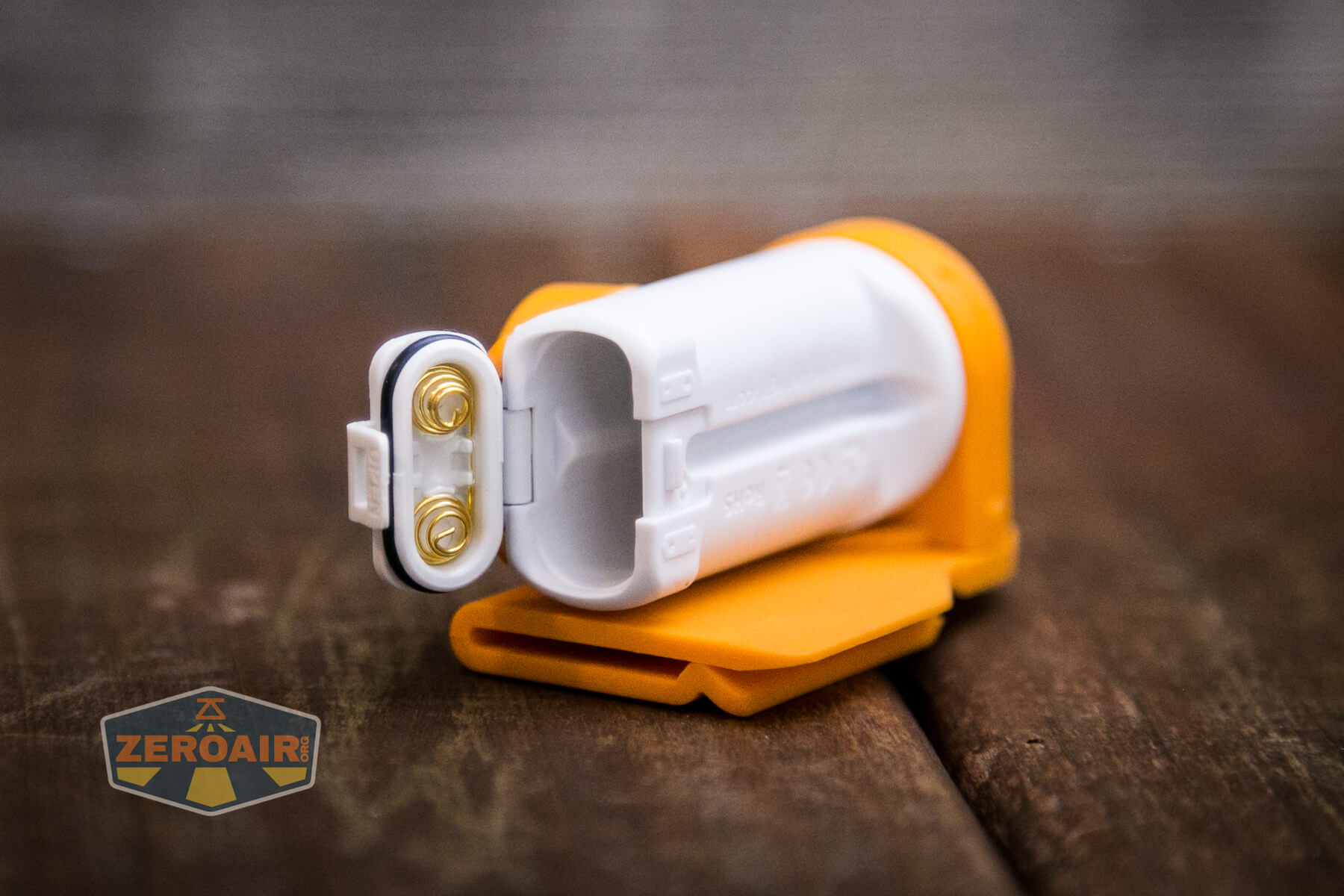
Wuben includes the necessary power supply for the H3. That is two AAA-sized cells. The ones that are included are primary cells.
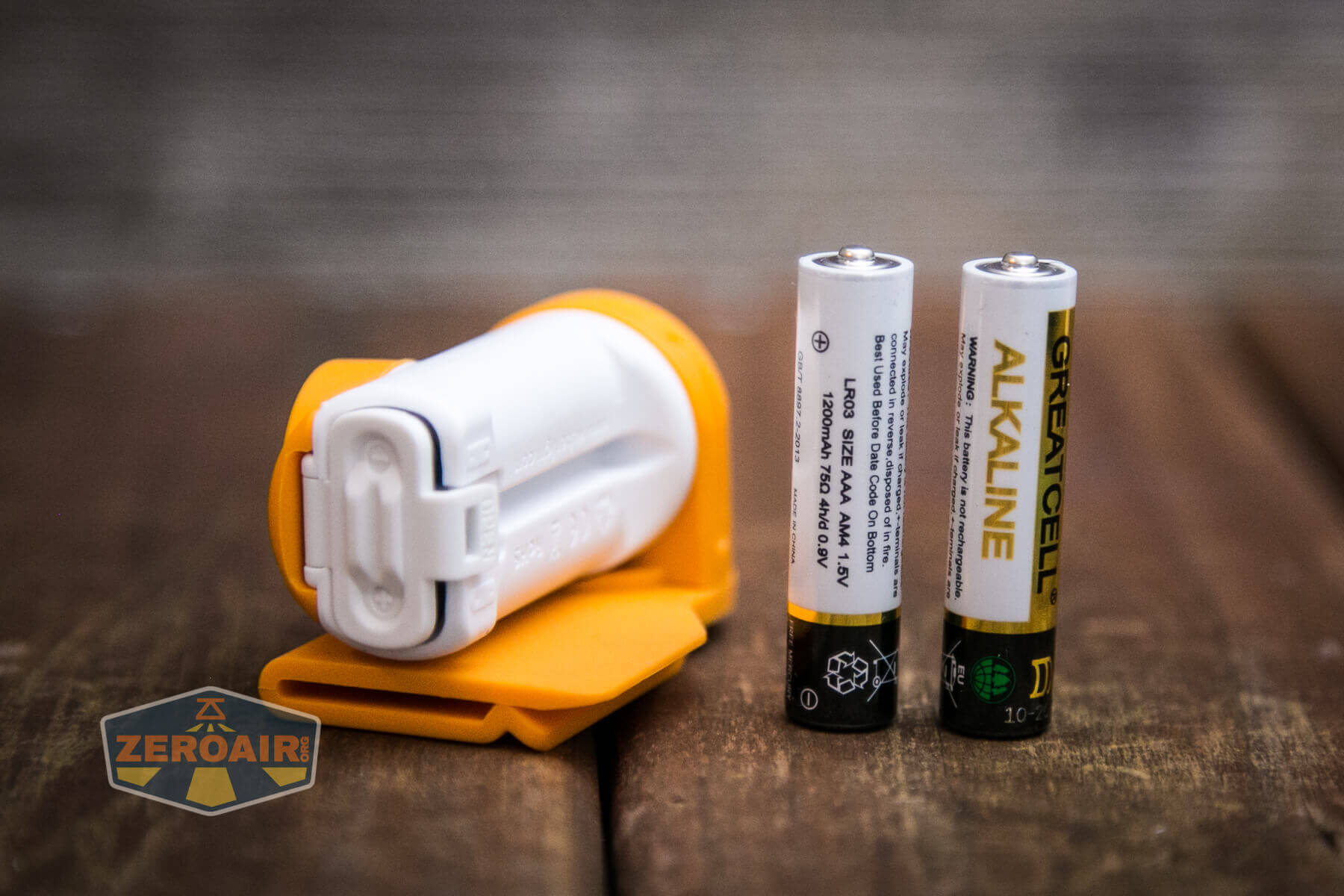
I just put those straight back into the box and used these Amazon Basics AAA NiMH cells, which are also 1.5V.
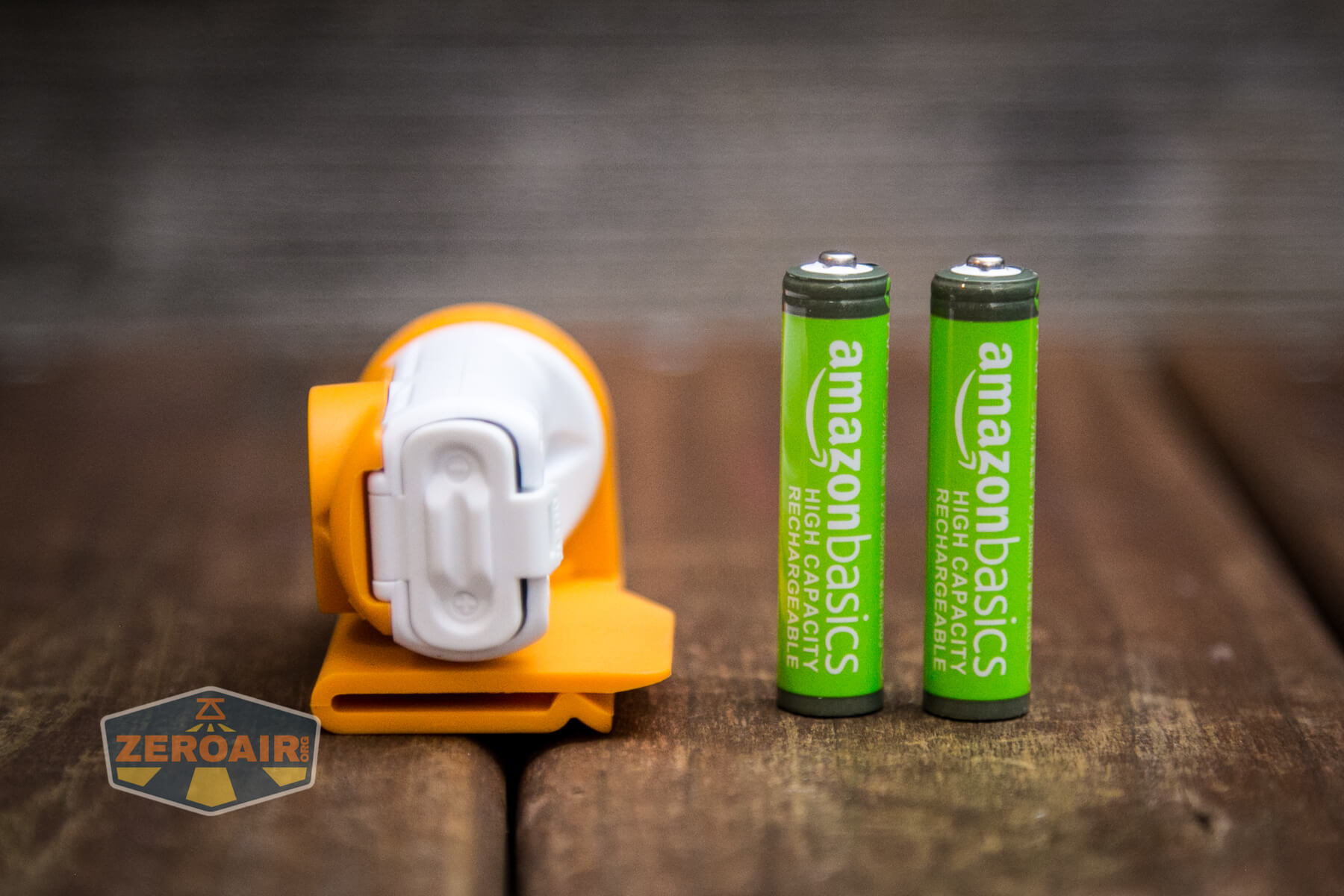
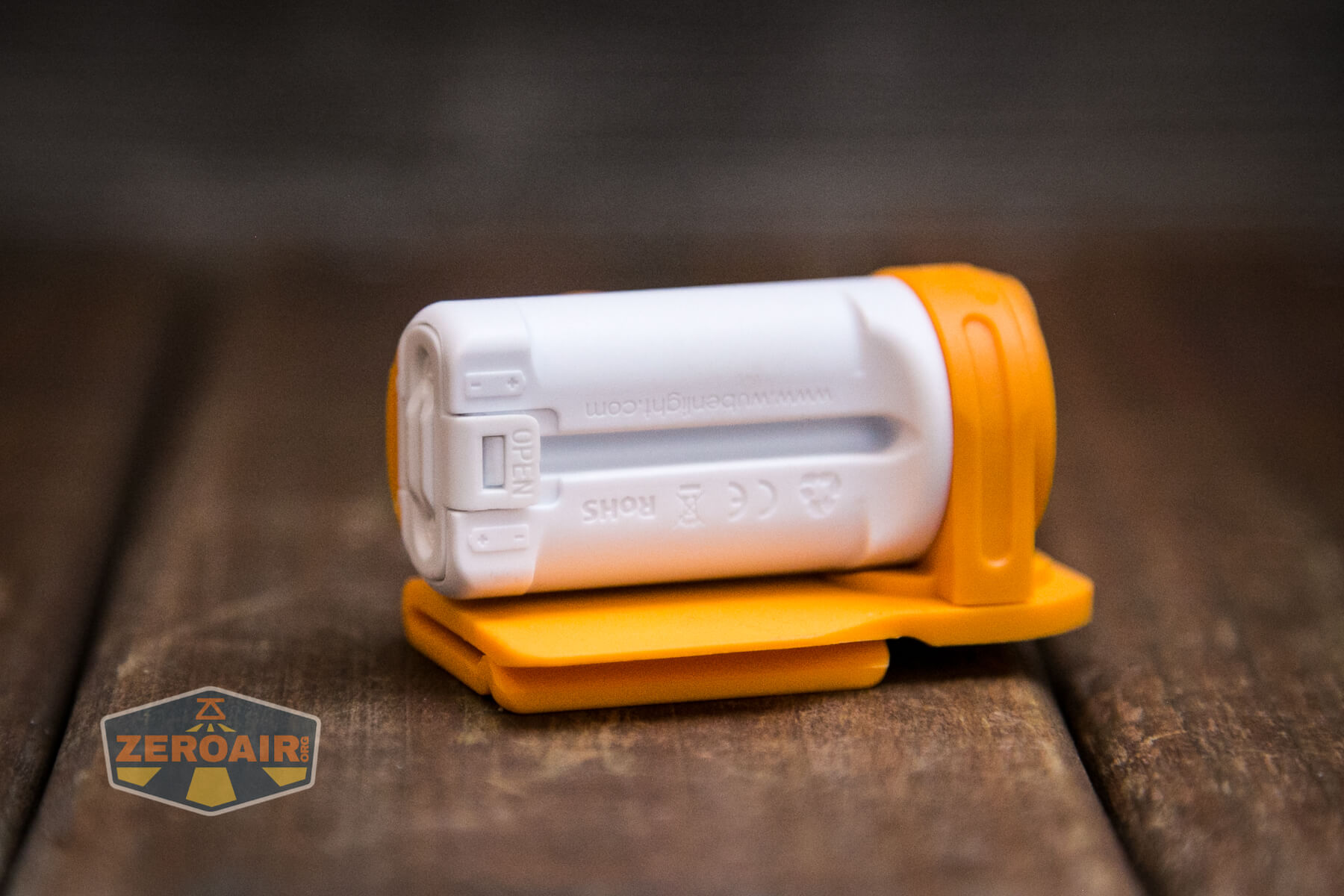
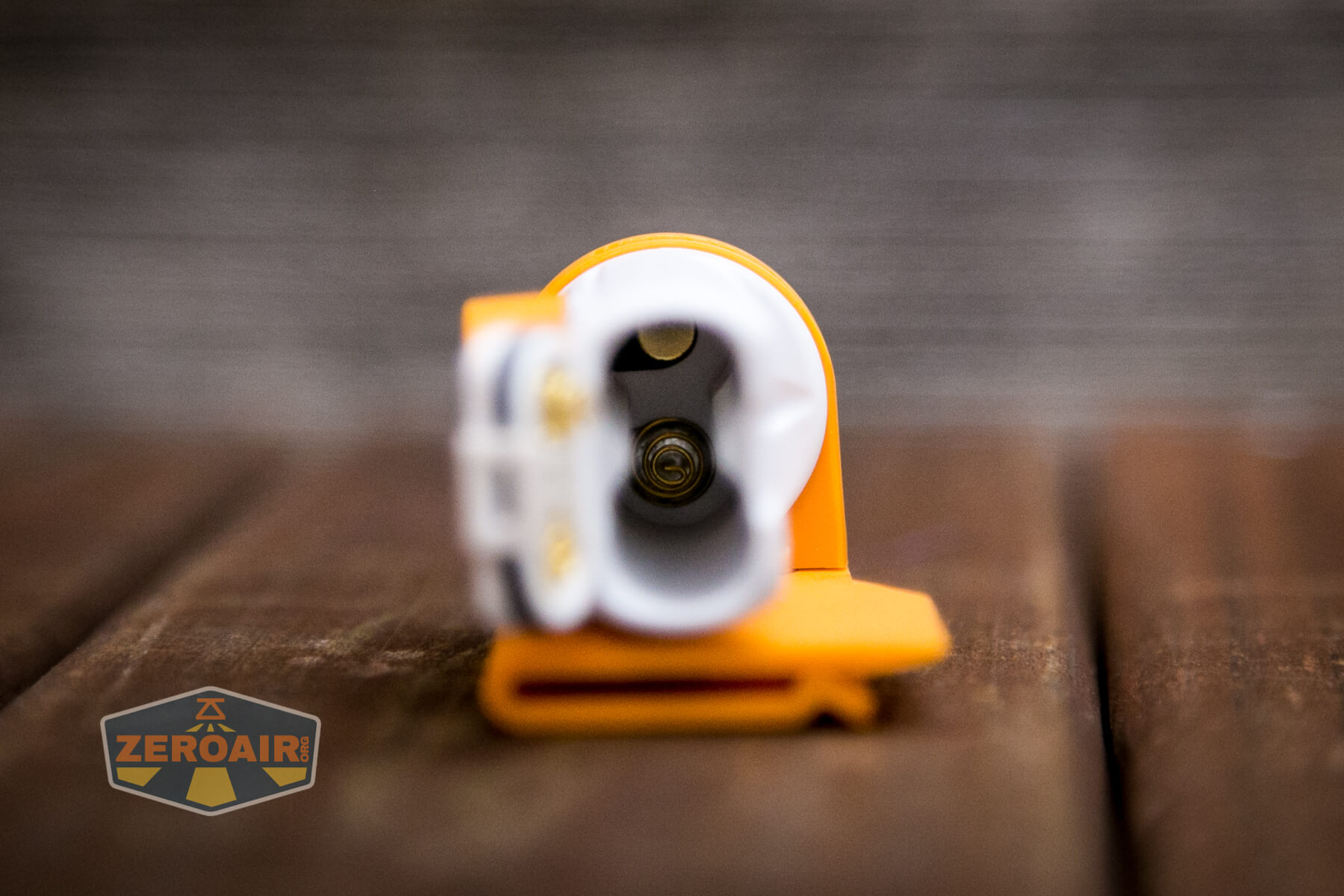
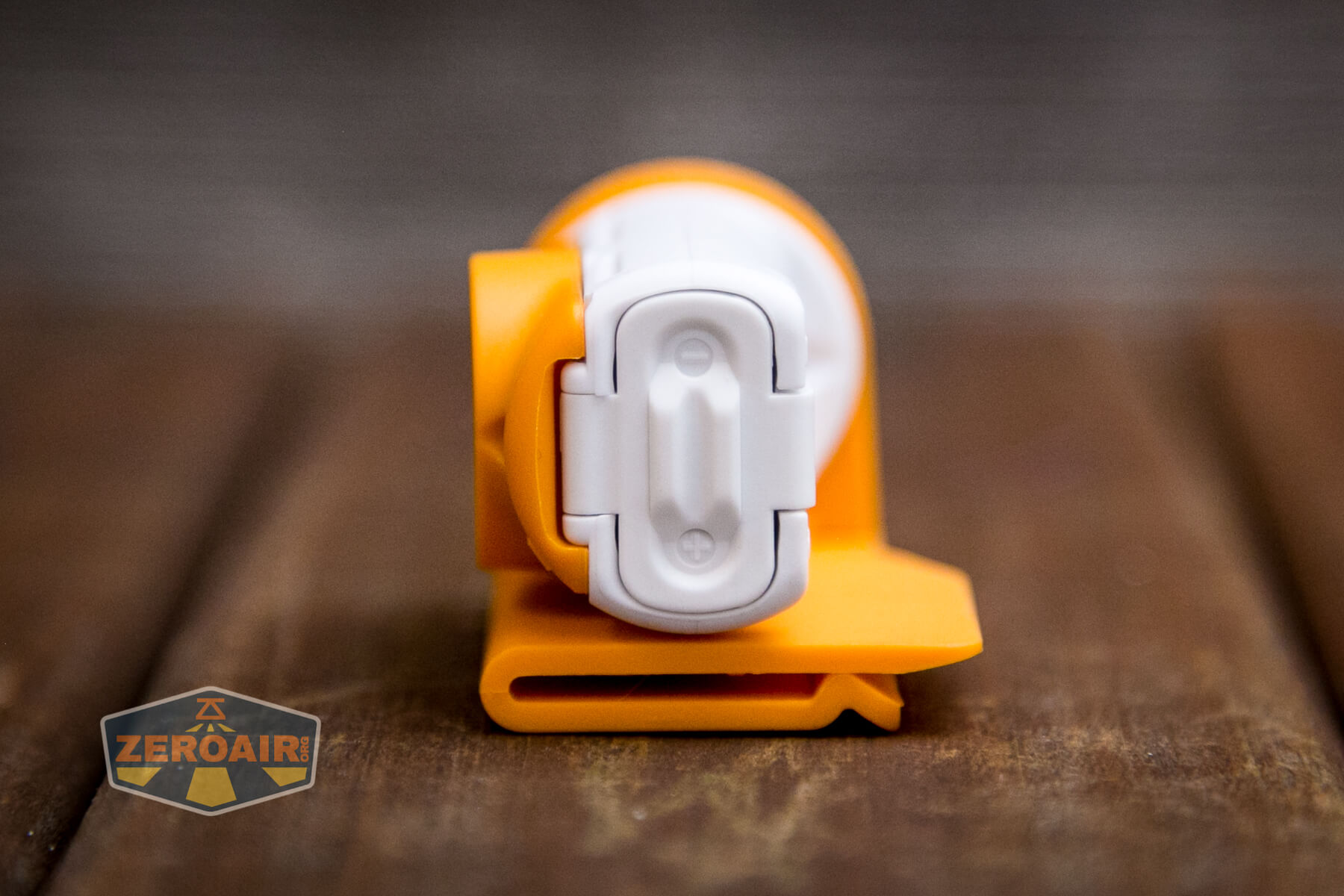
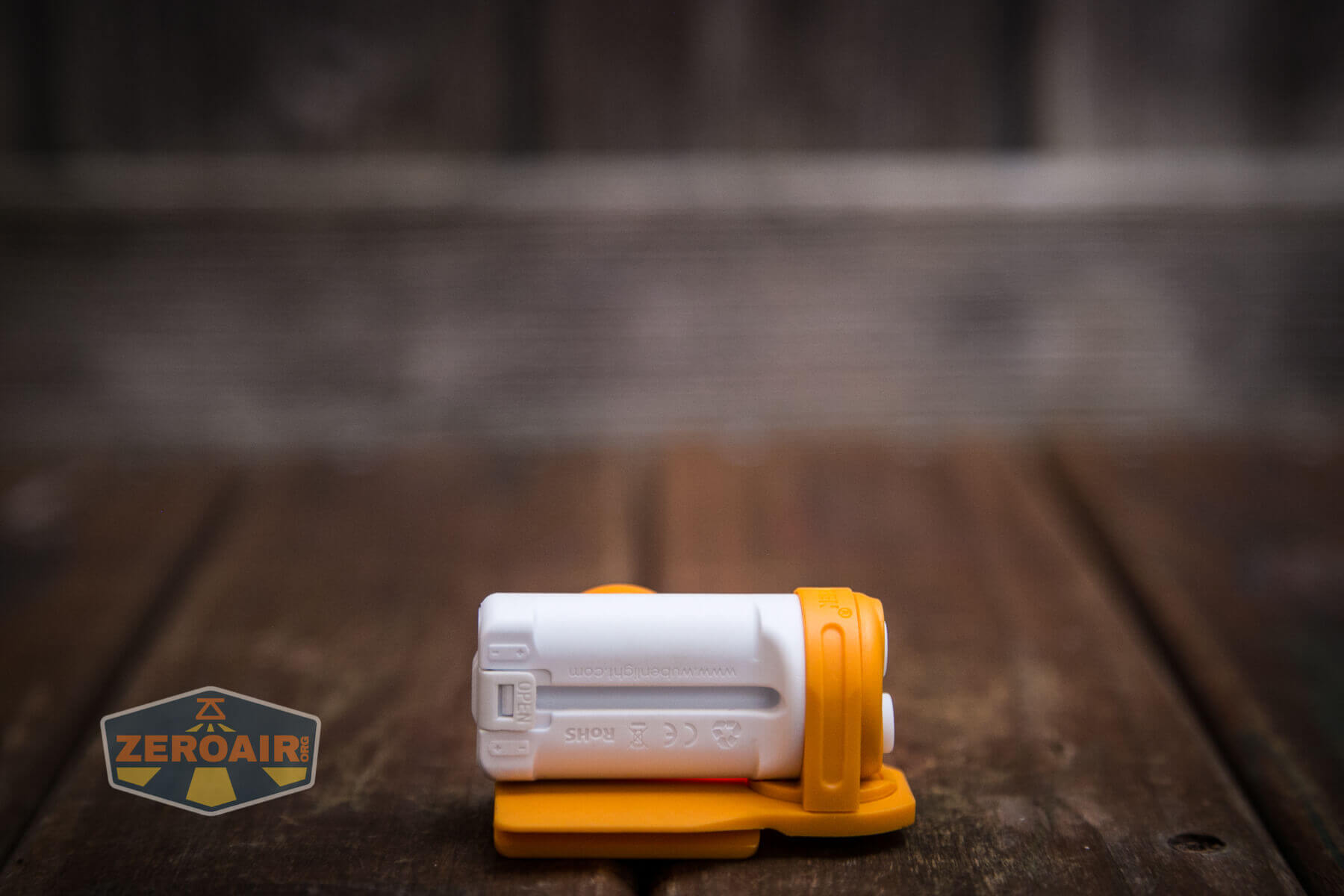
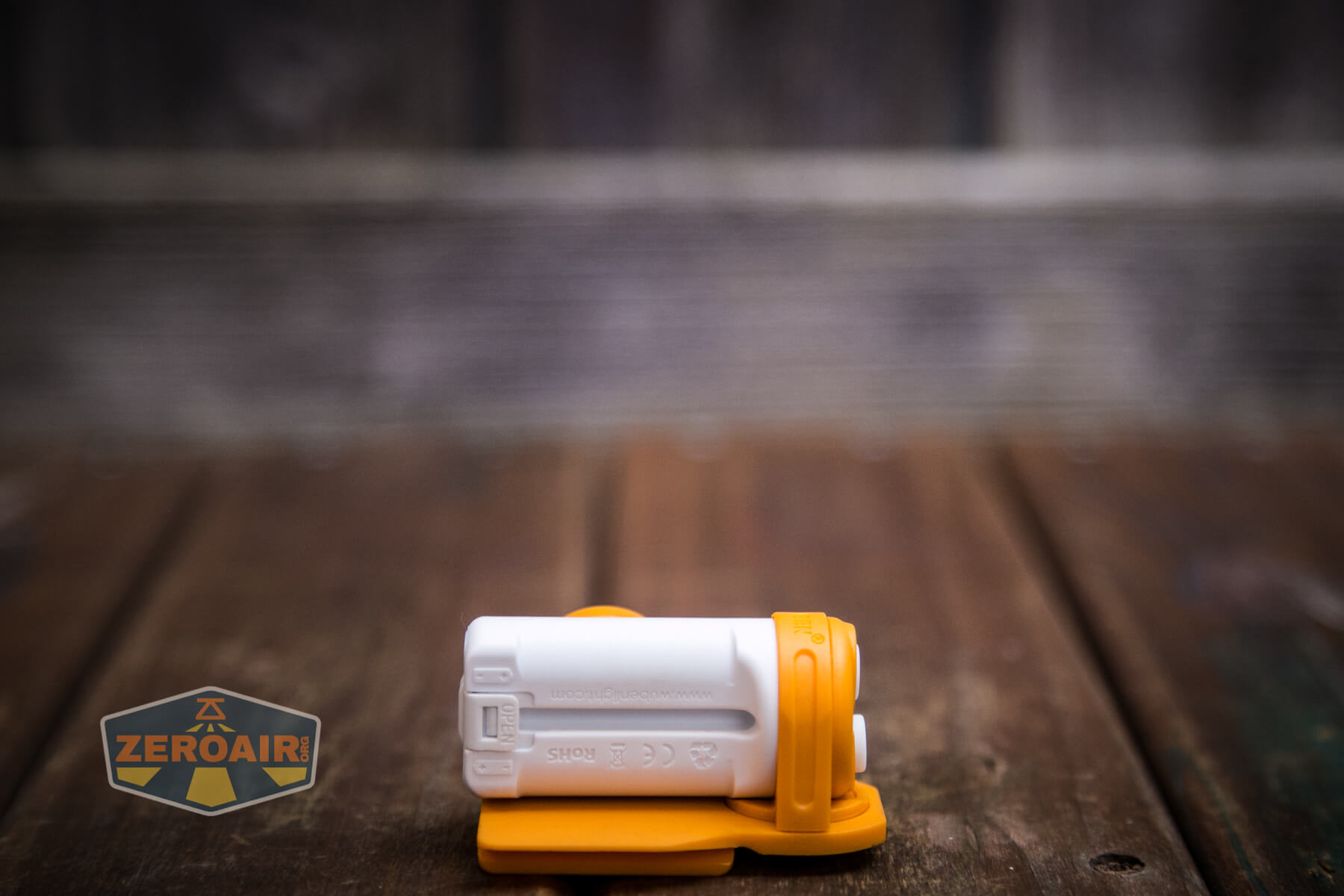
There are plenty of markings to let you know in which orientation to put these two cells.
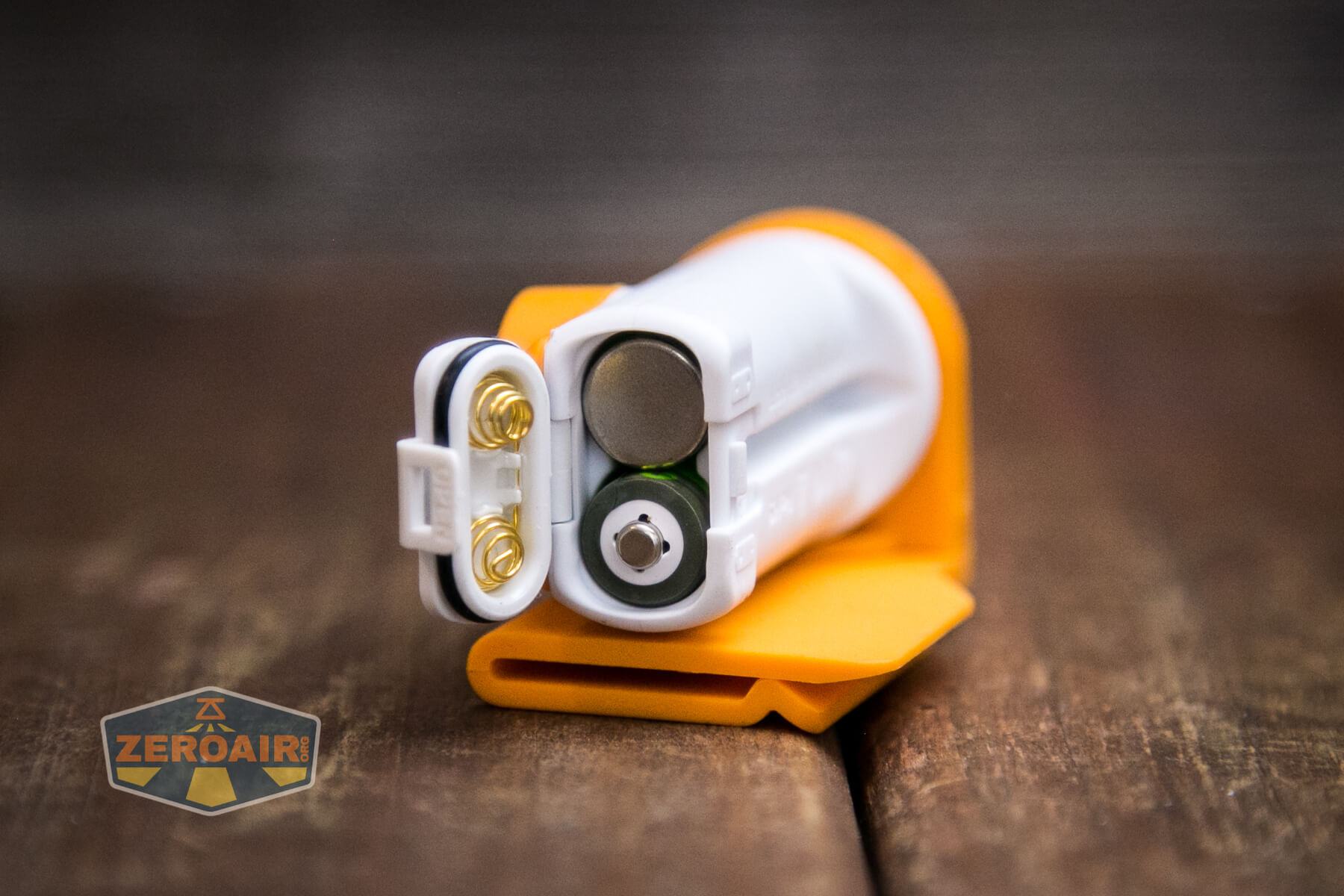
These two little diagrams, seen below, are probably the best, though.
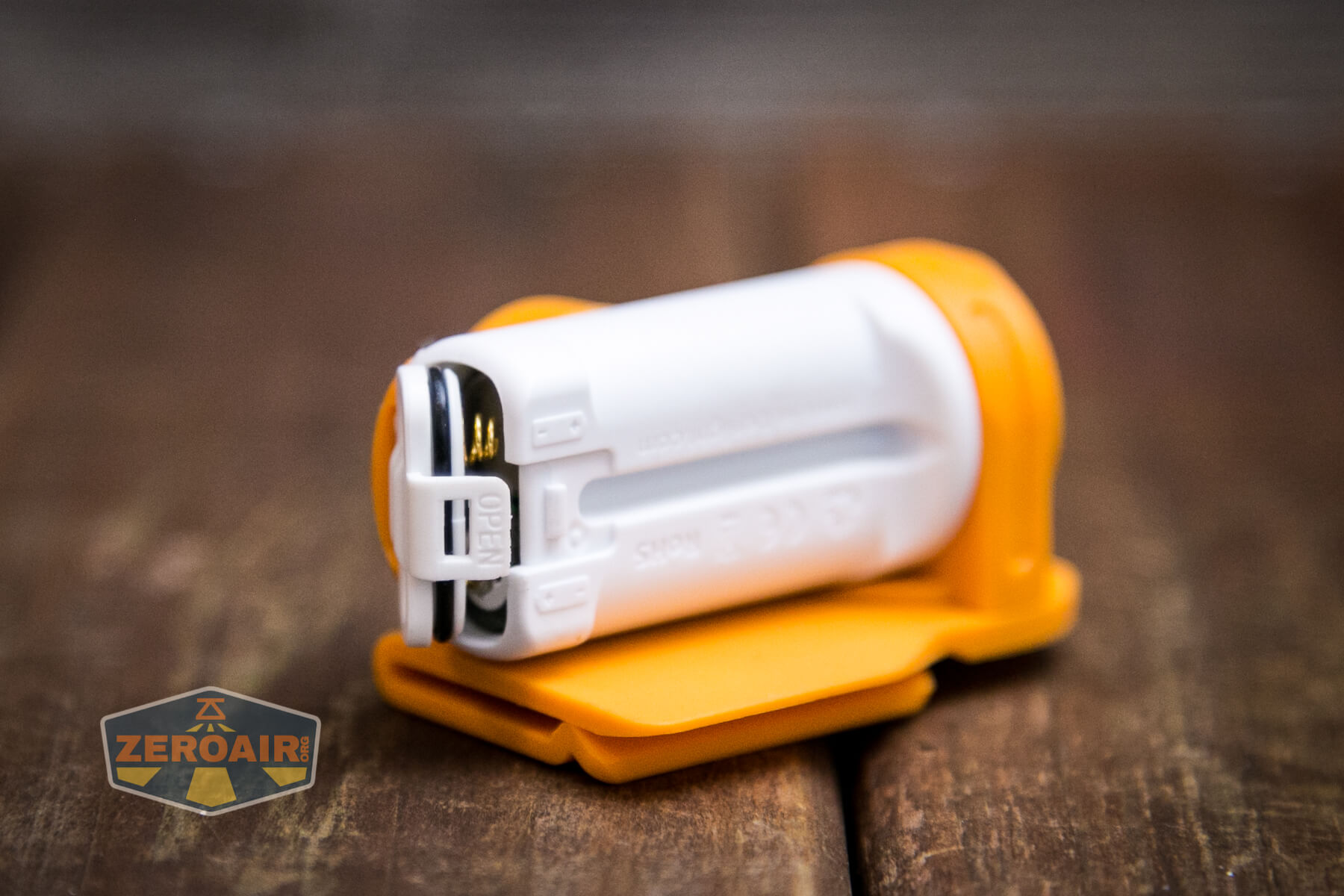
This little latch that holds the cell door shut is “fine,” but that thing is going to break one da,y not long from now, and once that happens, the H3 will not be usable at all. If it’s impossible to close the cell door, it’s impossible for the light to work. The cell door should be metal, I think.
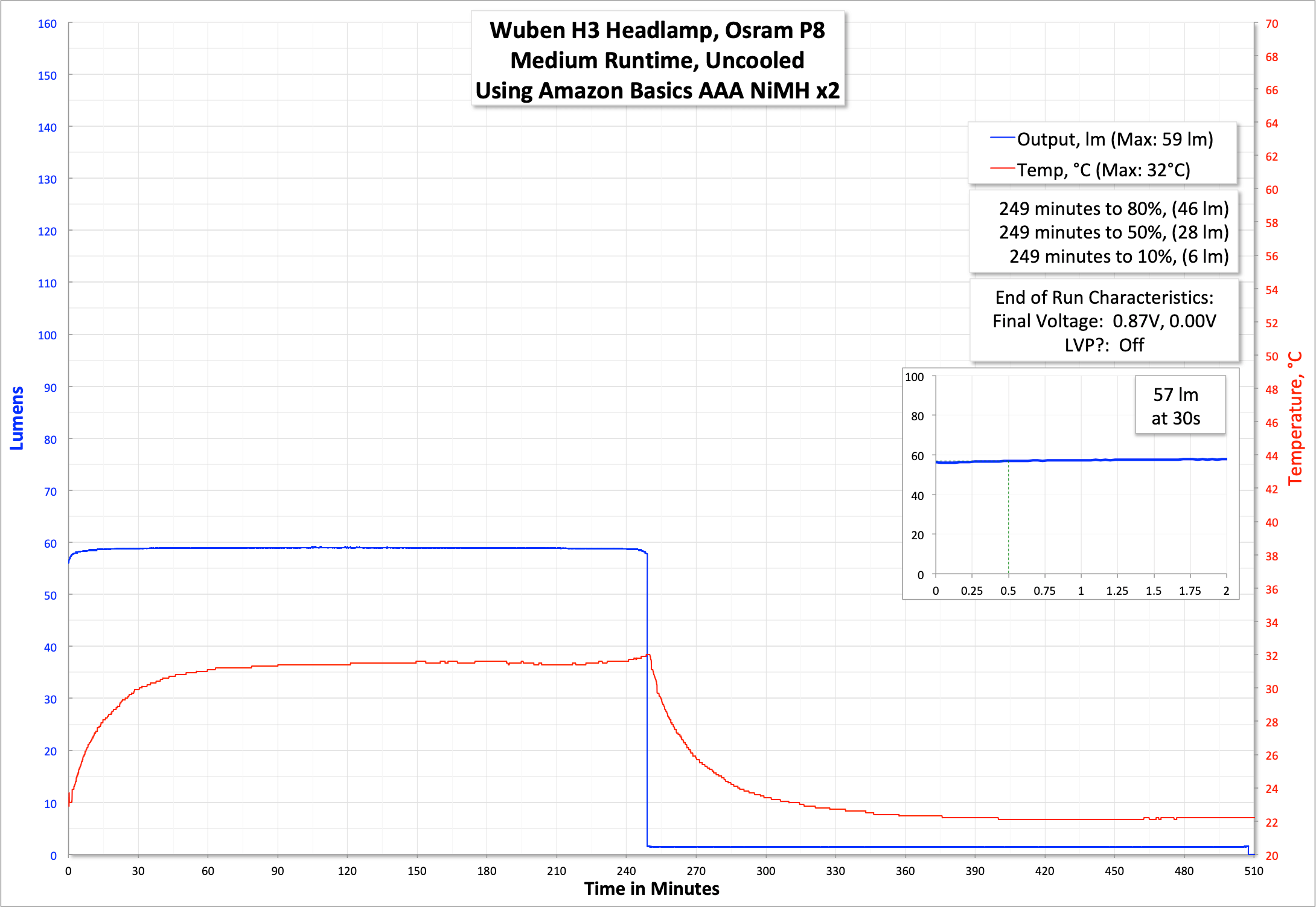
Below are a couple of runtime graphs. After an initial burst at around 150 lumens, the light steps down to around 125 lumens. That’s actually still fine because the claim is 120 lumens. So unlike basically every other brand ever, Wuben is properly claiming the output here. Big thanks to Wuben for that!
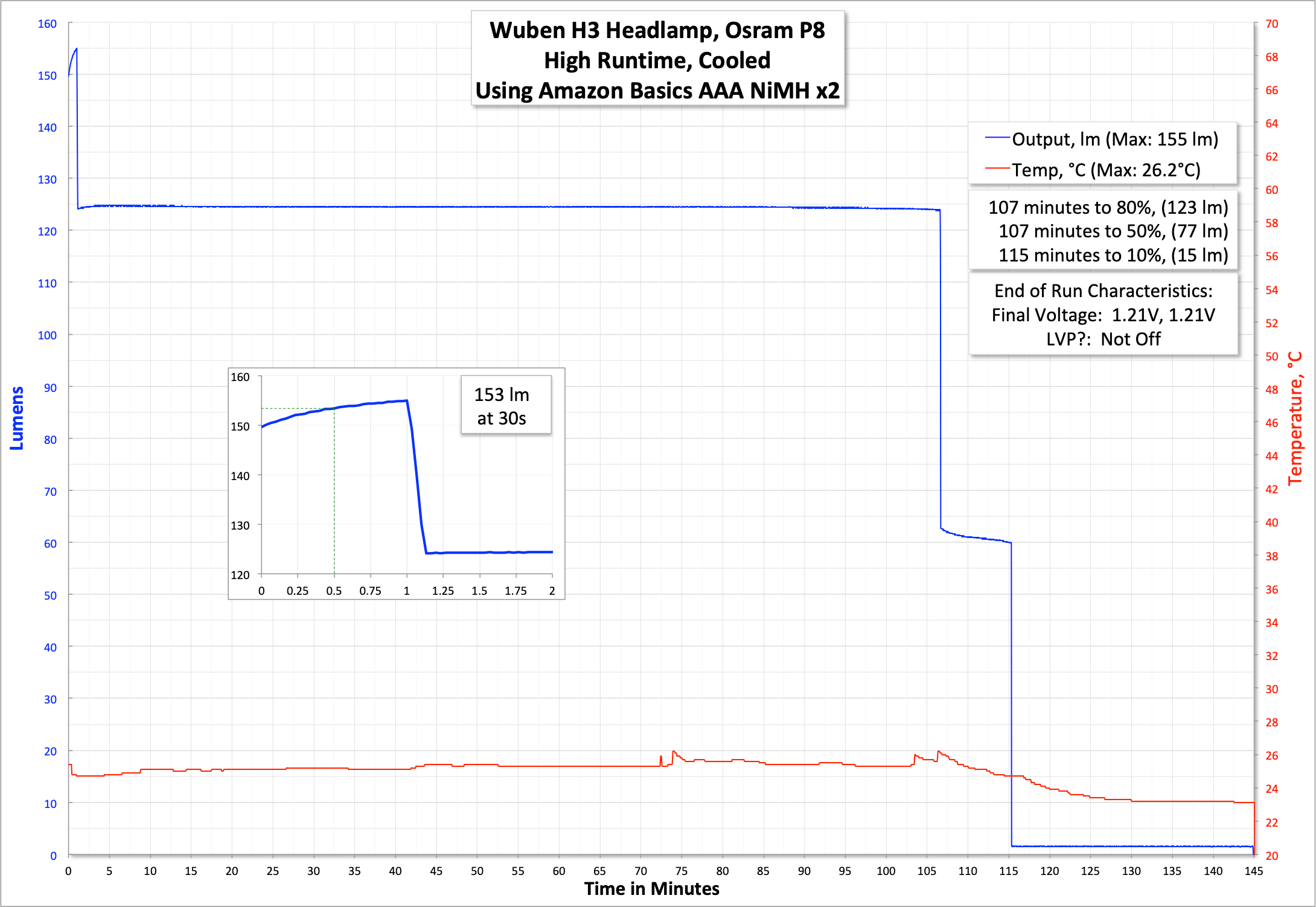
In both these tests, once the light steps down, it’ll sort of just go on and on and on – this low output is Not Much™, but it might be just enough to get you back to your car at the end of your run, or whatever. There does not seem to be low voltage protection, either.
Modes and Currents
| Mode | Mode Claimed Output (lm) | Claimed Runtime | Measured Lumens | Tailcap Amps |
|---|---|---|---|---|
| High | 120 | 2h | 153 | 0.41 |
| Medium | 50 | 7h | 57 | 0.16 |
| Low | 1 | 105h | 1.5 | ~0.00 |
| Red | 3 | 20h | ? | 0.03 |
| Blue | 3 | 25h | ? | 0.02 |
Pulse Width Modulation
From here down, the modes are as follows. White: low, medium, high. Red. Blue.
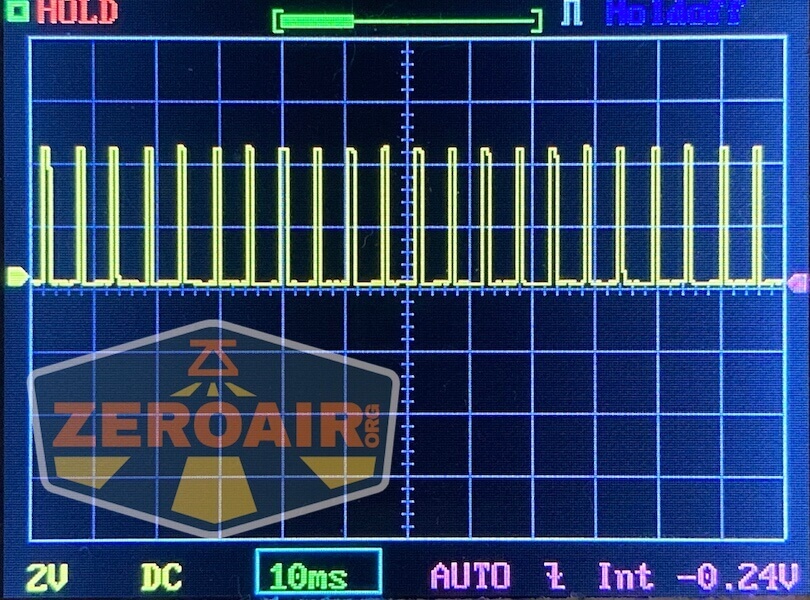
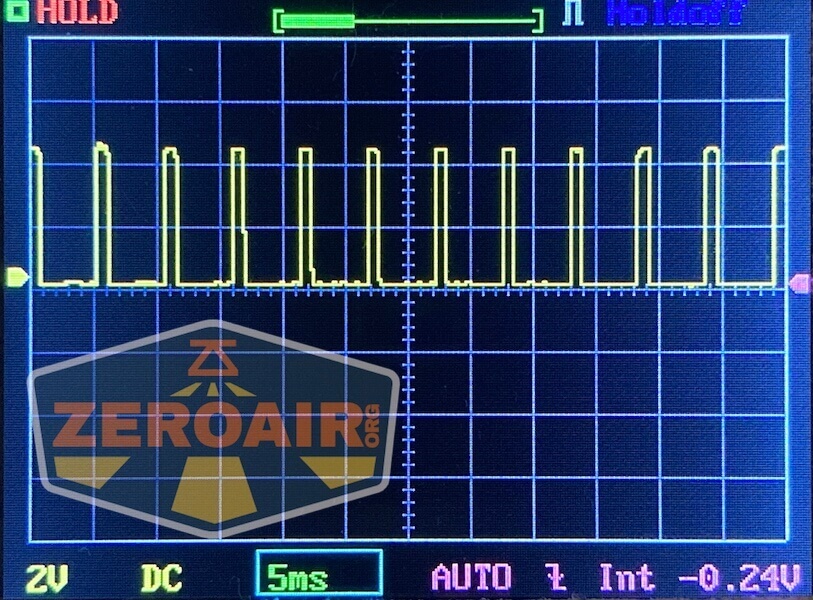
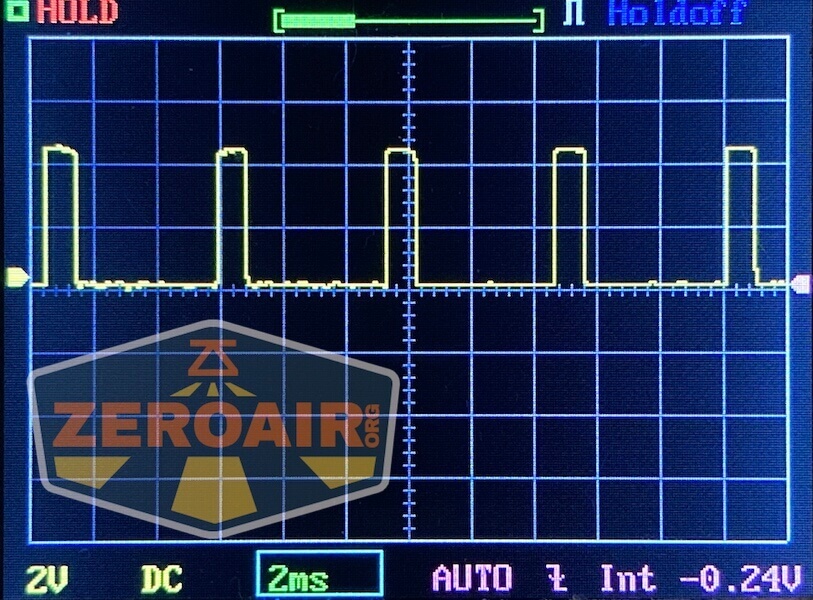
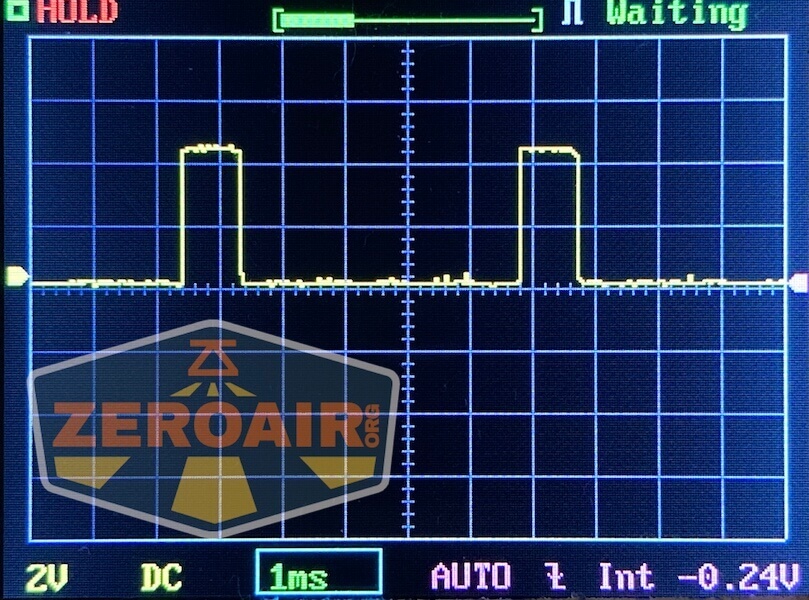
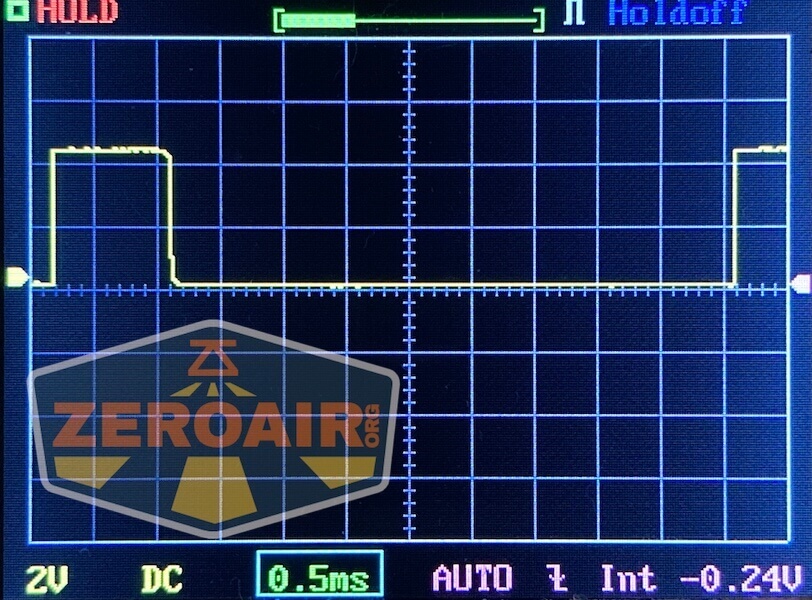
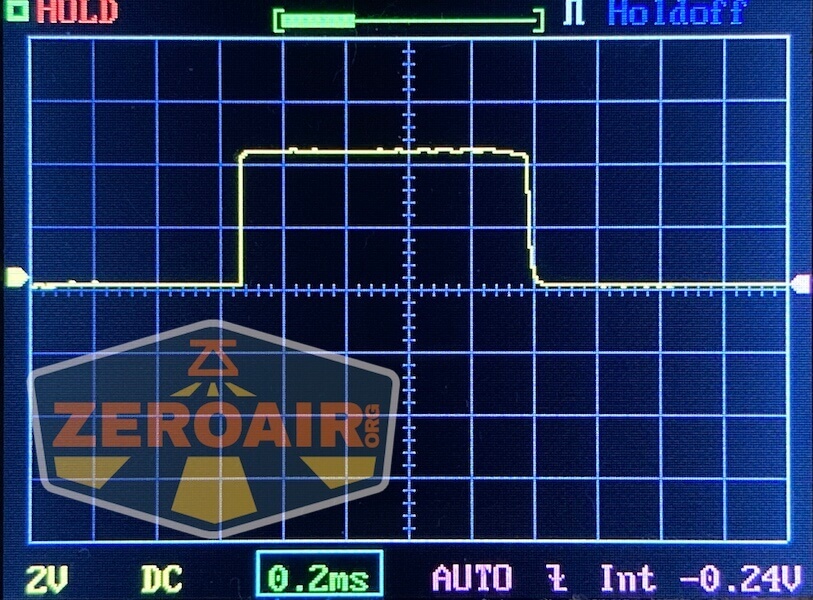
White has PWM on the lower two modes, but not High. The auxiliary lights do not have PWM at all.
 Here you can see a “baseline” – a chart with almost no light hitting the sensor.
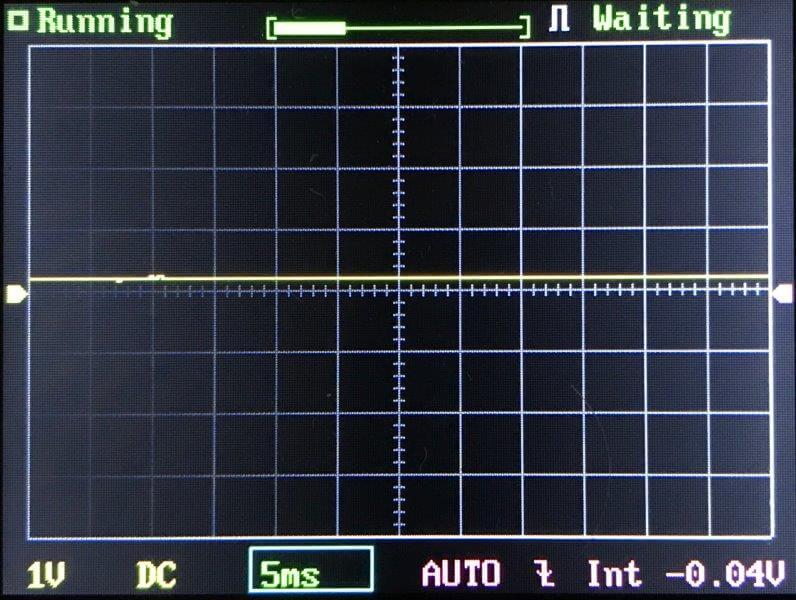
Then there’s the Ultrafire WF-602C flashlight, which has some of the worst PWM I’ve seen. It’s so bad that I used a post about it to explain PWM! Here are multiple timescales (10ms, 5ms, 2ms, 1ms, 0.5ms, 0.2ms) to make comparing this “worst” PWM light to the test light easier. That post also explains why I didn’t test the WF-602C at the usual 50us scale.
User Interface and Operation
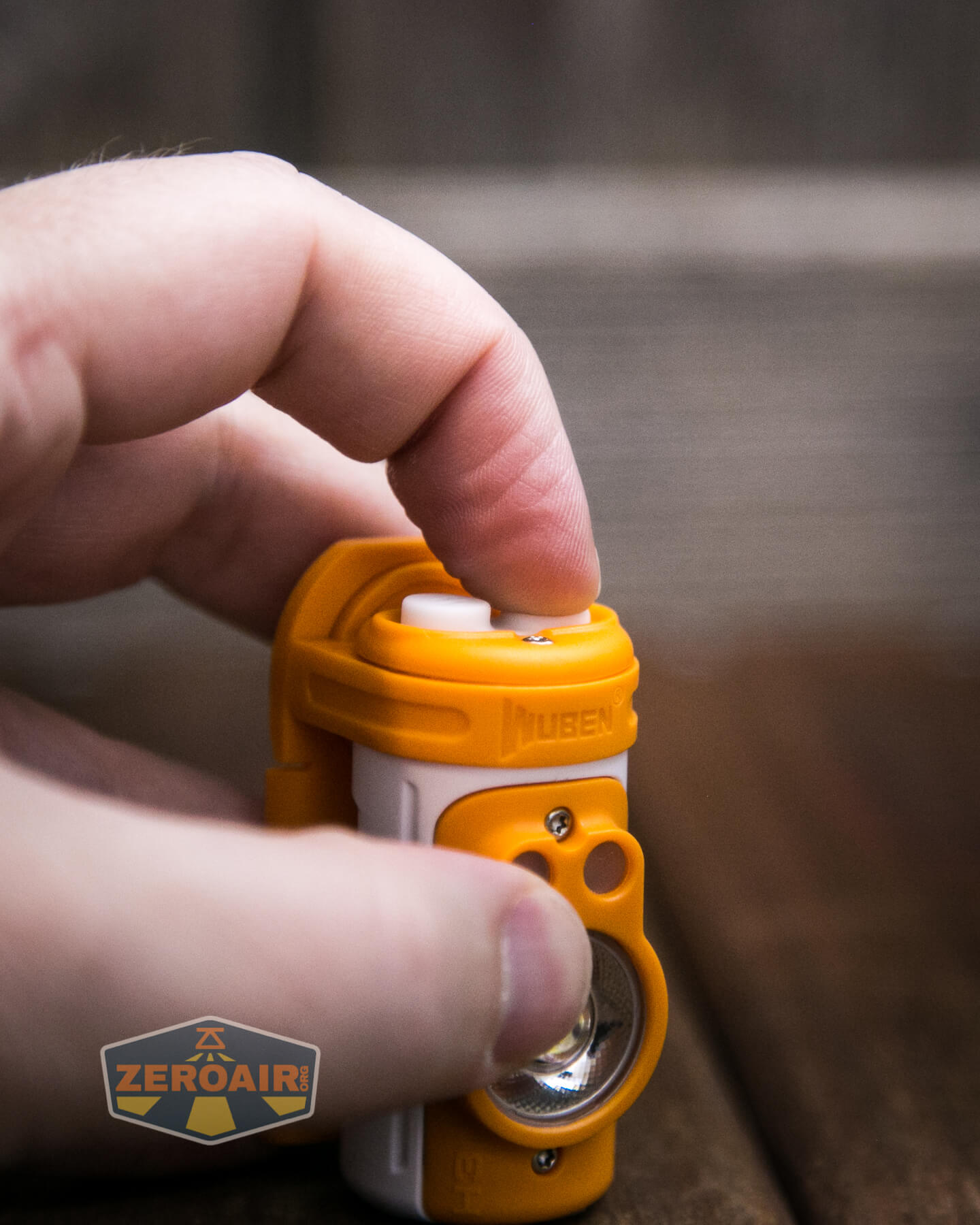
Two switches control the Wuben H3 headlamp.
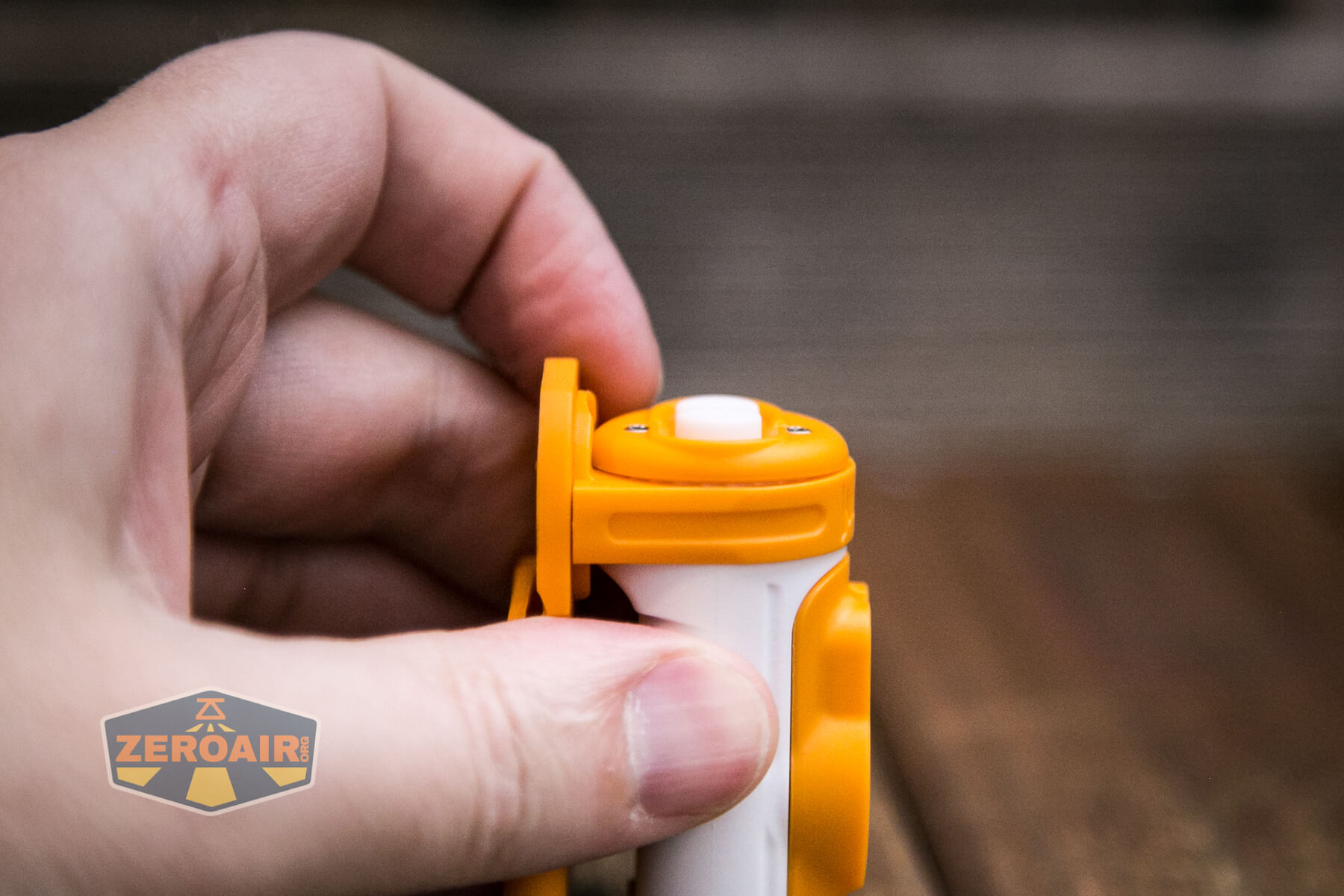
The more proud switch controls the white light. Both switches have about the same level of actuation. Clicky, with low action.
This switch has a Wuben logo “W” to indicate it’s for the “White” emitter.
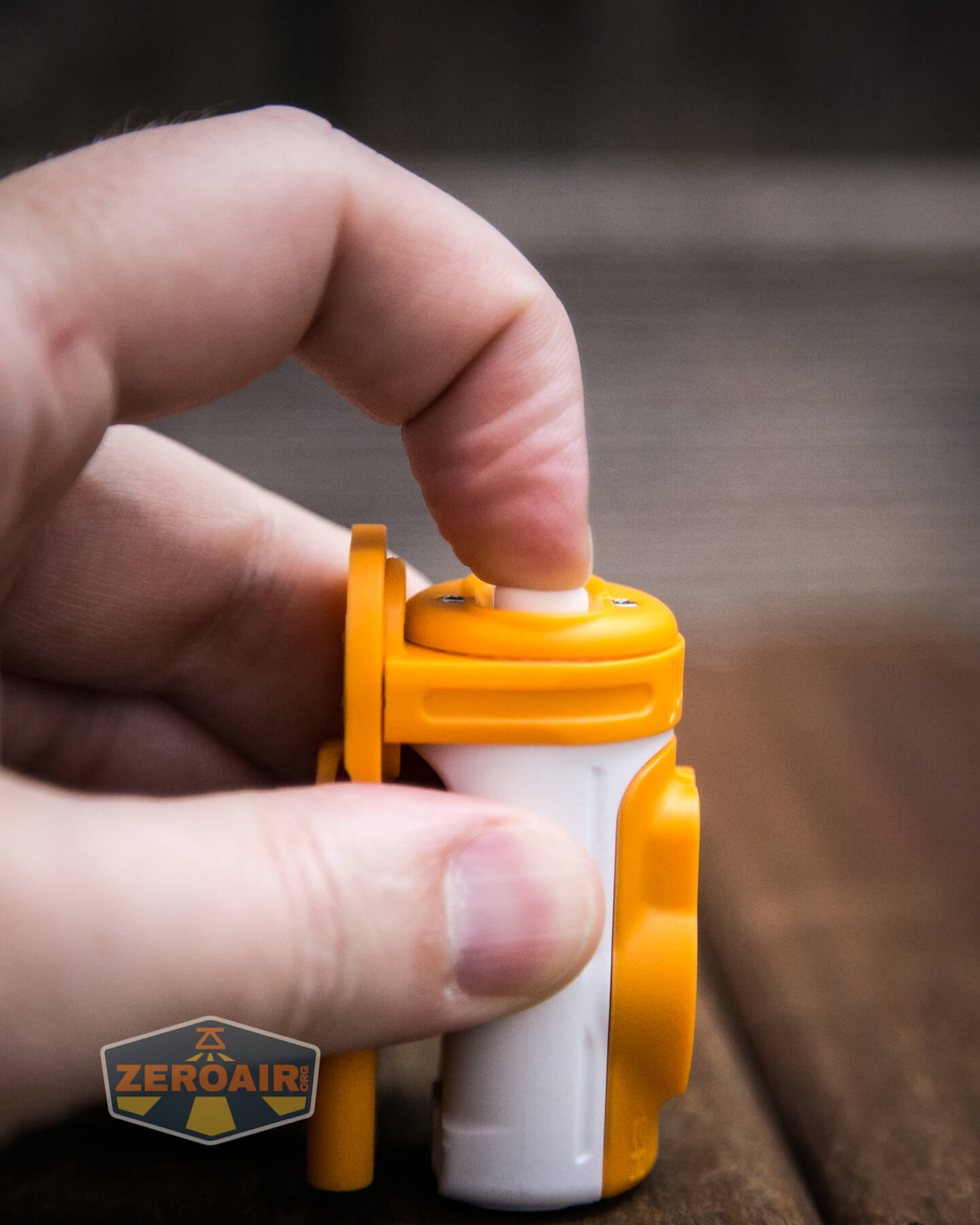
The other switch, this shorter one, has “RB” to indicate it’s for red and blue.
Here’s a user interface table!
| State | Action | Result |
|---|---|---|
| Off (or secondary emitters on) | Click W | On (White, mode memory) |
| On (White) | Click W | Off |
| On White | Hold W | Mode advance (LMH) |
| Off (or white on) | Click RB | On (Secondary emitters, mode memory) |
| On (Secondary emitters) | Hold RB | Mode Advance (Red, Blue, Red Blinky) |
| On (Secondary emitters) | Click RB | Off |
| Off | Hold W | Low, white |
| Any | Double click W | SOS, white |
| SOS, white | Click | Previous mode |
LED and Beam
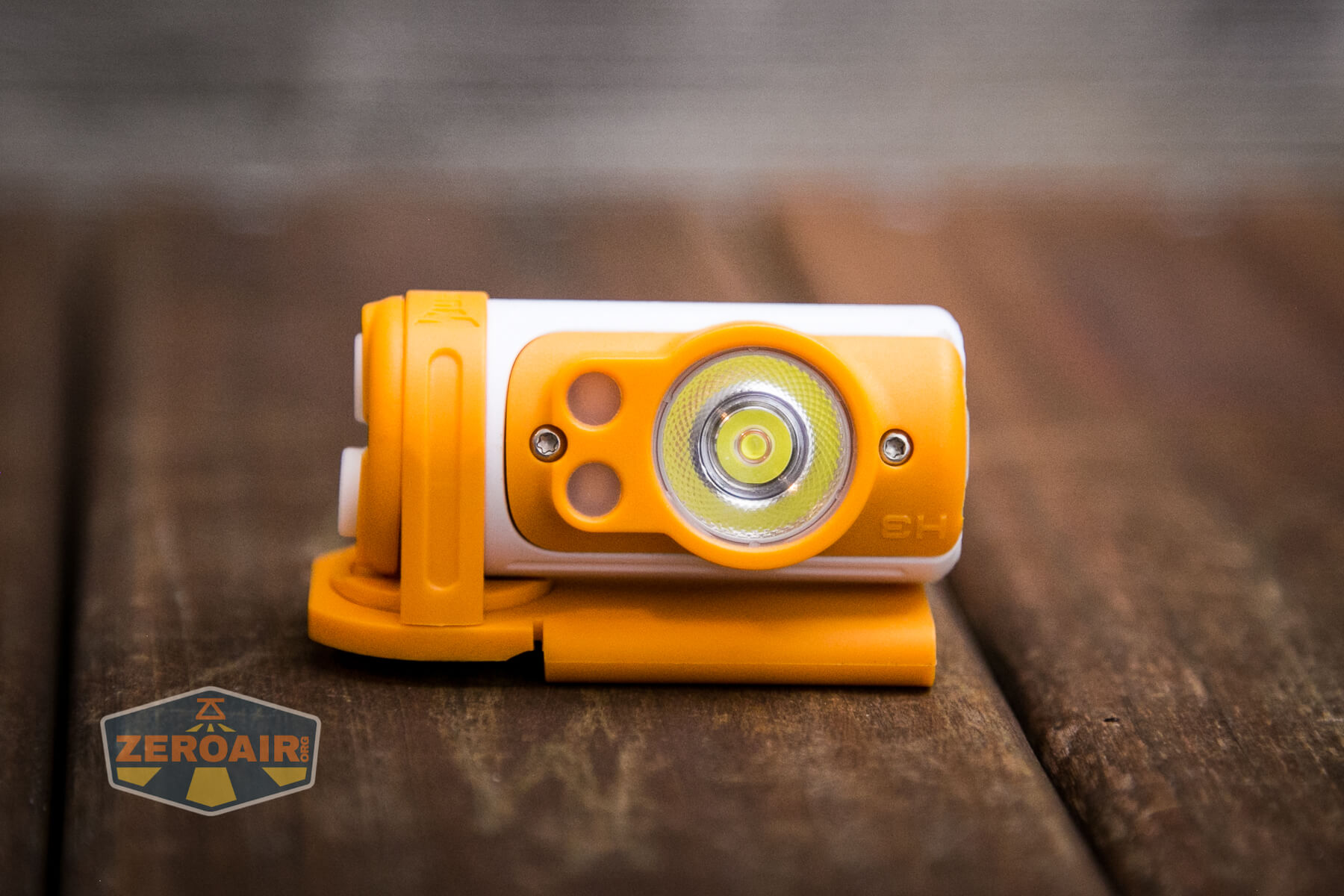
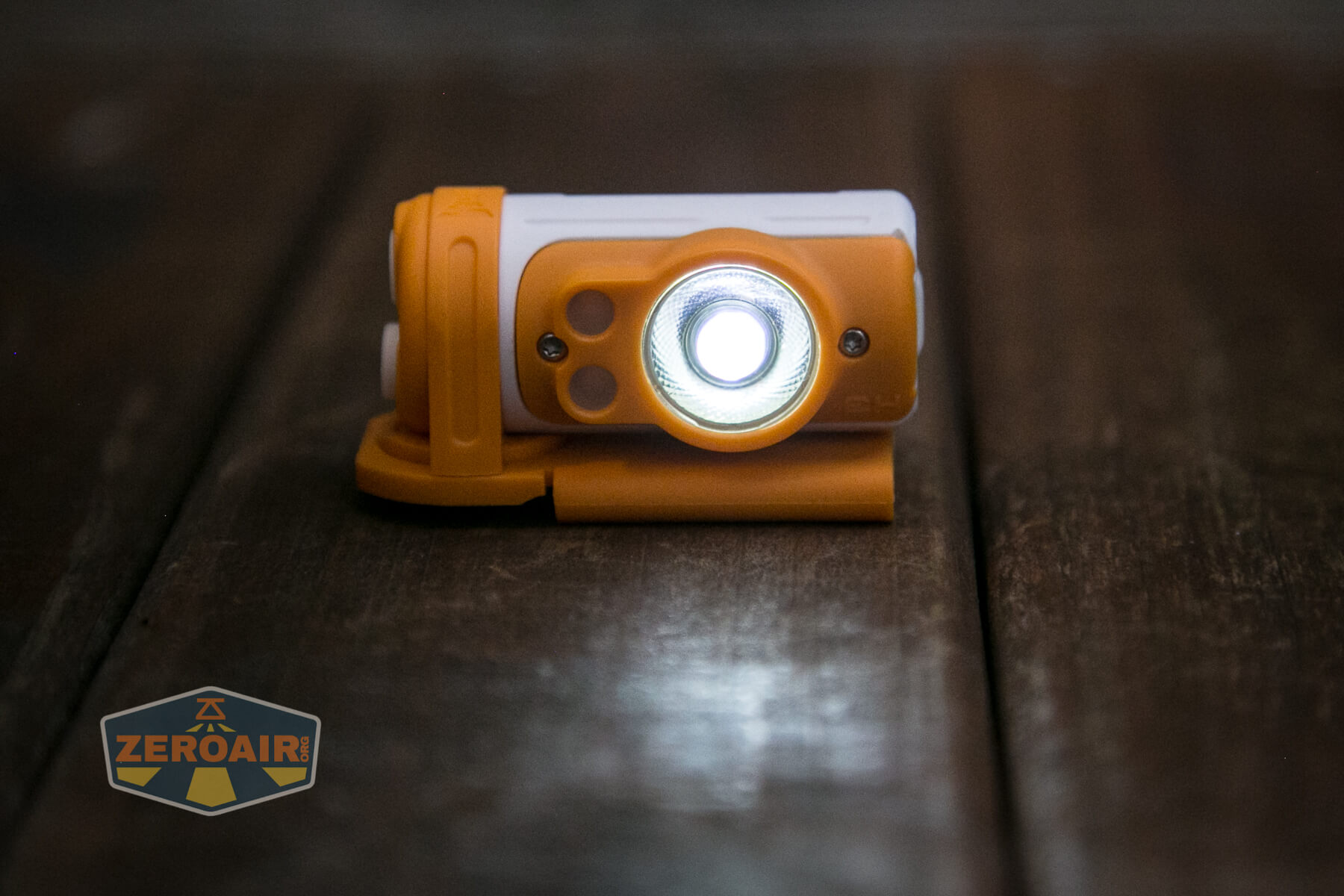
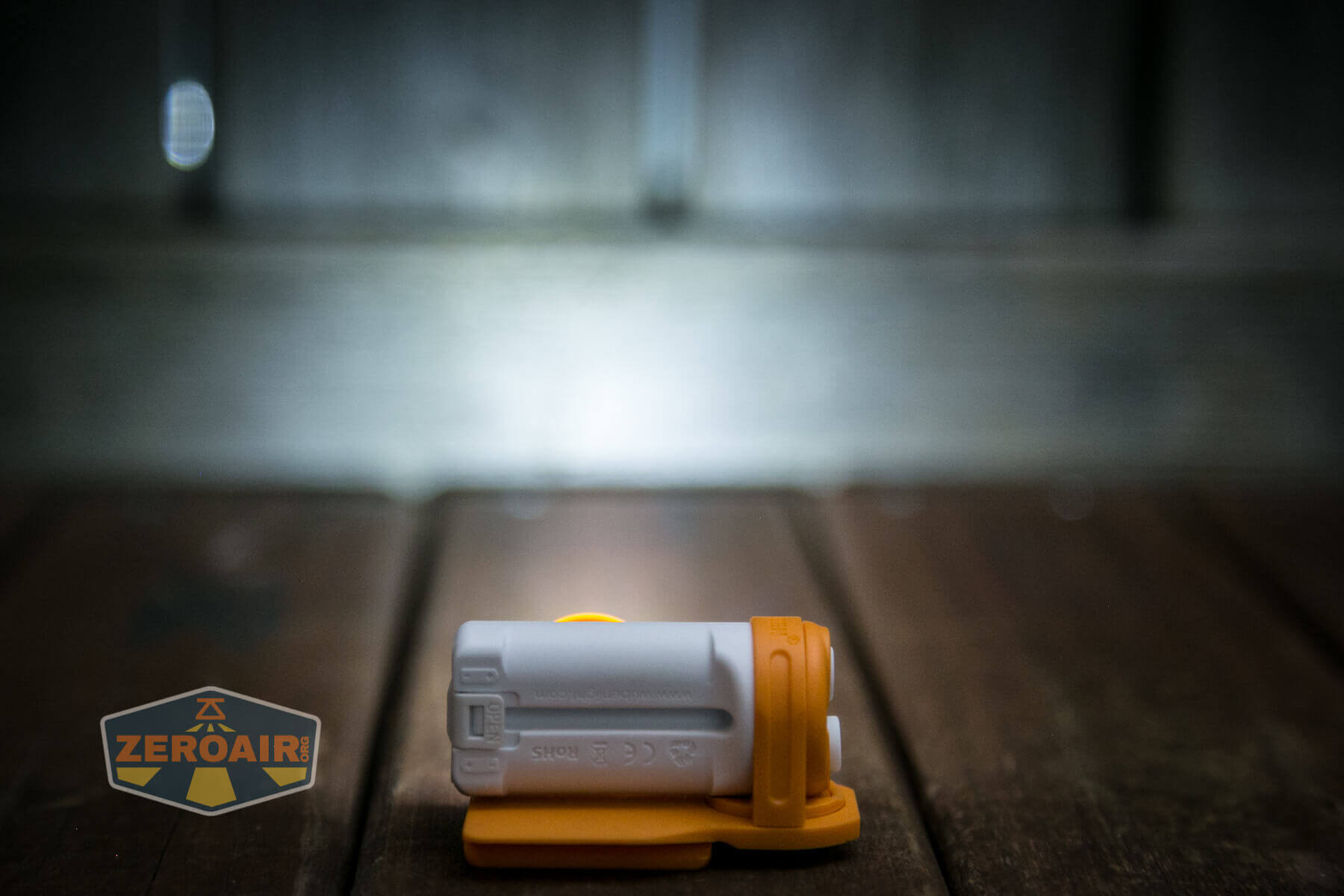
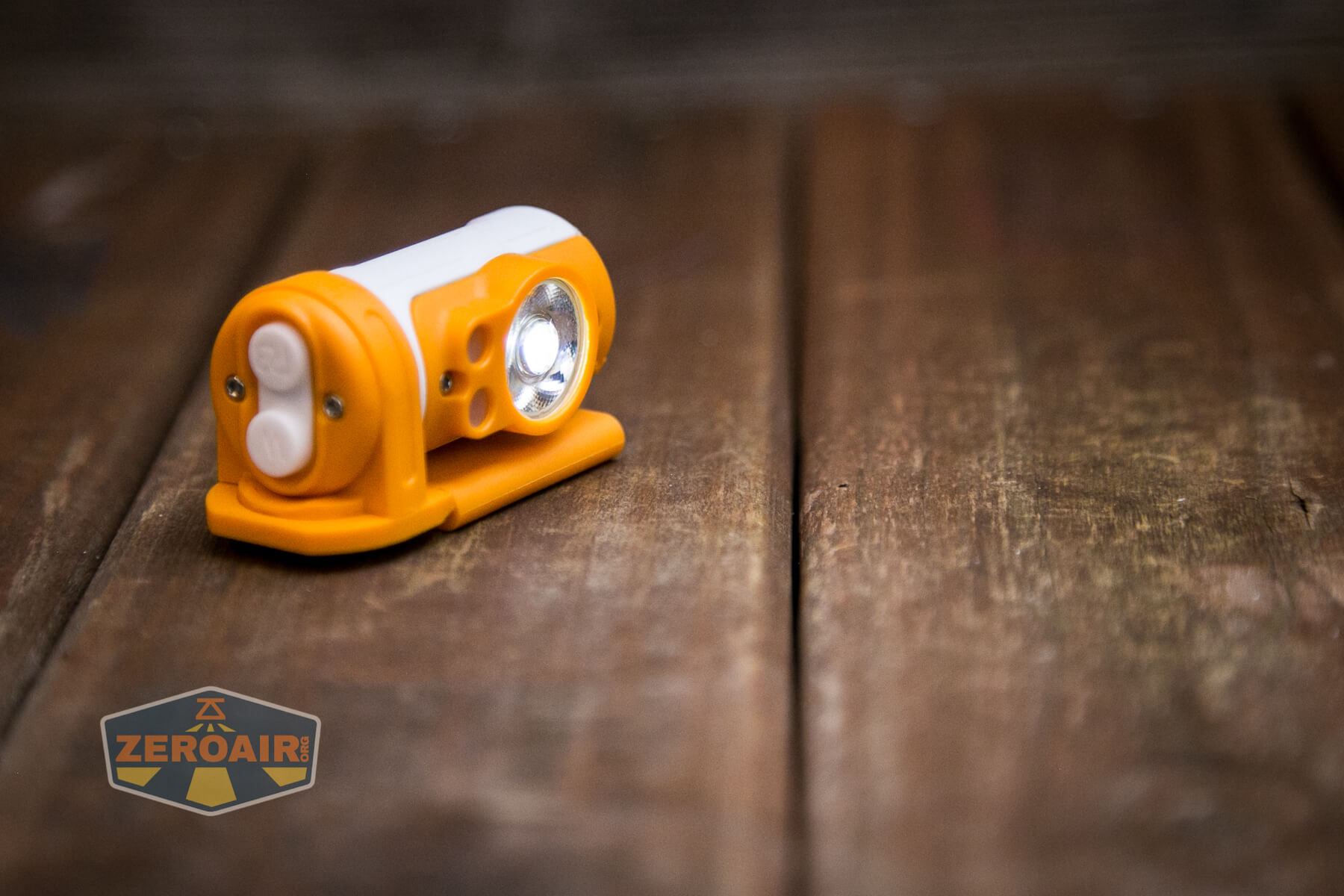
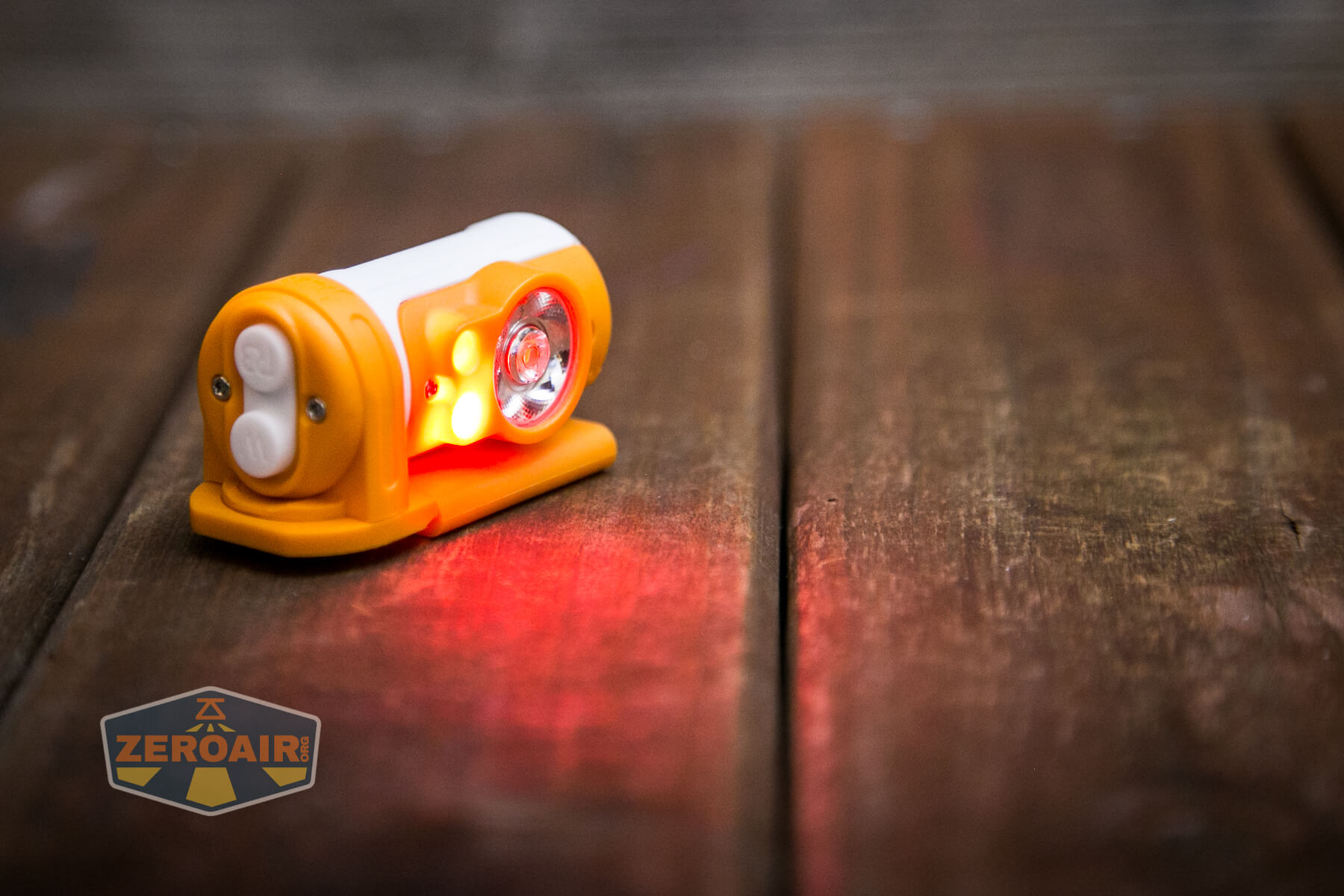
The main emitter is an Osram P8. It uses a TIR optic and has a great beam profile.
LED Color Report (CRI and CCT)
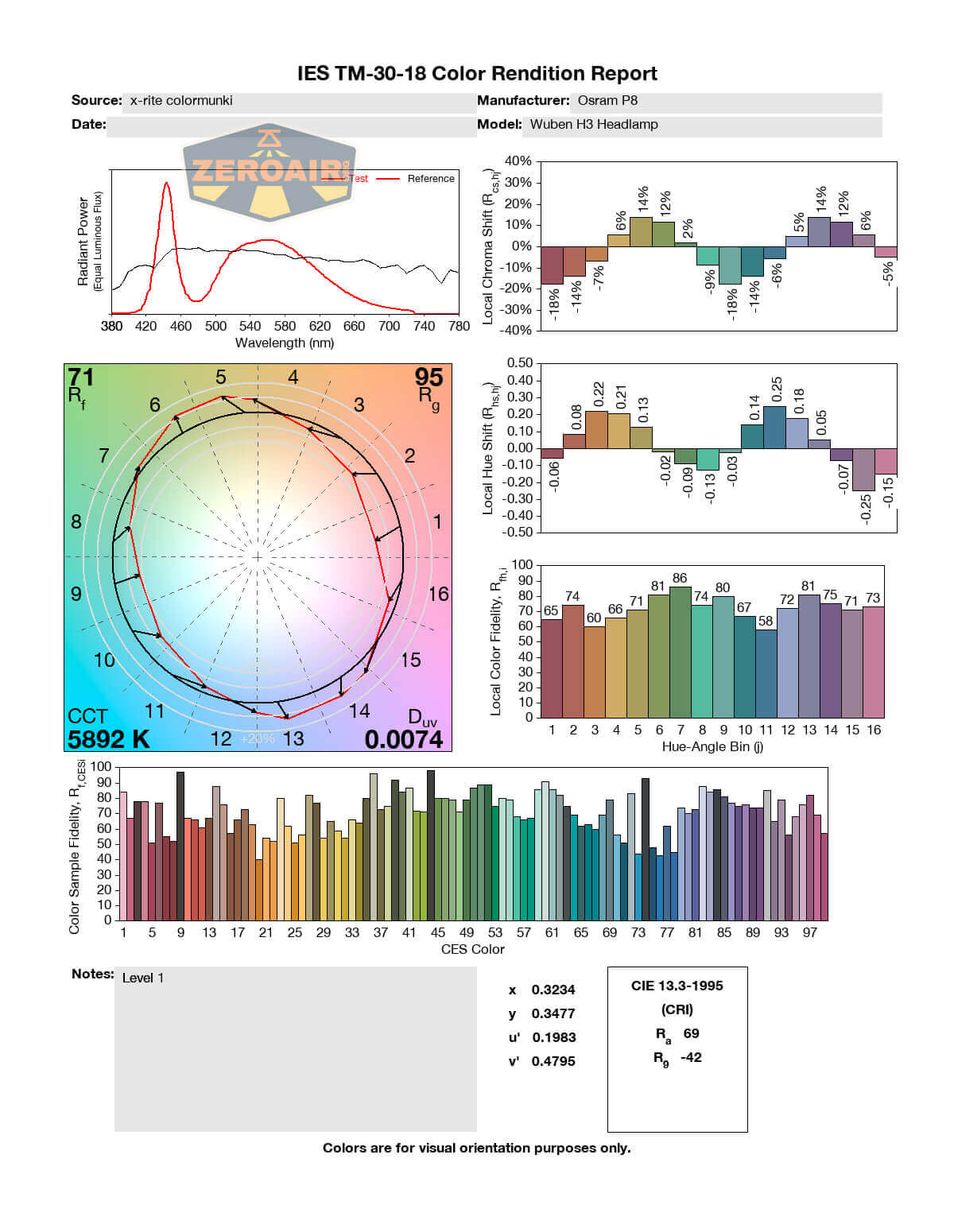
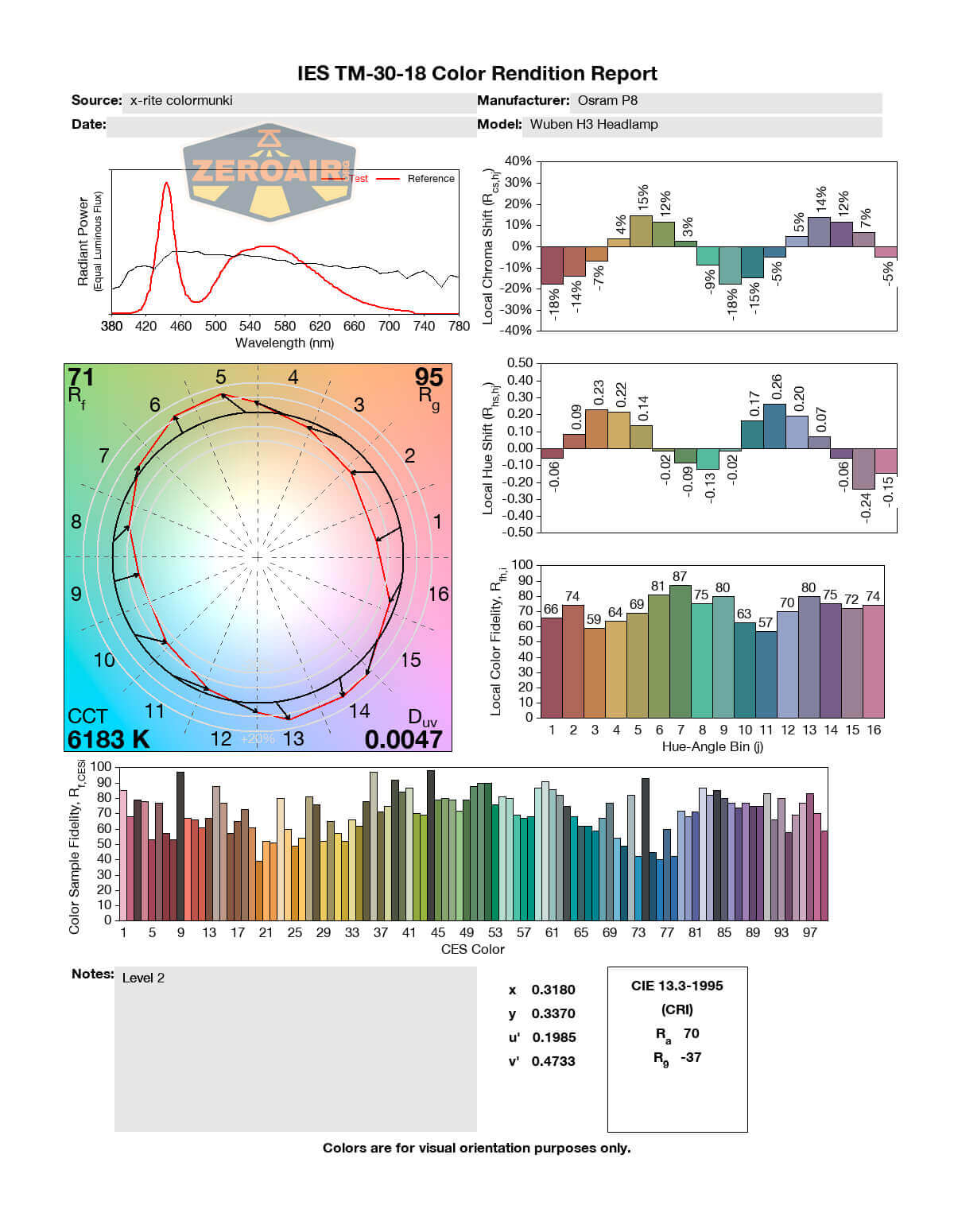
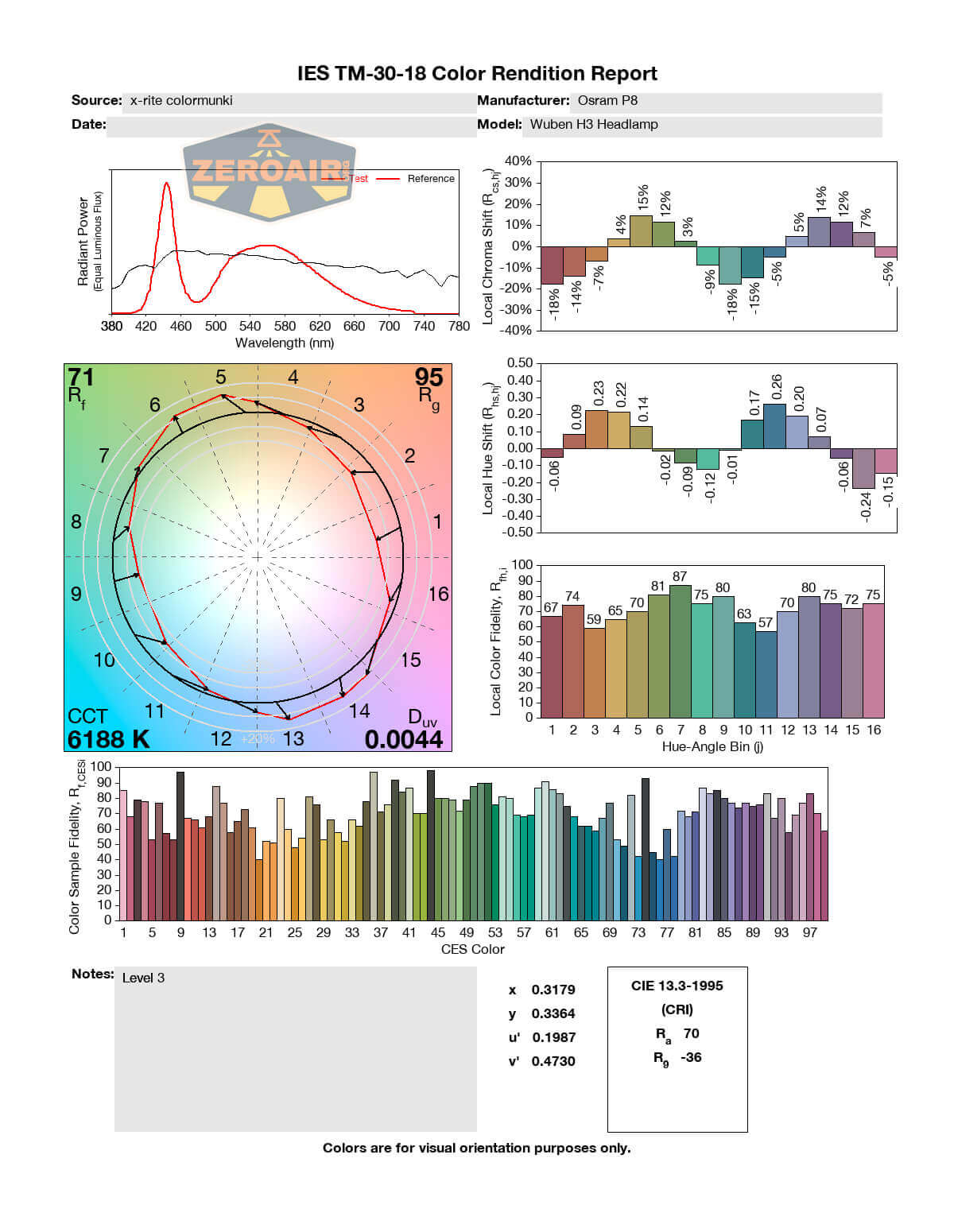
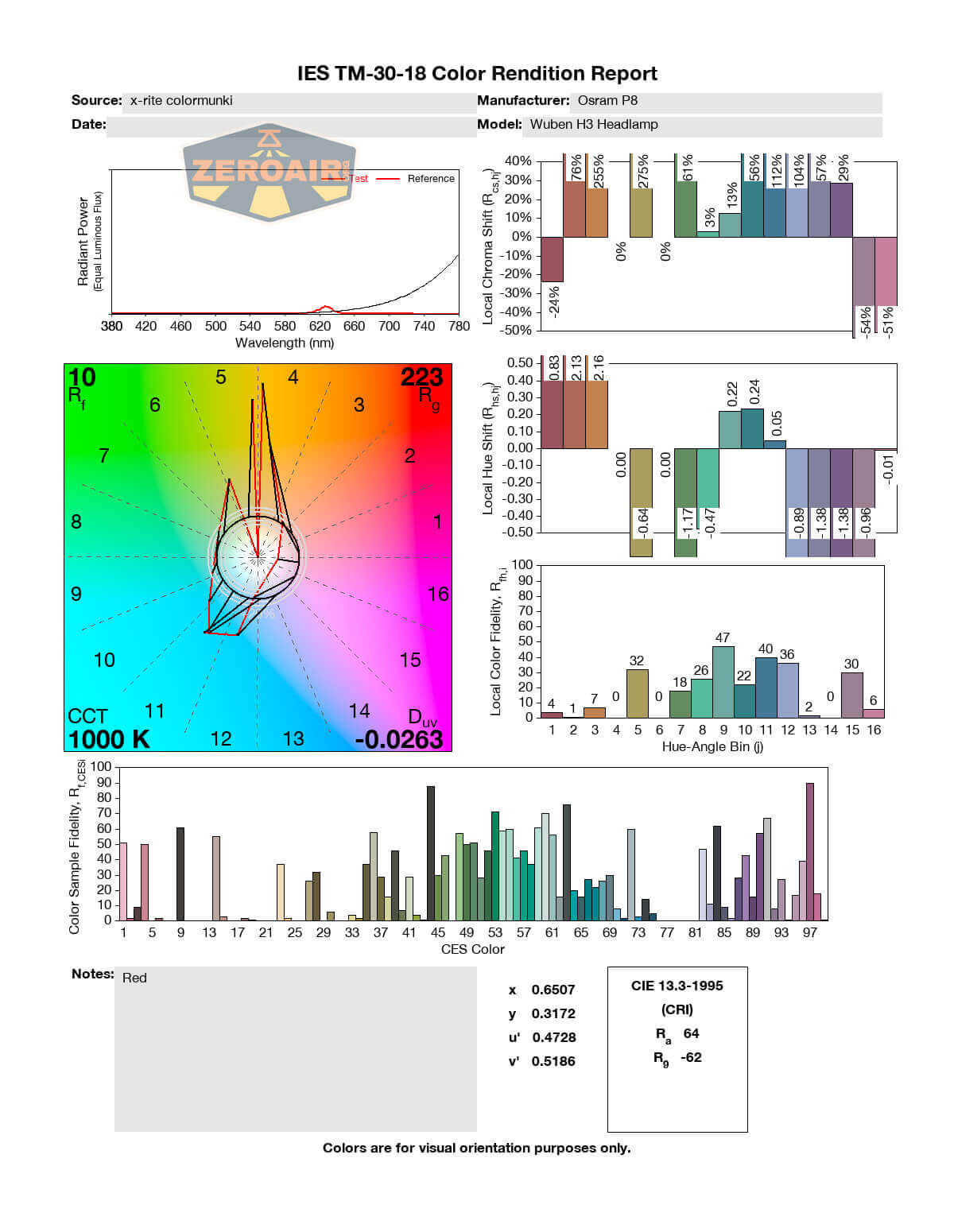
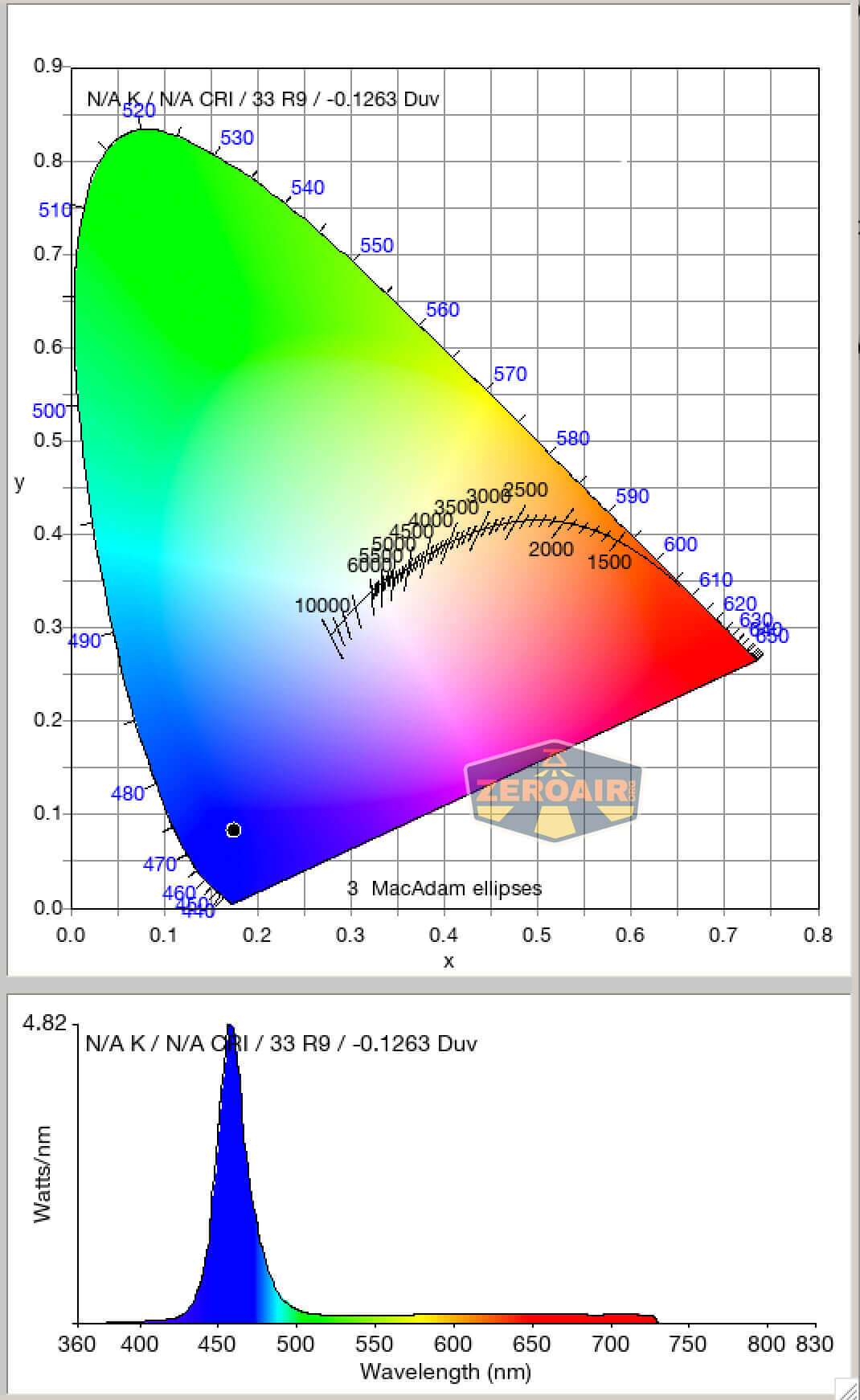
The CCT and CRI report for this Osram P8 is probably about what I’d expect. We see around 6000K, and a CRI of around 70. That means the CCT is a bit high, and the CRI is a bit low. If we had a high CRI warm emitter in this light, I might say this is about perfect.
The modes are as follows. White: low, medium, high. Red. Blue.
Beamshots
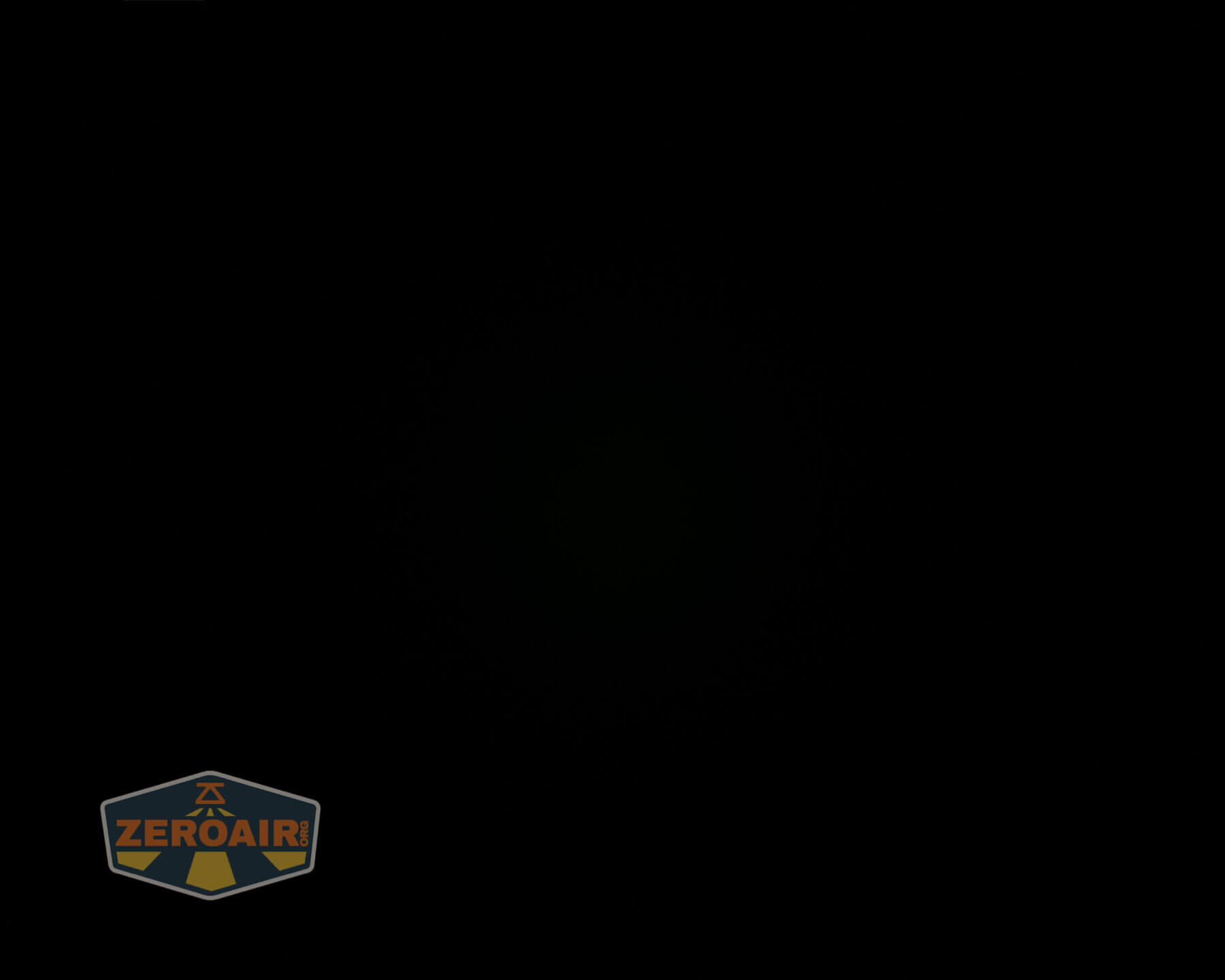
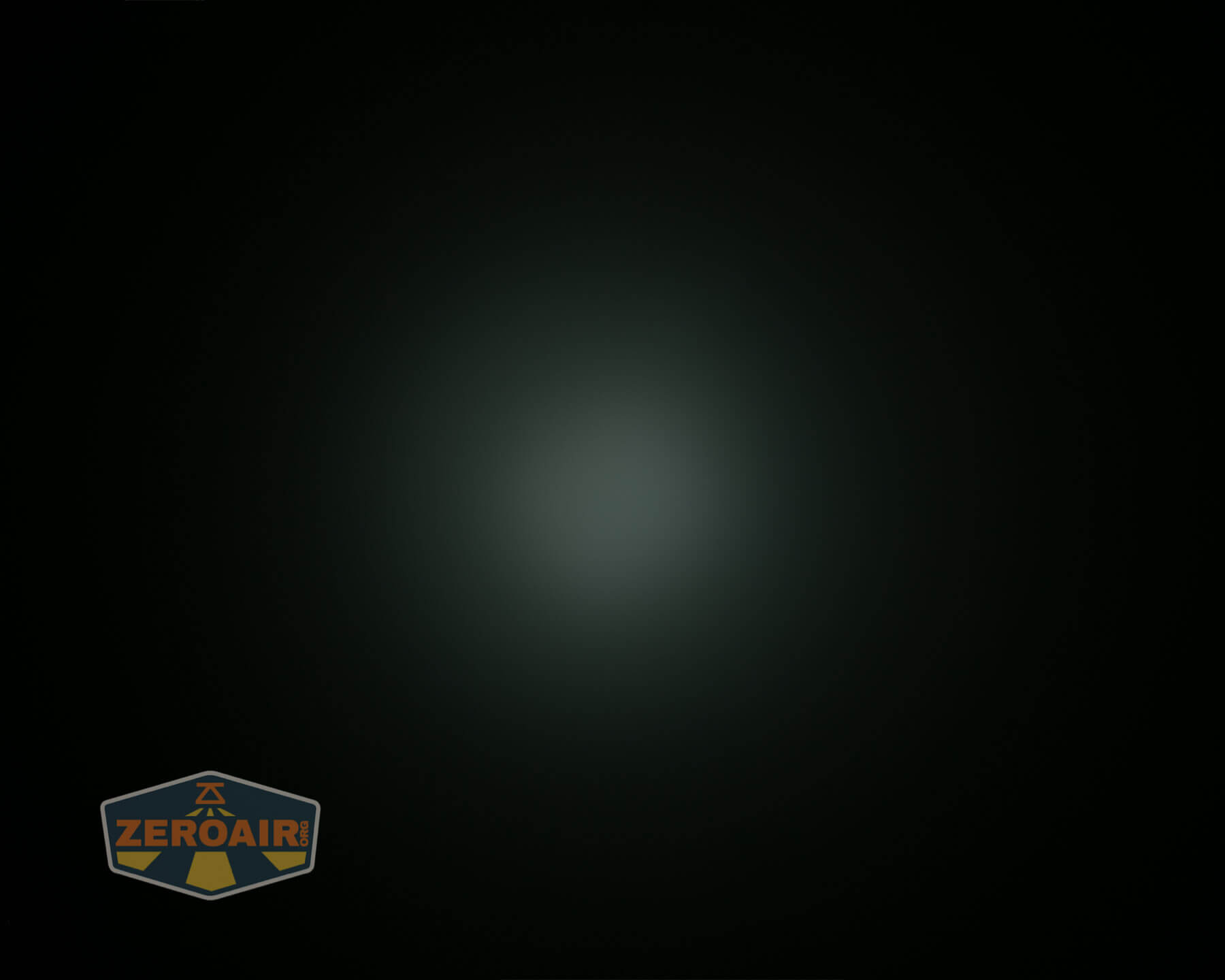
These beamshots always have the following settings: f8, ISO100, 0.3s shutter, and manual 5000K exposure. These photos are taken at floor level, and the beam hits the ceiling around 9 feet away. The modes are as follows. White: low, medium, high. Red. Blue.
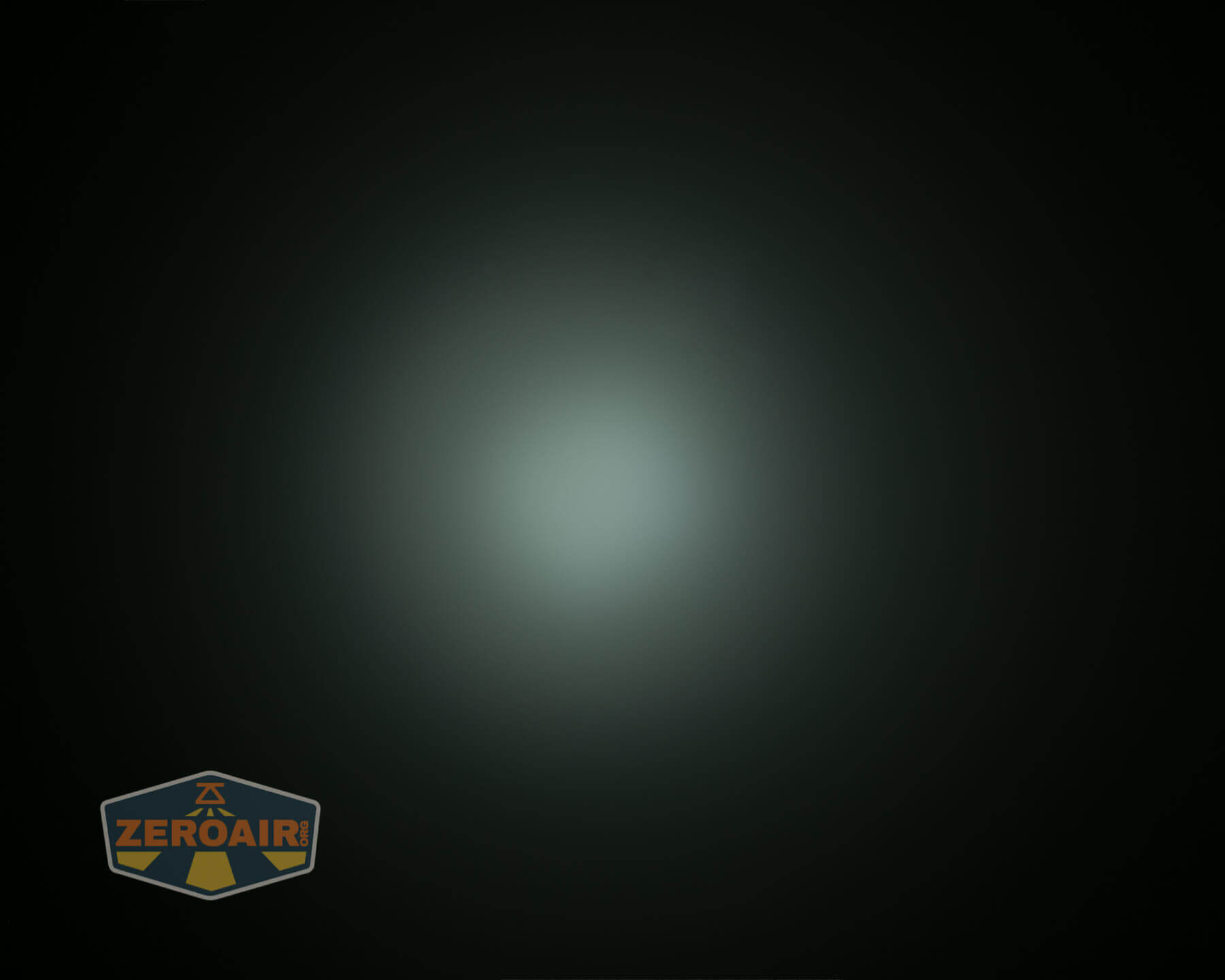
Tint vs BLF-348 (KillzoneFlashlights.com 219b version) (affiliate link)
I keep the test flashlight on the left and the BLF-348 reference flashlight on the right. The modes are as follows. White: low, medium, high. Red. Blue.
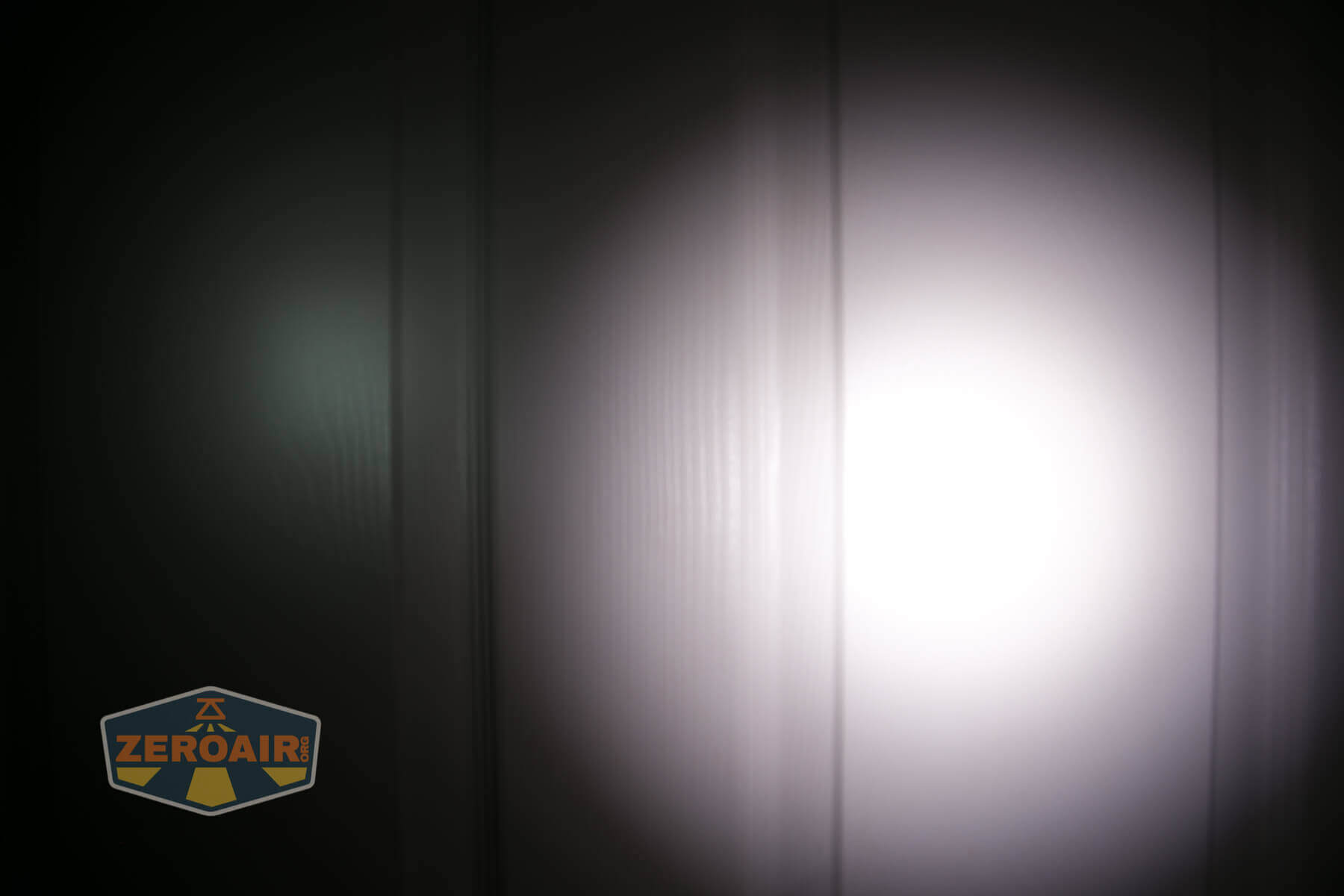
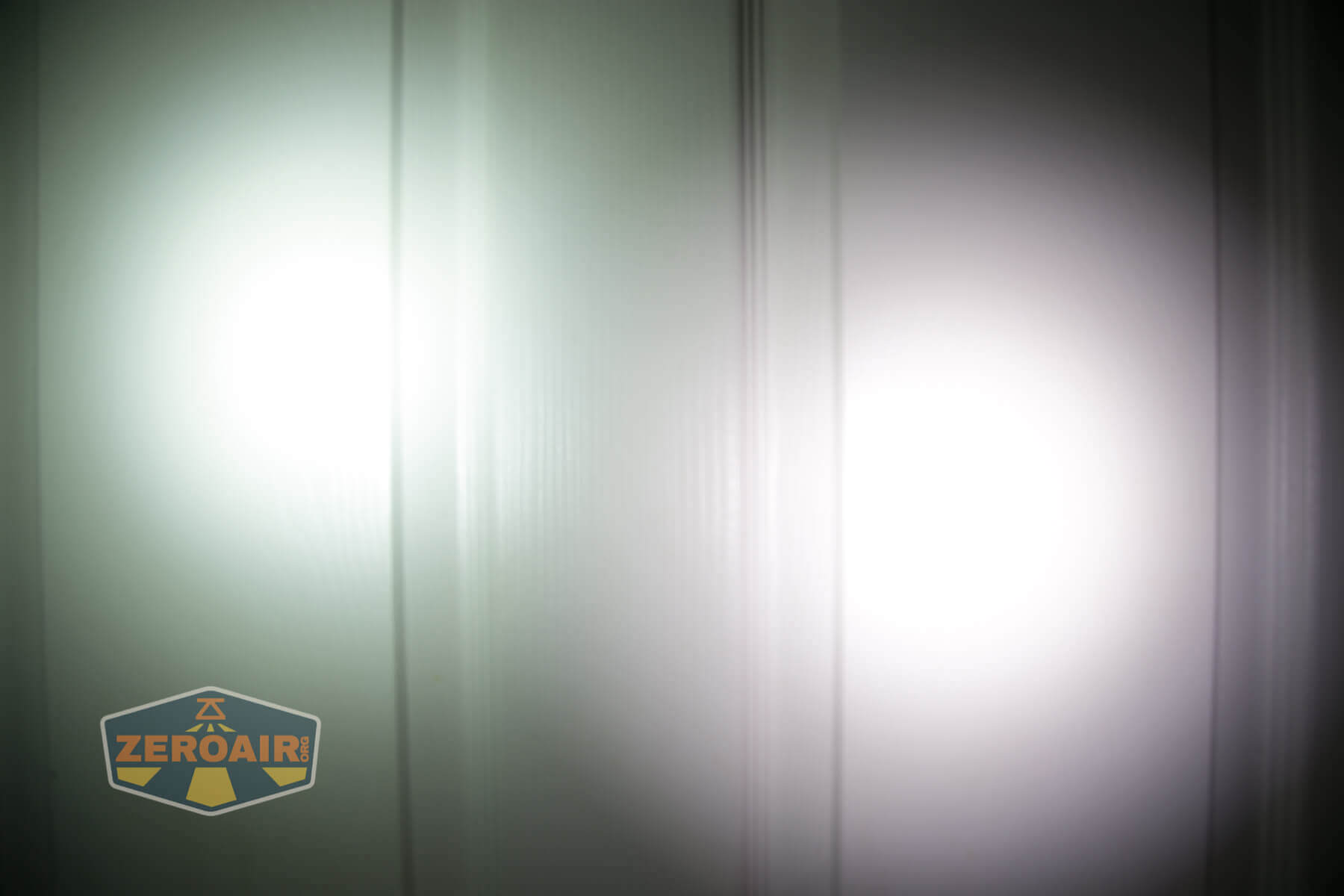
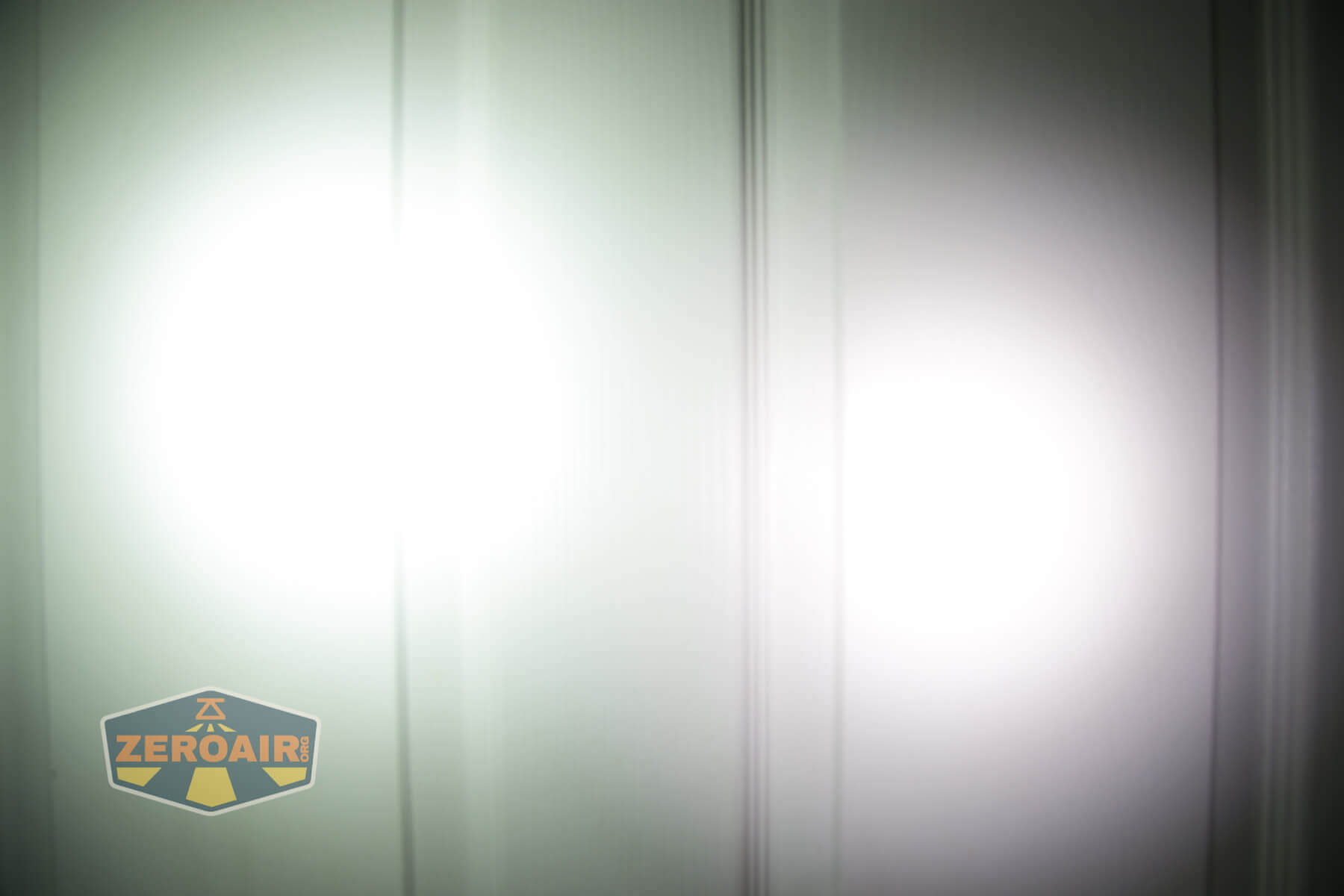
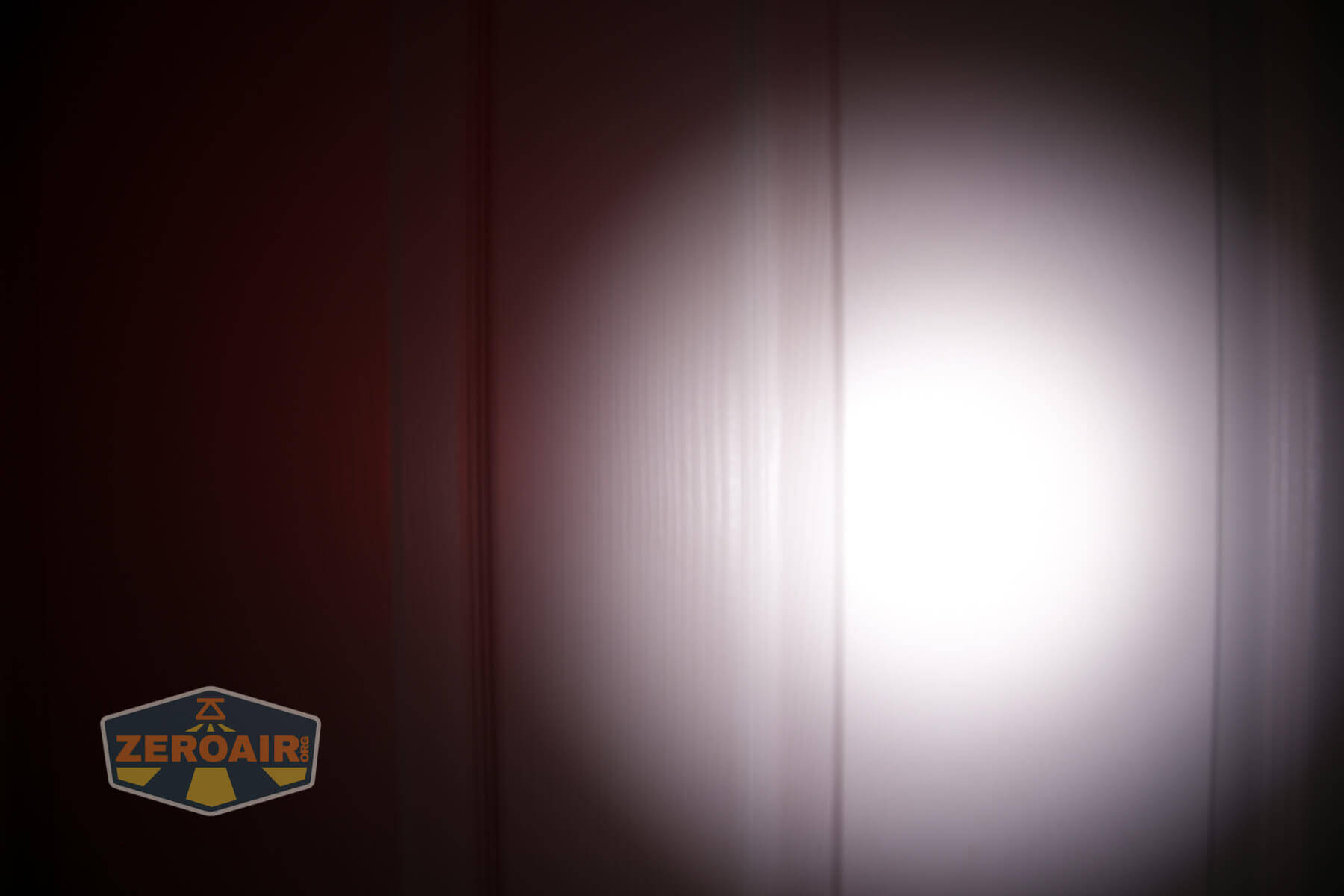
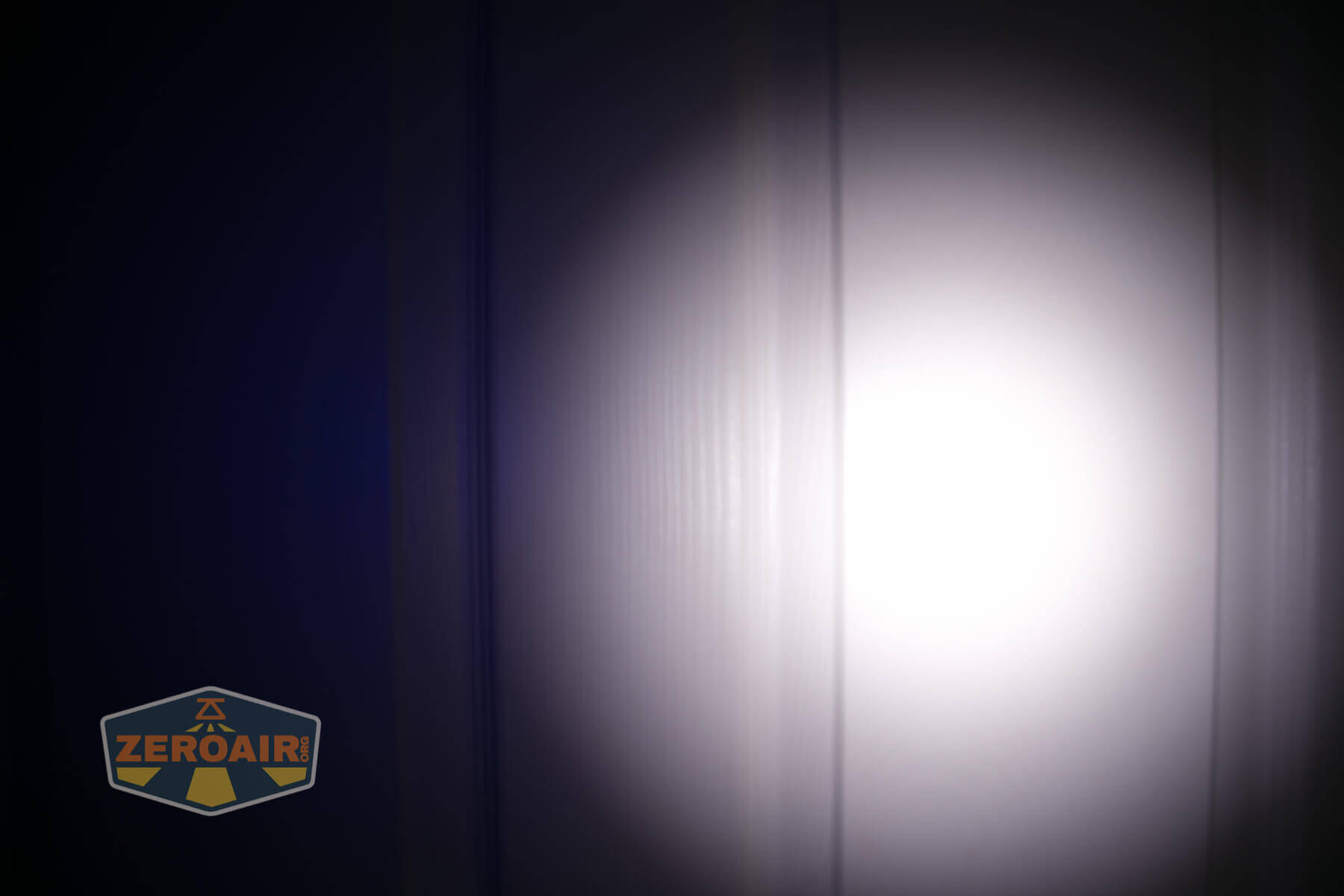
I compare everything to the KillzoneFlashlights.com 219b BLF-348 because it’s inexpensive and has the best tint!
Conclusion
What I like
- Low cost!
- Simple user interface
- Available in “orange” (though the orange is just barely orange)
- Can be used on more than just the included headband
- The dual swivel feature is useful
What I don’t like
- 6000K
- Low CRI
- Latch for opening cell door is hard to pop, and also a likely failure point
Notes
- This content originally appeared at zeroair.org. Please visit there for the best experience!
- Please use my Amazon.com referral link to help support zeroair.org!
- Please support me on Patreon! I deeply appreciate your support!
Discover more from ZeroAir Reviews
Subscribe to get the latest posts sent to your email.