

Lumintop FW21 X9LS Flashlight Review
The Lumintop FW21 X9LS runs one 21700 cell and features a Luminus SFT-40 emitter. Read on for testing!
Official Specs and Features
Here’s a link to the Lumintop FW21 X9LS flashlight product page.
Versions
All I see of the Lumintop FW21 X9LS flashlight specifically on the Lumintop website is this version. Of course, the moniker “FW” on any Lumintop indicates a whole series of lights that look very similar to this FW21 X9LS. There are throwers, triples, quads, mixed emitters, 14500 cell, and on and on. This is a very mature product line!
Price
With a Lumintop cell, the FW21 X9LS flashlight comes in at $55.96. I do have a coupon though, which will take 25% off!
TPJS3
Use at lumintolighting.com. This brings the with-cell version down (after shipping) to $50.56. Very reasonable!
Short Review
It’ll probably be a complaint by many that the Lumintop FW21 X9LS flashlight doesn’t use Anduril. I like Anduril fine but I also like lights without it, too. The user interface on this light is good enough and gets mostly what I need. Direct access to low, and various outputs along the range. The output claim seems reasonable (and also nice and high), and the build quality is good. List price was around $120 for this light, but street price and coupon putting it around $50 or +$55 with cell, this light seems like a good value.
Long Review
The Big Table
| Lumintop F21 X9LS Flashlight | |
|---|---|
| Emitter: | Luminus SFT-40 |
| Price in USD at publication time: | $50.56 after coupon at lumintoplighting.com
Coupon: TPJS3 |
| Cell: | 1×21700 |
| Runtime Graphs | |
| LVP? | Switch to low |
| Switch Type: | E-Switch |
| Quiescent Current (mA): | ? |
| On-Board Charging? | No |
| Claimed Lumens (lm) | 1800 |
| Measured Lumens (at 30s) | 1659 (92.2% of claim)^ |
| Candela per Lumen | 77.71 |
| Claimed Throw (m) | 735 |
| Candela (Calculated) in cd (at 30s) | 4390lux @ 5.561m = 135760cd |
| Throw (Calculated) (m) | 736.9 (100.3% of claim)^ |
| Claimed CCT | – |
| Measured CCT Range (K) | 5900-7300 Kelvin |
| Item provided for review by: | Lumintop |
| All my Lumintop reviews! | |
^ Measurement disclaimer: Testing flashlights is my hobby. I use hobbyist-level equipment for testing, including some I made myself. Try not to get buried in the details of manufacturer specifications versus measurements recorded here; A certain amount of difference (say, 10 or 15%) is perfectly reasonable.
What’s Included

- Lumintop FW21 X9LS flashlight
- 21700 cell (Samsung 50G in my case, but the package is probably a Lumintop-branded cell)
- Spare o-rings (2)
- 21700 to 18650 adapter
- Manual
Package and Manual
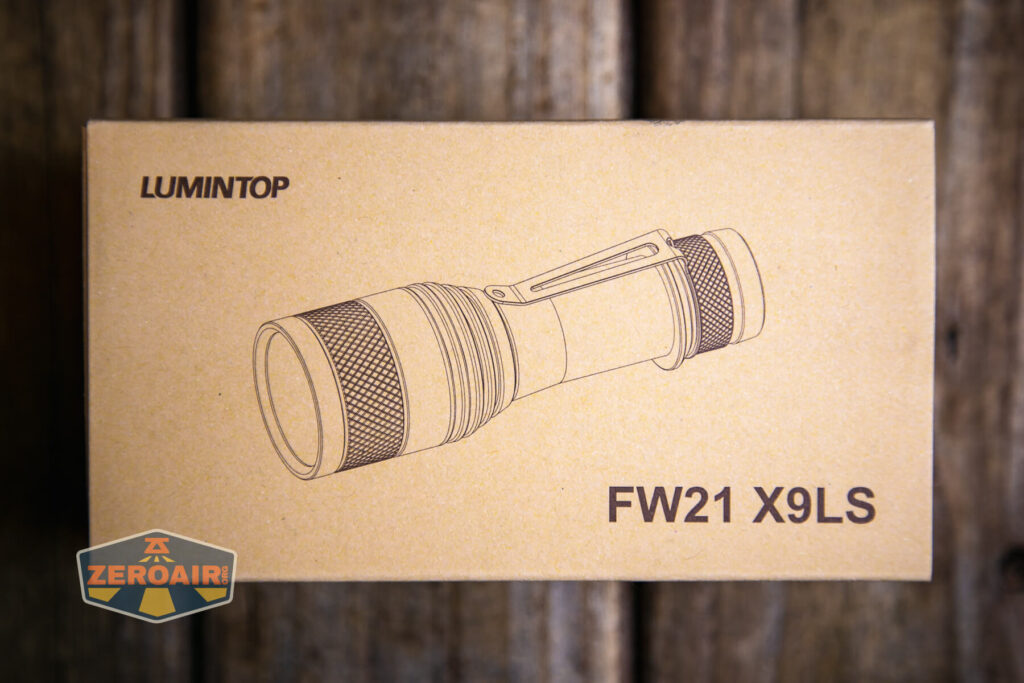
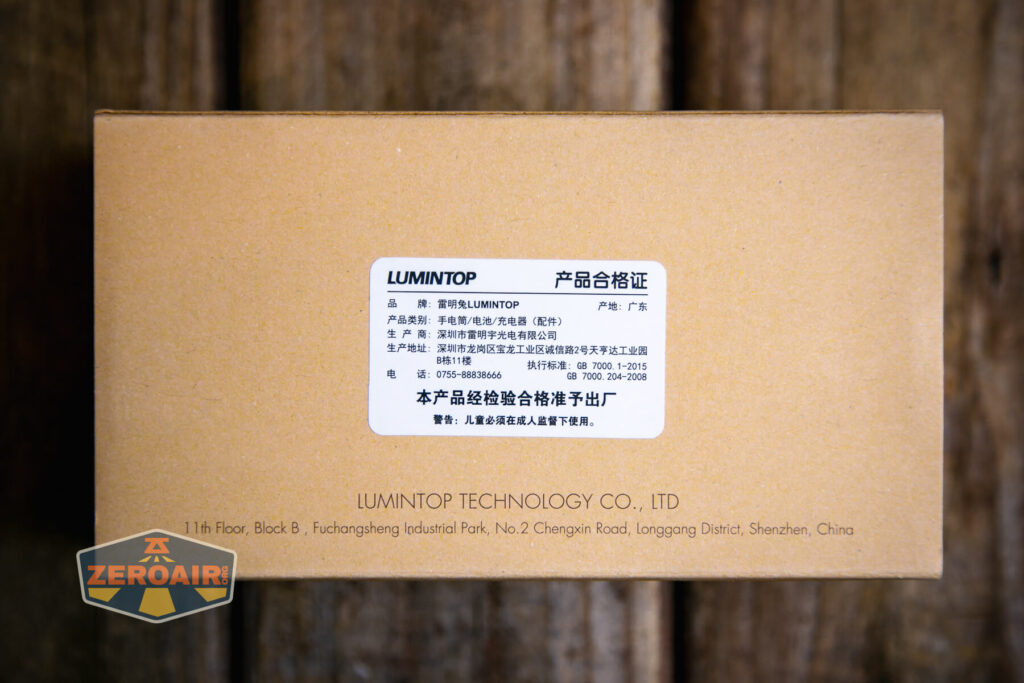


Build Quality and Disassembly

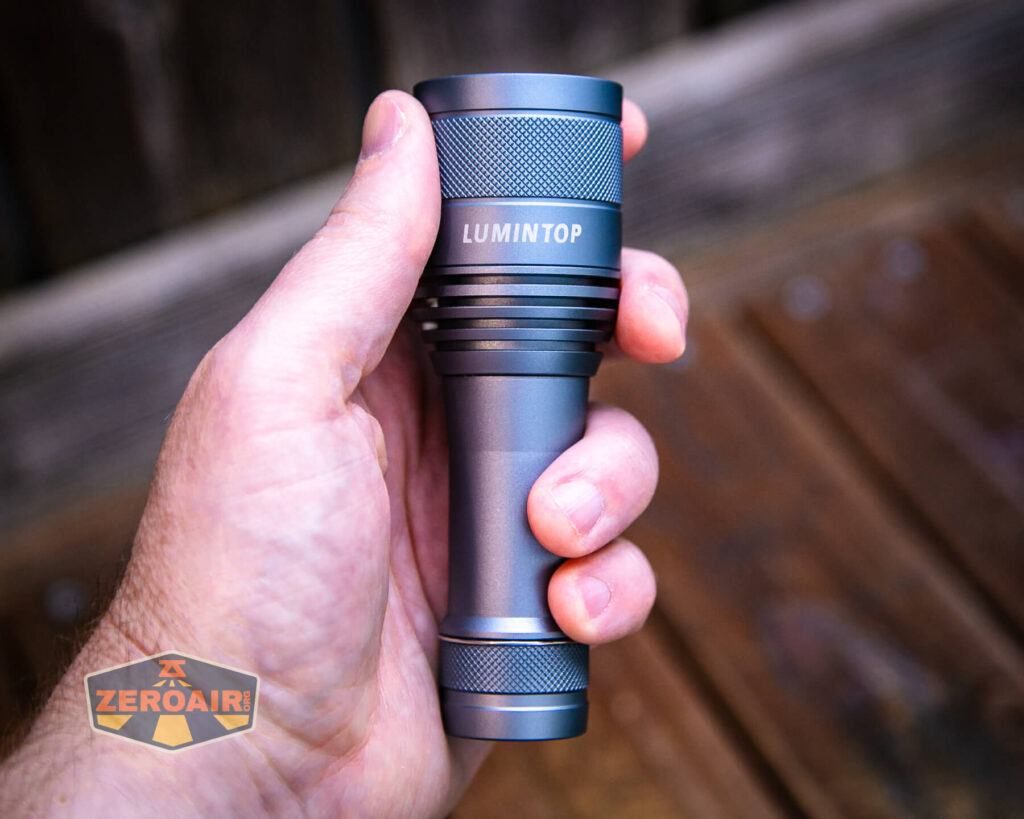
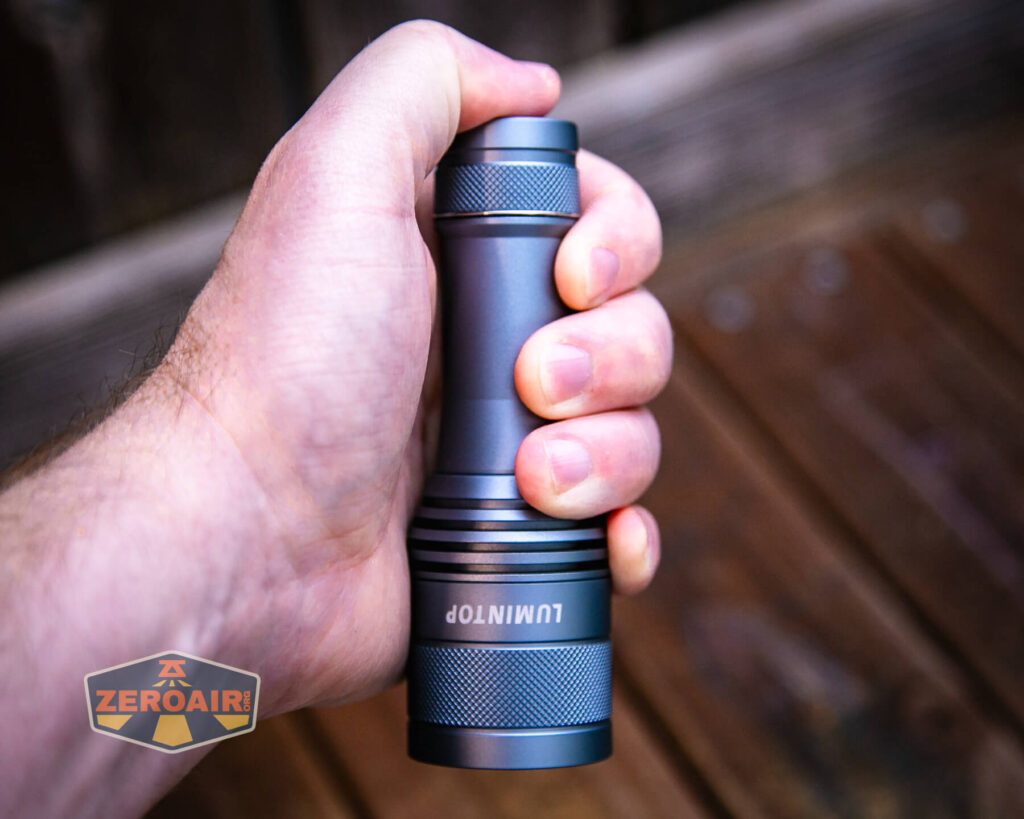
You’ll immediately recognize the Lumintop FW21 X9LS flashlight as being very much part of the “FW” series of lights. Aside from the larger head (and cooling fins and probably the 21700-size), it looks essentially the same as a Lumintop FW3A, which I’ve reviewed in many formats.
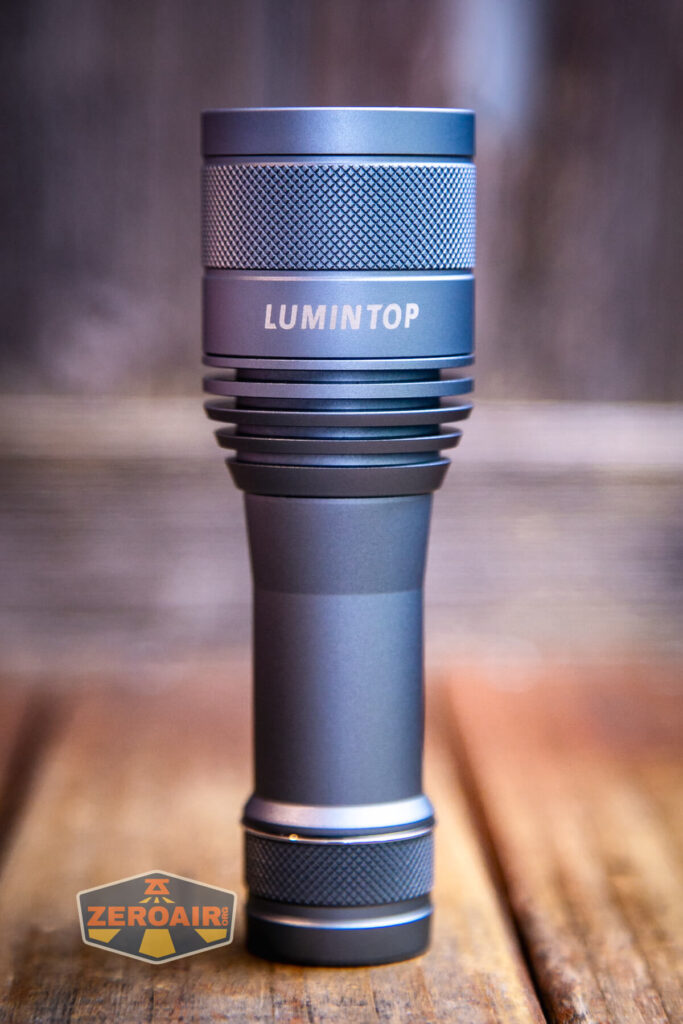

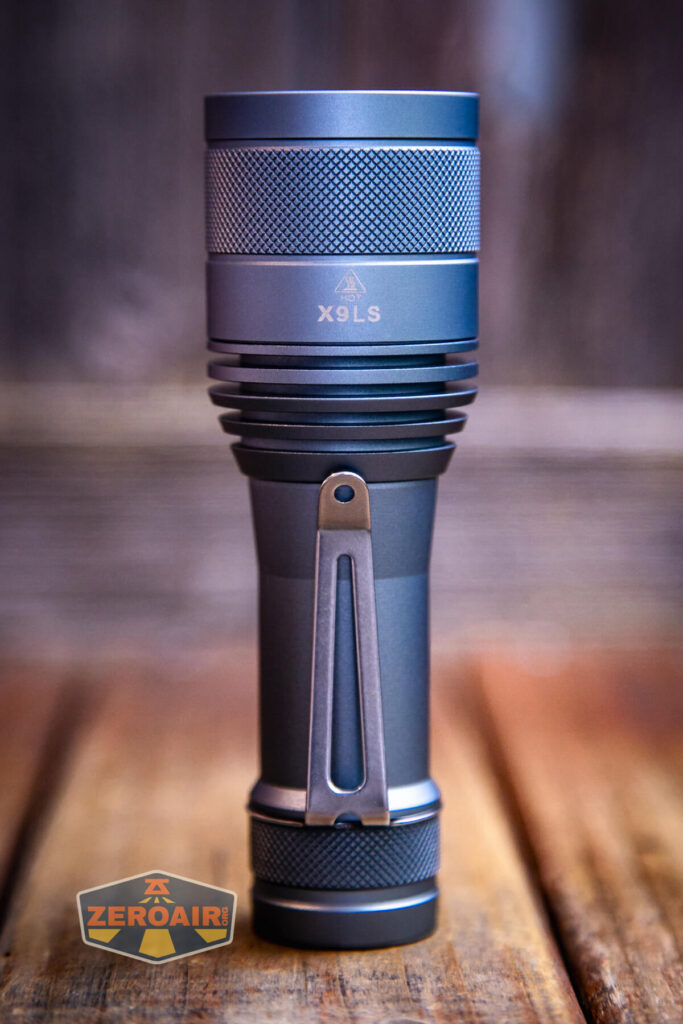

As with other FW lights, there’s knurling on the tailcap (where you don’t really need it).

And there’s knurling on the head (exactly where you do need it.)
Inside you can see both head and tail have springs. Because of these springs, any type 21700 should be fine, so long as it’s under 70.5mm in length.
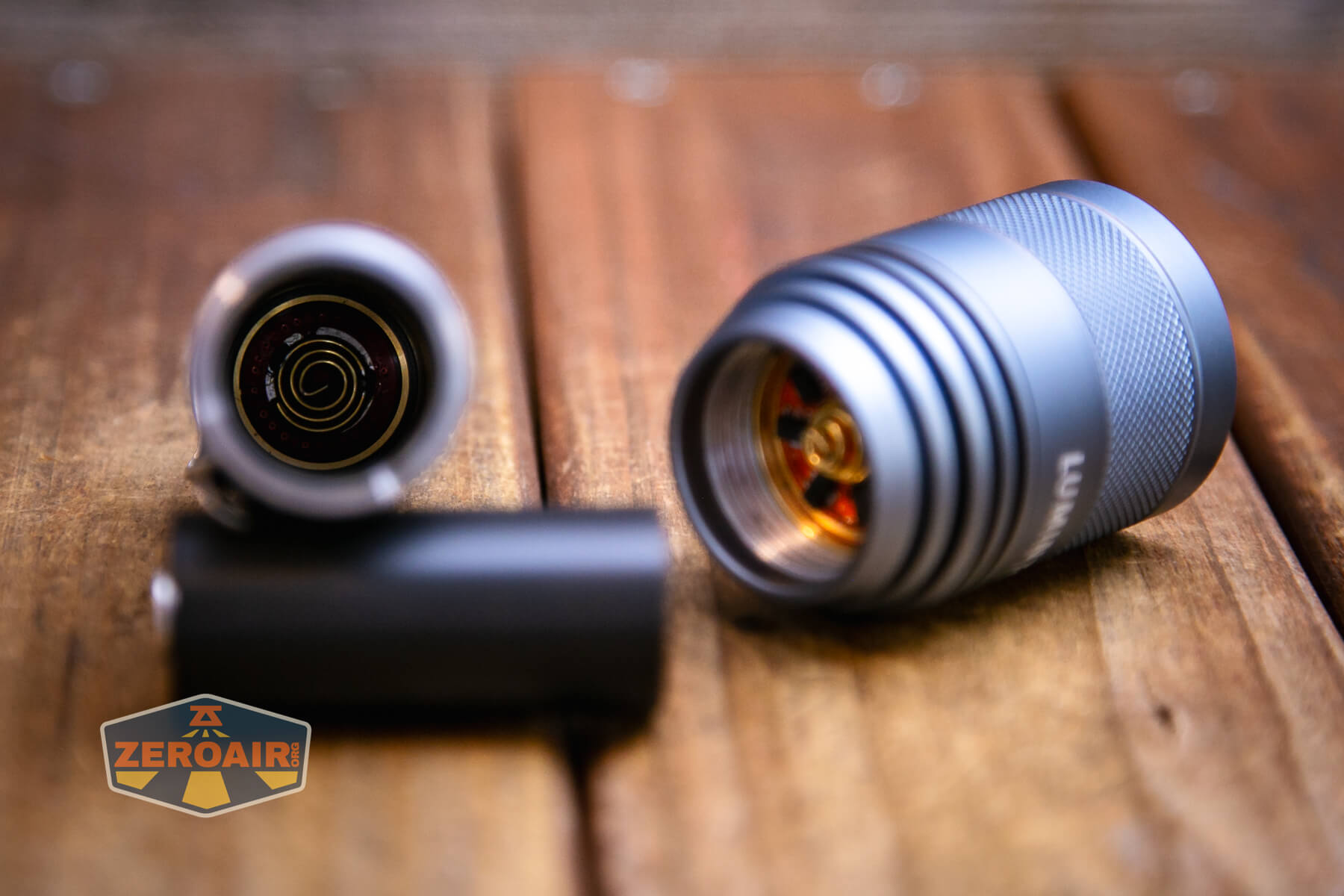
Typical build setup here with the Lumintop FW21 X9LS flashlight. There’s an inner sleeve, which allows the tail-e-switch to function properly.
Size and Comps
Size 40 x 25.2 x 123mm (Head x Tube x Length)
Net Weight ~128g (inner sleeve and battery are excluded)
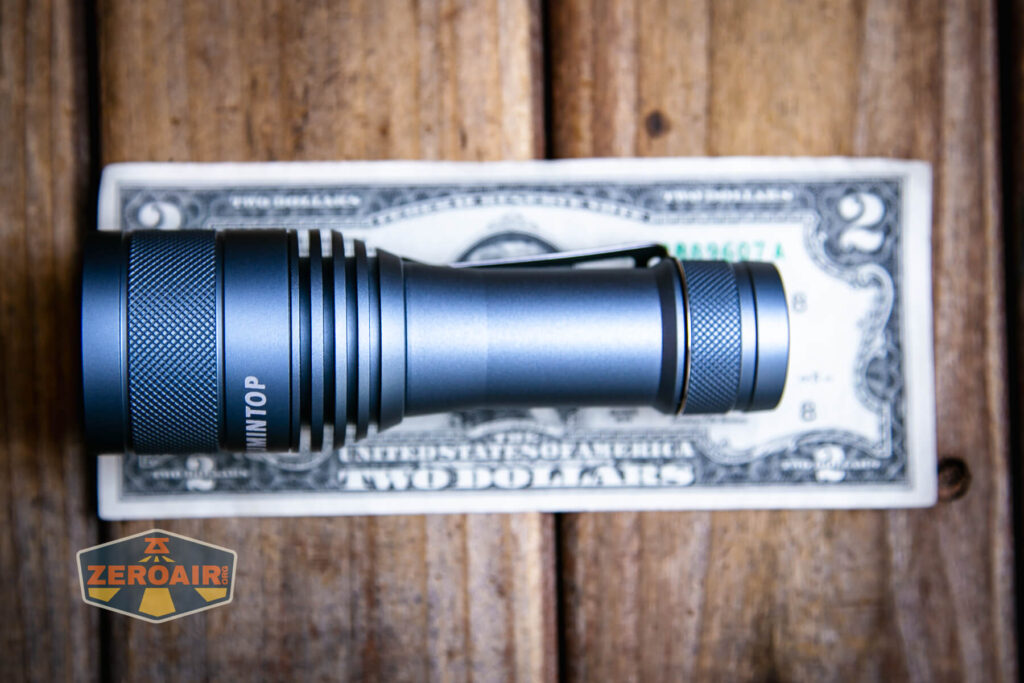
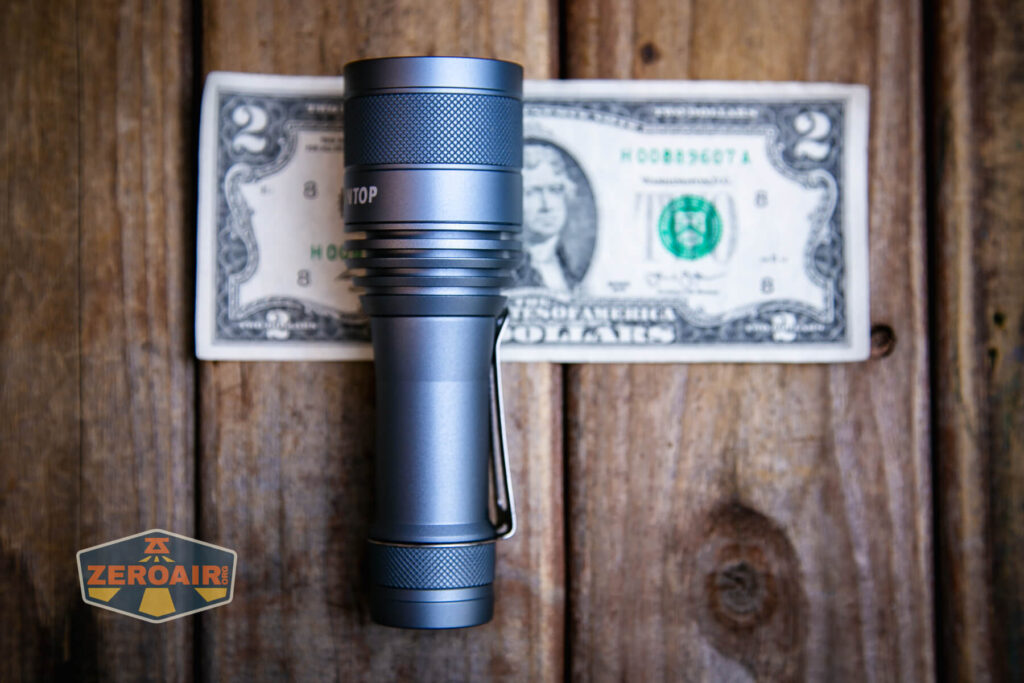
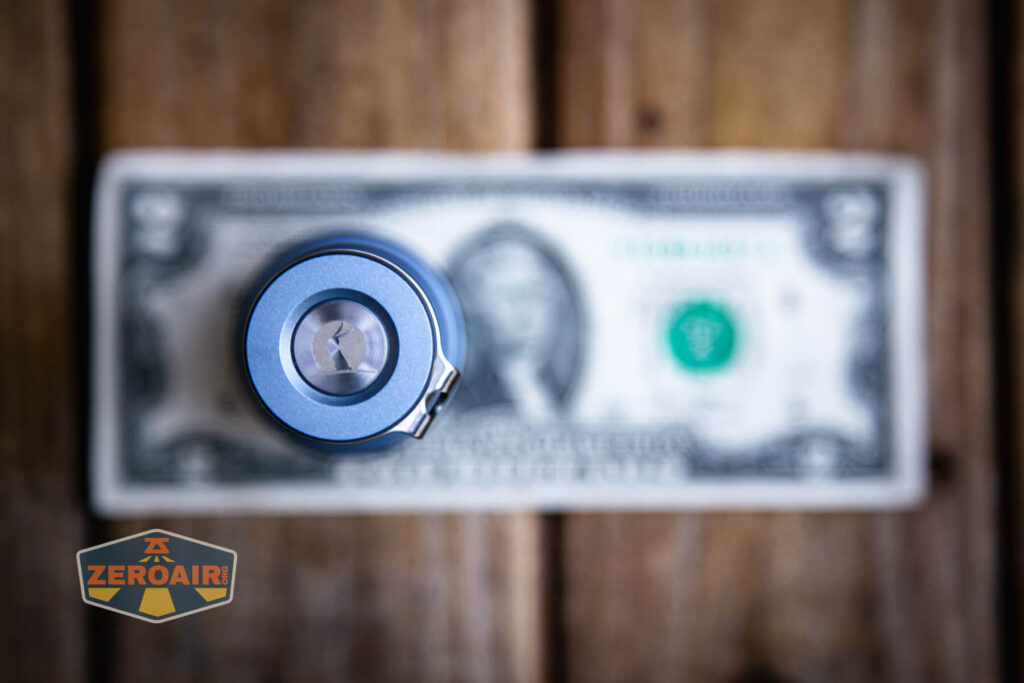
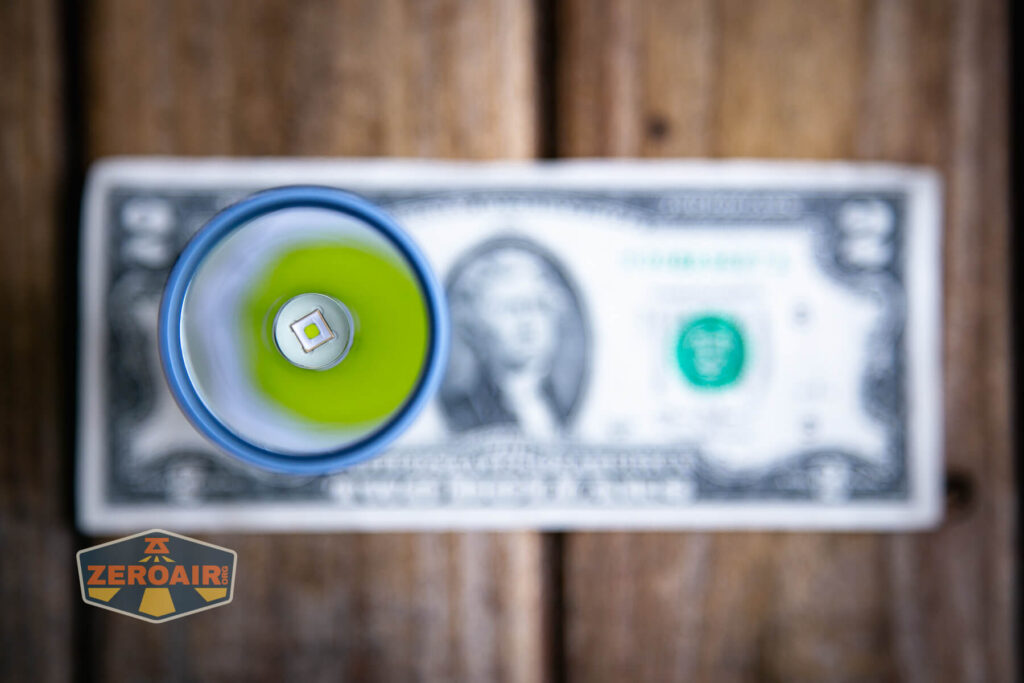
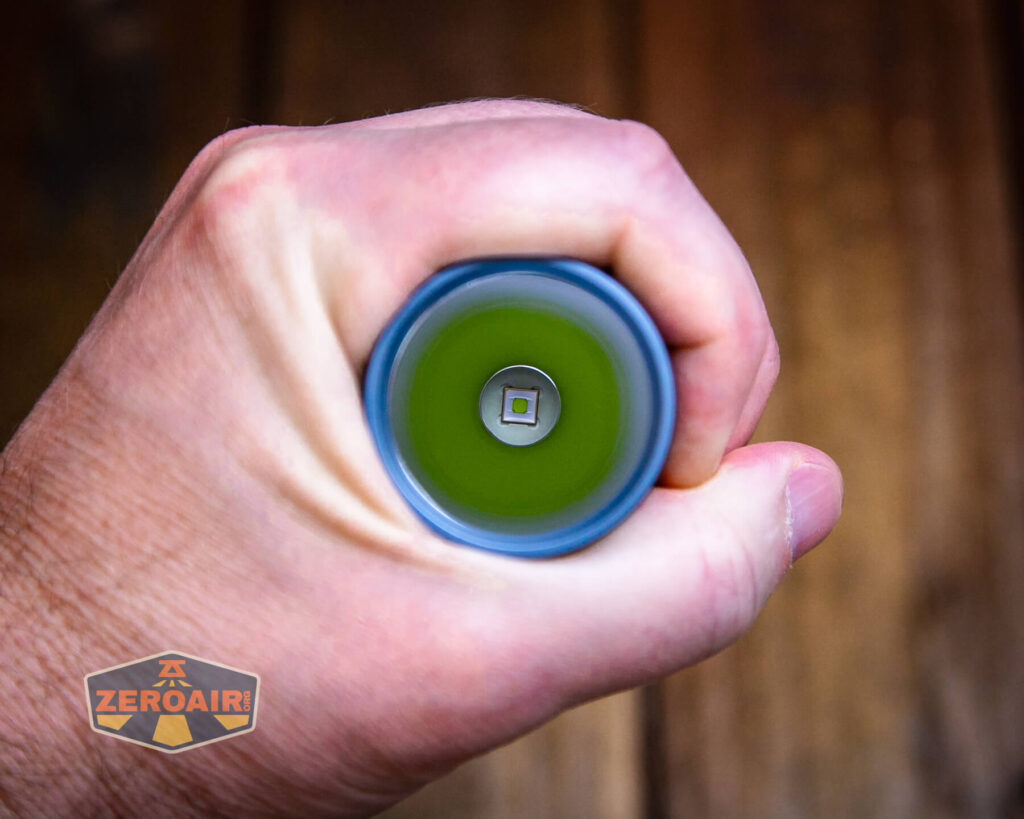
If the flashlight will headstand, I’ll show it here (usually the third photo). If the flashlight will tailstand, I’ll also show that (usually in the fourth photo).

Here’s the test light with the venerable Convoy S2+. Mine’s a custom “baked” edition Nichia 219b triple. A very nice 18650 light.
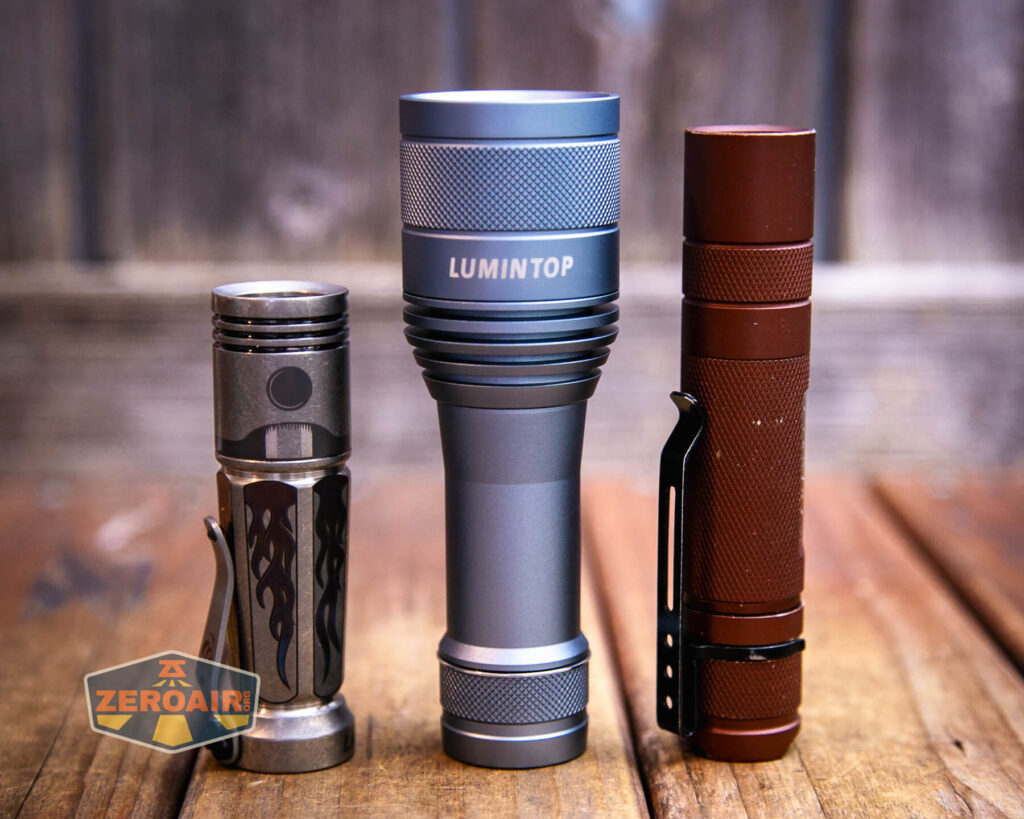
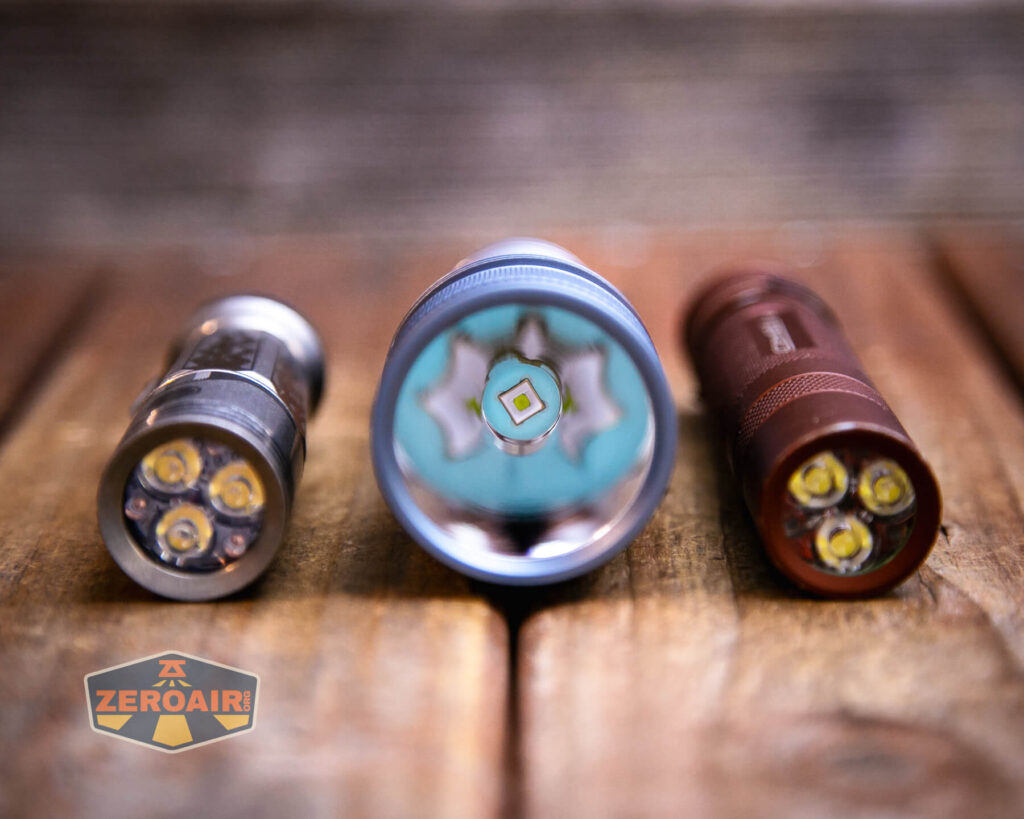
Also above on the left is a new feature light!! Laulima Metal Craft sent this titanium Todai for some size comparison photos like the ones above. Laulima has bunch of incredible items. I’ve tested one (the Laulima Metal Craft Hoku) (the official site for Hoku is here) that was a Friend Fund Friday review. I was impressed enough by that Hoku that I bought a Laulima Metal Craft Diamond Slim (also in tumbled aluminum) (review is upcoming!) These lights by Laulima have impeccable build quality and not only that, they’re quite configurable. There are some (great, actually) default configurations, but Joshua Dawson (of Laulima Metal Craft) is open to ideas and emitter options and the like. I haven’t reviewed this Todai, but I have to say, it feels absolutely fantastic and I love it thus far. (Notably, I love how warm and eggy those emitters look through the TIR.)
Retention and Carry
The only way included for carrying the Lumintop FW21 X9LS flashlight is the pocket clip.

It’s a collar-type clip, and the collar has a slightly larger diameter than the body. The clip is steel, and not incredibly thick; thick enough to be useful, but thin enough to be springy.
There’s also a hole in the top and bottom of the clip, on to which a lanyard might be connected.
Power and Runtime
The Lumintop FW21 X9LS flashlight is powered by a single 21700cell. Springs on both ends means flat or button top 21700 should be ok for use. I tested this light with a Samsung 50G, which Lumintop included.

Lumintop also includes this 21700 to 18650 adapter, so using a(ny) 18650 should be possible, too.

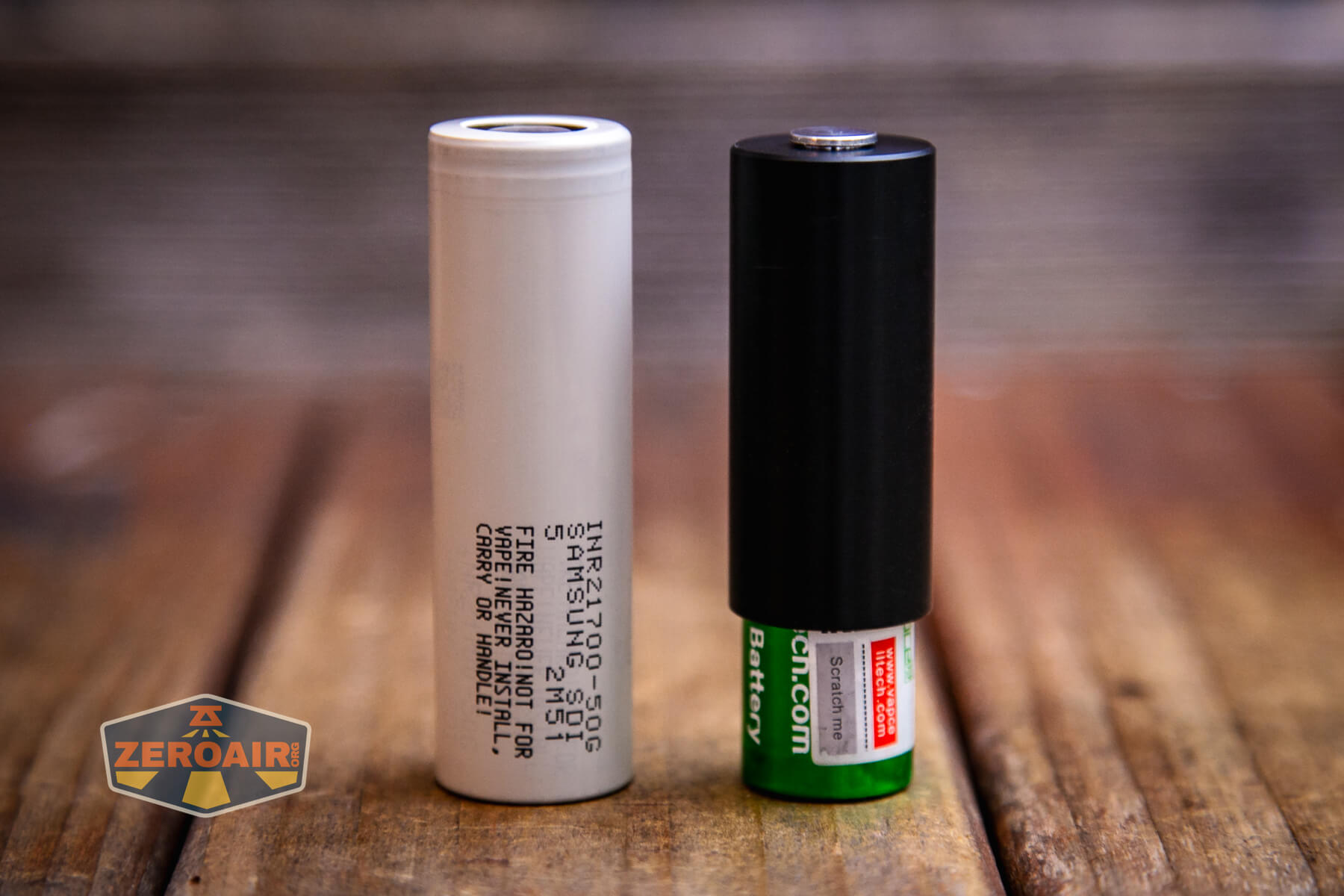
The cell goes into the FW21 X9LS in the usual way – positive end toward the head. I don’t recommend removing the tailcap, and certainly, for cell swaps, you’ll want to go through the head end.

Below you can see a couple of runtime tests. I tested the two discrete highest modes – Turbo and High. Below that, there are no specific modes, but ramping through the output range is possible.

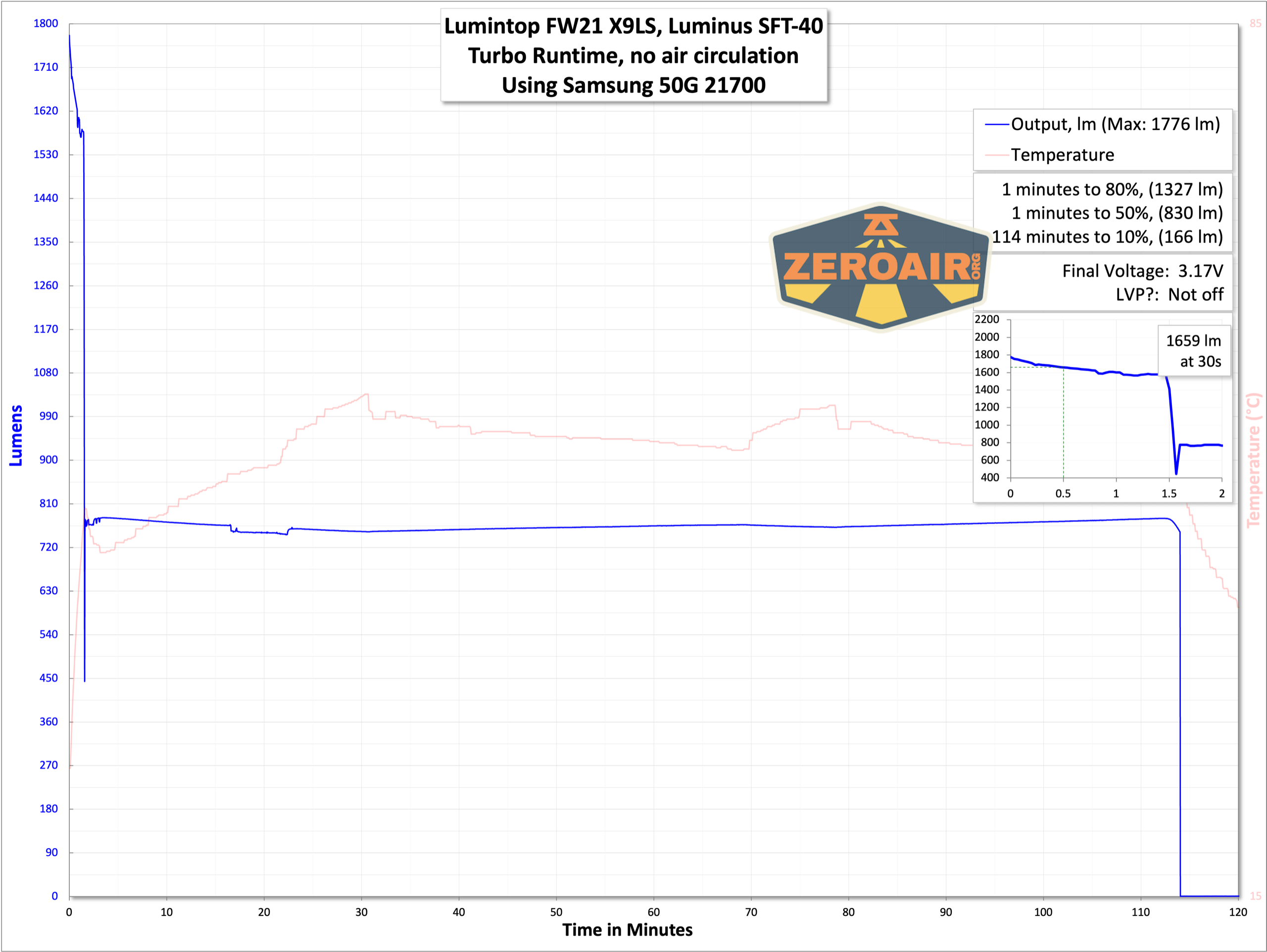
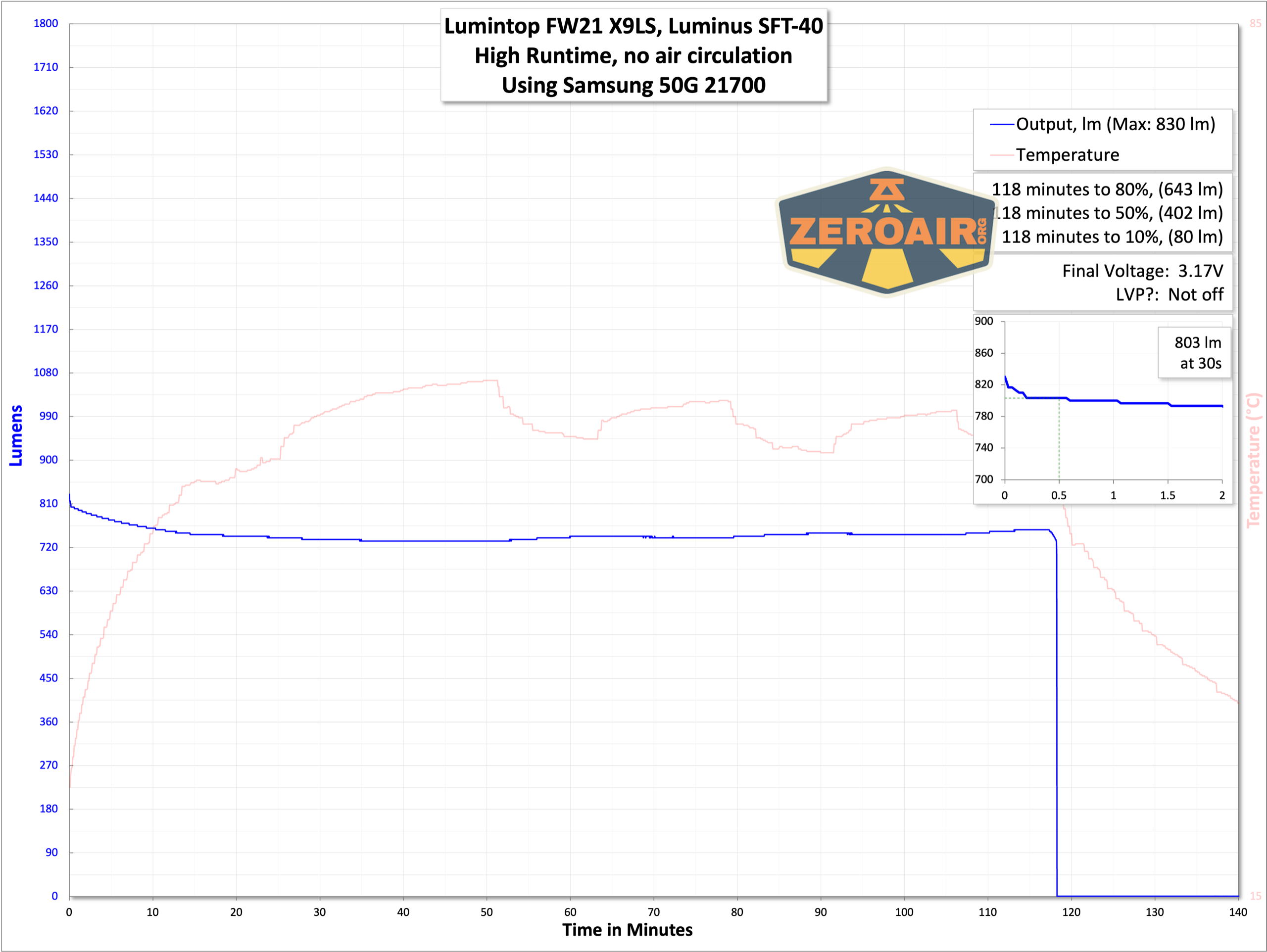
The light didn’t shut off during these tests, but it switched to such a low output that you’ll definitely be notified that the cell voltage is low.
Modes and Currents
| Mode | Mode Claimed Output (lm) | Claimed Runtime | Measured Lumens |
|---|---|---|---|
| Turbo | 1800 | 90s+1h50m | 1659 |
| High | 800 | 2h | 803 |
| Moonlight | 1.5 | 30d |
Pulse Width Modulation
Interestingly only the highest output (turbo) seems to have PWM! It’s fast and I’d say you’re unlikely to notice it, though.
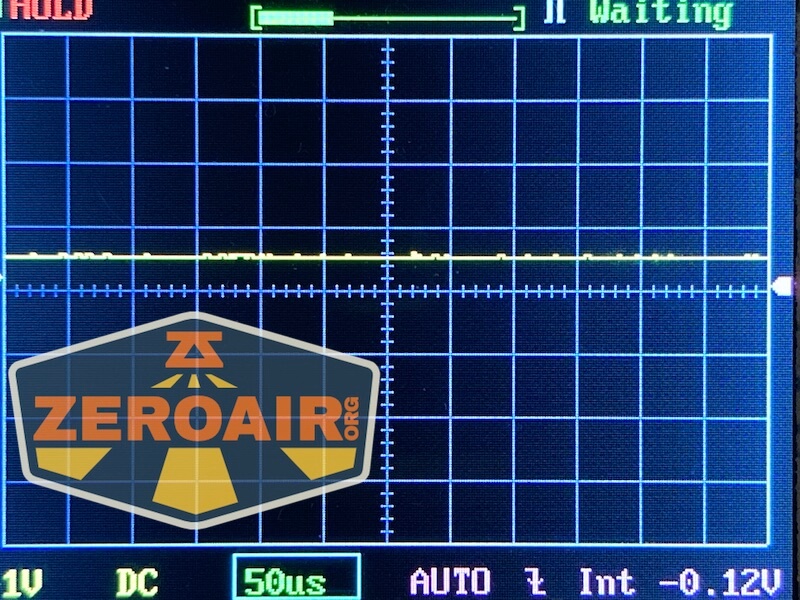
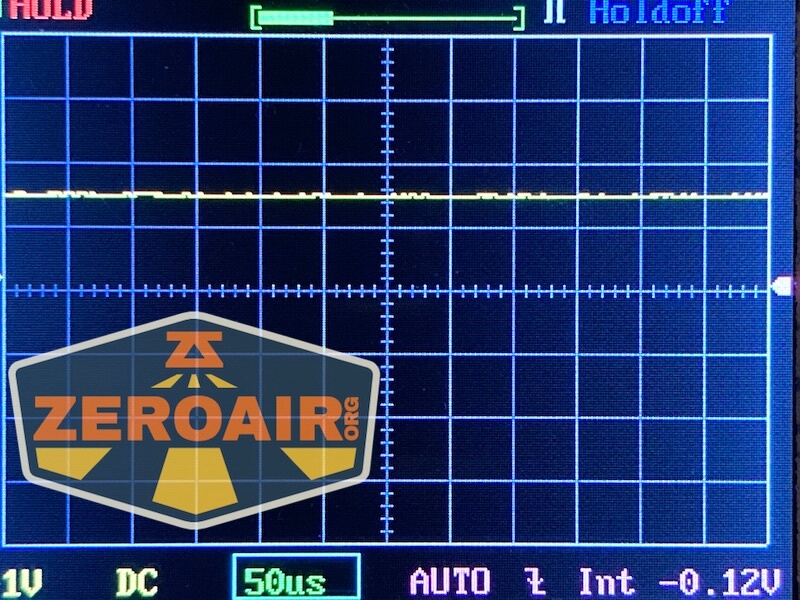
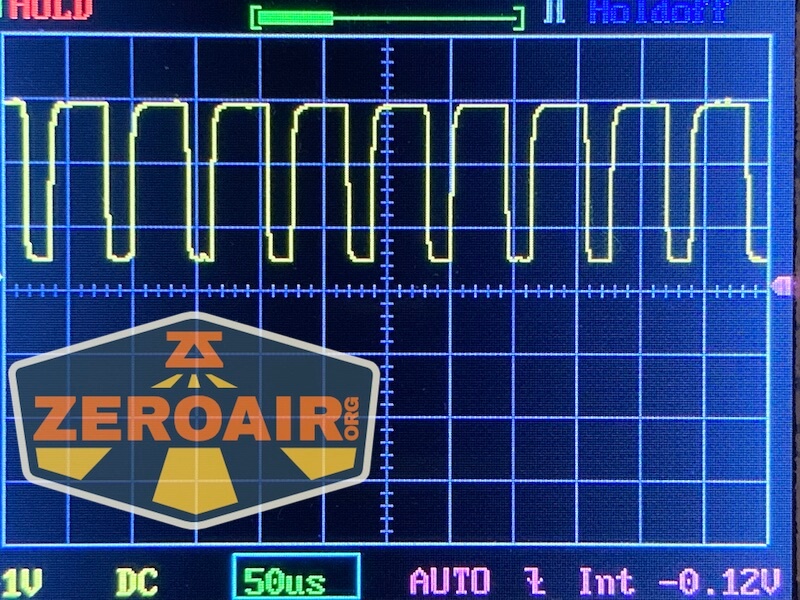
Here you can see a “baseline” – a chart with almost no light hitting the sensor. Then there’s the Ultrafire WF-602C flashlight, which has some of the worst PWM I’ve seen. It’s so bad that I used a post about it to explain PWM! Here are multiple timescales (10ms, 5ms, 2ms, 1ms, 0.5ms, 0.2ms) to make comparing this “worst” PWM light to the test light easier. That post also explains why I didn’t test the WF-602C at the usual 50us scale.


User Interface and Operation
The interface for this light is a tail clicky but is an e-switch.
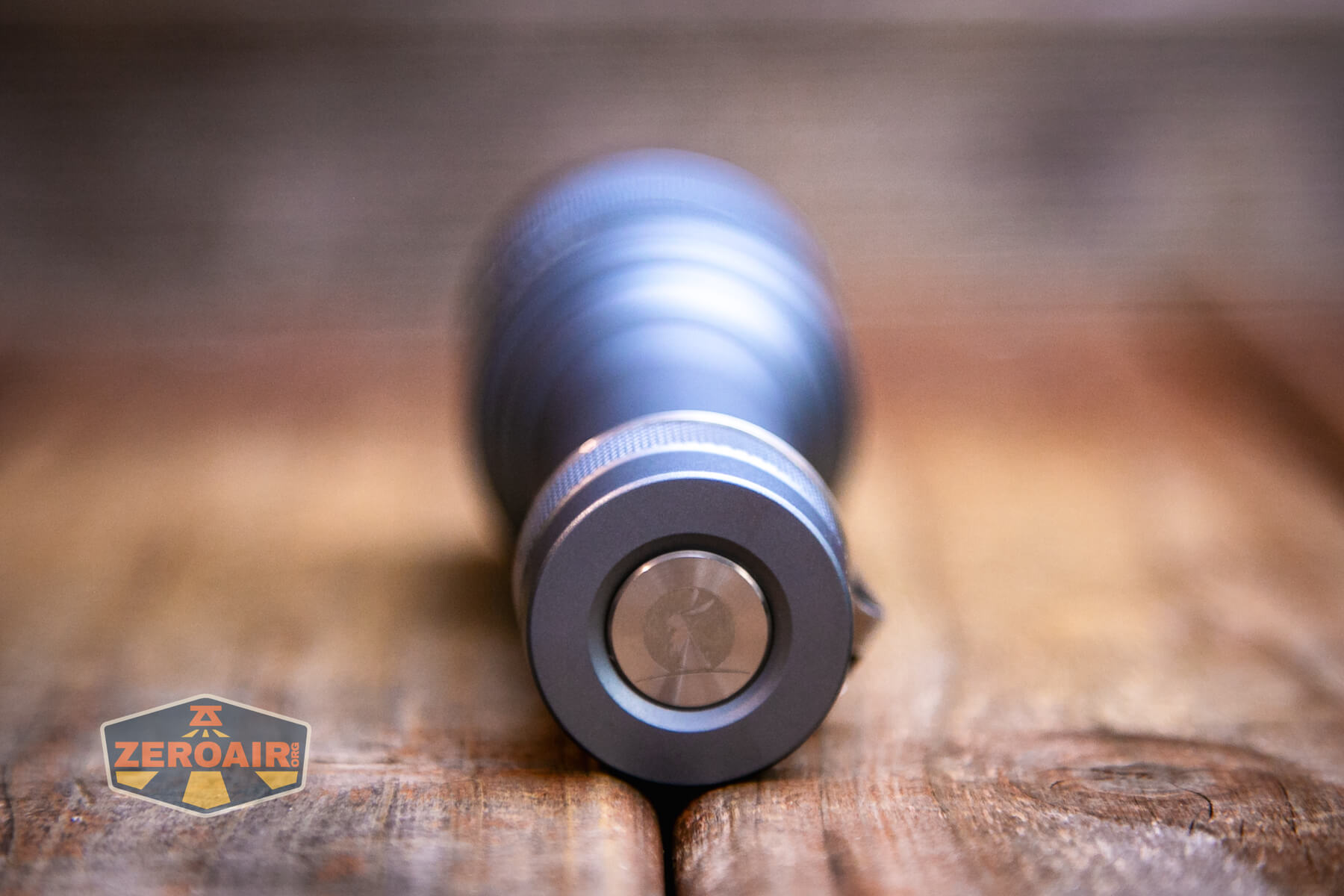
The button itself is metal (with that rubber cover under it) and has a very minimal amount of travel (1mm or less). Despite being a very big switch, it’s possible to actuate from anywhere on the surface – even the tiniest fingernail on the very edge will still work.
You’ll note that this switch has a laser-engraved Lumintop Bunny logo.
Despite being a pretty typical build of the FW series light, the Lumintop FW21 X9LS flashlight does not get Anduril. This has a Lumintop’s-own ramping user interface.

Here’s a user interface table!
| State | Action | Result |
|---|---|---|
| Off | Click | On (Level memory, excluding Turbo, Moonlight, and blinkies) |
| On | Click | Off |
| Off | Hold | Moonlight |
| On | Hold | Ramp up to High or down to Moonlight |
| On | Click 2x | Turbo |
| Turbo | Click 2x | High |
| Moonlight | Click 2x | Strobe |
| Strobe Group | Click 2x | Advances through strobe group: Strobe > SOS > Beacon |
| Off | Click 3x | Battery Check (Blinks actual voltage: 3 blinks, pause then 7 blinks = 3.7V.) |
| Off | Click 4x | Lockout |
| Lockout | Click (or Hold) | Momentary Low |
| Lockout | Click 4x | Unlock |
LED and Beam
Lumintop has used a Luminus SFT-40 emitter in the FW21 X9LS flashlight. It’s a great choice because this emitter allows high output as well as great throw. The smooth, wide, and deep reflector helps in that regard.

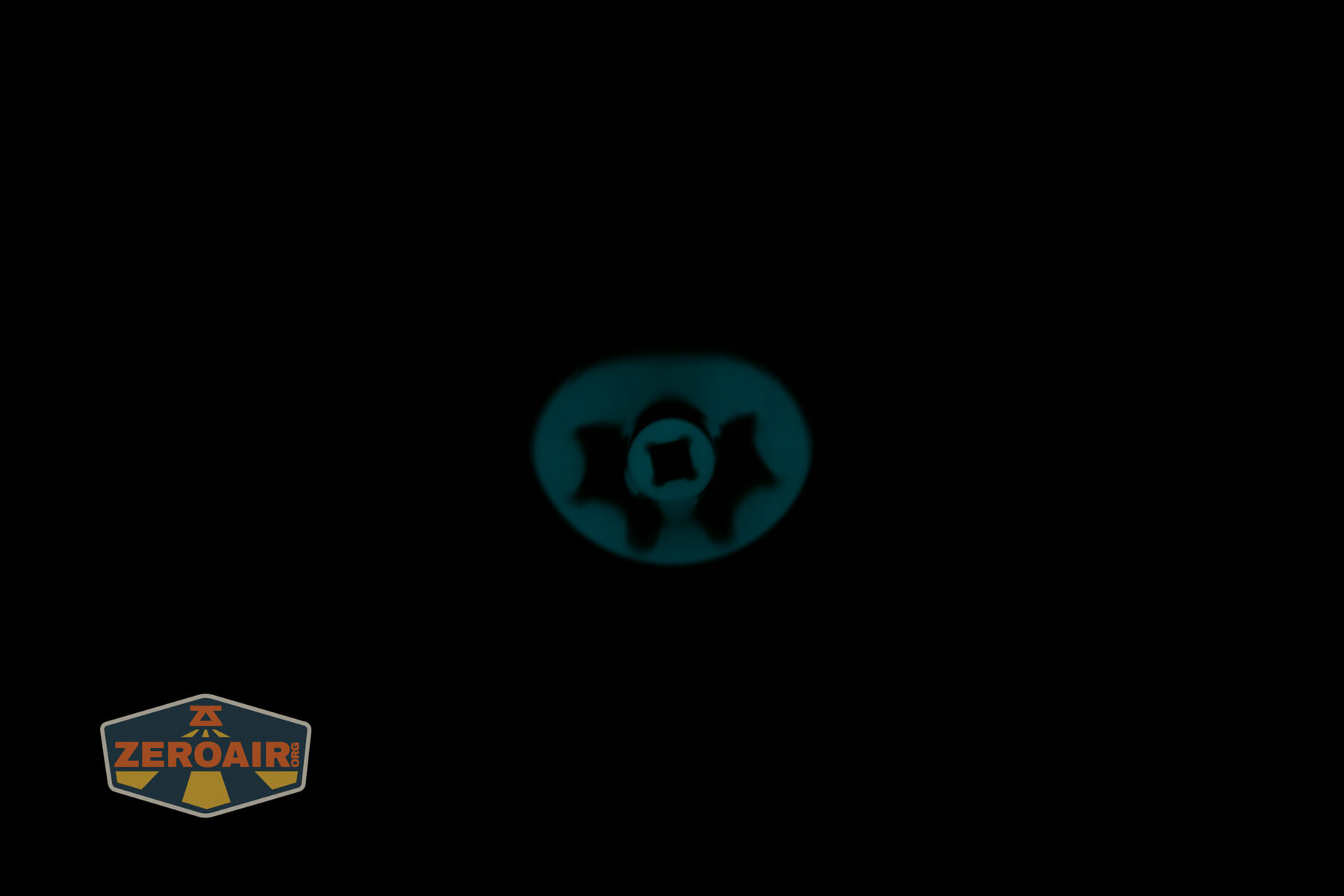
The emitter is centered with a glow gasket that is very glowy.



LED Color Report (CRI and CCT)
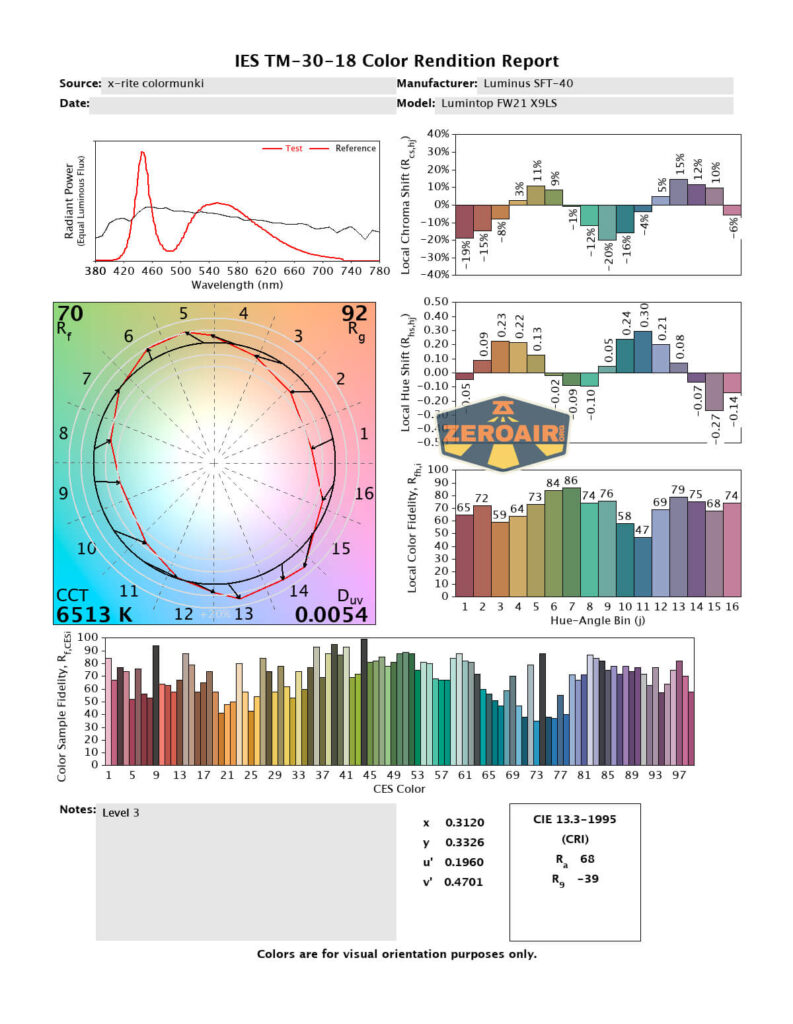
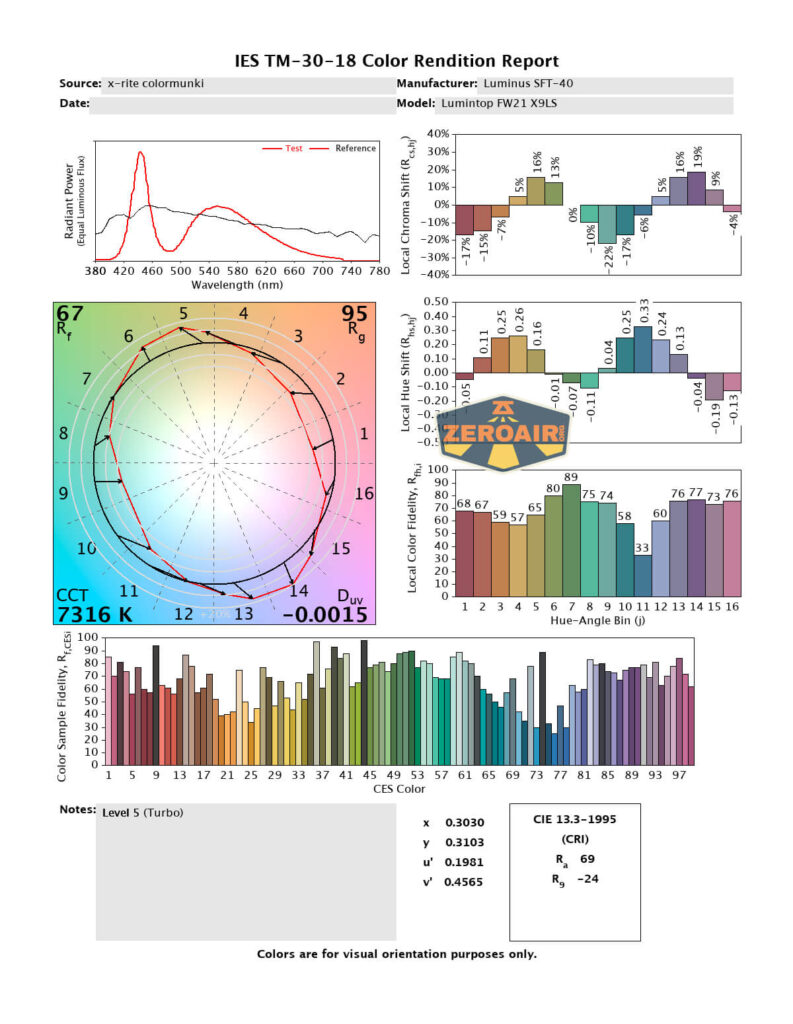
This is a high-output flashlight, so it’s no surprise that CRI is low (at around 70) and CCT starts cool (6000K) and creeps up into cold (7300K) when the emitter is driven hard on Turbo. A couple of the outputs below are just representative – they are not discrete output levels. This light has only three of those.



Beamshots
These beamshots always have the following settings: f8, ISO100, 0.3s shutter, and manual 5000K exposure. These photos are taken at floor level, and the beam hits the ceiling around 9 feet away.
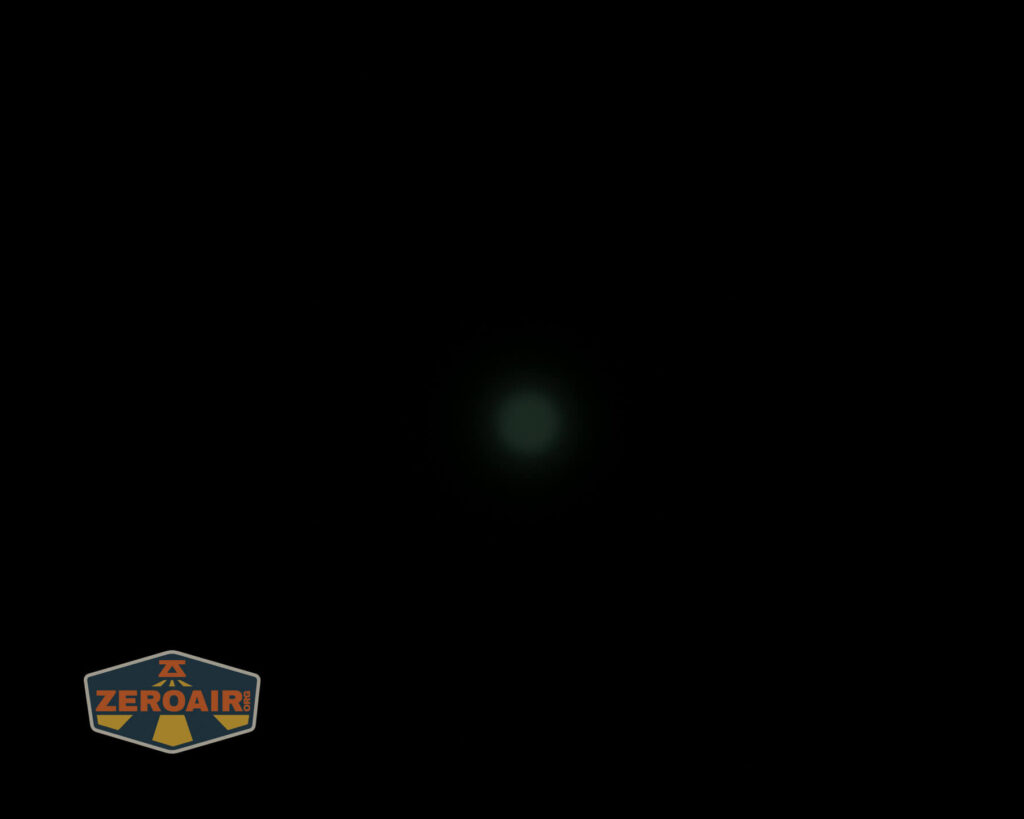
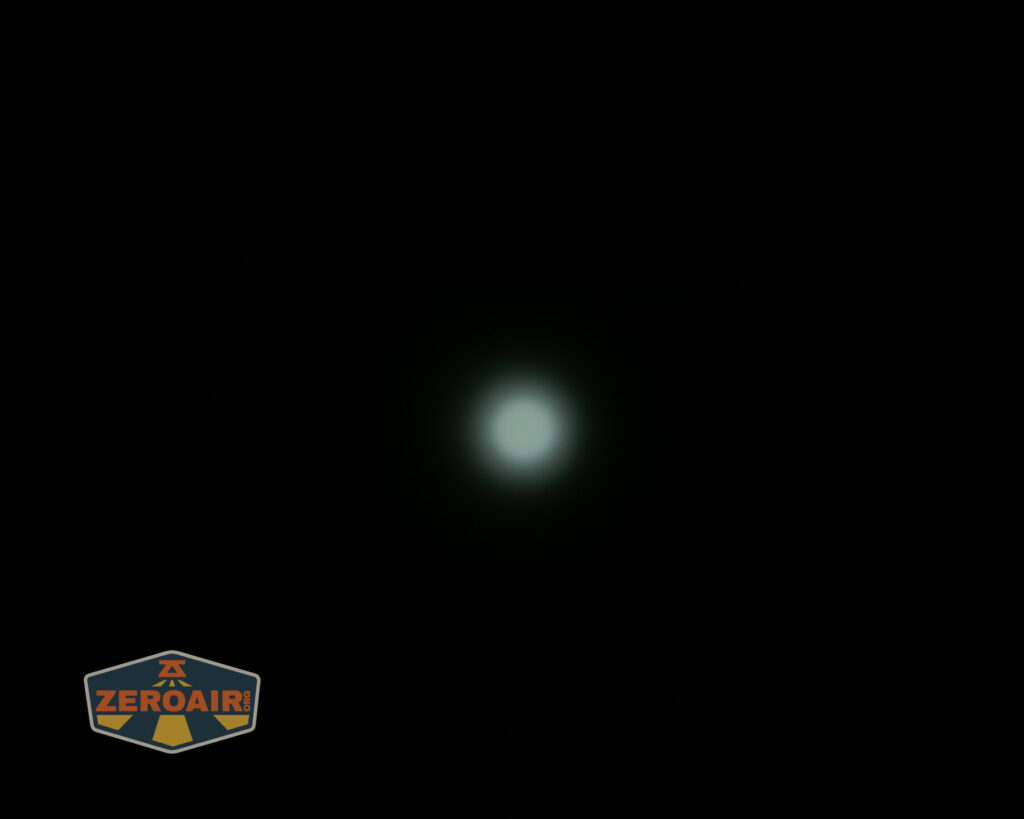
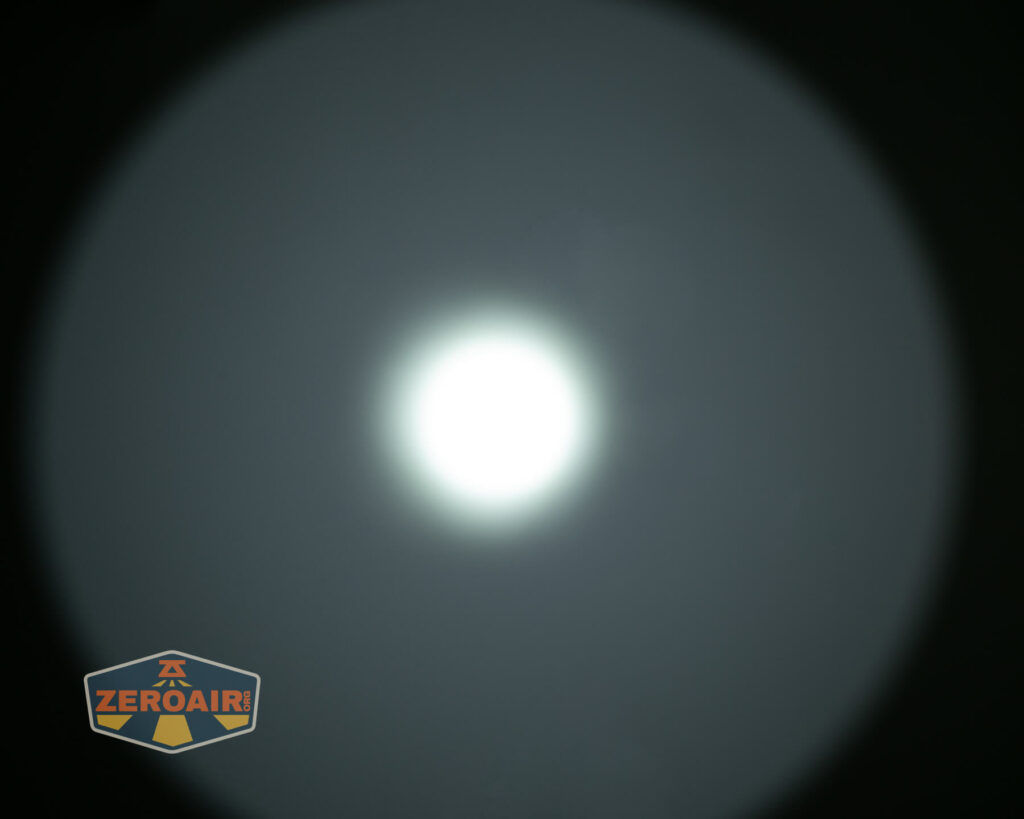
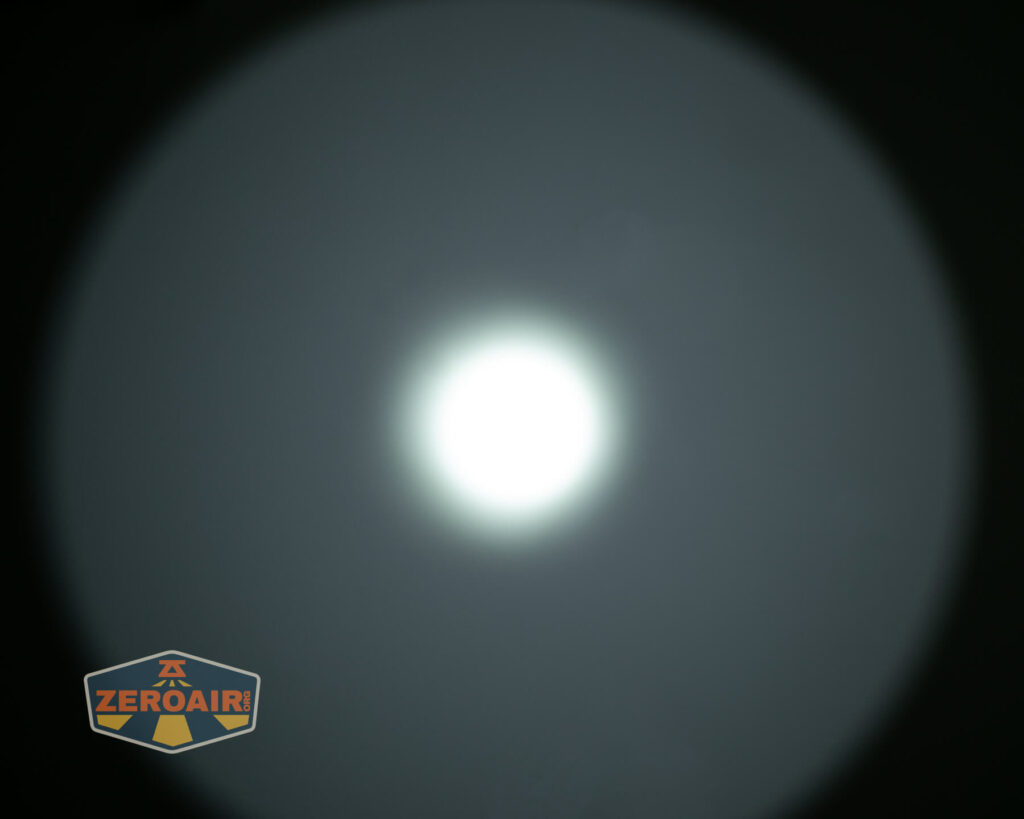
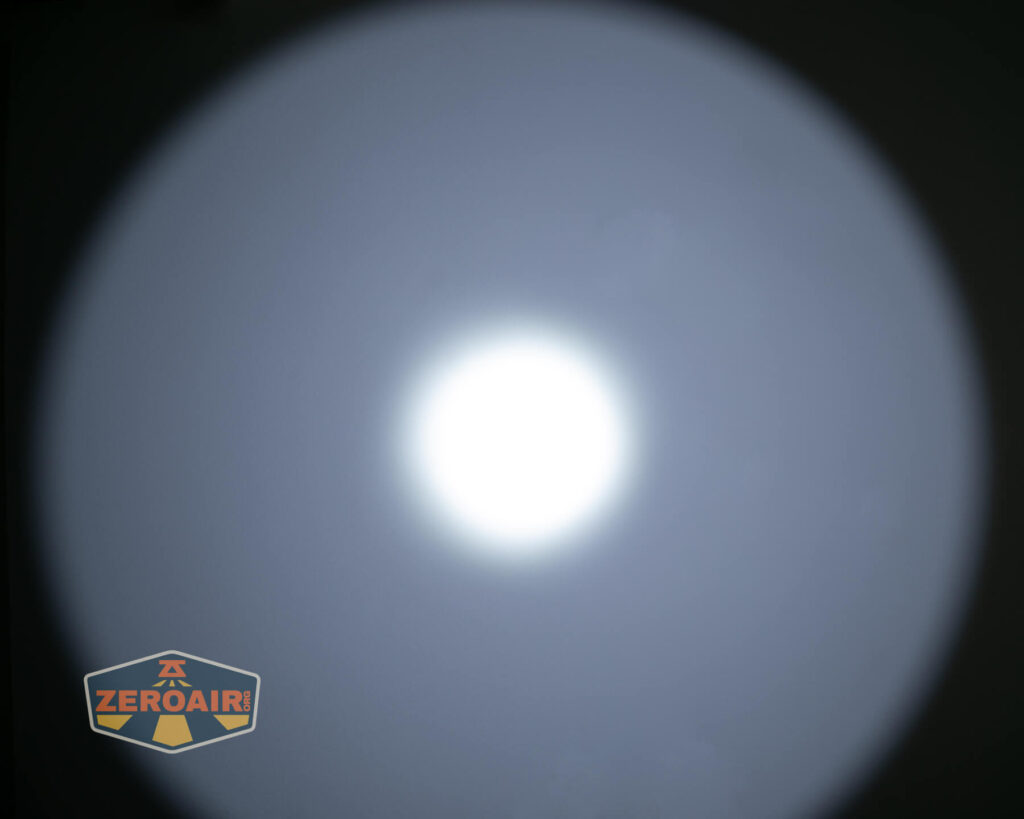
Tint vs BLF-348 (KillzoneFlashlights.com 219b version) (affiliate link)
I keep the test flashlight on the left and the BLF-348 reference flashlight on the right.
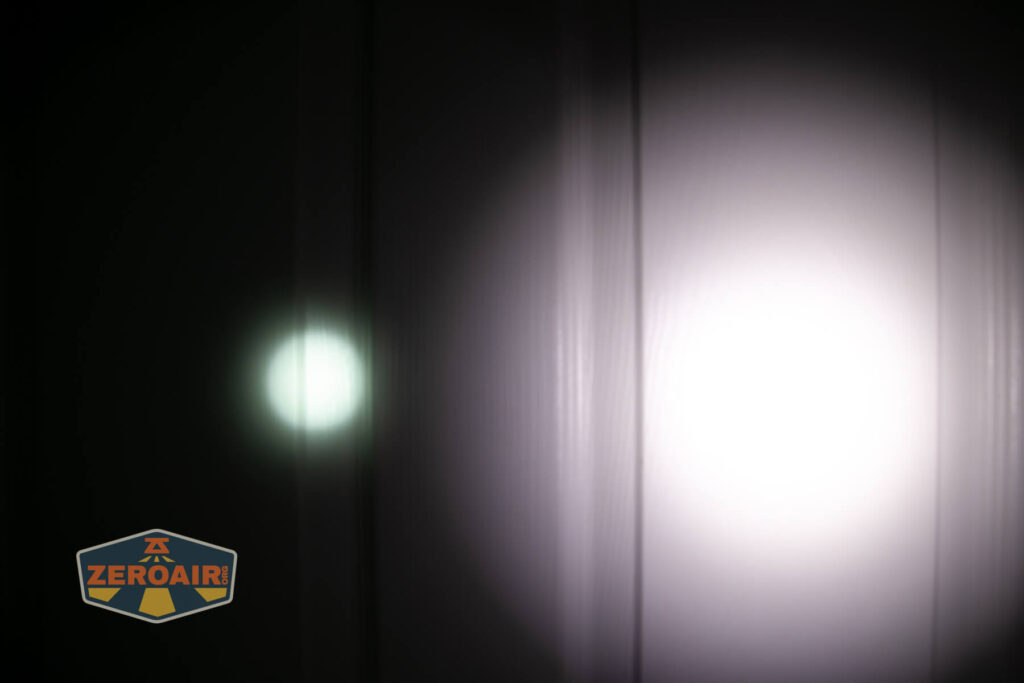
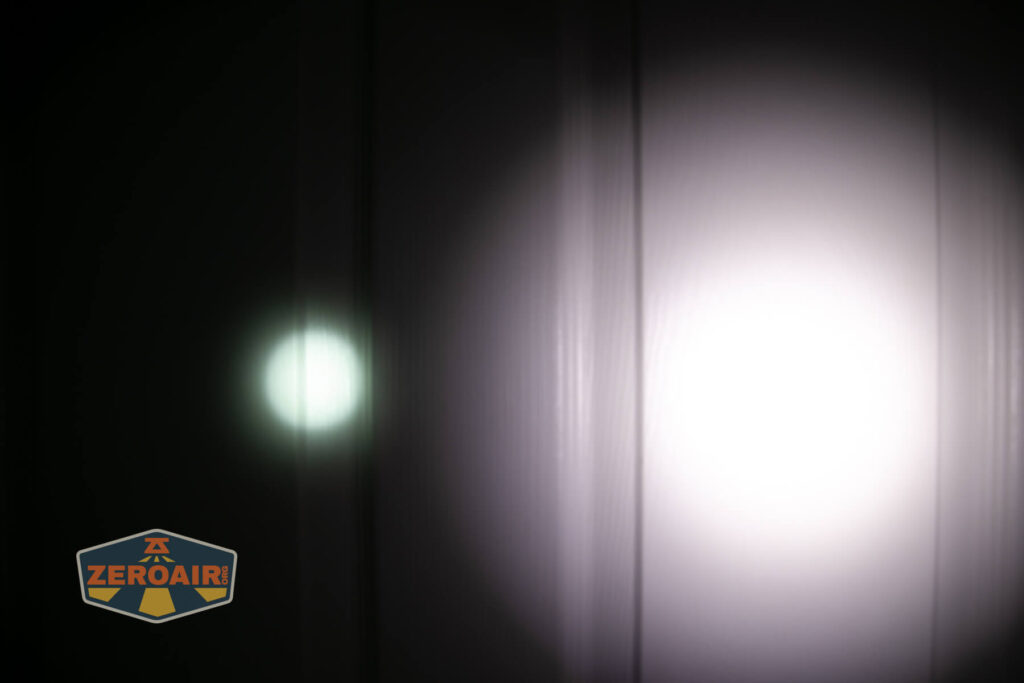
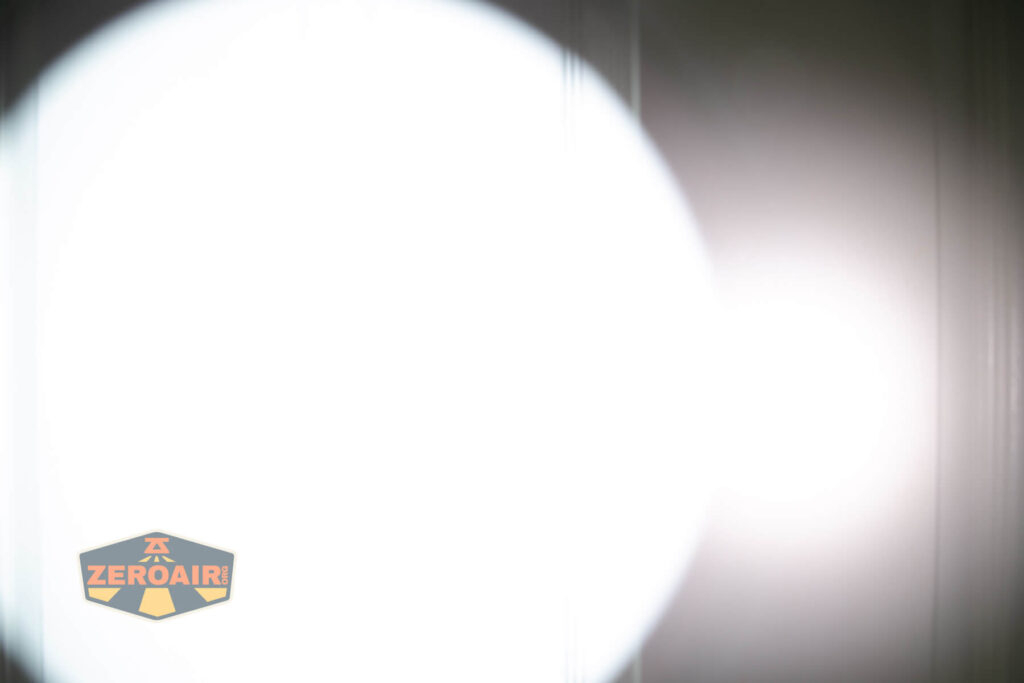
I compare everything to the KillzoneFlashlights.com 219b BLF-348 because it’s inexpensive and has the best tint!
Conclusion
What I like
- Very good build quality
- Low cost, including a high-quality cell
- User interface is simple to use (which might be a benefit for those wishing to avoid Anduril)
What I don’t like
- Cool white and low CRI
- I could use more discrete output levels for this light. Four or 5 would be perfect.
Notes
- This content originally appeared at zeroair.org. Please visit there for the best experience!
- Please use my Amazon.com referral link to help support zeroair.org!
- Please support me on Patreon! I deeply appreciate your support!