

Olight Diffuse EDC Pocket Flashlight Review
The Olight Diffuse EDC pocket flashlight offers an unusual pentagonal shape, dual-chemistry support, and a nice indicating e-switch. Read on for testing!
Official Specs and Features
Here’s a link to the Olight Diffuse EDC pocket flashlight product page.
Versions
A number of bodies are available but they all have the same emitter. Also available is a fancy Christmas edition, which has Santa’s sleigh along one side.
Price
I believe the Olight Diffuse EDC pocket flashlight is still benefiting from an introductory price and comes in at $26.39. Once that price is over, the Olight Diffuse EDC pocket flashlight will go up to an MSRP of $32.99.
Short Review
While I question many choices made about the Olight Diffuse EDC pocket flashlight, ultimately it’s ok for the intended purpose. It seems targeted at a consumer market but has features more geared toward prosumers. I like how similar it is to the Baton series in user interface. The switch is great.
Long Review
The Big Table
| Olight Diffuse EDC pocket flashlight | |
|---|---|
| Emitter: | High-Performance LED (5700-6700k) |
| Price in USD at publication time: | $26.39 |
| Cell: | 1×14500 |
| Runtime Graphs | |
| LVP? | Yes |
| Switch Type: | E-Switch |
| Quiescent Current (mA): | ? |
| On-Board Charging? | Yes |
| Charge Port Type: | USB-C (on cell) |
| Charge Graph | |
| Power off Charge Port | – |
| Claimed Lumens (lm) | 700 |
| Measured Lumens (at 30s) | 652 (93.1% of claim)^ |
| Candela per Lumen | 3 |
| Claimed Throw (m) | 80 |
| Candela (Calculated) in cd (at 30s) | 114lux @ 4.658m = 2473cd |
| Throw (Calculated) (m) | 99.5 (124.4% of claim)^ |
| Claimed CCT | 5700-6700 |
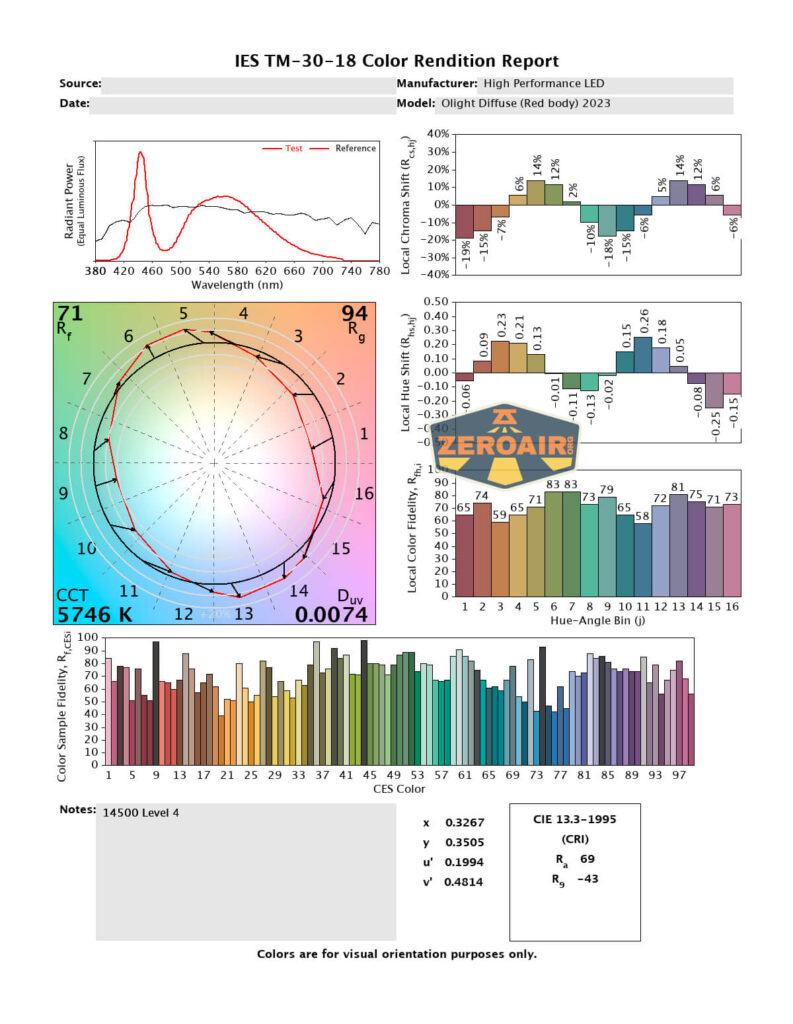
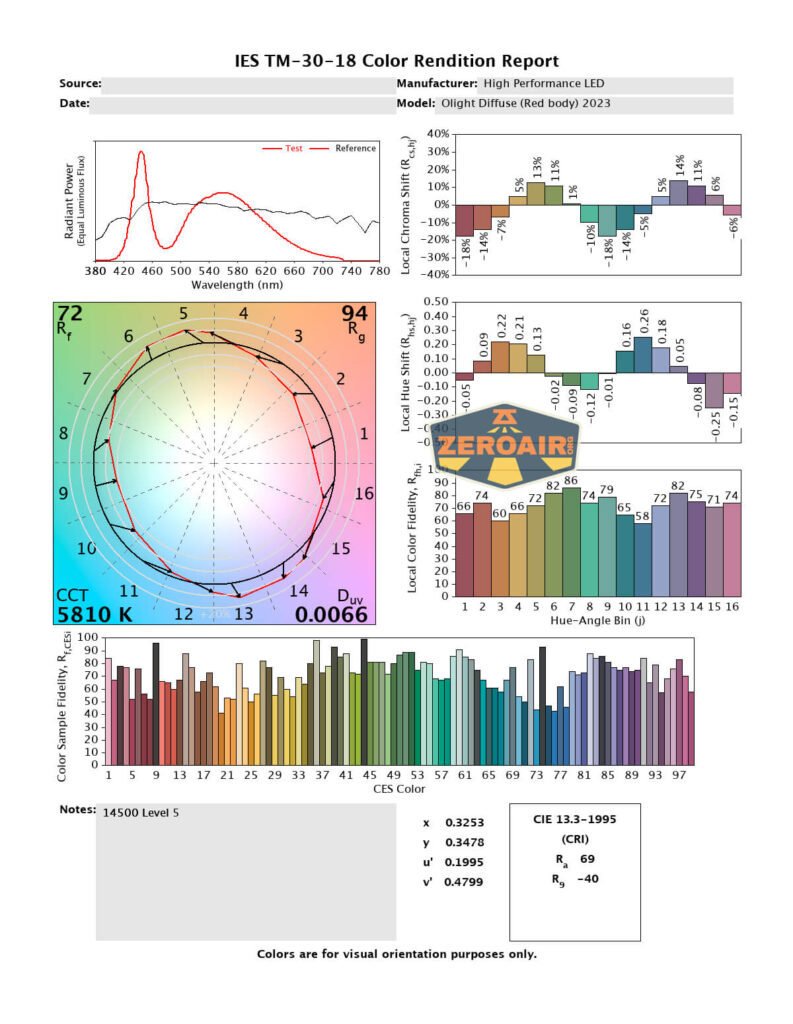
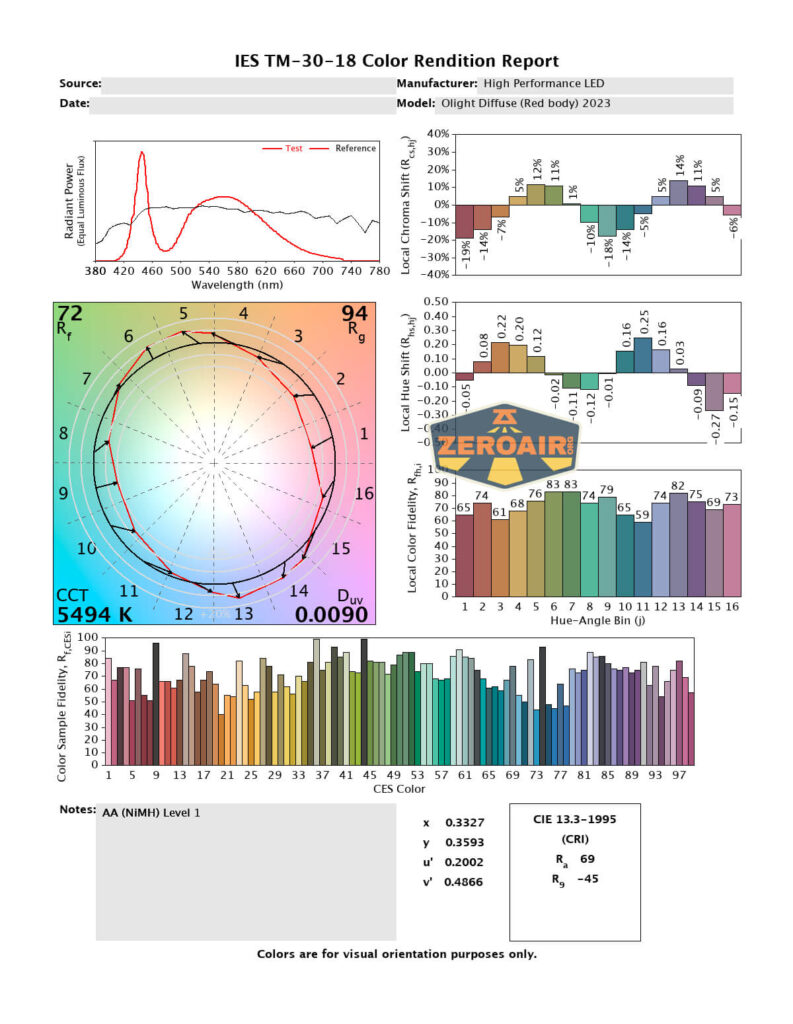
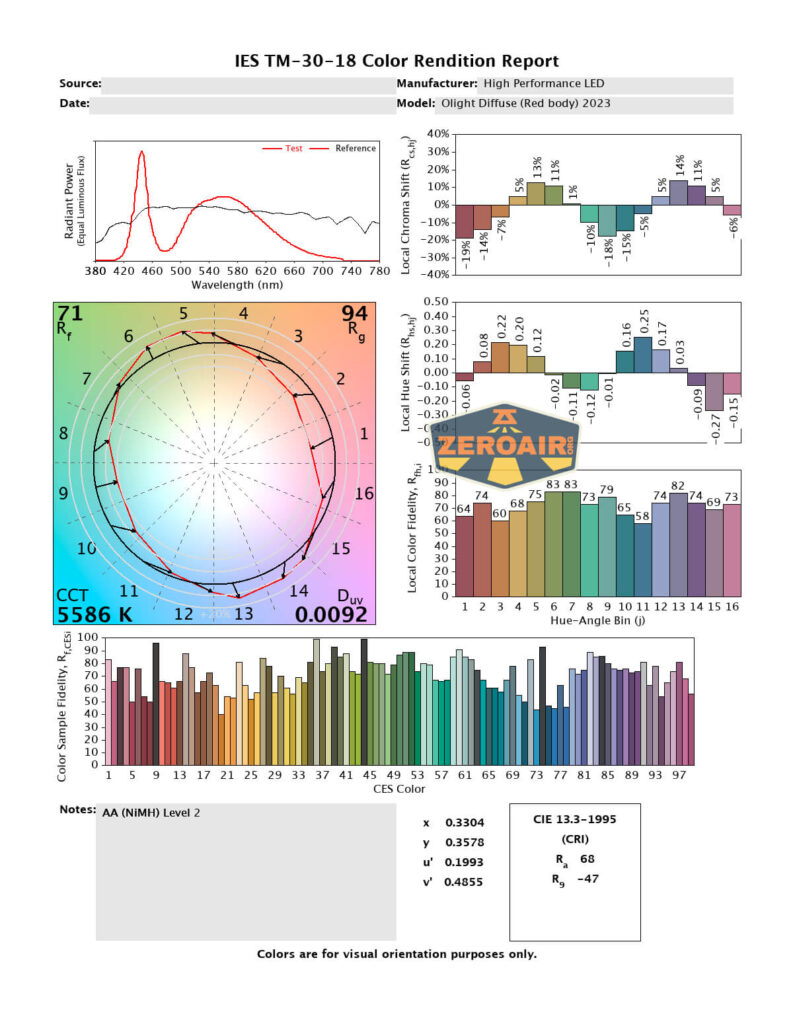
| Measured CCT Range (K) | 5500-5800 Kelvin |
| Item provided for review by: | Olight |
| All my Olight reviews! | |
| Olight Diffuse EDC pocket flashlight | |
|---|---|
| Emitter: | High-Performance LED (5700-6700k) |
| Price in USD at publication time: | $26.39 |
| Cell: | 1×14500 |
| Runtime Graphs | |
| LVP? | Yes |
| Switch Type: | E-Switch |
| Quiescent Current (mA): | ? |
| On-Board Charging? | Yes |
| Charge Port Type: | (not for AA) |
| Charge Graph | |
| Power off Charge Port | – |
| Claimed Lumens (lm) | 700 |
| Measured Lumens (at 30s) | 652 (93.1% of claim)^ |
| Candela per Lumen | |
| Claimed Throw (m) | 80 |
| Candela (Calculated) in cd (at 30s) | 114lux @ 4.658m = 2473cd |
| Throw (Calculated) (m) | 99.5 (124.4% of claim)^ |
| Claimed CCT | 5700-6700 |
| Measured CCT Range (K) | 5500-5800 Kelvin |
| Item provided for review by: | Olight |
| All my Olight reviews! | |
^ Measurement disclaimer: Testing flashlights is my hobby. I use hobbyist-level equipment for testing, including some I made myself. Try not to get buried in the details of manufacturer specifications versus measurements recorded here; A certain amount of difference (say, 10 or 15%) is perfectly reasonable.
What’s Included
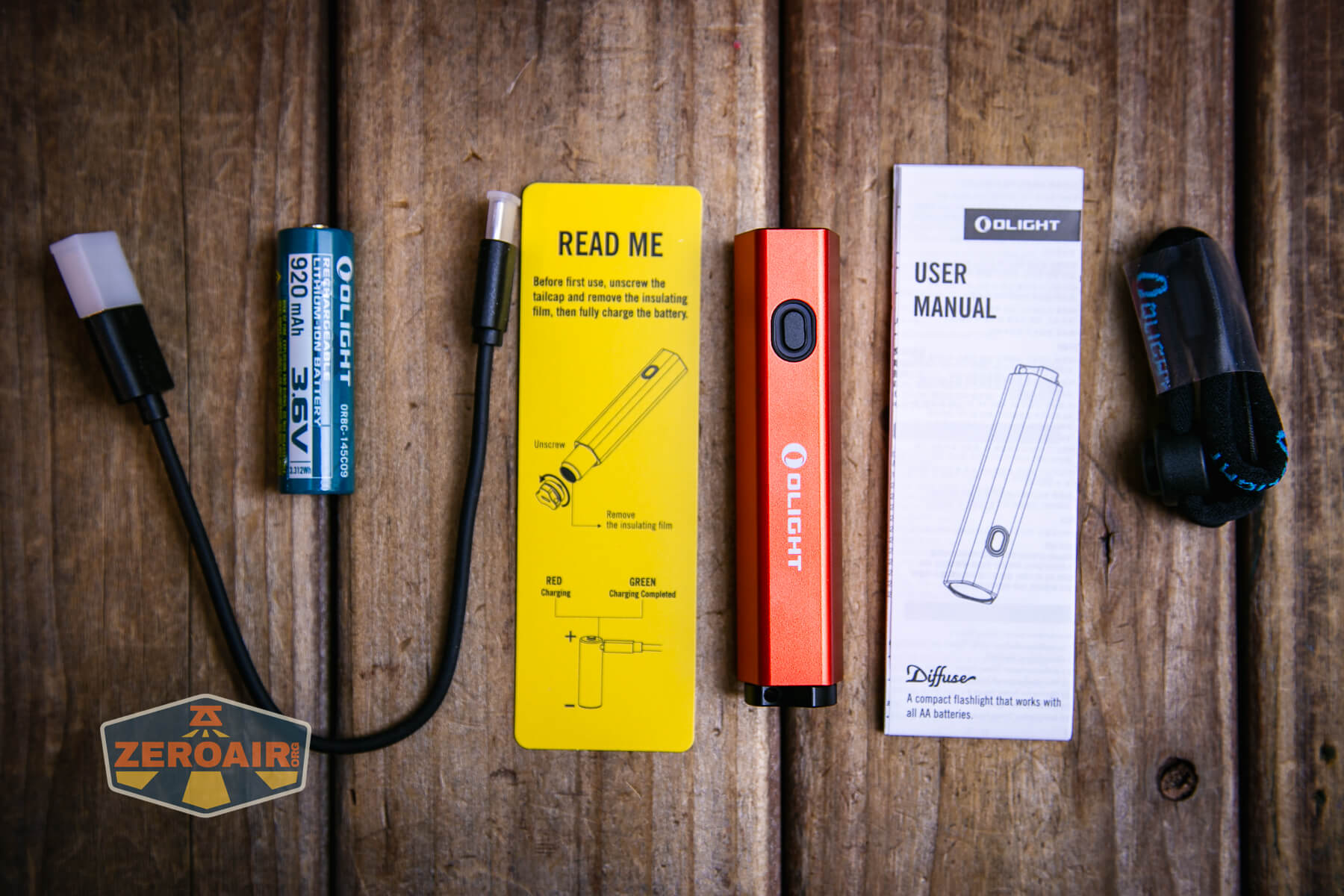
- Olight Diffuse EDC pocket flashlight
- Olight 920mAh 14500
- Charging cable (USB to USB-C)
- Lanyard
- Manual etc
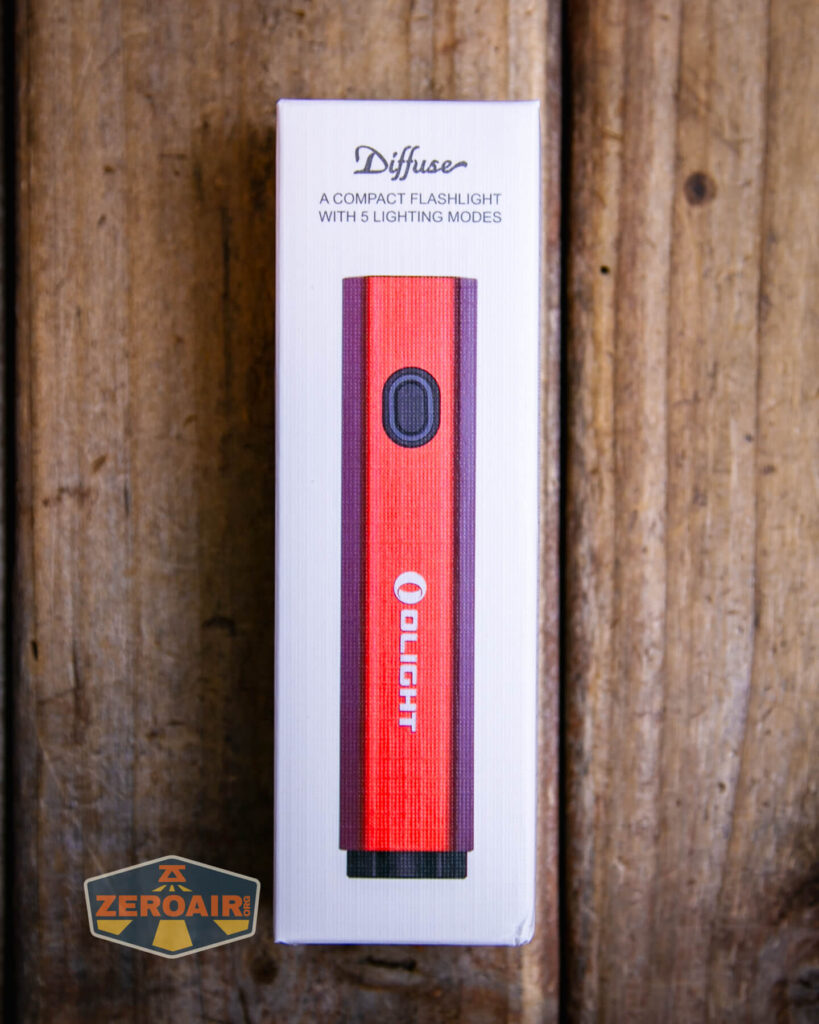
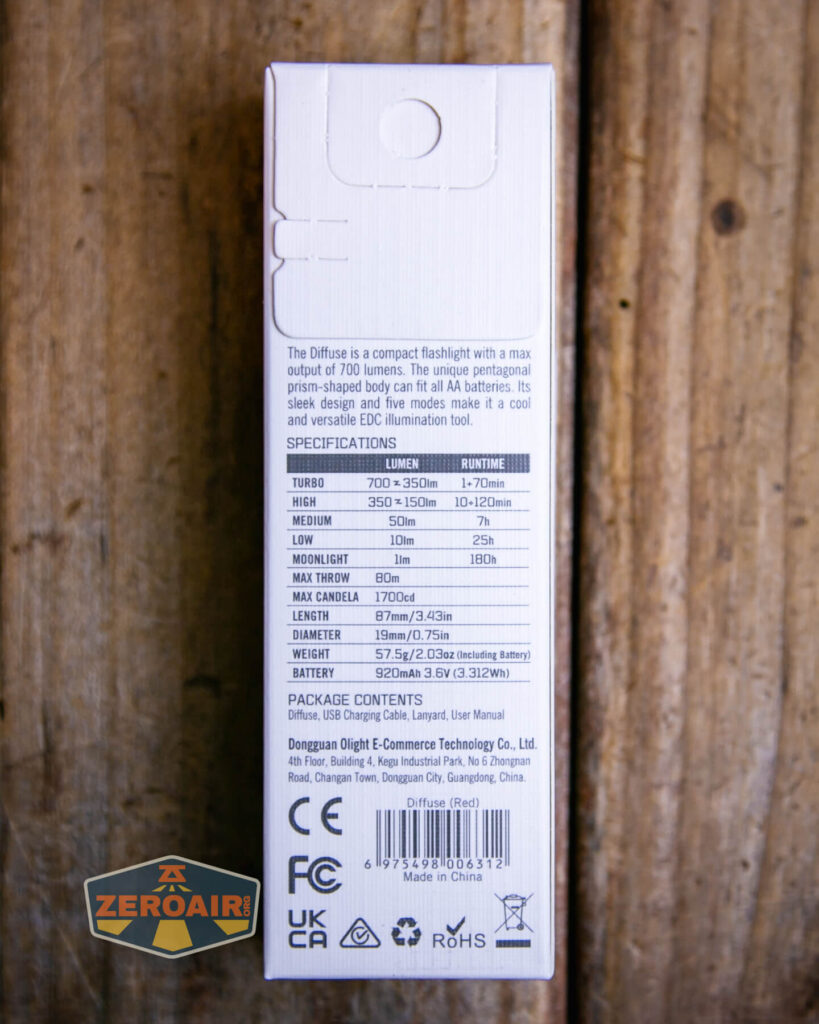
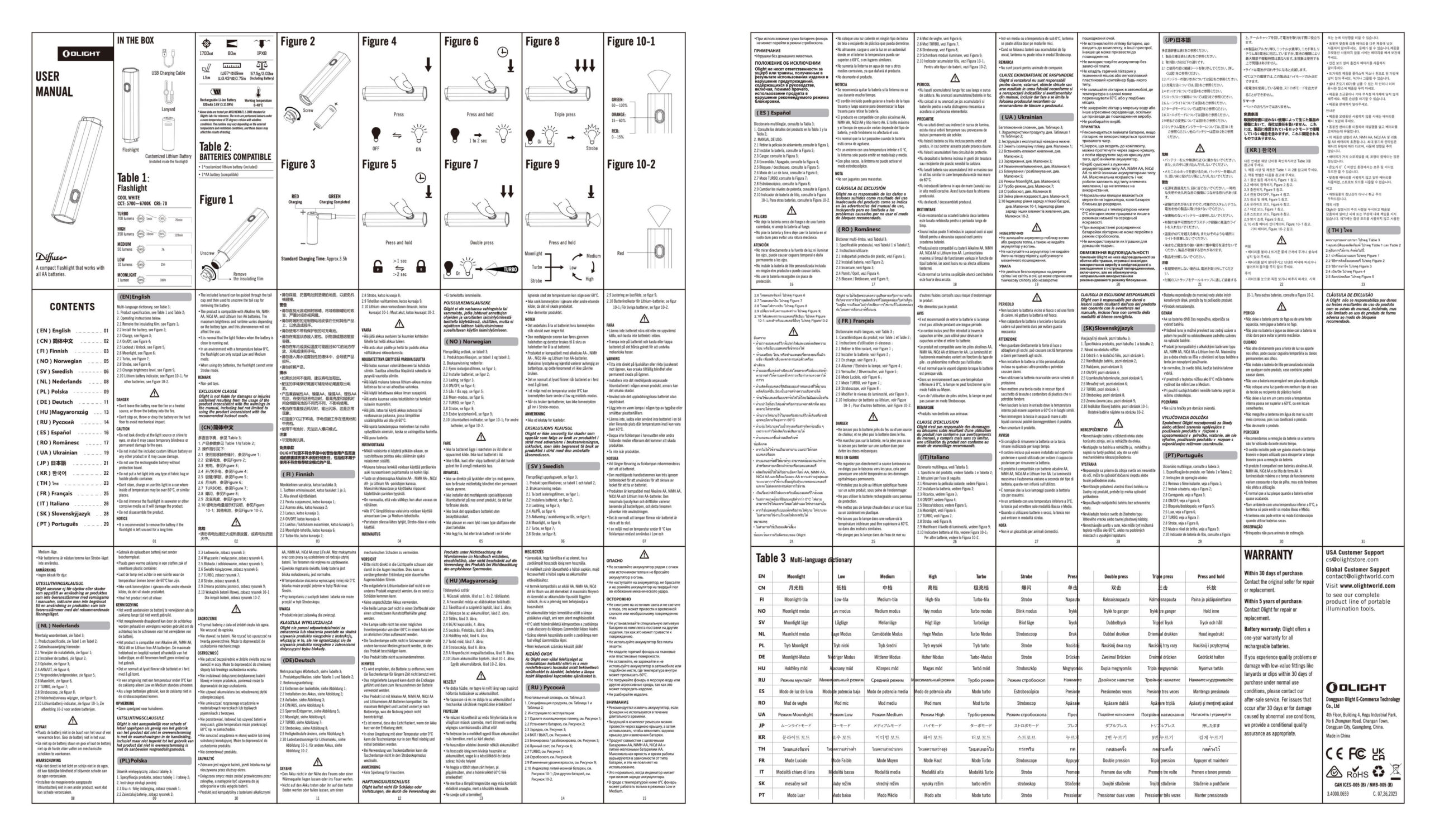
Package and Manual
Build Quality and Disassembly
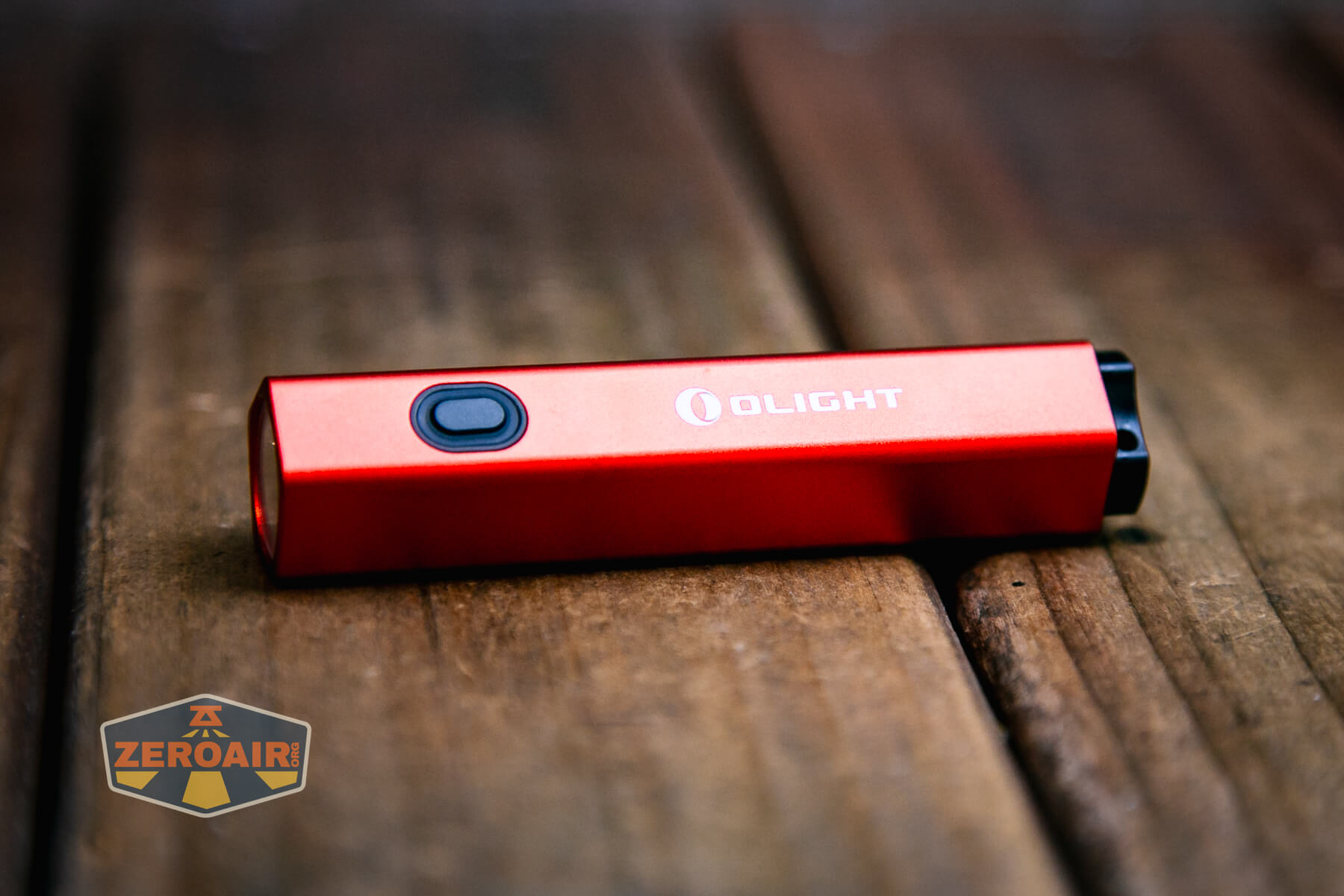
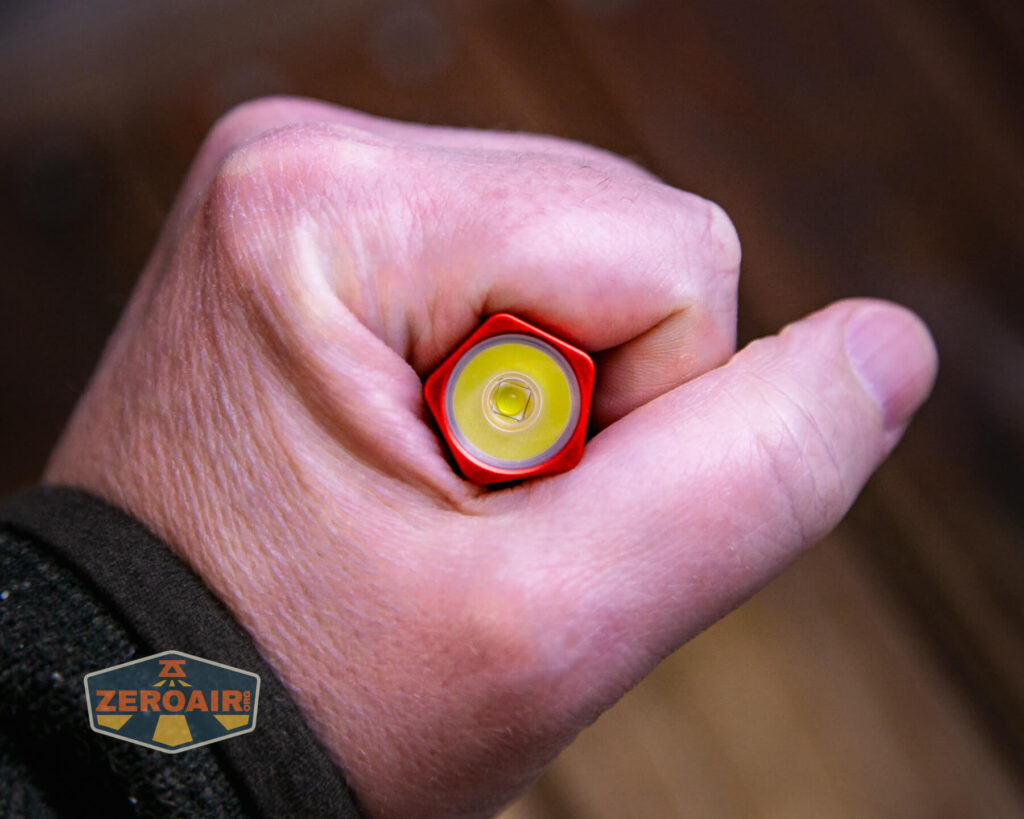
One unusual feature of the Olight Diffuse EDC pocket flashlight is the pentagonal shape. There are five flat sides here! That’s neat. It’s very anti-roll!
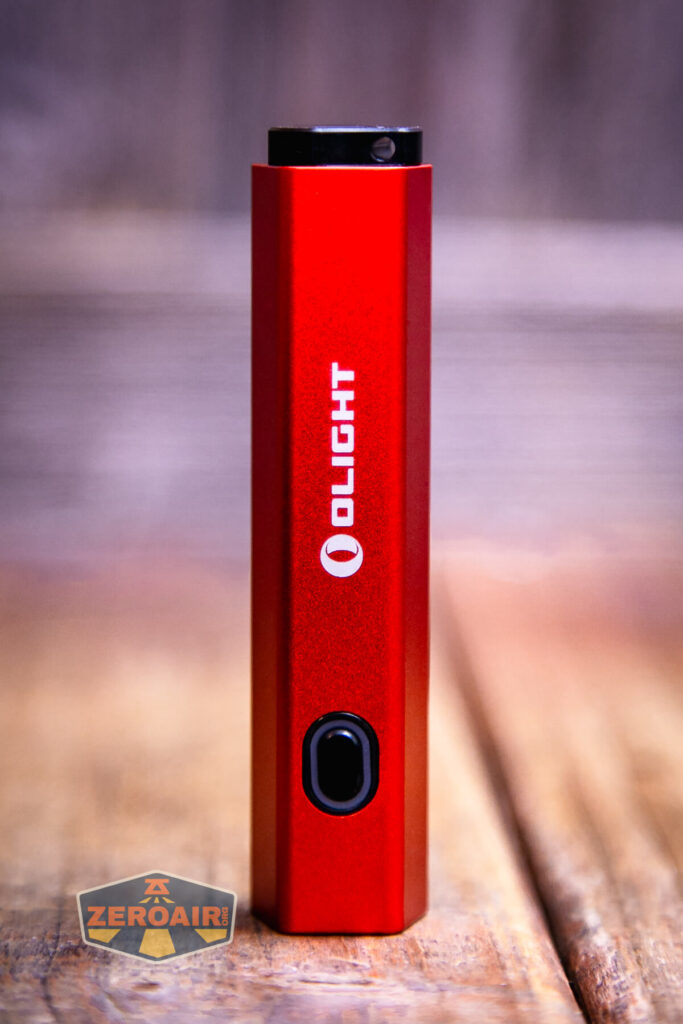
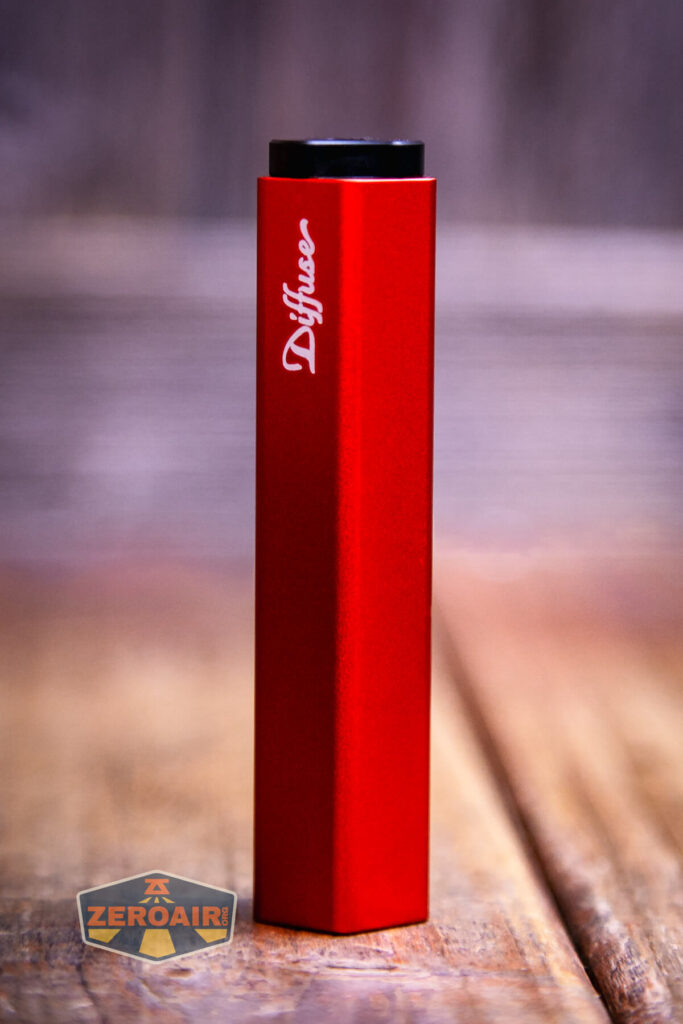
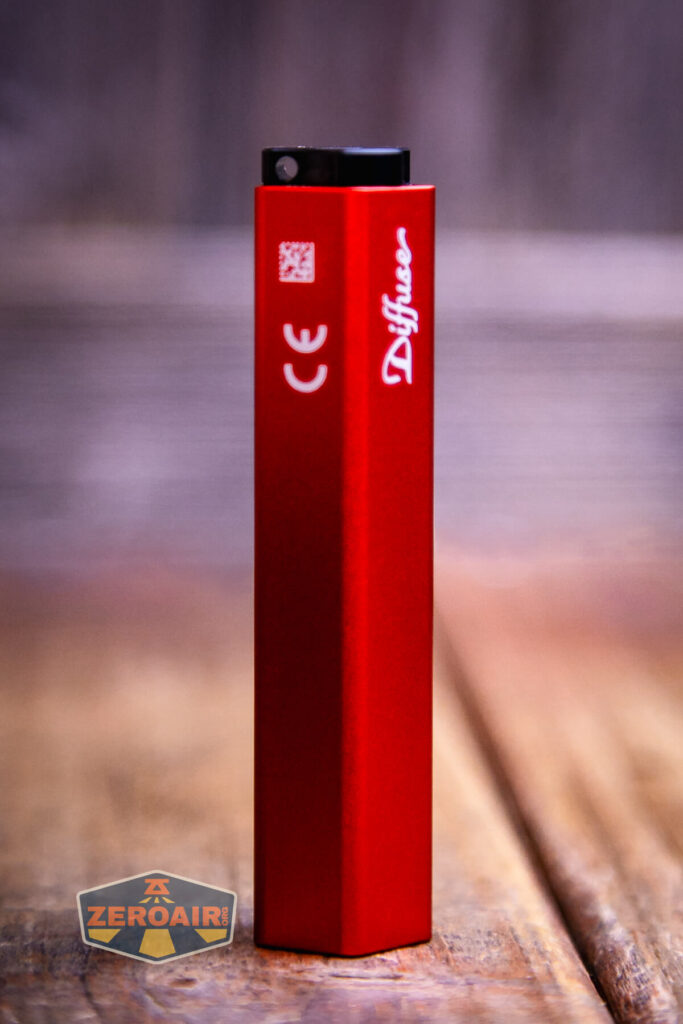
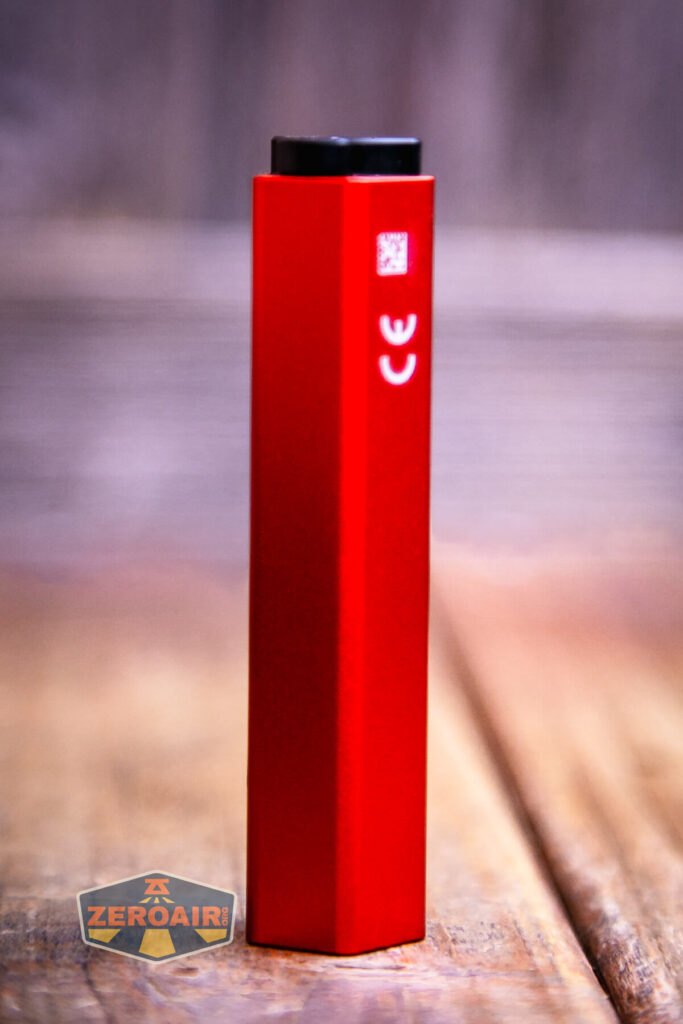
This light has been marketed as a flashlight for the ladies, and I think it was likened to a tube of lipstick. That’s cool and all; none of my lipstick is in a pentagonal tube, though!
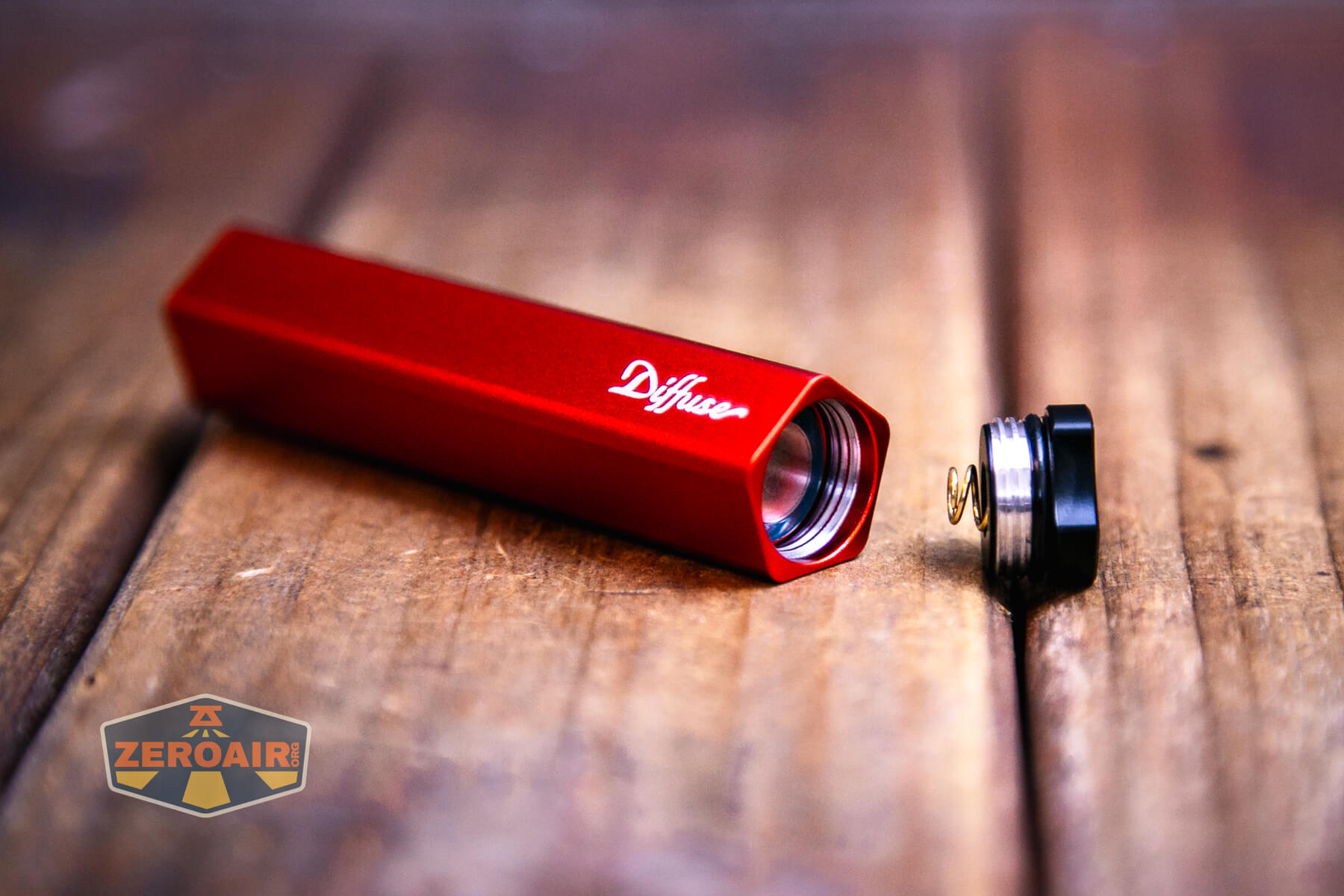
Inside the cell tube, you can see a small spring. The tail end has a spring as well – two springs!
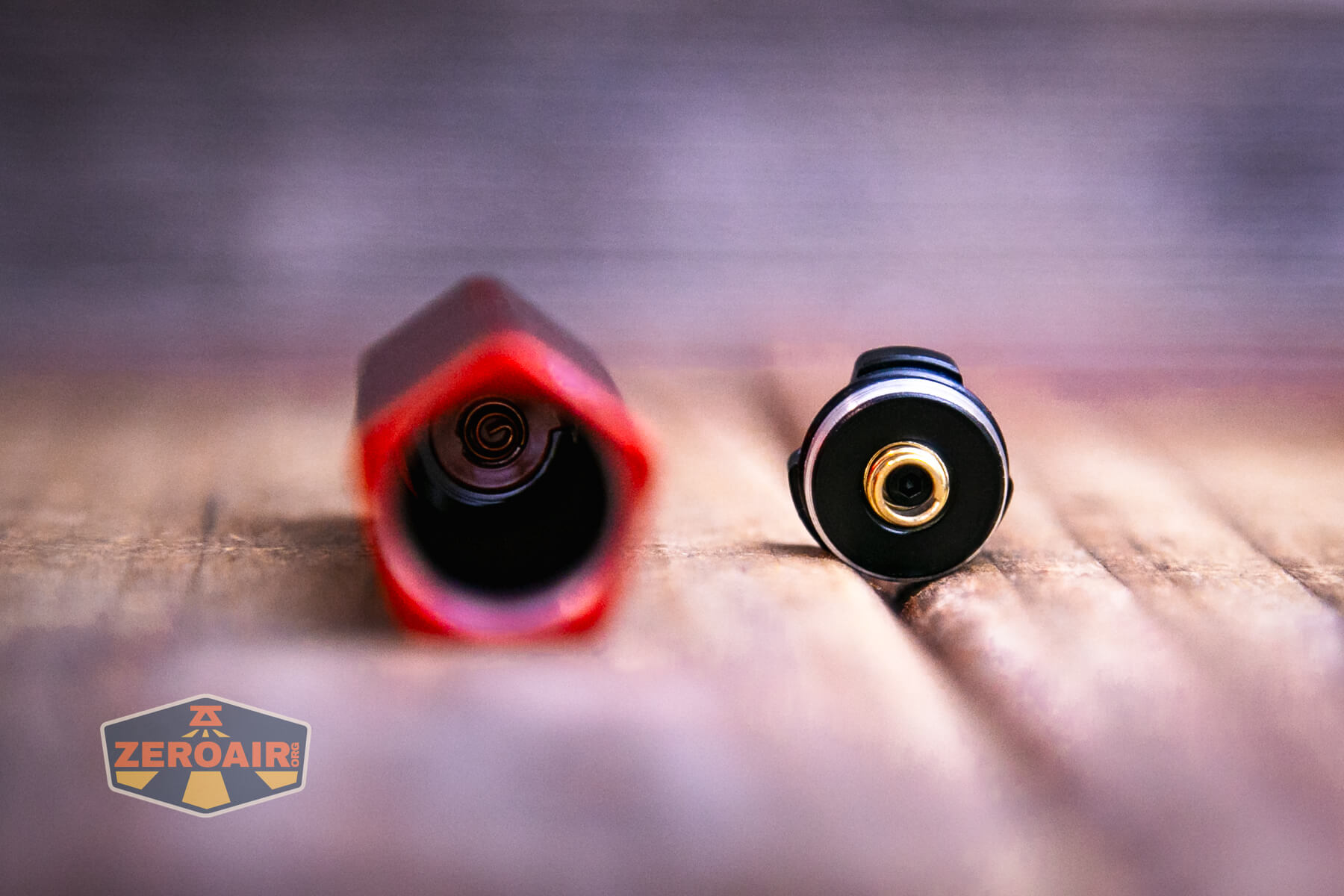
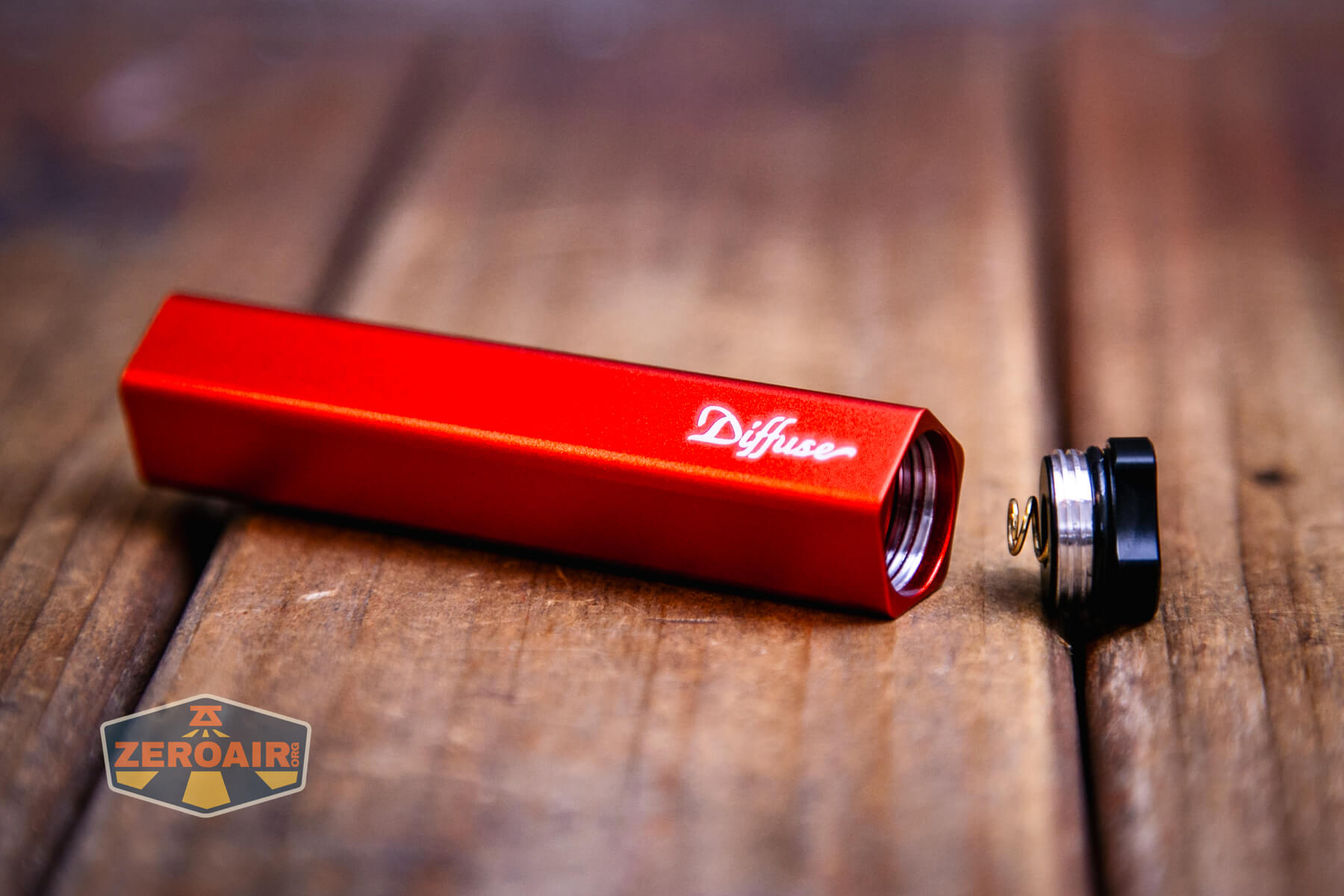
The tailcap feels mostly plastic but based on the threads, maybe it’s just coated aluminum. This tailcap is one of my major issues with the Olight Diffuse EDC pocket flashlight. Regardless of to whom this light is marketed, it’s noteworthy that the tailcap is fiddly. While appropriately shaped for unscrewing, it’s very small! You have to grip it very deliberately and carefully to twist. Frankly, I don’t like that. Also, with how much Olight uses their proprietary magnetic charging (and now just straight-up USB-C charging, yay!), it’s amazing that this is the light that doesn’t have that feature. A light marketed to people who probably aren’t sitting on a throne of MCC chargers… has a fiddly, difficult-to-remove tailcap.
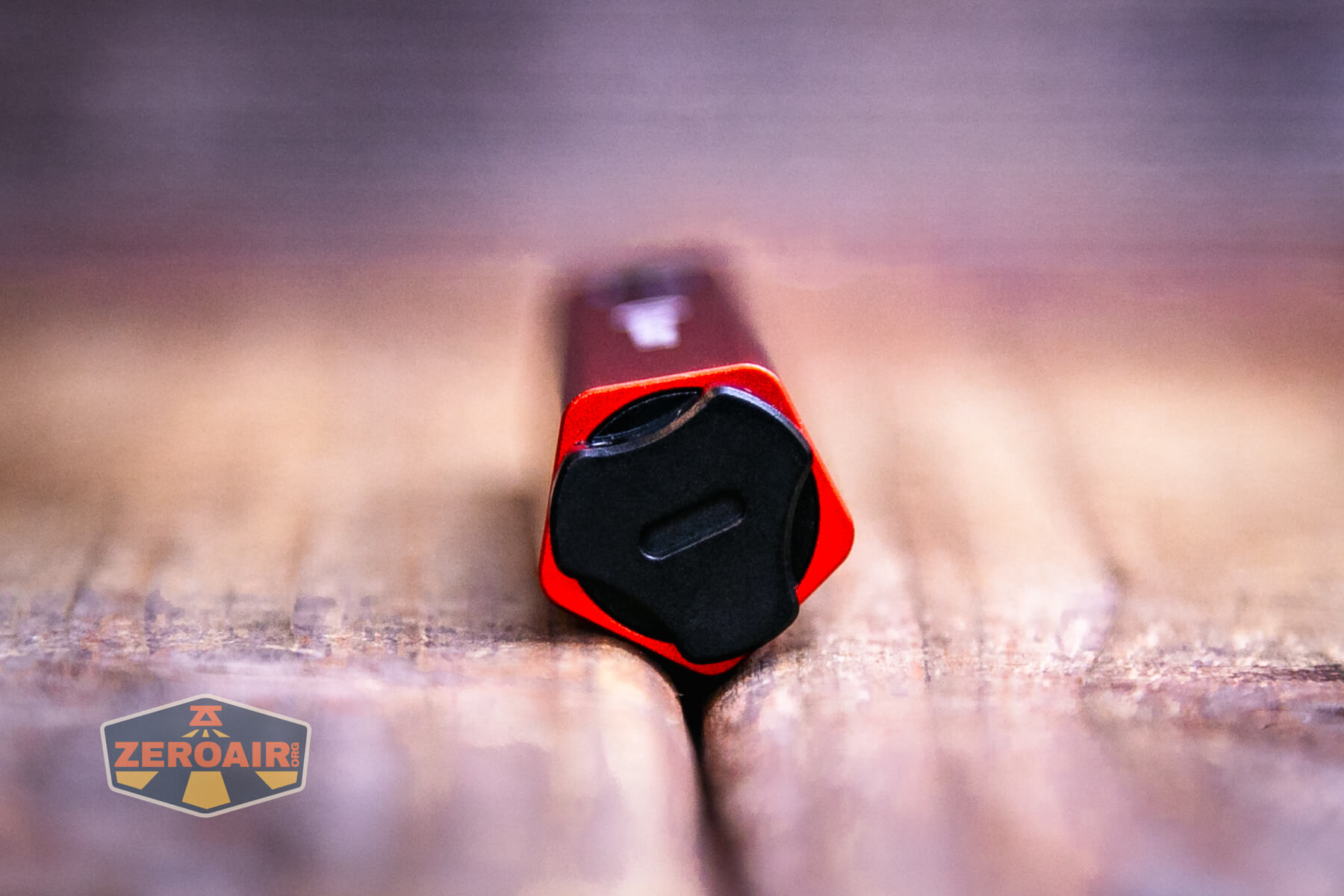
Interestingly, the tailcap also offers a tritium slot, another feature ideal for enthusiasts and much less likely to be wanted by your average consumer. At least this one is functionally irrelevant, so ultimately it’s a nice bonus.
Size and Comps
Weight 2.03 oz (57.5 g) (Including Battery)
Length 3.43 in (87 mm)
Head Width 0.75 in (19 mm)
Body Diameter 0.75 in (19 mm)
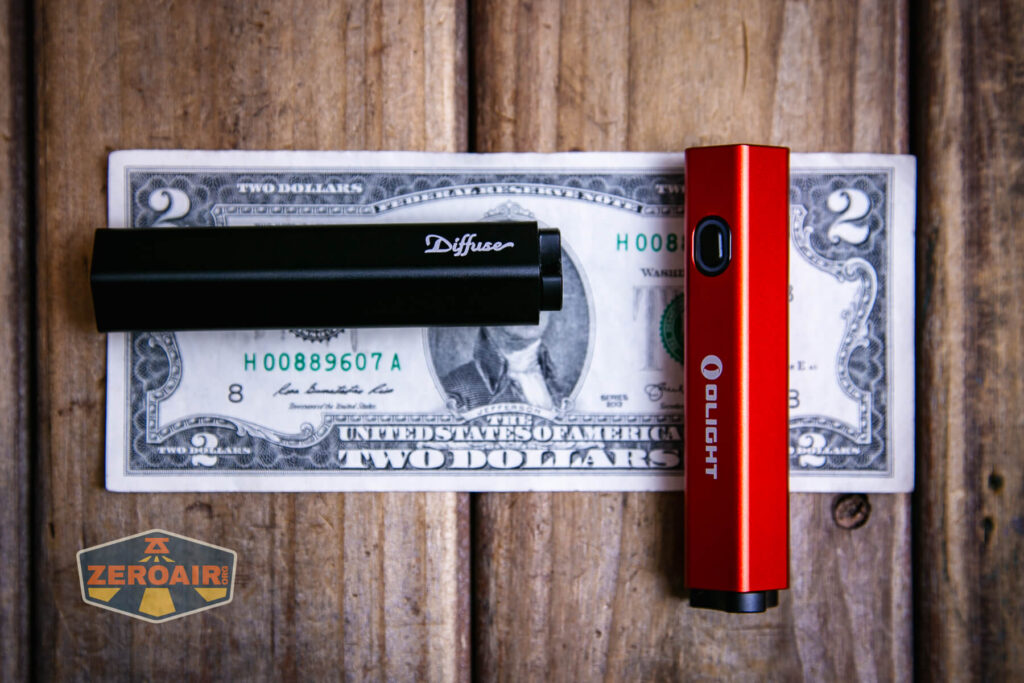
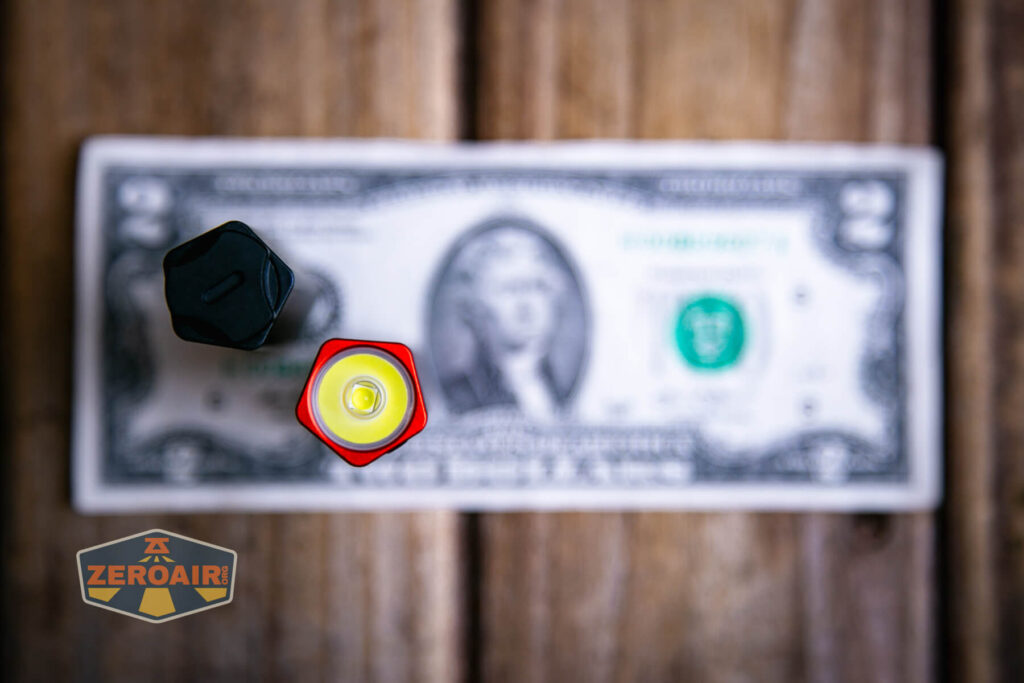
If the flashlight will headstand, I’ll show it here (usually the third photo). If the flashlight will tailstand, I’ll also show that (usually in the fourth photo).
Here’s the test light with the venerable Convoy S2+. The version below is a custom laser-engraved Convoy S2+ host by GadgetConnections.com. I did a full post on an engraved orange host right here! Or go straight to GadgetConnections.com to buy your Convoy S2+ now!
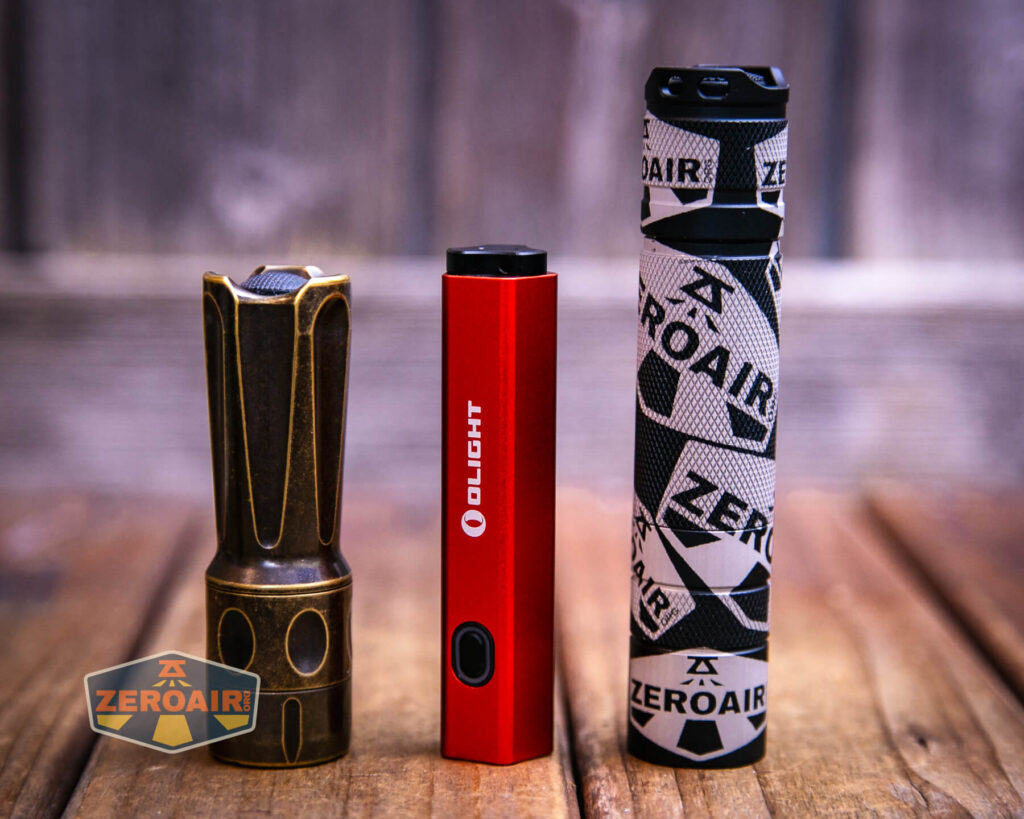
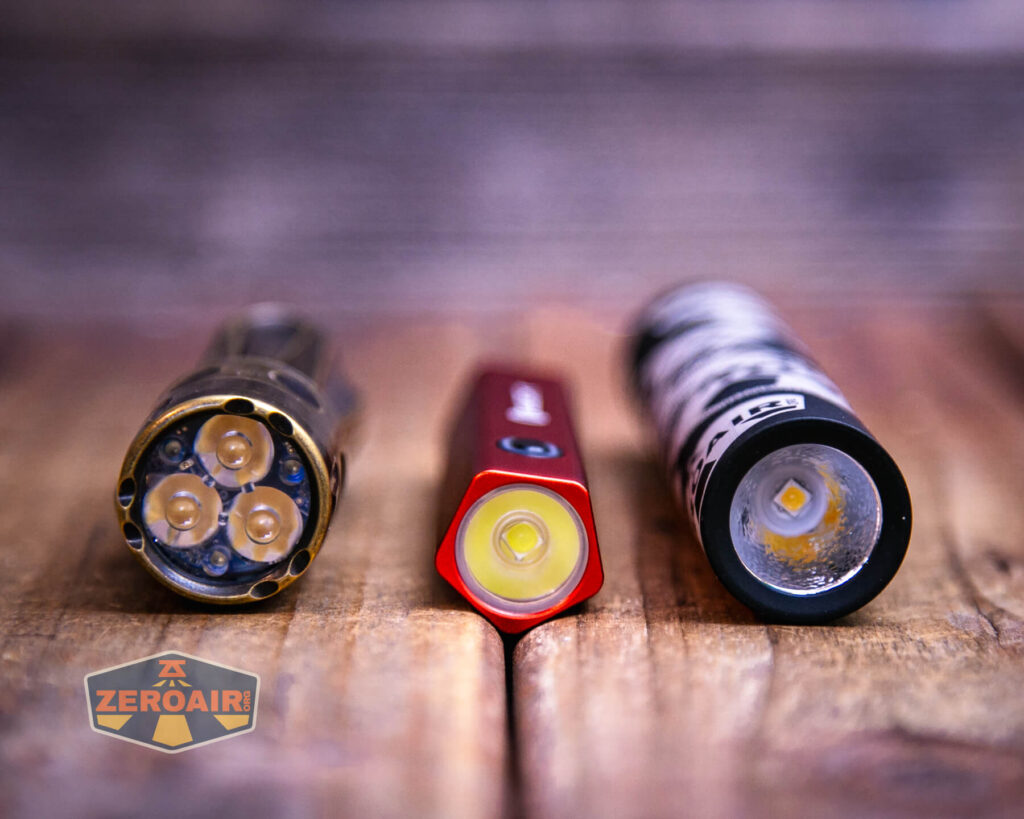
Also above is the light beside a TorchLAB BOSS 35, an 18350 light. I reviewed the aluminum version of that light in both 35 and 70 formats. I also reviewed that specific edition, the “Oveready BOSS FT Collector Vintage Brass” 35. I love it!
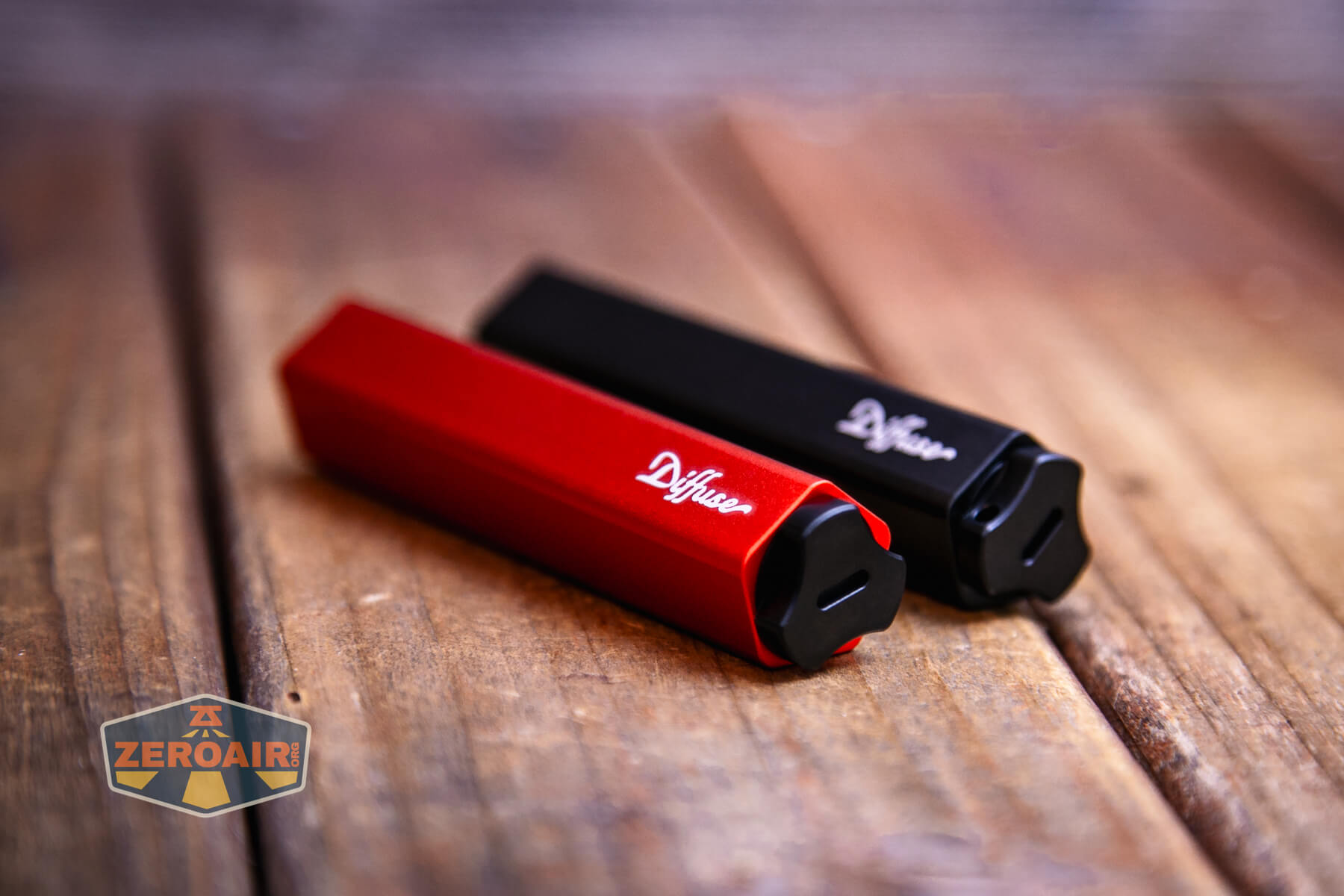
I have a black Diffuse, too… it’s exactly the same as this red one.
Retention and Carry
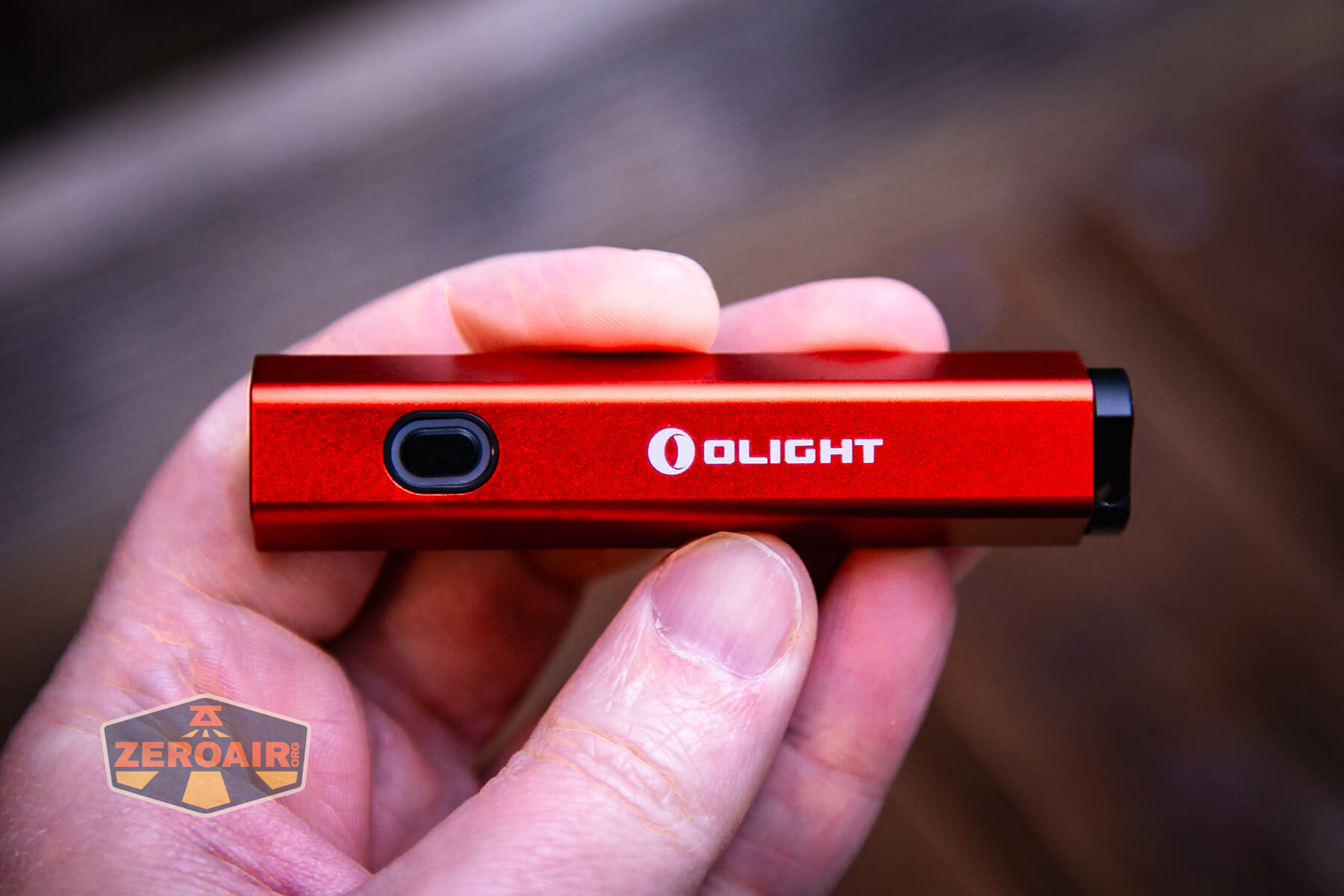
A lanyard is included with the Olight Diffuse EDC pocket flashlight. It attaches through this hole in the tailcap.
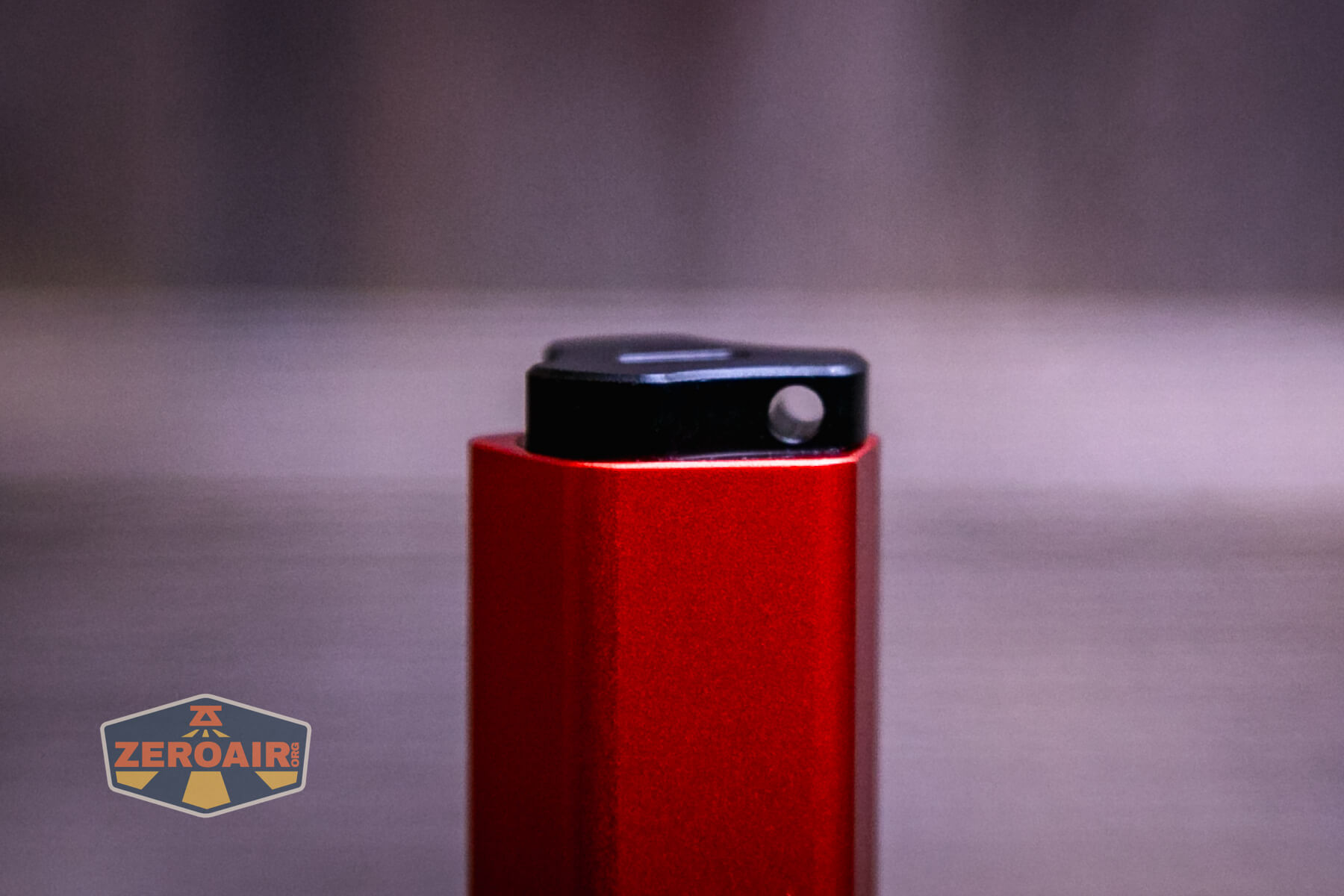
There are no magnets or anything else with the Diffuse.
Power and Runtime
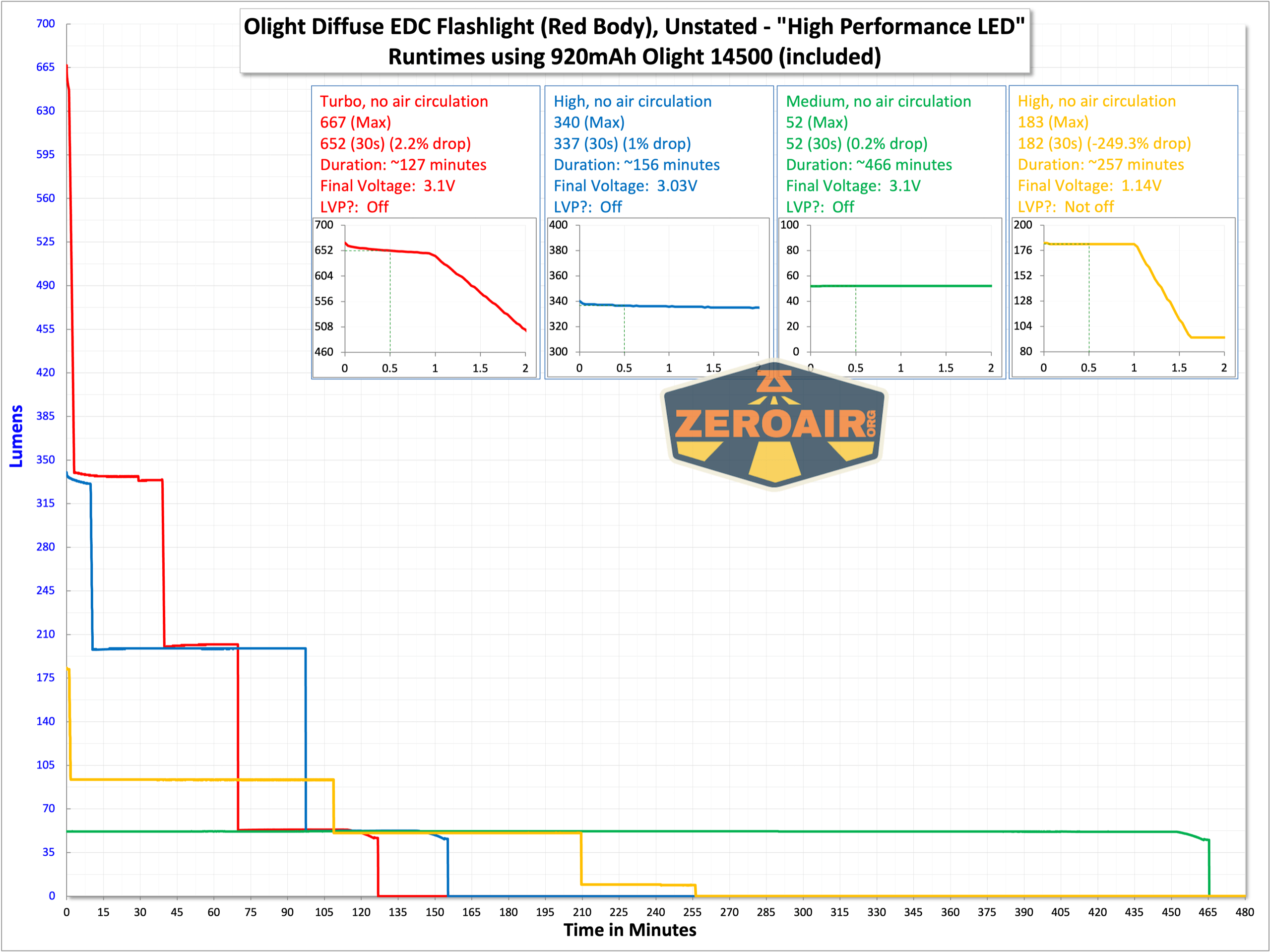
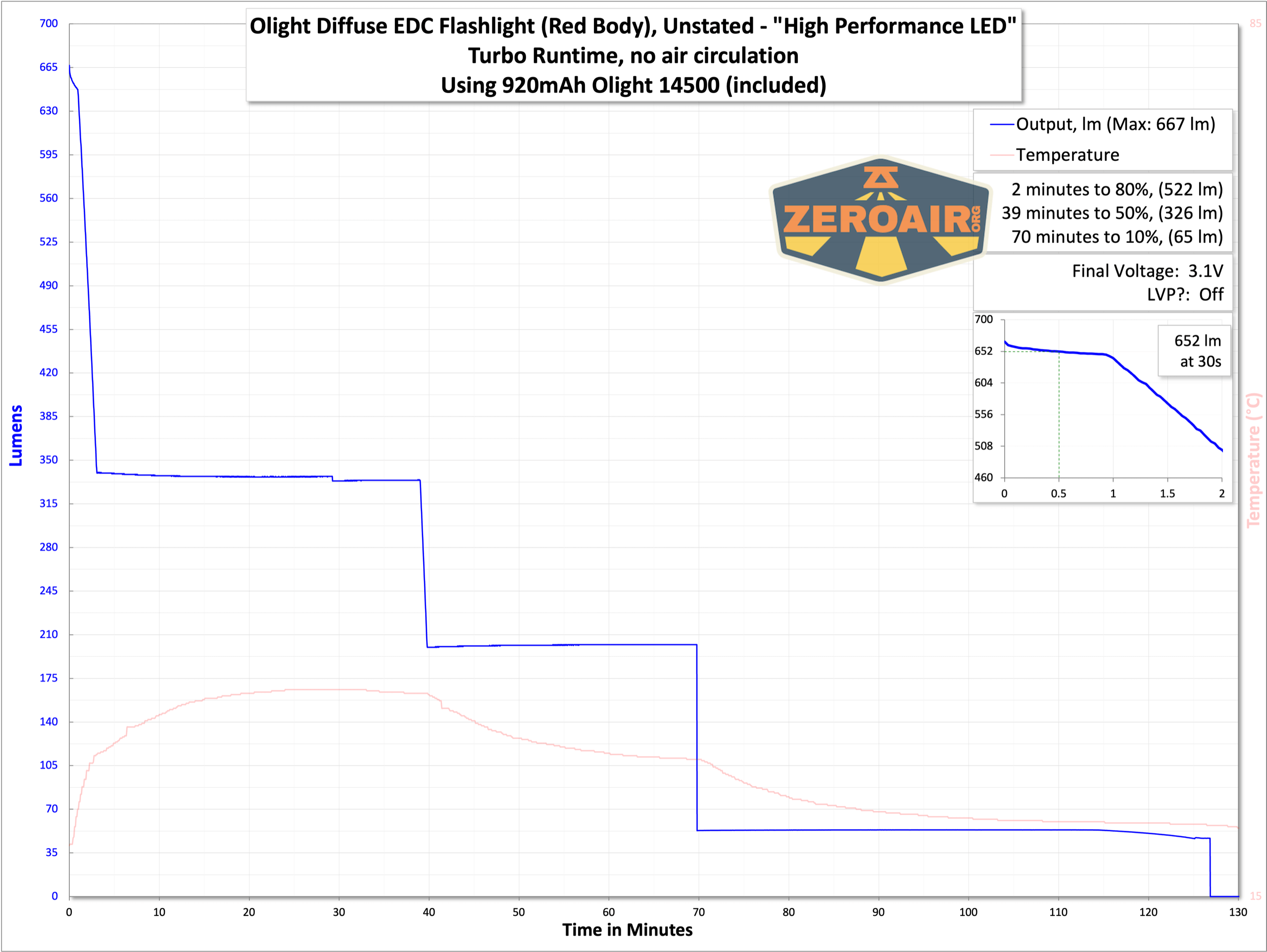
Included with the Diffuse is a 14500 lithium-ion cell, with 920mAh capacity. It’s a fine cell.

The cell goes into the light in the usual orientation; positive end (button) toward the head.
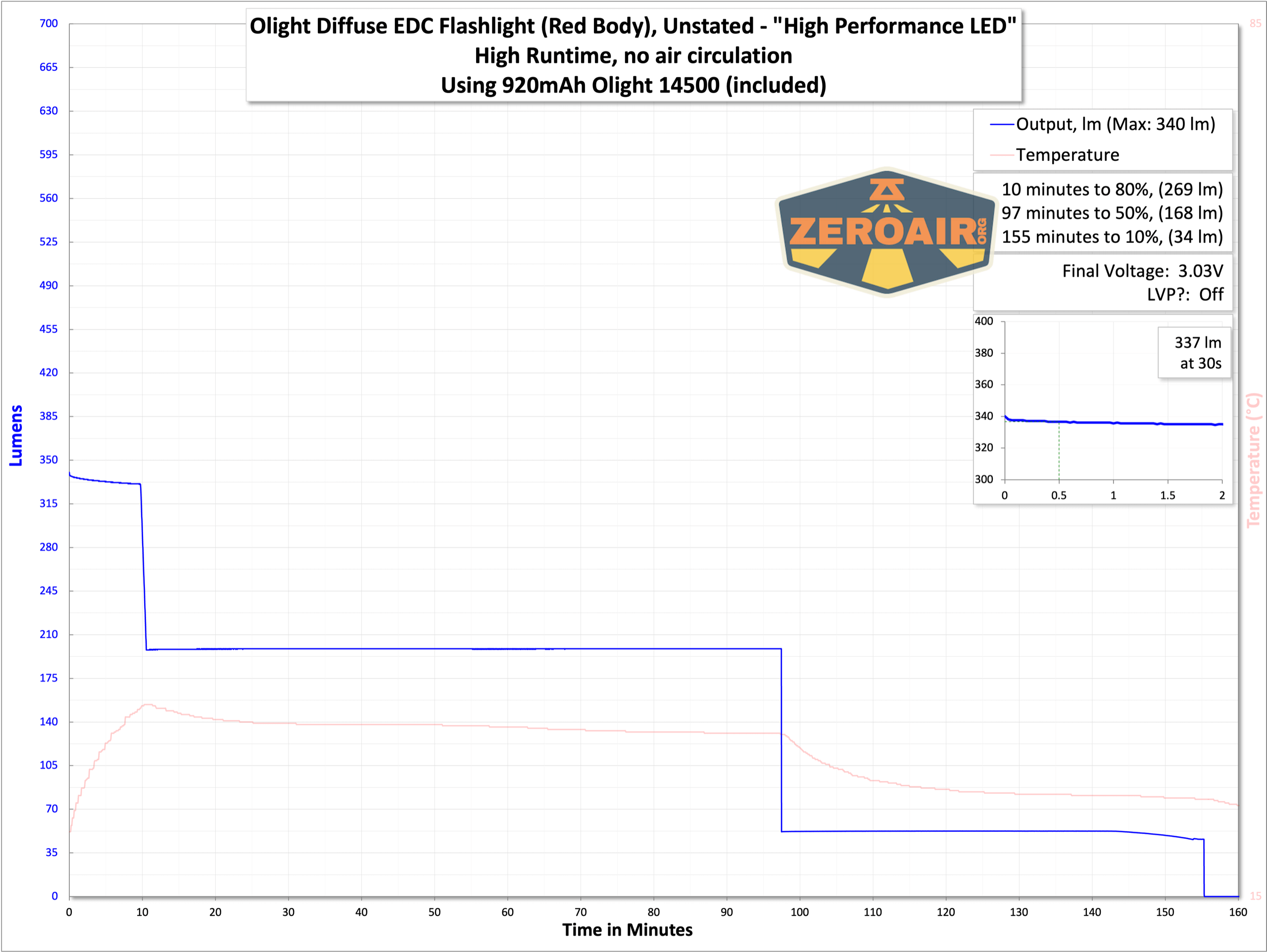
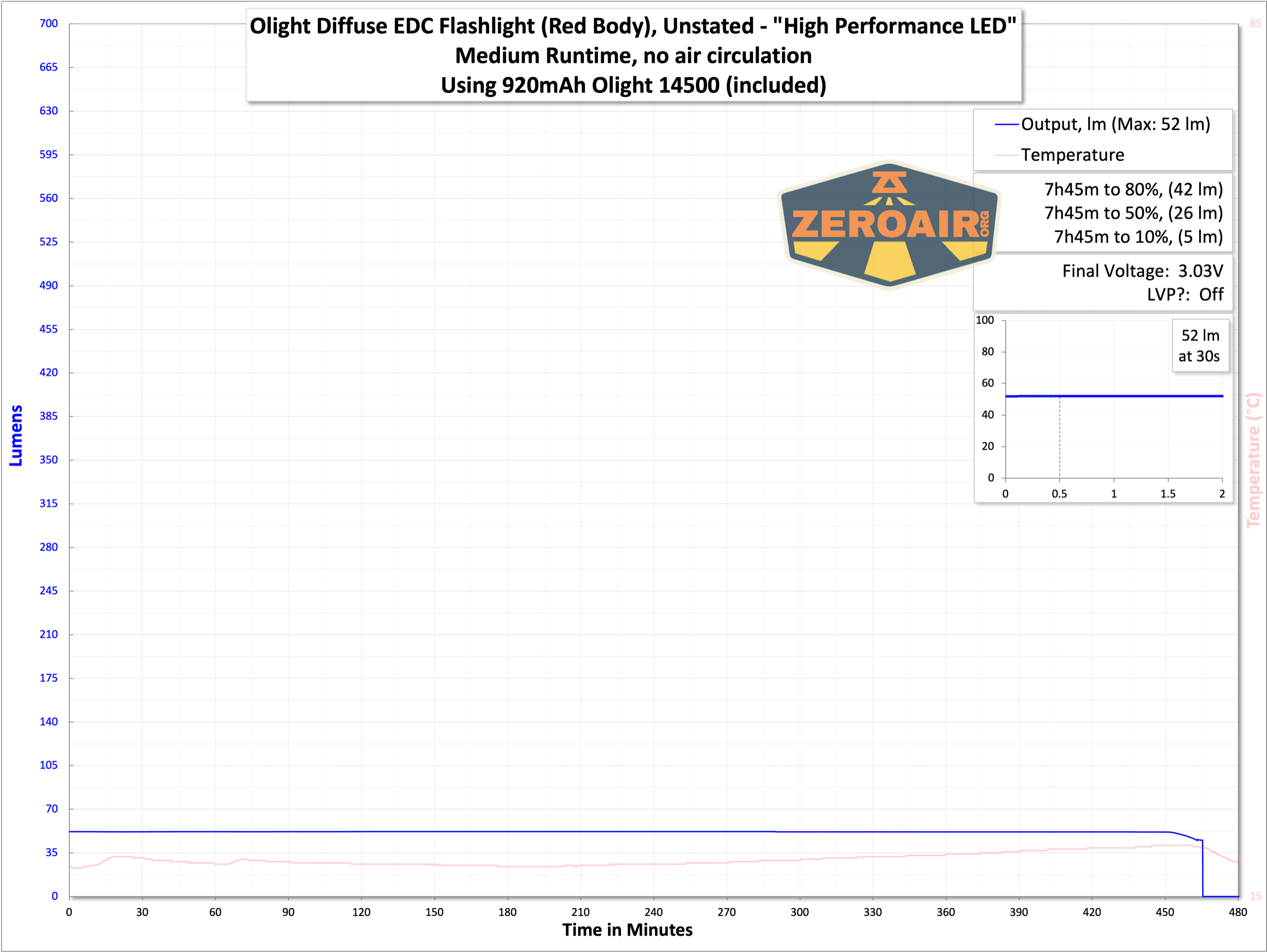
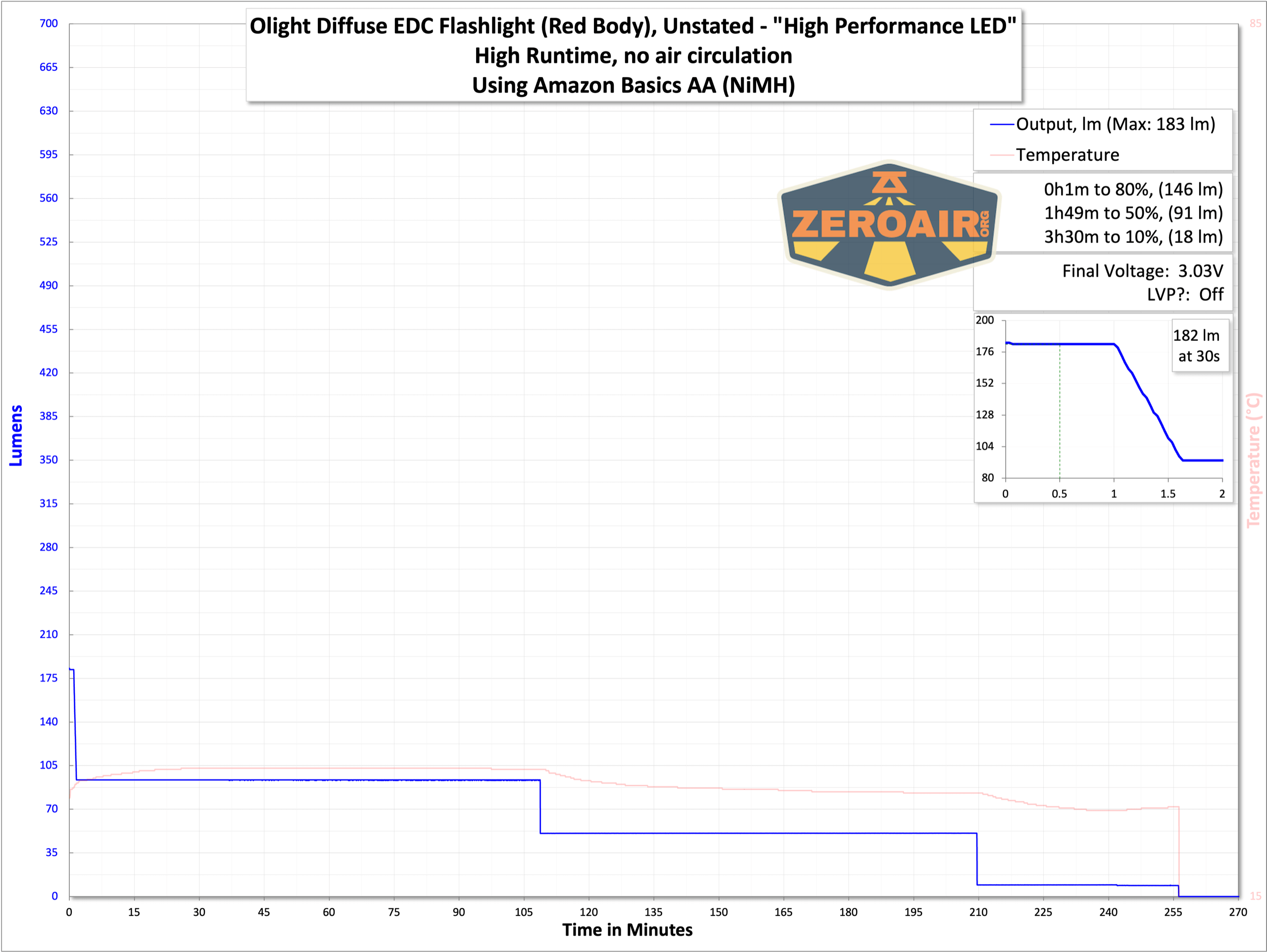
The Olight Diffuse EDC pocket flashlight will also run a single AA cell (primary or rechargeable). I tested a bit with a NiMH Amazon Basics AA cell. Performance is quite different with an AA, and not just regarding output. With an AA cell, you also lose one mode (namely Turbo). That’s fine, but doesn’t seem appropriately documented. So not knowing or expecting it to be absent made me initially feel like I was missing something. Also, when using an AA, the switch seems to generally be lit in red. Since AA usage isn’t well documented in the manual, there’s minimal text about this (that I can see.) So it’s fine, I just would rather the information be covered. (The manual does say something about the switching being red when “for other batteries.”
Charging
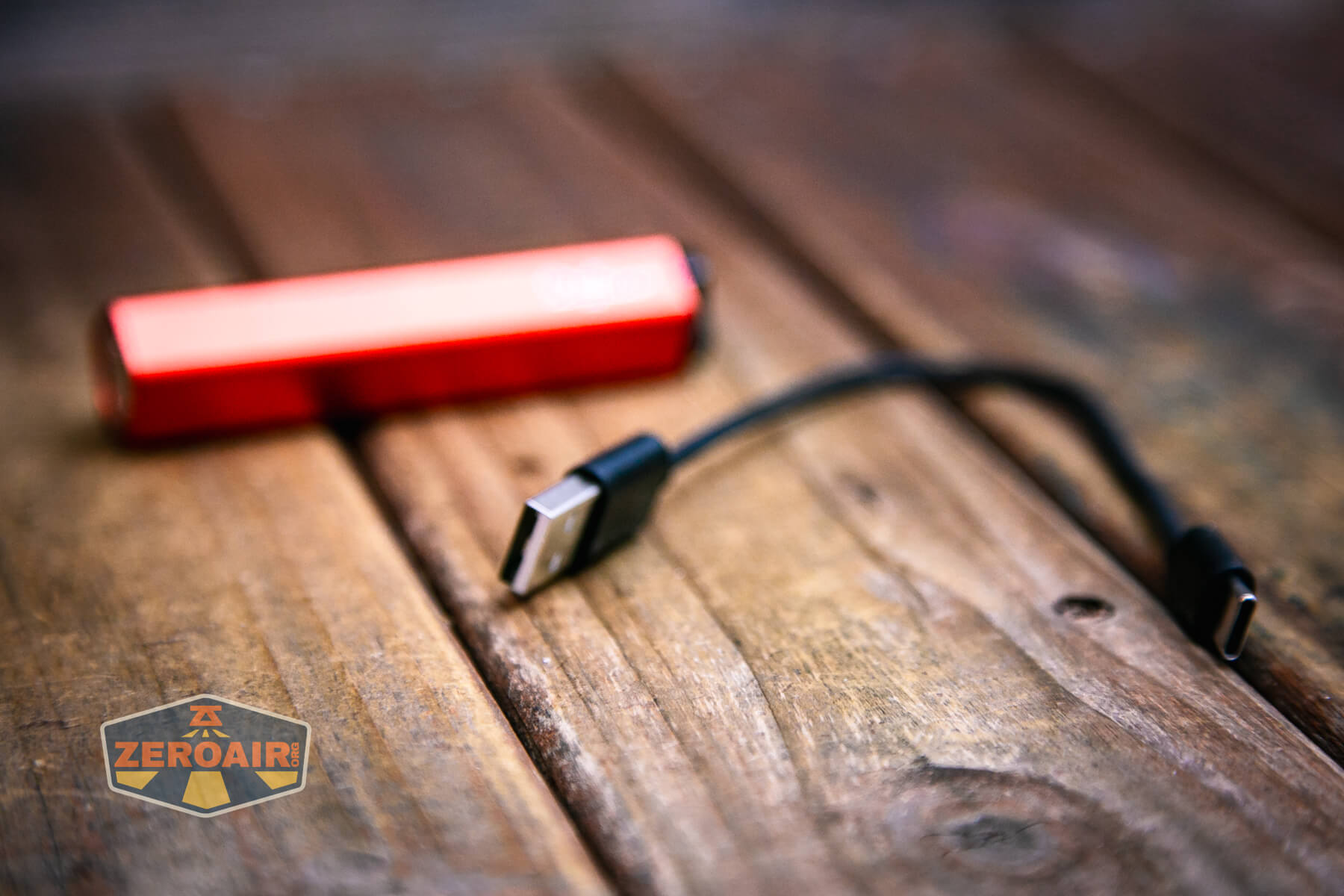
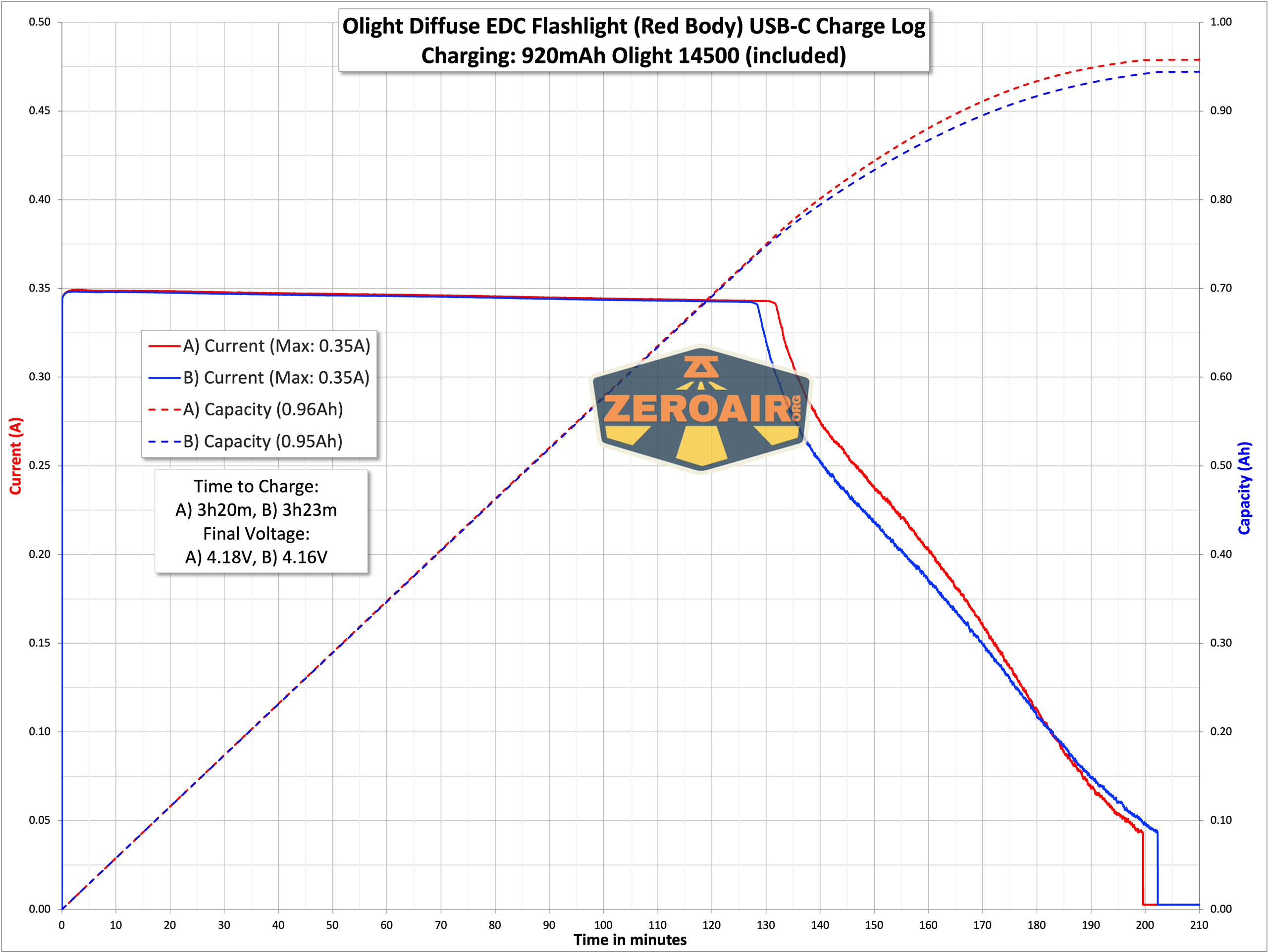
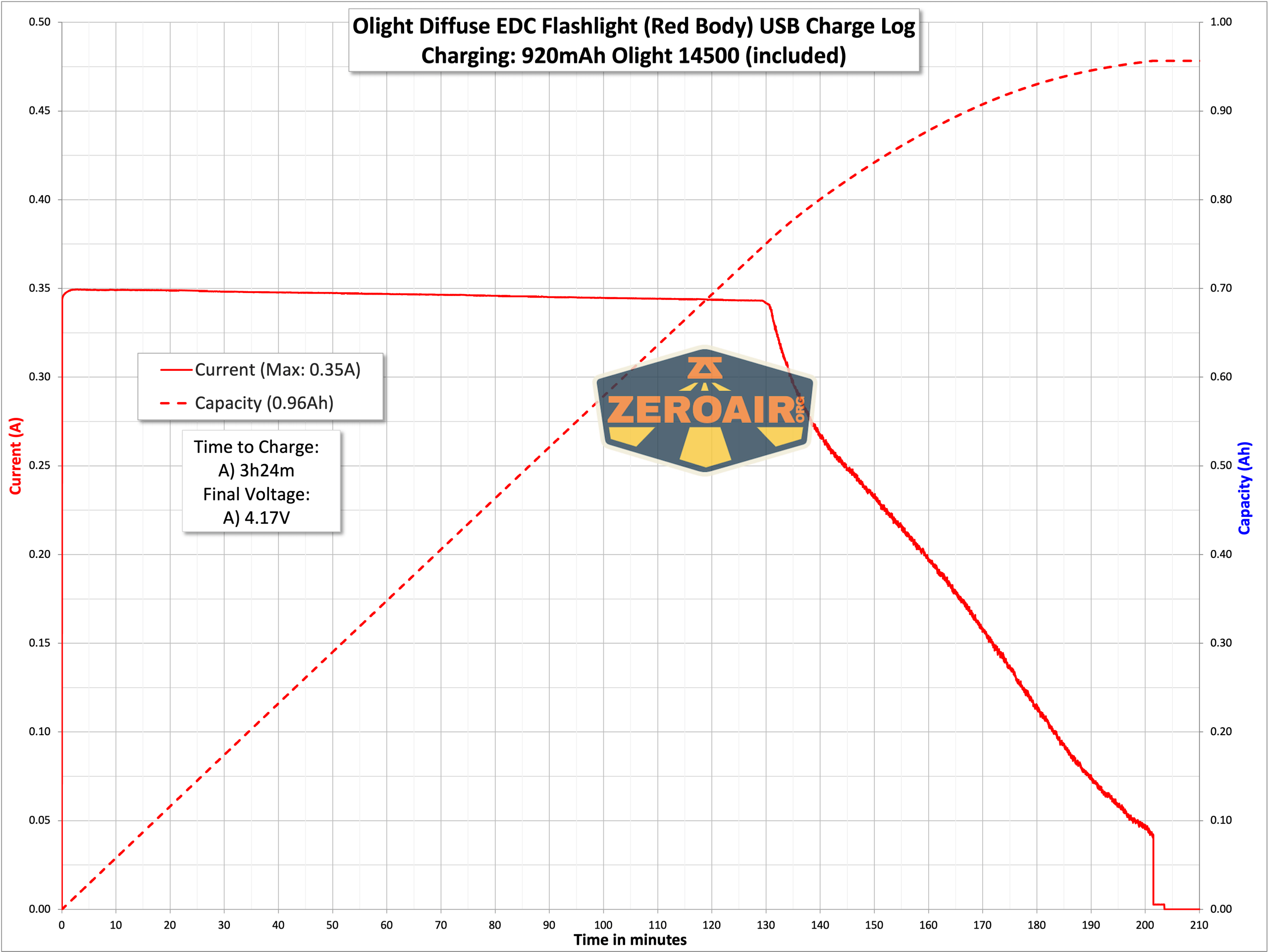
The Olight Diffuse EDC pocket flashlight doesn’t have built-in charging, but the included cell does. It has a USB-C charging port on the positive end.

An appropriate cable is included. It’s USB to USB-C.
Modes and Currents
| Mode | Mode Claimed Output (lm) | Claimed Runtime | Measured Lumens | Tailcap Amps |
|---|---|---|---|---|
| Turbo | 700/350 | 1m+70m | 667 (0s) 652 (30s) |
1.79 |
| High | 350/150 | 10m+120m | 337 | 0.83 |
| Medium | 50 | 7h | 52 | 0.11 |
| Low | 10 | 25h | 10 | 0.02 |
| Moonlight | 1 | 180h | 1.3 | [low] |
| High | – | – | 183 | 0.98 |
| Medium | – | – | 51 | 0.23 |
| Low | – | – | 9 | 0.04 |
| Moonlight | – | – | 1 | [low] |
Pulse Width Modulation
None of the modes use PWM.
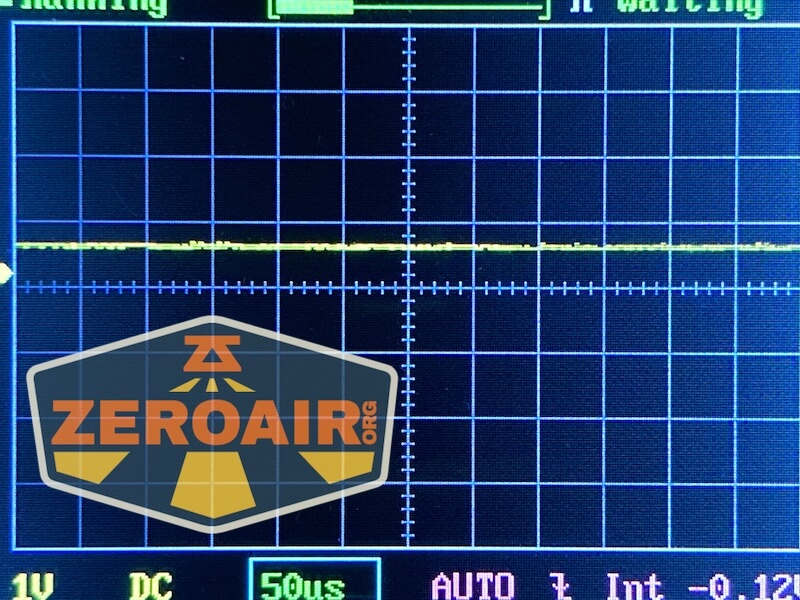
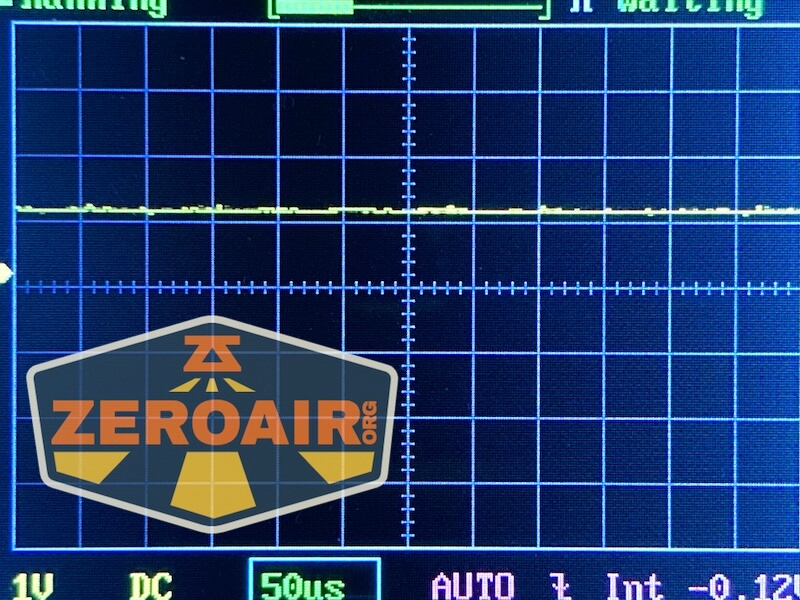
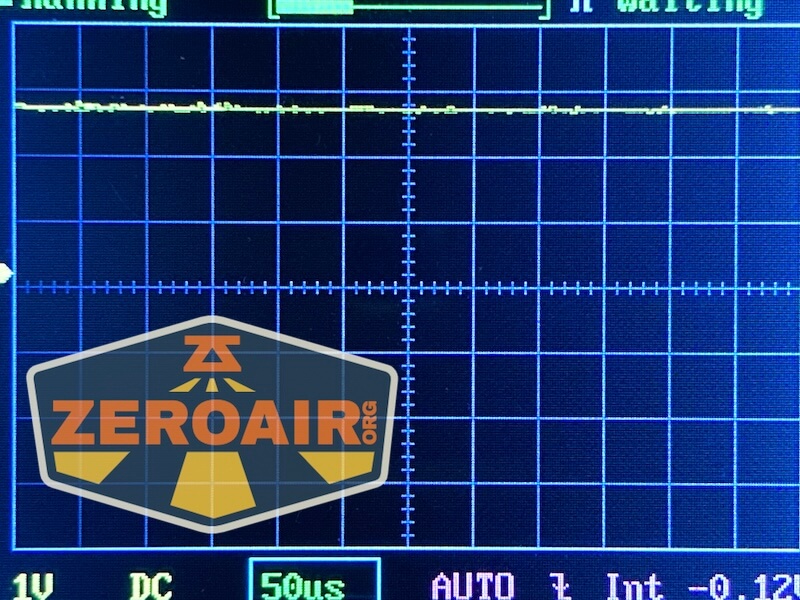
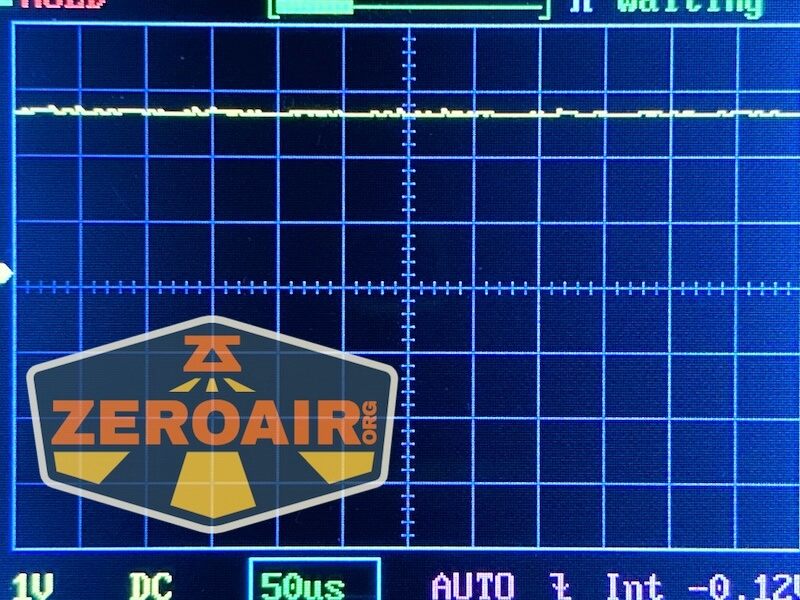
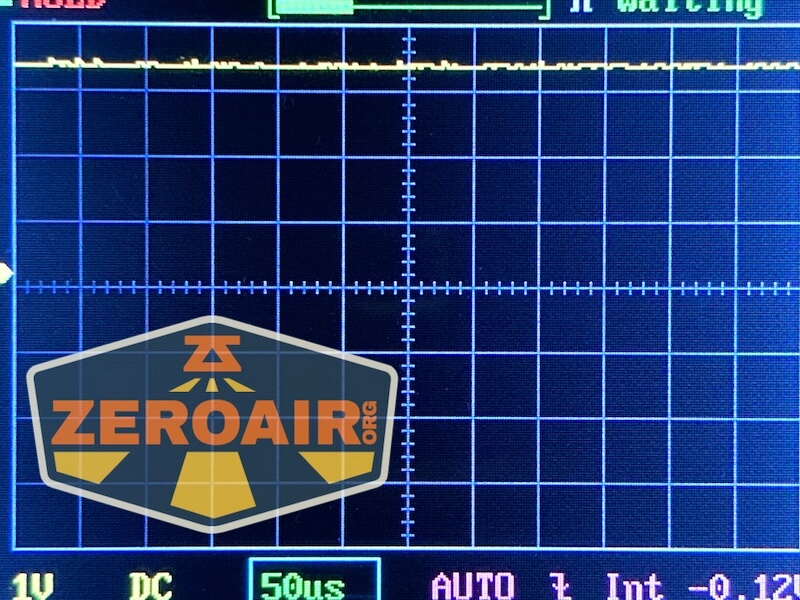
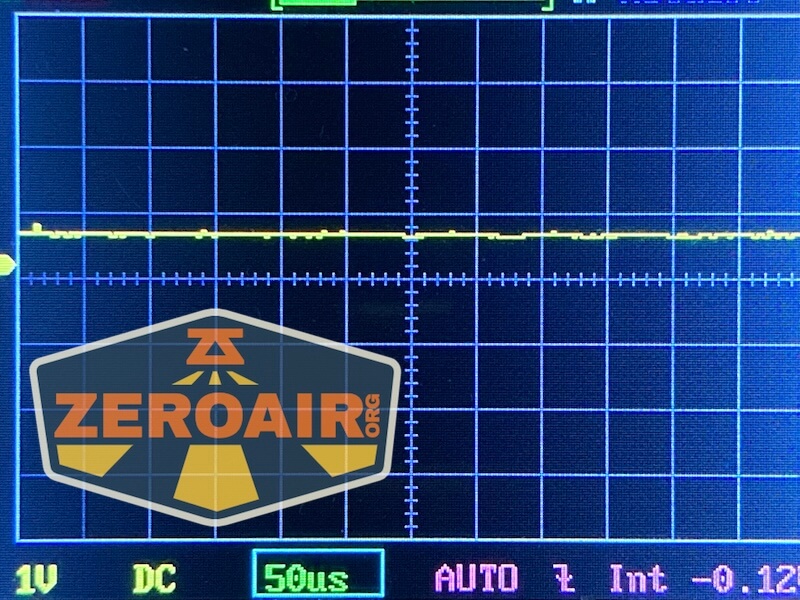
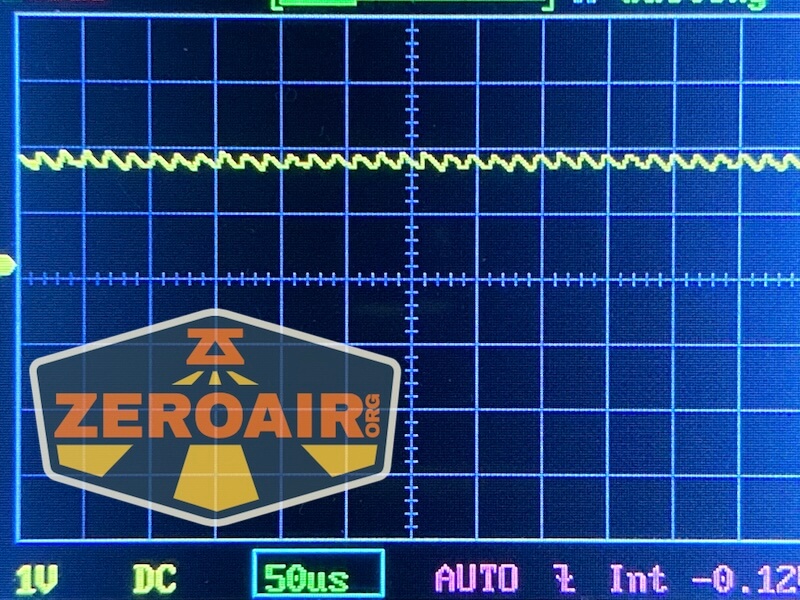
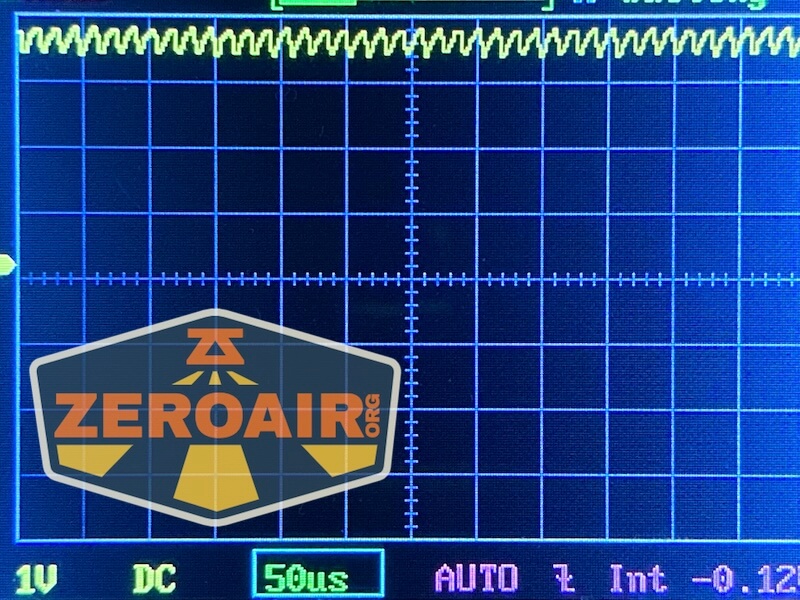
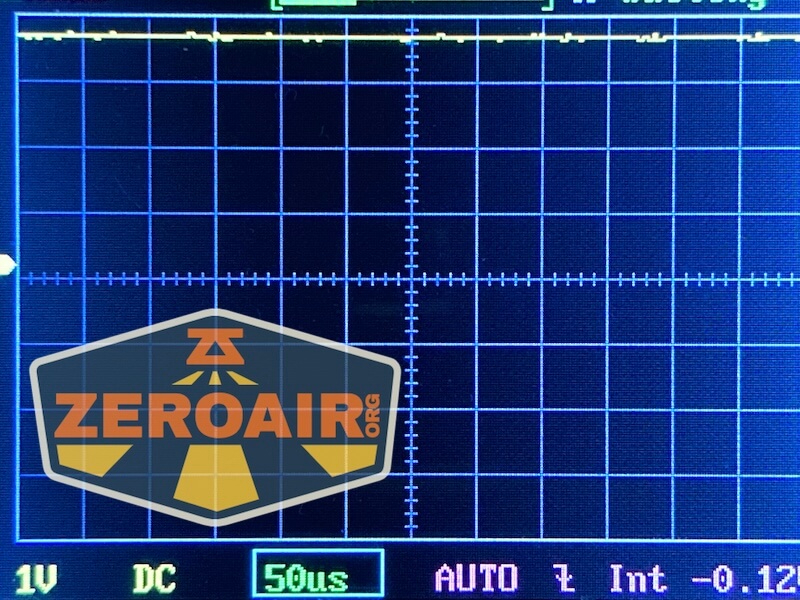
Here you can see a “baseline” – a chart with almost no light hitting the sensor. Then there’s the Ultrafire WF-602C flashlight, which has some of the worst PWM I’ve seen. It’s so bad that I used a post about it to explain PWM! Here are multiple timescales (10ms, 5ms, 2ms, 1ms, 0.5ms, 0.2ms) to make comparing this “worst” PWM light to the test light easier. That post also explains why I didn’t test the WF-602C at the usual 50us scale.


User Interface and Operation
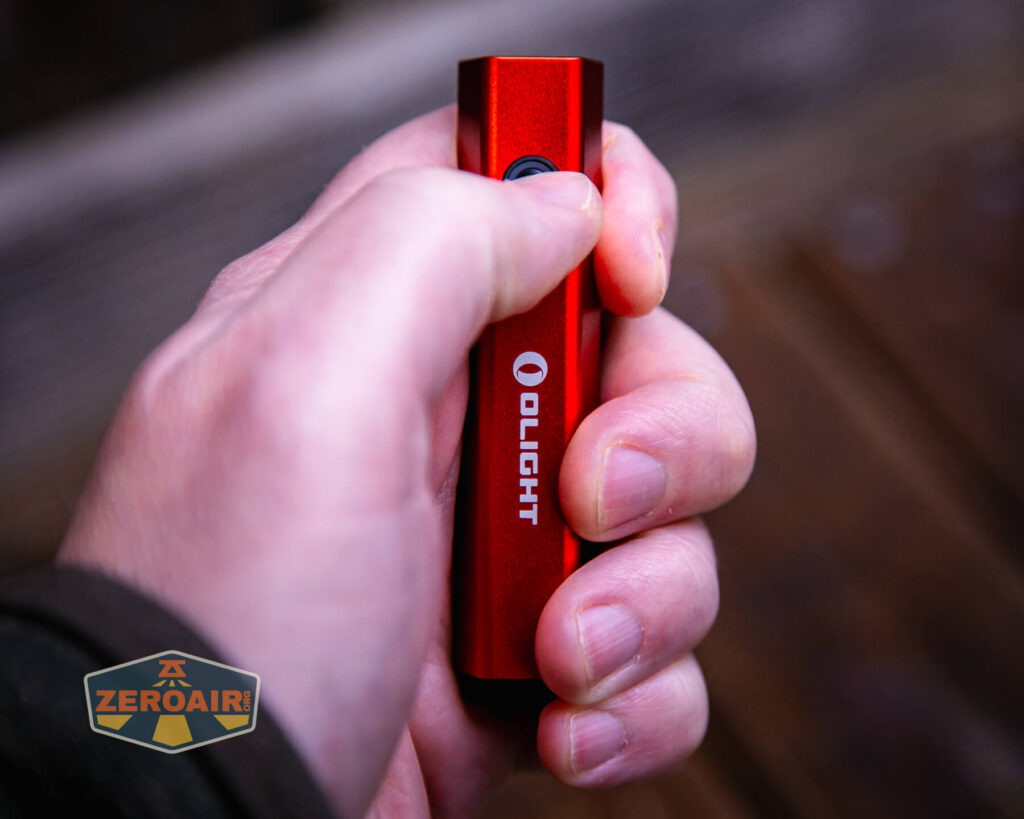
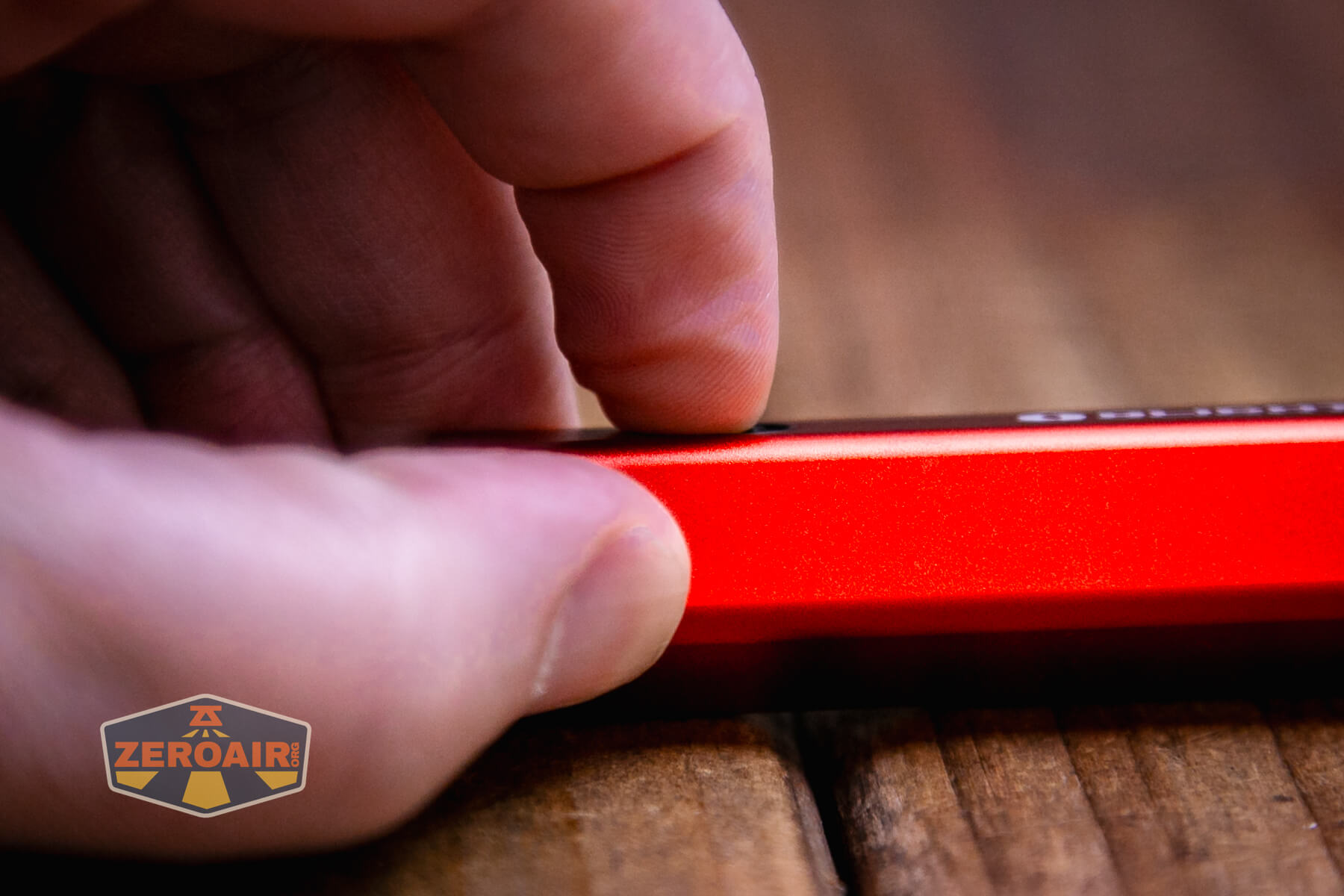
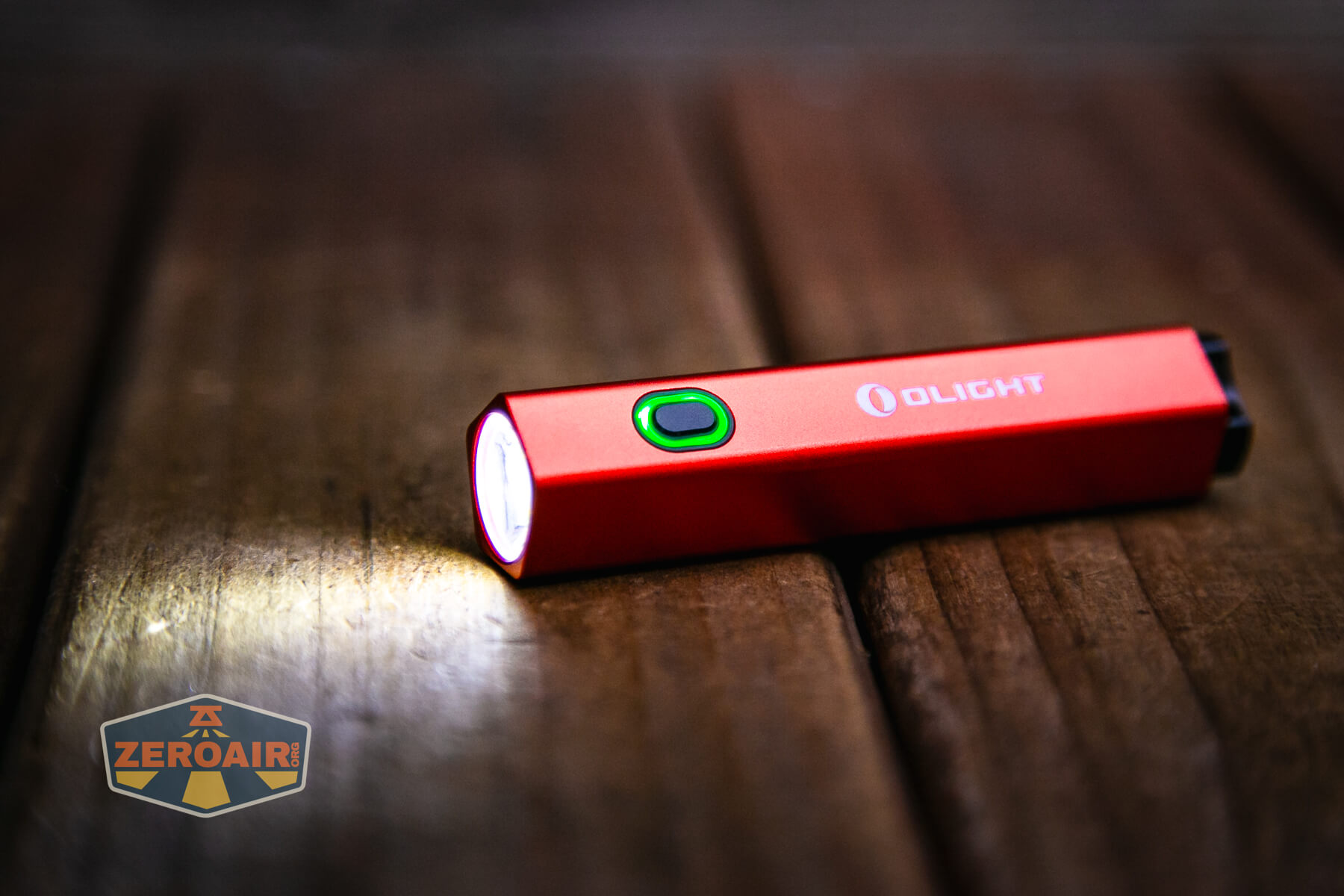
Olight has used an e-switch on the Diffuse. It’s a nice switch. A bit proud, has very nice clicky action, and has a ring around that can indicate in green, orange, and red.
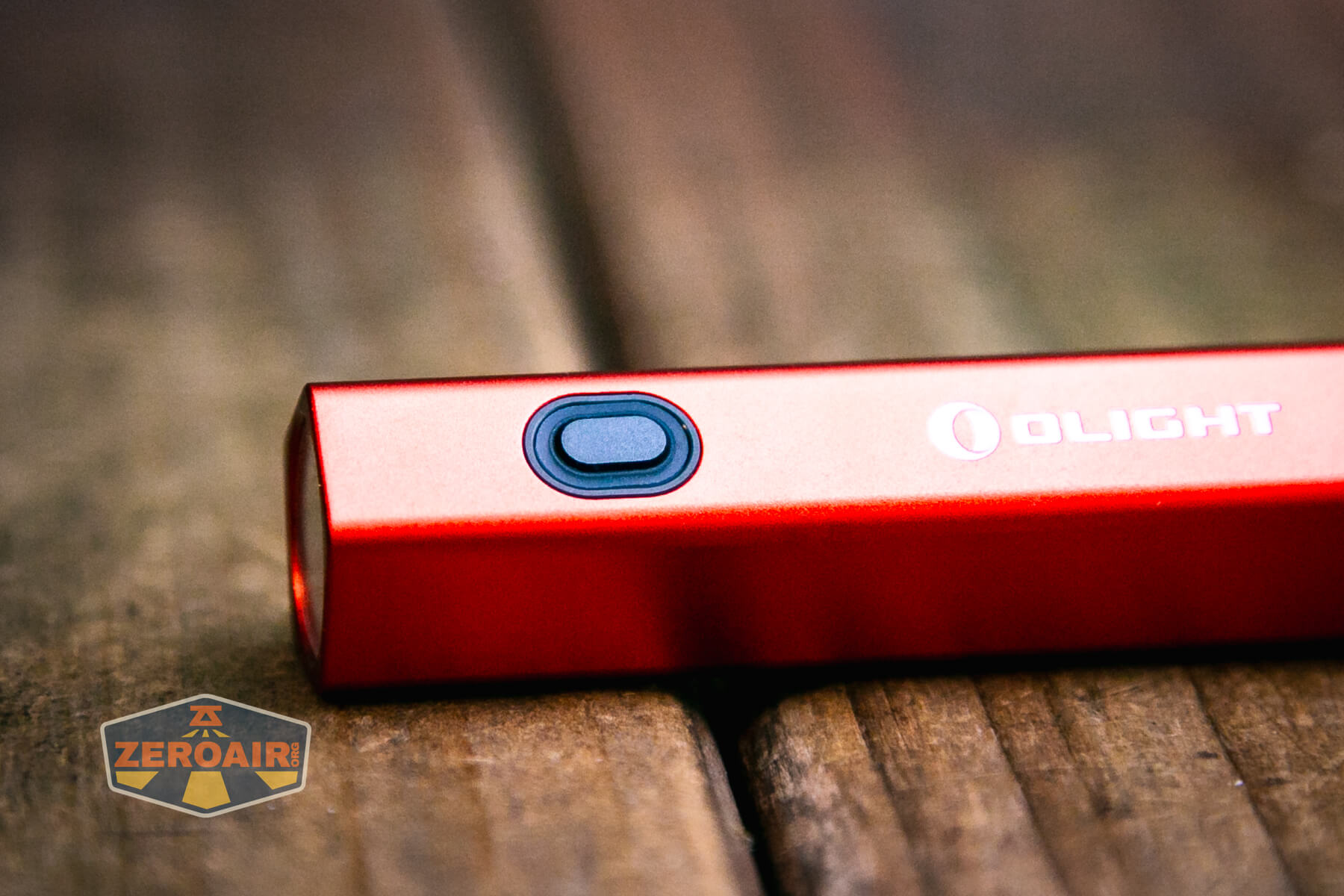
Below, you can see the switch lit in green.
Here’s a user interface table!
| State | Action | Result |
|---|---|---|
| Off | Click | On (mode memory) |
| On | Click | Off |
| Off | Hold >1s | Lockout |
| Lockout | Hold >2s | Unlock |
| Off | Hold | Moonlight |
| Any | Double click | Turbo |
| On | Hold | Mode advance (LMH) |
| Any | Click 3x | Strobe |
LED and Beam
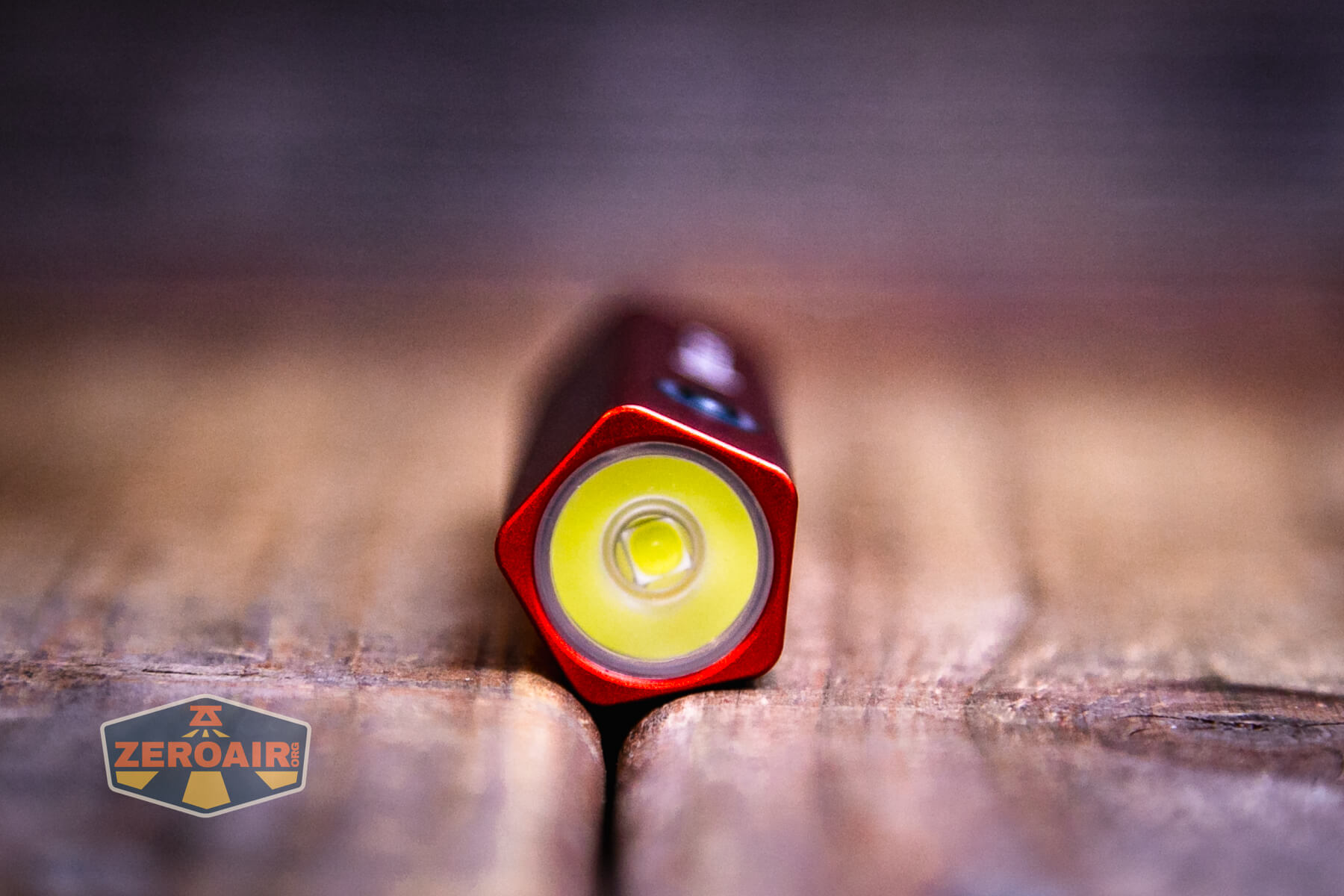
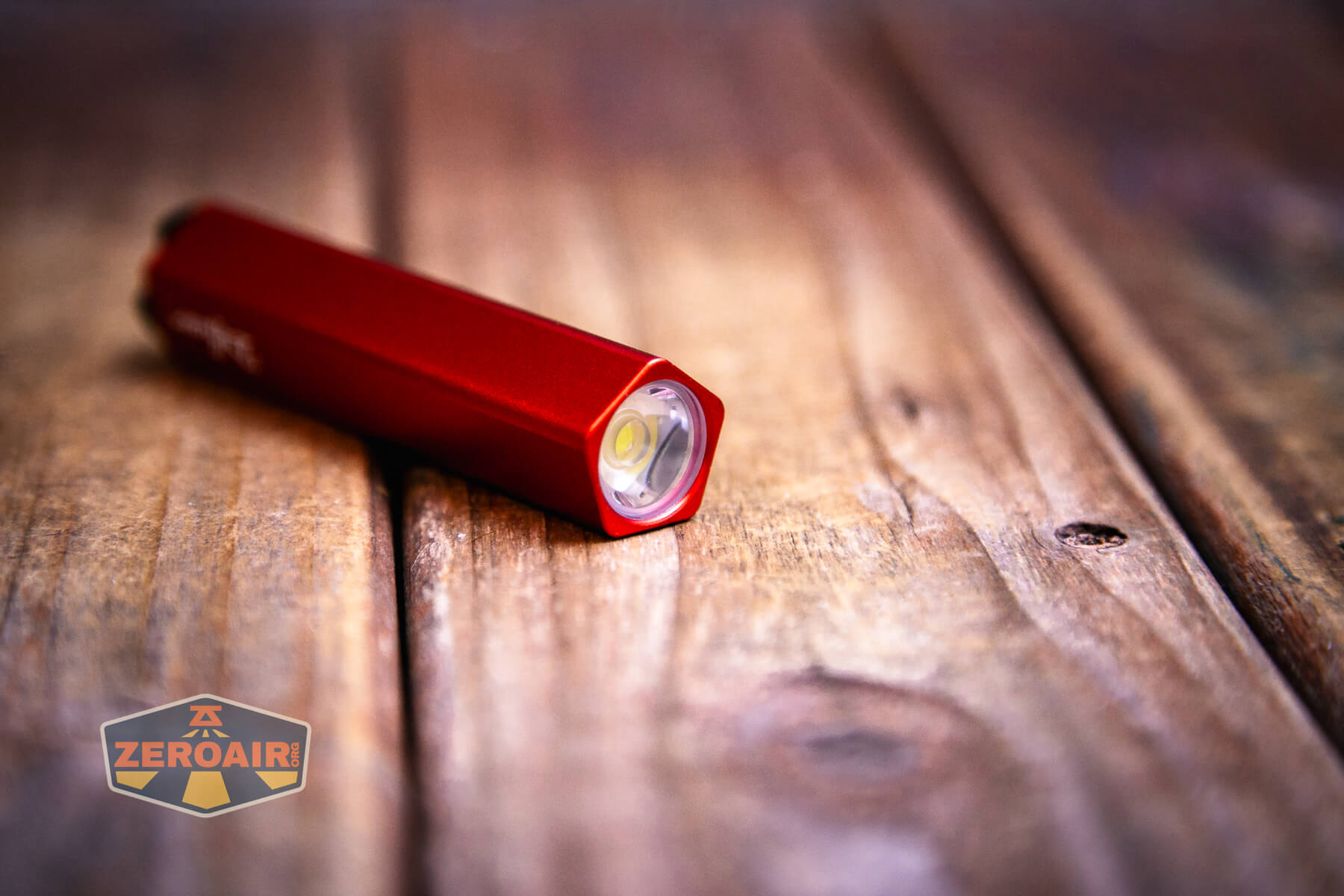
Olight doesn’t say what emitter is used in the Diffuse. There’s a TIR optic, too. Despite having a pentagonal body shape, the optic is a circle.
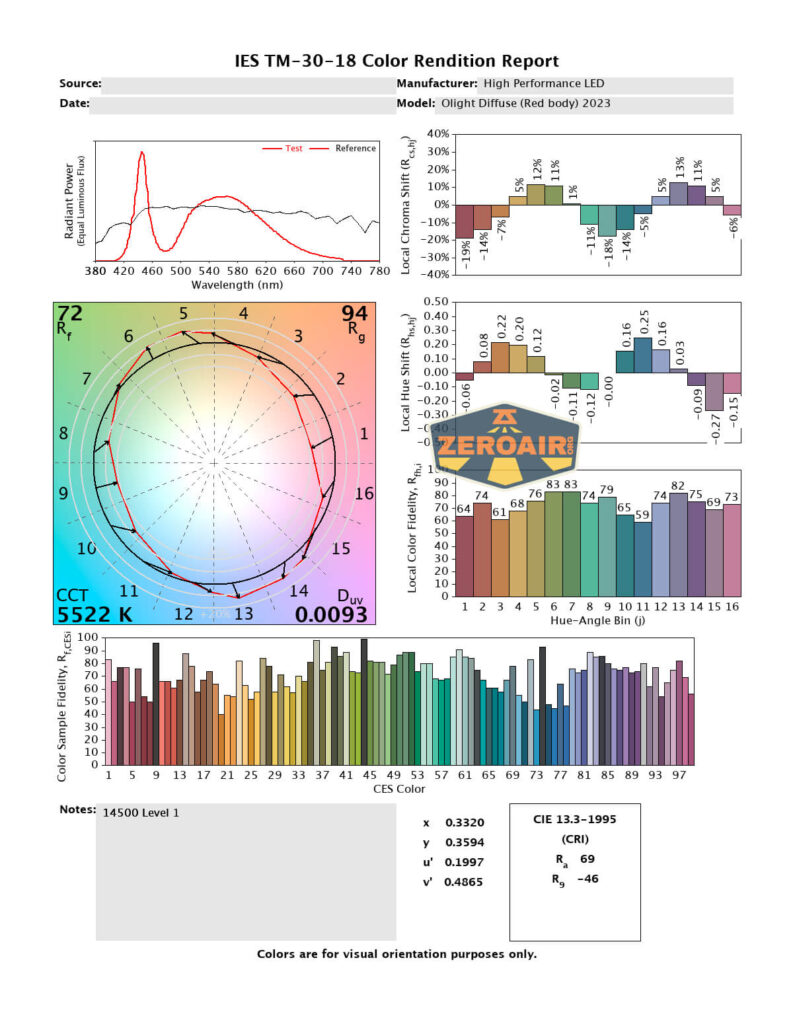
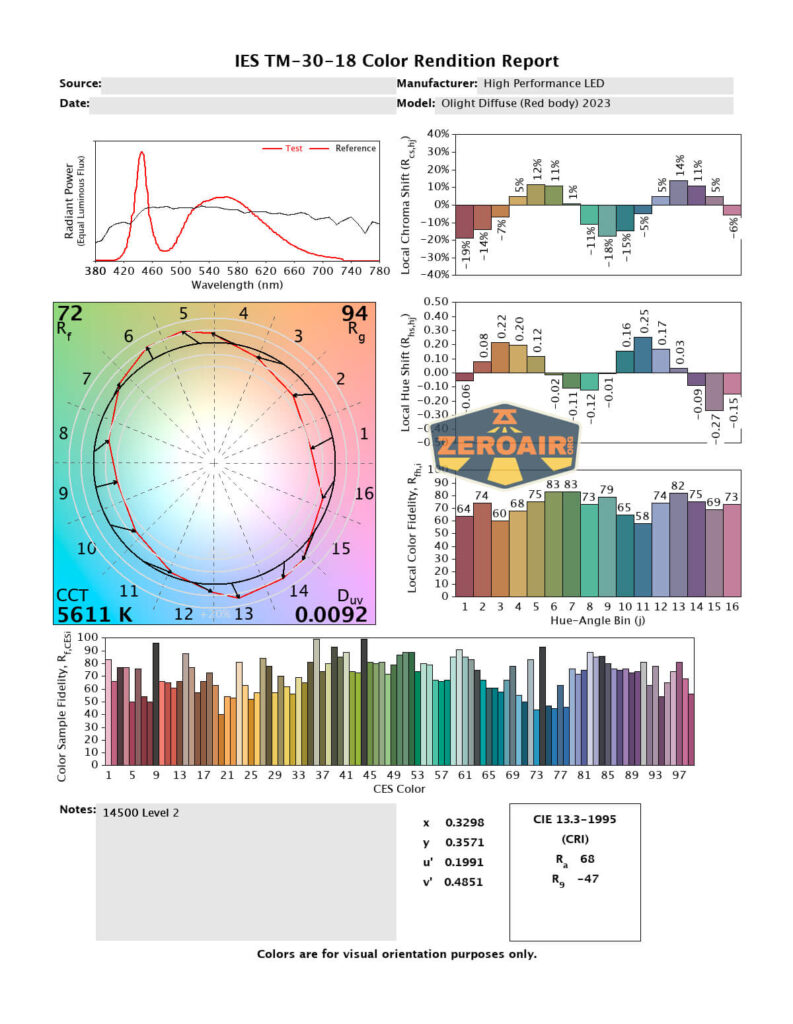
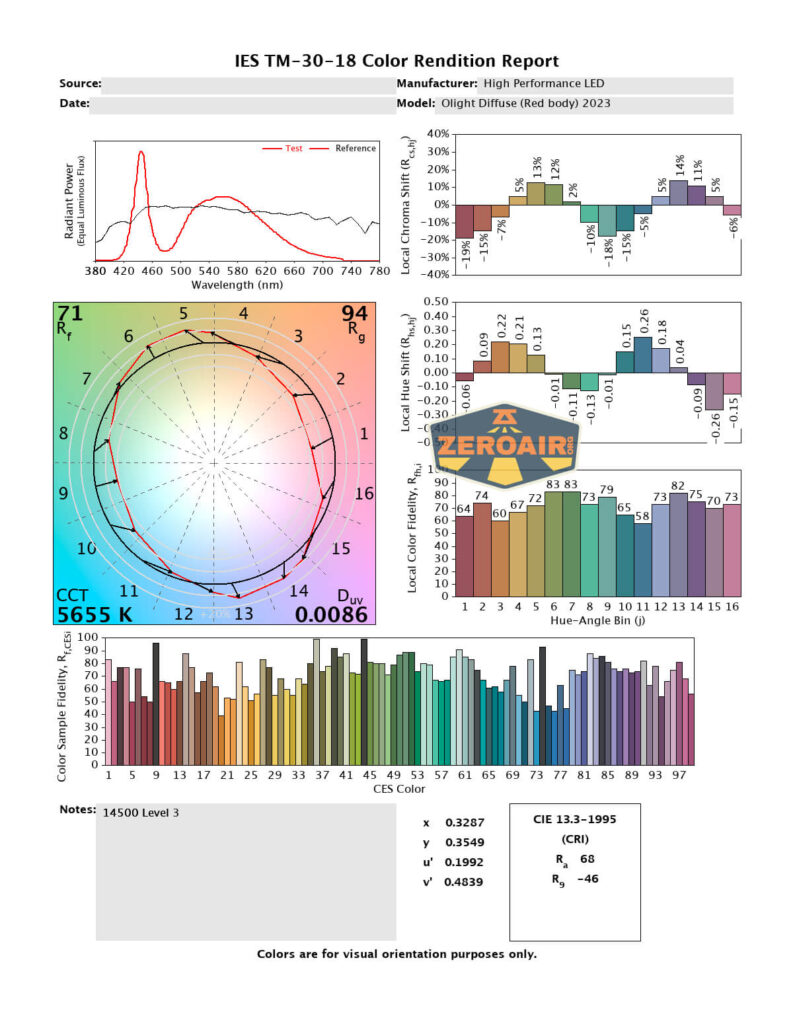
LED Color Report (CRI and CCT)
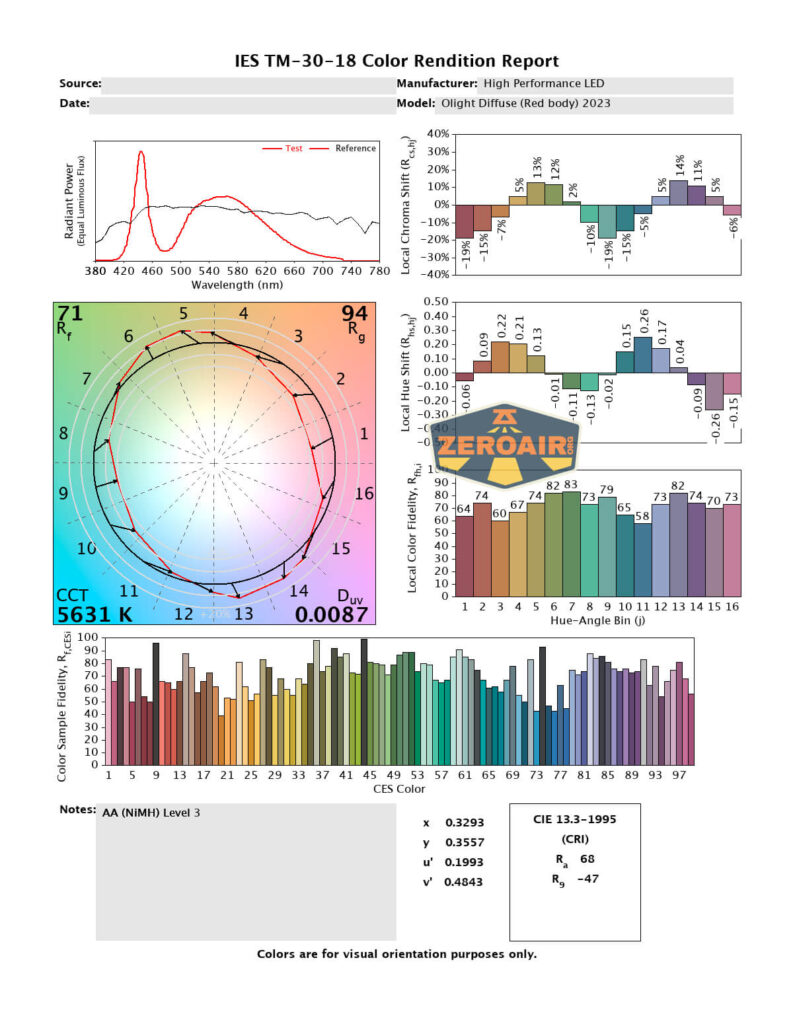
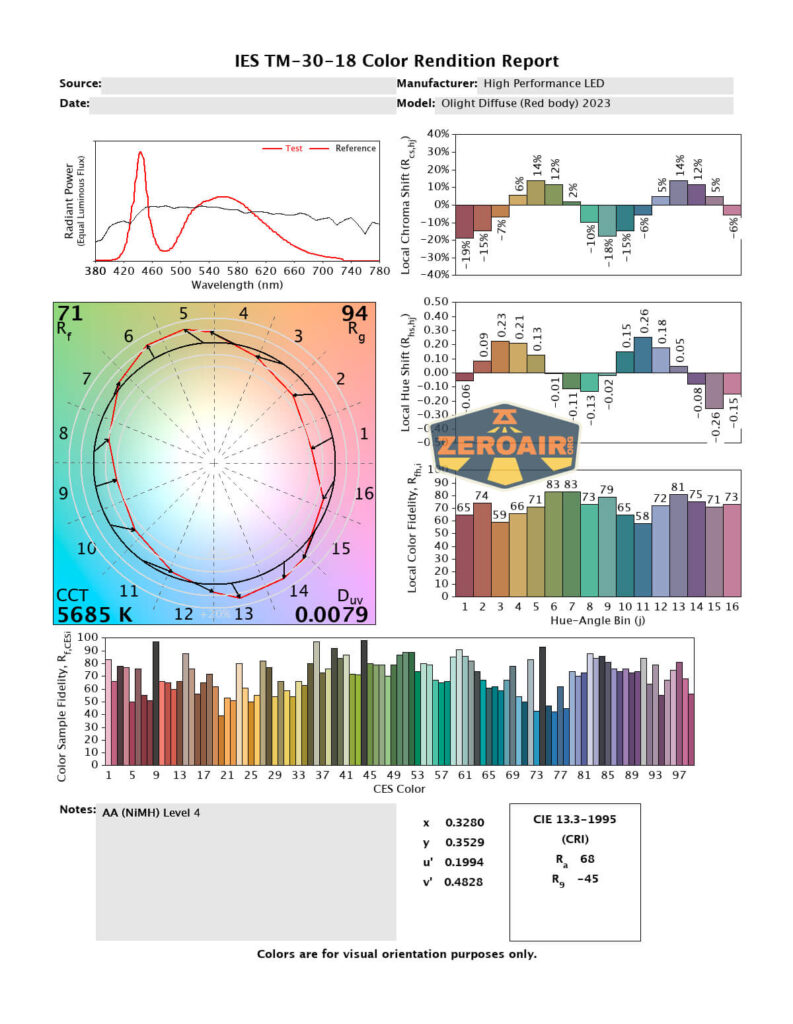
CCT of the Diffuse stays under 6000K and also has low CRI.
Beamshots
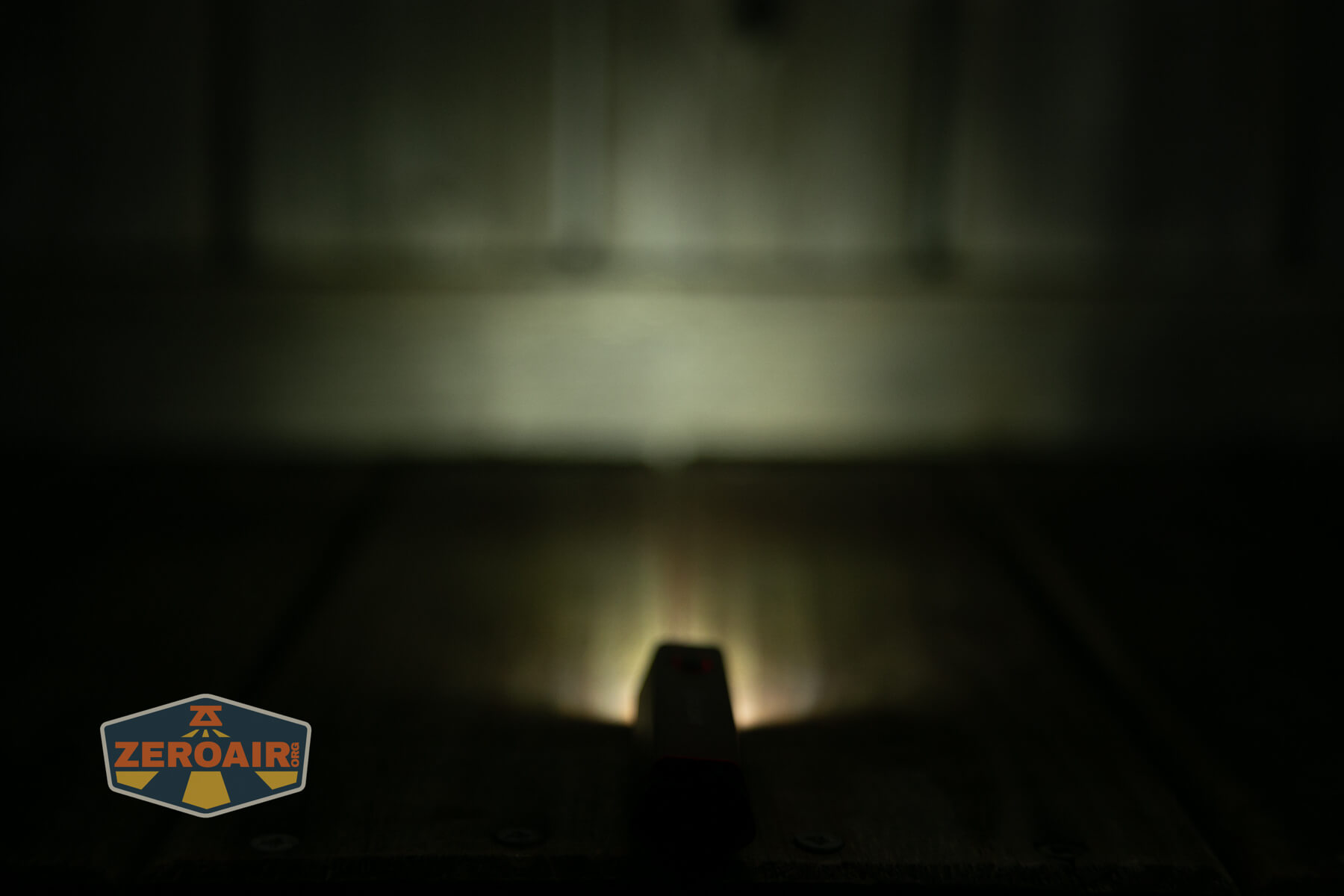
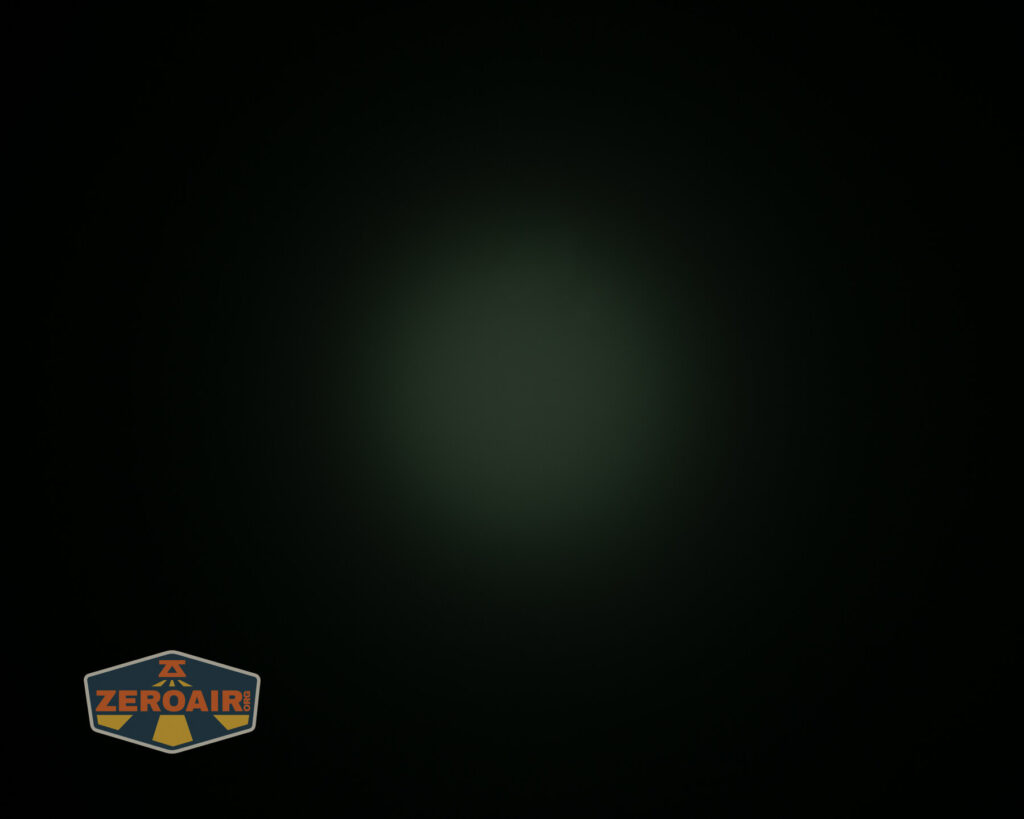
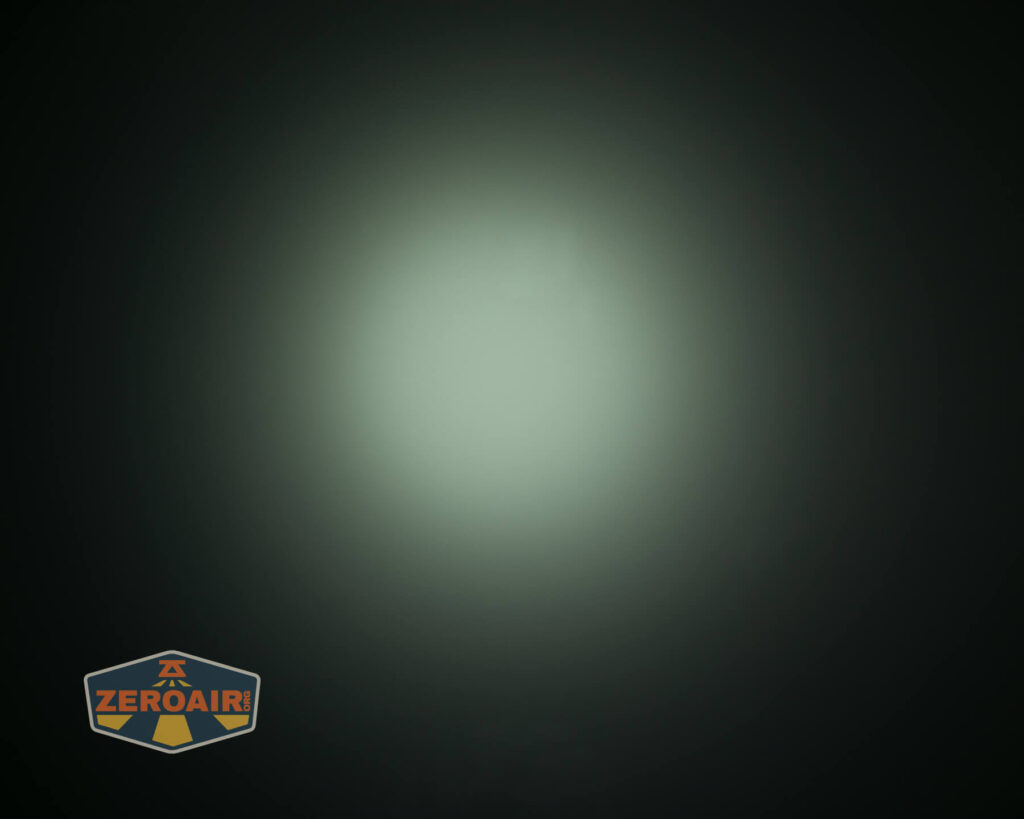
These beamshots always have the following settings: f8, ISO100, 0.3s shutter, and manual 5000K exposure. These photos are taken at floor level, and the beam hits the ceiling around 9 feet away. You can see that the AA modes are lower than the 14500 levels.


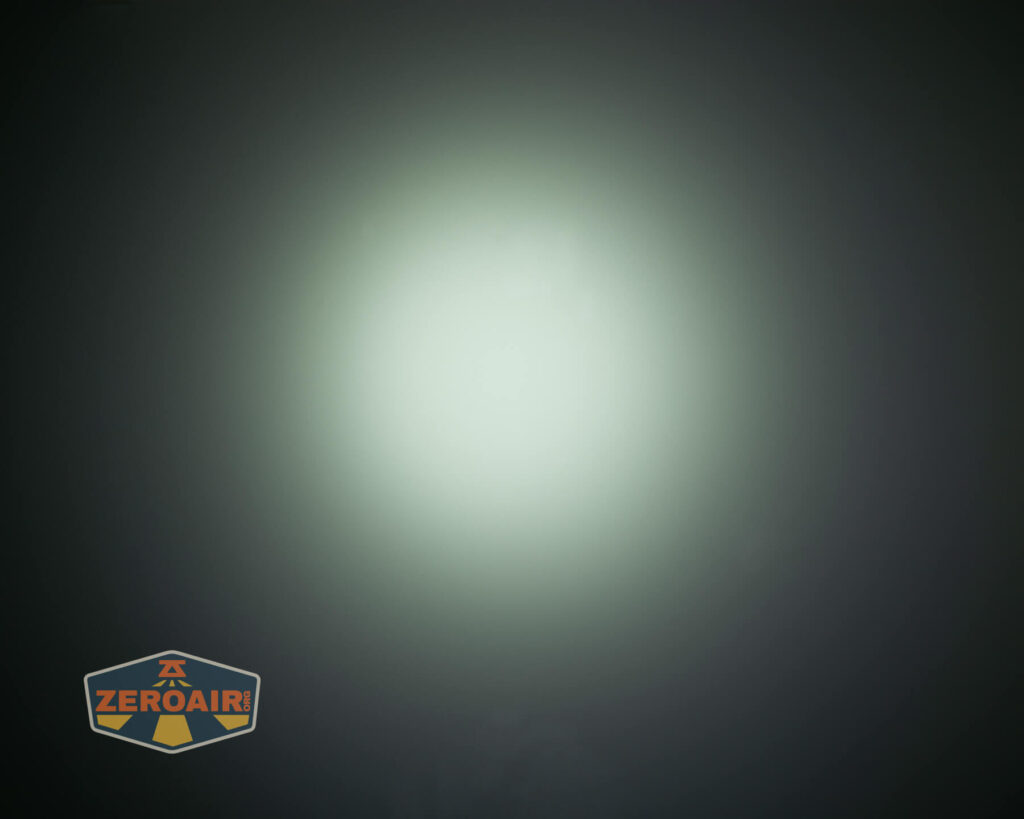


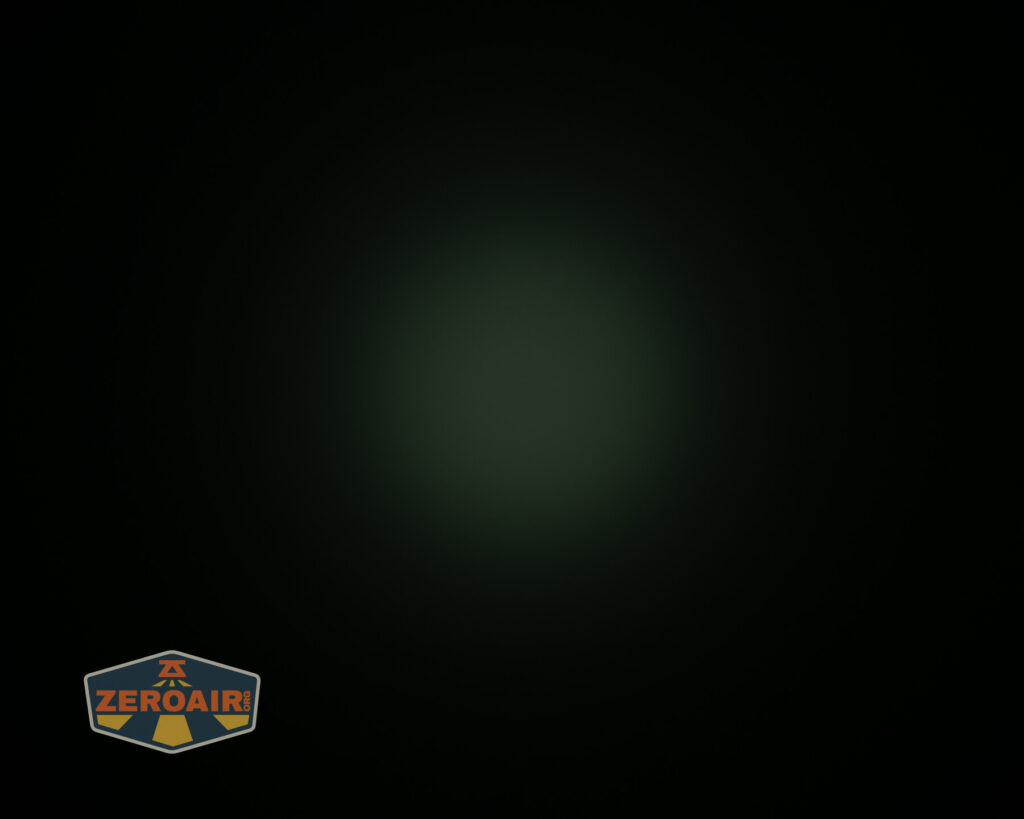
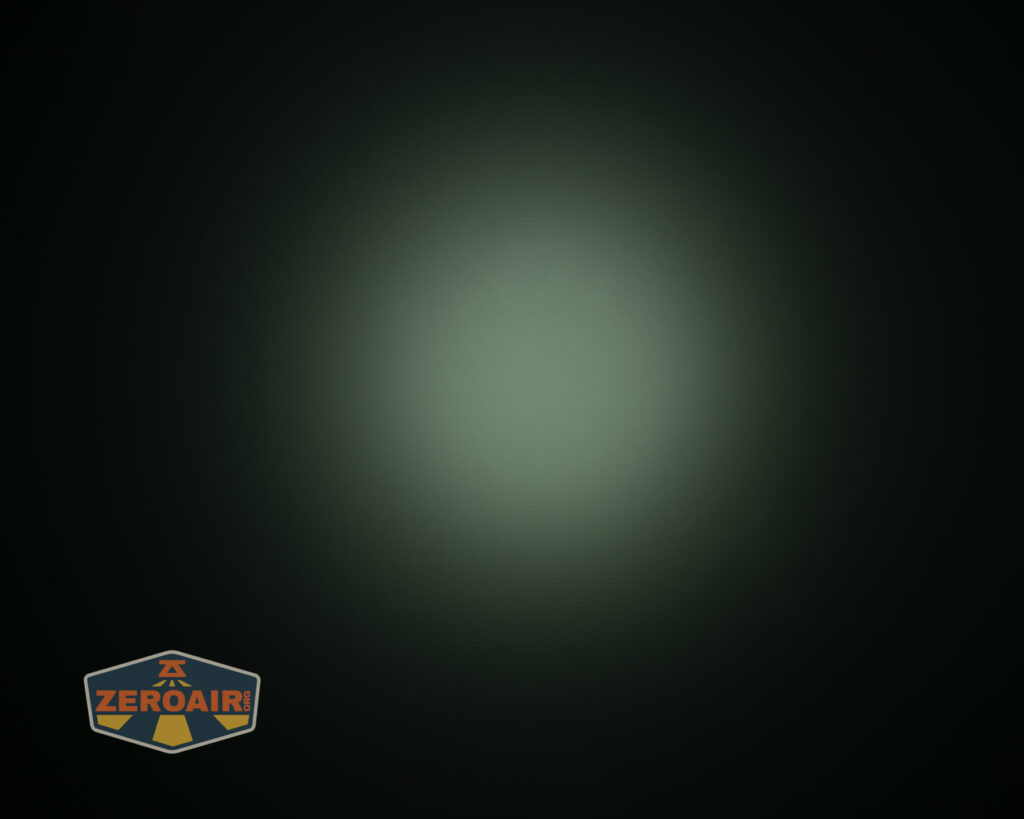
Tint vs BLF-348 (KillzoneFlashlights.com 219b version) (affiliate link)
I keep the test flashlight on the left and the BLF-348 reference flashlight on the right.
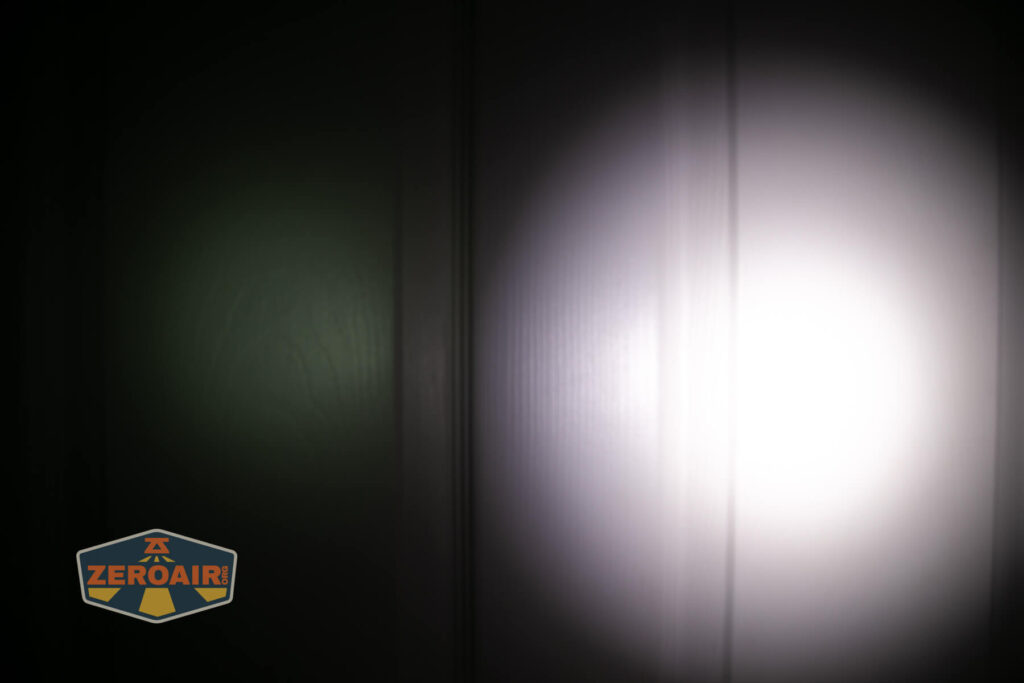
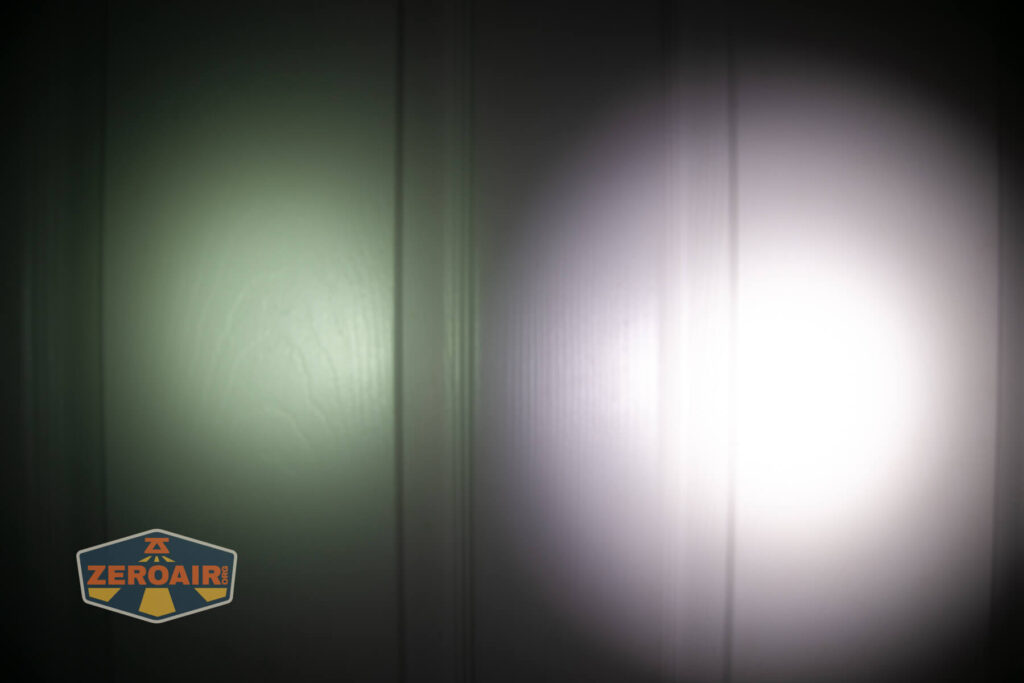
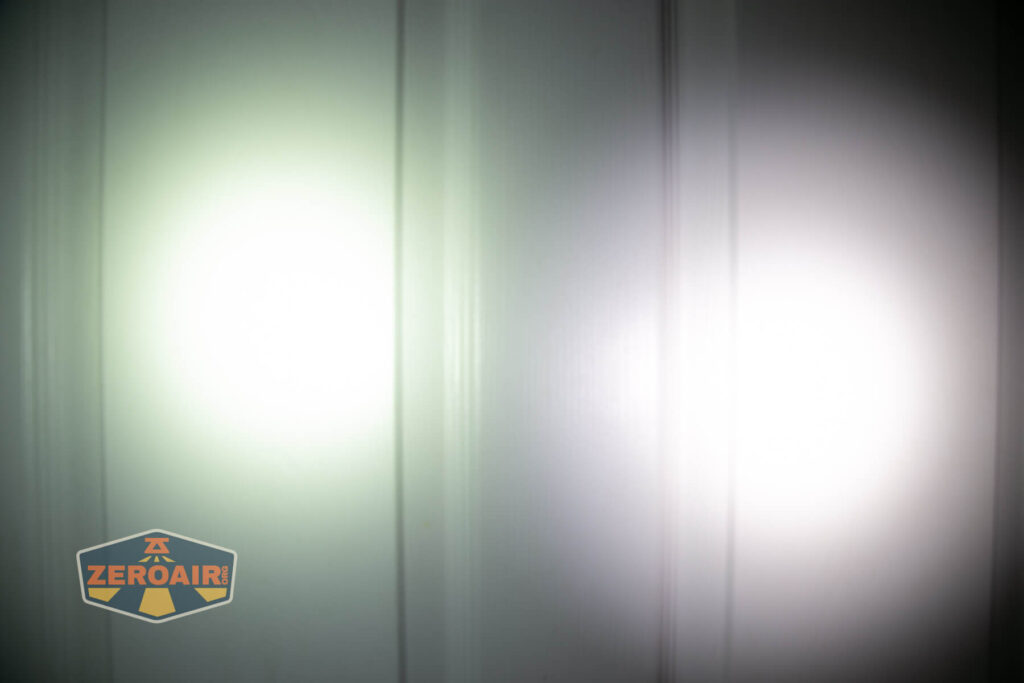


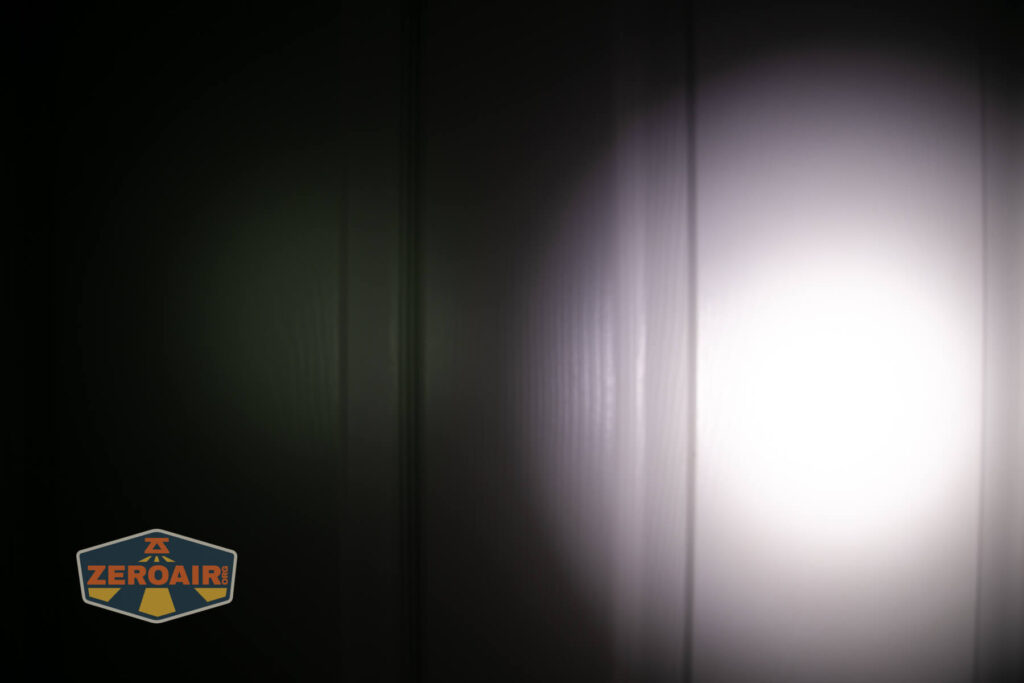
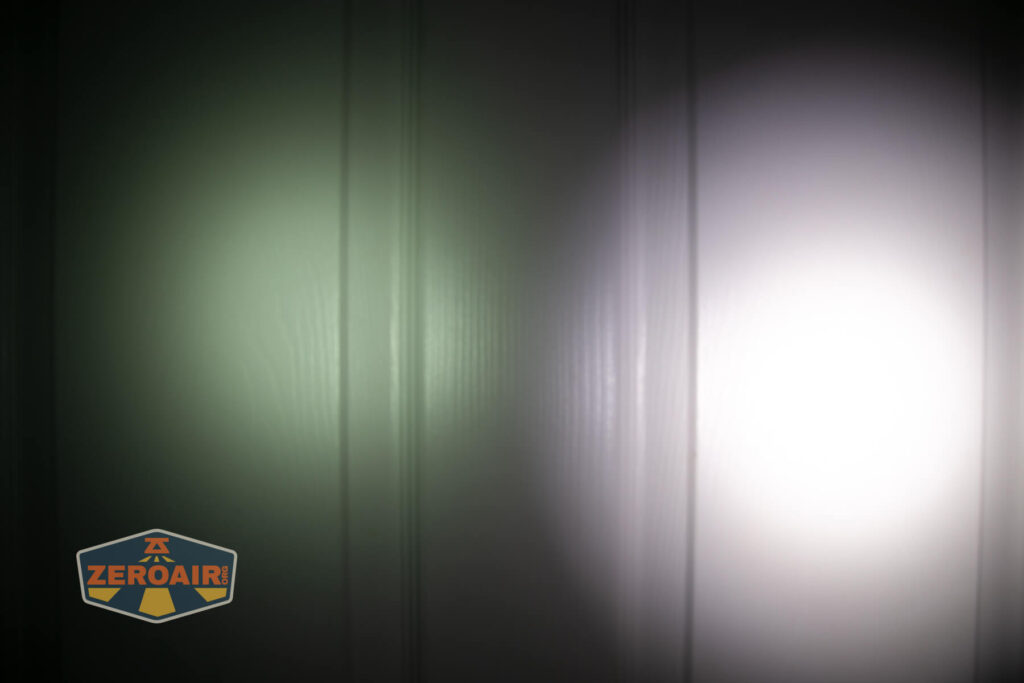


I compare everything to the KillzoneFlashlights.com 219b BLF-348 because it’s inexpensive and has the best tint!
Conclusion
What I like
- Interesting shape
- Includes 14500 cell
- USB-C Charging works well
- Familiar user interface
- Works with both 14500 and AA cells
What I don’t like
- No pocket clip
- Tailcap hard to remove
- Mode missing with AA
Notes
- This content originally appeared at zeroair.org. Please visit there for the best experience!
- For flashlight-related patches, stickers, and gear, head over to PhotonPhreaks.com!
- Please use my Amazon.com referral link to help support zeroair.org!
- Please support me on Patreon! I deeply appreciate your support!