
Olight Oknife MK Knife and Flashlight Review
The Olight Oknife MK is a knife and flashlight combo that also offers a few tools! It runs a standard cell and has USB-C charging, too. Read on!
Official Specs and Features
Here’s a referral link to the Olight Oknife MK product page.
Versions
There’s just one version of the Olight Oknife MK, but it’s available in three colors. Orange, MAO Desert White, and Dark Green.
Price
The Olight Oknife MK is available at the introductory price of $42.49.
There are two other links, too!
What’s Included
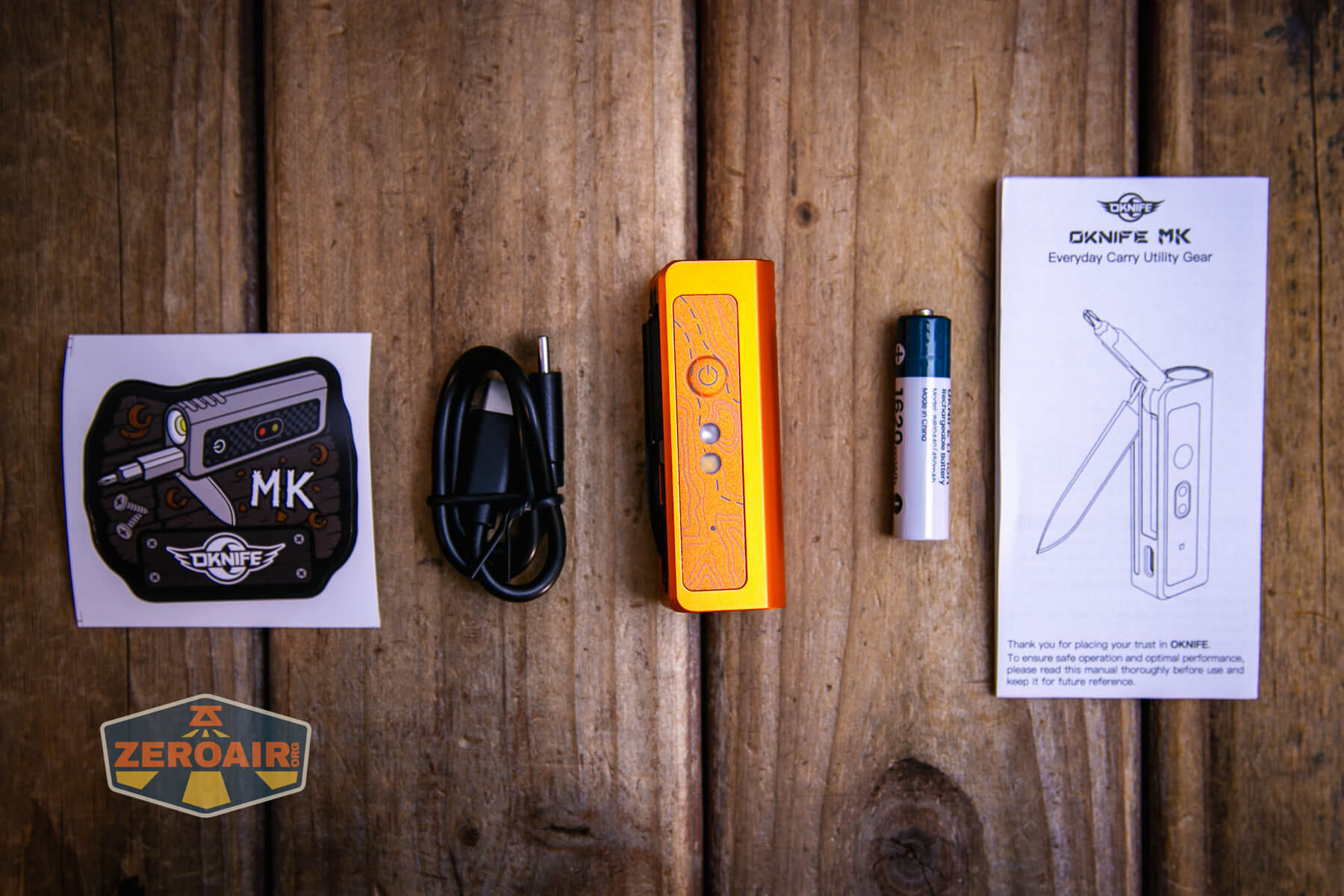
- Olight Oknife MK
- Rechargeable cell
- USB-C to USB-C charging cable
- Manual
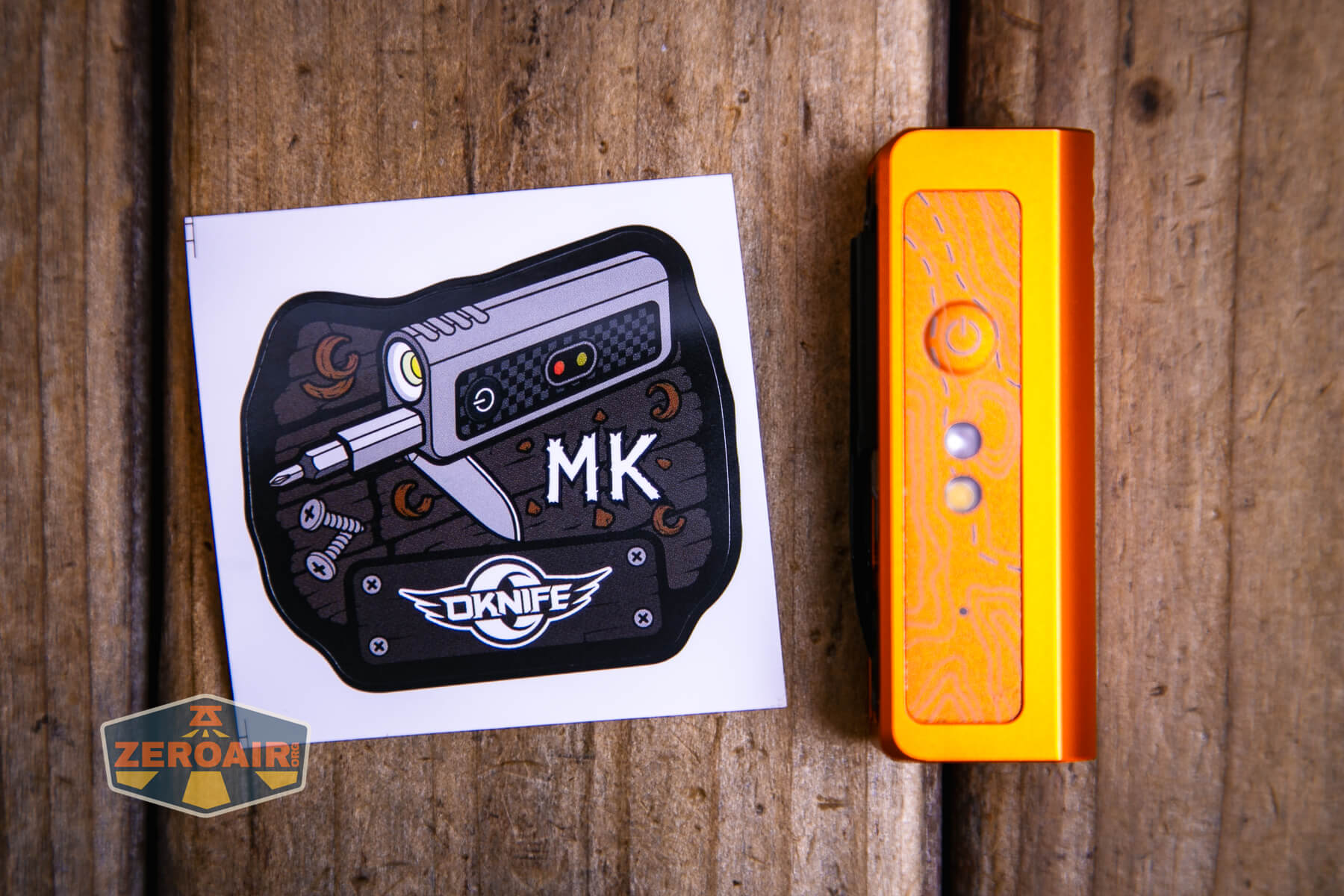
- Sticker
Here’s a better look at that sticker:
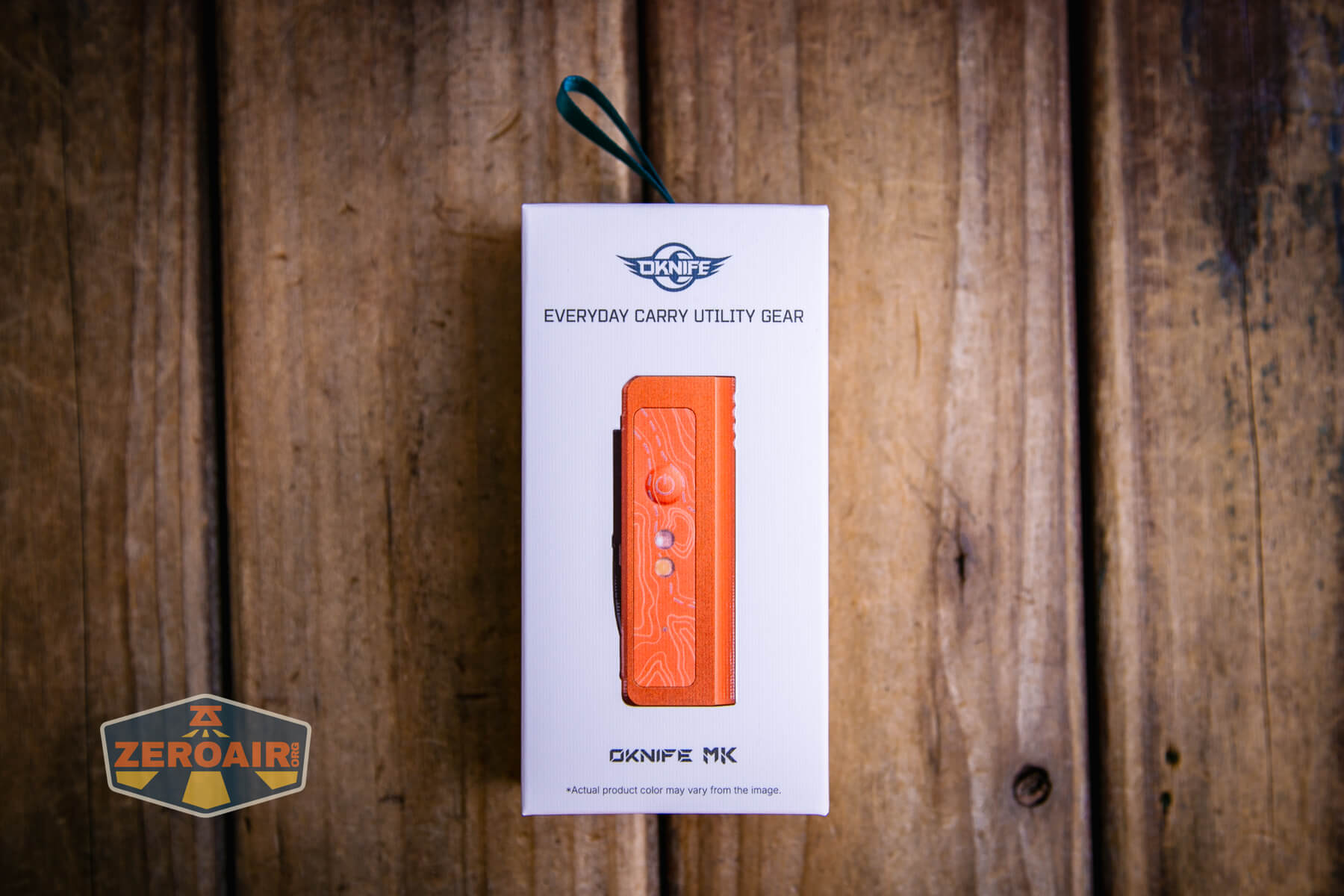
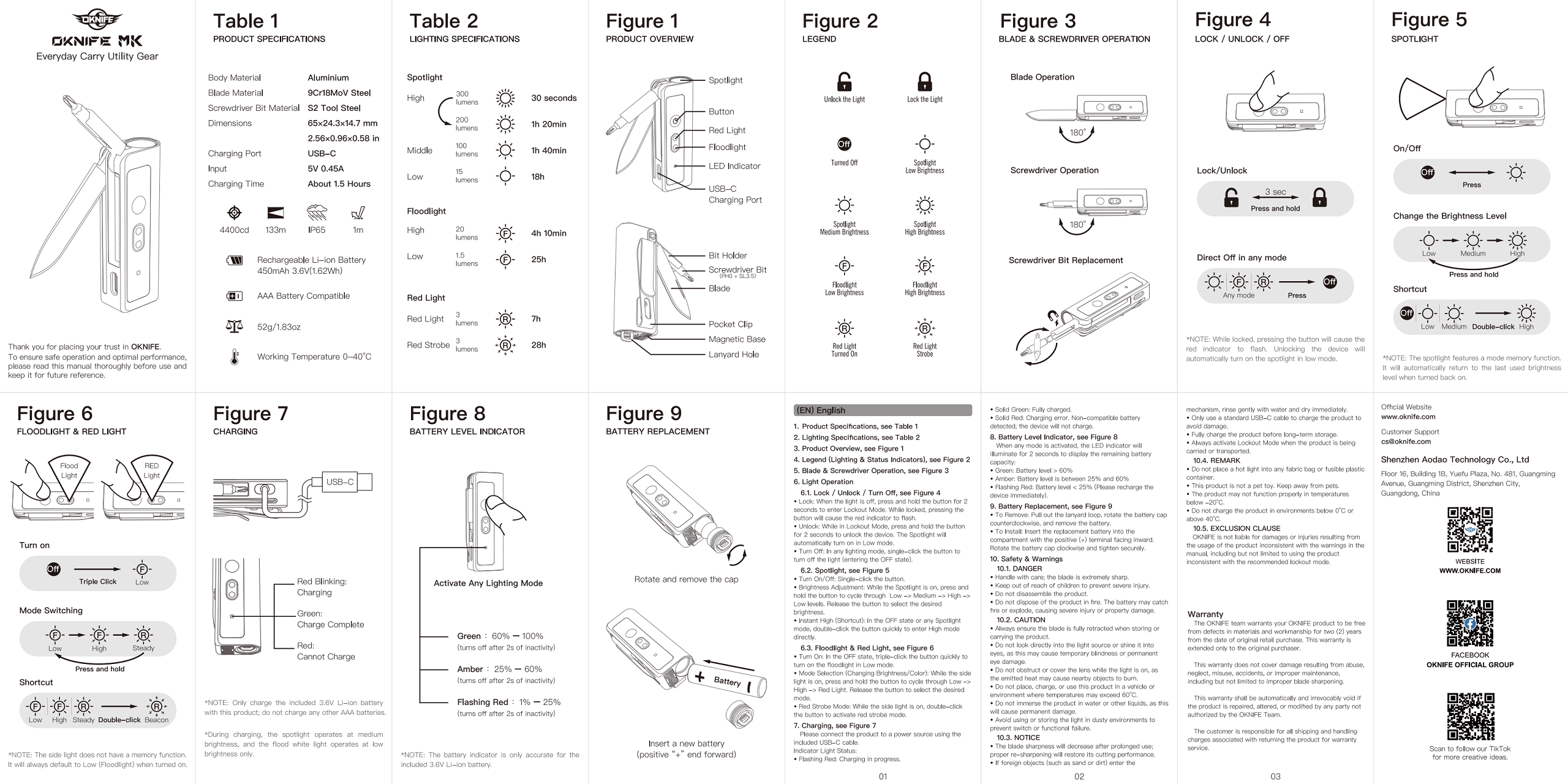
Package and Manual
Build Quality and Disassembly
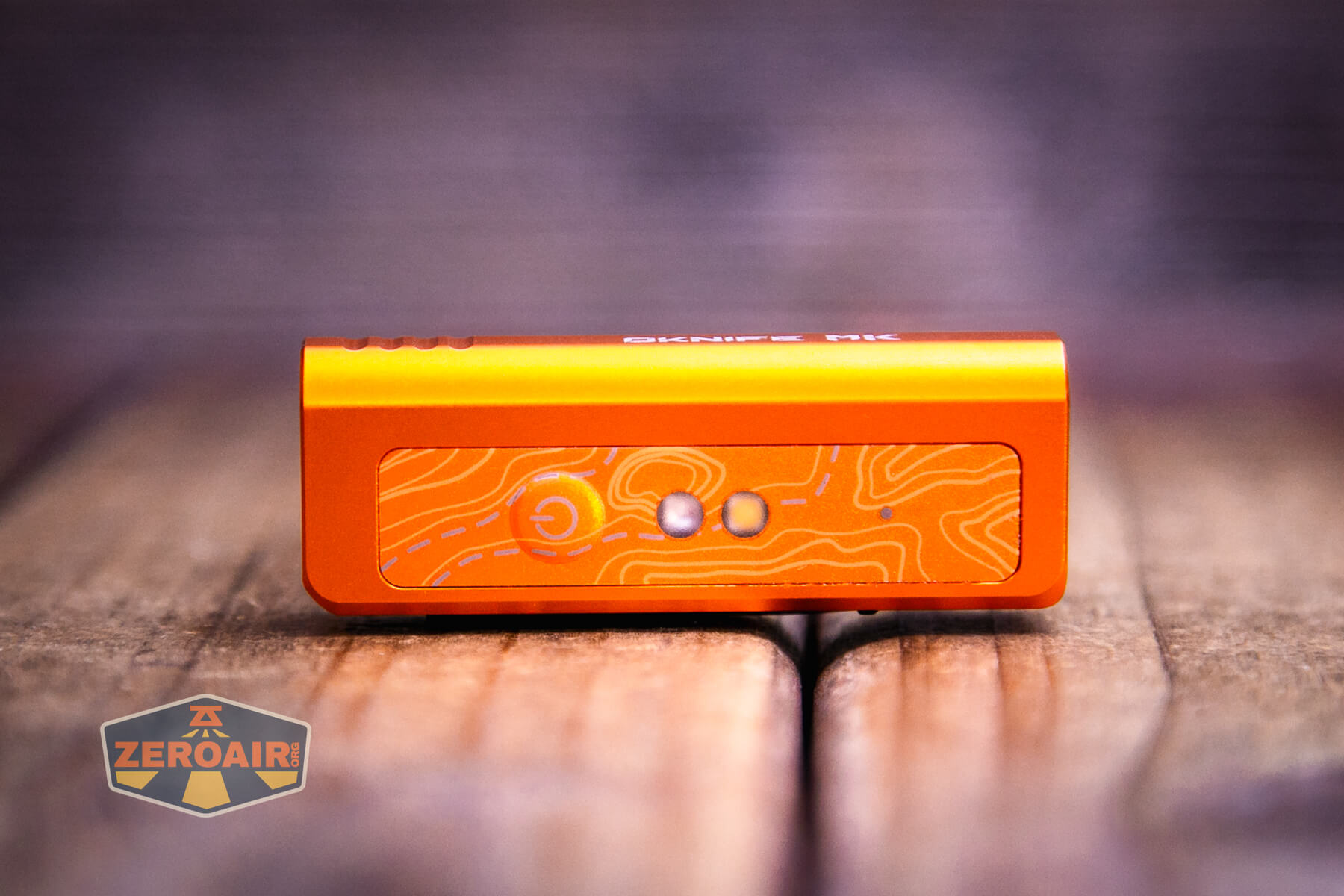
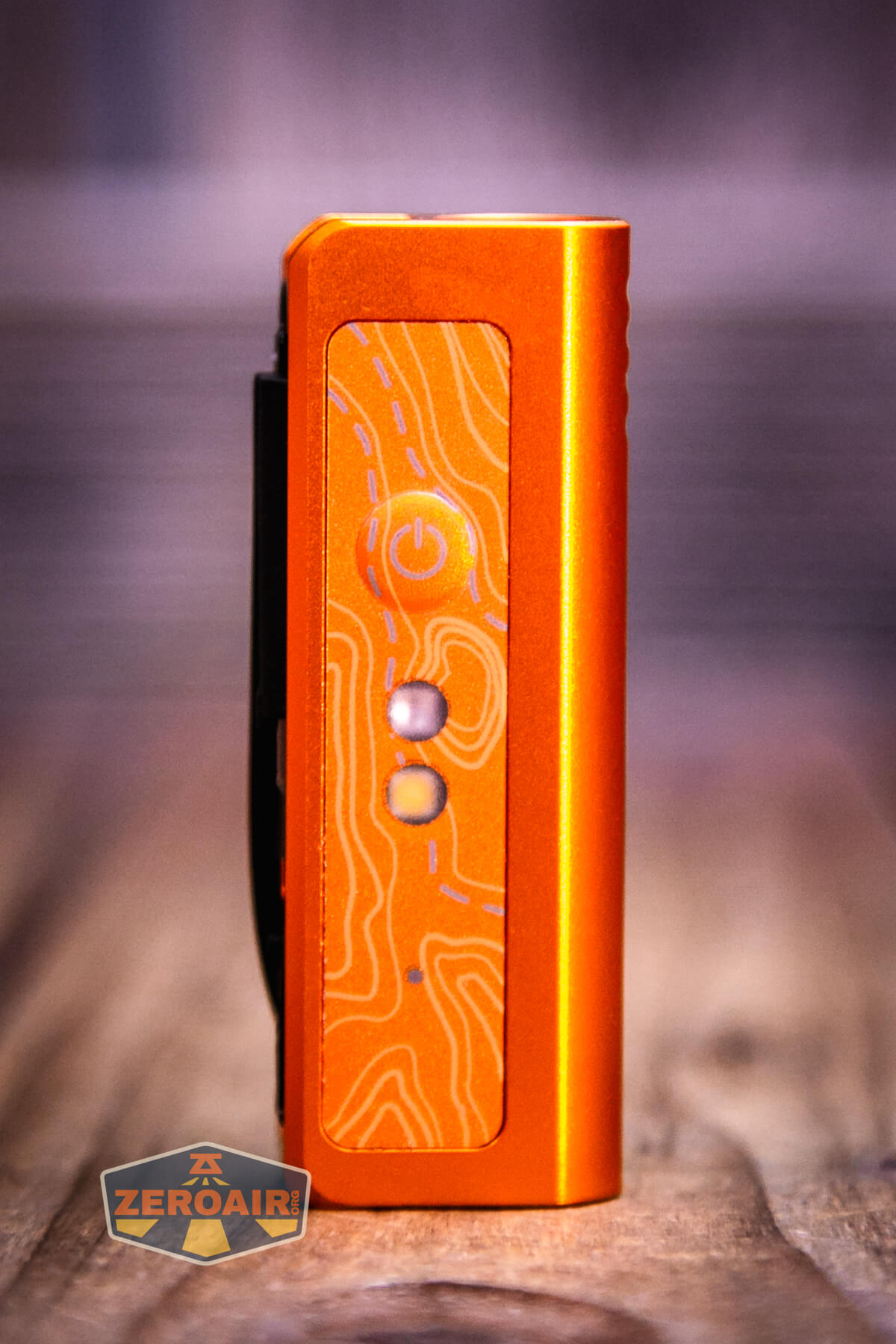
The Olight Oknife MK is an interesting little item. Oknife (not “Olight”!) calls this a “3-in-1 EDC Utility Tool. There are at least three tools here: flashlight, knife, and screwdriver. The flashlight side of things has three separate emitters, too!
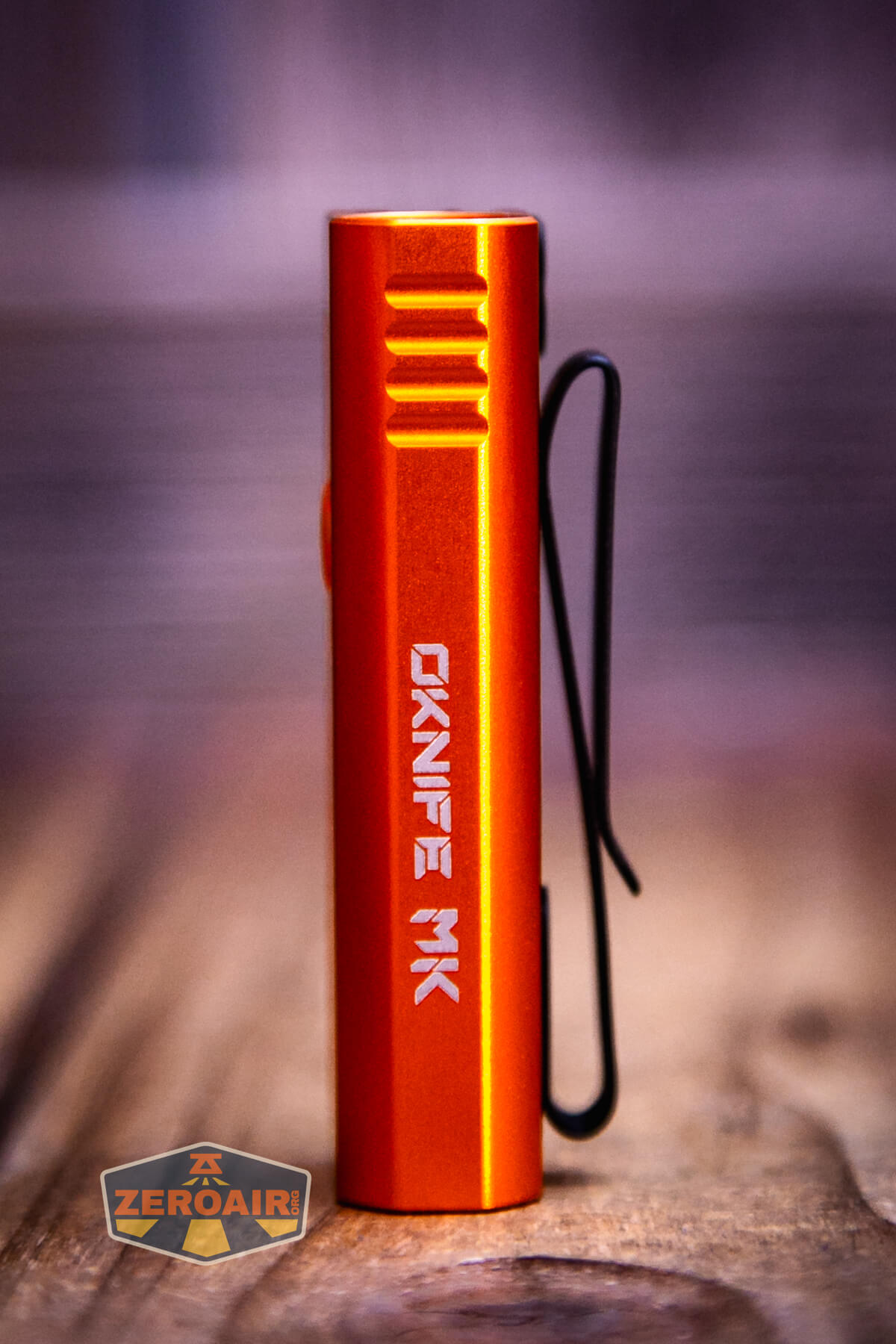
The build quality is great (even if I don’t love some of the design choices, but more on that later.)
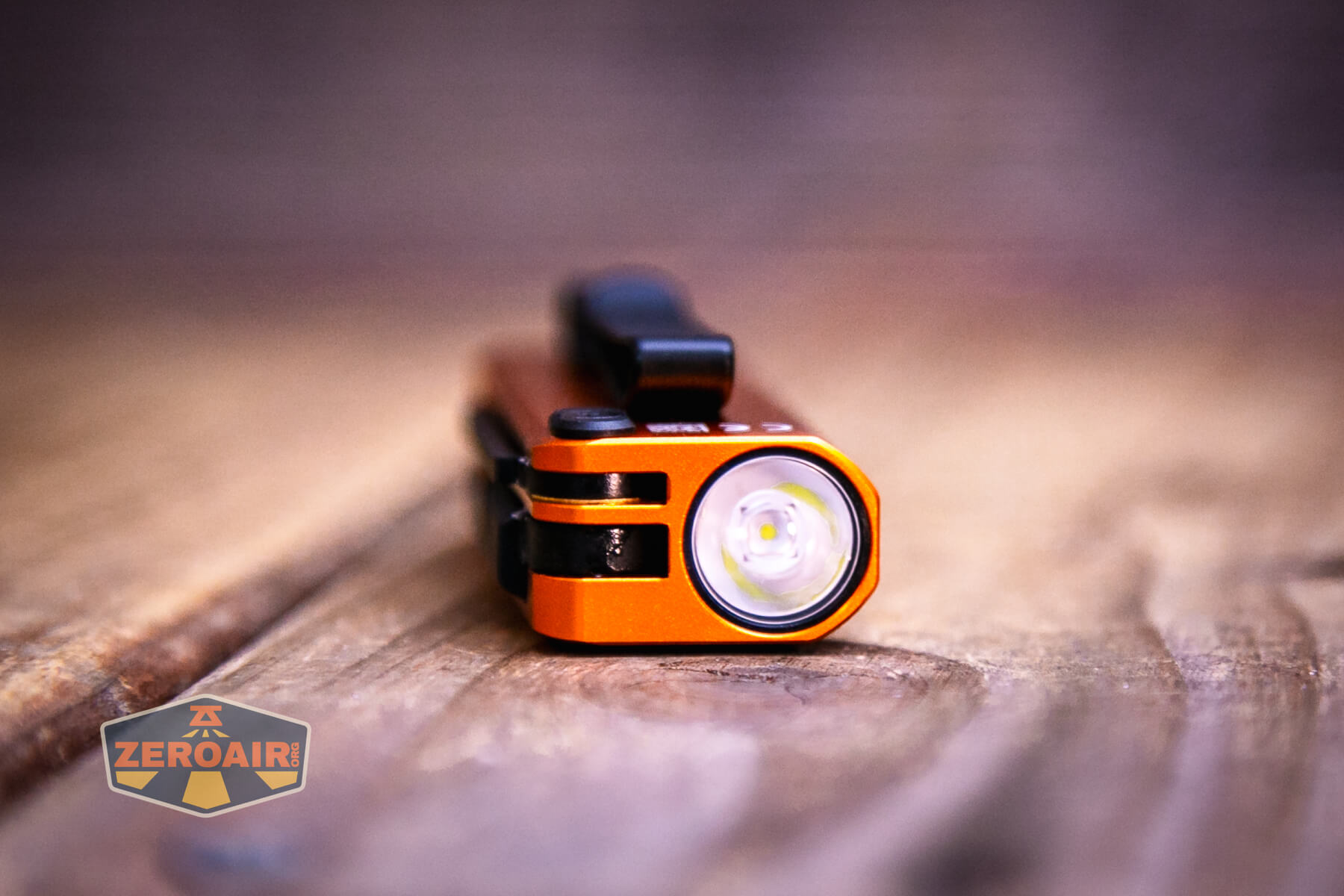
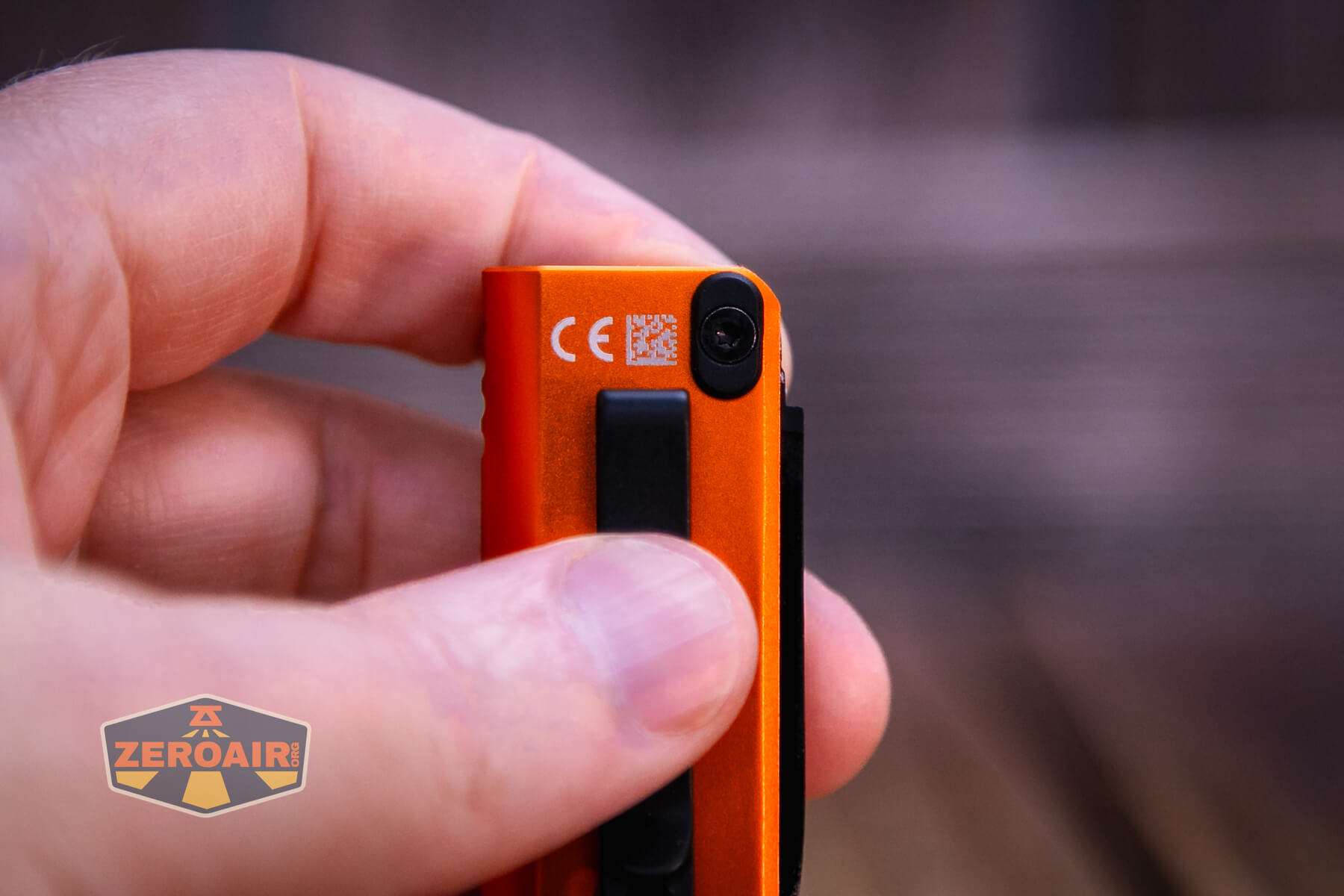
I consider this more of a flashlight than a knife, so this is much more of a ‘flashlight review’ than it is a ‘knife review.’
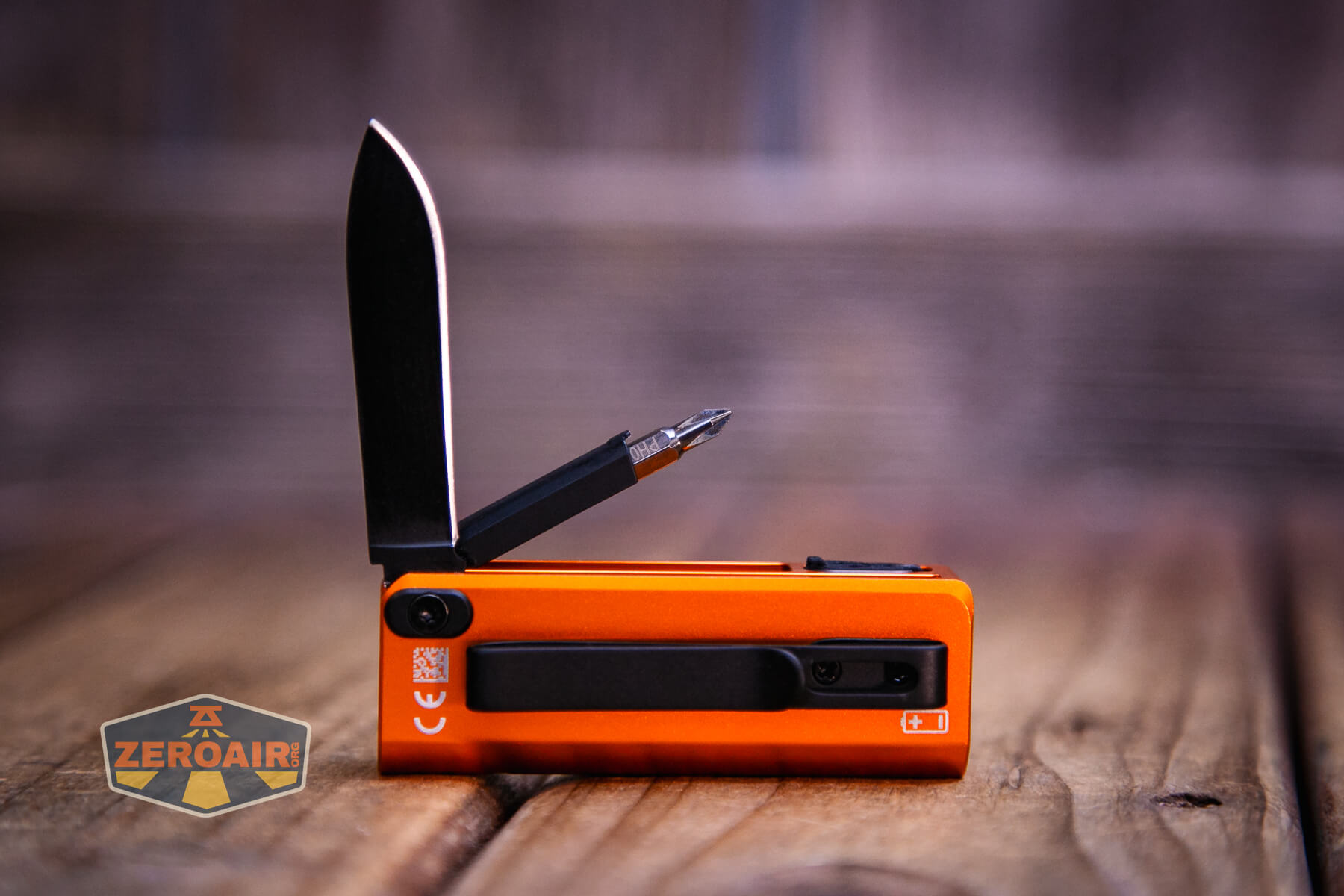
The knife is fine for small tasks. The blade is a great shape for EDC use, and easy enough to access. It’s not a flipper or any other sort of action – the opening is very much like opening a grandfather knife or slip joint. You need to get a fingernail in the nail nick on the top side of the blade and lever it out.
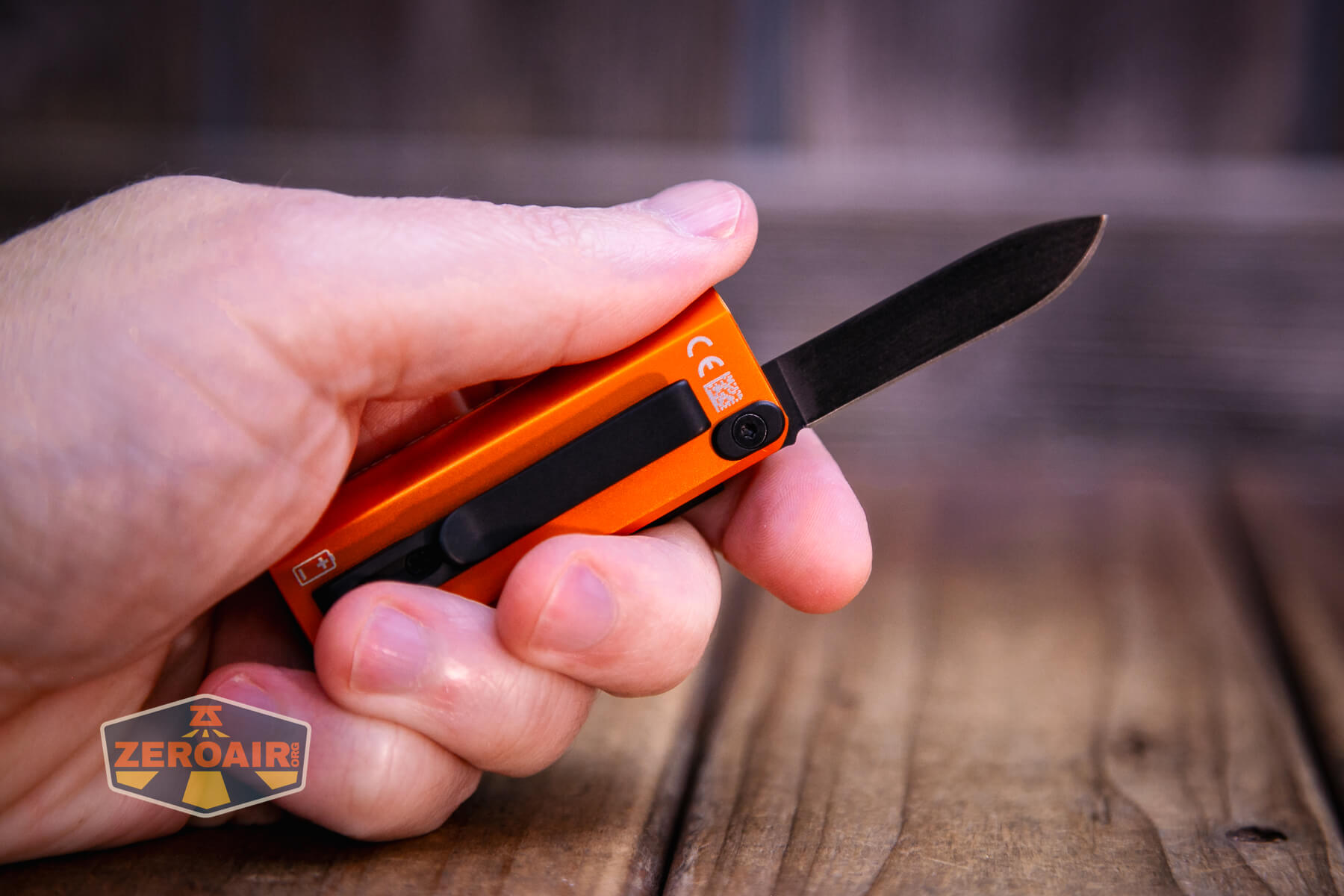
It’s very simple to open, of course, but does require two hands.
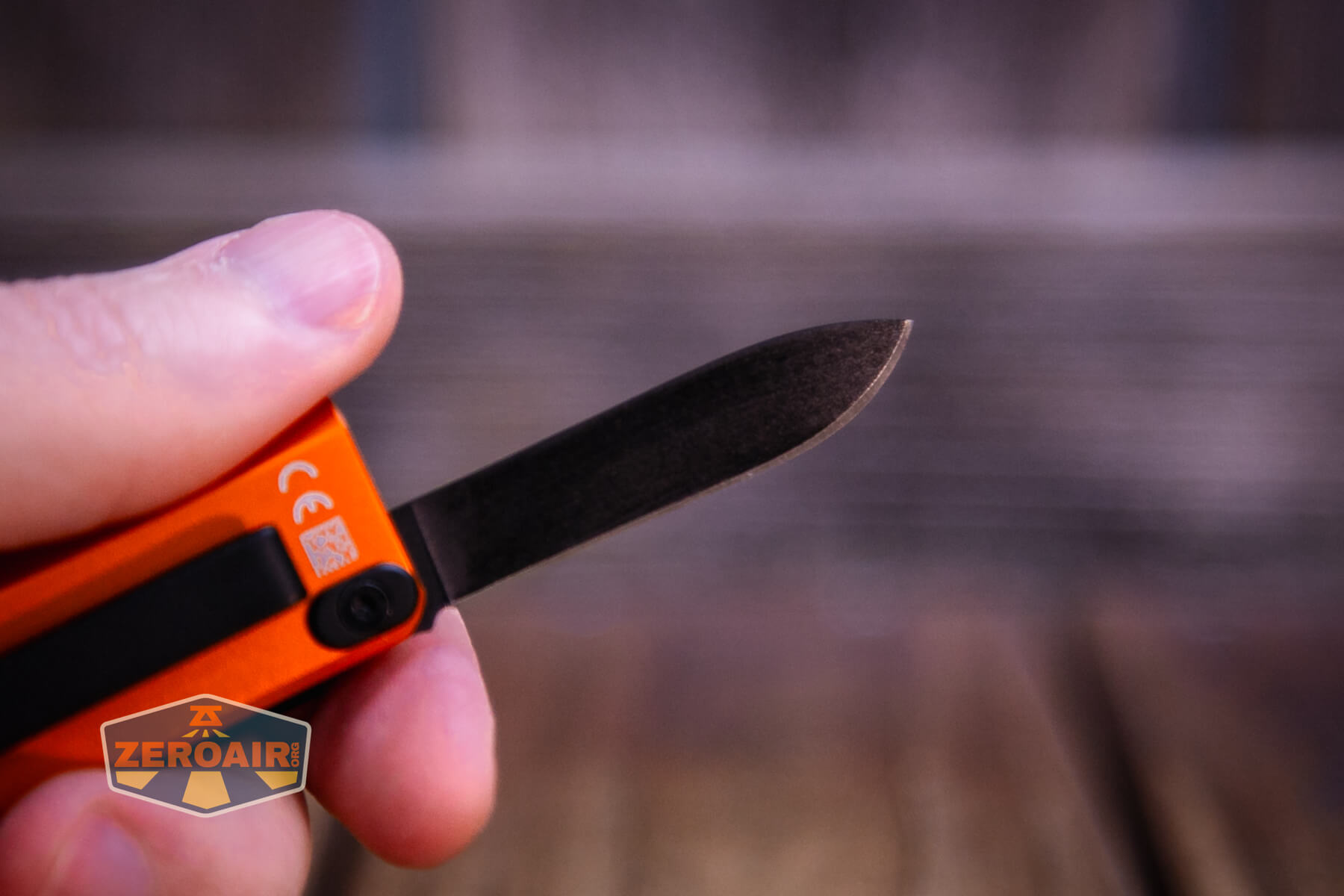
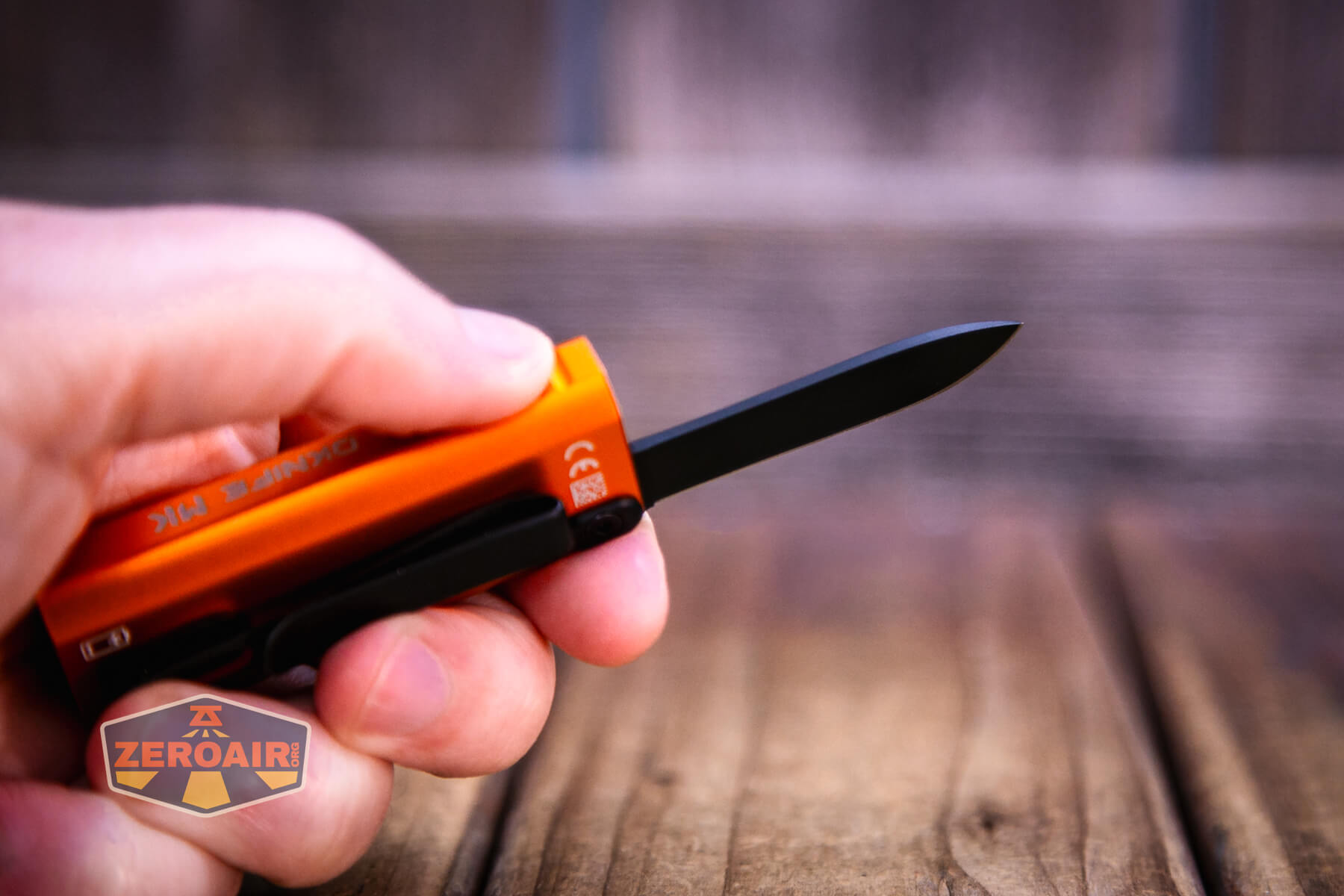
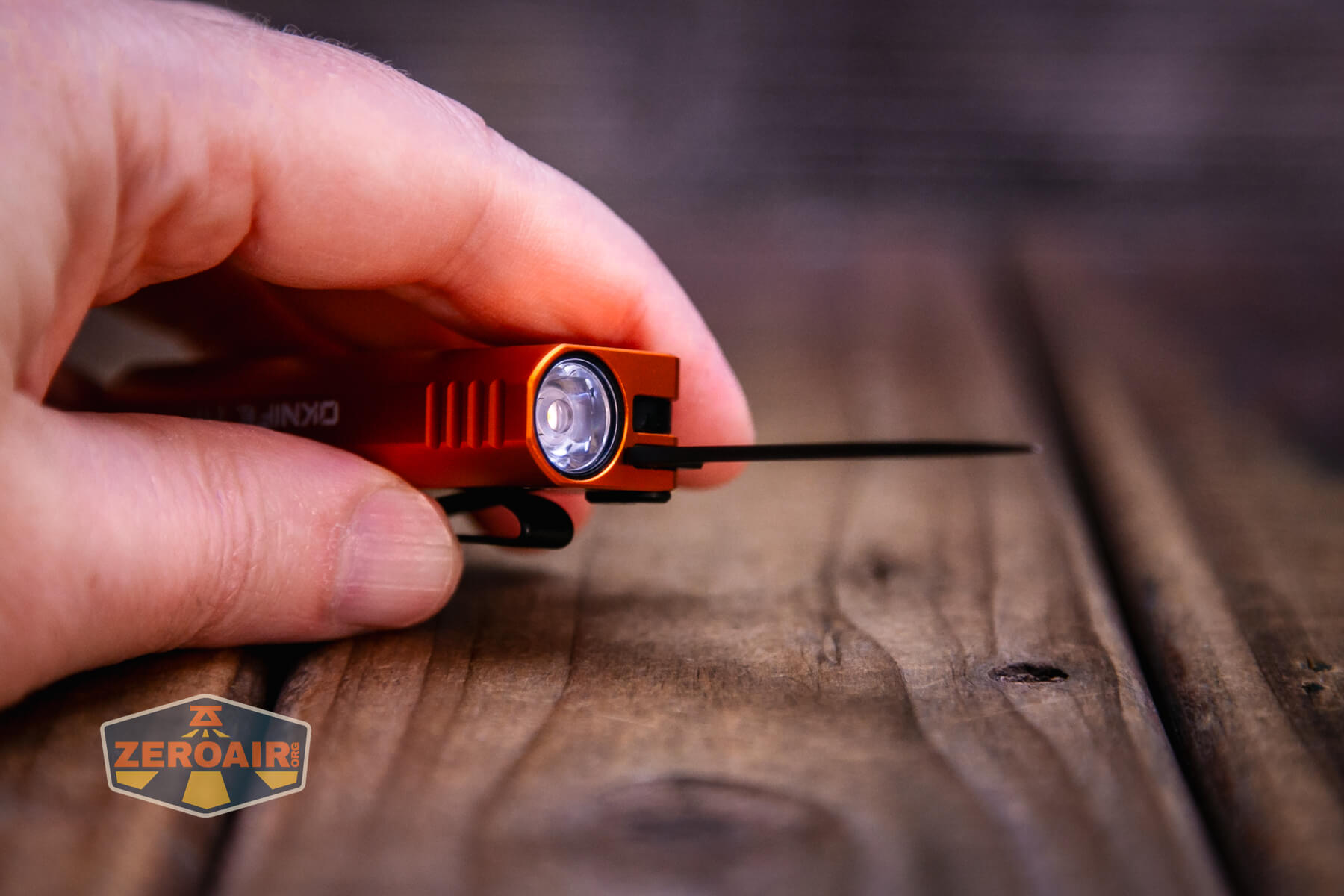
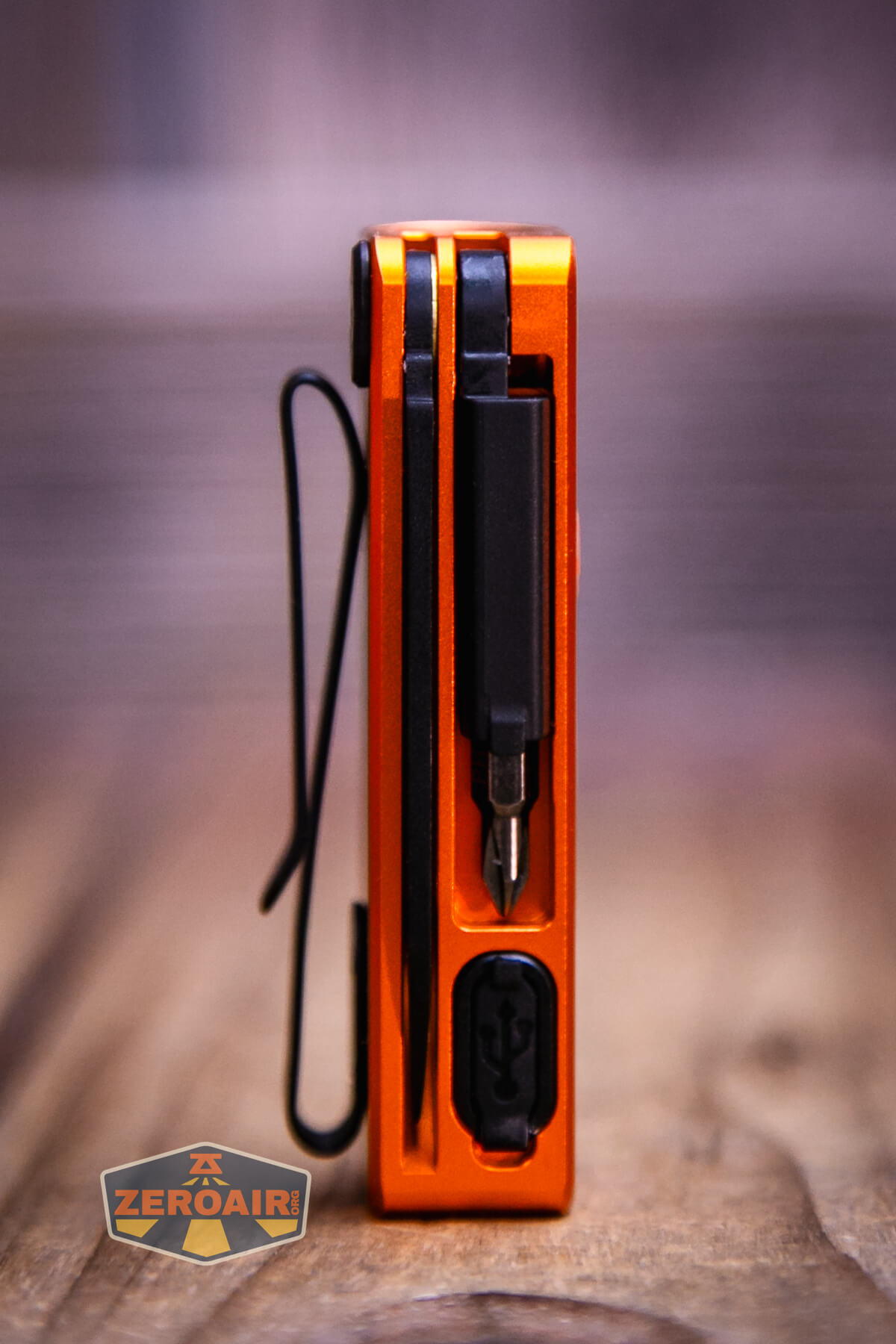
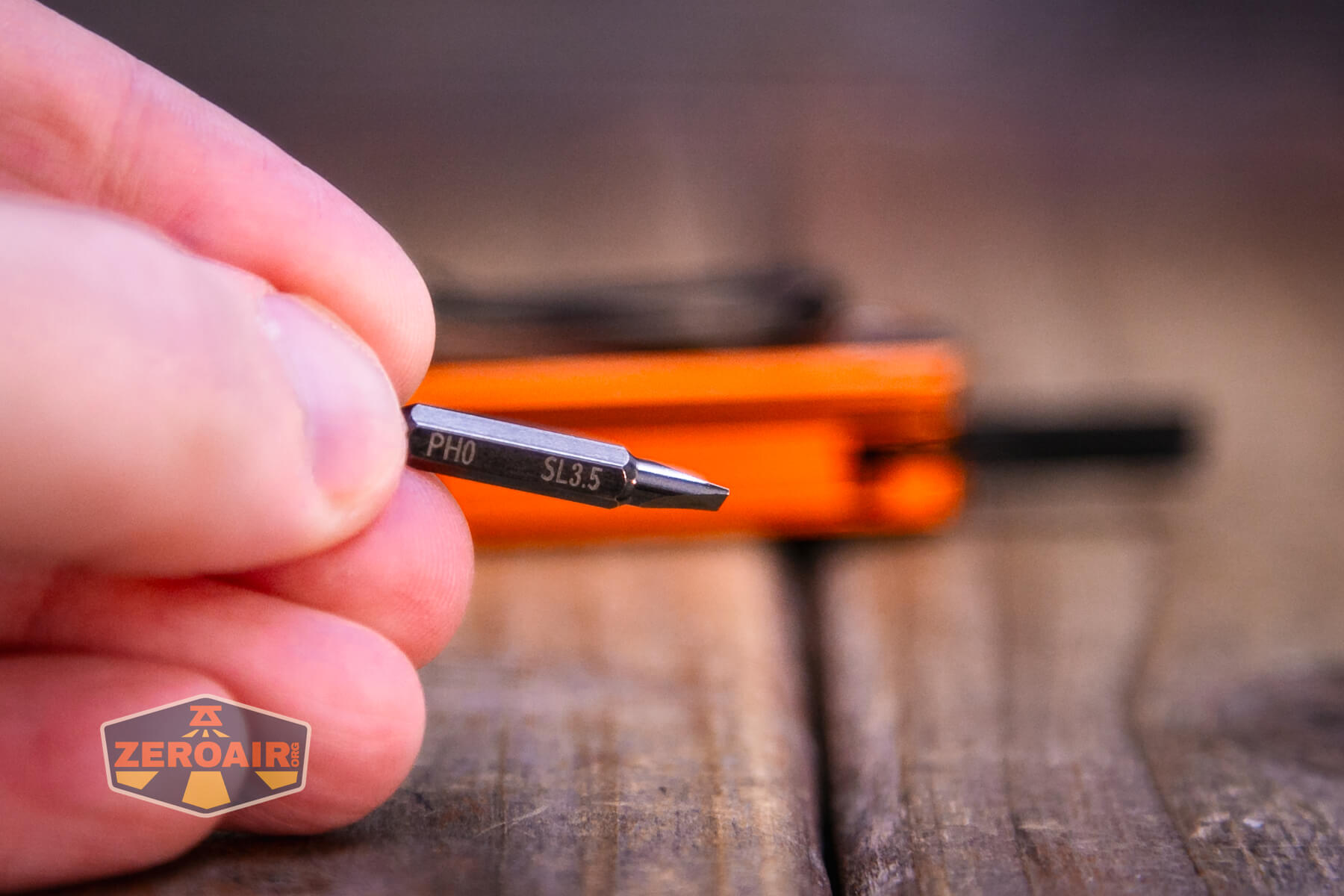
The screwdriver has a single removable two-sided bit. One side is this SL3.0 and the other is a PH0. Flat and Philips head!
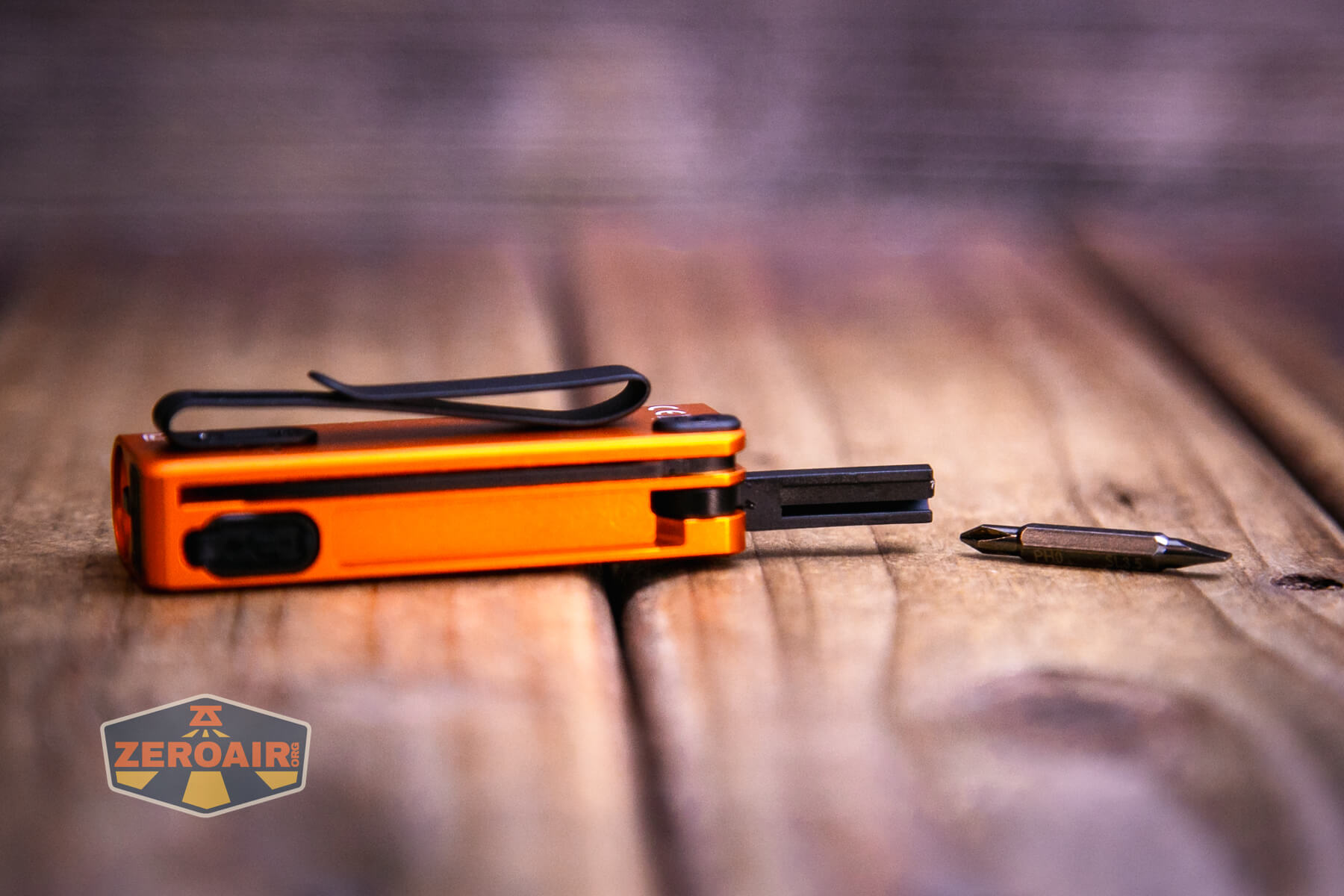
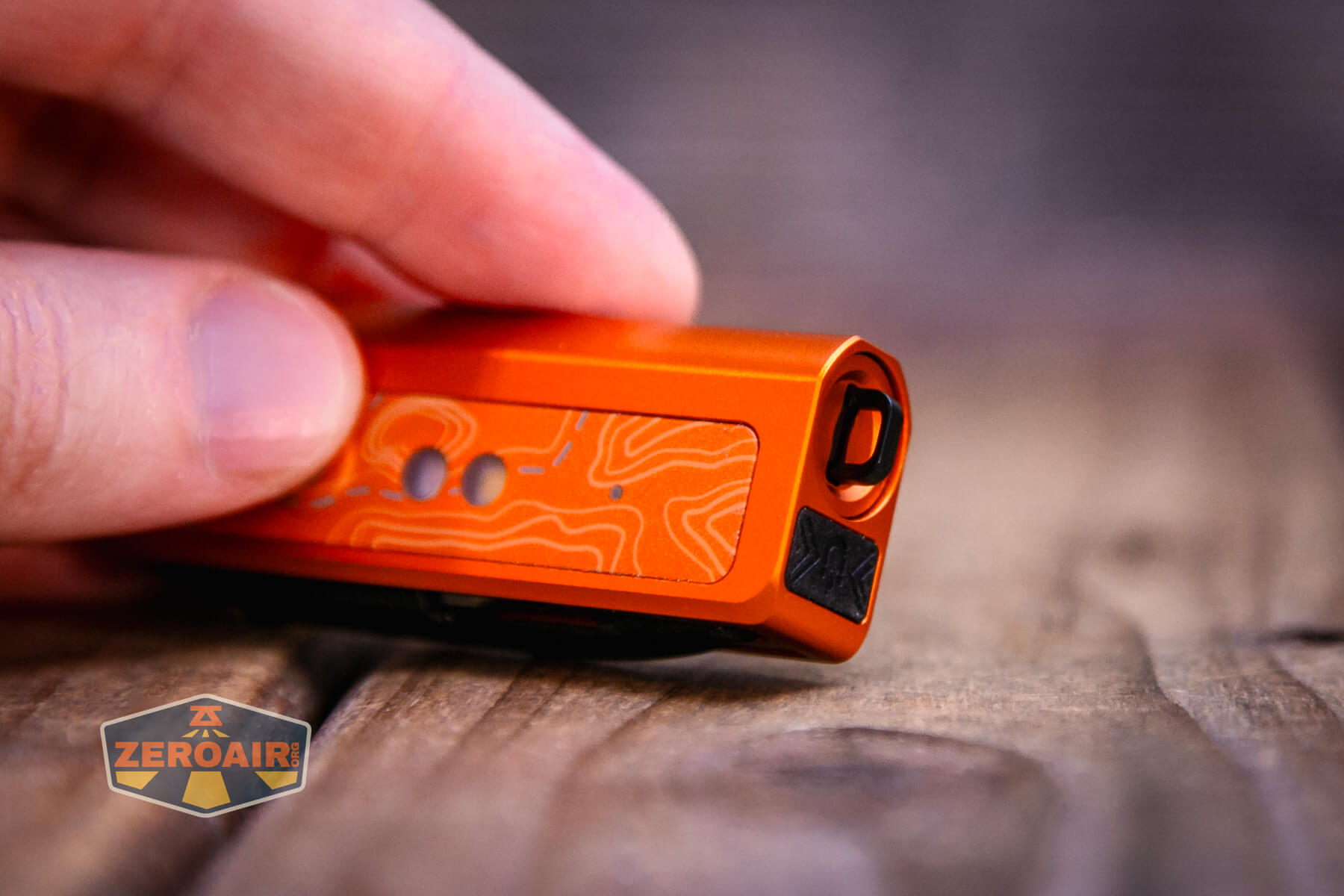
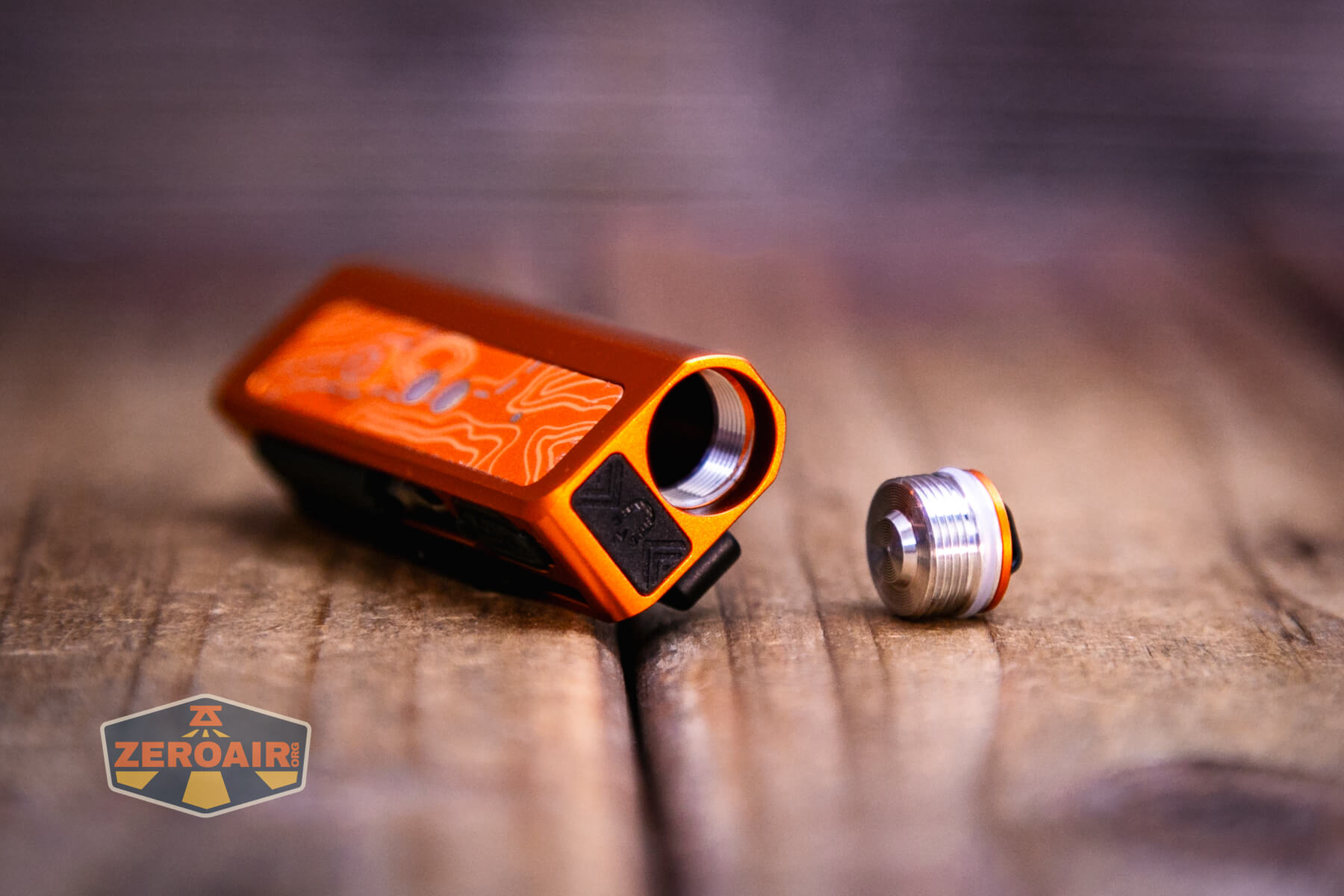
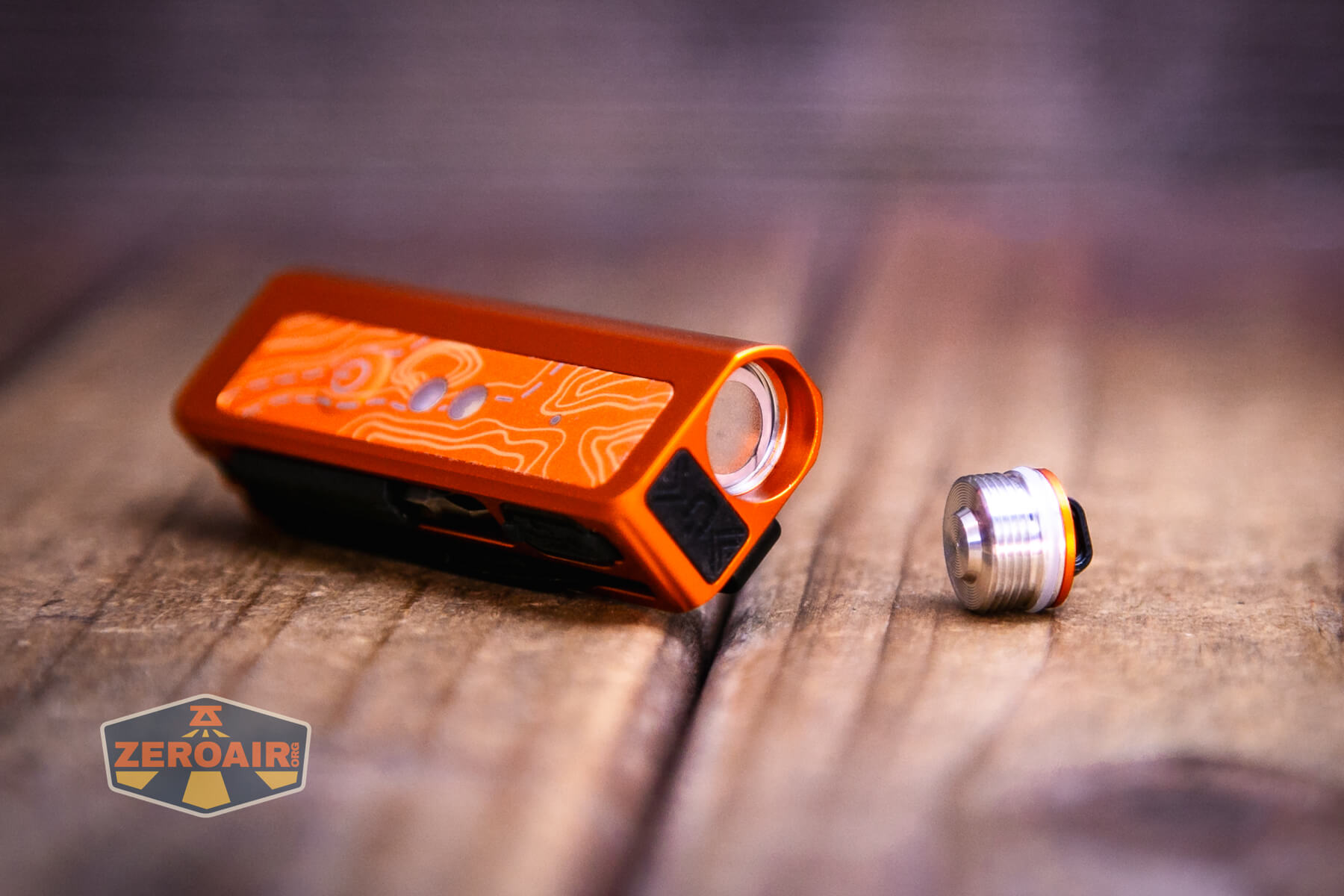
Here’s the design aspect I really dislike. The tailcap is recessed. To unscrew it, you need to pull the lanyard loop out (as far as is seen below) and unscrew it using this loop. It’s difficult! But you may never even have to do that, because built-in charging charges this cell.
The tailcap threads are unanodized, but still quite smooth.
Size and Comps
65mm x 24.3mm x 14.7mm and 52g
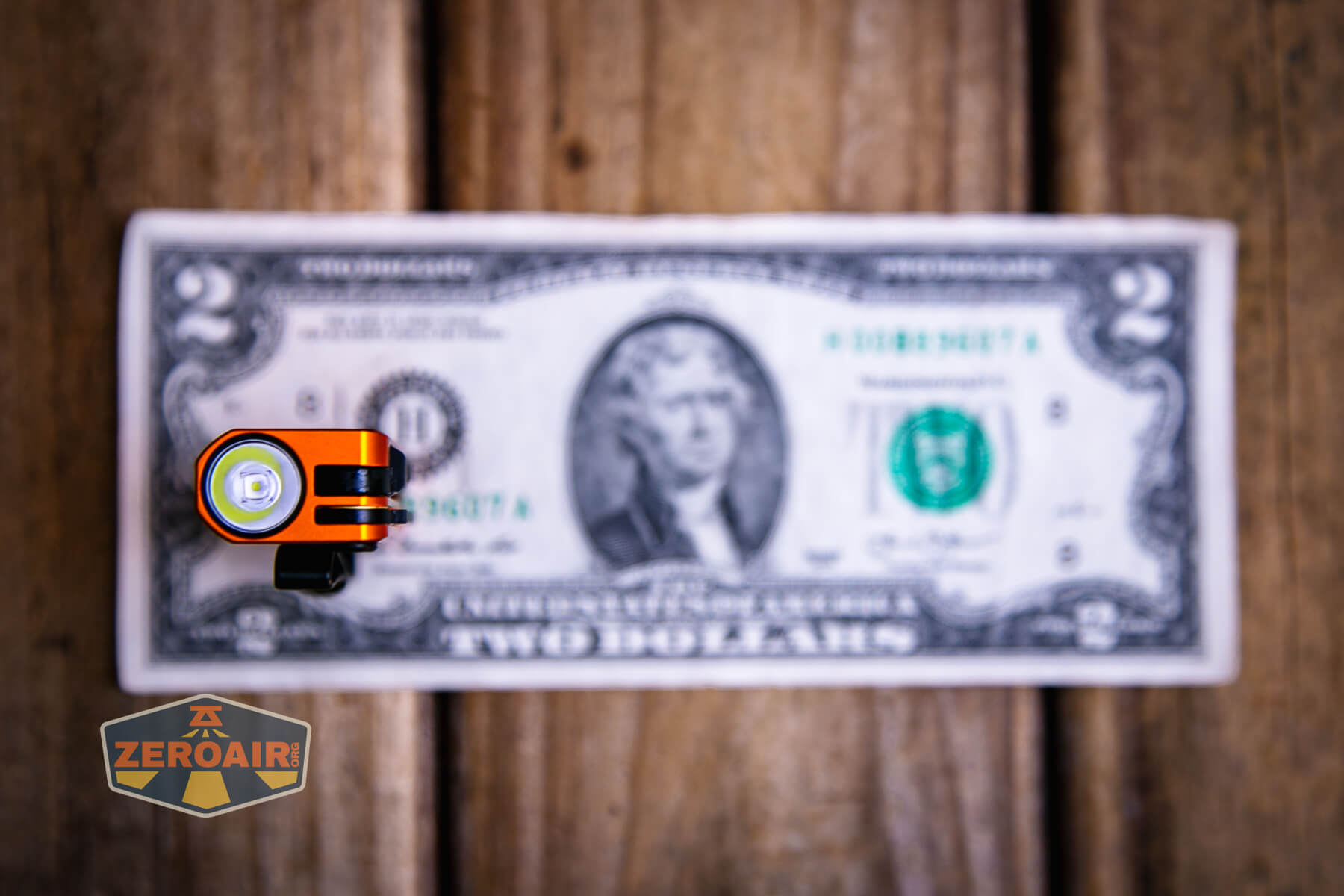
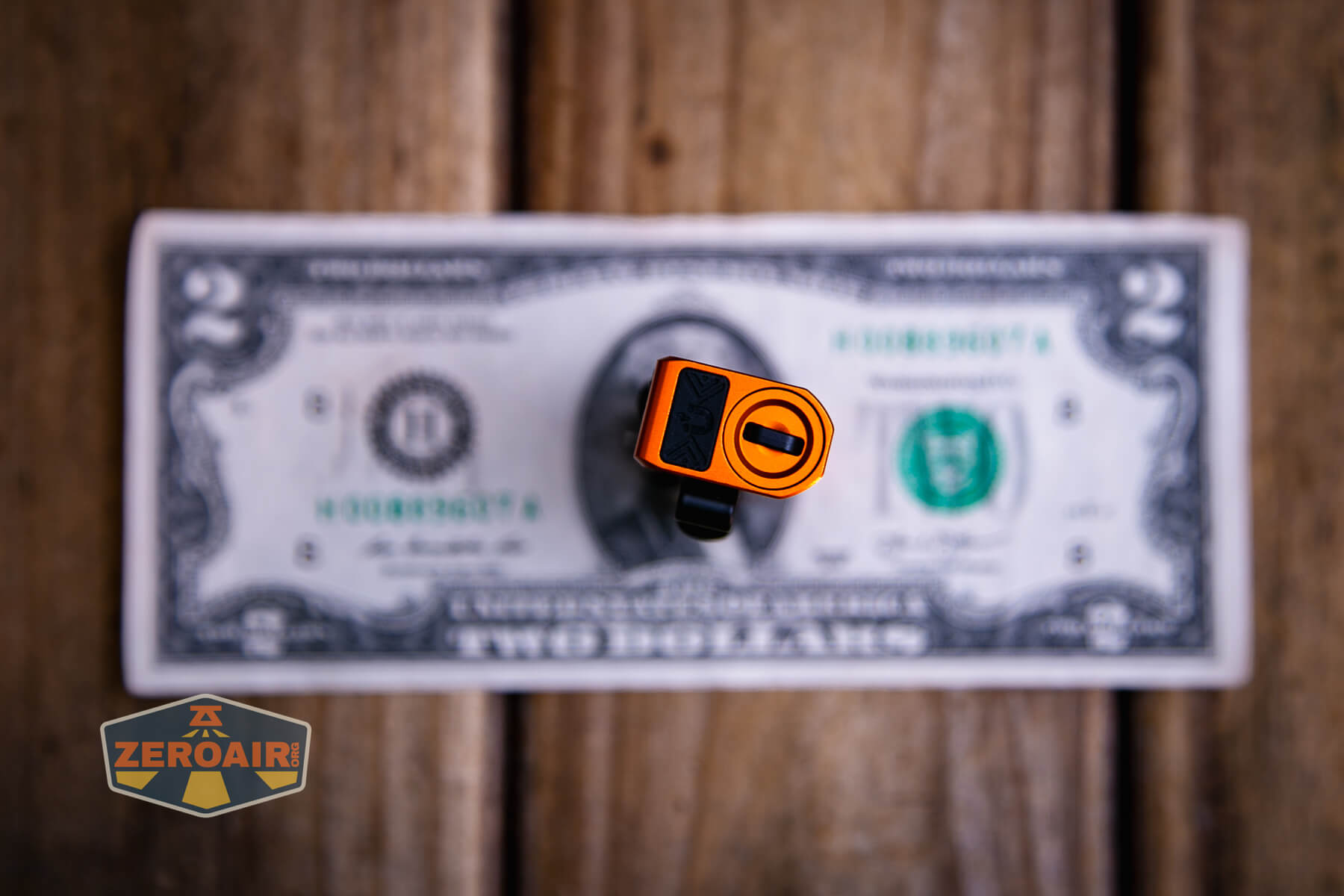
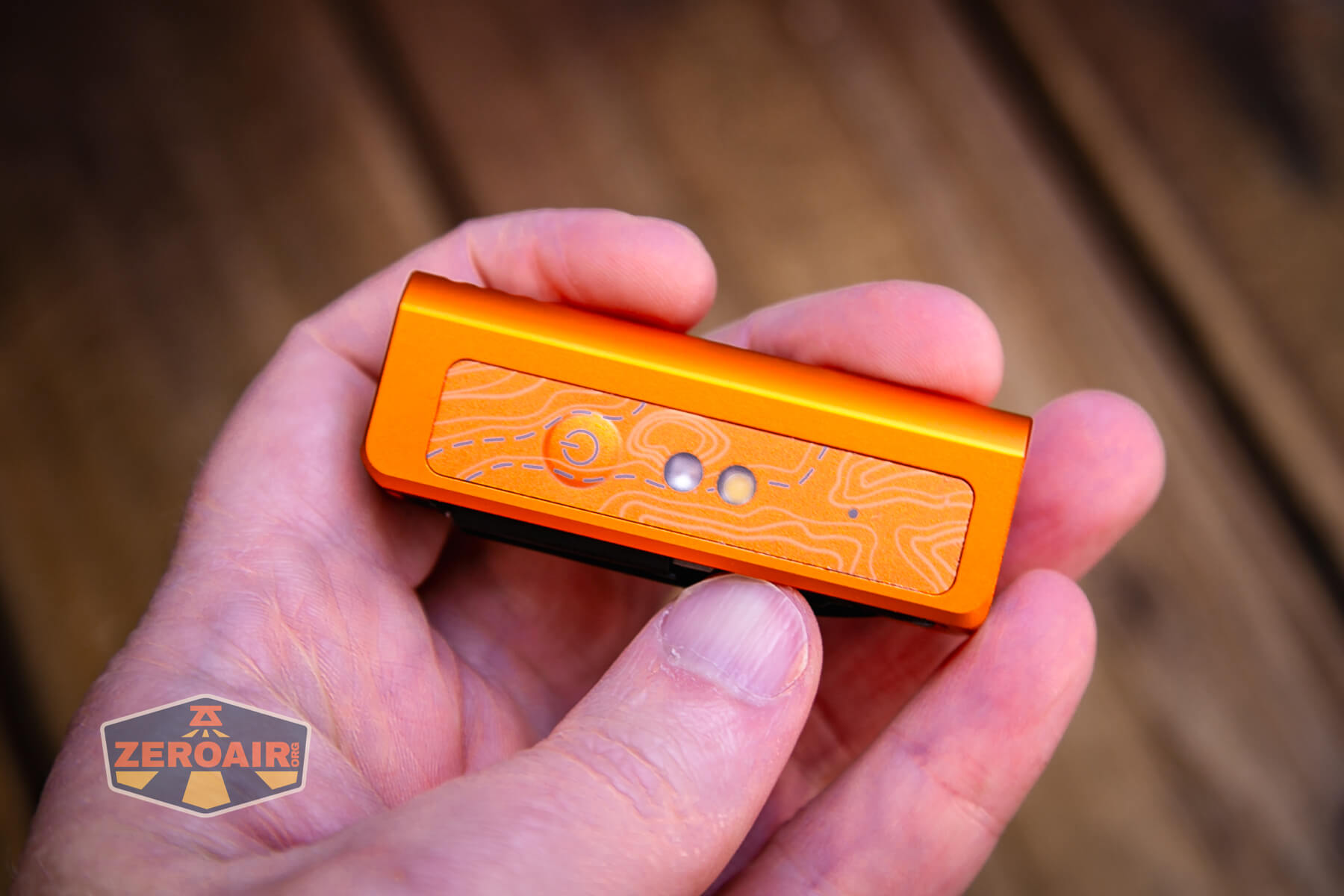
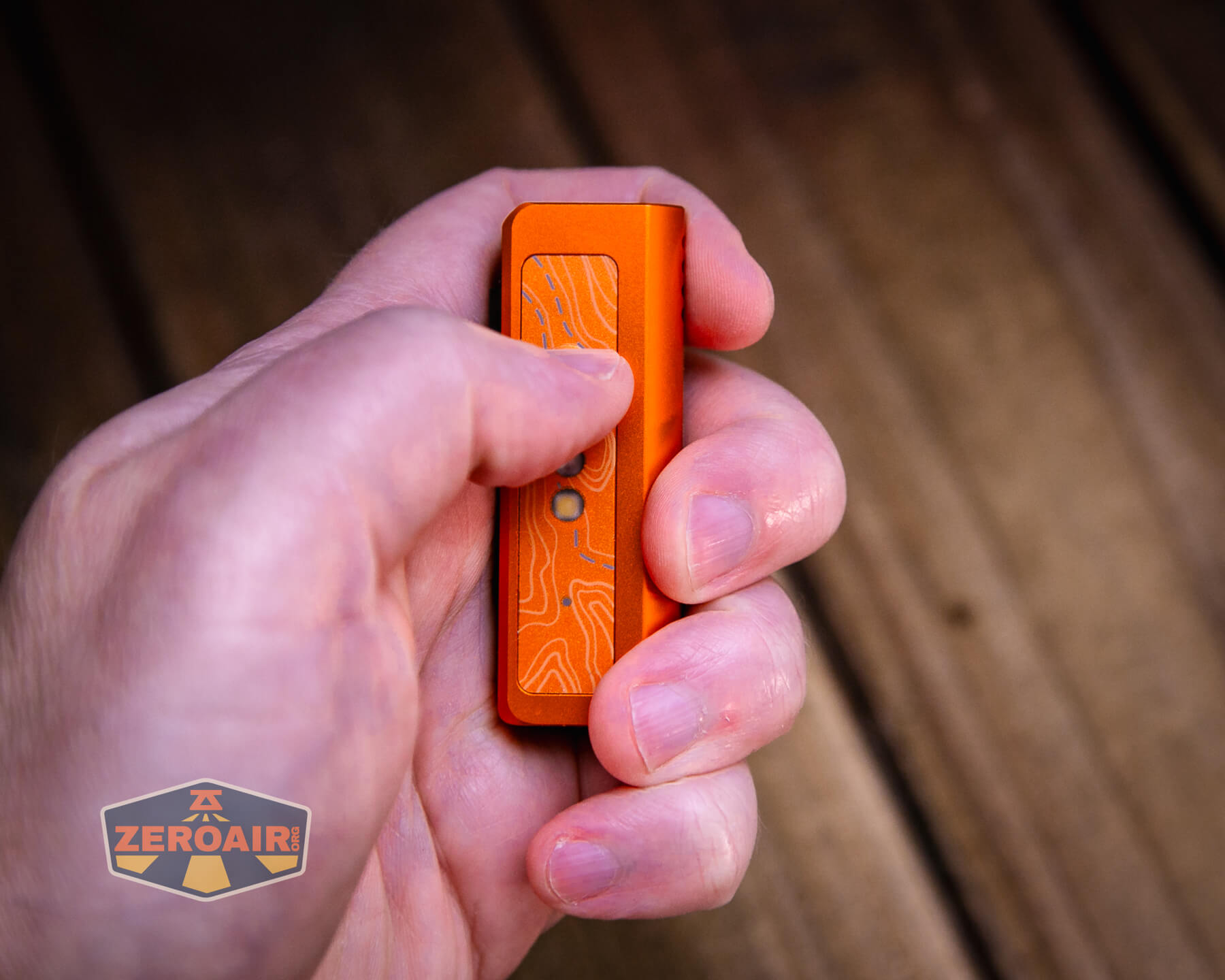
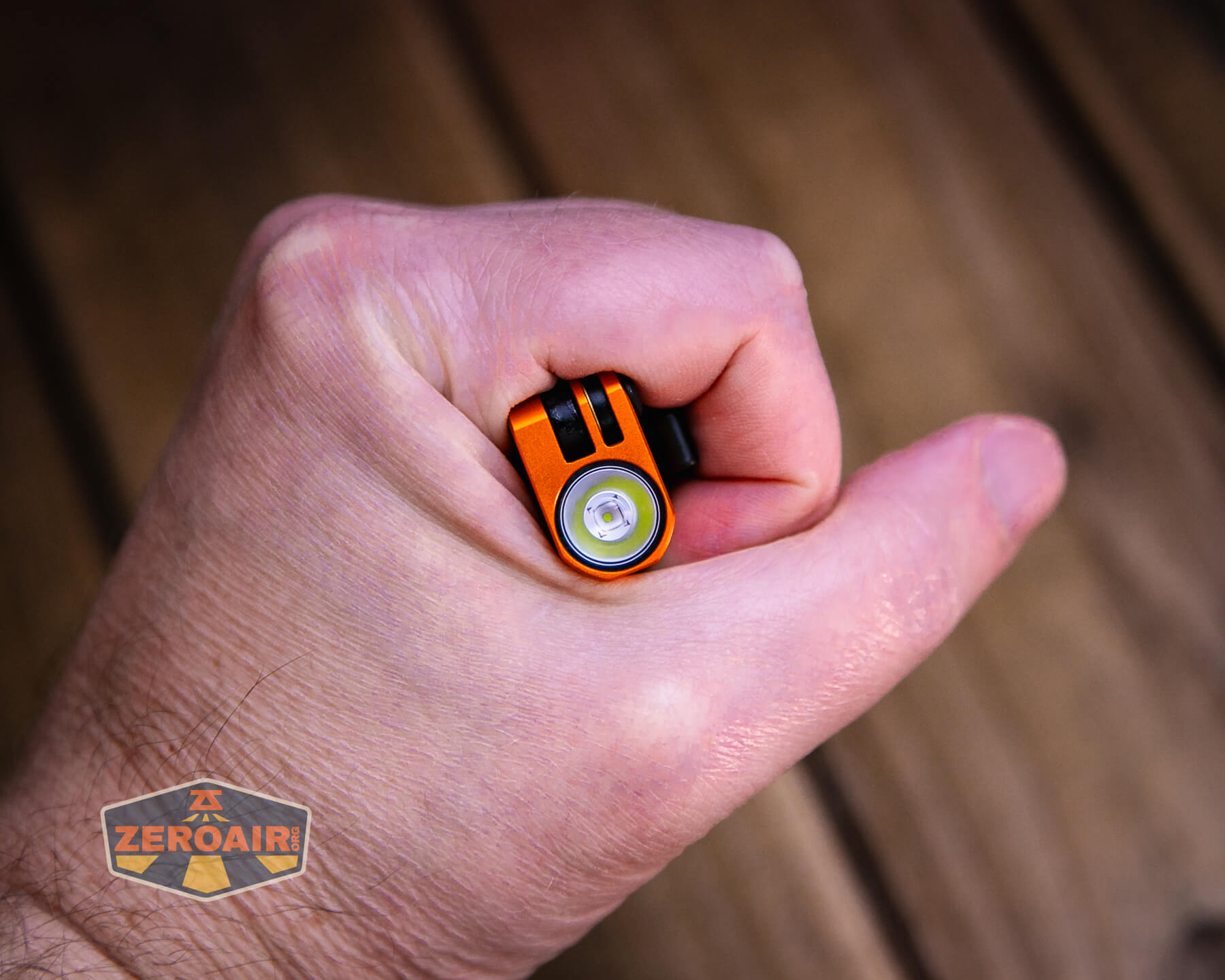
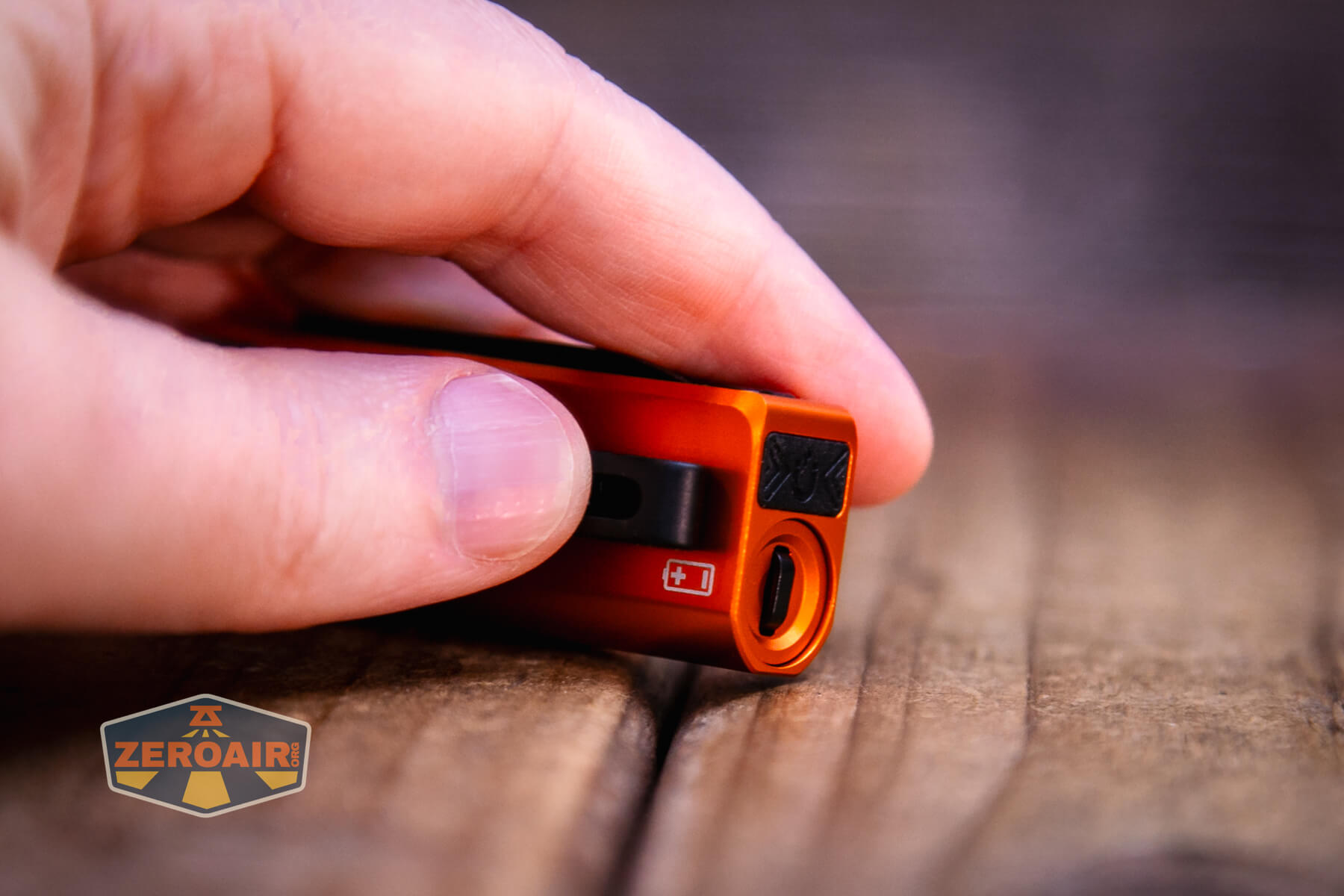
Here’s the light in hand:
Here’s the test light with the venerable Convoy S2+. This is a brass version, which is a good bit heavier than aluminum, but has the same dimensions: 24mm in diameter by 117.5mm in length.
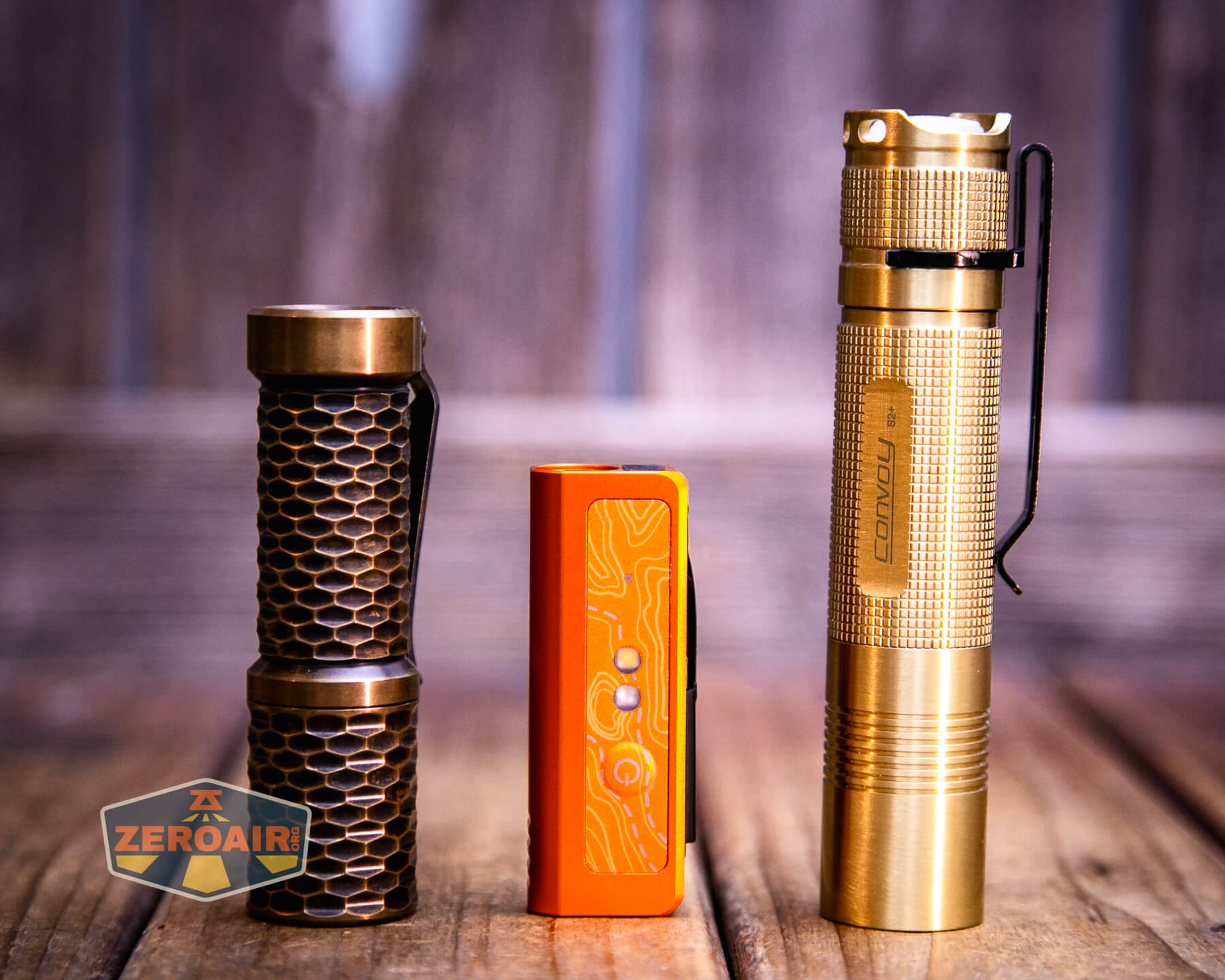
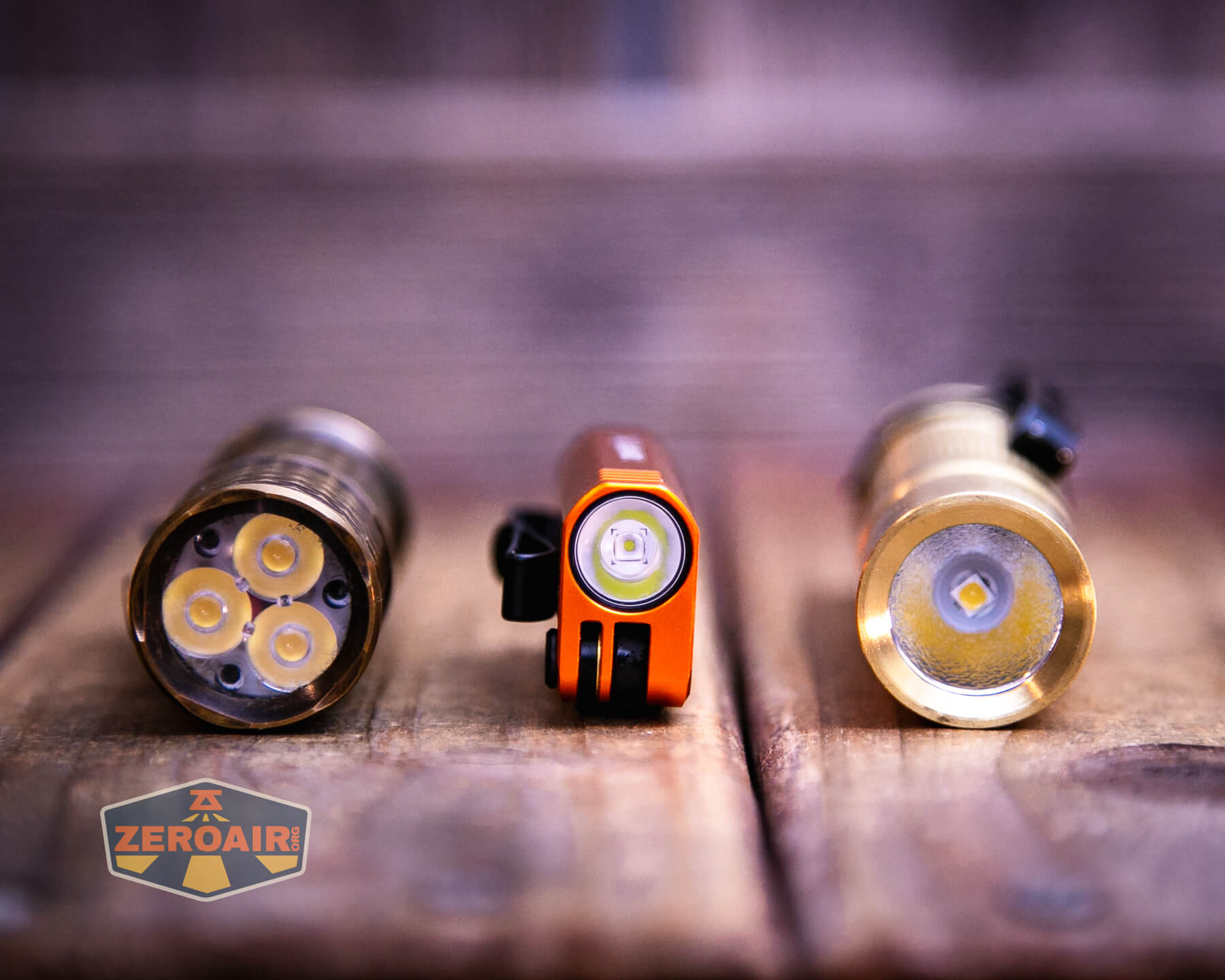
Also in the photo above, my Standard Reference Material (SRM) flashlight is the Hanko Machine Works Trident, an 18350 light. While I have not reviewed or tested the Gunner Grip version seen here, I have tested a Hanko Machine Works Trident Total Tesseract in brass. I love the Trident, and it’s a striking contrast to the inexpensive Convoy S2+, another great SRM.
Retention and Carry
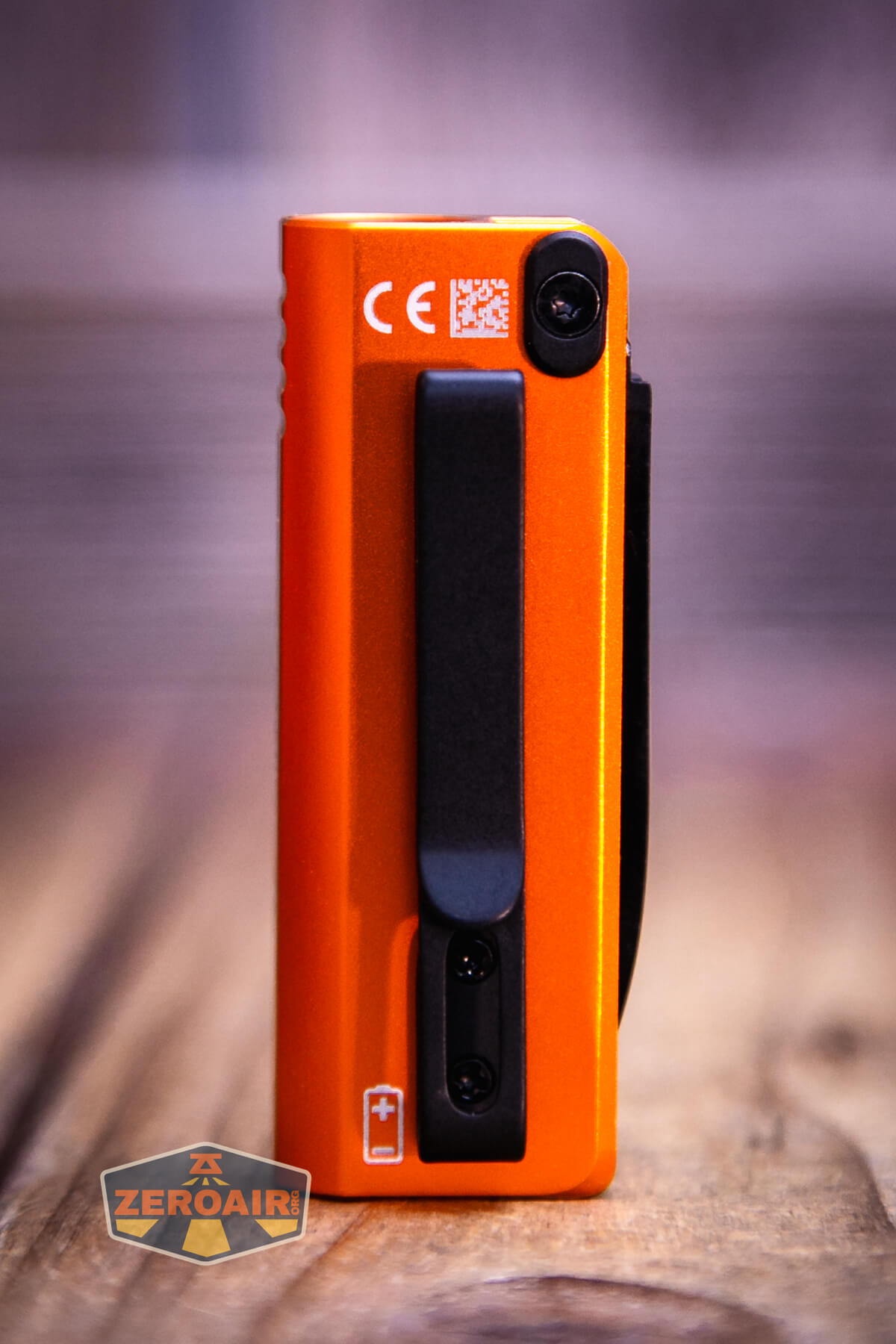
The Olight Oknife MK has a standard two-way pocket clip on the “back.”
It’s a reasonable clip and works fine.
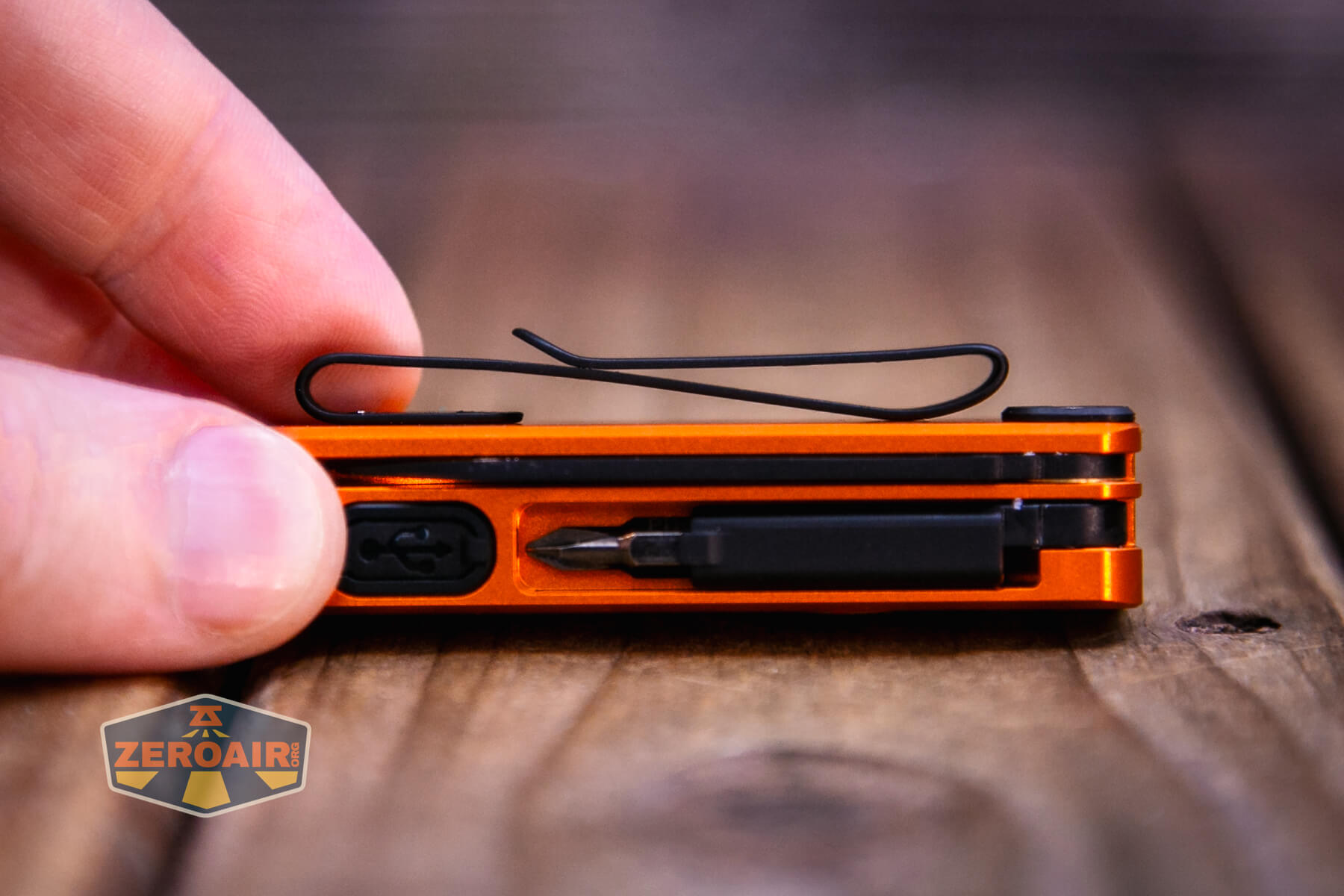
The bottom has a magnet.
The magnet is not removable and is plenty strong to hold the Olight Oknife MK in place.
And of course, as shown above, there’s a lanyard loop.
Power and Runtime
The Olight Oknife MK runs a single 450mAh 10440 cell. The cell shown below is included. It will also run a single AAA!
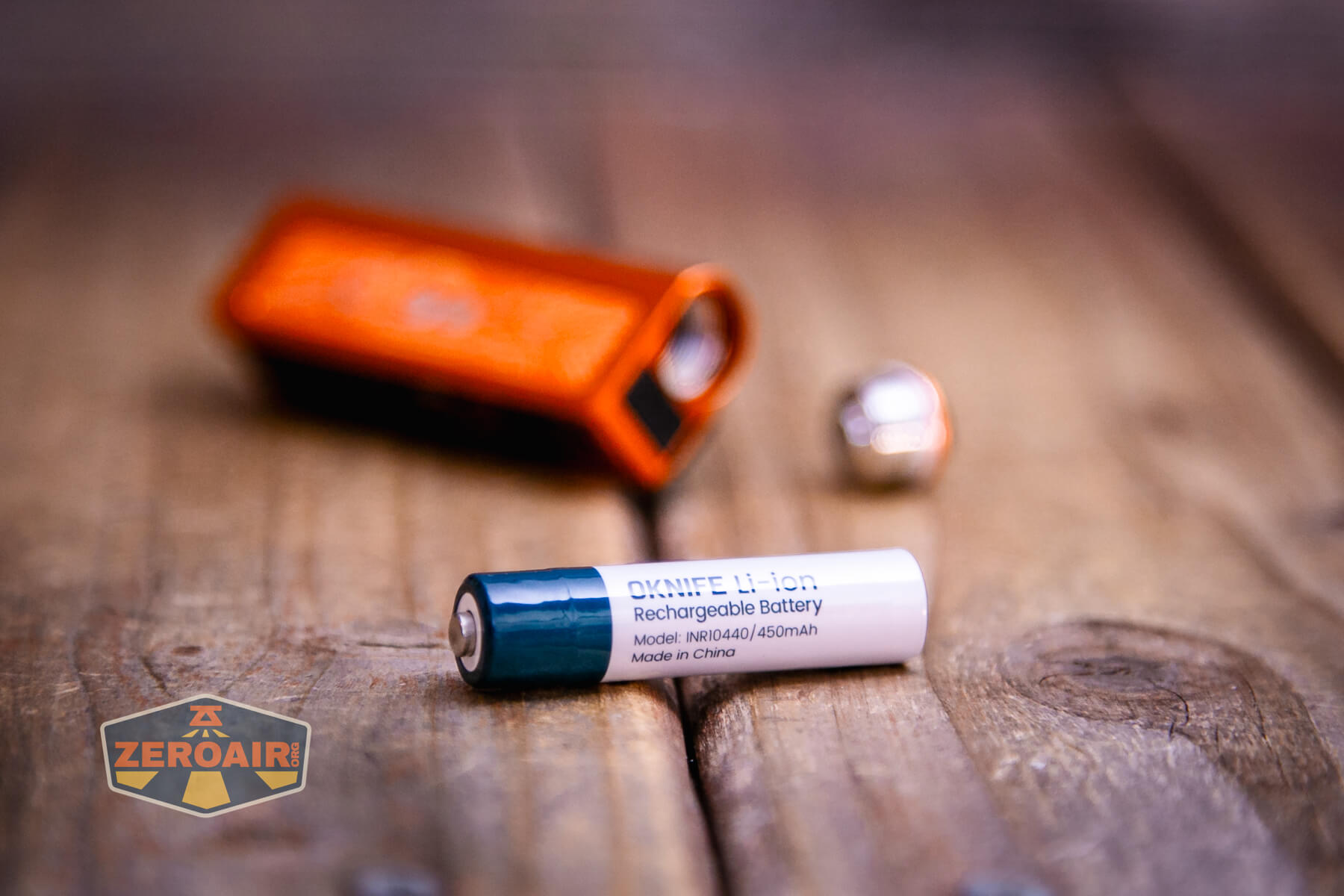
This cell is a bit difficult to gain access because of the tailcap design. Again, you may never have to open this, since the Olight Oknife MK has built-in charging. But don’t charge a 1.5V AAA cell in this light!
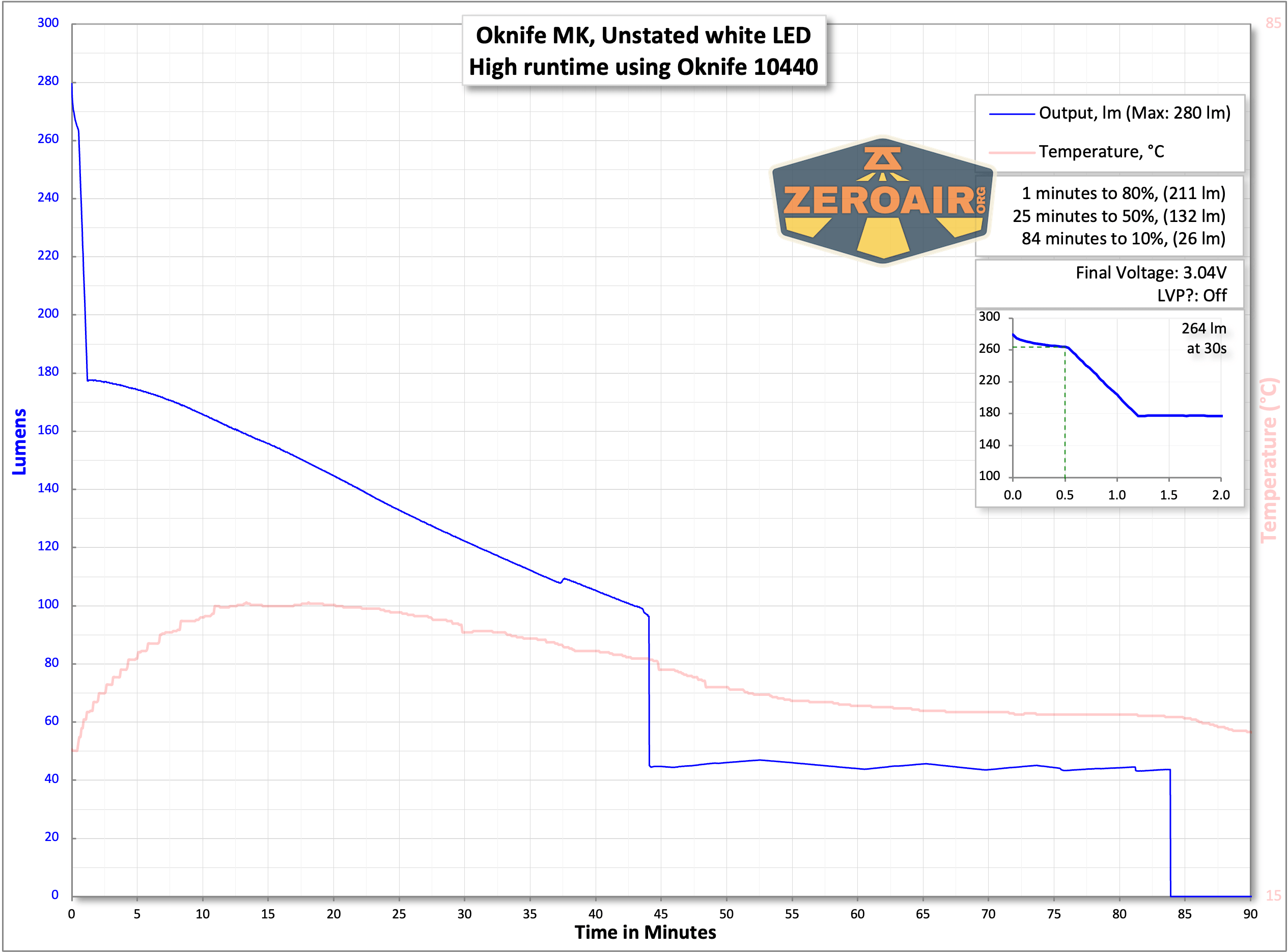
The temperature lines in these charts are included as general context, not precise measurements. The values represent the range (min to max) during testing, but should not be taken as exact readings. A temperature sensor is not always attached to the bezel (or even the hottest spot, assuming that could be defined). Even with ideal placement, too many variables affect temperature to definitively state a specific max value.
Charging
On the tool side of the Olight Oknife MK is a USB-C charging port.
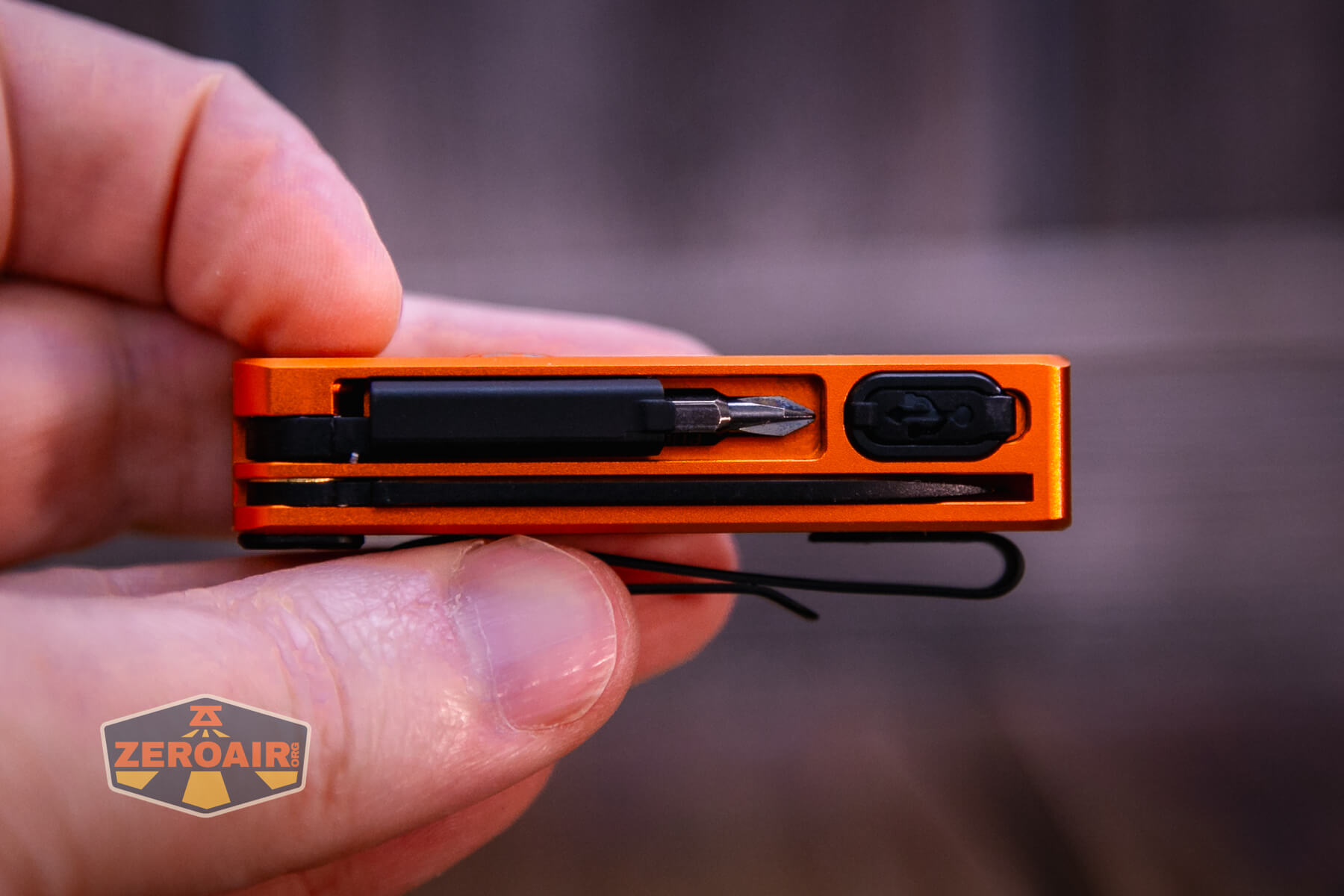
This charging port cover likes to stay open, but if firmly seated properly, it does stay put.
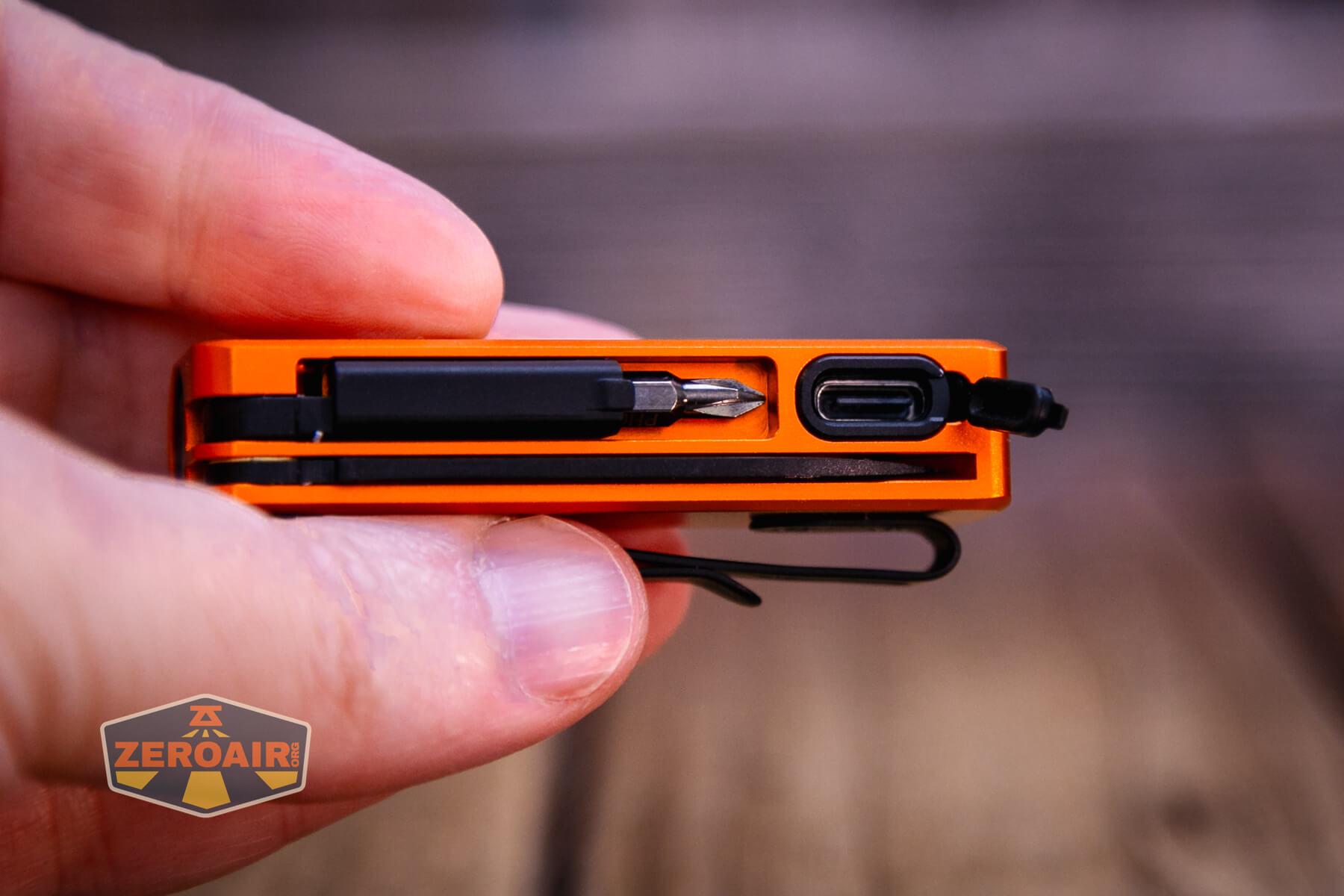
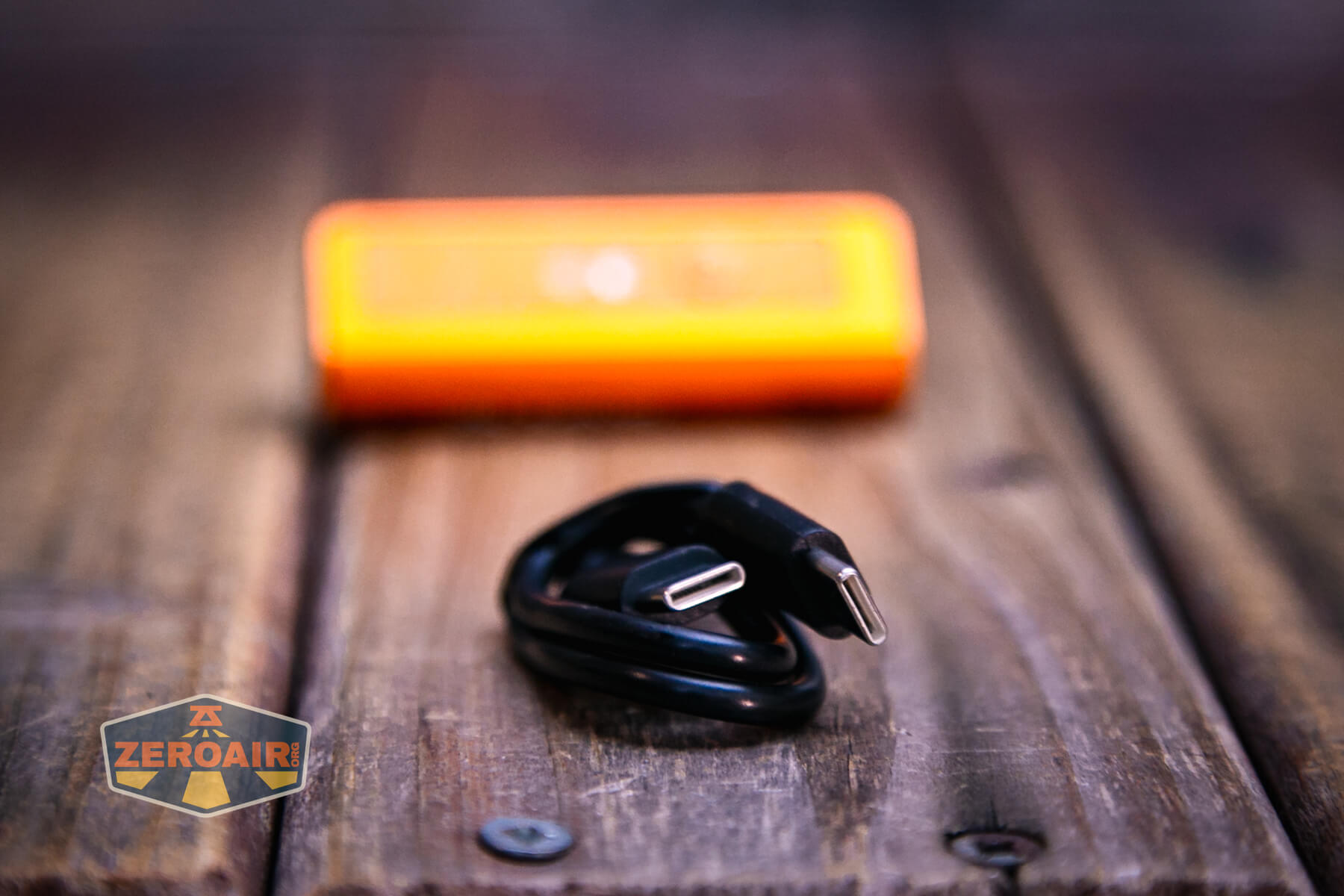
Oknife includes a C to C charging cable, too.
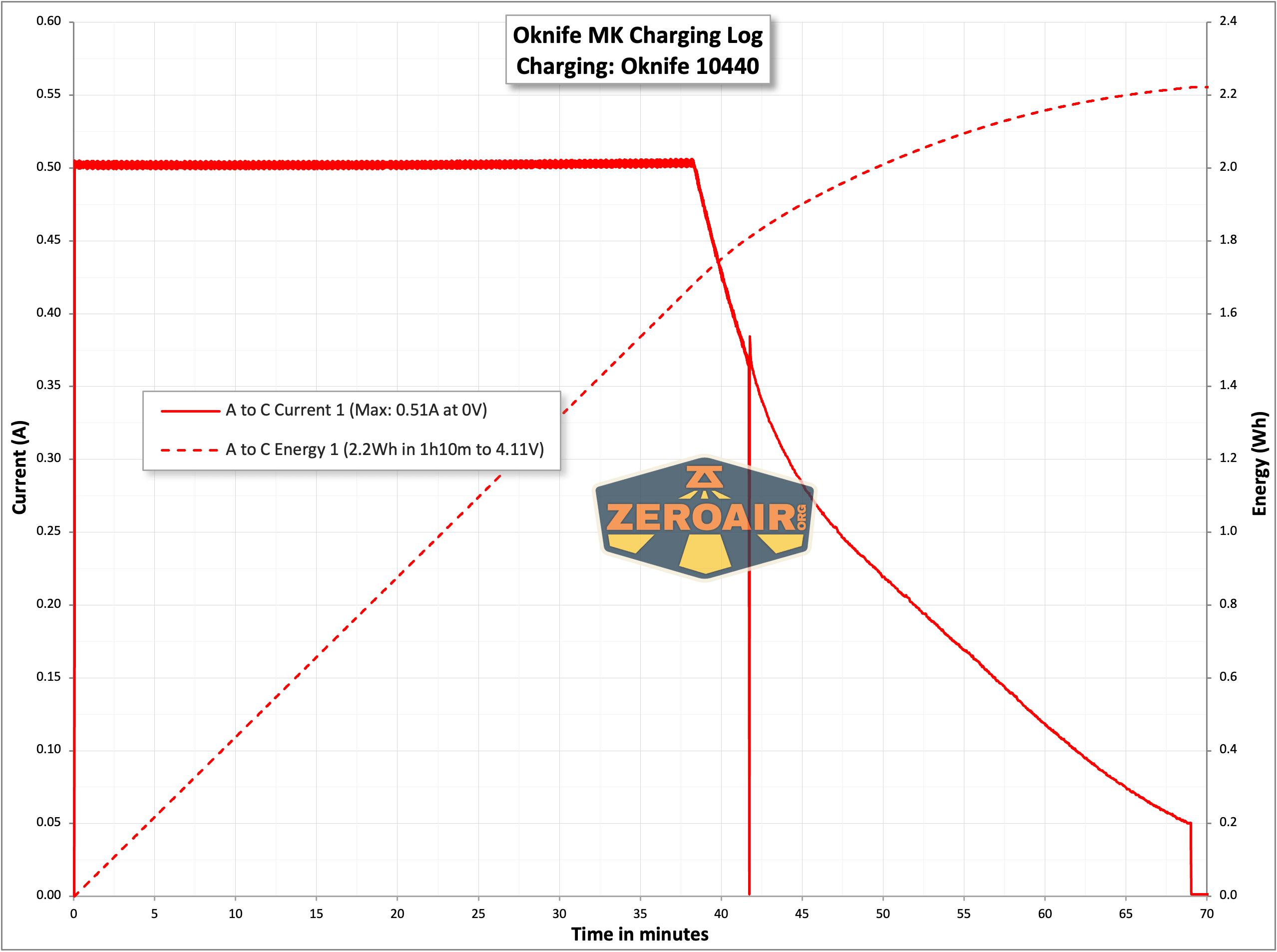
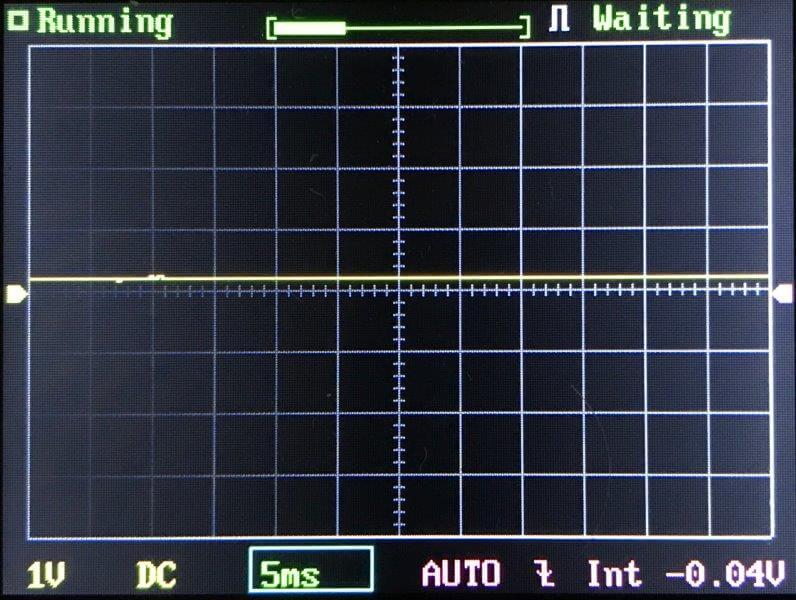
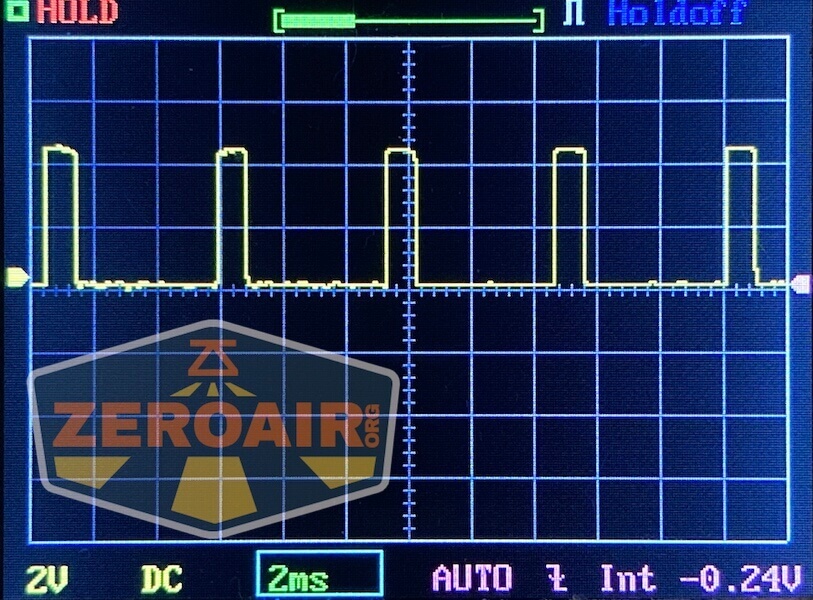
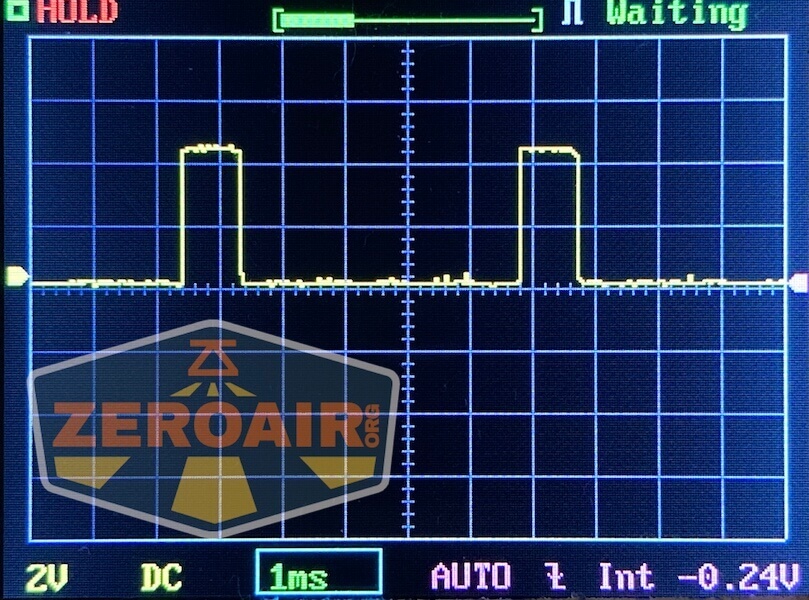
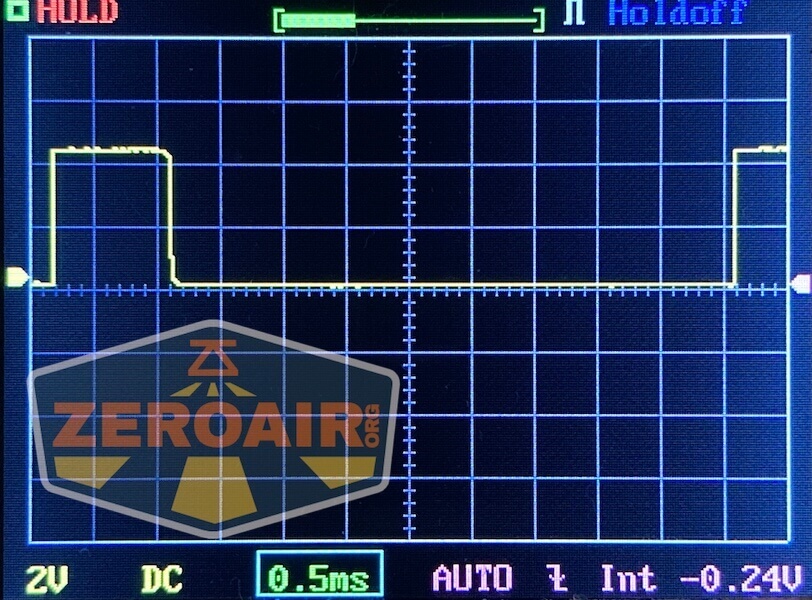
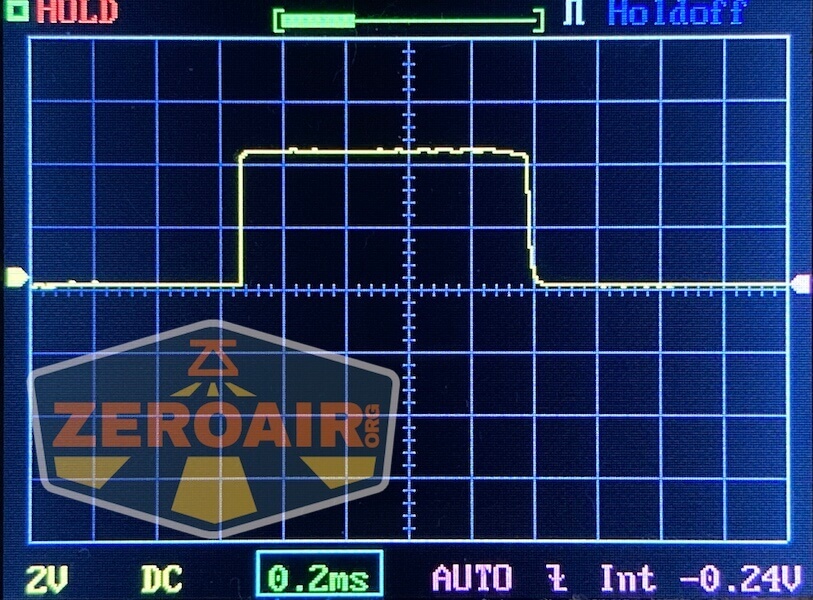
Pulse Width Modulation
[data incoming]
Click here to see a “baseline” – a chart with almost no light hitting the sensor.
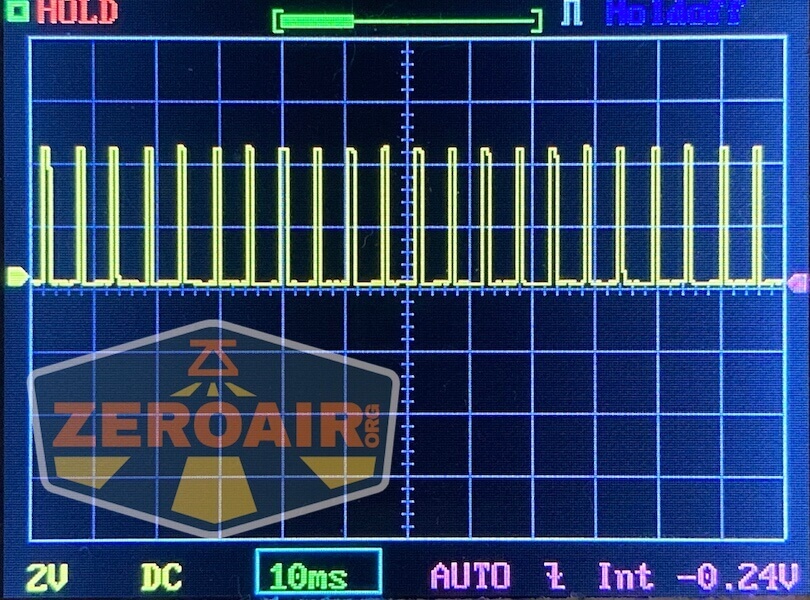
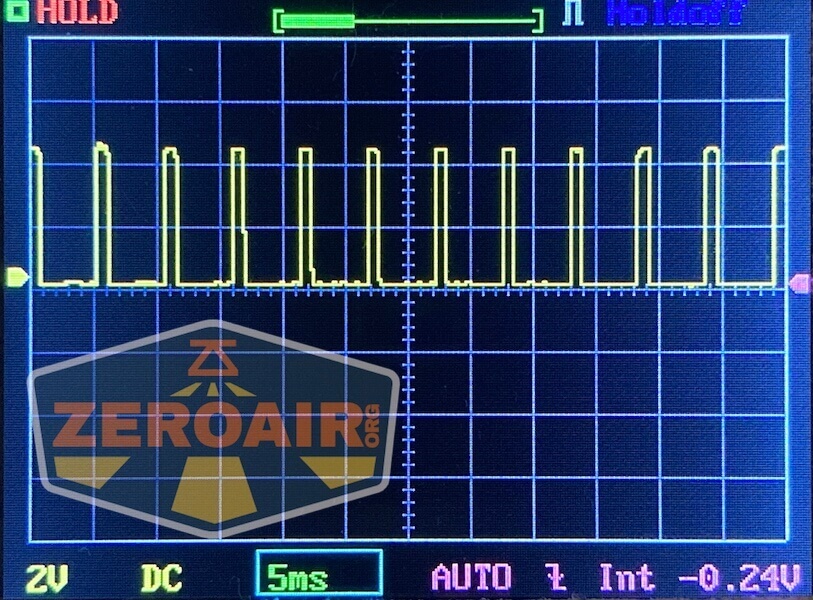
Then there’s the Ultrafire WF-602C flashlight, which has some of the worst PWM I’ve seen. It’s so bad that I used a post about it to explain PWM! Here are multiple timescales (10ms, 5ms, 2ms, 1ms, 0.5ms, 0.2ms) to make comparing this “worst” PWM light to the test light easier. That post also explains why I didn’t test the WF-602C at the usual 50us scale.
User Interface and Operation
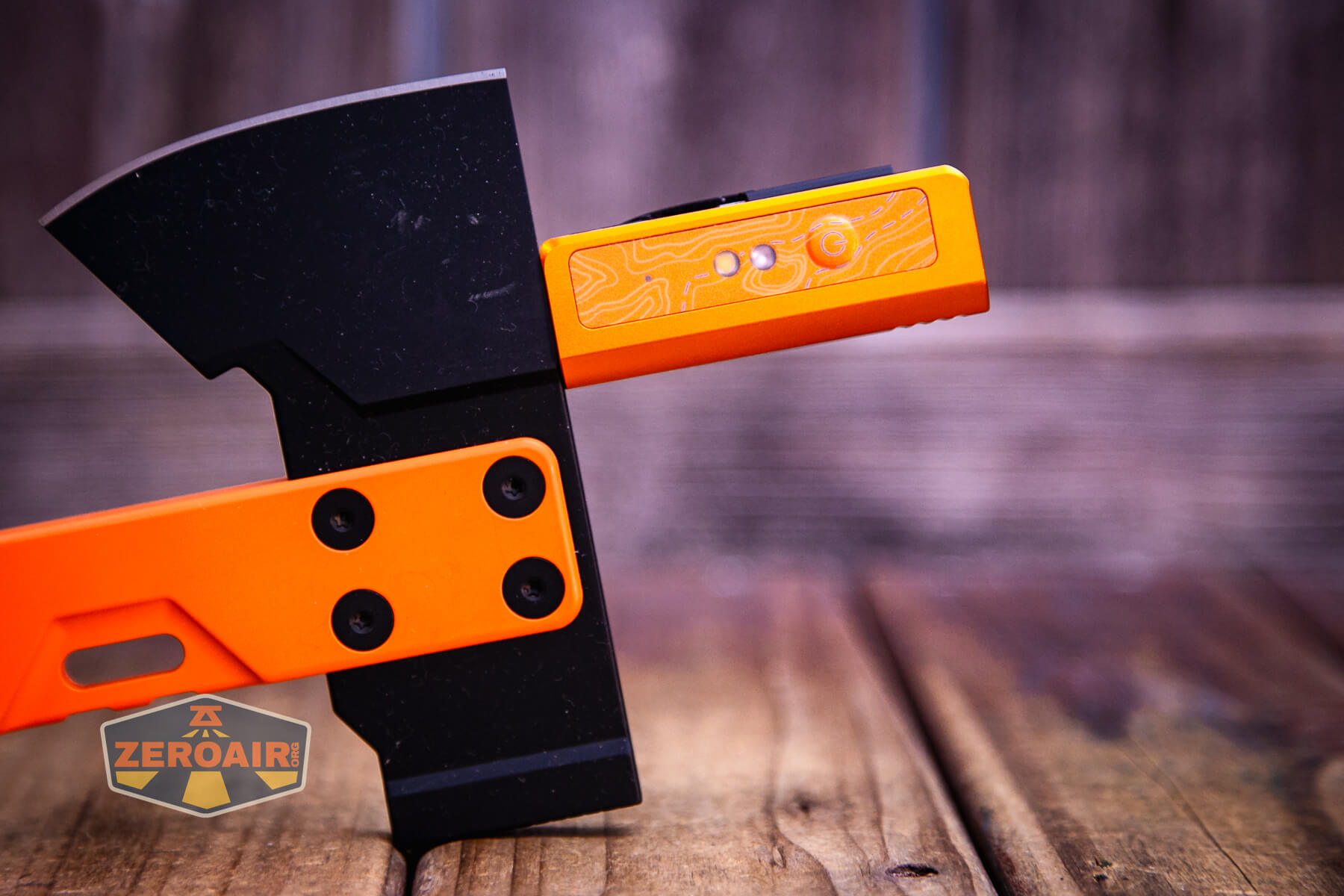
The Olight Oknife MK has a single switch. You can see it below. You may also be able to tell that it’s a sort of bump below that sticker design label. And yes, when lying on this side on a very flat surface, you can press the whole light down, and the emitter will come on.
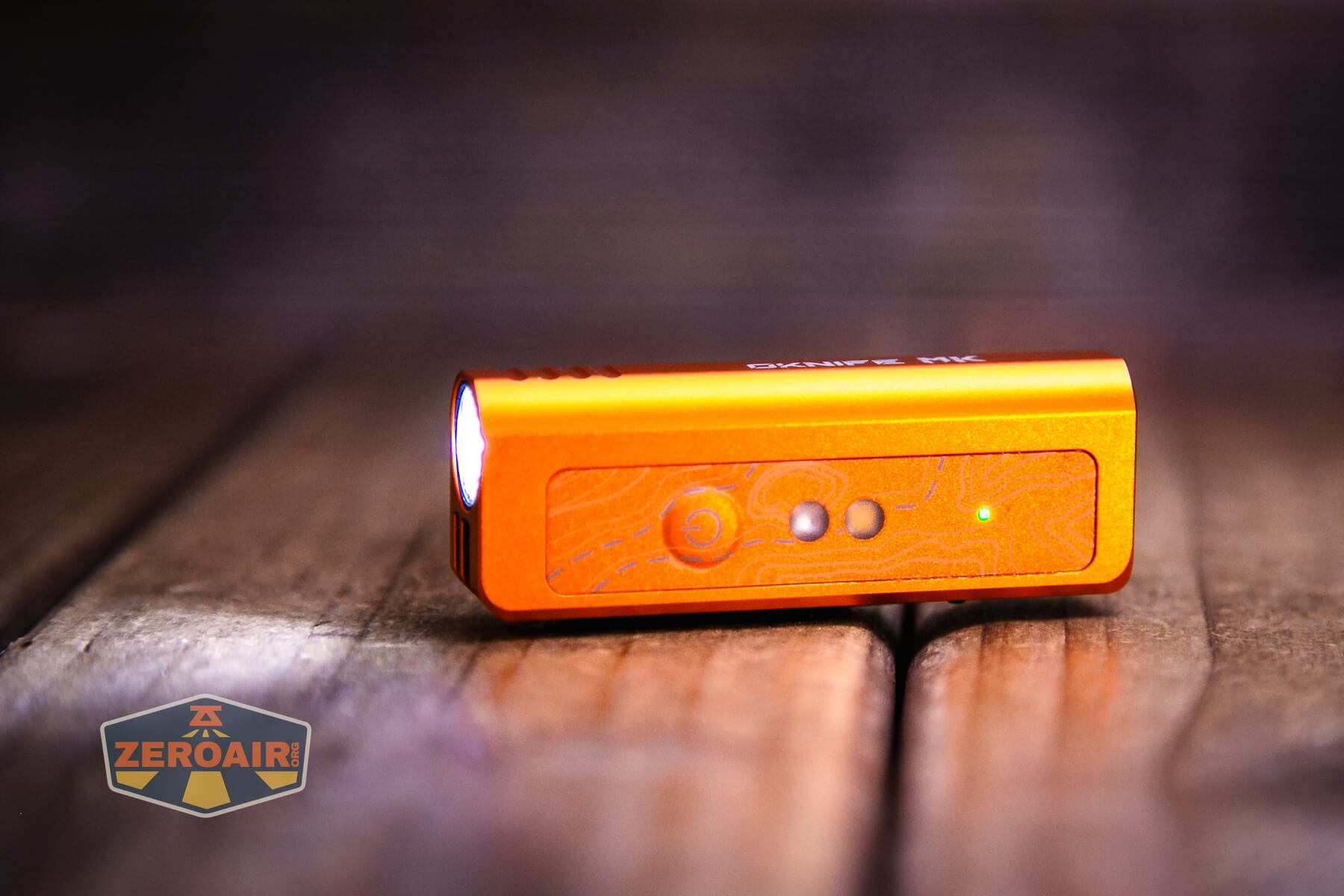
Here’s a user interface table!
| State | Action | Result |
|---|---|---|
| Off | Click | On (front white memory) |
| Off | Hold >3s | Lock (main emitter blinks briefly to indicate lockout) |
| Locked | Hold >3s | Unlock (light turns on to low) |
| Locked | Click | Indicator blinks red briefly |
| On | Hold | Mode advance |
| On | Click | Off |
| Main on | Double click | High (ie direct access to High) |
| Off | Click 3x | Side white low |
| Side white on | Hold | Mode advance |
| Side on | Double click | Red Beacon |
LED and Beam
Oknife doesn’t state what emitter is used in the Olight Oknife MK.
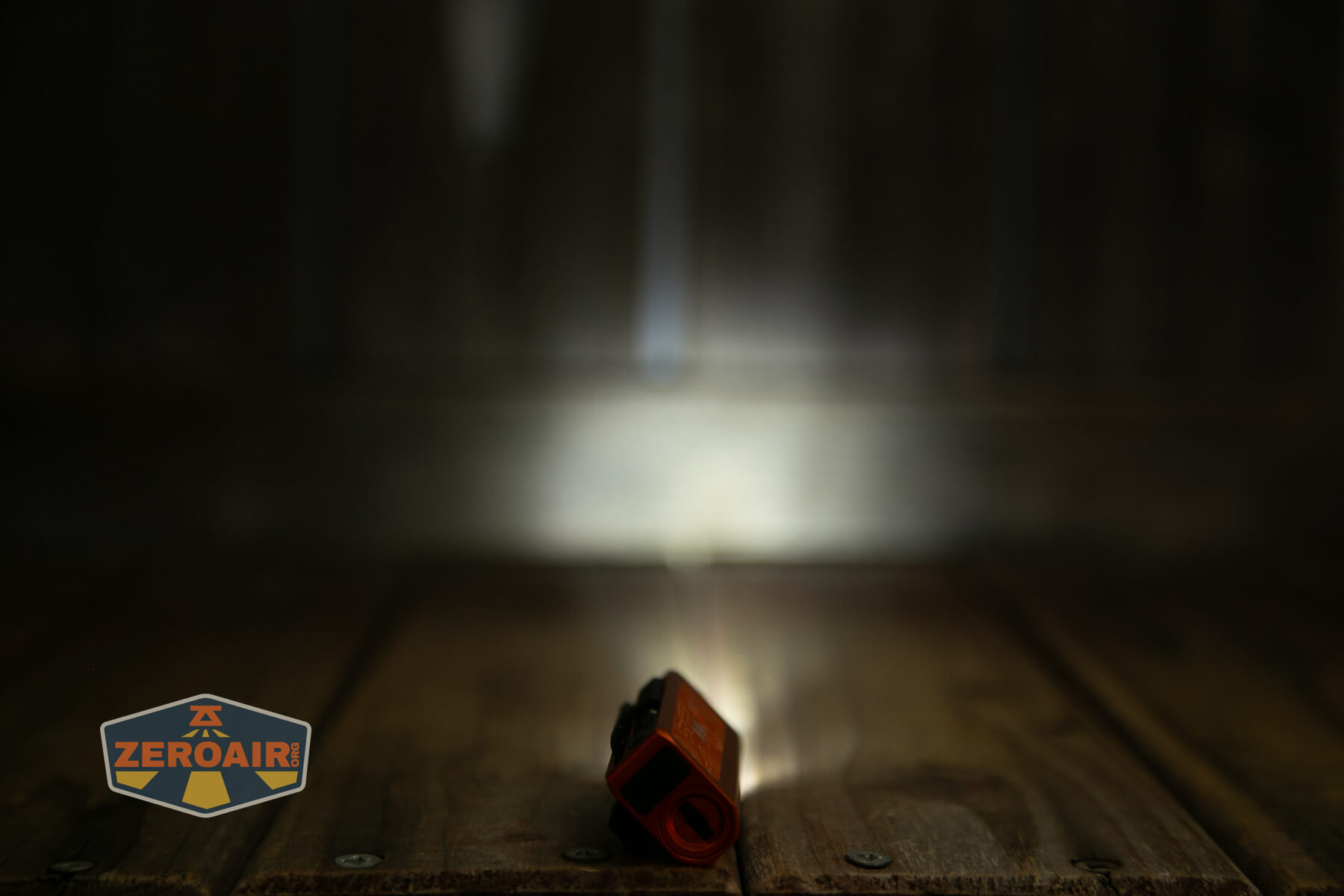
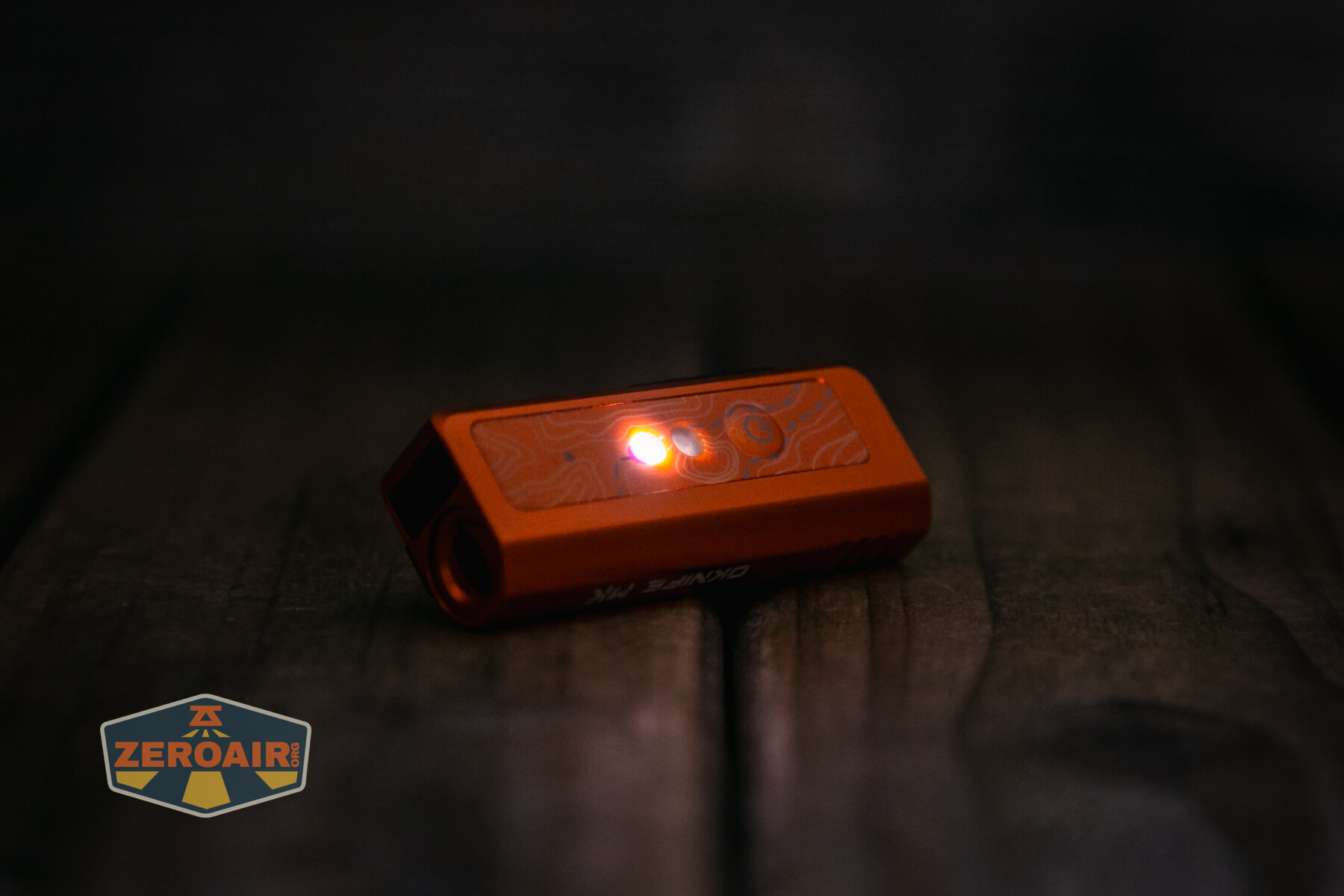
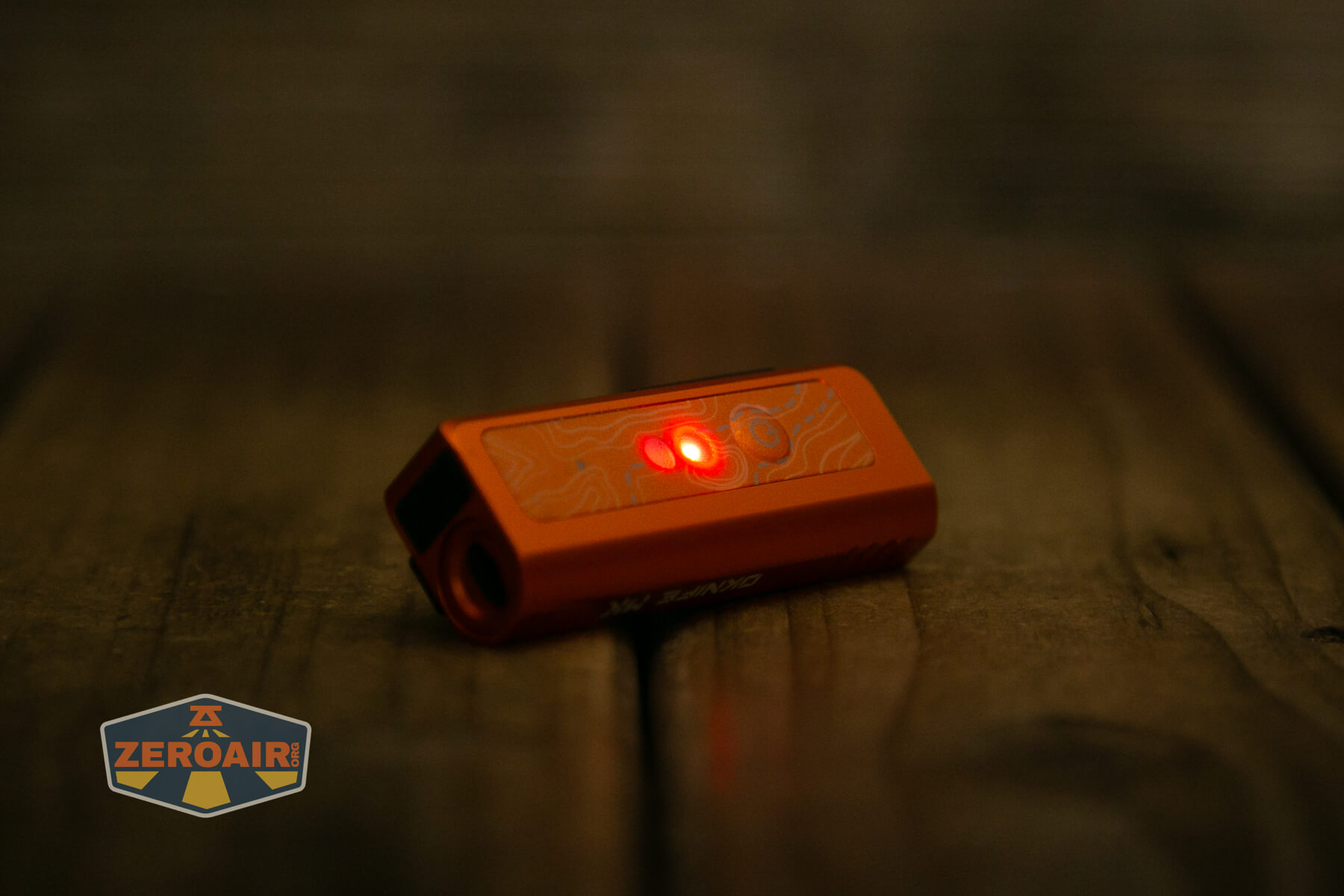
LED Color Report (CRI and CCT)
During testing, I was unsure if the “double click” mode was turbo or direct access to high, so it shows up as a discrete option below. None of the emitters are high CRI, but at least the side white is reasonable CCT (neutral white).
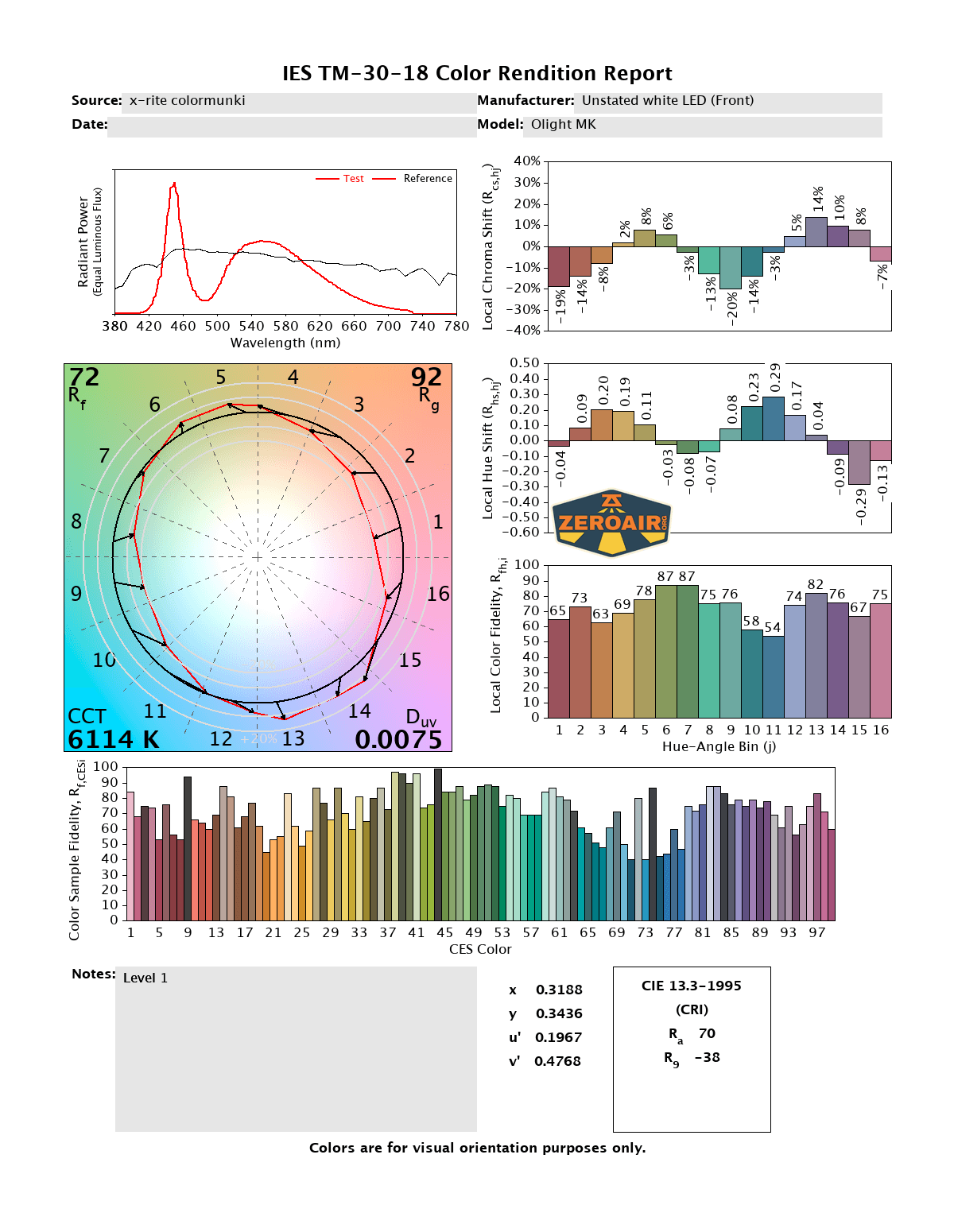
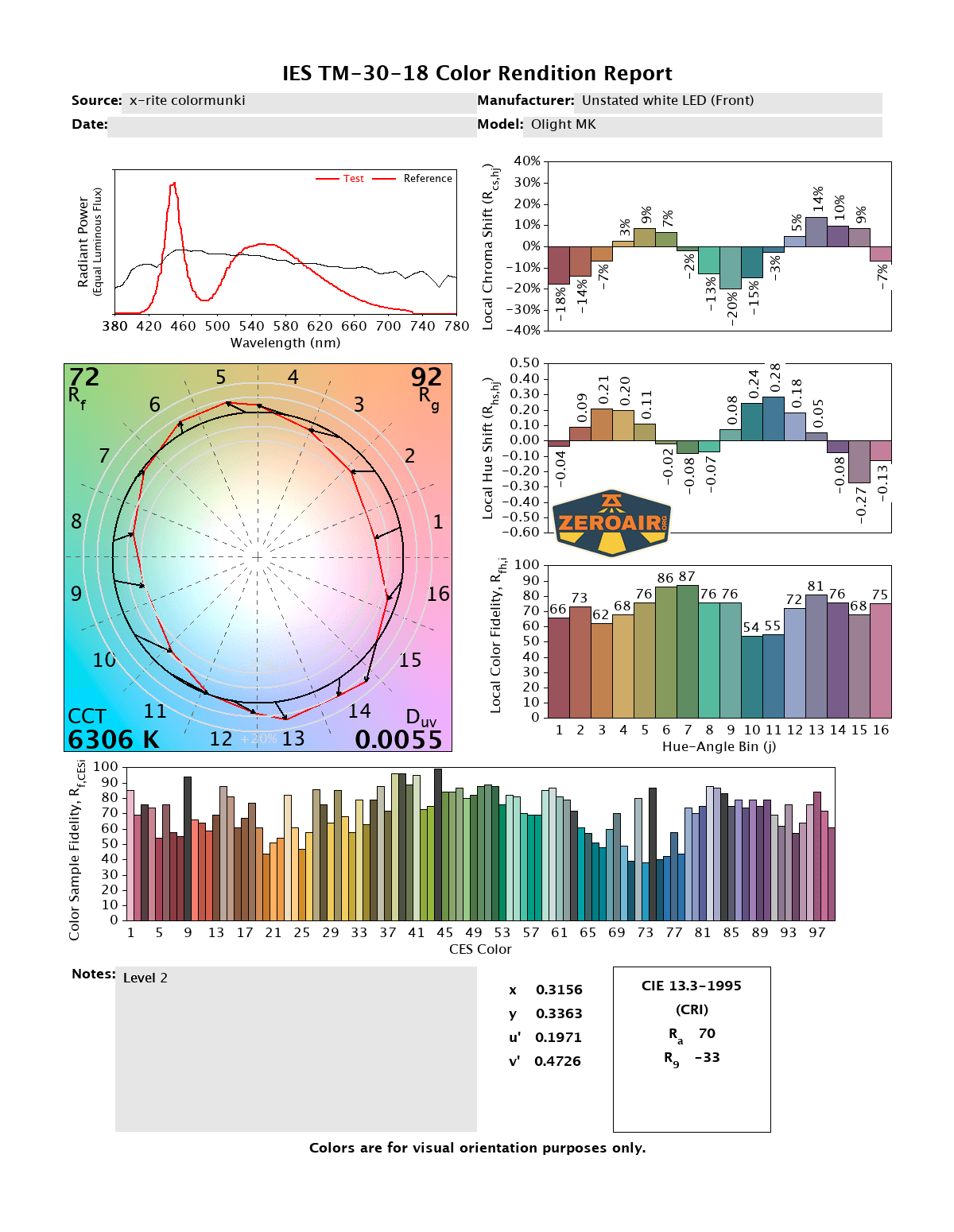
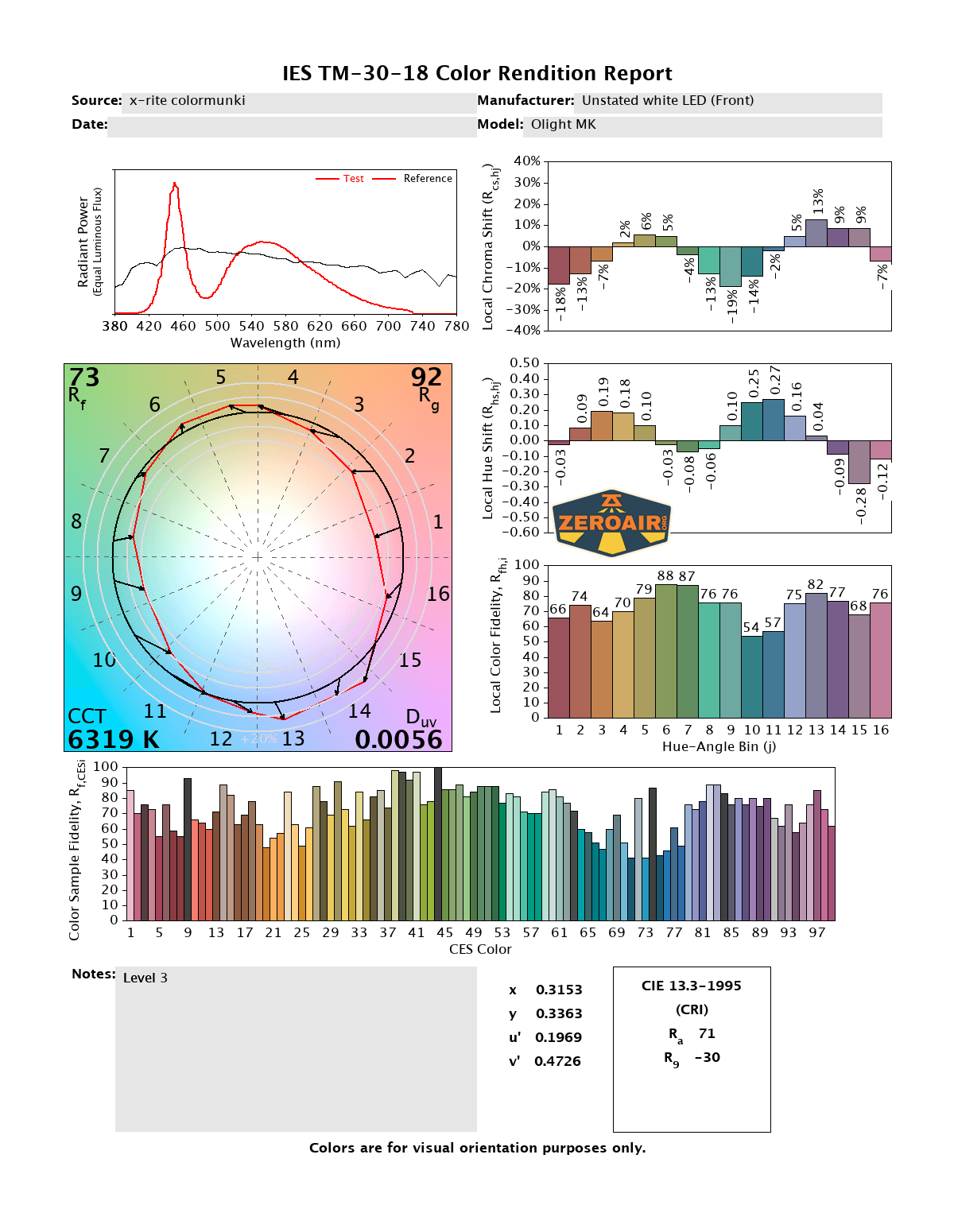
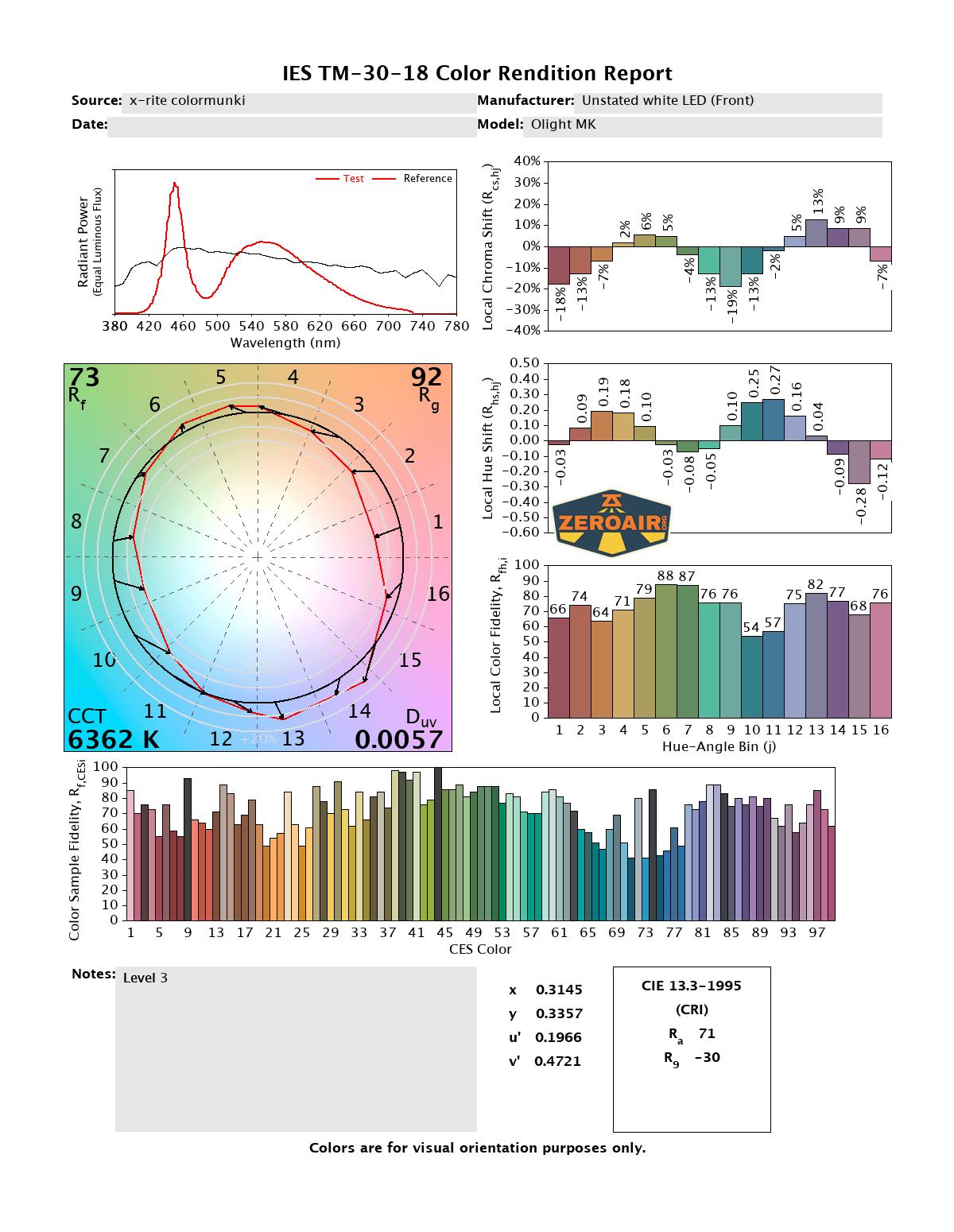
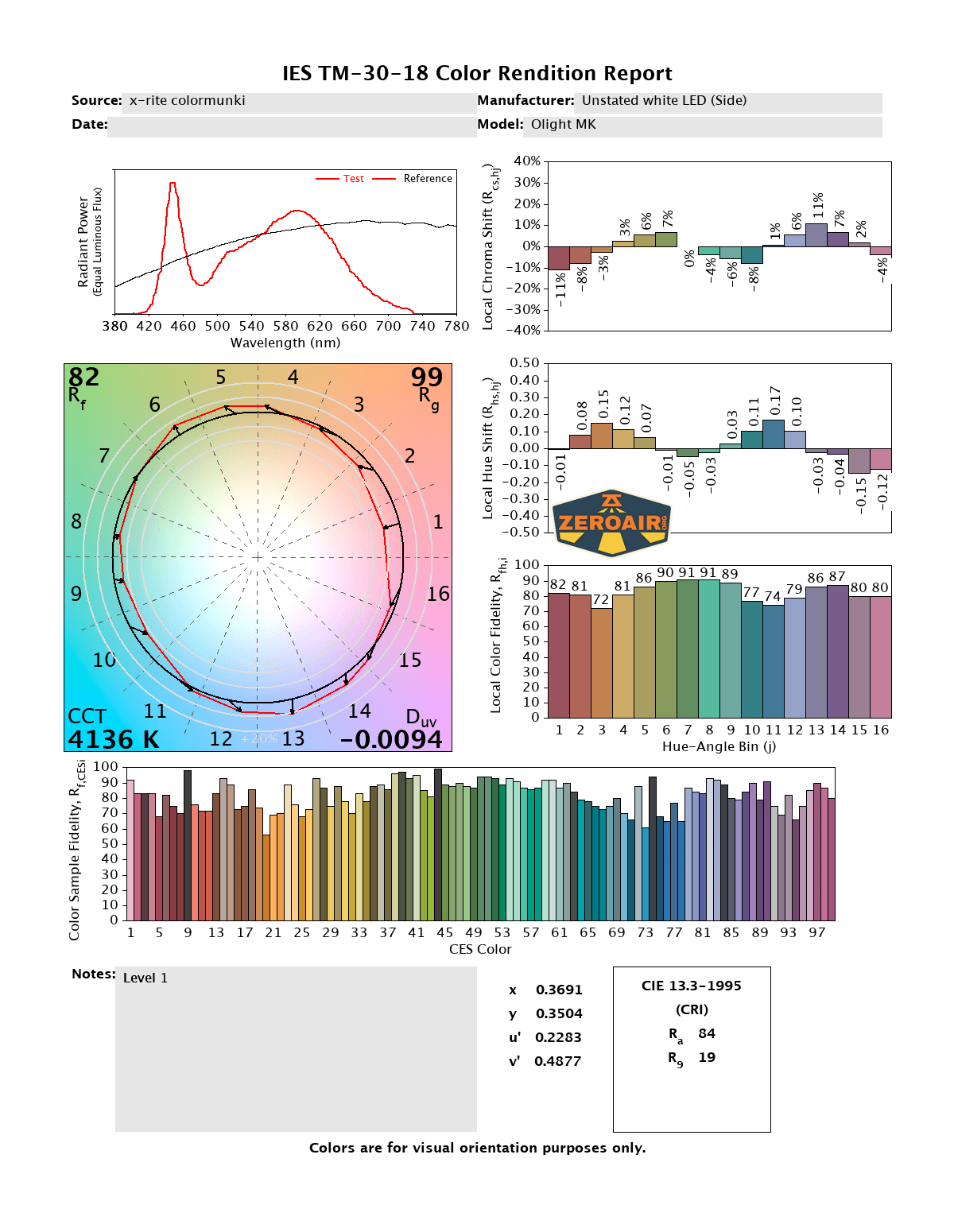
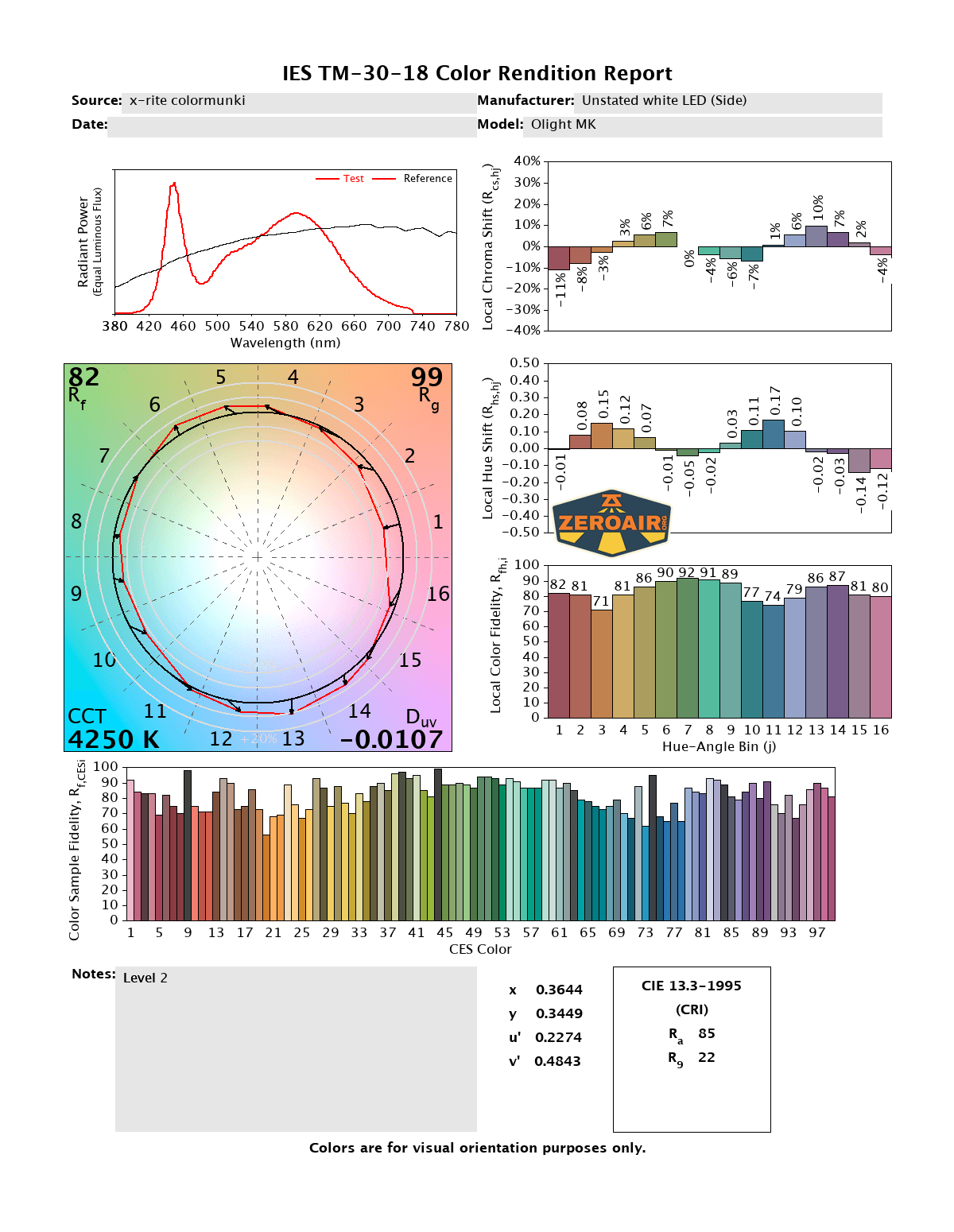
CCT (Correlated Color Temperature) refers to the measurement of the color appearance of light, expressed in Kelvins (K), which indicates whether the light is warm (yellowish) or cool (bluish). A lower CCT (below 3000K) is considered warm light, while a higher CCT (above 5000K) gives cooler, bluish light.
CRI (Color Rendering Index) is a measure of how accurately a light source renders colors in comparison to natural sunlight. Scored on a scale from 0 to 100, higher CRI values indicate that colors appear more true to life and vibrant, similar to how they would look under the sun.
Beamshots
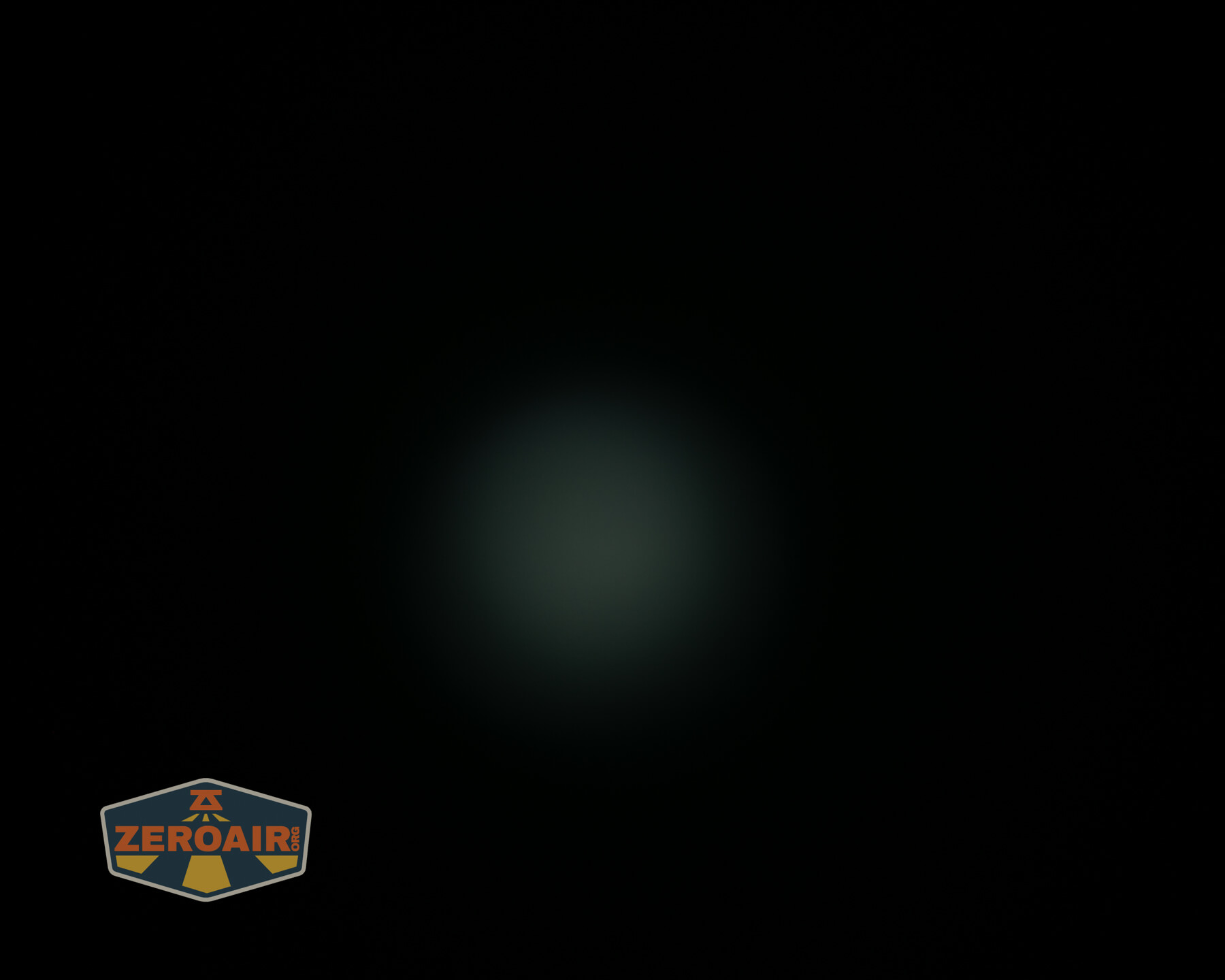
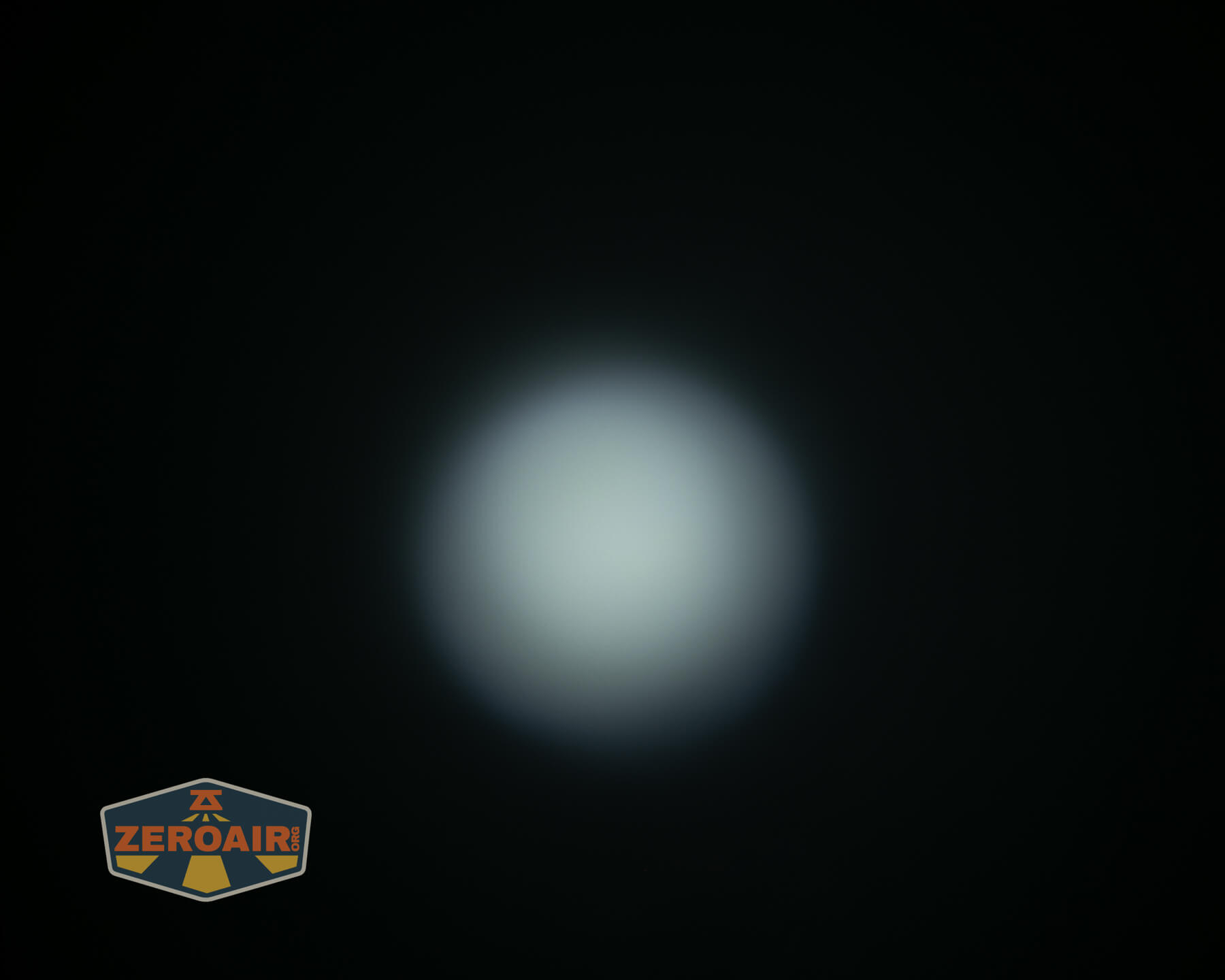
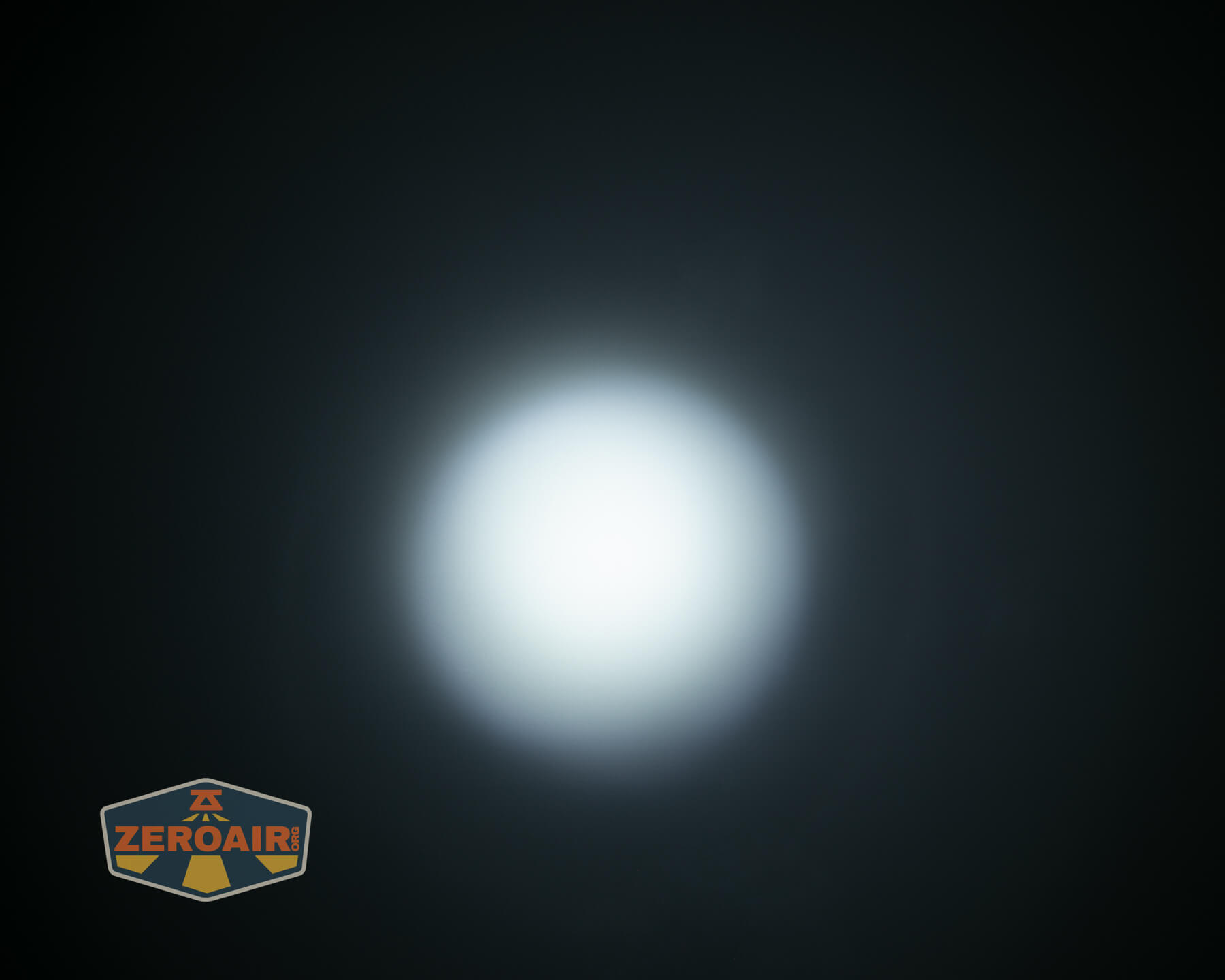
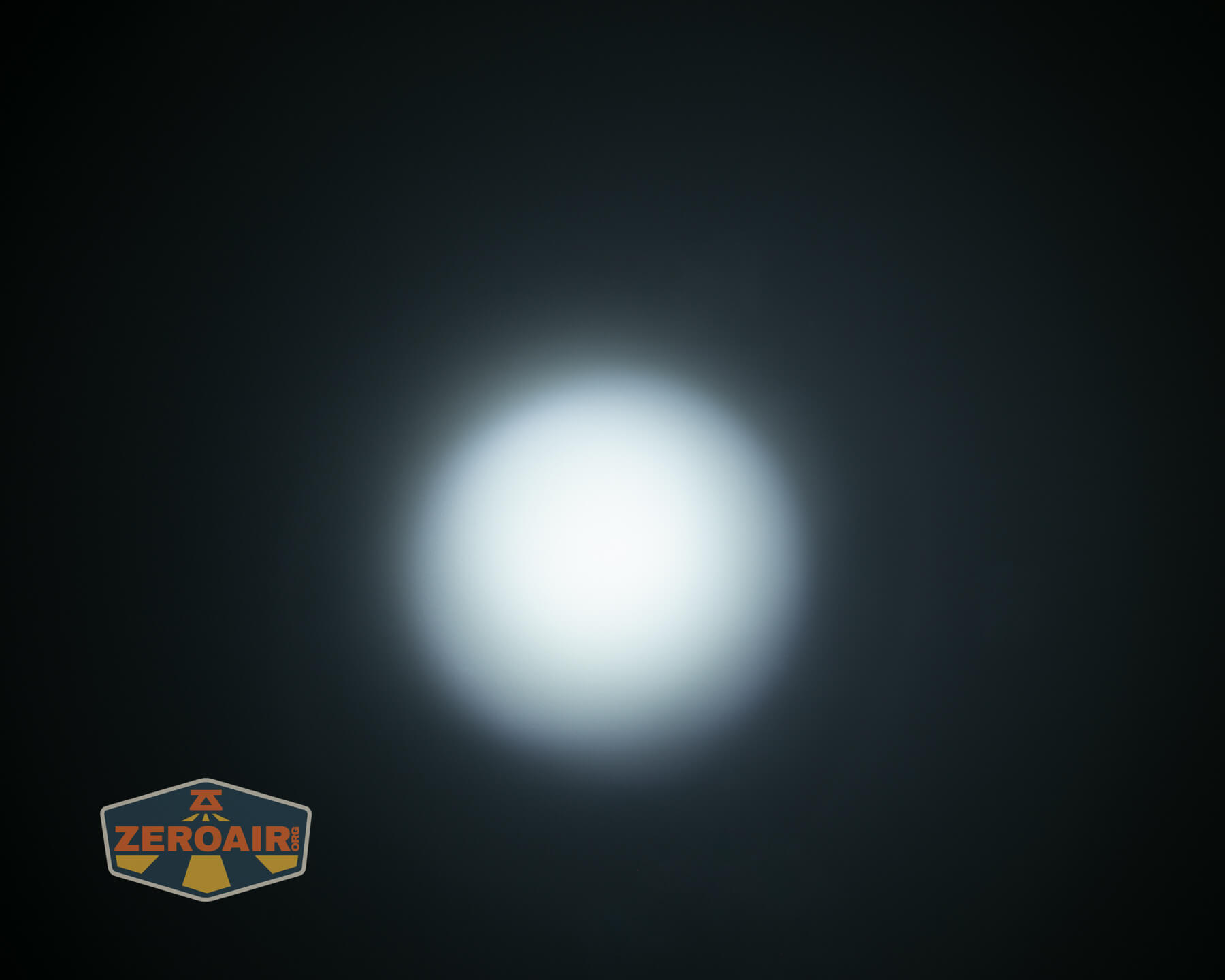
These beamshots always have the following settings: f8, ISO100, 0.3s shutter, and manual 5000K exposure. These photos are taken at floor level, and the beam hits the ceiling around 9 feet away.



Tint vs BLF-348 (KillzoneFlashlights.com 219b version) (affiliate link)
I keep the test flashlight on the left and the BLF-348 reference flashlight on the right. These photos are taken around 18 inches from the door.
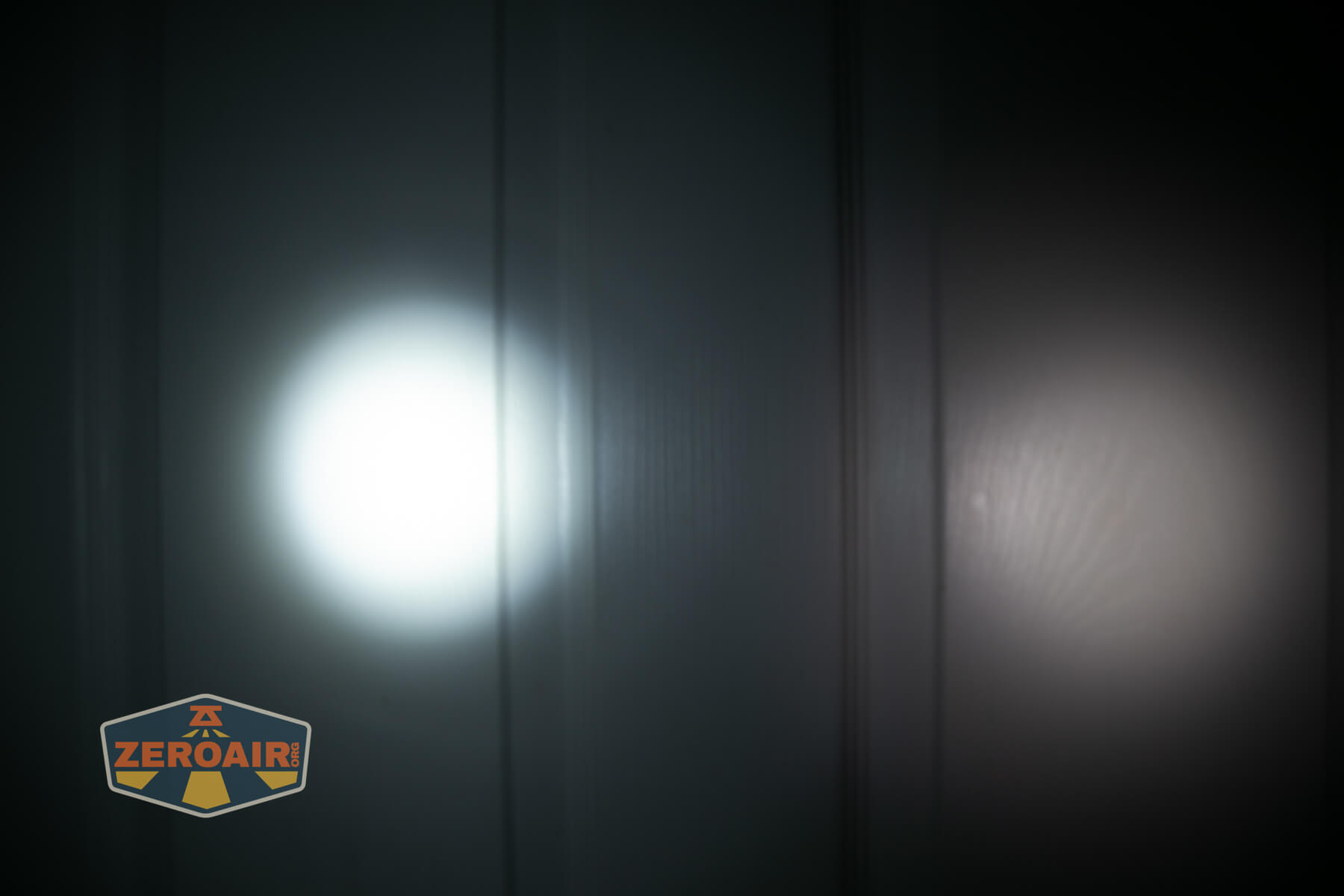
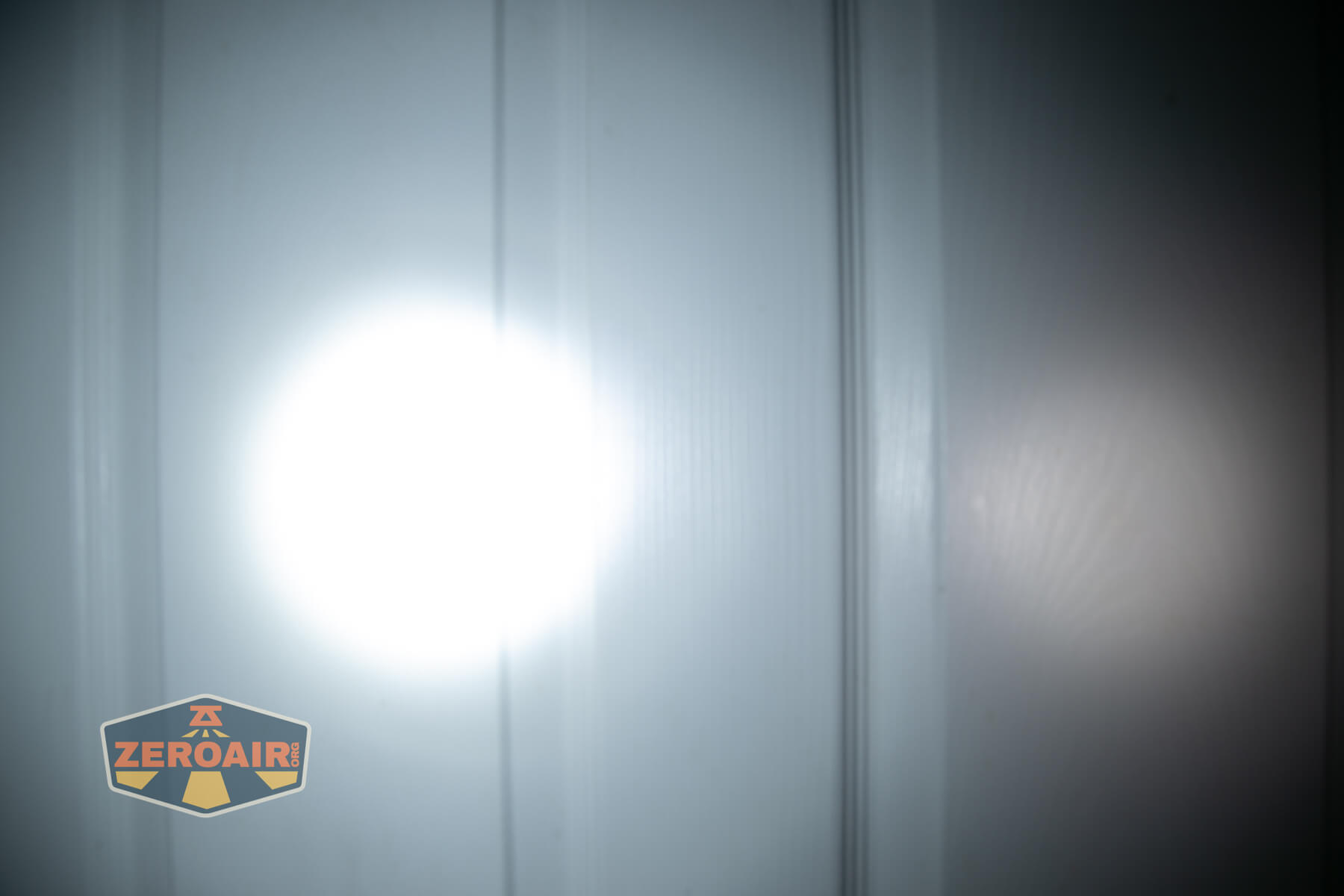
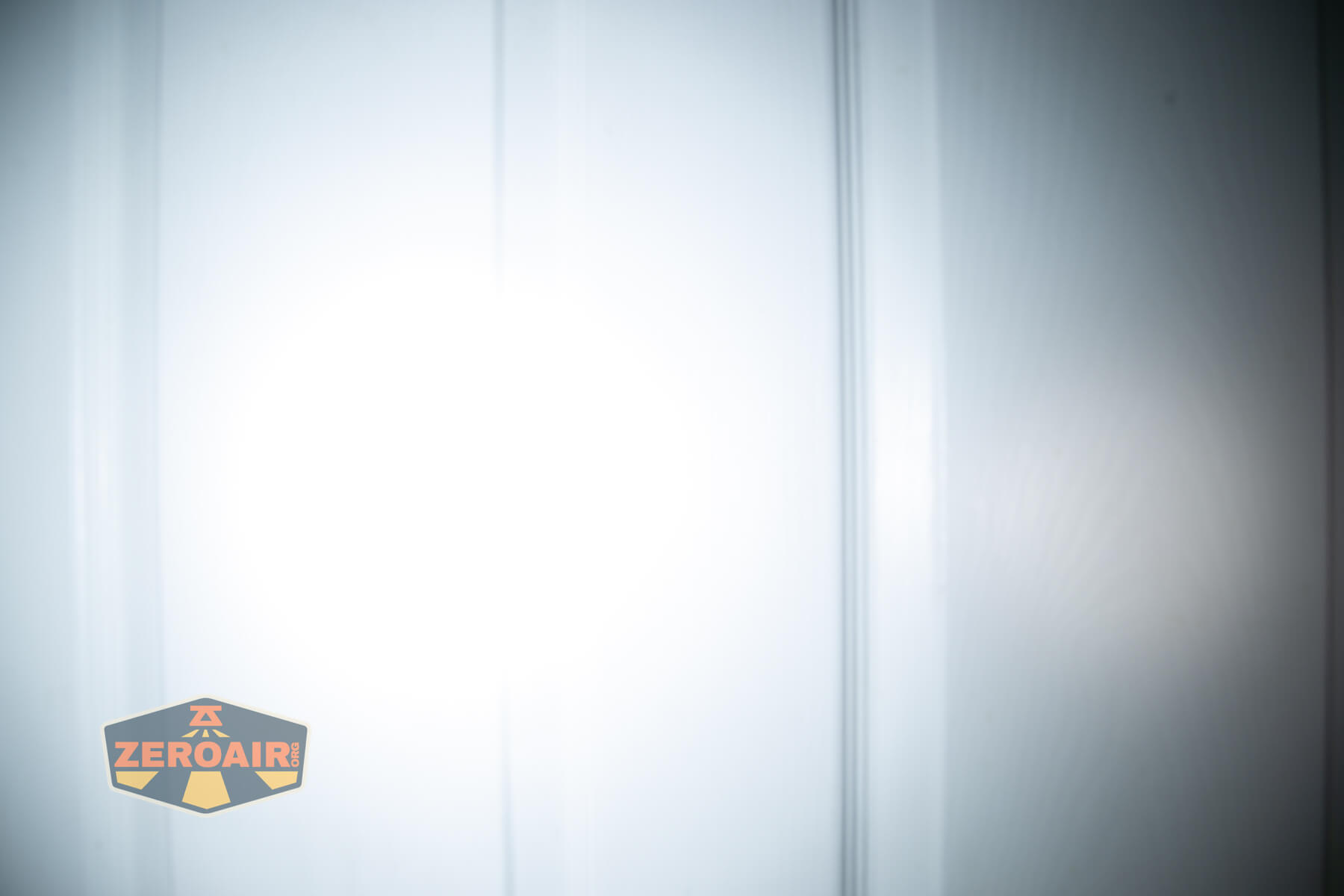
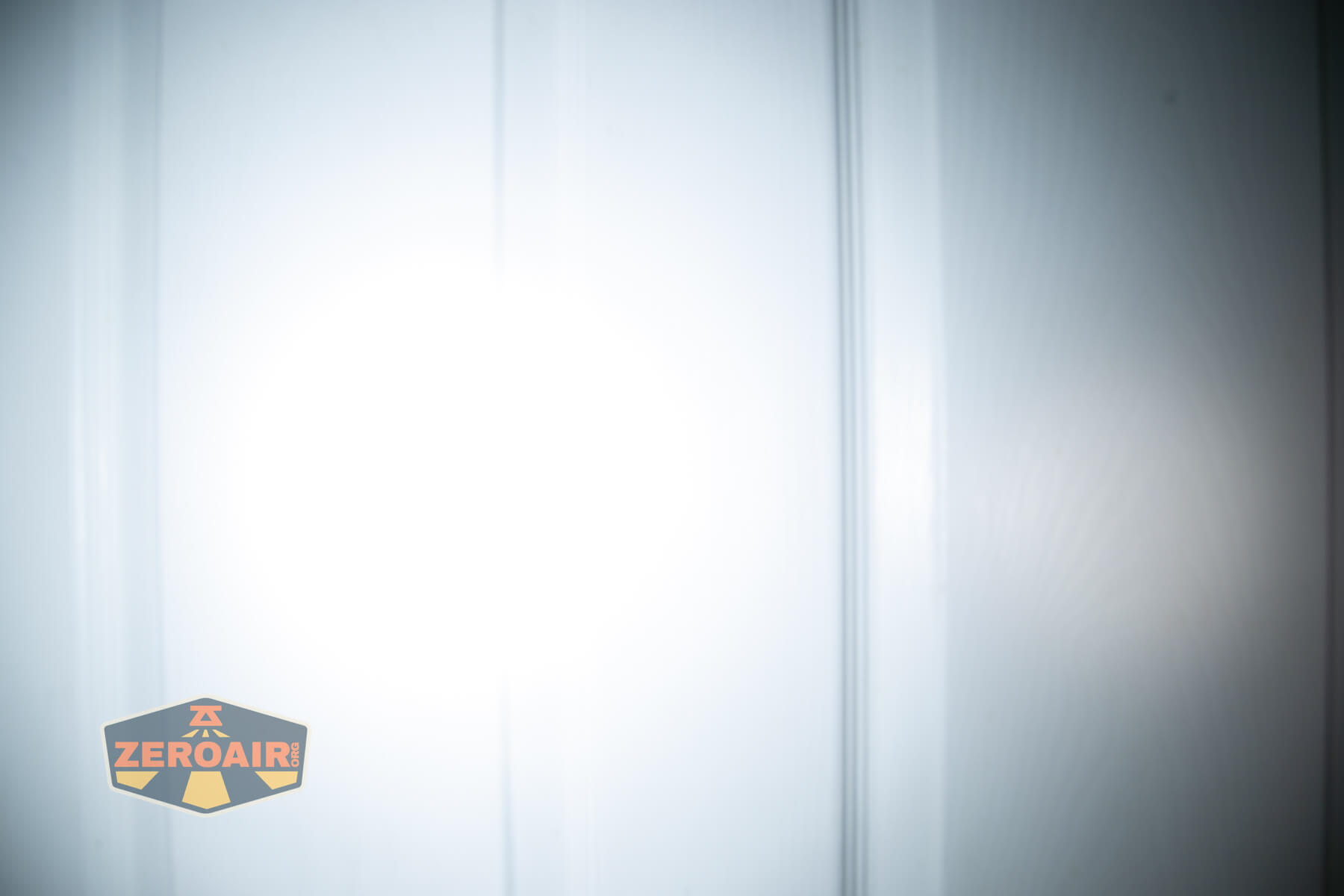
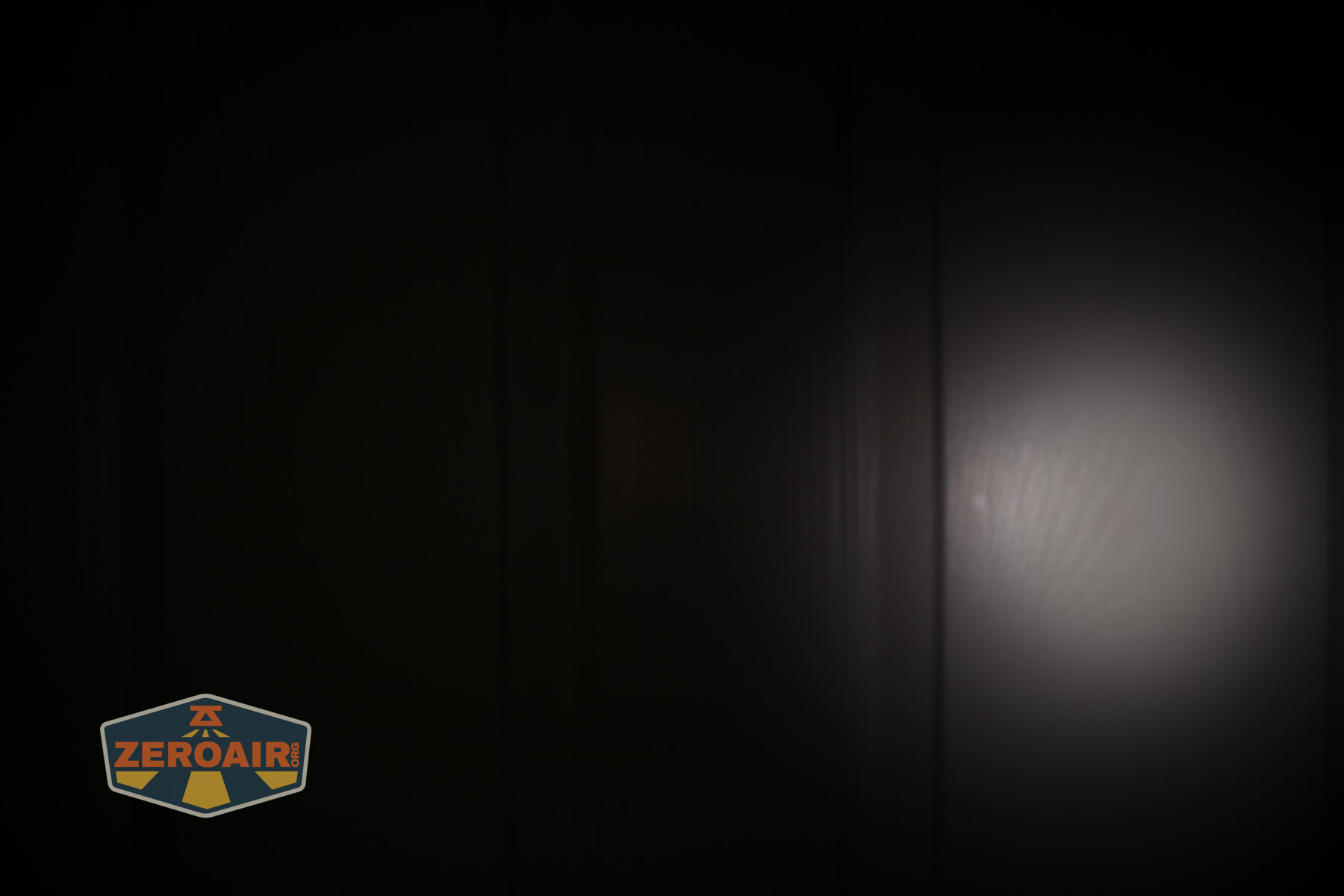
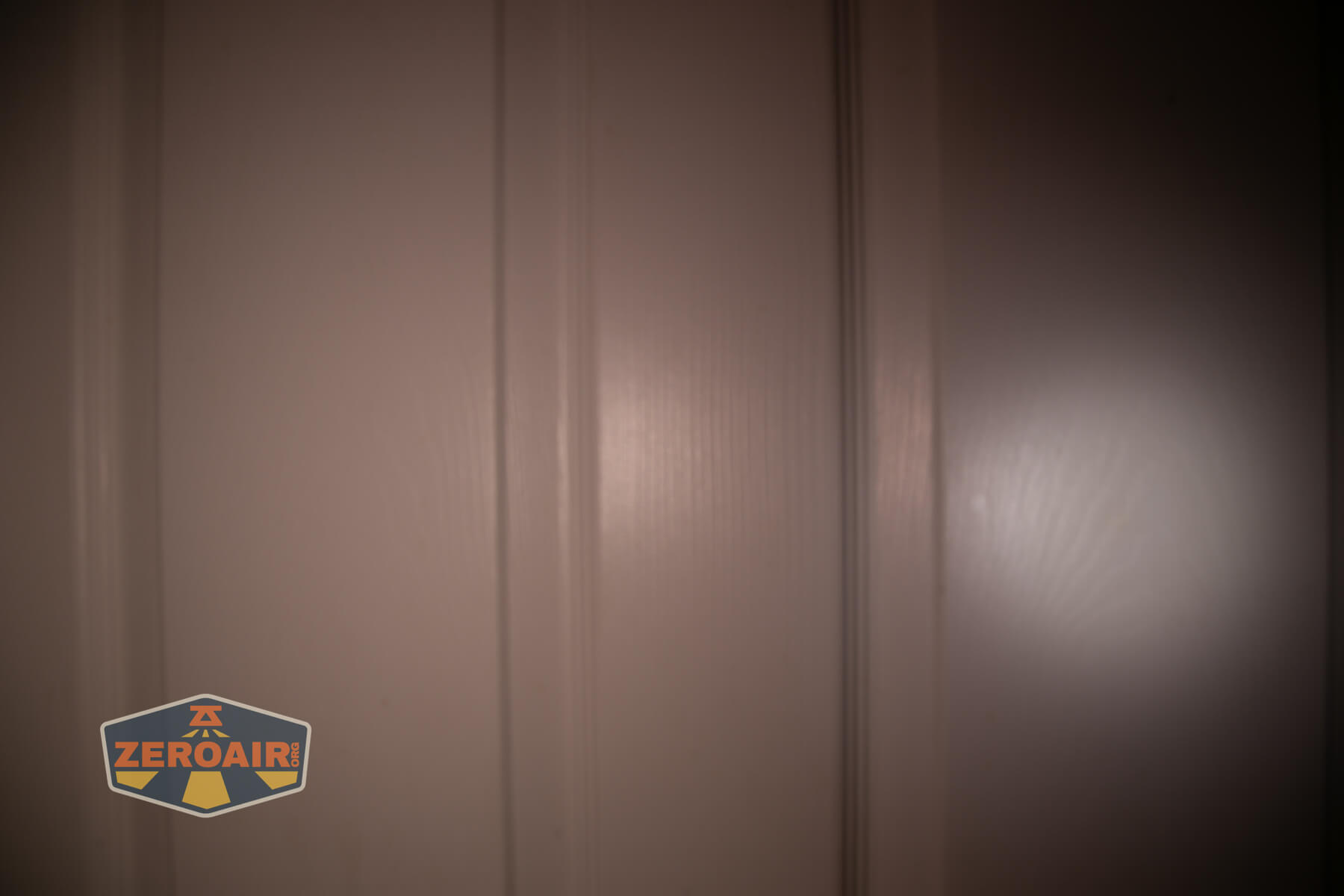
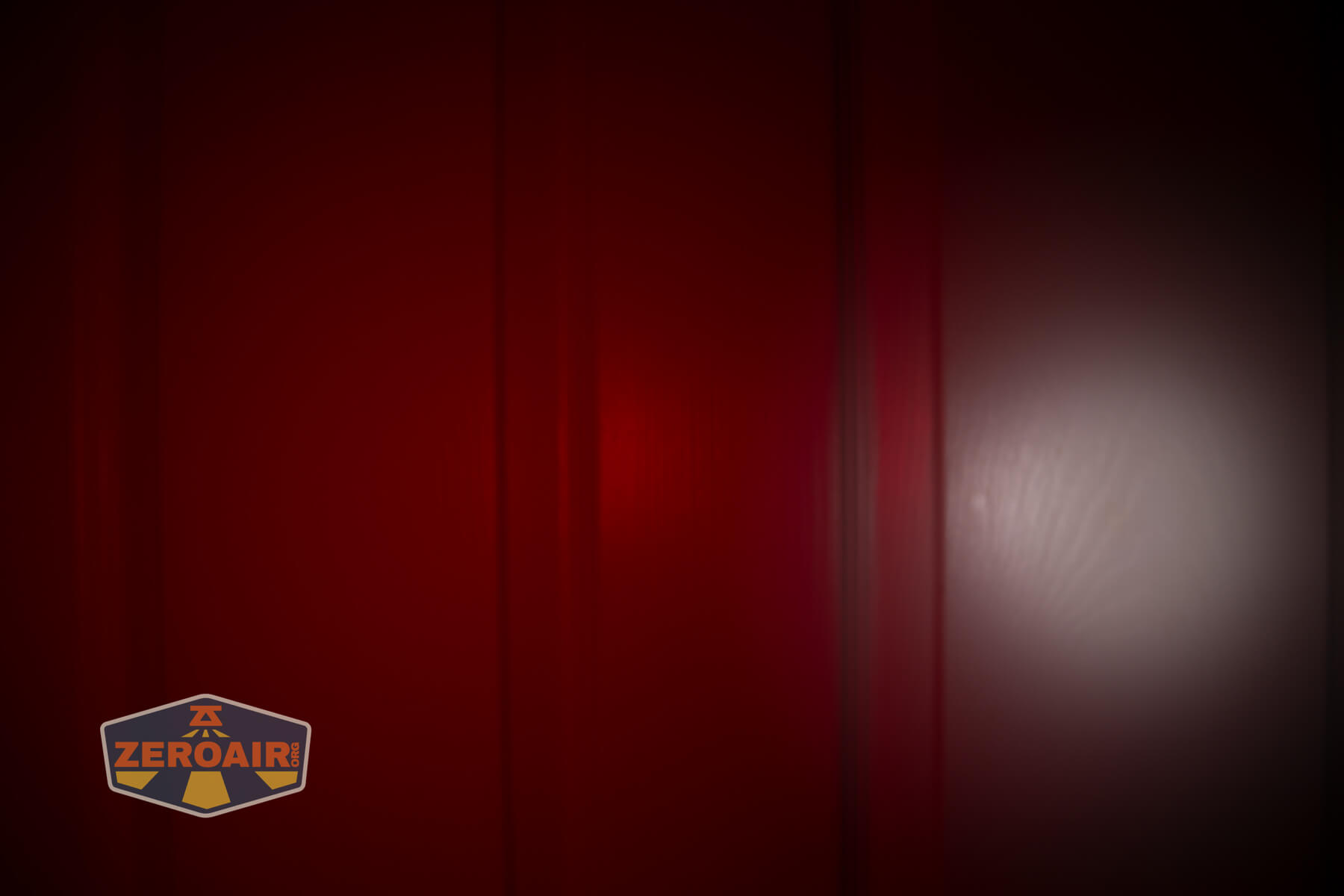
I compare everything to the KillzoneFlashlights.com 219b BLF-348 because it’s inexpensive and has the best tint!
Summary and Conclusion
The Olight Oknife MK is a neat little item. I like that it can run a single AAA cell but is built for 10440 (and one is included. The light isn’t burdened with a ton of front modes, and the side modes seem to be plenty. I am not sure I care about having a knife built into my flashlight, but if that’s something you need (and I’m sure there are reasonable needs for this type of item), then the Olight Oknife MK is a good choice!
What I like
- Orange body
- Can run a single AAA
- Complete package
- Beam shape of front emitter
What I don’t like
- High CCT front emitter
- Cumbersome to use screwdrivers
- Switch is too proud
Notes
- This content originally appeared at zeroair.org. Please visit there for the best experience!
- Please use my Amazon.com referral link to help support zeroair.org!
- Please support me on Patreon! I deeply appreciate your support!
Discover more from ZeroAir Reviews
Subscribe to get the latest posts sent to your email.