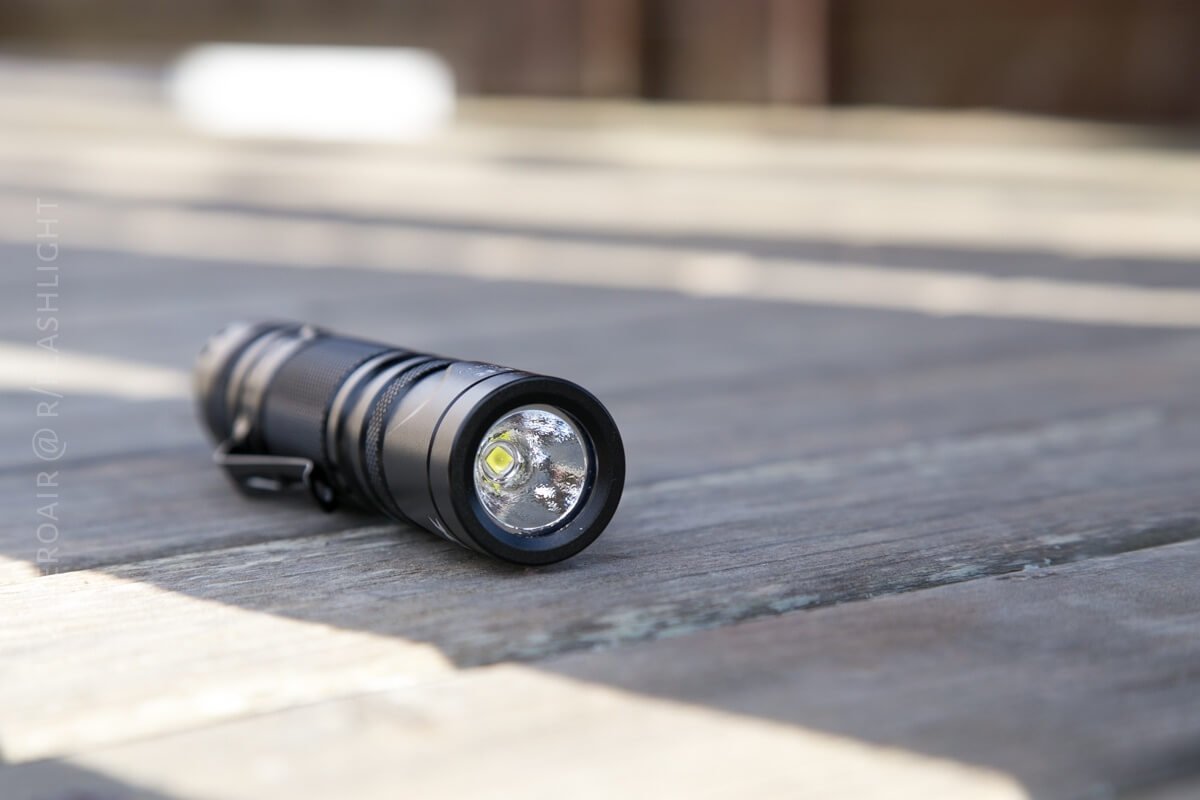

XTAR Pacer WK18 Flashlight Review
Here’s the XTAR Pacer WK18 flashlight, which uses a single Cree XM-L2 emitter. It can run a single 18650 or two 18350 cells. Read on!
Official Specs and Features
Here’s a link to the XTAR Pacer WK18 Flashlight product page.
Versions
Only one version!
MSRP
Sorry – I’m not actually seeing an MSRP at the moment. This light is pretty new!
Short Review
An interesting light with a neat look, but it doesn’t really seem to break any new ground.
Long Review
The Big Table
| XTAR PACER WK18 | |
|---|---|
| Emitter: | Cree XM-L2 (L2 U3) |
| Price in USD at publication time: | ? |
| Cell: | 1×18650 |
| Runtime | |
| LVP? | ? |
| Switch Type: | Forward Clicky |
| On-Board Charging? | No |
| Claimed Lumens (lm) | 1000 |
| Claimed Throw (m) | 150 |
| Candela (Calculated) in cd (at 30s) | 694lux @ 3.099m = 6665cd |
| Throw (Calculated) (m) | 163.3 (108.9% of claim)^ |
| All my XTAR reviews! | |

^ Measurement disclaimer: Testing flashlights is my hobby. I use hobbyist-level equipment for testing, including some I made myself. Try not to get buried in the details of manufacturer specifications versus measurements recorded here; A certain amount of difference (say, 10 or 15%) is perfectly reasonable.
What’s Included
- XTAR Pacer WK18 Flashlight
- Lanyard
- Spare O-ring
- Manual
Package and Manual
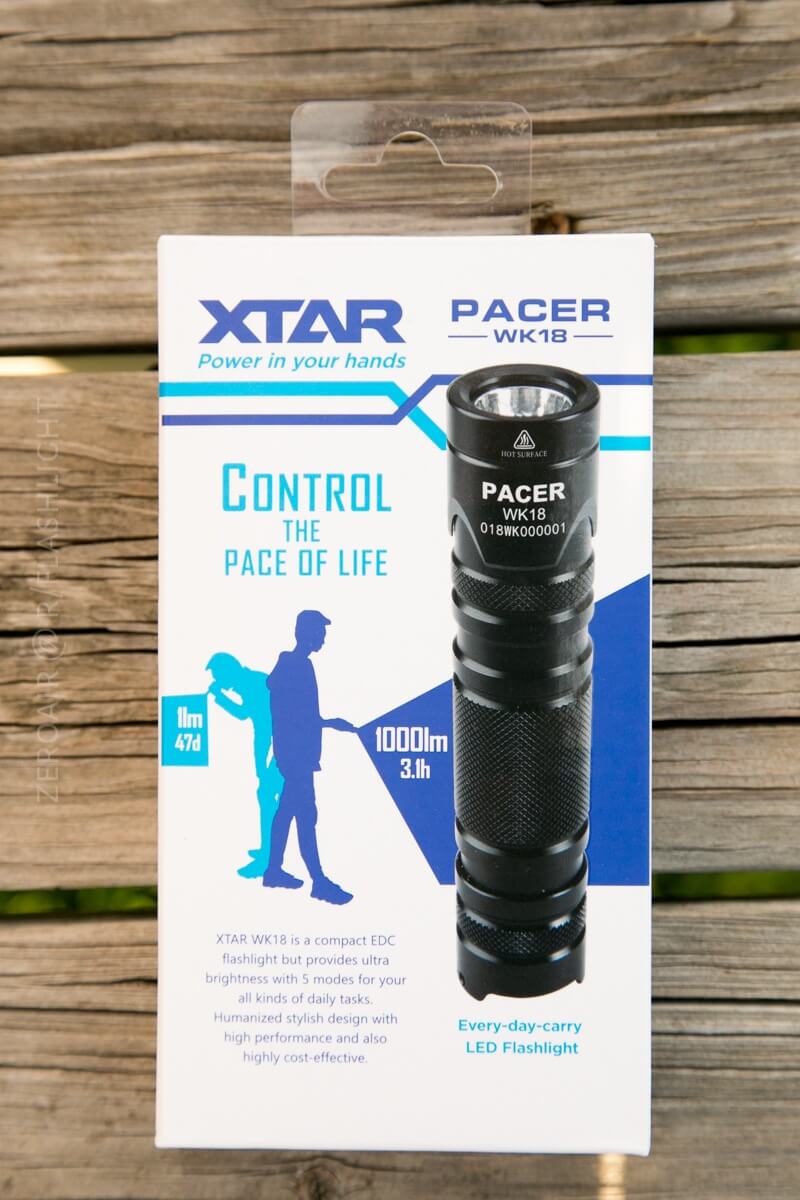
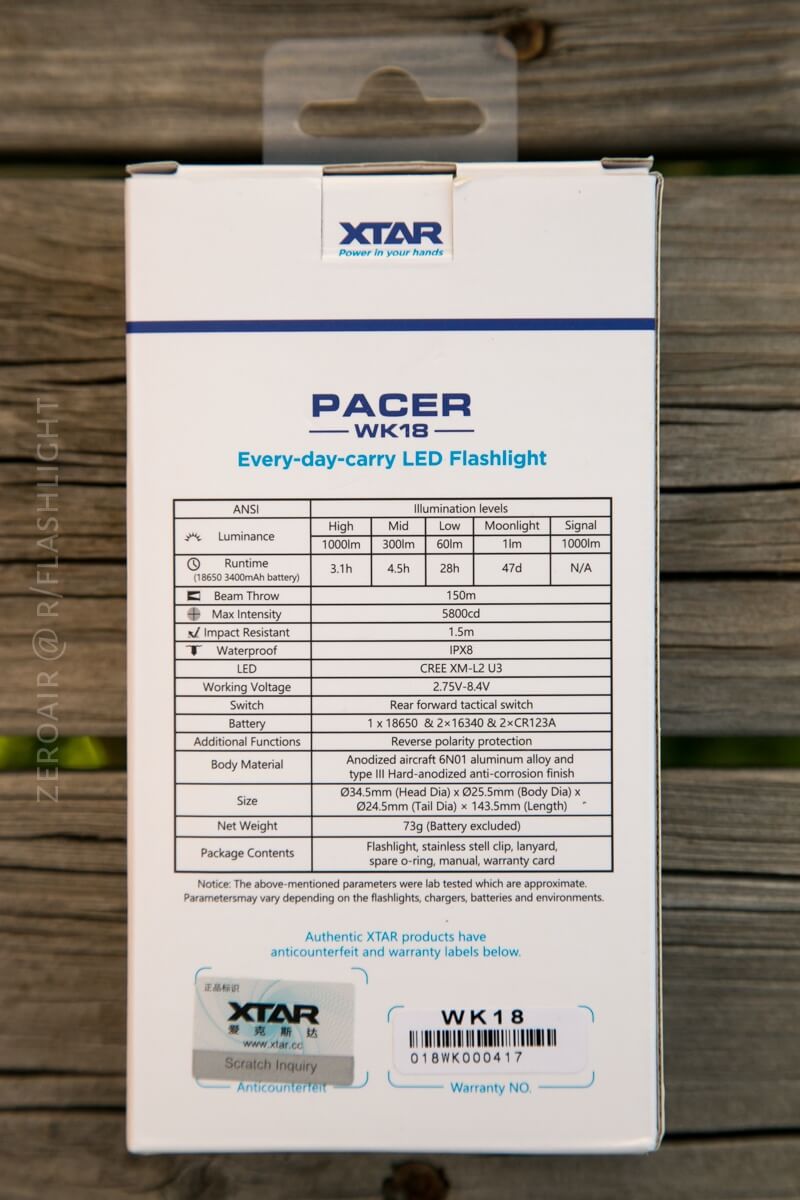
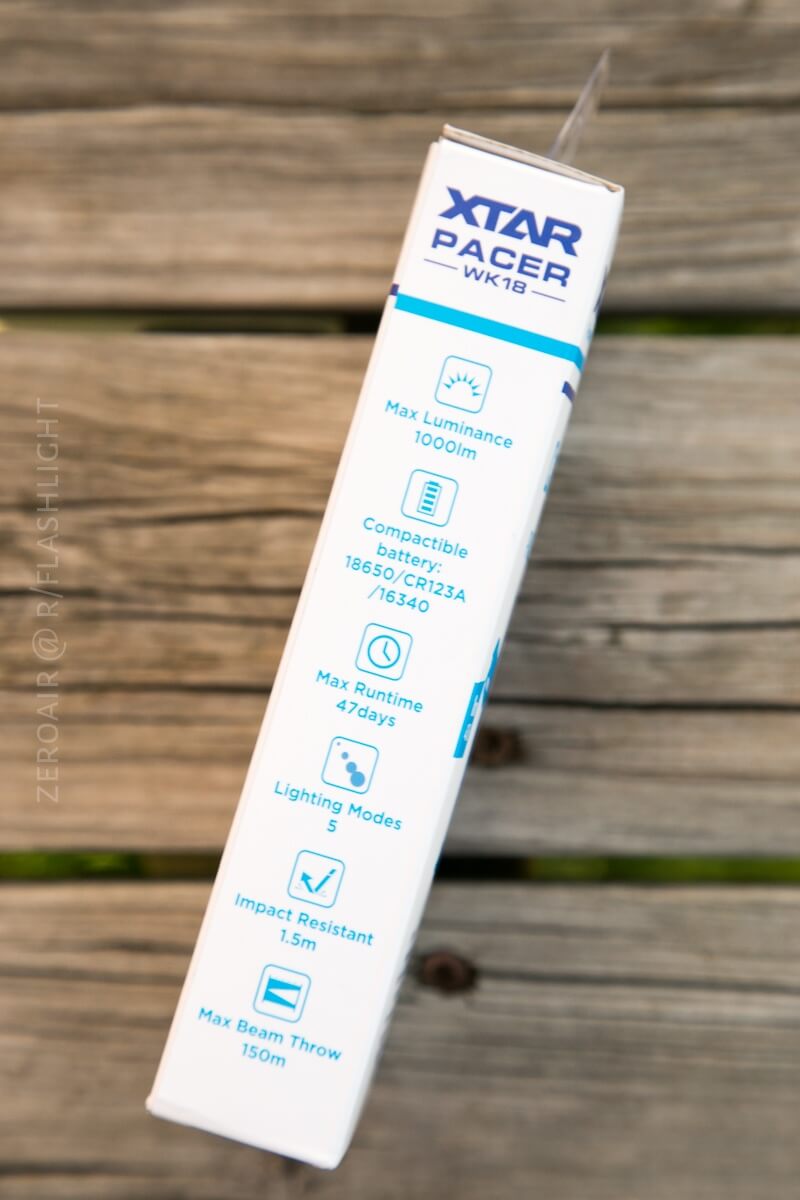
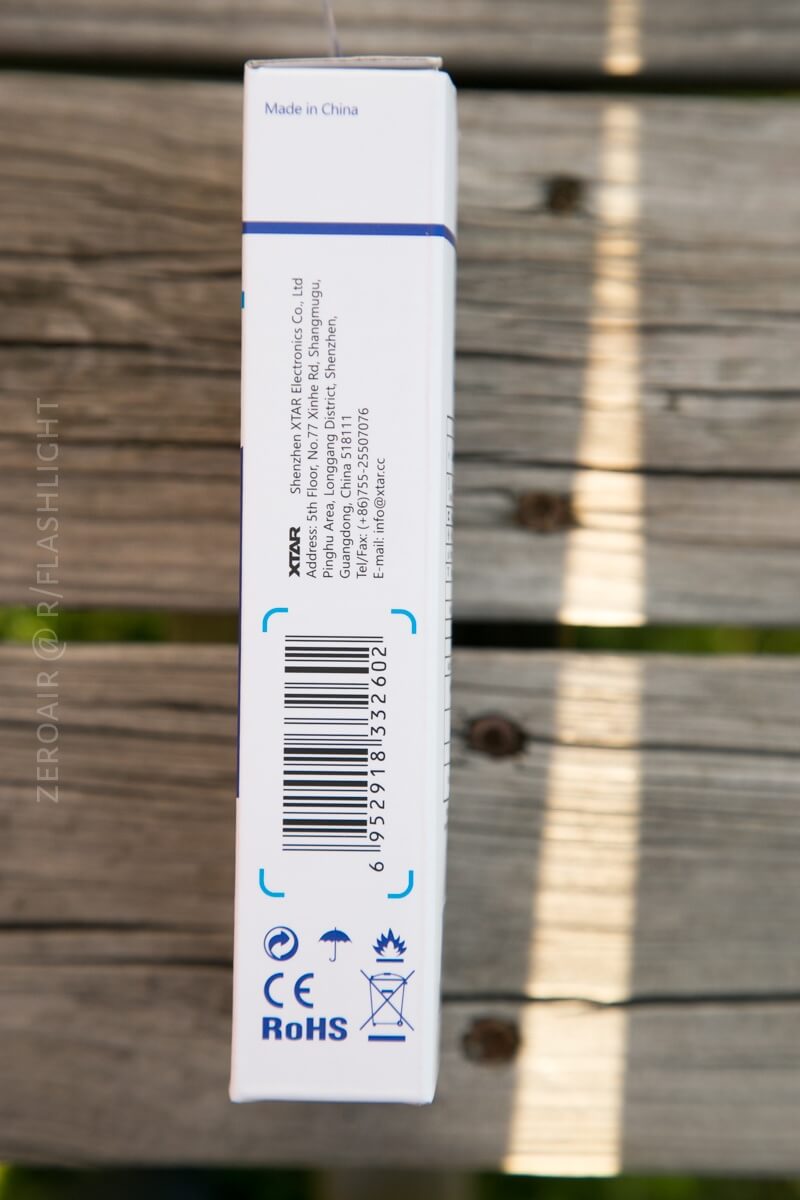
This XTAR comes in a nice-looking white cardboard package with a hangtag, making this a display-ready unit. Inside, the light and goods are secured in a plastic tray.
The manual is in English only and is nicely comprehensive. It includes specs, user interface, and modes, and basically all the needed info.
Build Quality and Disassembly
I found the build quality on this light to be just fine. The anodizing is of the shiny variety, which can be good or bad. Through my use of this light, the anodizing has held up just fine. The threads are unanodized but ACME cut, so they thread nicely. There are springs on both ends. The tail end is a bit thin but stiff, and the spring on the head is very robust. The bezel seems surprisingly thick, meaning the reflector is smaller than other typical lights this size.
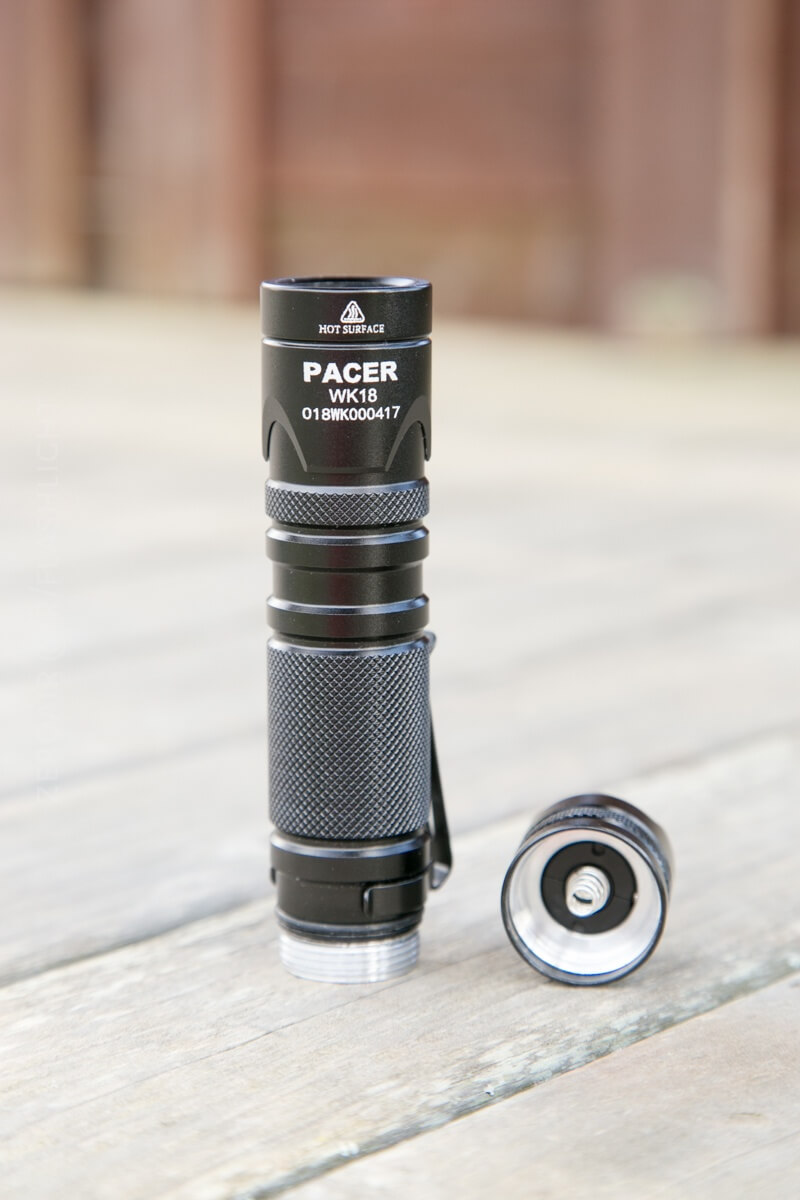
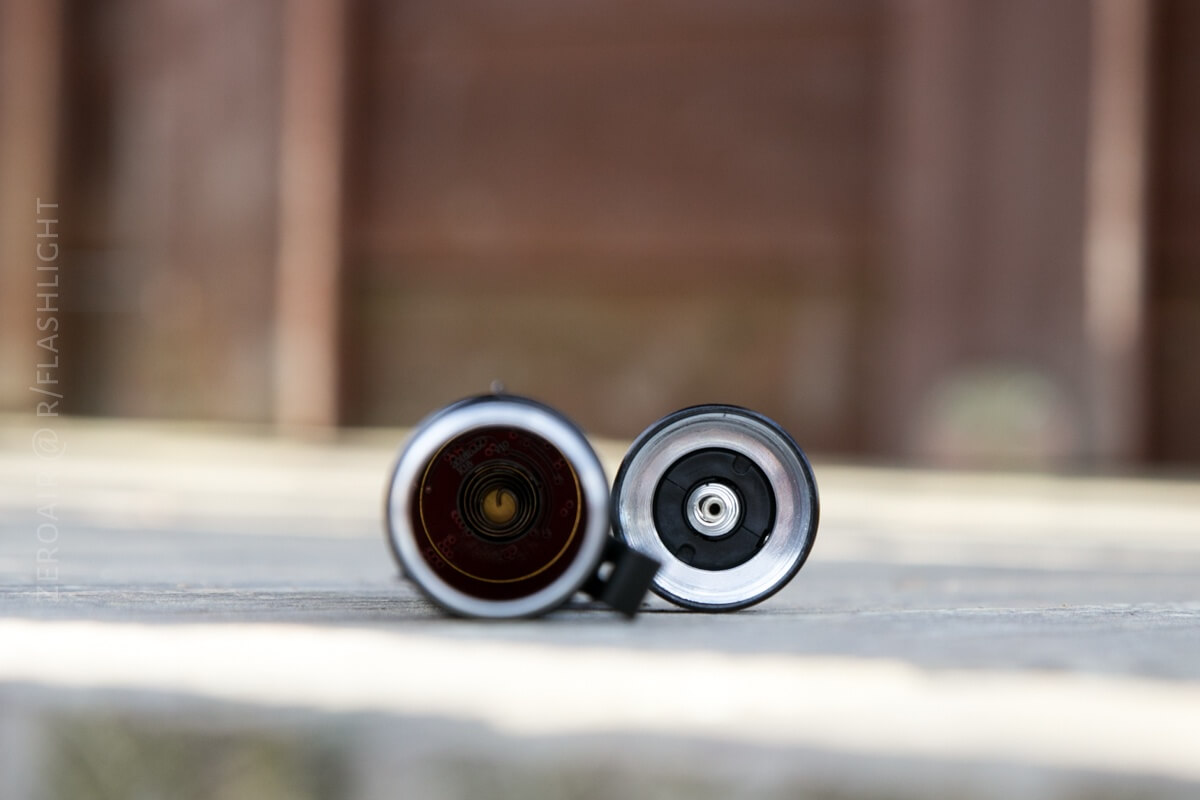
The light disassembles very easily. As a matter of fact, this is my main complaint with this light. The head has what looks to (possibly) be a reversible bezel – one that might be flat on one side and a super aggressive strike bezel on the other. With that thought in mind, it wouldn’t be unreasonable to unscrew this in order to flip it around. Doing that is perilous, however: This is not the bezel unscrewing, but the whole head. Removal removes the lens after which the o-ring and reflector fall out, and exposes the MCPCB and emitter. The bezel seems to have no special thread lock and unscrews very easily. Further to that, it wouldn’t be unreasonable to unscrew that end of the light to drop a fresh cell in. There is knurling up at the head, which seems to indicate the head or tail might be removed for a cell swap. But it doesn’t seem so. I can’t grip the light in a way that opens the head end of the cell tube, but not the bezel.
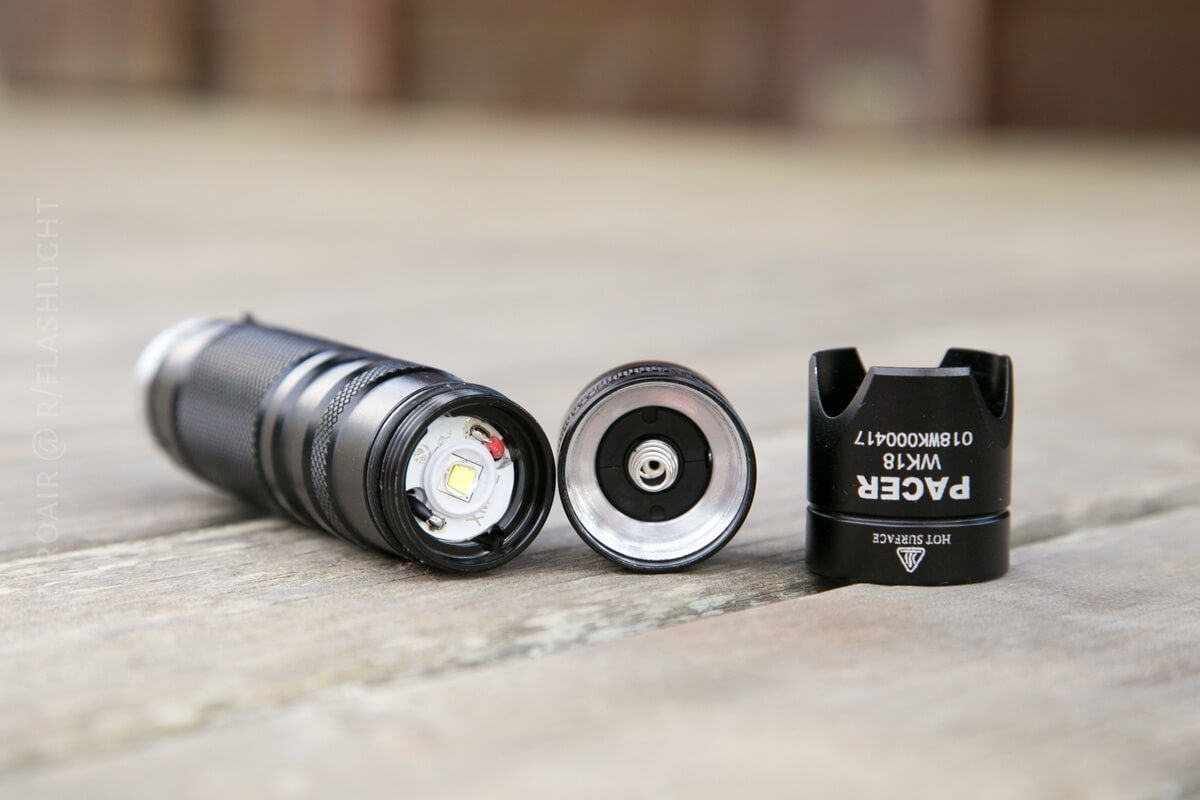
Now, that’s just me, and that happens to be my normal usage, but I bet others will find this too. It seems as if the Loctite is on the wrong threads (because I’m nearly sure the head, but not the bezel, was meant to be easily removable).
Size
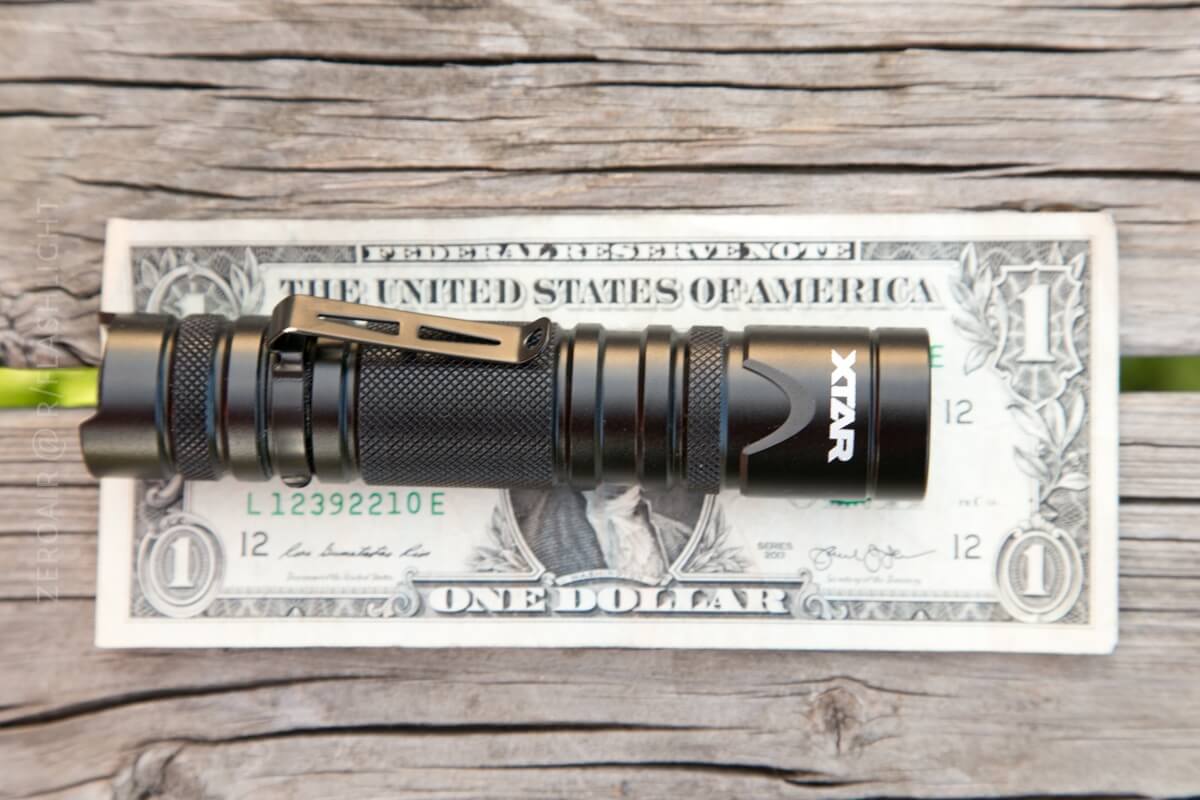
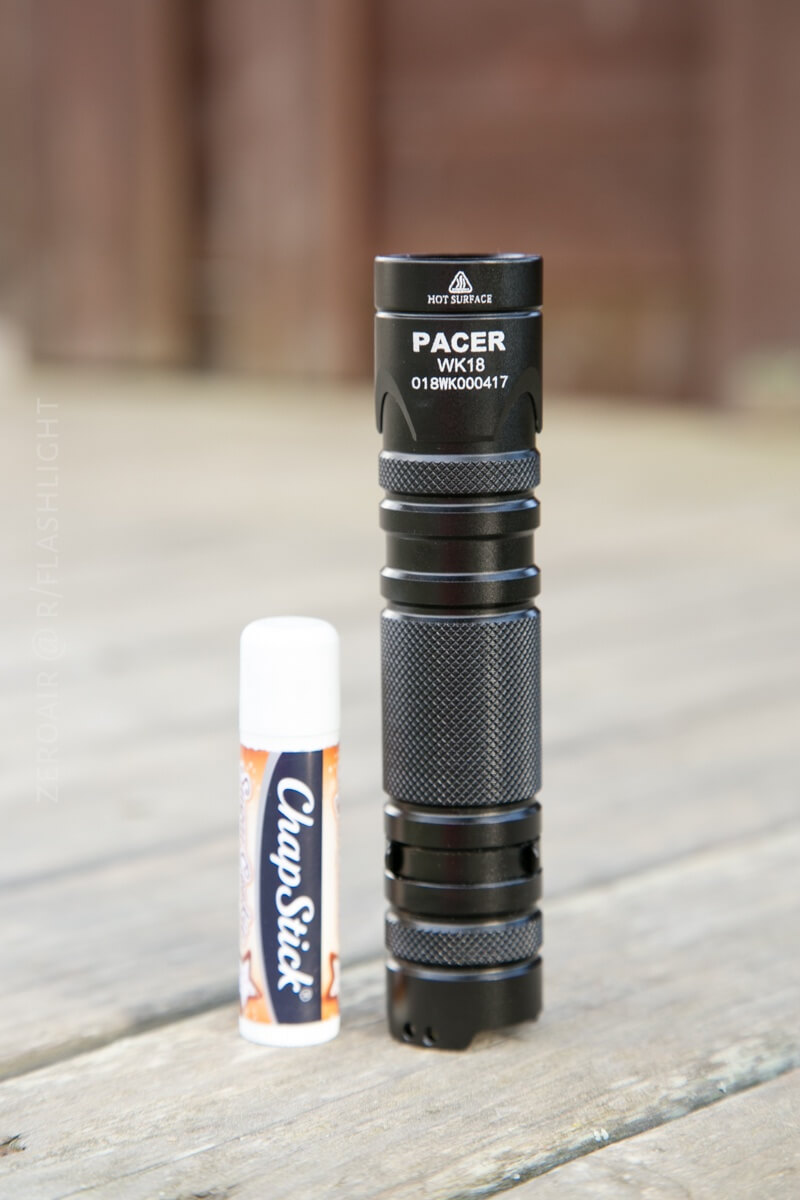
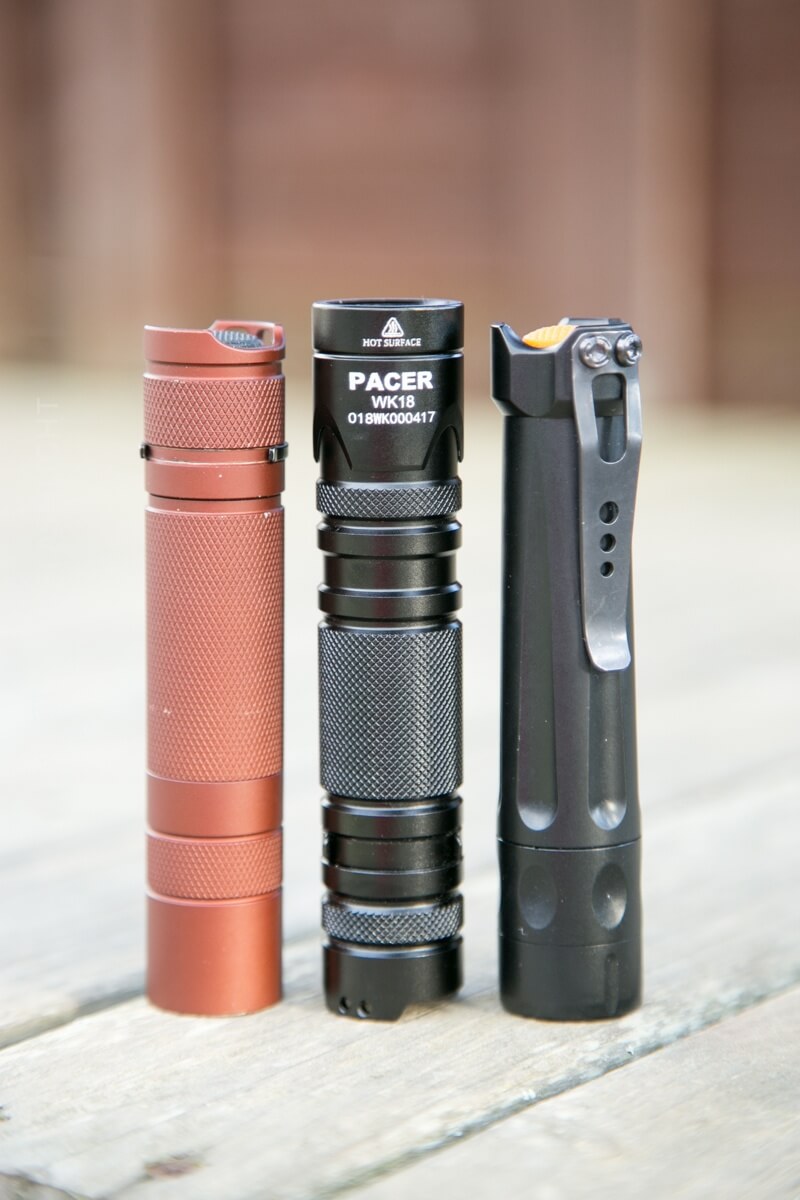
Typical for this type of light. About the size of a Convoy S2+.
Retention
The light comes with a pocket clip installed. The clip is reversible, so the light can be bezel up or down. It’s a fairly typical clip that snaps onto the light and pulls off.
There’s also an included lanyard. It’s meant to connect on the tail end of the light, and there are two holes on one of the tail lips for this.
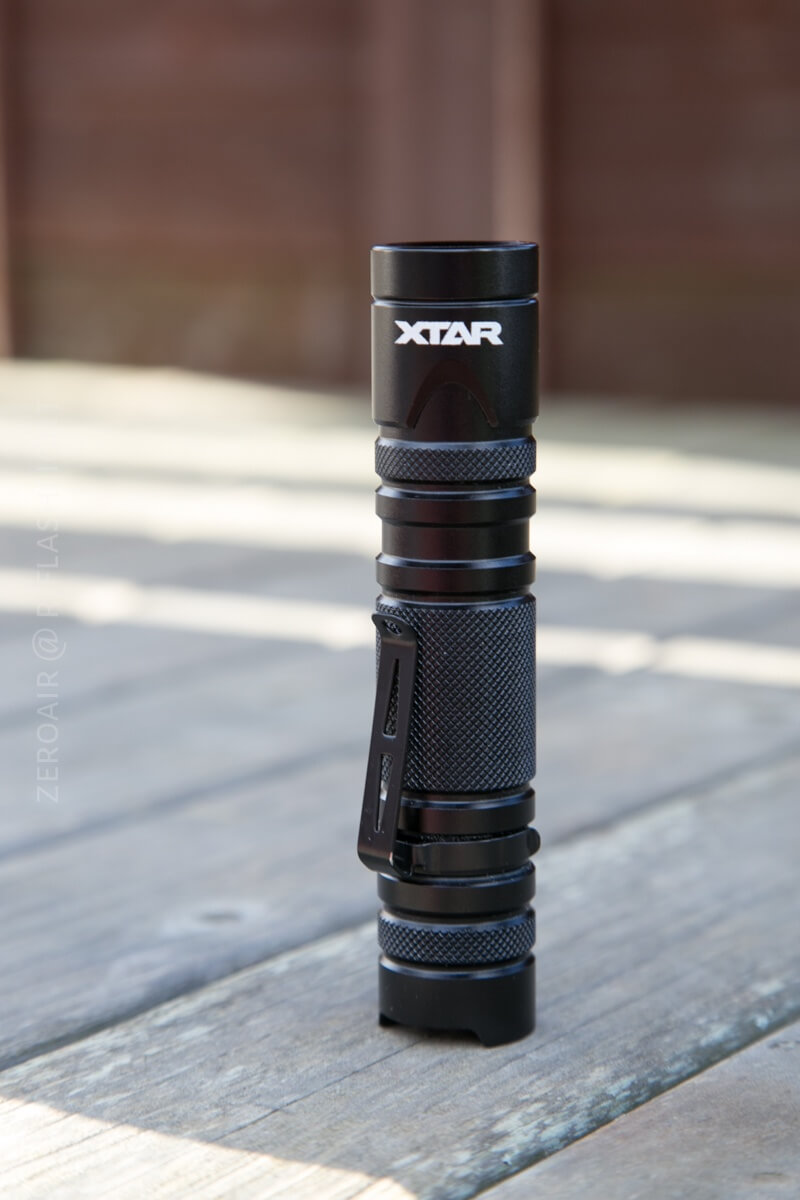
The light will both head and tailstand.
Power
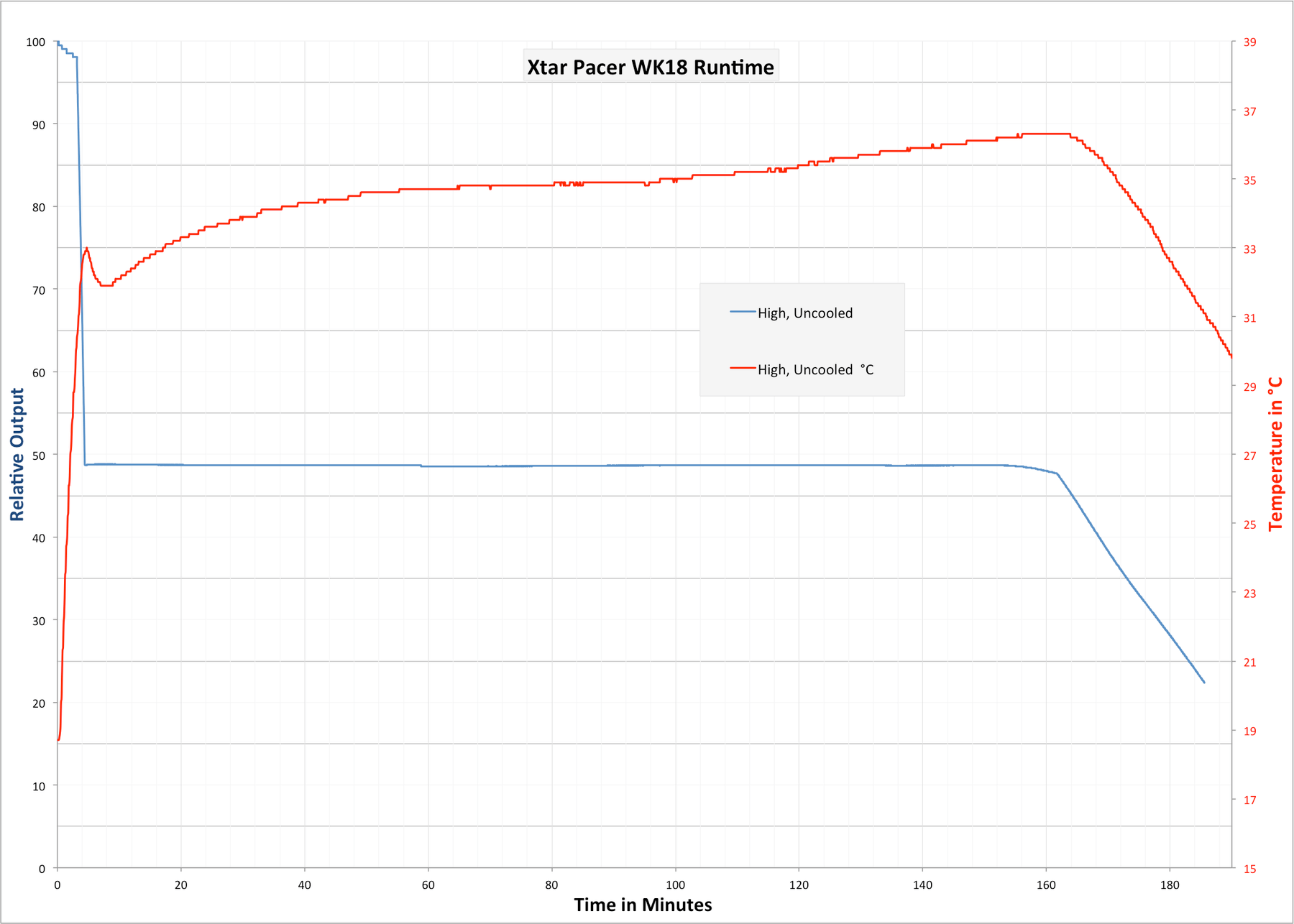
Quite a few options for power here. Normally, one would probably use a single 18650, but two 16340-sized cells will work too. I tested this light with only an 18650. For that runtime, the starting voltage was4.19V and the final voltage was 2.59. I was using a protected EVVA 3500mAh cell. It seems that this cell’s protection doesn’t trip til below 2.59V, which is surprising. Also surprising is that the XTAR light didn’t shut off, either. (I stopped the test when the meter was reading less than half of one percent of the starting Lux value.)
I tried the light with 2×18350, and the cells worked just fine, but the extra available voltage didn’t change the output at all.
User Interface and Operation
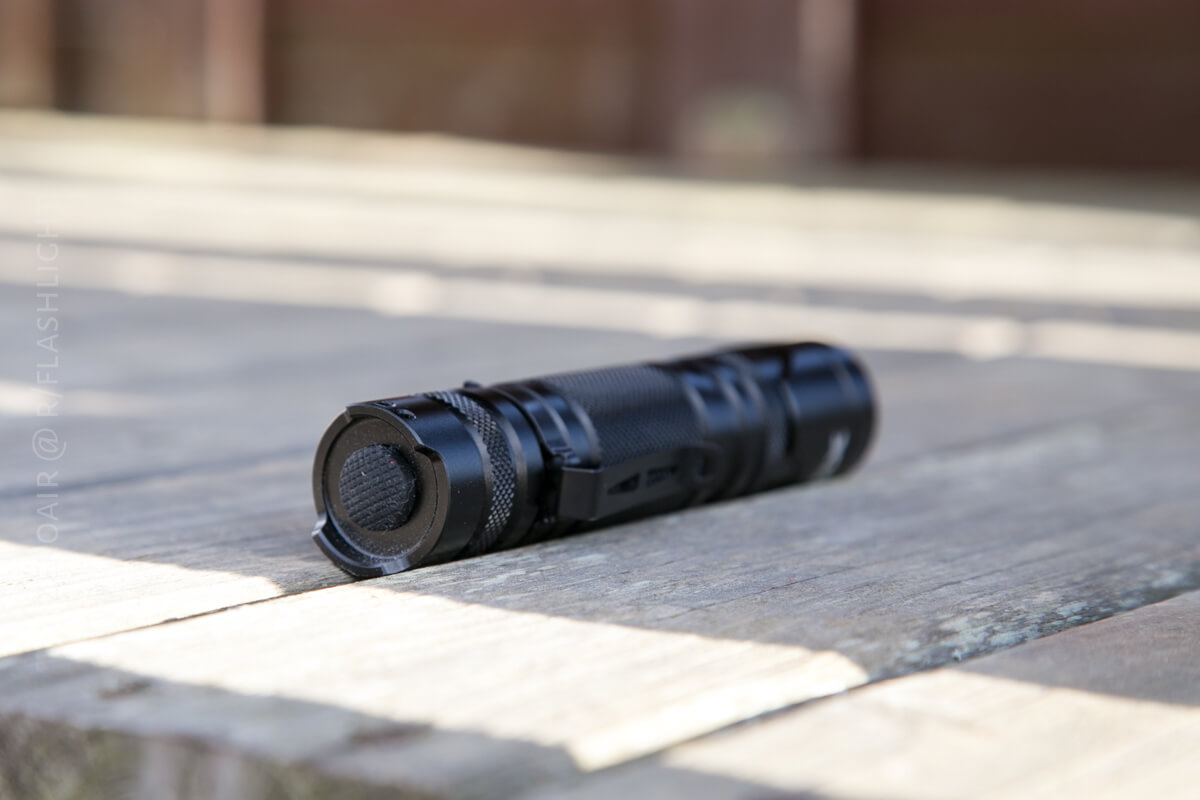
There’s a single forward clicky tail clicky on this light. It has a rubber dome and some nice grip texture. It’s a great switch, but probably smaller than what you might expect. I measure it at about 12mm. The McClicky, for example, is more like 13.5. A very small difference. The action itself is probably better than that of my BOSS switch (which is an actual McClicky). Either way, both are good.
The user interface is very simple. Half-press over and over to the mode you want, and then fully click to turn the light on in that mode. Modes cycle L>M>High>Higher. The manual mentions “Signal Mode” accessible by pressing the switch twice while the light is off, then turning the light on. I was not able to make this action do any special mode, so I can’t confirm that this option works as intended. I did get signal mode to work finally, but I can’t hit the mode consistently. It seems as though the light must be in Moonlight in order to get to Signal (not difficult since after 2s the light reverts to Moon). Still, it’s a tricky mode to hit. If you’re having trouble, let the light rest for >3s, then hit the switch thrice quickly, and on the third, click fully.
The light also has no memory; it starts in low every time. I like this feature a lot. It will turn on into the previous mode if turned on within a few seconds of being turned off, however.
Modes
| Mode | Claimed Output (lm) | Claimed Runtime | Draw (Amps) |
|---|---|---|---|
| Moonlight | 1 | 47d | 0.003 |
| Low | 60 | 28h | 0.09 |
| Medium | 300 | 4.5h | 0.524 |
| High | 1000 | 3.1h | 2.42 |
| Signal | 1000 | – | – |
LED and Beam
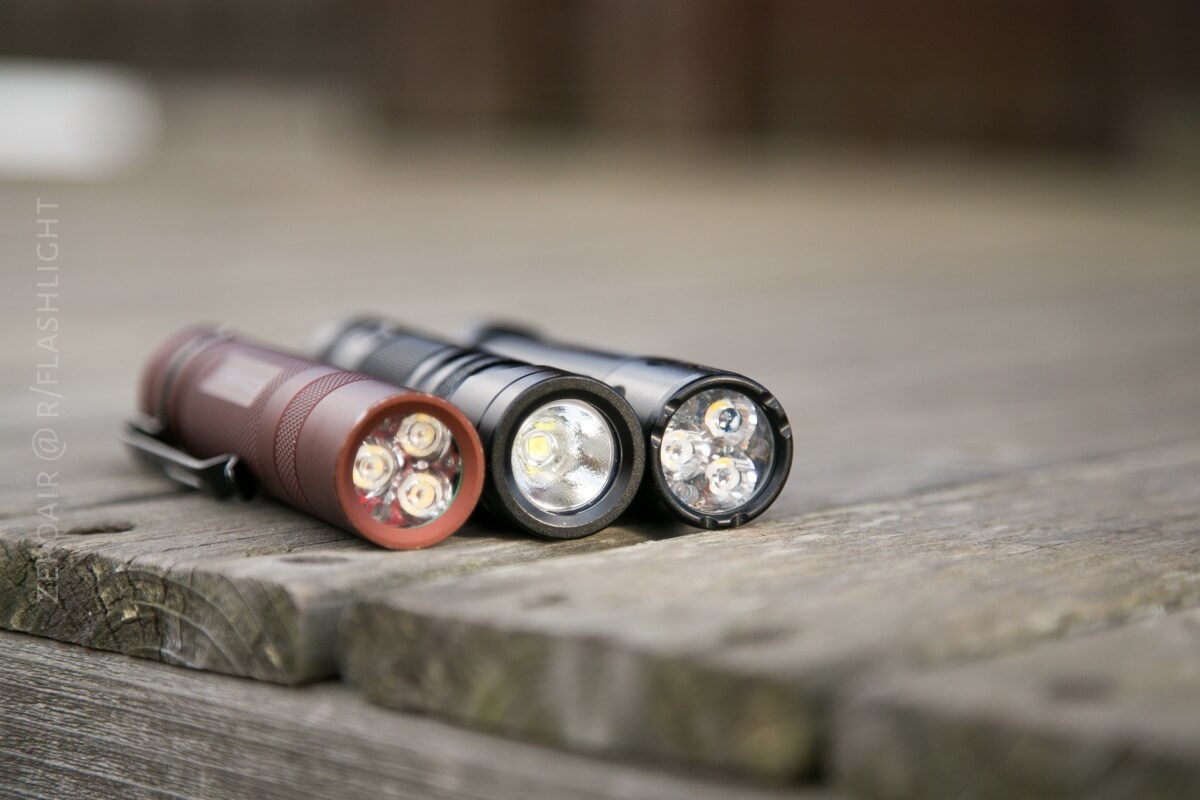
The emitter of choice is a Cree XM-L2 U3. I’m not sure what the color temp is for this light. It’s definitely much cooler than my (very, very warm) BOSS.
The beam has a nice useful spot, with a useful amount of spill. This is brought to you by the very lightly orange-peeled reflector.
Beamshots
These beamshots always have the following settings: f8, ISO100, 0.3s shutter, and manual 5000K exposure. These photos are taken at floor level, and the beam hits the ceiling around 9 feet away.

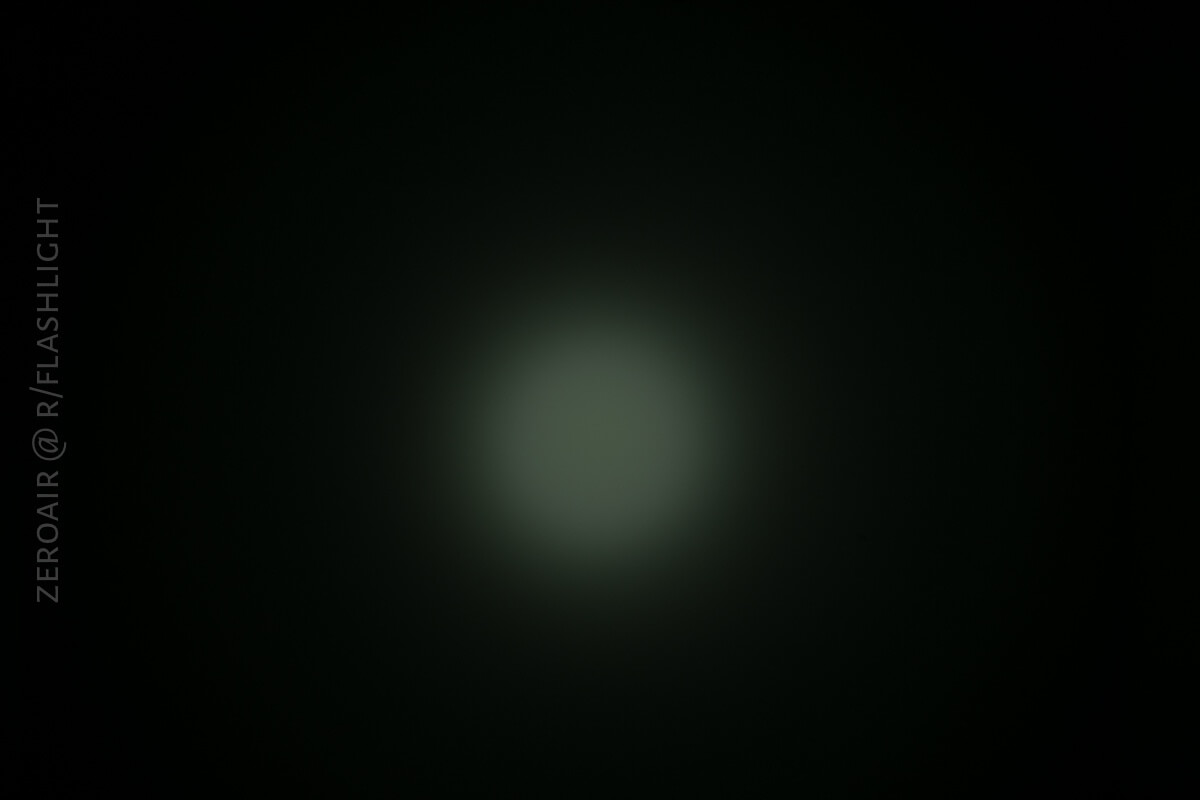
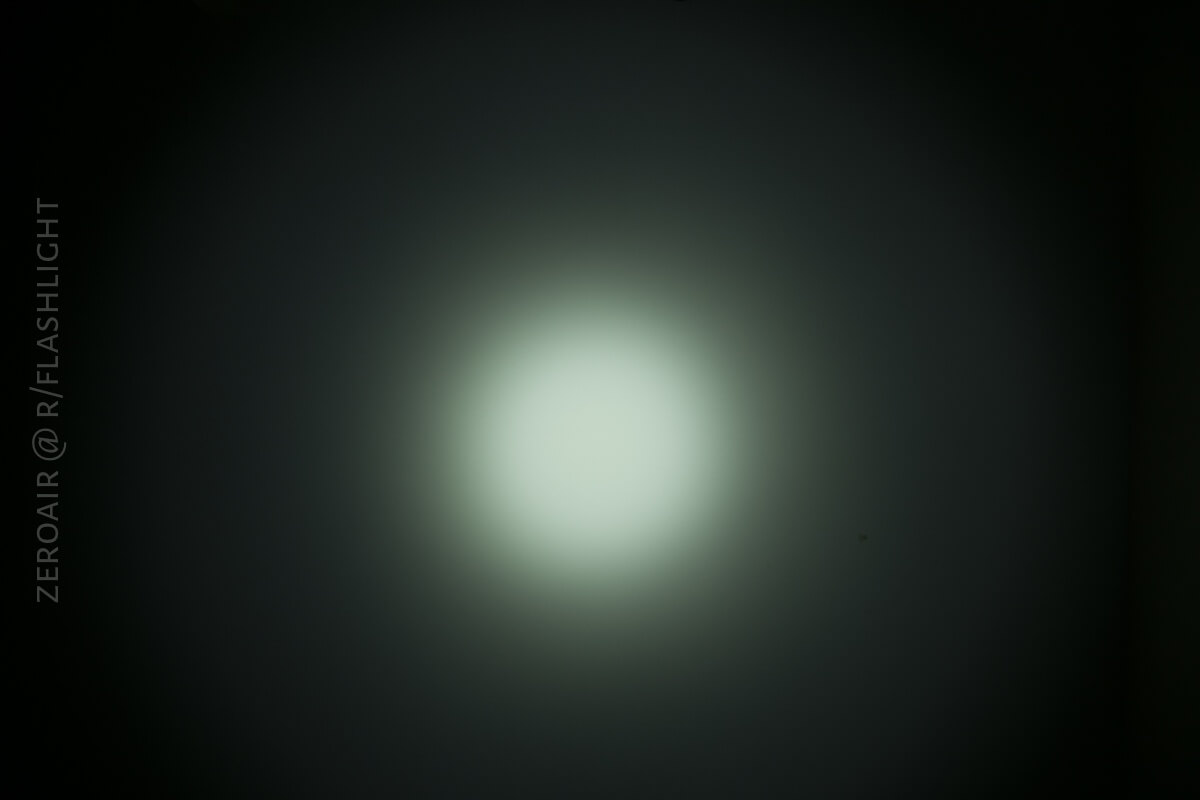
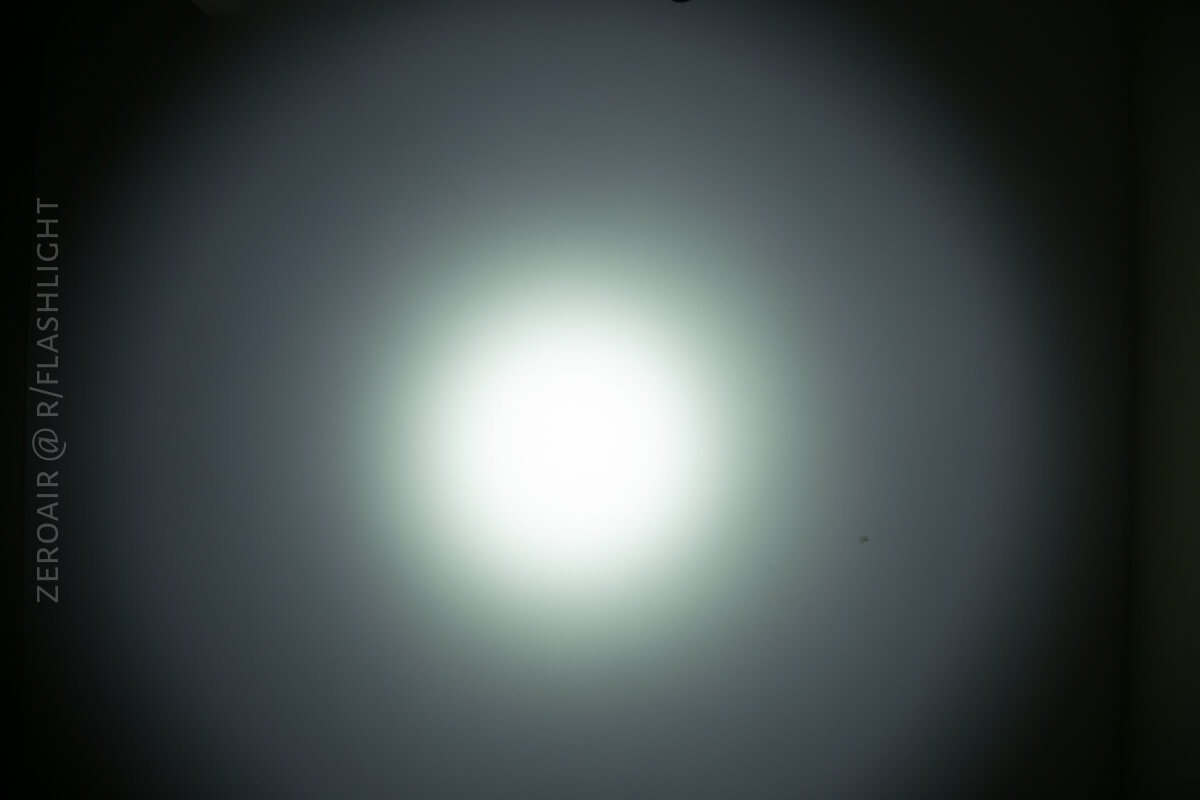
Tint vs BLF-348 (KillzoneFlashlights.com 219b version) (affiliate link)
I keep the test flashlight on the left and the BLF-348 reference flashlight on the right.
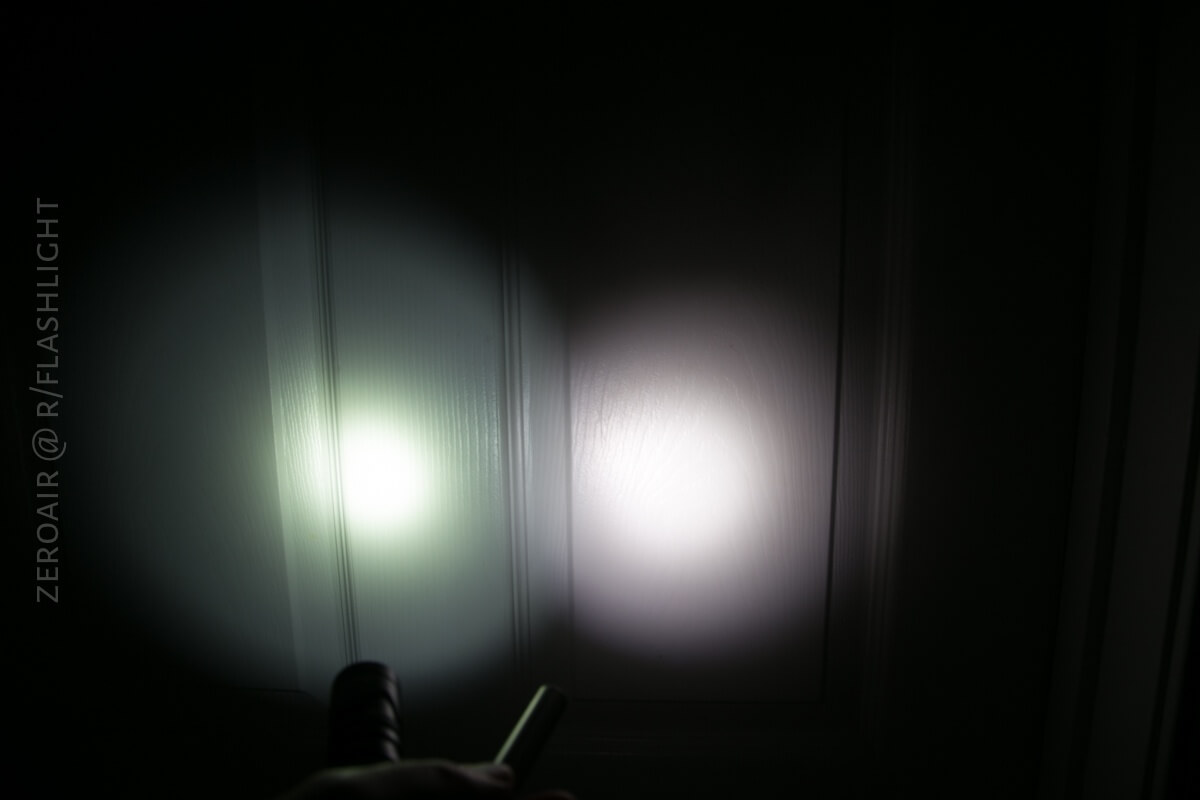
That last shot is, of course, with the BLF-348 on the right. (Yes, it’s rosy enough to make almost anything look green.)
Conclusion
What I like
- This light is very simple and easy to use.
- Seems fairly well built
- No noticeable PWM, even on low.
- Cell versatility
What I don’t like
- The bezel screws off too easily
- Apparent lack of low voltage protection
Notes
- This light was provided to me by XTAR, along with a USB voltmeter, which I’ll have some thoughts on very soon.
- This content originally appeared at zeroair.org. Please visit there for the best experience!
- Use my amazon.com referral link if you’re willing to help support making more reviews like this one!
- Please support me on Patreon! I deeply appreciate your support!
Discover more from ZeroAir Reviews
Subscribe to get the latest posts sent to your email.