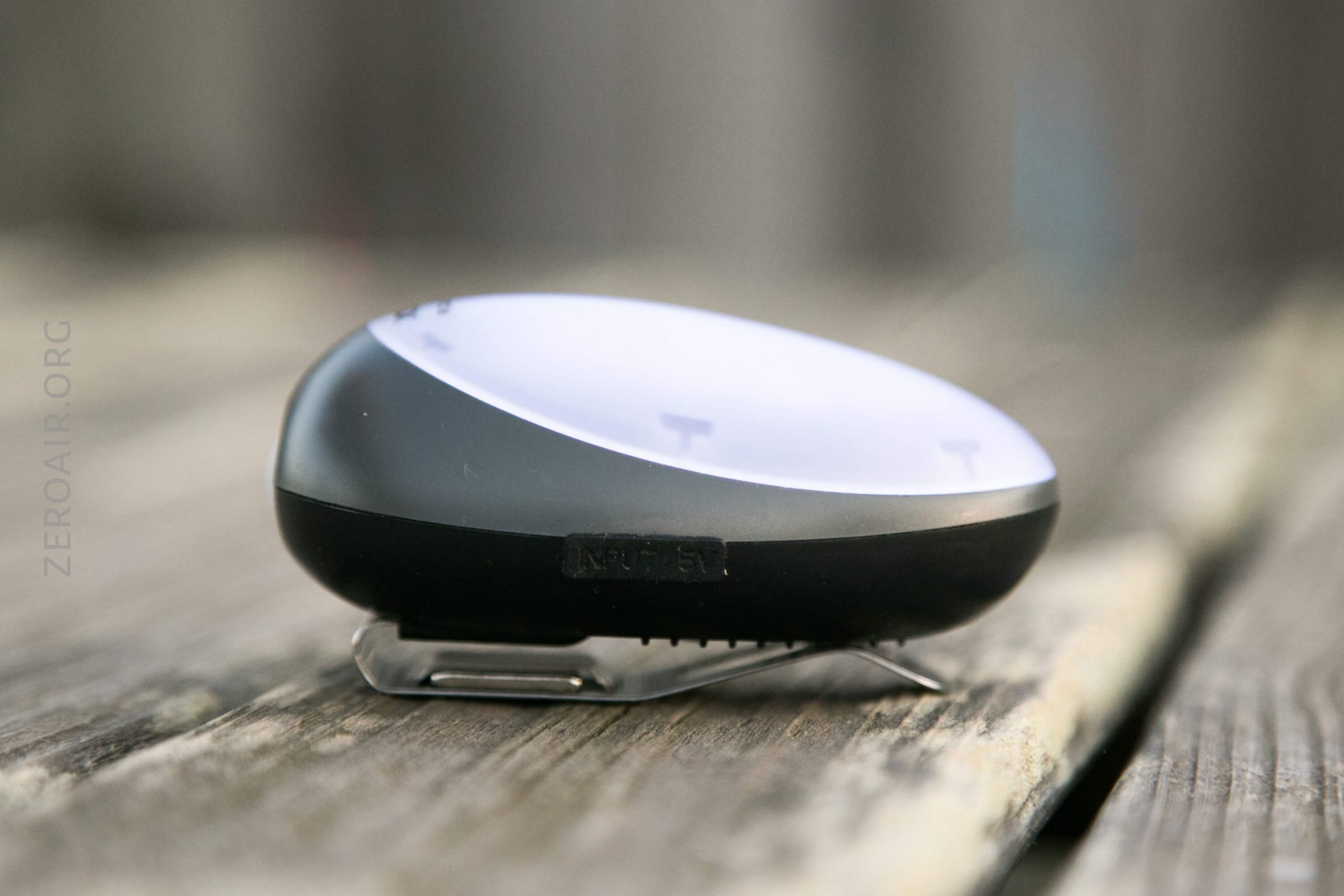

XTAR RC2-200 Lantern / Flashlight Review
XTAR updated their handheld lantern, and I have the XTAR RC2-200 Lantern in for testing! It has two white, RGB, and disco modes too! Read on!
Official Specs and Features
Here’s a link to the XTAR RC2-200 Lantern product page.
Versions of the XTAR RC2-200 Lantern
There appears to be only one version of this light, but I imagine gray won’t end up being the only body color.
Price
I really can’t find a price for this model. The old one can be had for around $11, and I wouldn’t expect this one to be much over $20. None of the official purchase channels seems to have this one yet.
Short Review
The old version of this light still gets a ton of use in my household as a nightlight/reading light. I expect this one will be the same. For that purpose, I think the RGB will be a bit distracting. But it’ll still work fine for that. As an EDC light? I just think that’s bad marketing for this product.
Long Review
The Big Table
| XTAR RC2-200 Lantern | |
|---|---|
| Emitter: | [Unstated, potentially RGB COB] |
| Price in USD at publication time: | ? |
| Cell: | Internal (2000mAh 18650) |
| High Runtime | Low Runtime |
| LVP? | Yes |
| Switch Type: | E-Switch |
| Quiescent Current (A): | ? |
| On-Board Charging? | Yes |
| Charge Port Type: | micro-USB |
| Chargetime | |
| Power off Charge Port with no Cell? | Yes^ |
| Claimed Lumens (lm) | 200 |
| Measured Lumens (at 30s) | [Set to claimed output for graphs] |
| Claimed Throw (m) | – |
| Candela (Calculated) in cd (at 30s) | 23lux @ 1.58m = 57cd |
| Throw (Calculated) (m) | 15.2 |
| All my XTAR reviews! | |
^ Measurement disclaimer: Testing flashlights is my hobby. I use hobbyist-level equipment for testing, including some I made myself. Try not to get buried in the details of manufacturer specifications versus measurements recorded here; A certain amount of difference (say, 10 or 15%) is perfectly reasonable.
^ All modes are available while charging. Most of the modes step down to approximately half brightness while charging, though.
What’s Included
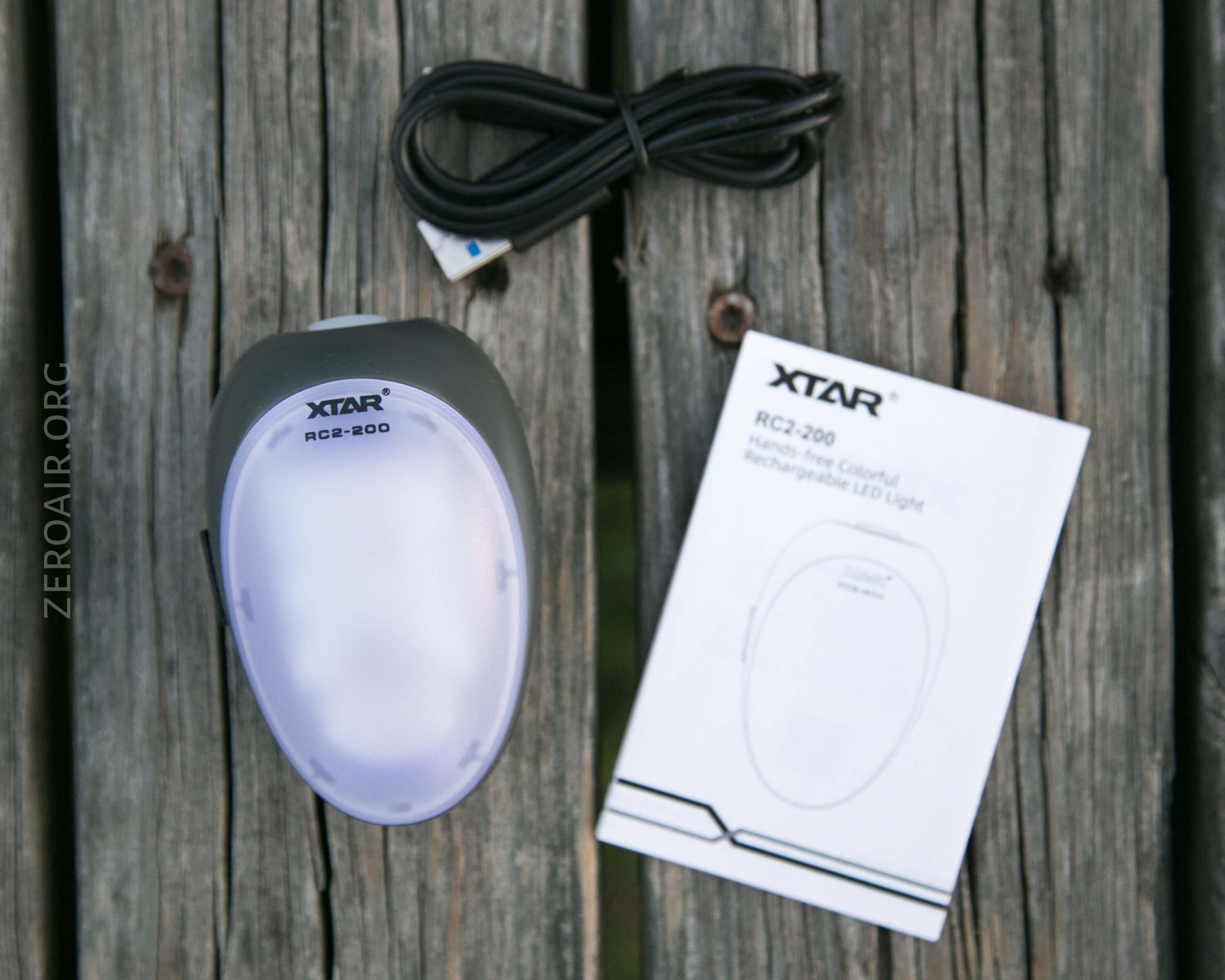
- XTAR RC2-200 Lantern
- Charge cable (USB to micro-USB)
- Manual
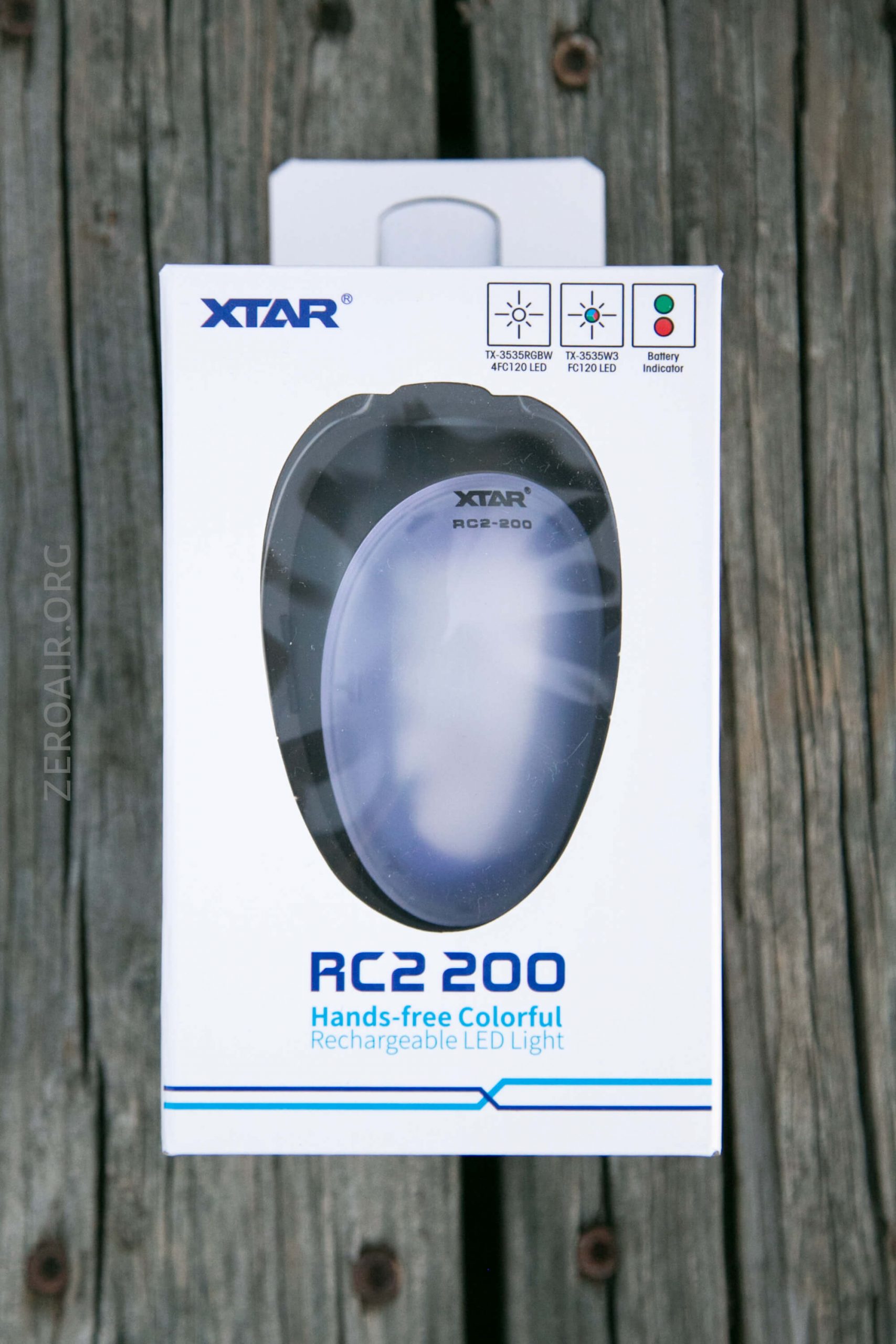
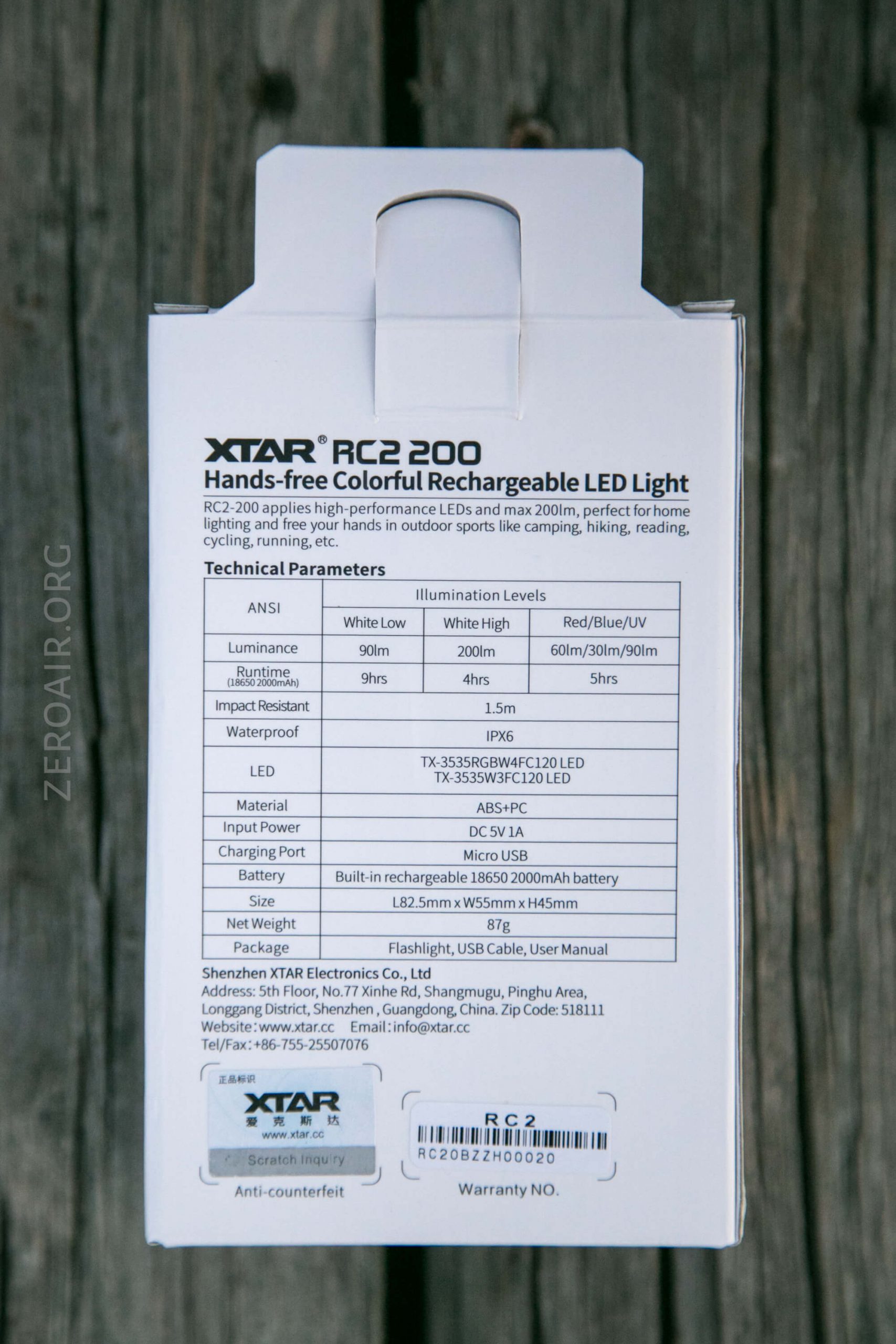
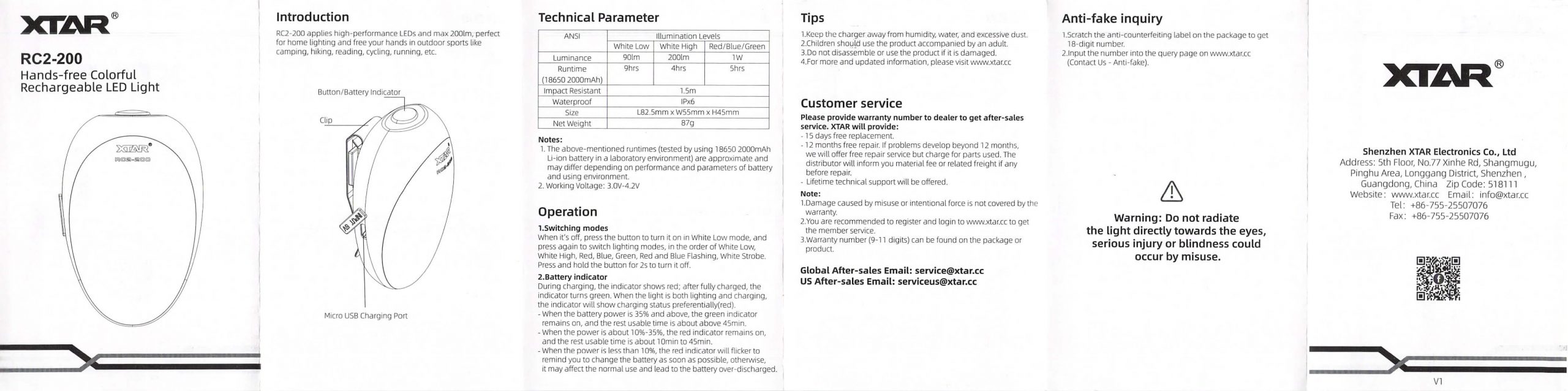
Package and Manual
Build Quality and Disassembly
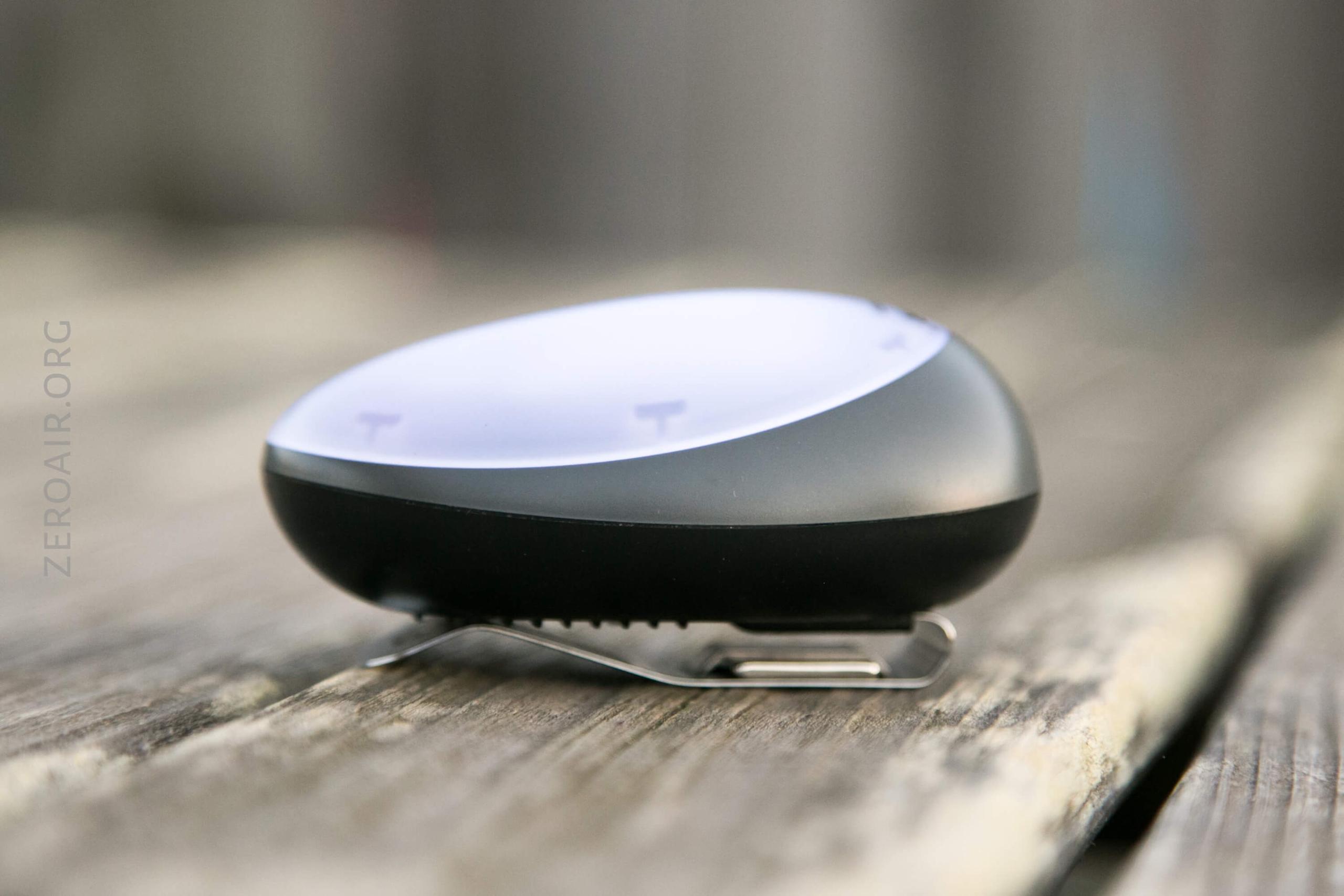
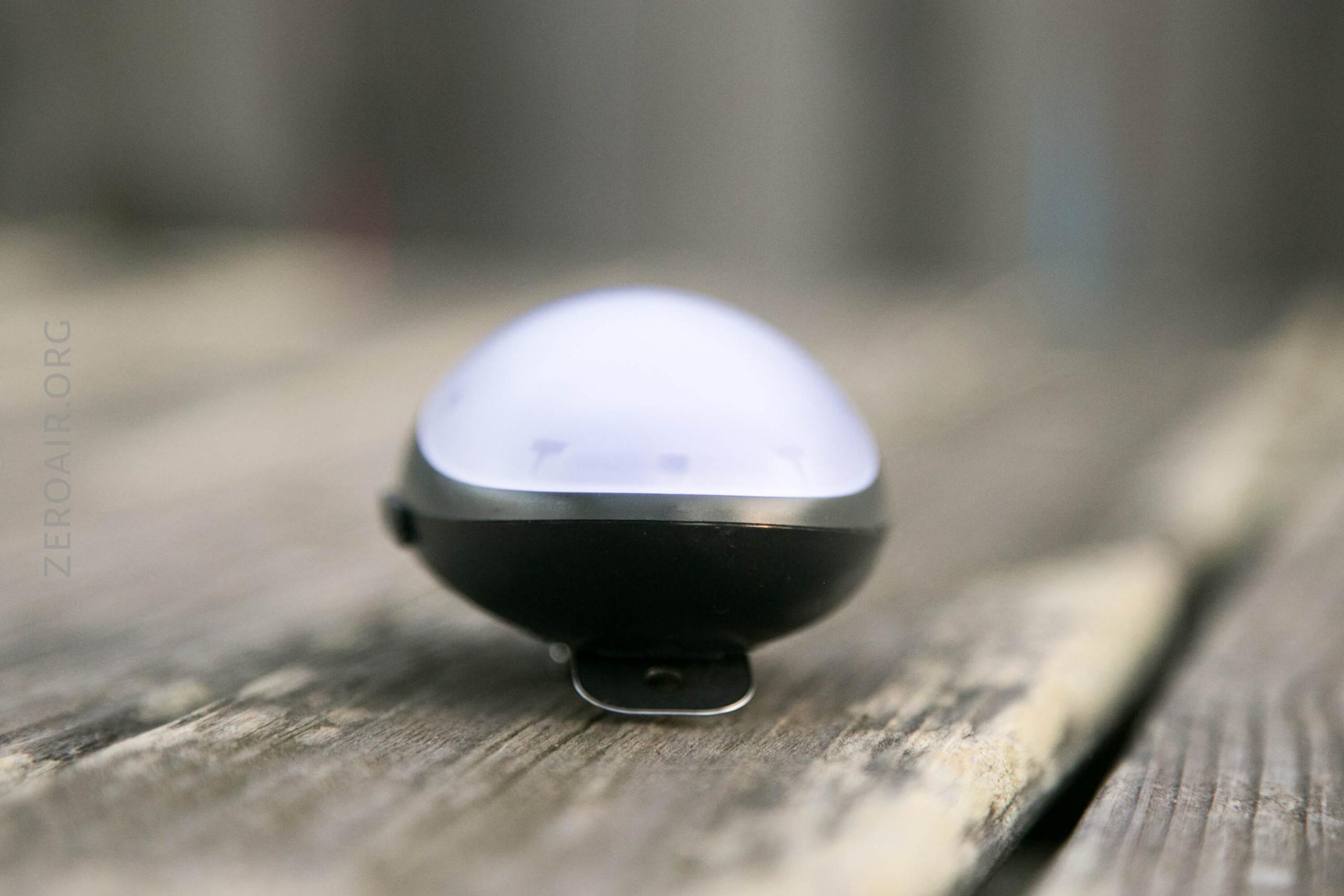
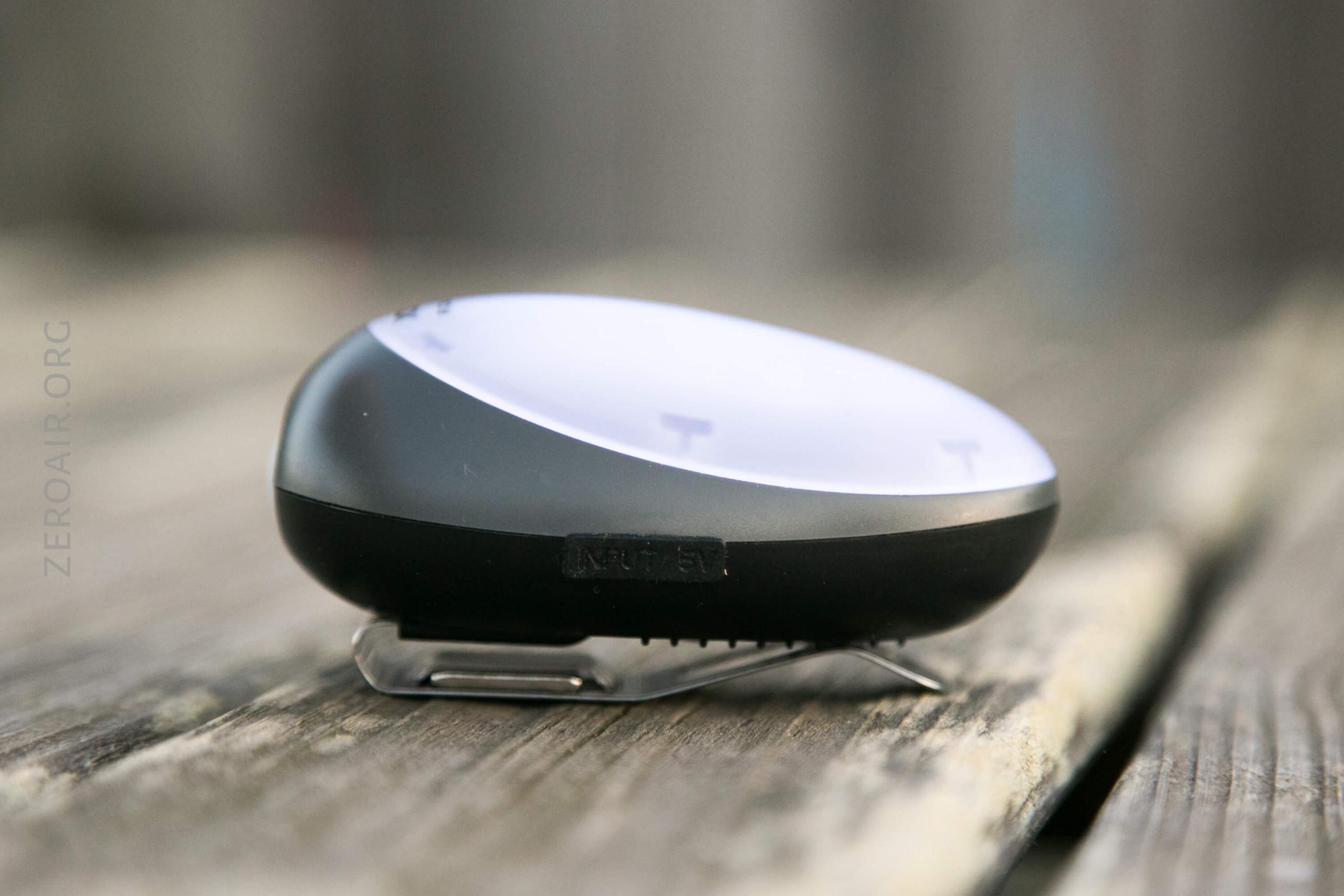
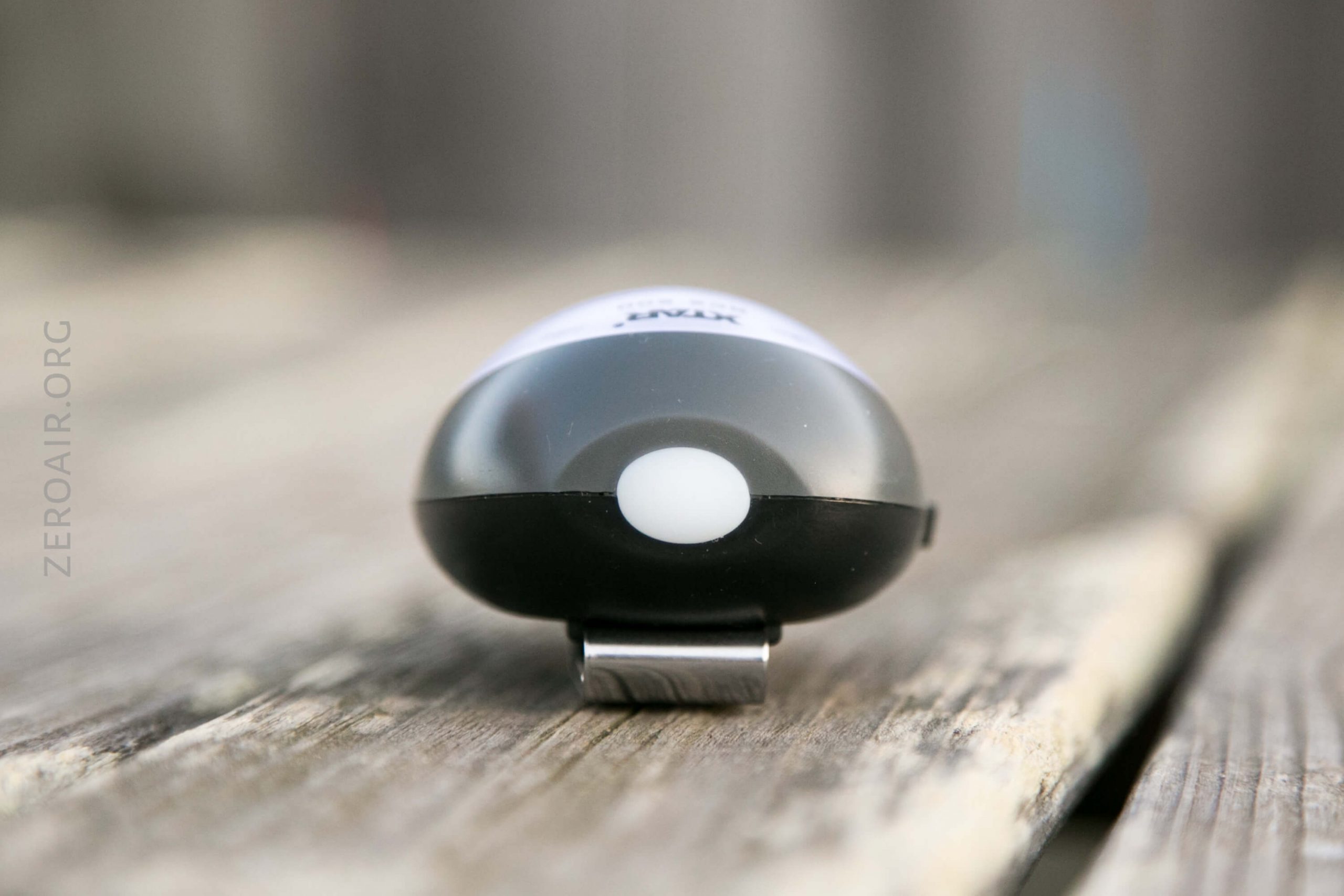
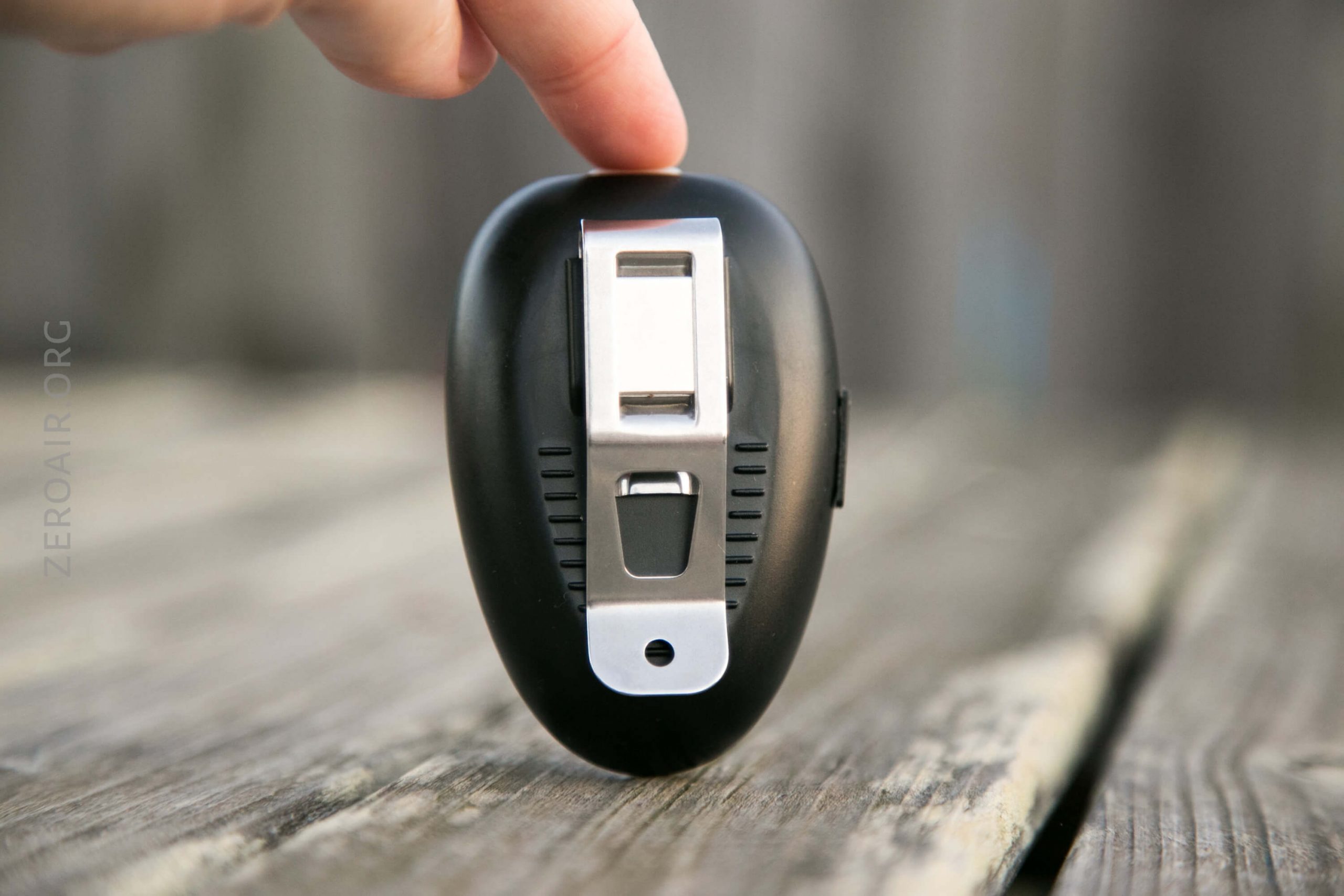
The build quality on this version is about like the original version, the RC2 Moon. It’s only “splash proof” and not waterproof, so bear that in mind!
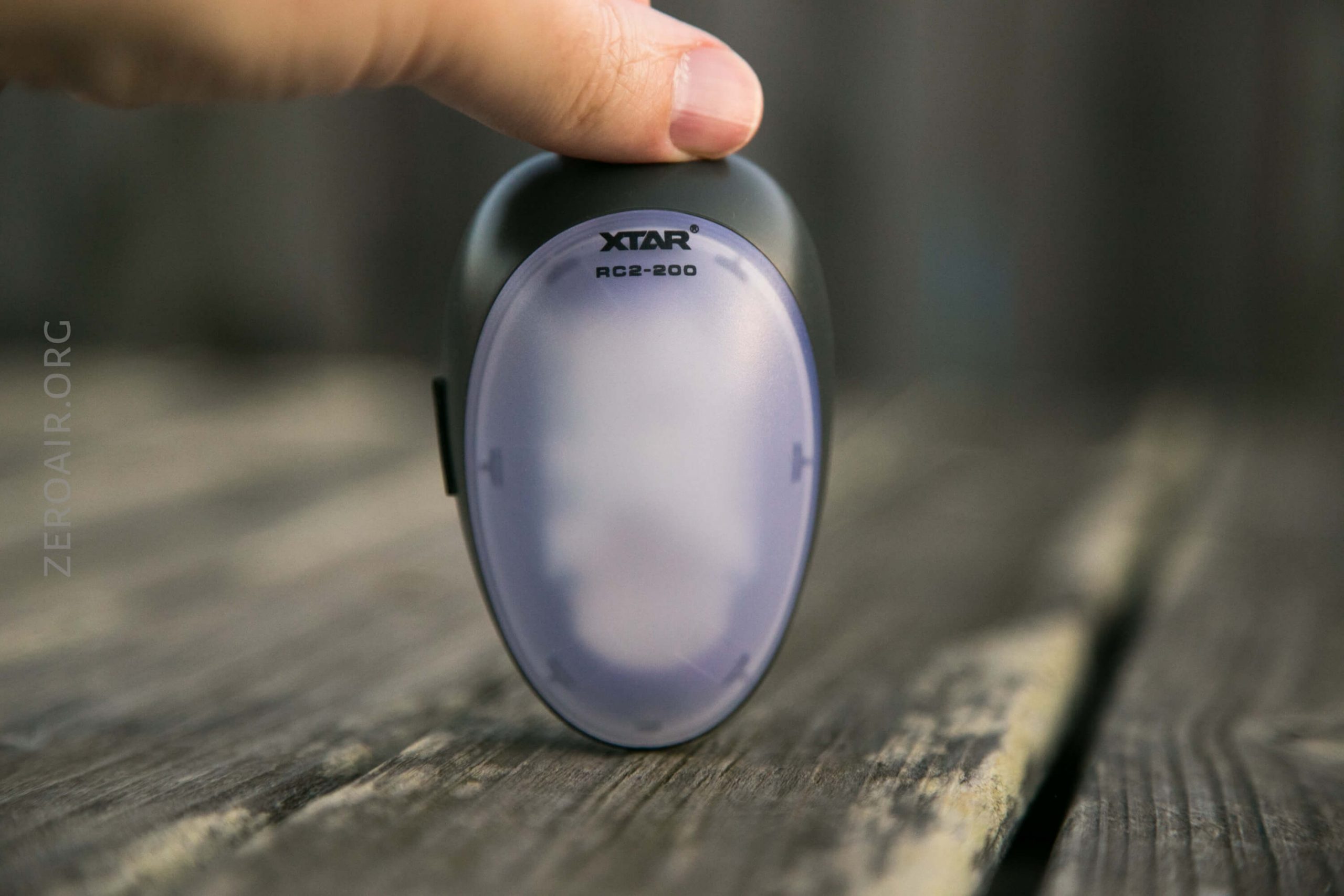
The charge port cover sticks out more than I want. On my old version, the cover has been torn off for a long time; I don’t expect this one to be any different. It’ll tear off, and I won’t worry about it, and will be sure to keep the light dry.
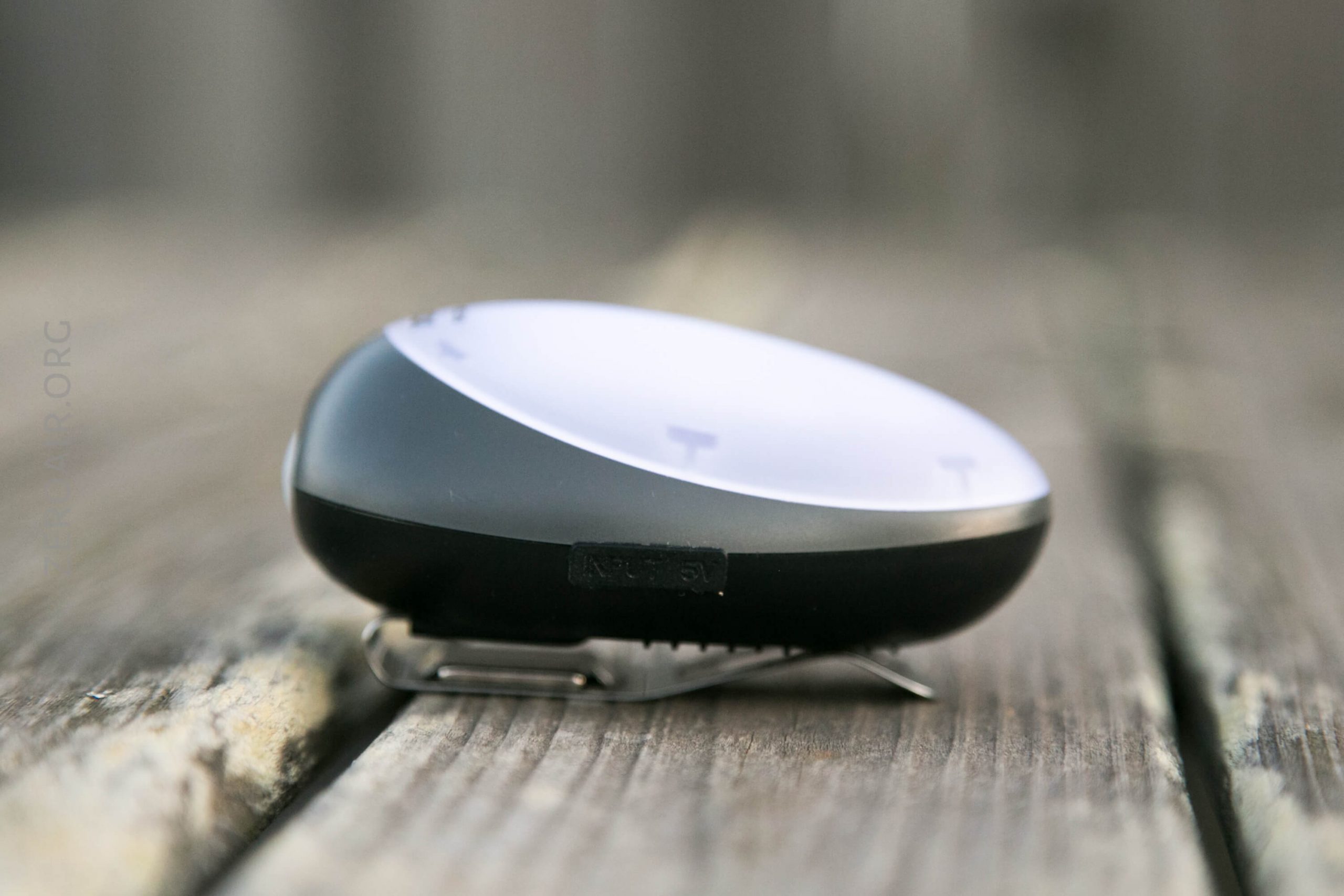
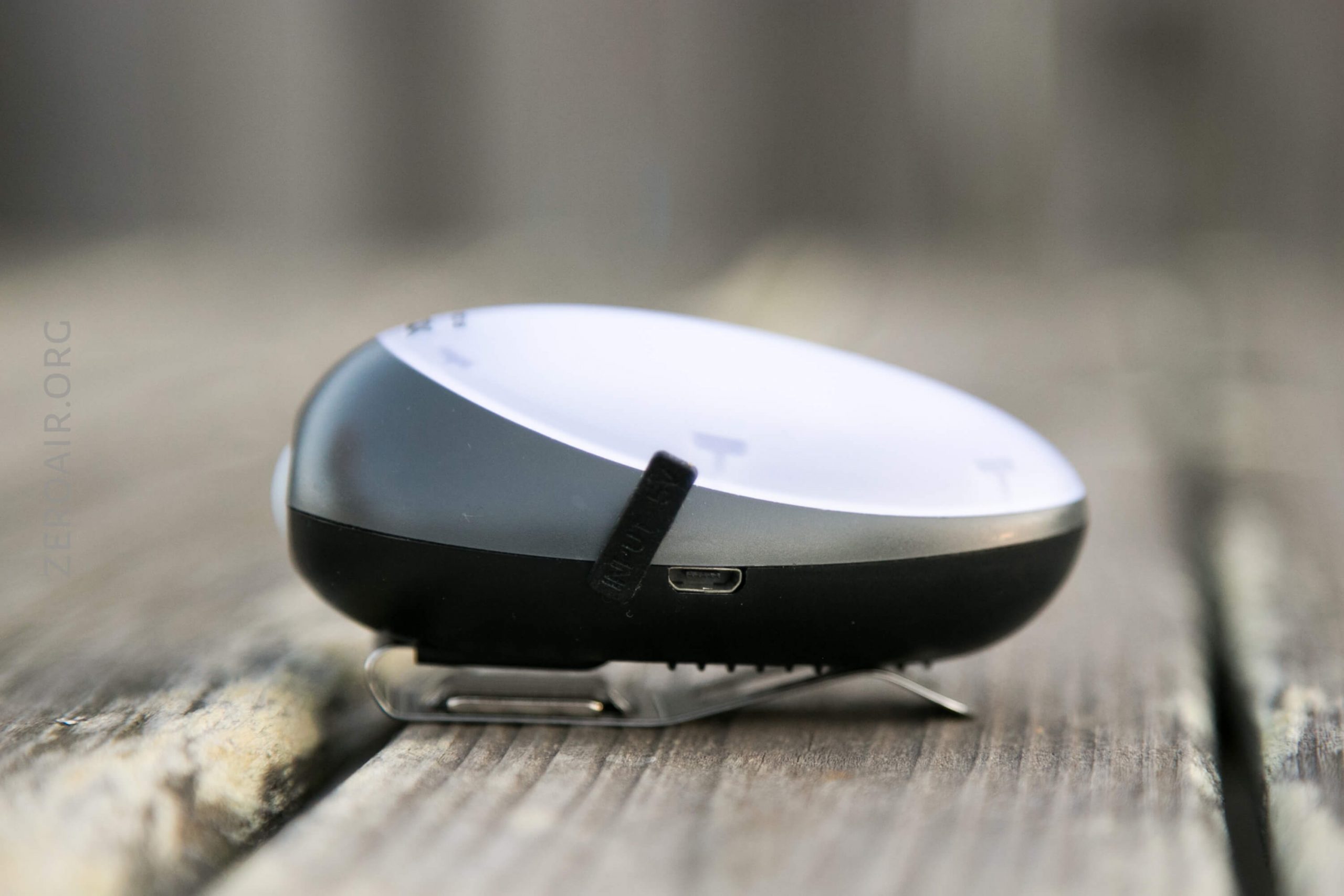
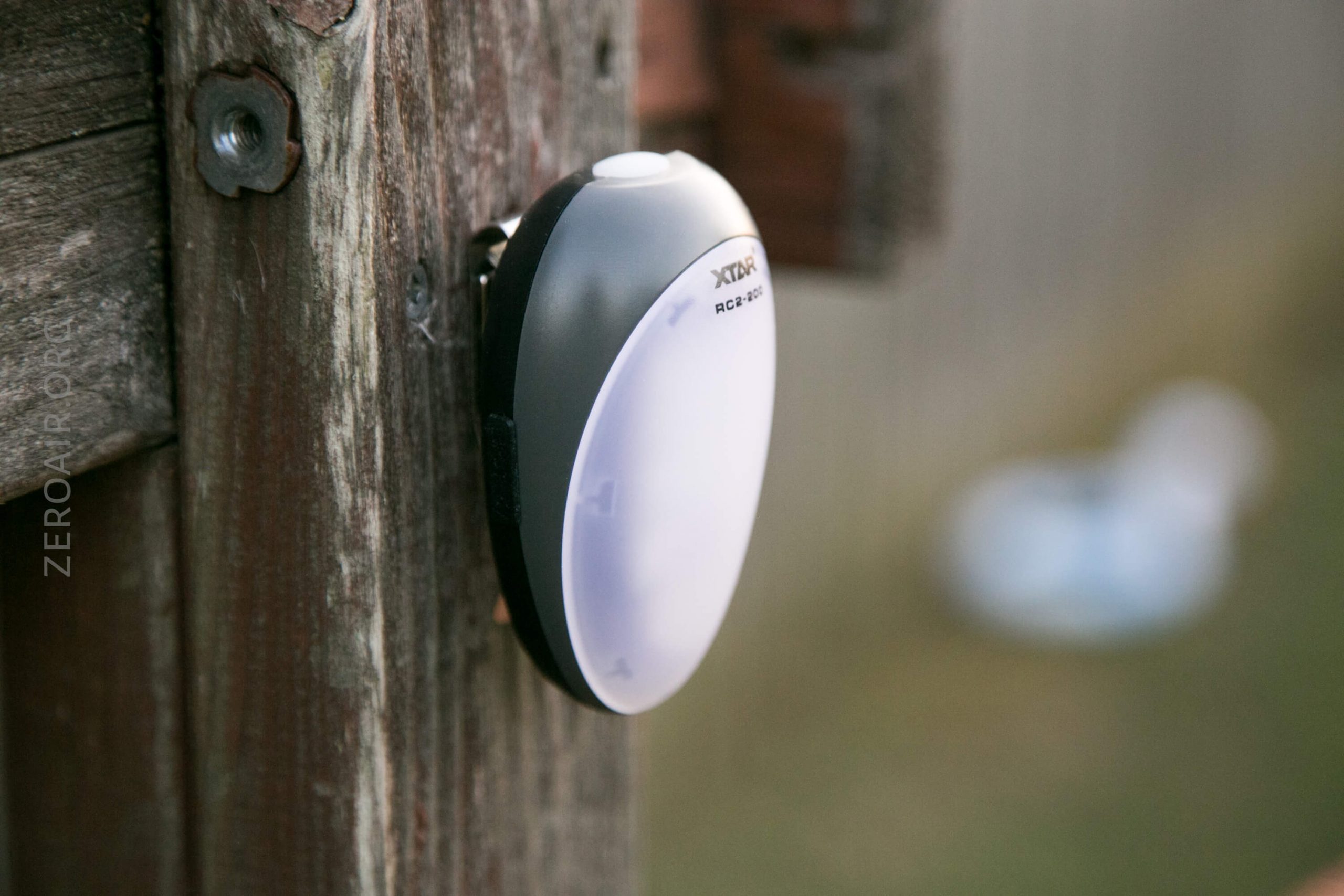
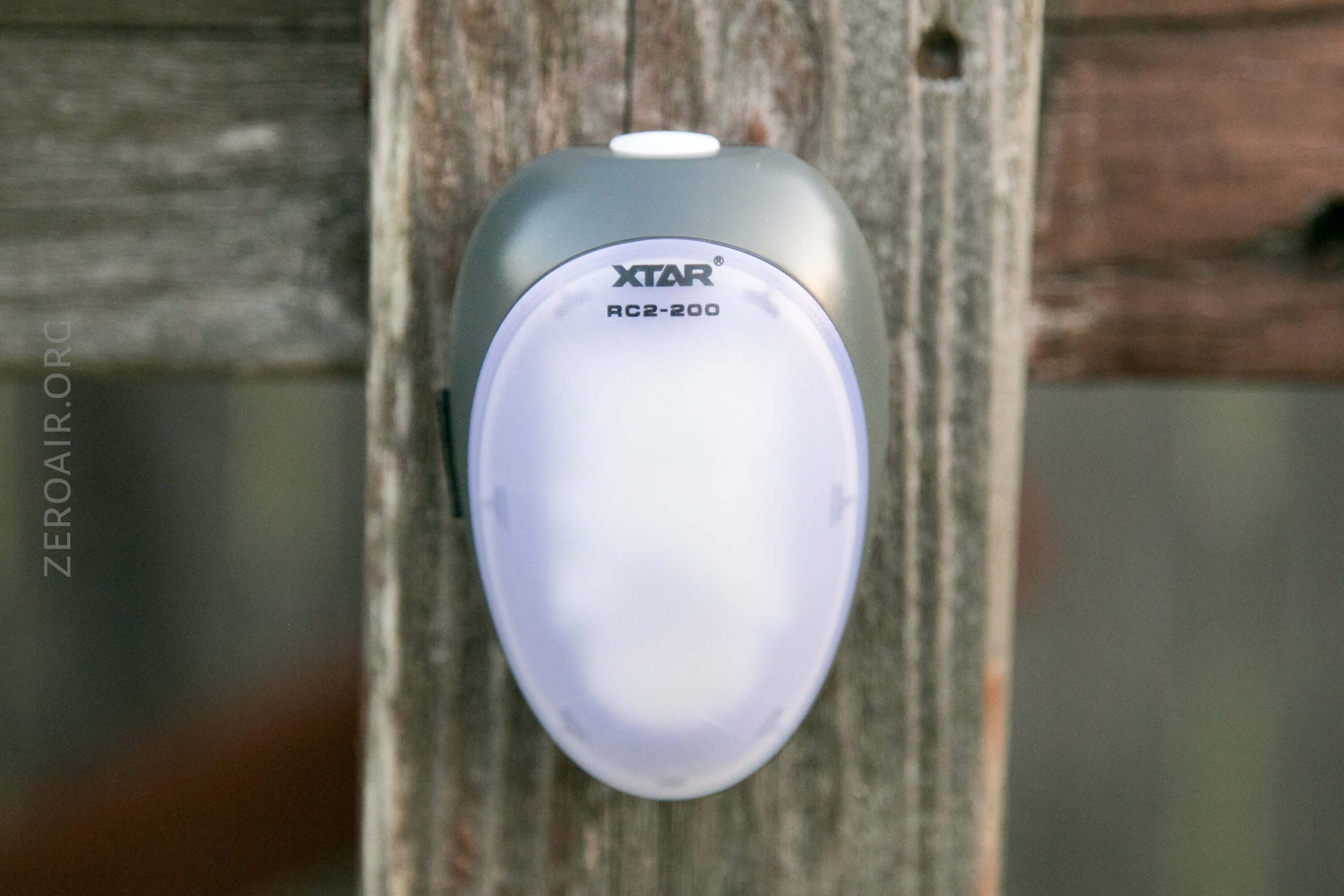
The body seems to be fused together. It doesn’t come apart, at least not nondestructively. So I didn’t take it apart at all.
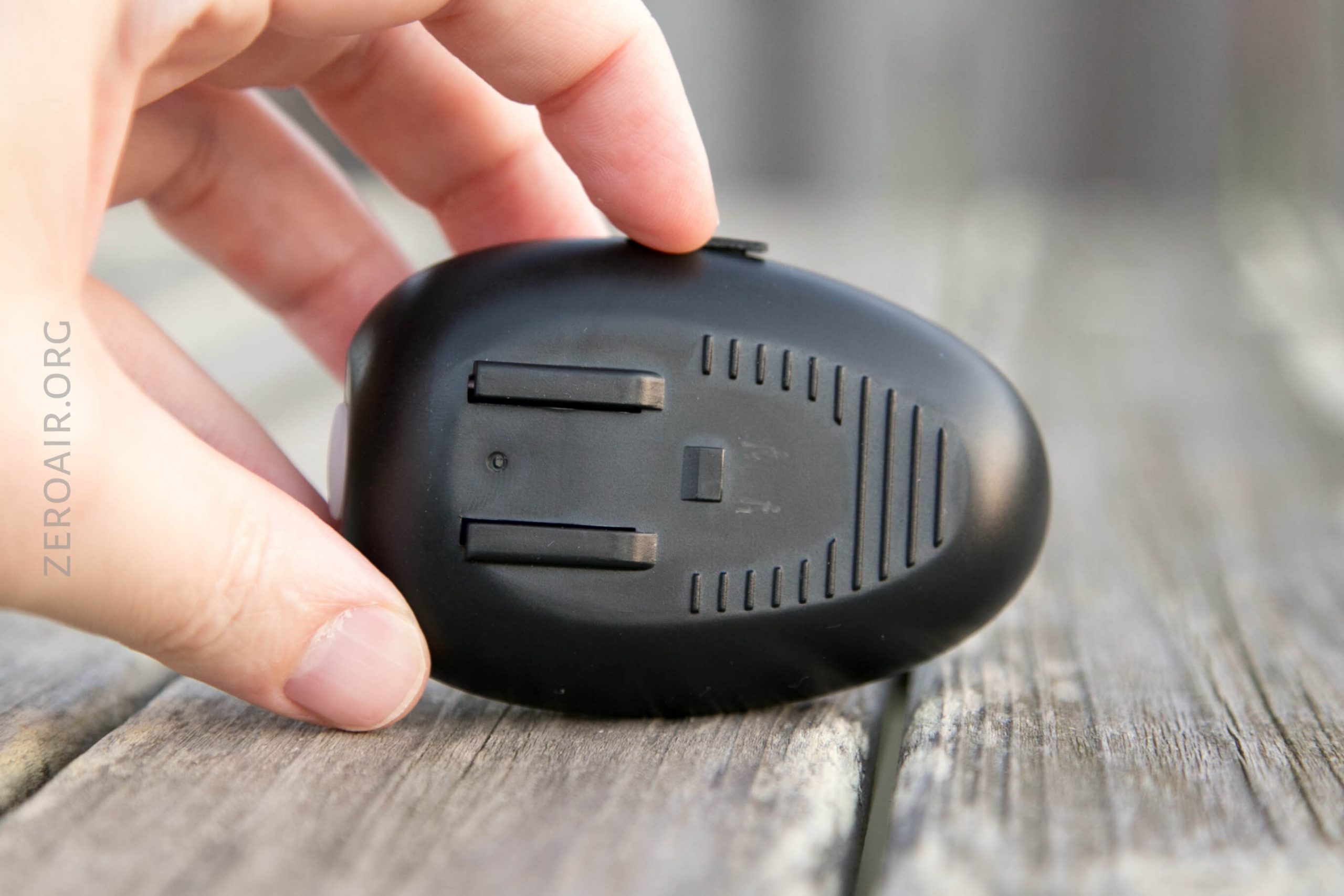
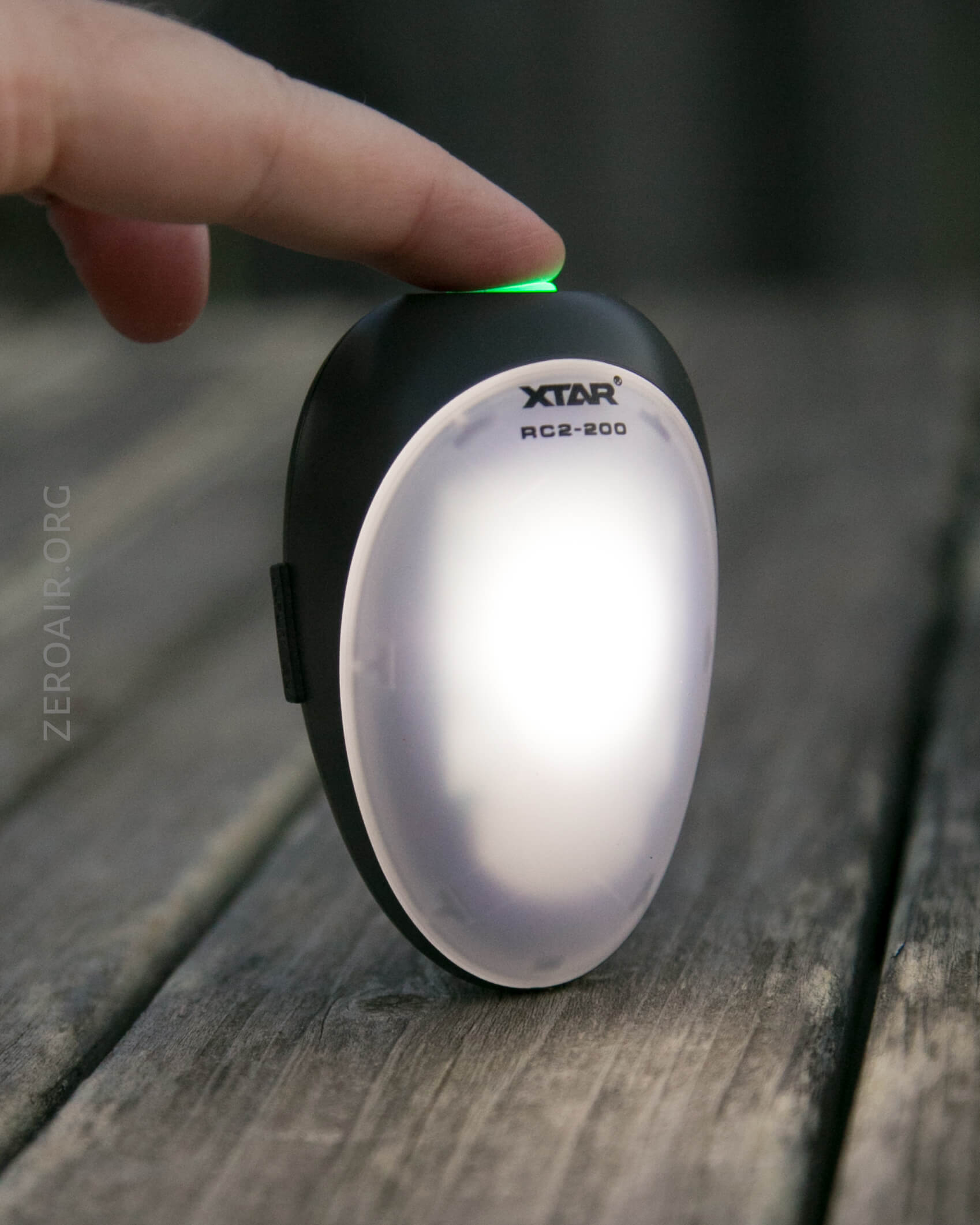
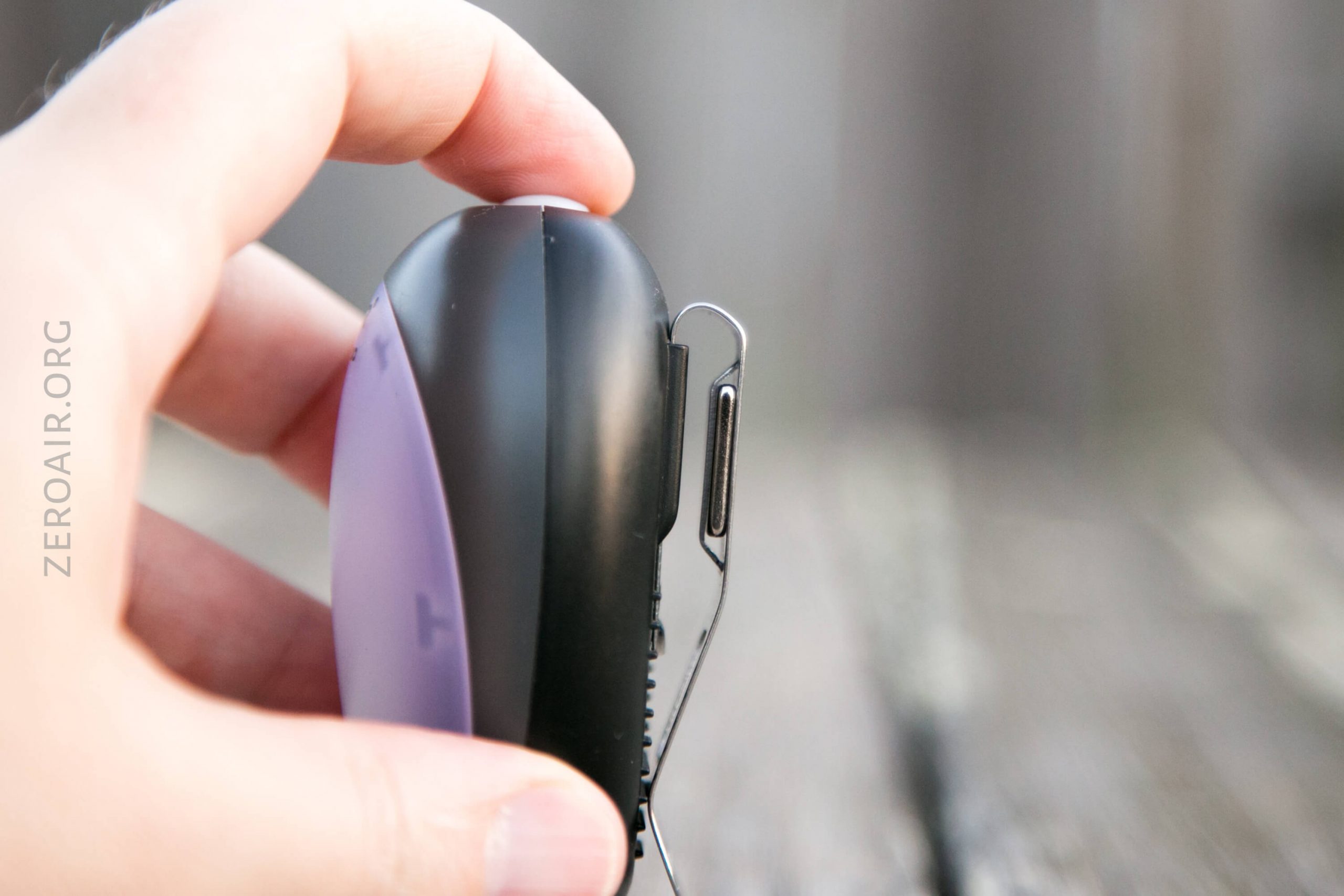
Overall, the build quality seems pretty good. I’d love for the cell to be replaceable, at least.
Size and Comps
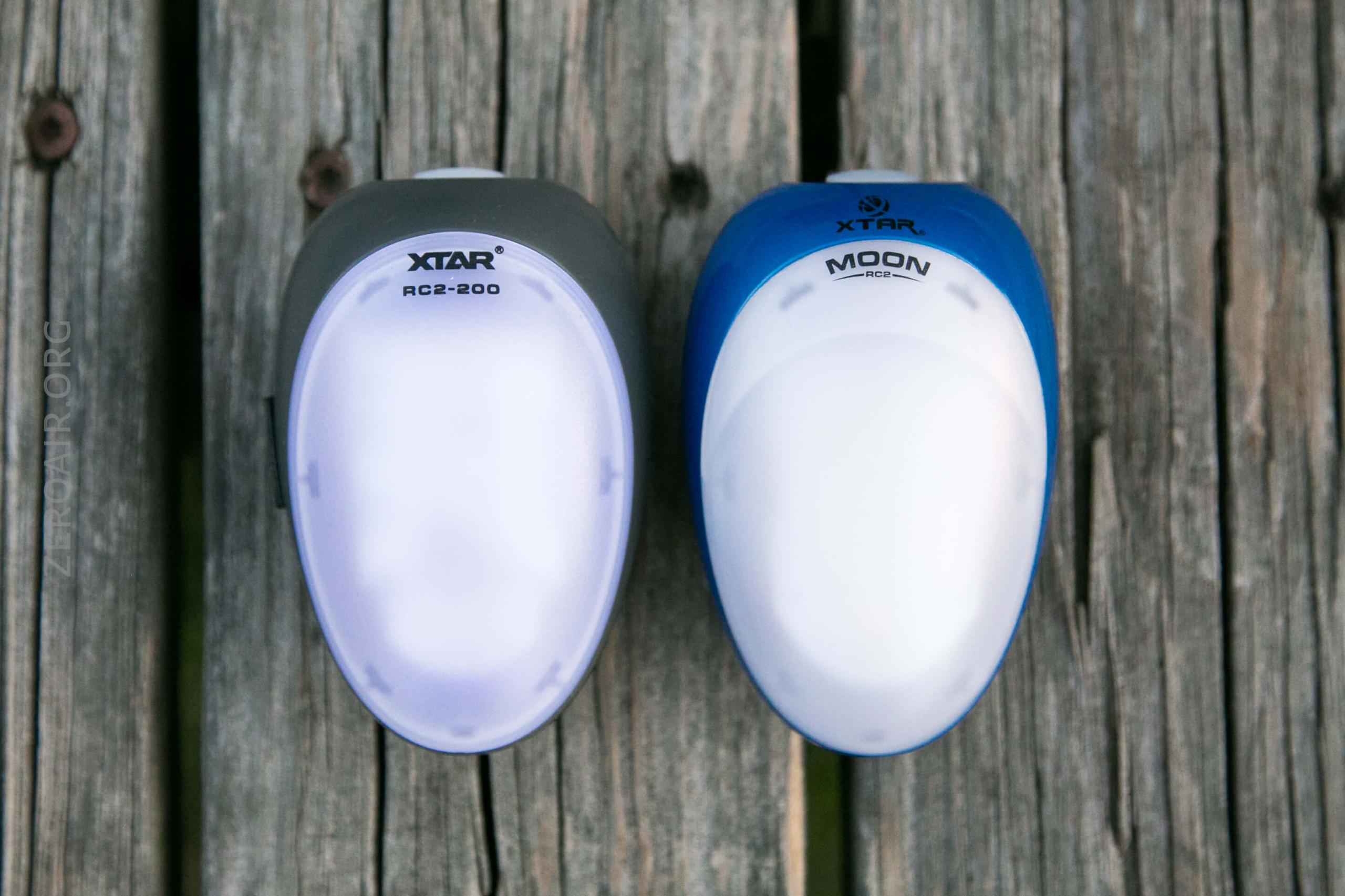
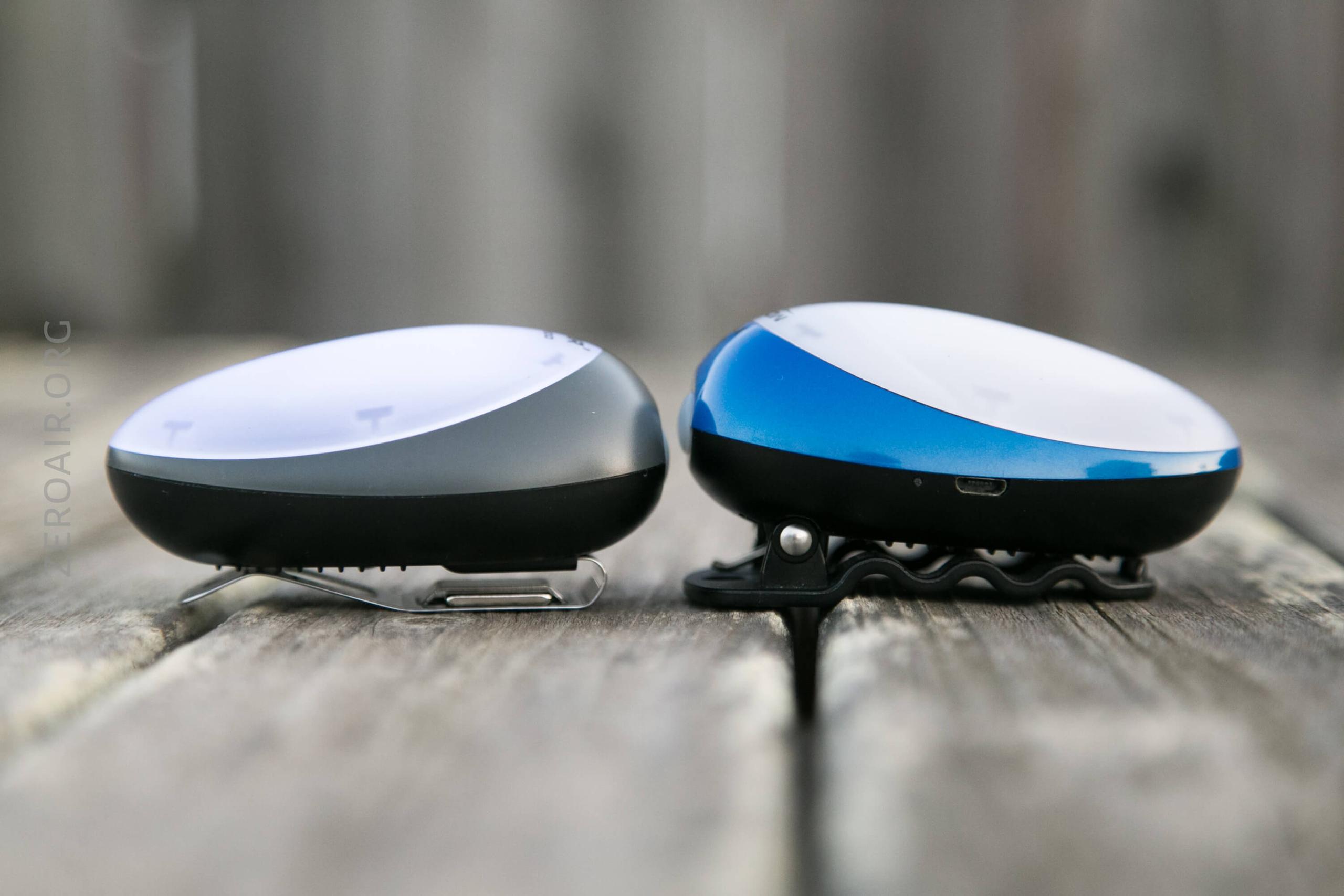
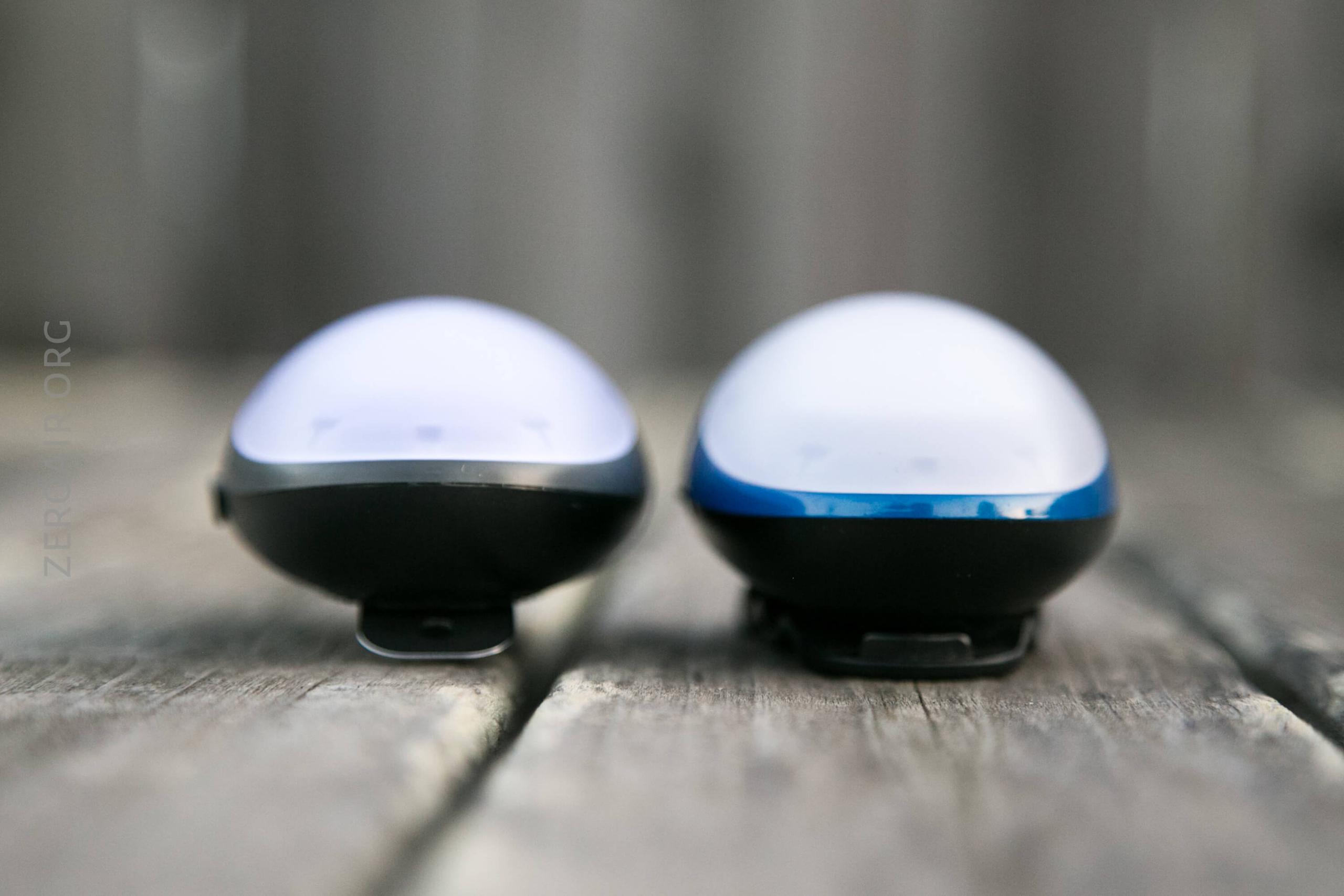
Officially 82.5mm x 55mm x 45mm, and 87g.
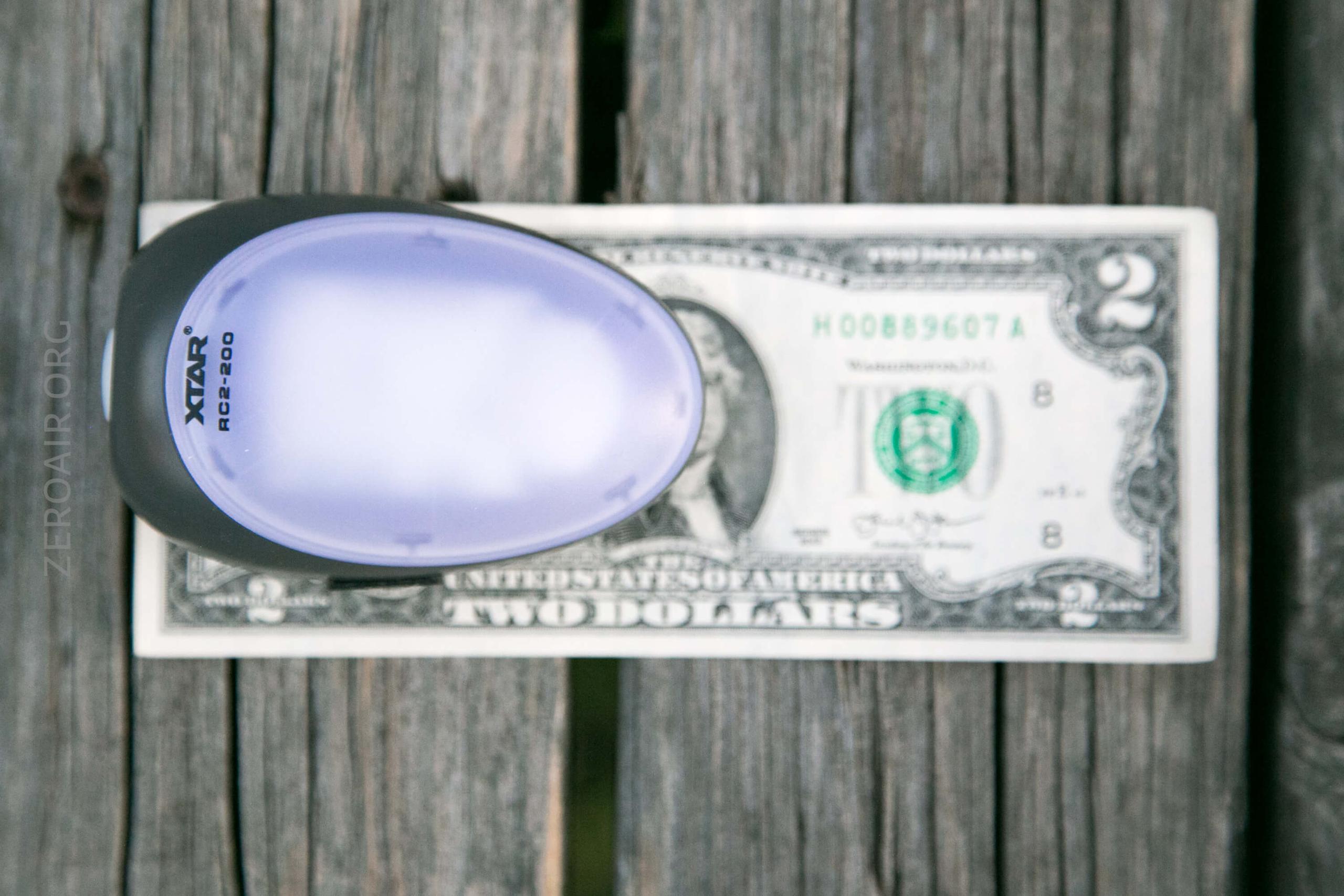
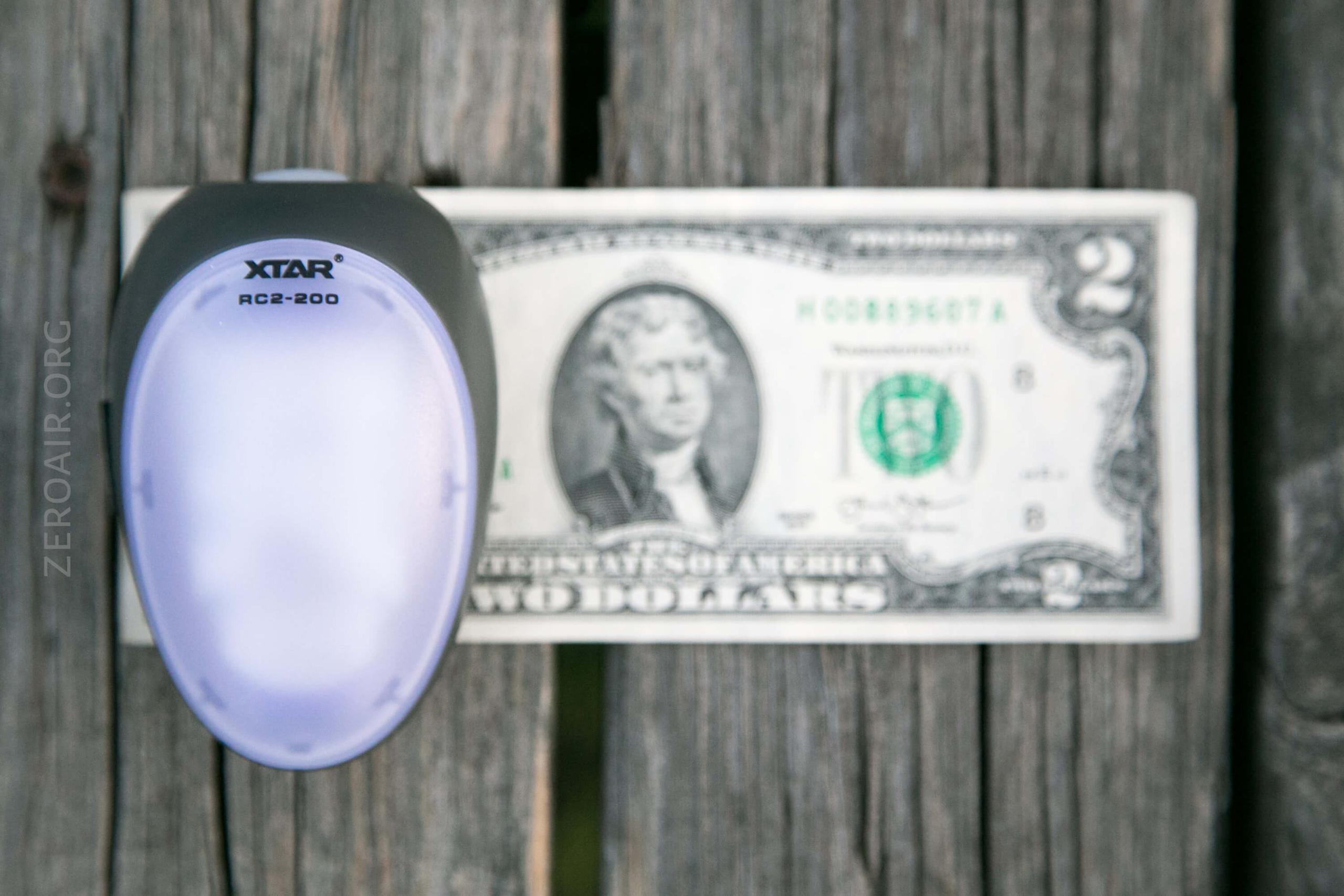
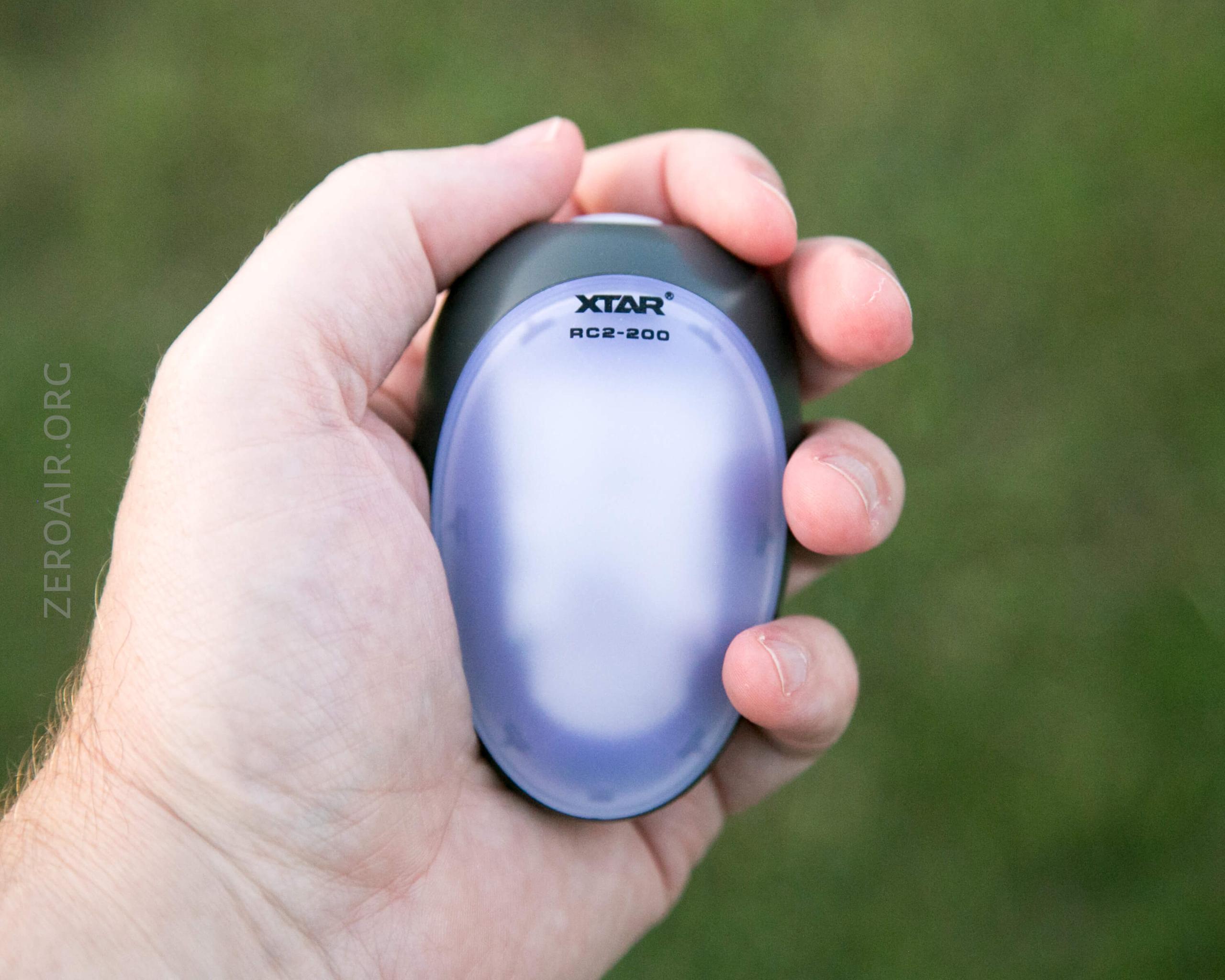
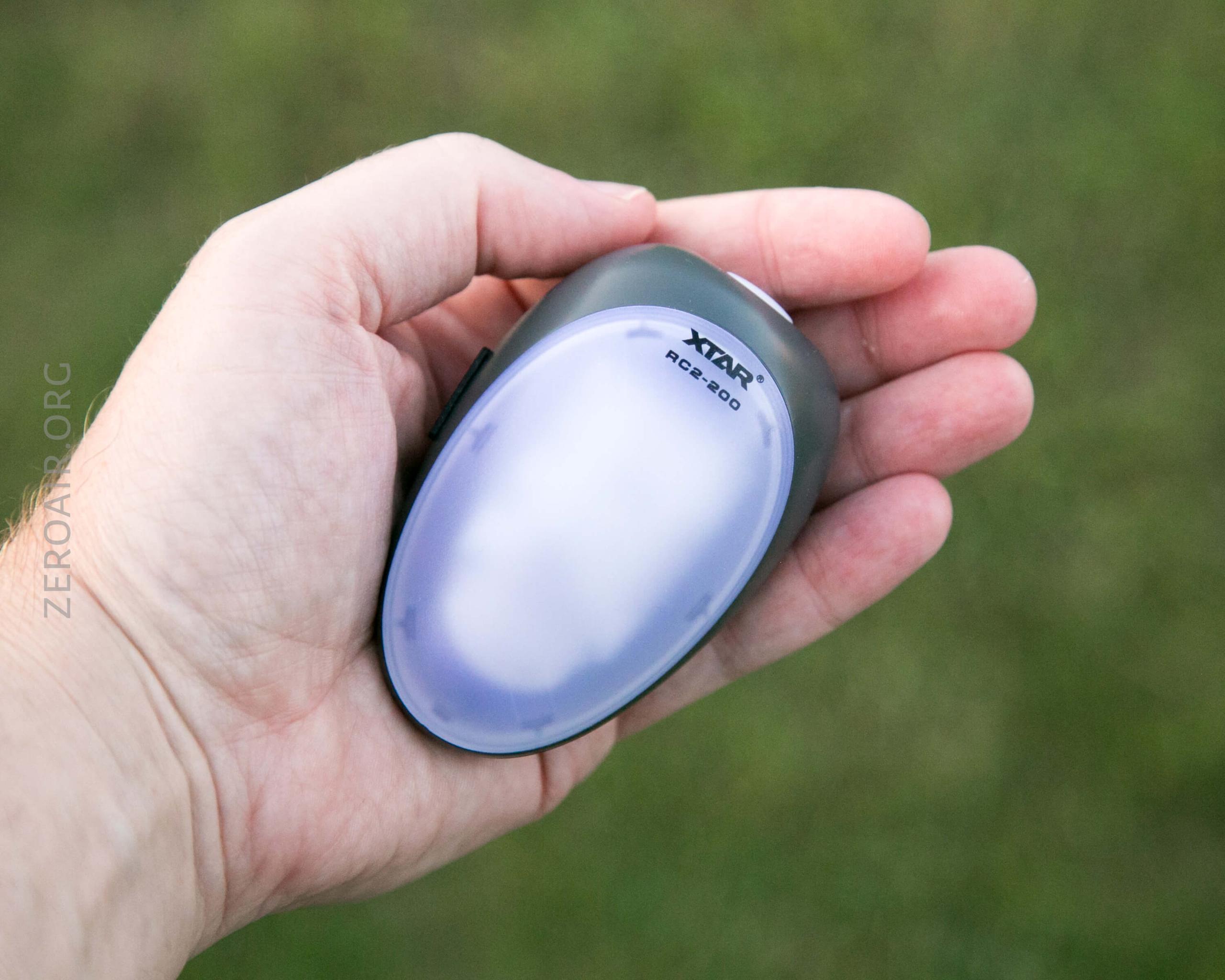
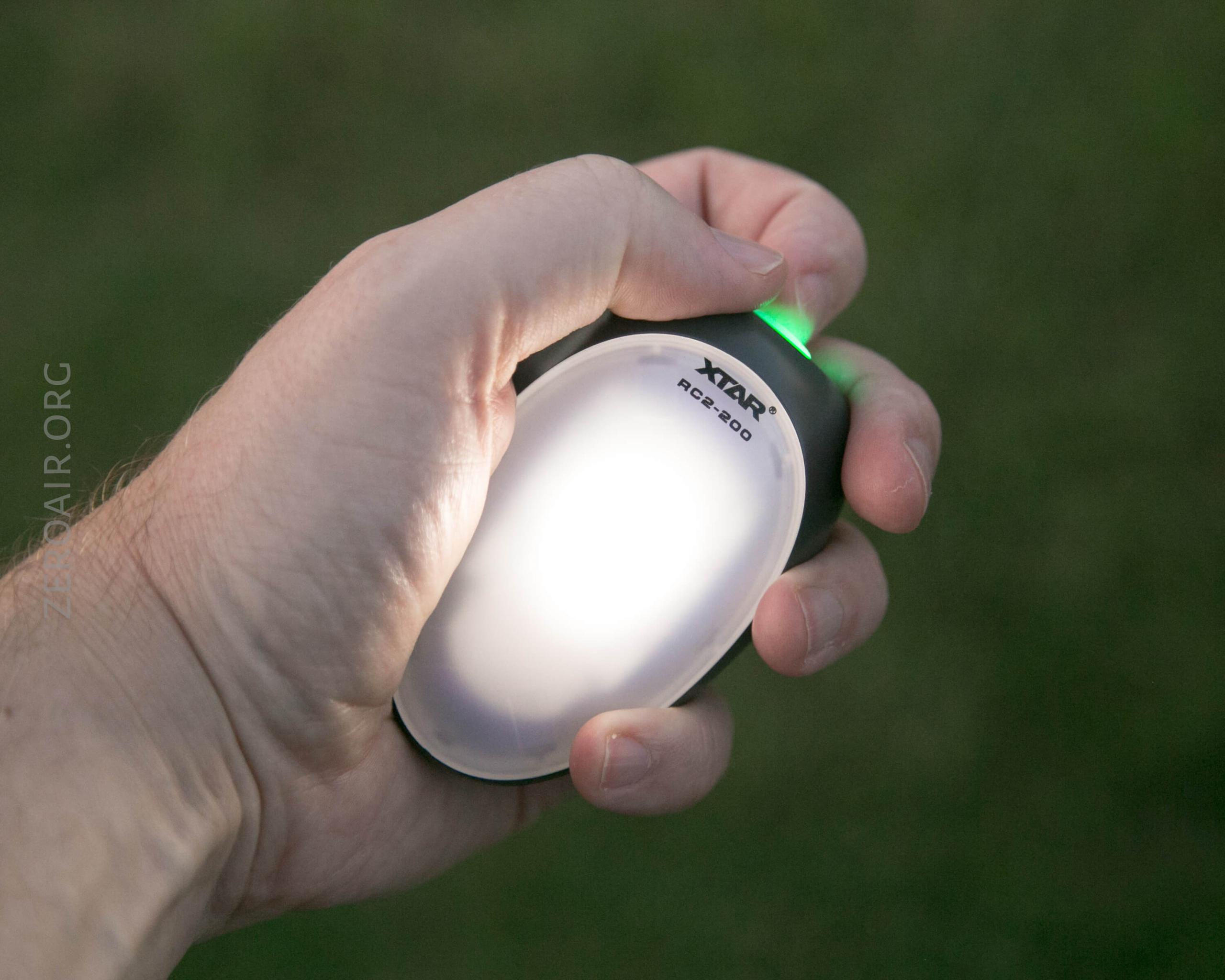
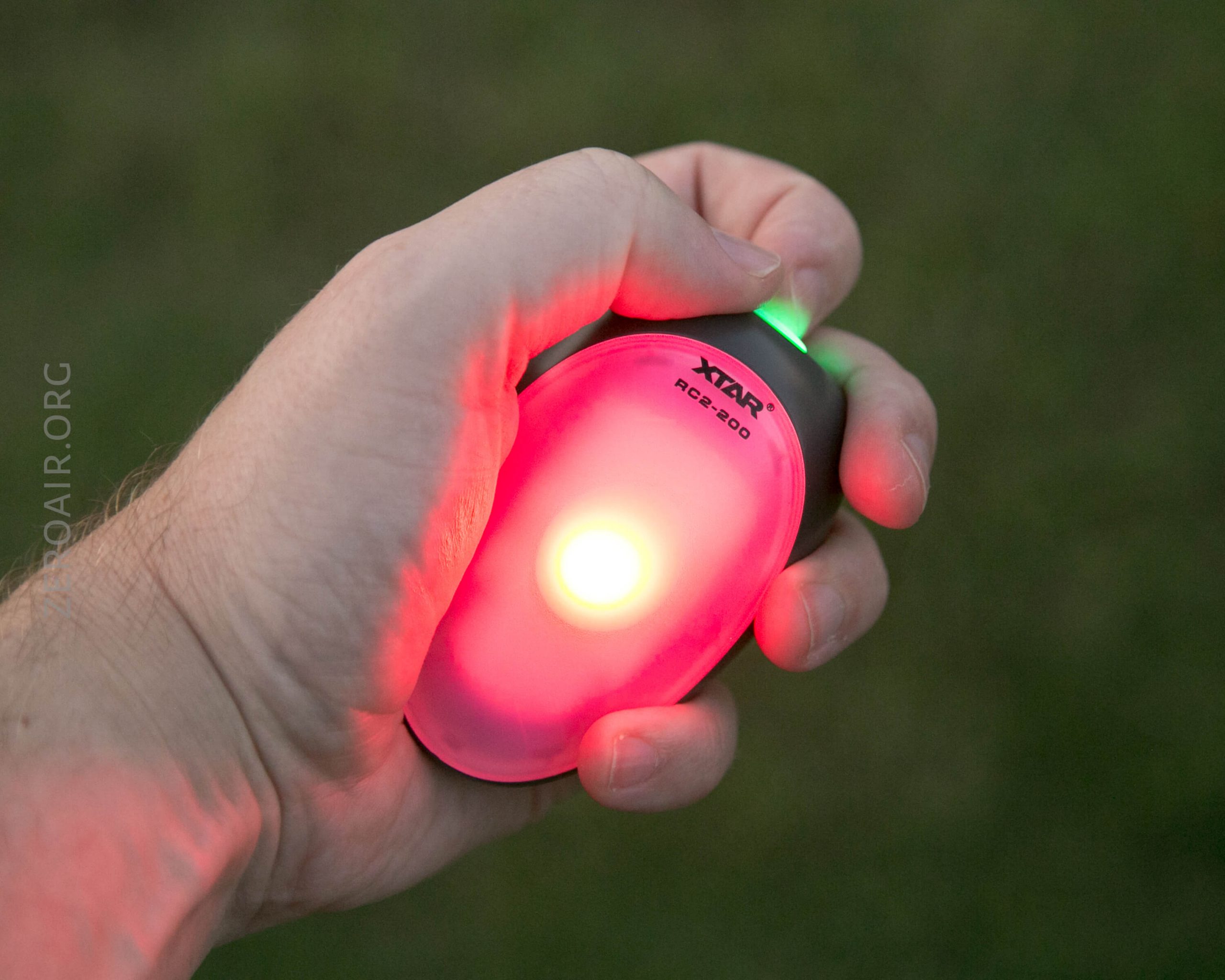
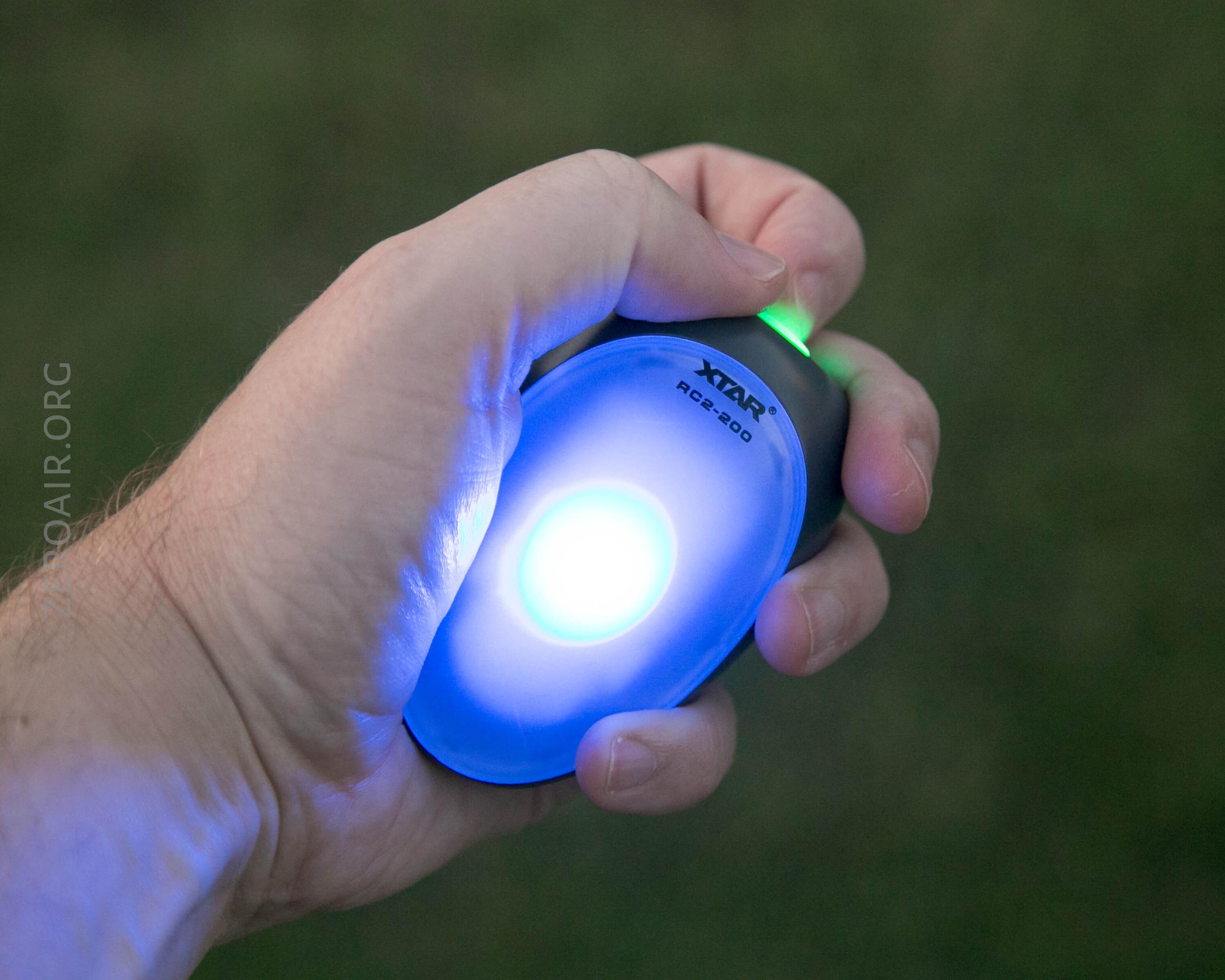
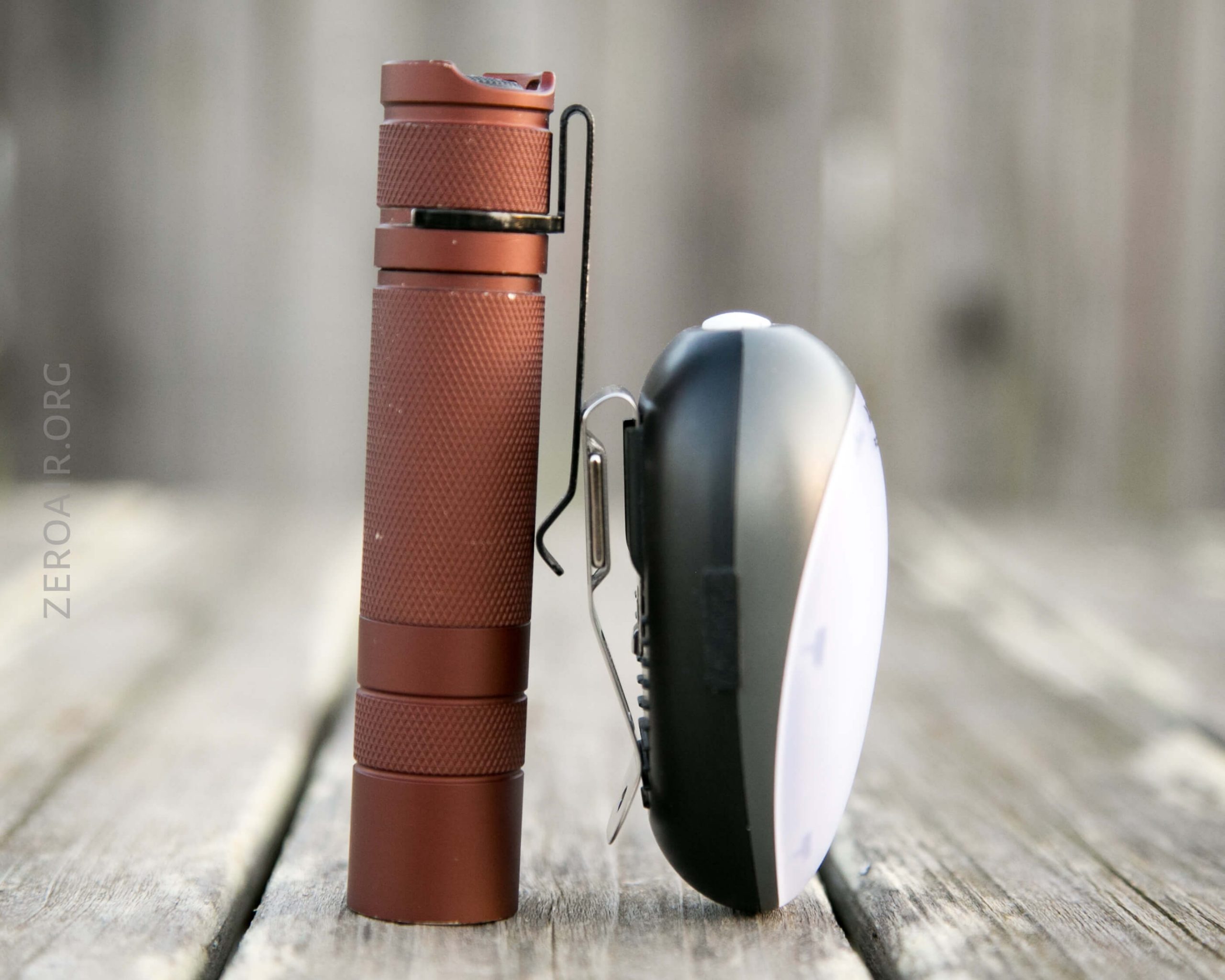
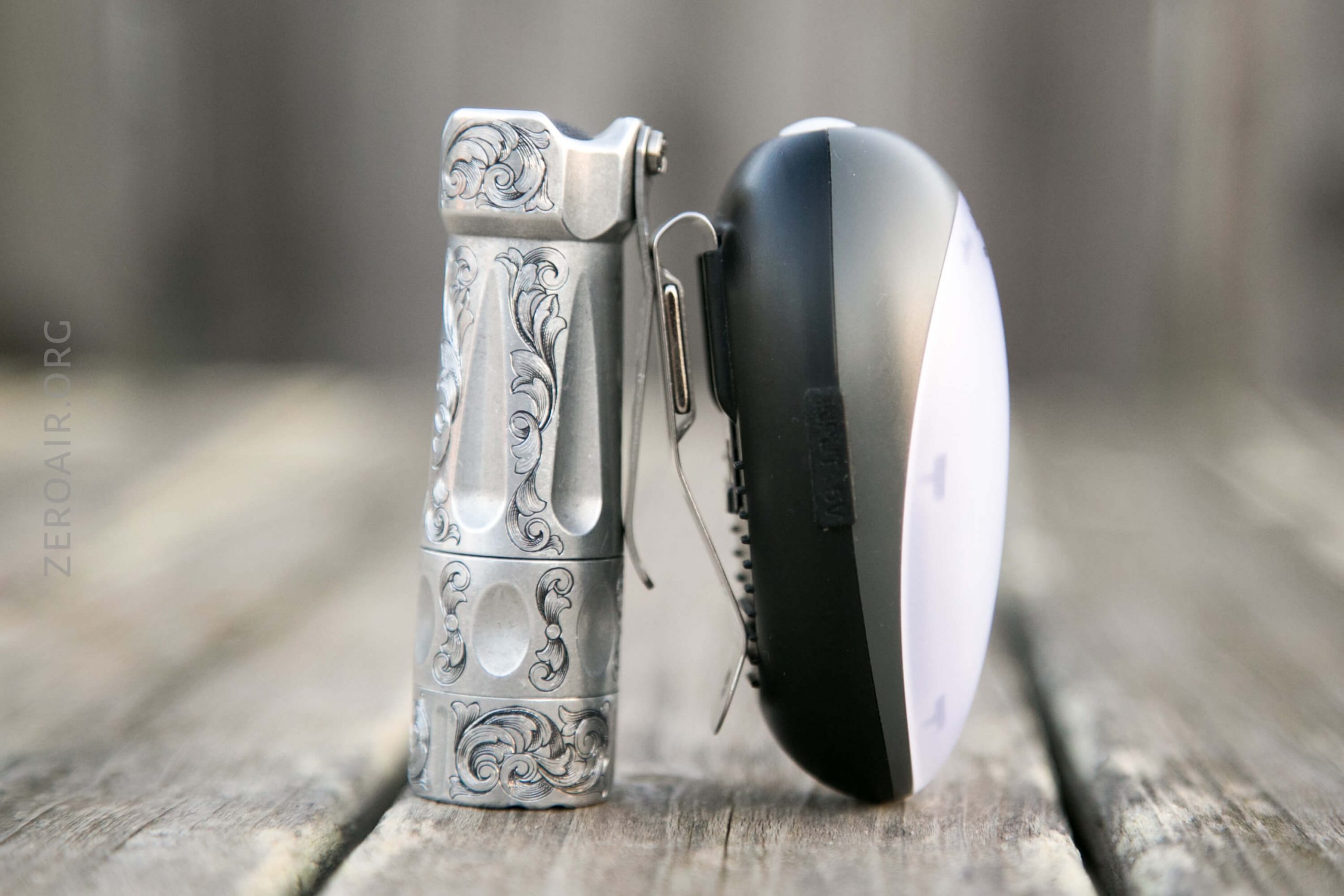
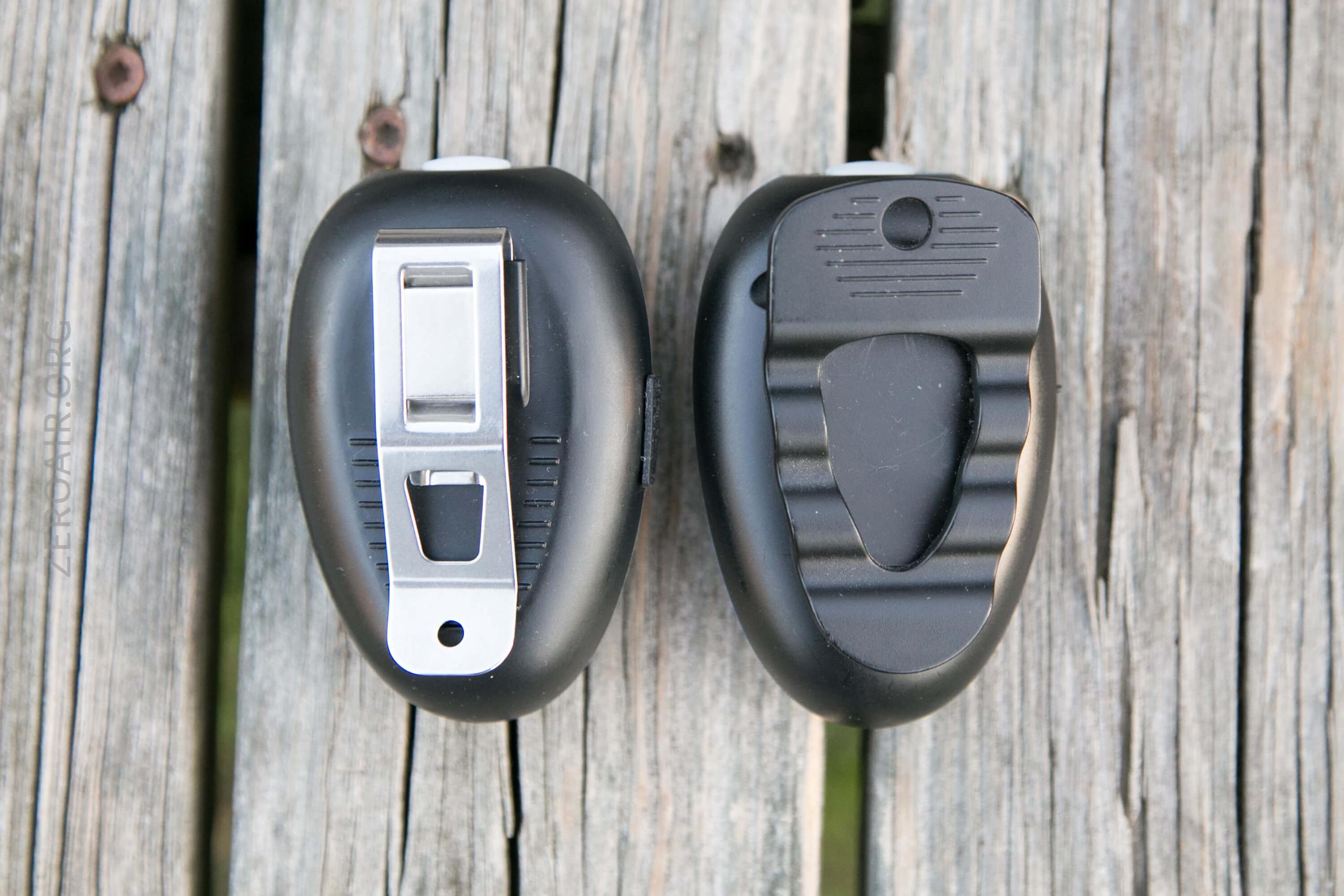
Here’s the new version (left) and the old version (right). They’re very similar in size, but the new one is smaller!
Retention and Carry
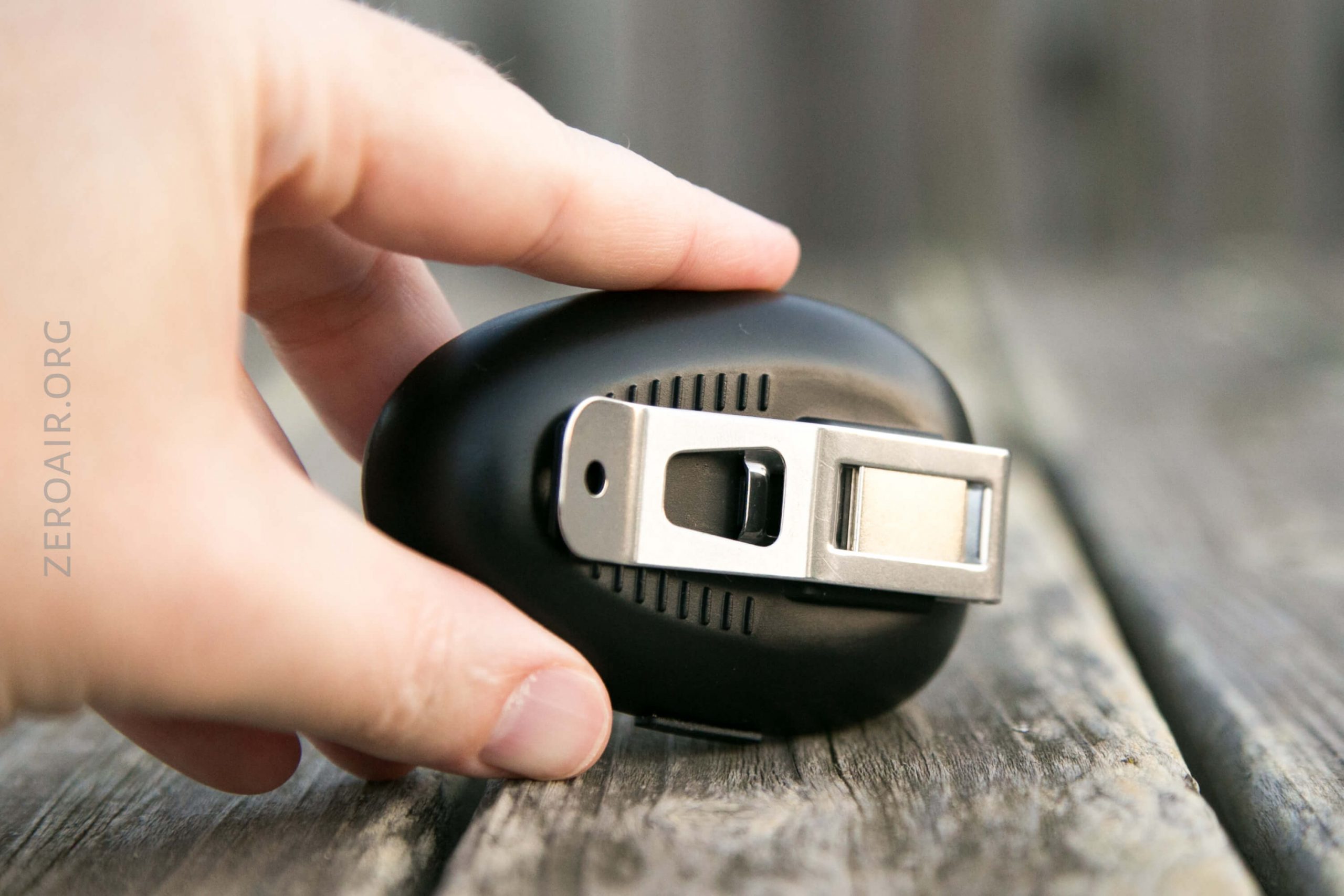
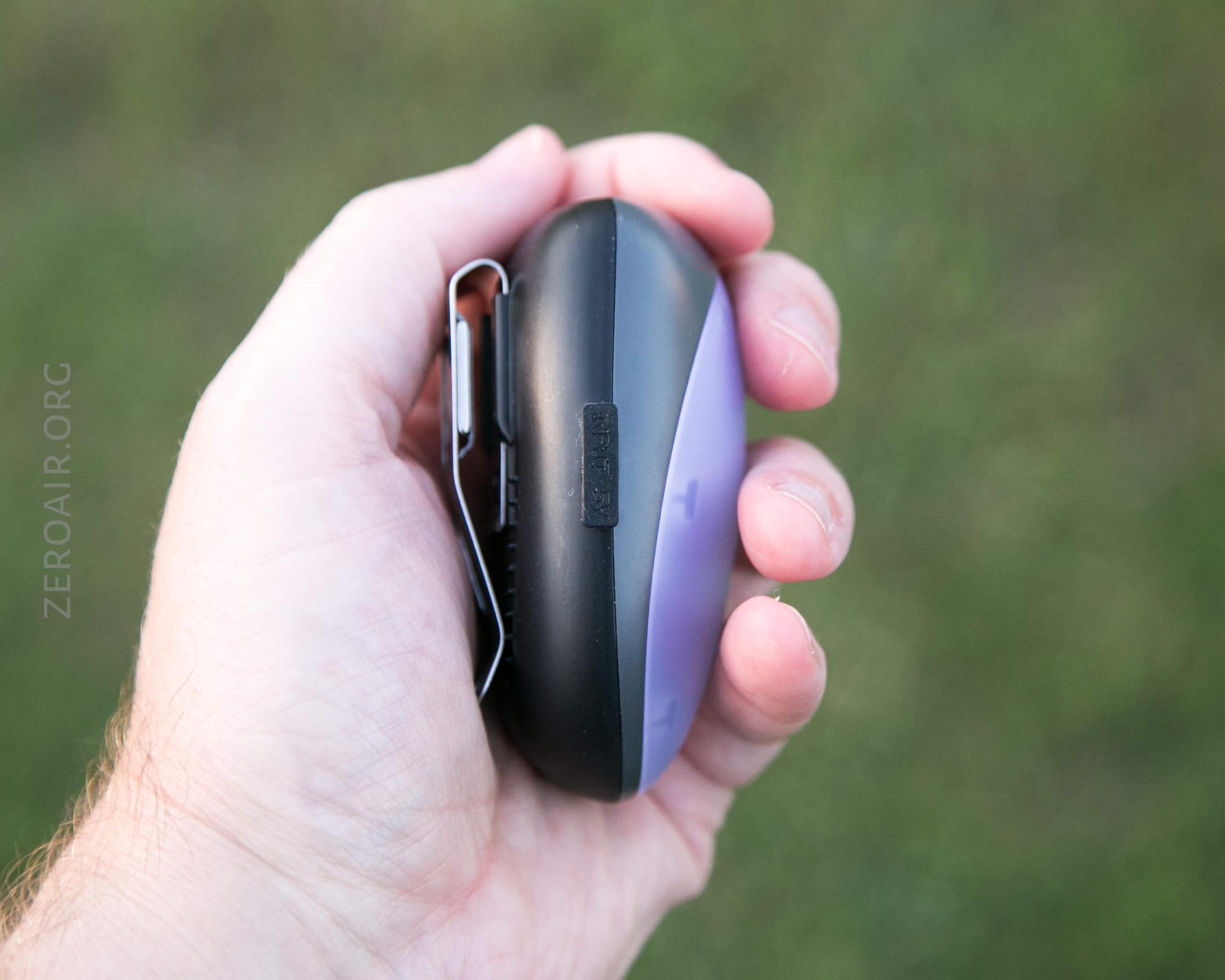
A pocket clip is installed on the RC2-200. It’s a good belt clip, but the light is really too bulky for in-pocket carry.
This clip is removable, too. There’s a little raised tab on the clip (shown through the hole below). Raise up on that to disengage it (I use a pocket clip from a Convoy S2+), and the clip slides off.
The clip only fits in one direction.
Here’s the clip. There’s a lot going on in the clip, too. A big rectangular magnet is installed, and the clip has a number of holes through which a lanyard could be attached.
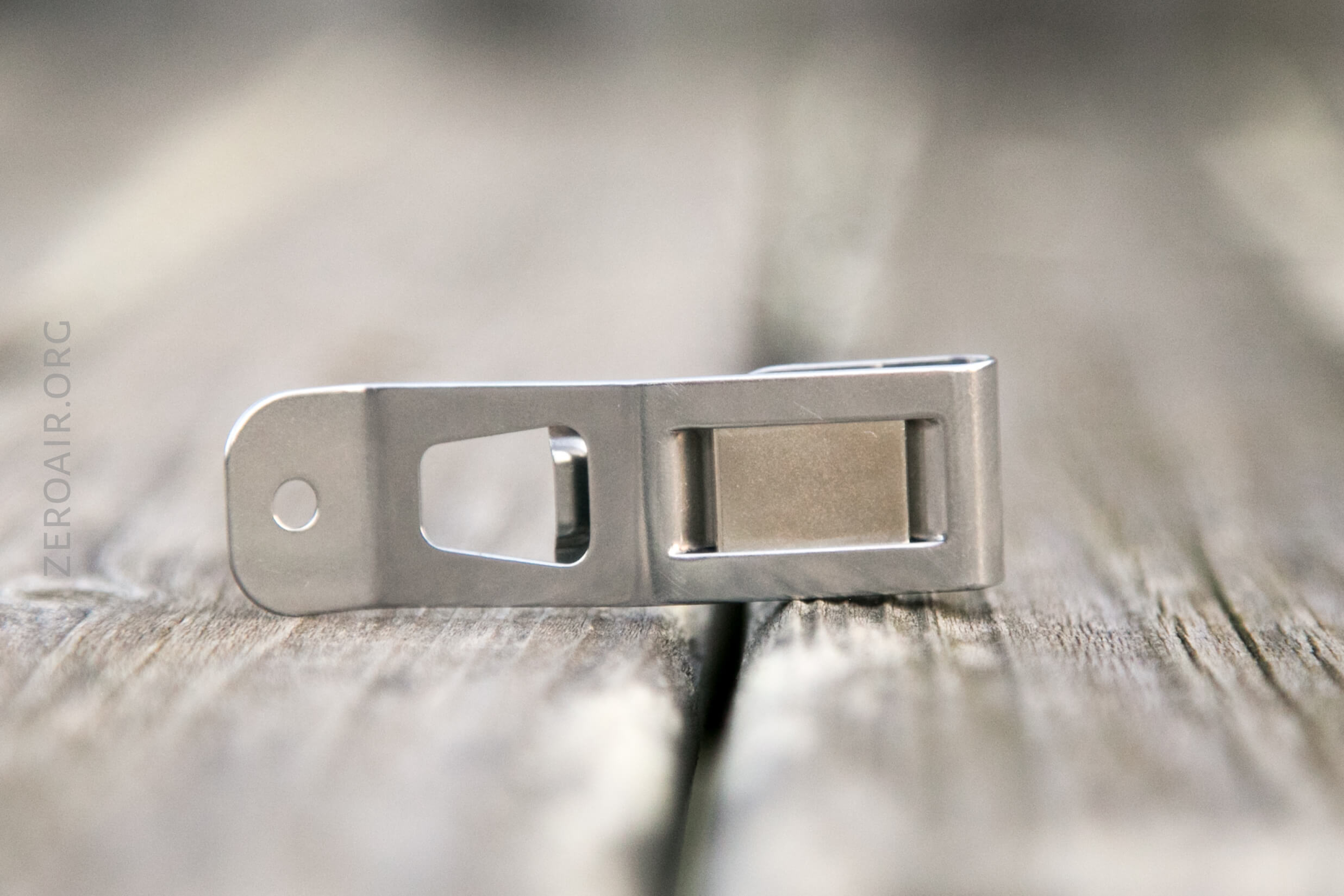
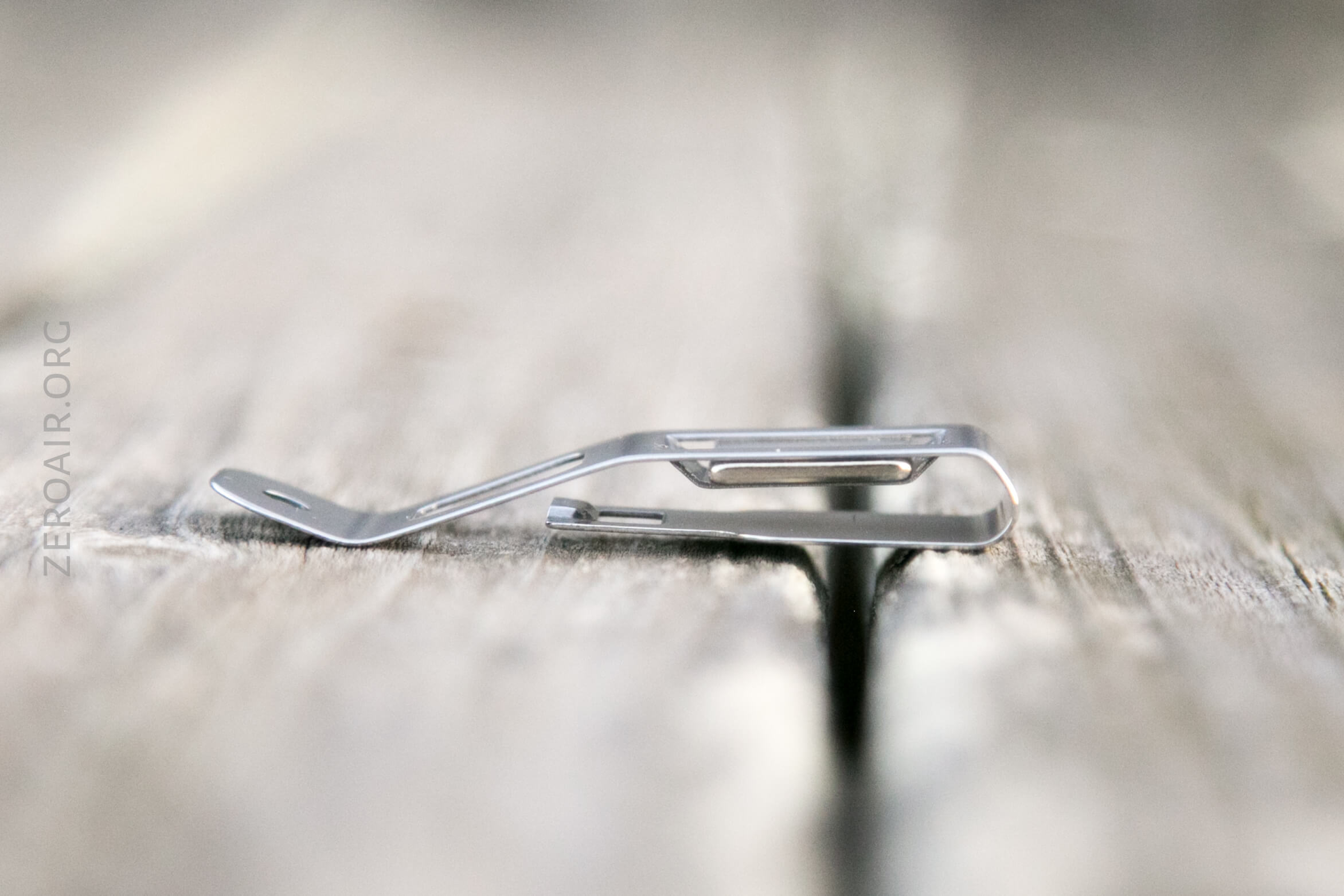
The magnet is easily strong enough to hold the light.
Power and Runtime
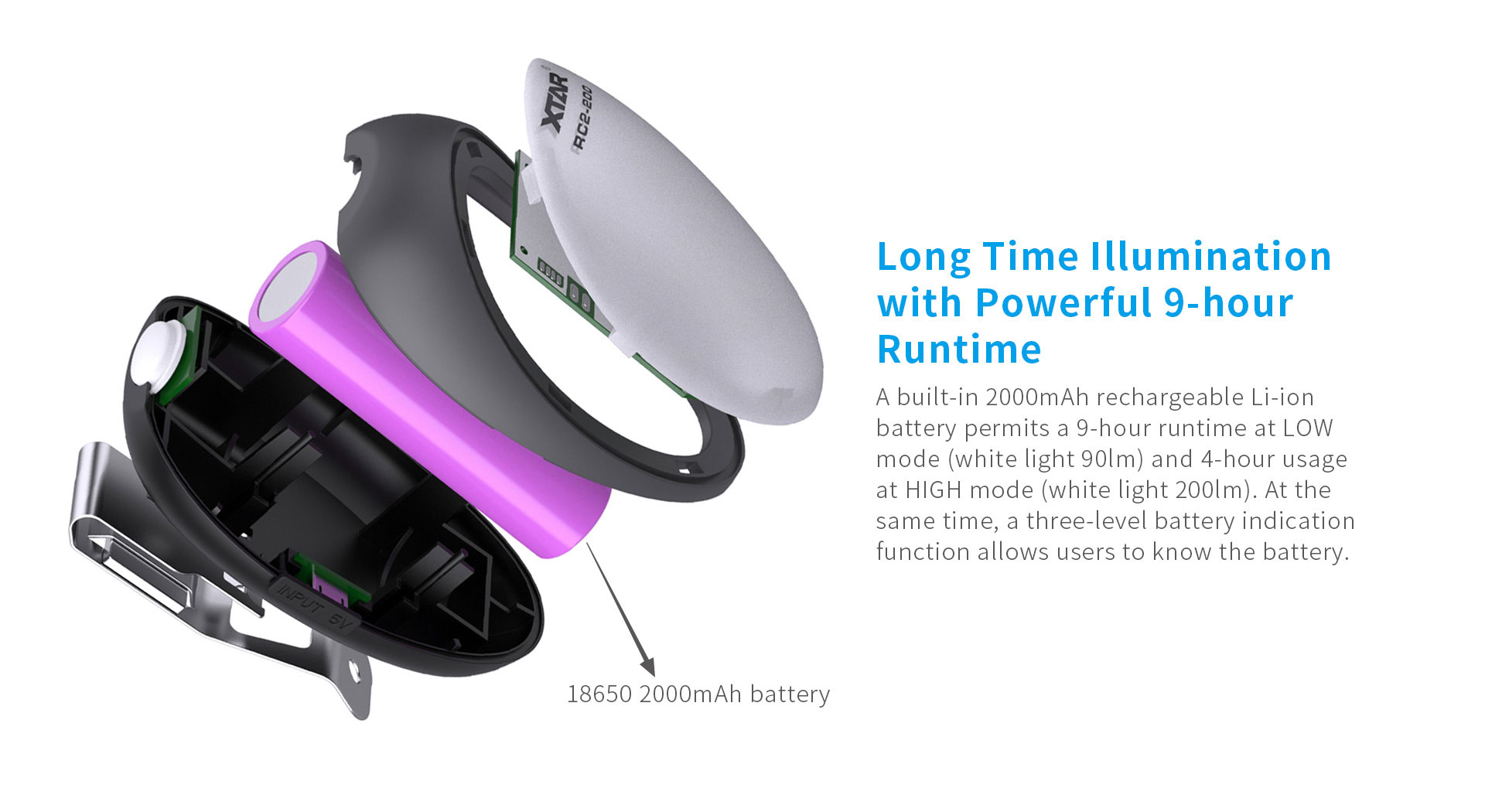
Since I didn’t disassemble the light, I’ll have to just use this stock photo of the power. It’s claimed to be a 2000mAh 18650. This cell is not user-replaceable, either.
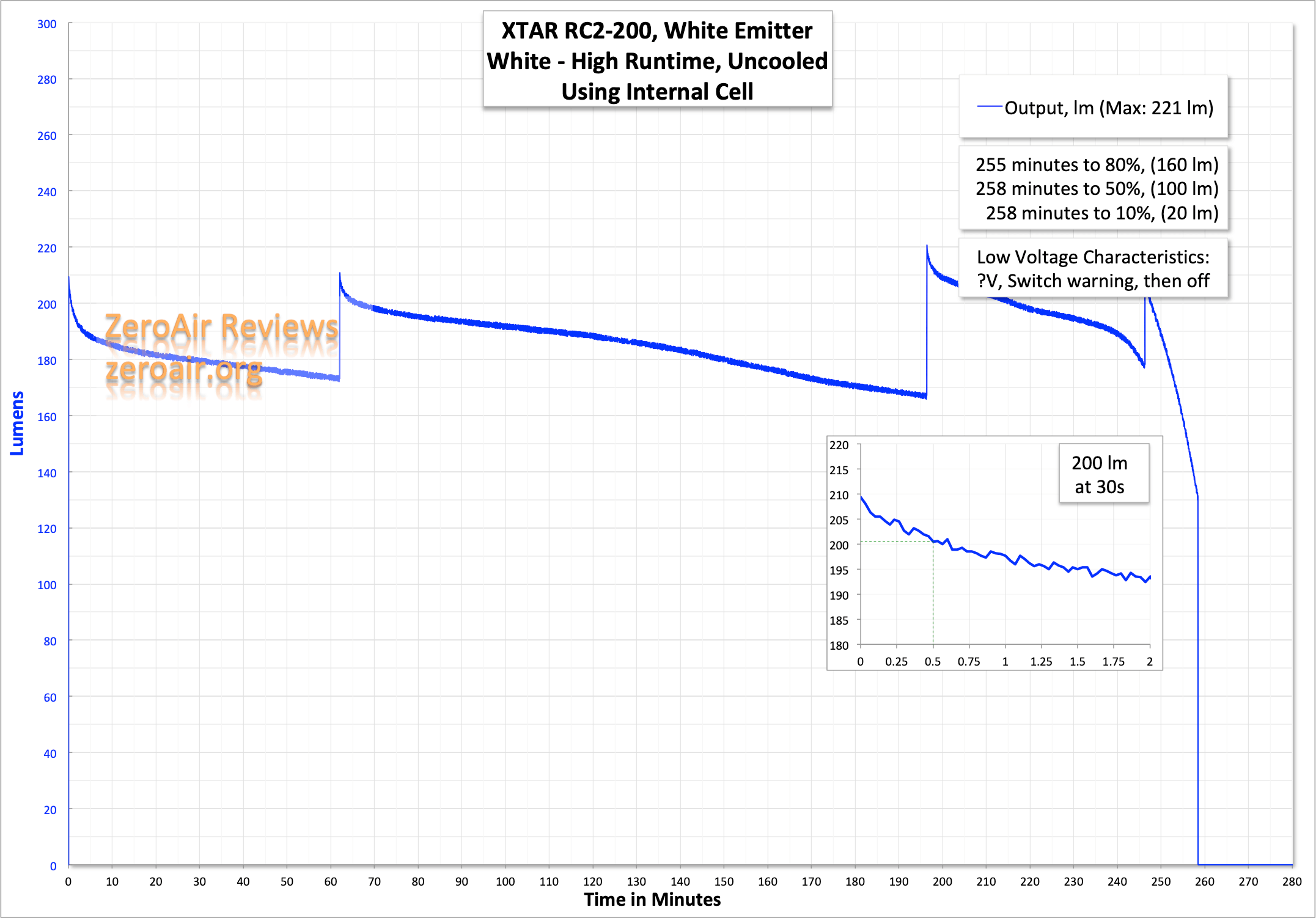
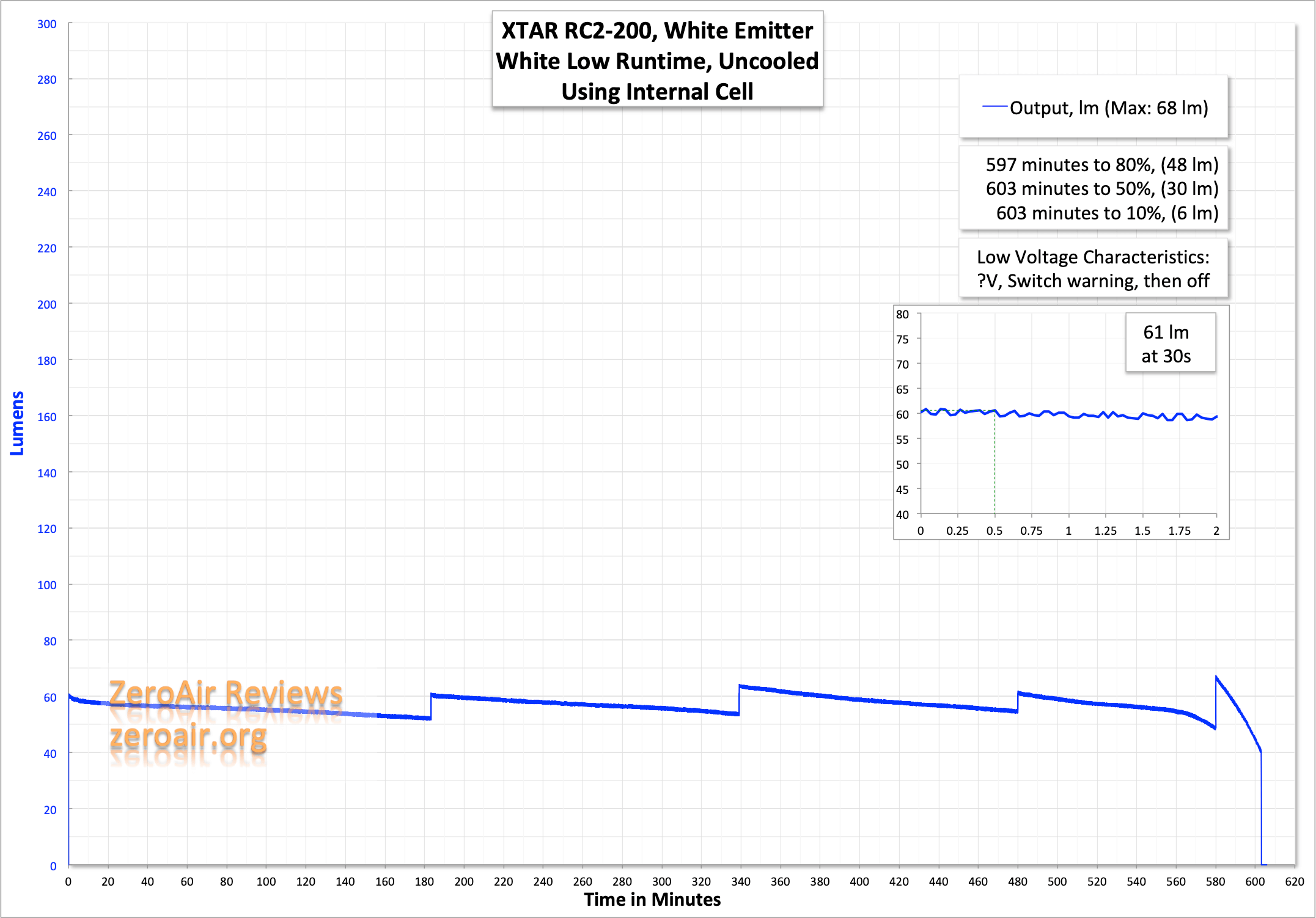
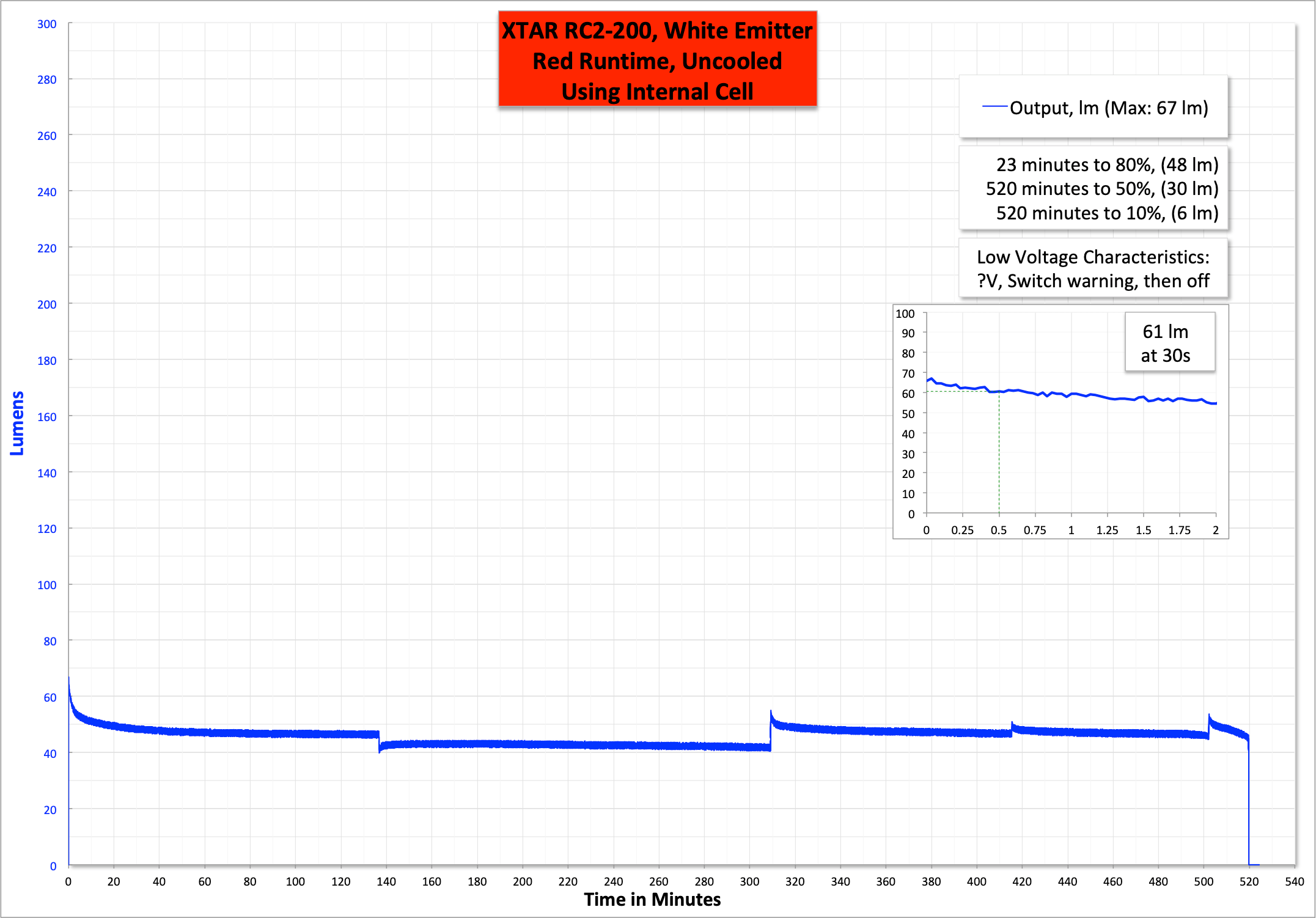
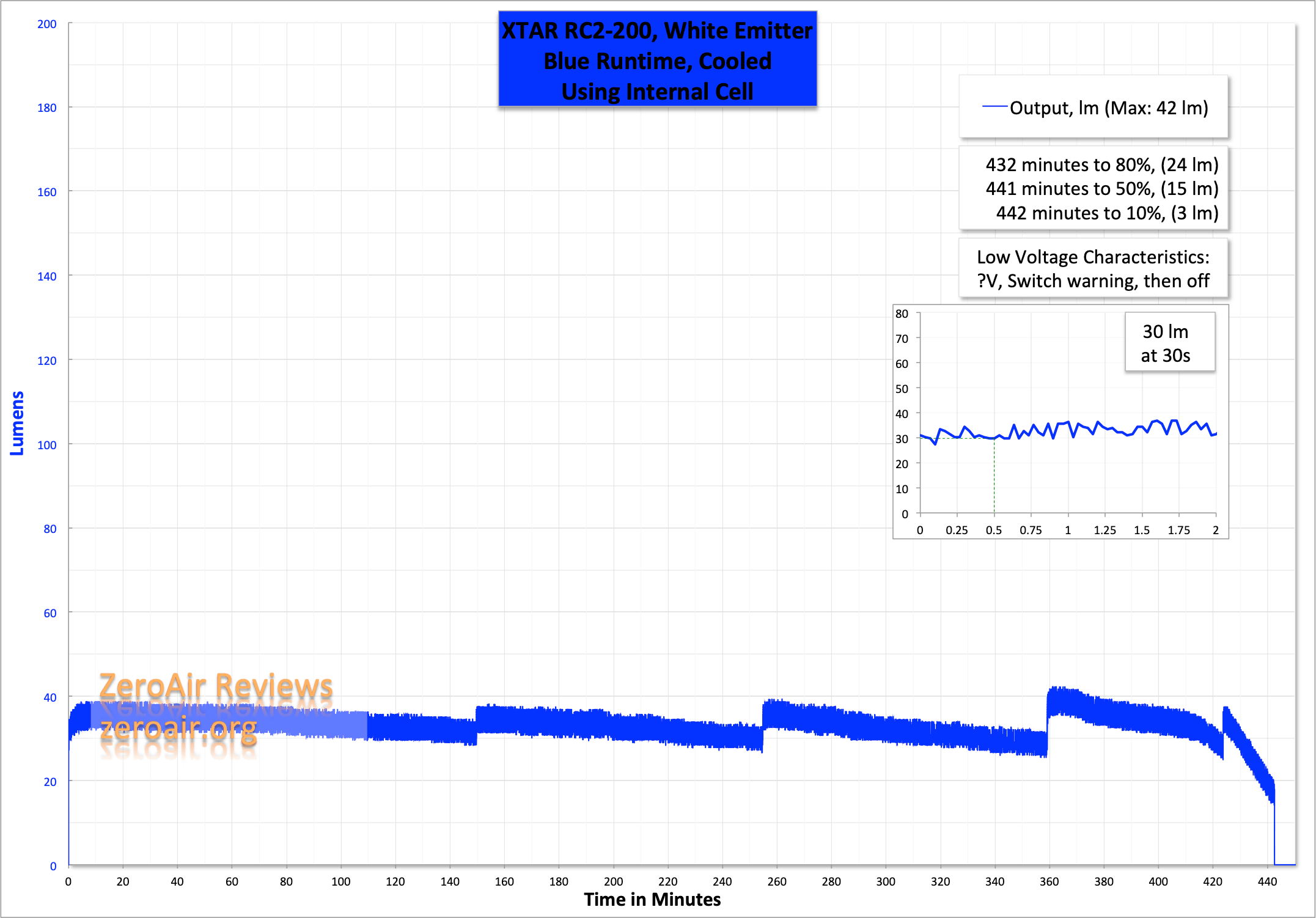
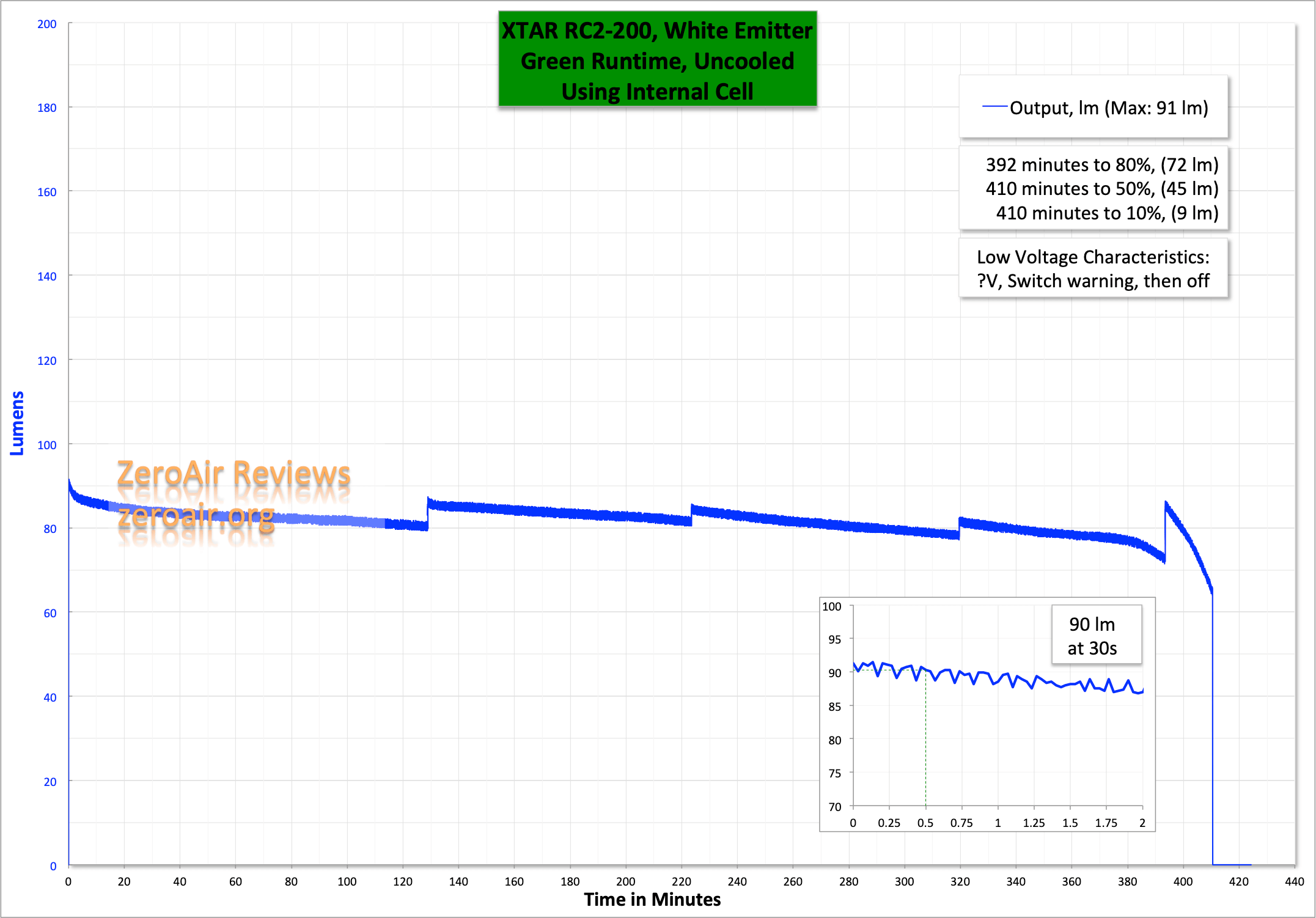
Here are runtimes for every mode! The runtimes are in the same mode order as the light – Low White, High White, Red, Blue, then Green. In every case, the switch gives two low-power warnings – first solid red, then flashing red, and finally completely off.
Note about the output claims: Due to the extremely wide output from this light, I can’t reliably use my calibrated system. So I just set the “at 30s” to exactly what XTAR claimed, for every test below.
Charging
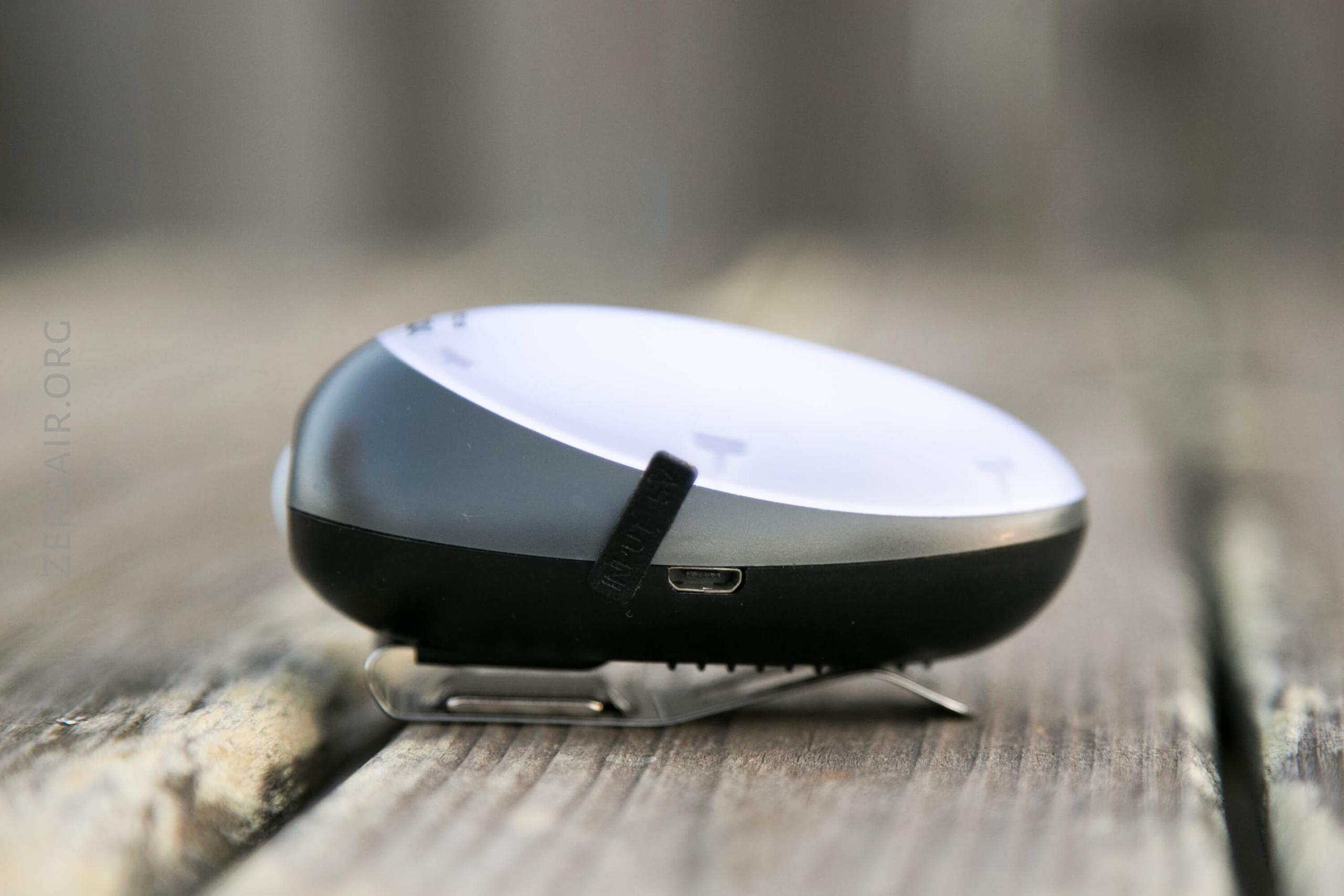
The light has built-in charging, by way of a micro-USB port on the side. There’s a press-in cover, which sticks out from the body even when installed properly, and if anything like the old model, will get torn off with haste.
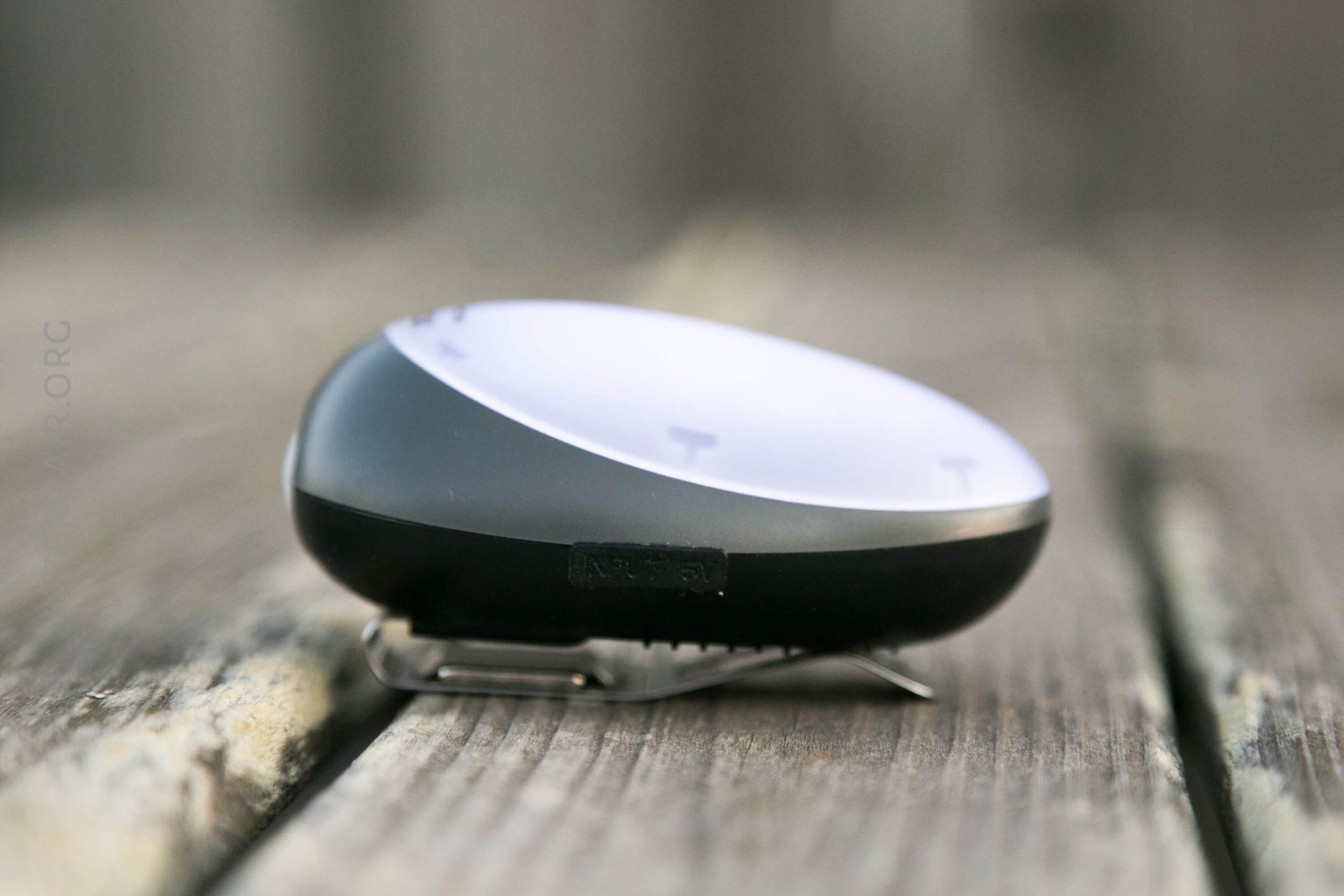
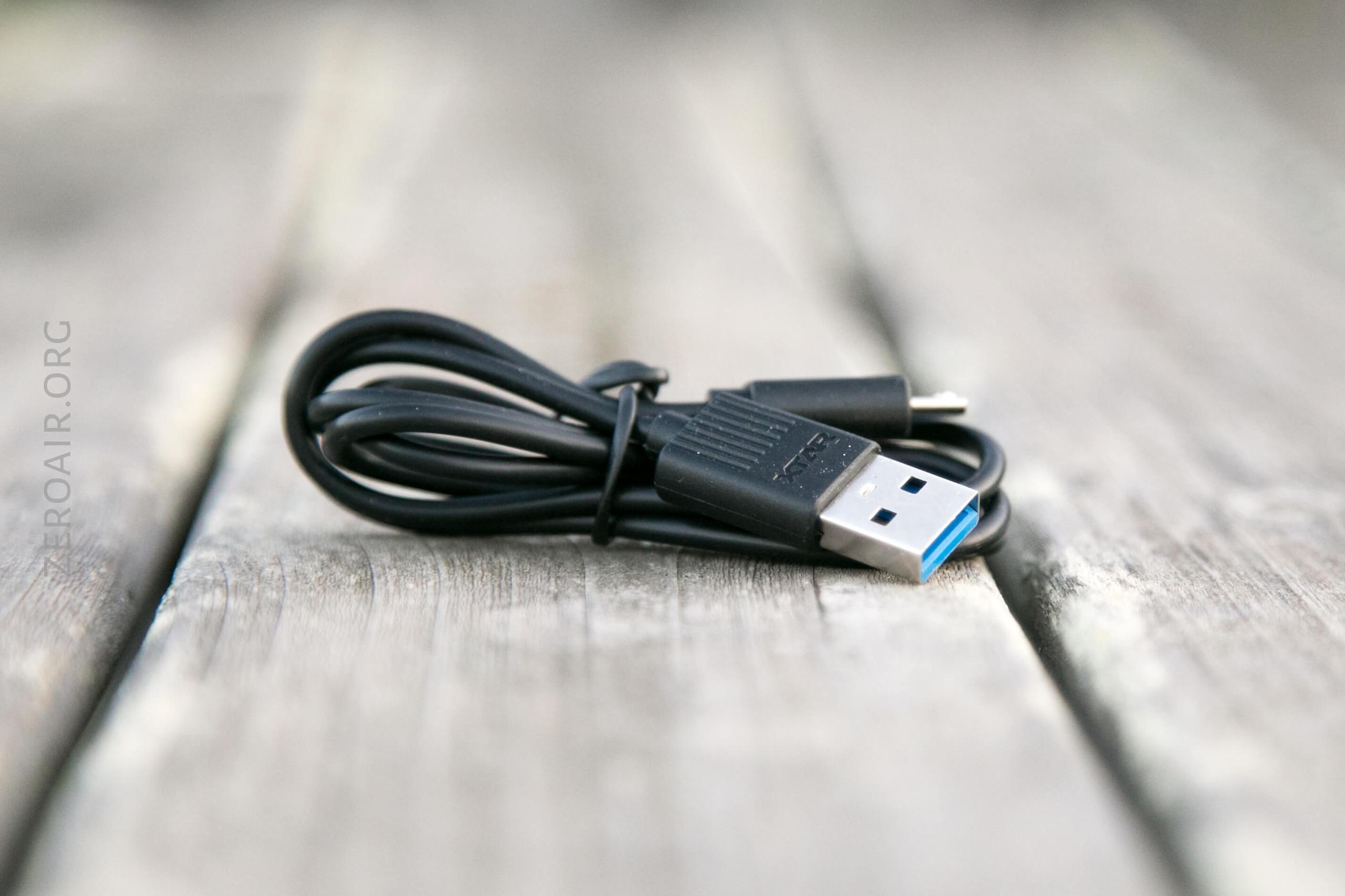
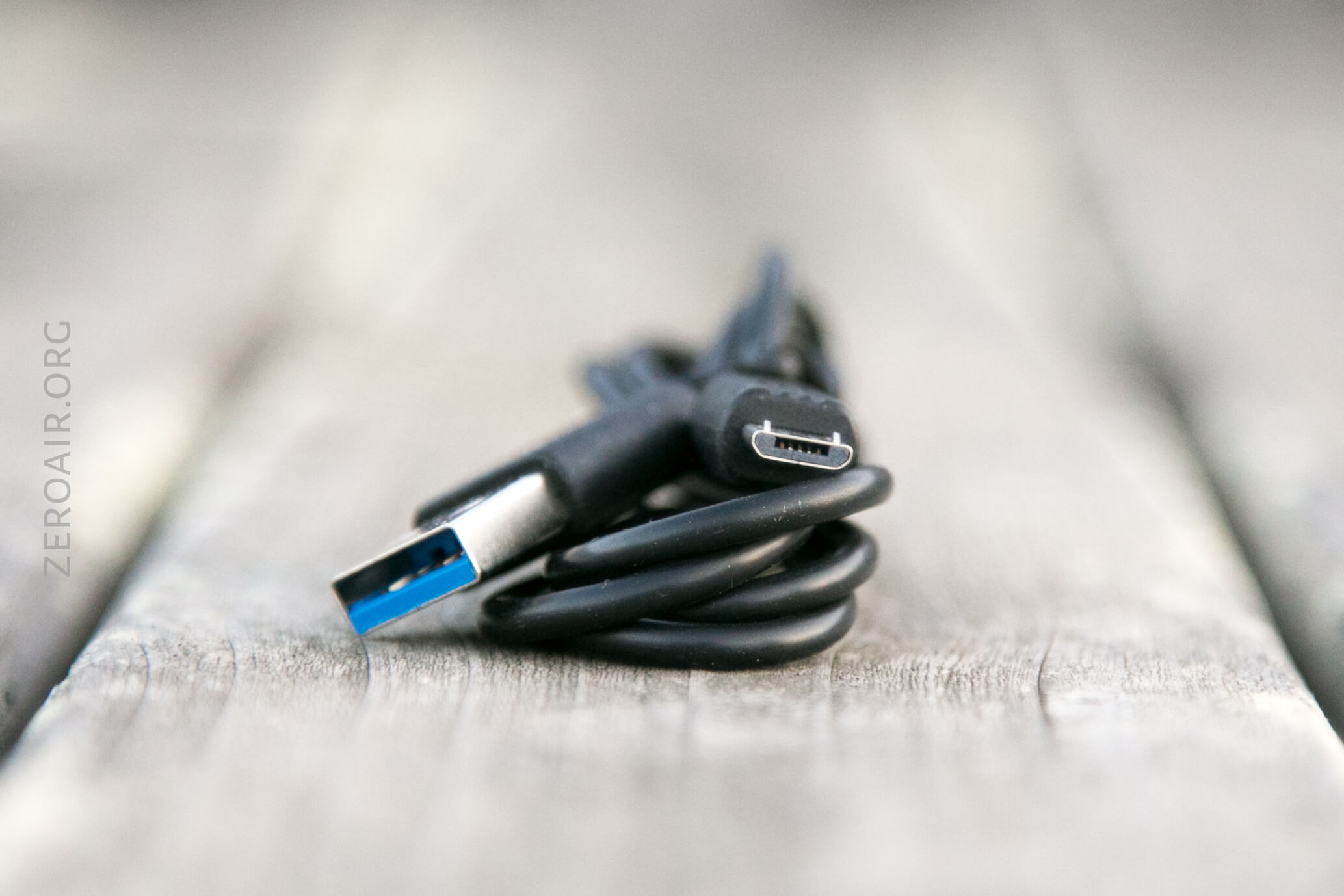
A charge cable is provided – USB to micro-USB.
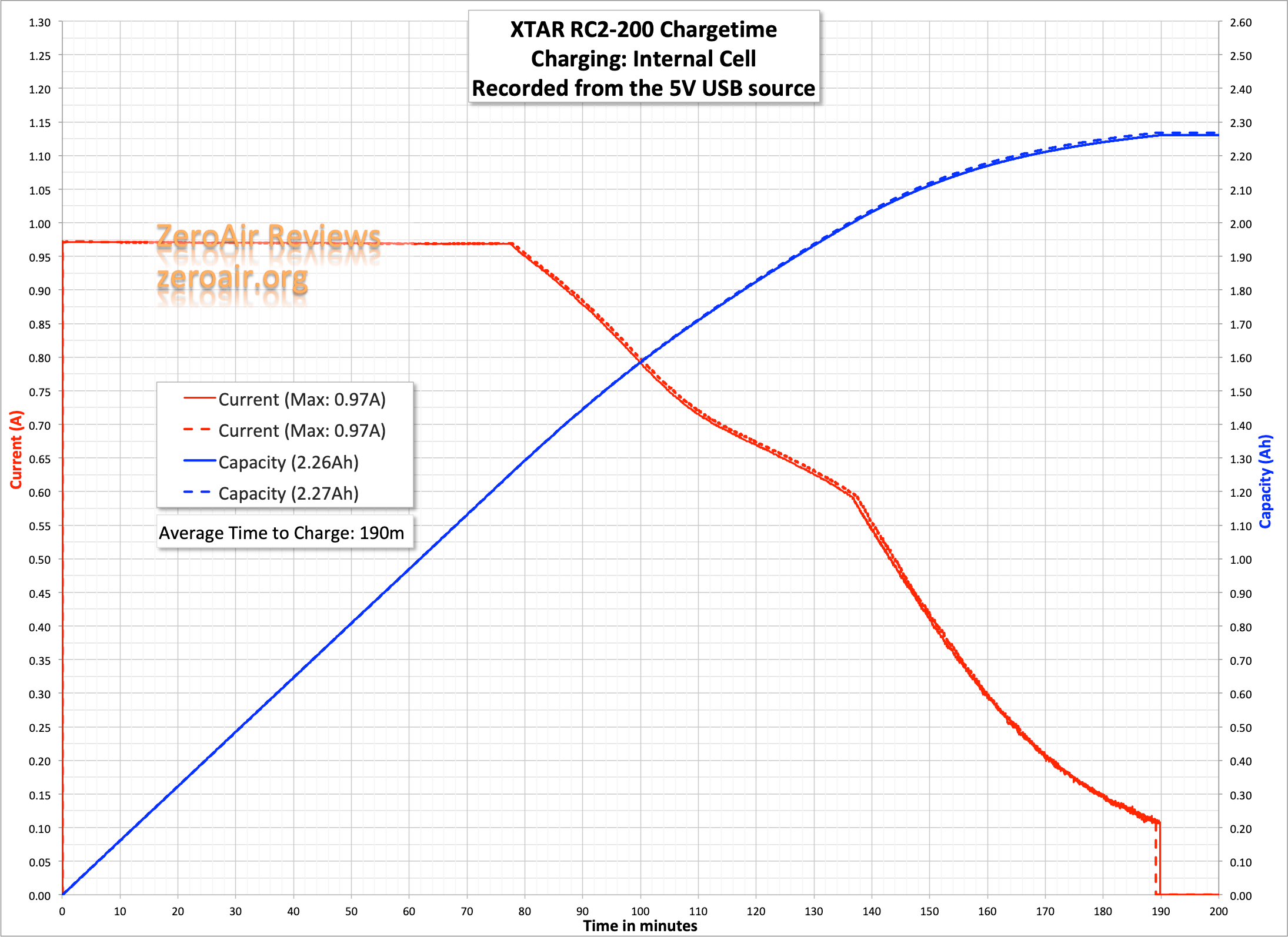
Charging is good, at around 1A, and takes just over 3 hours. Notably, the cell seems to be a much higher capacity than the 2000mAh claimed.
During charging, the indicating switch is red. When the charge is complete, the switch turns green. And it’s a BRIGHT green, too. Bright enough that in a dark room, you’ll want to unplug the light, so the indicator will turn off.
Modes and Currents
| Mode | Mode Claimed Output (lm) | Claimed Runtime | Measured Lumens | Tailcap Amps |
|---|---|---|---|---|
| White Low | 60 | 9h | – | – |
| White High | 200 | 4h | – | – |
| Red | 60 | 5h | – | – |
| Blue | 30 | 5h | – | – |
| Green | 90 | 5h | – | – |
Pulse Width Modulation
Same order below as above!
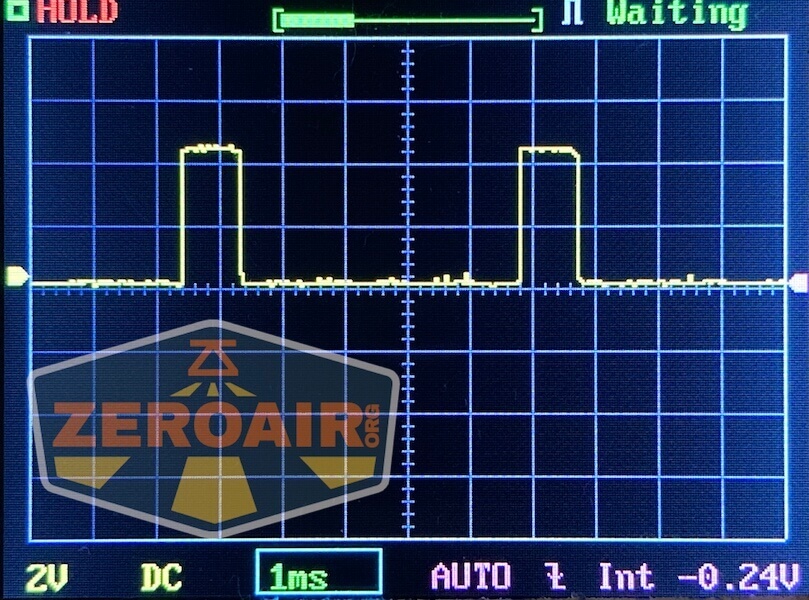
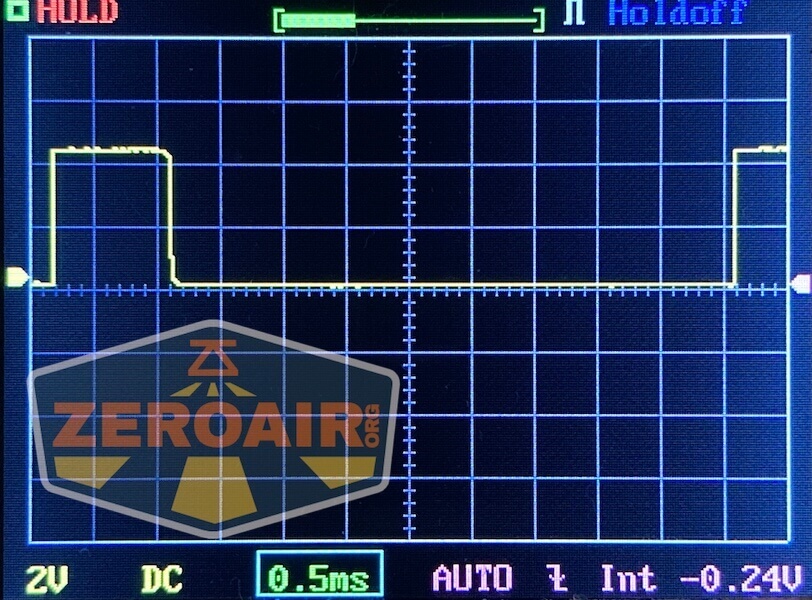
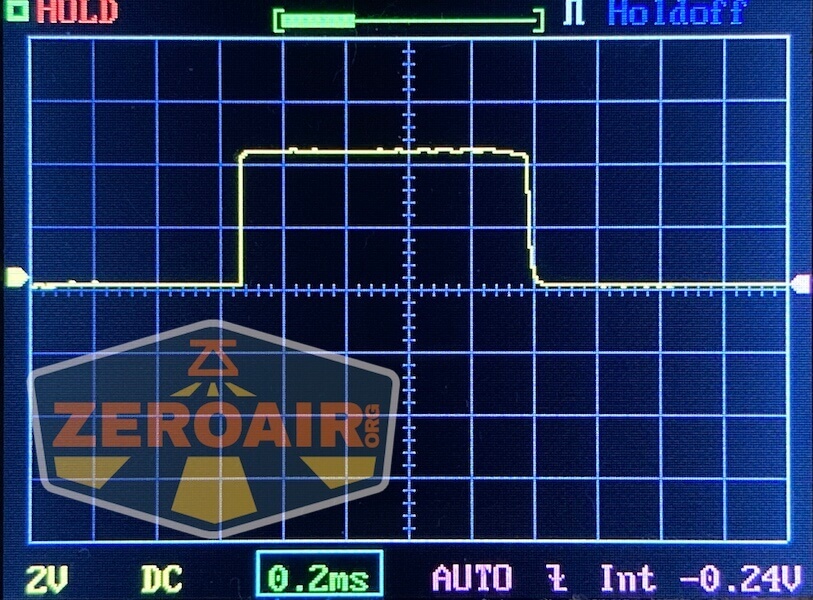
PWM on all modes but it’s really fast enough that I can not see it.
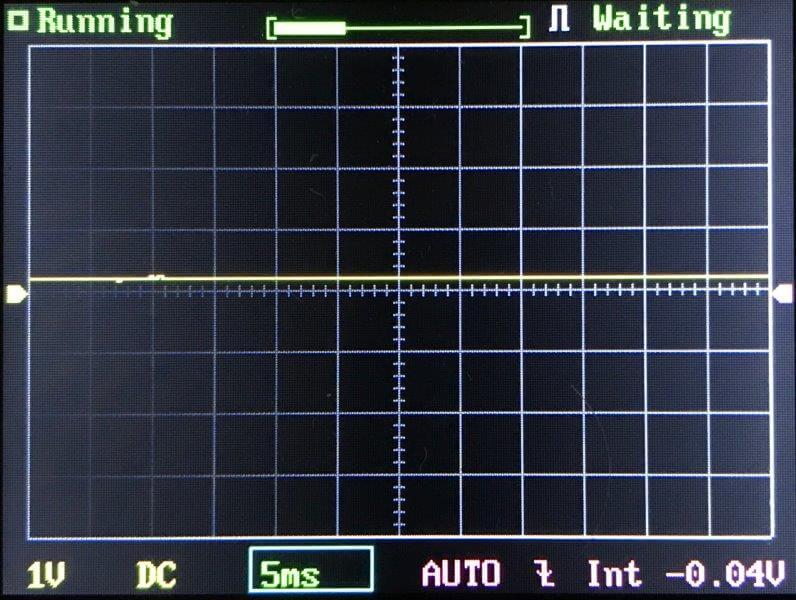
 Here you can see a “baseline” – a chart with almost no light hitting the sensor.
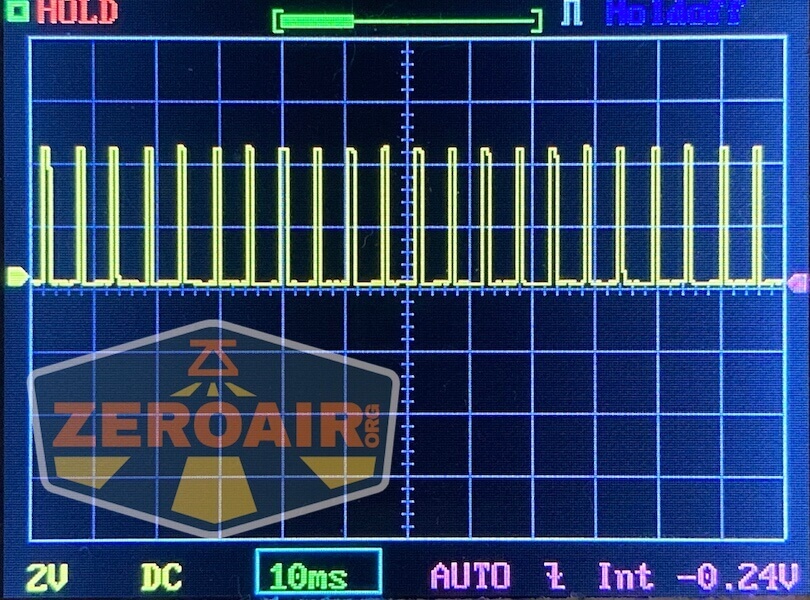
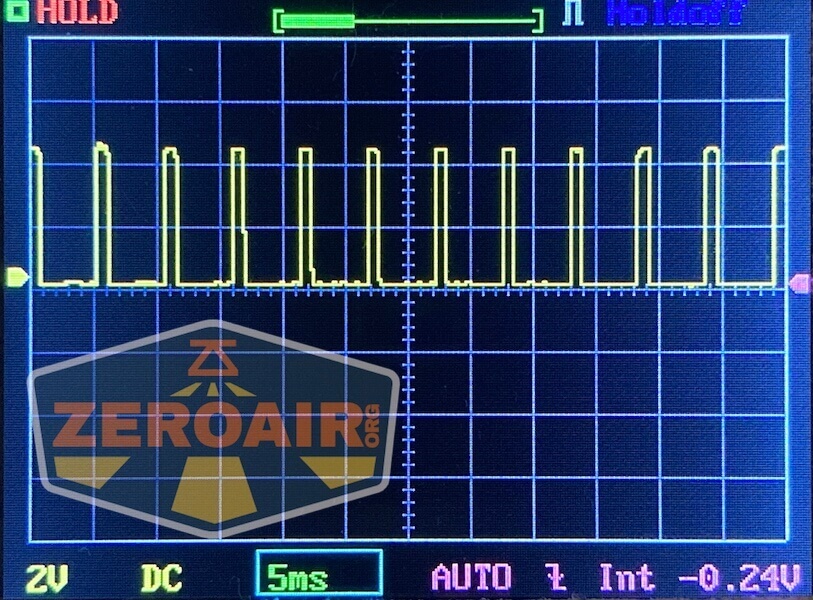
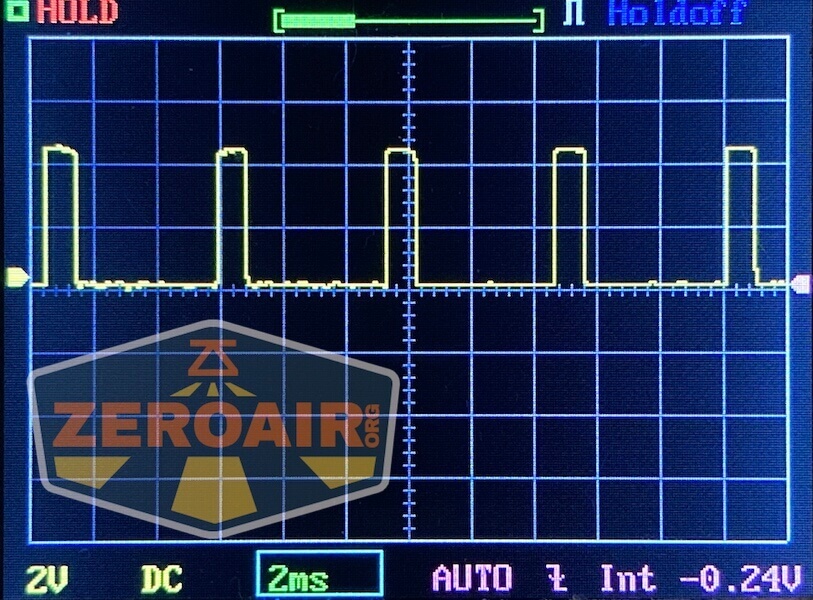
Then there’s the Ultrafire WF-602C flashlight, which has some of the worst PWM I’ve seen. It’s so bad that I used a post about it to explain PWM! Here are multiple timescales (10ms, 5ms, 2ms, 1ms, 0.5ms, 0.2ms) to make comparing this “worst” PWM light to the test light easier. That post also explains why I didn’t test the WF-602C at the usual 50us scale.
User Interface and Operation
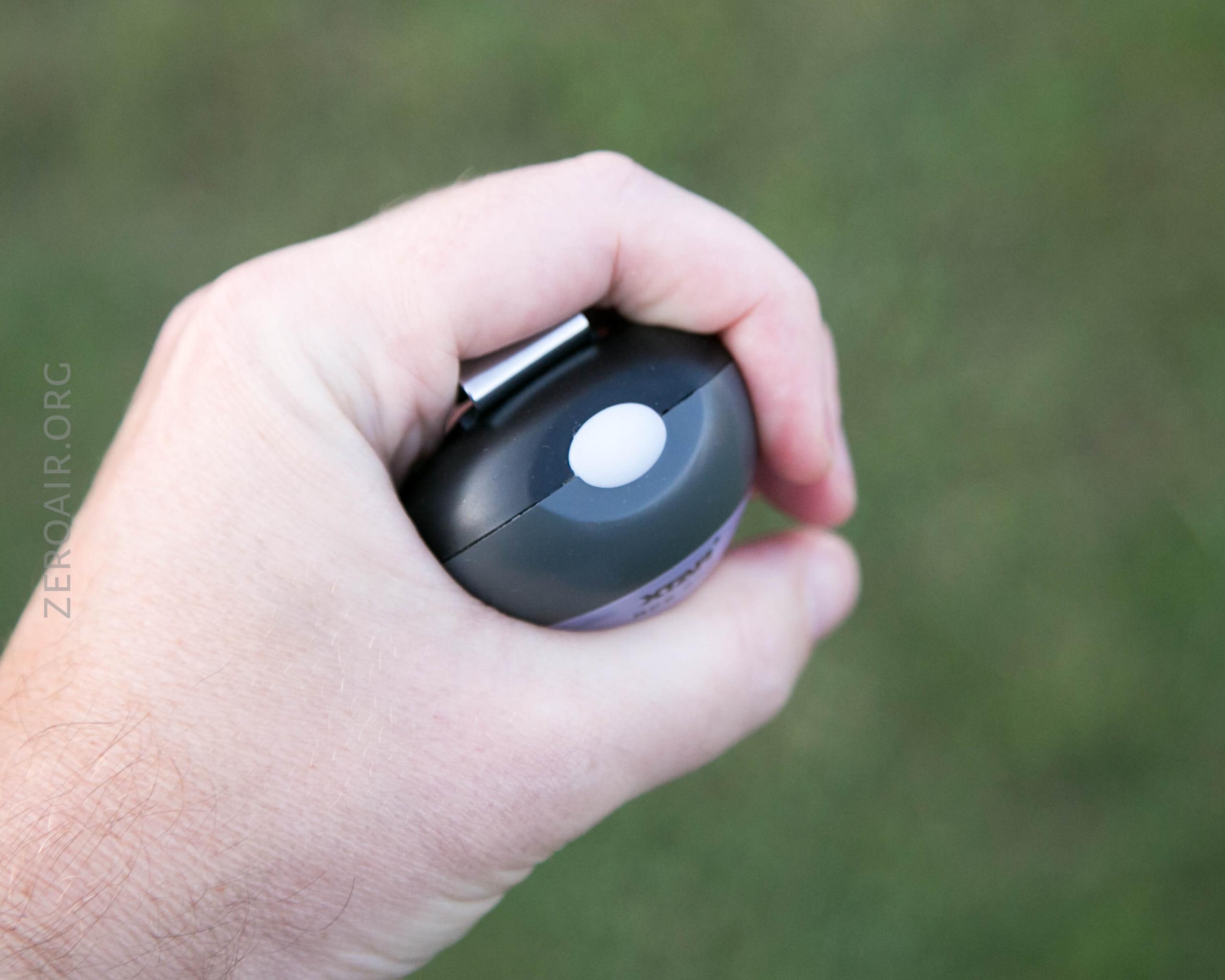
There’s one switch on the RC2-200. It’s an e-switch on the “head” or “top” or… well, the part seen below.
The switch is clicky and responsive, and also has indicating features. Green and red. These are BRIGHT, too!
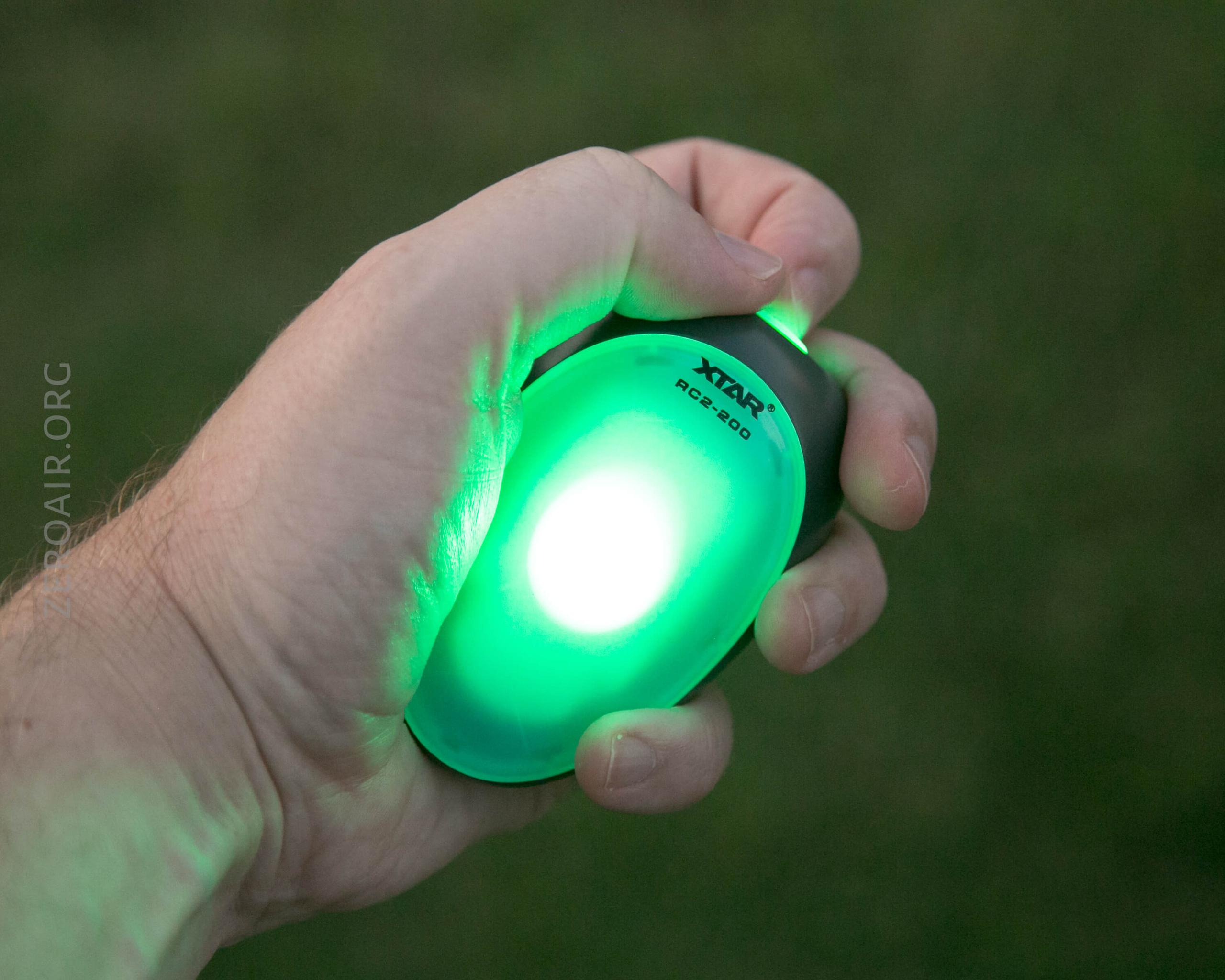
When the light is turned on, the switch lights up to indicate the power level. Below it’s green.
When the light is on, and power is >35%, the switch is green. Between 10% and 35%, the red indicator will be displayed. Below 10%, the switch will be flashing red.
Here’s a user interface table!
| State | Action | Result |
|---|---|---|
| Off | Click | White Low |
| On | Click | Mode Advance (White Low, White High, Red, Blue, Green, Red/Blue Flash, White Strobe) |
| On | Hold 2s | Off |
That user interface is dead simple, but it also means that the flashy modes are in the main cycle. And the 2s hold for off – two seconds is a LONG hold for off….
LED and Beam
I am not sure what emitter is in this light – I believe it’s an RGB COB, but I can’t really say.
Beamshots
These beamshots always have the following settings: f8, ISO100, 0.3s shutter, and manual 5000K exposure. These photos are taken at floor level, and the beam hits the ceiling around 9 feet away. At those settings, yes, this light is faint. But it can still be seen, and this makes comparing among other lights reviewed on this site easier.





Tint vs BLF-348 (KillzoneFlashlights.com 219b version) (affiliate link)
The test light is on the right!
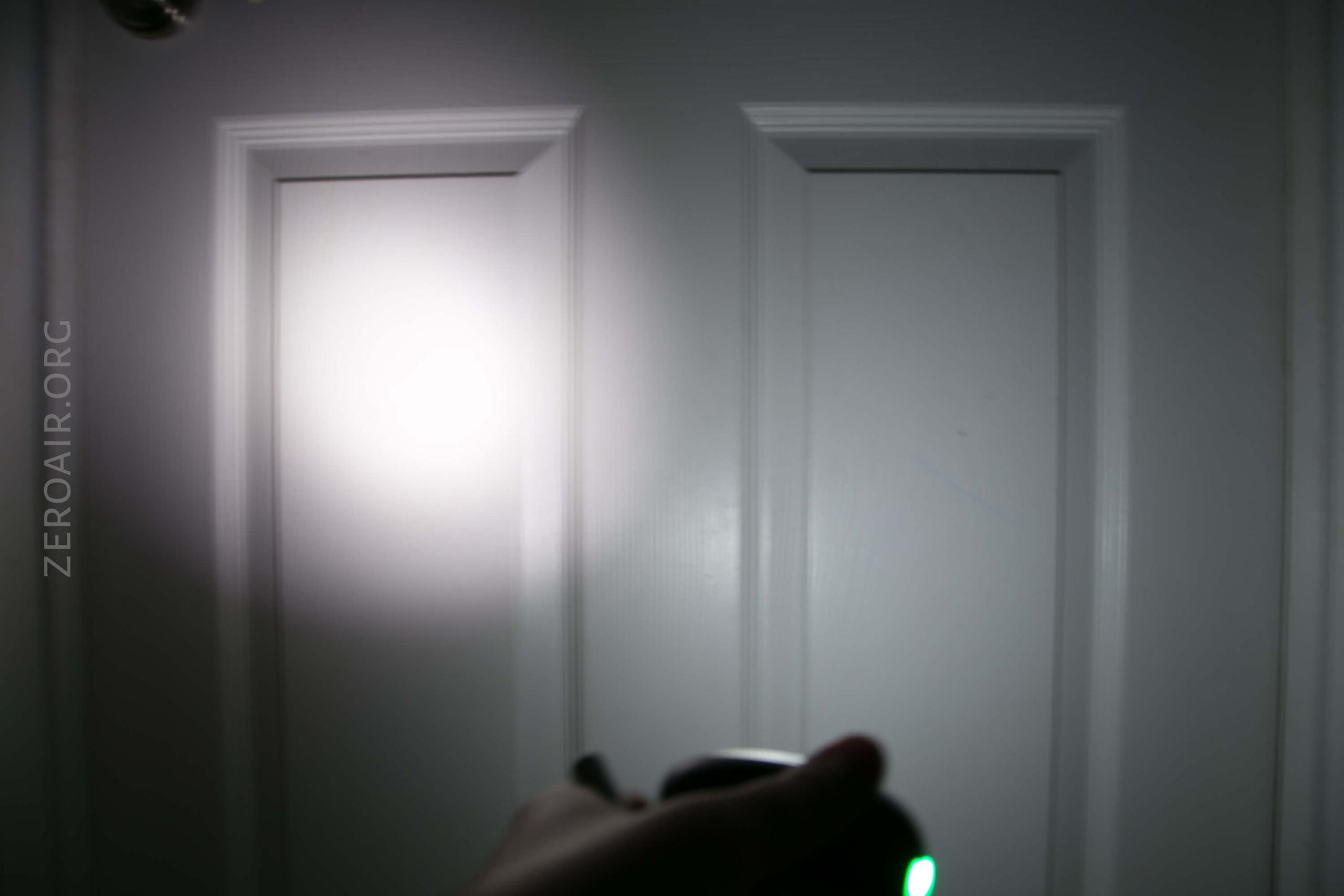
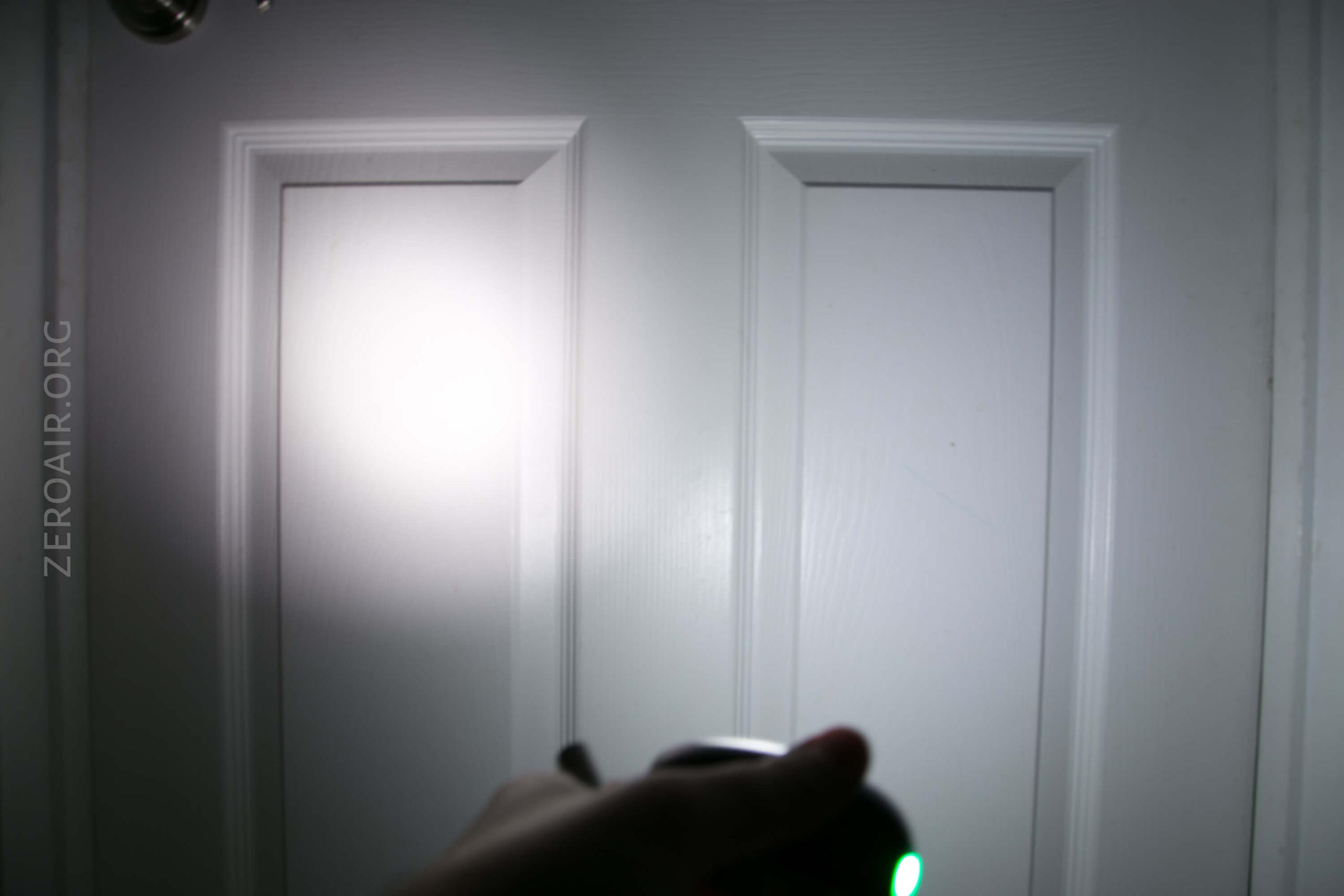
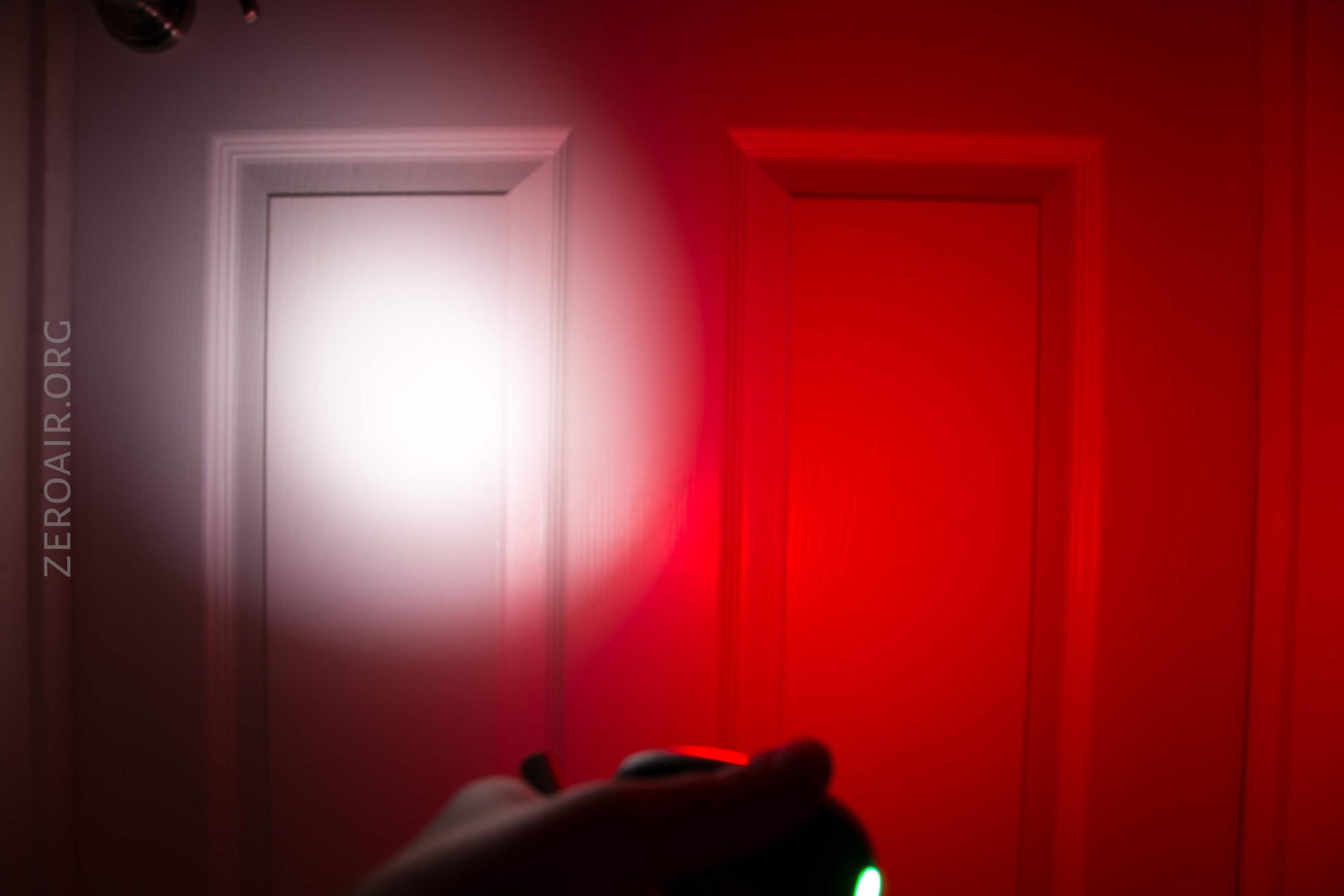
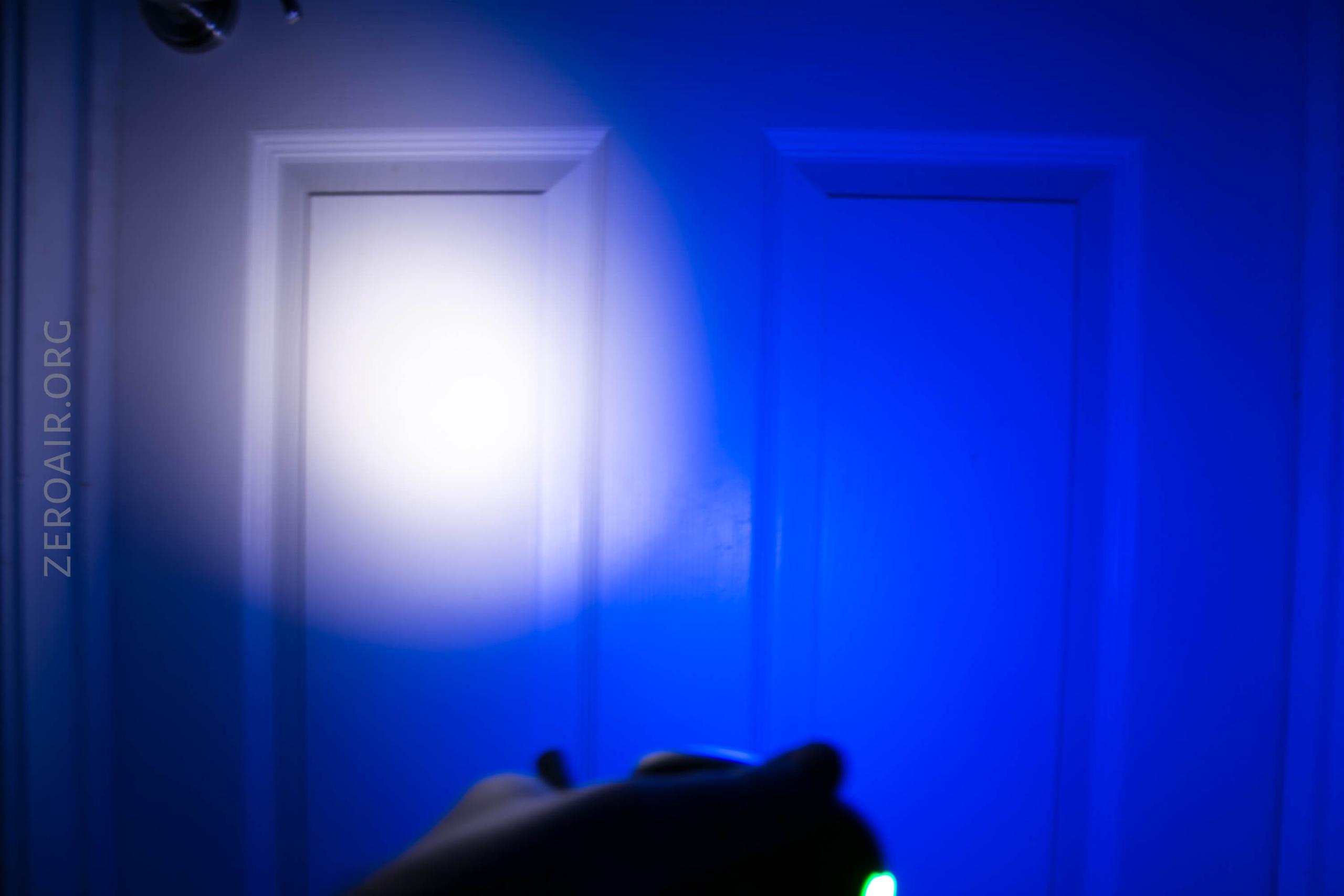
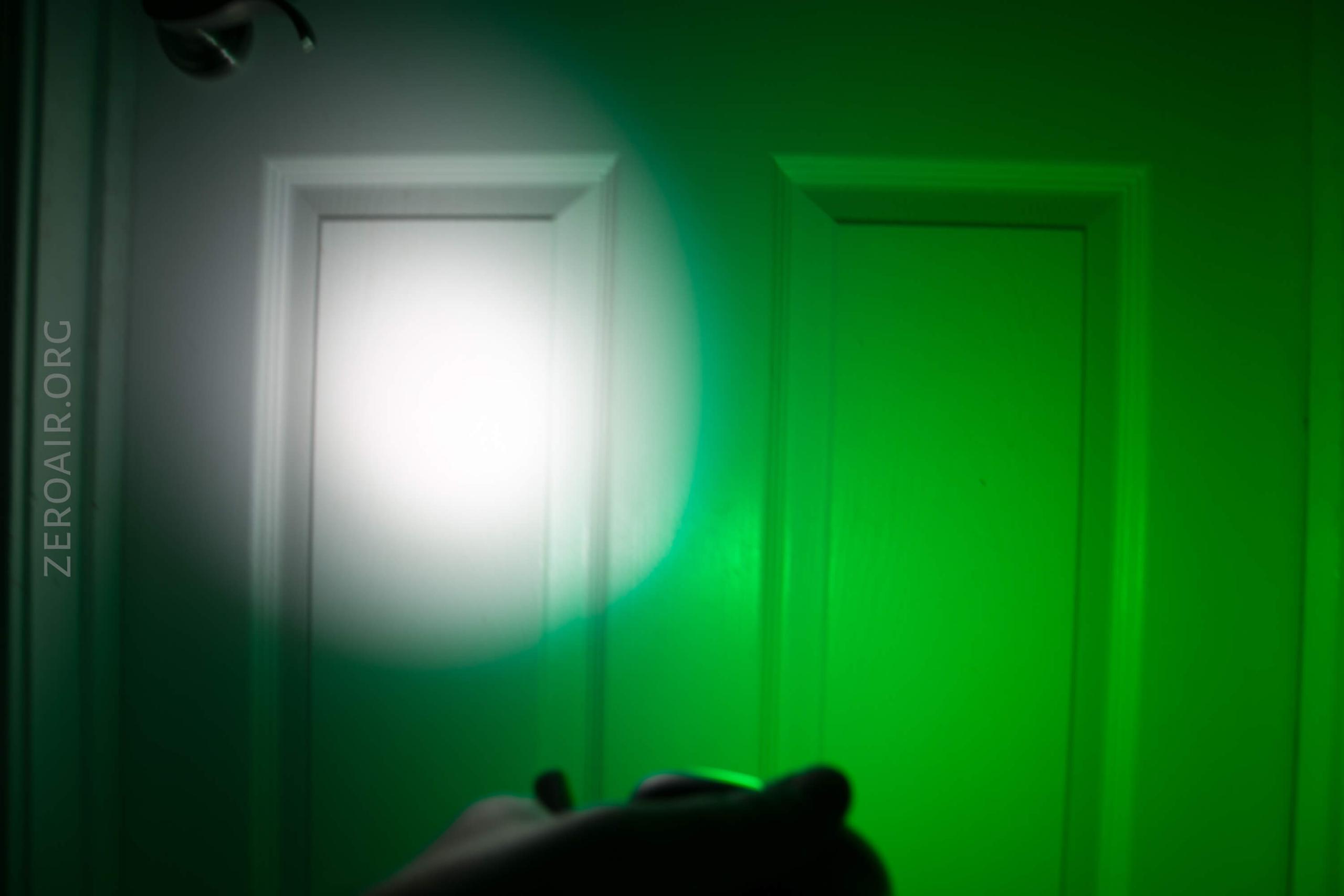
I compare everything to the KillzoneFlashlights.com 219b BLF-348 because it’s inexpensive and has the best tint!
Conclusion on the XTAR RC2-200 Lantern
What I like
- Good for reading
- Good charge rate
- Nice use of indicating switch
- All RGB modes are plenty bright!
What I don’t like
- user interface has flashy modes in the main pathway
- Size is better than original, but still chonky
- Internal cell can not be swapped
- 2s hold for off – that’s too long
- Indicating switch is too bright
- Red and Blue flash should really only be used by police, so don’t get yourself into trouble with it!
Notes
- This light was provided by XTAR for review. I was not paid to write this review.
- This content originally appeared at zeroair.org. Please visit there for the best experience!
- Use my amazon.com referral link if you’re willing to help support making more reviews like this one!
- Please support me on Patreon! I deeply appreciate your support!
Discover more from ZeroAir Reviews
Subscribe to get the latest posts sent to your email.
Hey!
I’m curious about something, how do you cool the flashlights when you test the runtime? Not just this light, all the lights in general.
Thanks!
I use a little one-mode fan.