

Sofirn IF30 Flashlight Review
The Sofirn IF30 flashlight is USB-C rechargeable and has one throw and 12 flood emitters. It has a neat rotary switch and uses one 32650 cell. Read on!
Official Specs and Features
Here’s a link to the Sofirn IF30 rechargeable flashlight product page.
Versions
There’s only one version of the Sofirn IF30 rechargeable flashlight.
Price
The Sofirn IF30 rechargeable flashlight retails for $109.99 but is for sale at $81.99 now (and probably most of the time.) You can buy the IF30 here.
What’s Included

- Sofirn IF30 rechargeable flashlight
- Sofirn 6500mAh 32650
- Charging cable
- Lanyard
- Spare o-rings (2)
- Manual
Package and Manual


Build Quality and Disassembly

The Sofirn IF30 rechargeable flashlight has a great build quality. There’s nothing specific on the light about which I’d say “that should be better.” Even the anodizing is great!

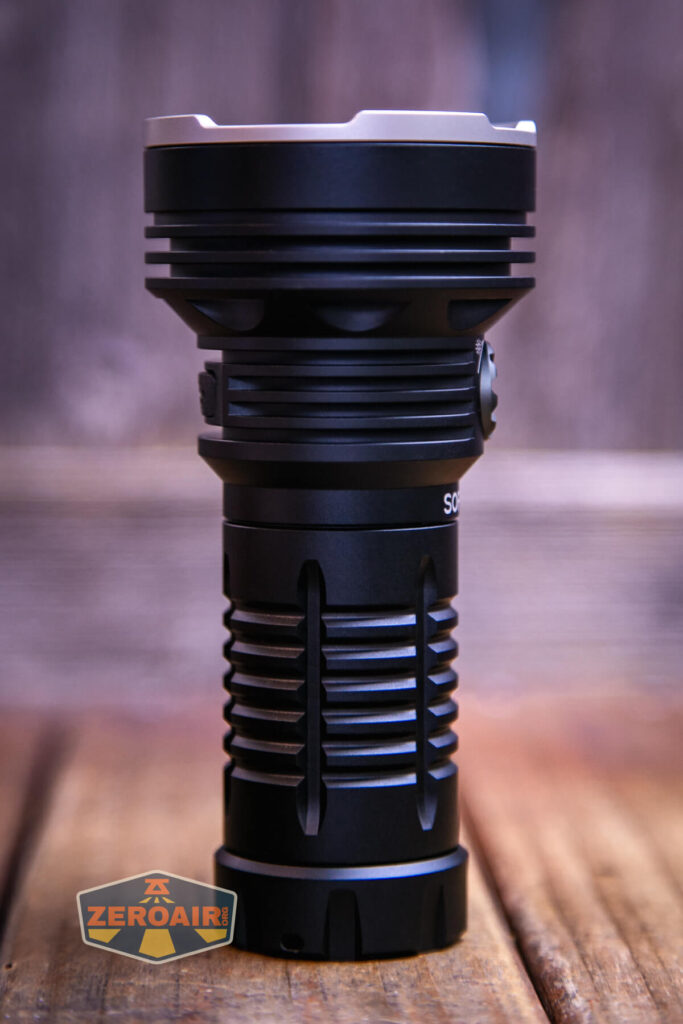


The cell tube is completely removable. It’s also reversible, which is not useful in any way, but is noteworthy in one – the cell orientation label is on the cell tube (it should be on the tailcap). As a result, if the cell tube is reversed, the cell orientation label will be wrong.
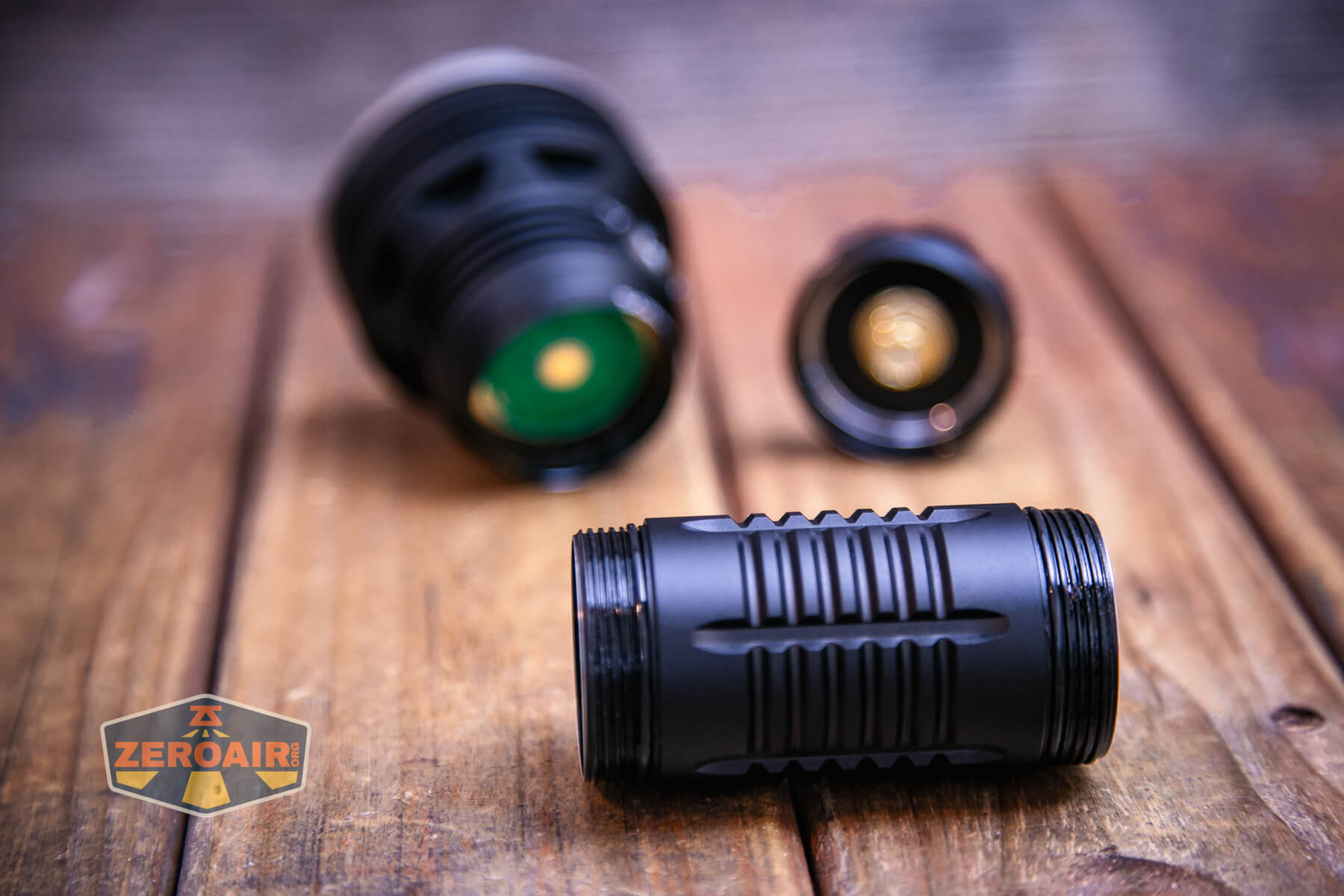
Below you can see the tailcap with a nice big spring. The head has only a button for contact.

Size and Comps
Size: 2.45 x 5.07 inch (62.4 x 129mm )


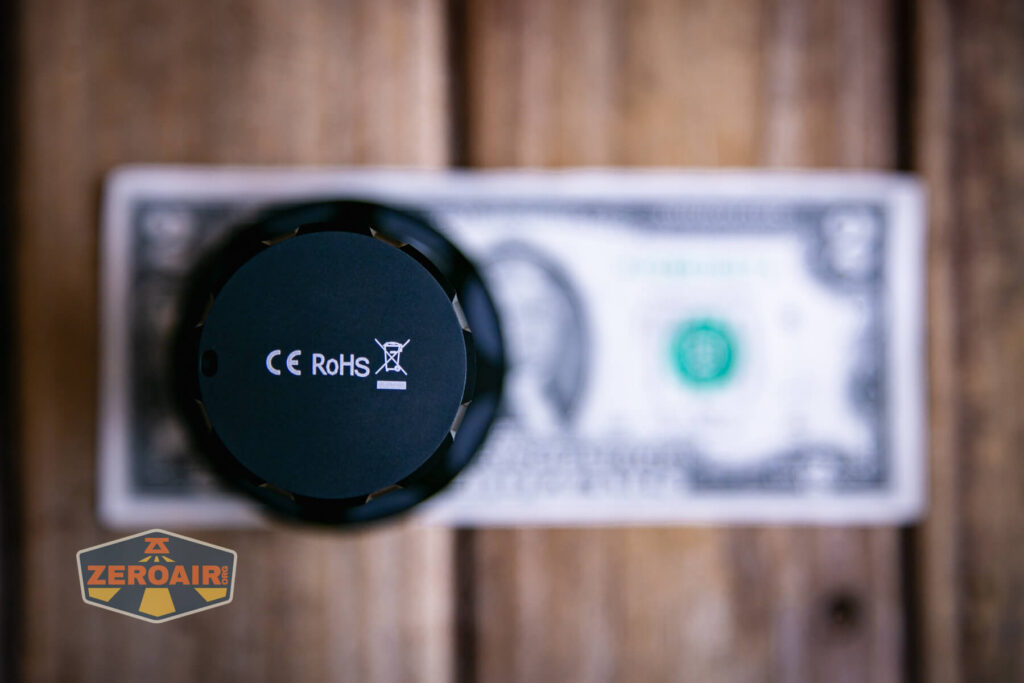
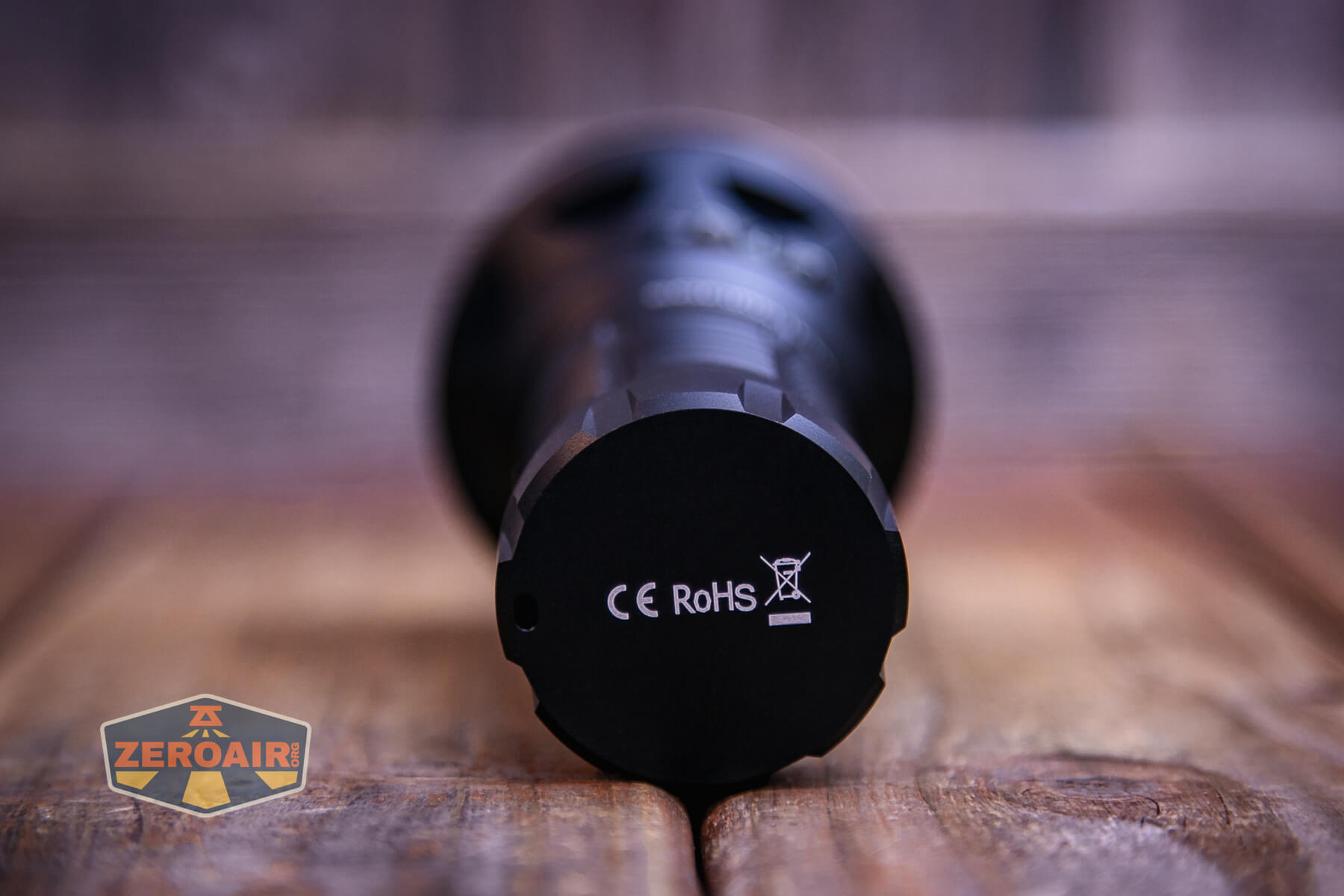
If the flashlight will headstand, I’ll show it here (usually the third photo). If the flashlight will tailstand, I’ll also show that (usually in the fourth photo).


Here’s the test light with the venerable Convoy S2+. The version below is a custom laser-engraved Convoy S2+ host by GadgetConnections.com. I did a full post on an engraved orange host right here! Or go straight to GadgetConnections.com to buy your Convoy S2+ now!


Also above is the light beside a TorchLAB BOSS 35, an 18350 light. I reviewed the aluminum version of that light in both 35 and 70 formats. I also reviewed that specific edition, the “Oveready BOSS FT Collector Vintage Brass” 35. I love it!
Retention and Carry
The only included means for carrying the Sofirn IF30 rechargeable flashlight is this lanyard, which attaches through a little loop in the tailcap.

Power and Runtime
Sofirn only offers the IF30 in a package including the cell, so you’ll get the 32650 lithium-ion seen below with your purchase.

The cell goes into the IF30 with the positive end toward the head.

I did find that the cell rattles just a bit inside the cell tube. This is surprising since the light seems built for this specific cell.
If you forget how to install the cell, just take note of this little icon near the tailcap, if the cell tube is in the correct orientation. If you’ve swapped the cell tube around, jus the vigilant on your cell orientation.

Below are runtime tests for the highest mode of all three outputs. The IF30 has a flood channel, a throw channel, and a channel that mixes both. Also, there are only ramping levels, so I don’t have the usual list of modes (nor did I test other specific levels.)


The light does exhibit low voltage protection, and the switch also gives a power indication, too.
Charging
The IF30 offers USB-C charging. There’s a port on the head just on the opposite side from the switch.


A USB to USB-C charging cable is included.

Charging works fine and seems very brisk at nearly 3A. For this 6500mAh cell, 3A is perfectly reasonable – still only around 0.5C. That rate is completely safe for cells and should allow these cells to last a long time.
I will note that on C to C charging, the charge cycle stopped, but I’m nearly sure this is a problem with my test equipment (aged, broken? I’m not sure yet). So in the case of C to C charging, I did finish the charge cycle with A to C.

A to C charging works fine, of course, and is a steady 2.4A (ish). The big 6500mAh 32650 still takes a while to charge, getting fully charged in around 4 hours. (Honestly, that’s quite good for this large-capacity cell!)

The switch also indicates power when charging – blinking red while charging and green when charging is complete.
Powerbank
The Sofirn IF30 rechargeable flashlight can be used as a powerbank, too! Output looks great, and with the 6500mAh cell, there’s a good bit of power to use!


Modes and Currents
| Mode | Mode Claimed Output (lm) | Claimed Runtime | Measured Lumens | Tailcap Amps |
|---|---|---|---|---|
| Both Turbo | 12,000 | 1.25h | 8436 (0s) 7970 (30s) |
>18 |
| Both Lowest | 40 | 100h | 28 | 0.08 |
| Flood Turbo | 12,000 | 1.25h | 7881 (0s) 7295 (30s) |
>18 |
| Flood Lowest | 30 | 130h | 12 | 0.05 |
| Spot Turbo | 2,500 | 4.75h | 1942 (0s) 1839 30s) |
9.13 |
| Spot Lowest | 10 | 280h | 5 | 0.03 |
Pulse Width Modulation
Every mode uses PWM. Some of it’s pretty fast, and I didn’t notice any of it by eye. Not that it matters since the PWM is about the same for all emitters, but the top row is “Both,” middle row is flood, and bottom row is spot. Lowest to highest.


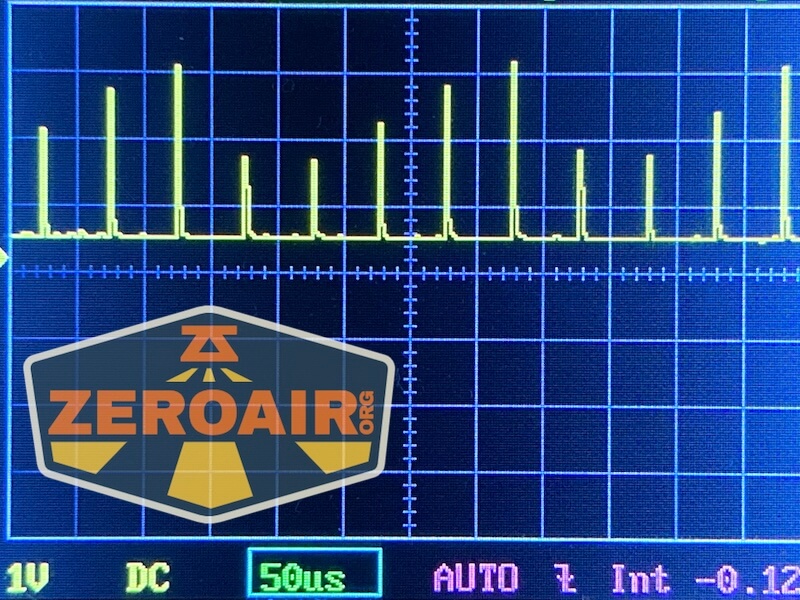
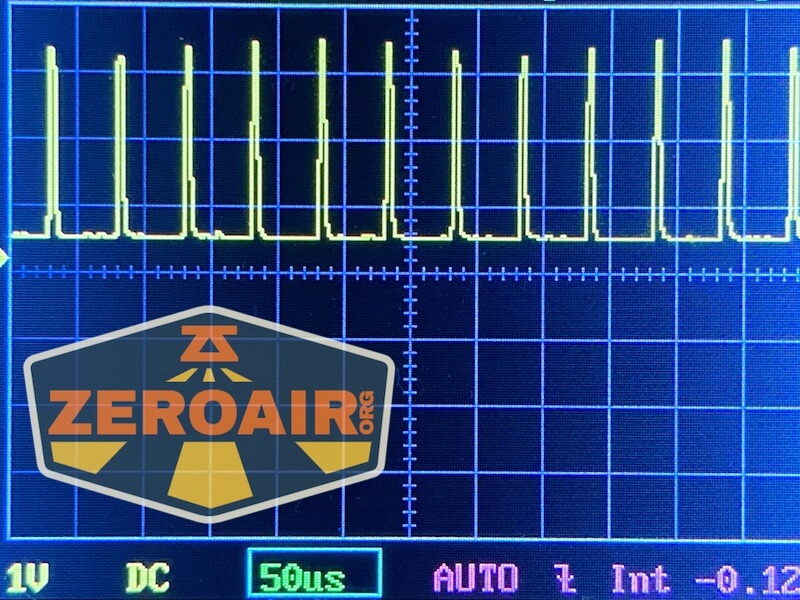


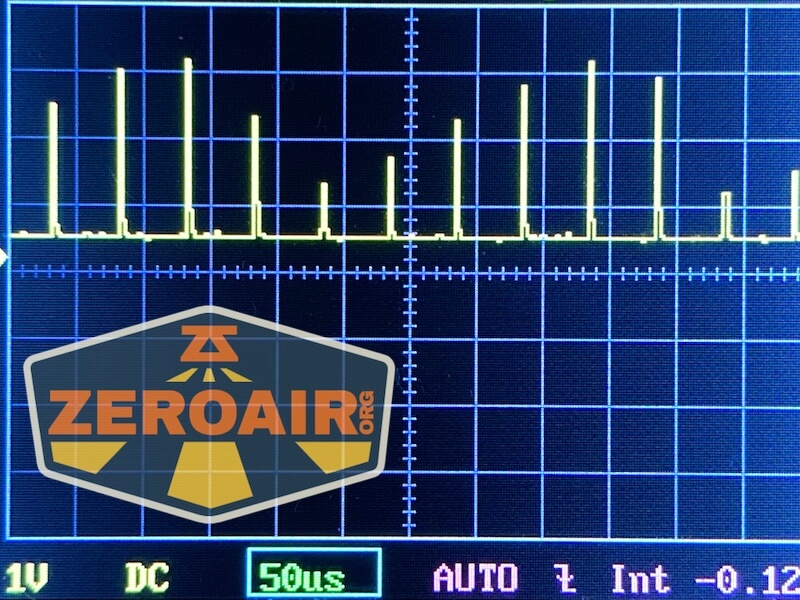
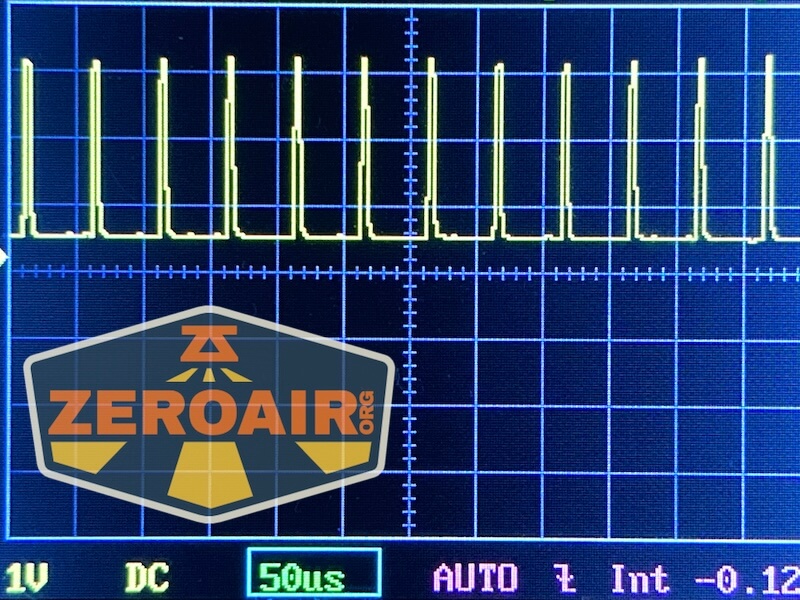

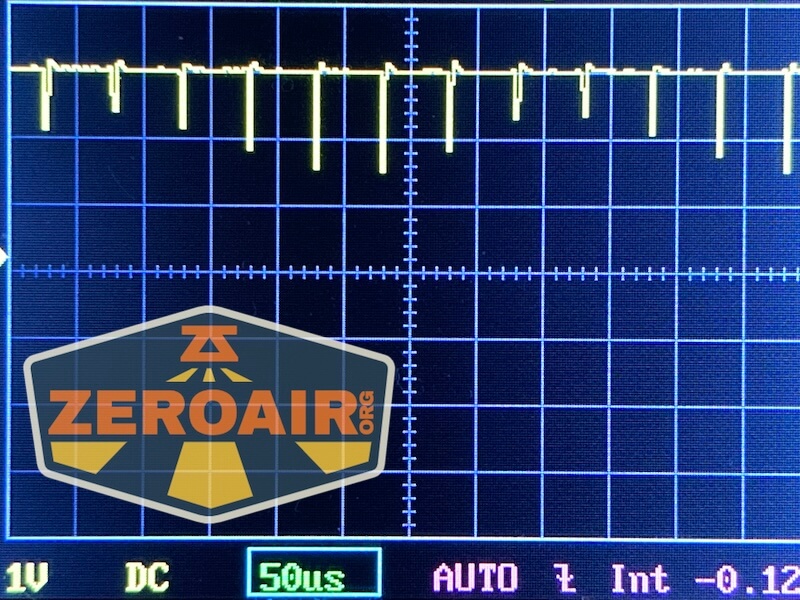
Here you can see a “baseline” – a chart with almost no light hitting the sensor. Then there’s the Ultrafire WF-602C flashlight, which has some of the worst PWM I’ve seen. It’s so bad that I used a post about it to explain PWM! Here are multiple timescales (10ms, 5ms, 2ms, 1ms, 0.5ms, 0.2ms) to make comparing this “worst” PWM light to the test light easier. That post also explains why I didn’t test the WF-602C at the usual 50us scale.


User Interface and Operation
Sofirn has used an interesting switch here on the IF30 rechargeable flashlight. This is a clicky e-switch but has a rotation feature. In fact, it’s much like the switch Olight has used on lights like the newer Seekers.

The e-switch action is very low and gripping the switch to rotate it is very easy. All told, this is a good switch if you like rotating switches.

Here’s a user interface table!
| State | Action | Result |
|---|---|---|
| Locked | Click | Double blink to indicate lockout |
| Locked | Rotate Switch >60 degrees (either direction) | Unlock. Switch indicates cell power level to also indicate unlock state (this is nice because you can tell it’s unlocked without actually turning it on). |
| Unlocked | Click after the switch is rotated | On in mode memory and emitter memory Switch indicates power level for 5 seconds, too |
| Unlocked | Hold after the switch is rotated | Lowest level and emitter memory |
| Locked | Hold switch | Momentary low in emitter-memory mode |
| Unlocked | Triple click | Strobe |
| On | Rotate switch clockwise | Increase output level |
| On | Rotate switch counterclockwise | Decrease output level |
| On | Hold switch | Change emitter option (Spot > Both > Flood) |
| Unlocked | Double click | Turbo (emitter memory) |
| Off (Unlocked) | No action for 15s | Lockout |
LED and Beam
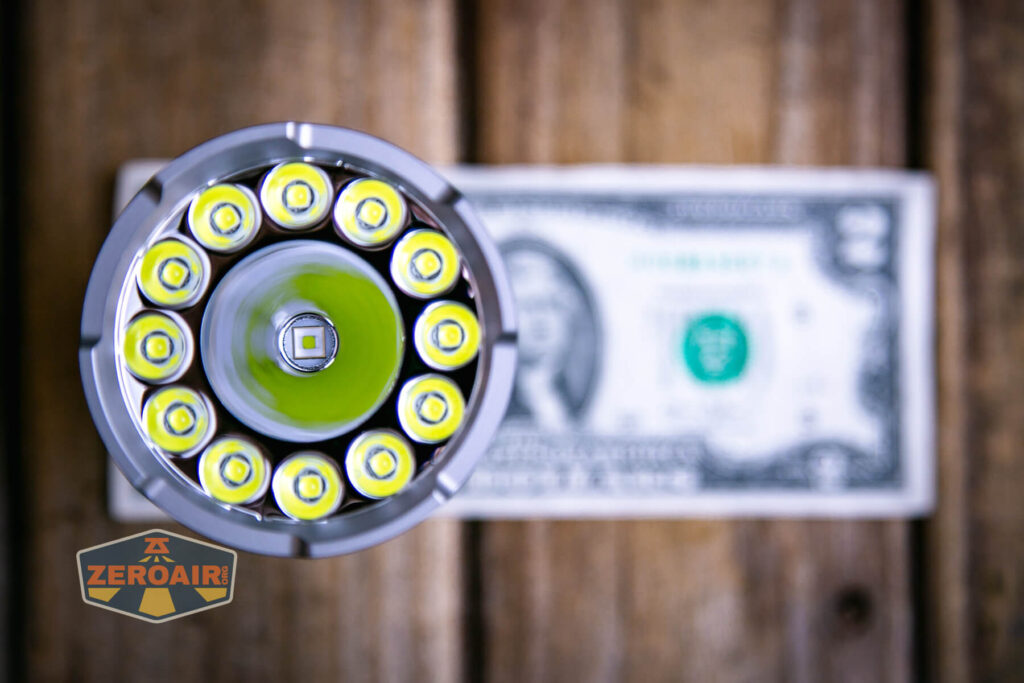
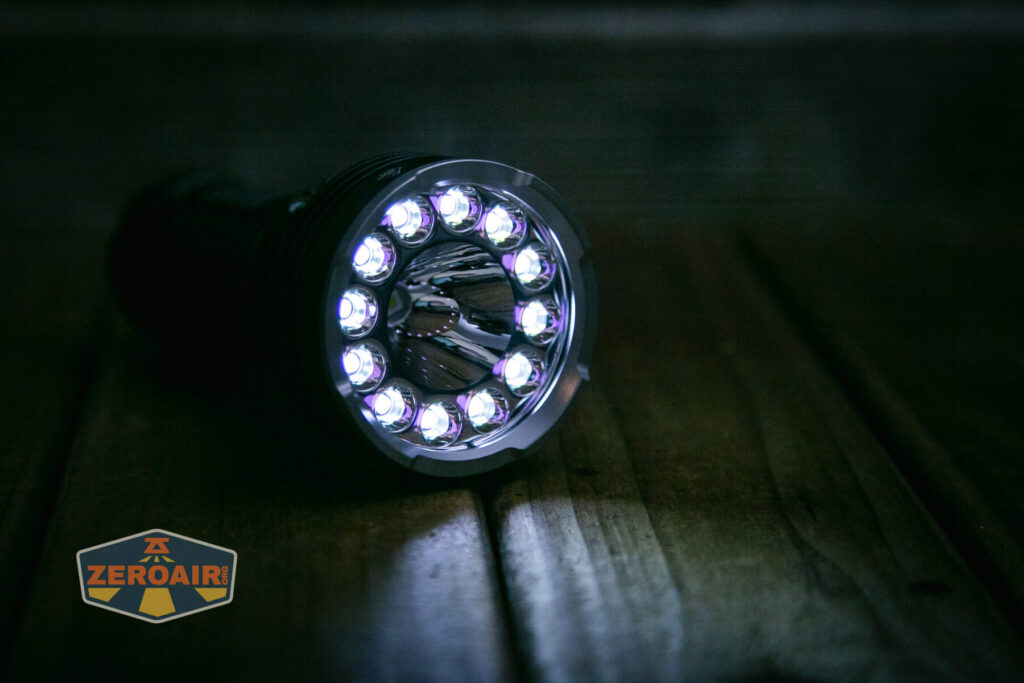
The IF30 offers two emitter types. There’s an array of 12 emitters for flood (Luminus SFT40) for throw.

These can also be used at the same time, and the output level is matched – the arrays are always in the same mode.




LED Color Report (CRI and CCT)
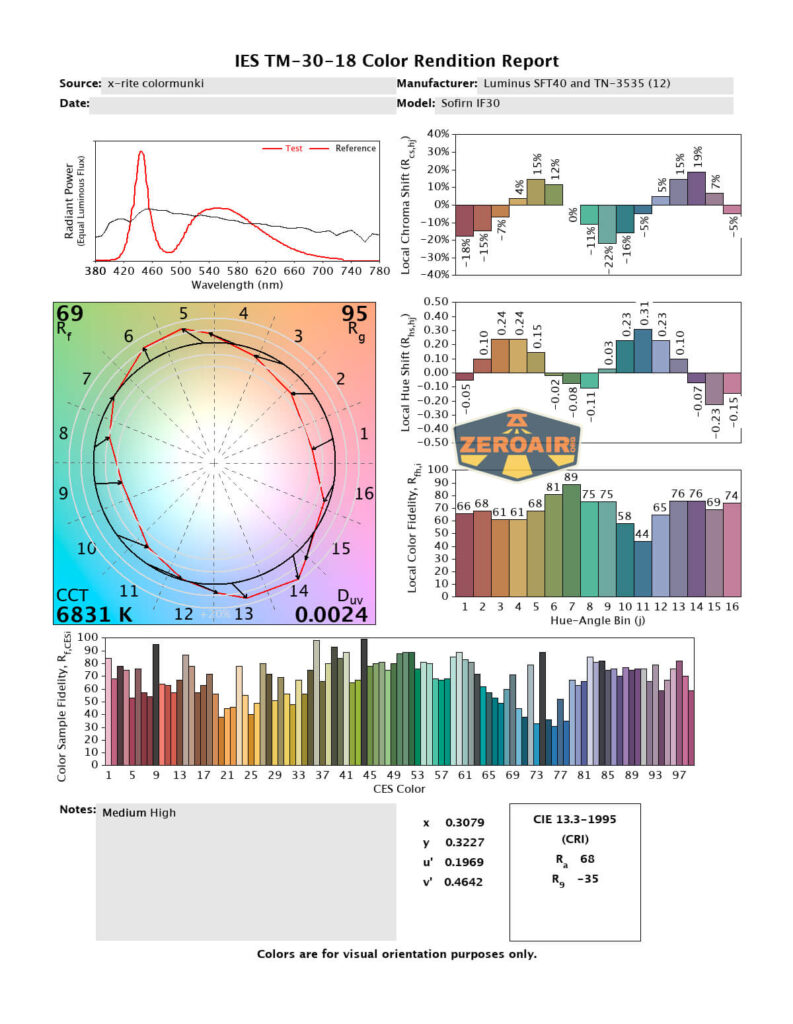
Below you can see the lowest and highest CRI/CCT for each mode (except turbo of spot, which was too intense for testing). CCT is cool to very cool for almost all modes, ad CRI is low.




Beamshots
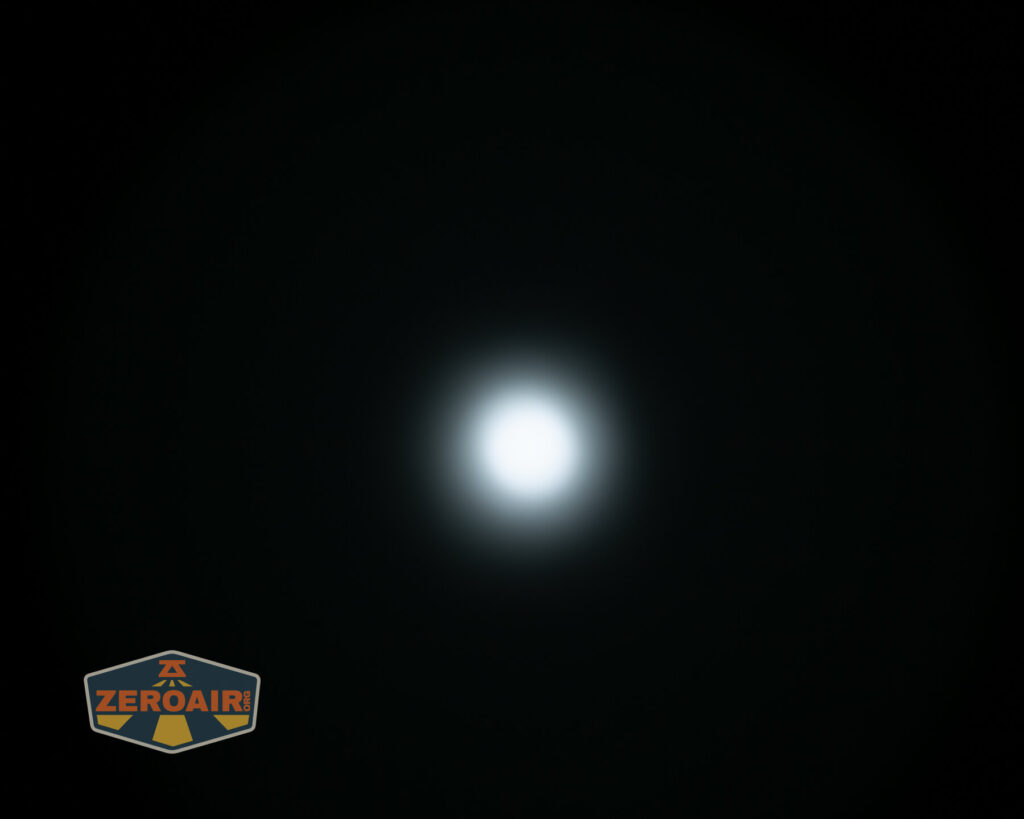
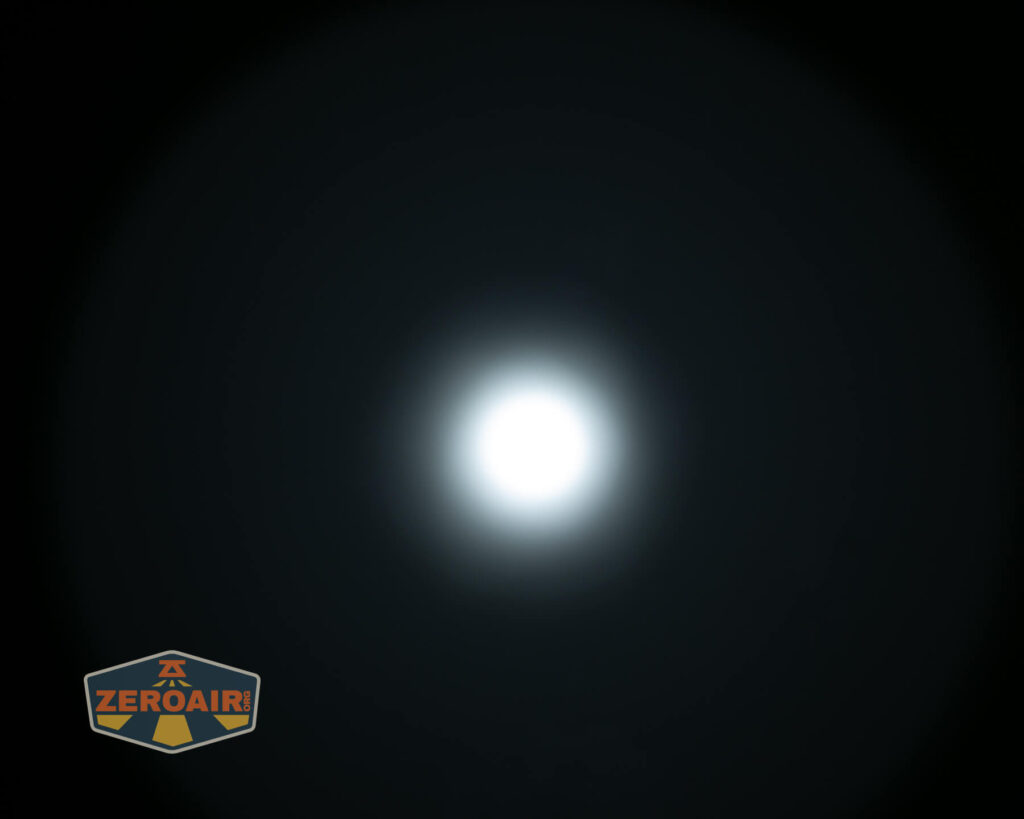
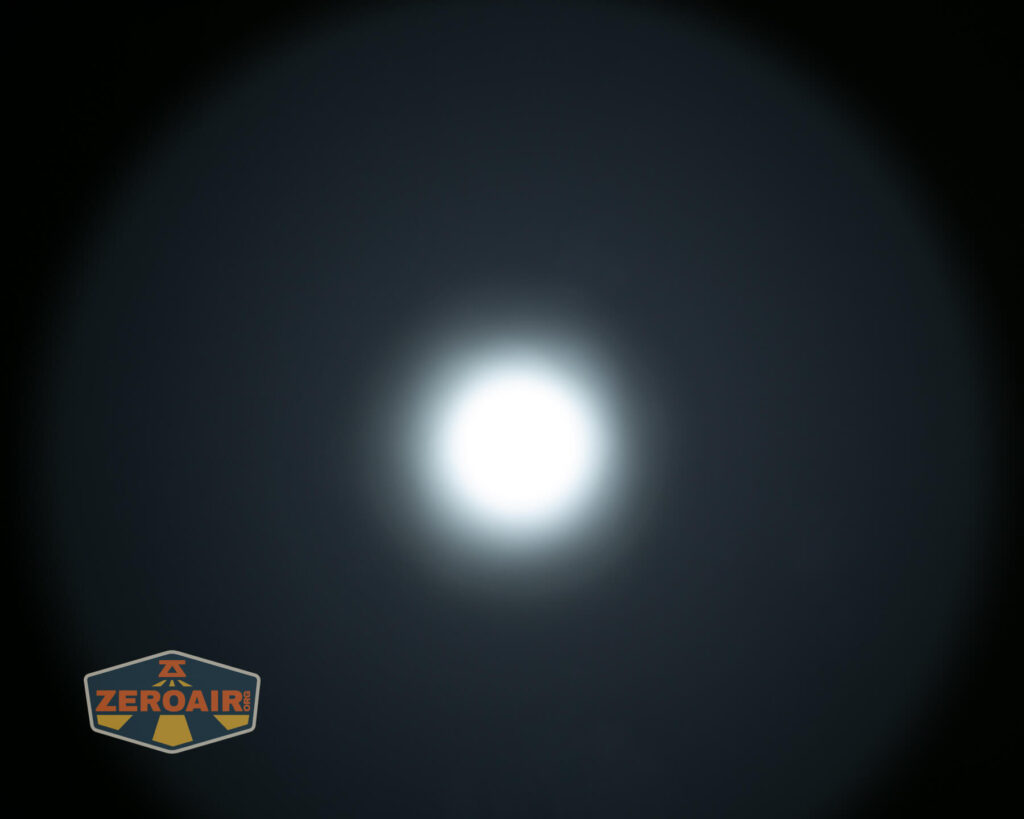
These beamshots always have the following settings: f8, ISO100, 0.3s shutter, and manual 5000K exposure. These photos are taken at floor level, and the beam hits the ceiling around 9 feet away. On the flood channel (first, below), I tried to capture every mode along the ramp. It’s technically stepped, there are just a bunch of steps.


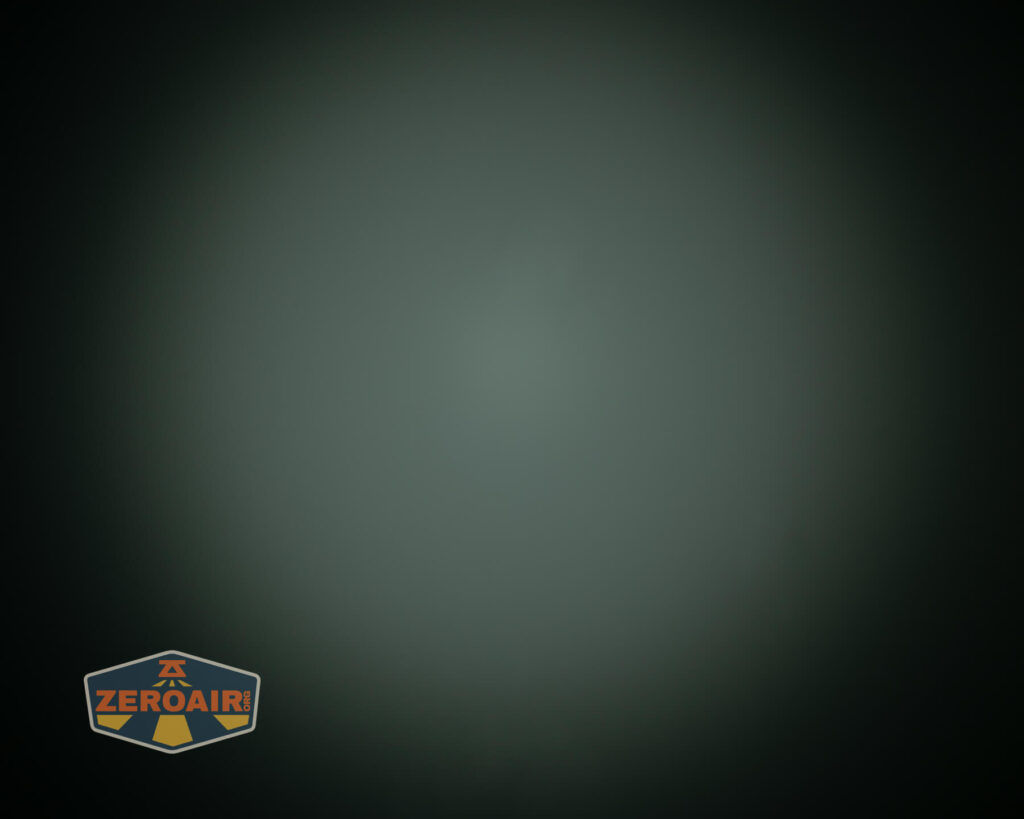

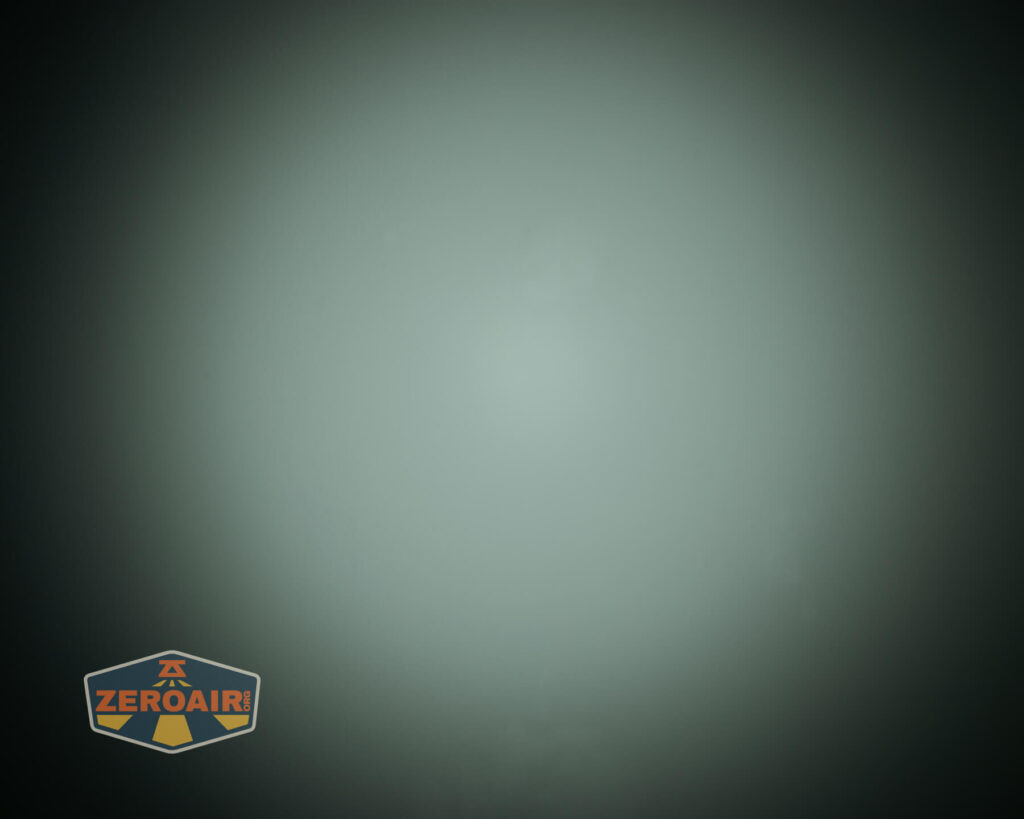






For the spot and “both” output, I photographed a sample of levels, but fewer.



Tint vs BLF-348 (KillzoneFlashlights.com 219b version) (affiliate link)
I keep the test flashlight on the left and the BLF-348 reference flashlight on the right.






I compare everything to the KillzoneFlashlights.com 219b BLF-348 because it’s inexpensive and has the best tint!
Summary and Conclusion
The Sofirn IF30 rechargeable flashlight is a very neat light and has fantastic build quality. It’s good that Sofirn includes this unusual cell size with the purchase price, and also offers onboard charging (via USB-C). That said, the 32650 does fit into the bay-style chargers I tested it in! The user interface is enat and Sofirn has used a rotary switch to good effect. I do miss proper stepped modes, though.
The Big Table
| Sofirn IF30 rechargeable flashlight | |
|---|---|
| Emitter: | Luminus SFT40 and TN-3535 (12) (Both) |
| Price in USD at publication time: | $81.99 |
| Cell: | 1×32650 |
| Runtime Graphs | |
| LVP? | Yes |
| Switch Type: | E-Switch |
| Quiescent Current (mA): | ? |
| On-Board Charging? | Yes |
| Charge Port Type: | USB-C |
| Charge Graph | |
| Power off Charge Port | No |
| Claimed Lumens (lm) | 12000 |
| Measured Lumens (at 30s) | 7970 (66.4% of claim)^ |
| Candela per Lumen | 13.92 |
| Claimed Throw (m) | 592 |
| Candela (Calculated) in cd (at 30s) | 2510lux @ 6.04m = 91569cd |
| Throw (Calculated) (m) | 605.2 (102.2% of claim)^ |
| Claimed CCT | 6000-6500 |
| Measured CCT Range (K) | 6800-7100 Kelvin |
| Item provided for review by: | Sofirn |
| All my Sofirn reviews! | |
| Sofirn IF30 rechargeable flashlight | |
|---|---|
| Emitter: | TN-3535 (12) (Flood) |
| Price in USD at publication time: | $81.99 |
| Cell: | 1×32650 |
| Runtime Graphs | |
| LVP? | Yes |
| Switch Type: | E-Switch |
| Quiescent Current (mA): | ? |
| On-Board Charging? | Yes |
| Charge Port Type: | USB-C |
| Charge Graph | |
| Power off Charge Port | No |
| Claimed Lumens (lm) | 12000 |
| Measured Lumens (at 30s) | 7295 (60.8% of claim)^ |
| Candela per Lumen | 1.85 |
| Claimed Throw (m) | 178 |
| Candela (Calculated) in cd (at 30s) | 783lux @ 5.428m = 23070cd |
| Throw (Calculated) (m) | 303.8 (170.7% of claim)^ |
| Claimed CCT | 6000-6500 |
| Measured CCT Range (K) | 5900-6200 Kelvin |
| Item provided for review by: | Sofirn |
| All my Sofirn reviews! | |
| Sofirn IF30 rechargeable flashlight | |
|---|---|
| Emitter: | Luminus SFT40 (Throw) |
| Price in USD at publication time: | $81.99 |
| Cell: | 1×32650 |
| Runtime Graphs | |
| LVP? | Yes |
| Switch Type: | E-Switch |
| Quiescent Current (mA): | ? |
| On-Board Charging? | Yes |
| Charge Port Type: | USB-C |
| Charge Graph | |
| Power off Charge Port | No |
| Claimed Lumens (lm) | 2500 |
| Measured Lumens (at 30s) | 1839 (73.6% of claim)^ |
| Candela per Lumen | 59.84 |
| Claimed Throw (m) | 685 |
| Candela (Calculated) in cd (at 30s) | 3150lux @ 6.209m = 121438cd |
| Throw (Calculated) (m) | 697.0 (101.8% of claim)^ |
| Claimed CCT | 6000-6500 |
| Measured CCT Range (K) | 7000-7300 Kelvin |
| Item provided for review by: | Sofirn |
| All my Sofirn reviews! | |

^ Measurement disclaimer: Testing flashlights is my hobby. I use hobbyist-level equipment for testing, including some I made myself. Try not to get buried in the details of manufacturer specifications versus measurements recorded here; A certain amount of difference (say, 10 or 15%) is perfectly reasonable.
What I like
- Build quality
- Included cell
- Built in chargin works well
- The switch is very nice
- Stainless bezel
- Hits throw values
What I don’t like
- No stepped output
- Cell rattles a bit
- Very cool white and low CRI (at least the flood channel should be high CRI and warmer CCT)
- Doesn’t seem to hit output specifications
Notes
- This content originally appeared at zeroair.org. Please visit there for the best experience!
- Please use my Amazon.com referral link to help support zeroair.org!
- Please support me on Patreon! I deeply appreciate your support!