
Nitecore P40 Ultra Long Throwing Flashlight Review
The Nitecore P40 ultra-long-throwing flashlight uses an array of LEDs for high output and a LEP for incredible throw. And it has USB-C charging! Read on!
Official Specs and Features
Here’s a referral link to the Nitecore P40 ultra long throwing flashlight product page.
Versions
There’s just one version of the Nitecore P40 ultra long throwing flashlight.
Price
List (and current) price for the Nitecore P40 ultra long throwing flashlight is $339.95.
What’s Included
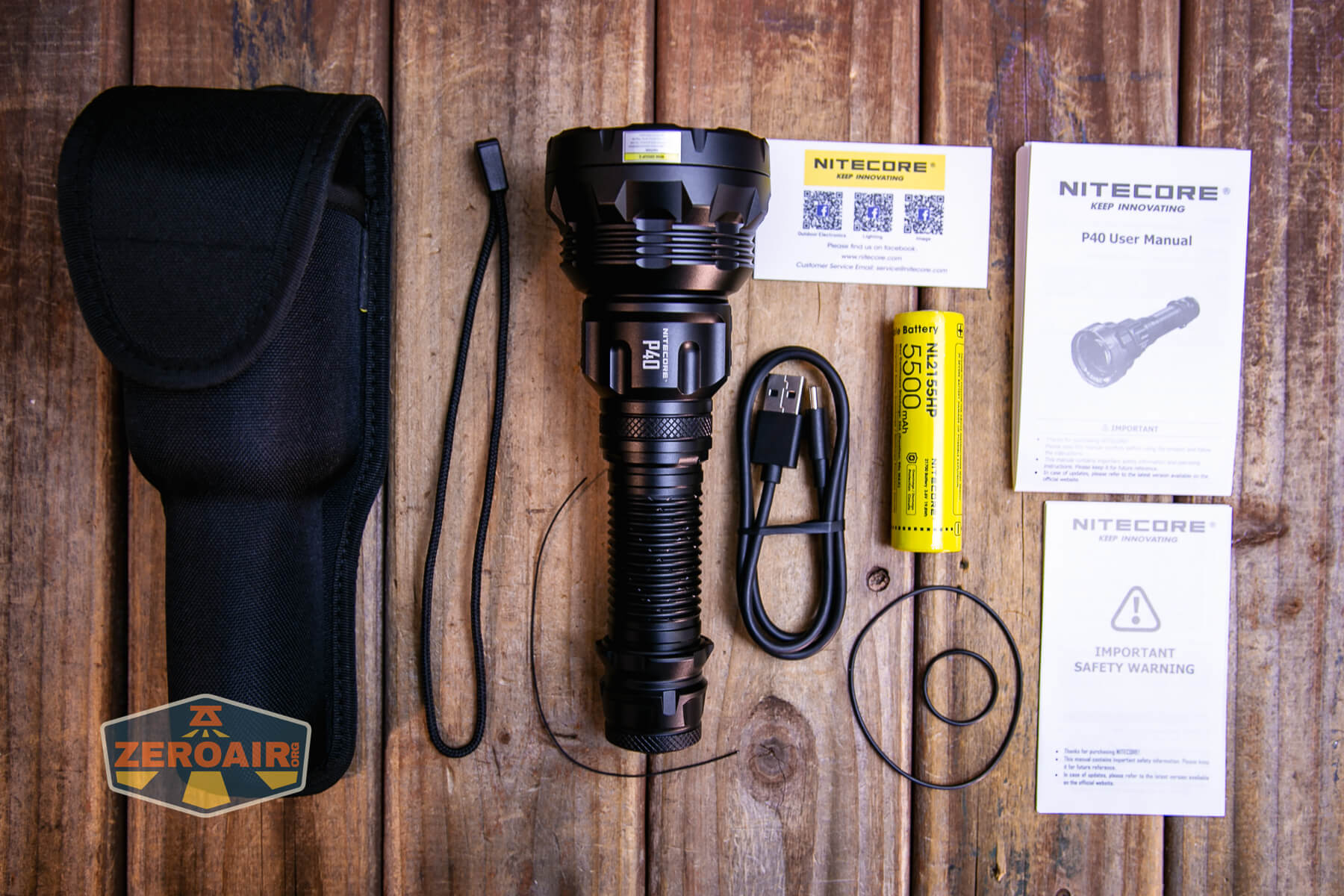
- Nitecore P40 ultra long throwing flashlight
- Nitecore 5500mAh 21700
- Charging cable
- Lanyard
- Hard pouch
- Spare o-rings (2)
- Manuals, etc
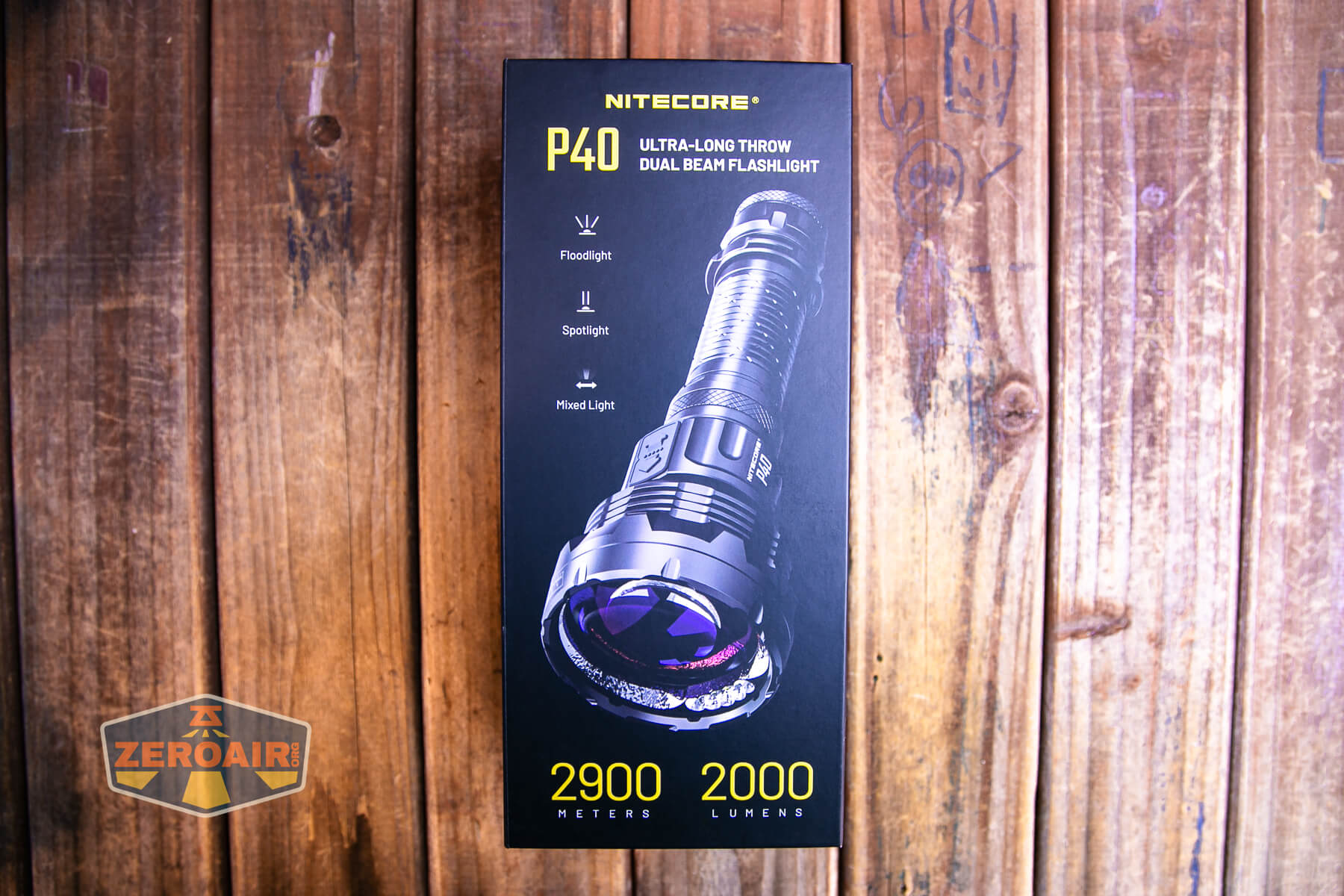
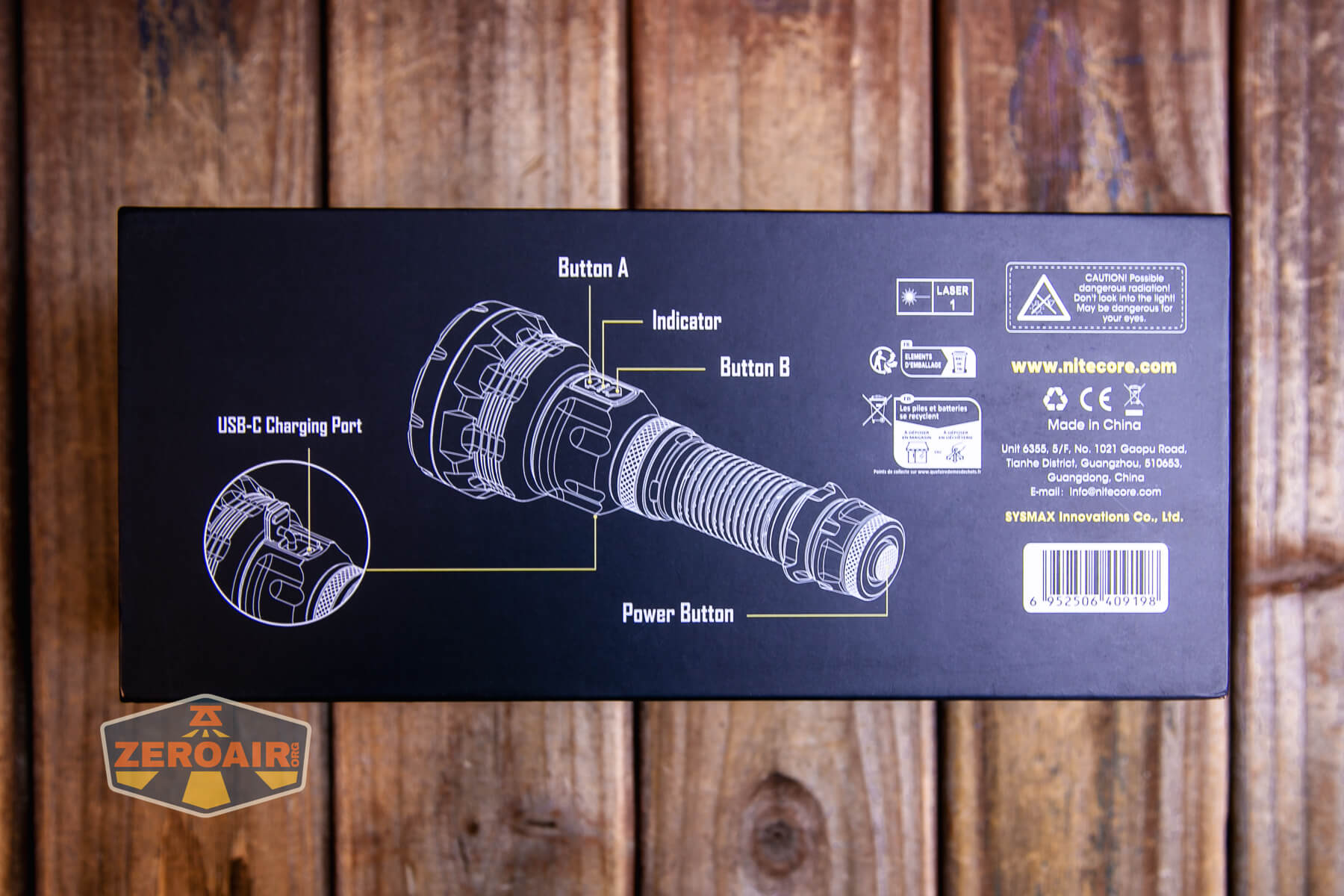
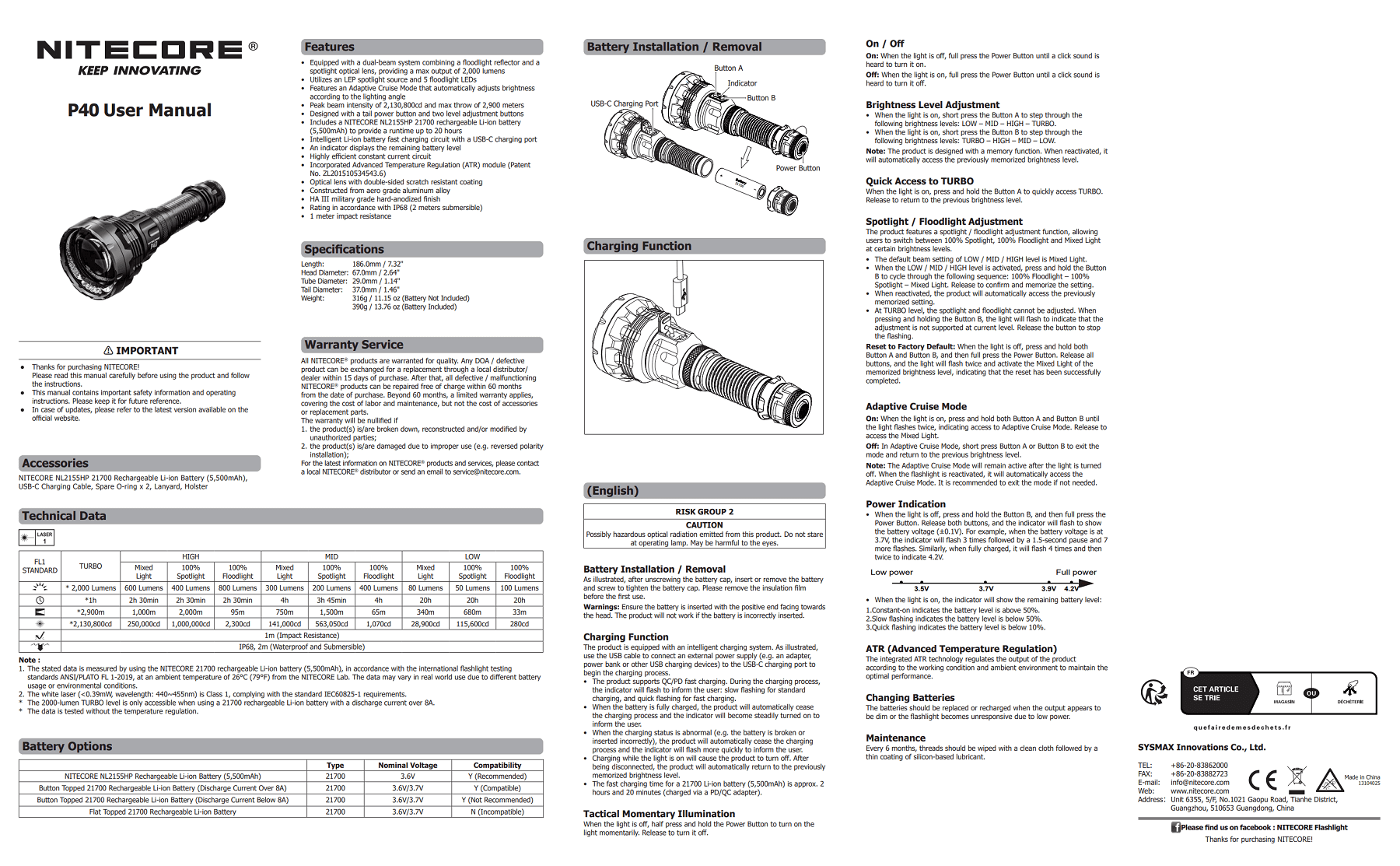
Package and Manual
Build Quality and Disassembly
The build quality of this Nitecore P40 ultra long throwing flashlight is fantastic. The hard anodizing has an unusually nice quality. It’s like Malkoff and Oveready hard anodizing – it’s that good.
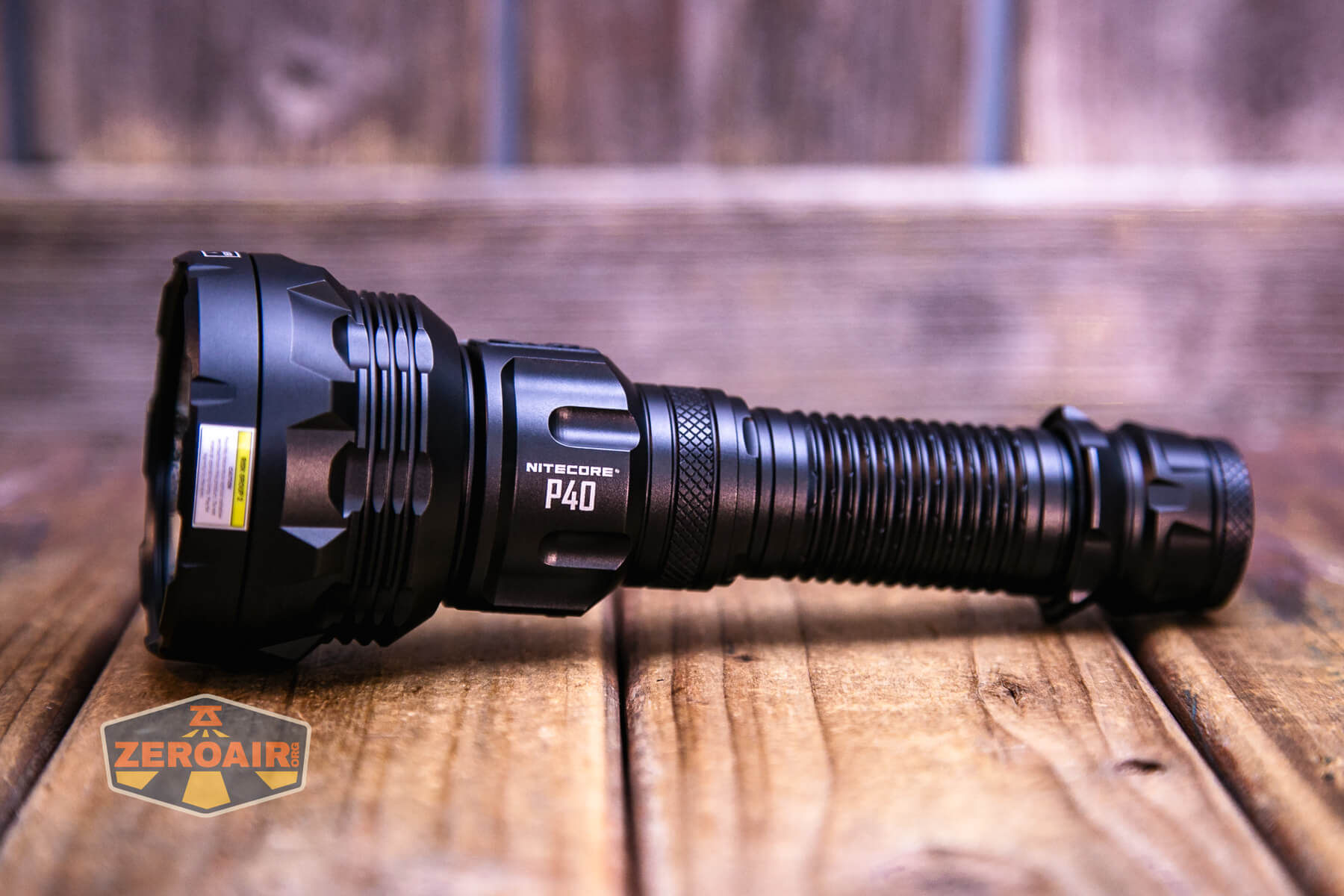
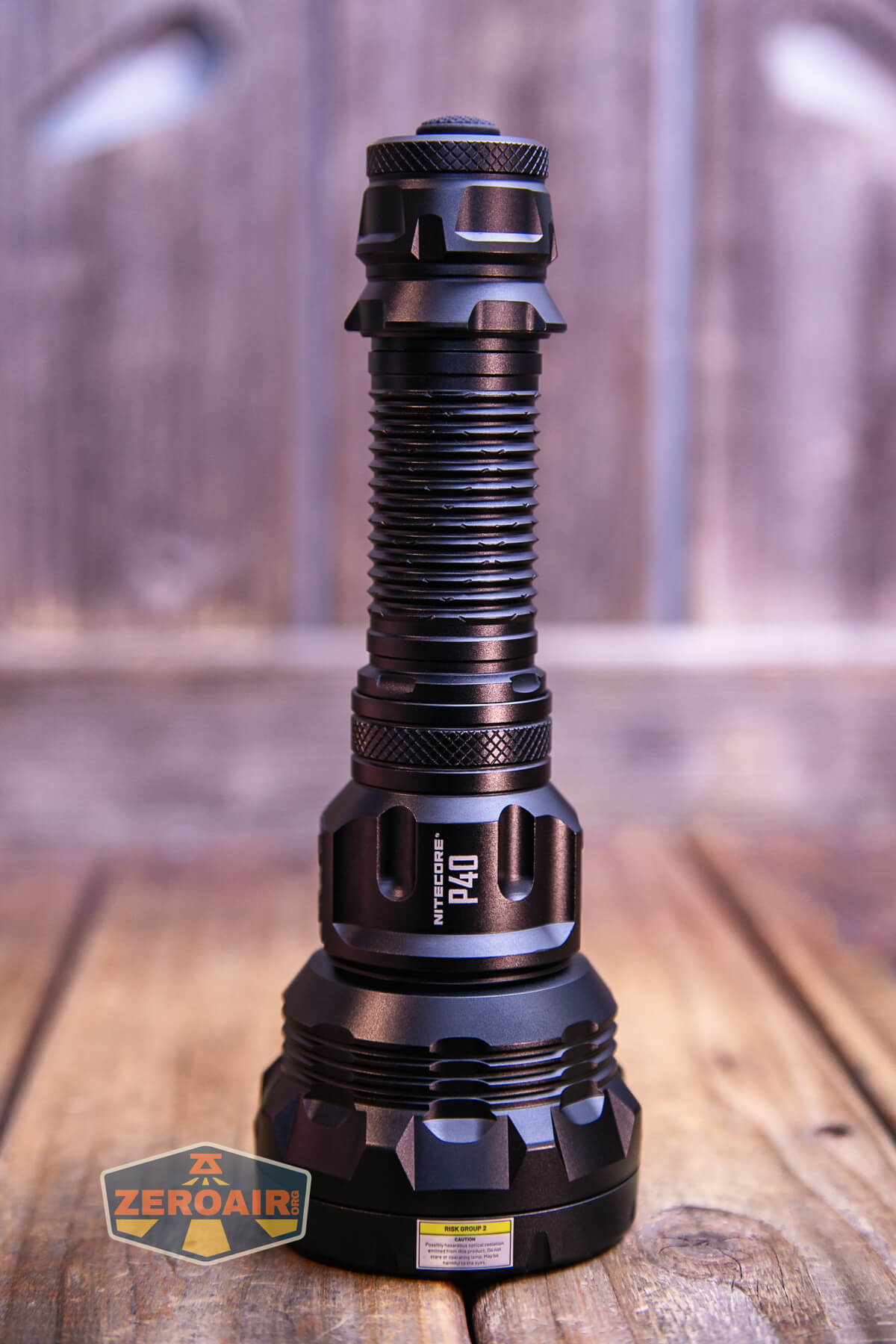
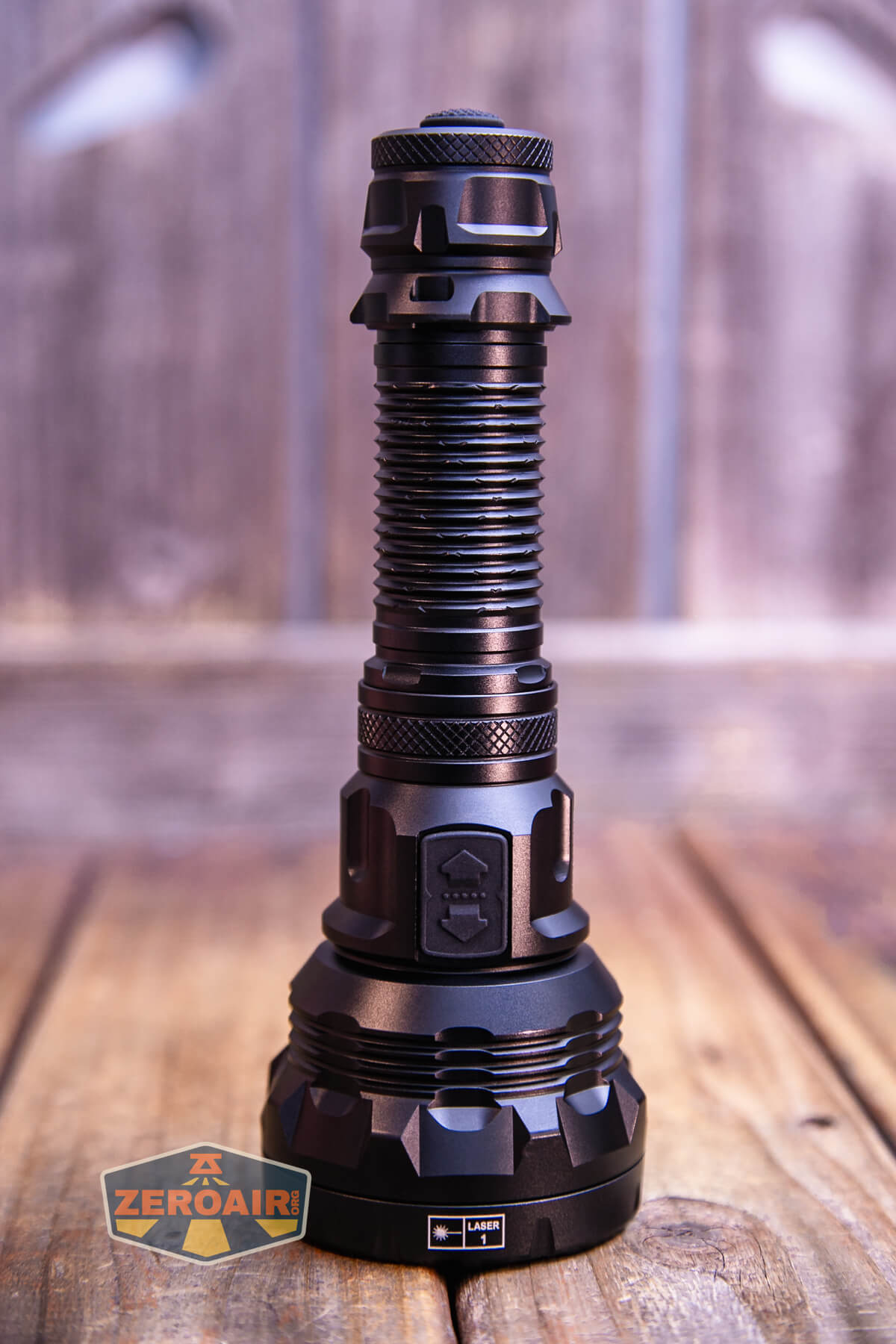
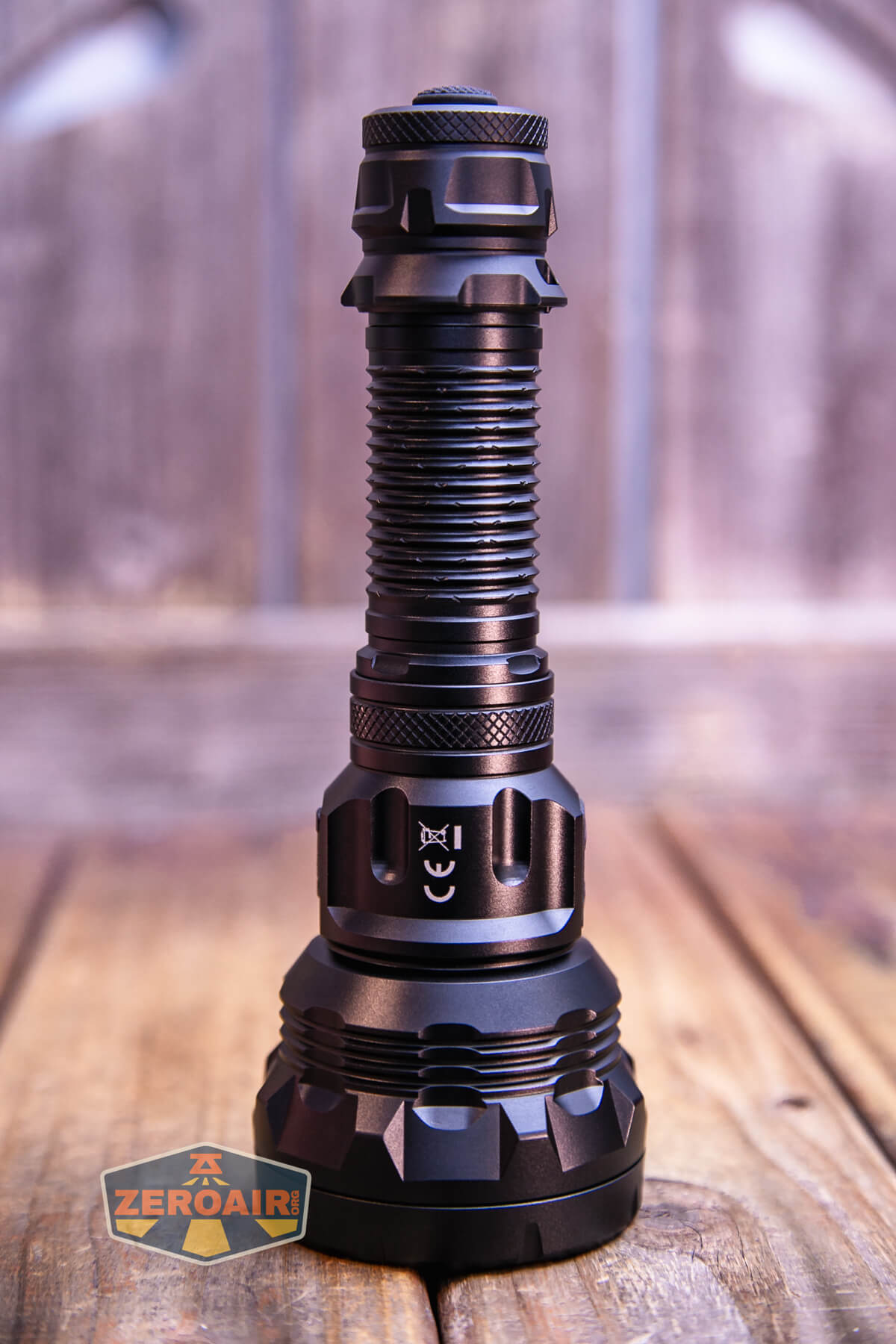
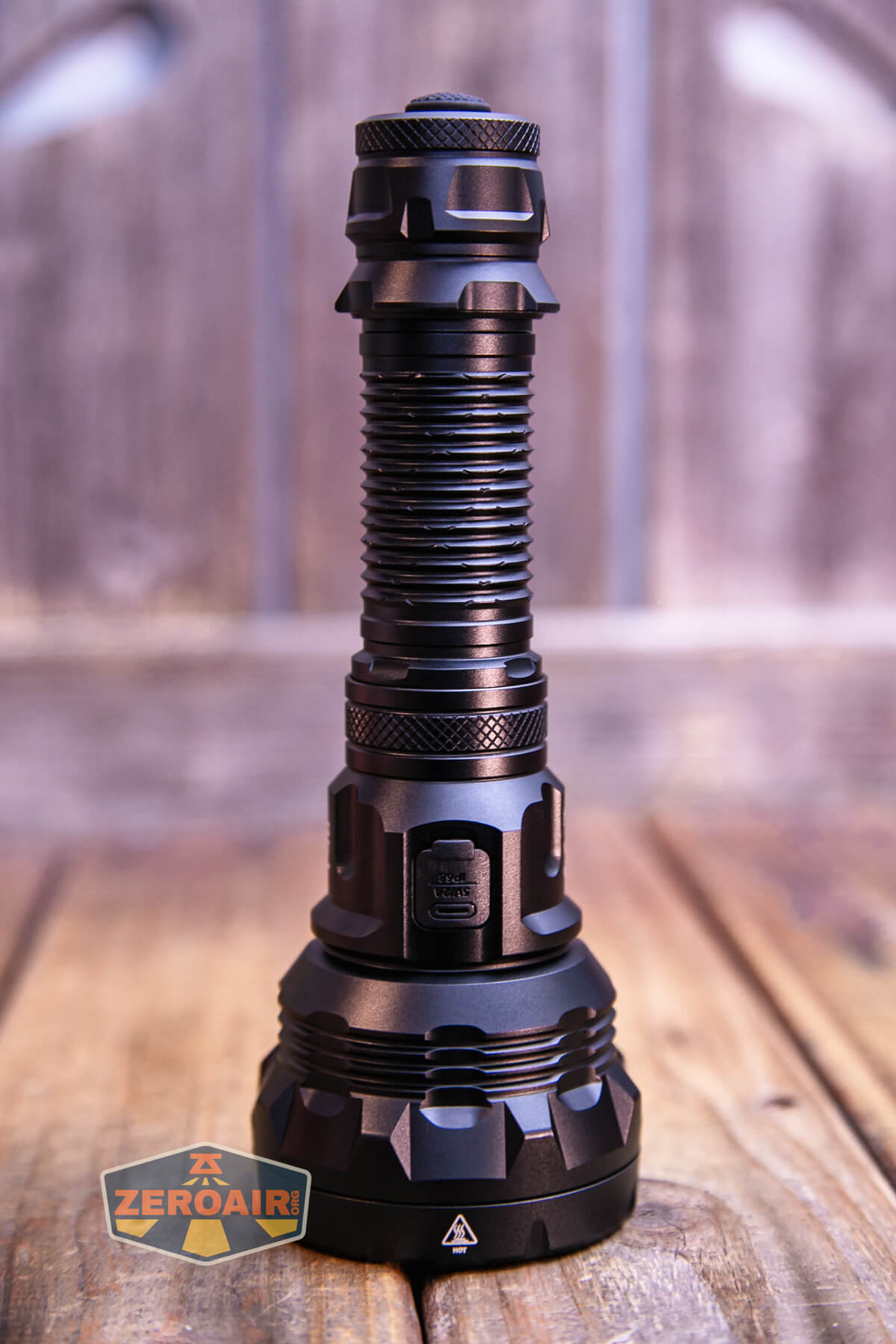
It’s a fairly big flashlight for being a single 21700 light, I’d say. But more on that later.
The tailcap has a capped spring. I like these! Often, a spring will have a sharp tip (where the wire ends), and these caps totally prevent that!
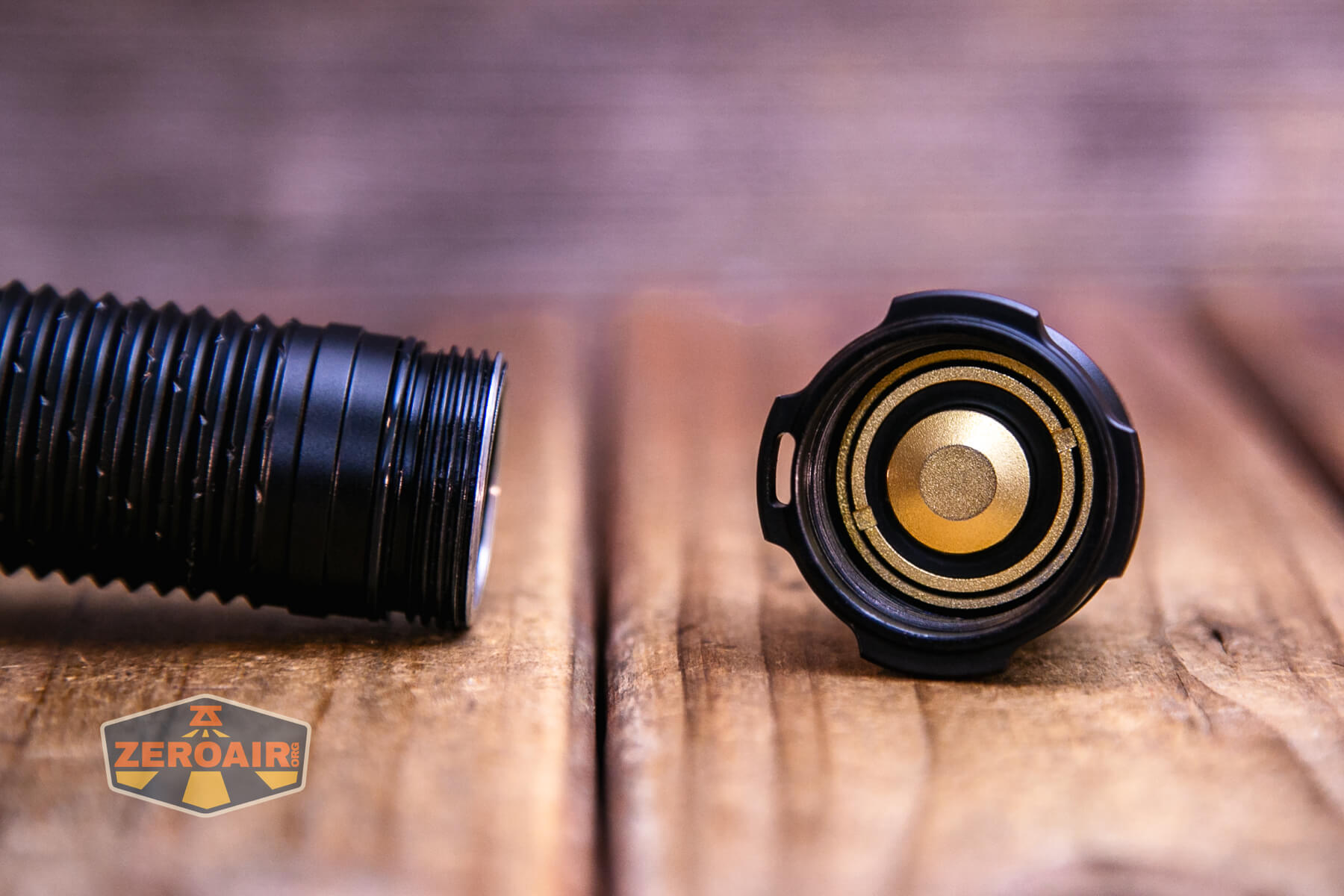
The tailcap has a good bit of grip area and a built-in metaltactical grip ring. In the photo above, you can also see where the lanyard attaches.
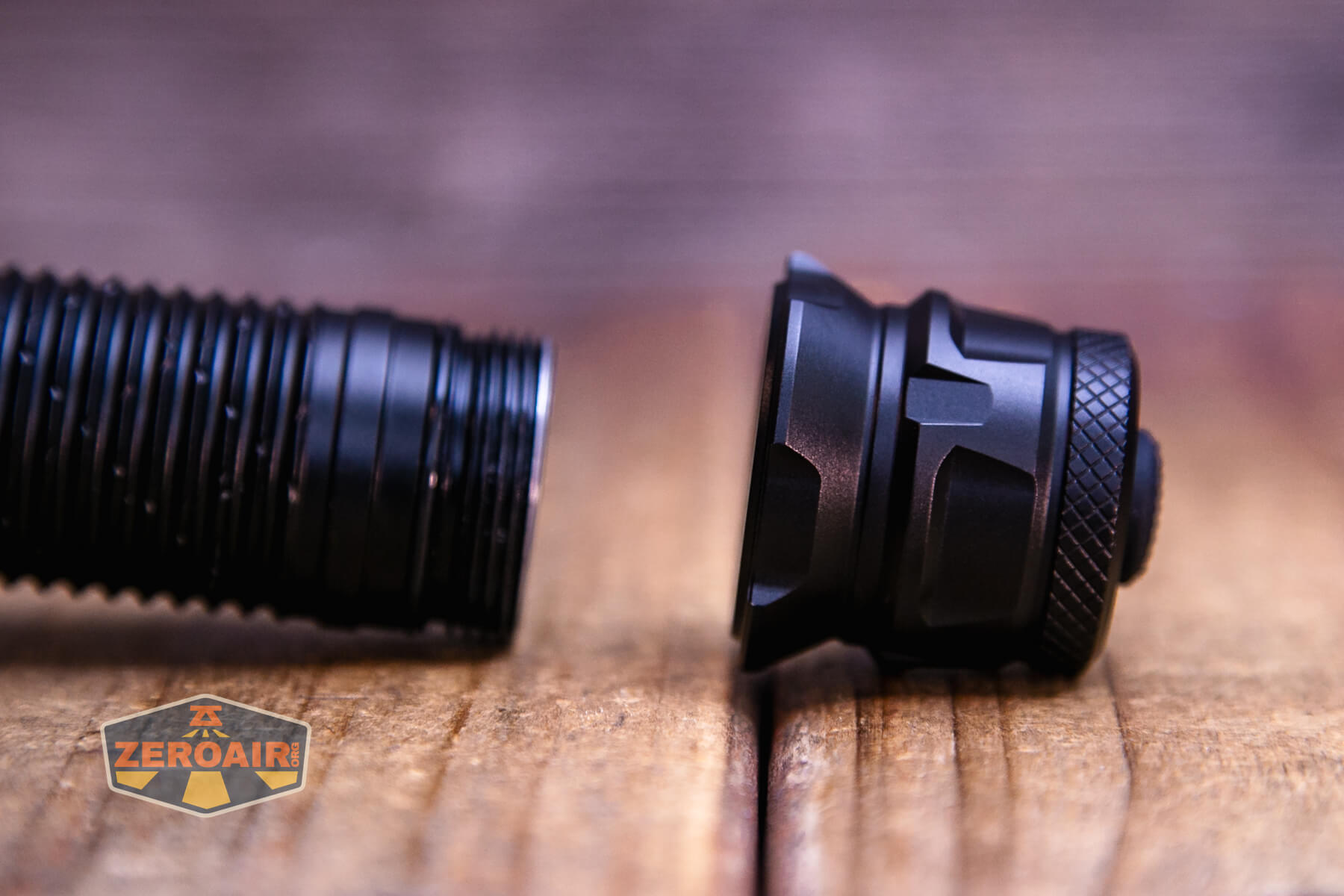
The positive contact does not use a spring. A little surprising but this isn’t really a tactical flashlight, so we can allow it!
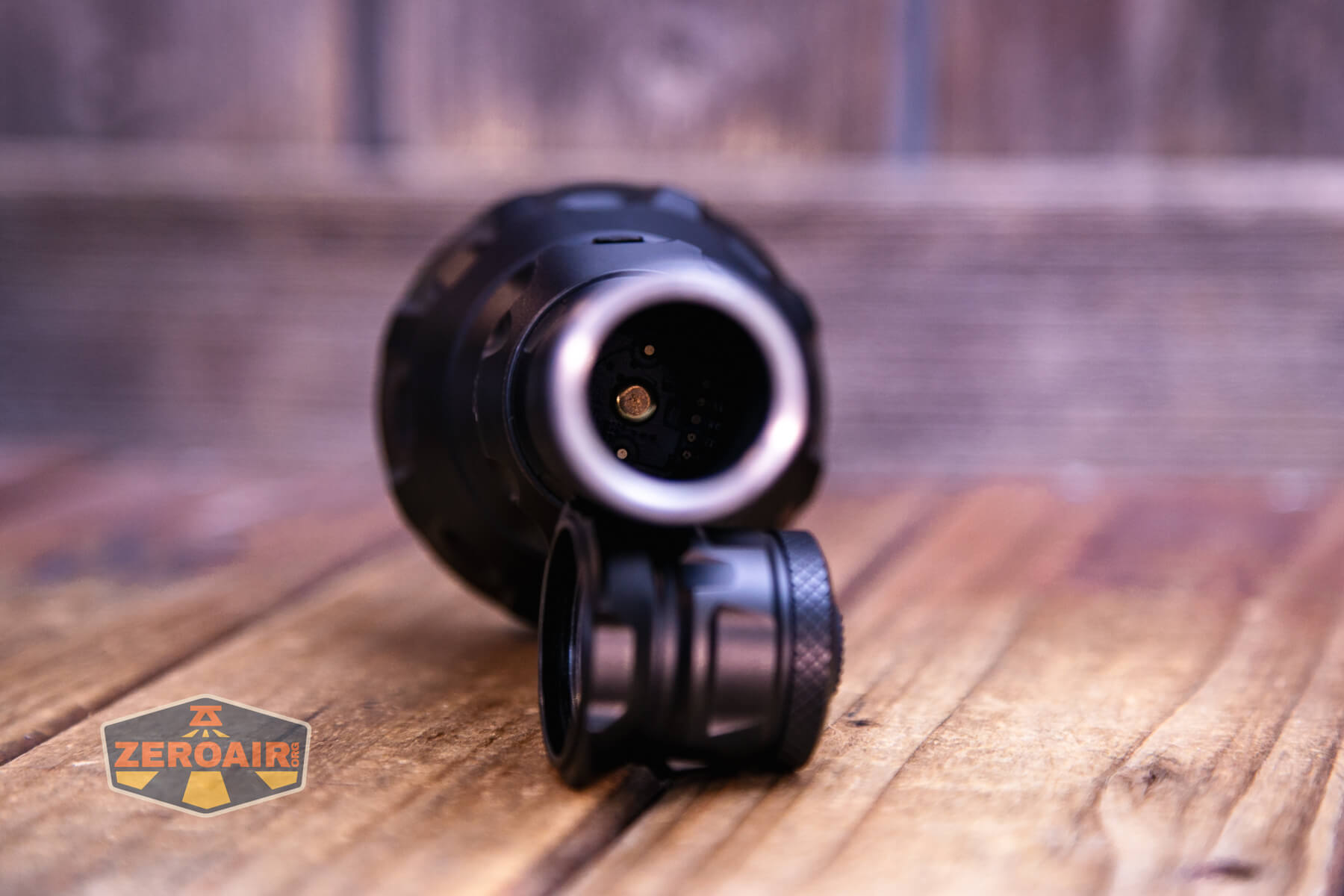
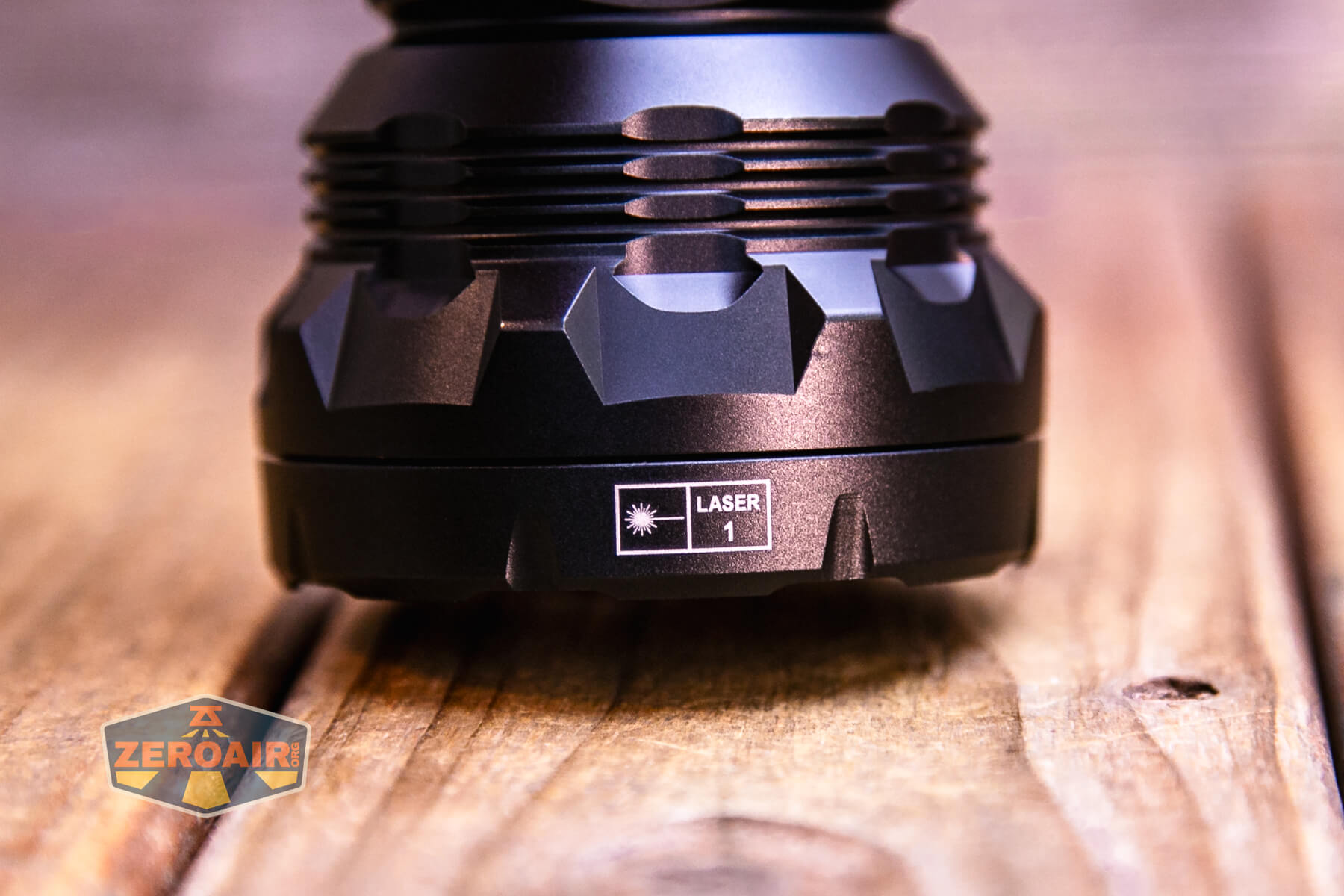
As this is a LEP (or “also has a LEP”), there are requisite warnings on the head. Don’t blind yourself.
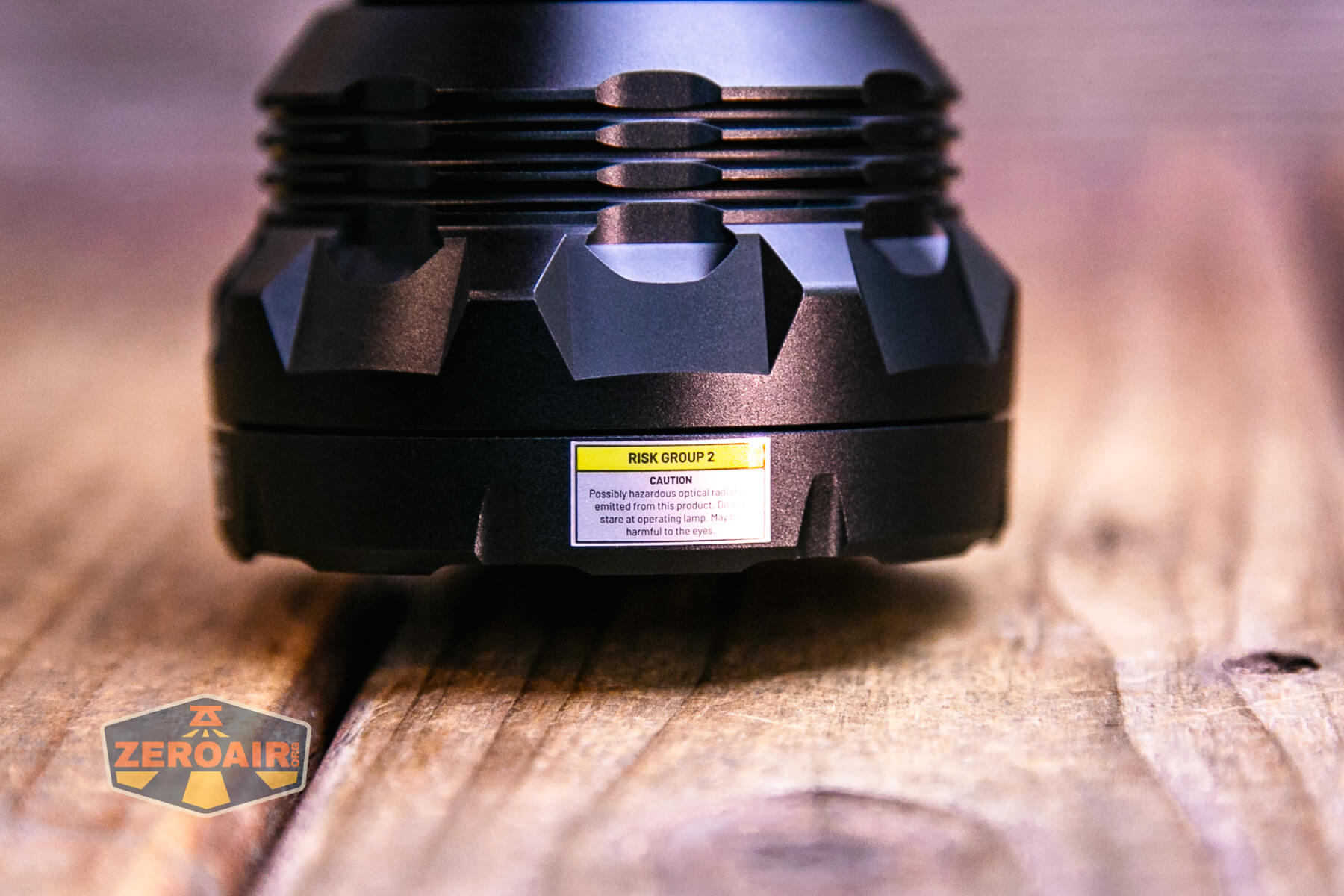
The “LASER 1” does only refer to the LEP (accurately, of course) – there is no laser mode on the Nitecore P40 ultra long throwing flashlight.
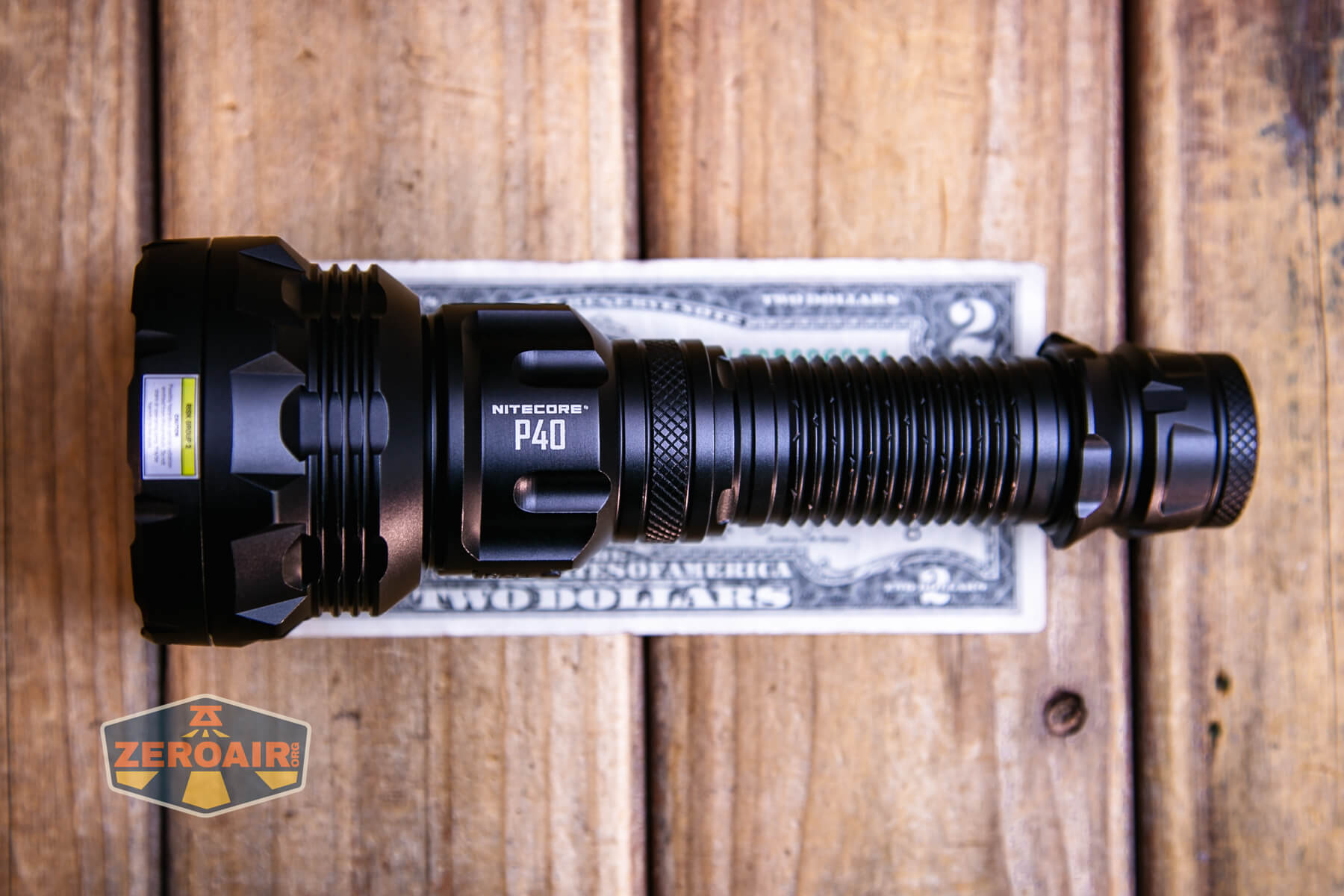
Size and Comps
Dimensions Length: 7.32″
Head Diameter: 2.64″
Tube Diameter: 1.14″
Tail Diameter: 1.46″
Weight 13.76 oz
Here’s the light in hand:
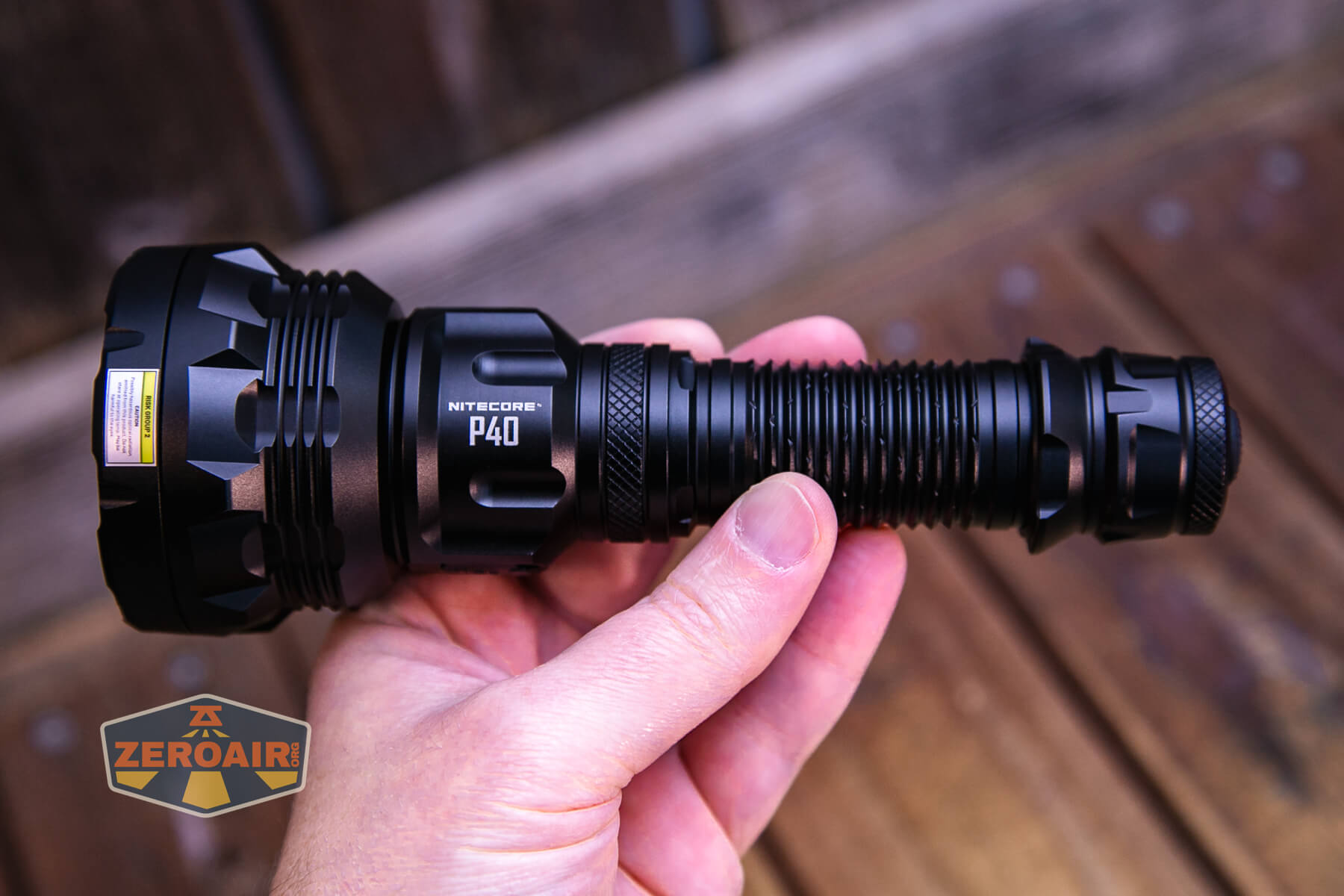
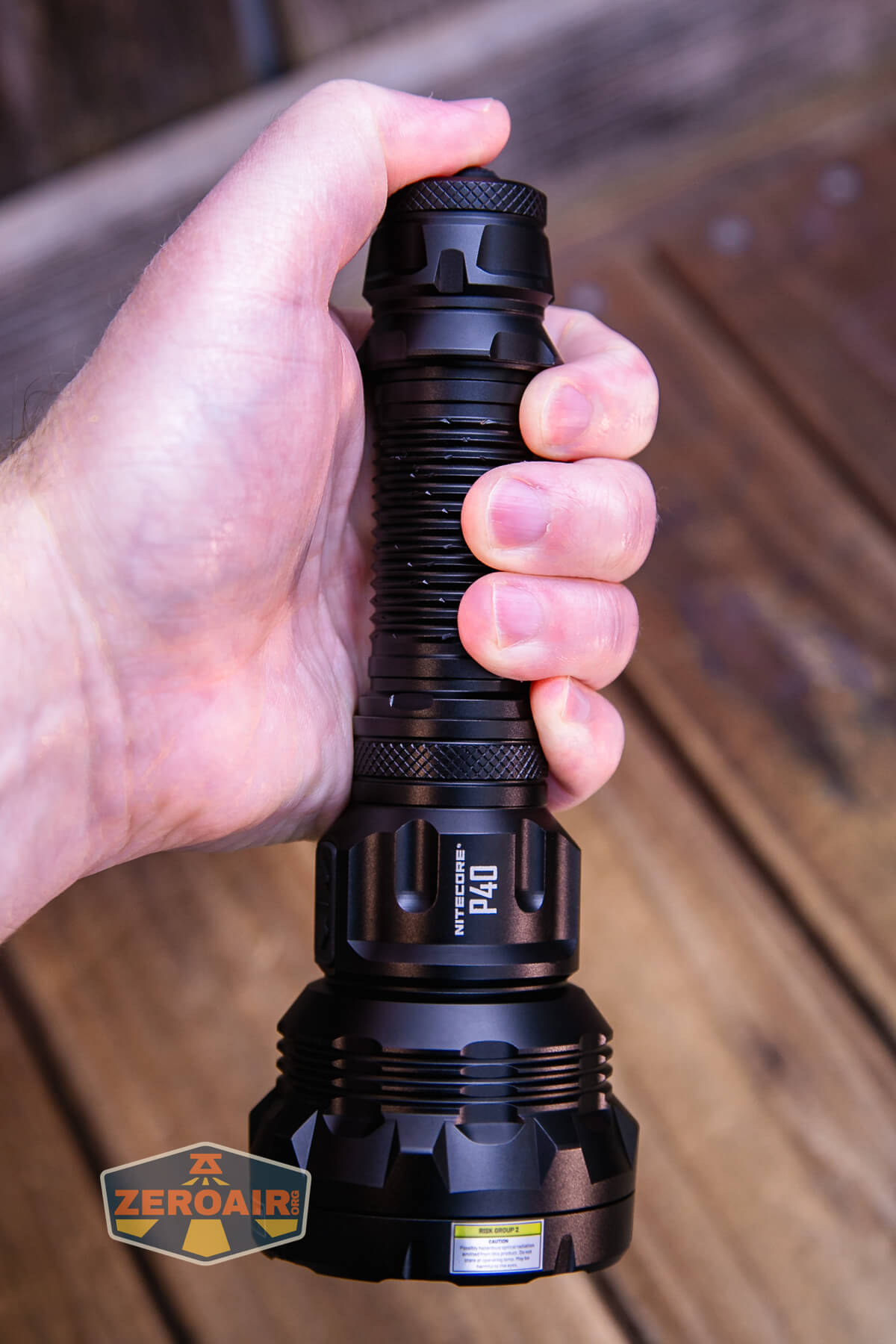
Here’s the test light with the venerable Convoy S2+. The version below is a custom laser-engraved Convoy S2+ host by GadgetConnections.com. I did a full post on an engraved orange host right here! Or go straight to GadgetConnections.com to buy your Convoy S2+ now!
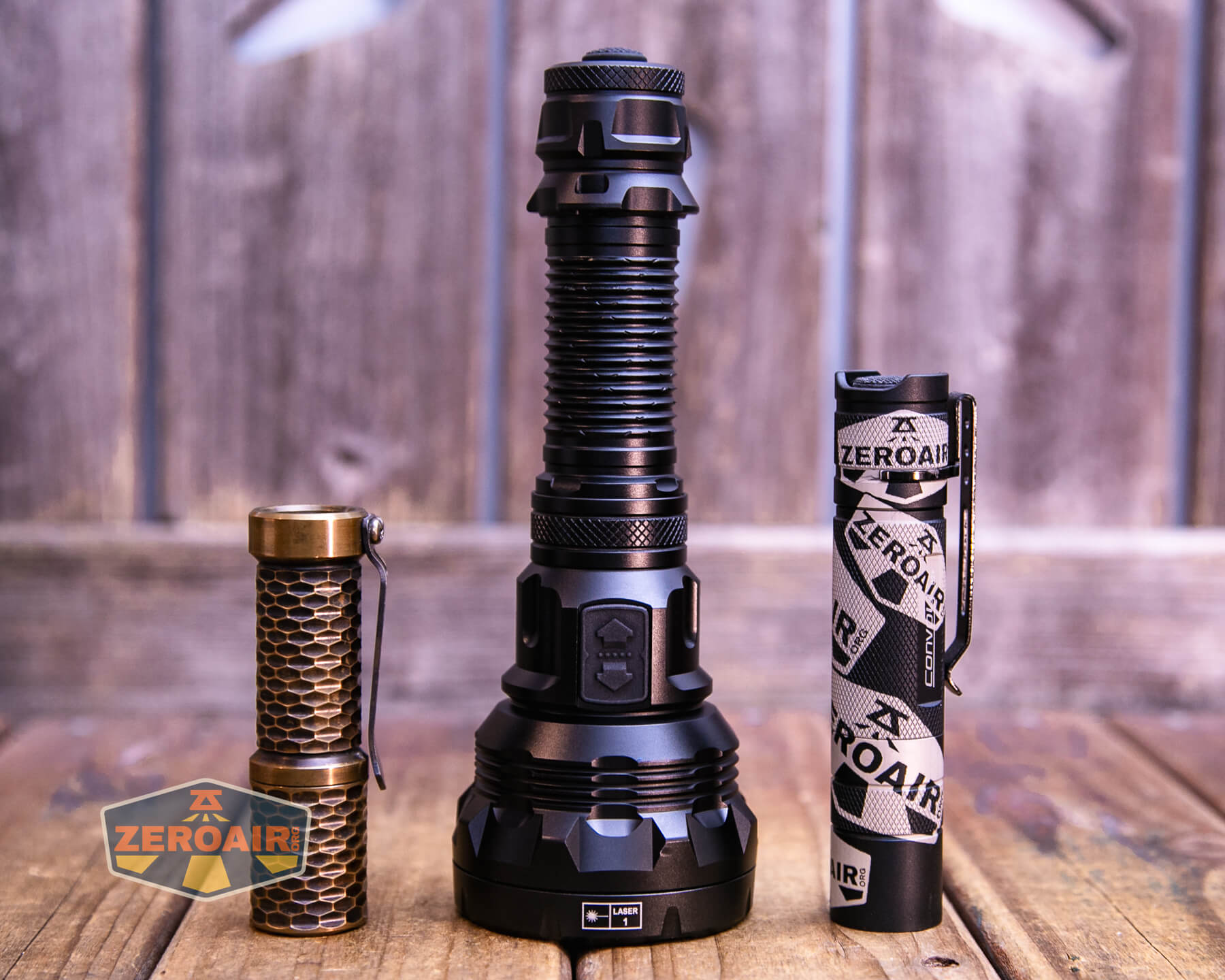
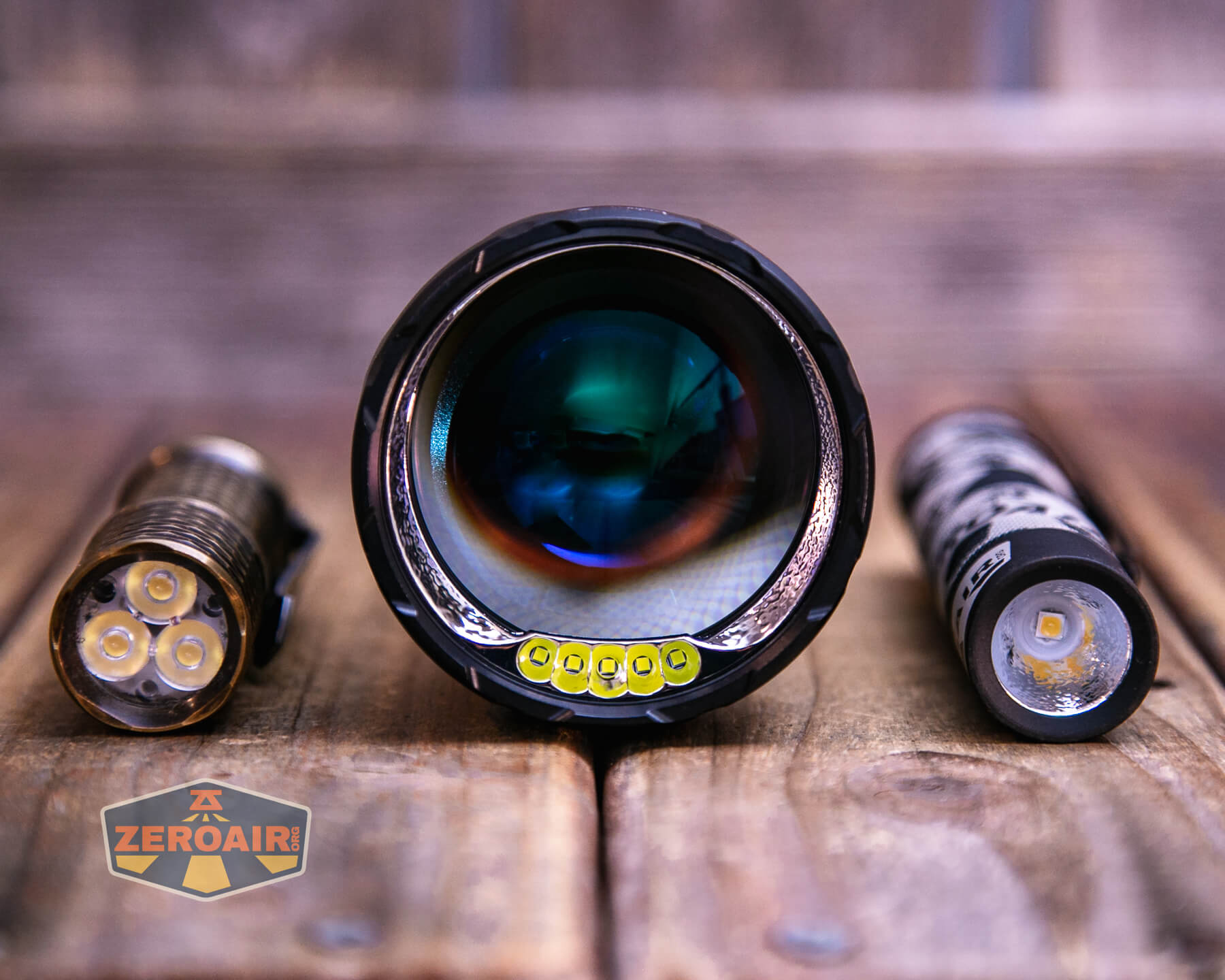
Also in the photo above, my Standard Reference Material (SRM) flashlight is the Hanko Machine Works Trident, an 18350 light. While I have not reviewed or tested the Gunner Grip version seen here, I have tested a Hanko Machine Works Trident Total Tesseract in brass. I love the Trident, and it’s a striking contrast to the inexpensive Convoy S2+, another great SRM.
Retention and Carry
The Nitecore P40 ultra long throwing flashlight ships with a formed hard fabric case. The light goes into the case in only one direction.
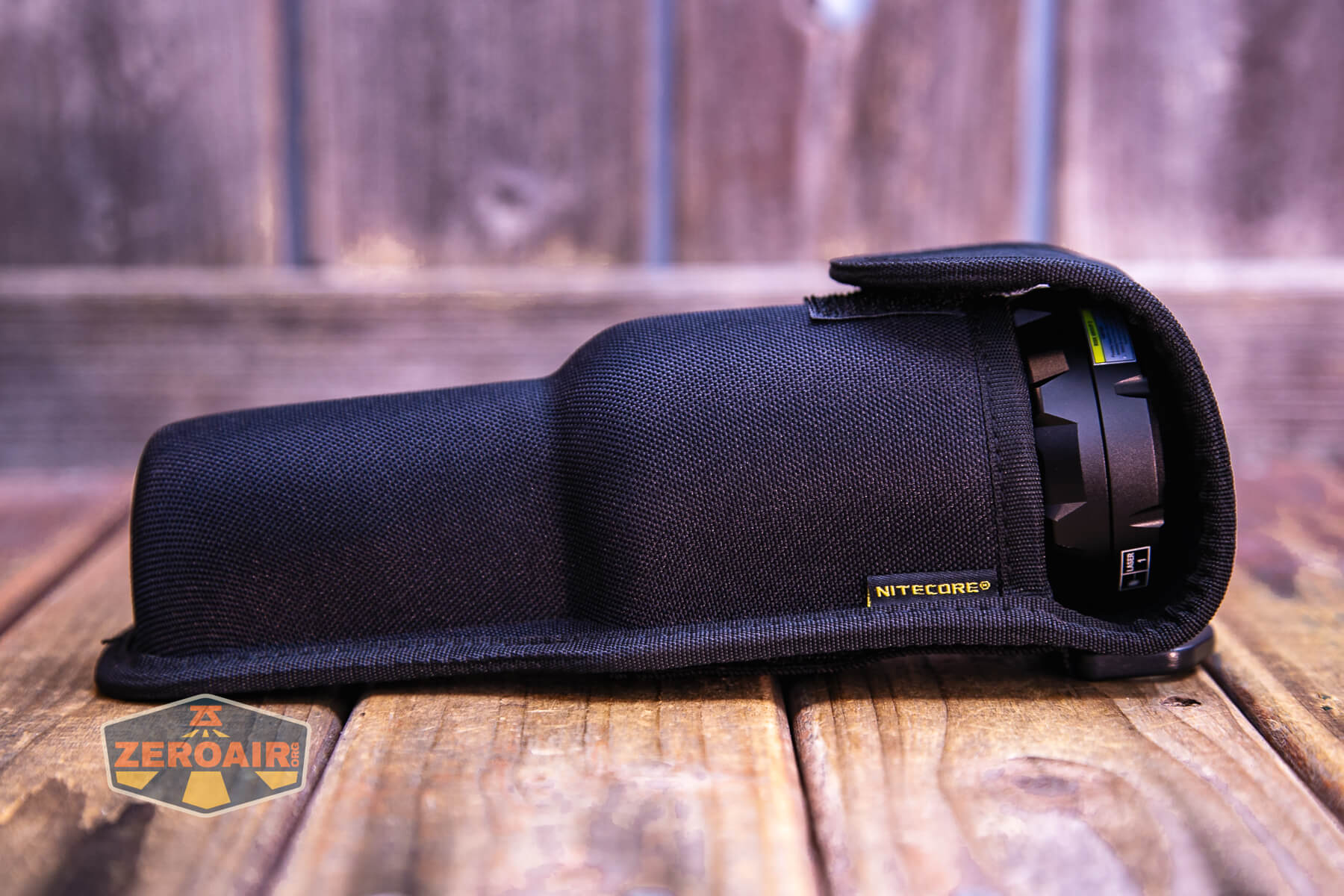
The light is not meant to be used from inside the case. You could, but you’d melt your world doing this.
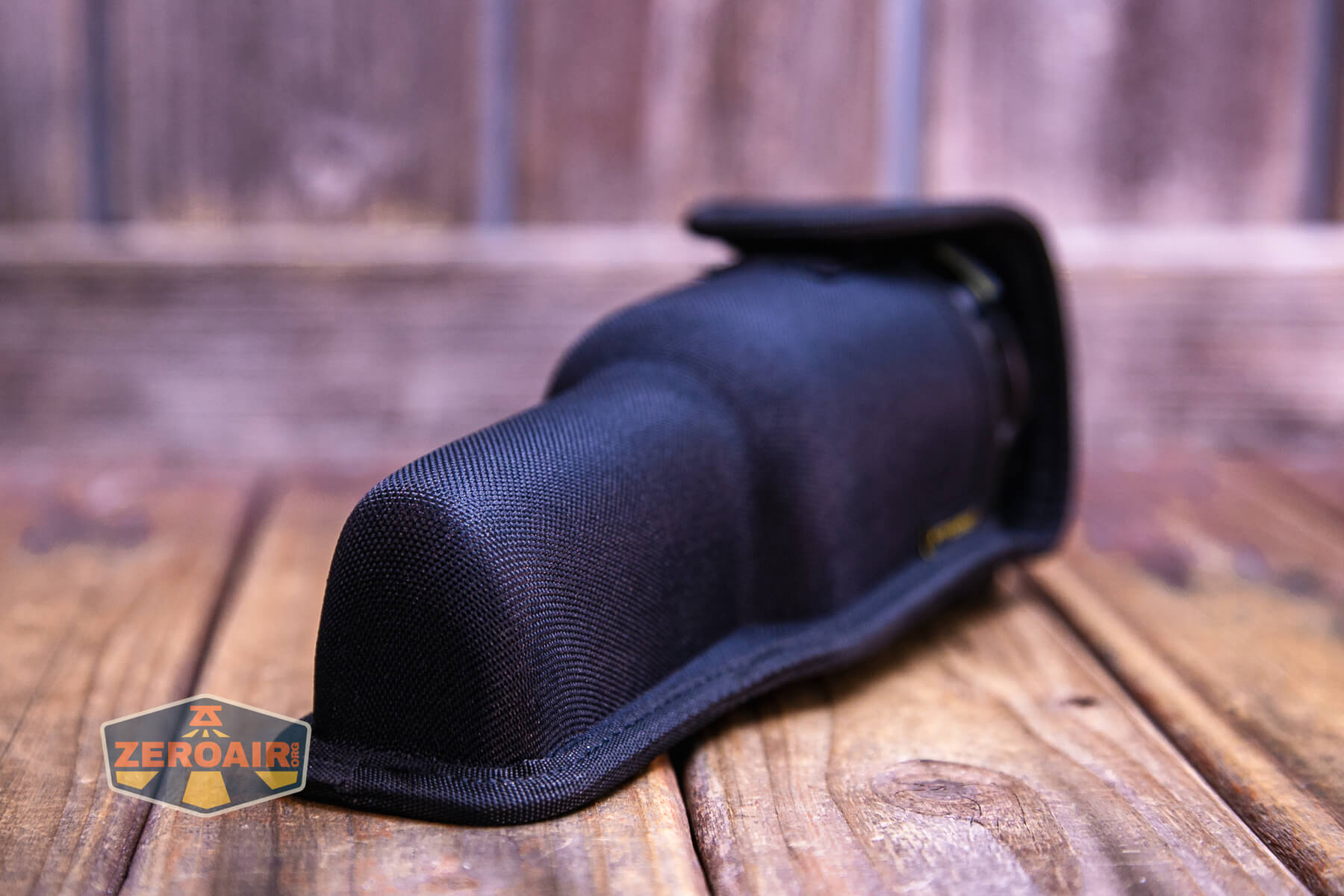
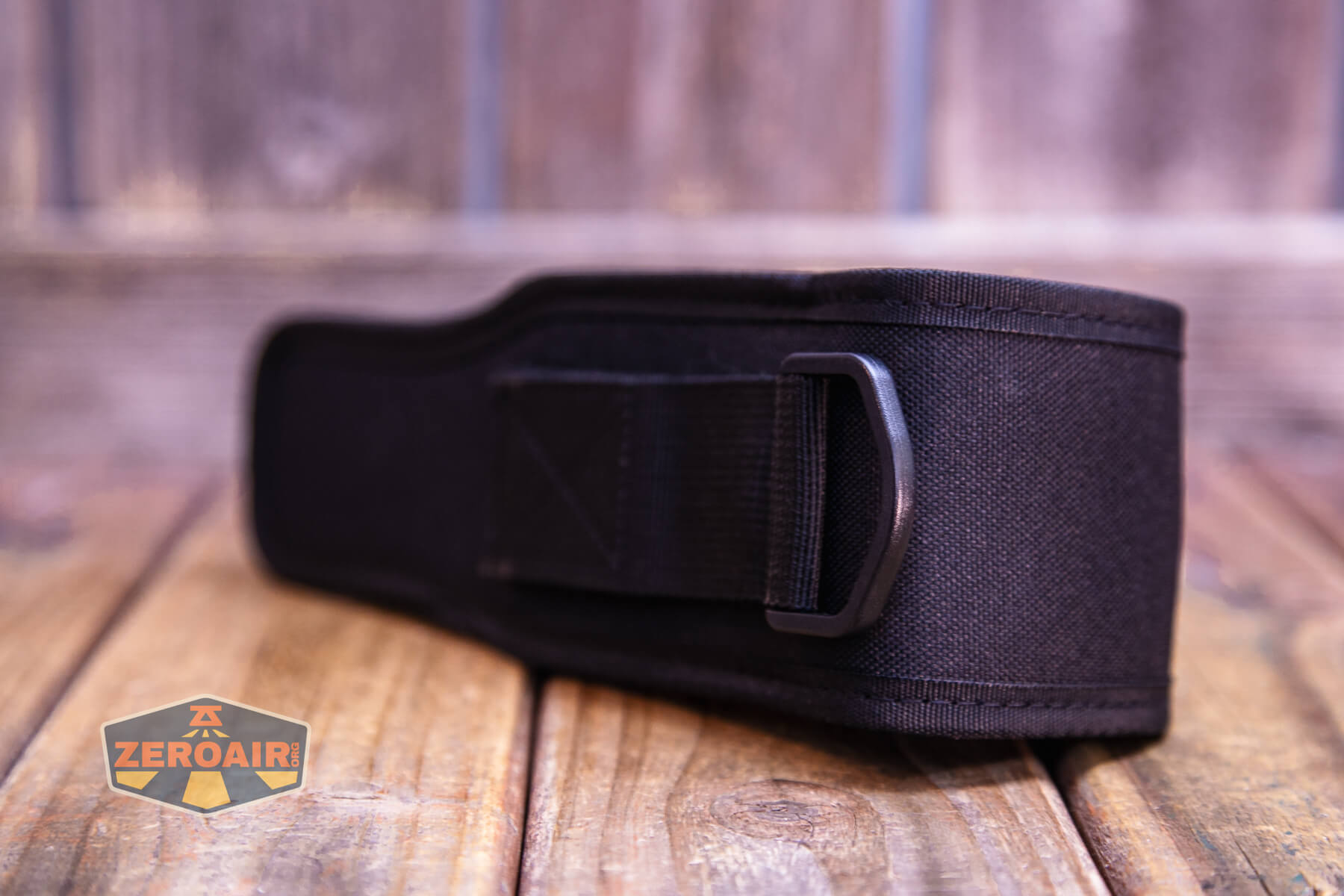
The back has a simple D-ring.
Also included is a lanyard, which attaches to that loop in the tailcap that I mentioned above.
Power and Runtime
The Nitecore P40 ultra long throwing flashlight runs on a single 21700. NItecore includes this 5500mAh button top, but I believe the package can include other cells if you opt for those other cells.
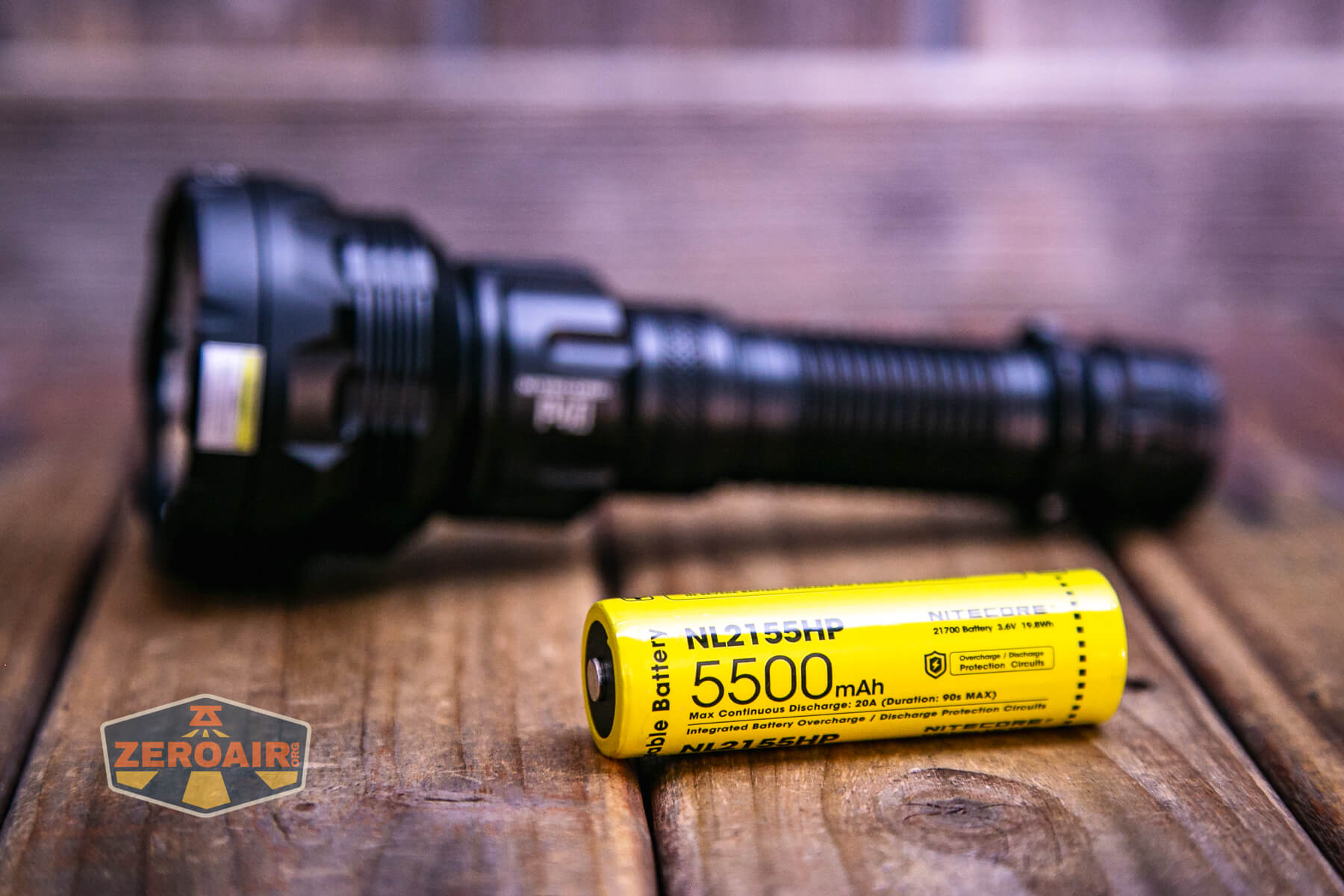
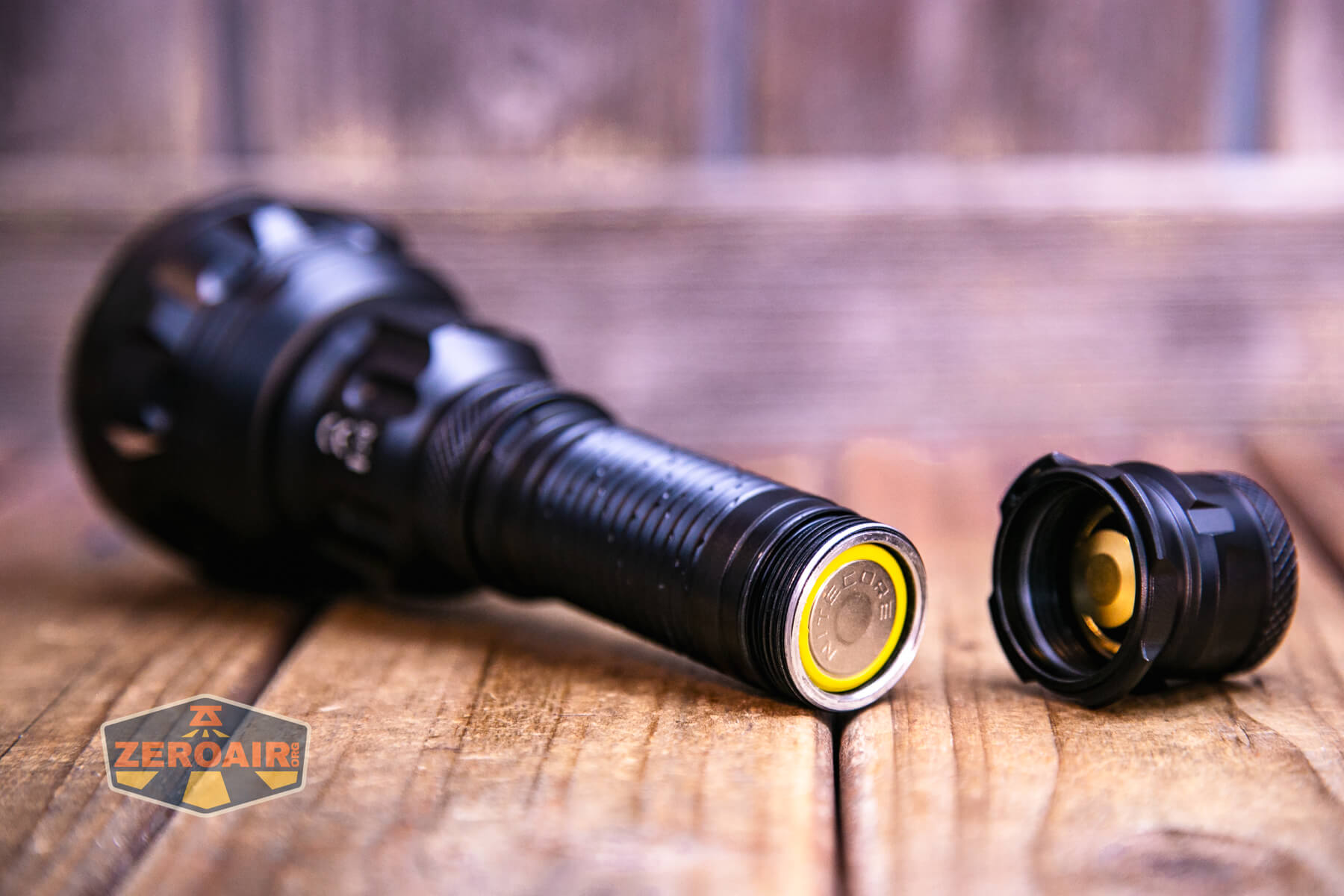
The cell goes into the Nitecore P40 ultra long throwing flashlight in the usual way – positive end (button) toward the head.
Below you can see a smattering of runtime tests. My calibrated setup isn’t perfect for capturing lumens on something as throwy as a LEP, so I wouldn’t get all bent out of shape that the output numbers don’t hit the claim. Feel free to regard that information, but don’t make your purchase decision based on it. More important for the LEP, at least, is that it hits the throw numbers (and it does!)
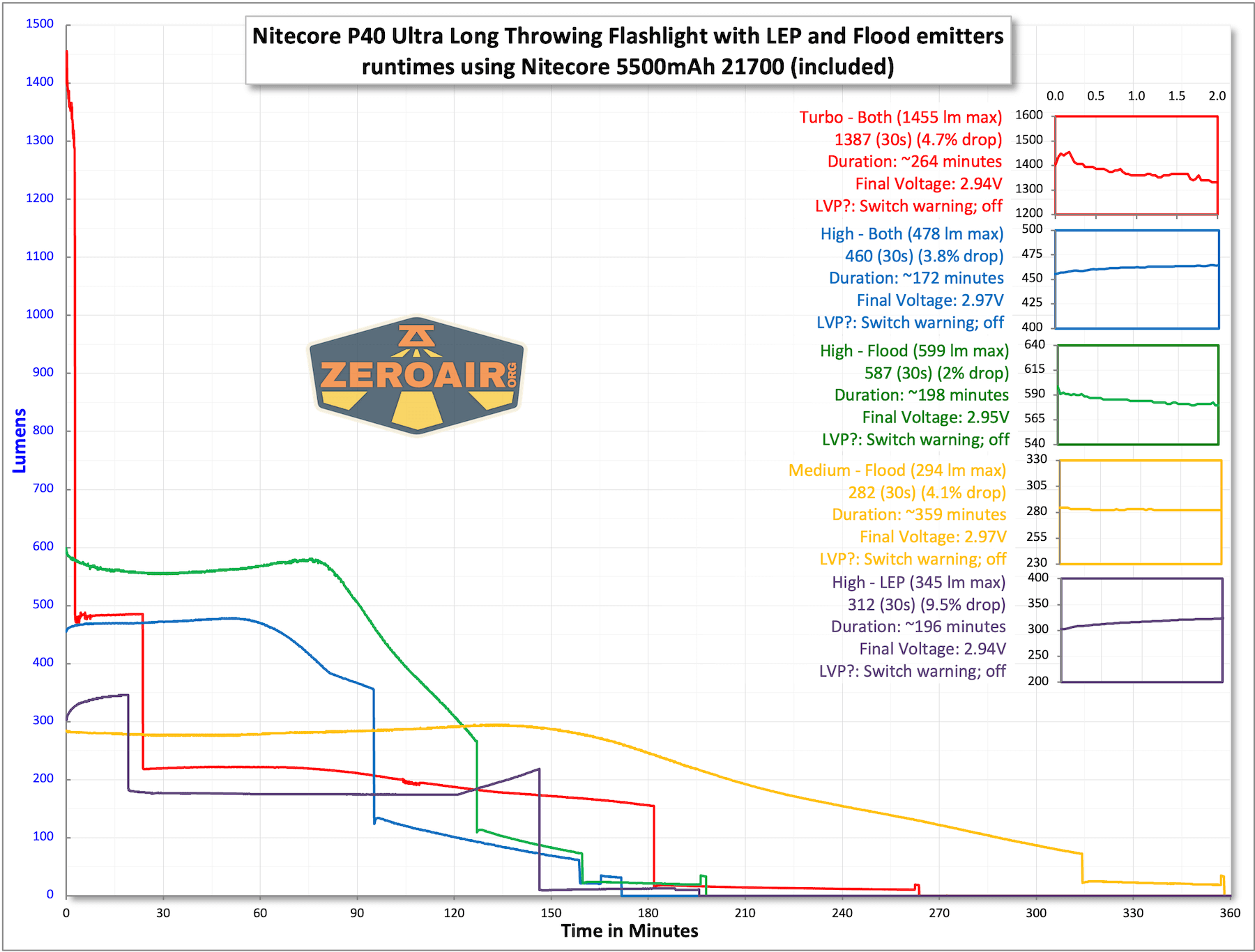
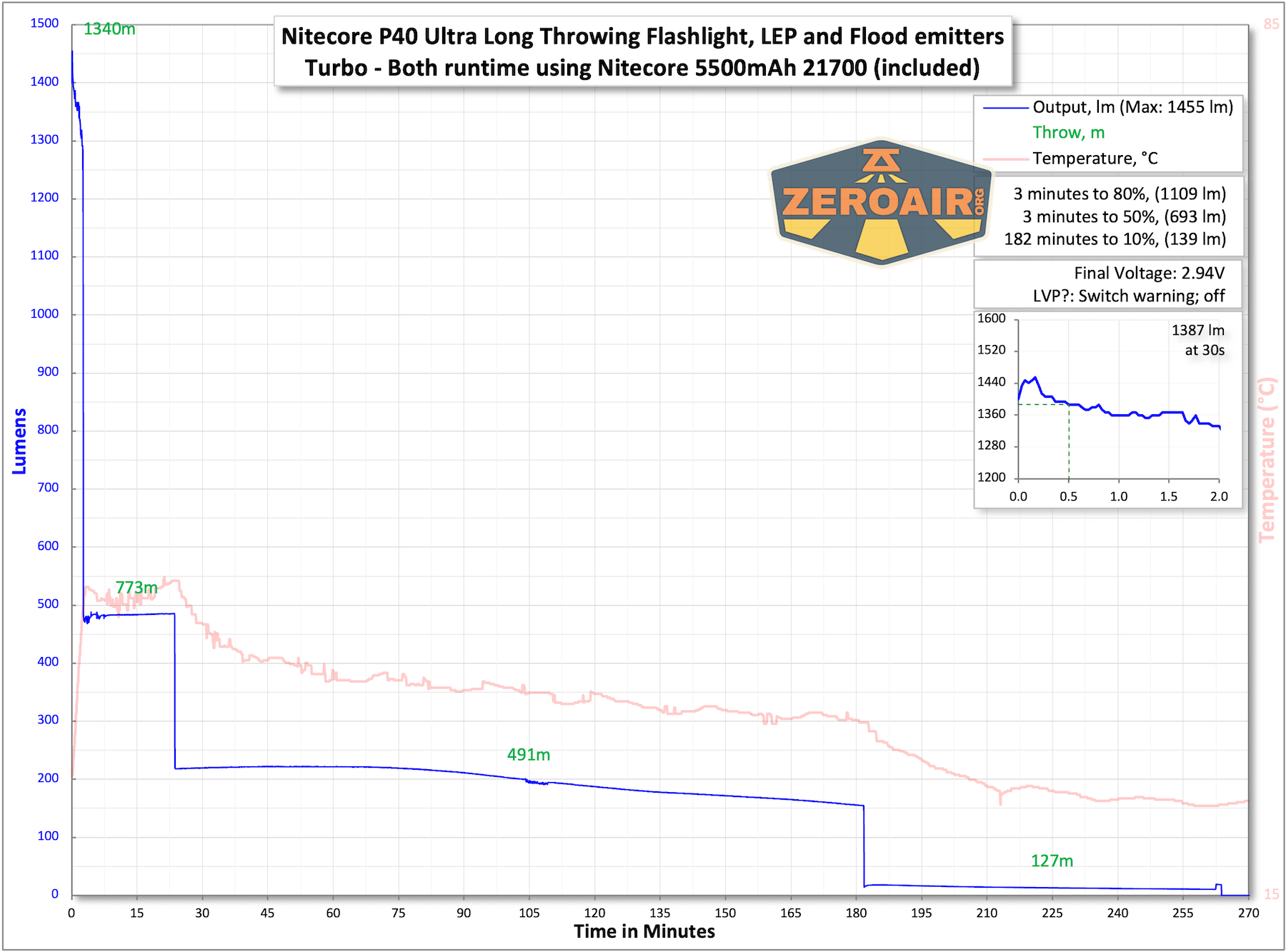
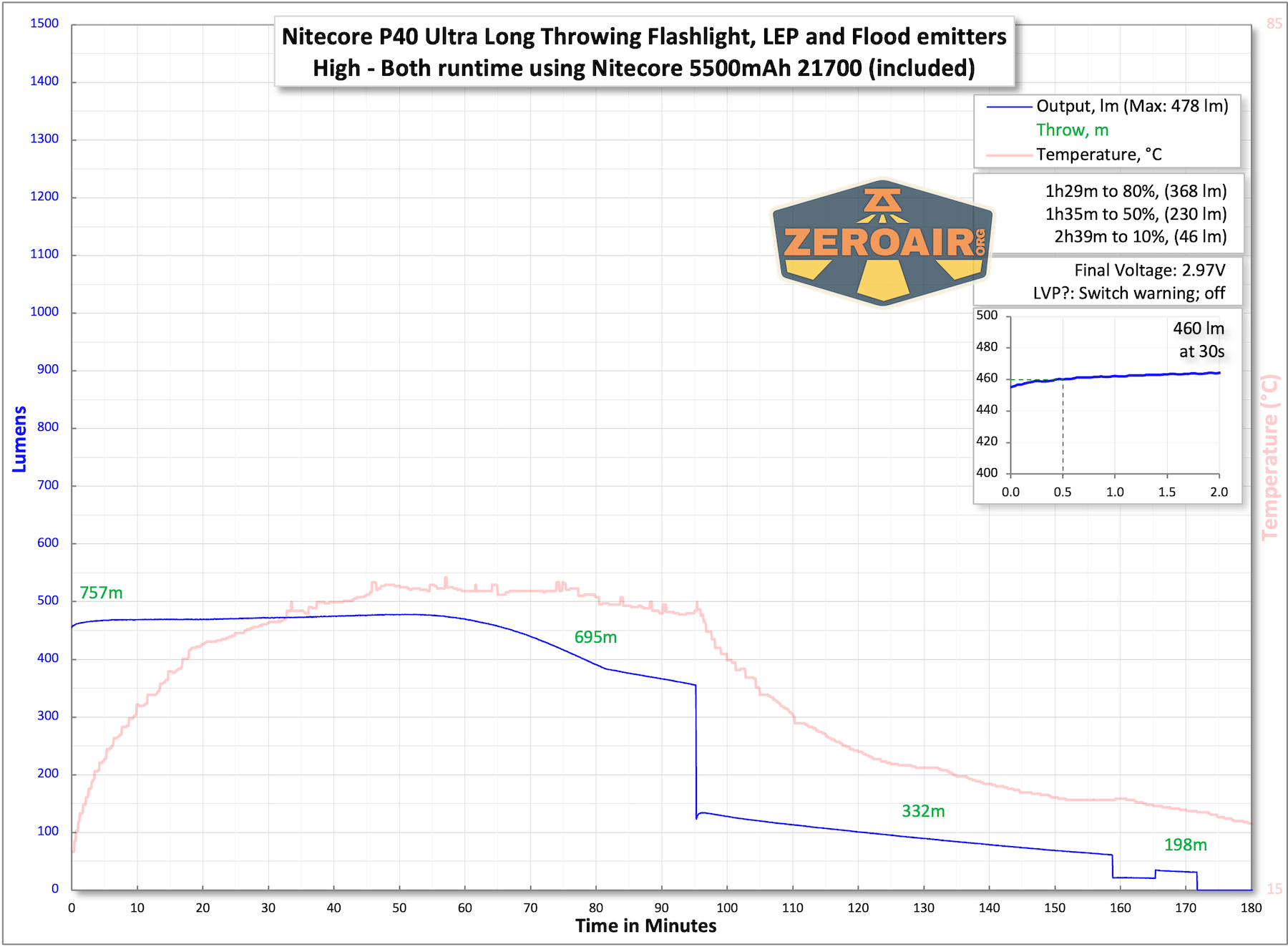
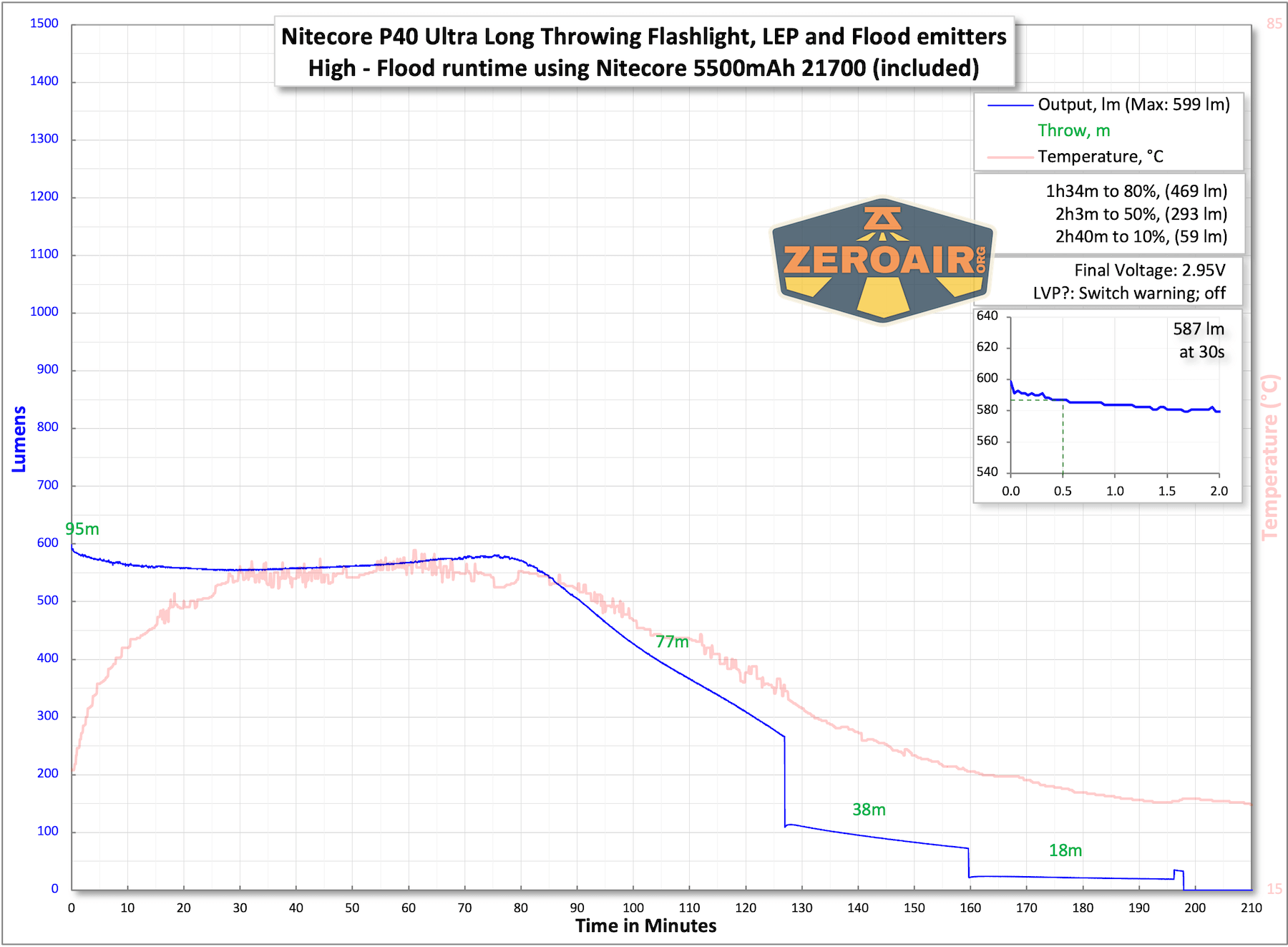
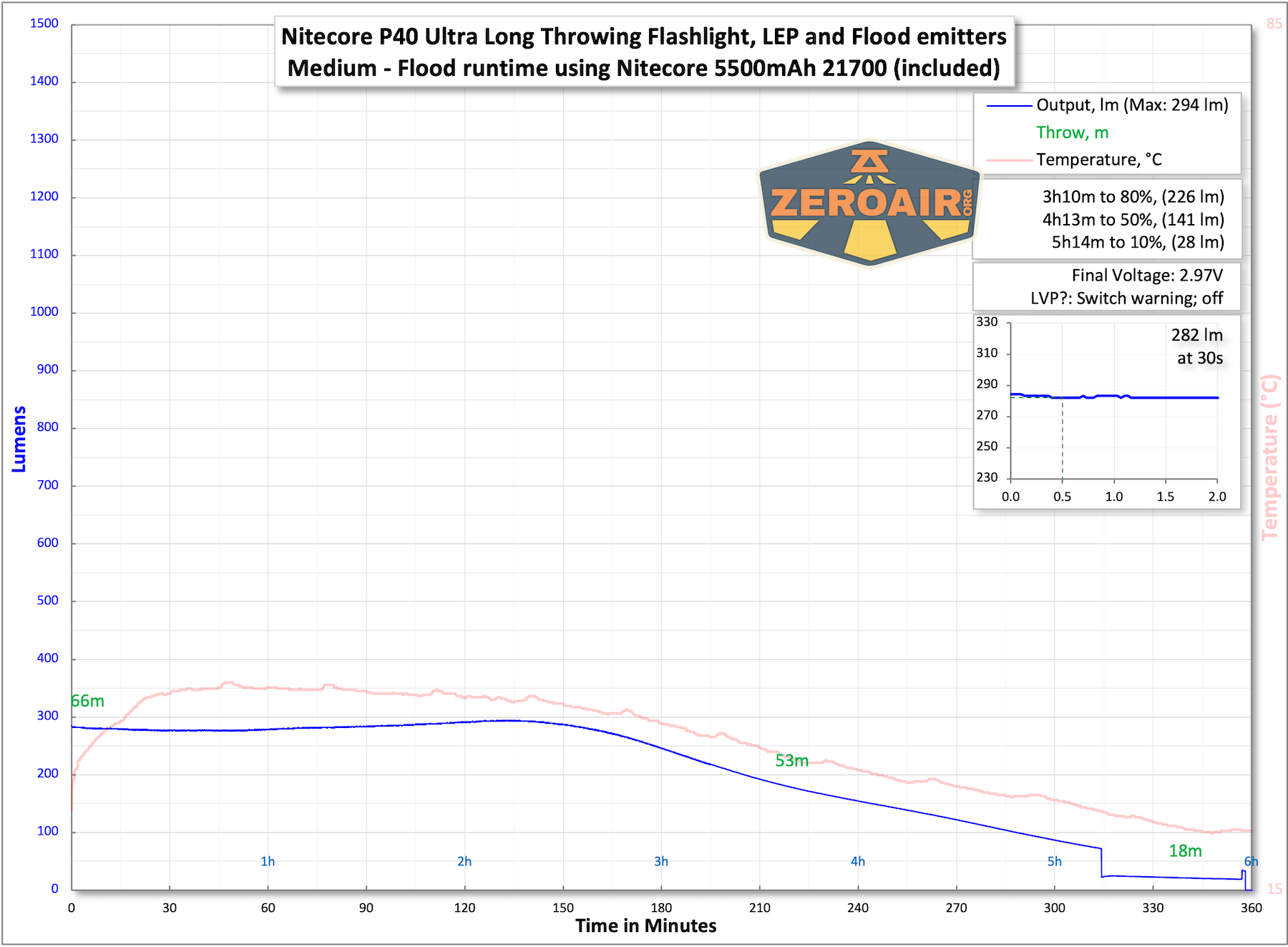
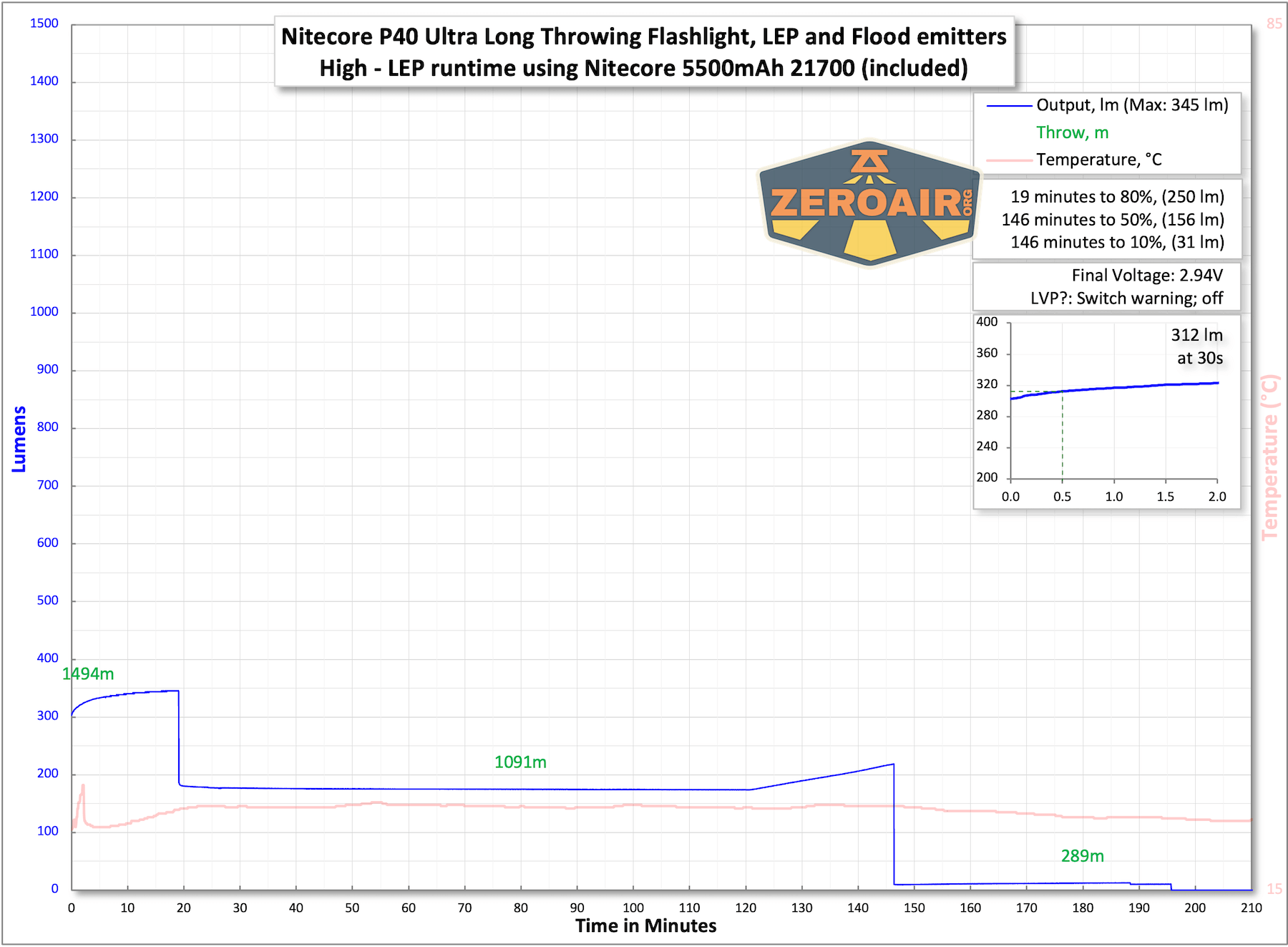
The Nitecore P40 ultra long throwing flashlight has low voltage protection and a switch warning (blinks blue) when the cell power is getting low.
The temperature lines in these charts are included as general context, not precise measurements. The values represent the range (min to max) during testing, but should not be taken as exact readings. A temperature sensor is not always attached to the bezel (or even the hottest spot, assuming that could be defined). Even with ideal placement, too many variables affect temperature to definitively state a specific max value.
Charging
The Nitecore P40 ultra long throwing flashlight has built-in charging. There’s a USB-C charging port on the opposite the e-switch.
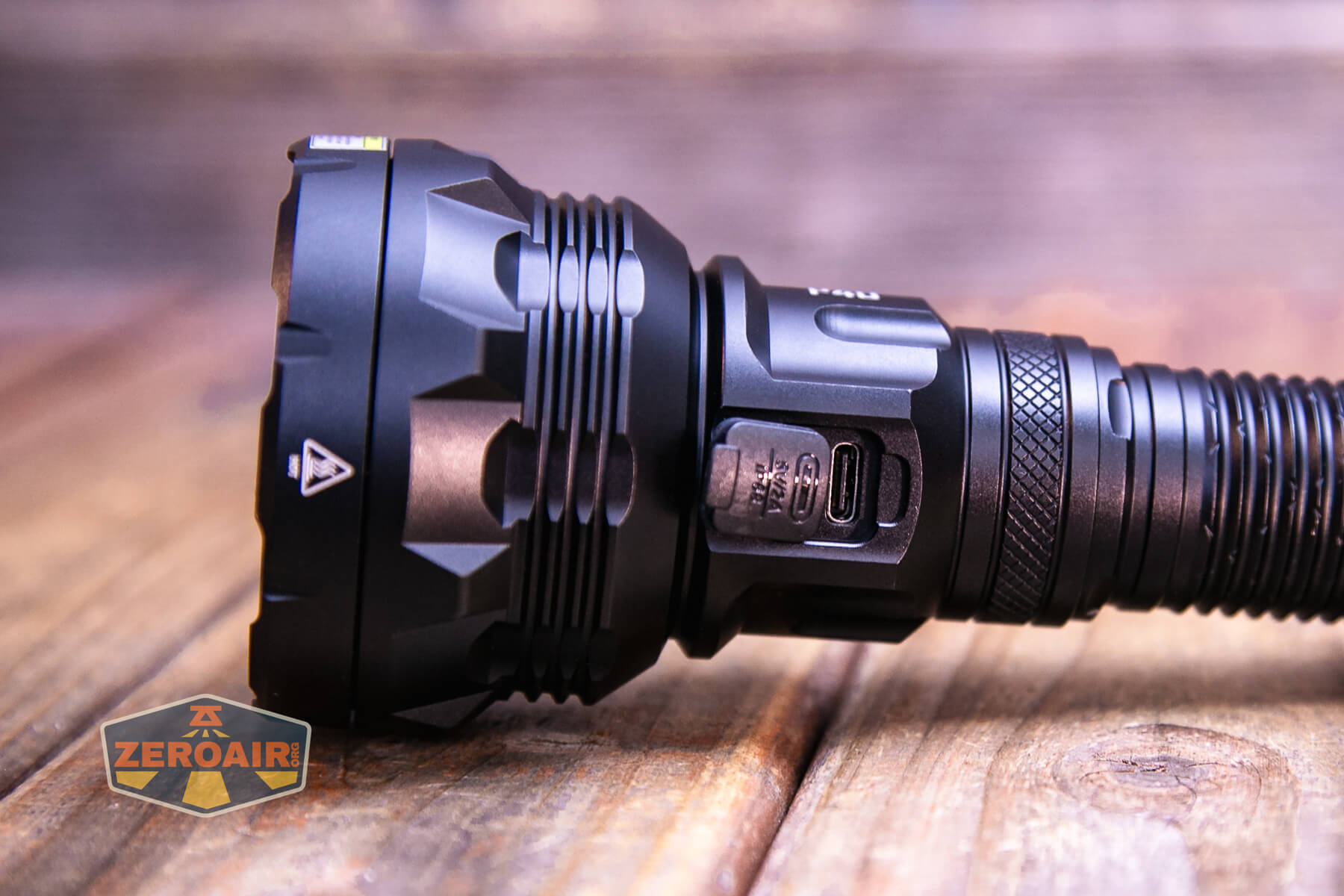
That press-in cover is hard plastic and fits securely.
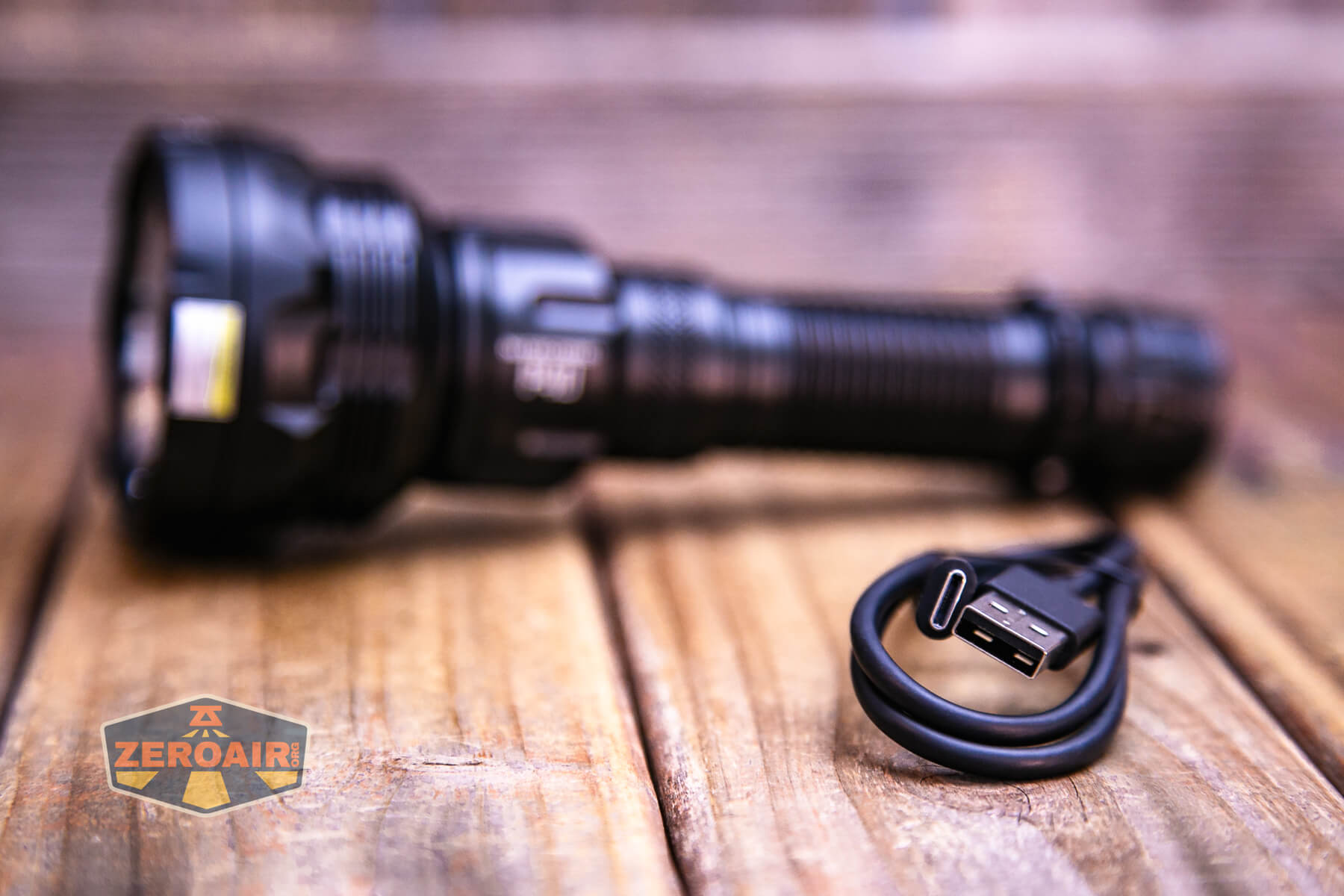
Nitecore includes a USB to USB-C charging cable.
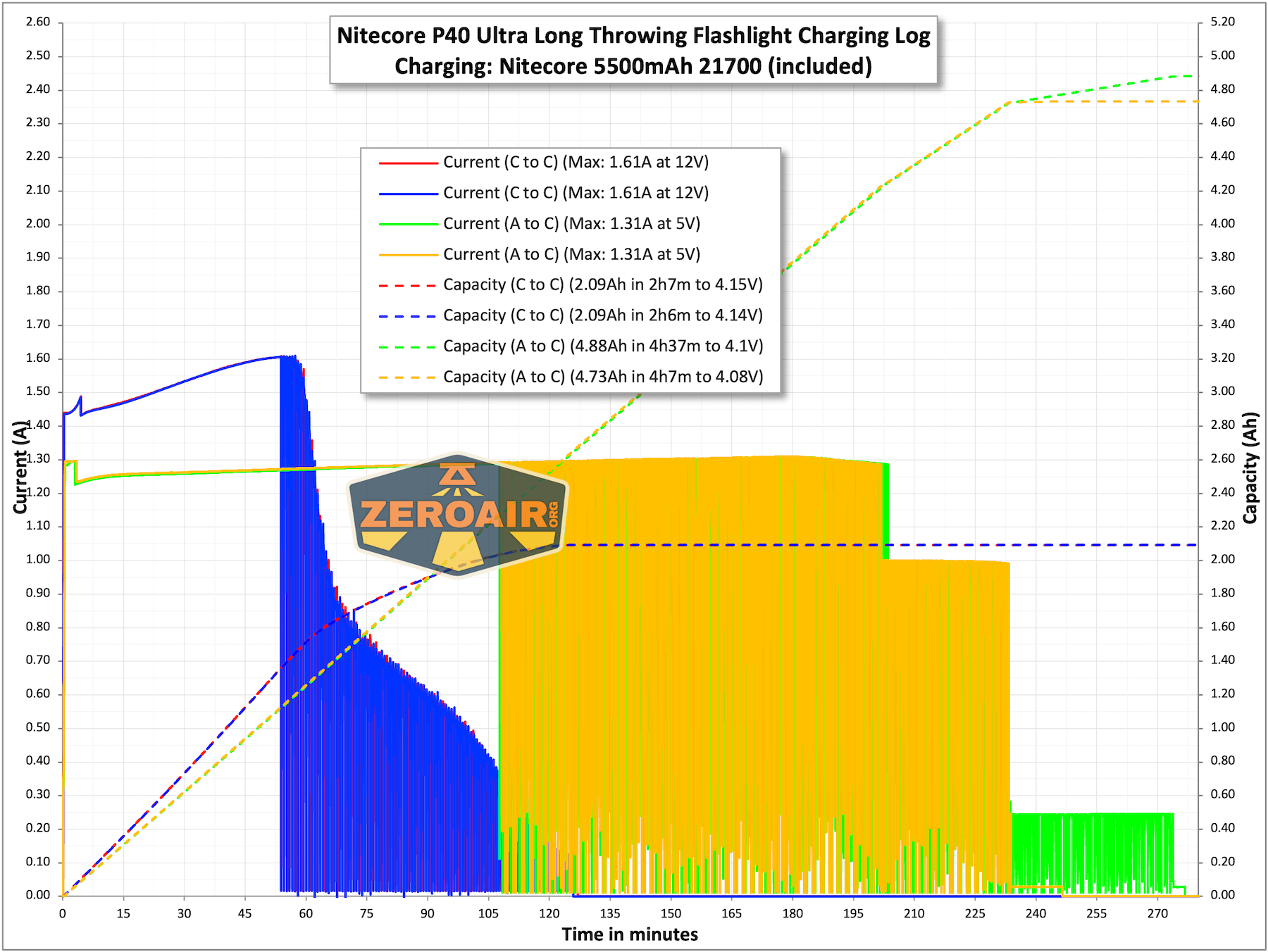
The Nitecore P40 ultra long throwing flashlight does charge at 12V in my C to C test (and probably would with A to C if you had the right power source? Not sure). So C to C is fairly quick at around 2 hours. A to C took around 4 hours.
While charging, the switch blinks blue. When charging is complete, the switch is solid blue.
Modes and Currents
| Mode | Mode Claimed Output (lm) | Claimed Runtime | Measured Lumens | Tailcap Amps |
|---|---|---|---|---|
| Turbo – Both | 2000 | 1h | 1455 (0s) 1387 (30s) |
10.62 |
| High – Both | 600 | 2h30m | 478 (0s) 460 (30s) |
2.44 |
| Medium – Both | 300 | 4h | 245 | 1.28 |
| Low – Both | 80 | 20h | 56 | 0.35 |
| High – Flood | 800 | 2h30m | 599 (0s) 587 (30s) |
2.07 |
| Medium – Flood | 400 | 4h | 294 | 1.15 |
| Low – Flood | 100 | 20h | 79 | 0.33 |
| High – LEP | 400 | 2h30m | 345 (0s) 312 (30s) |
2.61 |
| Medium – LEP | 200 | 3h45m | 152 | 1.19 |
| Low – LEP | 50 | 20h | 30 | 0.36 |
Pulse Width Modulation
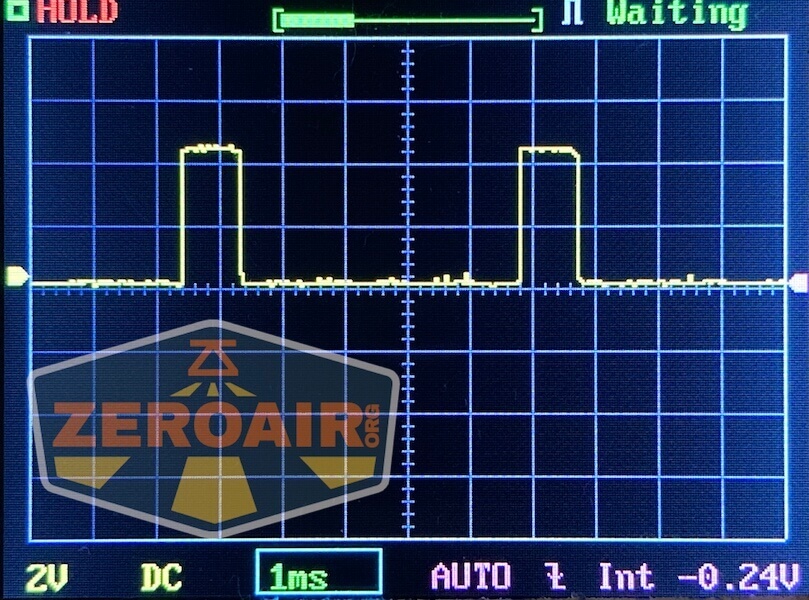
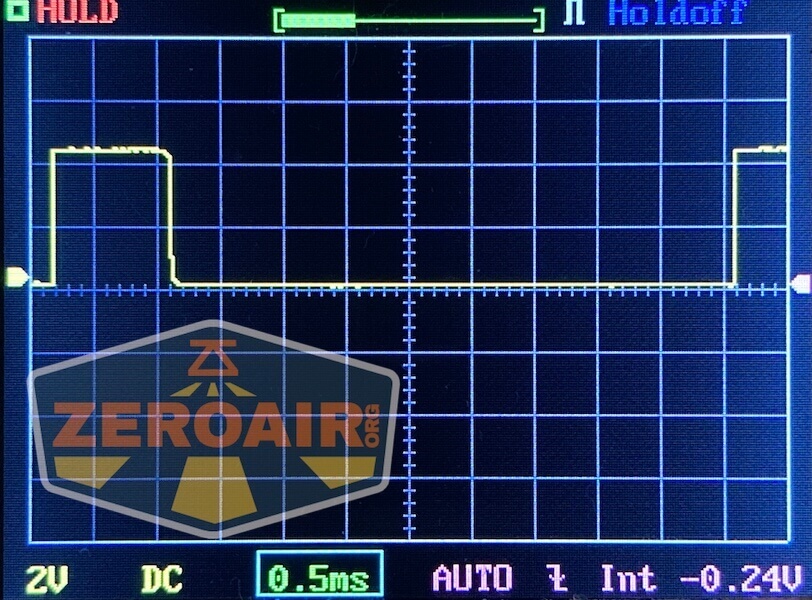
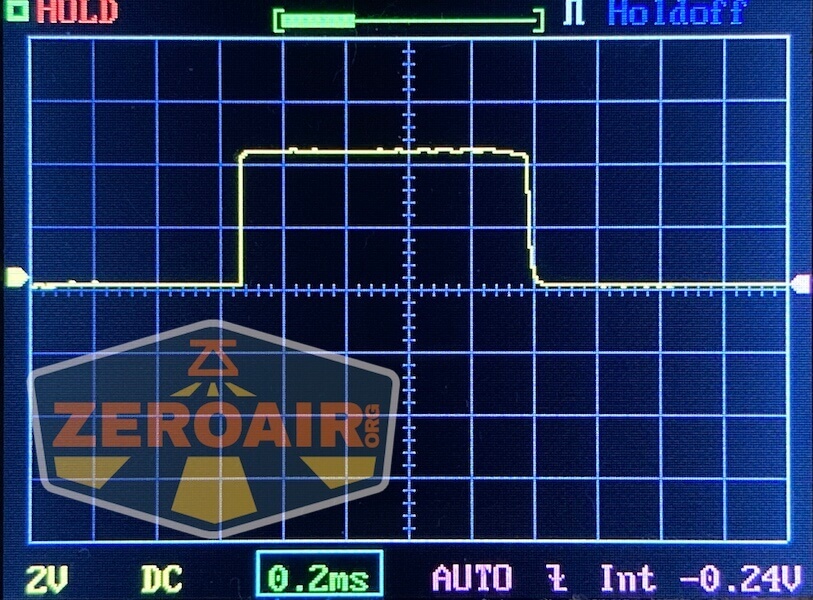
The top row below is the LEP output. Every other level uses PWM! Even Turbo (far right on the third row).
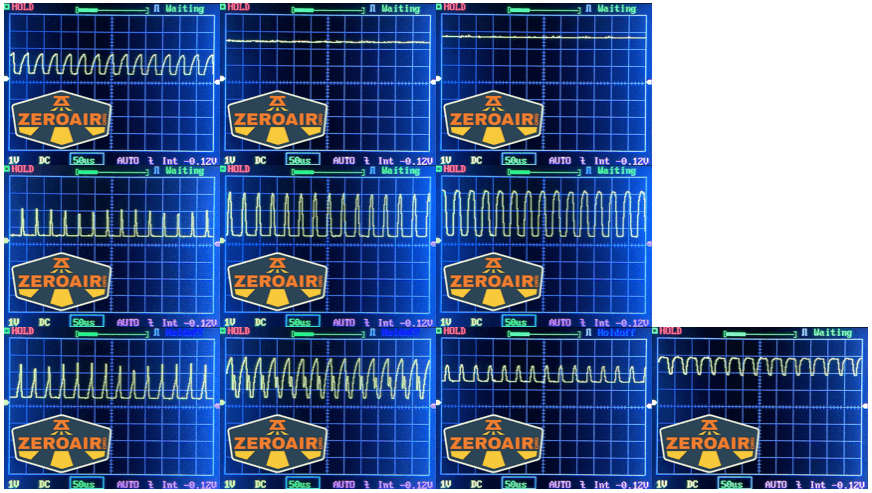
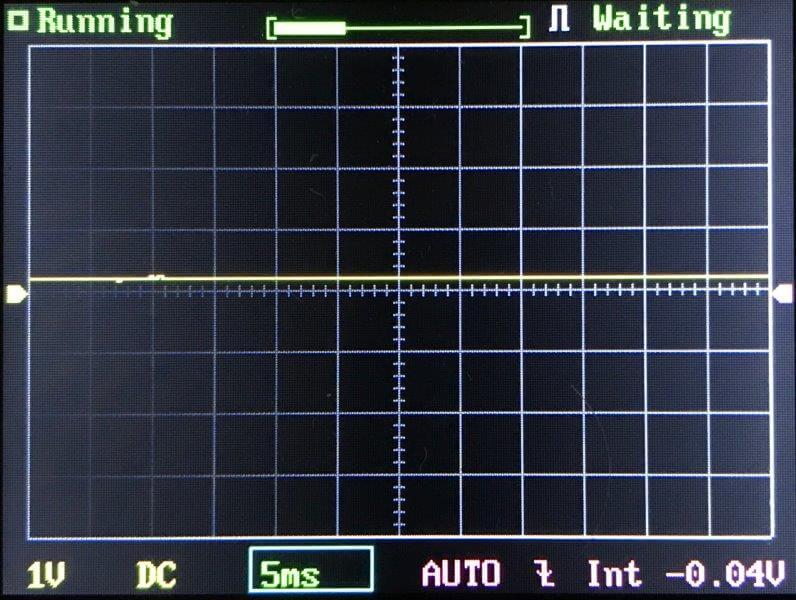
Click here to see a “baseline” – a chart with almost no light hitting the sensor.
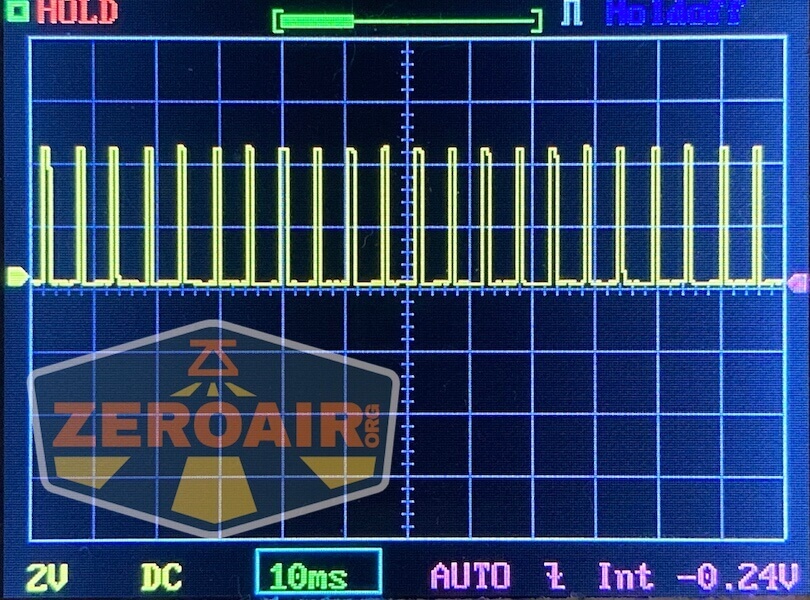
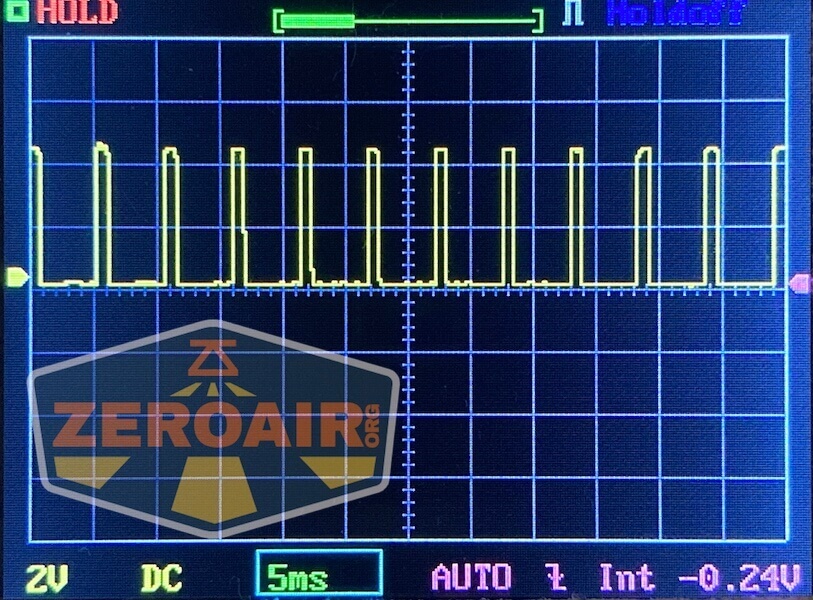
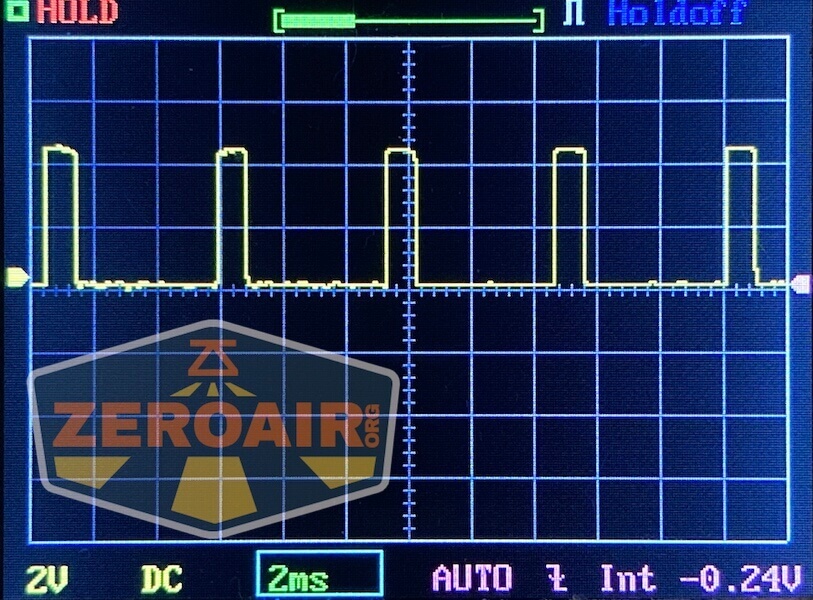
Then there’s the Ultrafire WF-602C flashlight, which has some of the worst PWM I’ve seen. It’s so bad that I used a post about it to explain PWM! Here are multiple timescales (10ms, 5ms, 2ms, 1ms, 0.5ms, 0.2ms) to make comparing this “worst” PWM light to the test light easier. That post also explains why I didn’t test the WF-602C at the usual 50us scale.
User Interface and Operation
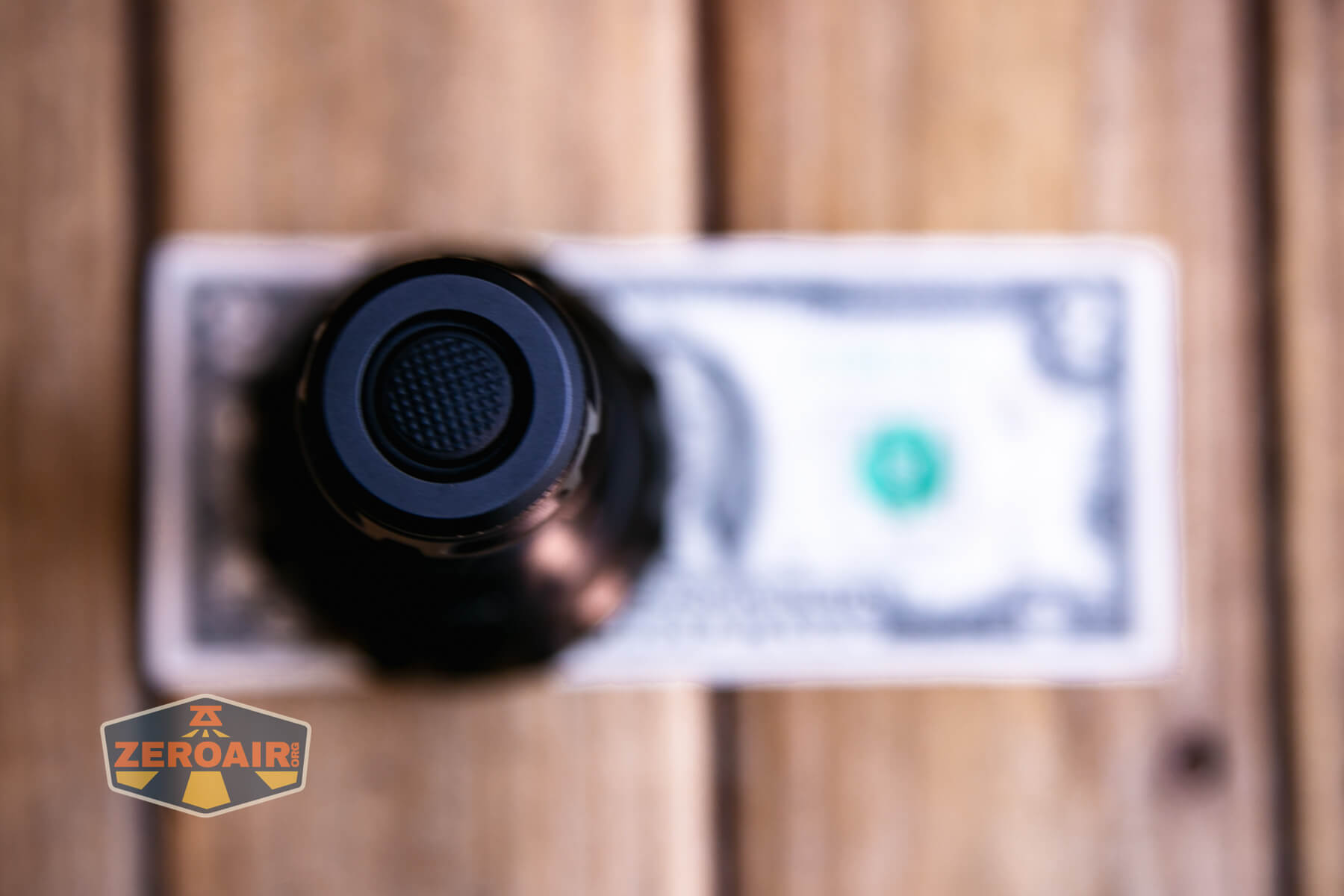
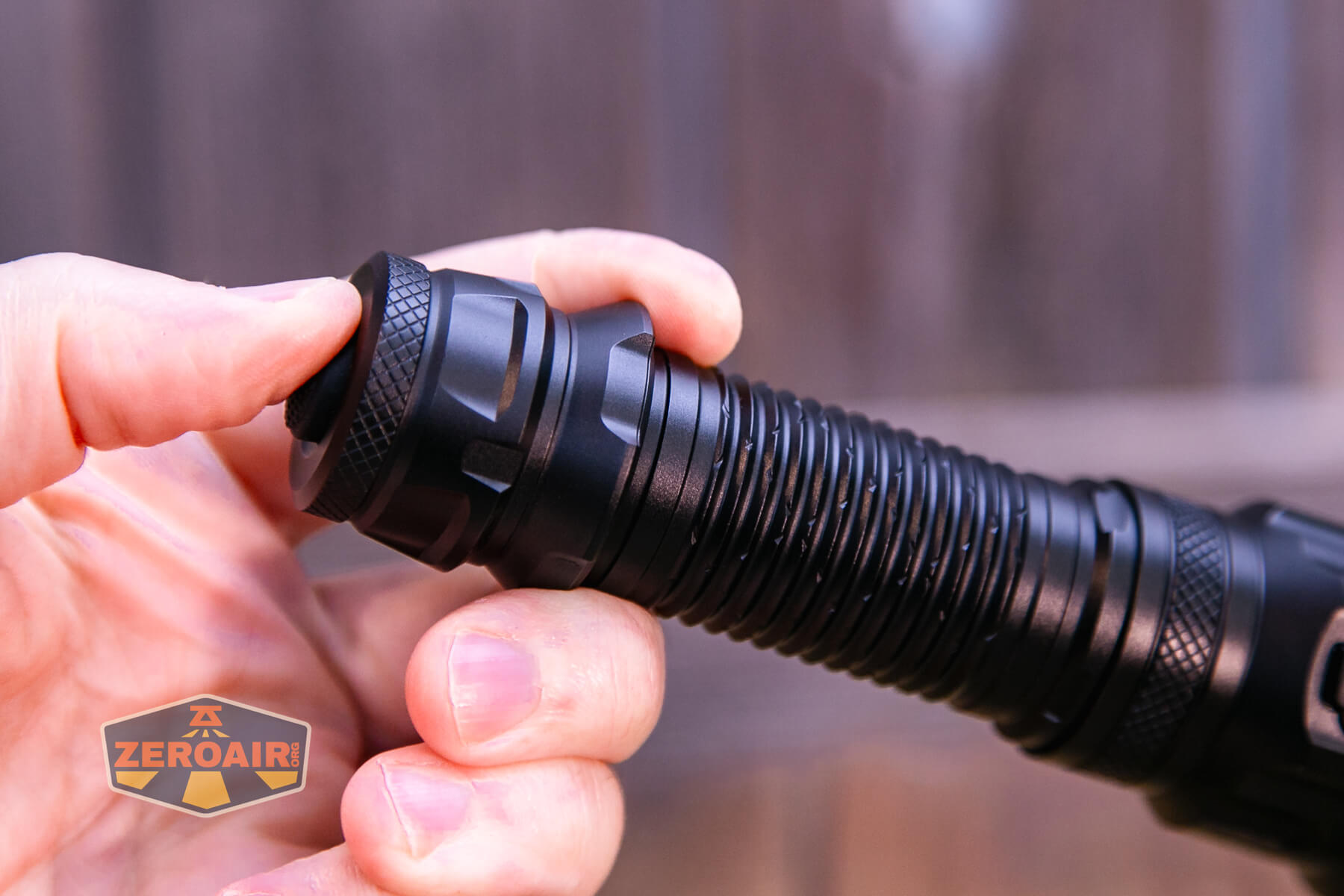
There are two switches for controlling the Nitecore P40 ultra long throwing flashlight. First is this mechanical tail switch. With this switch off, the light will do nothing.
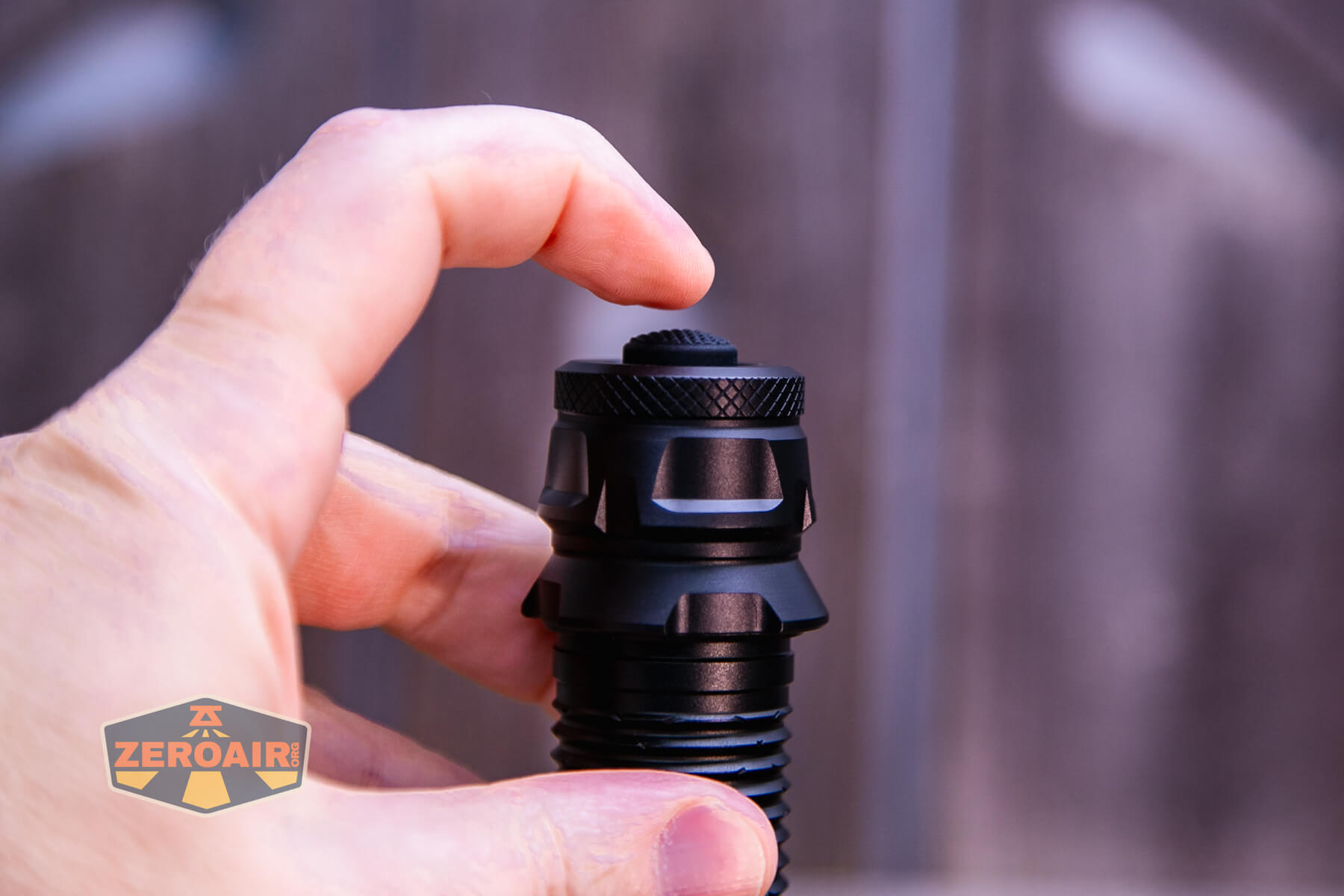
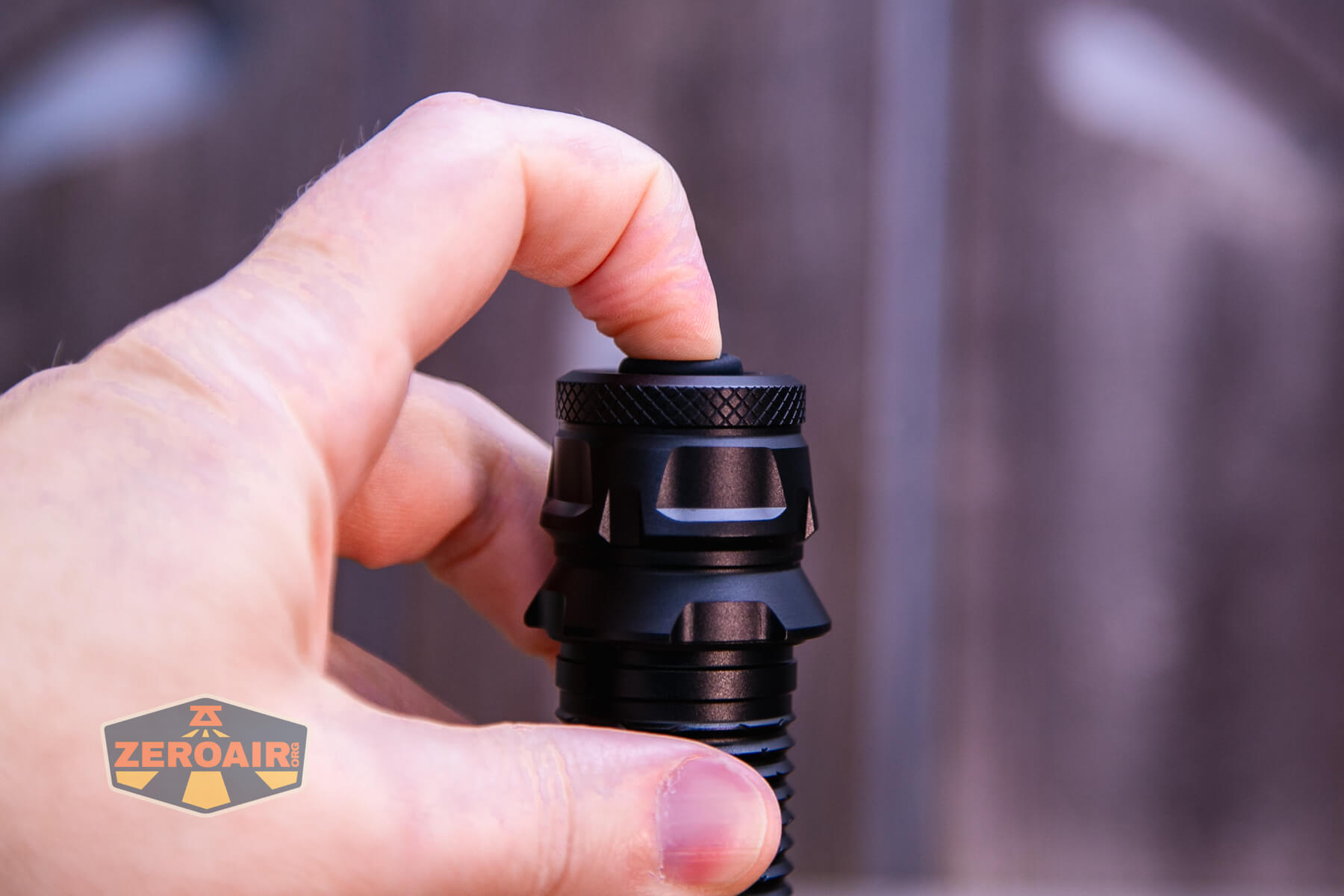
Remember that tactical grip ring! It’s good enough!
Next is the e-switch. Technically, this is two e-switches. One “forward” and one “reverse.” There’s a blue indicator LED between the switches, and the switches share a cover.
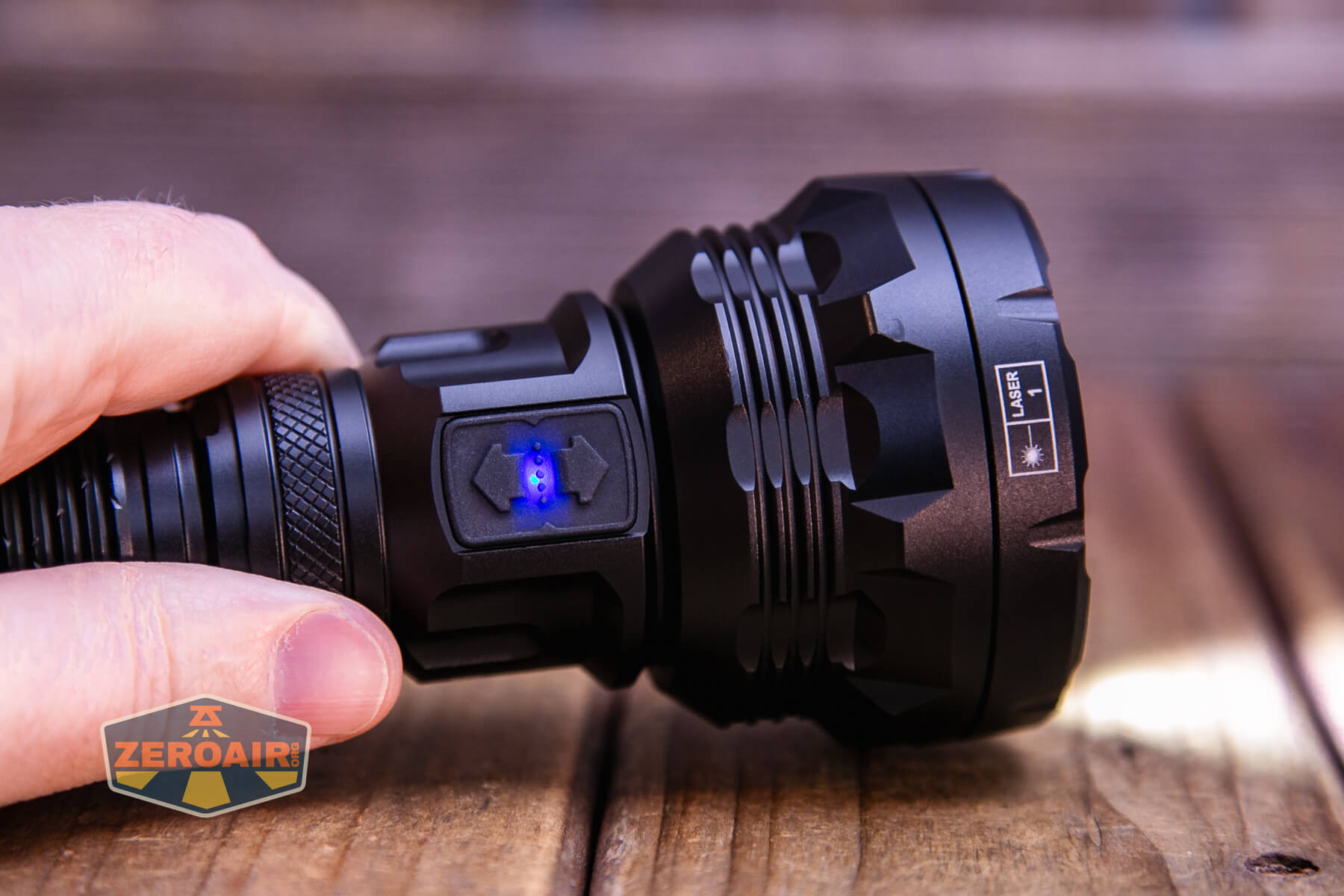
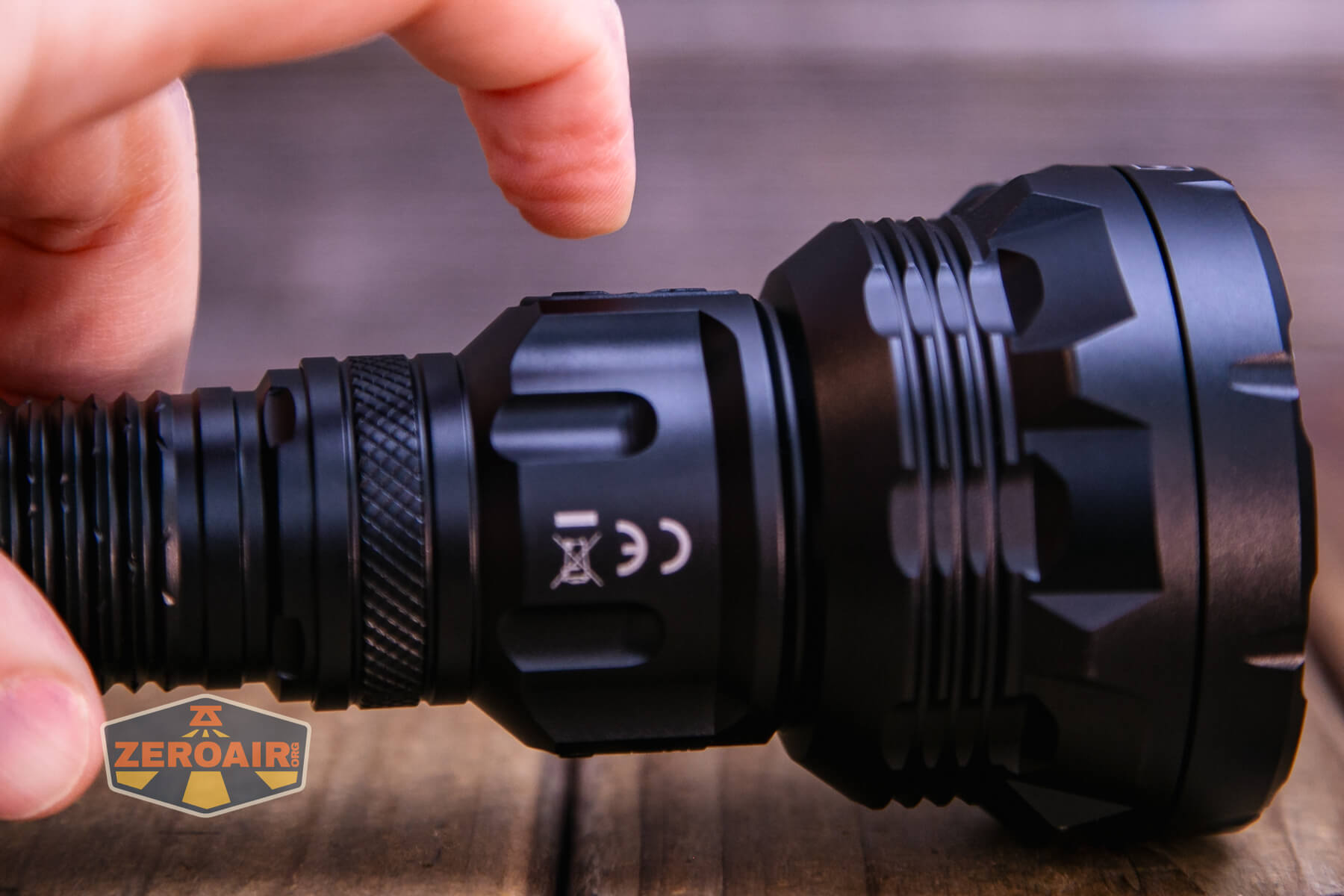
Action on both e-switches is very low.
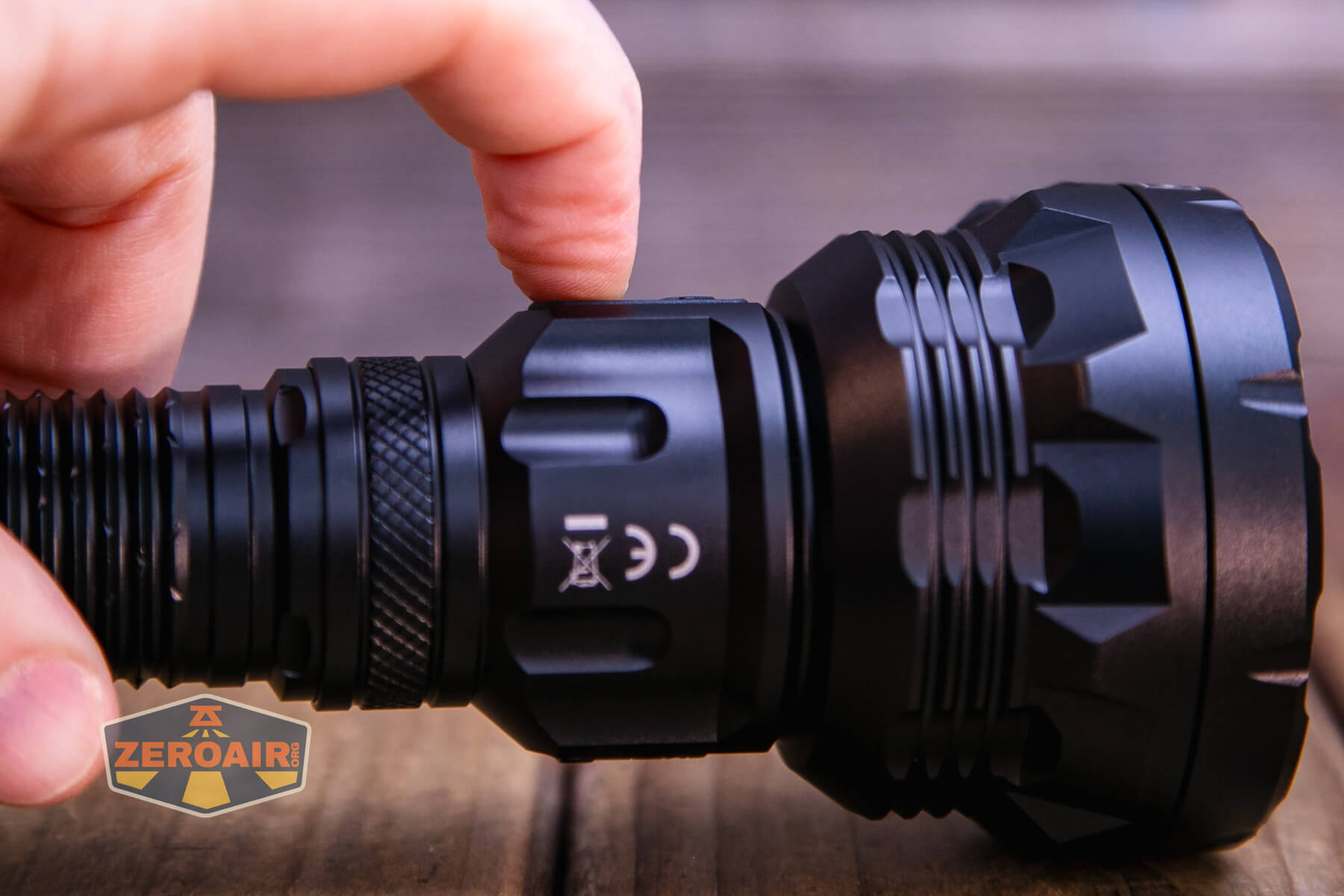
Initially, I found the user interface very confusing. I still find it very confusing, but I did initially, too.
That said, I can tell you a trick that will help you realize what’s going on. I still don’t like it, but it helps to know this. Each mode has mode memory. (!!!) Yes, if you are in Low and LEP-only and advance to medium, where previously you were in LED-only, you will be in LED-only. As far as I can tell, you can’t advance through the levels of one output type (like LMH LEP, or LMH Both, or LMH LED) (unless you have whatever specific type in memory).
It was absolutely mind-boggling at first, but I did finally figure it out. Please reread that paragraph above before you buy this light. Having the light in hand will be just as confusing as that paragraph is. Maybe a user interface table will help!
| State | Action | Result |
|---|---|---|
| Off | Click tail switch | On – memory |
| Off | Tap tail switch | Momentary on – memory |
| On | Click tail switch | Off |
| On | Click button A | Mode increase (Low > Medium > High > Turbo) Output Type memory |
| On | Click button B | Mode decrease (Turbo > High > Medium > Low) Output Type memory |
| On | Hold button A | Turbo |
| On (LMH) | Hold button B | Step through: 100% Spot > 100% Flood > Both (“Mixed” they call it) |
| Off | Hold button A and B then click the tail switch (power button) | Reset to factory default |
| On | Hold button A and B | Light flashes to indicate Adaptive Cruise Mode is on |
| Adaptive Cruise Mode | Click A or B | Adaptive Cruise mode off |
In Adaptive Cruise Mode, the light output is based on the tilt of the light. Tilt down and the output drops. Tilt forward (outward, toward a distant object) and output increases. Nitecore has done this before in a line of lights called “SENS.” I don’t know that it was popular then, and I don’t know that this is the feature that will cause you to want this light. I found this feature to be annoying.
LED and Beam
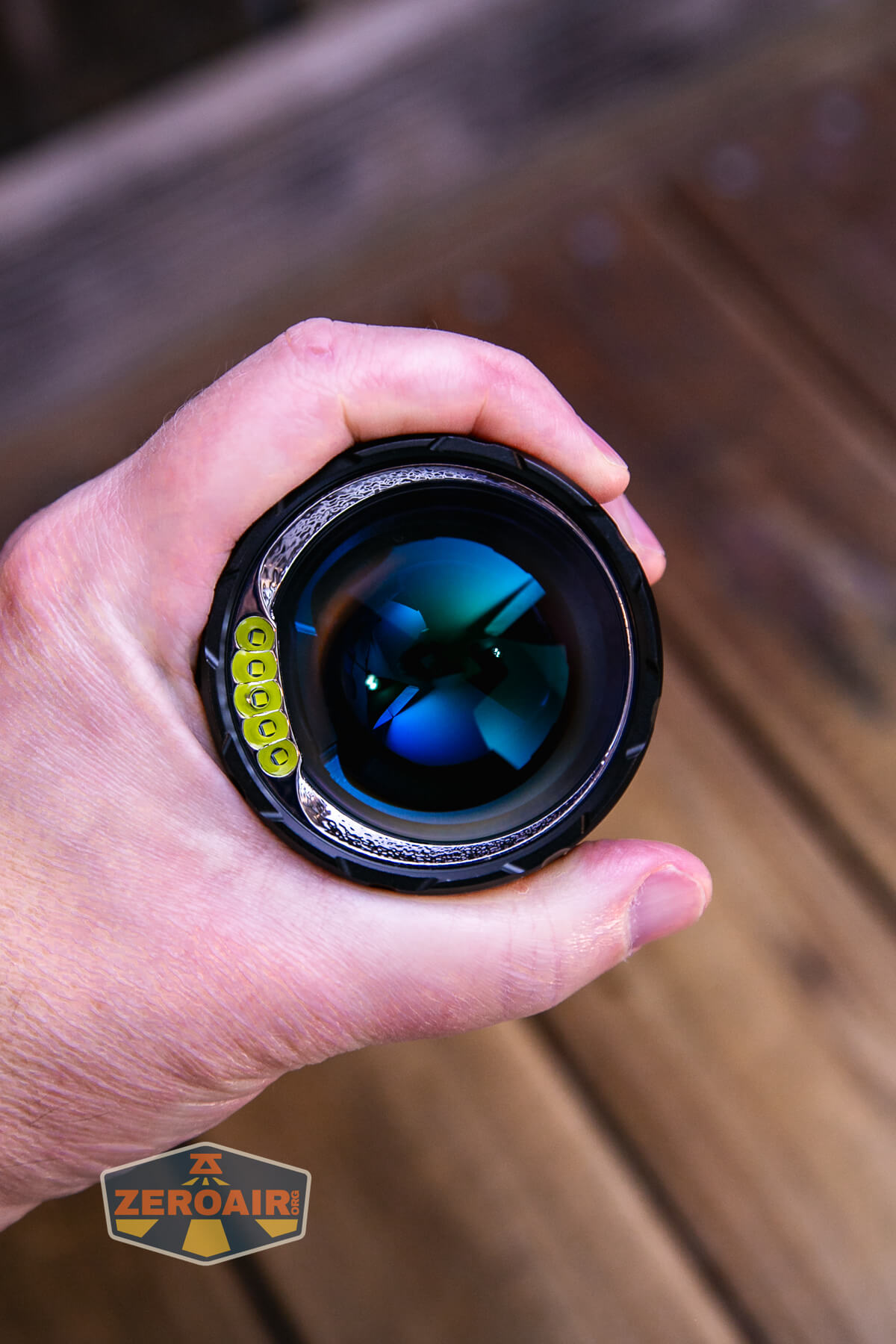
The Nitecore P40 ultra long throwing flashlight features a LEP module (which accounts for the light being bigger than you might assume a single 21700 light would be) and five LED emitters.
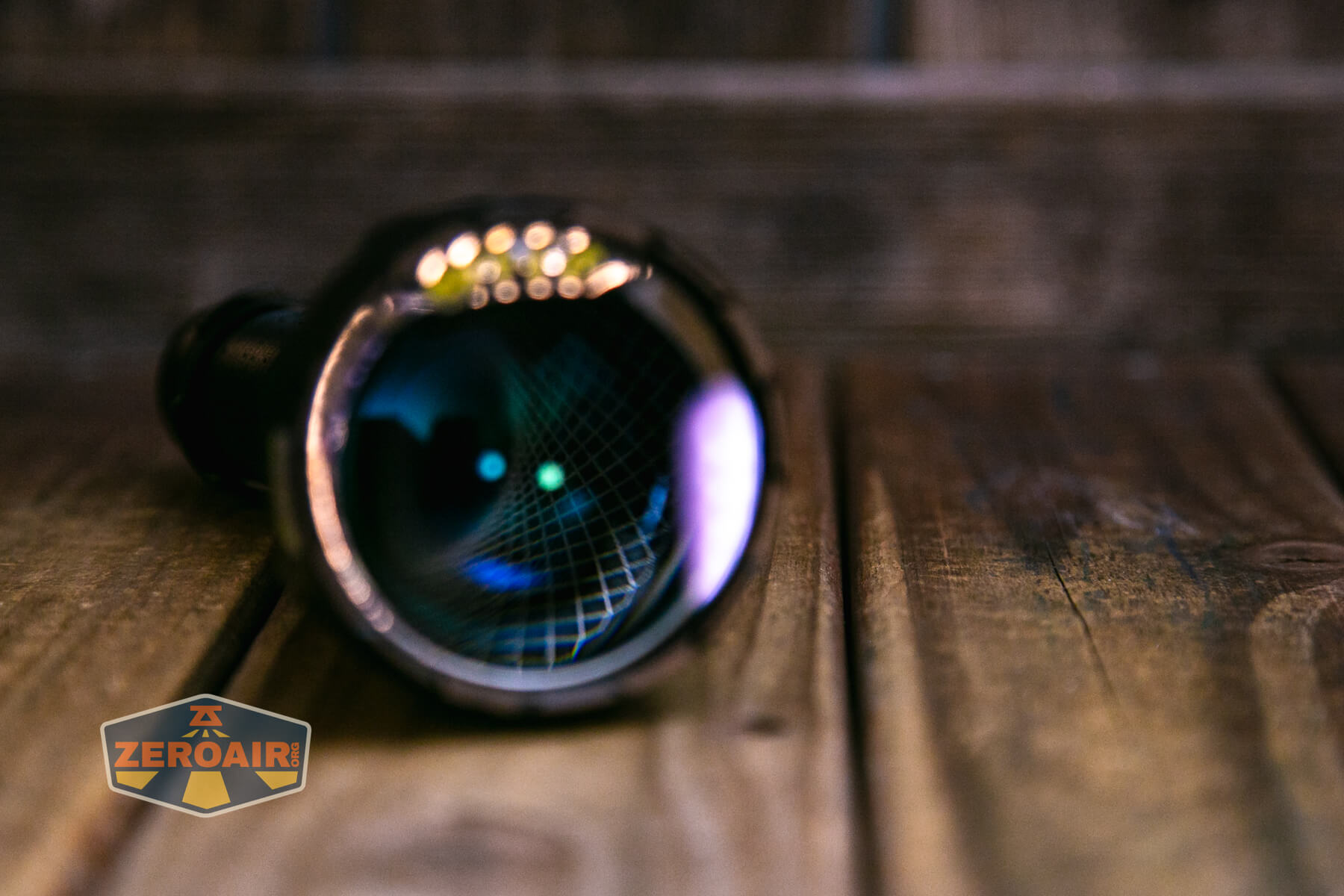
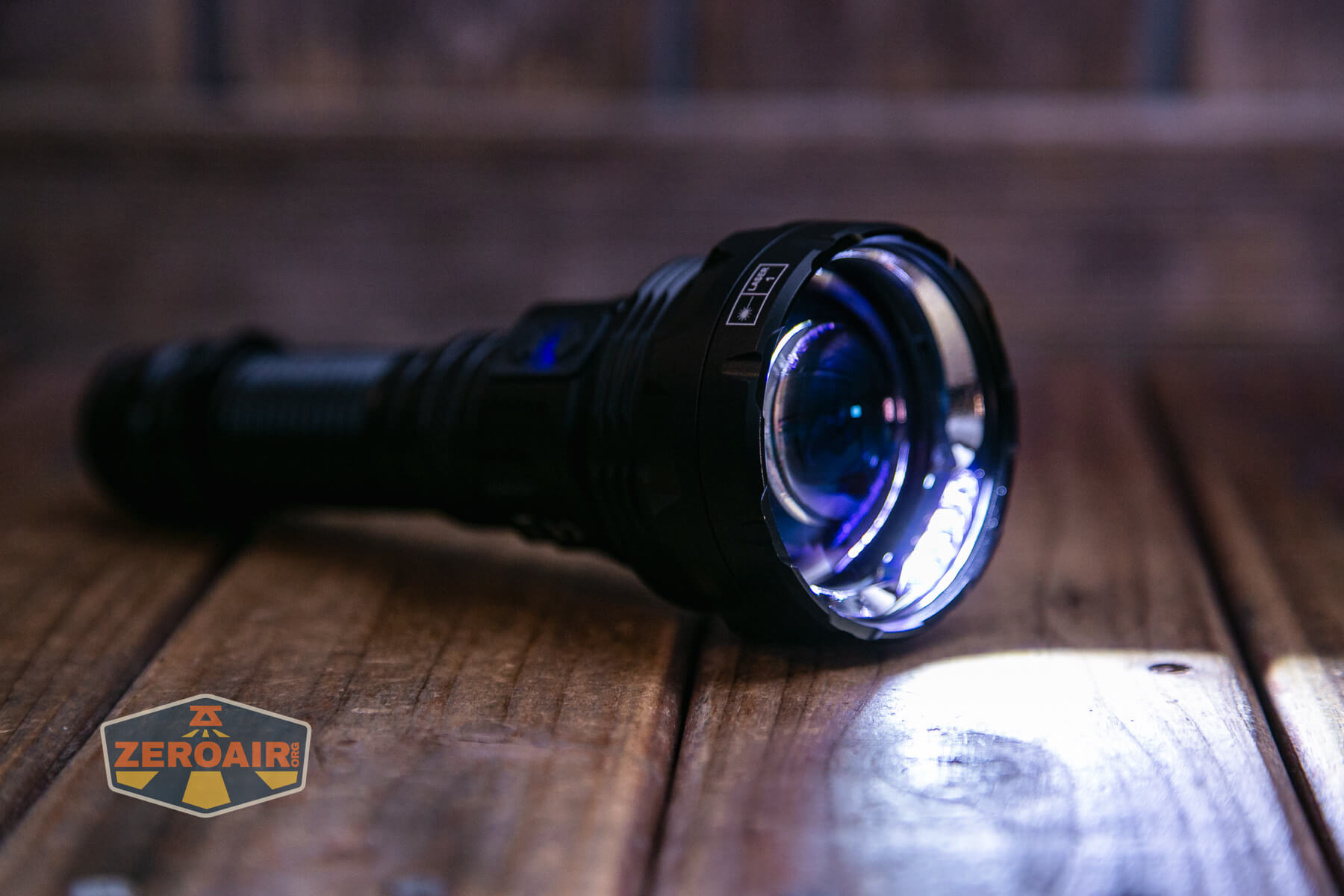
It has a shaped bezel, so light can escape when the headstands.
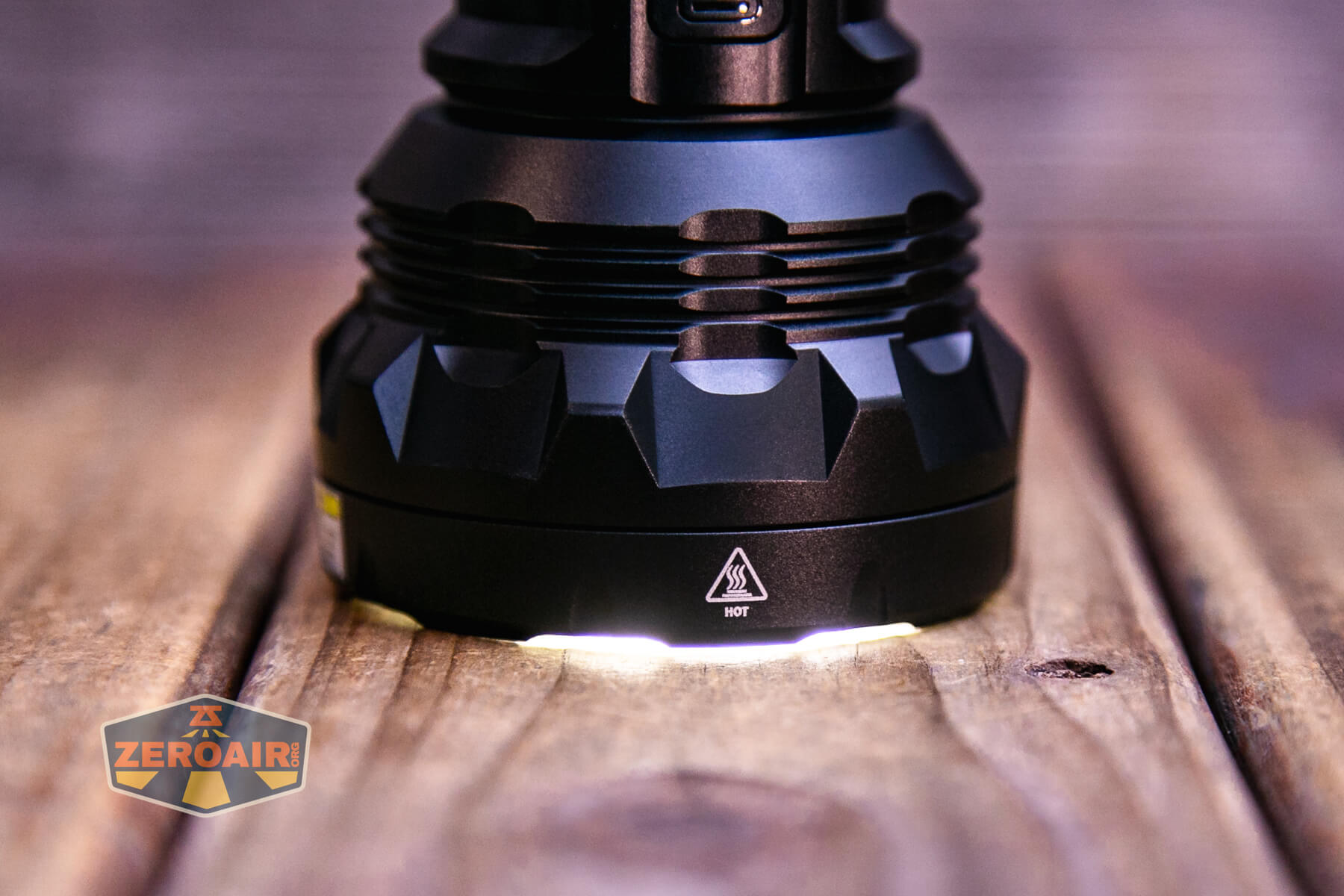
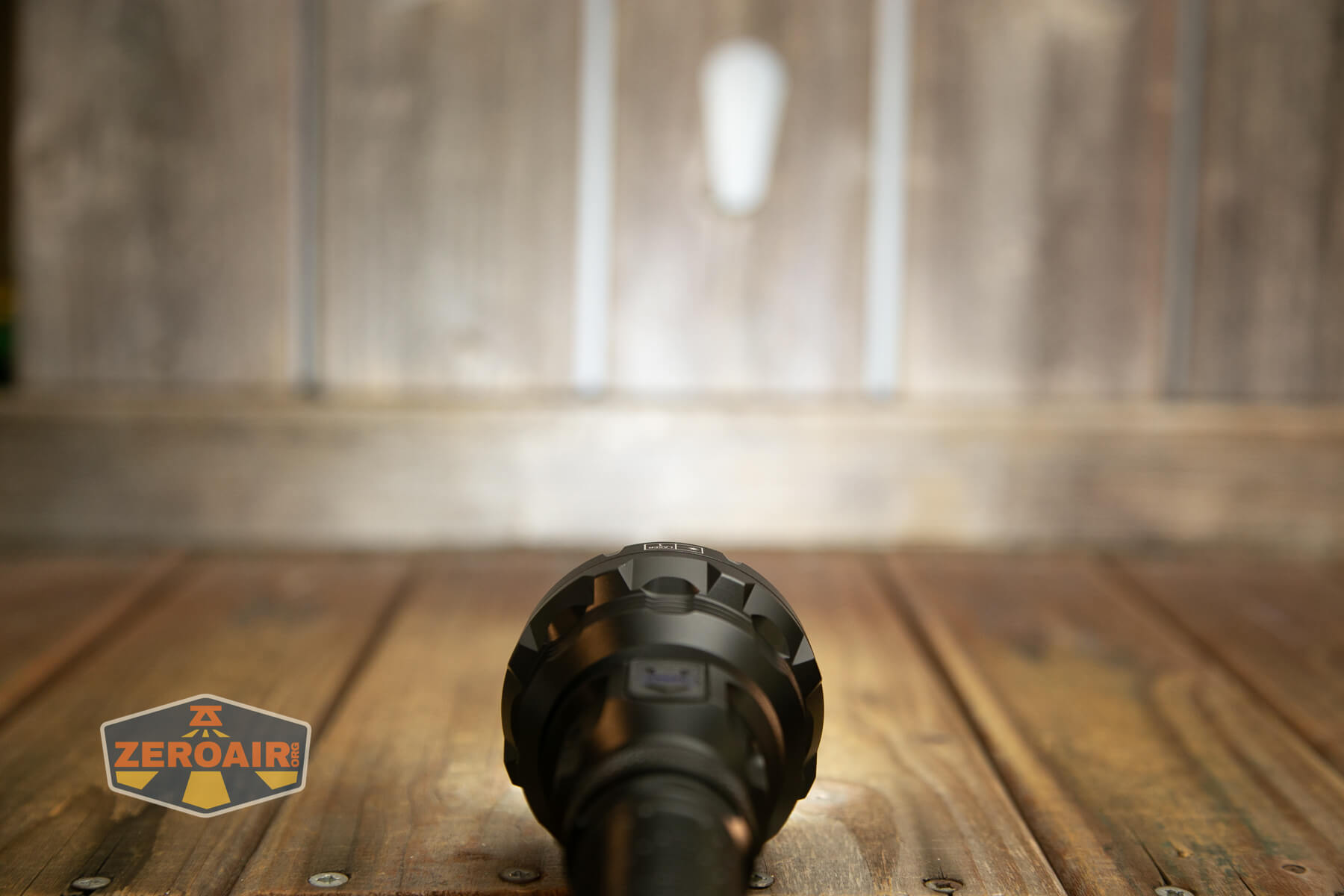
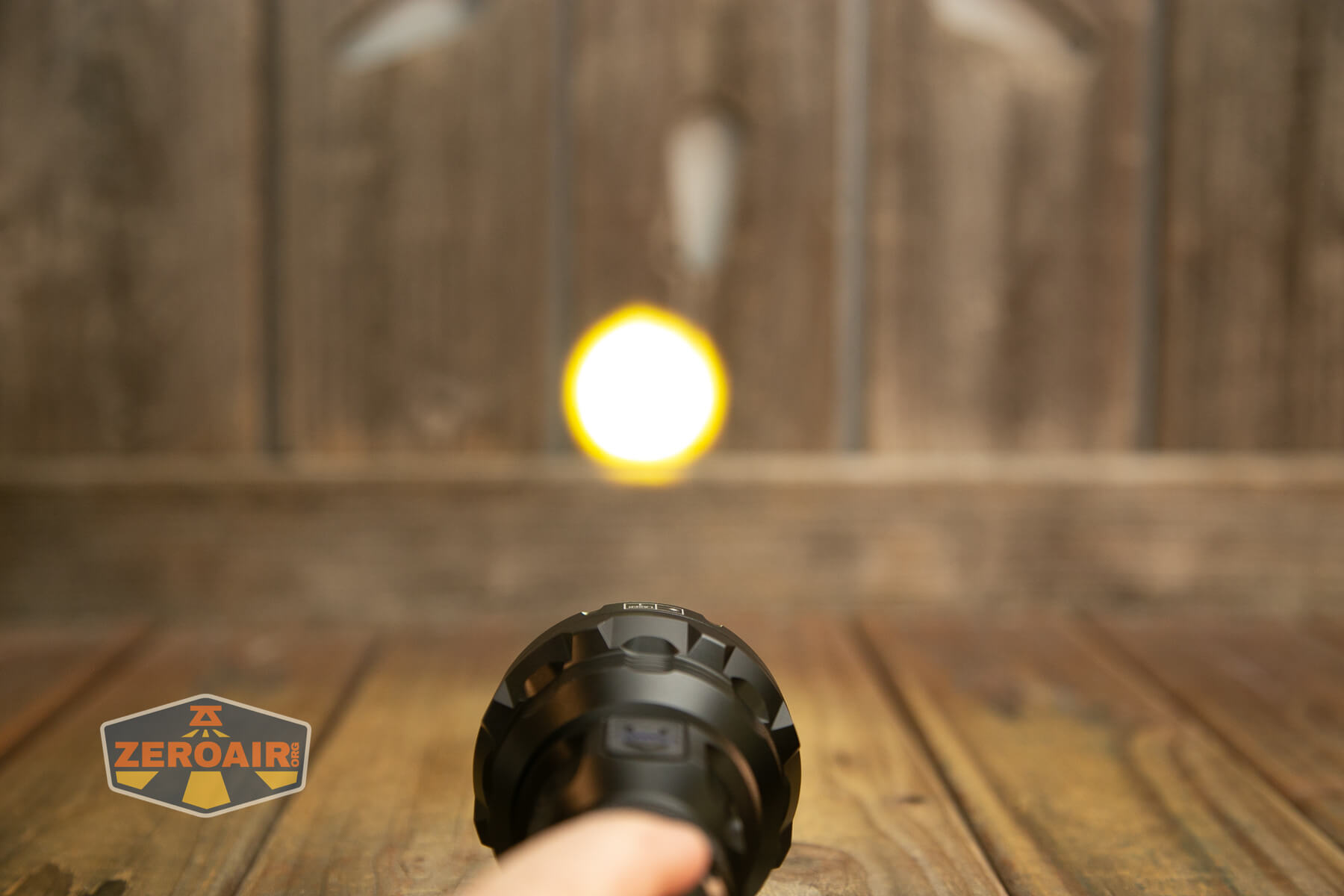
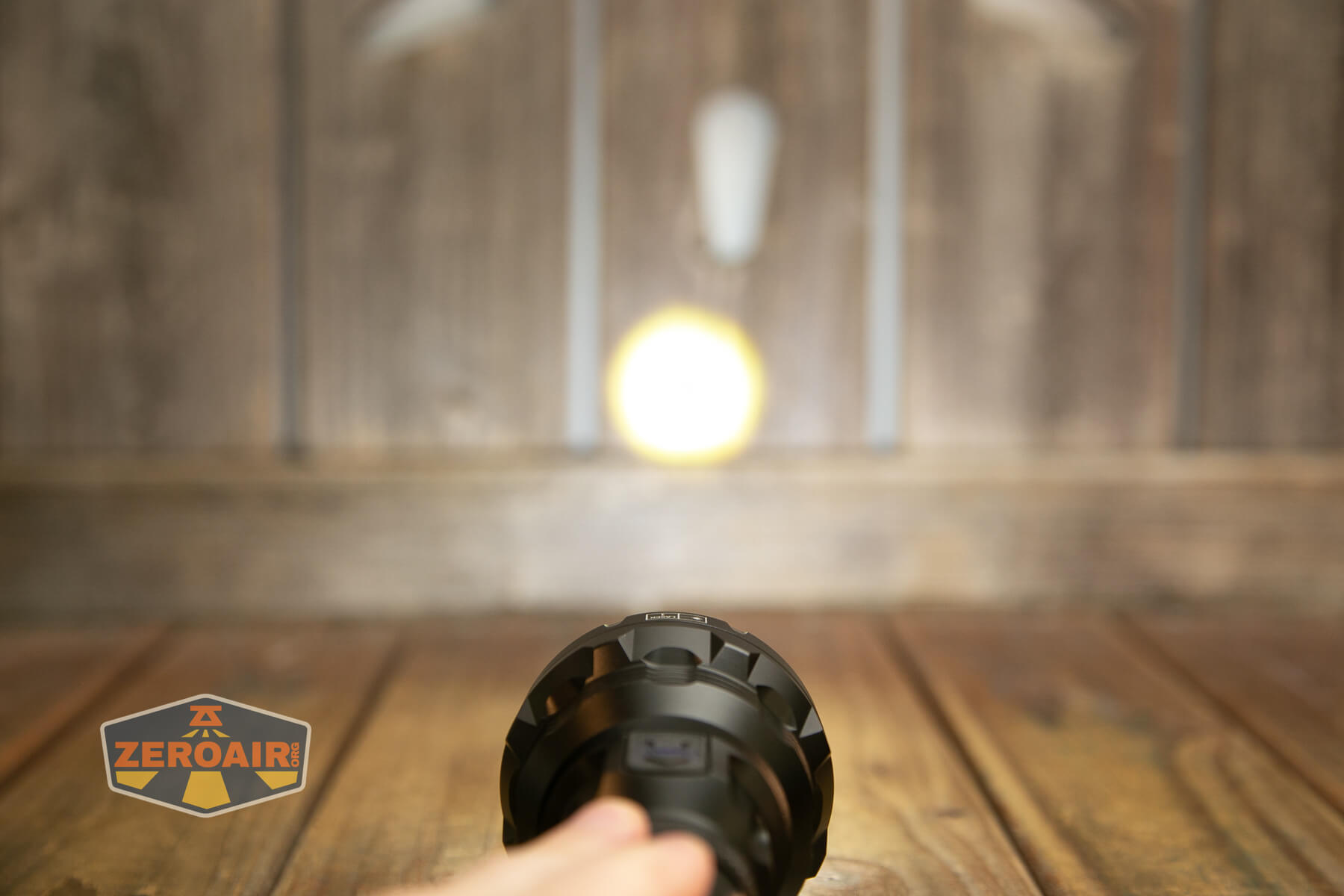
In no particular order or level, you can see the modes below. “No particular order” is the experience you’ll have with this user interface, too.
LED Color Report (CRI and CCT)
Here is CRI and CCT info for just the flood emitters. There are five flood emitters, and Nitecore doesn’t say what they are. I also can’t tell, but they have a tiny footprint. Well smaller than 3535, I think! The CCT starts cool and drifts higher as the output increases. The CRI is low.
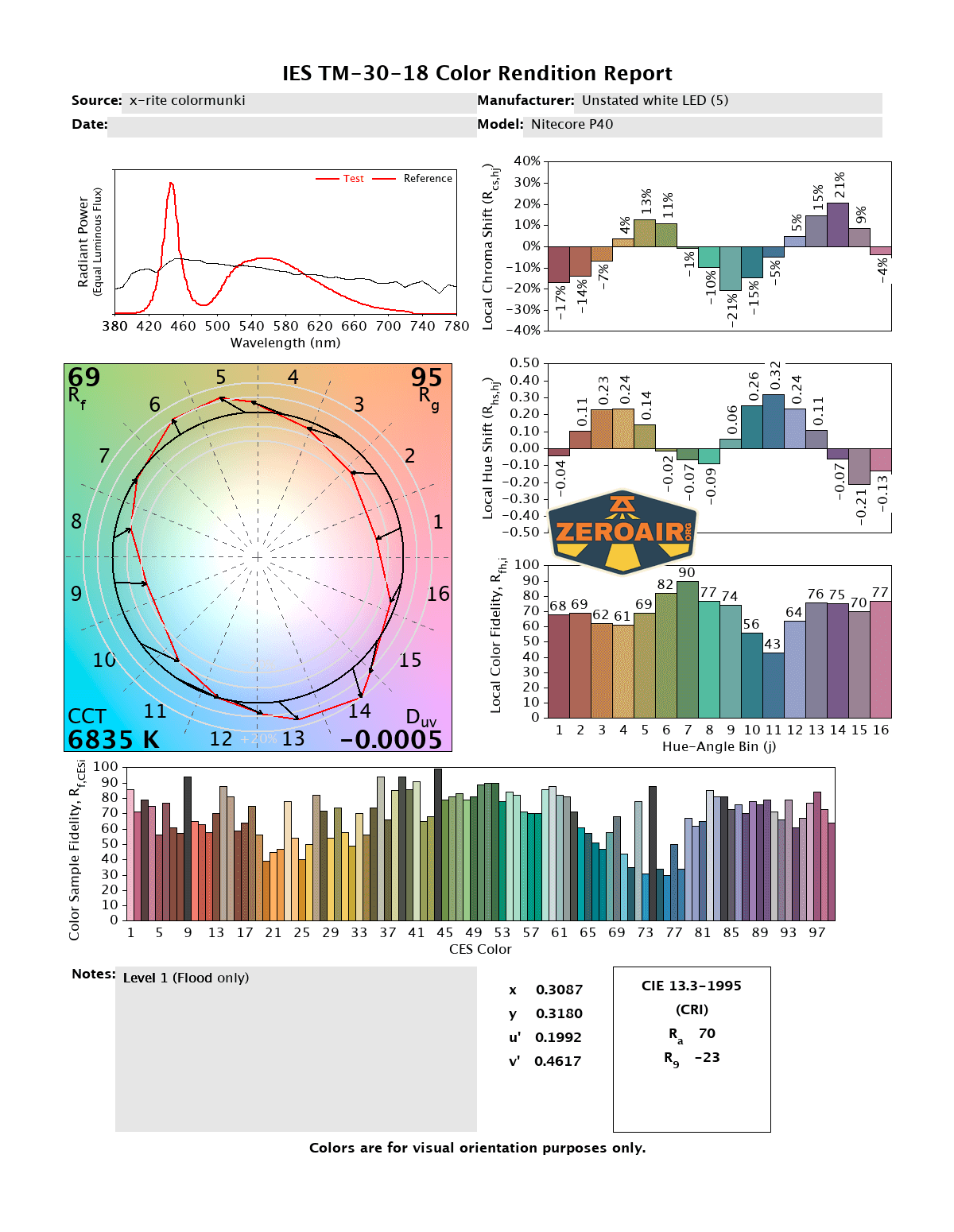
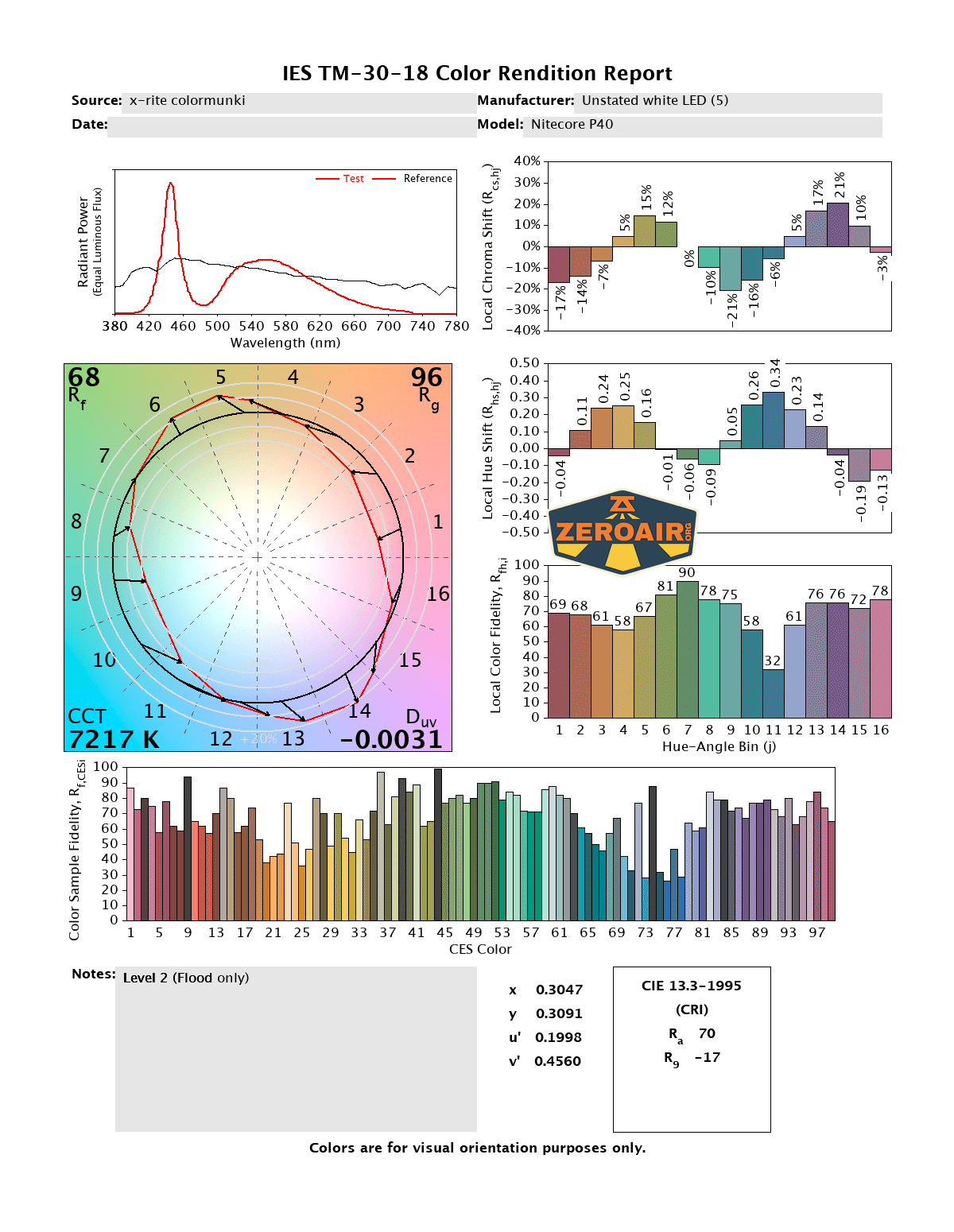
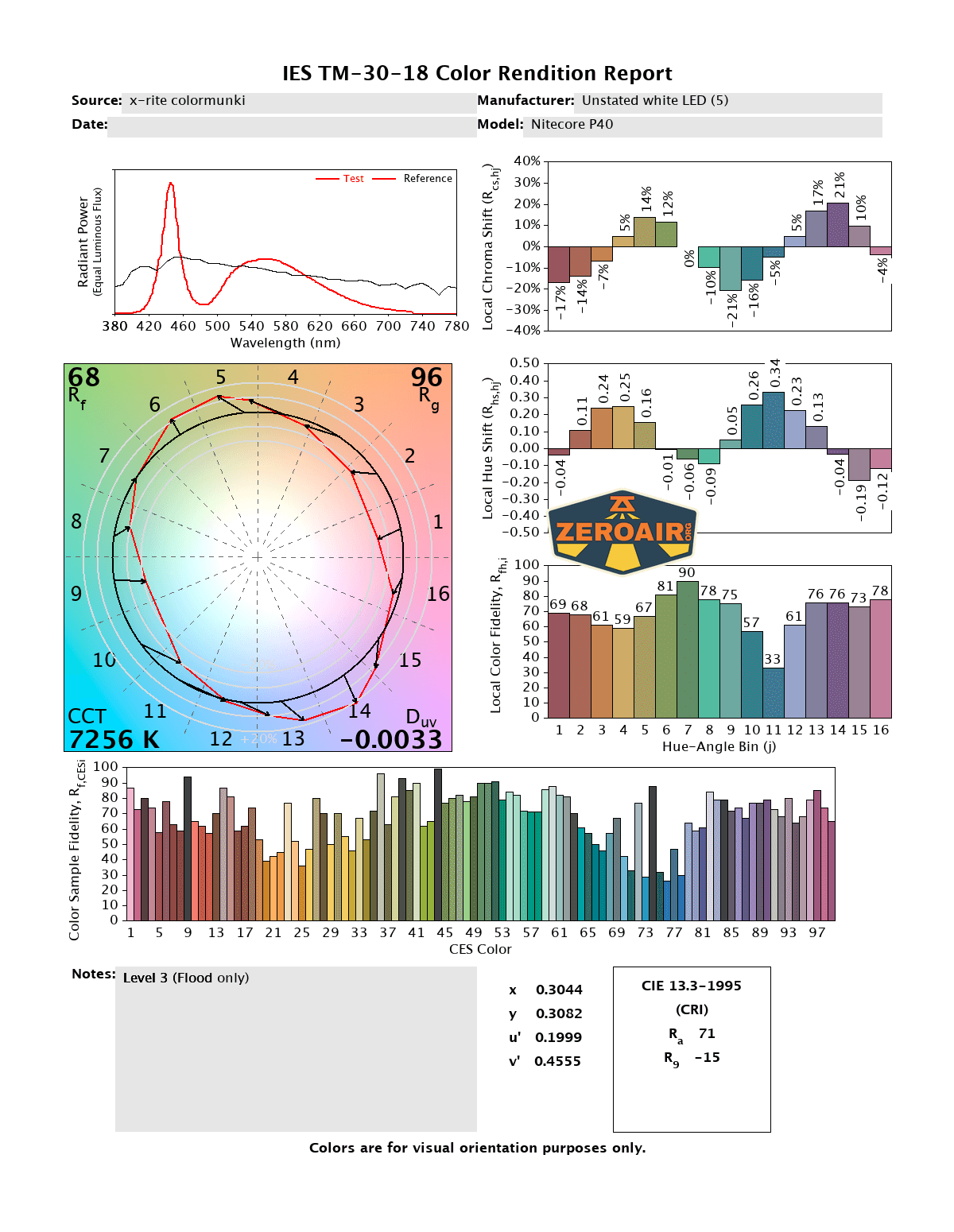
CCT (Correlated Color Temperature) refers to the measurement of the color appearance of light, expressed in Kelvins (K), which indicates whether the light is warm (yellowish) or cool (bluish). A lower CCT (below 3000K) is considered warm light, while a higher CCT (above 5000K) gives cooler, bluish light.
CRI (Color Rendering Index) is a measure of how accurately a light source renders colors in comparison to natural sunlight. Scored on a scale from 0 to 100, higher CRI values indicate that colors appear more true to life and vibrant, similar to how they would look under the sun.
Beamshots
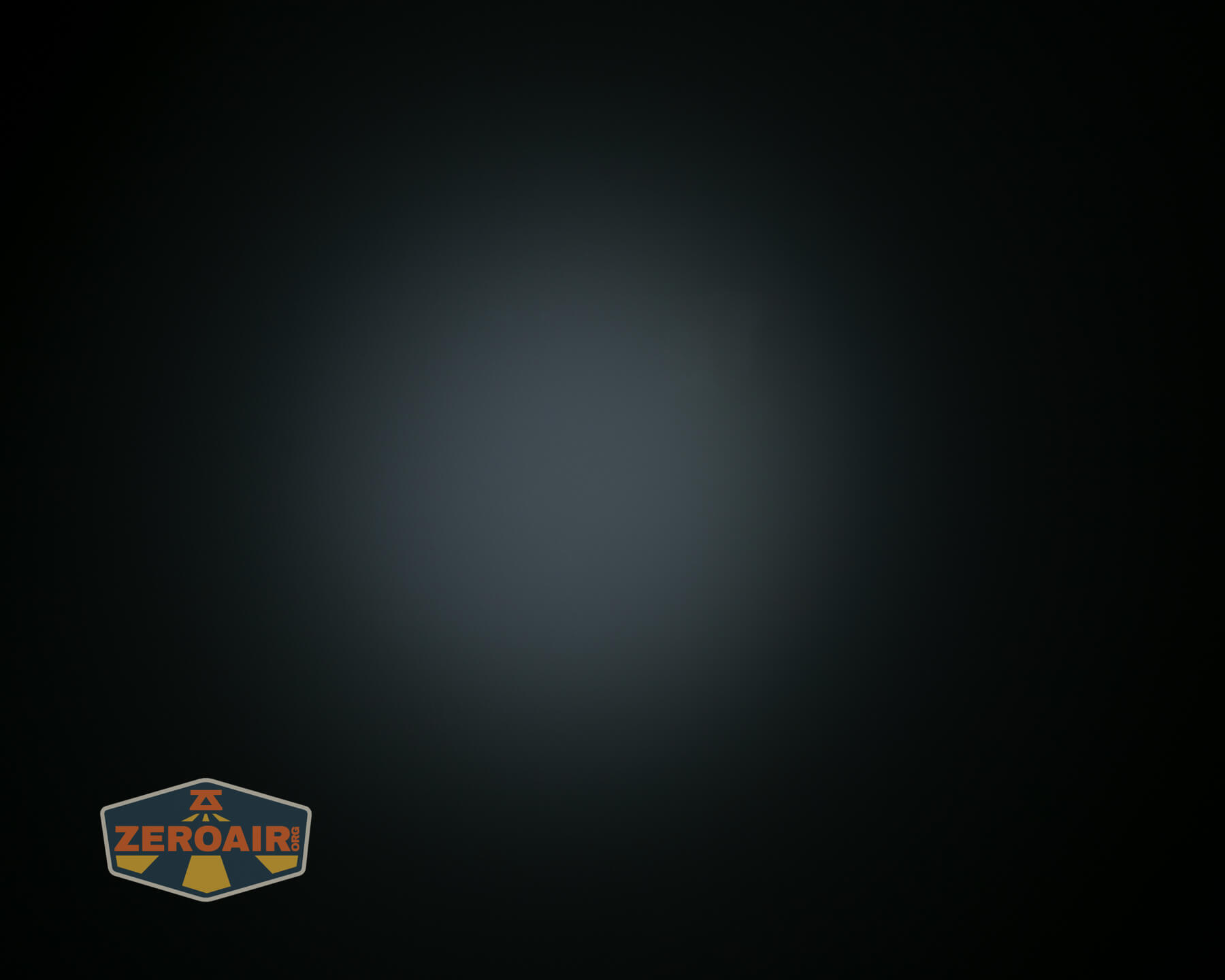
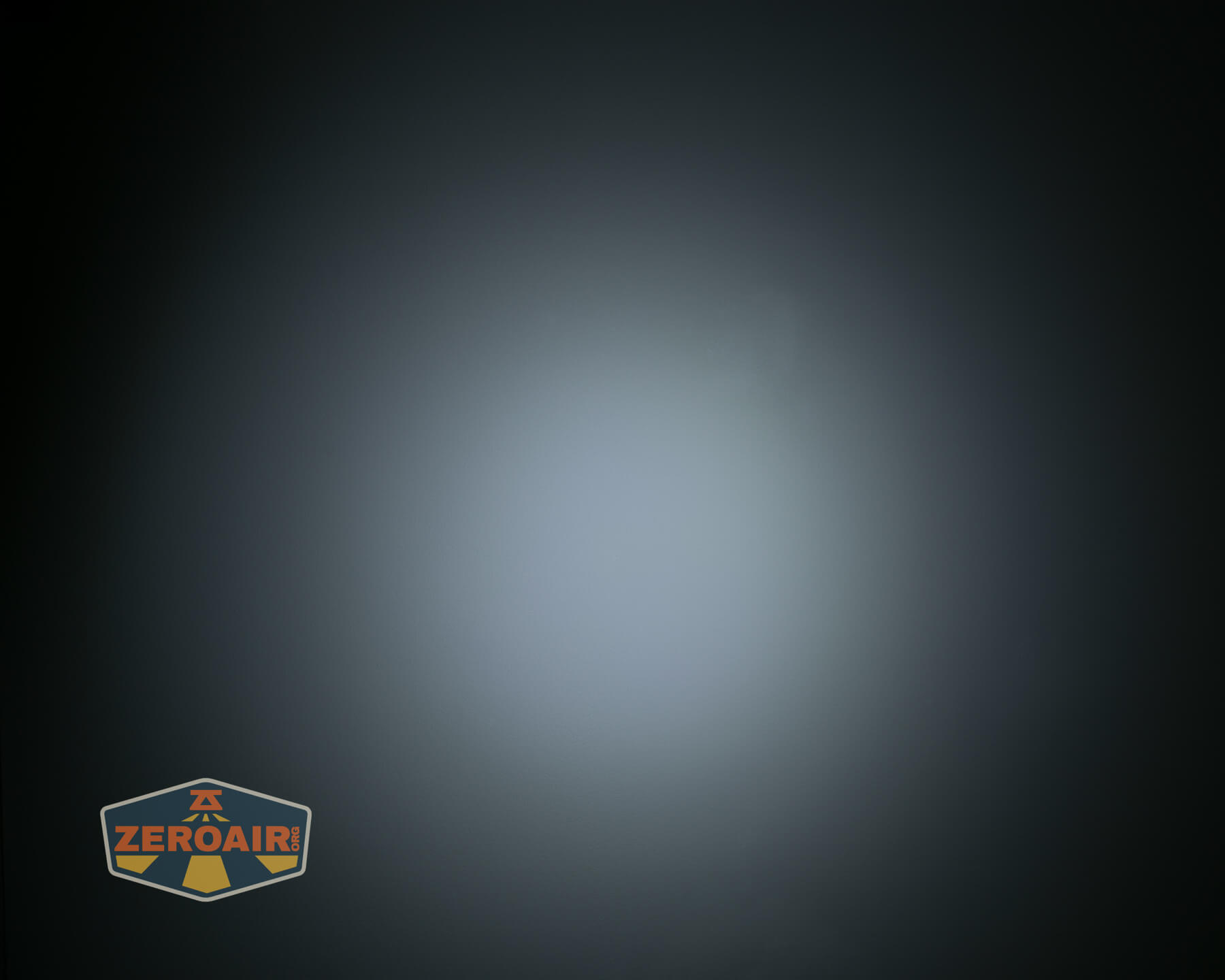
These beamshots always have the following settings: f8, ISO100, 0.3s shutter, and manual 5000K exposure. These photos are taken at floor level, and the beam hits the ceiling around 9 feet away.
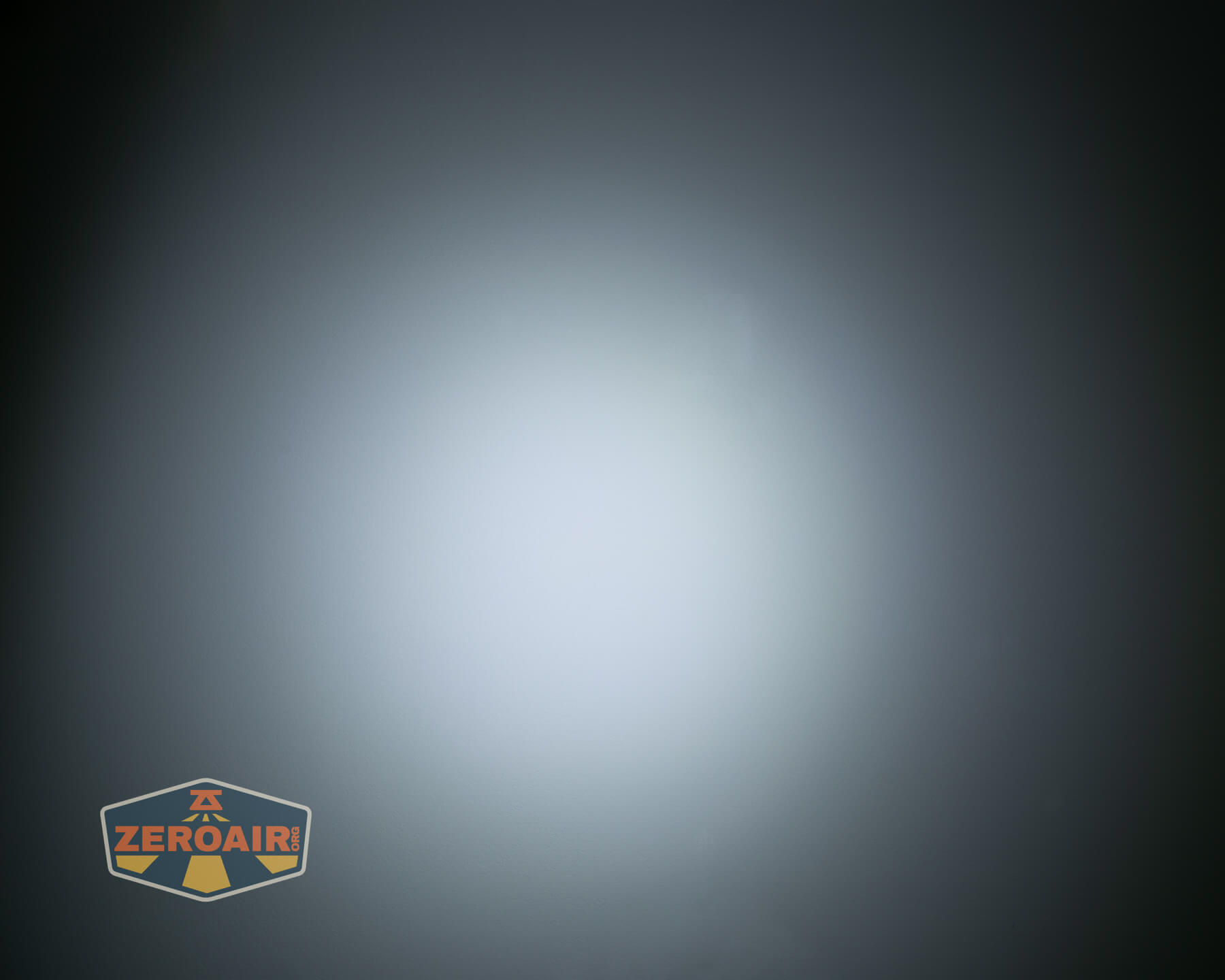
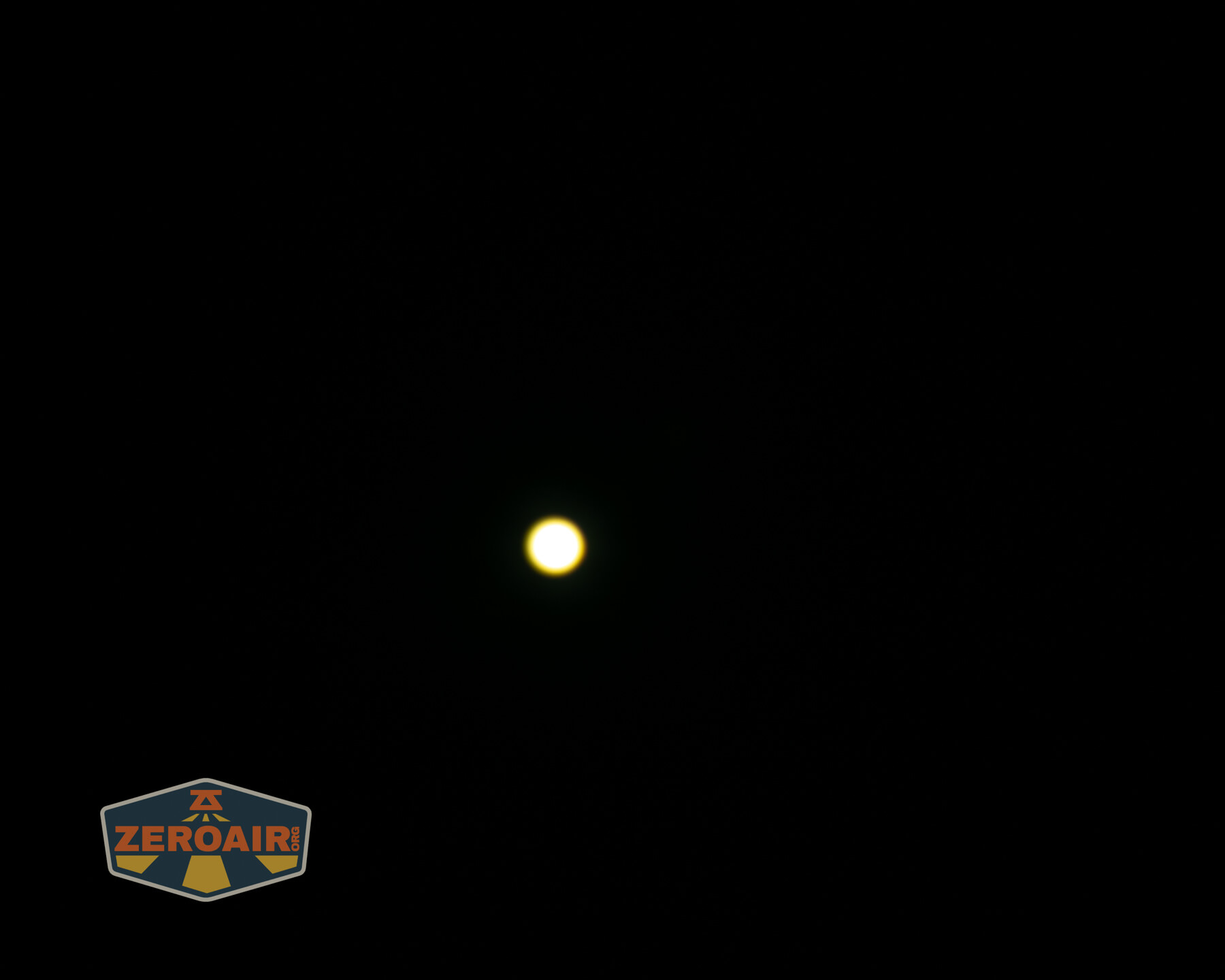
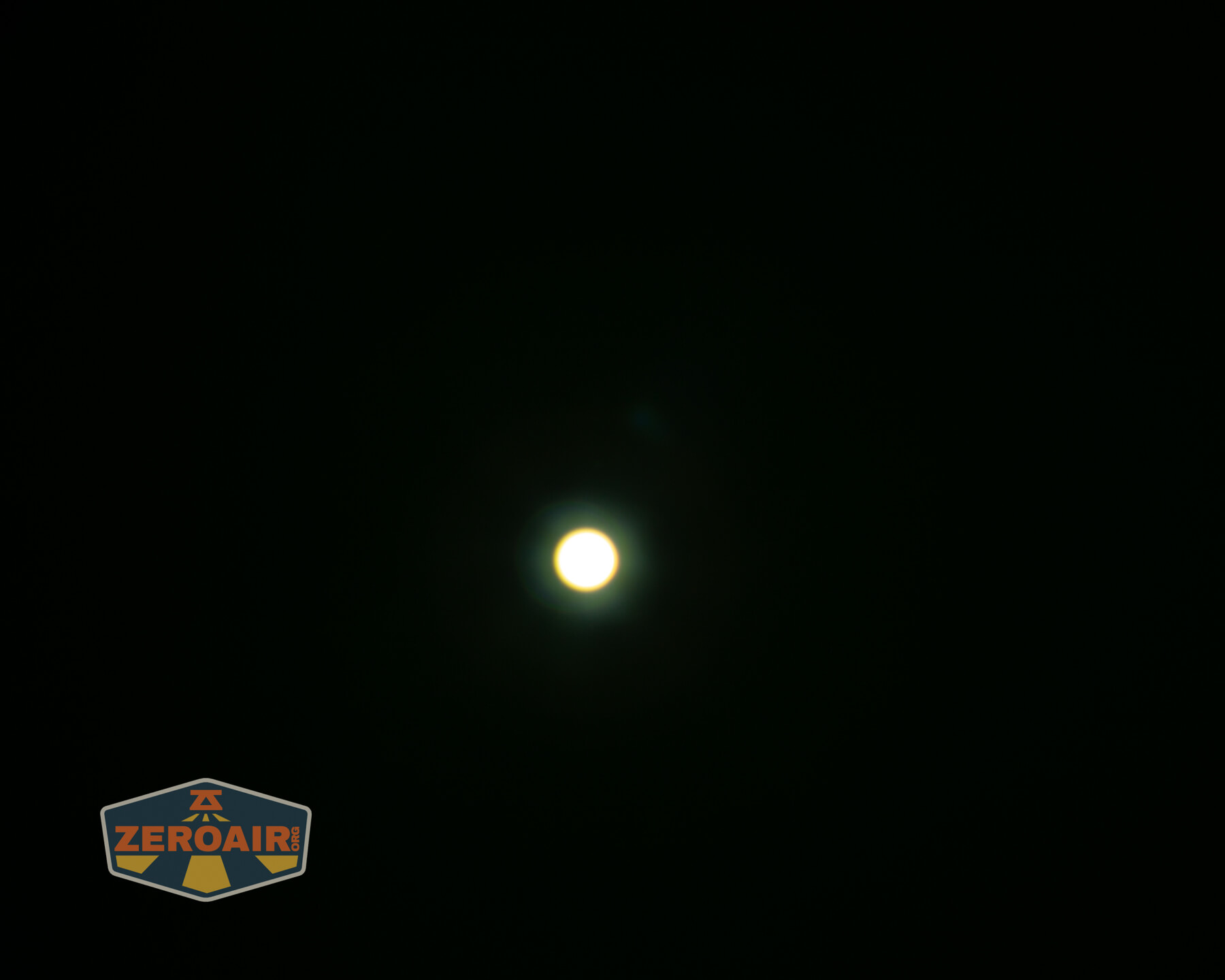
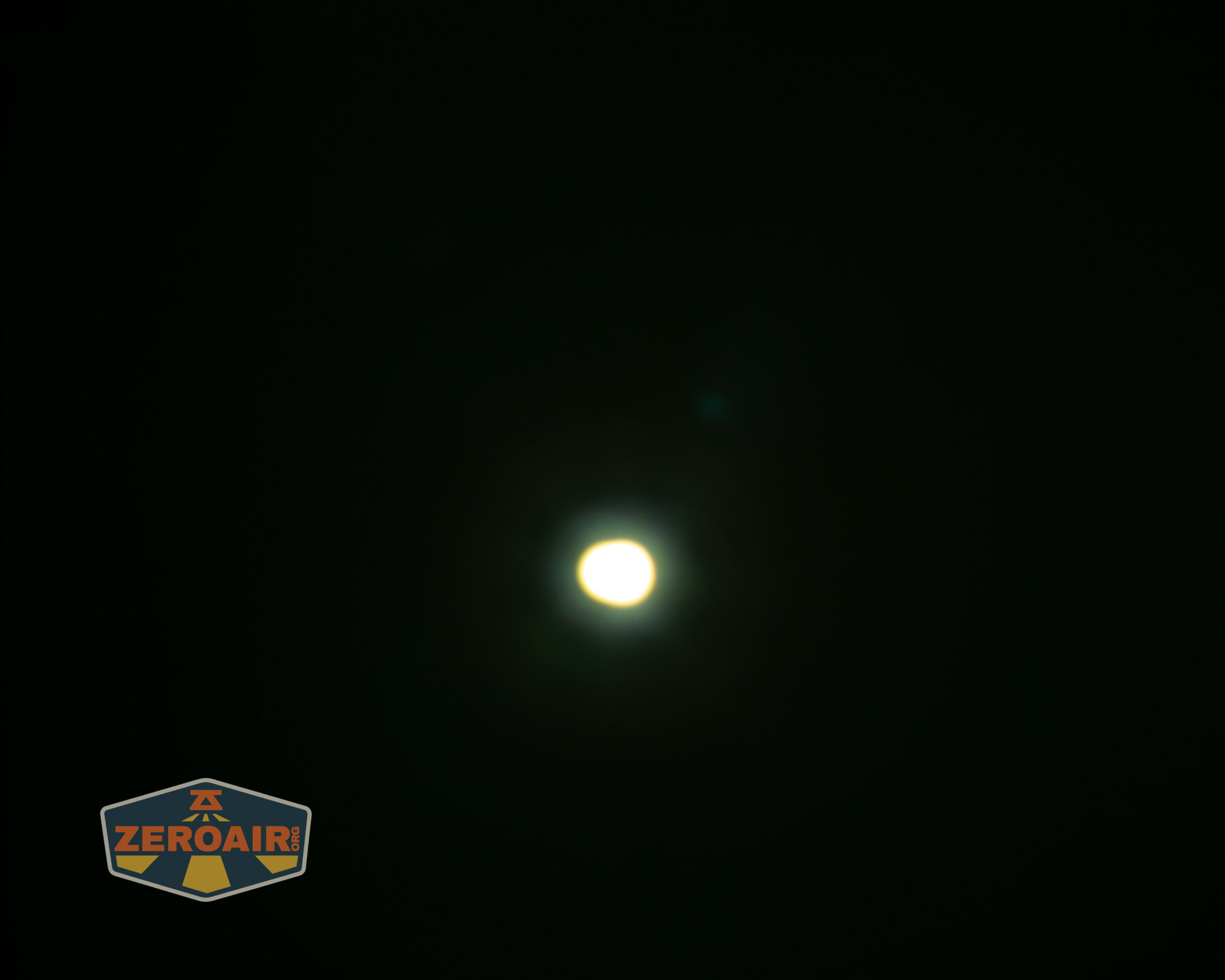
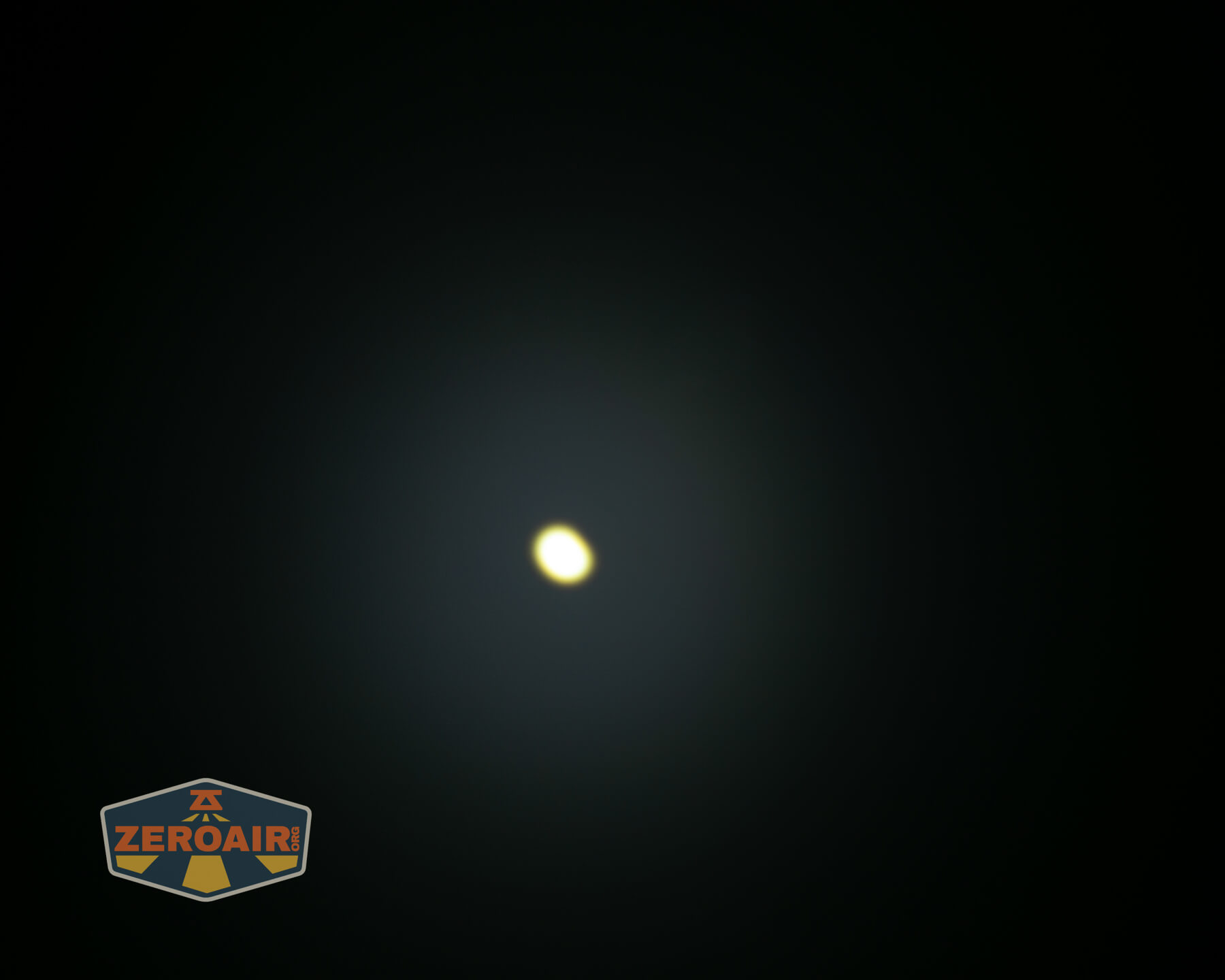
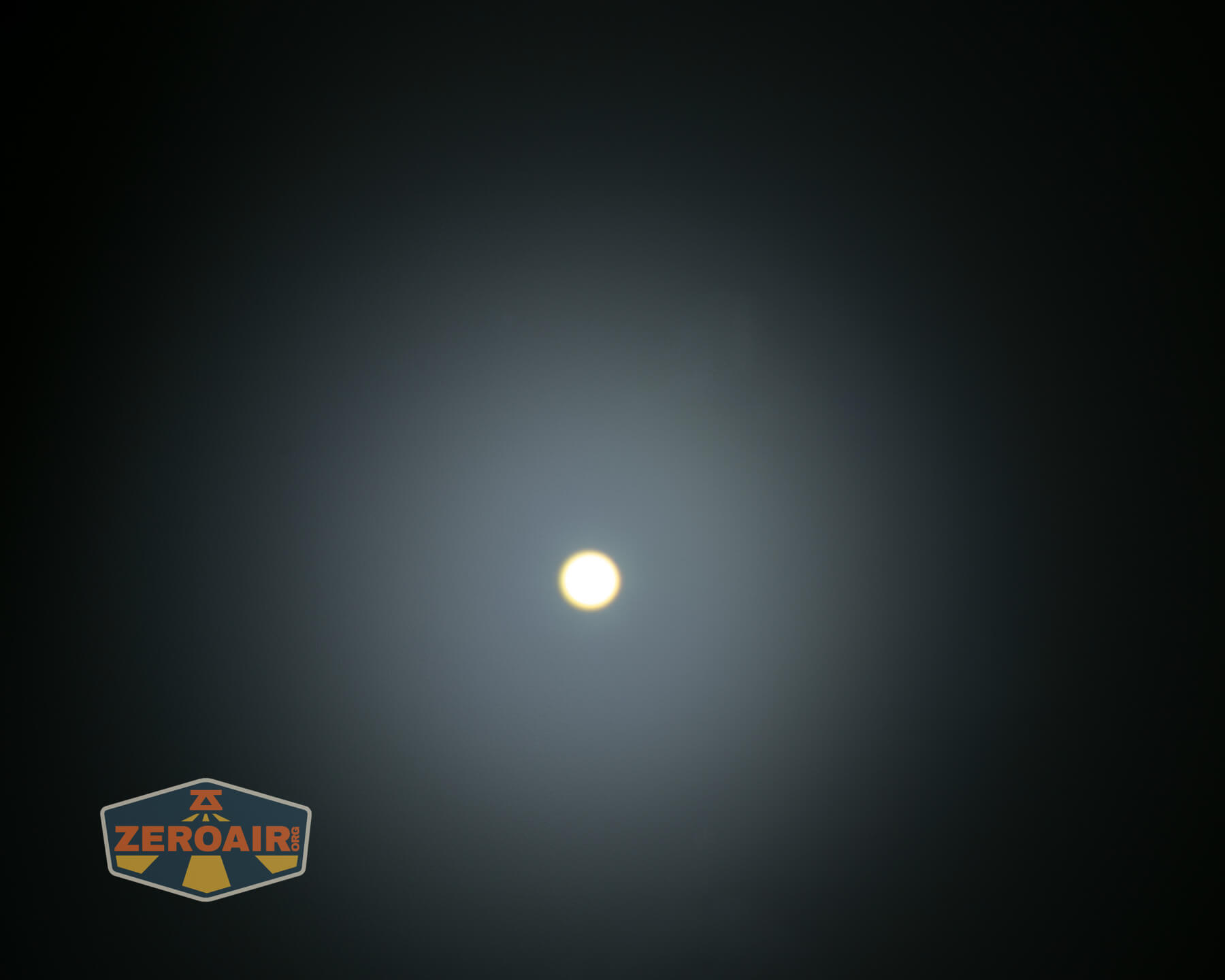
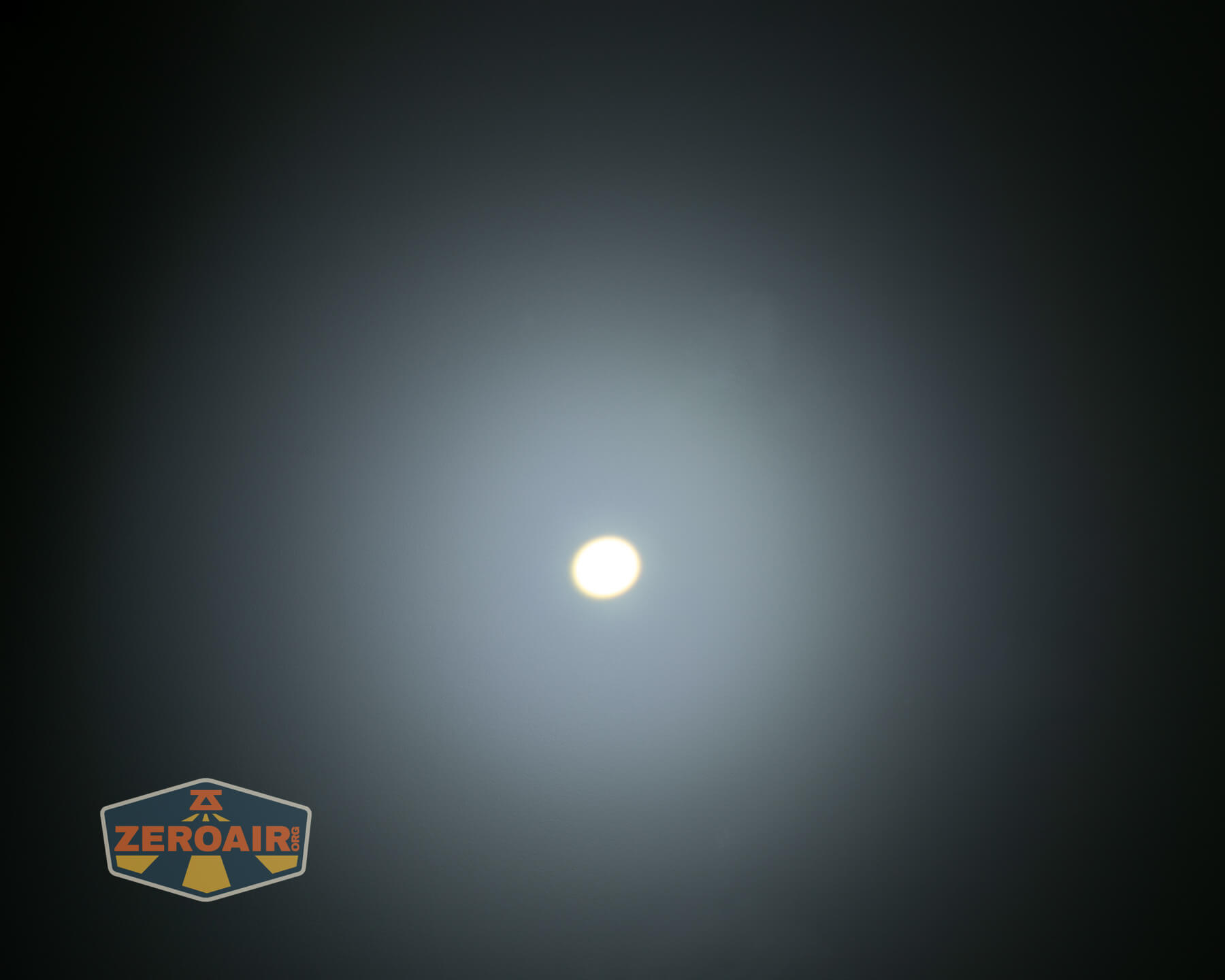
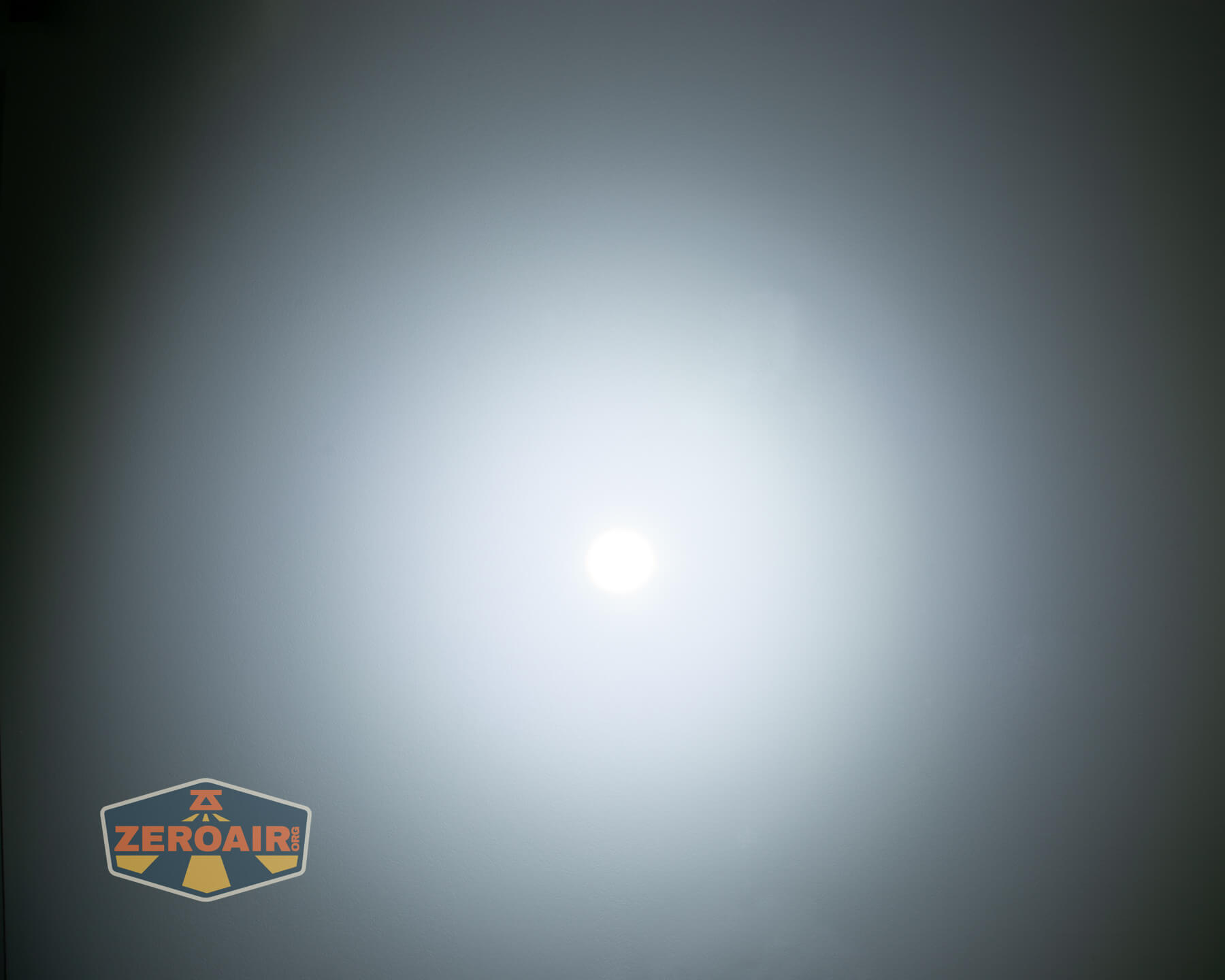
Tint vs BLF-348 (KillzoneFlashlights.com 219b version) (affiliate link)
I keep the test flashlight on the left and the BLF-348 reference flashlight on the right. These photos are taken around 18 inches from the door.
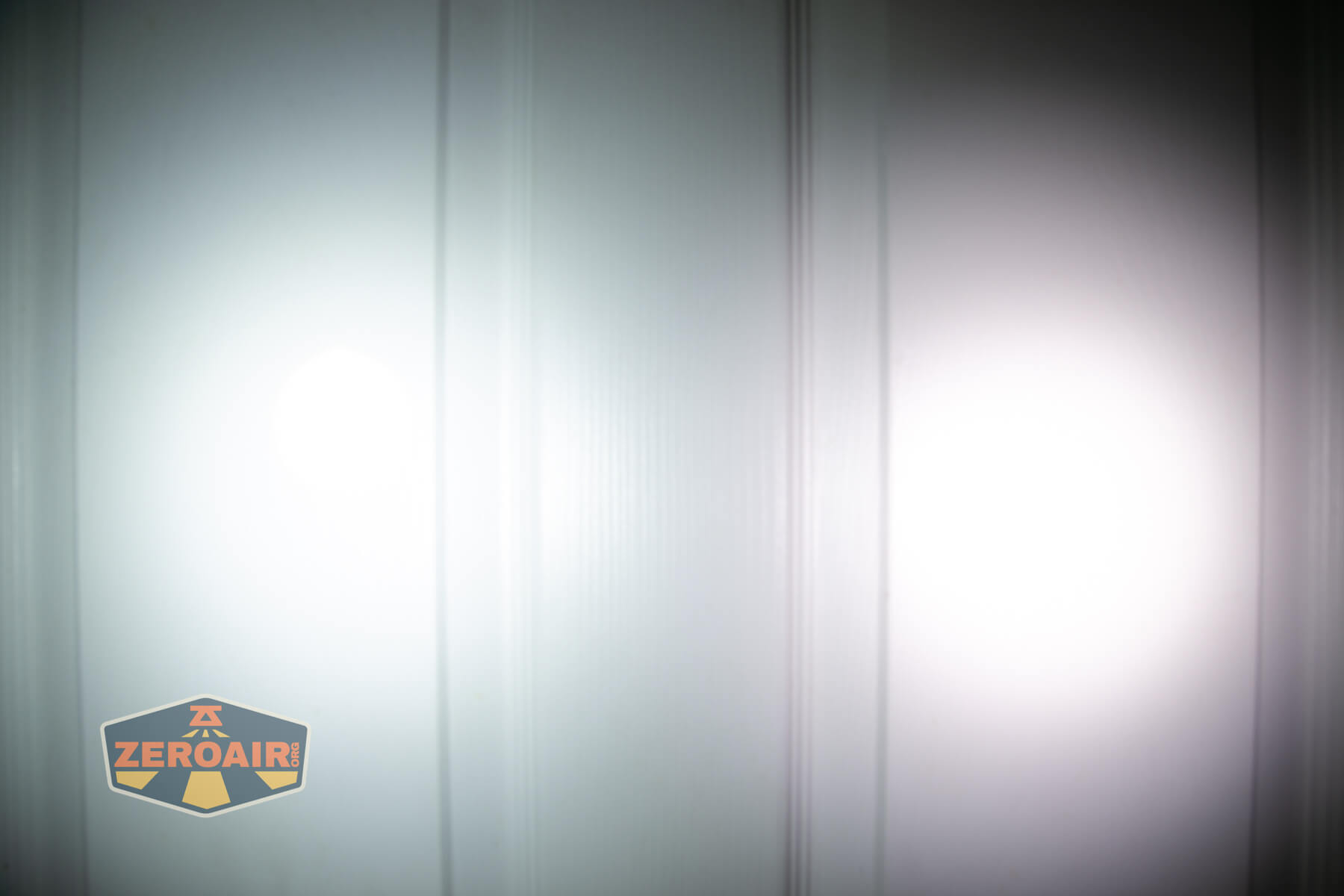
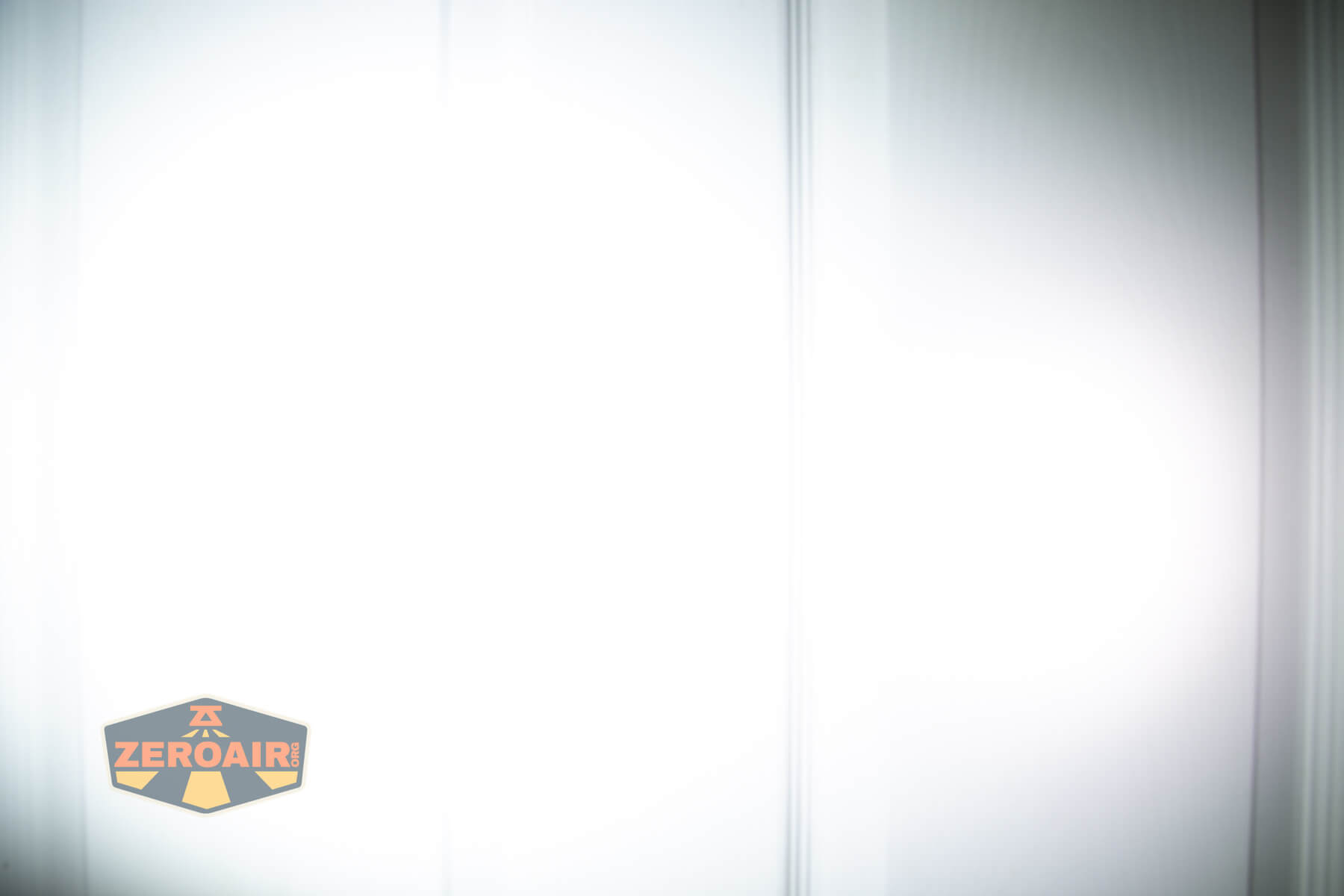

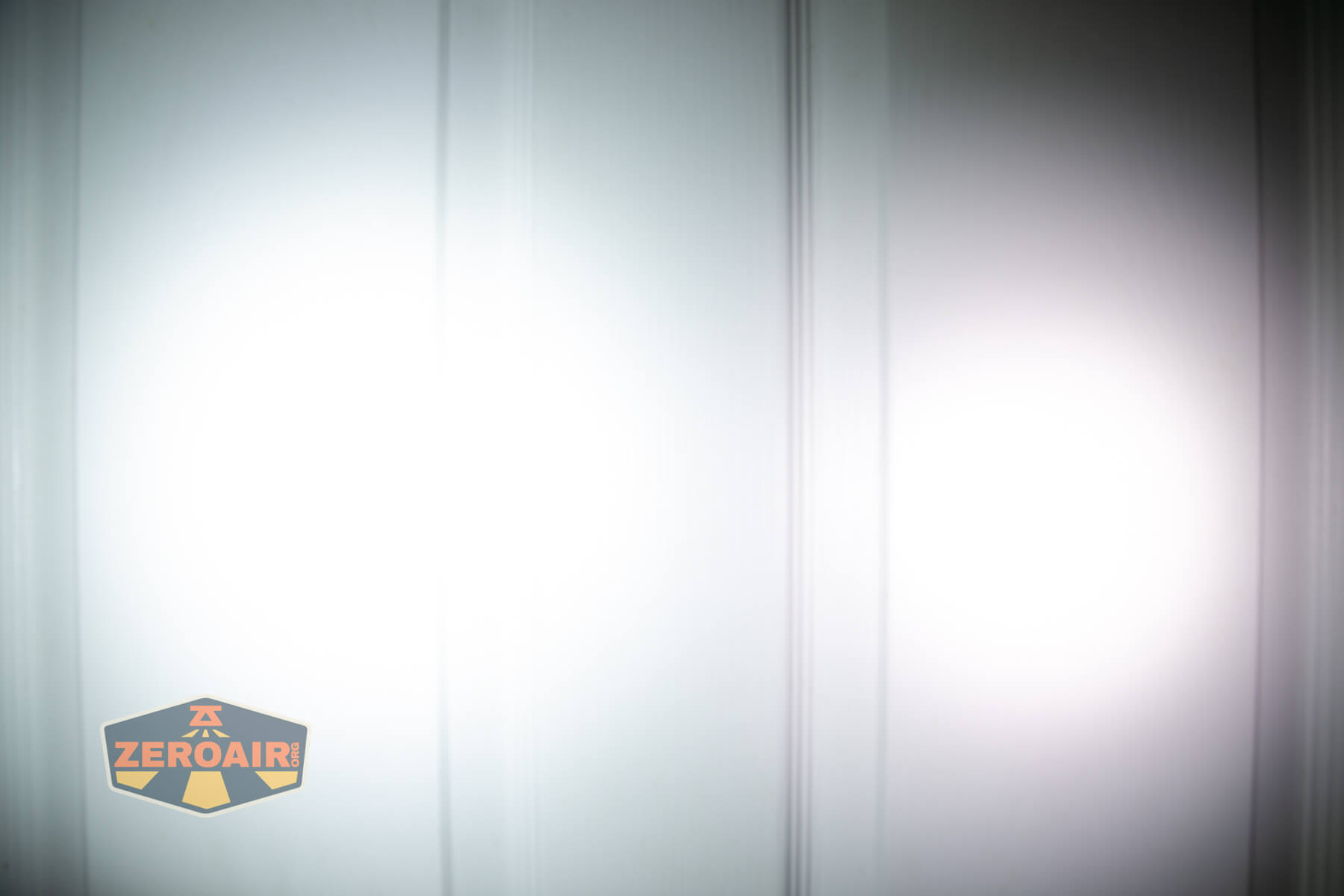
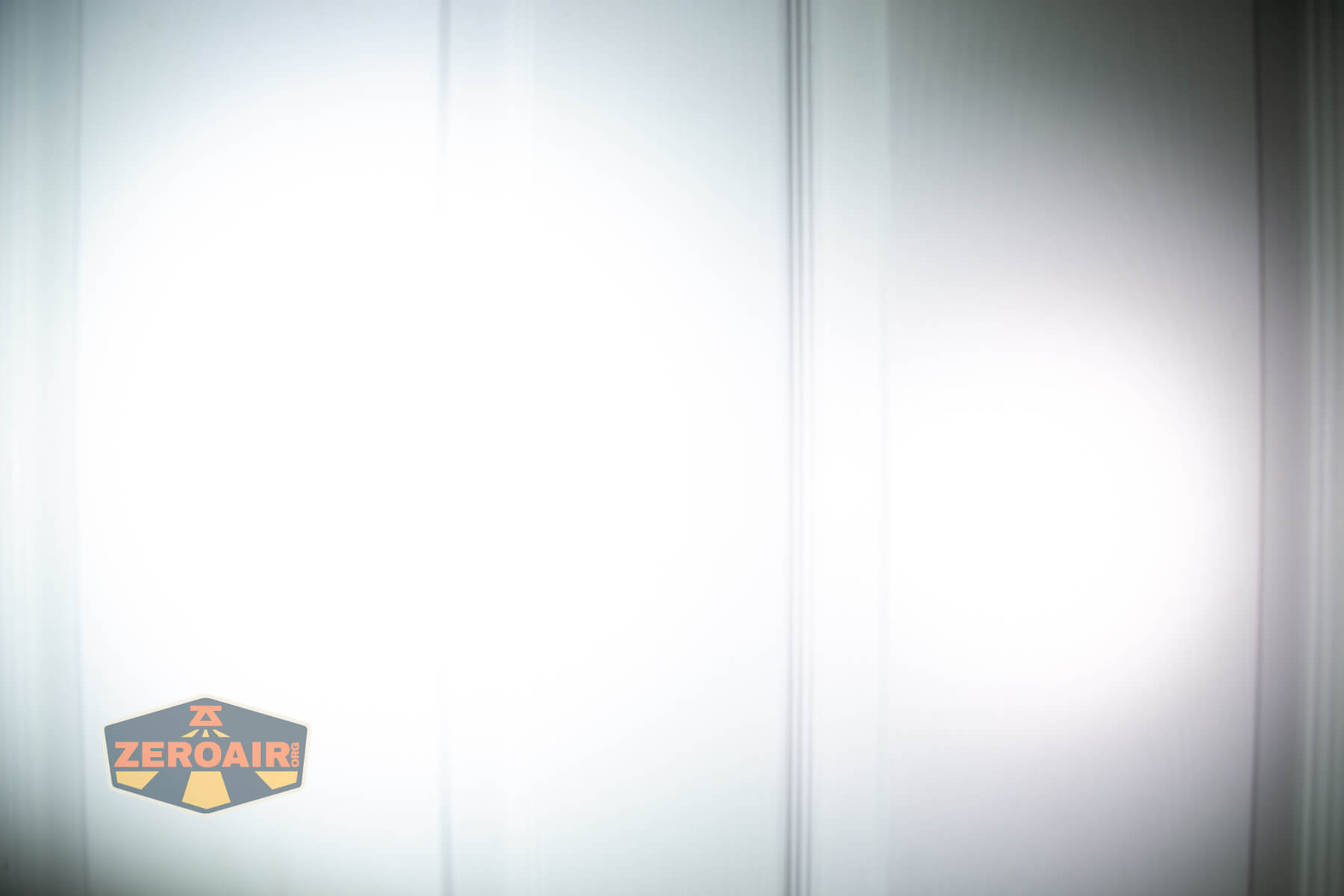
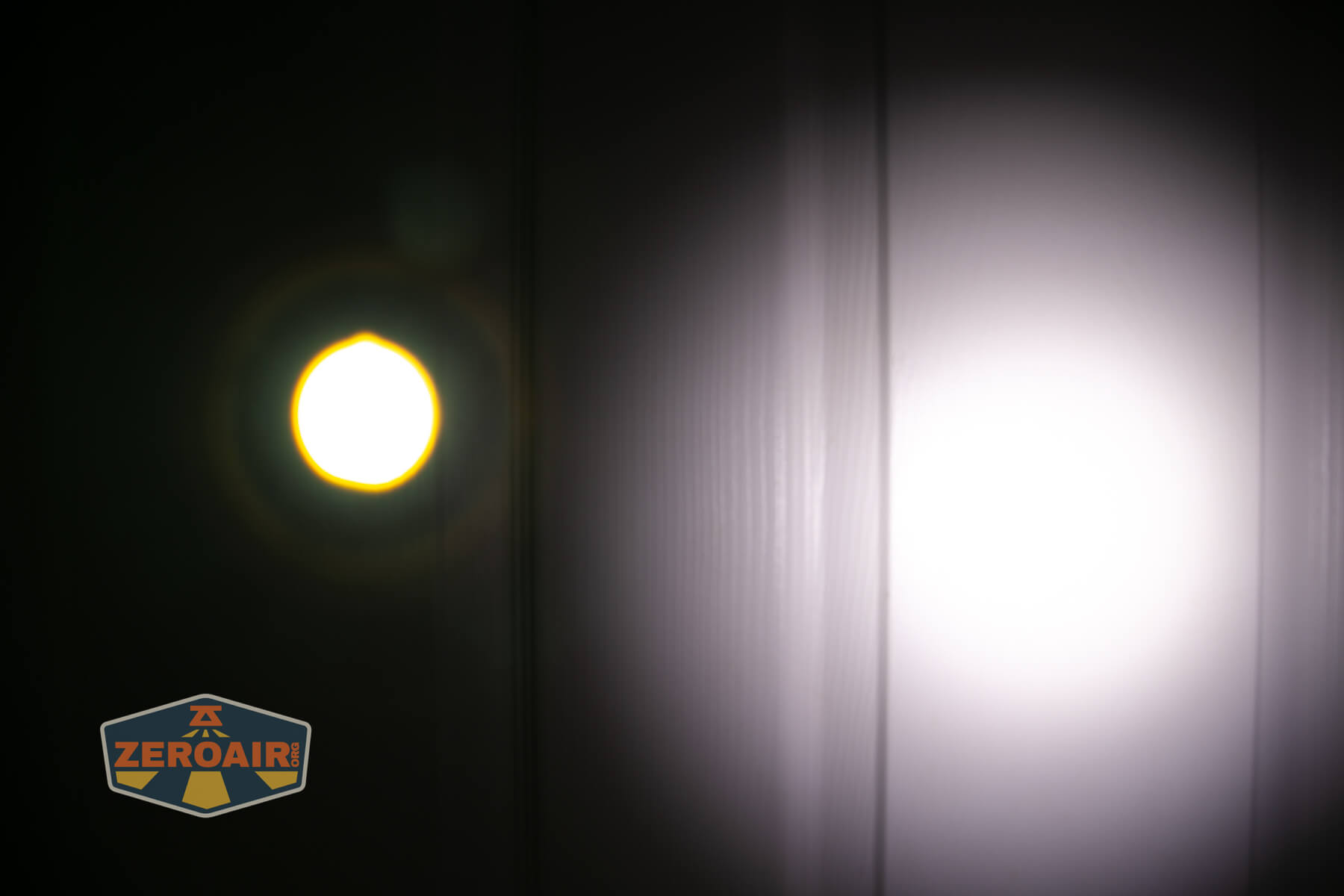
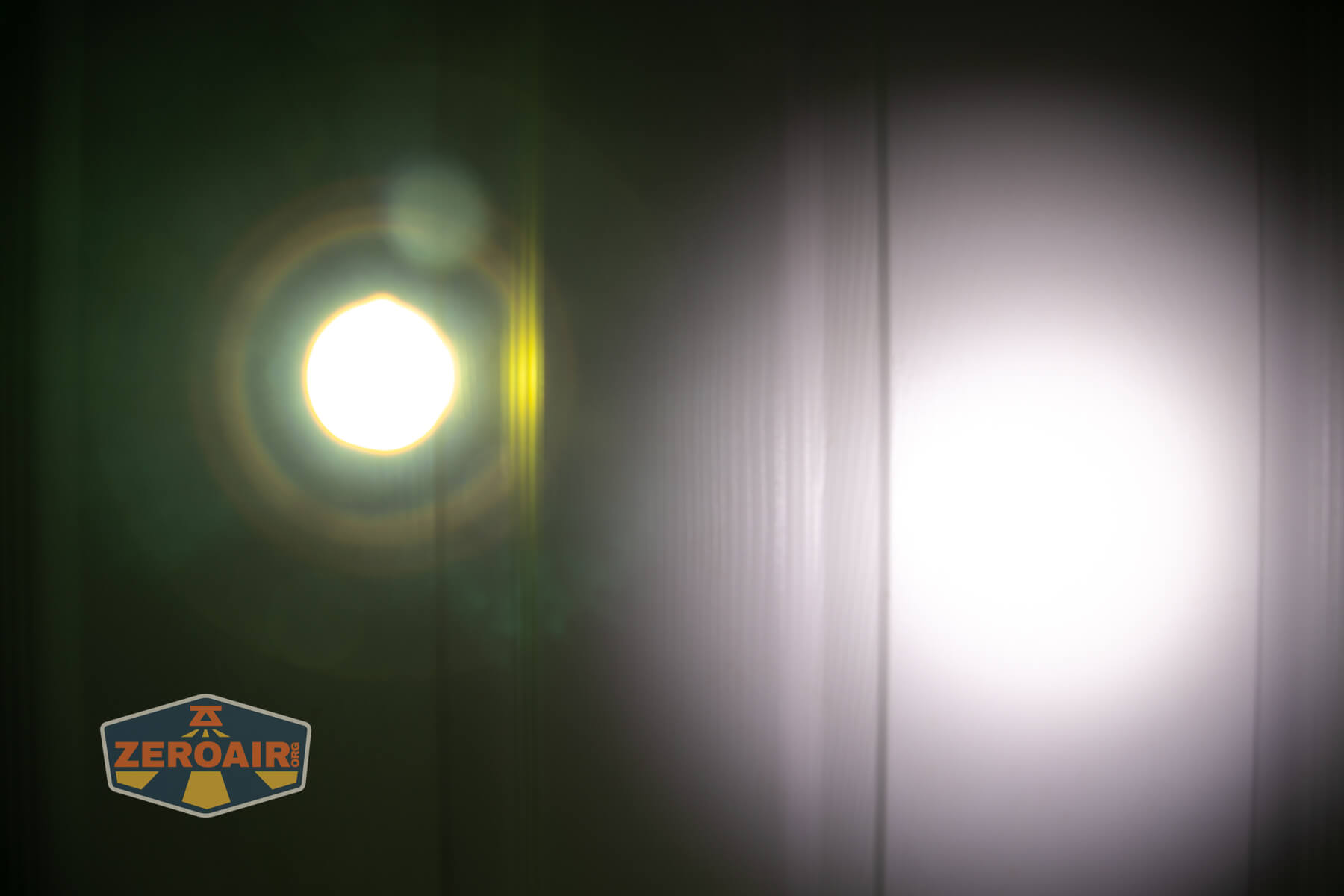
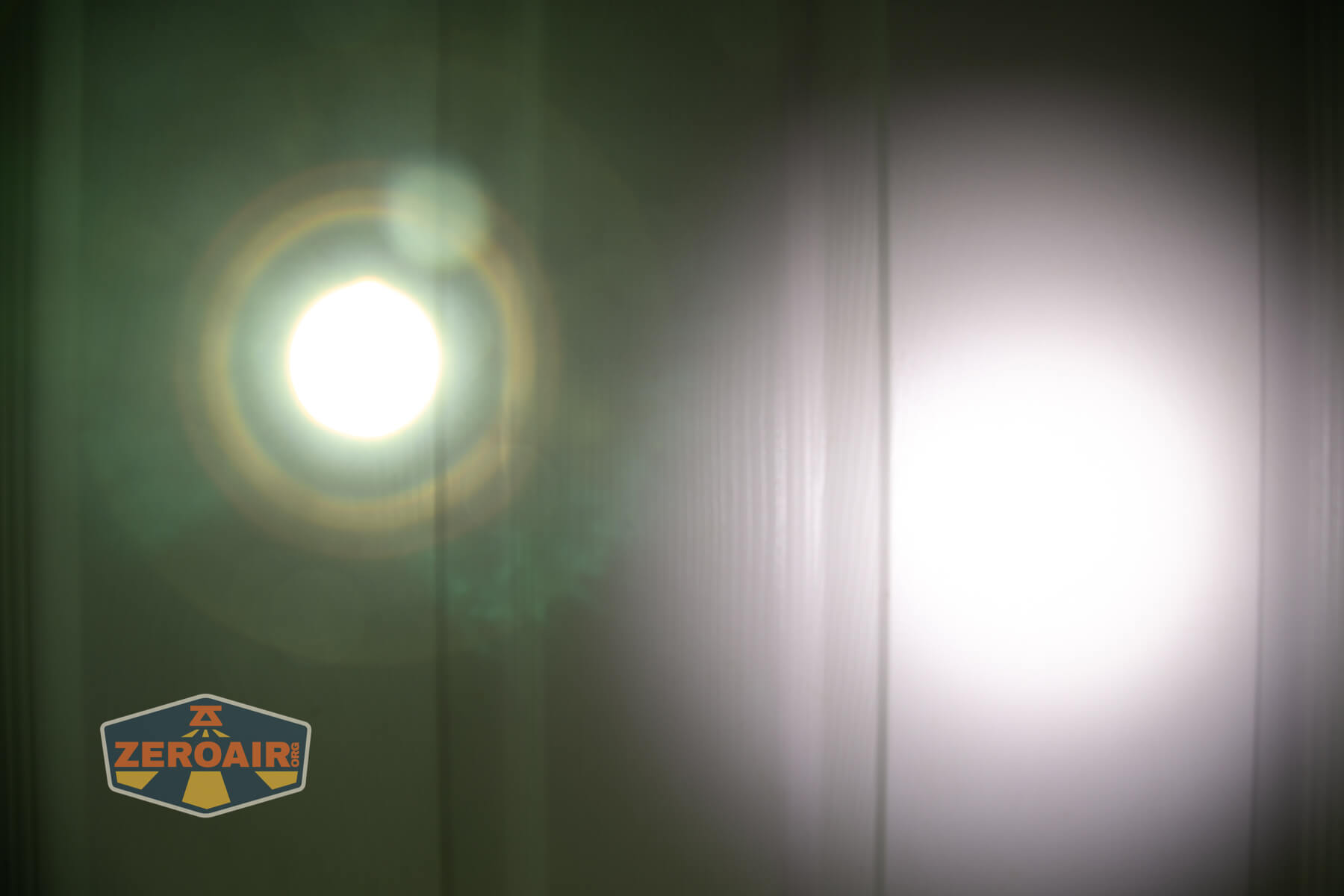

I compare everything to the KillzoneFlashlights.com 219b BLF-348 because it’s inexpensive and has the best tint!
Summary and Conclusion
As a body of light that includes both LEP and LED output, the Nitecore P40 ultra long throwing flashlight is a fine example. Actually using any of those can be frustrating because of individual level mode memory. I don’t think I’ve ever seen an instance of worse implementation of mode memory. But I already don’t like mode memory. If you’re inclined to like mode memory, this could be a fantastic light for you! Each individual output is good. We could wish for four modes for each type of output, but that’s a minor concern. At $340, the light is definitely not inexpensive! But the build quality is great, and the throw is fantastic!!
The Big Table
| Nitecore P40 ultra long throwing flashlight | |
|---|---|
| Emitter: | Both (Flood and throw) |
| Price in USD at publication time: | $339.95 |
| Cell: | 1×21700 |
| Runtime Graphs | |
| LVP? | – |
| Switch Type: | Both |
| Quiescent Current (mA): | – |
| On-Board Charging? | Yes |
| Charge Port Type: | USB-C |
| Charge Graph | |
| Power off Charge Port | |
| Claimed Lumens (lm) | Flood and throw: 2000 LEP only: 400 LED only (5): 800 |
| Measured Lumens (at 30s) | Flood and throw: 1387 (69.4% of claim)^ LEP only: 312 (78% of claim)^ LED only (5): 587 (73.4% of claim)^ |
| Candela per Lumen | Flood and throw: 308.4 LEP only: 1701.6 LED only (5): 3.9 |
| Claimed Throw (m) | Flood and throw: 2000 LEP only: 2000 LED only (5): 95 |
| Candela (Calculated) in cd (at 30s) | Flood and throw: 46100lux @ 6.01m = 1665137cd LEP only: 30000lux @ 6.081m = 1109357cd LED only (5): 100lux @ 4.852m = 2354cd |
| Throw (Calculated) (m) | Flood and throw: 2580.8 (129% of claim)^ LEP only: 2106.5 (105.3% of claim)^ LED only (5): 97.0 (102.1% of claim)^ |
| Claimed CCT | Flood and throw: – LEP only: – LED only (5): – |
| Measured CCT Range (K) | Flood and throw: – LEP only: – LED only (5): 6800-7300 Kelvin |
| Item provided for review by: | Nitecore |
| All my Nitecore reviews! | |
^ Measurement disclaimer: Testing flashlights is my hobby. I use hobbyist-level equipment for testing, including some I made myself. Try not to get buried in the details of manufacturer specifications versus measurements recorded here; A certain amount of difference (say, 10 or 15%) is perfectly reasonable.
What I like
- Build quality
- High quality cell
- Throw is incredible, even on the mixed mode.
- USB-C charging works at 12V
What I don’t like
- The user interface is absolutely confusing
- Low CRI from LED
- Just three modes for each output type (not considering Turbo)
Notes
- This content originally appeared at zeroair.org. Please visit there for the best experience!
- Please use my Amazon.com referral link to help support zeroair.org!
- Please support me on Patreon! I deeply appreciate your support!
Discover more from ZeroAir Reviews
Subscribe to get the latest posts sent to your email.