
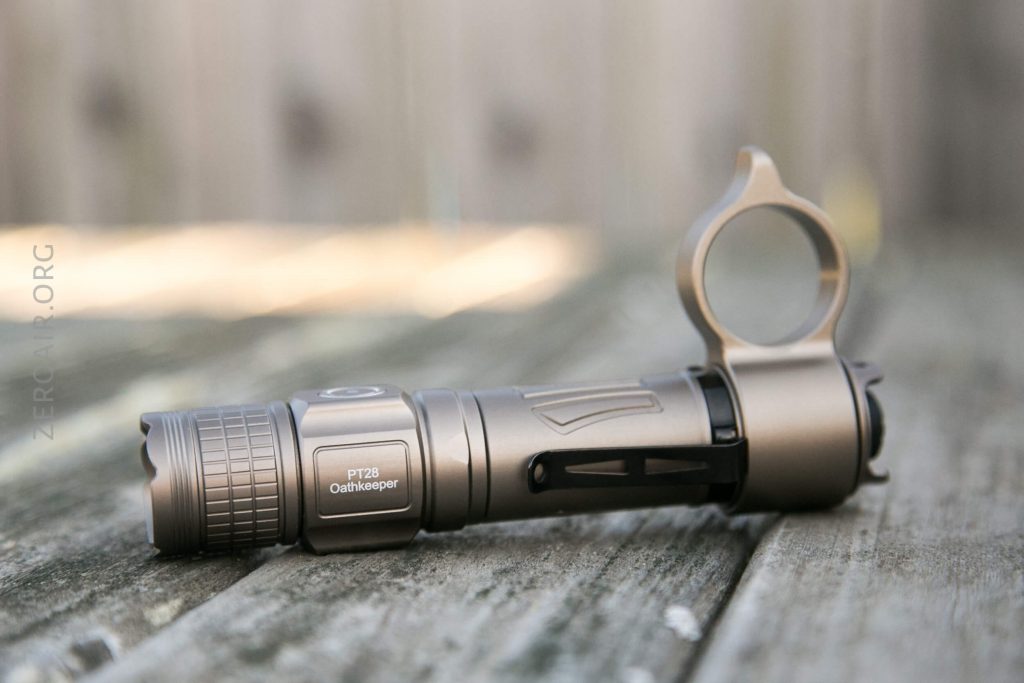
Brinyte PT28 Oathkeeper Flashlight Review
Here’s the Brinyte PT28 Oathkeeper Flashlight, and it’s well-featured. It offers magnetic charging and a tactical ring. Read on for more!
Official Specs and Features
Here’s a link to the Brinyte PT28 Oathkeeper Flashlight product page.
Versions
I think there’s just one emitter option but there are two body colors. Desert tan (seen here) and black.
Price
These go for $122 on Brinyte’s store.
Short Review
This is a nice light. It’s very capable and meets specifications. The emitter is very cool white (angry white, even), so that’s not my favorite feature.
Long Review
The Big Table
| Brinyte PT28 Oathkeeper Flashlight | |
|---|---|
| Emitter: | Cree XHP35 HD |
| Price in USD at publication time: | $122.00 |
| Cell: | 1×18650 |
| Turbo Runtime | High Runtime |
| LVP? | Yes |
| Switch Type: | Dual |
| On-Board Charging? | Yes |
| Chargetime | |
| Power off Charge Port with no Cell? | One mode. With cell: two modes. |
| Claimed Lumens (lm) | 1600 |
| Measured Lumens (at 30s) | 1716 (107.3% of claim)^ |
| Candela per Lumen | 7.6 |
| Claimed Throw (m) | ? |
| Candela (Calculated) in cd (at 30s) | 630lux @ 5.301m = 17703cd |
| Throw (Calculated) (m) | 266.1^ |
| All my Brynite reviews! | |
^ Measurement disclaimer: Testing flashlights is my hobby. I use hobbyist-level equipment for testing, including some I made myself. Try not to get buried in the details of manufacturer specifications versus measurements recorded here; A certain amount of difference (say, 10 or 15%) is perfectly reasonable.
What’s Included

- Brinyte PT28 Oathkeeper flashlight
- Brinyte 3400mAh 18650
- Charge cable (USB to proprietary magnetic)
- Nylon belt pouch (with 18650 holder)
- Tactical tailcap cover finger ring
- Paracord lanyard with metal clip
Package and Manual

I didn’t get a manual with this light, unfortunately. I’d love to have one. I imagine your purchase will come with a manual.
Build Quality and Disassembly

Build quality is good. The light feels good in my hands.
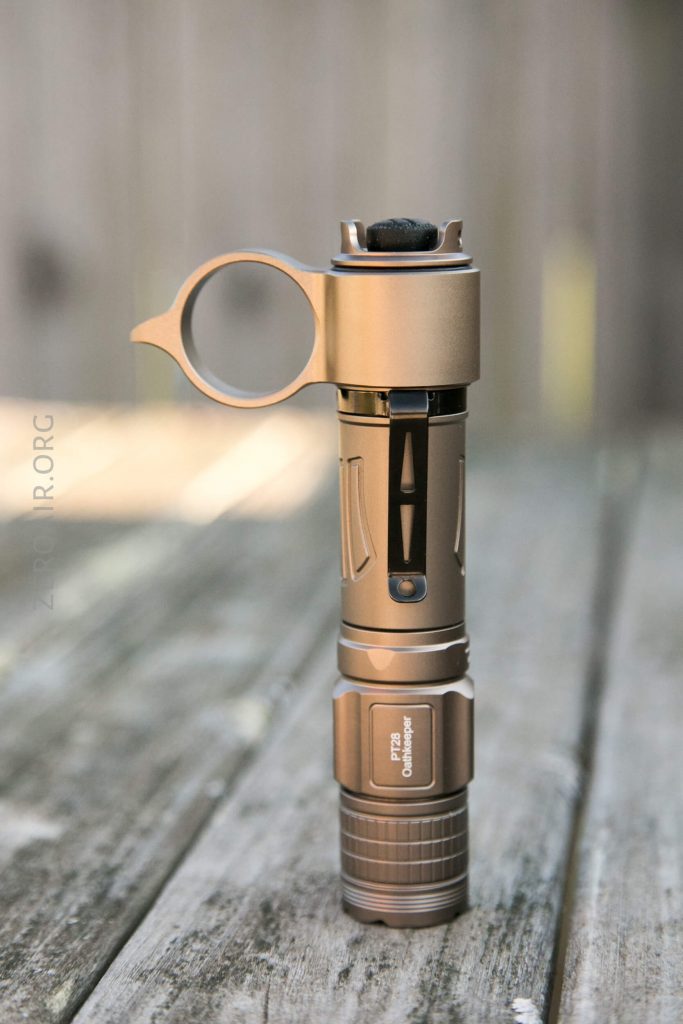
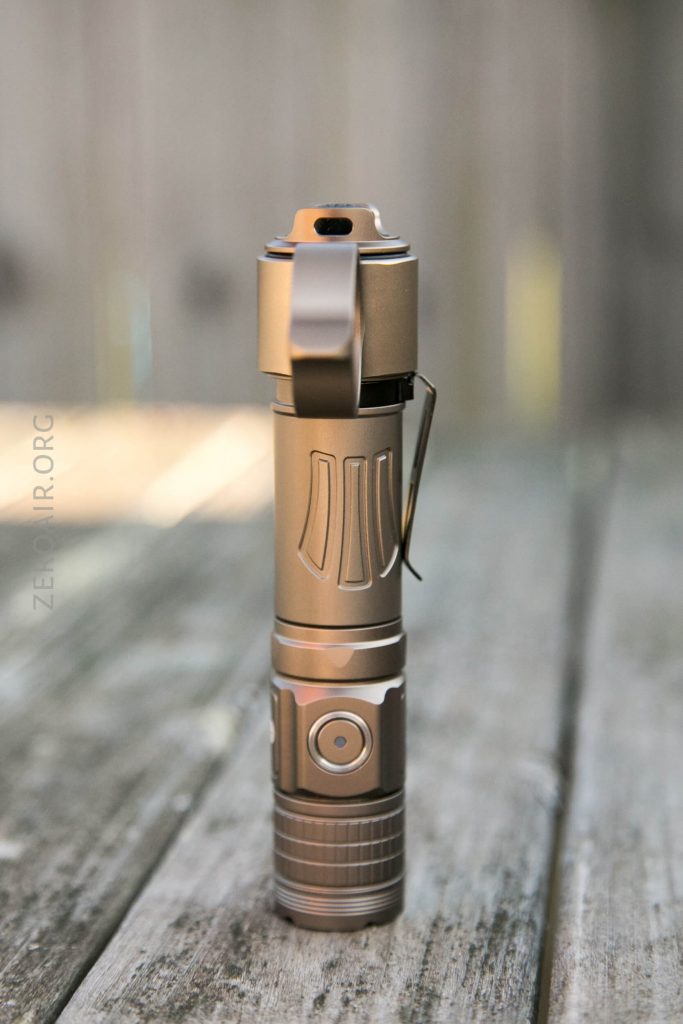
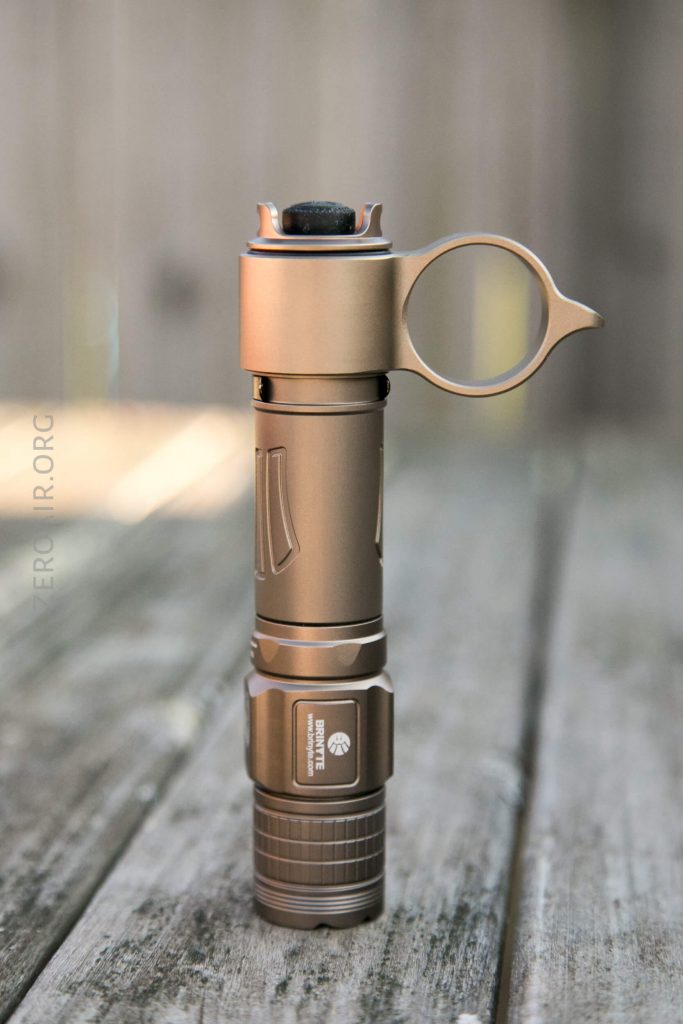


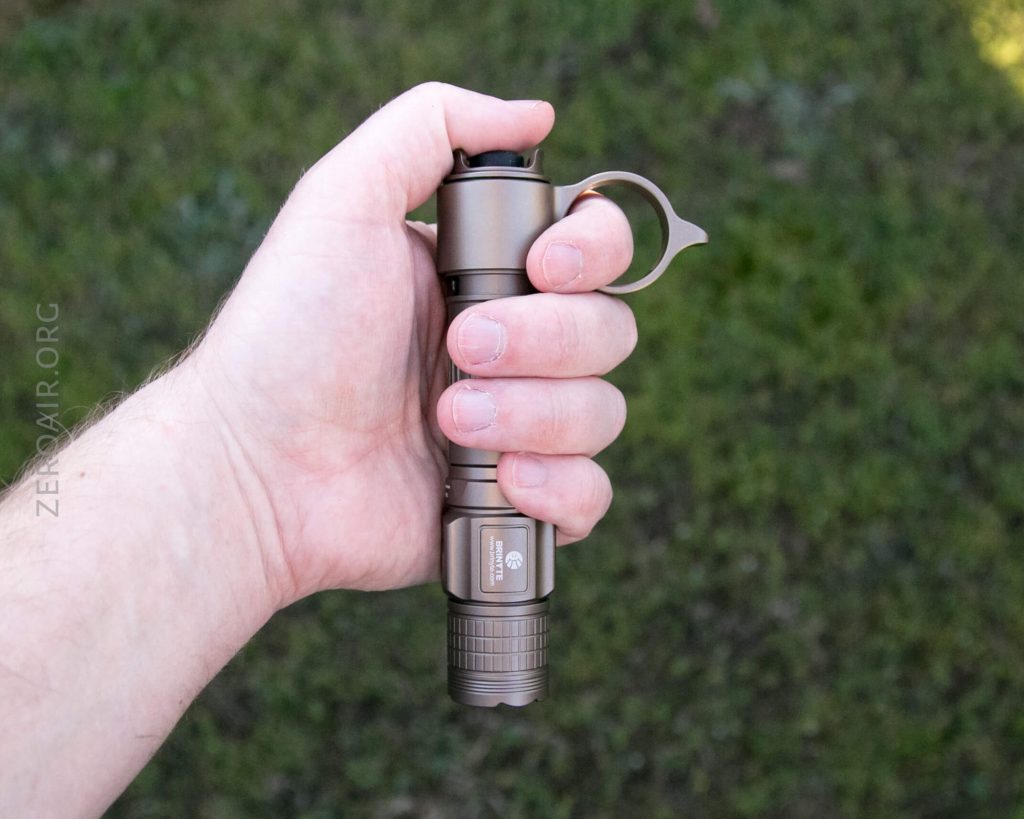
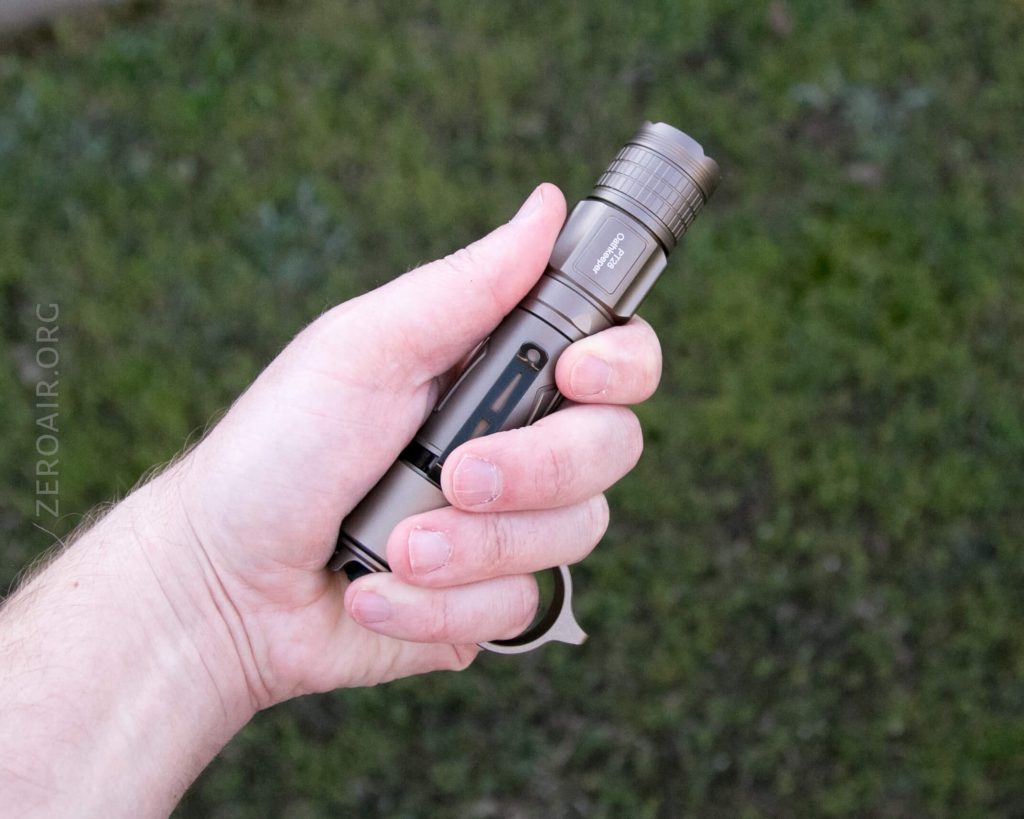
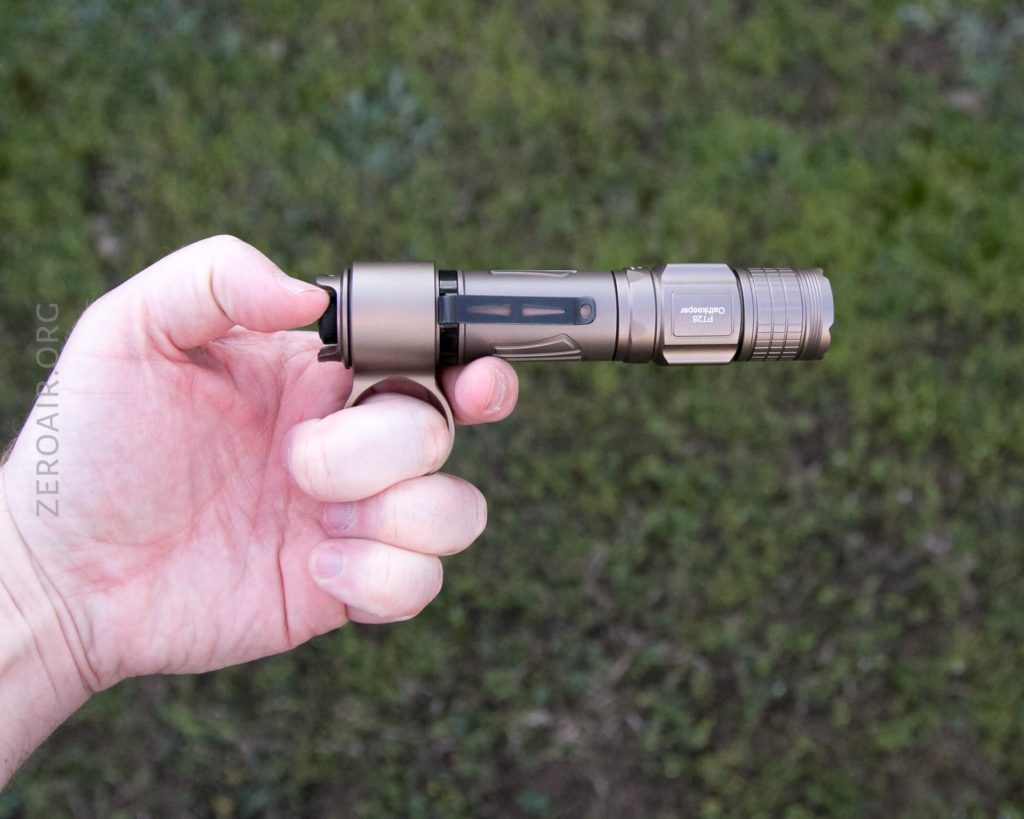
The tactical ring adds a bit of bulk on the tailcap but that’s expected.

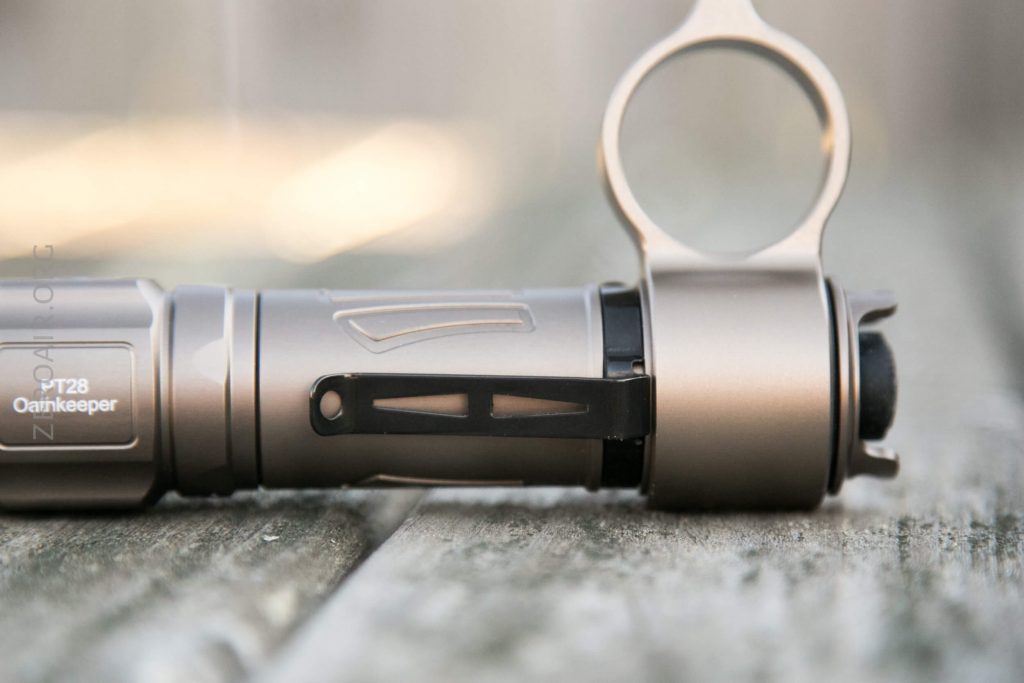
It’s also keyed, so it’ll only go on in one spot, and it won’t spin around when it’s installed. There’s a little bit of play when installed, but not much.

The threads are unanodized and square-cut. The onboard charging necessitates the inner sleeve, which can be seen peeking out below.

As you’d expect, both head and tail end have springs. A tactical light needs that.


The body design is well planned enough that the little divot the tac ring is keyed to is very subtle.


The bezel also has some relief to allow light to show when headstanding.

Size and Comps
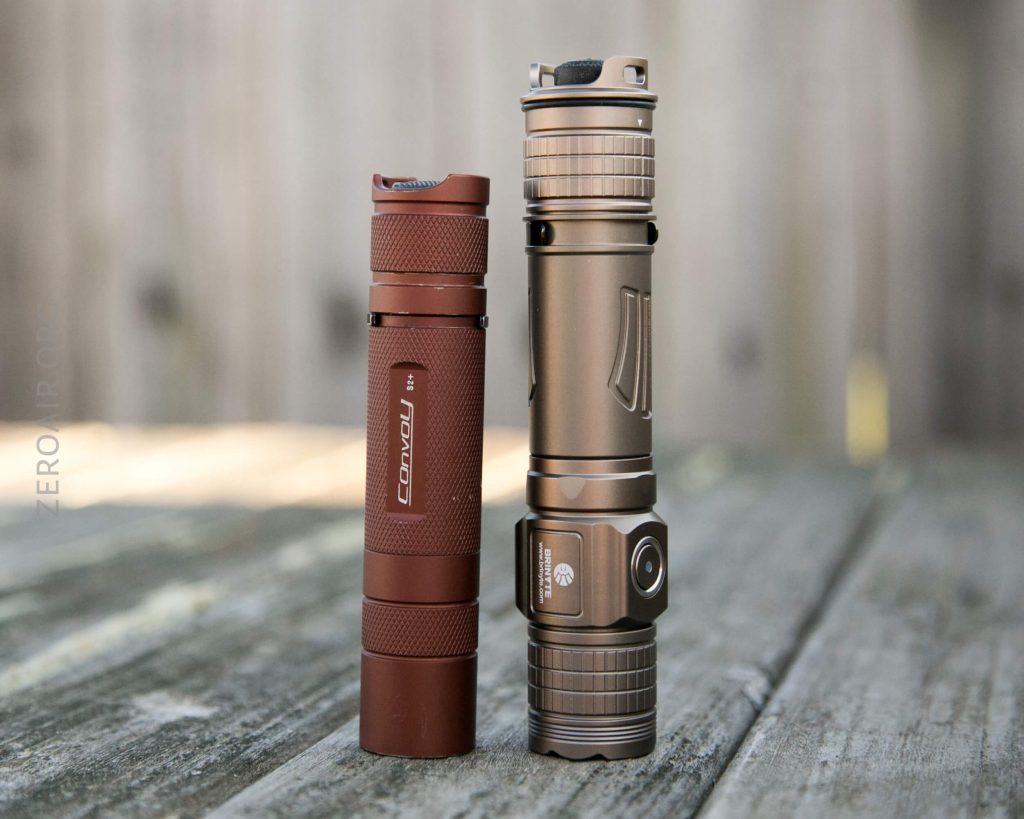
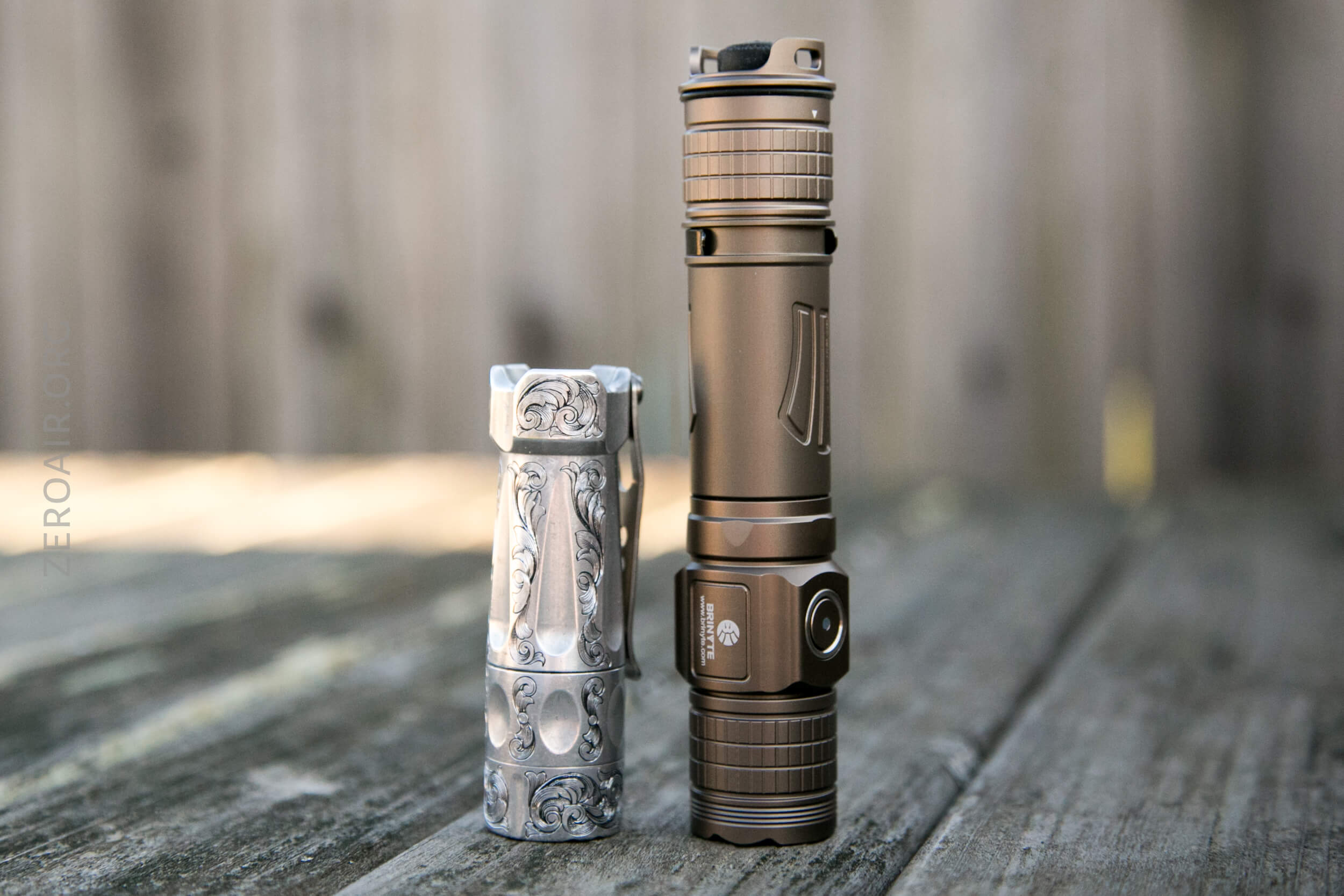
There aren’t any official size specs. All these measurements are my own.
Light (with clip, without cell, without tac ring): 108g
Tac ring: 18g
Included 18650: 48g
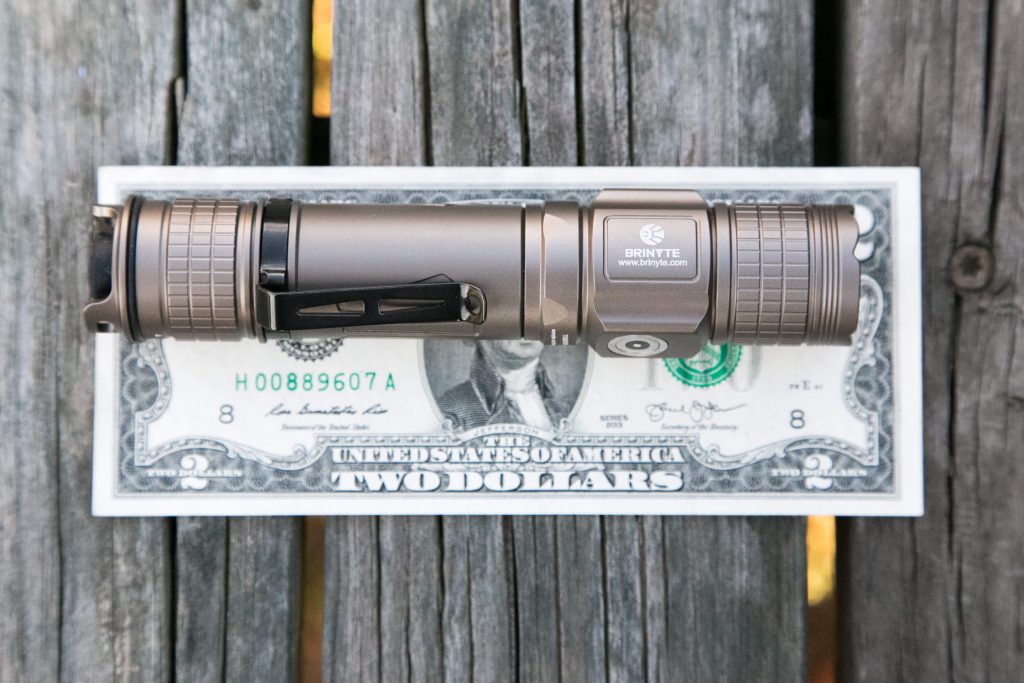
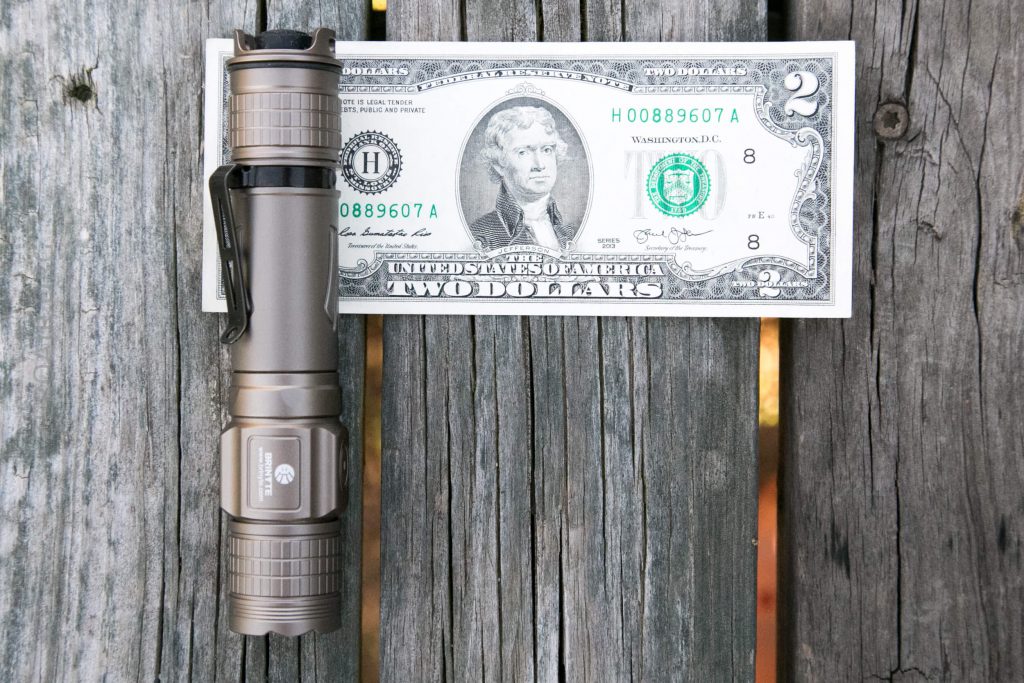
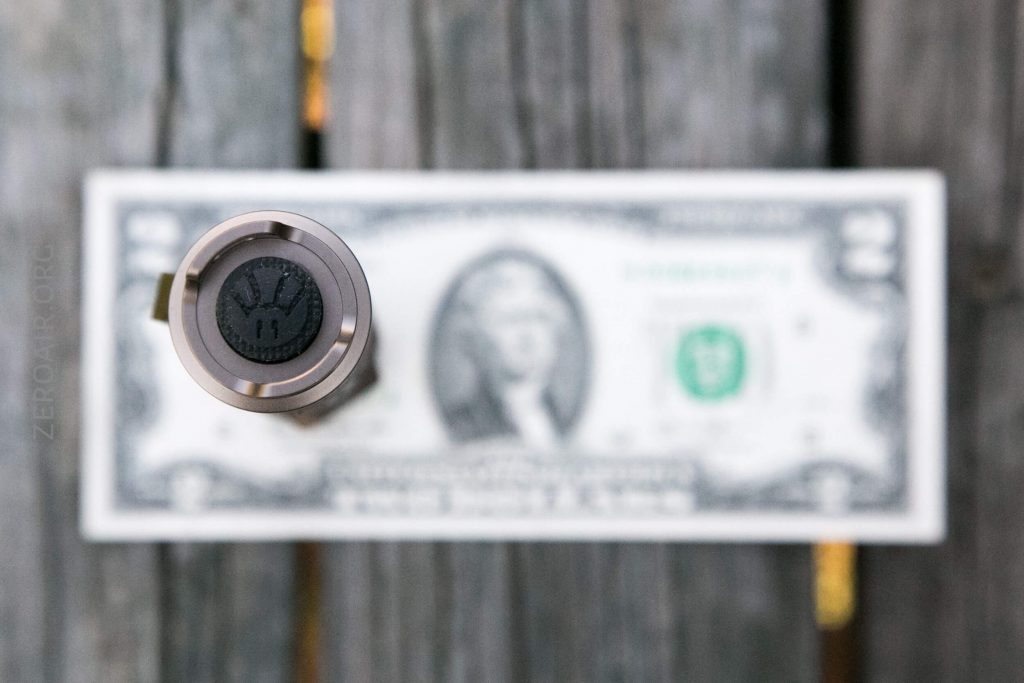

Pretty long light here.
Retention and Carry
I’m not sure what the “most preferred” way to carry the PT28 will be. The nylon pouch is quite … featured. There’s a rotating plastic belt loop and a stretchy 18650 holder.
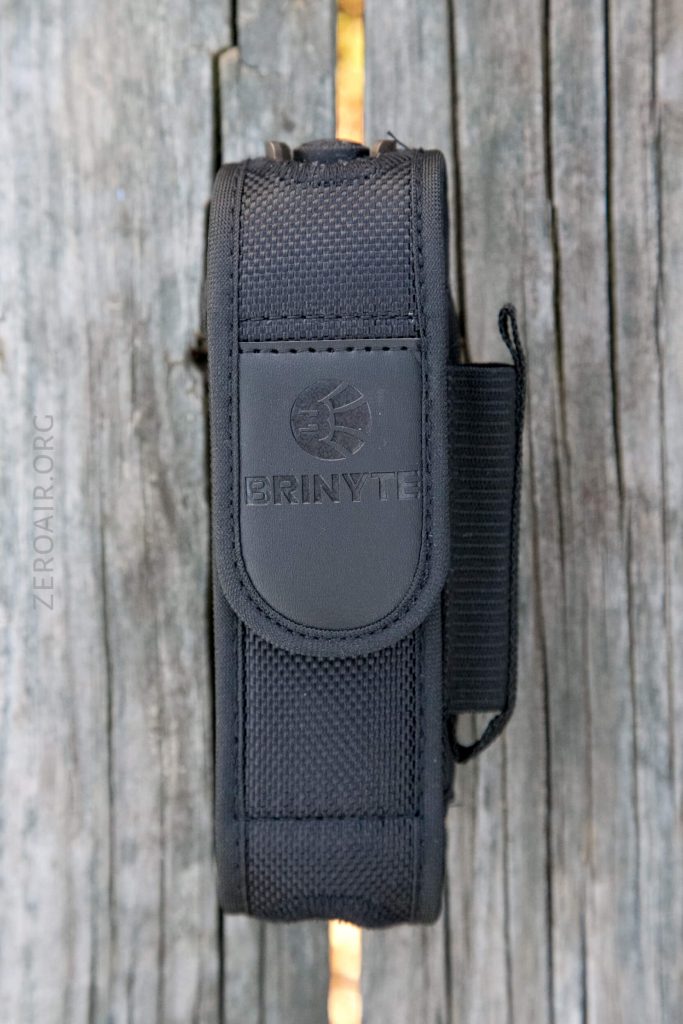
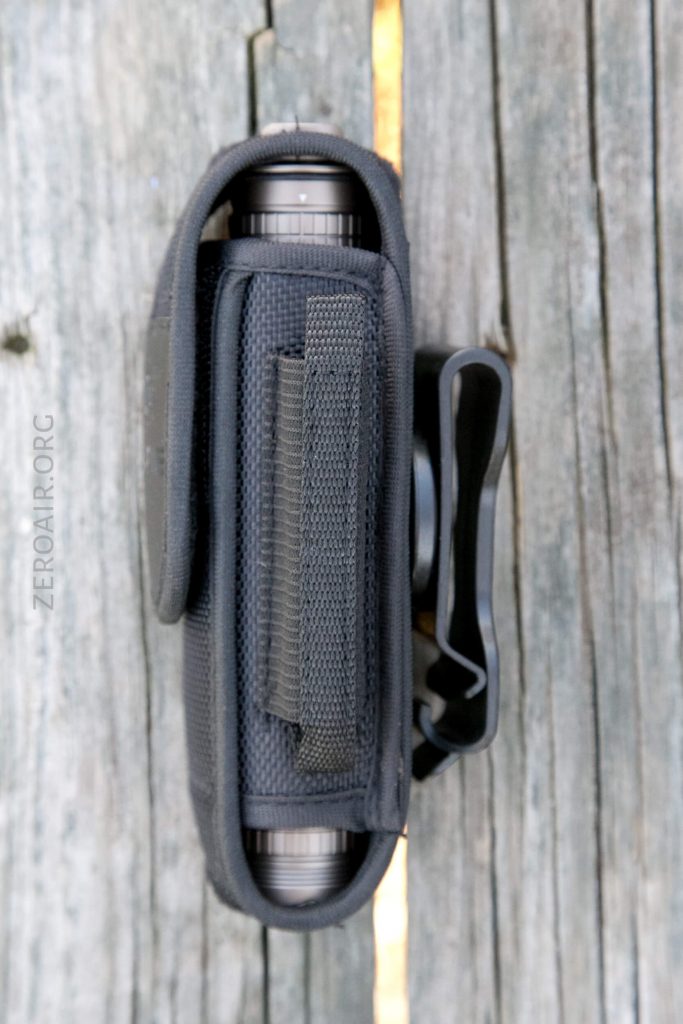
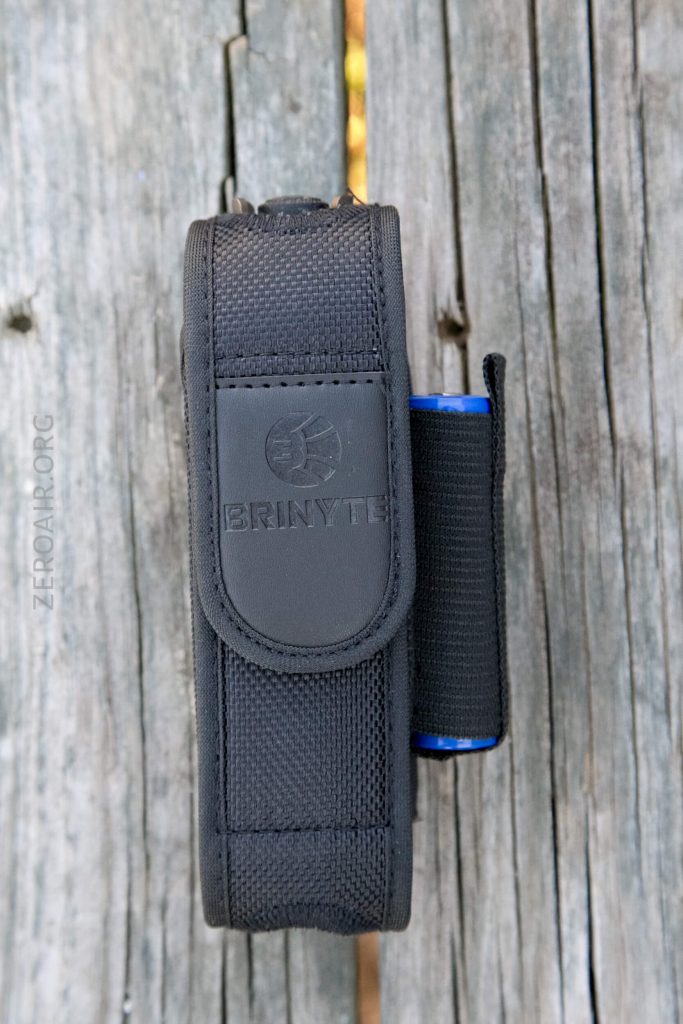
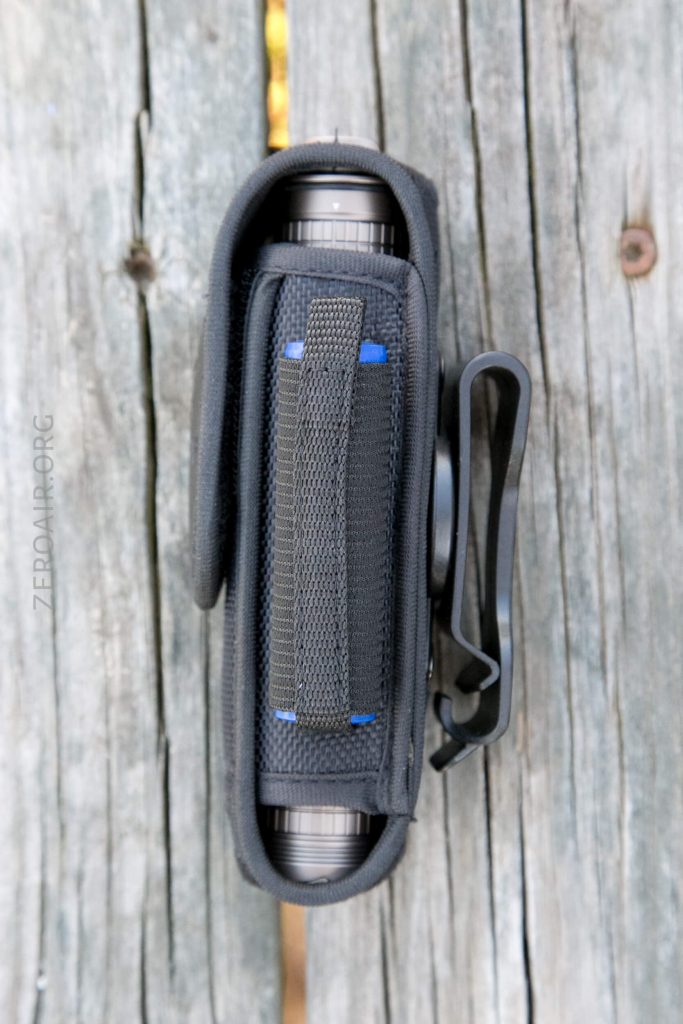
It’s a good pouch. I don’t really use pouches, but this one is nice.
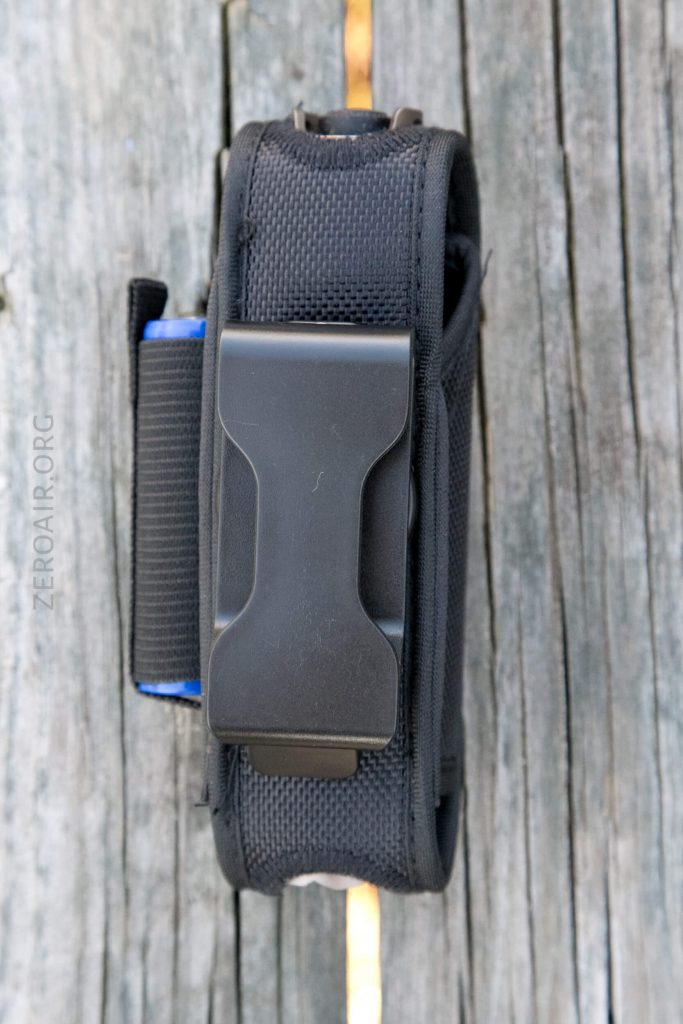
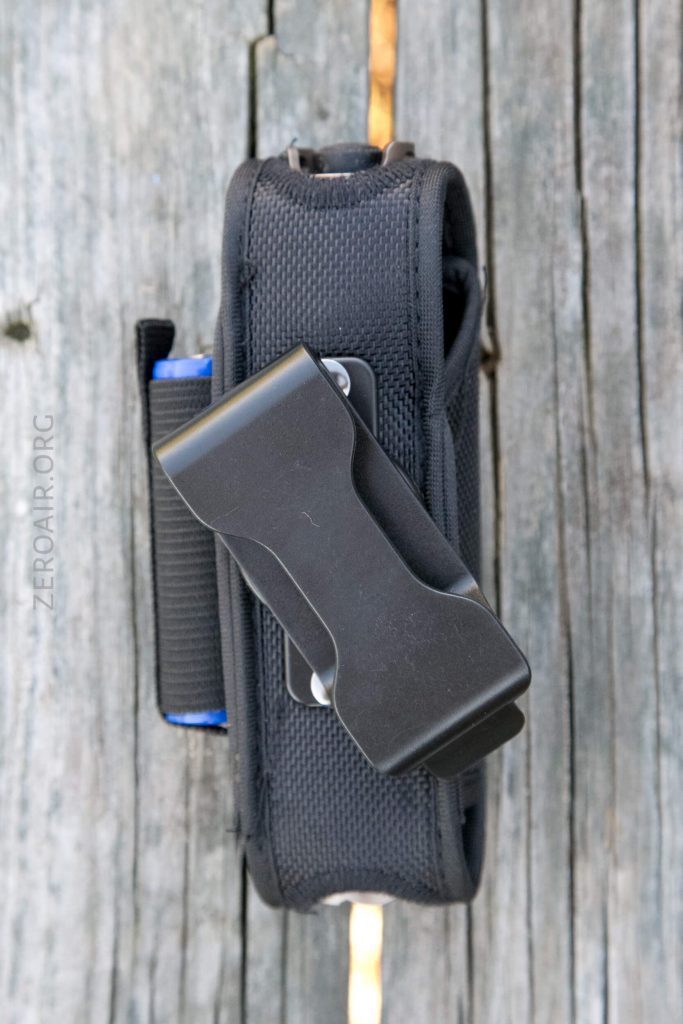
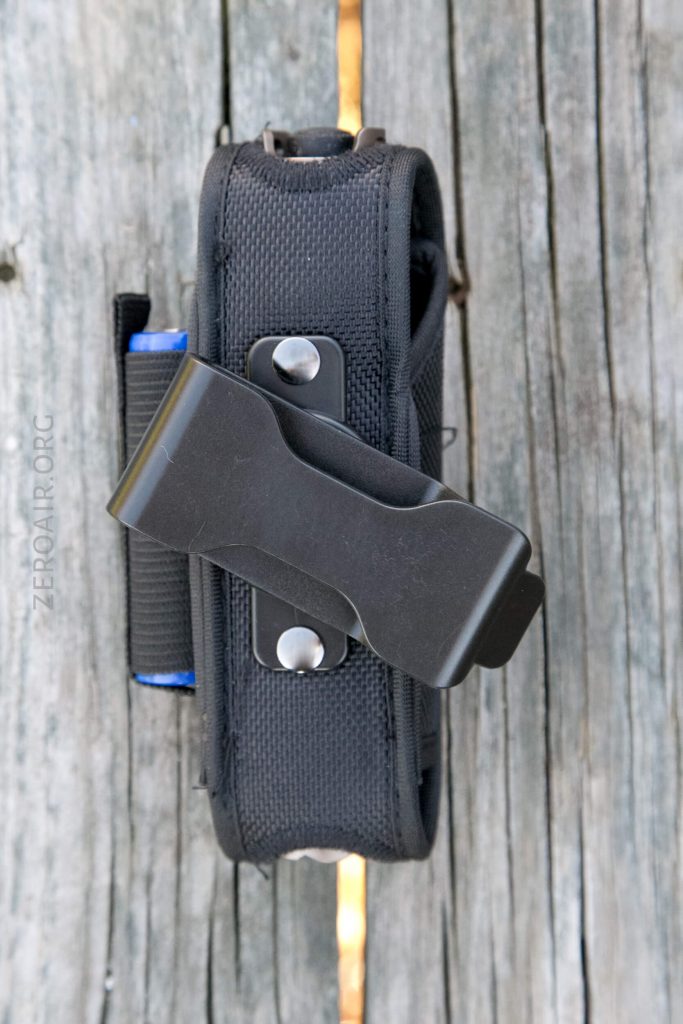
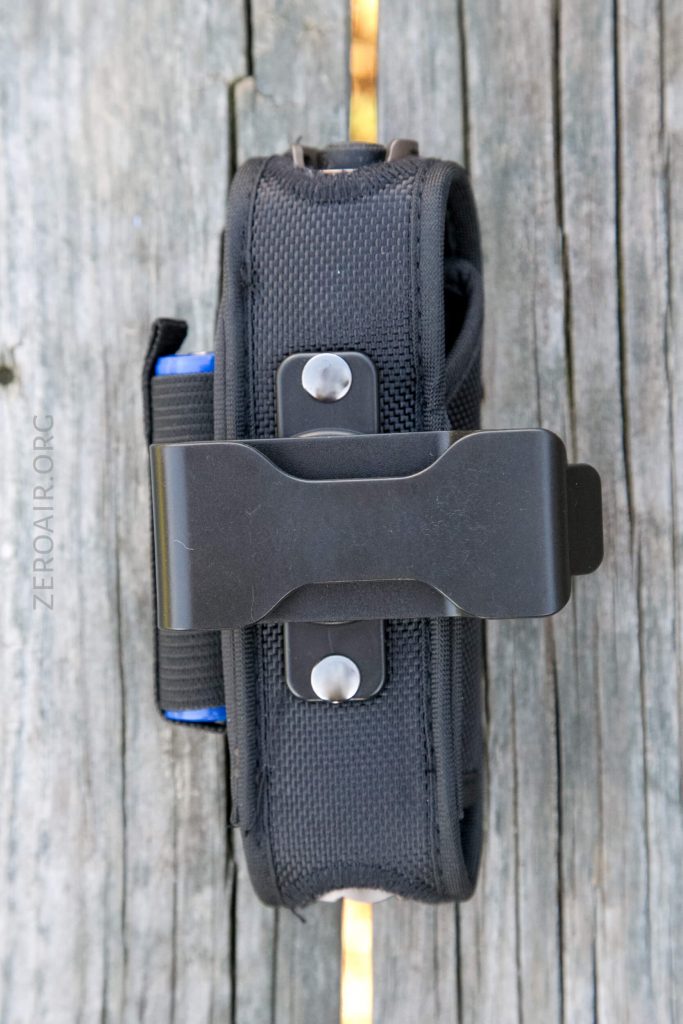
The head and tail are exposed for use while in the pouch, too. Also note the 18650 which is installed in the pouch below.
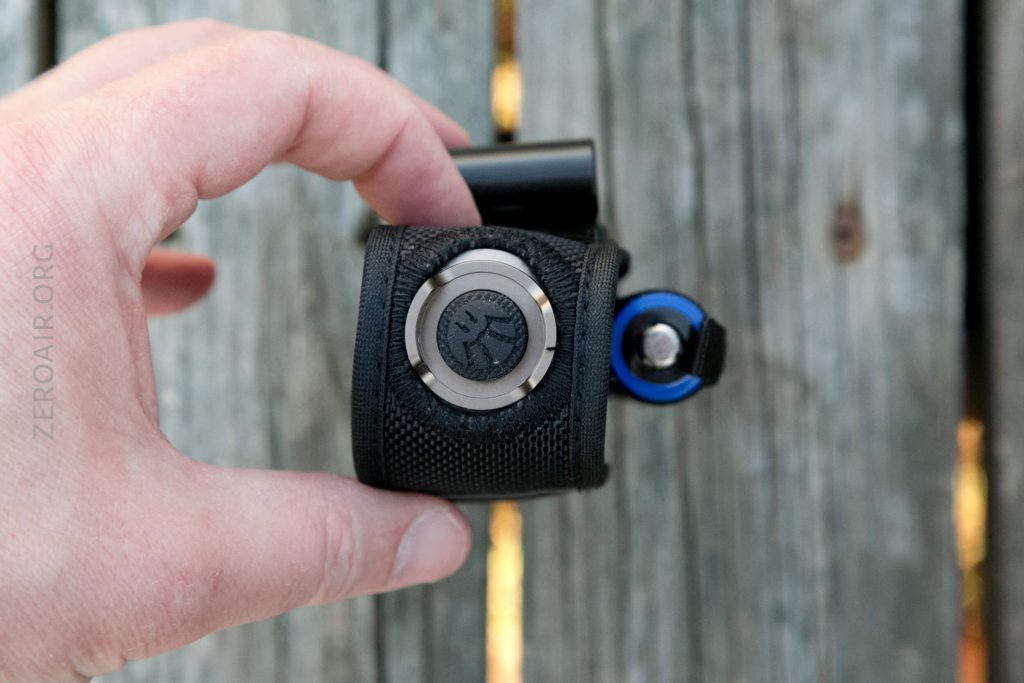
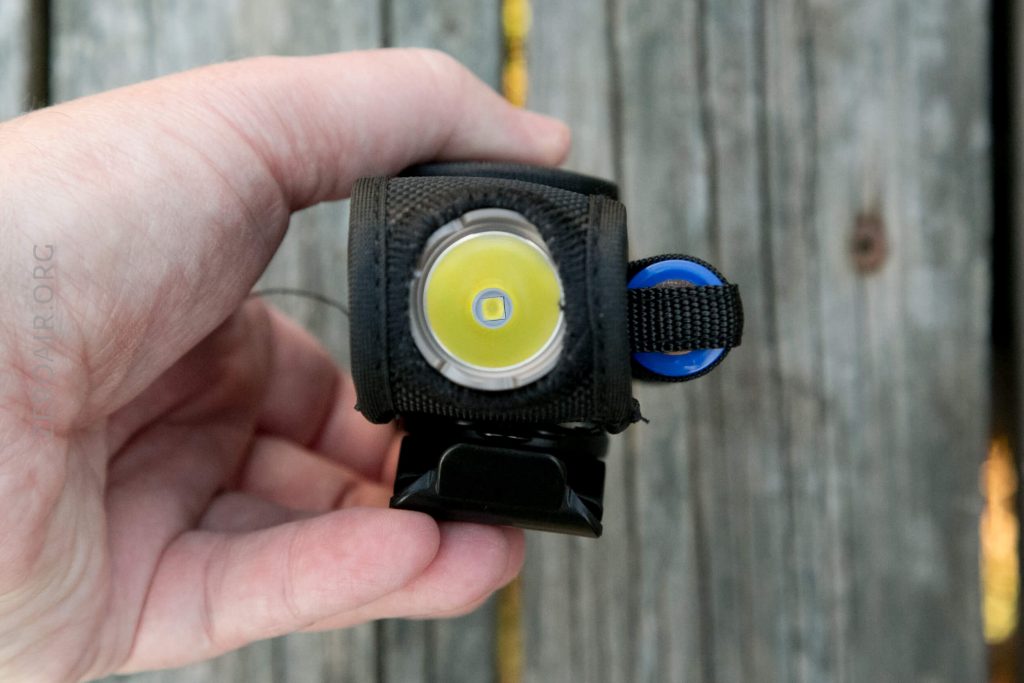
The light also fits with the tactical ring installed.

Also included is a lanyard, which has the features of a normal good lanyard and has a metal clip for very easy attachment.

This clip is likely intended to fit on the tailcap loops (either of 2) but it’ll also fit in two places on the pocket clip.
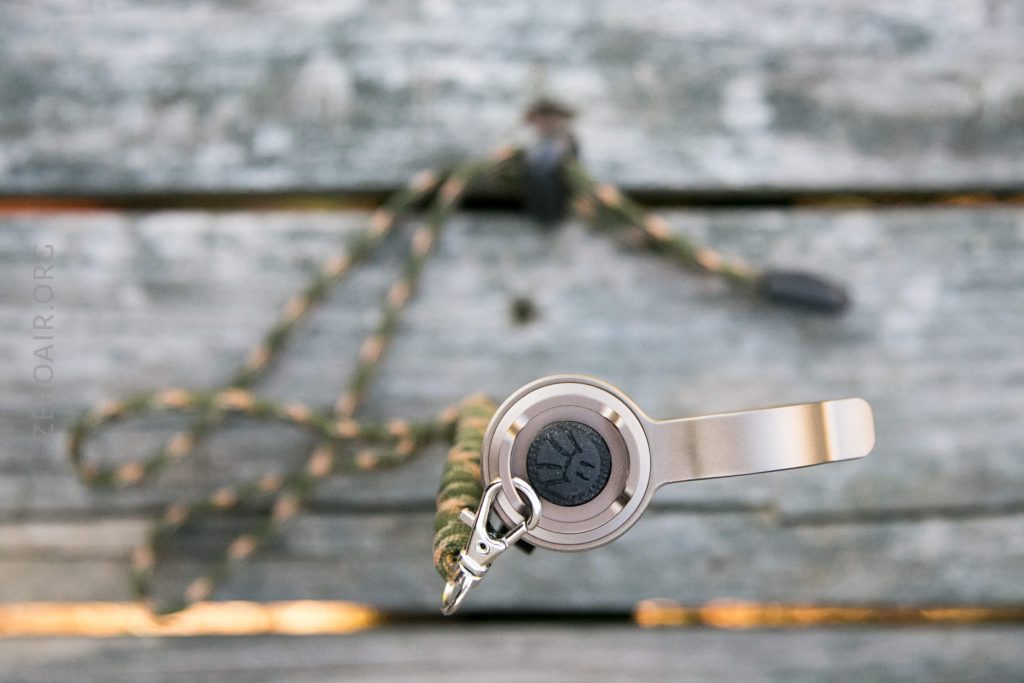
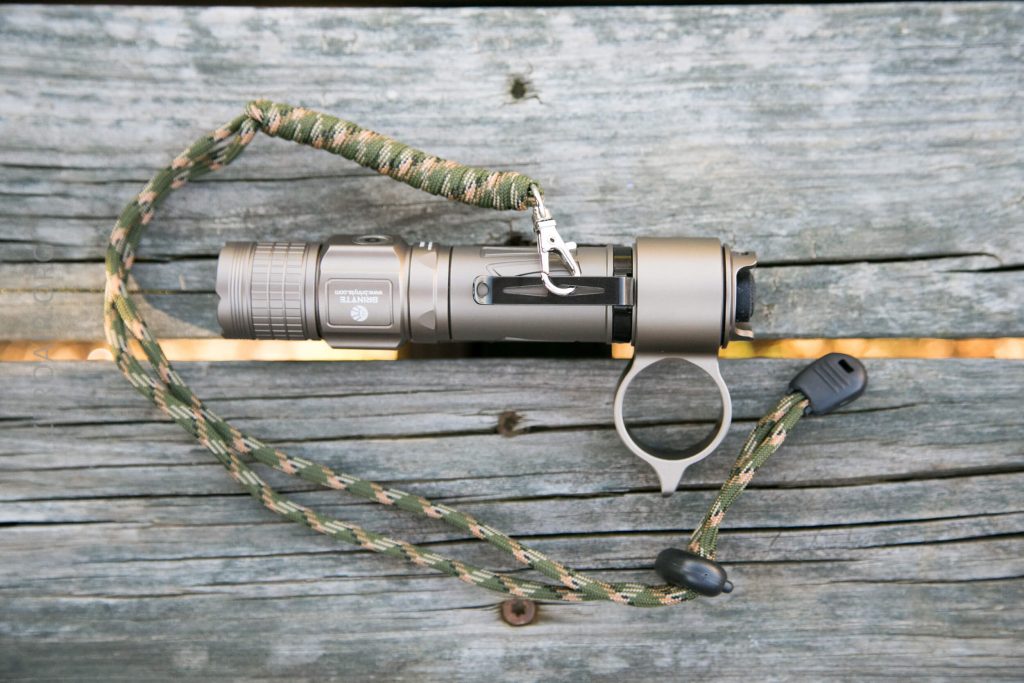
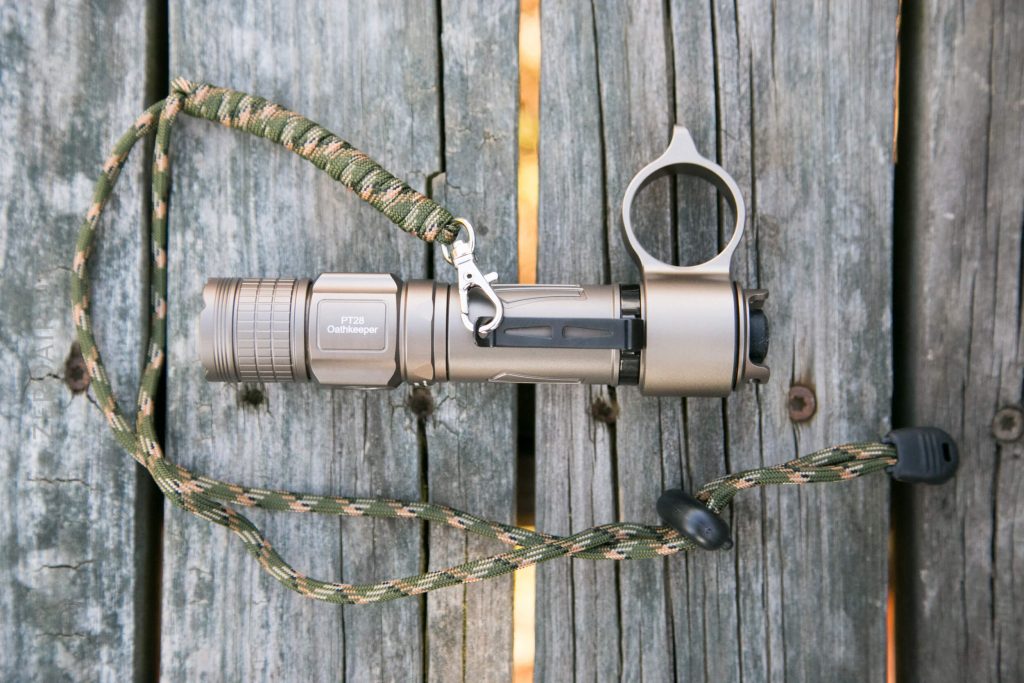
Another way to handle the light is this tactical ring. As I said above, it’s keyed, and so won’t rotate when installed, but also has just about 2mm worth of play when installed.

The tac ring doesn’t prevent any other retention option. Finally, below, see the pocket clip. It’s a friction fit clip and very snug. Not a cheap clip either – it has smooth edges.

Power and Runtime
The PT28 is powered by a single 18650. Brinyte includes a cell suitable for this light. It’s also possible to run this light on 2x CR123 because the acceptable top voltage is 6V.

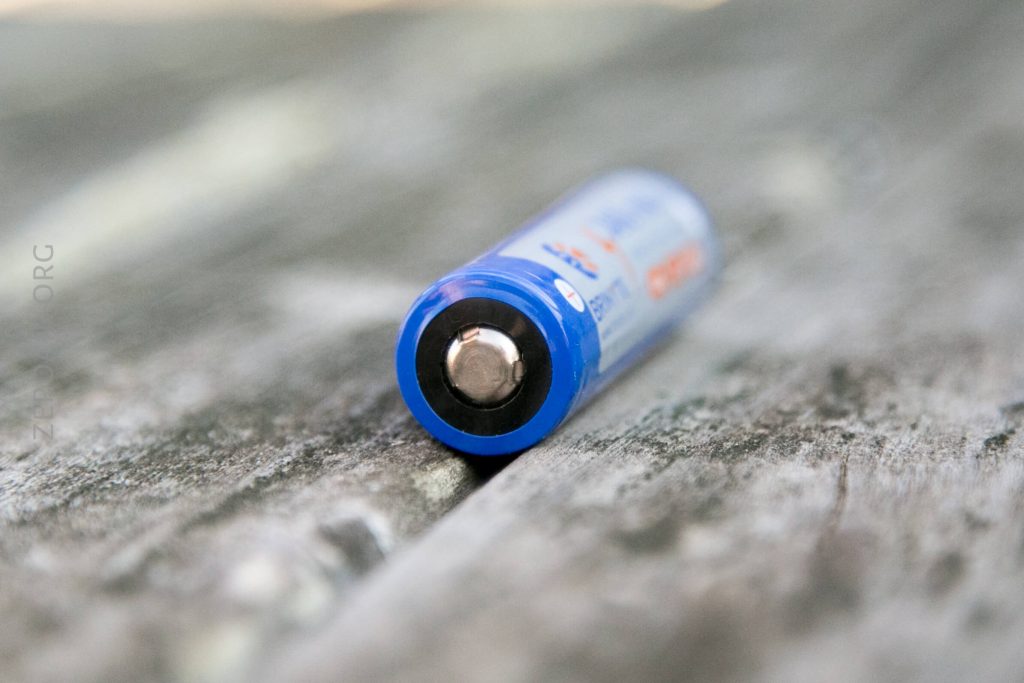
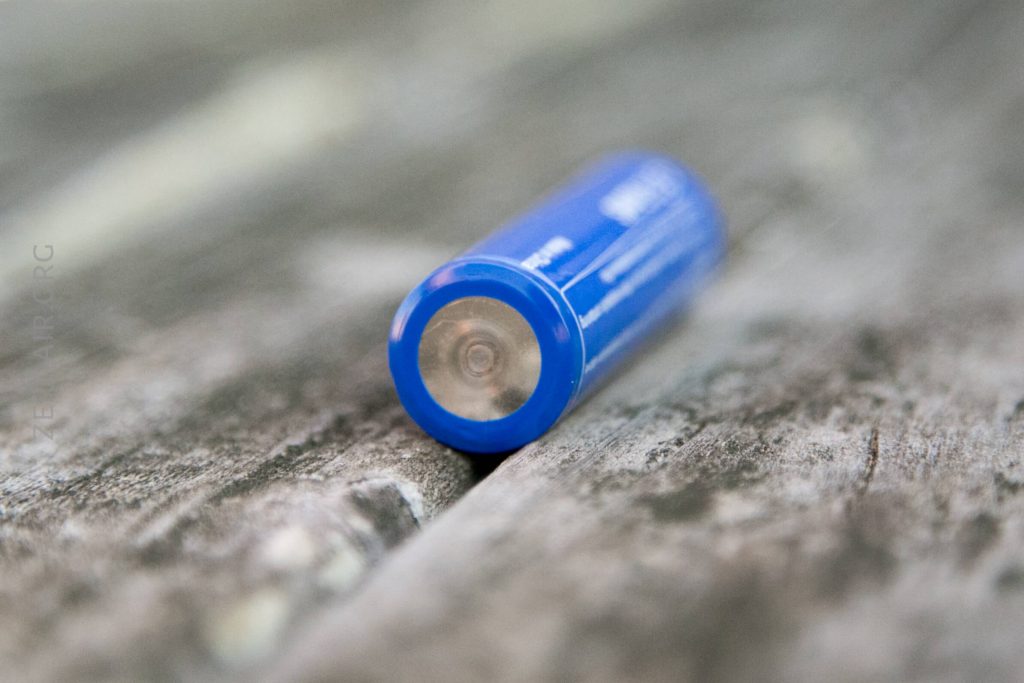
The cell goes in with the positive end toward the head (as with most lights).
Here are two runtime tests. Turbo and high.


I wasn’t able to test the light with my bench power (something just didn’t work right) but the runtimes do indicate clearly that the light has LVP at around 3V. High output is exceptionally stable for nearly the entire runtime.
Charging

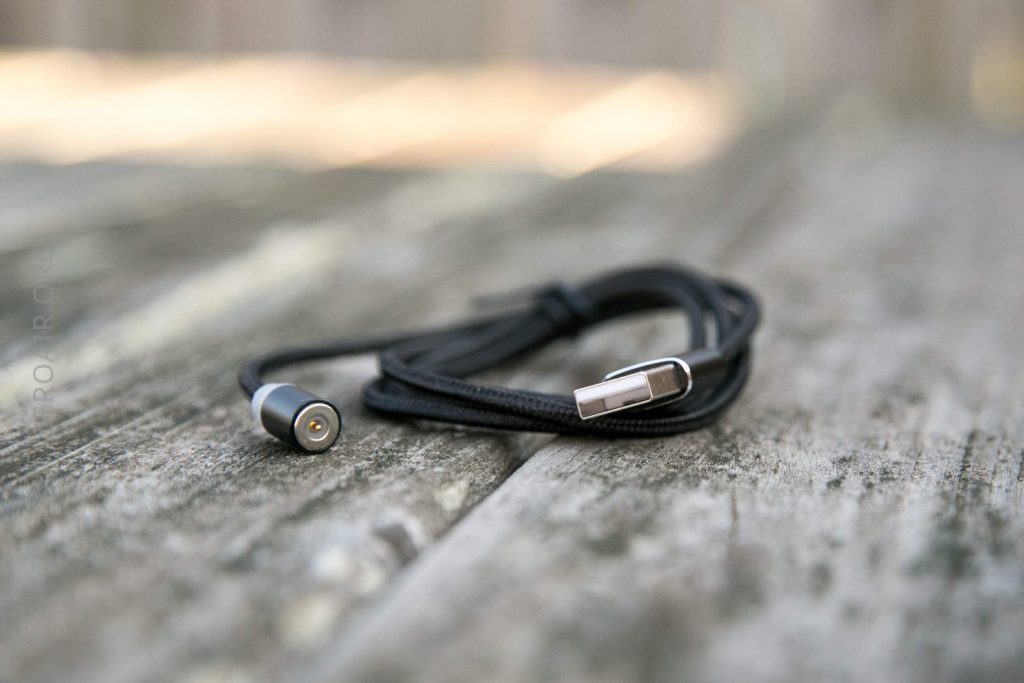
The included charge cable is USB to proprietary magnetic. That connector connects to the head port seen below.

Charging proceeds at around 2A, which is a good charge rate. Full charging takes only around 2 hours.

During charge, the indicating switch is red. When the charge is complete, the switch turns green. If something is wrong, the switch is orange. All during this time, the magnetic charge connector is blue (bright blue).
Modes and Currents
| Mode | Mode Claimed Output (lm) | Claimed Runtime | Measured Lumens | Tailcap Amps |
|---|---|---|---|---|
| Turbo | 1600 | 1m+109m | 1716 | ? |
| High | 360 | 210m | 388 | ? |
| Medium | 60 | 960m | 60 | 0.09 |
| Low | 10 | 5880m | 12 | 0.02 |
Pulse Width Modulation
There’s a bit of ripple on low (left) but no PWM anywhere to be seen.


Here you can see a “baseline” – a chart with almost no light hitting the sensor.

Then there’s the Ultrafire WF-602C flashlight, which has some of the worst PWM I’ve seen. It’s so bad that I used a post about it to explain PWM! Here are multiple timescales (10ms, 5ms, 2ms, 1ms, 0.5ms, 0.2ms) to make comparing this “worst” PWM light to the test light easier. That post also explains why I didn’t test the WF-602C at the usual 50us scale.


User Interface and Operation
There are two switches on the PT28. First is the mechanical tail switch. It has a nice Brinyte logo.

Secondly is the e-switch on the head, which is exactly opposite to the charge port. This is an indicating switch. Right after turning the light on, the switch will indicate the charge level, as follows:
Green: ≥70%
Orange: 30-70%
Red Steady: <30%
Red Flashing: <10%
I didn’t get a manual so I could very well miss something in the UI.
Here’s a user interface table!
| State | Action | Result |
|---|---|---|
| Off | Click Tail Switch (TS) | On (last used mode) |
| Off | Click Side Switch (SS) | No action |
| On | Click TS | Off |
| On | Click SS | Mode advance (LMHT) |
| On | Hold SS | No action |
| On | Double click SS | Strobe |
| Off | Tap TS | Momentary (Last used)^ |
| Off | Double-tap TS | Momentary Strobe |
^ It is not possible to change the mode while in momentary output.
LED and Beam
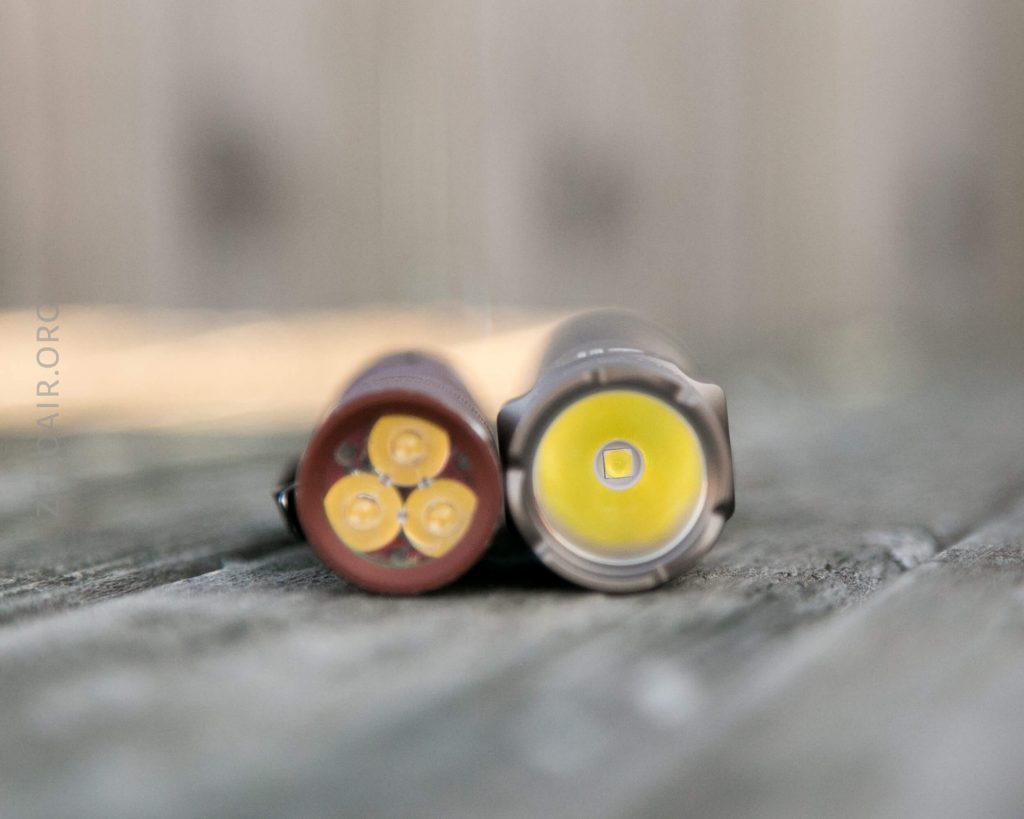
The emitter is a Cree XHP35 HD, and quite cool white. I suppose I’d guess it at around 6500K but it could be cooler. You sort of expect that out of a tactical light, I think, but it can still be a shade jarring. The reflector is smooth.

These beamshots always have the following settings: f8, ISO100, 0.3s shutter, and manual 5000K exposure. These photos are taken at floor level, and the beam hits the ceiling around 9 feet away.

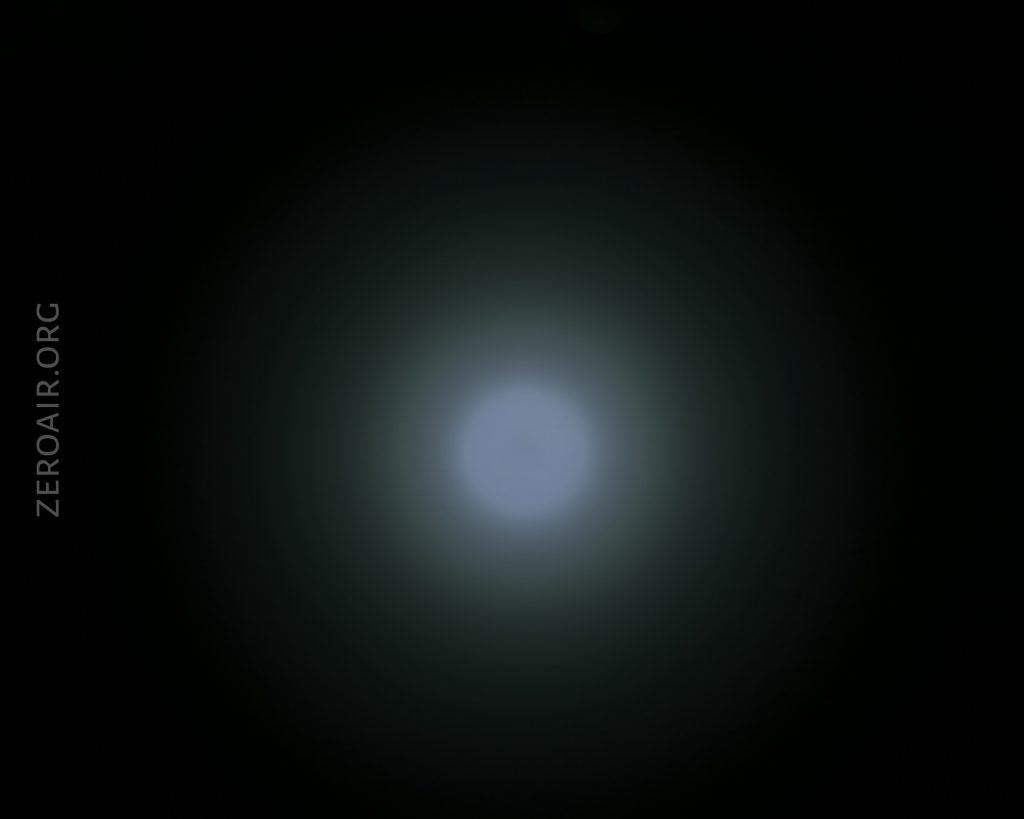
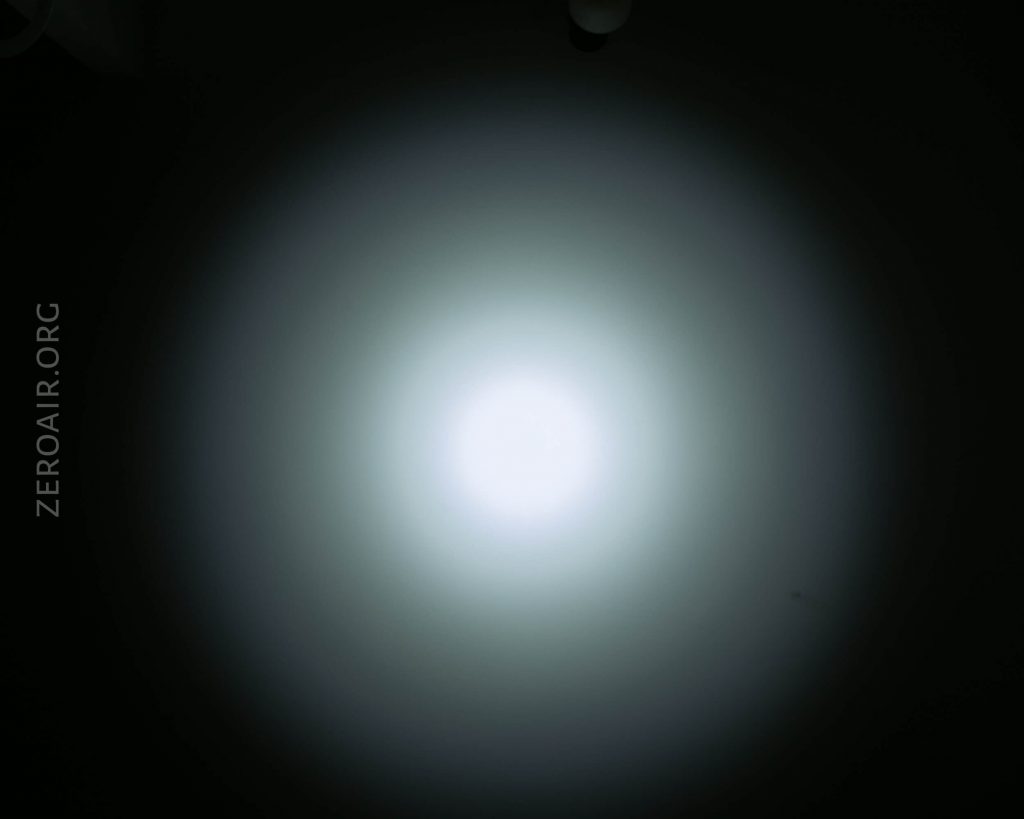
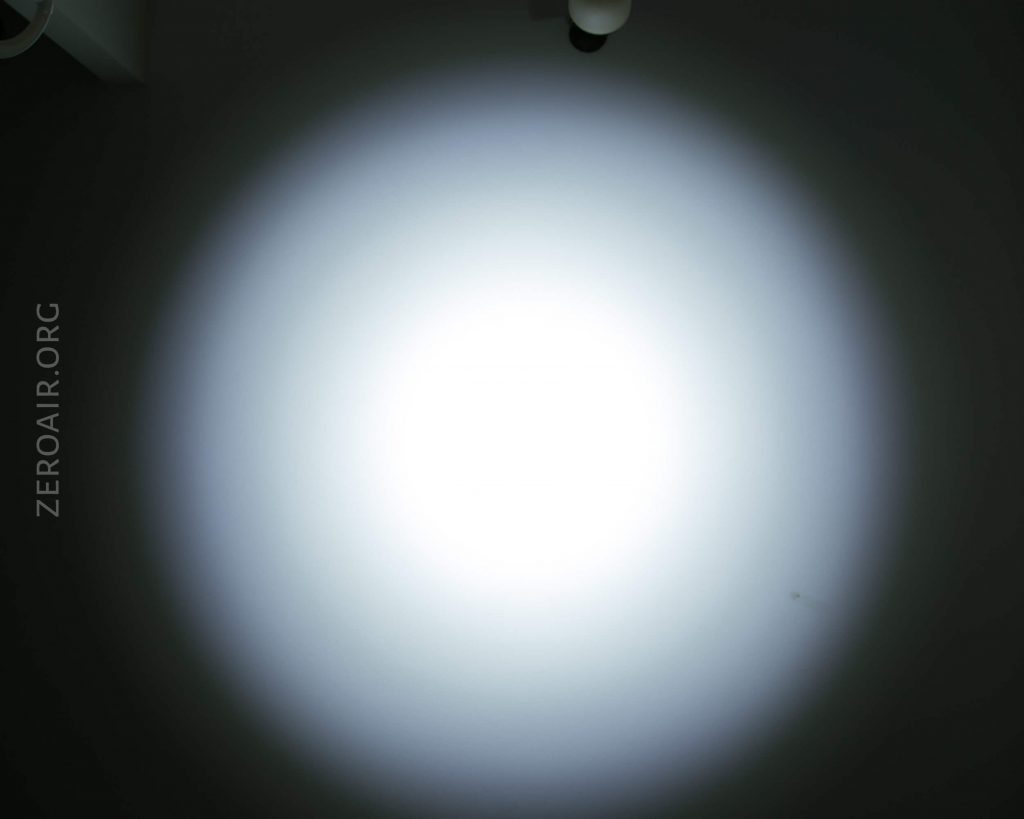
Tint vs BLF-348 (KillzoneFlashlights.com 219b version) (affiliate link)
I keep the test flashlight on the left and the BLF-348 reference flashlight on the right.

I compare everything to the Killzone 219b BLF-348 because it’s inexpensive and has the best tint!
Random Comparisons and Competitive Options
Here’s a link to a relevantly filtered page on parametrek.com. I use that site a lot!
Conclusion
What I like
- Good build quality
- Complete package
- Does not require a proprietary cell for built-in charging
- Nice pouch included
What I don’t like
- Proprietary charge connection
- Very CW emitter temperature
Notes
- This light was provided by Brinyte for review. I was not paid to write this review.
- This content originally appeared at zeroair.org. Please visit there for the best experience!
- For flashlight-related patches, stickers, and gear, head over to PhotonPhreaks.com!
- Please use my Amazon.com referral link to help support zeroair.org!
- Please support me on Patreon! I deeply appreciate your support!